Best Vegan Cheese Recipes: 7 Easy Dairy-Free Favorites
Ingredients
Scale
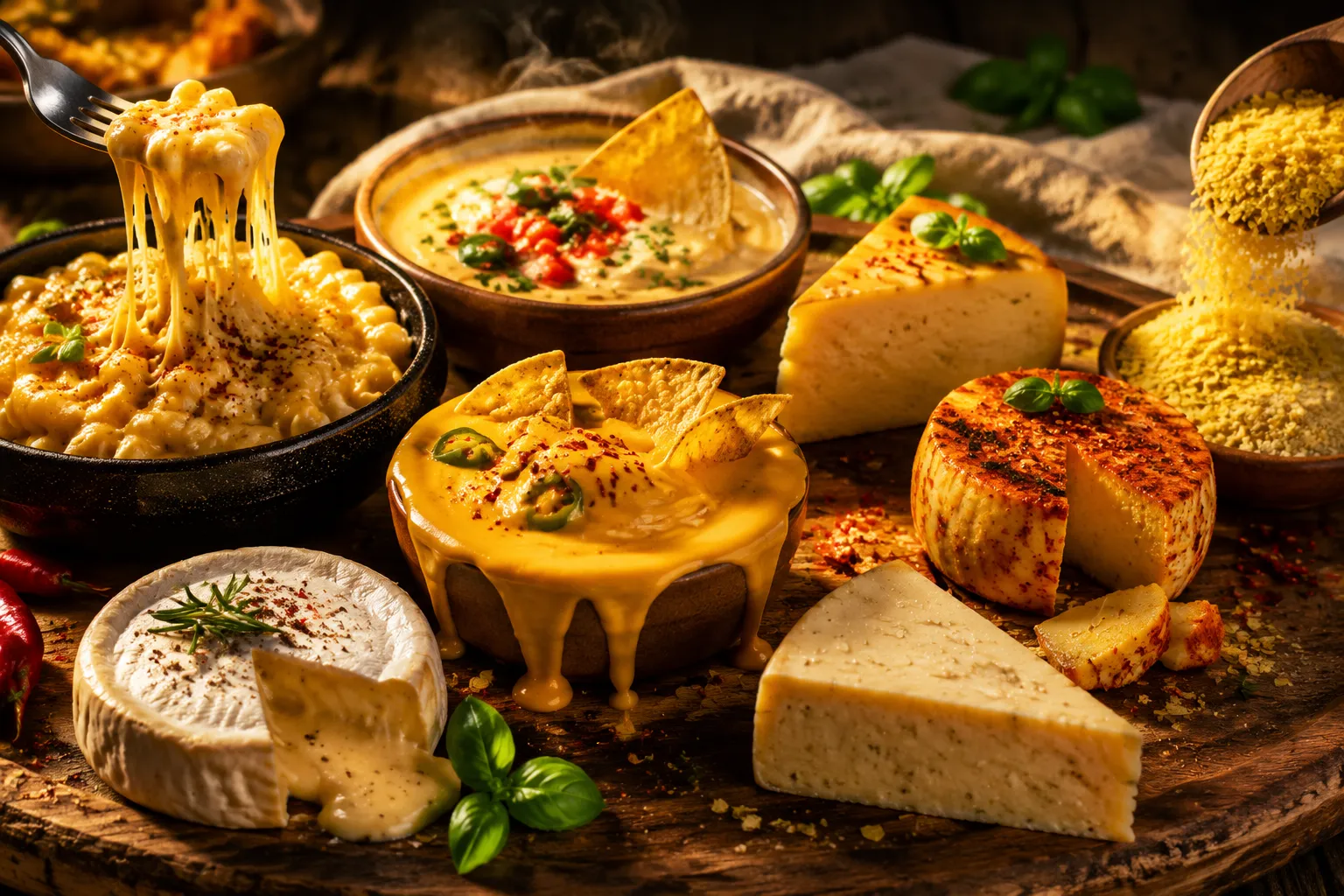
These are the best vegan cheese recipes I make on repeat, from a 5-minute cashew parmesan to silky queso and the creamiest dairy-free mac and cheese.
The best vegan cheese starts with real, simple ingredients and a few smart flavor tricks that make everything taste creamy, salty, tangy, and deeply satisfying. If you have ever bought a pricey dairy-free cheese only to find that it tastes waxy, chalky, or oddly sweet, this little collection is for you.
Think of this as your cozy, dependable vegan cheese recipe hub: one master cashew base that can lean parmesan, queso, mac sauce, mozzarella, cheddar, ricotta, or a sliceable garlic-herb cheese with just a few swaps. We are using raw cashews, nutritional yeast, lemon, garlic, salt, and a touch of tapioca starch where stretch matters, which means no cultures, no aging cave, and no complicated equipment beyond a blender.
I tested these side-by-side with a few popular store-bought brands, and the homemade versions kept winning on freshness, cost, and that just-made creaminess. Store-bought cheeses absolutely have their place, especially for convenience, but when you want a spoonable sauce, fluffy vegan parm cheese, or a weeknight pasta situation that tastes like comfort food, homemade is magic.
The secret is not trying to copy dairy one-for-one; it is building the same flavor cues that make cheese craveable. Real cheese has richness, salt, umami, tang, and sometimes funk, so a good dairy-free version needs all of those elements in balance. Cashews bring body and buttery texture, nutritional yeast brings savory cheesiness, lemon adds brightness, and miso or garlic can make the flavor feel more rounded. The best vegan cheese is creamy first, then tangy, then salted enough that it wakes up whatever you spoon it over.
Nutritional yeast, affectionately called nooch, is the ingredient doing the loudest work here. It has a nutty, almost parmesan-like flavor and a golden color that makes sauces look the part before you even taste them. Lemon juice is just as important because it keeps the cashew base from tasting flat or heavy. A little salt may seem obvious, but cheese is salty by nature, so under-seasoning is the fastest way to make a plant-based sauce taste like plain nut cream.
Different bases give you different results. Raw cashews blend into the silkiest sauces and spreads, tofu makes a wonderful ricotta-style filling, potatoes can create a lighter orange sauce, and coconut oil helps firm sliceable cheeses but can taste sweet if overused. For this collection, the cashew base is the workhorse because it flexes beautifully and keeps the ingredient list short. Once you learn the base, you can turn it into a cashew cream sauce for pasta, nachos, pizza, baked potatoes, and grain bowls.
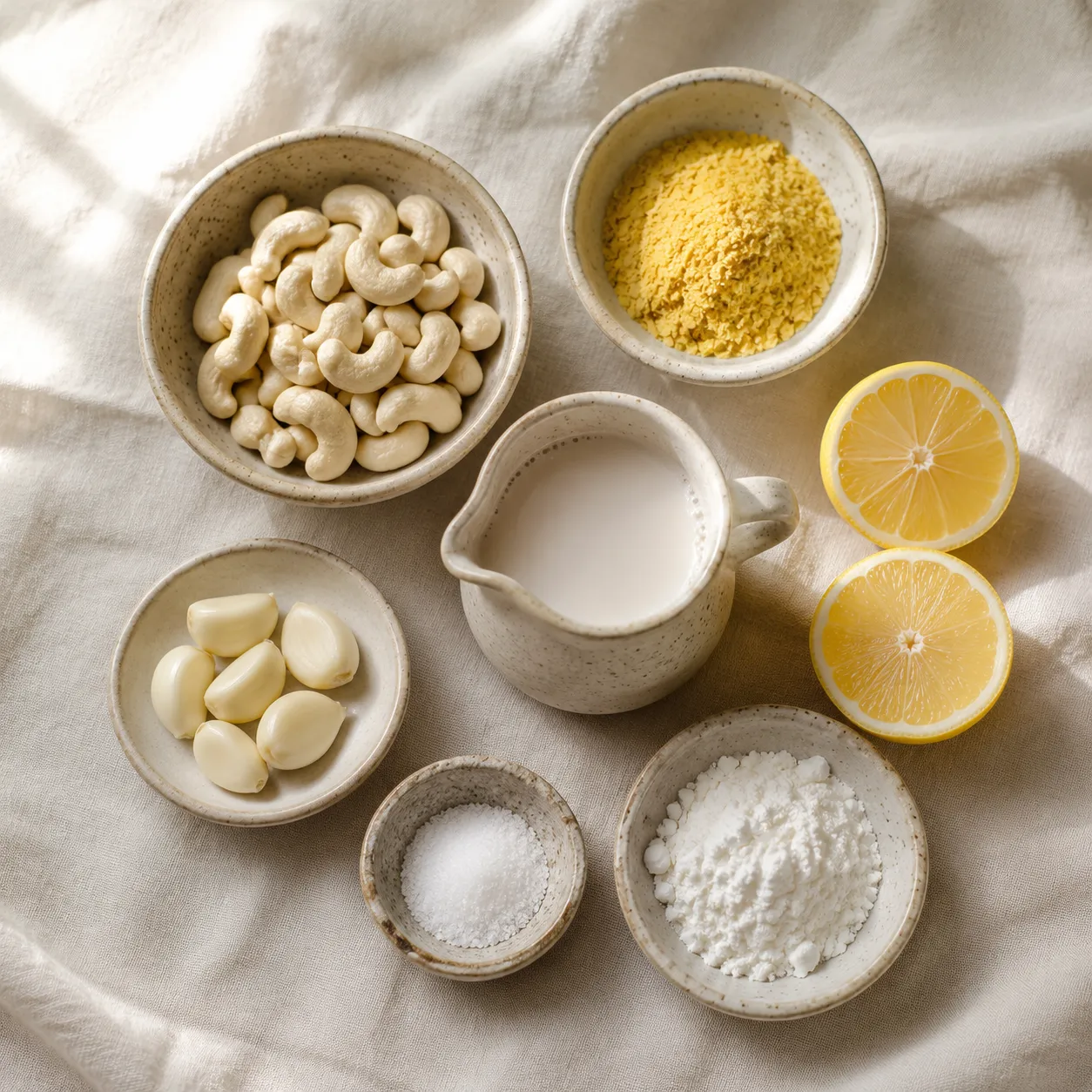
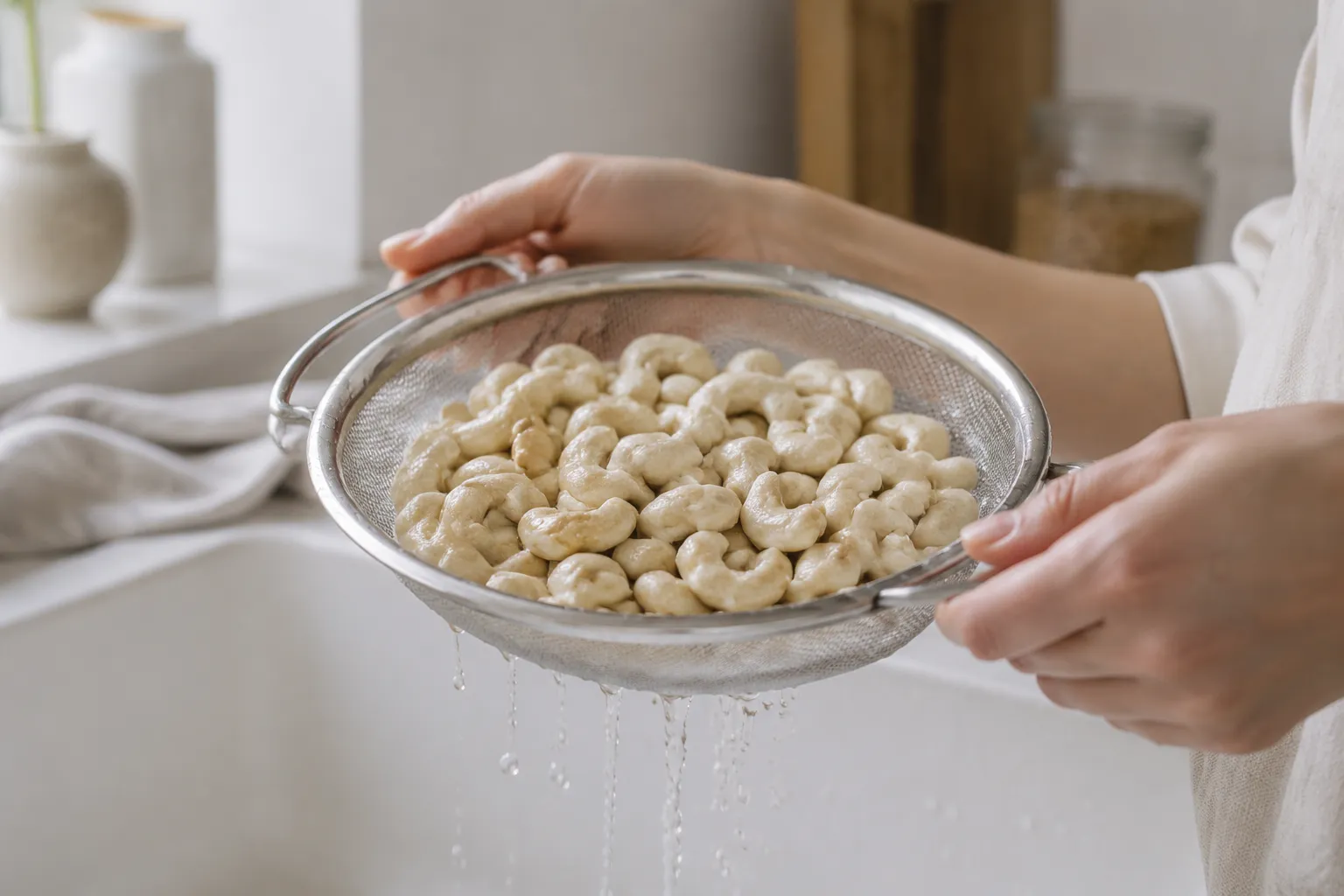
Raw cashews are the creamy backbone of most of these vegan cheese recipes. Look for unsalted, unroasted cashews because roasted nuts can taste toasty in a way that pulls the sauce away from classic cheese flavor. If you have a high-speed blender, a quick soak in hot water usually does the job; if your blender is less powerful, an overnight soak gives you the smoothest result. If you need a deeper primer, how to soak cashews is one of those tiny kitchen skills that pays off every time you make a sauce, dip, or dairy-free dessert.
Nutritional yeast is the cheesy MVP, but quality matters. Some brands taste mellow and buttery, while others are sharper or slightly bitter, so taste yours before adding extra. I like using enough to give the sauce a golden color and savory backbone without making it dusty. For vegan parmesan cheese, it teams up with cashews and salt to create that sprinkle-over-everything finish.
Tapioca starch is the ingredient to reach for when you want pull, gloss, and stretch. It turns a basic blended sauce into something that clings to noodles or melts over pizza in a satisfyingly stretchy way. Use it for mozzarella, nacho cheddar, and vegan cheese mac and cheese, but skip it for crumbly parmesan or tofu ricotta. A small amount goes a long way, so measure instead of pouring from the bag.
This is where the master base becomes fun. Instead of learning seven unrelated recipes, you are learning one creamy foundation and nudging it in different directions with texture, seasoning, and cooking time. The best vegan cheese for your table depends on the meal: crumbly for pasta, silky for chips, stretchy for pizza, and scoopable for lasagna. Once you have the base blended, each version feels more like a small remix than a whole new project.
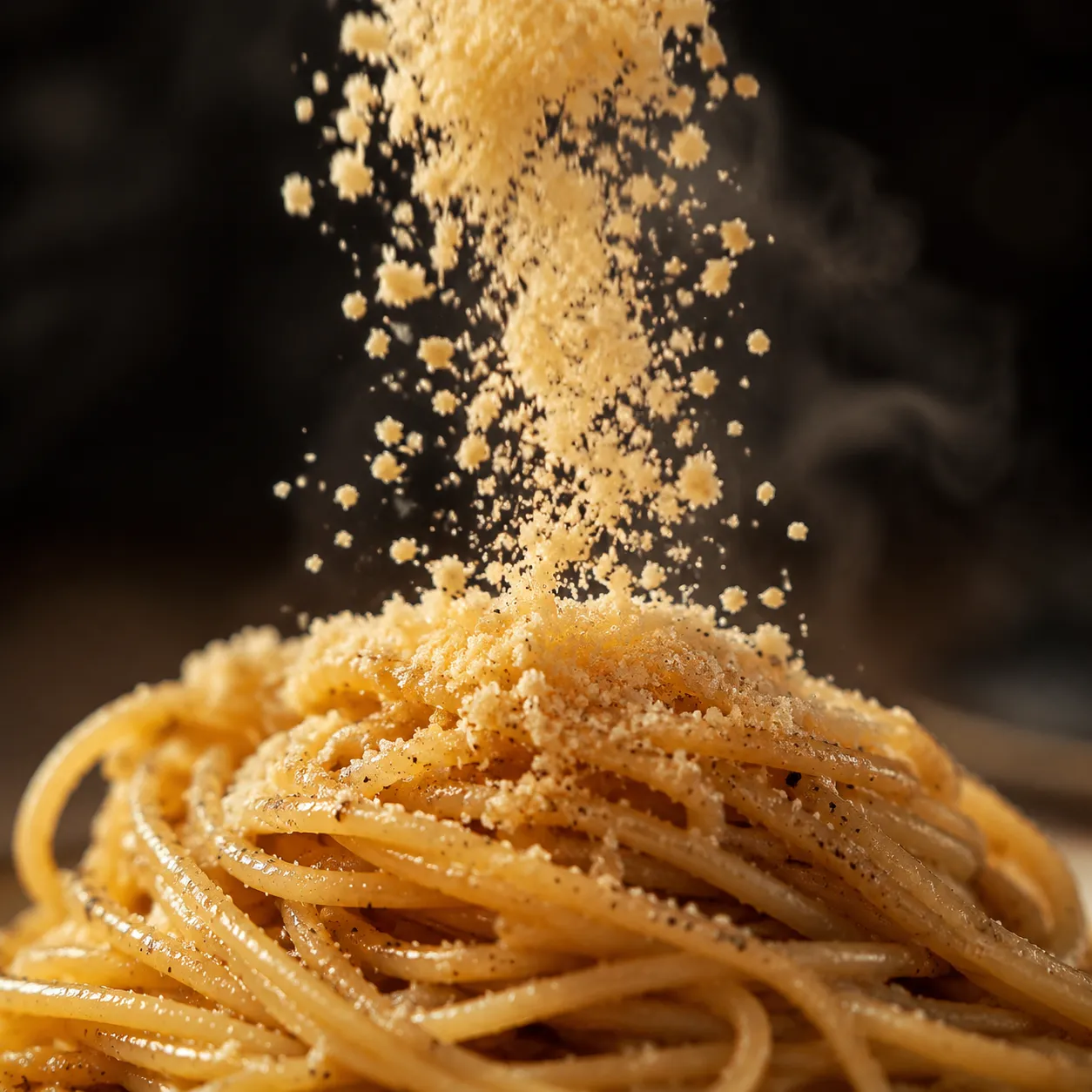
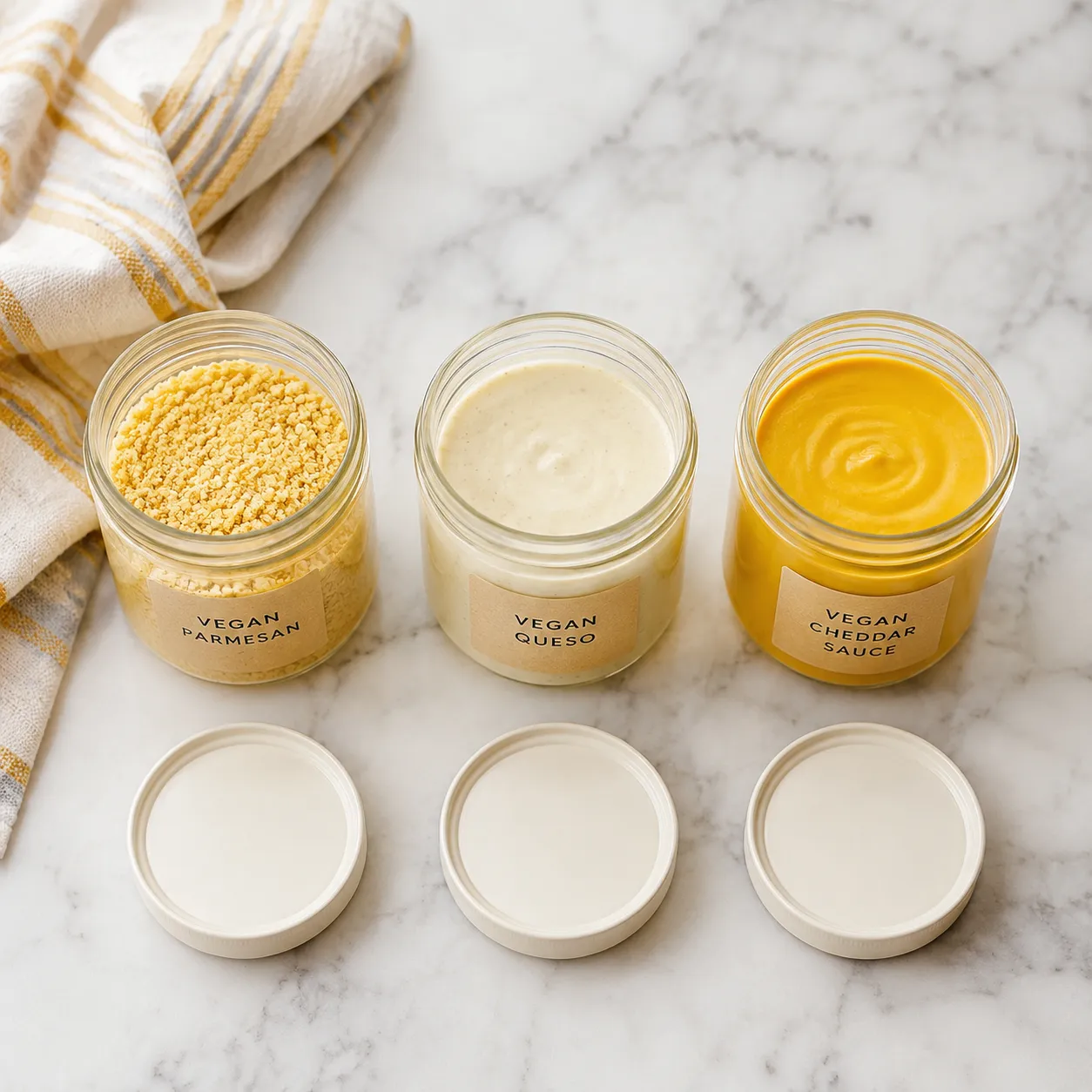
1. 5-Minute Vegan Parmesan Cheese. This one is a pantry hero: raw cashews, nutritional yeast, salt, and a little garlic pulsed until sandy and fluffy. It is not a sauce, so do not over-blend or you will start making cashew butter. Sprinkle it over pasta, roasted broccoli, soups, or popcorn. It is the easiest vegan parmesan cheese to keep in the fridge and the one I reach for most often.
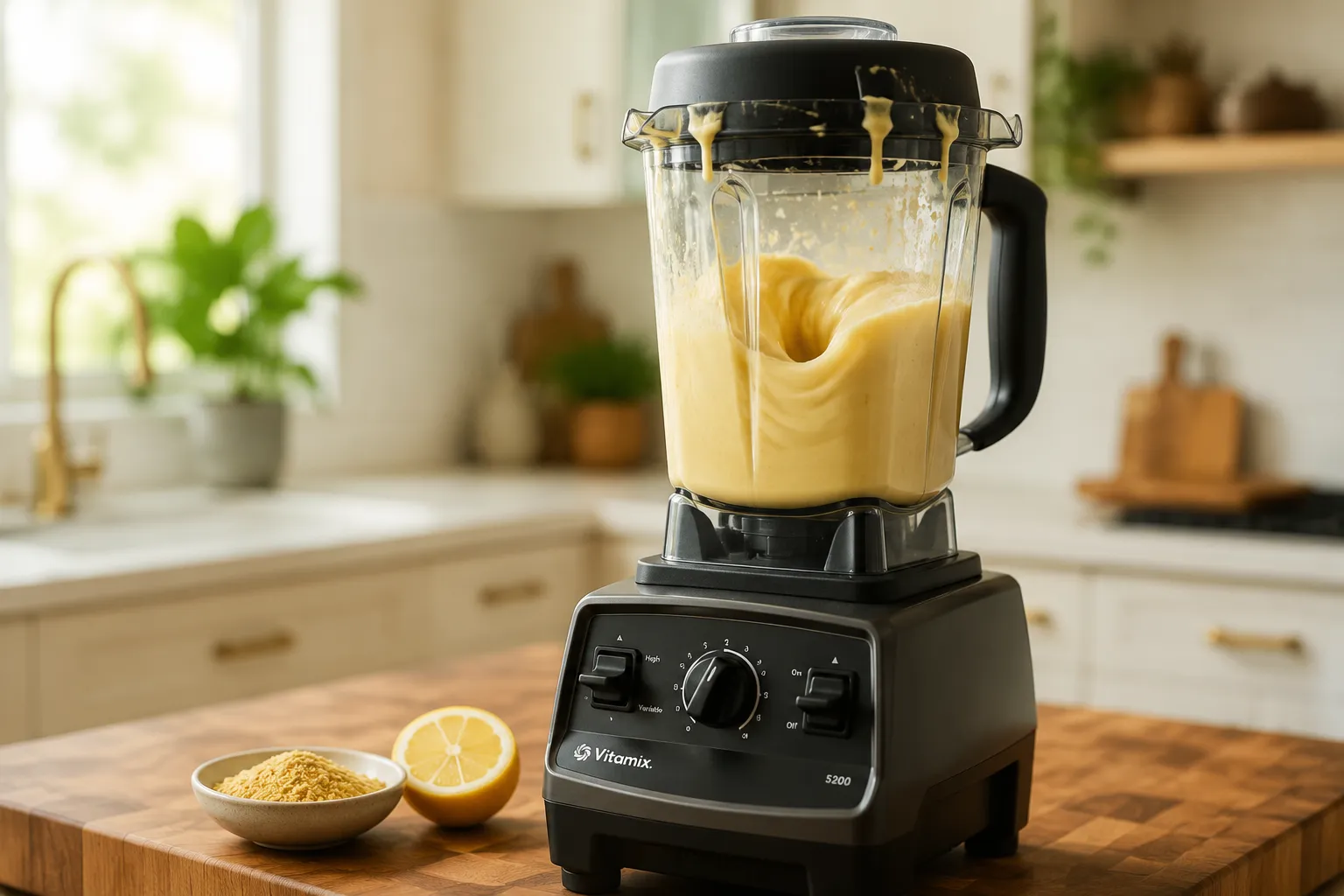
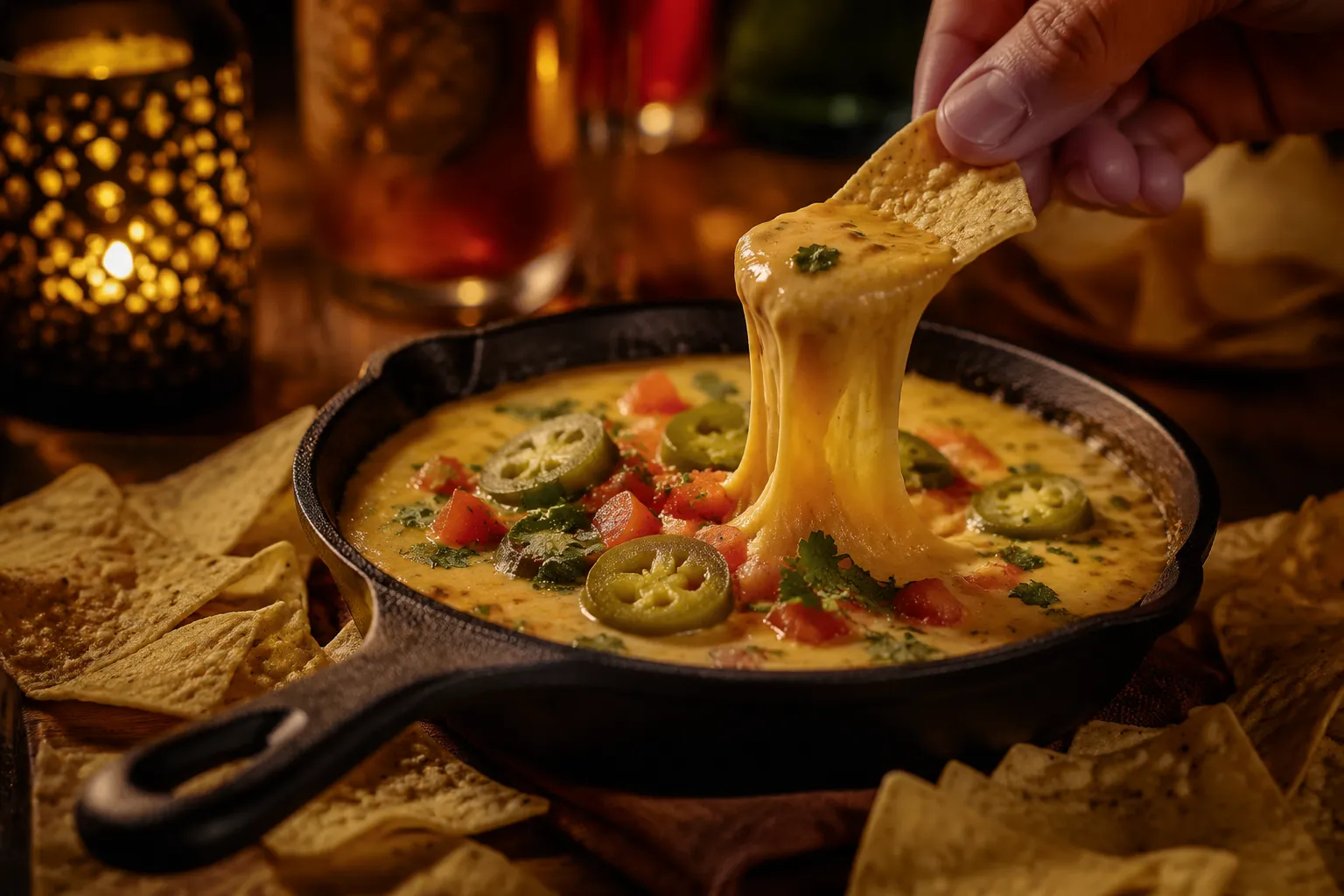
2. Creamy Vegan Queso. For vegan queso, the cashew base gets blended with plant milk or broth, lemon, nutritional yeast, garlic, and a pinch of smoked paprika or chili powder. Warm it gently until glossy, then fold in diced tomatoes, jalapeños, or green chiles. It should be thick enough to cling to a tortilla chip but loose enough to drizzle over tacos. If it tightens as it sits, whisk in a splash of hot water.
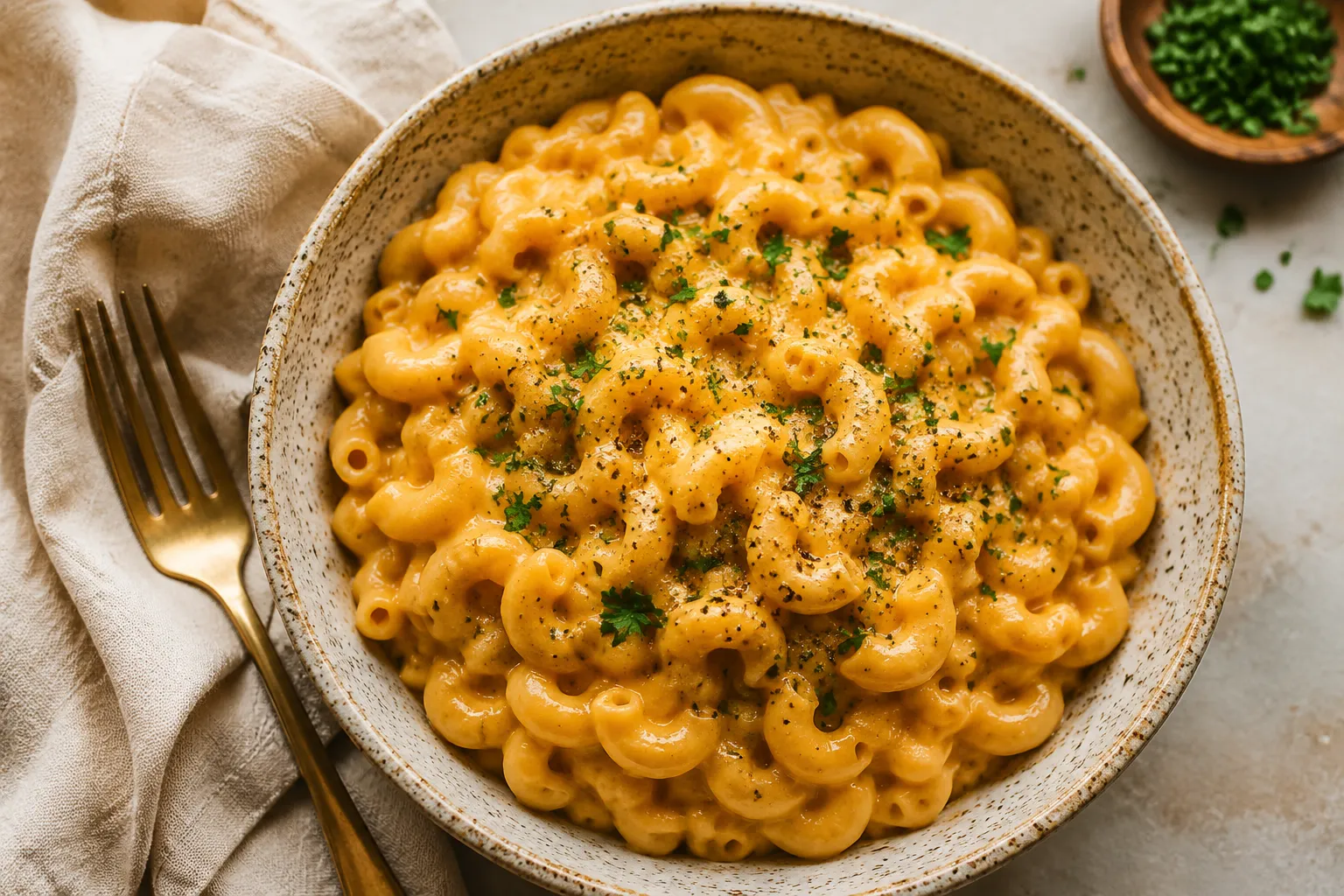
3. Stovetop Vegan Mac and Cheese. This is the weeknight comfort bowl: elbows or shells tossed with a golden cashew sauce until every curve is coated. A touch of tapioca starch makes the sauce cling, while lemon and salt keep it from tasting bland. I like adding a spoonful of white miso when I want extra umami. For anyone searching for vegan mac and cheese that tastes creamy instead of watery, this method is the keeper.
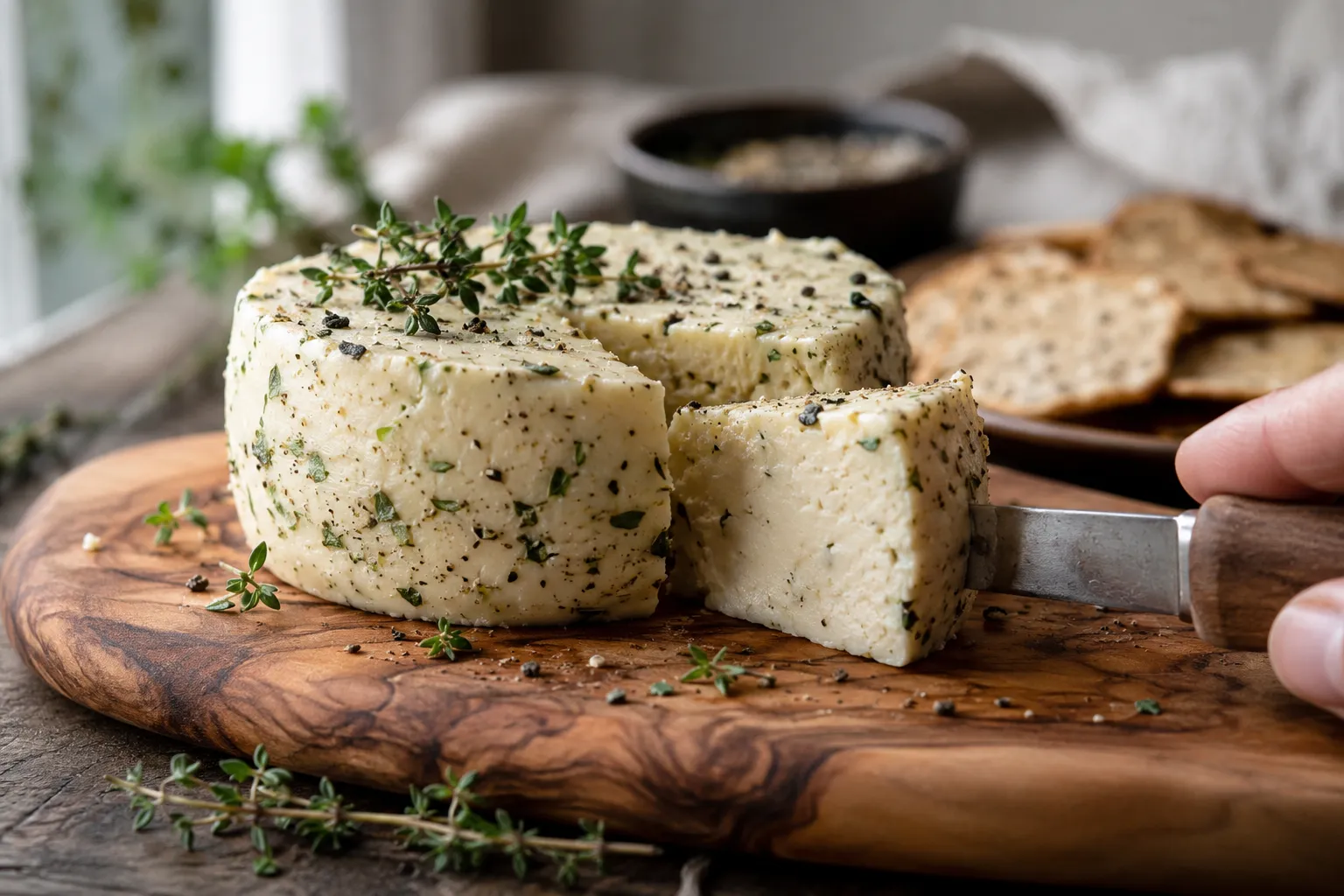
4. Sliceable Garlic-Herb Cashew Cheese. For a party-board style cheese, blend the base thicker, season it with garlic, lemon, pepper, and herbs, then chill it until firm enough to slice. A little coconut oil can help it set, though I keep it minimal so the flavor stays savory. Roll the outside in parsley, chives, cracked pepper, or toasted nuts for that pretty cheese-board look. Serve with crackers, olives, grapes, and roasted vegetables.
5. Tofu Ricotta for Lasagna and Stuffed Shells. Tofu ricotta skips the cashews and leans on firm tofu, lemon, garlic, salt, and nutritional yeast. The texture is softly crumbly, which makes it perfect for layering into lasagna or spooning into jumbo shells. A drizzle of olive oil and a handful of chopped basil make it taste fresh and rich. Press the tofu lightly if it is very watery, but do not press it until dry.
6. Melty Vegan Mozzarella for Pizza. Mozzarella needs stretch, so this version uses cashews, tapioca starch, lemon, salt, and a little plant milk. Cook it just until it turns glossy and elastic, then dollop it over pizza before baking. It will not brown exactly like dairy mozzarella, but it melts into creamy pools and gives you that wonderful pull when the slice lifts. Keep the seasoning simple so it plays nicely with tomato sauce and basil.
7. Smoky Vegan Cheddar Sauce for Nachos. Cheddar-style sauce is where smoked paprika, mustard, and a tiny pinch of turmeric shine. The mustard adds sharpness, the paprika brings depth, and the turmeric gives the sauce a warm orange color. Pour it over nachos, roasted potatoes, steamed broccoli, or chili. If you want a little heat, blend in pickled jalapeño brine or a spoonful of salsa.
The master method begins with soaked and drained cashews. Soaking softens the nuts so they blend into a sauce that feels creamy instead of gritty, especially if you are not using a professional-style blender. Drain them well, then add them to the blender with plant milk or vegetable broth, lemon juice, garlic, salt, and nutritional yeast. Blend longer than you think you need to; the difference between good and great is often one extra minute of blending.
Once the mixture is silky, you can decide whether to keep it raw and spoonable or simmer it for a thicker, glossier texture. For sauces that need stretch, whisk in tapioca starch before heating so it hydrates evenly. Warm the sauce over medium-low heat, stirring constantly, until it goes from thin and matte to glossy and gently stretchy. If it becomes too thick, loosen it with a splash of broth, plant milk, or pasta water.
This method is also forgiving. Too salty? Add more cashews or a splash of unsweetened plant milk. Too bland? Add lemon, miso, nutritional yeast, or another pinch of salt. Too thick? Thin it slowly, one tablespoon at a time, until it drapes from the spoon.
I still buy vegan shreds and slices sometimes, especially for busy nights, but homemade wins when the sauce is the star. Miyoko’s mozzarella and Violife shreds are strong options for melt, while Treeline-style cashew cheeses are lovely for slicing and snacking. The difference is that homemade lets you control tang, salt, thickness, and ingredients, so the final flavor feels fresher and more tailored to the dish. It is also much more affordable if you cook dairy-free often.
Store-bought cheeses often rely on coconut oil and starches for firmness, which can be helpful for shredding but sometimes leaves a waxy finish. Homemade cashew sauces feel creamier and taste less processed, particularly in bowls, dips, and pasta. If you are serving skeptics, start with queso or mac because those formats highlight the sauce’s strengths. A warm skillet of golden dip can convert even the most suspicious cheese-lover at the table.
For pasta night, toss the warm sauce with shells, elbows, or cavatappi and save a cup of pasta water to loosen everything at the end. Finish with vegan parmesan cheese, black pepper, and parsley for a simple bowl that feels like a hug. For nachos, layer chips with beans, salsa, smoky cheddar sauce, and pickled onions, then add avocado after baking. For pizza, dollop mozzarella-style sauce over tomato sauce rather than spreading it edge to edge.
These cheeses also love vegetables. Spoon queso over roasted cauliflower, drizzle cheddar sauce over broccoli, or use tofu ricotta inside zucchini roll-ups. The sliceable garlic-herb cheese belongs on a snack board with crackers, apples, olives, and something briny. A jar of vegan parm cheese can rescue almost any dinner, from minestrone to garlicky greens.
The most common mistake is under-seasoning. Dairy cheese is salty, tangy, and full of umami, so a mild cashew sauce needs enough salt and acid to stand up to pasta, chips, or bread. Another mistake is using sweetened plant milk, which can make the whole sauce taste like dessert in disguise. Choose unsweetened, unflavored milk or use vegetable broth for a more savory finish.
Texture matters too. If the sauce tastes good but feels grainy, blend longer or soak the cashews more thoroughly next time. If it tastes heavy, add lemon juice or a splash of vinegar. If the garlic is too sharp, warm the sauce for a few minutes or use roasted garlic instead. Small adjustments can turn a decent sauce into the best vegan cheese moment of the meal.
Once you have this master base in your back pocket, homemade vegan cheese recipes stop feeling like a specialty project and start feeling like everyday cooking. The same handful of ingredients can become pasta sauce on Monday, nacho drizzle on Friday, and a fluffy parmesan sprinkle all week long. Keep raw cashews, nutritional yeast, and lemons around, and you are never far from something creamy and comforting. That is the real beauty of the best vegan cheese: it is practical, flexible, and delicious enough to make again tomorrow.