Classic White Sauce Recipe (Foolproof Béchamel)
Ingredients
Scale
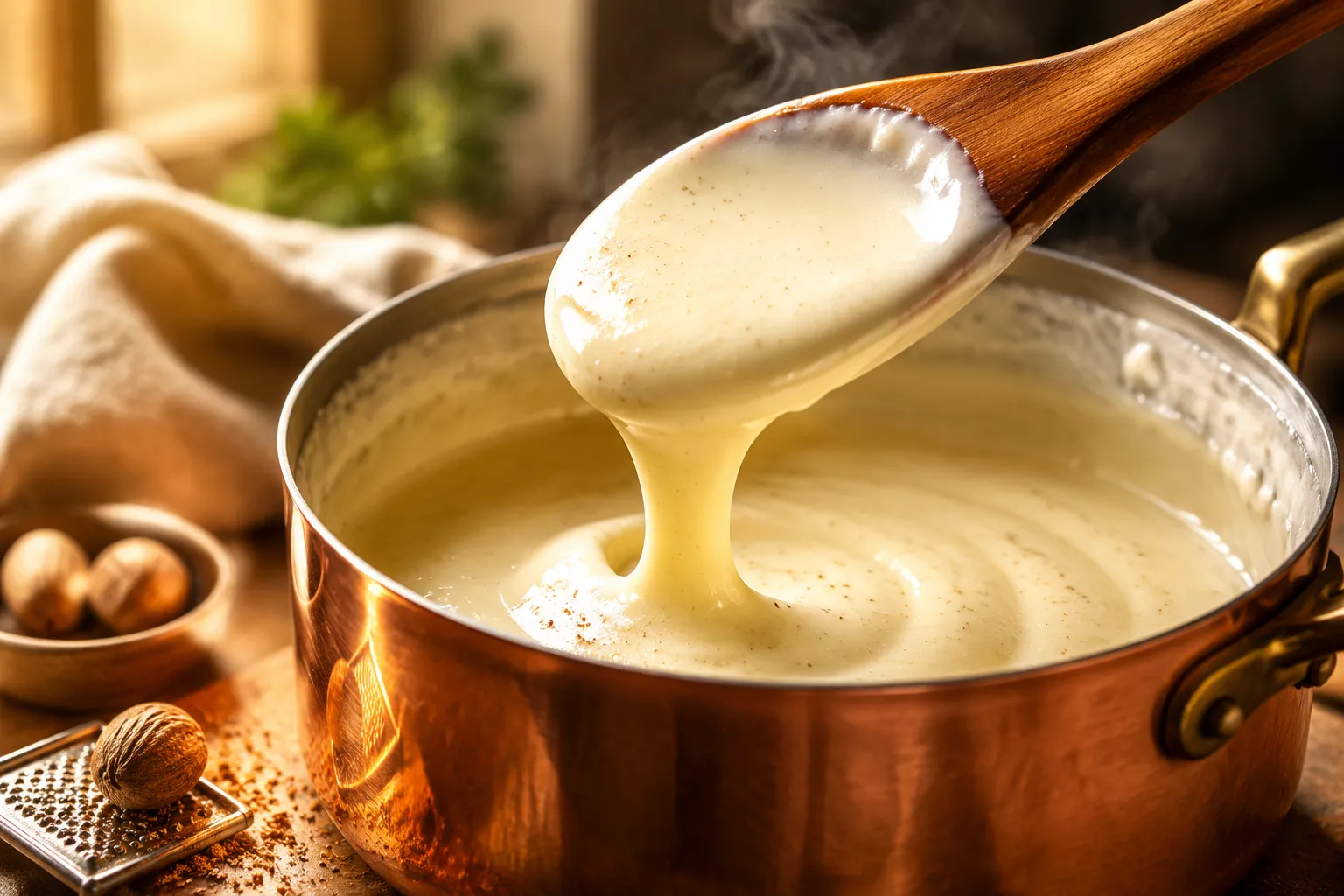
A foolproof white sauce recipe that delivers a silky, lump-free béchamel every time, using 5 pantry staples and one pan in 15 minutes flat.
This white sauce recipe is the kind of kitchen staple that makes weeknight cooking feel calm instead of chaotic. With just butter, flour, and warm milk, you get a silky béchamel that works as beautifully in a bubbling casserole as it does under a blanket of cheese. It is simple, but not plain; when done right, it tastes rich, clean, and quietly luxurious.
If you have ever wanted a reliable recipe to make white sauce without lumps, this is the one to keep close. The method is classic and flexible, which means you can use it as the starting point for everything from baked pasta to vegetables to a creamy sauce for dinner on a busy Tuesday. Once you understand the rhythm of the roux and the milk, the whole thing becomes second nature.
There is also something satisfying about making a sauce that feels restaurant-worthy from ingredients already sitting in the pantry. A pinch of nutmeg brings the flavor into focus, white pepper keeps the color clean, and the finished sauce has just enough body to coat a spoon without turning gluey. That balance is what makes this a back-pocket recipe you will use again and again.
White sauce, also known as béchamel, is one of the classic French mother sauces. At its core, it is a simple emulsion of butter, flour, and milk, thickened into a smooth base that can be left as-is or built into something more elaborate. If you have ever made gravy, custard, or even a simple pan sauce, you already understand the logic behind it.
This sauce shows up in all kinds of comforting dishes because it is both mild and adaptable. It is the quiet partner in homemade lasagna, the creamy layer that helps mac and cheese feel extra lush, and the base that gives chicken pot pie filling its signature richness. It is also the foundation for plenty of other sauces, which is why knowing a few roux basics can make you a much more confident cook. If you have ever wondered how creamy alfredo sauce differs, the short answer is that Alfredo leans on cream, butter, and Parmesan, while béchamel starts with flour and milk.
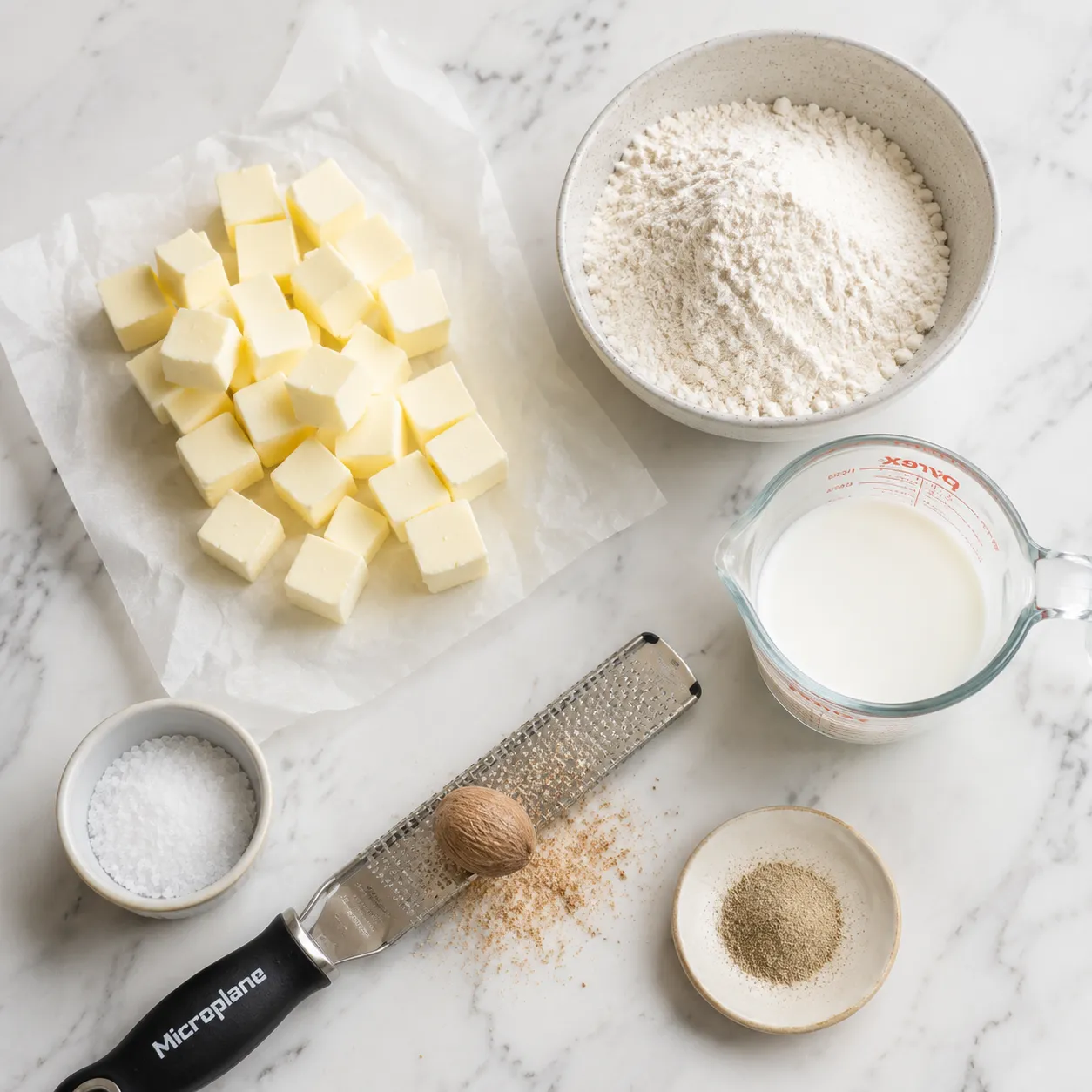
This white sauce recipe works because the ratio is simple: equal parts butter and flour, plus enough milk to turn the roux into a smooth, pourable sauce. That classic balance is what keeps the texture stable and gives you a creamy white sauce that can be thinned or thickened to match whatever you are making. You do not need anything fancy here, just good butter, all-purpose flour, and whole milk for the best flavor and body.
Whole milk gives the sauce the richest texture, but the important thing is warmth. Warm milk blends more easily with the roux and helps the sauce stay lump-free from the very first whisk. From there, a little salt, a little white pepper, and a whisper of nutmeg round everything out without making the sauce taste heavily seasoned.
You can also build the sauce in subtle directions depending on the dish. A bay leaf simmered briefly in the milk adds quiet depth, and a little extra nutmeg can make it feel especially lovely in gratins or vegetable bakes. But even in its plainest form, this sauce is elegant enough to stand on its own and versatile enough to support just about anything you spoon it over.
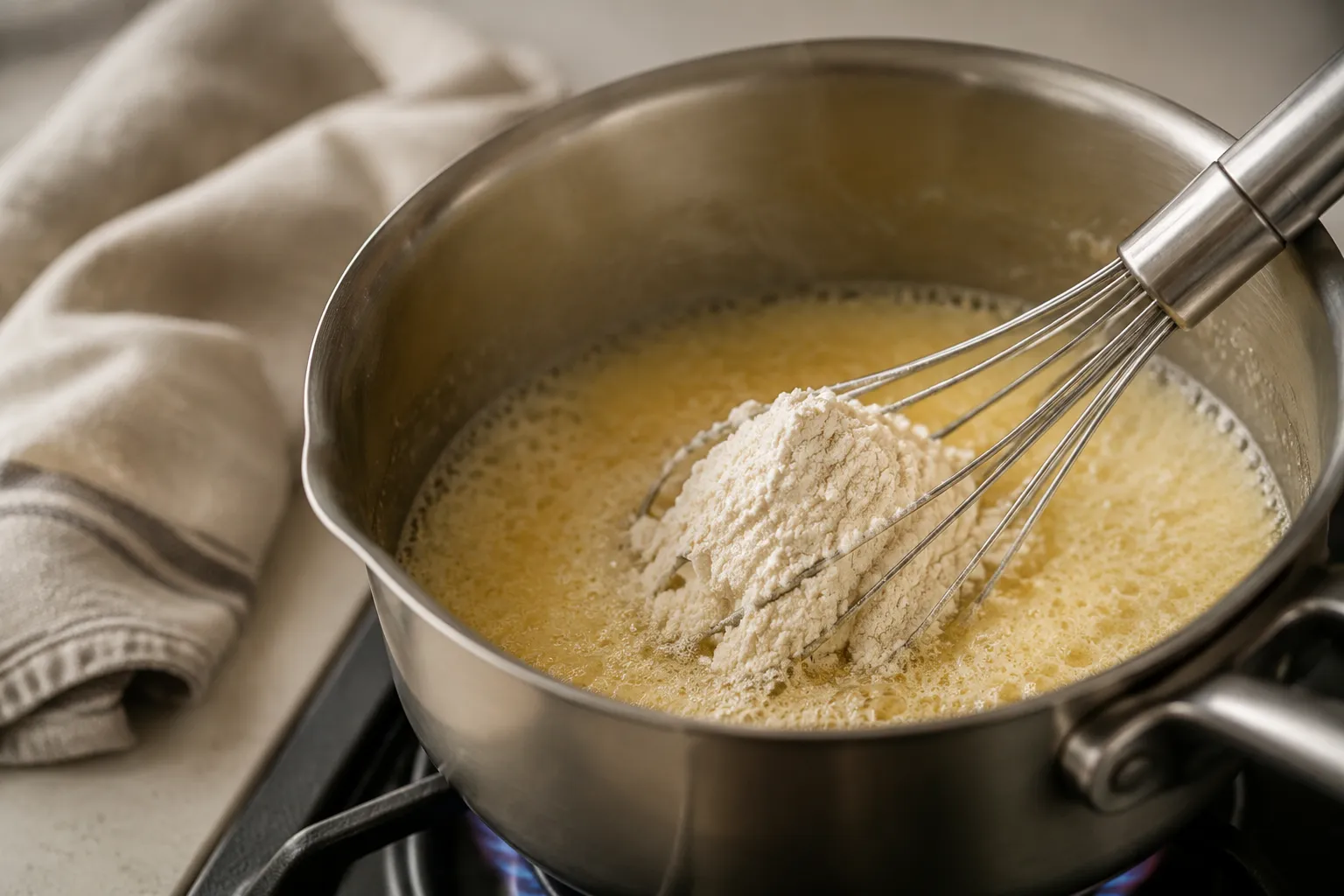
Start by melting the butter in a saucepan over medium heat, then whisk in the flour to form a smooth roux. You want the paste to look glossy and slightly foamy, not browned, because the goal here is a pale sauce with a delicate flavor. Cook that mixture for a minute or two to remove the raw flour taste, but keep the heat gentle so the butter does not take on color.
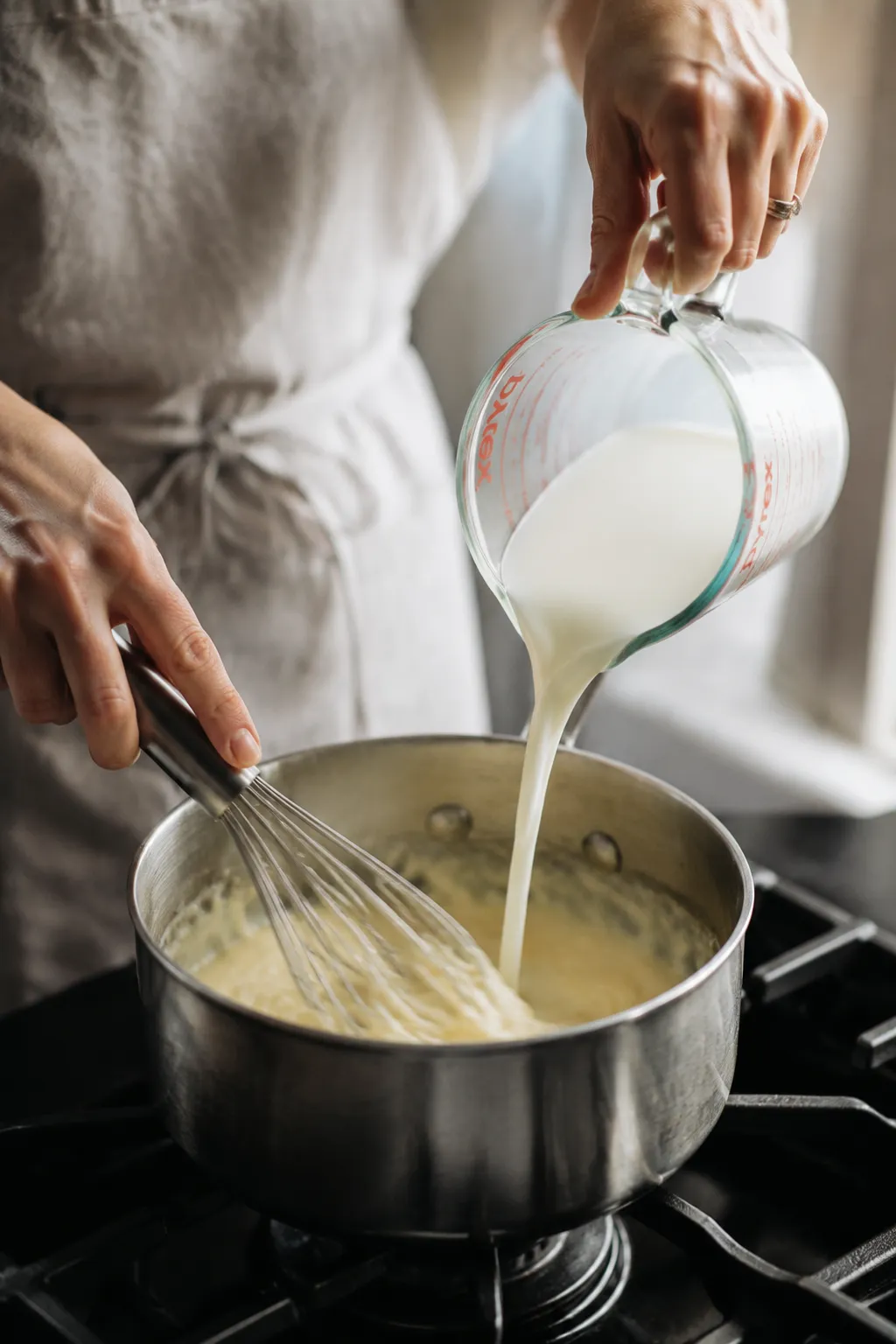
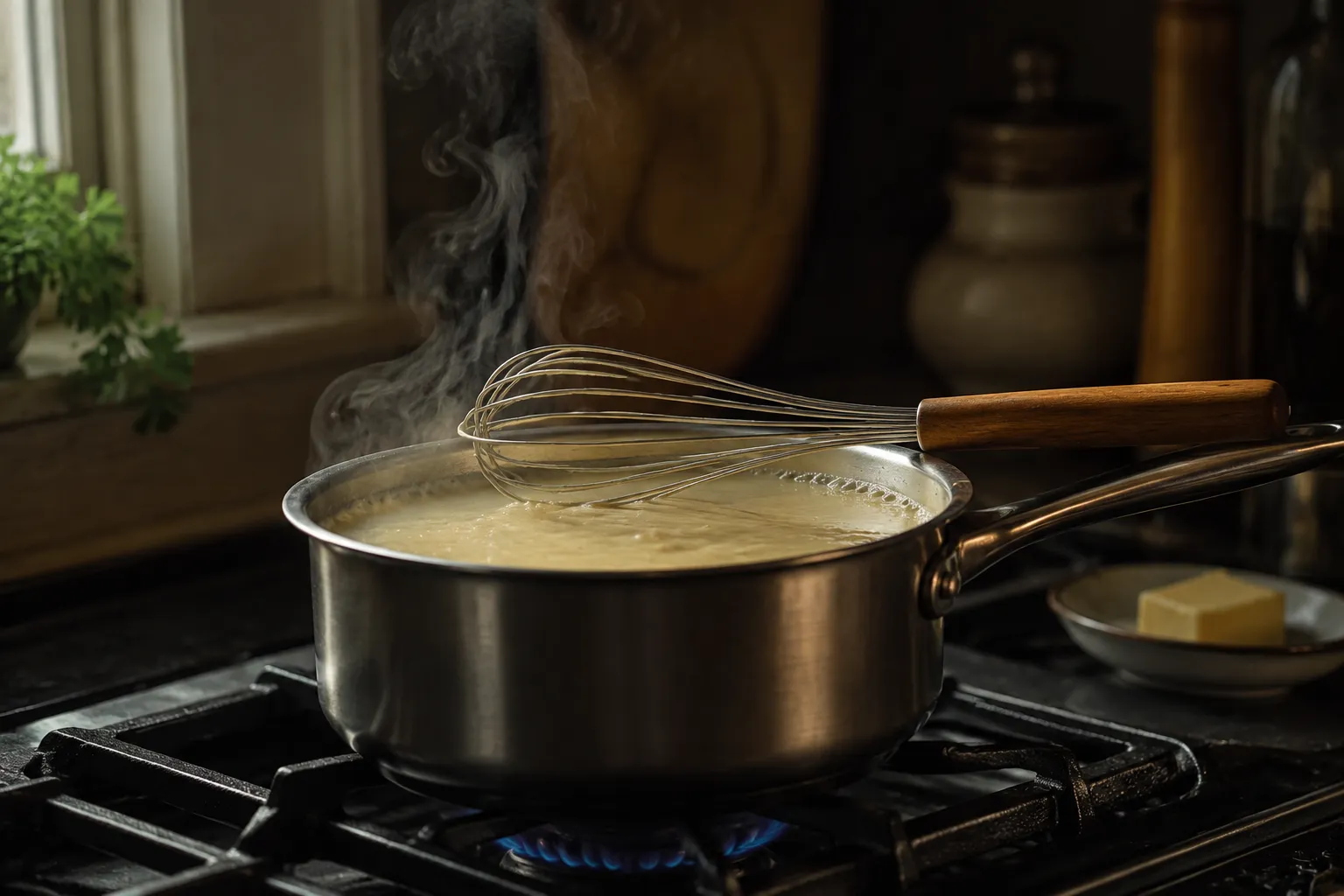
Next comes the most important part: add the warm milk gradually while whisking constantly. A splash at the beginning helps loosen the roux into a thick paste, and then the rest can go in a slow, steady stream as you keep whisking. This slow addition is what makes the sauce smooth instead of streaky, and it is the heart of a truly lump-free result.
Once the milk is in, let the sauce come to a gentle simmer and continue whisking until it thickens. The texture should shift from thin and glossy to velvety and coat the back of a spoon, usually in just a few minutes. Keep the heat moderate and avoid a hard boil, because aggressive bubbling can make the sauce splatter or tighten unevenly.
Finish by seasoning with salt, white pepper, and nutmeg, then taste it while it is still warm. This is the moment to decide whether you want it a touch looser for pouring or a little thicker for layering into baked dishes. A good béchamel should taste balanced and clean, with enough richness to feel comforting but not so much that it overwhelms the food it supports.
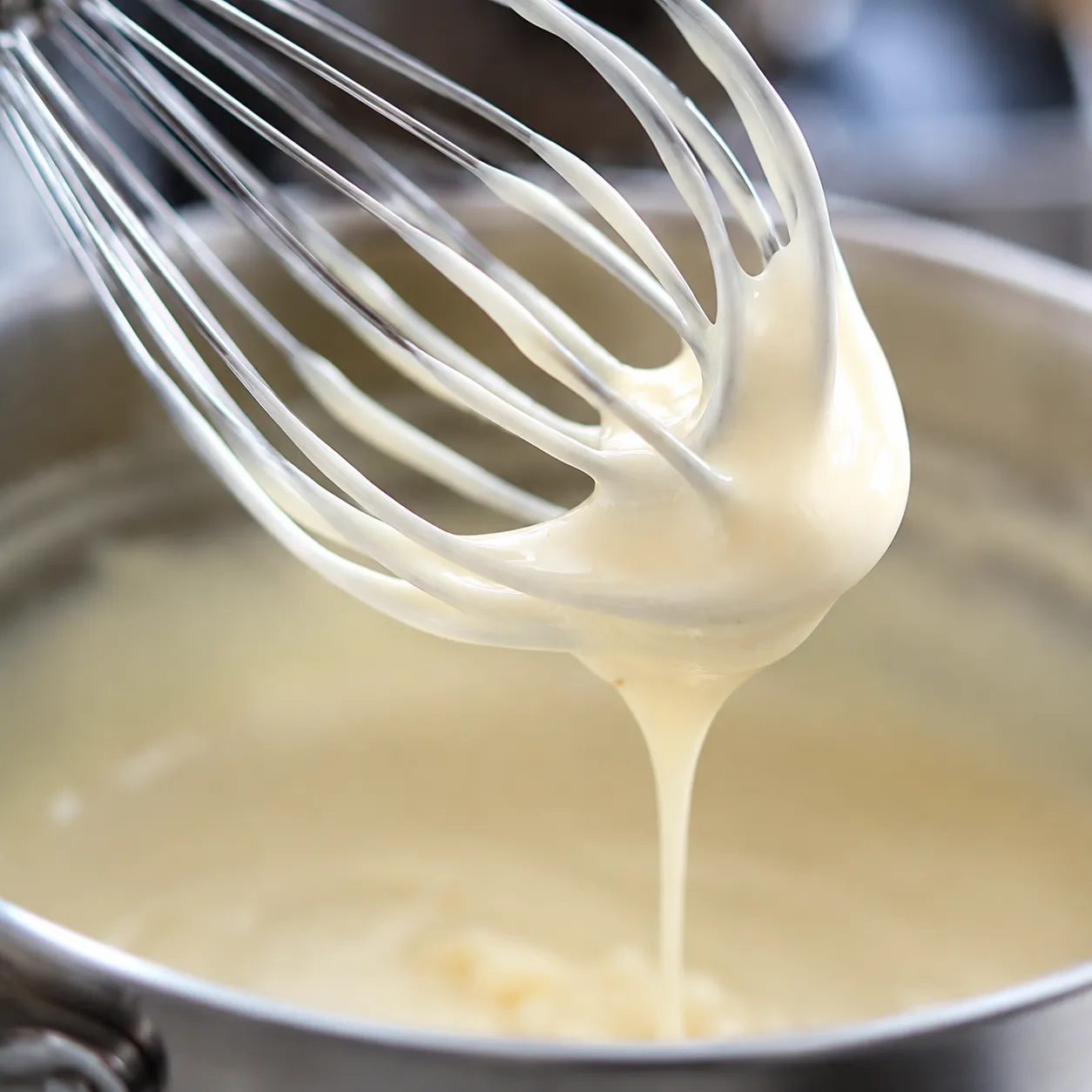
One of the best things about a classic white sauce is that you can steer it toward the dish you are making. If you hold back a little milk and stop cooking earlier, you get a thinner sauce that is perfect for soups and creamed vegetables. If you let it simmer a little longer, you end up with a medium texture that is ideal for casseroles, gratins, and layered pasta.
For thicker applications, like soufflés or croquettes, let the sauce cook until it is noticeably dense and spoon-coating. That extra body helps it set up later in the oven or in a chilled mixture. The beauty of béchamel is that it is all about timing and patience, not complicated technique, so you can shape it to fit whatever dinner needs rescuing.
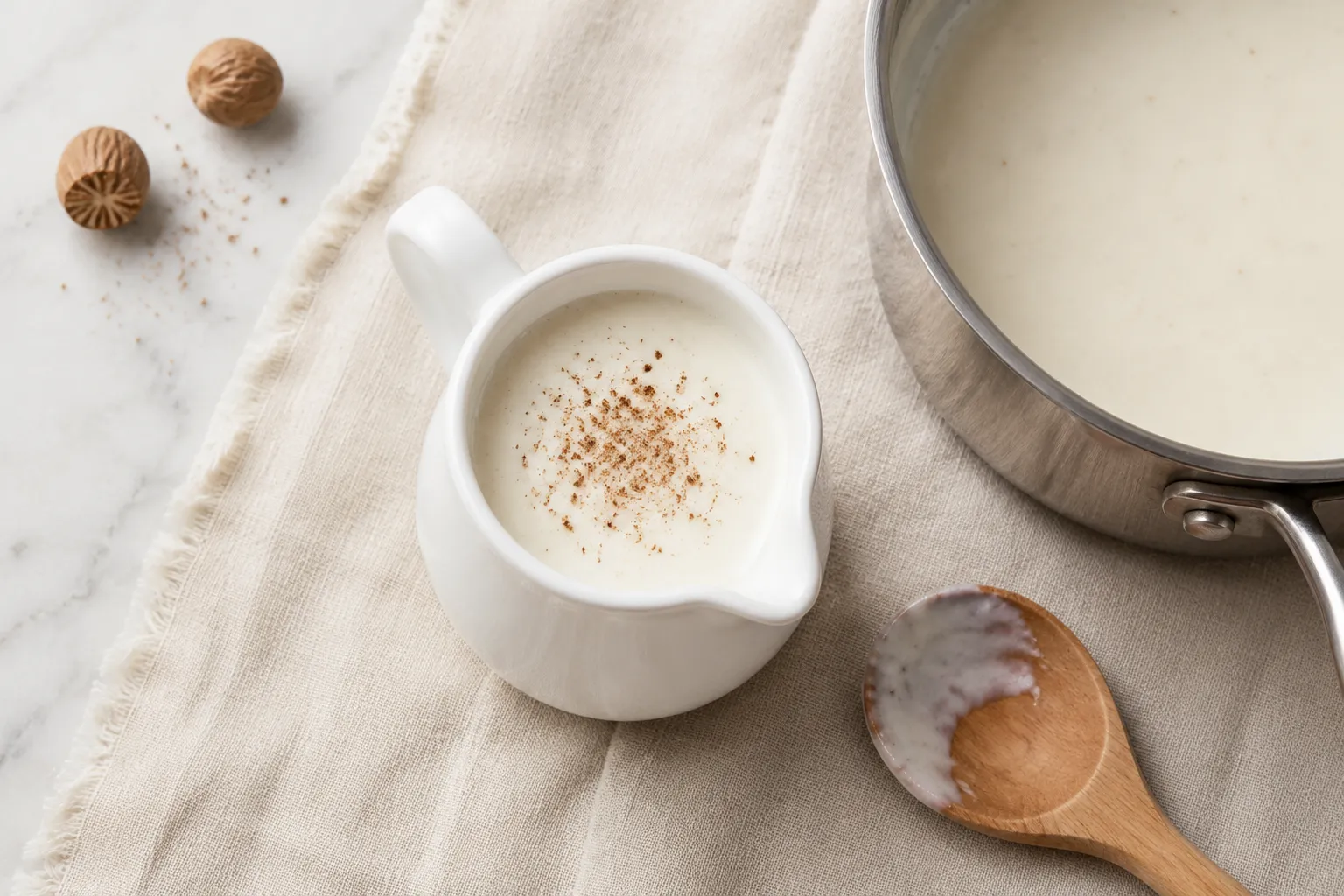
If you are planning a layered bake, aim for the middle ground: thick enough to cling, but still fluid enough to spread without tearing the pasta or vegetables beneath it. That sweet spot is what makes this sauce so useful in home cooking. It behaves predictably, which means you can rely on it whether the final dish is rustic or polished.
This white sauce recipe is the kind of base that quietly upgrades an entire dinner. Spoon it into homemade lasagna, fold it into a pan of baked pasta, or use it as the creamy thread that holds a casserole together. It is also right at home under a shower of breadcrumbs and cheese, where it turns into a bubbling top layer with a soft, custardy center.
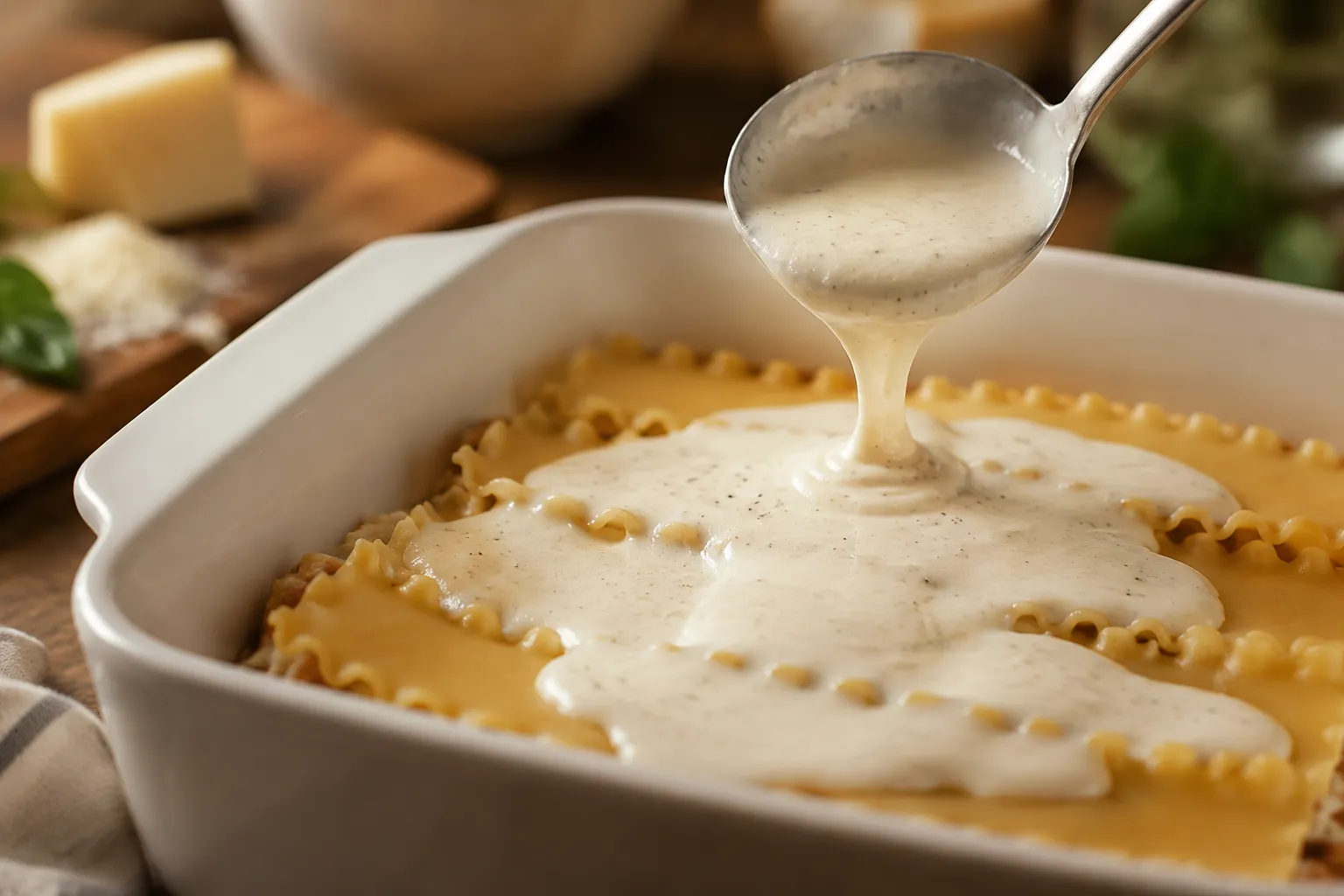
It is equally useful in more everyday dishes, especially when you want comfort without a lot of effort. Stir it into mac and cheese for a smoother, silkier finish, or use it as the base for a skillet of chicken pot pie filling when you want that old-fashioned, cozy flavor. For vegetables, it is hard to beat with creamed spinach, broccoli, cauliflower, or mushrooms, where the mild milkiness lets the vegetables stay front and center.
You can even use it as a jumping-off point for other sauces and dishes. Add cheese for a quick mornay, fold in herbs for a savory pan sauce, or keep it plain and let the rest of the meal do the talking. Once you have this sauce in your toolkit, dinner starts to feel more flexible and a lot less fussy.
That is really the gift of a good white sauce recipe: it turns basic ingredients into something that feels useful, comforting, and a little bit special all at once. Keep a batch warm for dinner tonight, or make a little extra and let it carry tomorrow’s leftovers into something better. 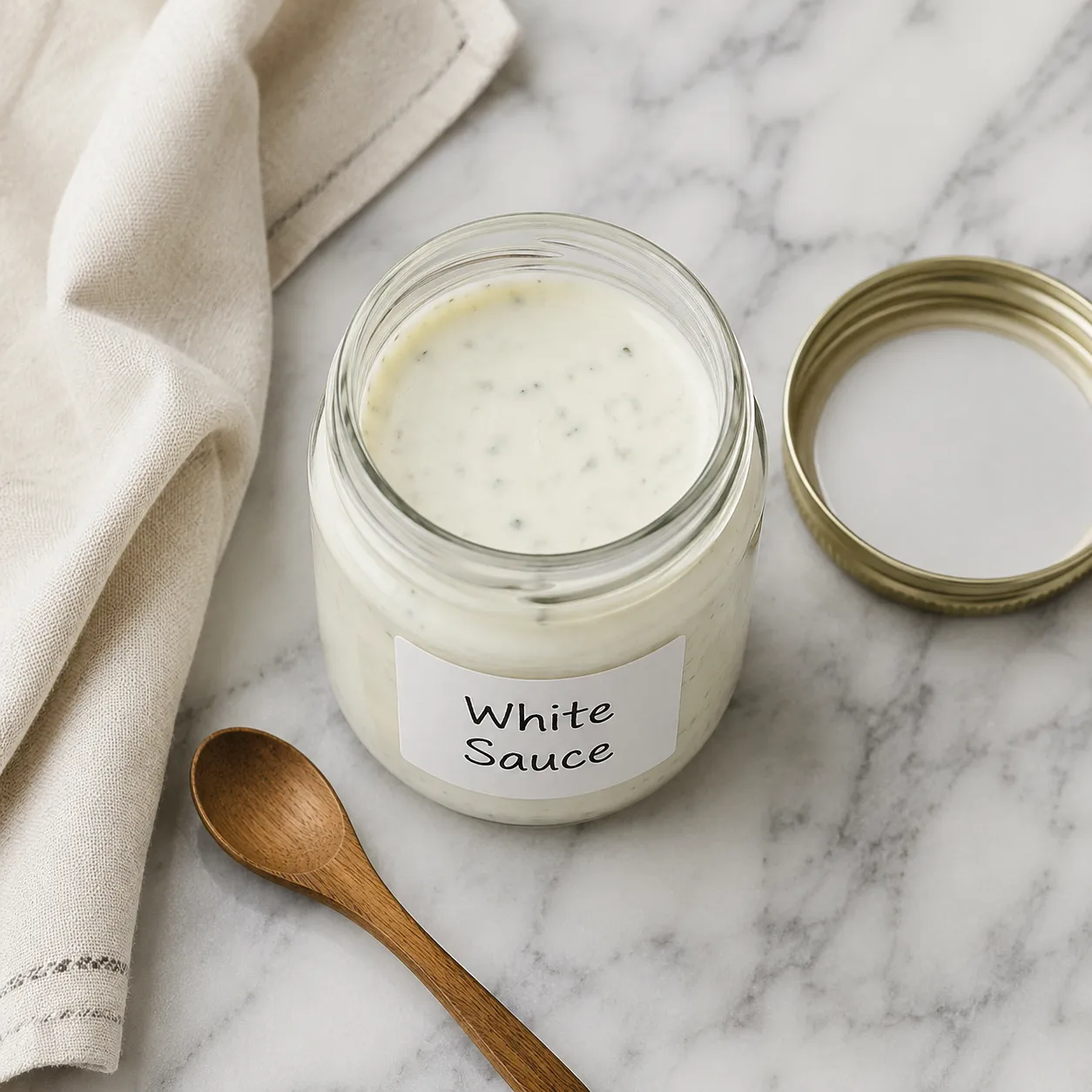
Once you know how to make it, you will find yourself reaching for béchamel whenever a dish needs softness, structure, or a little creamy reassurance. Keep this white sauce recipe in your back pocket, and you will always have a dependable answer for pasta, vegetables, and baked comfort food of every kind.
This is the place to play once you have the classic version down. Think of the base as a canvas: you can keep it neutral for layering, or add a little extra flavor depending on the final dish. A few smart additions go a long way without changing the sauce’s essential character.
White sauce is best used fresh, but it also holds well if you need to make it ahead. Let it cool, then refrigerate it in an airtight container with plastic wrap pressed directly onto the surface to help keep a skin from forming. It will thicken as it chills, which is completely normal.
When you reheat it, do it gently over low heat and whisk in a splash of milk as needed to bring back the smooth texture. If you freeze it, expect a little separation, but a vigorous whisk while reheating usually helps it come together again.