Homemade Applesauce Recipe (Easy 5-Ingredient)
Ingredients
Scale
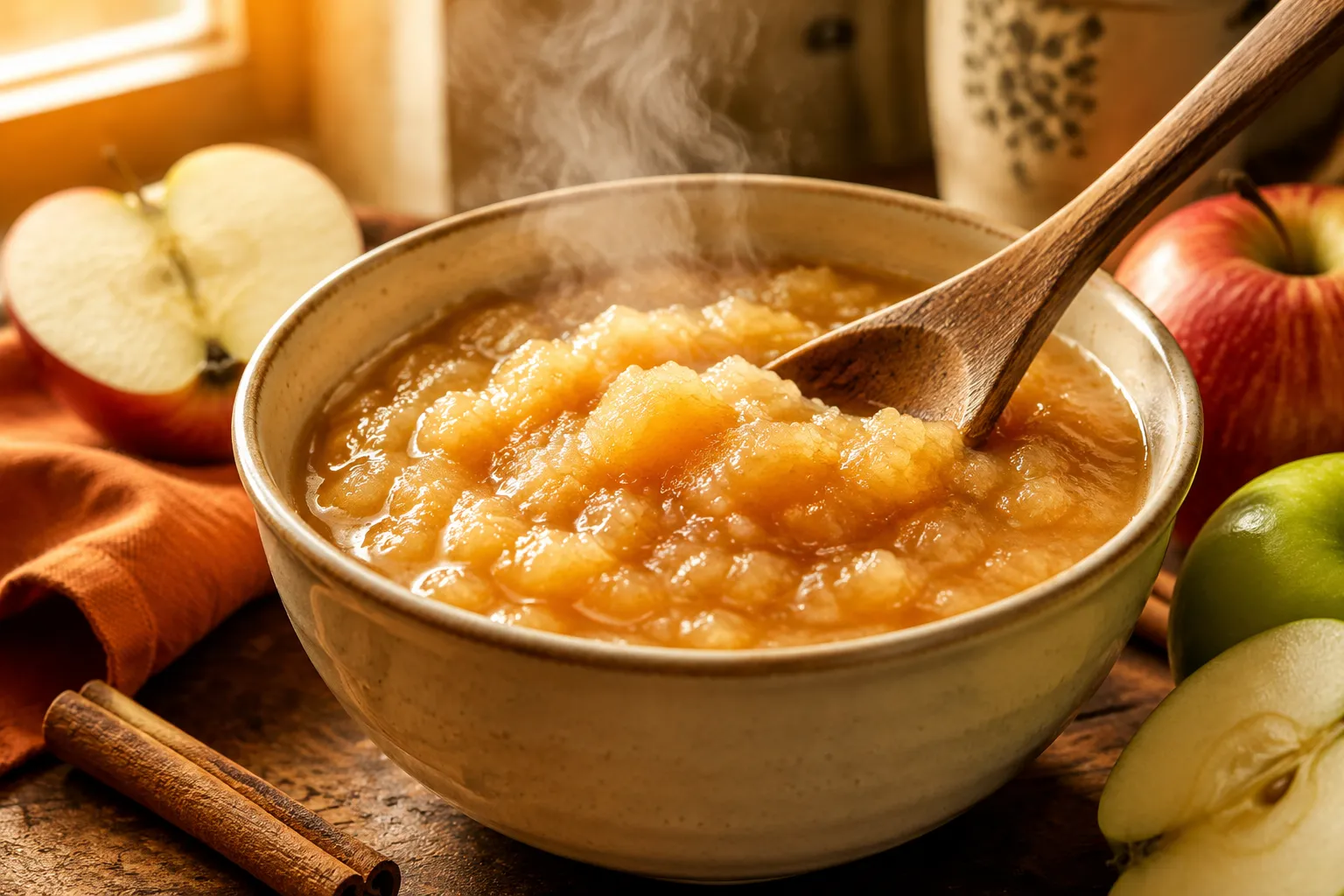
This homemade applesauce is silky, cozy, and naturally sweet — made on the stovetop in 30 minutes with just 5 pantry-staple ingredients.
This homemade applesauce tastes like the inside of a warm pie — softly spiced, naturally sweet, and so much better than anything that comes in a jar. It's the kind of recipe I make on the first crisp Sunday of fall when the kitchen smells like cinnamon and the windows fog up just a little. One pot, thirty minutes, and the whole house feels cozier.
What I love most is how forgiving it is. You don't need a fancy food mill, a pressure canner, or even a precise apple variety. A mix of whatever's at the farmer's market or hiding in the bottom of your crisper drawer will work, and the cinnamon does most of the heavy lifting on flavor. No refined sugar required — sweet apples handle that all on their own.
This is the kind of easy applesauce recipe that earns a permanent spot in your weekly rotation. Spoon it warm over yogurt, swirl it into oatmeal, bake it into muffins, or pile it next to a pork chop. Once you've tasted a from-scratch batch, the store-bought stuff just won't cut it anymore.
The single biggest factor in great sauce is the fruit, full stop. The best apples for applesauce aren't a single variety — they're a thoughtful blend. Sweet apples bring honeyed depth and natural sugar, while tart apples cut through with brightness so the finished sauce never tastes flat or one-note.
For the sweet side, reach for Fuji, Gala, Honeycrisp, or Golden Delicious. They break down beautifully and contribute that mellow, almost floral apple character. For the tart side, Granny Smith and McIntosh are workhorses — Granny Smiths hold their shape a little longer and give the sauce a pleasant tang, while McIntosh practically dissolves into a soft, fluffy puree.
My go-to ratio is roughly 2 parts sweet to 1 part tart. With three pounds of apples, that means about two pounds of Fujis or Galas and one pound of Granny Smiths. If you only have one variety on hand, don't stress — just add an extra splash of lemon juice at the end to brighten things up.
Five ingredients, and four of them you almost certainly already have. This is pantry cooking at its most rewarding.
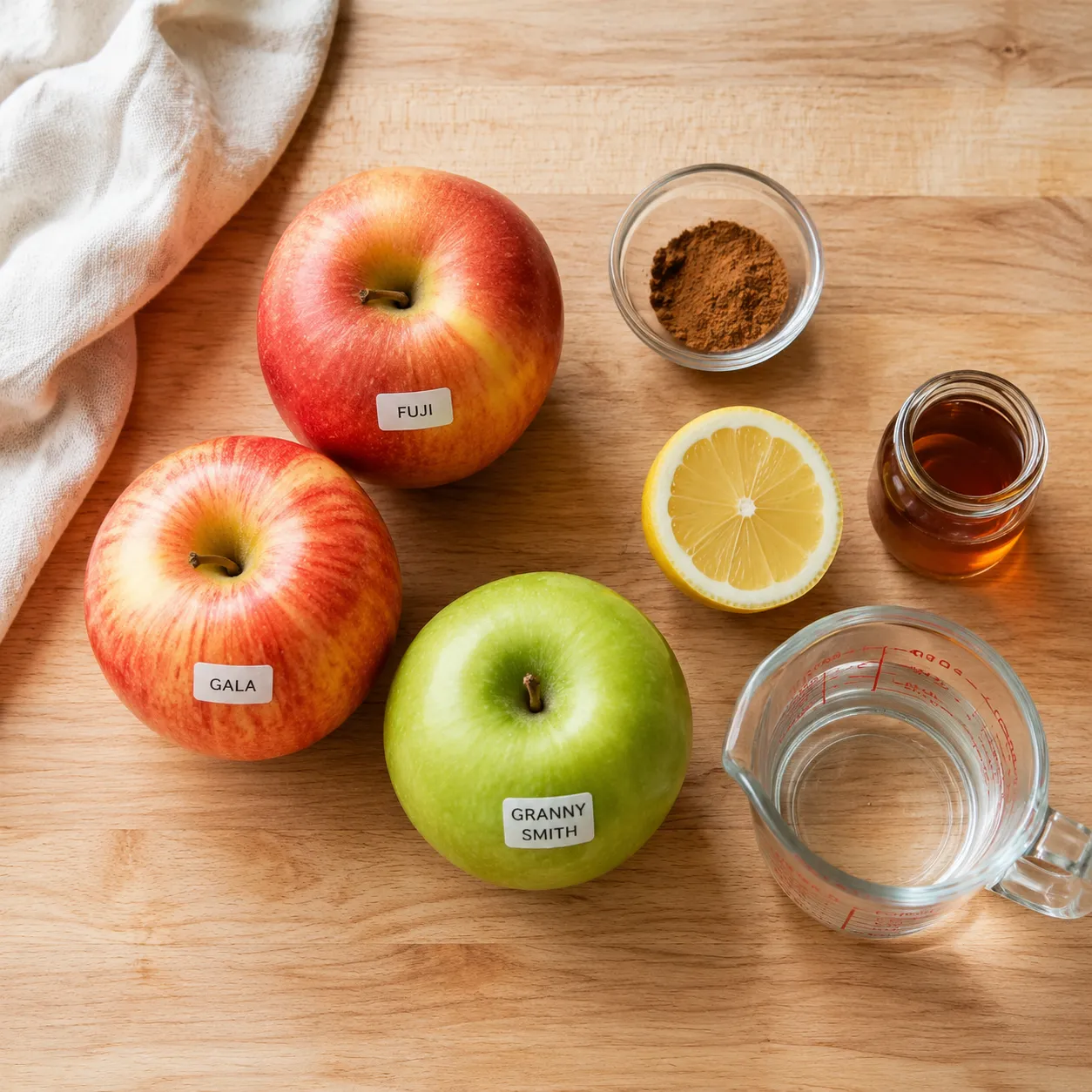
If you want to gild the lily, a pinch of kosher salt sharpens the apple flavor, and a half teaspoon of vanilla stirred in at the end adds a beautiful bakery quality. A grating of fresh nutmeg or a small piece of star anise both make this lean closer to other cinnamon apple recipes you might love, like spiced compote or warm fruit crisp.
This is a stovetop applesauce method through and through — no slow cooker, no Instant Pot required. You want gentle, steady heat so the apples soften without scorching, and a heavy-bottomed pot does the trick.
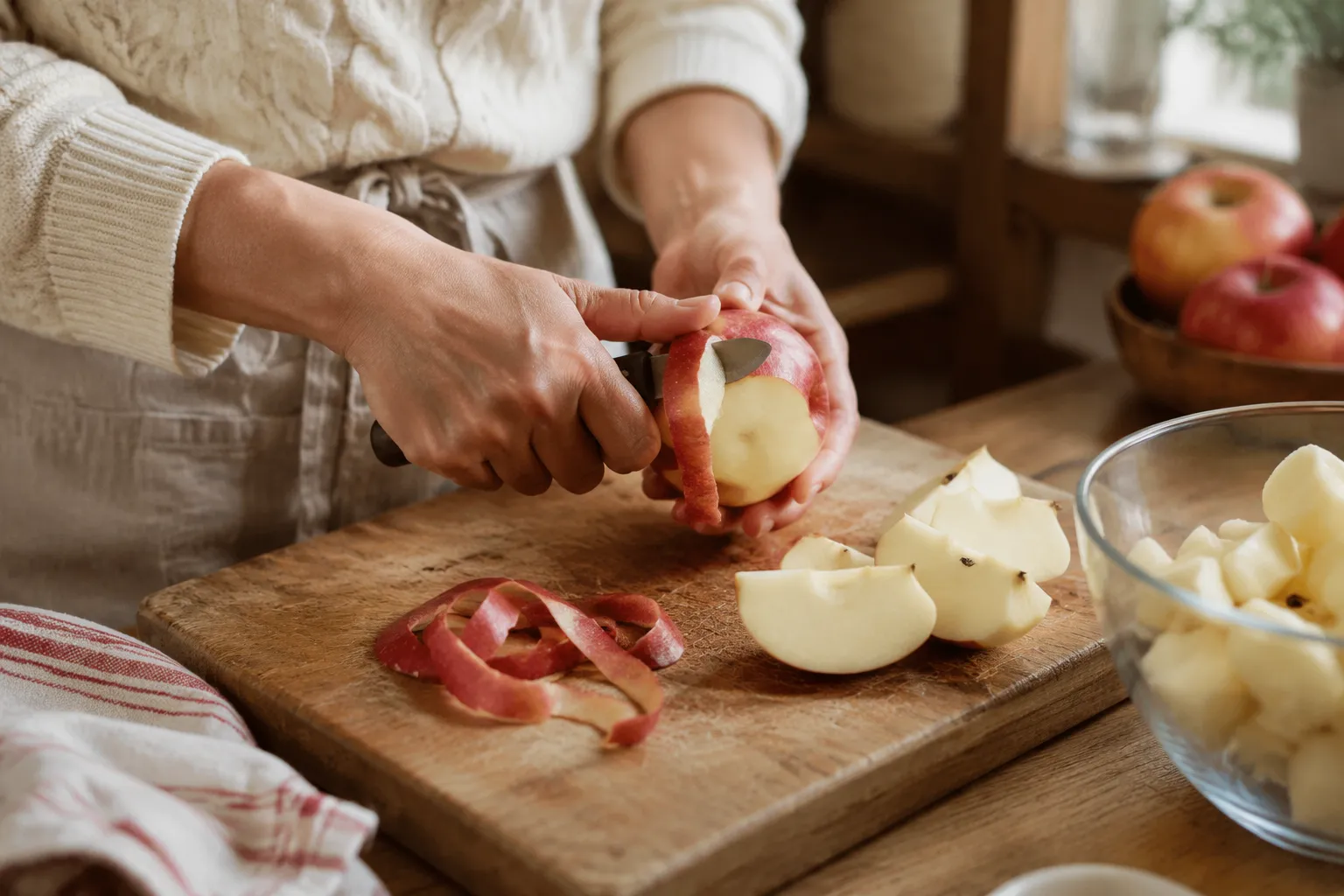
Start by prepping the fruit. Peel each apple (a Y-peeler is the fastest tool here), quarter it, and cut out the core. Then chop the quarters into roughly one-inch chunks. They don't need to be uniform — uneven pieces actually give you a better texture, with some bites melting completely while others hold their shape.
If you'd rather skip peeling, you absolutely can. The skins add fiber, a rosy color, and extra pectin that makes the sauce thicker. Just plan to run the finished sauce through a food mill or blend it well so the skins don't turn stringy.
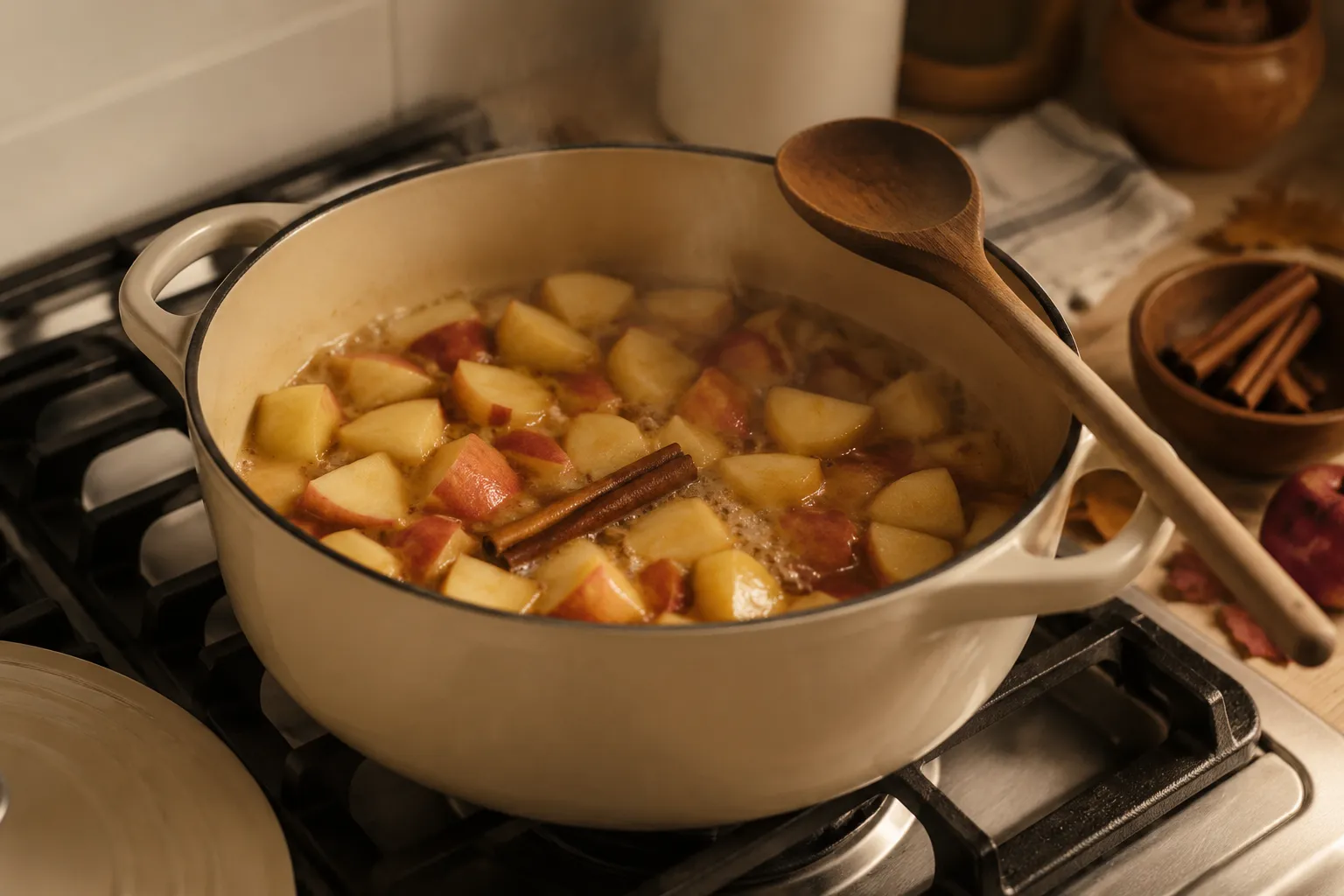
Tumble the apples into a Dutch oven or any heavy 4-quart pot. Add the water, lemon juice, and cinnamon, give everything a stir, and clamp on the lid. Bring it up to a simmer over medium heat, then drop it down to medium-low and let it cook for 18 to 22 minutes. Stir once or twice along the way so nothing sticks.
You'll know it's ready when the apples collapse the moment you press them with a spoon. They should look almost translucent at the edges, and the kitchen should smell, frankly, incredible.
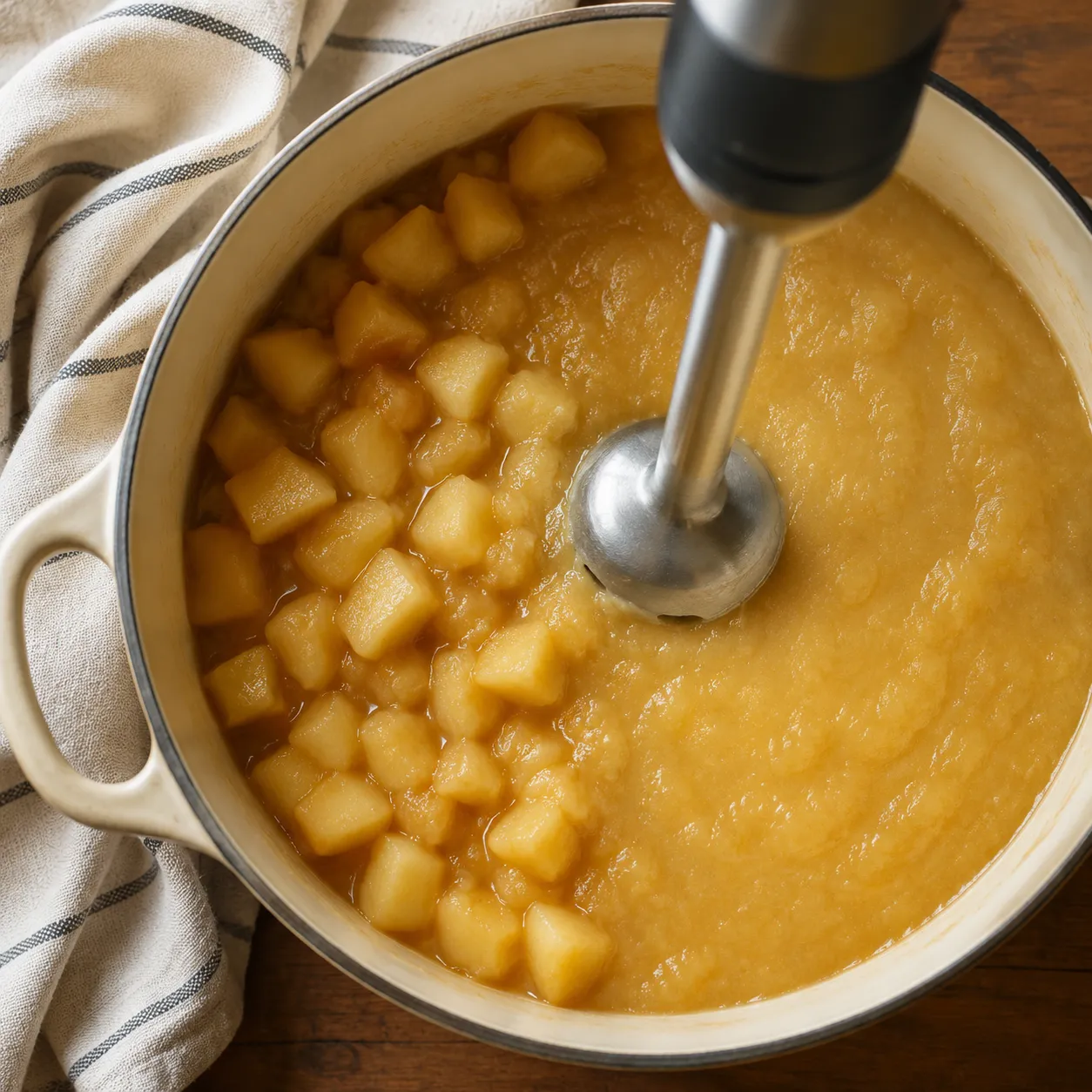
Now comes the texture decision. For chunky, rustic sauce, mash directly in the pot with a potato masher or sturdy fork. For something smoother and more polished, an immersion blender takes about ten seconds. For the silkiest, baby-food-grade texture, use a food mill or blitz in a stand blender (vent the lid so steam escapes). Taste, then stir in maple syrup only if you feel it needs sweetening.
Texture is personal. My family is split — the kids want it spoon-smooth, my husband wants it rustic enough that you can still see the apple. The beautiful thing about cinnamon applesauce made at home is that you control every variable: leave half chunky and blend the other half, then swirl them together for the best of both worlds.
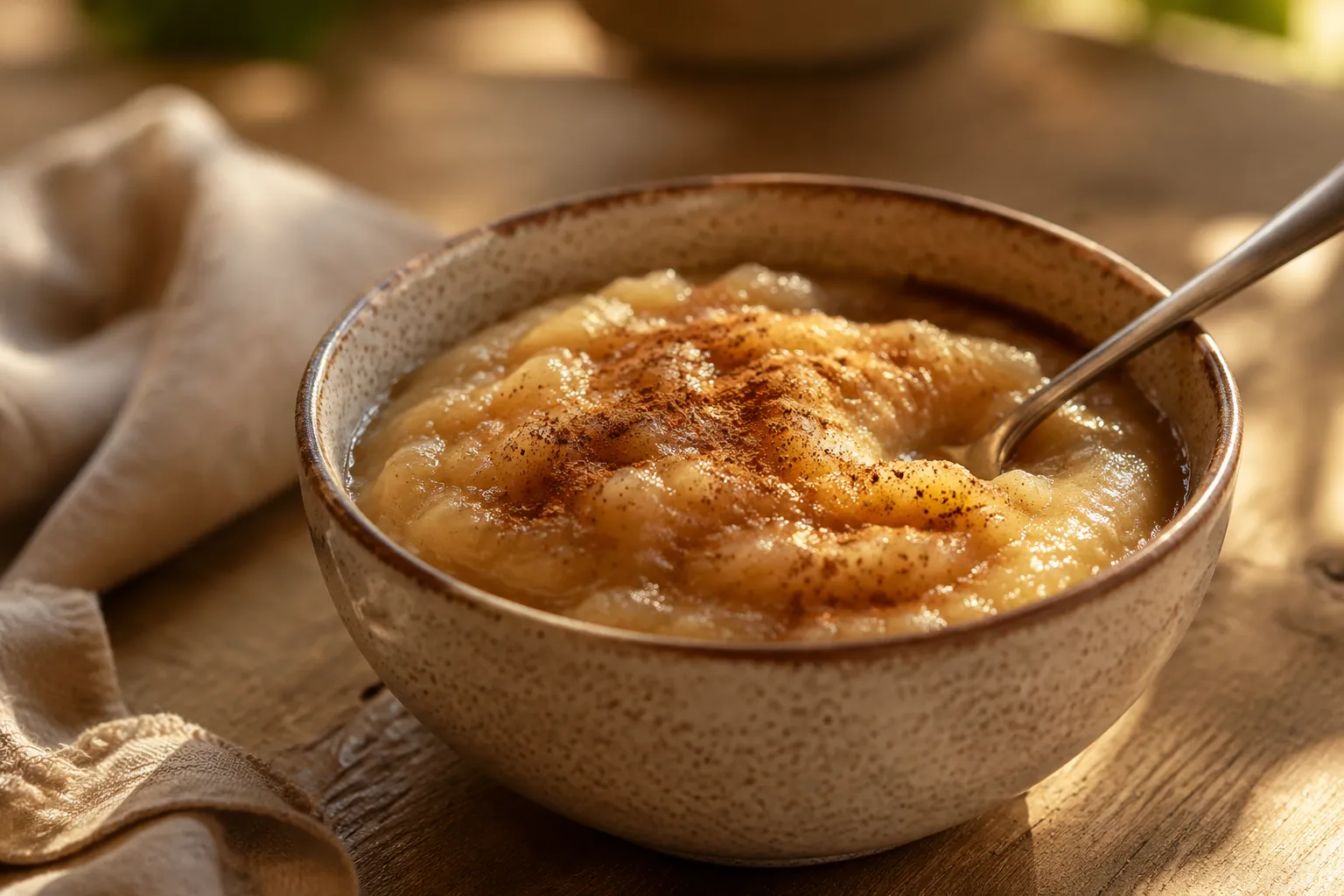
Color is another tell. A truly fresh batch leans warm gold to amber, especially if you used red-skinned apples and left a few skins in. If your sauce comes out very pale, it just means your apples were on the lighter side — a small extra dash of cinnamon will deepen the look and the flavor.
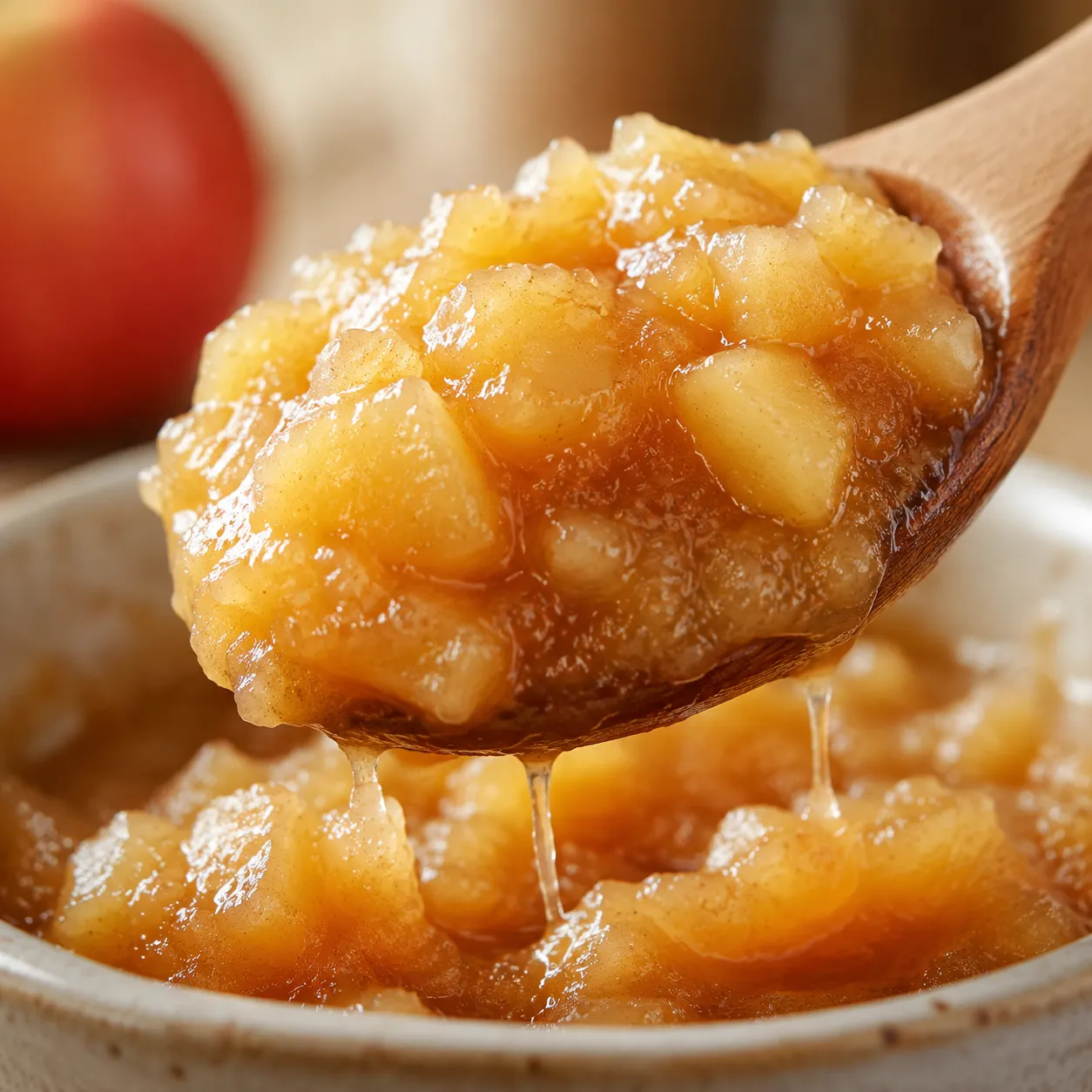
If the sauce feels too thin after blending, set the pot back over low heat uncovered and let it reduce for five to ten minutes, stirring occasionally. If it's too thick, a tablespoon or two of water (or apple cider, even better) loosens it right up.
This is where a fresh batch really earns its keep. Eat it warm from the pot with a sprinkle of extra cinnamon and a splash of cream — that alone is worth the thirty minutes. Spoon it over Greek yogurt with granola for breakfast, swirl it into oatmeal, or use it as the dunk for sharp cheddar cubes on a snack plate.
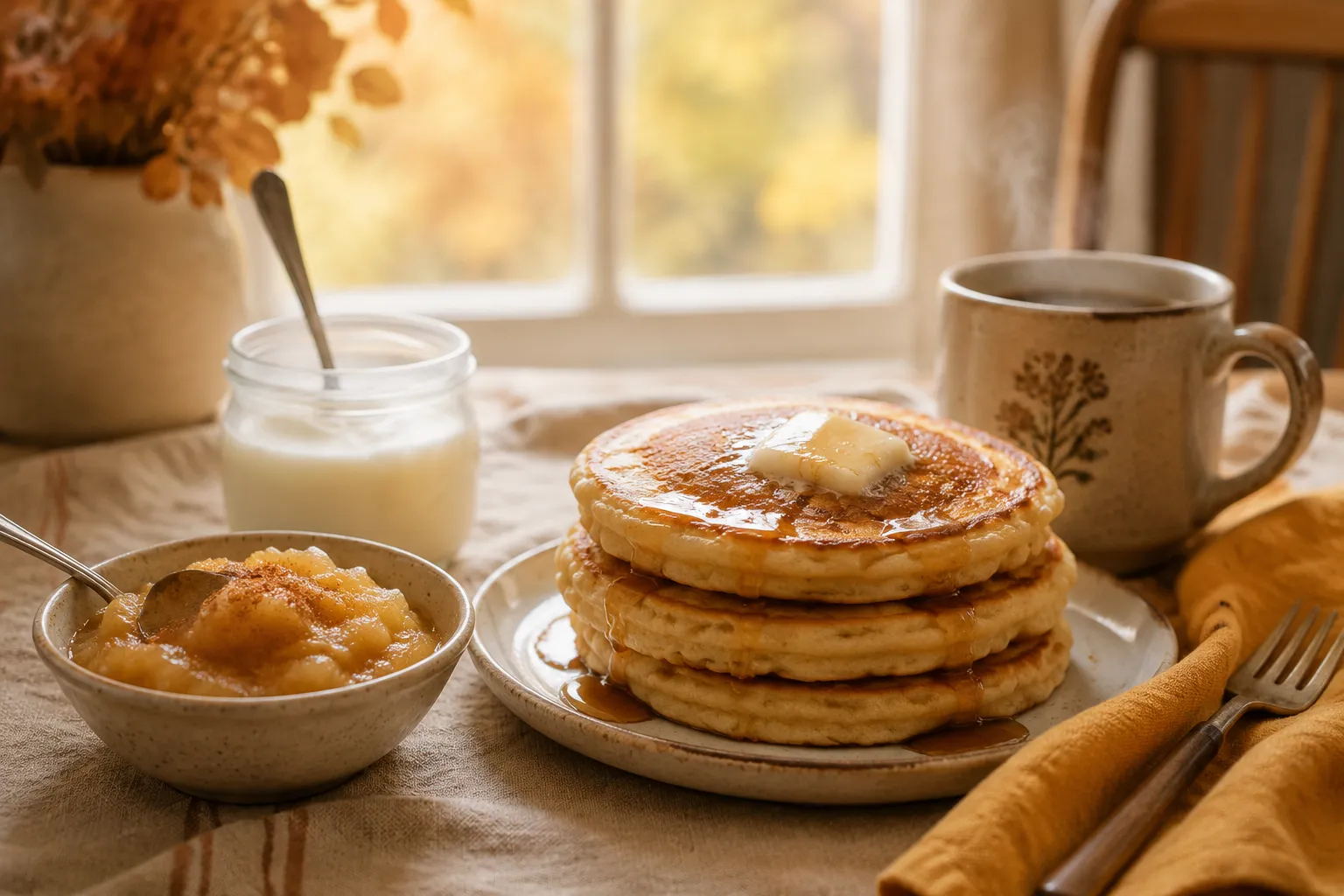
It's also one of the most useful baking ingredients you can keep around. Use it cup-for-cup to replace half the oil in muffins, quick breads, or pancakes for a tender, lightly spiced crumb. It's the secret behind softer, fluffier banana bread and many of the best fall snack cakes.
On the savory side, applesauce is the classic foil to roast pork chops, pork tenderloin, and crispy potato latkes. A dollop next to roast chicken with herbs is unexpectedly lovely, and it's a brilliant condiment alongside aged cheddar on a cheese board. If you've got leftovers headed toward a long weekend bake, they cook down beautifully into apple pie filling for hand pies or galettes — just thicken with a teaspoon of cornstarch and a pat of butter.
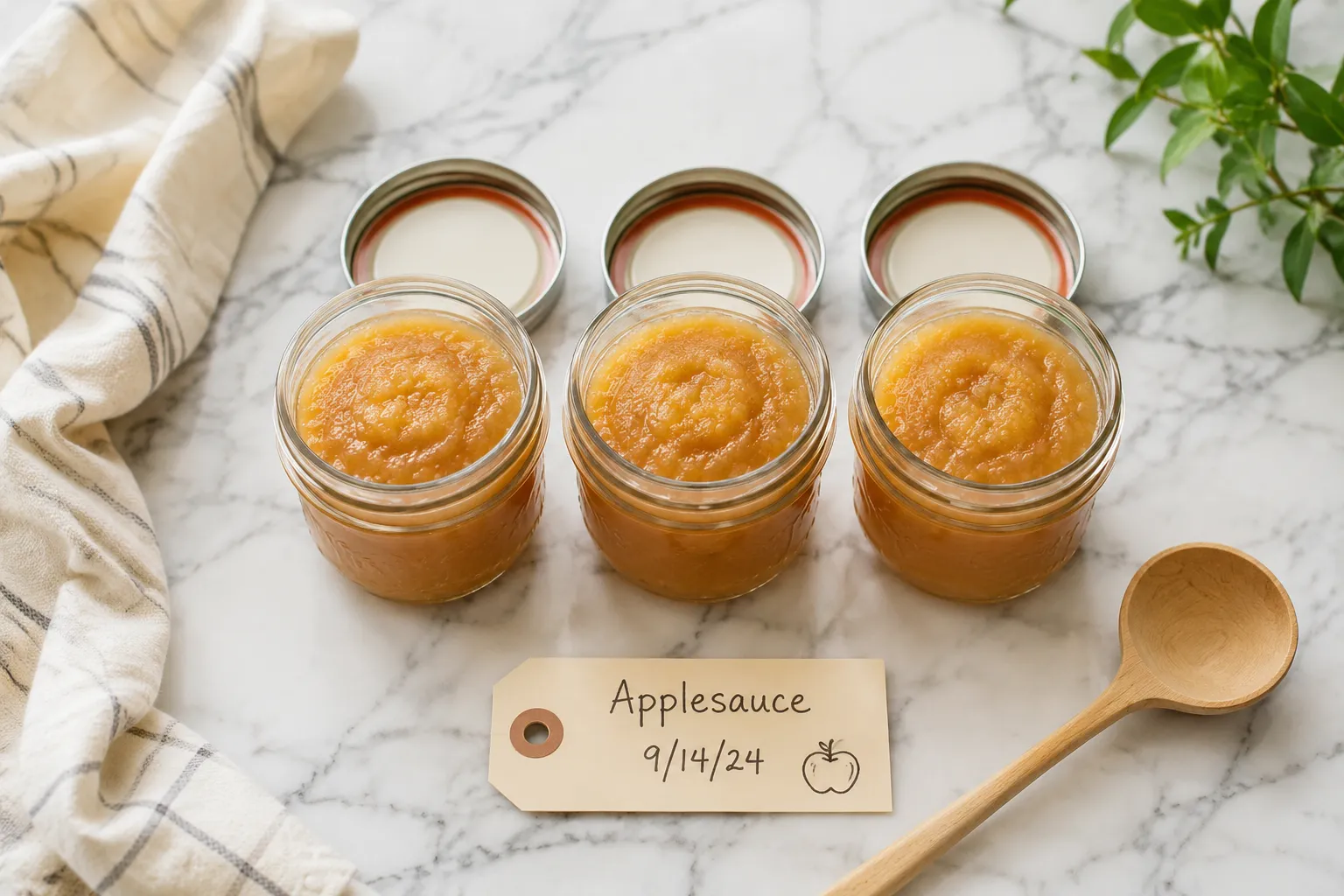
One of the quiet joys of homemade applesauce is how it stretches across a week of meals without ever feeling repetitive. Cook a double batch on Sunday, jar half for the fridge, and tuck the rest into the freezer for busy weeknights when you need something warm, wholesome, and ten seconds away.
For more detailed guidance on portioning, thawing, and how to freeze applesauce in the right containers, see the storage section below. With a little planning, you'll have golden jars of cozy on standby all the way through pie season.
Once you've nailed the base recipe, it's endlessly adaptable. Treat the simmering apples as a canvas and play with spices, sweeteners, and aromatics to match the season or the meal you're planning.
Cool the applesauce completely before storing — warm sauce in a sealed container creates condensation and shortens shelf life. Spoon into clean glass jars or airtight containers and refrigerate, where it will keep beautifully for 7 to 10 days. The flavor actually deepens after a day in the fridge as the cinnamon settles in.
To freeze, leave at least a half inch of headspace in each jar or container (applesauce expands as it freezes). Freezer-safe zip-top bags laid flat work well for stackable storage and quick thawing. Frozen applesauce keeps for up to 3 months; thaw overnight in the fridge and stir before serving. For longer pantry storage, ladle hot sauce into sterilized pint jars, leave a half inch of headspace, and process in a boiling water bath for 20 minutes — properly canned jars will last up to a year on the shelf.