Blackened Salmon Recipe (Restaurant-Style in 20 Minutes)
4.8 from 12 reviews
0SHARES
Now Playing
Blackened Salmon Recipe (Restaurant-Style in 20 Minutes)
0:00
0:00
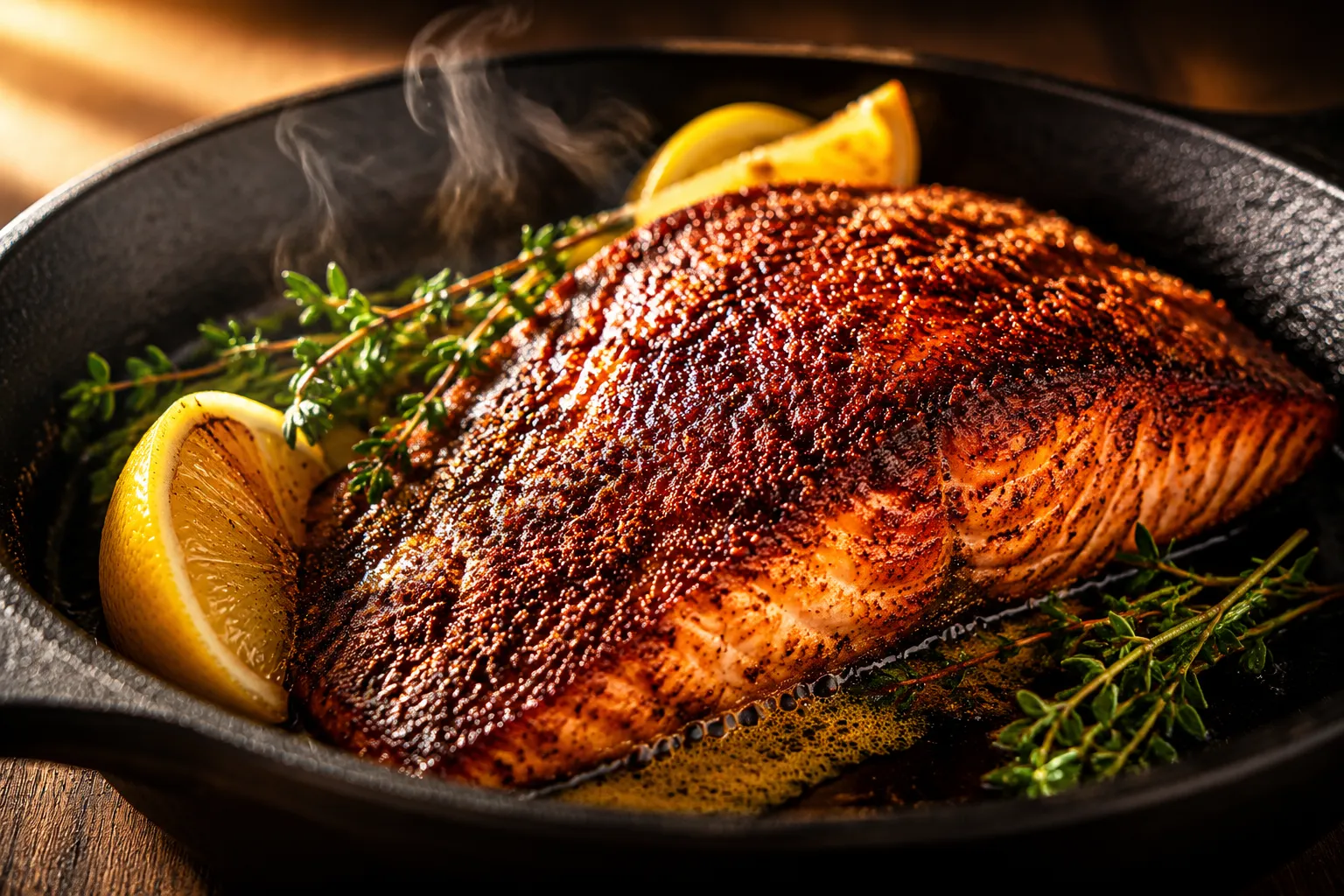
Restaurant-style blackened salmon with a bold Cajun crust and buttery, flaky center, ready in 20 minutes using one skillet and a homemade spice blend.
Why You'll Love This Recipe
Ready in 20 Minutes: From pantry to plate, this entire meal comes together in under half an hour, making it the ultimate weeknight lifesaver.
Restaurant-Quality Flavor: The combination of butter, high heat, and a robust spice blend creates a professional-level crust you usually only get dining out.
Pantry-Friendly Ingredients: No need to hunt down specialty items; the custom blackening blend uses staple spices you likely already own.
Healthy and Low-Carb: Naturally gluten-free, keto-friendly, and packed with high-quality protein and healthy omega-3 fats.
Versatile Leftovers: The bold flavors hold up beautifully in the fridge, making the leftovers perfect for next-day salads, wraps, or tacos.
There is nothing quite like a perfectly cooked blackened salmon to make a busy weeknight feel like a reservation at a high-end seafood restaurant. If you have ever craved that deeply spiced, mahogany crust giving way to a tender, buttery center, you are in the right place. This blackened salmon recipe delivers bold, smoky flavor in just 20 minutes, using a homemade spice blend and one screaming-hot pan. It is the ultimate fast, flavorful dinner that requires minimal prep but delivers maximum impact on the plate.
When you order blackened salmon at a restaurant, you are usually paying a premium for a technique that is surprisingly simple to master in your own kitchen. The magic lies entirely in the interaction between a robust spice rub, melted butter, and intense heat. By recreating this environment at home, you can achieve that signature charred exterior without overcooking the delicate fish inside. Whether you are cooking for a special occasion or just need a quick, protein-packed dinner after a long day, this method is virtually foolproof once you understand the basic mechanics.
What Does Blackening Mean?
Let's talk about what makes this culinary technique so special and widely beloved. Blackening is a cooking method famously popularized in the 1980s by Chef Paul Prudhomme in Louisiana. It was originally developed as a way to mimic the flavor of outdoor charcoal grilling inside a commercial kitchen. The process involves coating fish or meat in a robust Cajun spice blend and searing it in a screaming-hot skillet—almost always cast iron—with plenty of butter. As the fish hits the pan, the milk solids in the butter brown and toast alongside the herbs and spices, creating a dark, incredibly flavorful crust that seals in the juices.
Blackened vs. Grilled vs. Pan-Seared
It is easy to confuse these different cooking methods, but they yield vastly different results. While a traditional pan-seared salmon might rely on a simple salt and pepper seasoning to highlight the natural flavor of the fish, and grilled salmon gets its distinctive char from the open flames of a barbecue, blackened fish is entirely about that aggressive, spice-rubbed crust. You are essentially toasting the spices directly onto the flesh of the fish in a pool of hot fat. It is a completely different experience from standard Cajun salmon, which might just be baked gently in the oven with spices. The high-heat sear in butter is what transforms the rub into a true blackened masterpiece, offering a textural crunch that baked fish simply cannot match.
The Origin of Blackening (Paul Prudhomme & Cajun Cuisine)
To truly appreciate this dish, we have to look back at its roots in Louisiana. Chef Paul Prudhomme introduced blackened redfish at Commander's Palace in New Orleans, and it became such a nationwide sensation that commercial fishing limits had to be imposed on redfish to prevent overfishing. The technique was a brilliant fusion of traditional Cajun flavor profiles—heavy on the paprika, garlic, and cayenne—with French culinary techniques involving copious amounts of butter. Today, we apply this same legendary technique to salmon, which is sturdy enough to hold up to the intense heat and rich enough to balance the aggressive spices.
Ingredients You'll Need
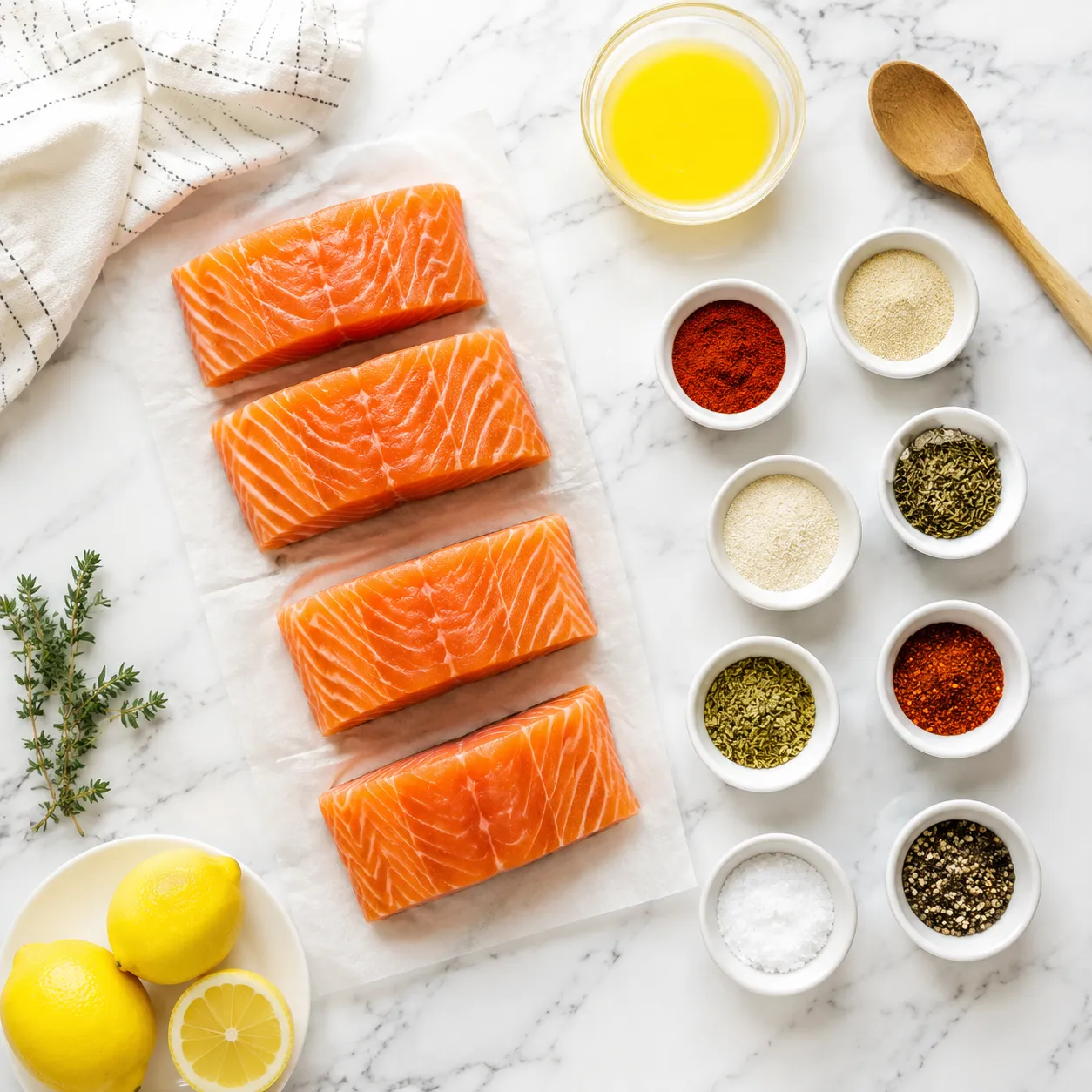
The beauty of this recipe lies in its accessibility and simplicity. You likely have almost all of the necessary spices sitting in your pantry right now, waiting to be utilized.
The Best Salmon to Buy (Fresh vs. Frozen)
To get the best results for your blackened salmon, start with high-quality salmon fillets. Whether you choose fresh fillets from the seafood counter or frozen portions from the freezer aisle, look for center-cut pieces of similar thickness so they cook evenly in the pan. I strongly prefer using skin-on fillets because the skin acts as a protective barrier, shielding the delicate flesh from the intense heat of the cast-iron skillet and helping the fish hold together beautifully when flipped. If you are using frozen salmon, just be sure to thaw it completely in the refrigerator overnight. Quick-thawing in warm water can compromise the texture, making it mushy before it even hits the pan.
Homemade Blackening Seasoning
Instead of relying on a store-bought blackening seasoning that can be overly salty or stale, we are mixing up a custom, vibrant blend. You will need smoked paprika, garlic powder, onion powder, dried thyme, dried oregano, kosher salt, black pepper, and a pinch of cayenne pepper. The smoked paprika is absolutely crucial here; it gives the rub that gorgeous rust color and a deep, woodsy flavor without needing an actual smoker. The dried herbs provide aromatic high notes, while the cayenne brings a gentle, lingering heat.
Butter and Oil for the Perfect Crust
To achieve that signature restaurant-style sear, we use a strategic combination of melted unsalted butter and a splash of olive oil. Why both? The butter provides the authentic, rich flavor that traditional blackening requires, and its milk solids are essential for helping the spices toast into that characteristic dark crust. However, butter has a relatively low smoke point and can burn quickly over high heat. By adding a tablespoon of olive oil to the pan, we raise the overall smoke point of the cooking fat just enough to prevent the butter from turning bitter and acrid before the fish is fully cooked through.
How to Make This Recipe Step by Step
Cooking blackened salmon is a fast-paced process once the heat is on. Because the cooking time is so short, it is absolutely vital to have all your ingredients prepped, measured, and ready to go beside the stove.
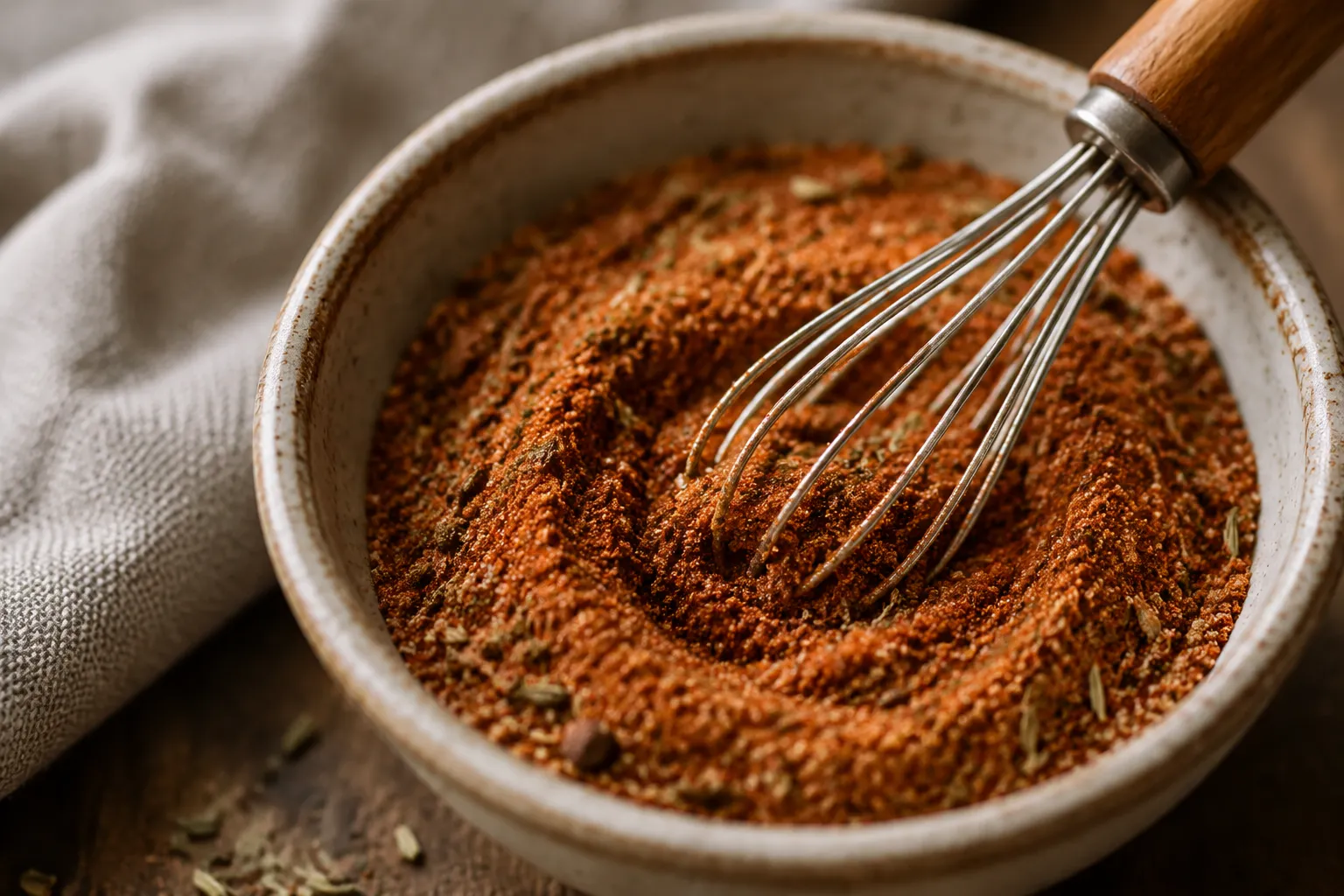
Step 1: Mix the Blackening Seasoning
Start by preparing your spice rub. In a small bowl, whisk together your smoked paprika, garlic powder, onion powder, dried thyme, dried oregano, kosher salt, black pepper, and cayenne. Taking a moment to mix these thoroughly ensures that every bite of the fish will have a balanced flavor profile, rather than one bite being overwhelmingly salty and the next being purely cayenne. You can easily double or triple this spice blend and keep it in an airtight jar in your pantry for up to six months. It is fantastic on chicken, shrimp, and even roasted potatoes.
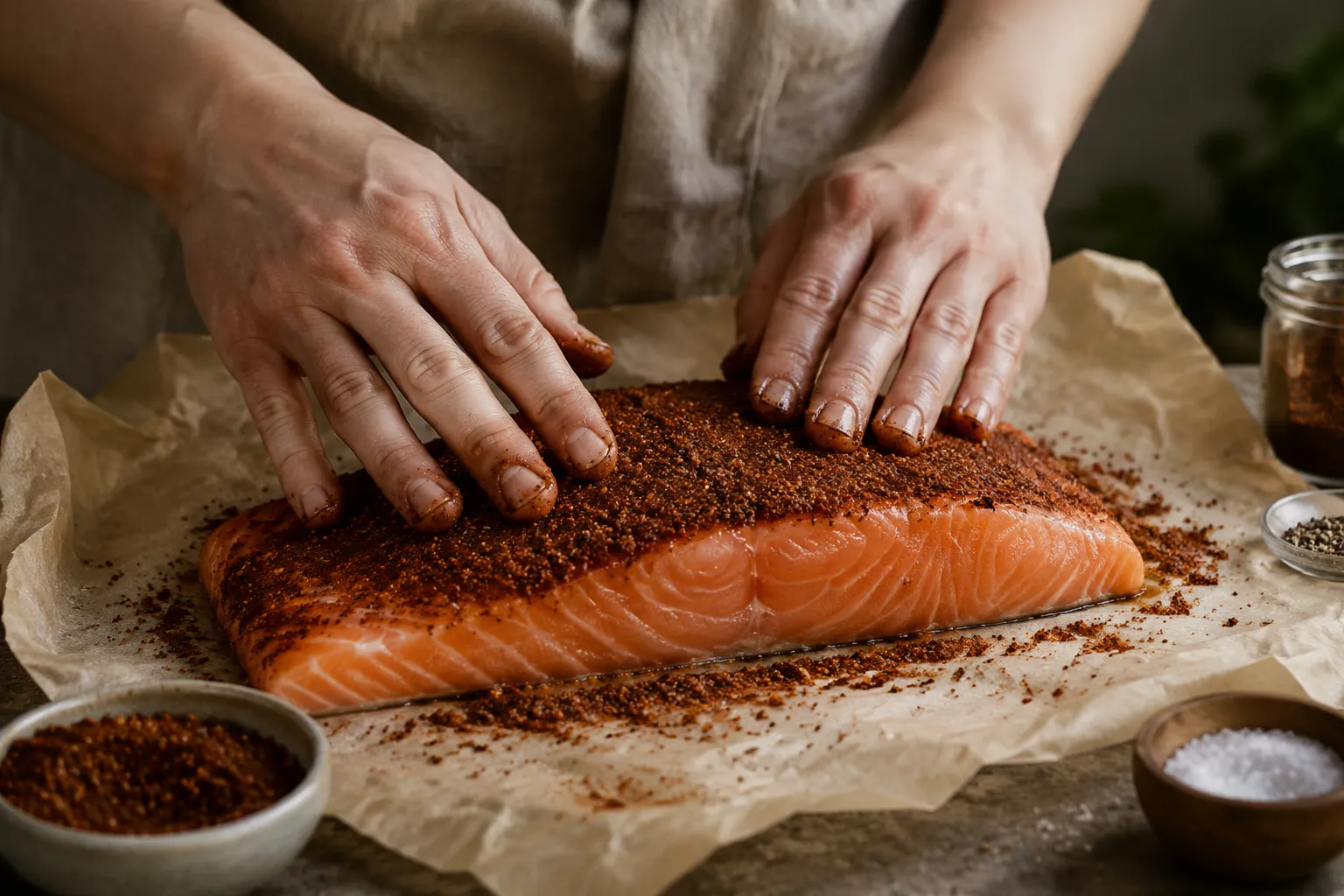
Step 2: Pat Dry and Coat the Salmon
Moisture is the ultimate enemy of a good, crispy crust. Use paper towels to pat the salmon fillets completely dry on all sides. Do not skip this step! If the fish is wet, it will steam in the pan rather than sear. Once dry, brush the flesh side generously with the melted unsalted butter. This acts as a binder for the spices. Next, press the spice mixture evenly and firmly onto the buttered fish. You want a thick, visible layer of spices—do not be shy here. The rub should look almost like a paste by the time you are done pressing it in.
Step 3: Sear in a Hot Cast-Iron Skillet
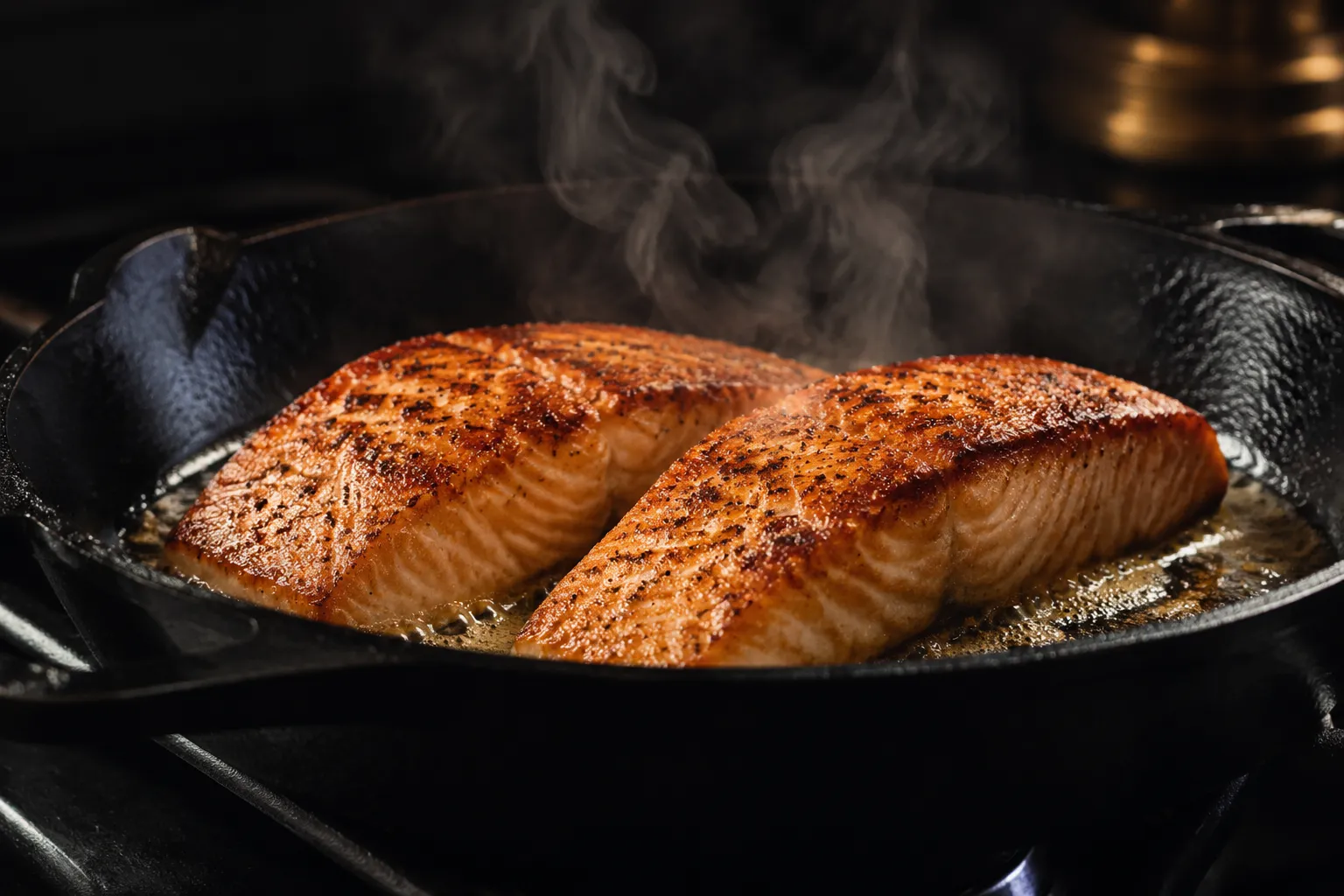
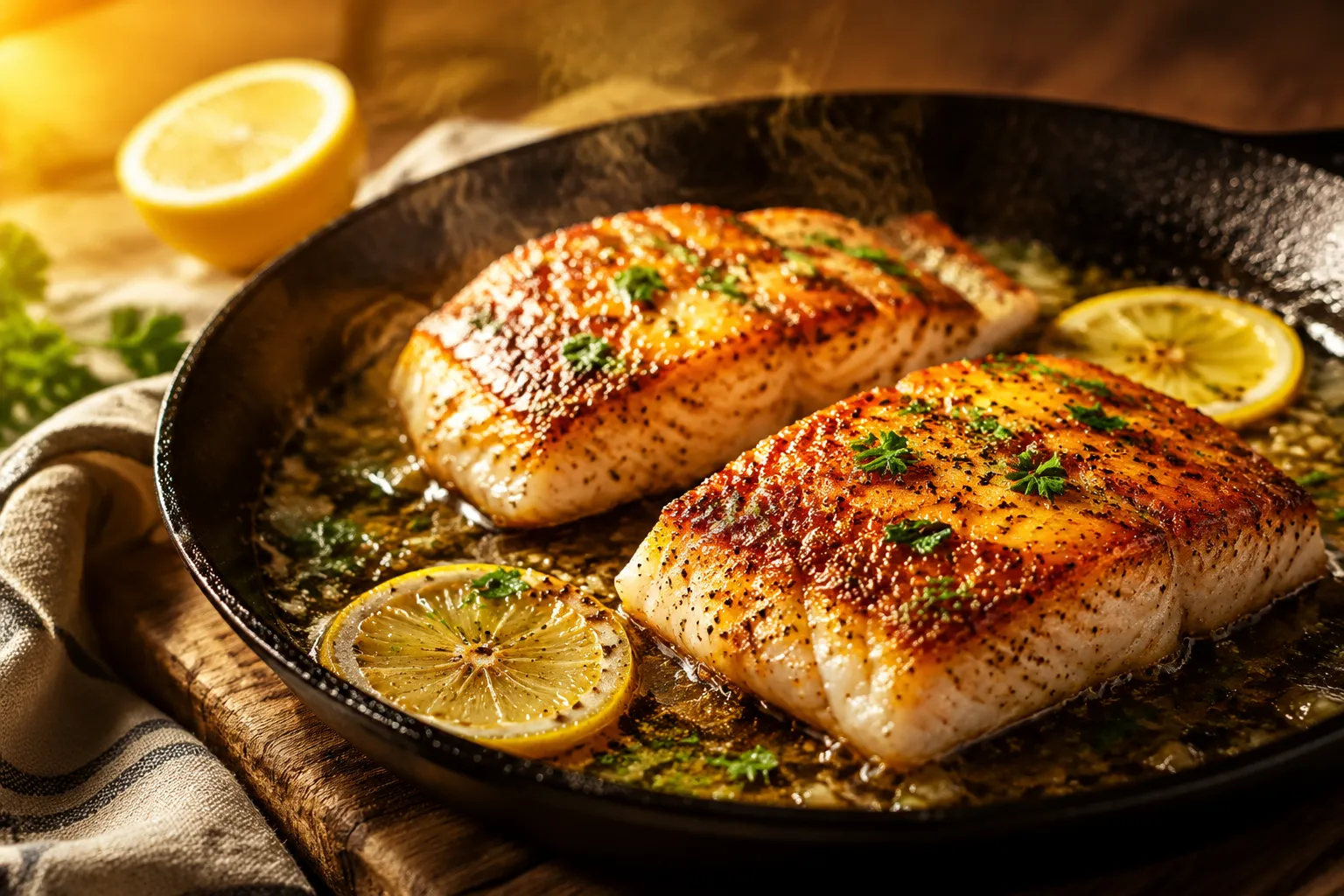
Now comes the exciting part. Place your cast-iron skillet over medium-high heat and let it get hot. Add your olive oil and the remaining butter to the pan. Once the butter is bubbling, foaming, and just starting to turn golden, carefully place the fillets flesh-side down (spice-side down) into the skillet. Press them gently with a spatula to ensure full contact with the pan. Let them sear completely undisturbed for about 3 to 4 minutes. The spices will darken significantly, turning a deep mahogany color—this is exactly what you want, it is not burnt! Flip the fish carefully and cook for another 3 to 4 minutes on the skin side until the skin is crispy and the fish is cooked to your liking.
Step 4: Rest and Serve
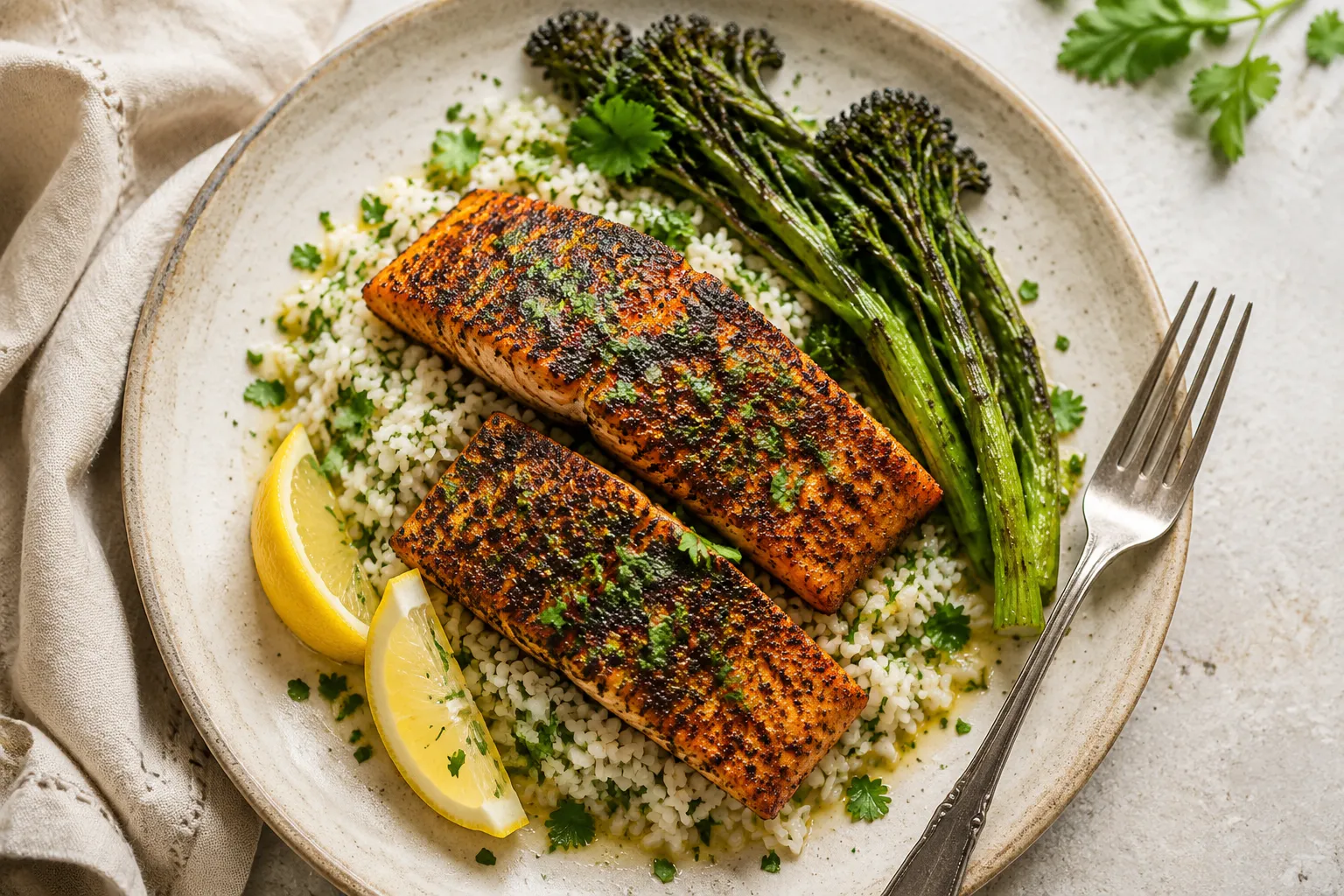
Remove the skillet from the heat immediately, as cast iron retains heat and will continue to cook the fish if left in the pan. Transfer the fillets to a clean plate or cutting board. Let the fish rest for about 3 to 5 minutes before serving. This brief resting period allows the muscle fibers to relax and the internal juices to redistribute, ensuring every single bite is incredibly tender and moist. Serve with fresh lemon wedges, as the bright acidity cuts perfectly through the rich, spicy crust.
What to Serve Alongside
Because blackened salmon carries such a robust, intense flavor profile, you want to choose side dishes that offer a fresh, cooling, or creamy contrast. The goal is to balance the plate so the palate doesn't get overwhelmed by the heavy Cajun spices.
Cilantro Lime Rice and Beans
A generous scoop of fluffy cilantro lime rice is the perfect bed for your fish. The bright, zesty citrus notes cut right through the richness of the butter and the heat of the spices, creating a harmonious bite. You can easily whip this up by folding fresh chopped cilantro, lime juice, and a pinch of salt into steamed white or jasmine rice. For a heartier, more filling meal, stir in some rinsed black beans or serve them on the side. The beans add great texture and soak up any extra butter sauce from the fish.
Roasted Vegetables and Salads
If you prefer to keep things light and low-carb, serve your meal with a medley of roasted vegetables. Charred broccolini, roasted asparagus tossed in olive oil, or a fresh summer corn salad are all excellent choices. The natural sweetness of roasted corn or bell peppers pairs beautifully with the smoky paprika in the rub. Alternatively, a crisp green salad loaded with cucumbers, cherry tomatoes, and tossed in a light, tangy vinaigrette works wonderfully to cleanse the palate between bites of the richly spiced fish.
Creamy Lemon Butter Sauce
If you want to elevate this dish from a simple weeknight dinner to a restaurant-quality feast, consider making a quick pan sauce. While the fish rests, you can deglaze your skillet with a splash of white wine or chicken broth, scraping up all those delicious browned bits of spice. Whisk in a tablespoon of cold butter and a heavy squeeze of fresh lemon juice until emulsified. Drizzle this creamy lemon butter sauce directly over the finished plates. The combination of rich fat and sharp acid is heavenly against the blackened crust. And if you are hosting a larger dinner party, consider serving this alongside some garlic butter shrimp for an unforgettable, show-stopping seafood platter!
💡 Expert Tips
Use Cast Iron: A heavy cast-iron skillet is essential for this recipe. It retains heat perfectly and distributes it evenly, which is necessary for achieving that dark, caramelized crust without overcooking the center.
Pat the Fish Dry: Moisture is the enemy of a good sear. Use paper towels to thoroughly dry your salmon fillets before applying the butter and spices to prevent the fish from steaming.
Turn on Your Vent Hood: Blackening is a smoky process by design! Make sure your kitchen exhaust fan is on high and consider opening a nearby window before the fish hits the hot pan.
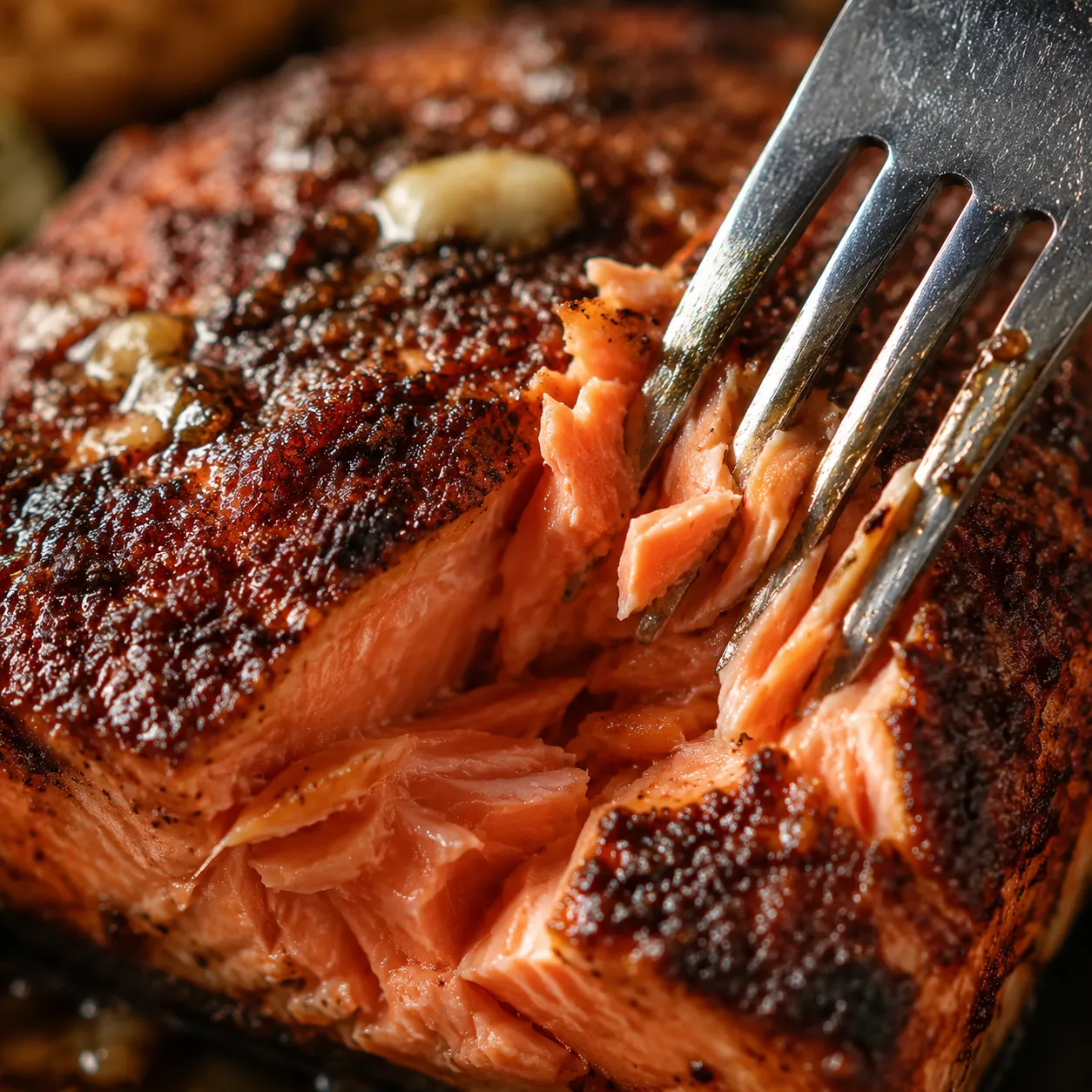
Watch the Temperature: For perfectly flaky, moist salmon, aim for an internal temperature of 125°F to 130°F (medium-rare to medium). The fish will continue to cook slightly as it rests off the heat.
🔄 Variations & Substitutions
This blackening technique is incredibly adaptable. Once you master the basic method, you can easily tweak the flavor profile or swap the protein to suit your family's preferences.
Sweet and Spicy: Add one tablespoon of dark brown sugar to the spice blend. The sugar will caramelize in the hot pan, creating a beautiful sweet-and-smoky crust that balances the cayenne pepper.
Different Fish: This exact rub and method works beautifully on other firm, hearty fish like mahi-mahi, halibut, red snapper, or even thick cod fillets.
Chicken or Pork: Not in the mood for seafood? Pound chicken breasts to an even thickness or use thick-cut pork chops, apply the rub, and sear using the same butter and oil method.
Herb-Heavy Blend: If you prefer a more herbaceous crust, double the dried thyme and oregano, and add a teaspoon of dried basil or crushed fennel seeds to the mix.
🧊 Storage & Leftovers
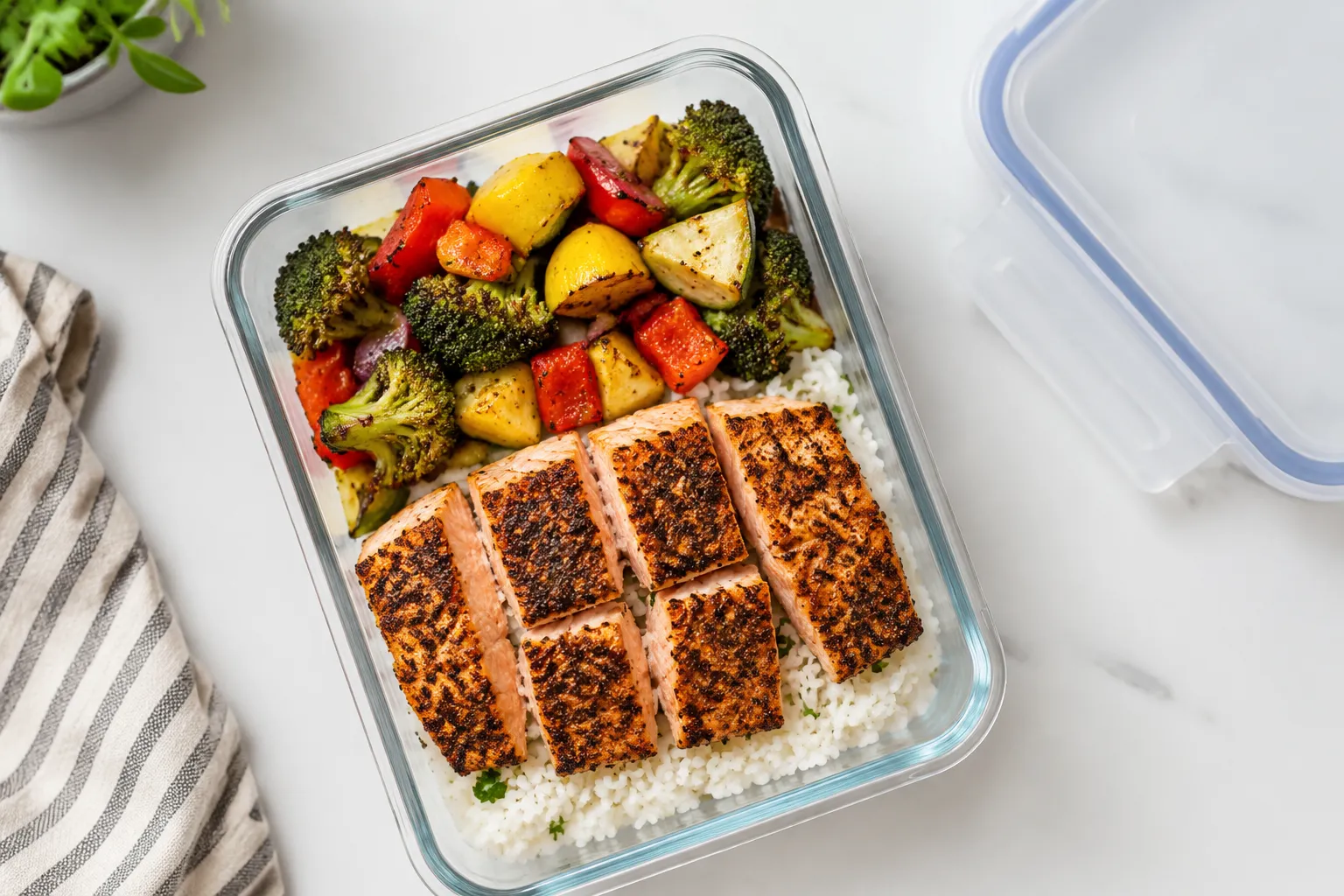
Store any leftover blackened salmon in an airtight glass container in the refrigerator for up to 3 days. Because the spices are so robust, the flavor actually deepens slightly overnight, making this an excellent option for meal prep.
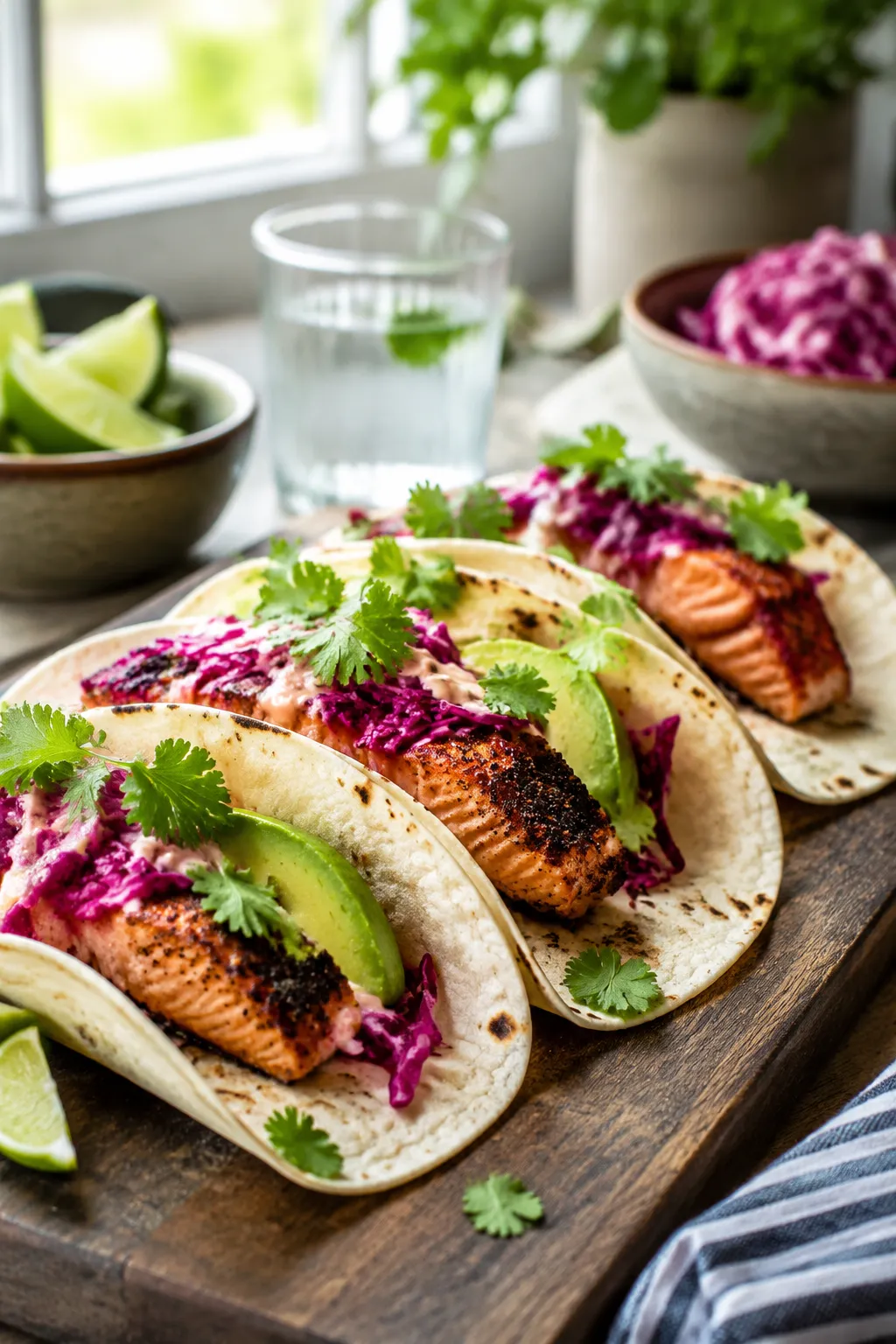
To reheat without drying out the delicate fish, avoid the microwave if possible. Instead, place the fillets in a skillet over medium-low heat with a tiny splash of water or a dab of butter, cover with a lid, and let it steam gently for 3-4 minutes until just warmed through. Alternatively, flake the cold salmon straight from the fridge over a crisp green salad or use it to build incredible fish tacos with crunchy cabbage slaw and avocado.
Frequently Asked Questions
What is blackened salmon?
Blackened salmon is a classic culinary preparation where salmon fillets are generously coated in a bold, earthy Cajun spice blend and seared in a screaming-hot skillet with melted butter. The intense heat causes the milk solids in the butter and the spices to toast and brown rapidly, creating a dark, incredibly flavorful, and slightly crunchy crust while keeping the interior of the fish moist, tender, and flaky.
Is blackened salmon spicy?
It has a bold, smoky flavor profile with a moderate amount of heat, but it shouldn't be overwhelmingly spicy. The heat level is entirely controlled by the cayenne pepper in the blackening seasoning. If you prefer a milder dish, you can reduce the cayenne to a mere pinch. If you are a fan of fiery Cajun food, you can increase the cayenne to a full teaspoon to give the crust a serious kick.
Should I cook blackened salmon with the skin on or off?
Cooking with the skin on is highly recommended. The skin acts as a natural insulator, protecting the delicate flesh of the salmon from the intense, direct heat of the cast-iron skillet. It also helps the fillet hold its shape while cooking and flipping. Plus, when seared in hot butter and oil, the skin crisps up beautifully and becomes a delicious, savory part of the meal.
What's the difference between blackened and grilled salmon?
The main difference lies in the cooking technique and the crust. Blackened salmon relies on a heavy coating of Cajun spices seared rapidly in a pool of hot butter, usually in a cast-iron skillet, to create a dark, caramelized, spice-heavy coating. Grilled salmon, on the other hand, is cooked over an open flame or charcoal, relying on the smoke of the fire and the grill grates for flavor, usually with a much lighter seasoning.
What sides go best with blackened salmon?
Because the Cajun spices are so dominant and rich, the best side dishes offer a fresh, cooling, or acidic contrast. Fluffy cilantro lime rice, creamy garlic mashed potatoes, or a cool, crisp corn salad are fantastic options. Roasted green vegetables like asparagus or charred broccolini also pair beautifully. For a lighter meal, serve the salmon over a large mixed green salad tossed with a bright lemon vinaigrette.
Blackened Salmon Recipe (Restaurant-Style in 20 Minutes)