Creamy Cajun Pasta Recipe (One-Pan, 30 Minutes)
Ingredients
Scale
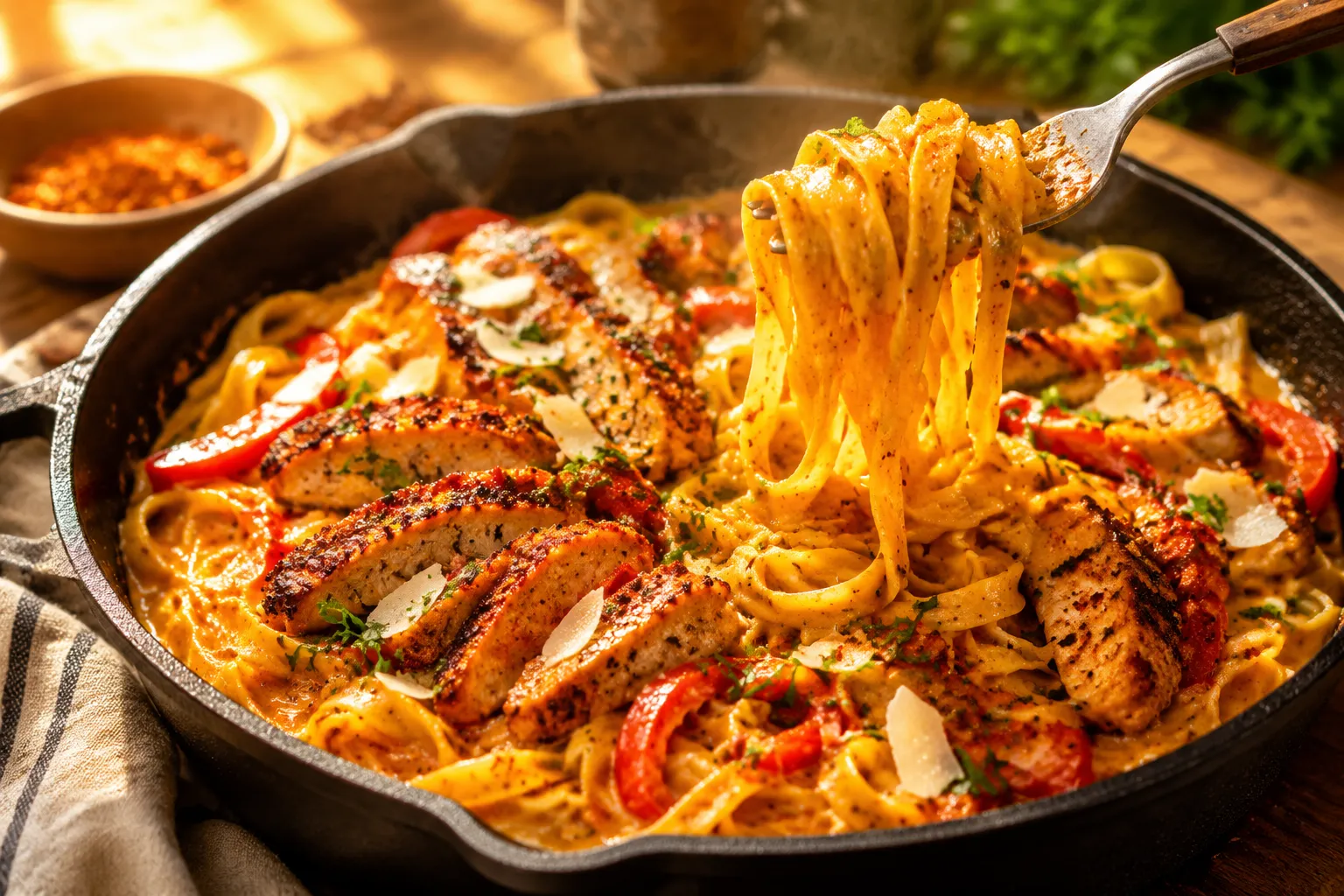
Smoky, spicy, and silky-creamy, this one-pan Cajun pasta delivers restaurant flavor in 30 minutes flat using one skillet and pantry staples.
This creamy cajun pasta recipe is the kind of weeknight dinner that tastes like you ordered it from a New Orleans bistro but actually came together in one pan in 30 minutes. Smoky, peppery, and silky from a real Parmesan cream sauce, it has all the soul-warming character of Cajun cooking with the no-fuss attitude of a busy Tuesday night.
I've made this dish more times than I can count, and the magic is in the method: instead of boiling pasta separately, you cook it directly in the spiced cream sauce. The starch from the noodles thickens everything into a glossy, clingy coating, and every bite picks up the smoky paprika, garlic, and pepper notes from the seasoning blend. You get restaurant-style flavor without dirtying a colander, a separate pasta pot, or really anything beyond one deep skillet.
What I love most about this approach is how forgiving it is. Run a little long on the simmer? The sauce just gets thicker, easily fixed with a splash of broth. Spice runs hot for the kids? Stir in extra cream. Need to feed an extra mouth? Toss in a handful more pasta and a glug of cream. This is the kind of dish you can cook on autopilot after a long day, and it still tastes like you fussed.
Cajun pasta is an Italian-American mashup born in Louisiana kitchens, where cooks took the smoky, peppery seasoning of Cajun cuisine and tossed it with pasta and a rich cream sauce. It became a Southern restaurant staple in the 1980s and 90s, especially as chefs like Paul Prudhomme pushed Cajun flavors into the mainstream. Today it shows up on menus everywhere from neighborhood diners to upscale chains, usually loaded with chicken, shrimp, or sausage and tossed in a spiced Alfredo-style sauce.
The flavor profile leans on the Cajun "holy trinity" — onion, bell pepper, and celery (or just the first two for speed) — plus a heavy dose of paprika, cayenne, garlic, and dried herbs. Cream and Parmesan smooth out the heat, giving you a sauce that's bold but not punishing. It's the kind of dish that converts spice-skeptics, because the dairy carries the spice instead of fighting it. Done well, you taste warmth and smoke long before you taste burn.
The two often get used interchangeably, but there's a real distinction. Cajun cooking comes from rural Acadiana and tends to be rustic, smoky, and pepper-forward, often built without tomatoes. Creole cuisine grew in New Orleans with French, Spanish, and Caribbean influences and leans on tomatoes, fresh herbs, and a slightly more refined hand. This recipe lives comfortably in the middle: a smoky Cajun-spiced backbone with a small splash of fire-roasted tomatoes for depth and color, so you get the best of both worlds in a single skillet.
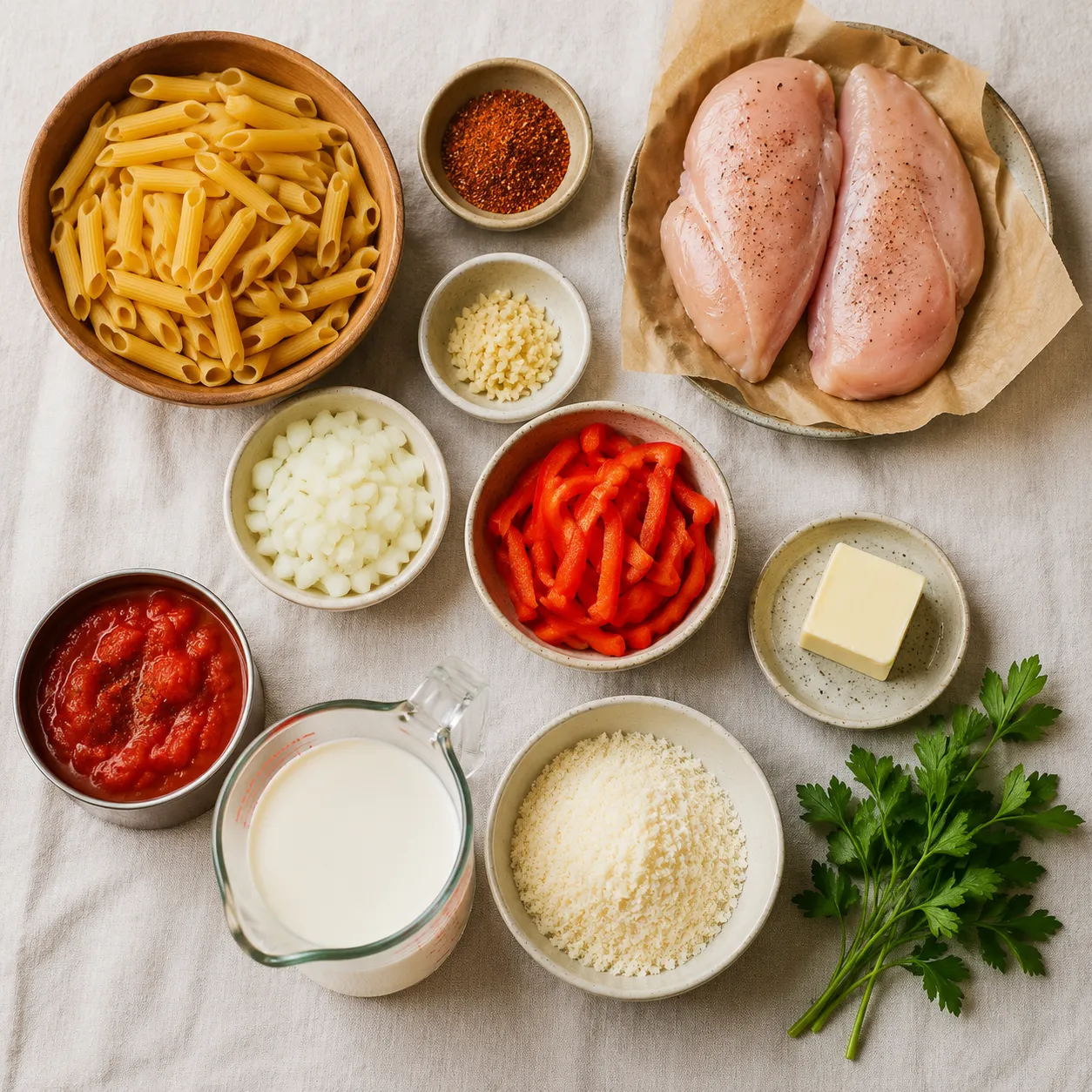
The ingredient list looks long, but most of it is pantry stuff you probably already have. The real flavor driver is the seasoning. A good Cajun blend has smoked paprika, garlic powder, onion powder, cayenne, white and black pepper, dried oregano, and dried thyme. Store-bought is fine — Slap Ya Mama and Tony Chachere's are the gold standards — but if you want full control over the salt and heat, a homemade Cajun seasoning takes about two minutes to stir together from spices you almost certainly already have on the rack.
For the pasta itself, I reach for penne or fettuccine. Penne's ridges and hollow center grab the sauce in every bite, and fettuccine gives you that classic Alfredo-style twirl. Rigatoni and cavatappi also work beautifully. Avoid delicate shapes like angel hair or thin spaghetti — they turn mushy in the one-pan method and don't have enough surface area to carry a heavy creamy Cajun sauce.
Protein-wise, this is where you make it yours. Boneless skinless chicken breast or thighs sear up gorgeously with the spice rub. Cajun shrimp adds a quick-cooking, sweet-briny note that pairs perfectly with the cream. And andouille sausage pasta is the move if you want something deeply smoky and Louisiana-authentic — just slice and brown the rounds before building the sauce. Keeping it meatless? Sautéed mushrooms and zucchini stand in beautifully, especially with a splash of soy or Worcestershire to mimic that savory depth.
The supporting players: heavy cream for body, low-sodium chicken broth so the sauce doesn't turn cloying, fire-roasted tomatoes for sweet acidity, fresh garlic, onion, and red bell pepper for that holy trinity backbone, and freshly grated Parmesan to finish.
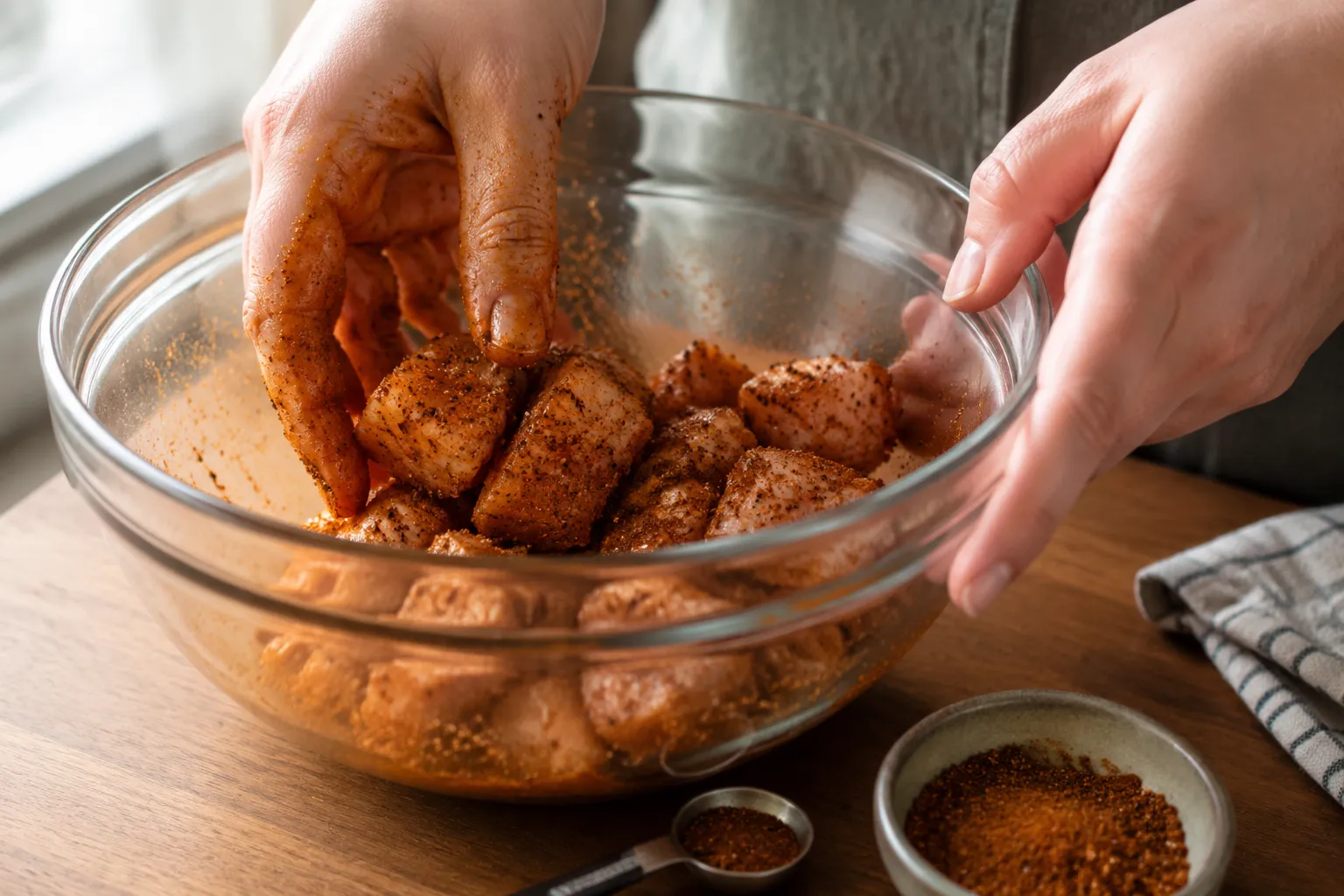
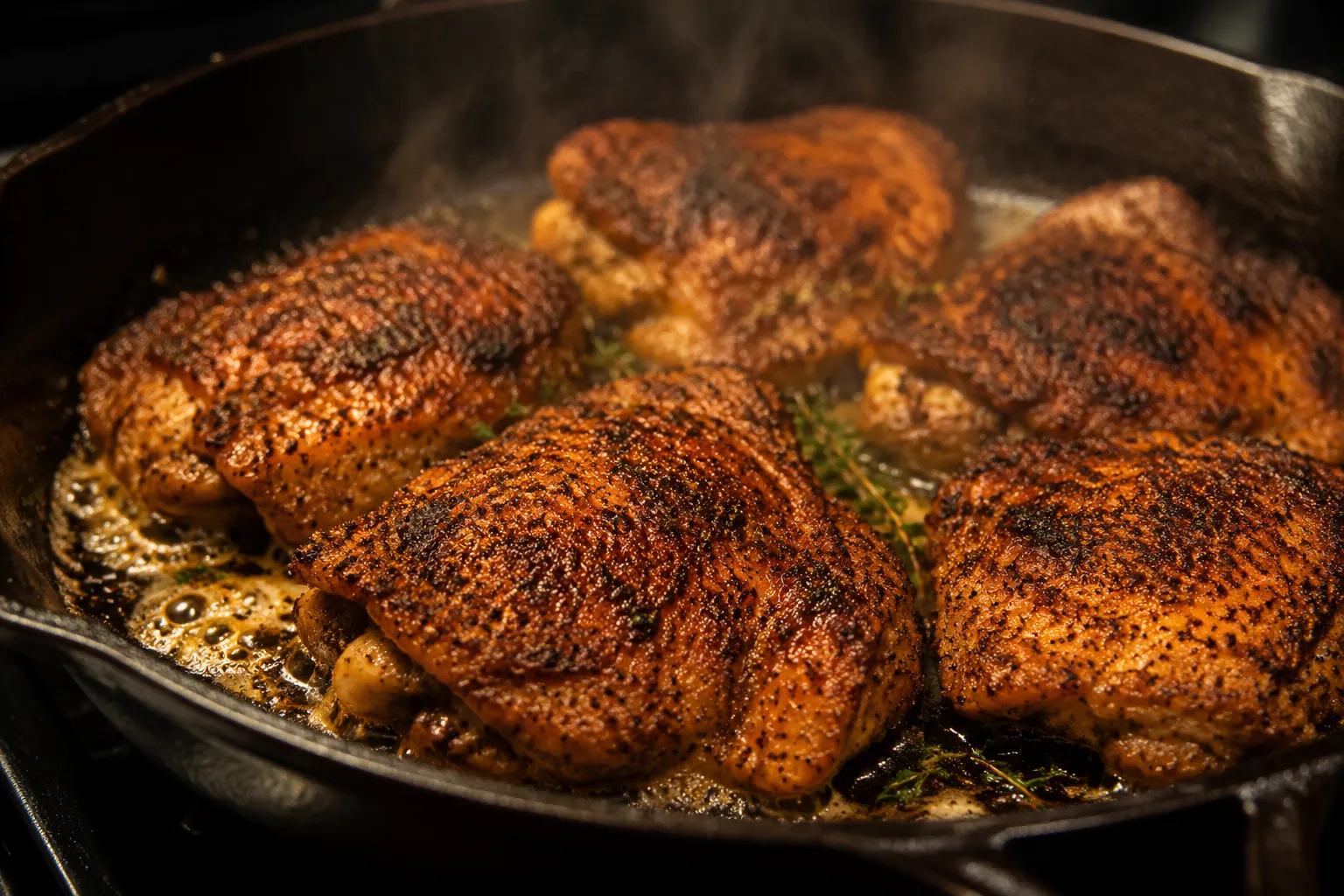
The full numbered method lives in the recipe card below, but here's the rhythm of how it comes together. You start by tossing your protein in Cajun seasoning while the skillet heats — for chicken, I like to go full blackened chicken style with a heavy spice crust seared hard in butter and oil until the outside is dark and the inside is just cooked through. Pull it out and let it rest while you build the base. Resting matters more than people think; the chicken keeps cooking from carryover heat, the juices redistribute, and by the time you're ready to slice, you'll have something tender all the way through instead of dry at the edges.
Next, the trinity goes in. Onion and bell pepper hit the same skillet and pick up all those browned spice bits left behind by the chicken. A few minutes later, garlic joins, then a splash of broth to deglaze and lift everything off the bottom. This is where the flavor compounds — every brown speck on the bottom of the pan is gold, and you want all of it dissolved into the sauce. If anything looks like it's threatening to scorch, drop the heat half a notch and keep stirring.
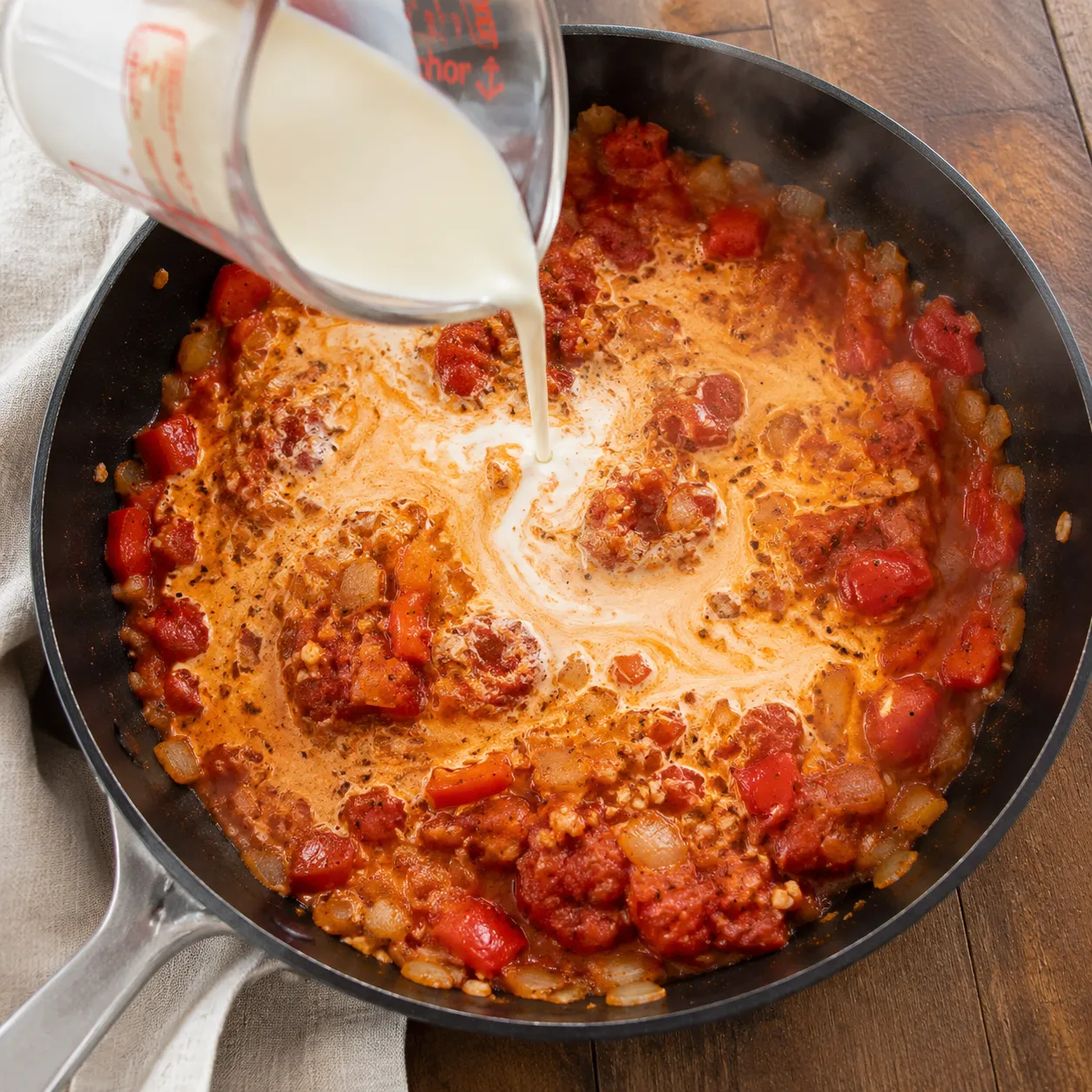
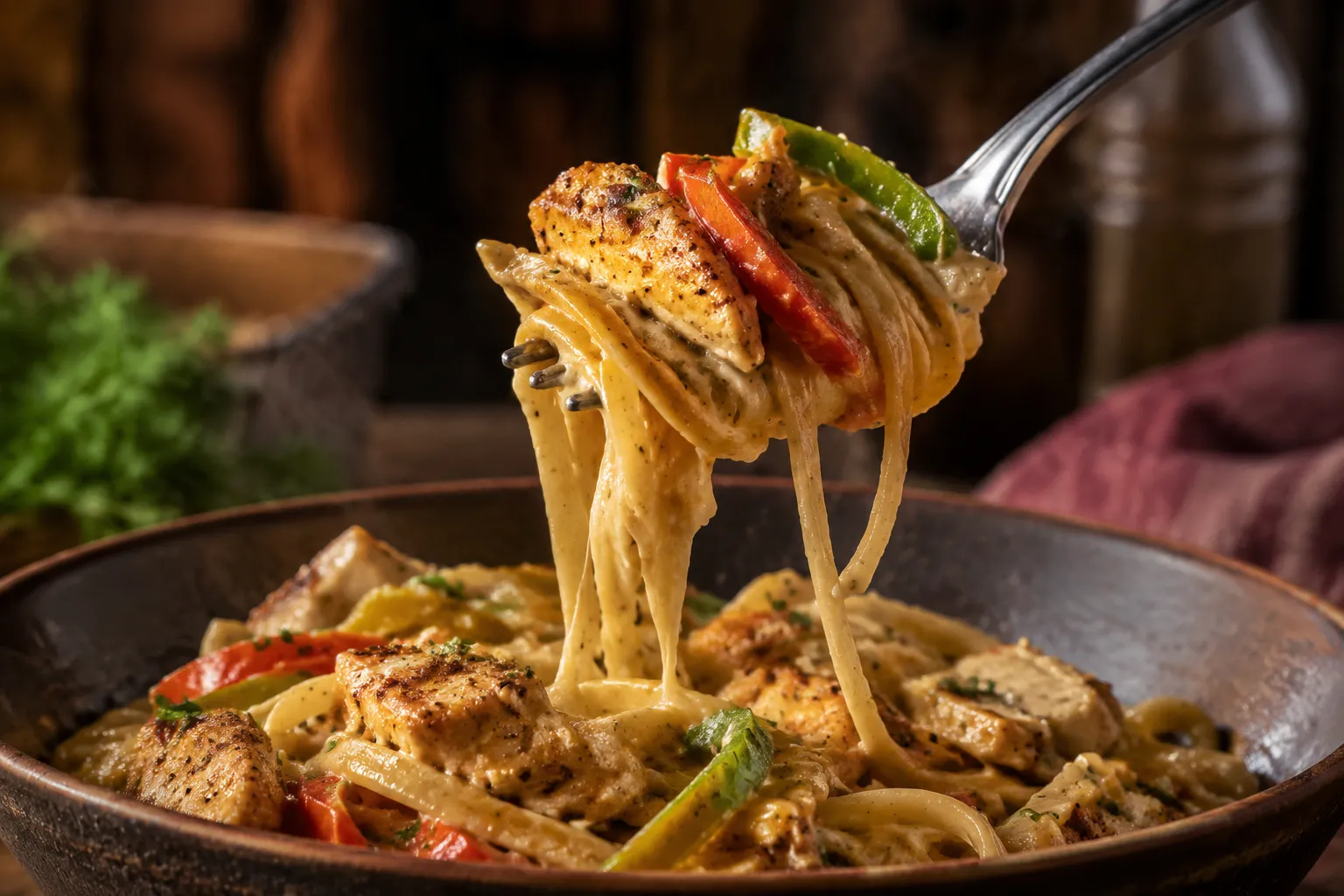
Then comes the silky part. Pour in the heavy cream, the fire-roasted tomatoes, the rest of the broth, and another spoonful of Cajun seasoning. Bring it to a gentle simmer, slide in the dry pasta, and let it cook right in the sauce, stirring often so nothing sticks to the bottom. The starch released from the noodles thickens the sauce into something that clings to every ridge and curl.
This is the moment when the kitchen starts smelling unmistakably like a New Orleans bistro — paprika, garlic, and butter rolling together in the steam. Don't be tempted to crank the heat to speed things up; a steady medium-low simmer keeps the cream from breaking and gives the pasta time to absorb flavor instead of just liquid. Set a timer, stir every couple of minutes, and trust the process.
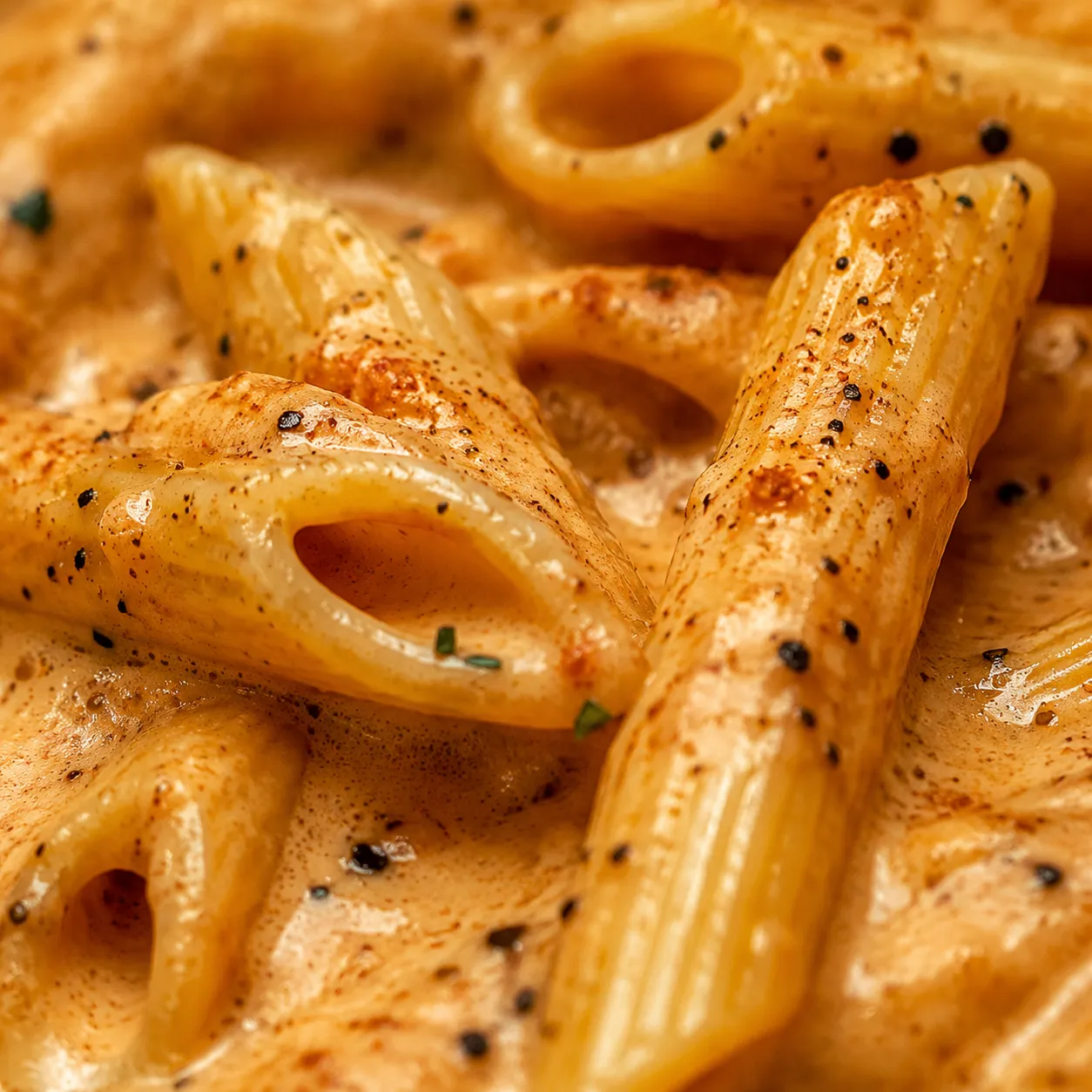
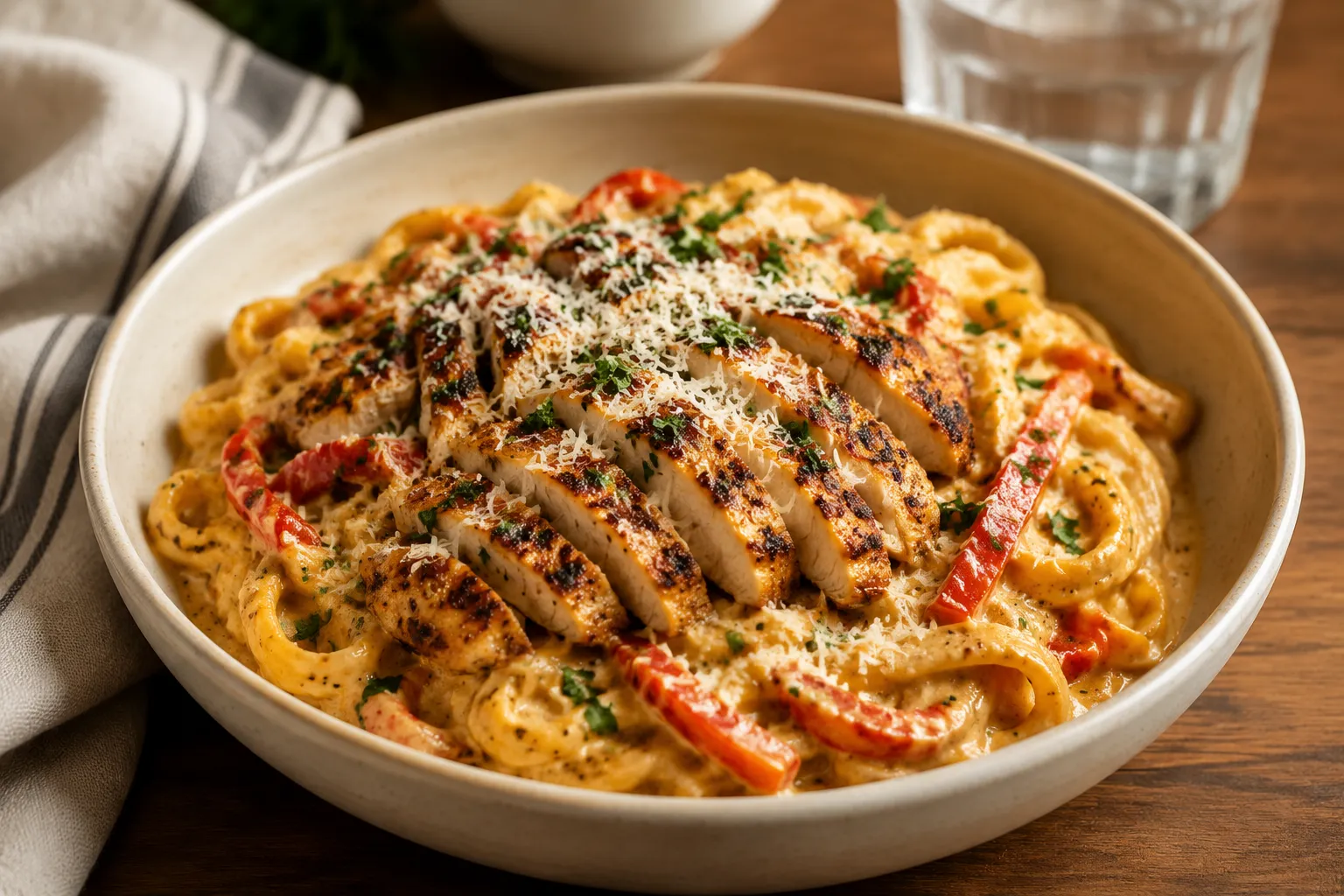
Finish off the heat with a generous handful of freshly grated Parmesan — that's what turns the whole skillet into a proper garlic Parmesan cream sauce — slice the rested chicken, fan it on top, and shower with chopped parsley. The sauce will keep thickening as it sits, so if it tightens up too much before you serve, a splash of broth or hot pasta water loosens it right back to glossy.
This skillet is rich and full-flavored, so I keep the sides simple and bright. A crisp green salad with a sharp vinaigrette is the classic move — the acid cuts through the cream beautifully. Roasted asparagus or charred broccolini also bring a nice bitter-green contrast. And of course, a hunk of crusty bread or a slab of garlic bread is non-negotiable for sauce-mopping duty; you'll be glad you have it on the table when the bowl is half empty.
If you're feeding a crowd, this slots nicely alongside other one-pot pasta dinners on a buffet table, or you can lean into the Louisiana theme with a side of dirty rice, simple Southern green beans, or a quick cucumber-tomato salad. For drinks, a chilled glass of Sauvignon Blanc, a dry rosé, or a crisp pilsner all play well with the smoky heat. If you want to go non-alcoholic, sparkling water with lemon or a glass of unsweetened iced tea hits the same refreshing note.
Whether you're making this on a Tuesday night for the family or doubling it for a casual dinner with friends, it's the kind of dish that earns repeat requests. Bold without being aggressive, creamy without being heavy, and ready in the time it takes to throw in a load of laundry — this is weeknight cooking I can get behind, and I'd bet you will too.
This recipe is built to flex. The base sauce stays the same — you just swap proteins or vegetables to land somewhere different on the spectrum. Here are the variations I make most often:
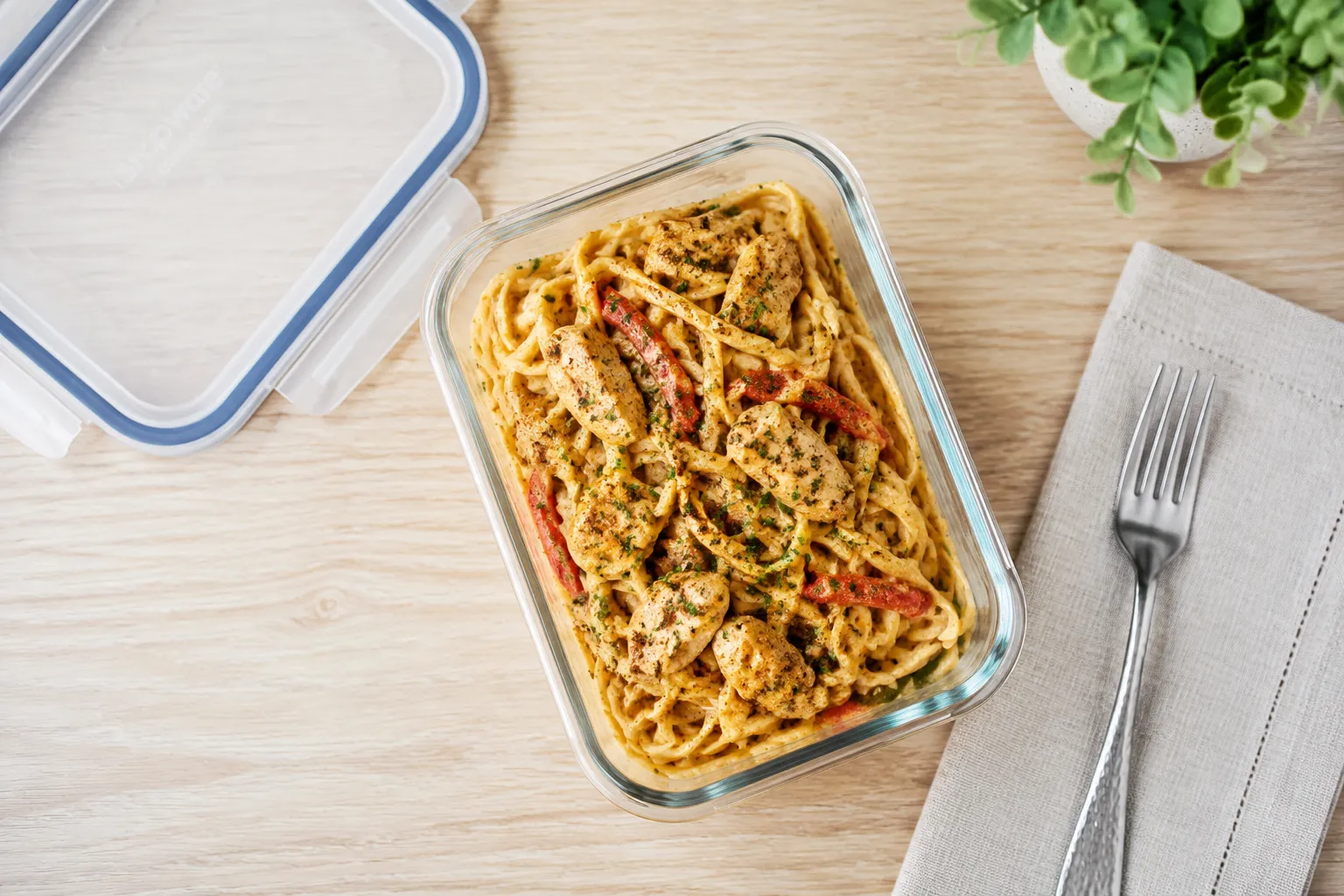
Leftovers keep beautifully in an airtight container in the fridge for up to 3 days. The sauce will thicken as the pasta absorbs liquid, which is normal and easily fixed when you reheat. I don't recommend freezing — cream sauces tend to break and pasta turns spongy after thawing, so this is a make-and-eat-within-the-week kind of dish.
To reheat, warm portions in a skillet over medium-low heat with a splash of milk, cream, or chicken broth — about 2 tablespoons per serving — stirring gently until the sauce loosens and turns glossy again. The microwave works in a pinch, but use 50% power in 60-second bursts and stir between each, or the cream can split into an oily mess. Add a fresh shower of Parmesan and parsley at the table to make leftovers feel new.