Creamy Shrimp Alfredo Recipe (Restaurant-Style in 30 Min)
Ingredients
Scale
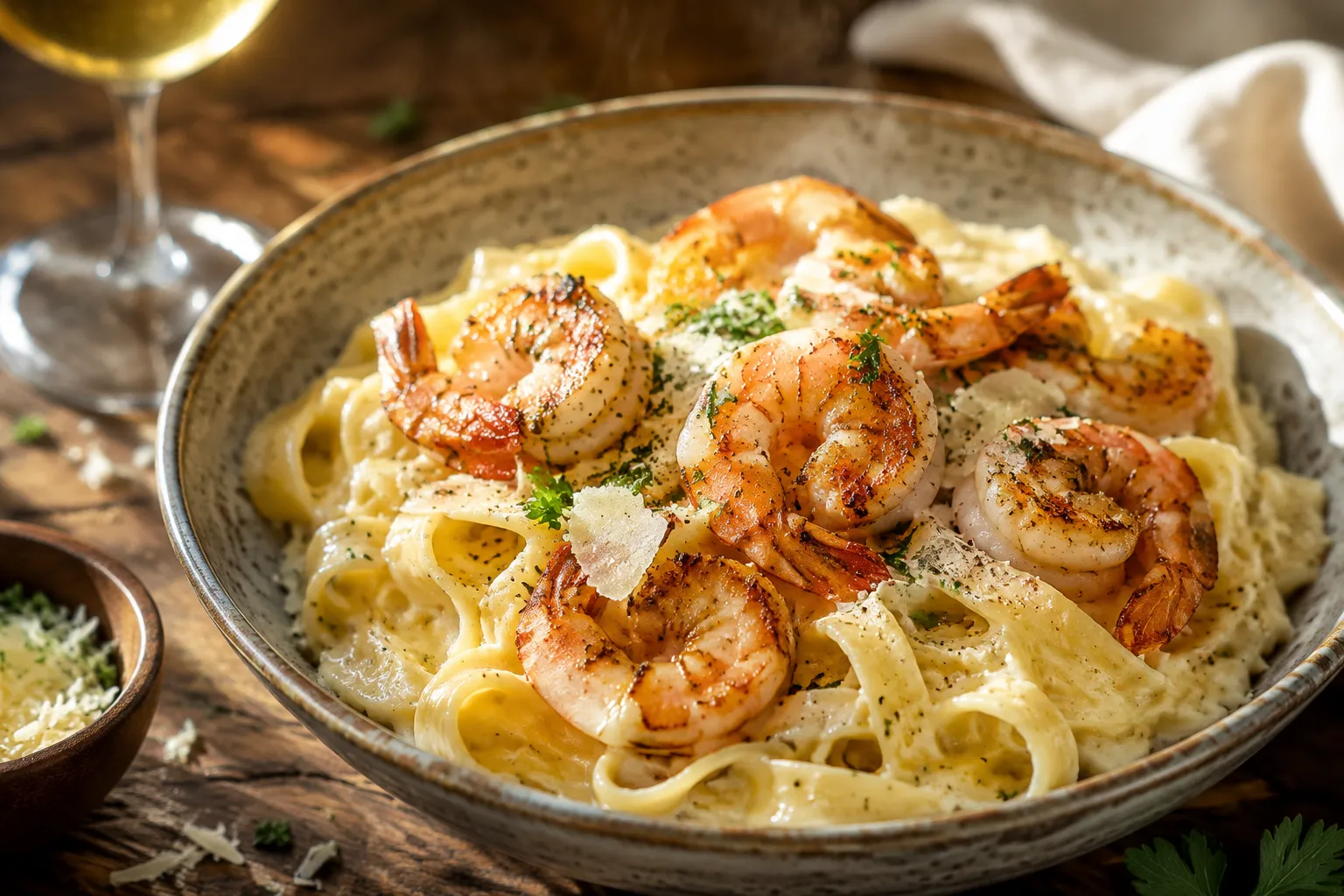
Buttery garlic shrimp meet silky parmesan cream sauce over tender fettuccine. This 30-minute shrimp alfredo tastes like Olive Garden, only better.
shrimp alfredo is the kind of creamy, twirlable pasta dinner that makes a regular Tuesday feel like a date night out. We’re talking tender fettuccine pasta, plump golden shrimp, and a silky sauce built from butter, heavy cream, garlic, and freshly grated parmesan—no jar, no shortcuts, no cream cheese needed.
What makes this version so satisfying is the way the sauce is built right in the same skillet used for the shrimp. Those browned bits, garlicky butter, and sweet seafood juices fold into the creamy alfredo sauce, giving every strand of pasta that restaurant-style flavor busy home cooks crave. It is cozy, fast, and special enough for company, but simple enough to pull off before anyone asks what’s for dinner.
This recipe leans into the Italian-American comfort-food magic of butter, cream, and cheese without overcomplicating the method. Instead of thickening the sauce with cream cheese or flour, you’ll gently simmer heavy cream, whisk in finely grated parmesan, and let the pasta finish right in the pan. The result is a glossy parmesan cream sauce that clings to the noodles rather than pooling at the bottom of the bowl.
The shrimp are cooked first so they stay juicy and lightly caramelized, then they come back at the very end for a quick toss. That small detail makes a big difference because shrimp cook quickly and can turn rubbery if they simmer too long in sauce. If you’ve ever wondered how to cook shrimp so they taste buttery and tender instead of bland, the answer is high heat, a quick sear, and a short resting time while you finish the pasta.
This is also one of those easy pasta dinners that feels generous with just a handful of familiar ingredients. You don’t need a specialty market, a long simmer, or a sink full of dishes. Put the water on, grate the cheese, pat the shrimp dry, and dinner is halfway there.
The ingredient list is short, so each piece matters. Large shrimp are ideal because they sear beautifully and stay succulent against the rich sauce; look for peeled and deveined shrimp to keep prep quick. If frozen shrimp are what you have, thaw them overnight in the refrigerator or under cold running water, then dry them very well before seasoning.
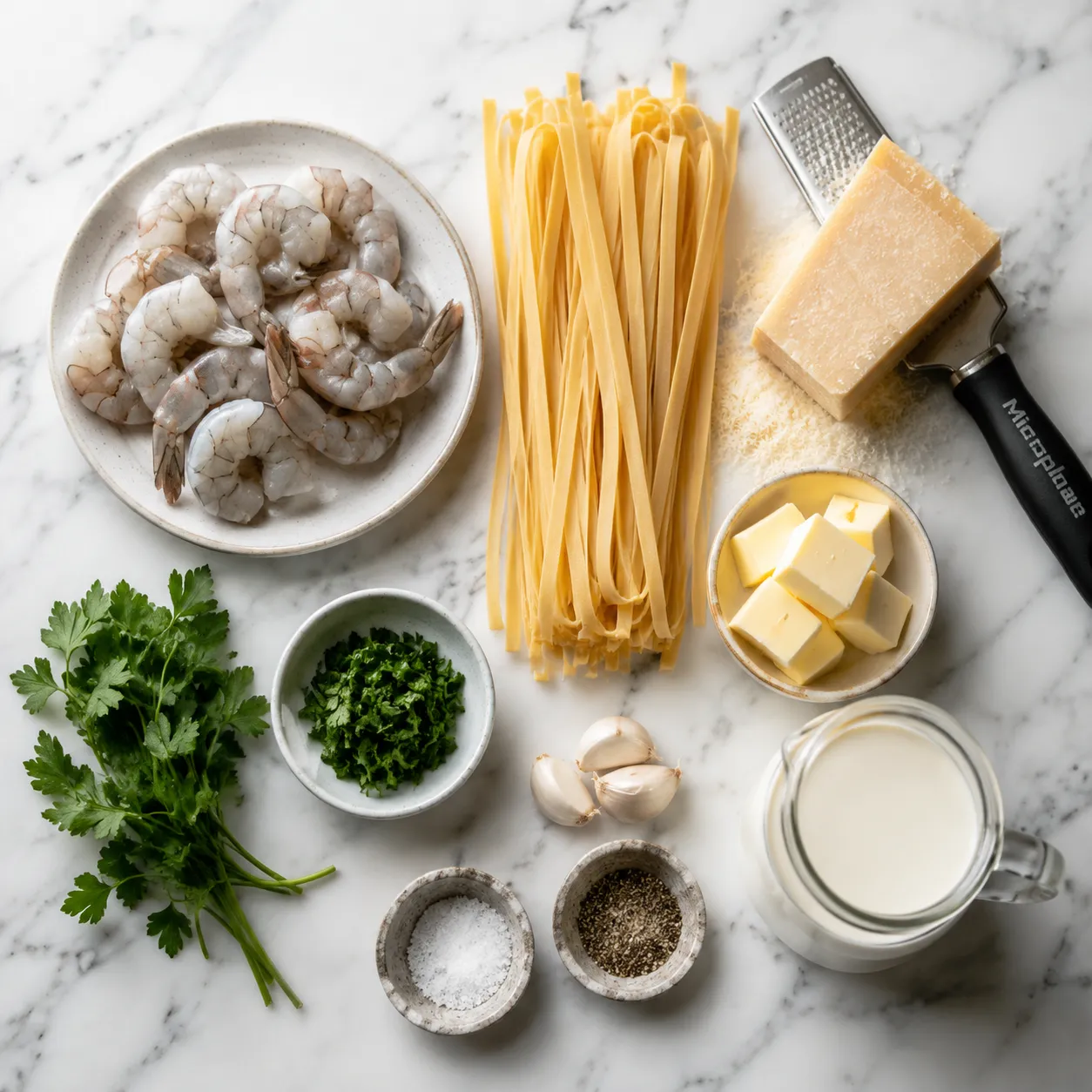
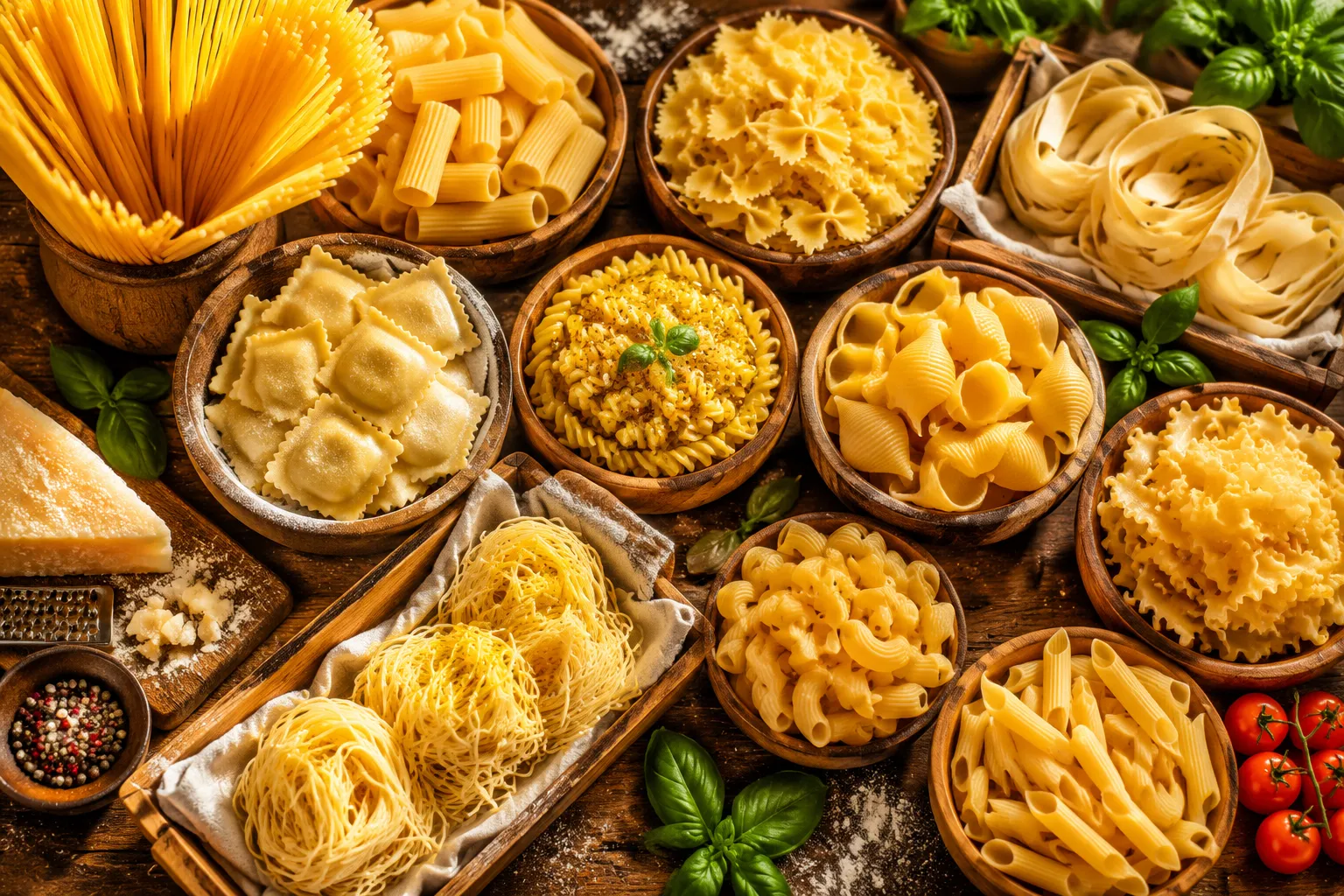
For the pasta, classic fettuccine is the best match because the wide, flat ribbons catch sauce in every fold. Linguine, tagliatelle, pappardelle, and even short shapes like penne can work, but fettuccine pasta gives the most familiar steakhouse-style bowl. Cook it just shy of al dente so it can finish in the skillet and absorb a little of the sauce.
The sauce starts with butter and garlic, then heavy cream creates that plush, velvety base. Freshly grated parmesan is non-negotiable here: it melts smoothly, seasons the sauce, and gives the dish its signature savory depth. Pre-shredded cheese often contains anti-caking agents that can make the sauce grainy, so grab a wedge and a microplane if you can.
Olive oil helps raise the butter’s smoke point when searing the shrimp, while parsley, black pepper, and a pinch of salt keep everything balanced. A splash of reserved pasta water is the quiet hero, loosening the sauce while helping it cling to the noodles. Think of it as the final polish that turns a skillet of noodles into a glossy bowl of shrimp fettuccine alfredo.
This recipe moves quickly once the skillet is hot, so a little prep makes the cooking feel calm instead of chaotic. Set a large pot of salted water over high heat first, because waiting on pasta water is usually the longest part of the process. While it comes to a boil, grate the parmesan, mince the garlic, chop the parsley, and pat the shrimp dry with paper towels.
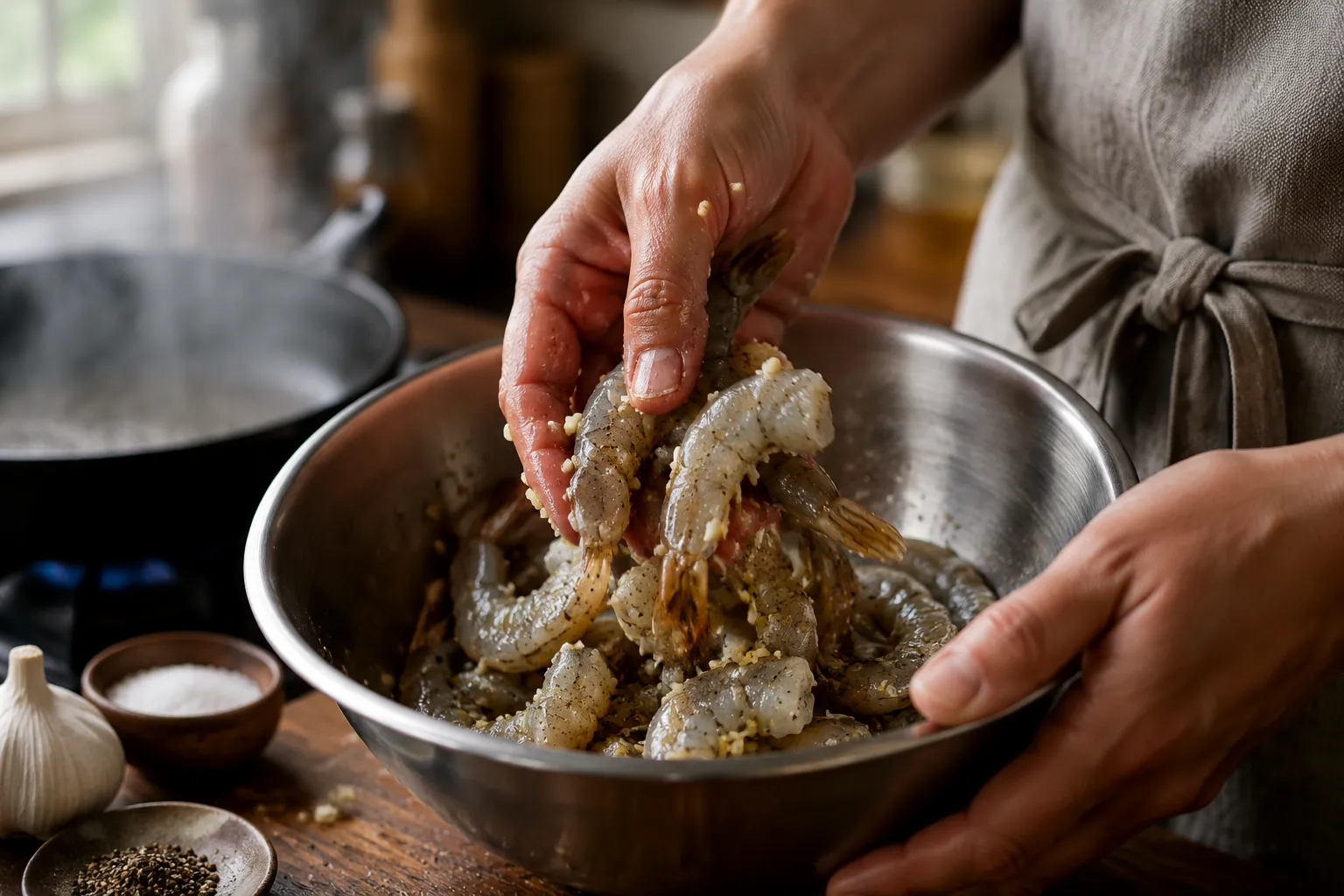
Seasoning the shrimp before they hit the pan helps build flavor from the inside out. Salt, pepper, and a little garlic are enough because the sauce is rich and savory. The key is not to bury the shrimp under too many spices unless you are intentionally taking the dish in a bolder direction.
Have a heatproof measuring cup near the pasta pot so you remember to save pasta water before draining. That starchy liquid is especially helpful for fettuccine alfredo because it loosens the sauce without making it watery. It also gives you a little insurance if the pasta sits for a minute while you call everyone to the table.
The method is simple: boil the pasta, sear the shrimp, build the sauce, then toss it all together. The shrimp go into a hot skillet with olive oil and butter just until they curl and turn pink. You want lightly golden edges, not a deep crust, because delicate seafood cooks in minutes.
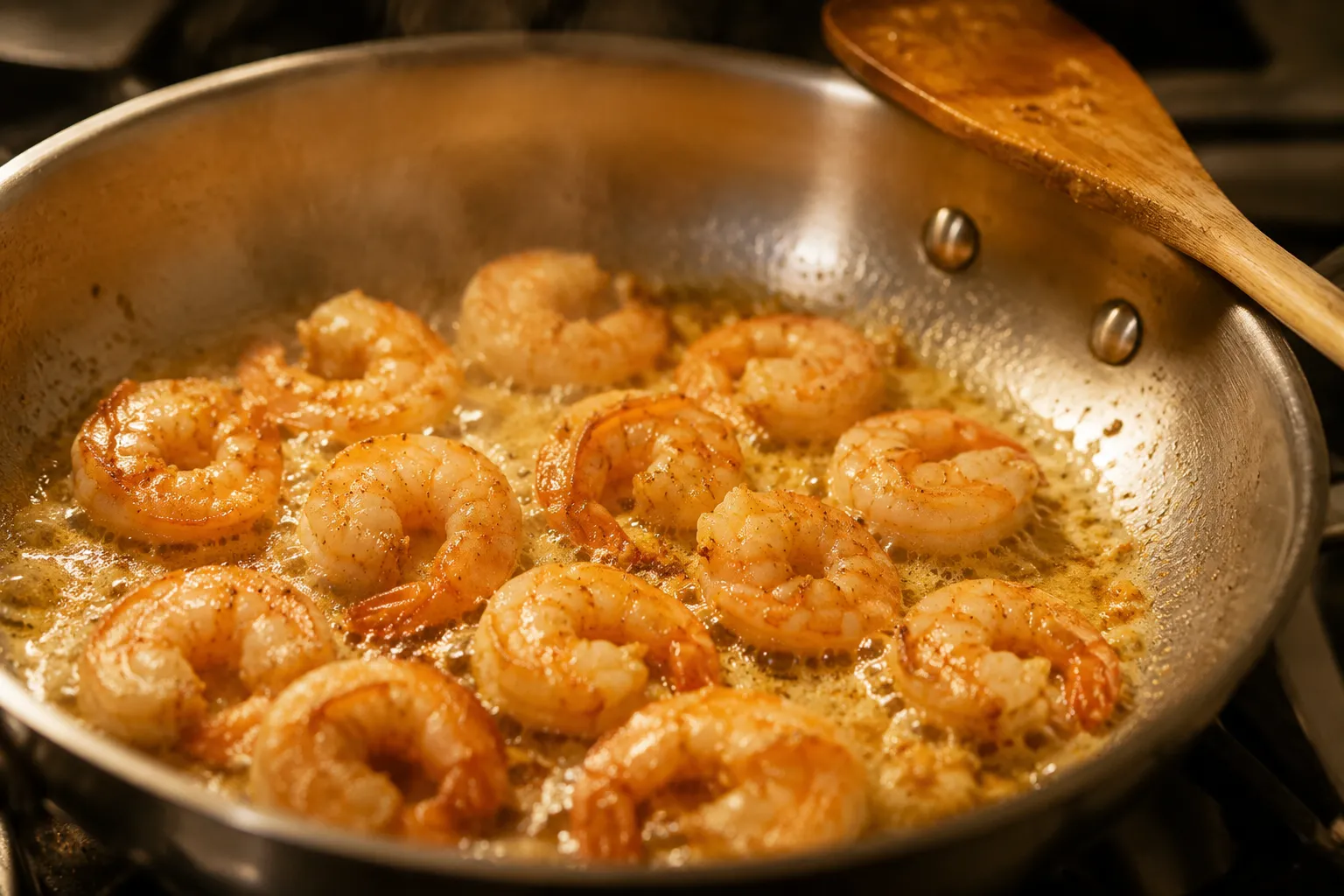
Once the shrimp are out of the pan, lower the heat and use the same skillet for the sauce. Garlic blooms in butter for just a few seconds, then heavy cream simmers gently until slightly thickened. The parmesan is added off the highest heat, whisked in gradually so it melts instead of clumping.
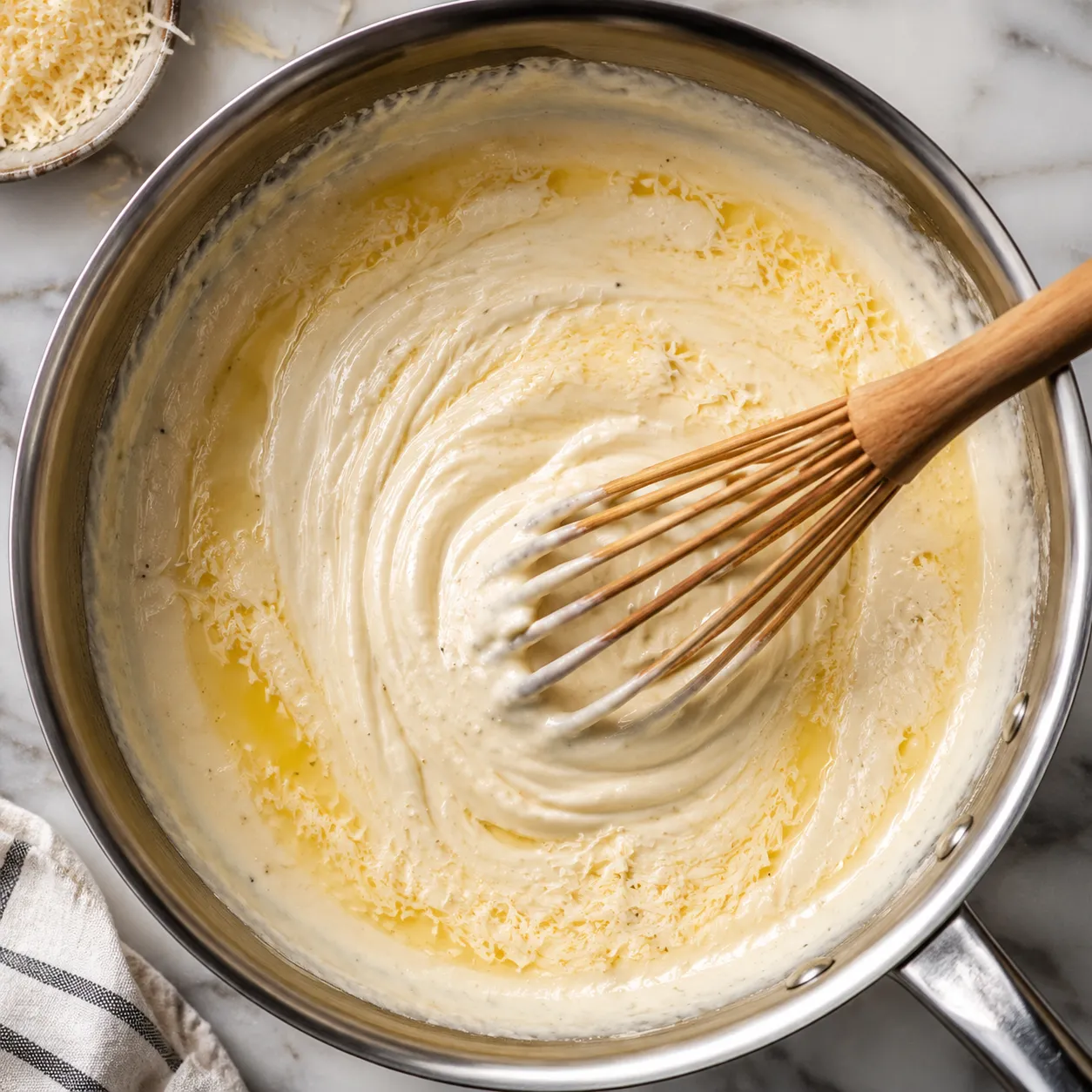
When the sauce looks smooth and creamy, the pasta joins the pan with a splash of reserved pasta water. Tossing the noodles directly in the skillet helps the sauce wrap around every ribbon instead of sitting on top. The shrimp return last, just long enough to warm through and mingle with the sauce.
The finished pasta should look creamy, glossy, and loose enough to twirl. If it seems too thick, add pasta water a tablespoon or two at a time. If it seems too thin, let it rest off the heat for a minute; parmesan continues to thicken the sauce as it settles.
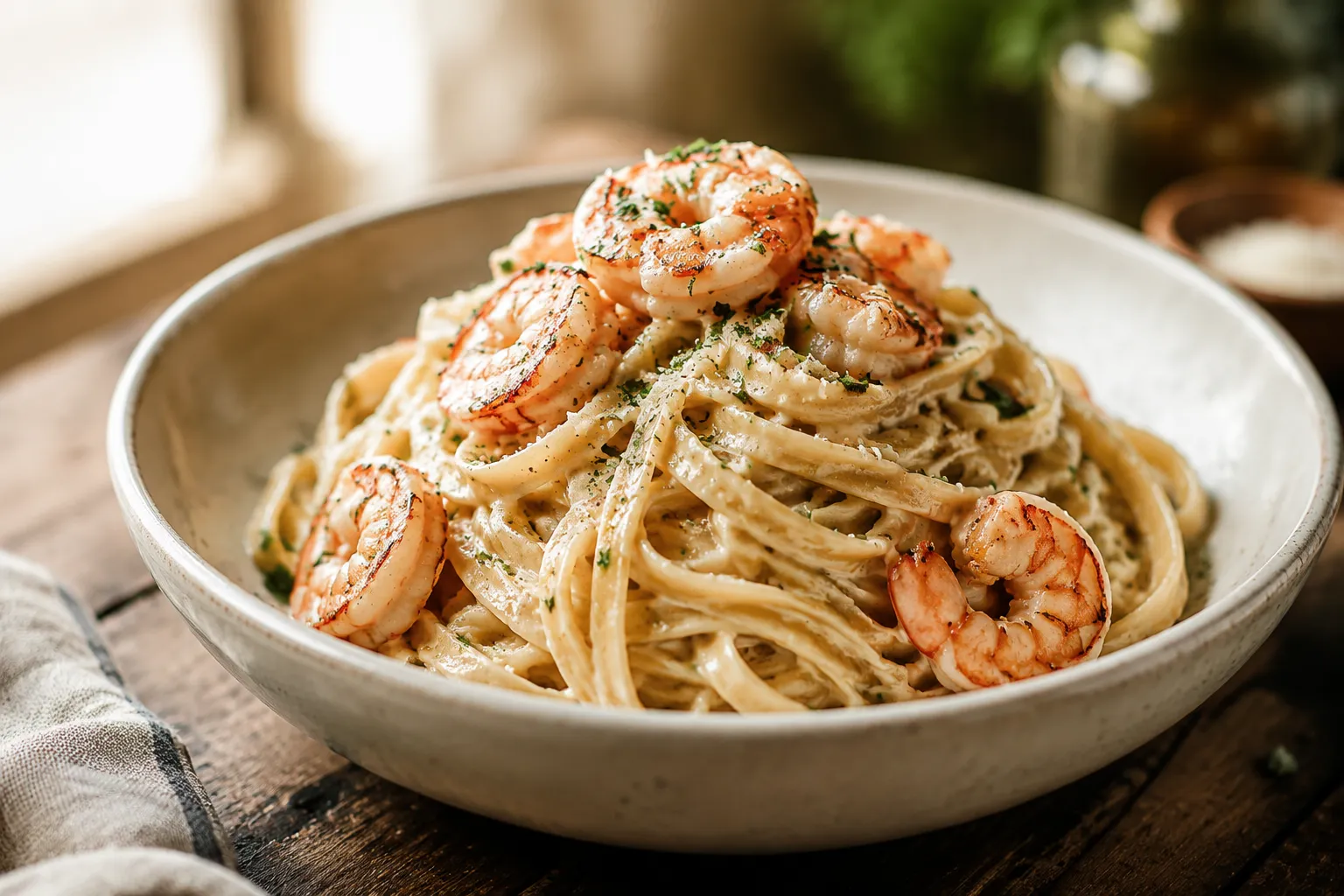
A good homemade alfredo sauce is all about balance: enough fat to feel luxurious, enough cheese to taste savory, and enough liquid to keep it smooth. Butter gives the sauce roundness, garlic adds warmth, and heavy cream provides the gentle body that makes the dish feel restaurant-worthy. Fresh parmesan melts into the cream, seasoning and thickening at the same time.
The sauce will thicken as it cools, which is why it should look a little looser in the skillet than you might expect. Pasta continues absorbing liquid after it leaves the heat, and the cheese keeps setting up. This is also why the reserved pasta water matters so much; it helps refresh the texture without diluting the flavor.
For best results, add the cheese in small handfuls rather than dumping it in all at once. Whisk between additions and give each handful a chance to melt. That patient, gradual approach is the difference between a sauce that tastes lush and one that feels heavy.
The dream bowl of creamy shrimp pasta is rich but not gluey, saucy but not soupy. To get there, cook the pasta until it still has a slight bite, then move it into the skillet with the sauce. The noodles finish cooking as they soak up the cream and cheese, which makes the flavor feel integrated rather than layered on top.
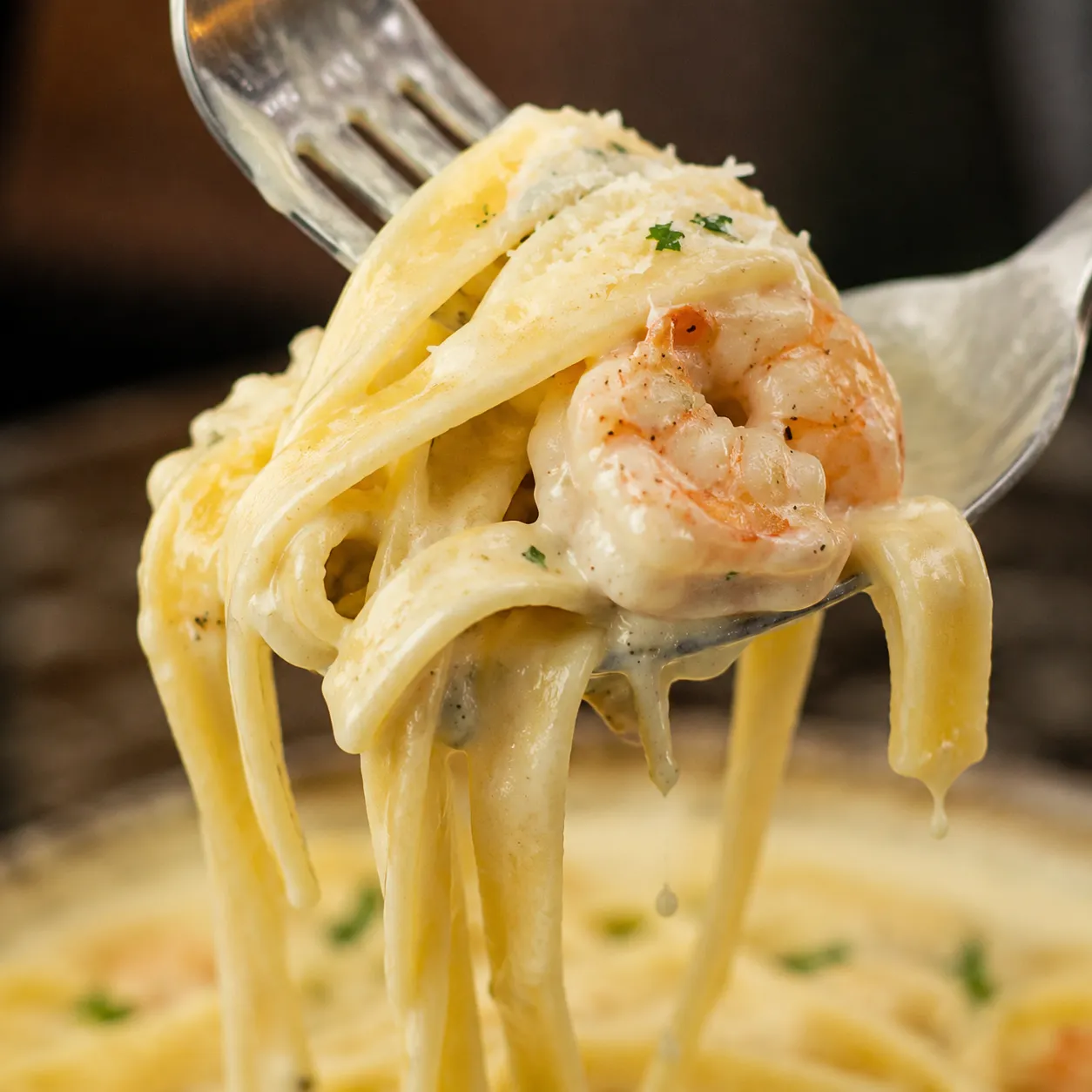
If you have ever had a pan of cream pasta tighten up too quickly, the fix is usually pasta water and gentle heat. Add a small splash, toss well, and watch the sauce become glossy again. The starch in the water helps emulsify the fat from the butter and cream, creating that spoon-coating finish you see in restaurant kitchens.
Do a final taste only after the pasta and shrimp are fully combined. Parmesan brings saltiness, shrimp are naturally sweet and briny, and salted pasta water adds seasoning too. A shower of cracked black pepper and a little parsley at the end brighten the richness without distracting from the sauce.
This pasta is generous and creamy, so simple sides are your best friends. A basket of warm garlic bread is perfect for swiping through the extra sauce, and a crisp Caesar salad brings crunch and brightness. If you want something green but low-effort, roast asparagus, broccolini, or zucchini while the pasta water boils.
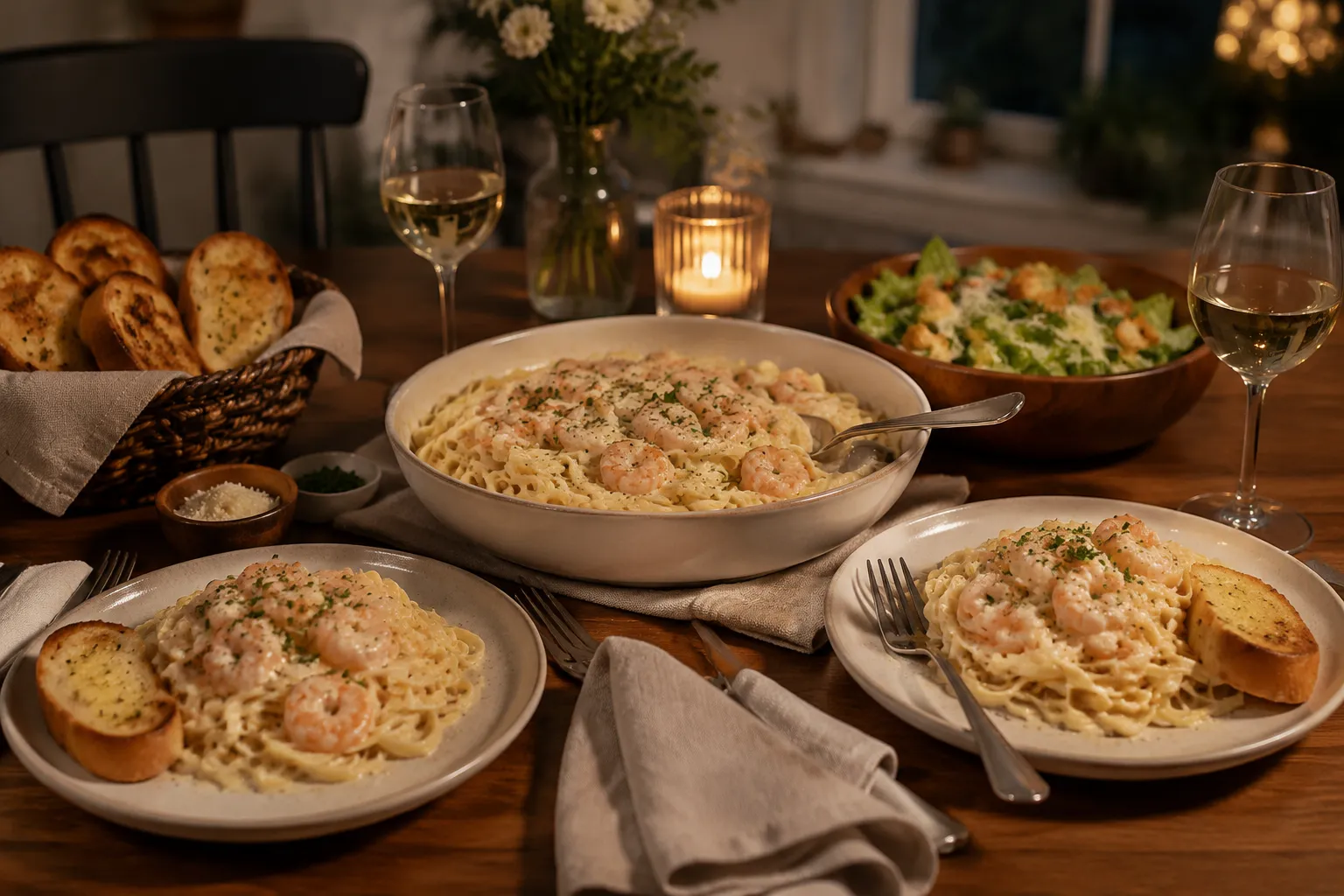
For drinks, a chilled glass of white wine such as Pinot Grigio, Sauvignon Blanc, or an unoaked Chardonnay works beautifully. Lemon sparkling water is also lovely because the acidity cuts through the richness. If you want to make the table feel extra special, serve the pasta in warm shallow bowls and finish each portion with more parmesan and parsley.
This dish is best served immediately, while the sauce is glossy and the shrimp are tender. Set everything on the table before you toss the final pasta, then bring the skillet over as soon as it is ready. That way every forkful tastes creamy, hot, and fresh from the pan.
There is a reason this creamy skillet pasta has such staying power: it delivers big comfort with very little fuss. You get the buttery seafood, the silky sauce, and the satisfying twirl of noodles in about the time it takes to decide on takeout. Once you make it from scratch, the jarred version just can’t compete.
Keep the recipe close for busy nights, birthdays at home, or the moment someone requests “something creamy.” It is simple enough to memorize but elegant enough to feel like a treat. With freshly grated cheese, juicy shrimp, and a pan sauce built from the drippings, shrimp alfredo earns its place in the weeknight dinner rotation.
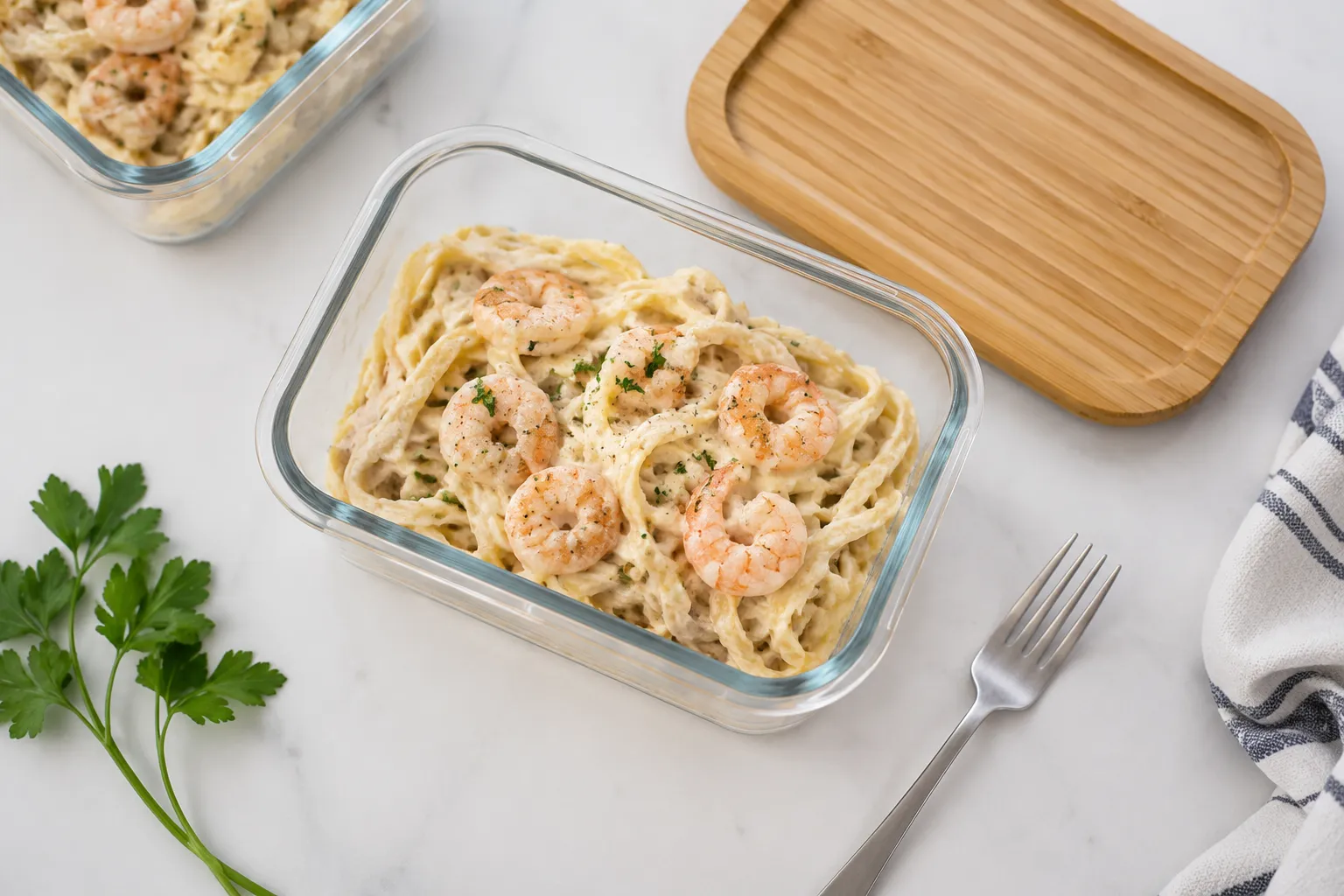
Store leftovers in an airtight container in the refrigerator for up to 2 days. Cream sauces thicken as they chill, so the pasta will not be quite as silky as it is fresh, but it can still be delicious with gentle reheating.
Rewarm on the stovetop over low heat with a splash of cream, milk, or reserved pasta water if you saved some. Stir slowly until the sauce loosens and the shrimp are just warmed through. Freezing is not recommended because the cream sauce can separate and the shrimp may become rubbery after thawing.