Garlic Bread Recipe: Crispy, Buttery, Better Than Takeout
Ingredients
Scale
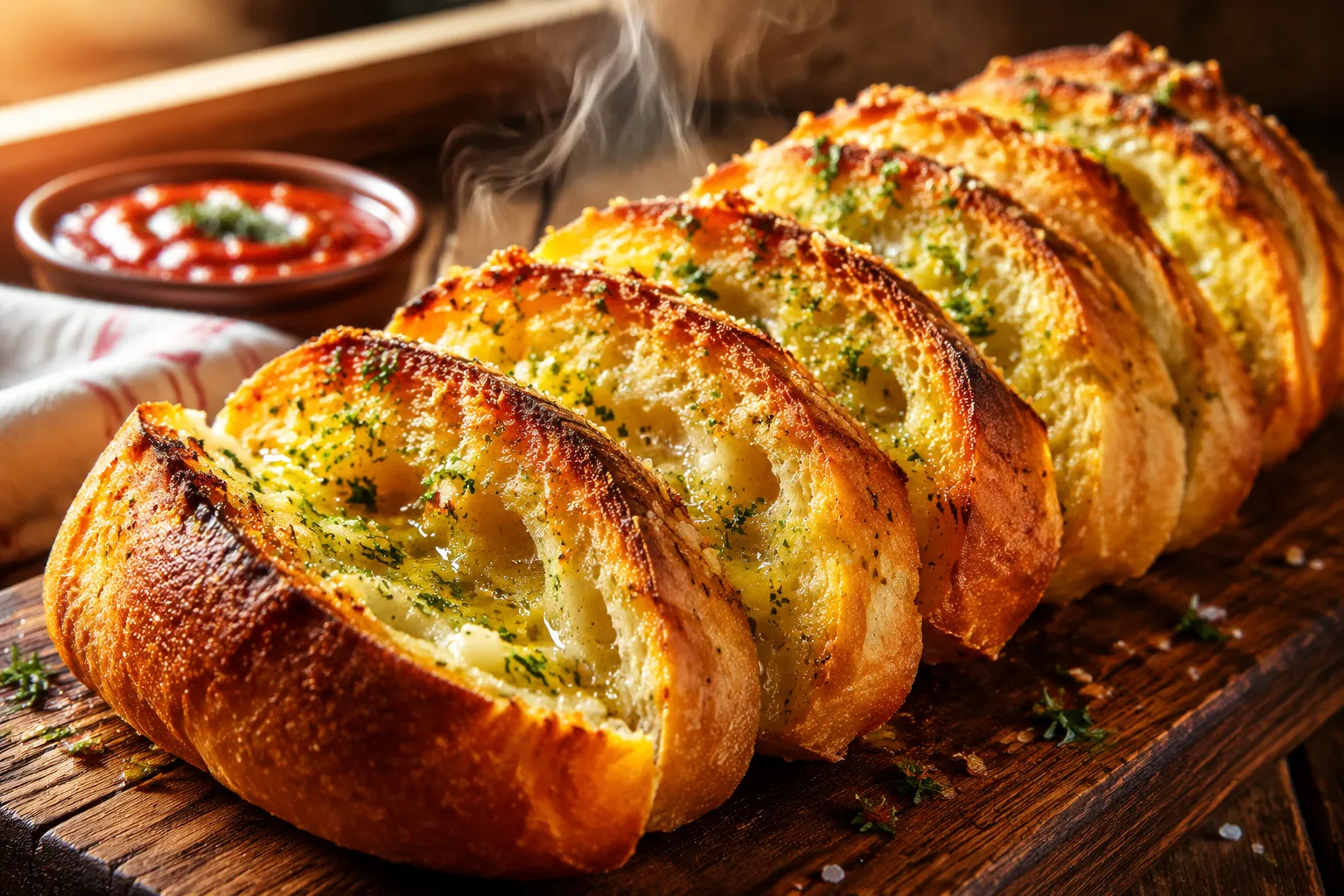
The only garlic bread recipe you need: crispy on the edges, buttery in the middle, and packed with real garlic flavor in just 20 minutes.
This garlic bread recipe is the one you'll come back to every pasta night, every soup Sunday, and every time you need a side that disappears before the main course even hits the table. Crispy, buttery edges. A soft, garlicky middle. Real fresh garlic, real butter, real fresh parsley — the kind of homemade garlic bread that ruins frozen versions for you forever.
I've made this loaf more times than I can count, and the secret isn't fancy ingredients — it's technique. We bake the bread low and slow first to melt the garlic butter deep into the crumb, then crank the broiler to crisp the edges into shattering golden ribbons. Twenty minutes, one sheet pan, one loaf of bread is all it takes.
Whether you're twirling it next to spaghetti and meatballs, dunking it into homemade marinara sauce, or soaking up the last warm drops of creamy tomato soup, this garlic bread recipe punches way above its weight. Let's get into it.
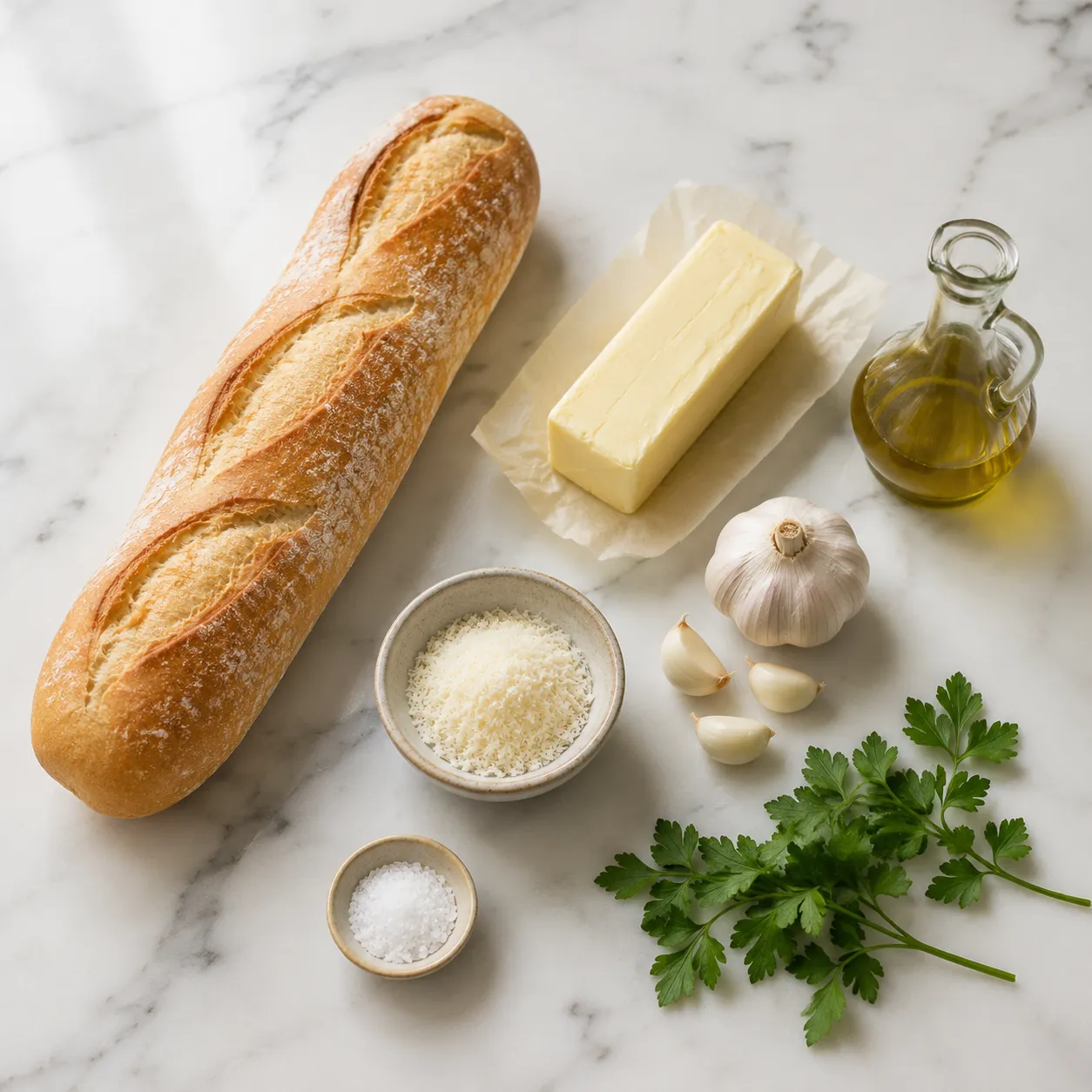
The beauty of easy garlic bread is that everything comes from the pantry and the produce drawer. No specialty hunting, no complicated swaps. Here's what each ingredient brings to the party — and where it pays to be picky.
A soft Italian or French bread loaf is the gold standard — pillowy crumb, thin crackling crust, easy to halve lengthwise. French loaves run a touch crustier; Italian loaves are softer and a little wider. Both work beautifully. Sourdough adds a tangy depth that plays really well alongside rich pasta dishes like baked ziti, while ciabatta gives you airier holes and extra crunch. Skip sandwich bread — it goes to mush under all that butter.
I use both, and you should too. Real unsalted butter brings that rich, dairy-forward flavor and helps the bread crisp up under high heat. A glug of good olive oil keeps the spread loose enough to slather and adds a fruity finish butter alone can't deliver. Together they create a kind of compound butter that melts into the crumb without scorching when the broiler kicks on. Salted butter works in a pinch — just skip the added salt.
Fresh garlic, every time. Five plump cloves, minced fine, give you that sharp aromatic punch that wakes up the whole loaf. Garlic powder works in a pinch and spreads more evenly, but it lacks the brightness of the real stuff. If you want the best of both worlds, use four cloves of fresh garlic plus a quarter teaspoon of garlic powder for a layered savory backbone. And don't skip the fresh parsley — chopped flat-leaf adds a flash of color and a clean herbal note that keeps things from feeling too heavy.
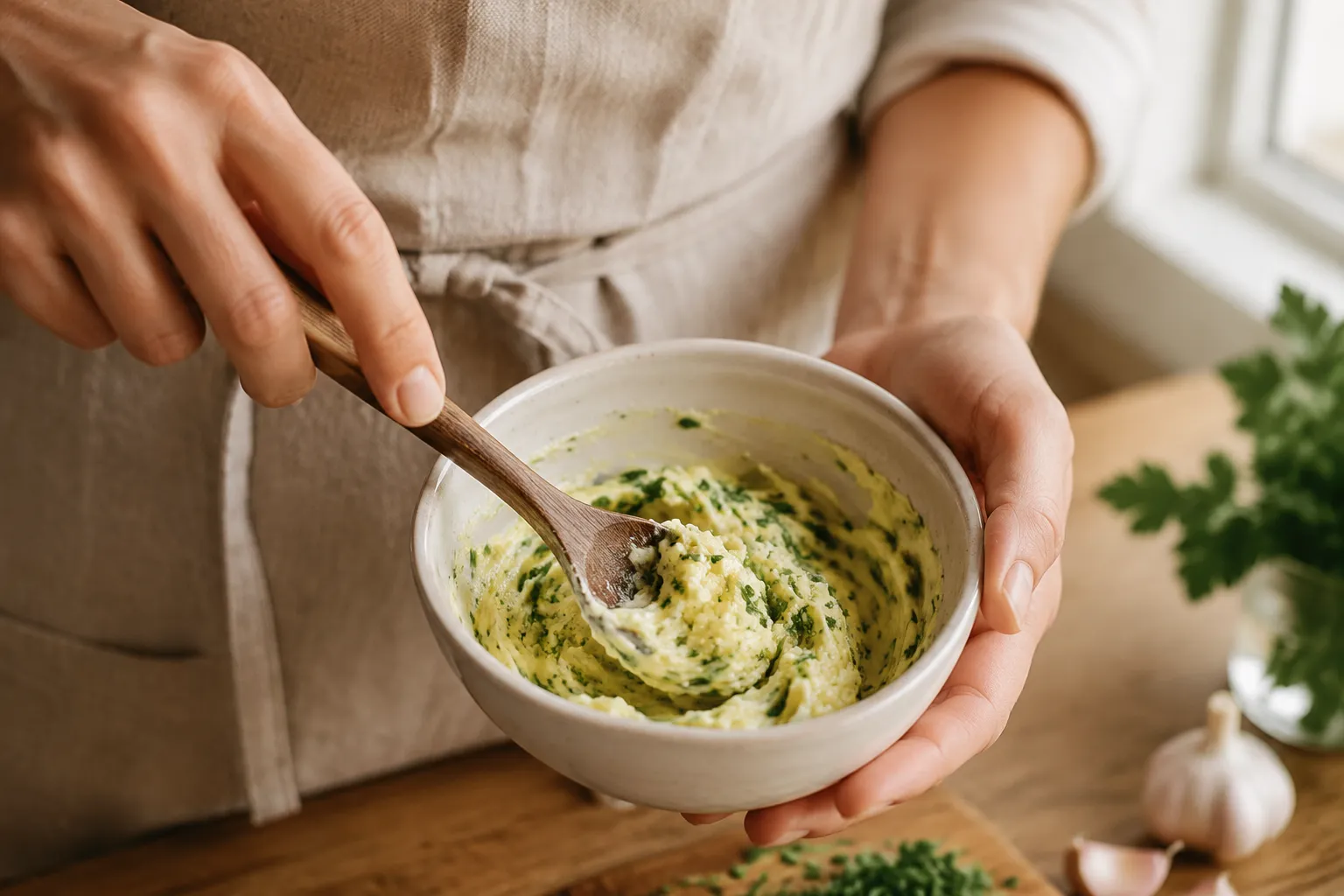
This is one of those recipes where order of operations matters more than the ingredient list itself. Soften, mash, slather, bake, then broil. Eat immediately. Here's how it actually goes down on a weeknight.
Set half a cup of unsalted butter on the counter for about thirty minutes — this is non-negotiable, because cold butter won't blend with the garlic and oil. In a small bowl, mash the softened butter with two tablespoons of olive oil, five cloves of minced garlic, two tablespoons of chopped parsley, and a quarter teaspoon of kosher salt until it looks like a creamy, flecked spread. Taste it. Adjust the salt. This is the heart of the whole loaf.
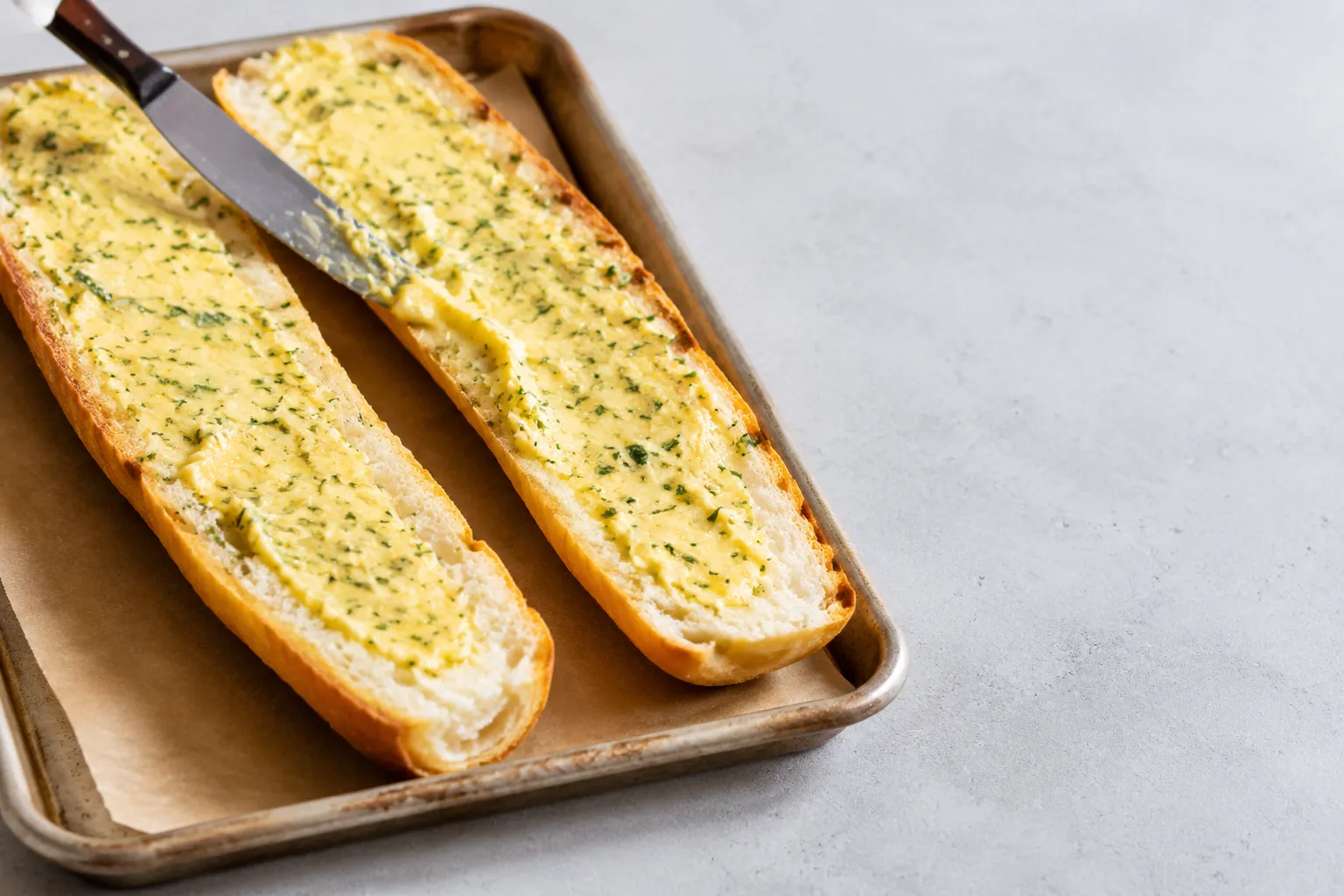
Halve your loaf lengthwise so you have two long open faces. Place them cut-side up on a parchment-lined sheet pan. Using a butter knife or offset spatula, spread the garlic butter generously across both halves, all the way to the crusty edges. Don't be shy — every inch of the surface should be glossy and coated. If you're going cheesy, this is when you'd shower it with shredded mozzarella and Parmesan.
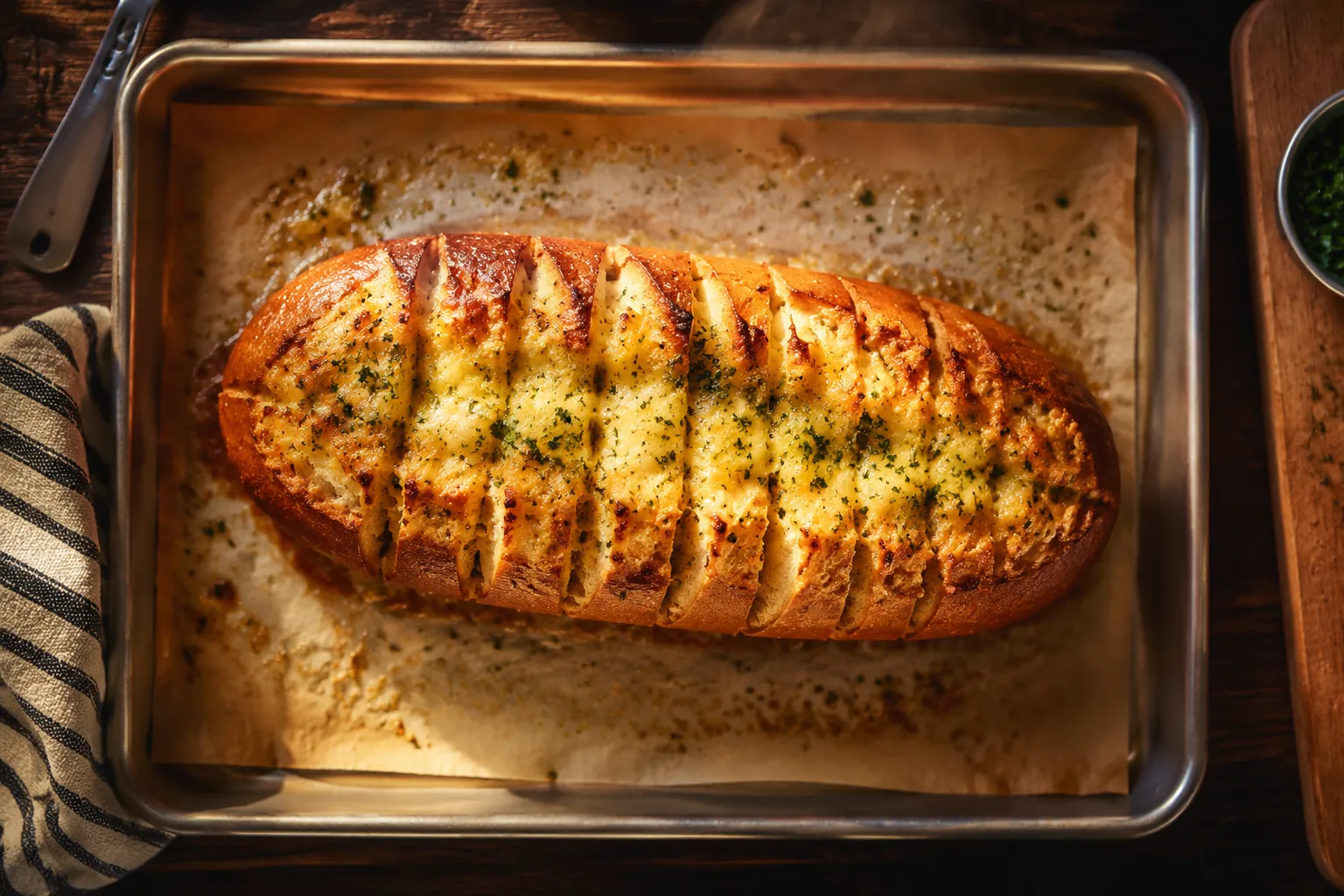
Bake at 400°F for about eight minutes, until the butter has fully melted into the crumb and the edges are starting to color. Then switch your oven to broil and slide the pan up to the top rack for one to two minutes — watch it like a hawk, because it goes from golden to charred in seconds. Pull it the moment the edges turn deep amber and the surface looks glossy. Slice on a diagonal and serve hot.
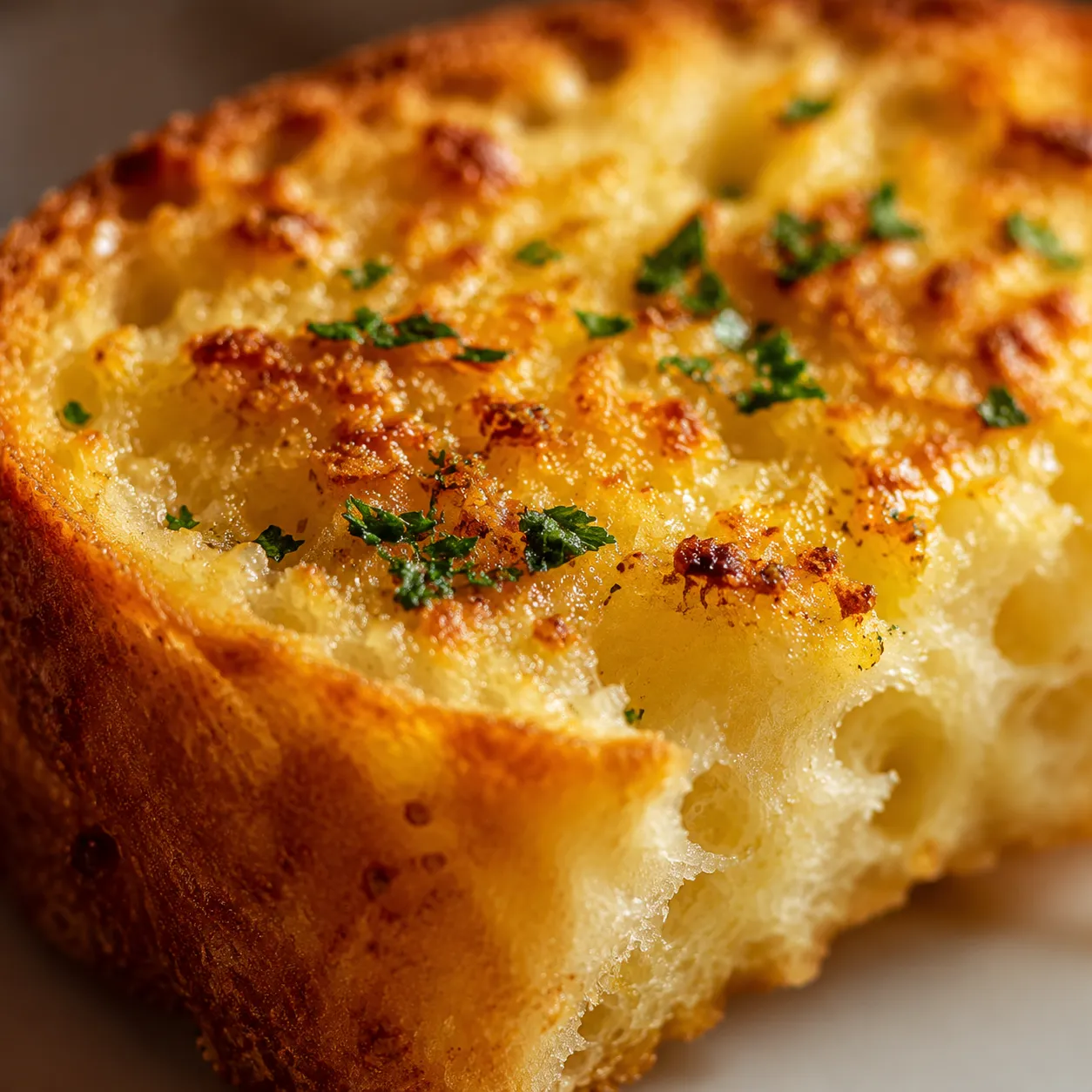
That final broil is the difference between good garlic bread and unforgettable garlic bread. It's how you get a shattering crisp top while the interior stays soft, buttery, and pull-apart tender. Skip it and you've got a perfectly fine side. Use it and you've got something people will text you about later.
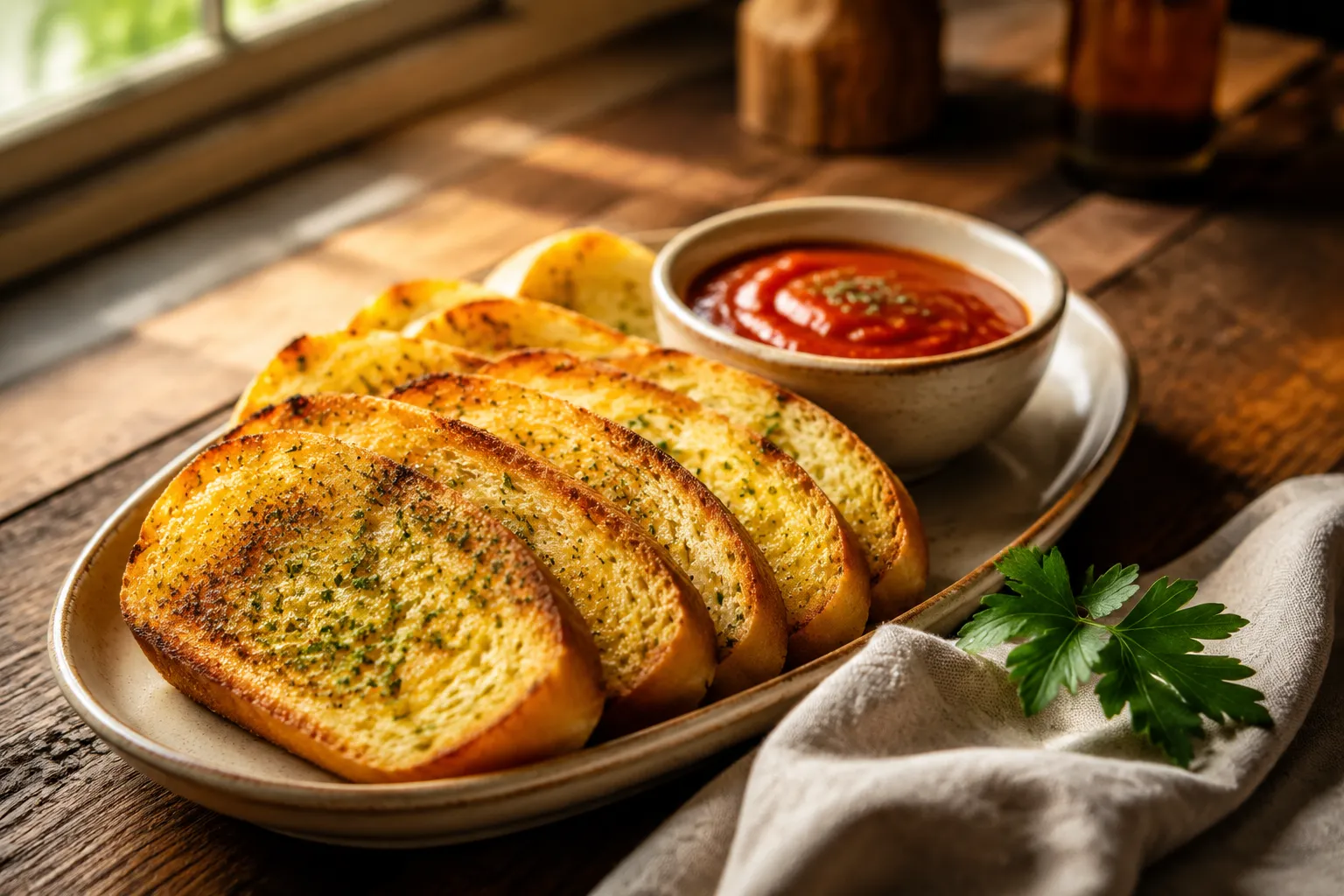
A great loaf deserves great company. This garlic bread recipe is an absolute team player — it shows up for almost any meal where there's sauce to mop up, broth to soak in, or richness that needs balancing.
This is the obvious pairing, and for good reason. Spaghetti and meatballs is the classic match — twirling pasta in one hand, garlic bread in the other. Baked ziti, lasagna, fettuccine alfredo, and any cream-sauced noodle benefit from a crispy buttery side that doubles as a sauce sponge. Serve a basket on the table and watch it vanish before anyone thinks to ask for seconds of the main.
Tearing off a hunk of warm garlic bread and dunking it into a bowl of creamy tomato soup is one of life's simplest pleasures. The same goes for minestrone, French onion, beef stew, or a thick pot of chili. The bread softens just enough to drink up broth without falling apart, and the garlic butter adds richness to lighter soups that might otherwise feel thin.
A crisp Caesar salad alongside warm garlic bread is basically a meal on its own — anchovy-laced dressing, salty Parmesan, and buttery toast were made for each other. For a casual spread, slice the loaf and add it to an antipasto board with cured meats, olives, marinated artichokes, and a wedge of soft cheese.
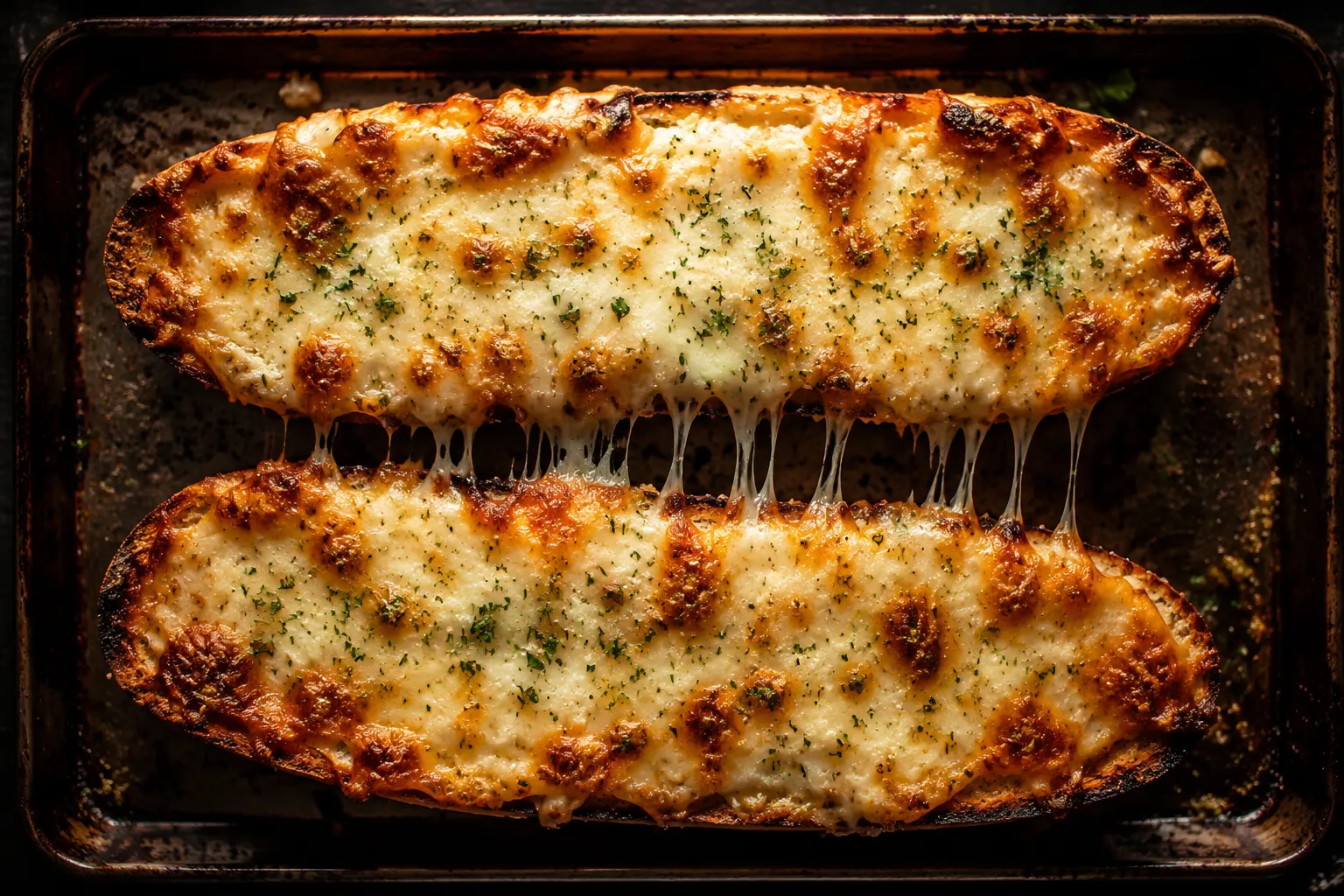
If you want to push it from side dish to centerpiece, blanket the loaf with shredded mozzarella and Parmesan before the final broil. You'll get cheesy garlic bread that pulls in long stretchy ribbons and turns dinner into a moment.
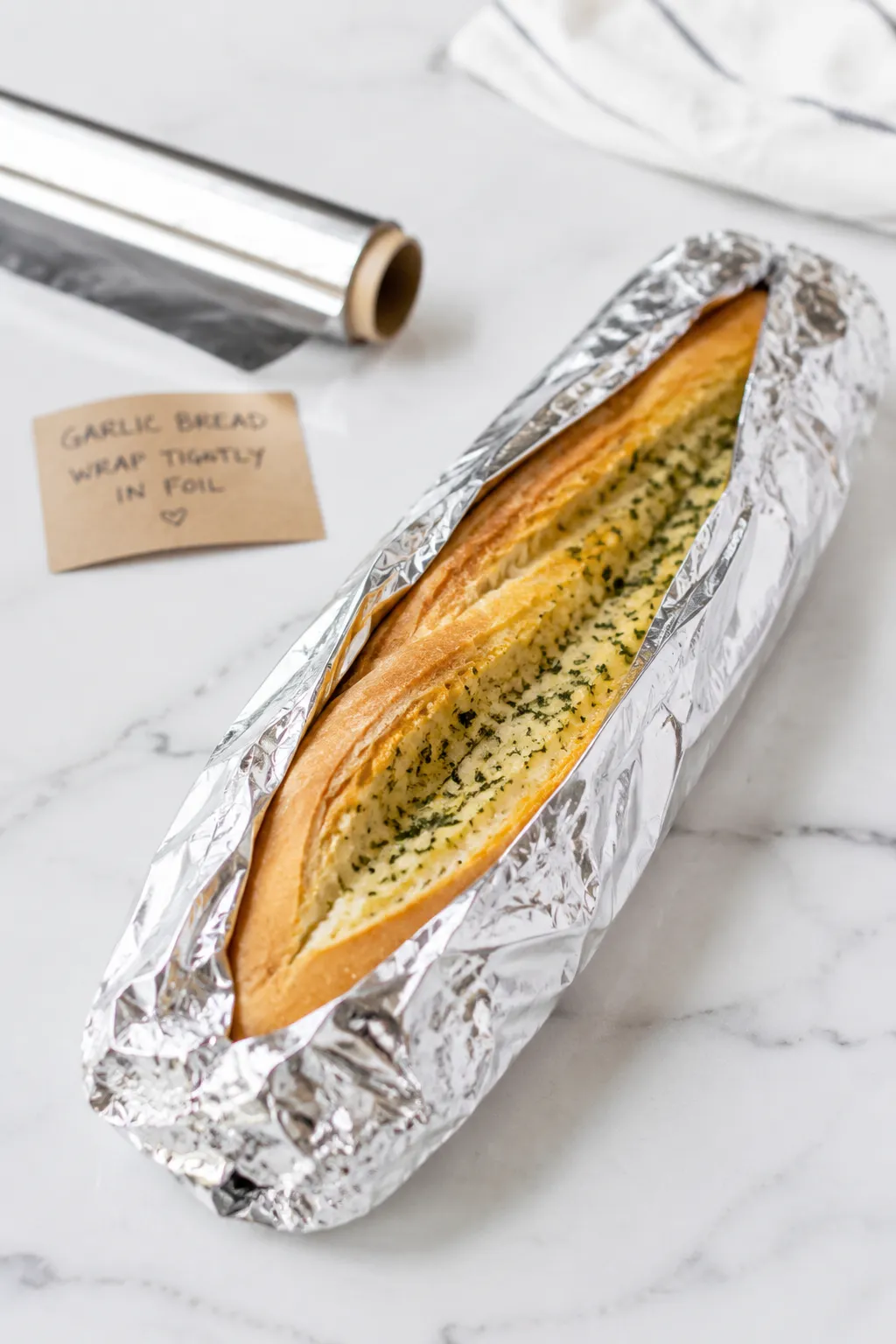
Once you've made this garlic bread recipe a few times, it'll feel like muscle memory — soften the butter, mince the garlic, slather, bake, broil. The whole thing fits into the time it takes your pasta water to come to a boil, which means there's no excuse to ever buy the frozen kind again. Make a double batch, freeze one wrapped tight in foil for next week, and pull it out anytime dinner needs a little extra love.
The base recipe is endlessly remixable — once you nail the technique, you can riff in a dozen directions depending on what's in the fridge or what you're serving alongside.
Refrigerator: Wrap leftover baked garlic bread tightly in foil and refrigerate for up to 3 days. Reheat in a 350°F oven for 5-7 minutes, or pop slices under the broiler for 60 seconds to revive the crisp edges. The microwave will make it rubbery — avoid it if you can.
Freezer: You can freeze garlic bread before or after baking. For unbaked, slather the butter, wrap each half tightly in foil, slip into a freezer bag, and freeze up to 3 months. Bake straight from frozen at 400°F for 15-18 minutes, then broil to finish. For already-baked leftovers, freeze in a single layer, then reheat at 375°F for 8-10 minutes.