Gluten Free Banana Bread (One Bowl, Super Moist)

The only gluten free banana bread recipe you'll ever need. One bowl, no xanthan gum, perfectly moist with crackly tops and deep banana flavor.
Why You'll Love This Recipe
- One bowl, no mixer required: Everything comes together in the same mixing bowl, from mashing the bananas to folding in the flour.
- Super moist texture: Overripe bananas, coconut oil, and a short batter rest help create a tender crumb that stays soft for days.
- No weird flour blend: This recipe uses a standard 1-to-1 gluten free flour blend, so there is no need to buy almond flour, tapioca starch, or specialty gums separately.
- Naturally dairy-free: Melted coconut oil keeps the loaf rich and soft without butter or milk.
- Easy to customize: Add walnuts, chocolate chips, cinnamon sugar, or keep it simple and classic.
gluten free banana bread should taste like the classic loaf you grew up with: deeply banana-sweet, plush in the center, golden at the edges, and sturdy enough to slice without crumbling into sad little pieces. This one is made in a single bowl with everyday pantry ingredients, no mixer, no fussy flour combination, and no specialty gums beyond what may already be in your favorite blend.
The secret is simple but important: very ripe bananas, a dependable 1-to-1 gluten free flour blend, and a short batter rest before baking. That rest gives the flour time to hydrate, which helps create a tender, bakery-style crumb instead of the gritty texture that can happen in gluten-free baking. It is also naturally a dairy free banana bread when made with coconut oil, so it fits easily into brunch spreads, lunch boxes, and cozy afternoon coffee breaks.

This loaf is the kind of recipe that quietly becomes your house banana bread. It is sweet but not candy-sweet, moist without being heavy, and flexible enough for walnuts, chocolate chips, or a cinnamon-sugar top if your morning calls for a little extra sparkle.
What Makes This Banana Loaf Bakery-Soft
A great gluten free banana loaf needs structure and moisture in equal measure. Bananas bring natural sweetness, body, and that nostalgic flavor, while eggs help the loaf rise and hold together once sliced. Melted coconut oil keeps the crumb soft for days, and maple syrup or brown sugar adds a caramel note that makes the crust taste almost toasty.
Instead of building a custom mix from almond flour, oat flour, and starches, this recipe leans on a standard cup-for-cup blend. That makes it practical for the home baker who wants dependable results without buying five bags of flour. If you love the cozy quick-bread lane, this loaf sits right alongside gluten free pumpkin bread and gluten free zucchini bread as an all-season, low-effort bake.
Ingredients You’ll Need for a Tender Gluten-Free Loaf
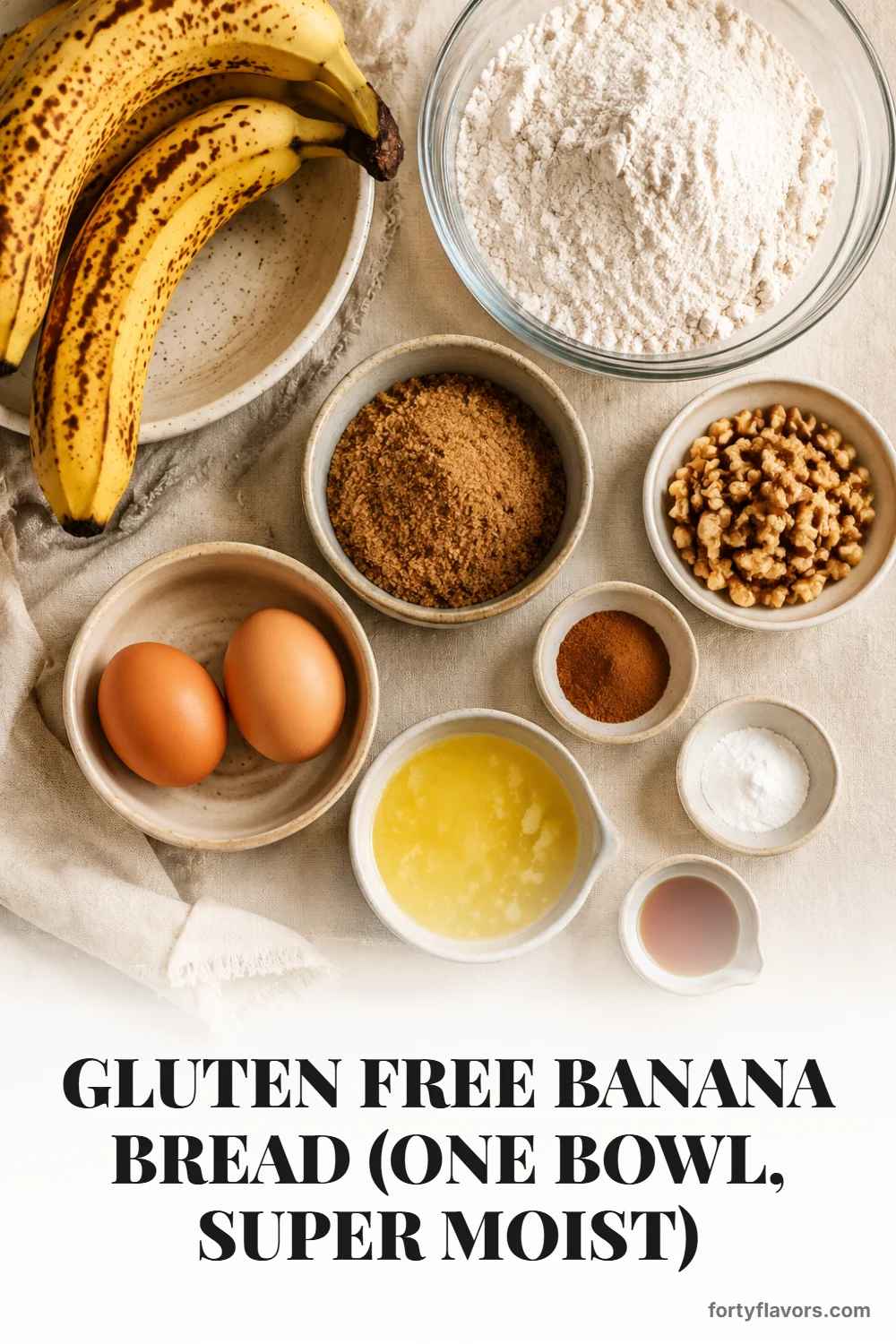
The ingredient list is intentionally short, but each piece earns its place. You will need three large overripe bananas, preferably with heavily speckled or mostly black skins. Their soft texture mashes easily into the batter, and their concentrated sweetness gives this moist banana bread its big banana flavor without requiring loads of added sugar.

The dry foundation is a 1-to-1 gluten free flour blend. I like blends from King Arthur Measure for Measure or Bob’s Red Mill 1-to-1 because they include rice flour and starches that behave predictably in quick breads. If your blend already contains xanthan gum, that is fine; if it does not, this recipe still works because bananas, eggs, and the batter rest provide enough binding for a soft loaf.
For the wet ingredients, eggs add lift, melted coconut oil adds tenderness, and vanilla rounds out the flavor. Pure maple syrup gives a gently earthy sweetness, while brown sugar creates a slightly deeper, more classic bakery flavor. Cinnamon is optional in the sense that the loaf will bake without it, but I love the warmth it adds, especially if you are making gluten free banana nut bread with chopped walnuts folded through the batter.
If you are baking for mixed dietary needs, keep this base recipe in your back pocket. It is already a dairy free banana bread as written, and you can point egg-free bakers toward vegan gluten free banana bread with flax eggs when needed. For a brunch table, serve thick slices beside gluten free banana pancakes, a bowl of berries, and hot coffee, and nobody will feel like they are eating the “special diet” option.
How to Make a One-Bowl Banana Bread
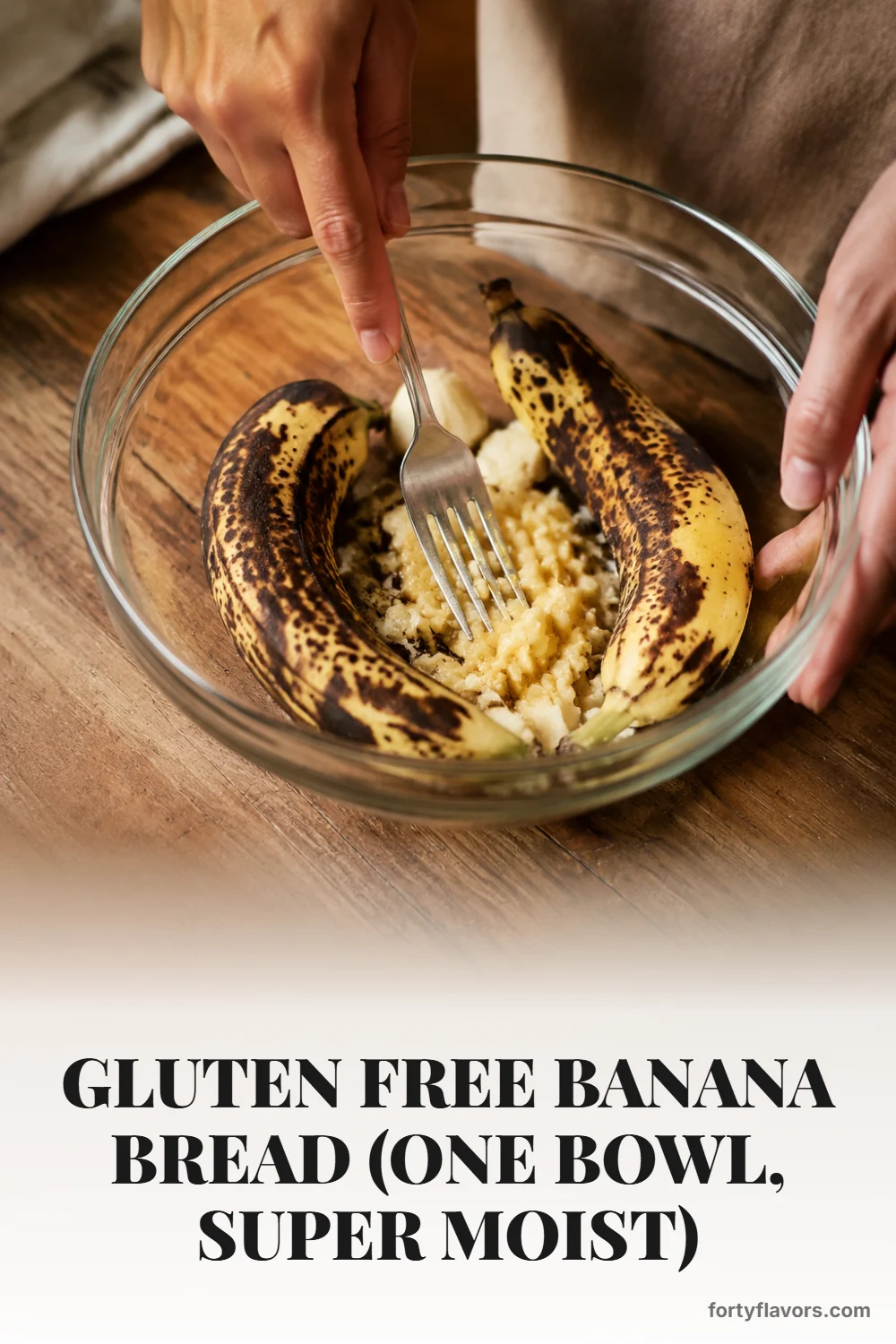
The process starts with mashing the bananas right in your mixing bowl. A fork works better than a blender here because you want the fruit broken down but not completely puréed. A few small banana pieces melt into the loaf as it bakes, leaving little golden pockets that make each slice taste richer.

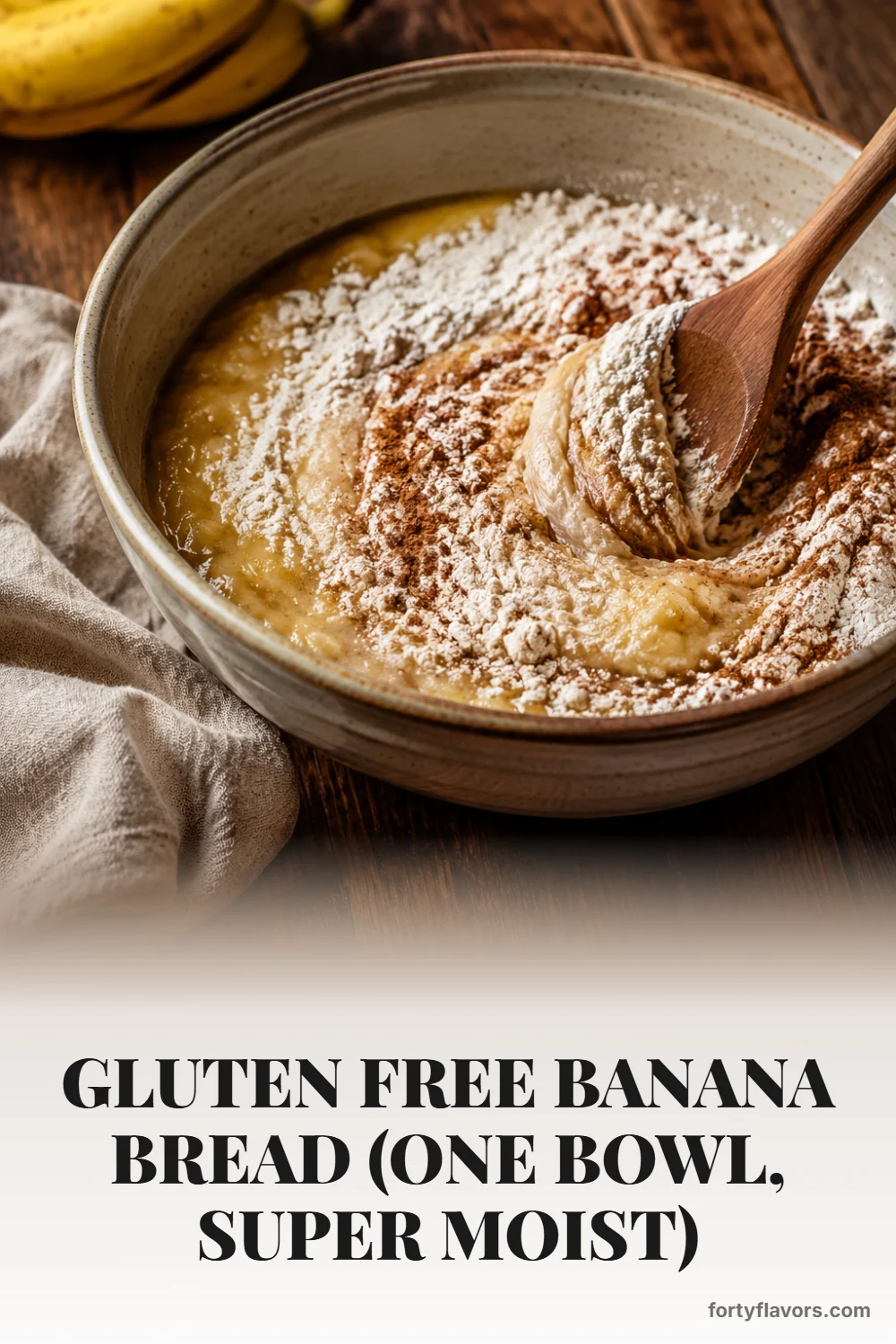
Once the bananas are mashed, whisk in the eggs, melted coconut oil, maple syrup or brown sugar, and vanilla until everything looks glossy and cohesive. Add the flour blend, baking soda, cinnamon, and salt directly to the same bowl, then stir gently. The batter will be thick, soft, and slightly lumpy, which is exactly right.

After mixing, let the batter sit for 10 minutes. This tiny pause is one of the biggest differences between an okay gluten-free loaf and a truly tender one. Gluten-free flours absorb liquid more slowly than wheat flour, so a rest helps hydrate the starches and reduces any gritty finish.
Baking the Loaf Until Golden and Springy
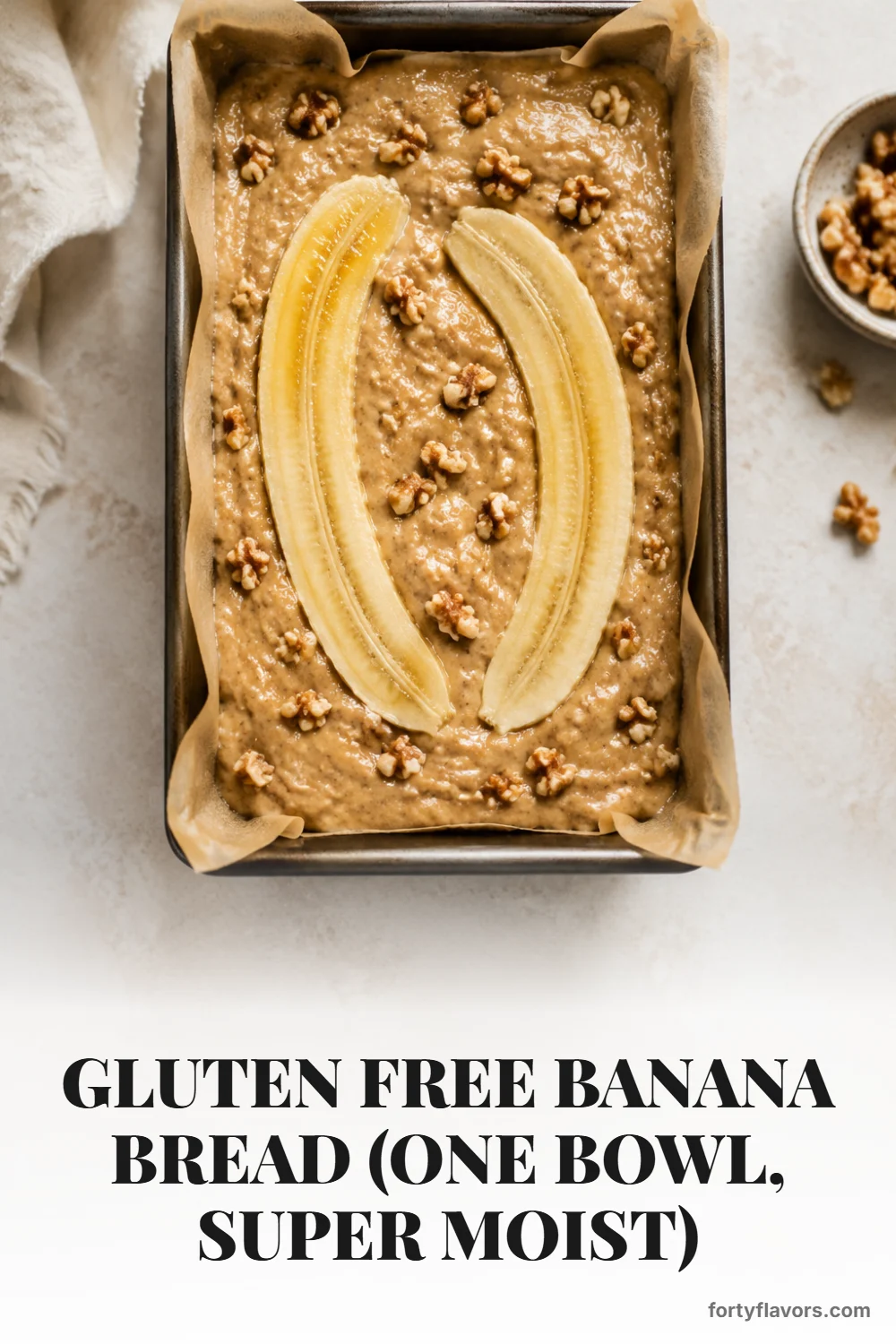
Line a standard 9-by-5-inch loaf pan with parchment, leaving a little overhang so you can lift the bread out easily after baking. Scrape in the batter and smooth the top with a spatula. If you want that pretty bakery look, split a banana lengthwise and lay the halves on top, then scatter over a few extra walnuts.

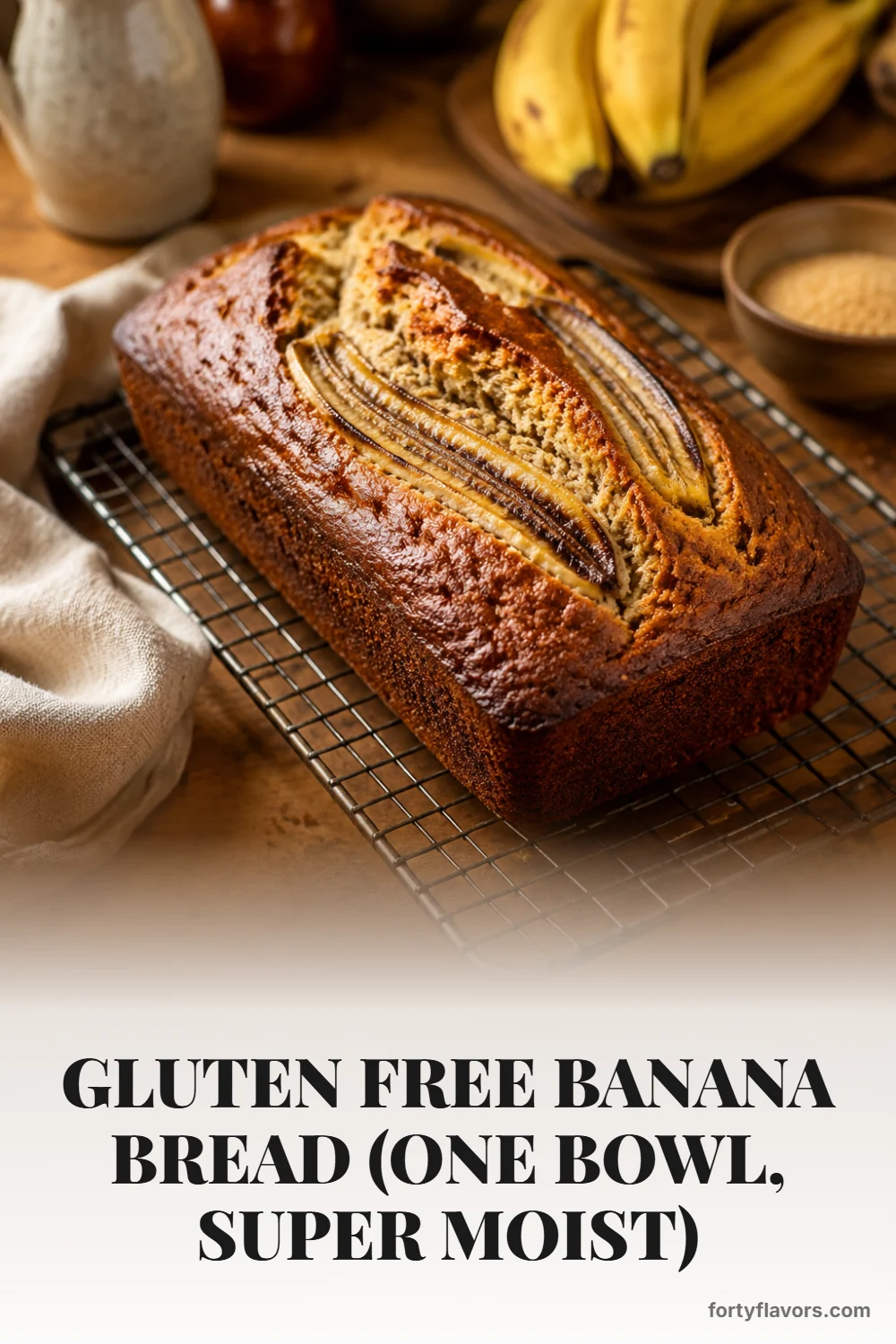
The loaf bakes at 350°F until it is domed, deeply golden, and lightly cracked across the top. The center should spring back when gently pressed, and a toothpick should come out with a few moist crumbs rather than wet batter. Because banana bread is dense by nature, the center is usually the last place to finish, so do not pull it too early just because the edges look done.

Cooling matters more than most of us want it to. Let the loaf rest in the pan for about 15 minutes, then transfer it to a wire rack and give it time to settle before slicing. Warm banana bread is dreamy, but if it is cut while steaming hot, the crumb can compress and seem gummy even when it is fully baked.
Texture, Flavor, and Serving Ideas
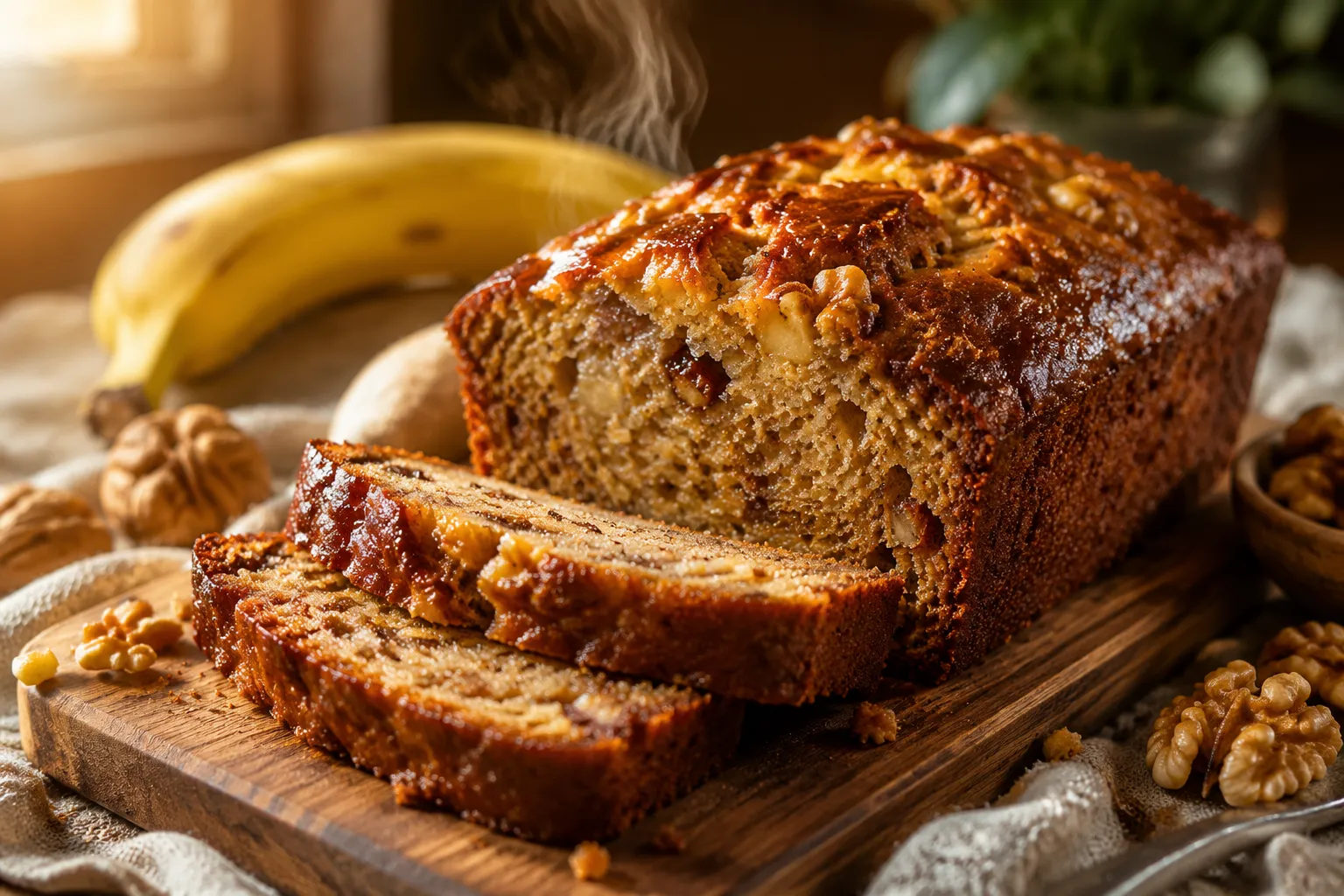
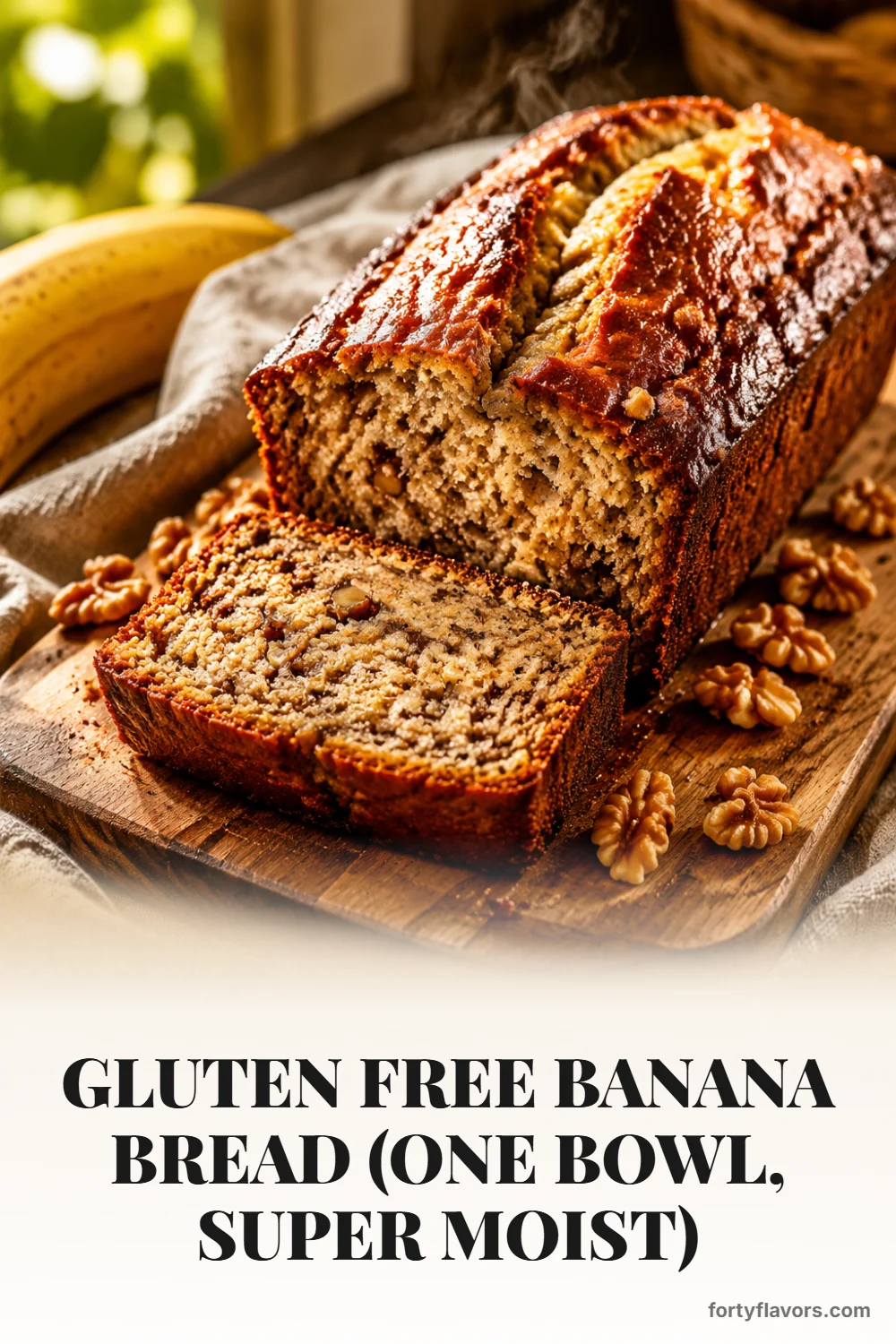
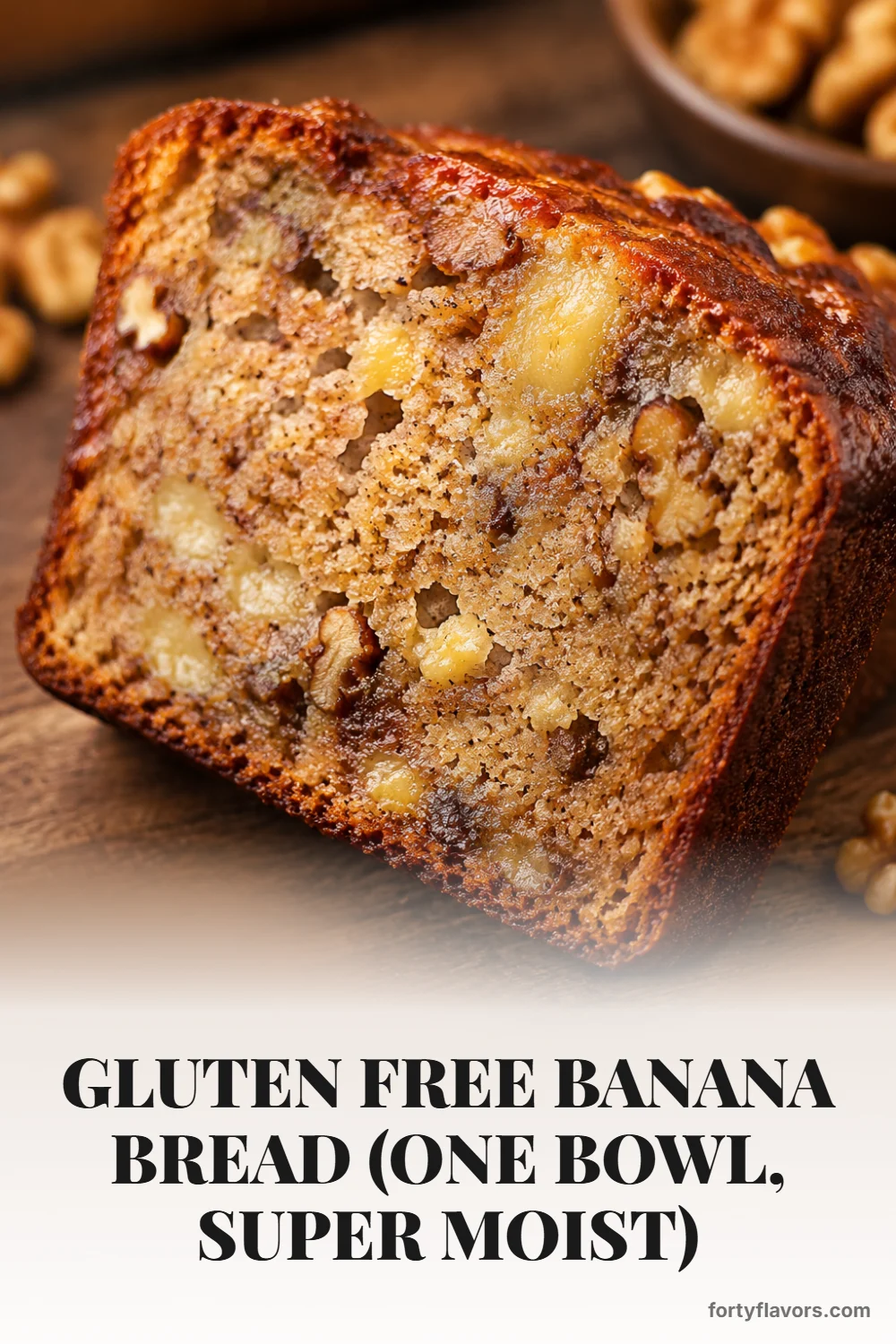
A finished slice should feel soft and plush, with a crumb that bends a little before it breaks. You will see cinnamon flecks, tiny banana streaks, and, if you used them, toasted walnut pieces tucked through the center. The crust turns golden and lightly crackly, giving you that contrast between tender middle and caramelized edges.

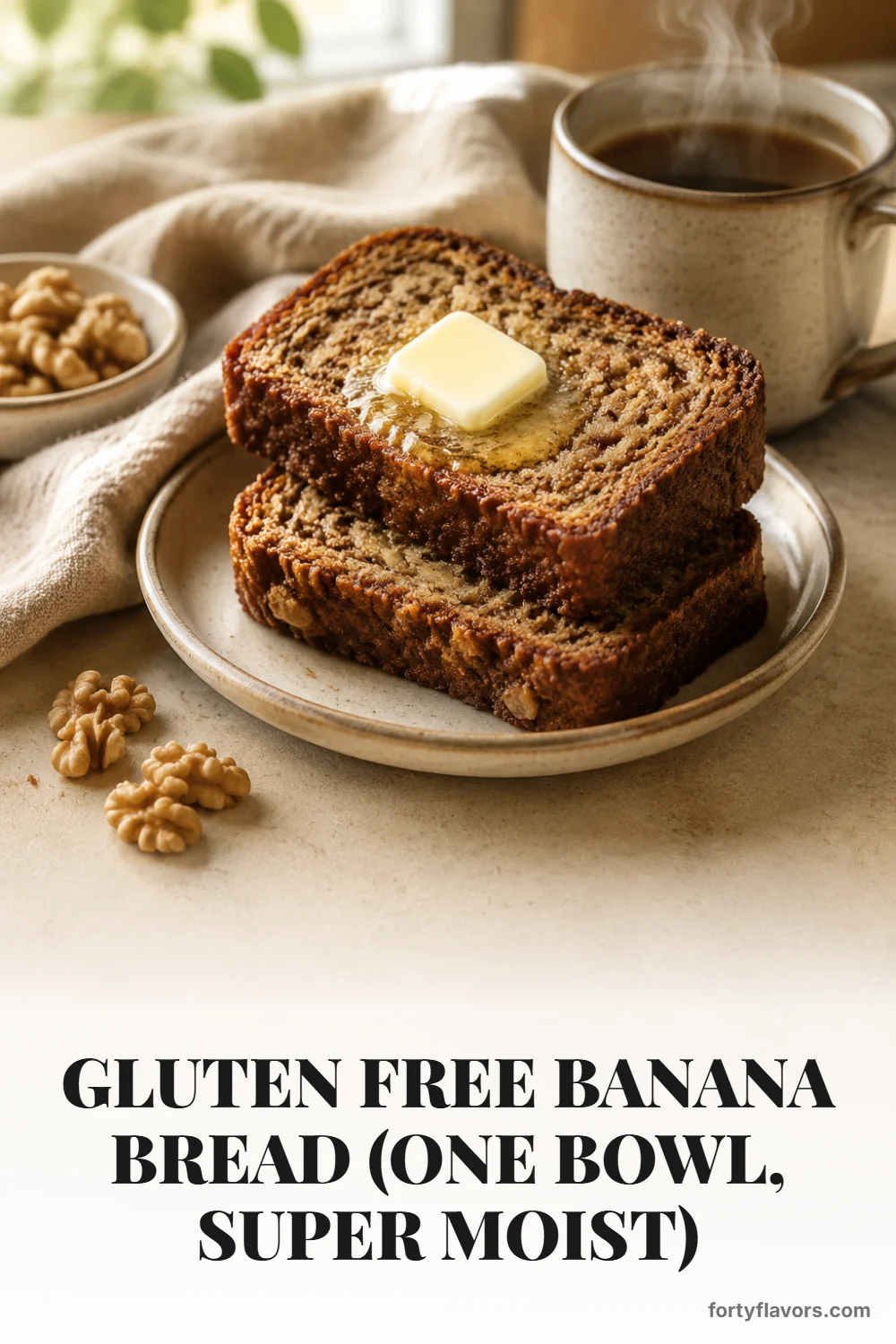
My favorite way to serve it is thick-cut, lightly warm, and spread with salted butter or a drizzle of honey. It is also wonderful with cream cheese, almond butter, peanut butter, or a spoonful of Greek yogurt and berries for breakfast. If you are packing lunches, slice the loaf once it is completely cool and tuck individual pieces into parchment or reusable snack bags.

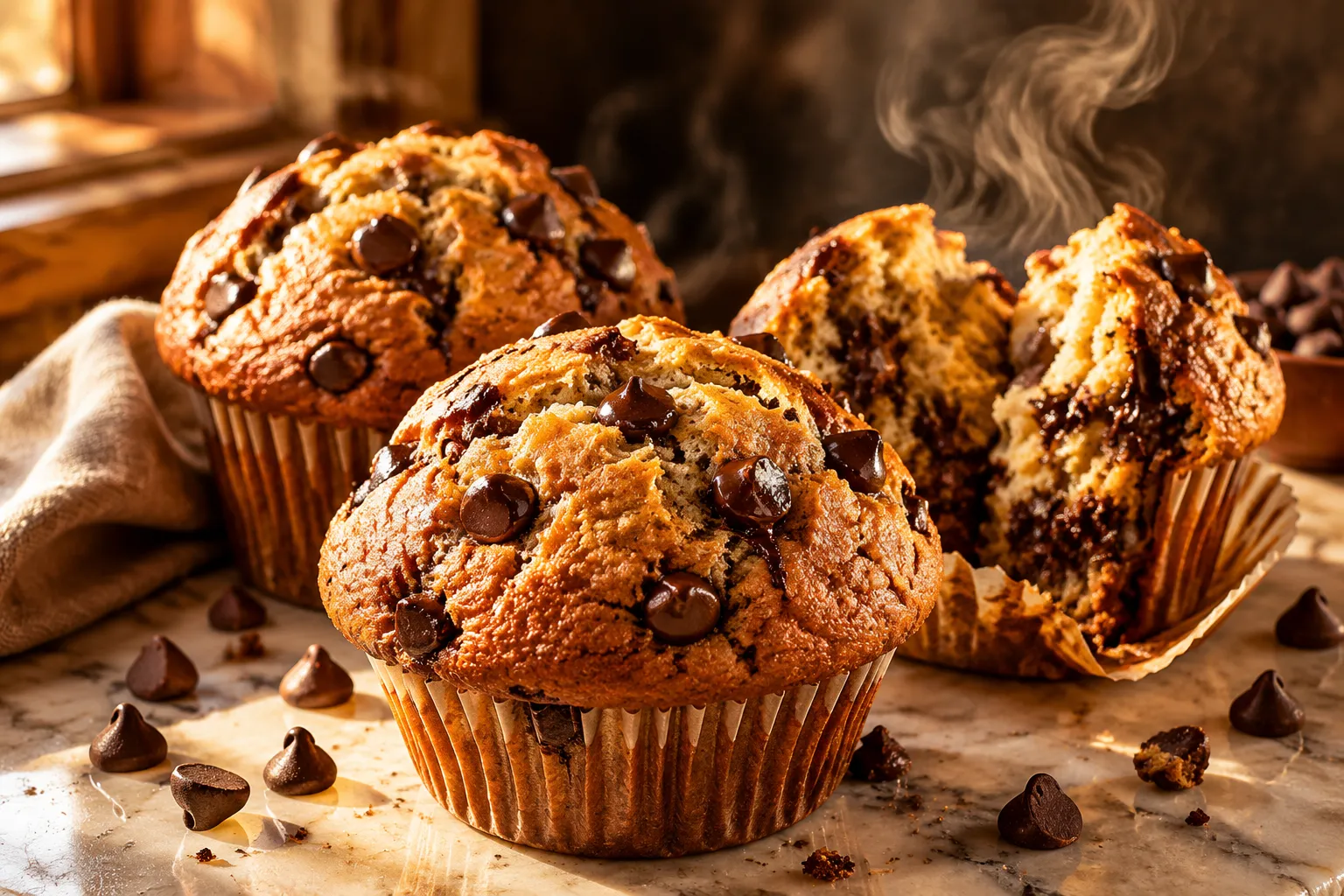
This is also a lovely bake to make before houseguests arrive because it tastes even better after a few hours on the counter. The banana flavor deepens, the crumb settles, and the slices become neater. If you enjoy baking in batches, make this loaf one weekend and gluten free banana nut muffins the next; the flavors are familiar, but the format feels fresh.
More Gluten-Free Quick Bread Inspiration
Once you have a reliable banana loaf, it becomes easier to build a little quick-bread rotation for every season. In fall, lean into warming spices and roasted squash flavors with gluten free pumpkin bread. When summer gardens are overflowing, gluten free zucchini bread is the soft, cinnamon-kissed answer to all that extra produce.
For breakfast lovers, the same banana-and-cinnamon comfort can show up in pancakes, muffins, and snack cakes. Keep gluten free banana pancakes in mind for slow weekends when you have one spotted banana left on the counter and want something warm in 20 minutes. The beauty of these recipes is that they use familiar ingredients in cozy, practical ways, so gluten-free baking feels abundant rather than restrictive.

And if this is your first time baking a gluten-free loaf, let this be the recipe that proves it does not have to taste like a compromise. With the right flour blend, properly ripe fruit, and a little patience before slicing, you get a soft, fragrant loaf that belongs on any breakfast table. Pour the coffee, cut a generous slice, and enjoy the kind of banana bread that disappears one “just a sliver” at a time.
Expert Tips
- Measure flour carefully: Spoon the flour into the measuring cup and level it off, or weigh it if you can. Scooping straight from the bag can pack in too much flour and make the loaf dry.
- Use truly ripe bananas: The best bananas are heavily speckled, soft, and fragrant. Pale yellow bananas will not give the same sweetness or moisture.
- Rest the batter: Ten minutes gives gluten-free flour time to hydrate, which helps prevent grittiness and improves the crumb.
- Check the center: Banana bread can look done on top before the middle is baked. A toothpick should come out with moist crumbs, not shiny wet batter.
- Cool before slicing: Letting the loaf cool helps the crumb set so slices stay clean and tender instead of gummy.
Variations & Substitutions
- Vegan: Replace the 2 eggs with 2 flax eggs made from 2 tablespoons ground flaxseed mixed with 6 tablespoons water. Let the mixture gel for 5 to 10 minutes before using.
- Nut-free: Skip the walnuts and use chocolate chips, pumpkin seeds, or leave the loaf plain.
- Banana nut style: Fold in 1/2 cup chopped toasted walnuts or pecans for extra crunch and warmth.
- Chocolate chip: Add 1/2 cup semisweet or dark chocolate chips to the batter.
- Cinnamon swirl: Mix 2 tablespoons brown sugar with 1 teaspoon cinnamon and swirl it through the batter before baking.
Storage & Leftovers
Save This Recipe to Pinterest
Hover any image and hit “Pin it” to save it to your Pinterest boards.