Homemade Hamburger Bun Recipe (Soft, Bakery-Style)
Ingredients
Scale
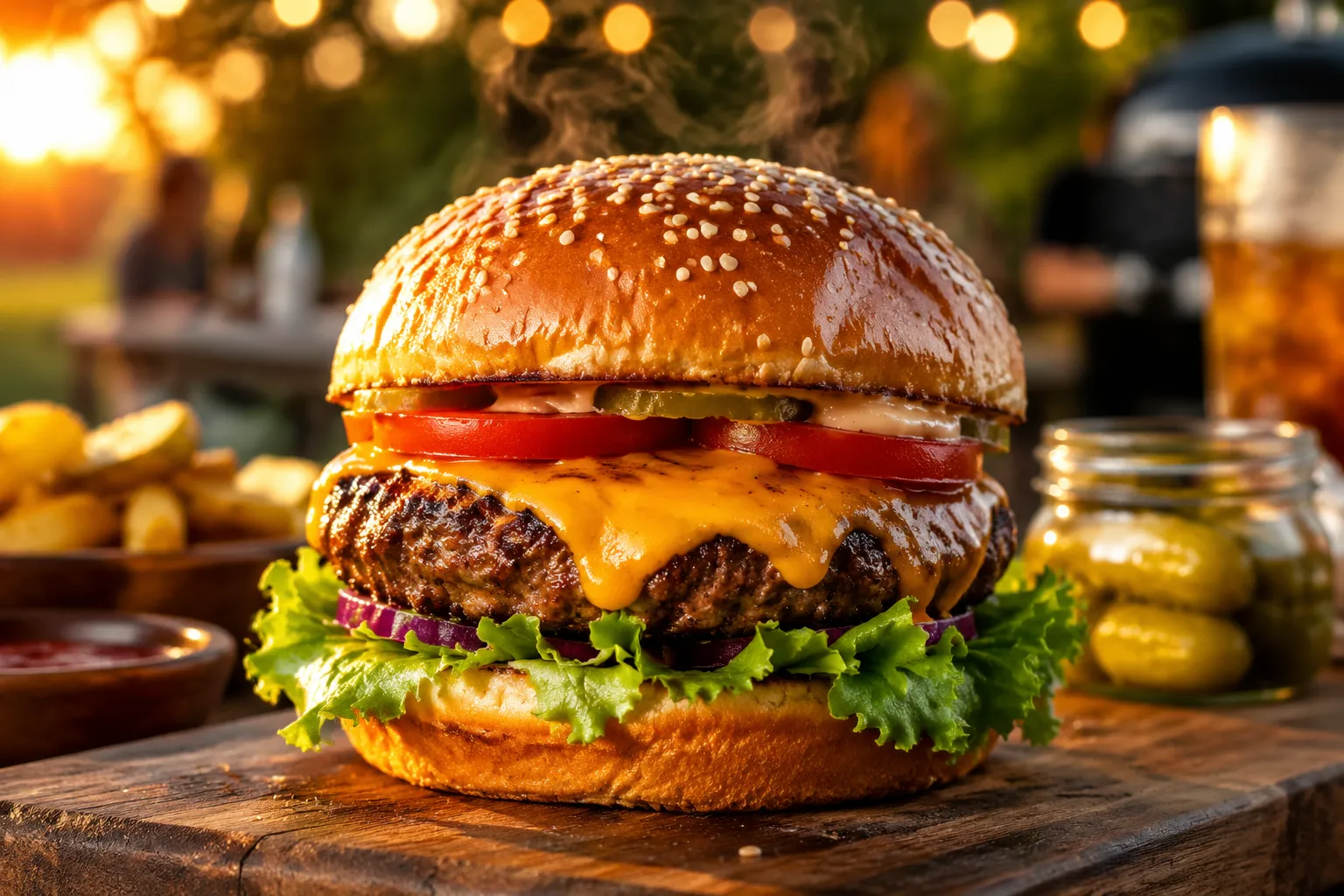
Soft, pillowy, and golden on top, these homemade hamburger buns are the only burger bun recipe you'll ever need for cookouts and weeknight dinners.
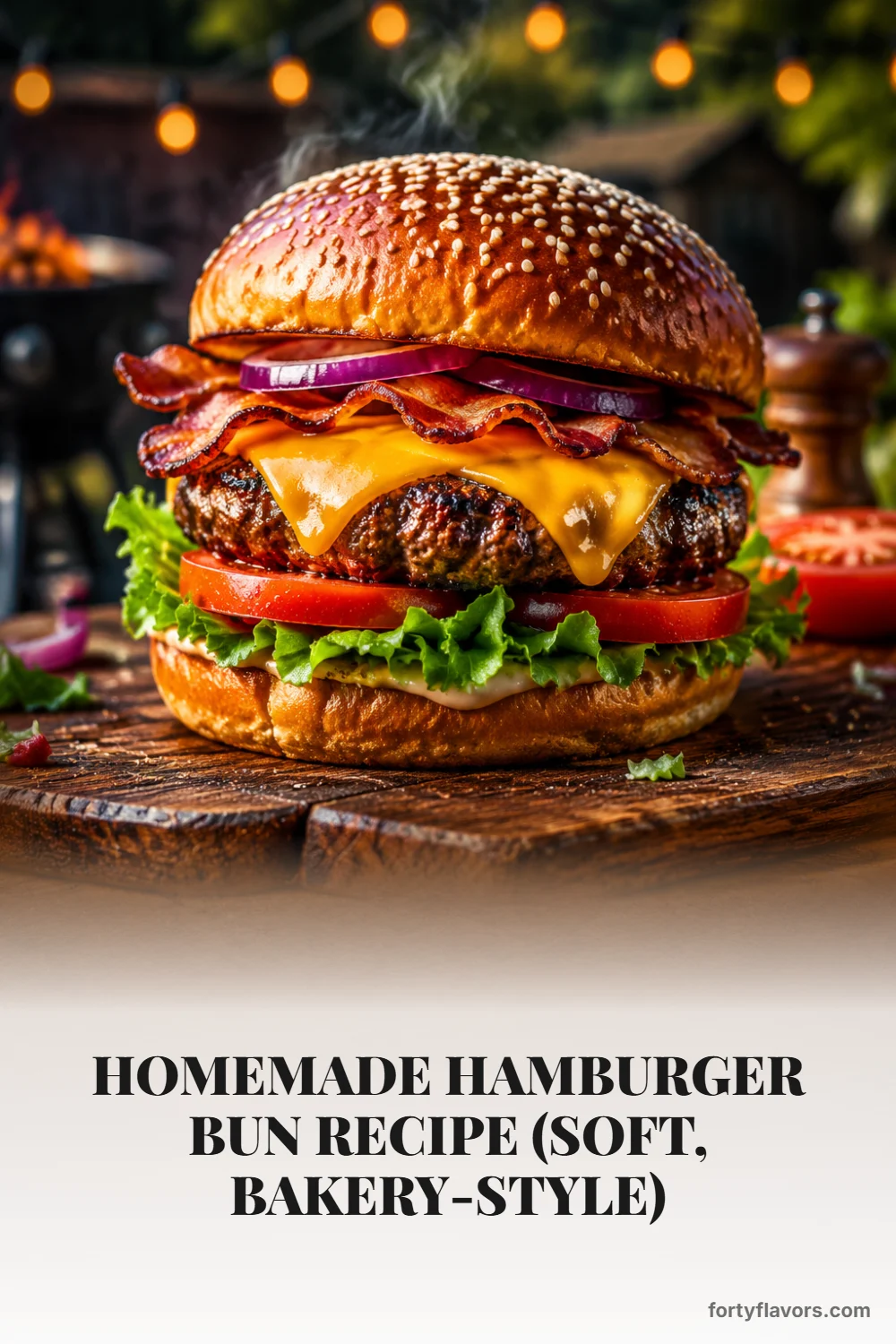
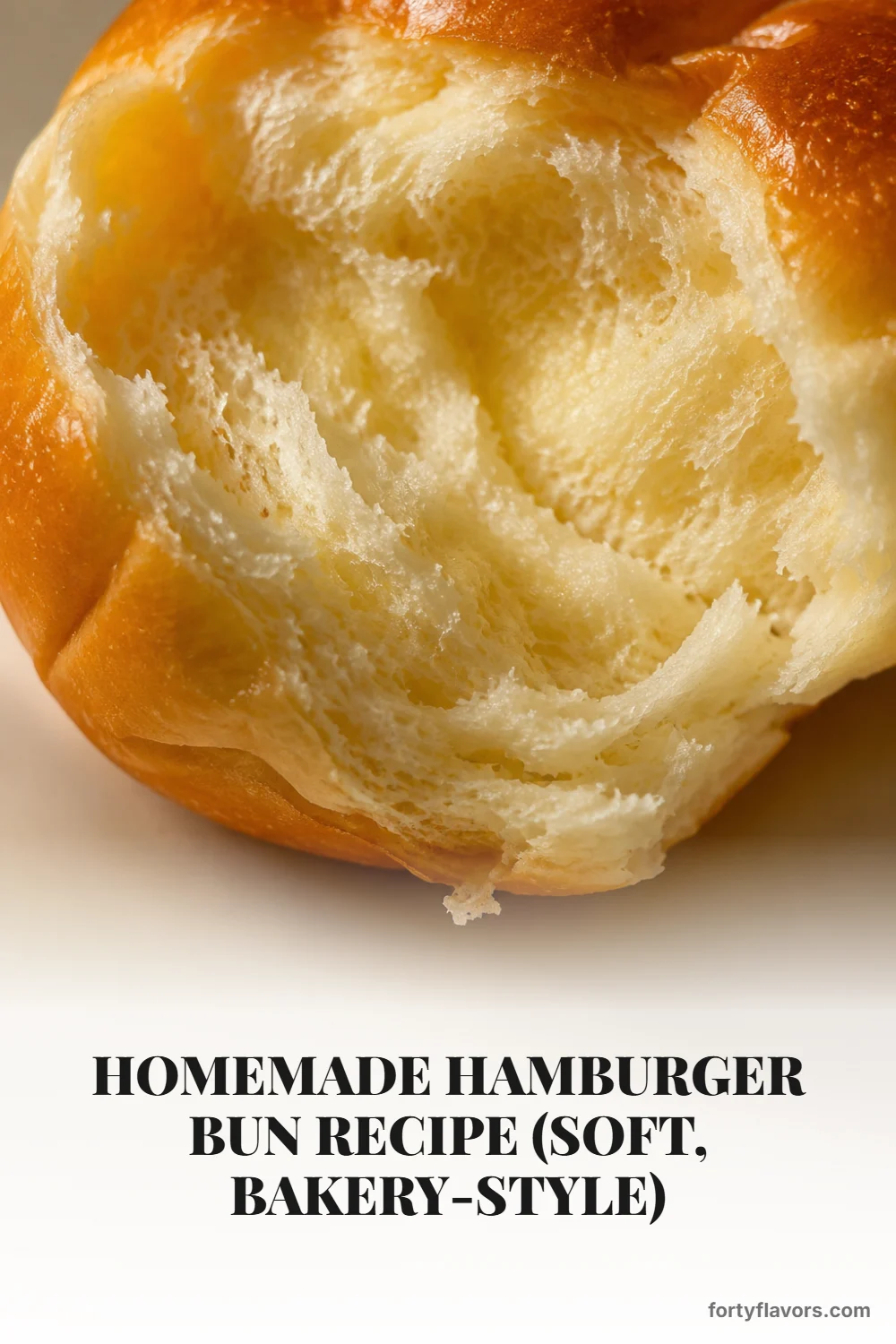
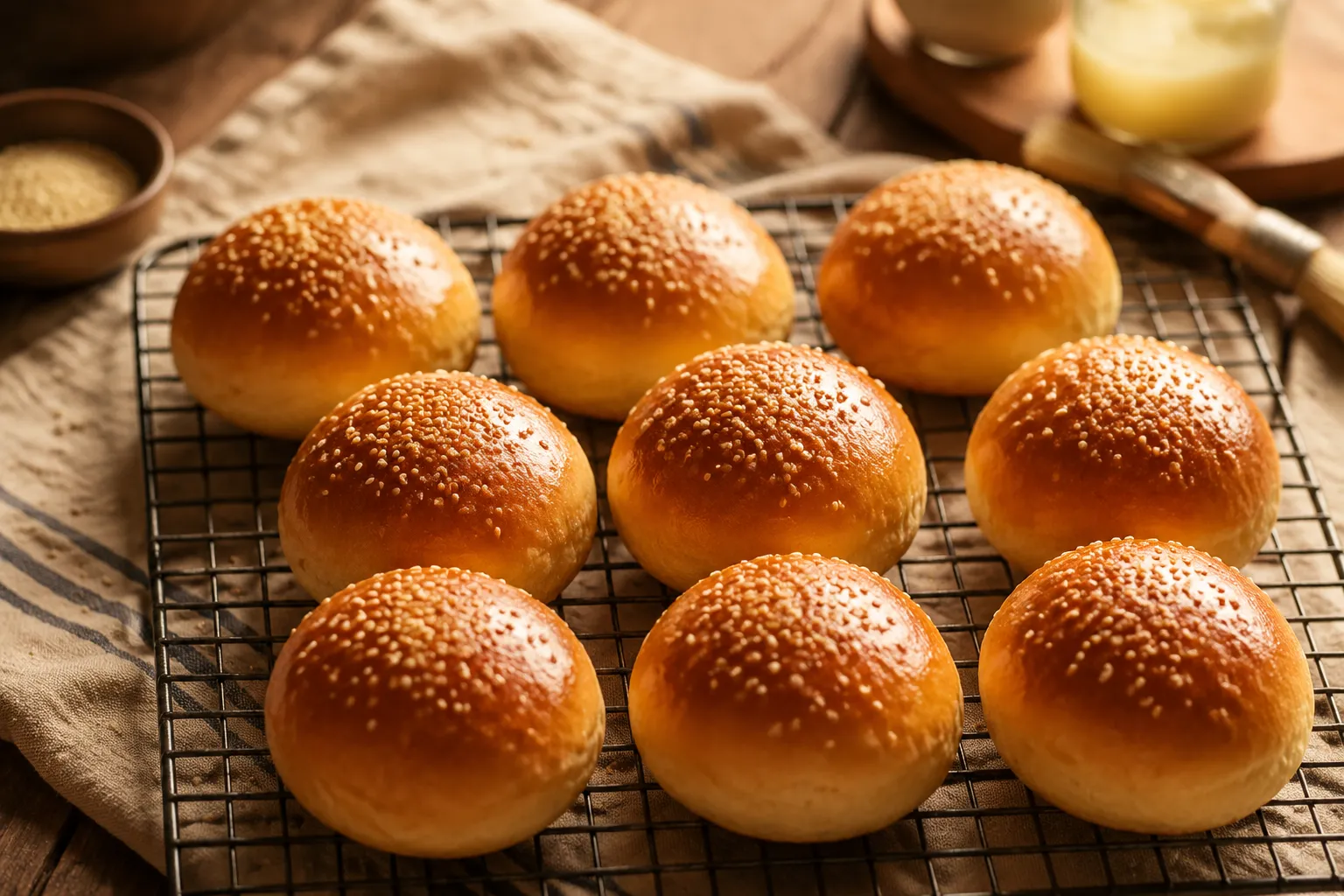
This hamburger bun recipe makes the kind of soft, golden, bakery-style buns that turn an ordinary burger night into something that feels straight from your favorite neighborhood sandwich shop. They’re plush and buttery, with a tender crumb, a shiny sesame-speckled top, and just enough structure to hold a juicy patty, melted cheese, lettuce, tomato, and all the sauce you love.
If you’ve only ever bought buns in a plastic bag, this is the bake that will convert you. The dough is enriched with milk, butter, and egg, so it behaves a little like soft dinner rolls, but the shaping gives each bun that classic domed top and sturdy base. The beauty of this hamburger bun recipe is that it uses simple pantry ingredients and comes together in under two hours, no specialty equipment required.
These homemade hamburger buns are made for backyard cookouts, weeknight cheeseburgers, pulled pork sandwiches, veggie burgers, crispy chicken, and any meal where the bread should be every bit as good as the filling. Once you learn the dough cues—the feel, the rise, the shape—you’ll have a reliable burger bun recipe you can come back to all summer long.
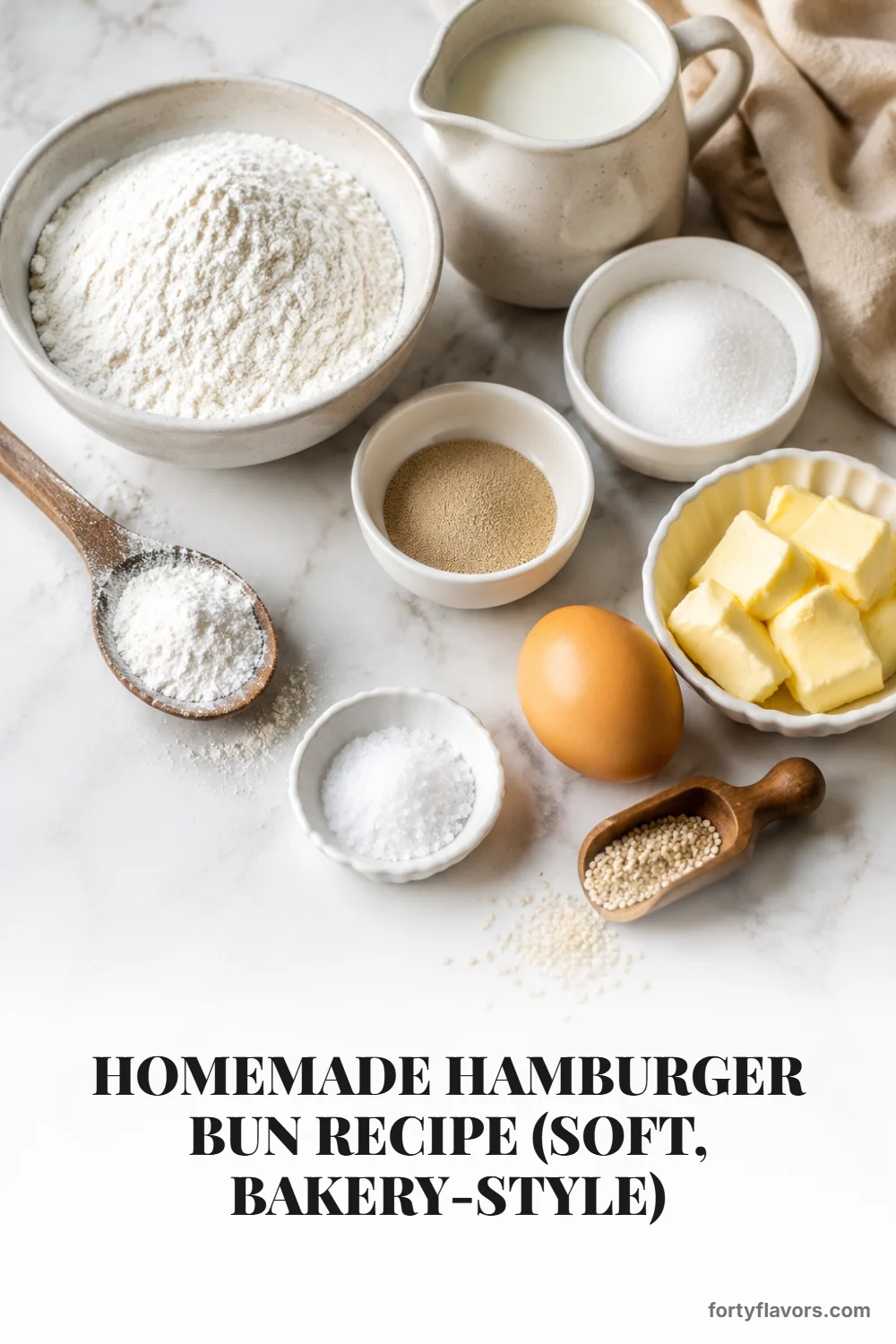
The ingredient list is short, but every item has a job. All-purpose flour gives these hamburger buns a tender bite without making them too chewy, while instant yeast keeps the process quick and predictable. Warm whole milk hydrates the flour and adds richness, sugar feeds the yeast and encourages browning, and softened butter gives the finished buns that light, pillowy texture you expect from bakery-style buns.
For this hamburger bun recipe, the sweet spot is a dough that feels soft and slightly tacky, not dry or stiff. If you scoop flour straight from the bag, it’s easy to add too much, so weighing the flour or spooning it into the measuring cup and leveling it off helps protect that fluffy crumb. The egg in the dough adds color and structure, while fine sea salt balances the gentle sweetness and makes the buns taste like bread—not cake.
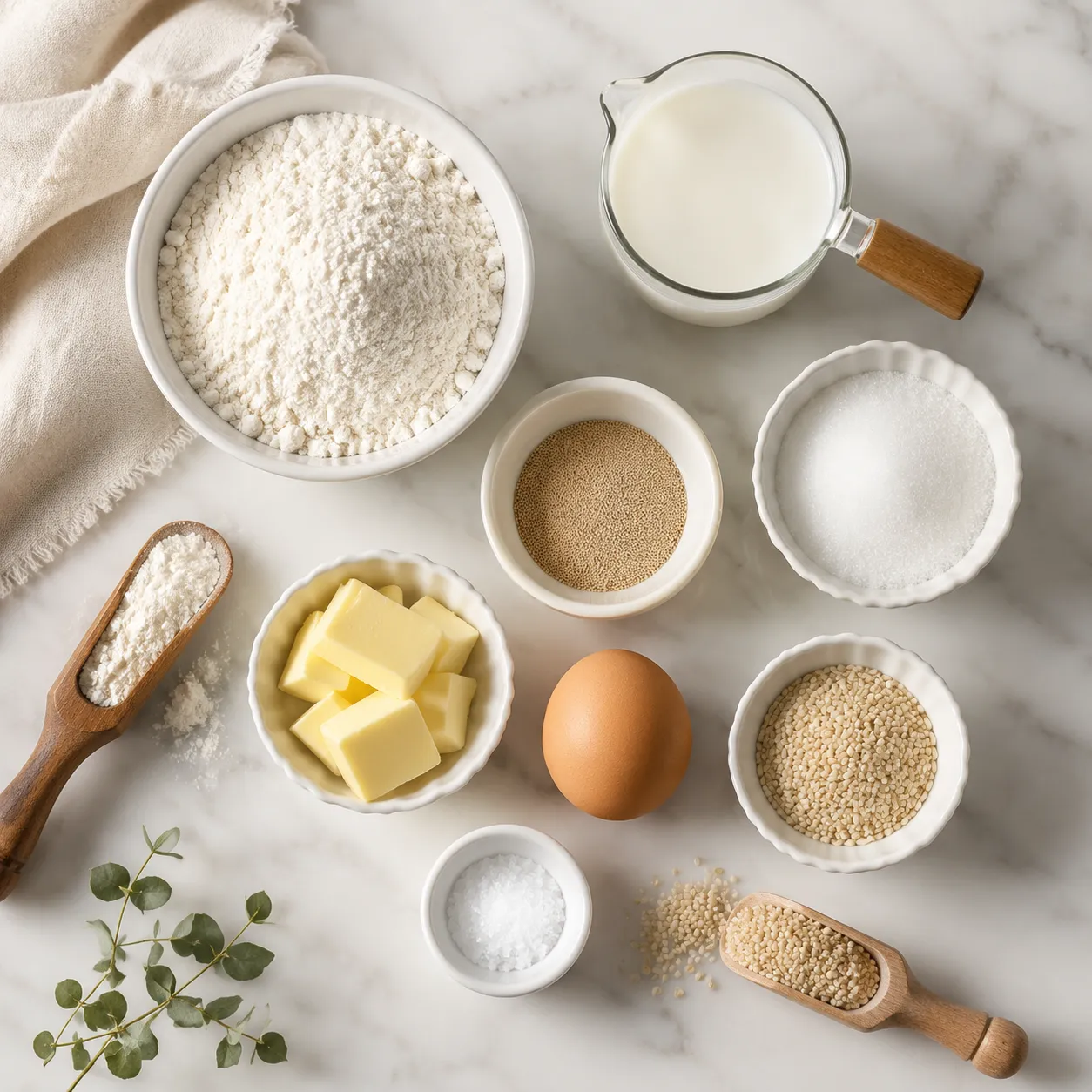
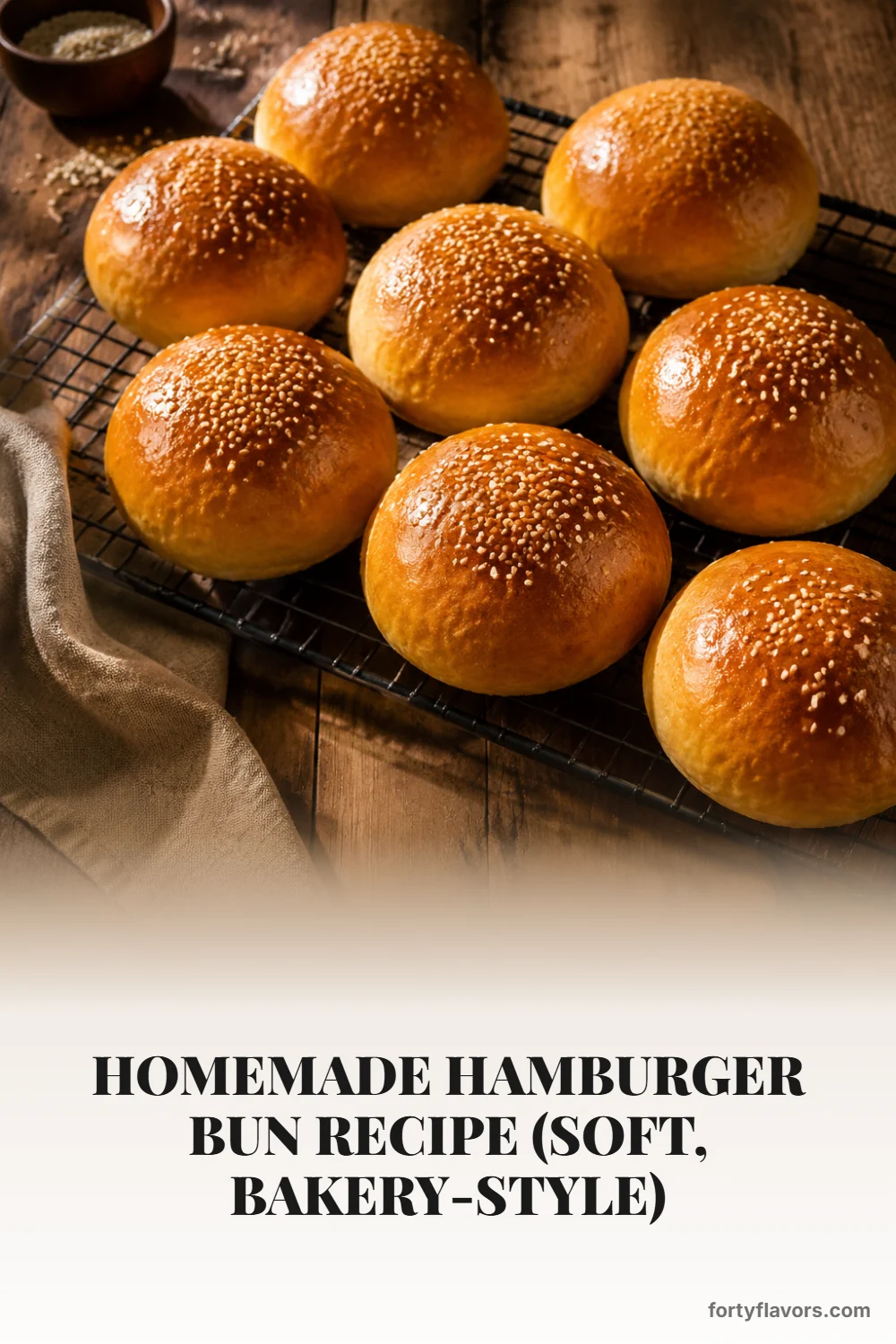
The topping is simple but important: an egg wash for shine and sesame seeds for that classic burger-shop look. You can skip the seeds if you prefer a plain bun, but the glossy top is what makes these feel like they came from a professional bakery case. If you’re comparing this to a hamburger roll recipe that leans lean and crusty, this version is softer, richer, and more suited to saucy sandwiches.
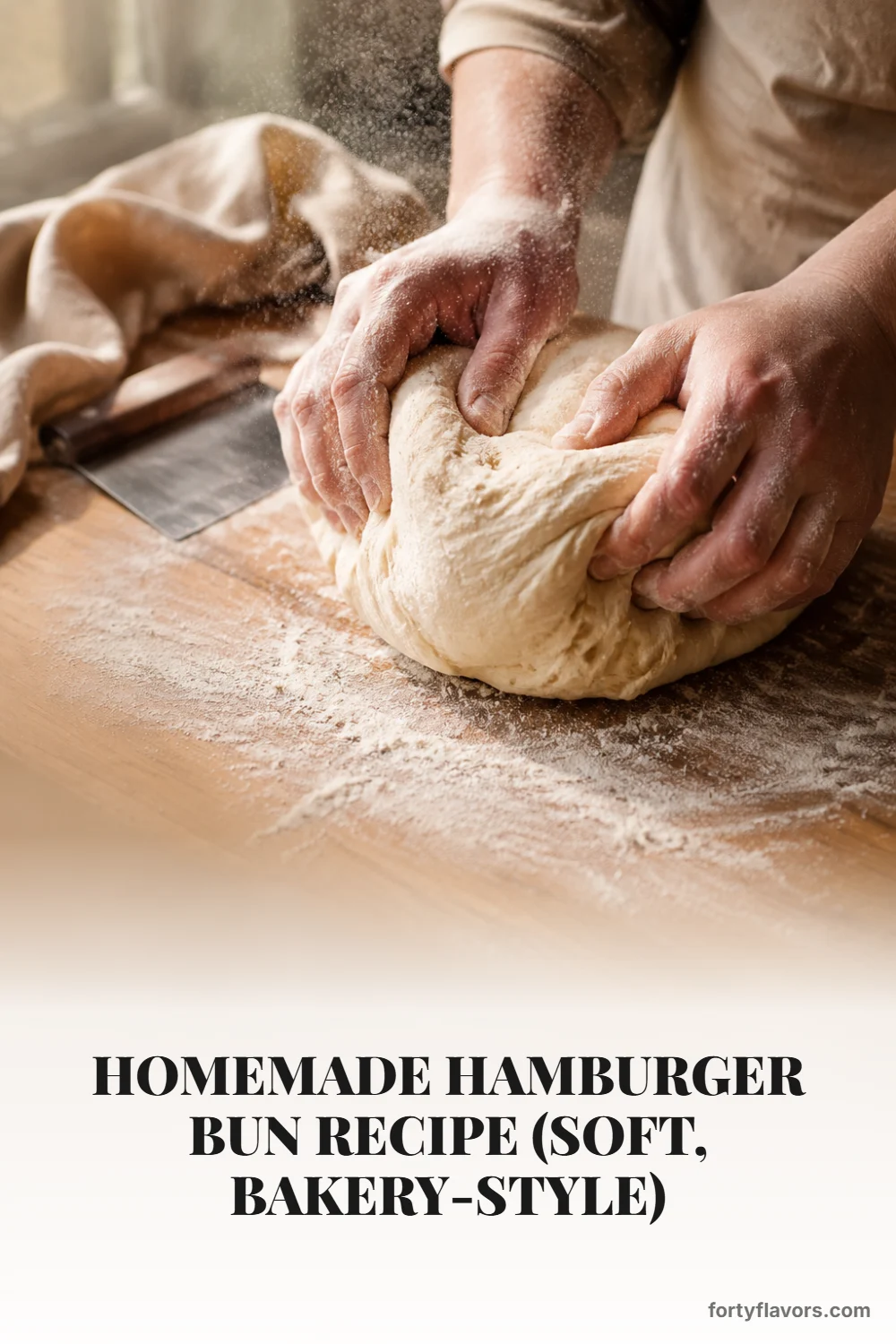
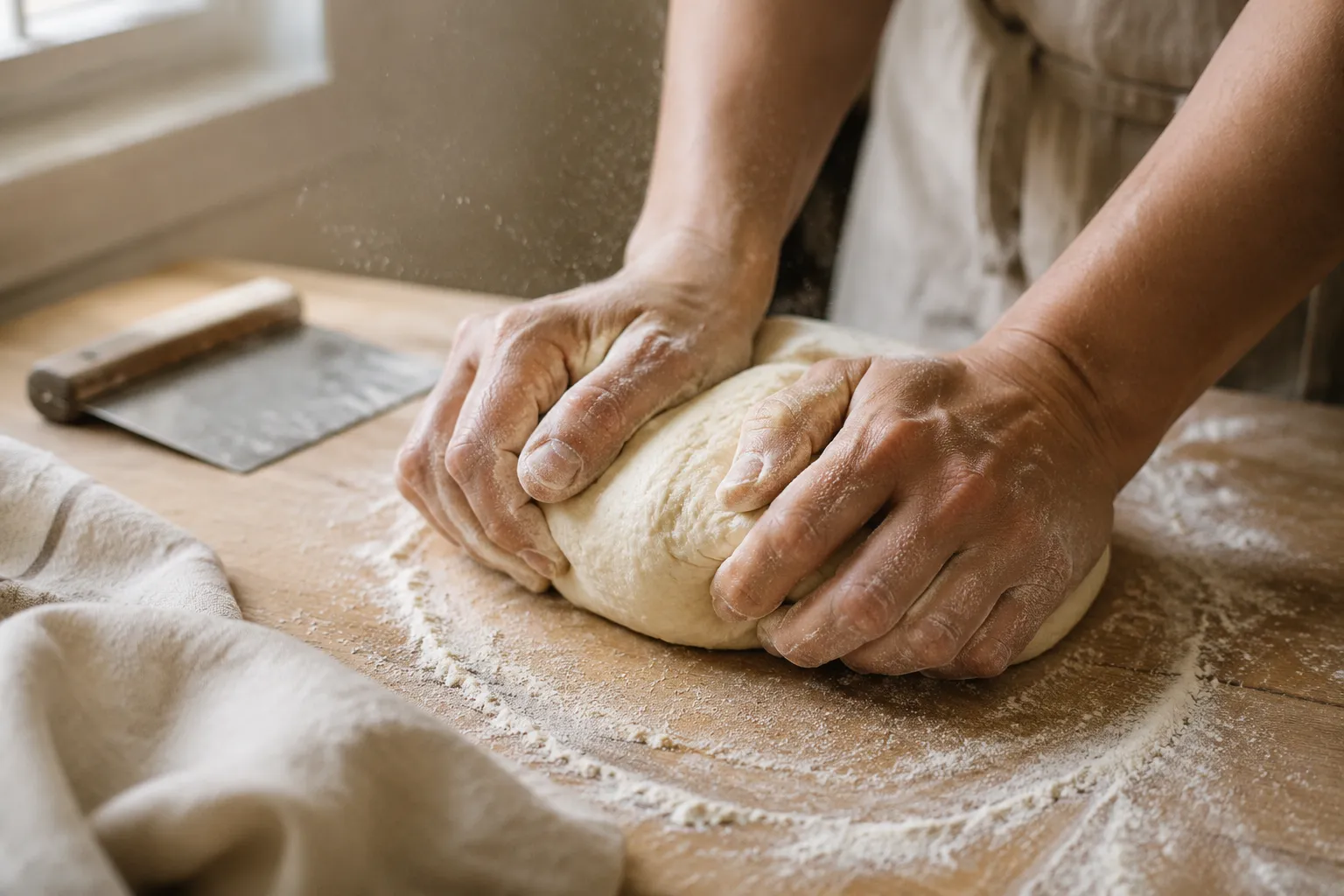
The secret to soft burger buns is hydration—enough liquid to keep the crumb tender, but not so much that the dough spreads flat on the pan. When the dough is first mixed, it may look a little shaggy, then gradually turn smooth as the flour hydrates and the gluten develops. A stand mixer makes this easy, but hand kneading works beautifully; you’re looking for a dough that stretches, springs back, and feels supple under your palms.
Resist the urge to keep dusting in flour every time the dough sticks. A little tackiness is a good sign, especially in enriched doughs made with milk and butter. Too much flour is the fastest route to dense buns, so use just enough to keep the dough manageable and rely on kneading time to bring it together.
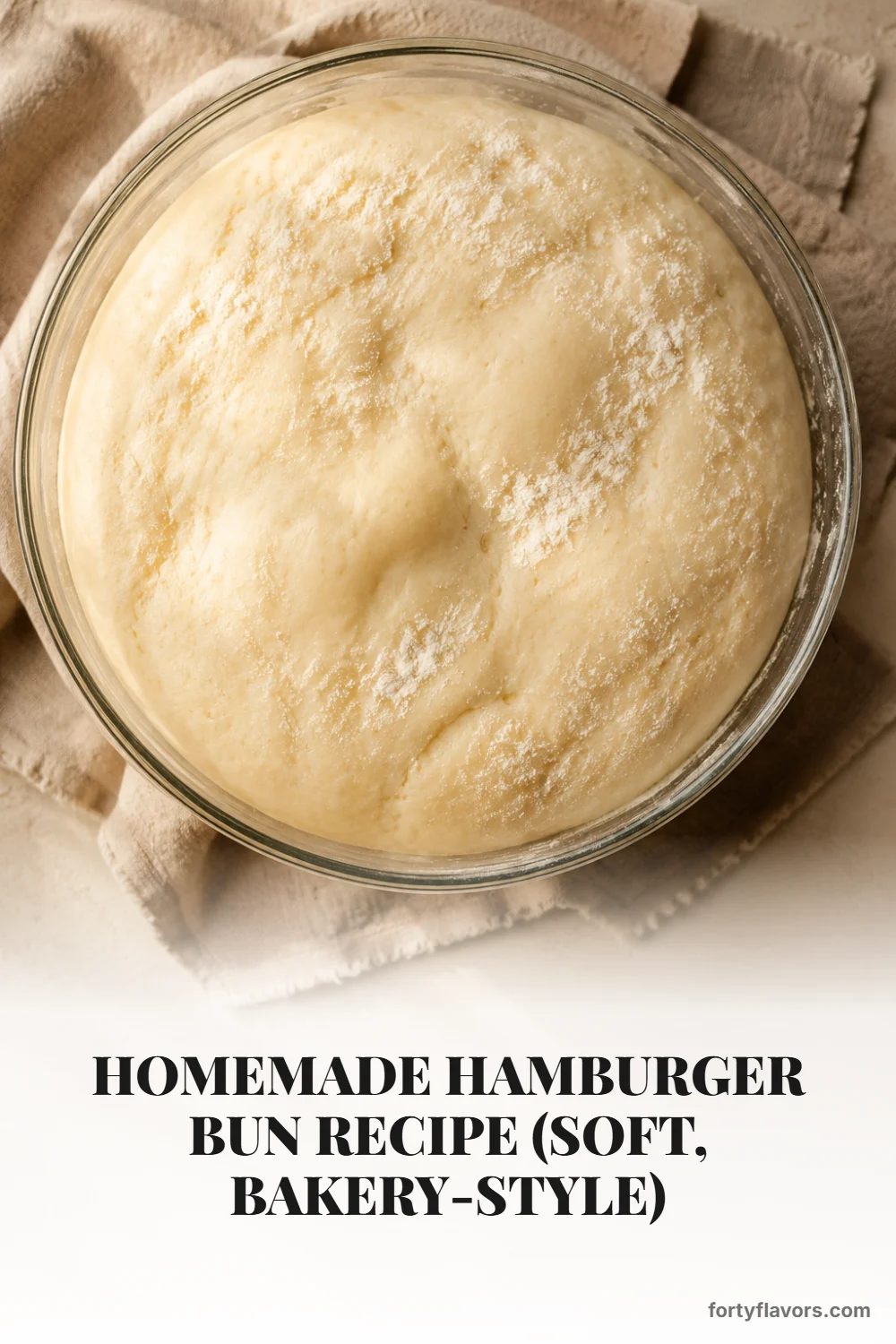
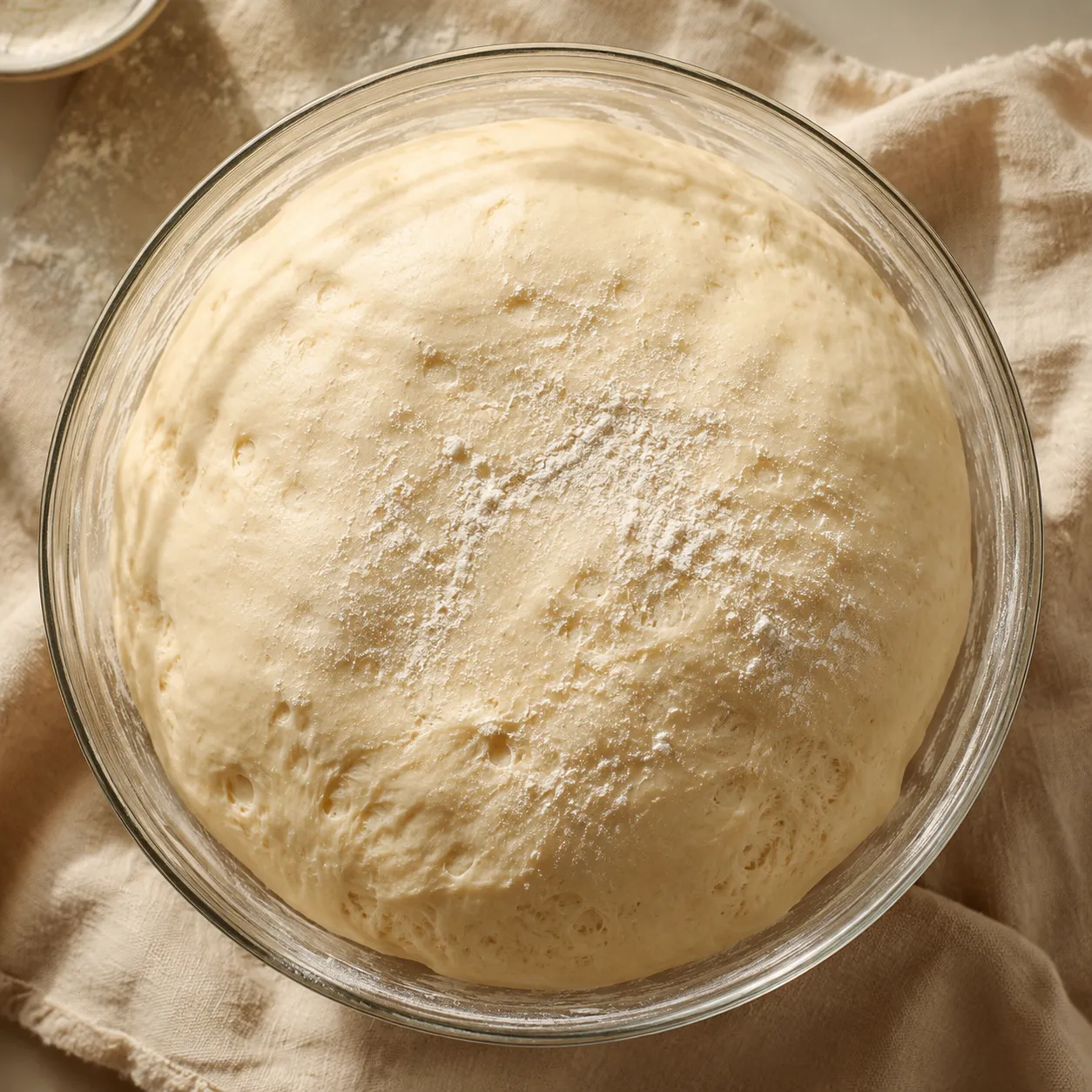
After kneading, the dough should sit in a lightly greased bowl until doubled and billowy. This first rise builds flavor and gives the yeast time to create the lift that makes the buns light instead of heavy. If your kitchen is cool, set the bowl near a sunny window or inside an oven that is turned off with the light on.
Shaping is where these buns start to look truly bakery-worthy. After the first rise, divide the dough into eight equal pieces; a kitchen scale is helpful here because evenly sized pieces bake at the same rate. To create a rounded top, pull the edges of each dough portion underneath itself, then roll it gently against the counter with a cupped hand until the surface becomes smooth and taut.
Place the shaped buns on a parchment-lined sheet pan with space between them so they can expand without touching too much. During the second rise, they should become puffy and slightly wider, like soft little cushions. This proof is what gives the final buns height and tenderness, so don’t rush them into the oven while they still look tight.
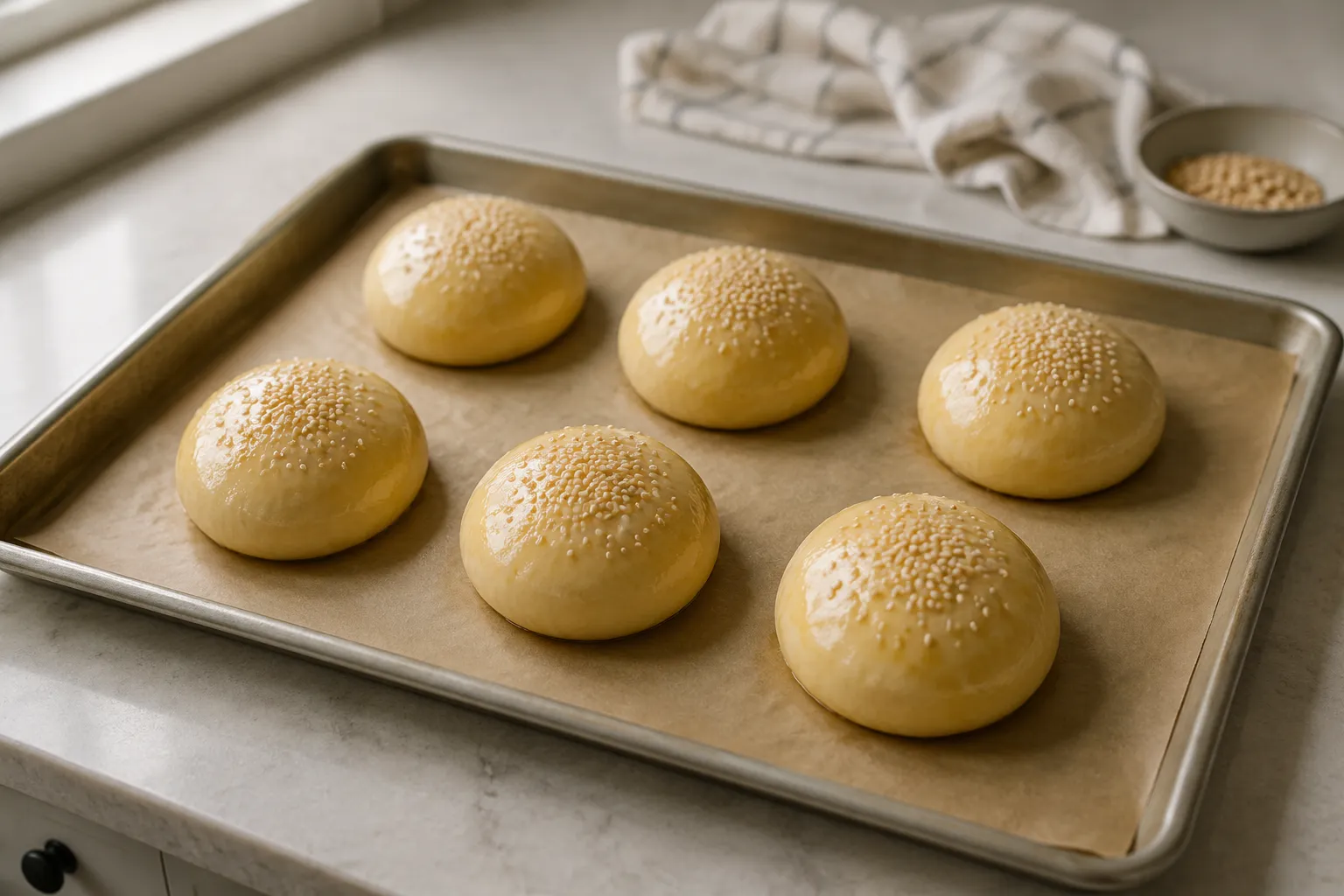
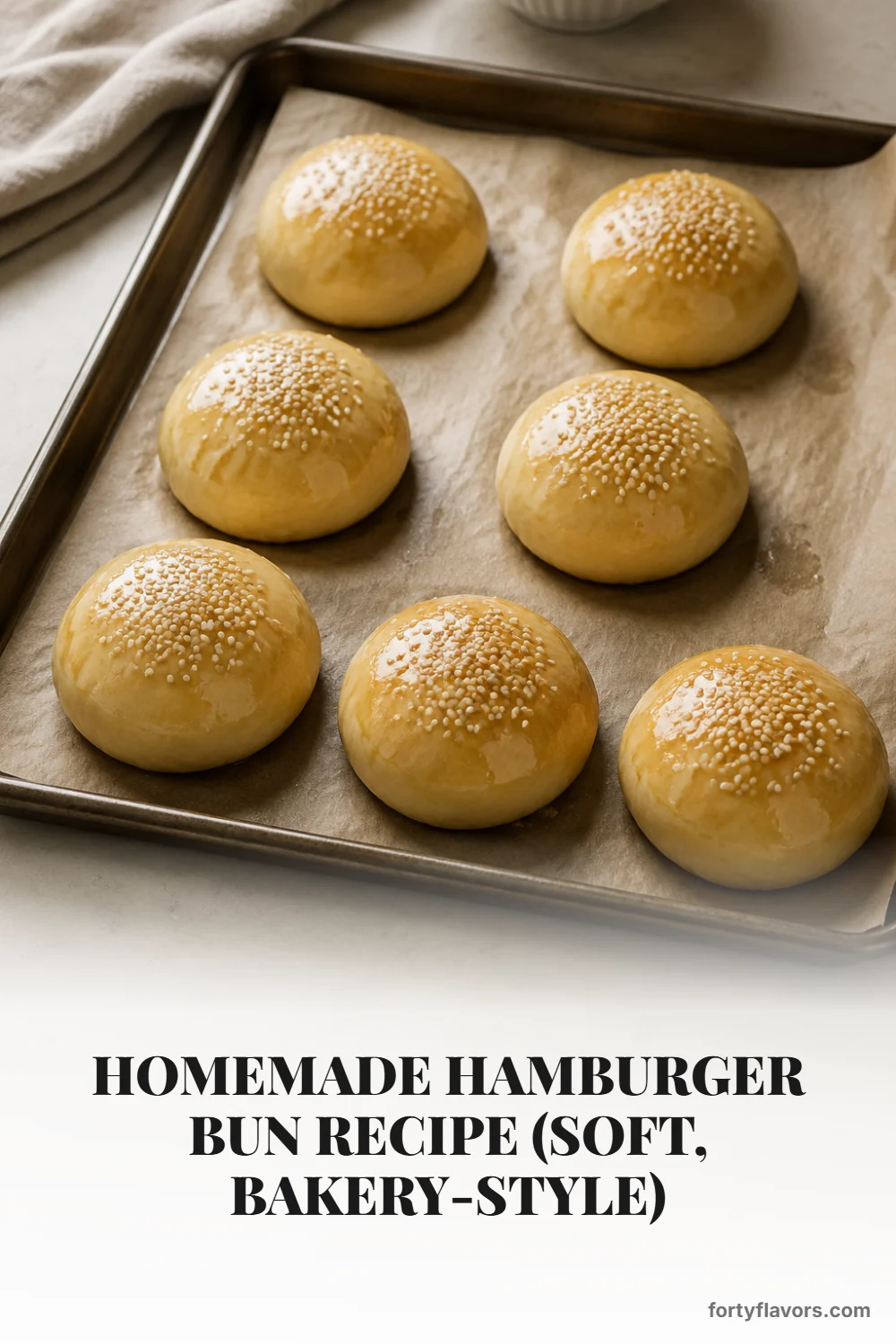
Just before baking, brush the tops with egg wash and scatter over sesame seeds. Bake until the buns are deeply golden on top and feel light when lifted from the pan. As soon as they come out of the oven, brush them with melted butter for a soft, fragrant crust that stays tender even after cooling.
The finished buns should be domed, glossy, and lightly browned around the edges. Let them cool before slicing so the interior crumb has time to set; cutting too early can compress the middle and make the texture seem gummy. When cooled properly, each bun splits cleanly and toasts beautifully on a skillet or grill.
Store-bought buns are convenient, but they often taste sweet, flat, or overly soft in a way that disappears under a burger. These homemade buns have actual bread flavor: a little buttery, a little yeasty, and warm with the aroma of toasted flour and sesame. They’re soft enough to bite through without squeezing the filling out, yet sturdy enough to stand up to a saucy smash burger or a thick grilled patty.
That balance comes from the enriched dough and the way the buns are shaped. A round with surface tension rises upward instead of outward, which creates the classic dome and gives the bottom enough structure to support a juicy sandwich. It’s the same principle you’ll see in brioche burger buns, though this dough is a touch lighter and less sweet, making it more versatile for everyday cooking.
If you love baking bread but don’t want an all-day project, this is the sweet spot. You get the satisfaction of scratch-made bread with a timeline that fits between prepping toppings and heating the grill. It’s also a budget-friendly bake, especially if you’re feeding a crowd or making multiple batches for weekend burgers.
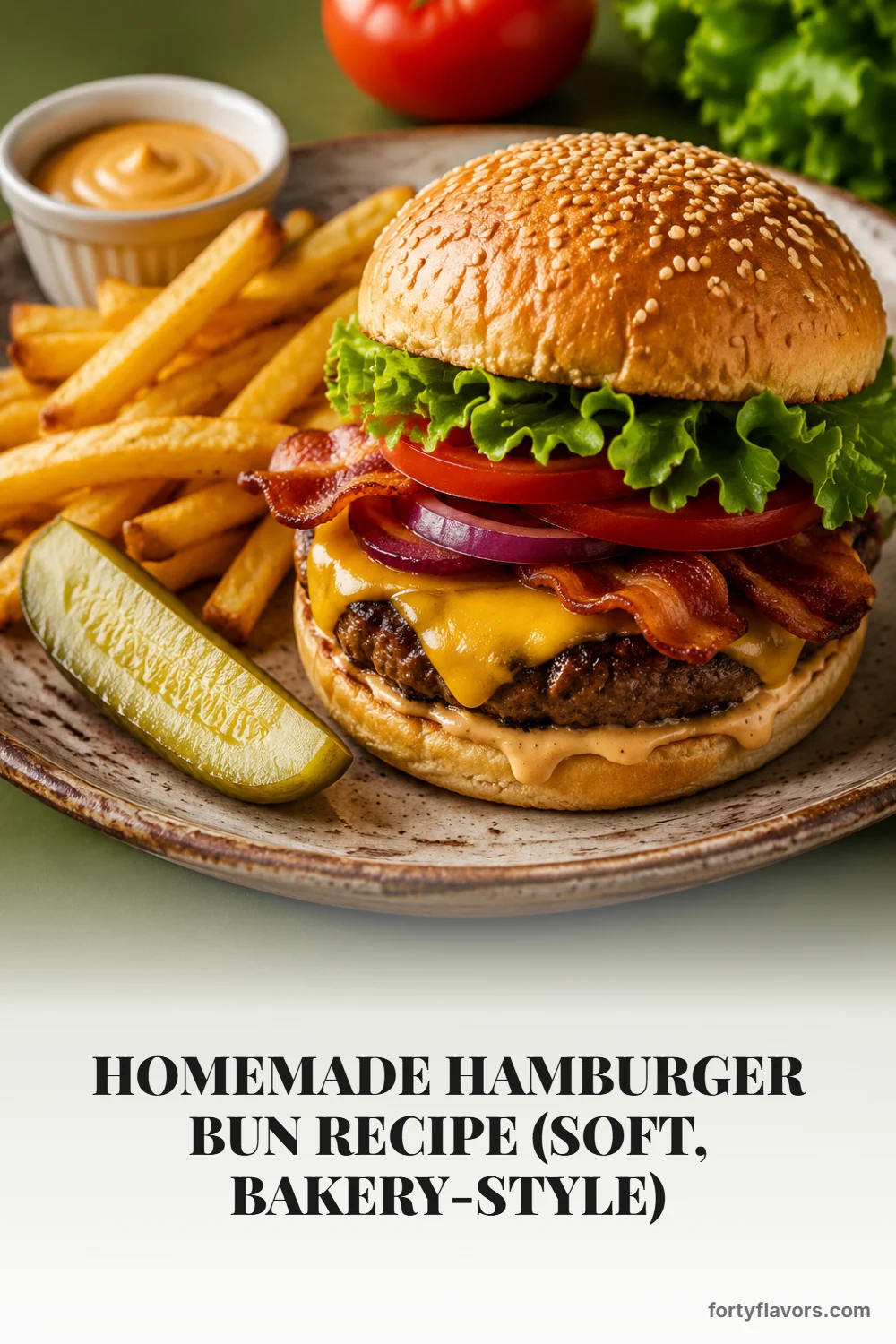
These buns were born for cheeseburgers. Toast the cut sides in a skillet with a little butter, then pile them with best beef burger patties, cheddar, crisp lettuce, tomato, pickles, and a swipe of special sauce. The toasted interior adds a subtle crunch and helps prevent condiments from soaking straight into the bread.
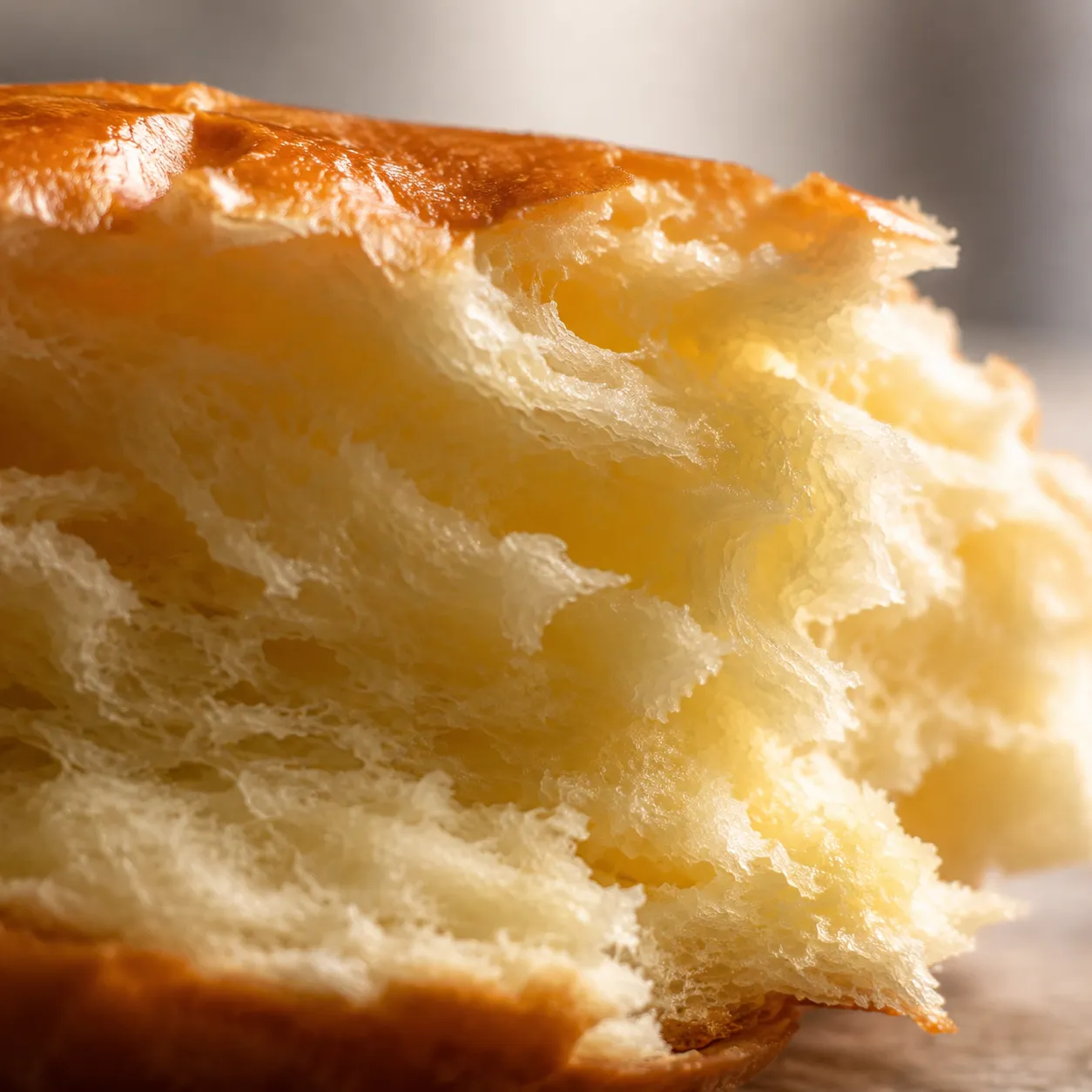
They’re just as good with pulled pork, barbecue chicken, fried fish, mushroom burgers, or black bean patties. Because the crumb is tender but not fragile, it can handle creamy slaw, tangy pickles, and warm barbecue sauce without falling apart halfway through dinner. For brunch, try them with scrambled eggs, bacon, and a slice of melty cheese for a homemade breakfast sandwich that feels a little extra.
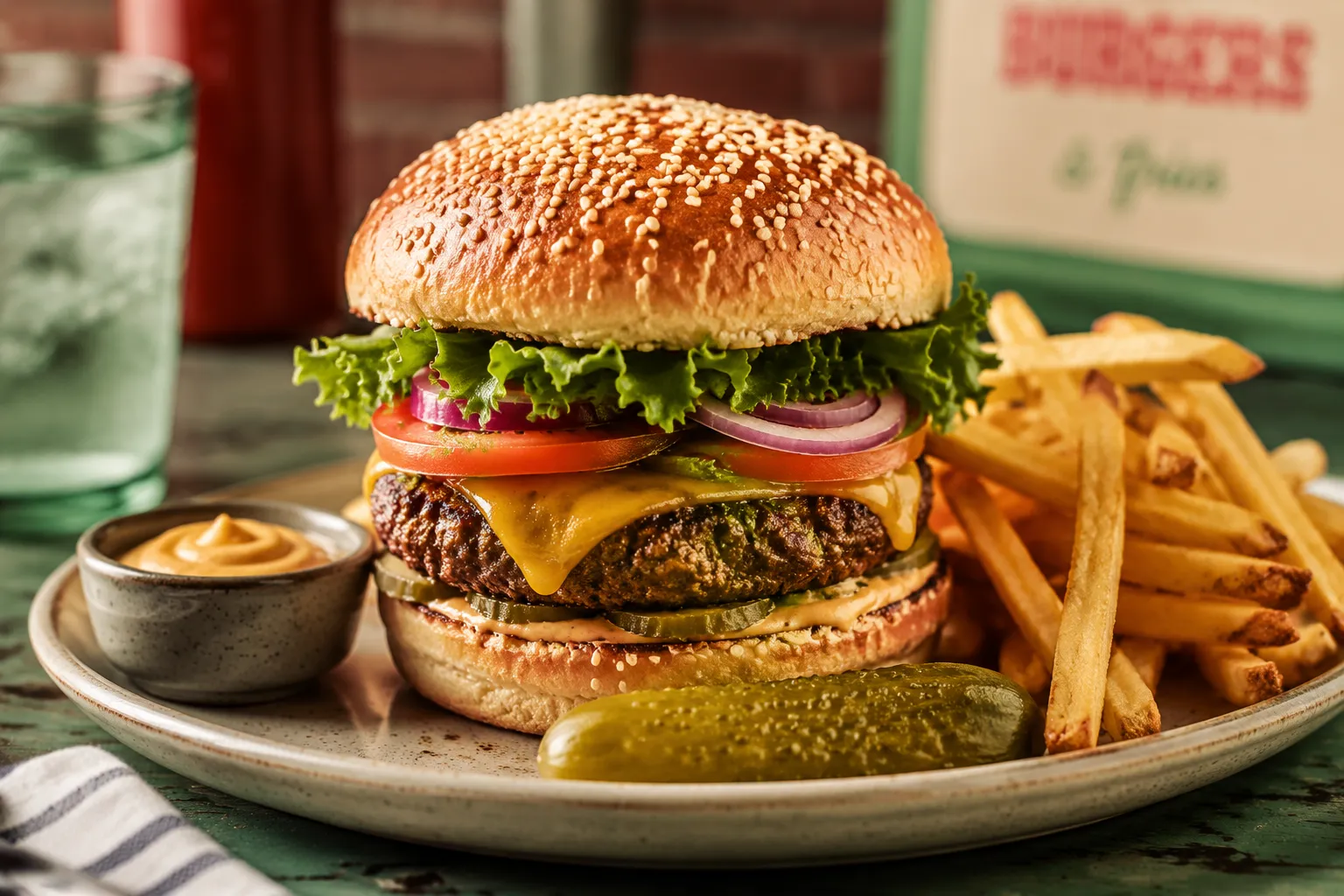
If you’re making a full cookout menu, bake the buns earlier in the day and let them cool completely before slicing. Warm them briefly before serving, or split and toast them directly on the grill for those smoky, crisp edges. Once you try this hamburger bun recipe, it becomes one of those foundational bakes you’ll use for far more than burgers.
One of the nicest things about homemade bread is how well it fits into a party plan when you give yourself a little margin. You can bake the buns in the morning for dinner that night, or make a double batch and set some aside for a future cookout. Cool them completely before packing so steam doesn’t get trapped and soften the crust too much.
For the best texture at serving time, rewarm the buns gently and toast the cut sides if you’re filling them with juicy meats or saucy toppings. A lightly toasted surface acts like a delicious little barrier, keeping the inside tender while giving the burger structure. That’s why these buns work so well for everything from classic cheeseburgers to a casual weeknight sandwich board.
There’s a certain magic in pulling a tray of golden buns from the oven and knowing dinner just got better before you’ve even built the burgers. This dough is forgiving, flavorful, and easy enough for newer bread bakers, but polished enough to satisfy anyone chasing that glossy bakery finish. Keep an eye on the dough texture, give the rises enough time, and don’t skip the butter brush at the end.
Whether you’re planning a summer grill night, a cozy indoor burger dinner, or a batch of sandwiches for the freezer, these buns deliver. They taste fresh, look beautiful, and make every filling feel more intentional. Add this one to your baking rotation, and you may never look at the bread aisle the same way again.
Store completely cooled hamburger buns in an airtight bag or container at room temperature for up to 2 days. Avoid refrigerating if you can, since the fridge can make bread stale faster, though it can be useful in very humid kitchens.
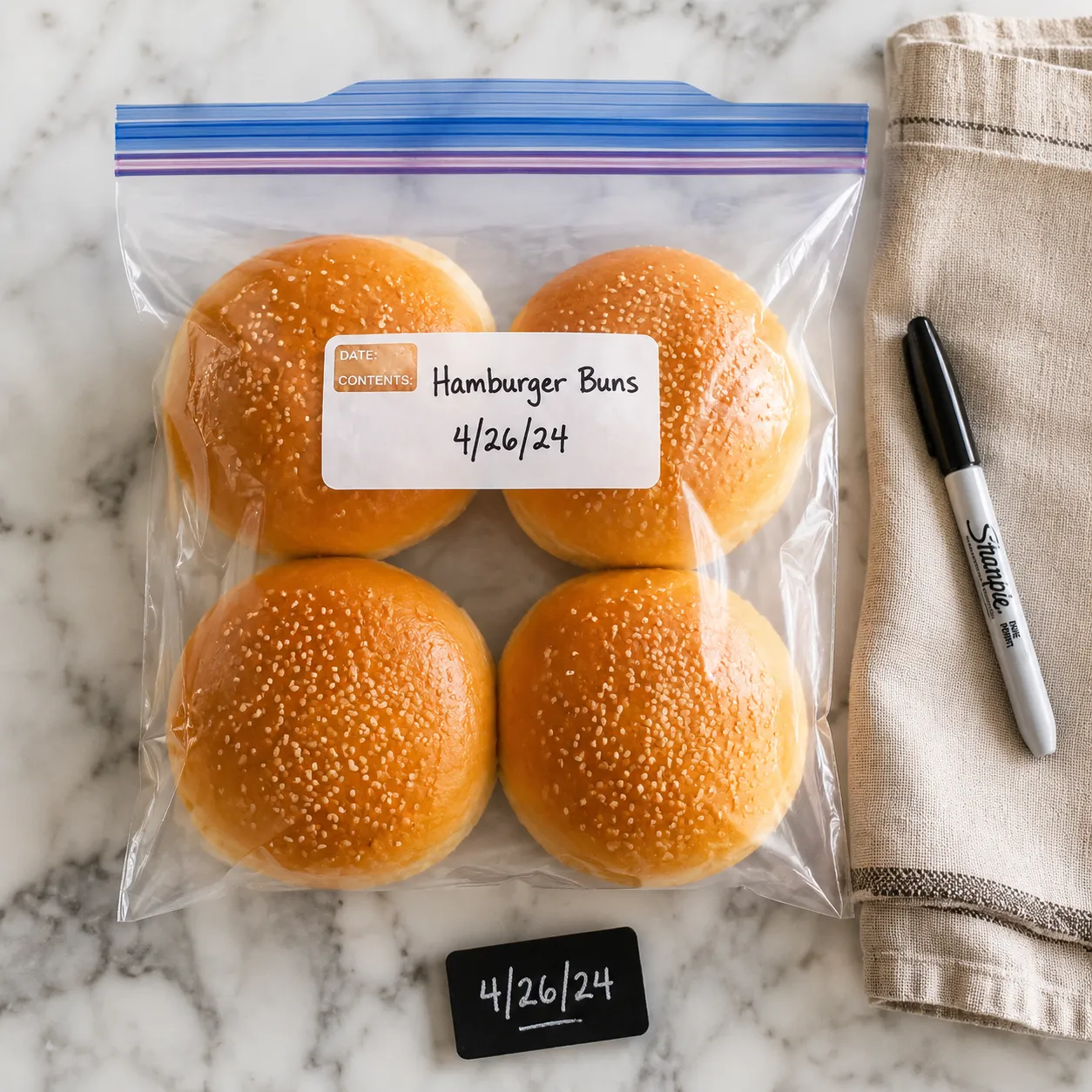
To freeze, place cooled buns in a freezer-safe zip-top bag, press out excess air, label, and freeze for up to 2 months. Reheat from frozen in a 300°F oven for about 5 to 8 minutes, or thaw at room temperature and toast the cut sides before serving.
Hover any image and hit “Pin it” to save it to your Pinterest boards.