General Tso Sauce Recipe (Better Than Takeout)

4.8 from 12 reviews
0SHARES

Now Playing

General Tso Sauce Recipe (Better Than Takeout)

0:00
0:00
General Tso Sauce Recipe (Better Than Takeout)

Glossy, sweet-savory, and just spicy enough — this homemade General Tso sauce comes together in 15 minutes and beats any takeout container.

Why You'll Love This Recipe
  • Better than takeout in 15 minutes: It has that glossy, restaurant-style finish, but you control the sweetness, salt, and heat.
  • Built from pantry staples: Soy sauce, rice vinegar, brown sugar, hoisin, garlic, ginger, and cornstarch do the heavy lifting.
  • Works with everything: Use it for chicken, tofu, shrimp, cauliflower, broccoli, noodles, or rice bowls.
  • Perfectly balanced: It is sweet, tangy, garlicky, savory, and gently spicy without being one-note.
  • Make-ahead friendly: A jar in the fridge turns leftovers or simple proteins into a fast weeknight dinner.

General tso sauce is the glossy, sweet-savory, gently spicy glaze that makes takeout night feel a little bit magical — and this homemade version comes together in about 15 minutes with pantry staples. It is bold with soy sauce, bright with rice vinegar, rounded out with hoisin, and thickened just enough to cling to crispy chicken, tofu, shrimp, or a heap of stir-fried vegetables.

Think of this as your master sauce: one small saucepan, a quick whisk, a few minutes of simmering, and suddenly dinner has that restaurant-style shine. It has the depth you want from a great general tso sauce recipe without requiring a deep pantry of specialty ingredients, and it is easy to adjust if you like it hotter, tangier, or a little less sweet.

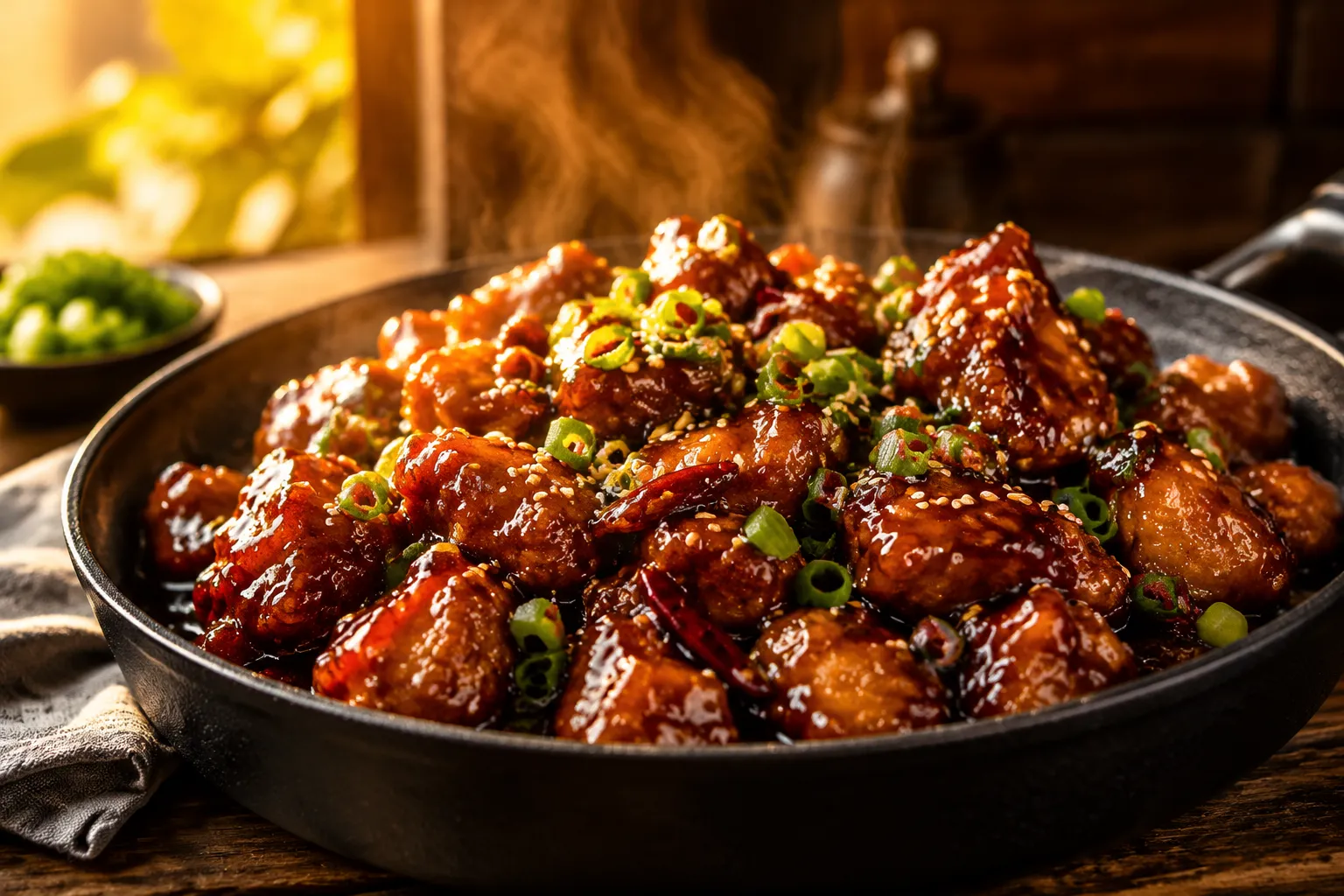
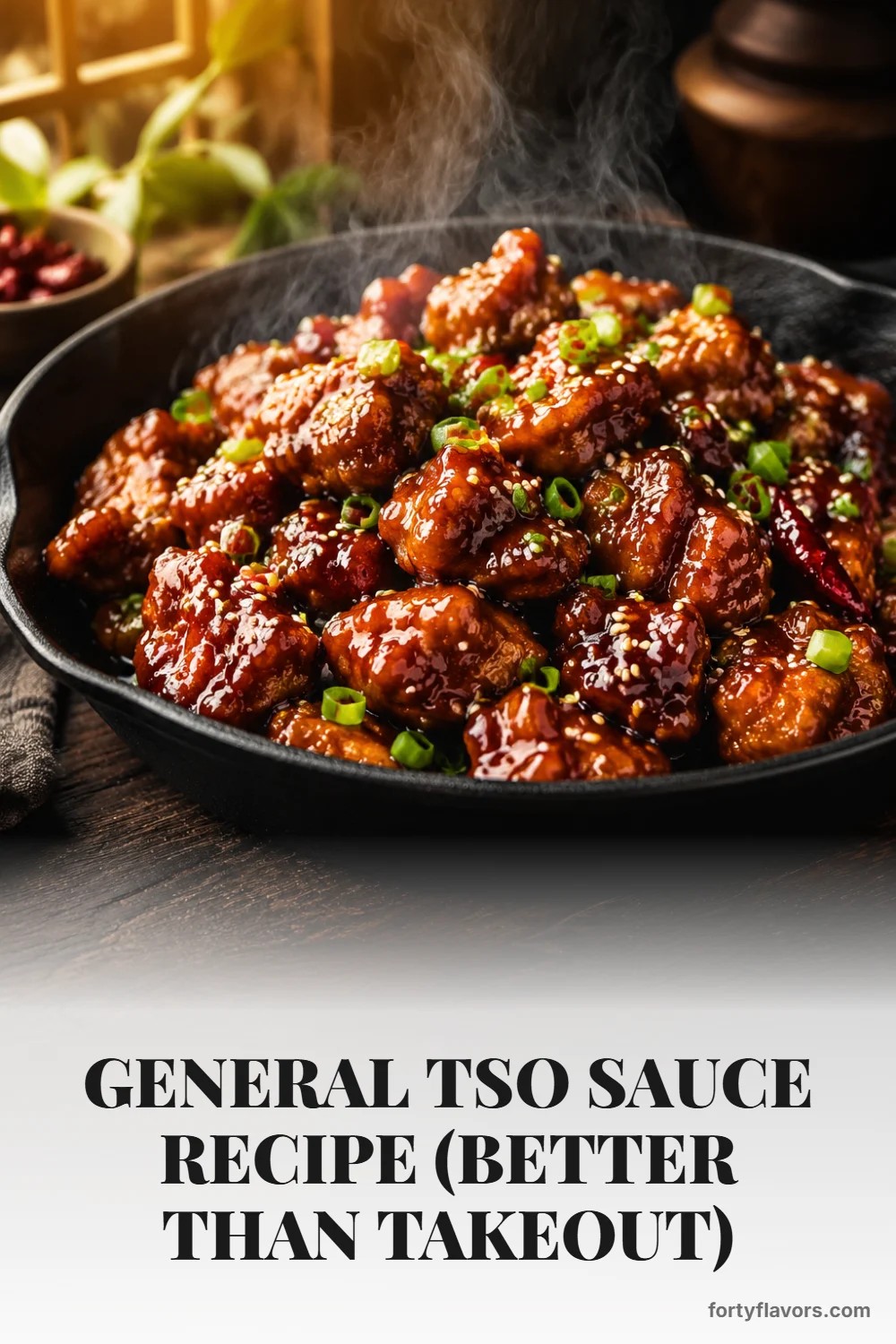
General Tso sauce recipe coating crispy chicken in a black skillet with sesame and scallions

I love this spooned over crisp chicken bites, but it is just as good with general tso tofu, roasted cauliflower, noodles, or a simple bowl of rice and broccoli. If you already make Chinese takeout favorites at home, this is the kind of back-pocket sauce that turns a regular weeknight into something craveable.

What Is General Tso Sauce?

If you have ever wondered what is general tso sauce, the short answer is: a Chinese-American sweet, tangy, garlicky chili glaze, most famously served with fried chicken pieces. It is not a traditional Hunan sauce in the strictest sense, but it is inspired by bolder, chile-forward flavors and adapted into the sticky, glossy takeout classic many of us know. You may also see it spelled general tao sauce, depending on the restaurant or region.

The flavor profile lands right in that happy place between sweet and savory. Soy sauce brings salt and umami, rice vinegar adds lift, brown sugar gives the sauce its caramel-like sweetness, and chili garlic sauce brings a warm, gentle heat. Garlic and ginger are essential, because without them the sauce tastes flat instead of aromatic and restaurant-style.

Compared with a sesame chicken recipe, this sauce is usually tangier and a little spicier, with less emphasis on nutty sweetness. Compared with orange sauce, it is deeper, darker, and more savory, without the bright citrus punch. That balance is why it works beautifully as a general tso chicken sauce, but also why it makes vegetables and tofu taste instantly more exciting.

Ingredients for a Glossy Takeout-Style Glaze

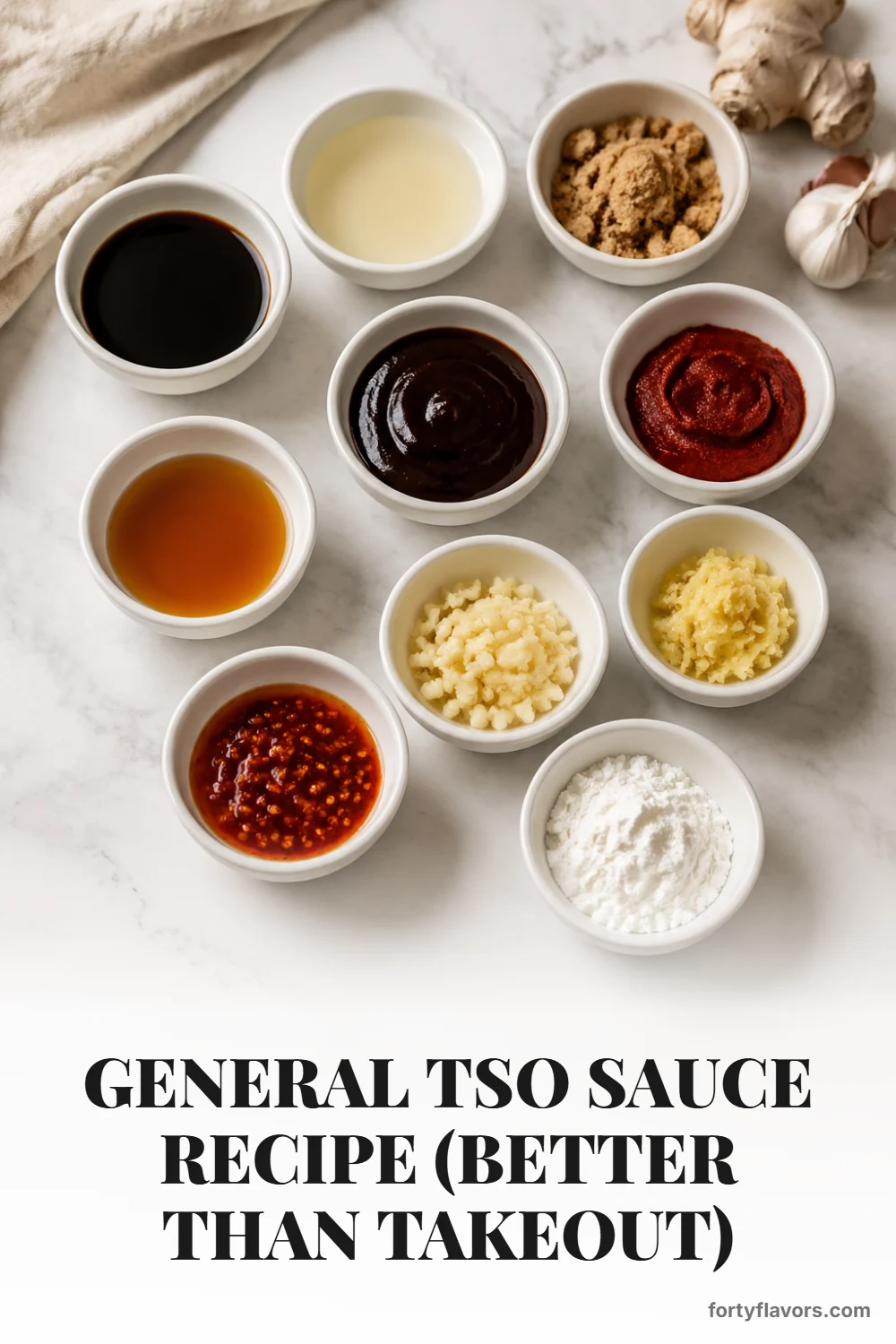
The ingredient list is simple, but each piece does real work. Low-sodium broth forms the base, giving the sauce enough body without making it overly salty. Low-sodium soy sauce adds that classic savory backbone, while rice vinegar keeps the sweetness from feeling heavy.

Ingredients for homemade general tso sauce in small bowls on marble

Brown sugar is the main sweetener, and it melts into the sauce for a glossy, lightly caramelized finish. Hoisin adds depth, a little fermented complexity, and that unmistakable takeout-style richness. A tablespoon of tomato paste may sound surprising, but it adds color, subtle tang, and a roundness that helps the sauce taste like it simmered much longer than it did.

For heat, chili garlic sauce or sambal oelek is perfect because it brings both chile flavor and a bit of acidity. Toasted sesame oil adds fragrance, but use it with a light hand so it does not overpower the sauce. Fresh garlic and ginger are worth using here; jarred versions will work in a pinch, but fresh aromatics give the sauce its lively, just-cooked flavor.

The final texture comes from a cornstarch slurry, which is simply cornstarch whisked with cold water before it goes into the pan. This is what turns a thin mixture into a shiny glaze that coats the back of a spoon.

How to Make This Sweet, Tangy Sauce

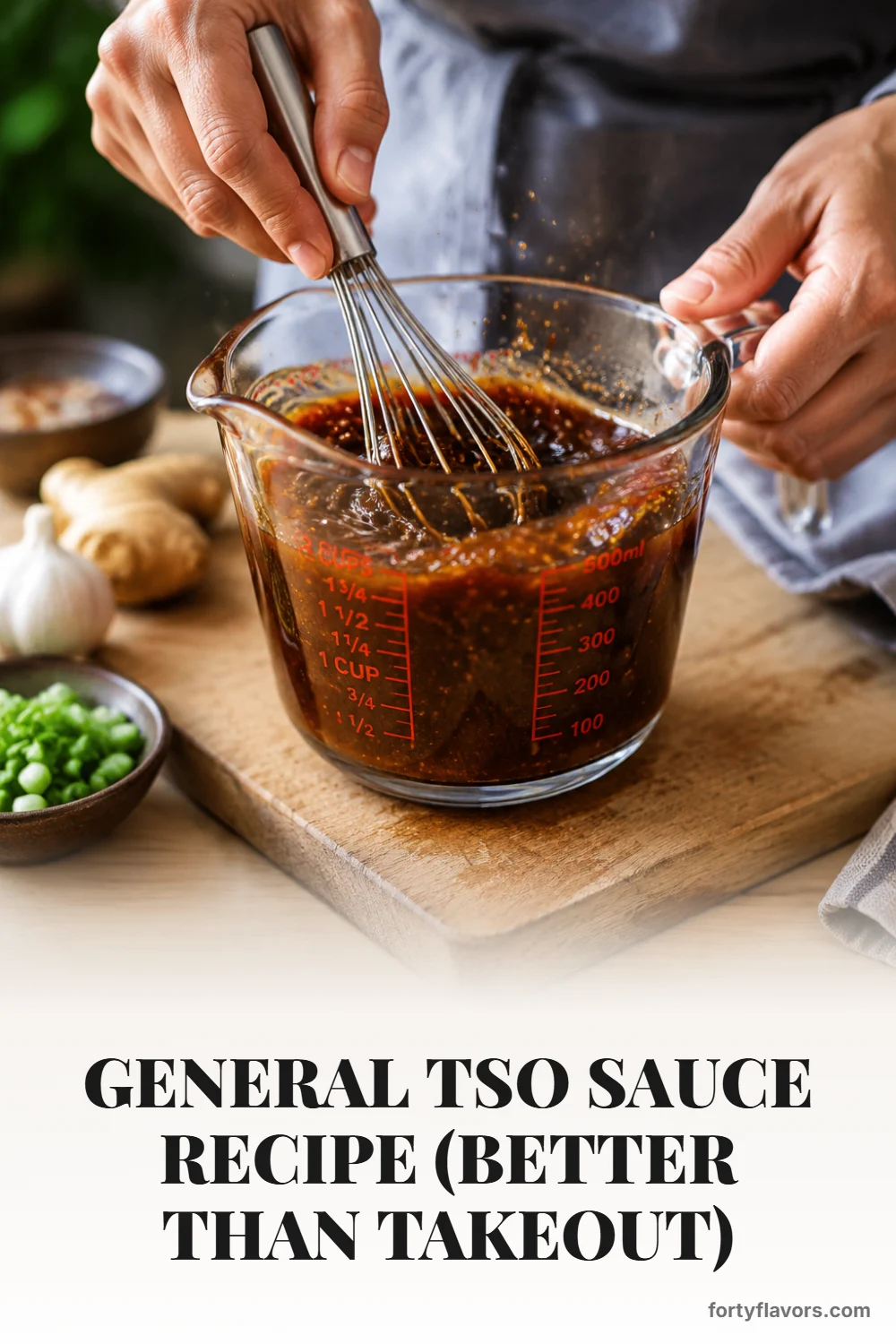
Once your ingredients are measured, the process moves quickly. Start by whisking the broth, soy sauce, rice vinegar, brown sugar, hoisin, tomato paste, chili garlic sauce, and part of the sesame oil in a measuring cup or bowl. This gives the sugar a head start dissolving and makes it easier to pour everything into the saucepan at once.

Whisking general tso sauce ingredients in a glass measuring cup

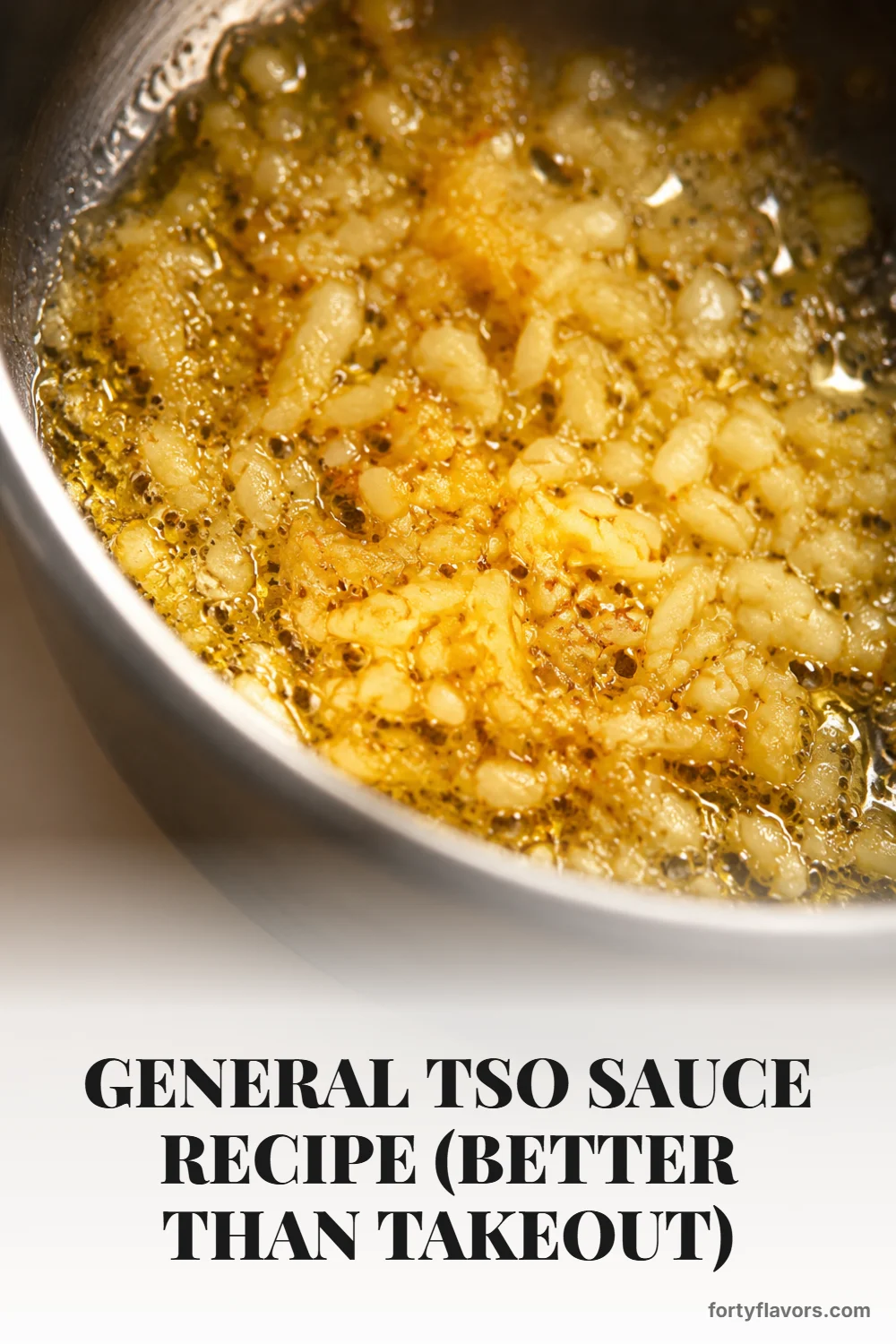
Next, warm the remaining toasted sesame oil in a small saucepan and sauté the garlic and ginger just until fragrant. You are not trying to brown them deeply; you simply want to wake up their flavor and perfume the oil. This step is small, but it is one of the reasons homemade tastes brighter and fresher than a bottled sauce.

Garlic and ginger sizzling in sesame oil for general tso sauce

Pour in the whisked sauce mixture and let it come to a simmer. The color will deepen as the brown sugar dissolves and the tomato paste blends in, and the aroma should smell savory, sweet, and a little spicy. Stir often so the sugars do not catch on the bottom of the pan.

To finish, whisk in the cornstarch slurry and cook for a minute or two, just until the sauce turns glossy and thick enough to coat a spoon. This is the moment where it becomes that familiar takeout glaze. If you are learning how to make general tso sauce for the first time, the visual cue matters: it should ribbon from the spoon, not run like broth or set like jelly.

How to make general tso sauce thickening in a saucepan

The Restaurant-Style Texture

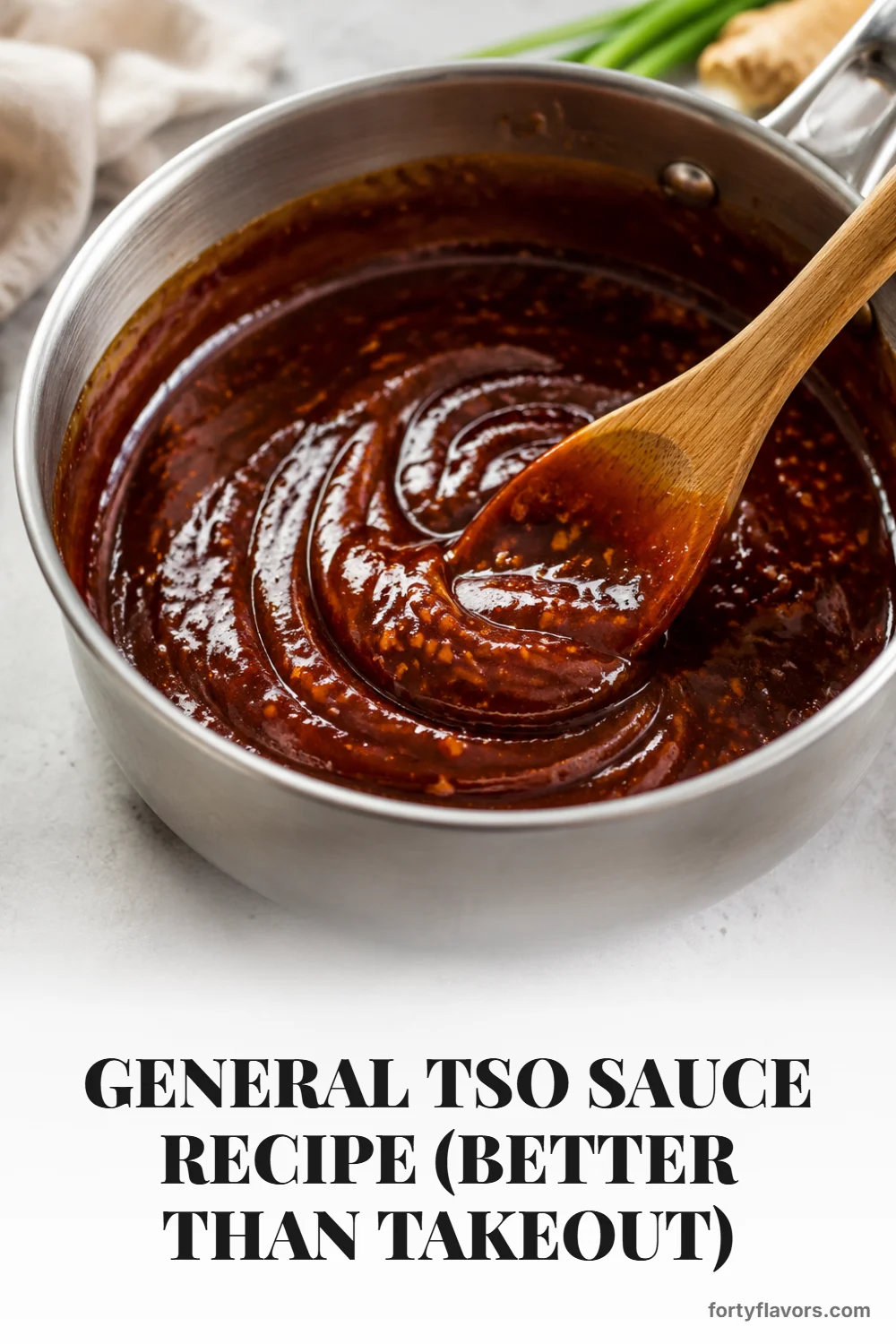
The best version of this sauce is glossy and clingy, not gummy. That texture comes from both the sugar and the starch: the brown sugar gives sheen, while the cornstarch gives body. Once the sauce thickens, it should look smooth and mahogany, with just enough weight to glaze the food instead of pooling underneath it.

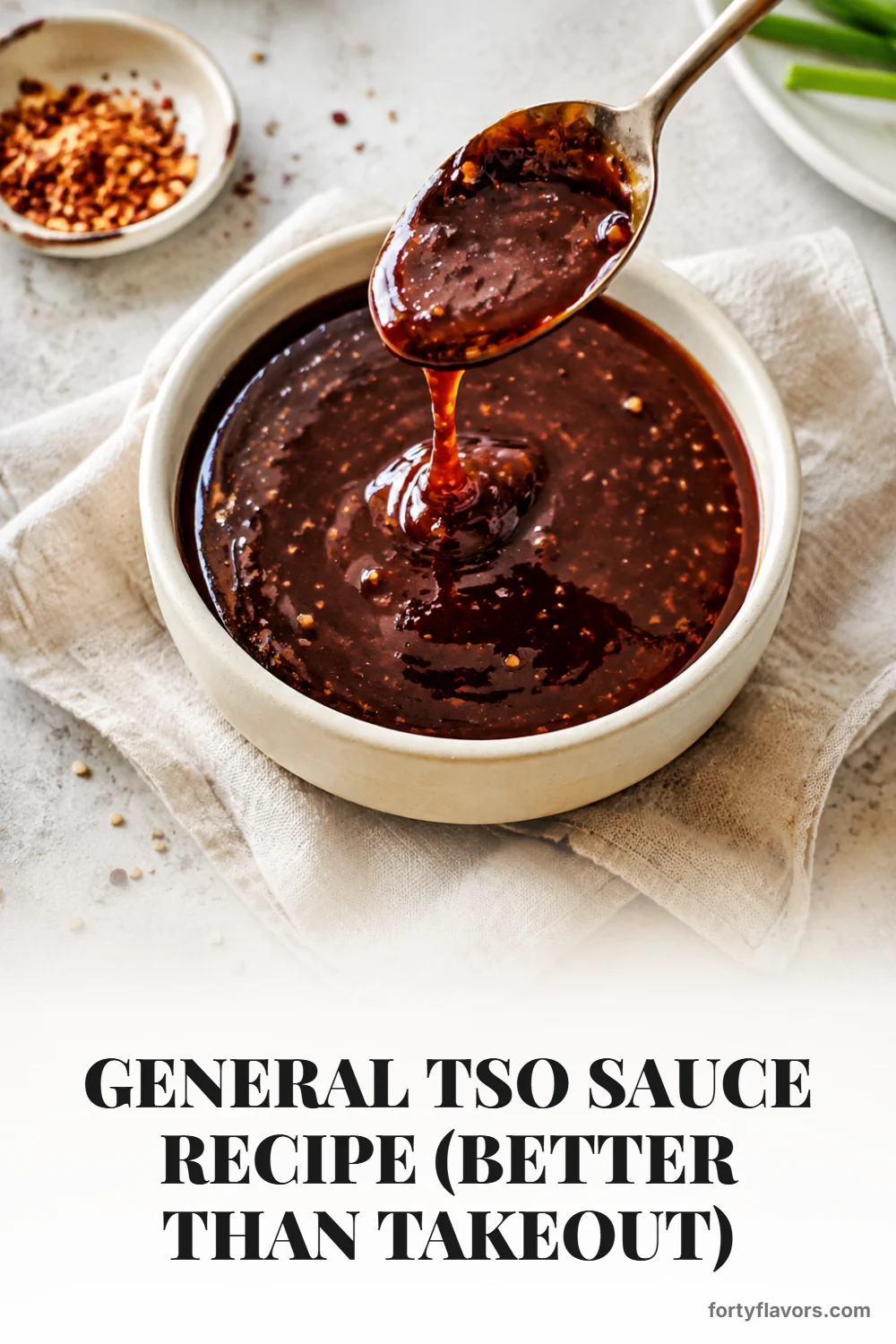
Bowl of finished homemade general tso sauce with a spoon

For chicken, shrimp, or tofu, the best move is usually to cook the protein first, then toss it with the hot sauce right before serving. That keeps crispy edges from softening too quickly. For vegetables, you can either toss cooked veggies in the sauce or add the sauce to a hot skillet at the very end so everything gets lacquered.

This is also where the sauce proves more useful than a single dinner recipe. You can make one batch for classic chicken tonight, then use the leftovers to dress noodles or a quick veggie bowl tomorrow. It is the same weeknight logic that makes a good homemade stir-fry sauce so valuable: once the sauce is ready, dinner is halfway done.

Chicken, Tofu, Noodles, and More

The most iconic use is, of course, General Tso chicken. Toss crispy chicken pieces with the warm sauce, then finish with sliced scallions and sesame seeds. Serve it with steamed jasmine rice, broccoli, and maybe a side of easy fried rice if you are building a full takeout-at-home spread.

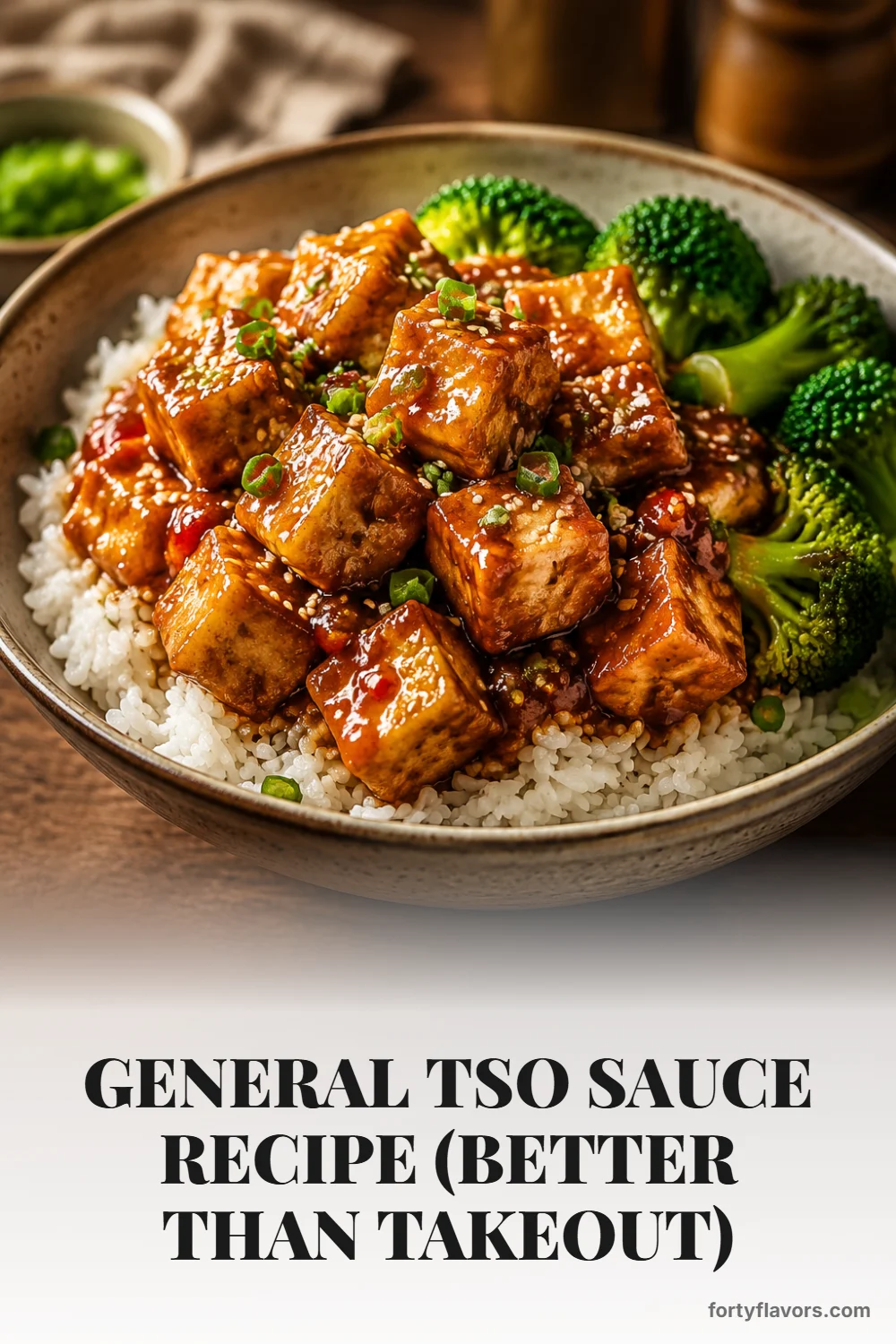
For a meatless dinner, general tso tofu is fantastic. Press the tofu well, cut it into cubes, then bake, air-fry, or pan-sear until the edges are golden before tossing with the glaze. If you already have a favorite crispy baked tofu method, this sauce will slide right into that routine.

General tso tofu over rice with broccoli and scallions

Vegetables are another easy win. Broccoli, snap peas, bell peppers, mushrooms, green beans, and cauliflower all pair beautifully with the sweet-tangy heat. Stir-fry the vegetables until crisp-tender, turn the heat down, then add just enough sauce to coat.

You can also use this with noodles, rice bowls, lettuce cups, or even sheet-pan meals. Roast cauliflower or Brussels sprouts until browned, drizzle with the warm sauce, and suddenly they have that sticky, savory edge everyone reaches for. For a protein-packed bowl, layer rice, vegetables, tofu or chicken, and a spoonful of extra sauce over the top.

Make-Ahead Sauce for Weeknight Dinners

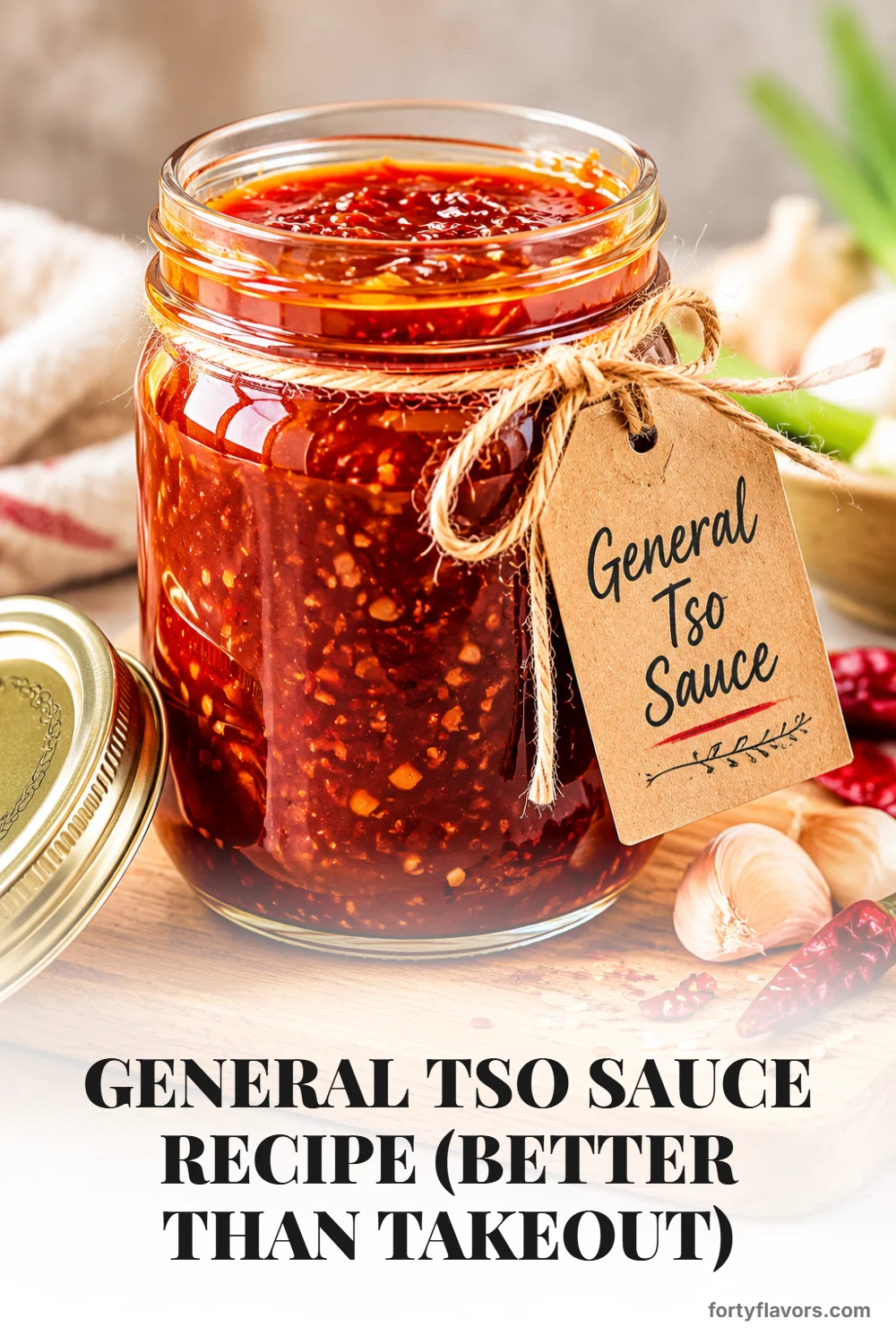
This sauce is an excellent make-ahead staple because it reheats well and keeps its flavor. Let it cool, then transfer it to a clean jar or airtight container. The sauce will thicken in the refrigerator, which is completely normal.

Homemade general tso sauce stored in a mason jar for the fridge

When you are ready to use it, warm it gently in a small saucepan or microwave-safe bowl, whisking in a splash of water or broth if needed. Avoid boiling it aggressively after it has already thickened; gentle heat keeps the texture smooth and glossy. This is especially helpful when you want dinner fast and already have cooked rice, vegetables, or leftover chicken in the fridge.

If you are cooking for someone gluten-free, use the gluten-free tamari swap in place of soy sauce and choose a certified gluten-free hoisin. The flavor will still be bold, salty-sweet, and satisfying. Coconut aminos can also work, though they are sweeter and less salty, so taste before adding all of the brown sugar.

How to Know the Sauce Is Ready

The easiest test is the spoon test. Dip a spoon into the sauce and lift it over the pan; it should fall back in a slow ribbon and leave a light coating on the spoon. If it slides off immediately, it needs another minute of simmering or a touch more slurry.

Close-up of glossy general tso sauce drizzling from a spoon

The color should be a deep reddish brown, shiny rather than cloudy, with small bubbles around the edges of the pan. The aroma should be savory first, then sweet, with garlic, ginger, and chile coming through clearly. If it tastes too sharp, add a pinch more brown sugar; if it tastes too sweet, add a small splash of rice vinegar.

Once you have the balance where you like it, use the sauce immediately or cool it for later. This is the kind of homemade staple that makes takeout cravings easier to satisfy without waiting on delivery. Keep a jar ready, and you can turn simple chicken, tofu, vegetables, or rice into a glossy, saucy dinner in minutes.

💡 Expert Tips

  • Use low-sodium soy sauce: The sauce reduces slightly as it simmers, so low-sodium soy sauce keeps it from becoming too salty.
  • Do not skip the slurry: A cornstarch slurry gives the sauce its classic glossy texture; whisk it with cold water before adding it to the pan.
  • Simmer gently: High heat can make the sugars scorch or the sauce thicken too aggressively, so keep the bubbles steady but controlled.
  • Toss right before serving: For crispy chicken or tofu, add the sauce at the very end so the coating stays as crisp as possible.
  • Taste and adjust: Add rice vinegar for more tang, brown sugar for more sweetness, or chili garlic sauce for extra heat.

🔄 Variations & Substitutions

This recipe is designed as a balanced master sauce, but it is easy to nudge it toward your favorite takeout flavor profile. Keep the base ratios the same, then adjust the accents in small amounts so the sauce stays glossy and balanced.
  • Spicier: Add extra chili garlic sauce, sambal oelek, or a pinch of crushed red pepper flakes.
  • Less sweet: Reduce the brown sugar by 1 tablespoon and taste before adding more.
  • Gluten-free: Use tamari instead of soy sauce and choose a certified gluten-free hoisin.
  • Vegetarian: Use vegetable broth instead of chicken broth.
  • Extra sesame: Finish with toasted sesame seeds or a tiny drizzle of sesame oil after cooking.

🧊 Storage & Leftovers

Store cooled General Tso sauce in an airtight jar or container in the refrigerator for up to 1 week. It will thicken as it chills, so whisk in a splash of water or broth when reheating to bring back the smooth, glossy texture.

For longer storage, freeze the sauce for up to 3 months in a freezer-safe container, leaving a little space for expansion. Thaw overnight in the refrigerator, then reheat gently on the stovetop or in the microwave, whisking well before tossing with chicken, tofu, vegetables, or noodles.

Frequently Asked Questions

What is General Tso sauce made of?
General Tso sauce is typically made with soy sauce, rice vinegar, brown sugar, hoisin, garlic, ginger, chili paste, and a cornstarch slurry. In this version, broth creates the base, tomato paste adds depth and color, and toasted sesame oil gives a warm, nutty aroma. The cornstarch slurry thickens everything into a glossy glaze that clings beautifully to chicken, tofu, shrimp, or vegetables.
What does General Tso sauce taste like?
It tastes sweet, tangy, savory, garlicky, and lightly spicy. The brown sugar and hoisin bring sweetness and depth, while rice vinegar keeps the sauce bright. Soy sauce gives it a salty umami backbone, and chili garlic sauce adds gentle heat. Compared with orange sauce, it is less fruity and more savory; compared with sesame sauce, it is usually tangier and a bit bolder.
How do I make General Tso sauce gluten-free?
To make it gluten-free, swap the soy sauce for tamari or coconut aminos and use a certified gluten-free hoisin sauce. Tamari gives the closest savory flavor, while coconut aminos taste slightly sweeter and less salty, so you may want to reduce the brown sugar a little. Cornstarch is naturally gluten-free, but always check labels if you are cooking for someone with celiac disease.
How long does homemade General Tso sauce last?
Homemade General Tso sauce lasts up to 1 week in the refrigerator when stored in a clean airtight jar or container. It will thicken once chilled, which is normal. Reheat it gently on the stovetop or in the microwave, whisking in a splash of water or broth until it loosens and turns glossy again. You can also freeze it for up to 3 months.
Can I use this sauce for tofu instead of chicken?
Yes, this sauce is excellent with tofu. For the best texture, press the tofu first, cut it into cubes, then bake, air-fry, or pan-sear until the edges are crisp and golden. Toss the tofu with warm sauce right before serving so the coating stays as crisp as possible under the glaze. Serve it over rice with broccoli, scallions, and sesame seeds.

General Tso Sauce Recipe (Better Than Takeout)

Pin Recipe
  • Prep Time5 min
  • Cook Time10 min
  • Total Time15 min
  • Yield1 servings

Ingredients

Scale

Instructions