Hunan Chicken
Ingredients
Scale
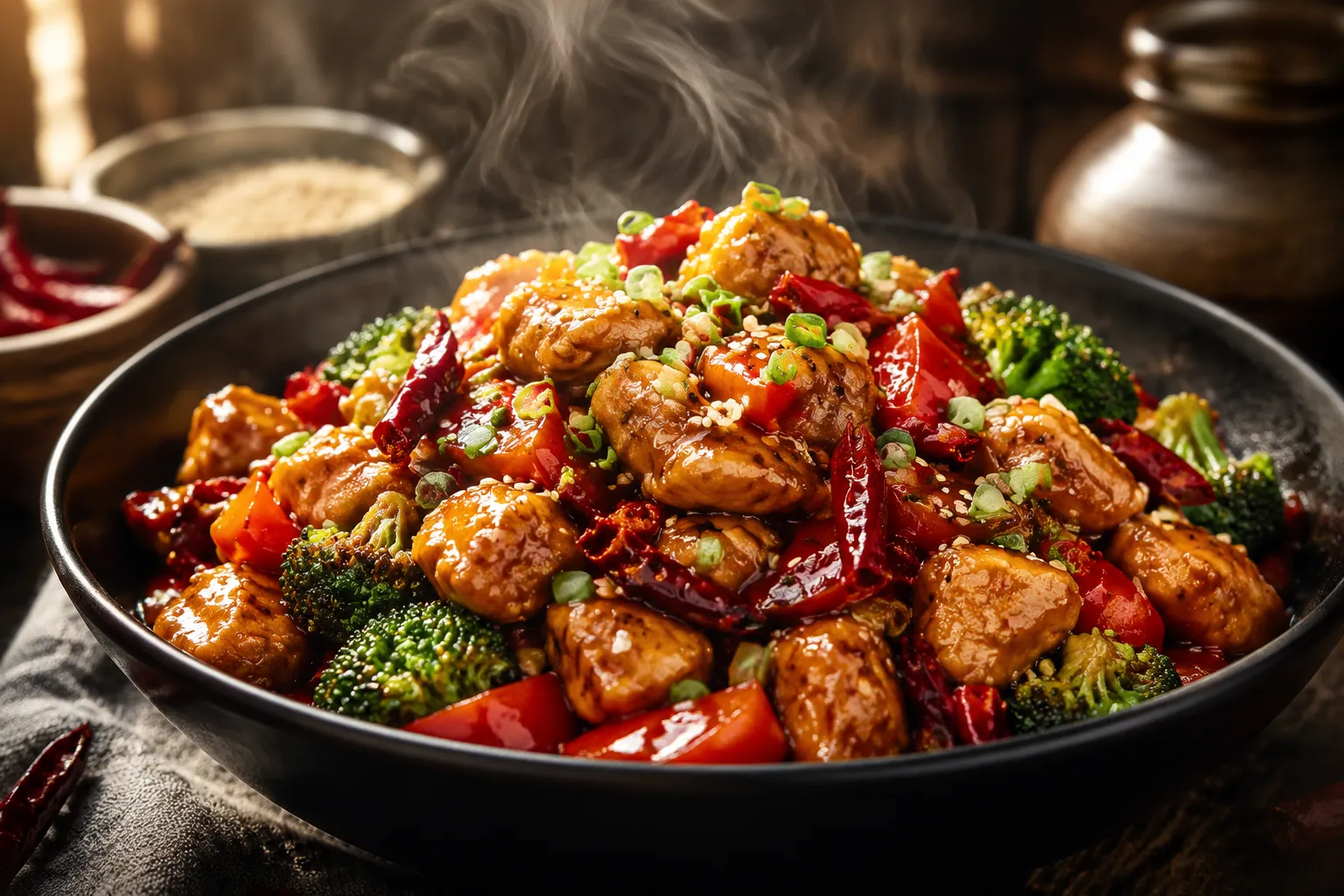
This Hunan chicken delivers everything you crave from a Chinese takeout favorite: tender chicken, crisp vegetables, and a bold, fiery Hunan sauce, all in 30 minutes.
If you've ever been ten minutes deep in a takeout menu trying to decide between every spicy Chinese-American classic, this hunan chicken is here to settle the debate. It's punchy, garlicky, and laced with the kind of slow-building heat that makes you reach for another bite before you've finished the last one. Best of all, you can have it on the table in 30 minutes — no delivery driver required.
What makes this version stand out from the usual weeknight stir fry is the homemade Hunan sauce. We're skipping the gloopy bottled stuff and building real flavor with doubanjiang (spicy fermented broad bean paste), soy sauce, rice vinegar, and a generous handful of garlic and ginger. The chicken gets a quick velveting treatment so it stays silky and tender, and the vegetables go in last so they keep their bite.
If you've made my Hunan beef before, the technique here will feel familiar — just swapped over to chicken with a slightly lighter, brighter finish. Pour it over a steamy bowl of jasmine rice, scatter scallions on top, and you've officially upgraded weeknight dinner.
Hunan chicken is a Chinese-American stir fry inspired by the bold, chili-forward cuisine of China's Hunan province. Unlike the numbing, mouth-tingling burn of Szechuan chicken — which leans hard on Sichuan peppercorns — Hunan-style cooking delivers a drier, sharper, more direct heat from dried chilies and chili bean paste. Compared to kung pao chicken, which is sweeter and peanut-studded, Hunan is savory, garlicky, and unapologetically spicy.
The soul of the dish lives in the Hunan sauce: doubanjiang for funk and fire, soy sauce for depth, oyster sauce for body, rice vinegar for brightness, and brown sugar to balance it all. That same sauce works beautifully on Hunan beef, shrimp, or tofu — it's the all-purpose heat-seeker of your stir fry repertoire.
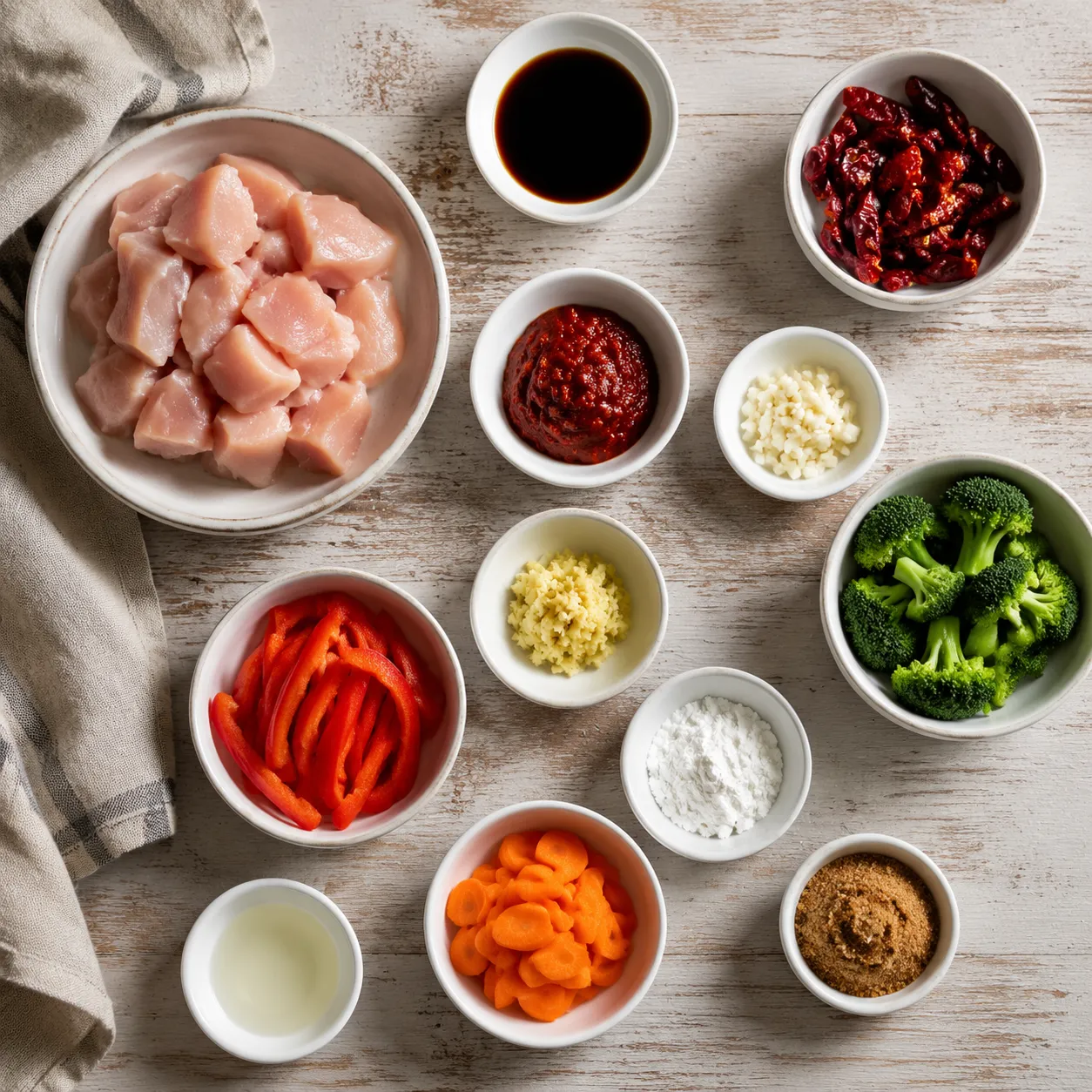
Most of these ingredients live in a well-stocked Asian pantry, and the rest are at any decent grocery store. Here's what's doing the heavy lifting:
If you can't find doubanjiang locally, look for Pixian or Lee Kum Kee brand online — a single jar will keep in the fridge for months and is the cornerstone of any homemade stir fry sauce worth making twice.
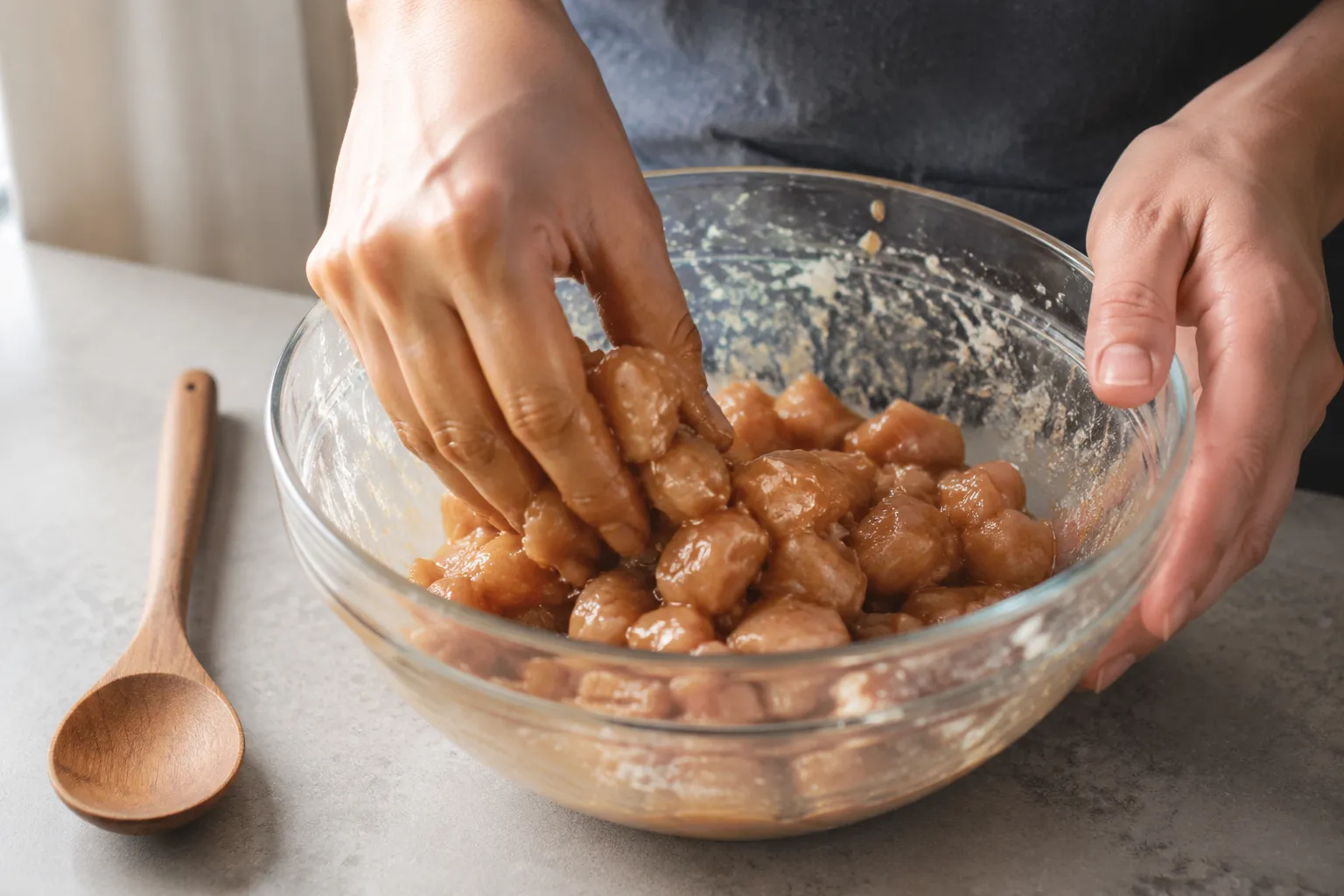
The whole thing comes together in four quick movements: marinate, mix, sear, toss. The trick is having everything prepped before the wok hits the heat — once you start cooking, this dish moves fast.
Velvet the chicken. Cut the chicken into bite-sized pieces and toss with soy sauce, Shaoxing wine, and cornstarch. Let it sit while you prep everything else. This 15-minute marinade is what separates silky takeout-style chicken from sad, dry stir fry chicken.
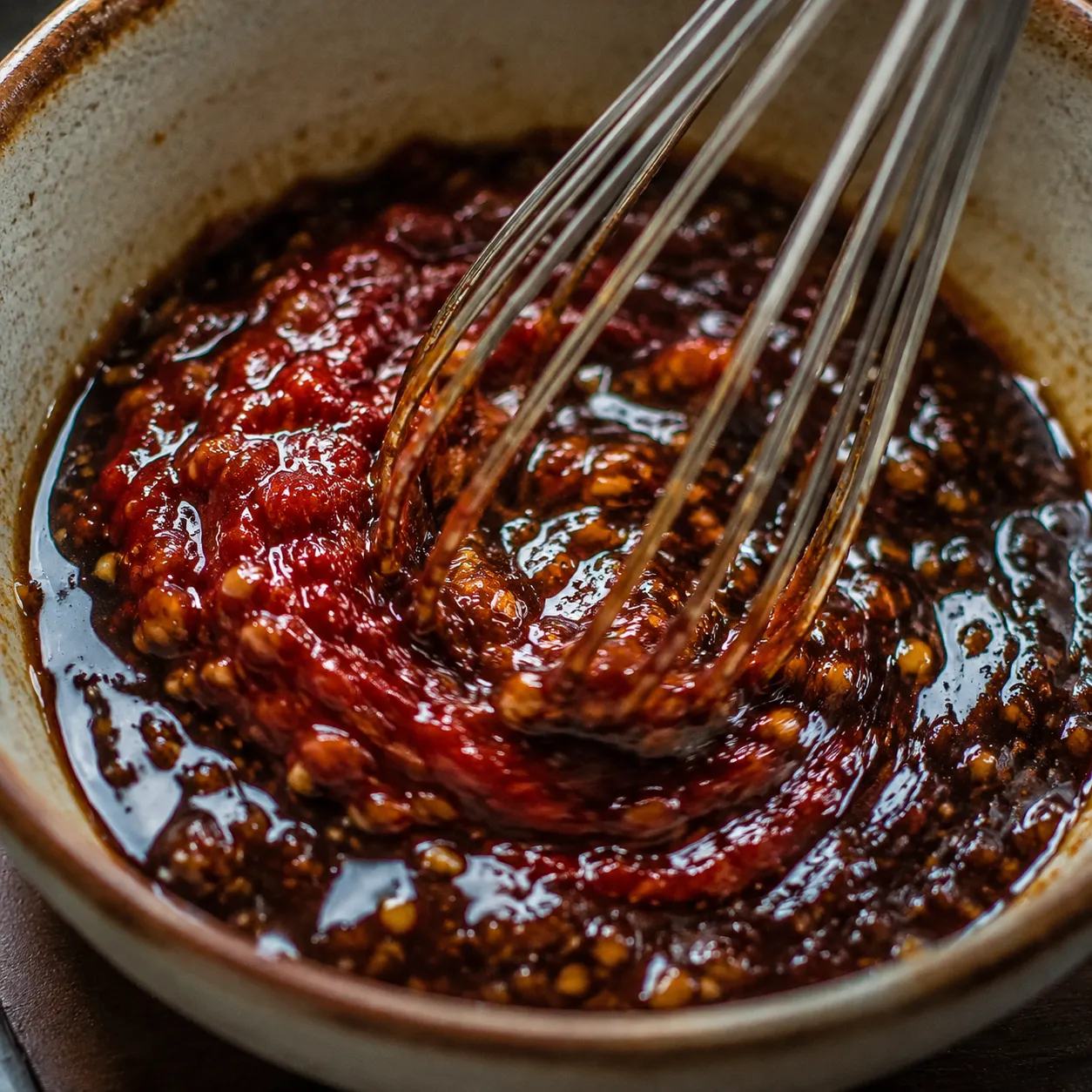
Whisk the sauce. In a small bowl, stir together doubanjiang, low-sodium soy sauce, oyster sauce, rice vinegar, brown sugar, and a splash of water. Taste it — this is your moment to tweak. Want more heat? Add another spoon of chili paste. More tang? Another splash of vinegar.
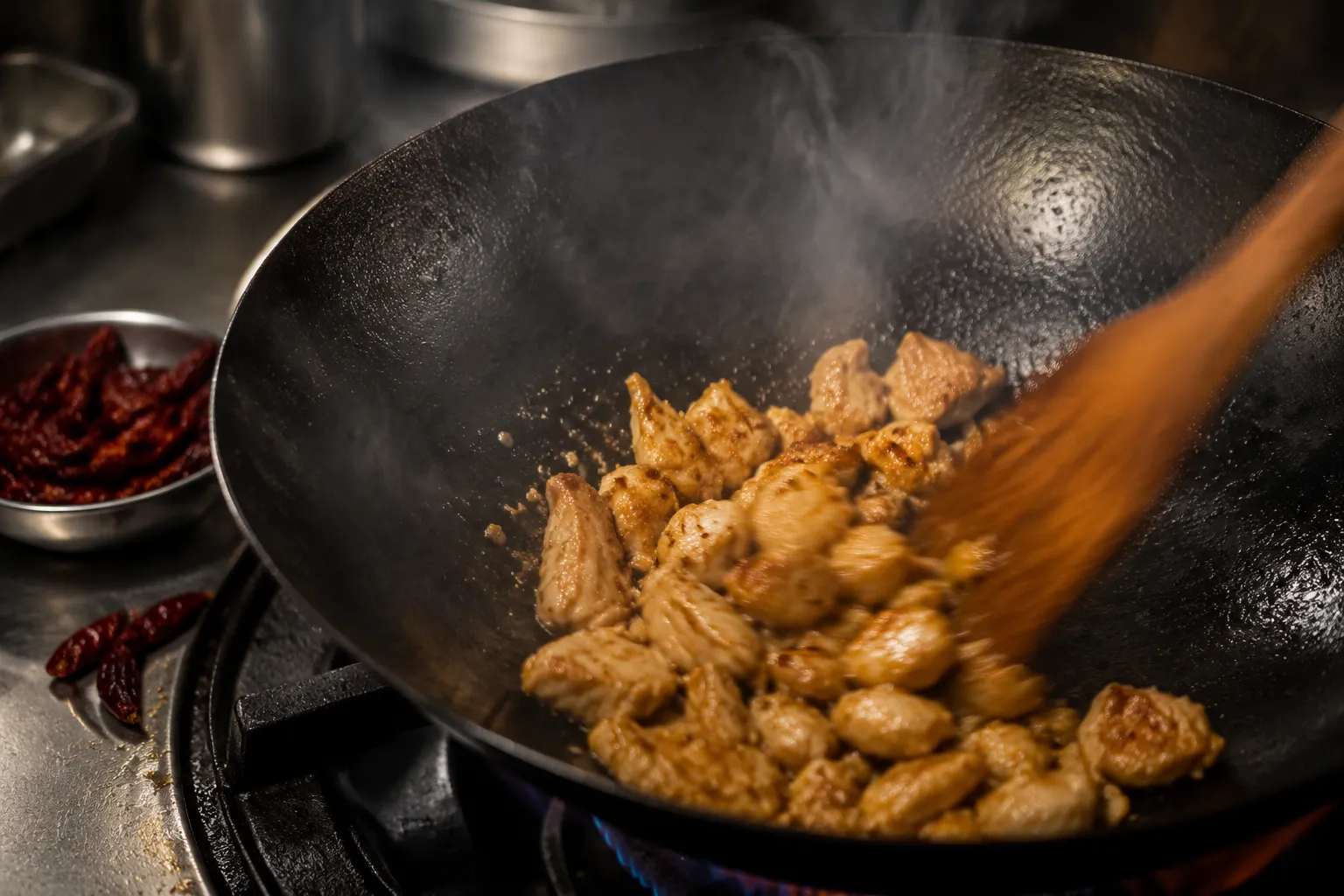
Sear the chicken. Get your wok screaming hot — like, smoking-a-little hot. Add neutral oil, then the chicken in a single layer. Don't crowd it. Let it sear undisturbed for a minute before tossing, so you get those golden-brown edges that carry all the flavor.
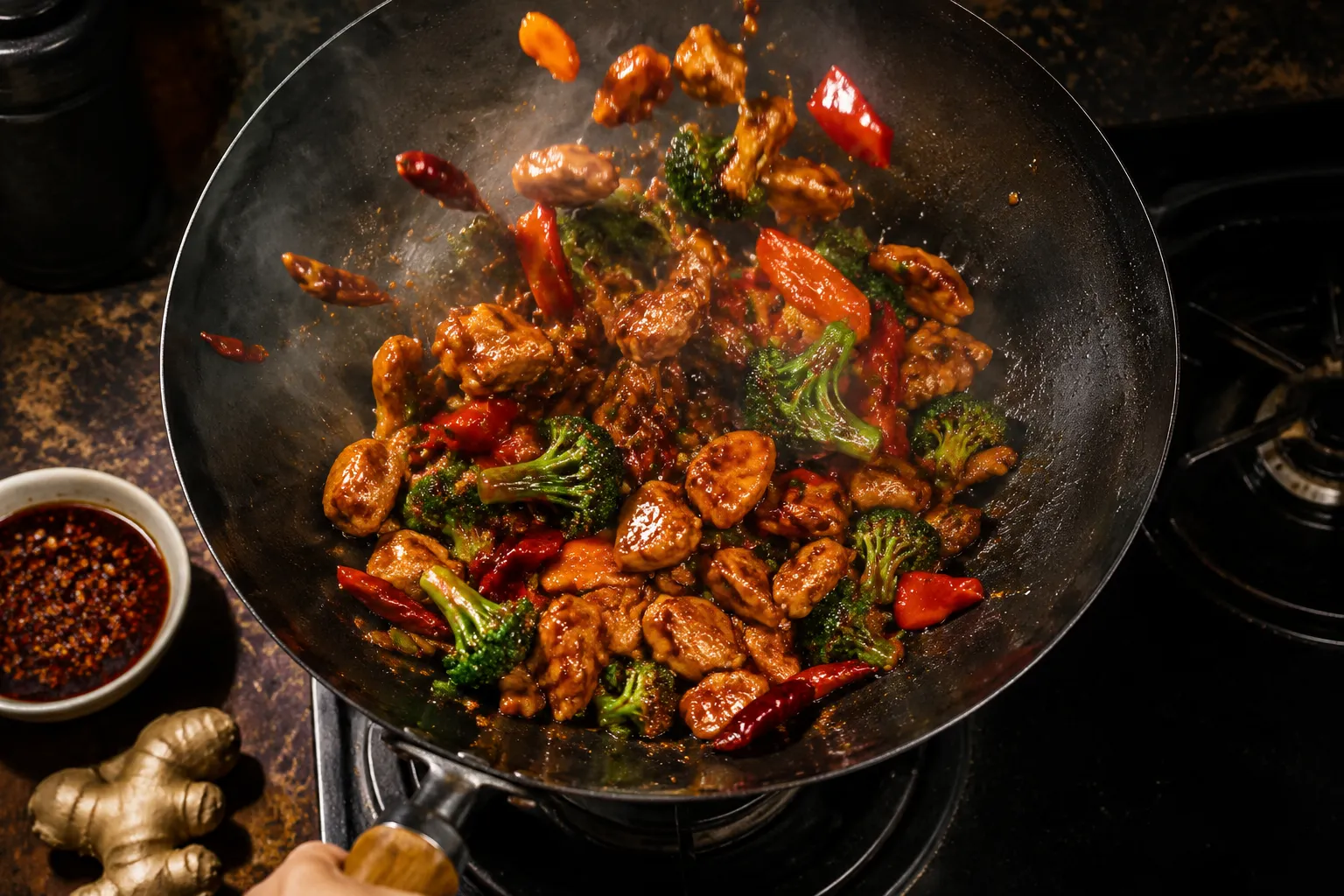
Bring it together. Once the chicken is just cooked through, push it to the side and add garlic, ginger, and dried chilies to the open space. Stir for 30 seconds until fragrant, then toss in the broccoli, bell pepper, and carrots. Pour the sauce around the edge of the wok (it sizzles and caramelizes that way), and toss everything for another minute or two until the vegetables are crisp-tender and every piece is glossy.
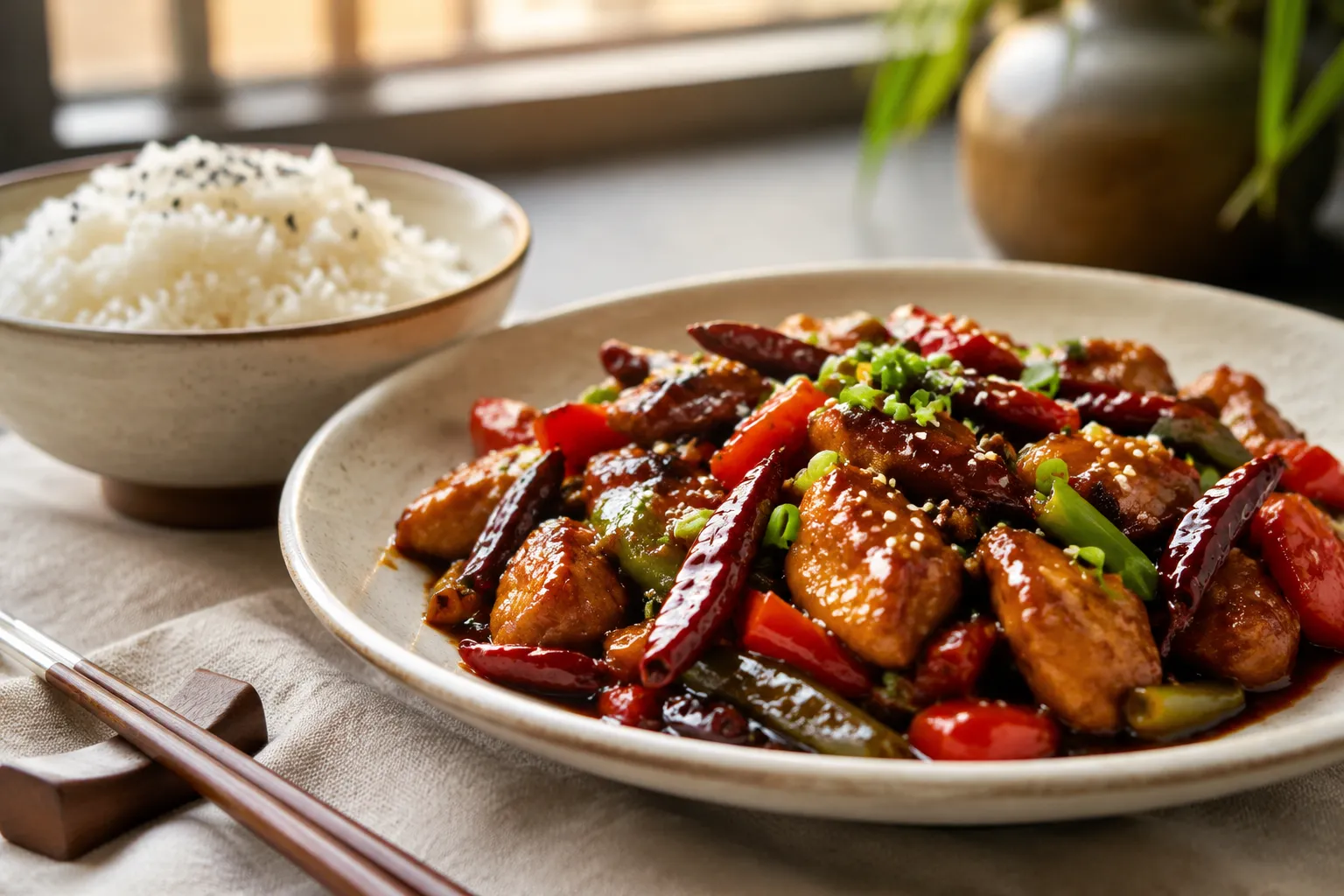
A big bowl of fluffy jasmine rice is the obvious move — it soaks up all that fiery sauce and gives your tongue a much-needed break between bites. For a lower-carb option, cauliflower rice or a tangle of garlicky stir-fried noodles both work beautifully.
Round out the meal with a cooling side: smashed cucumber salad, scallion pancakes, or a simple bowl of egg drop soup. If you're feeding a crowd, this dish plays really well alongside Hunan beef or kung pao chicken for a full takeout-style spread at home. And if you're a heat seeker, a drizzle of chili oil and a few extra fresh chilies on top never hurt anyone.
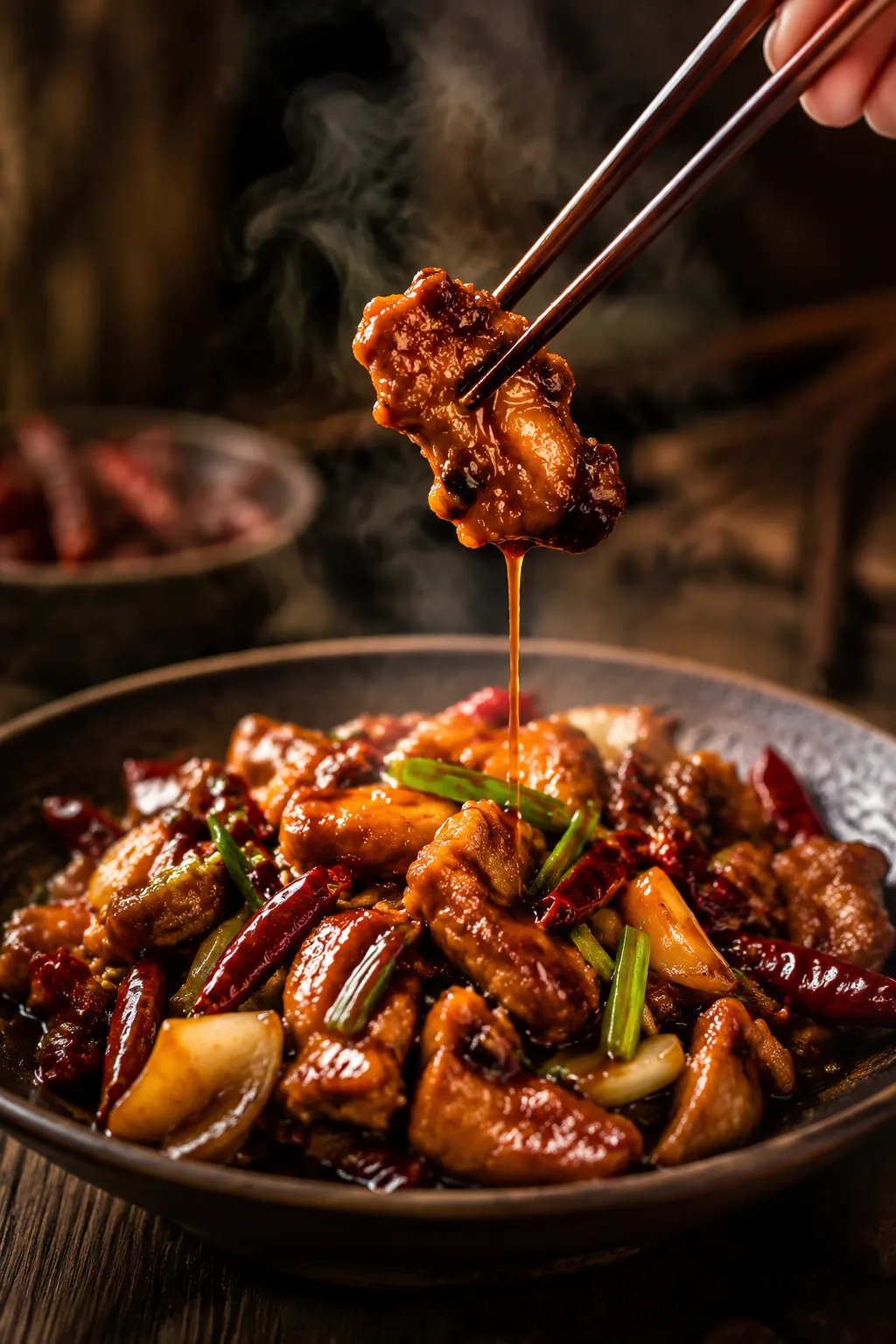
This recipe lands at a solid medium-spicy as written — assertive but not punishing. The dried chilies are mostly there for aroma and slow heat; you don't have to eat them. The real burn comes from the doubanjiang, so adjust that up or down depending on your tolerance. If you're cooking for kids or spice-averse friends, start with one tablespoon of doubanjiang and skip the dried chilies entirely. You'll still get a deeply savory, garlicky stir fry that tastes unmistakably Hunan.
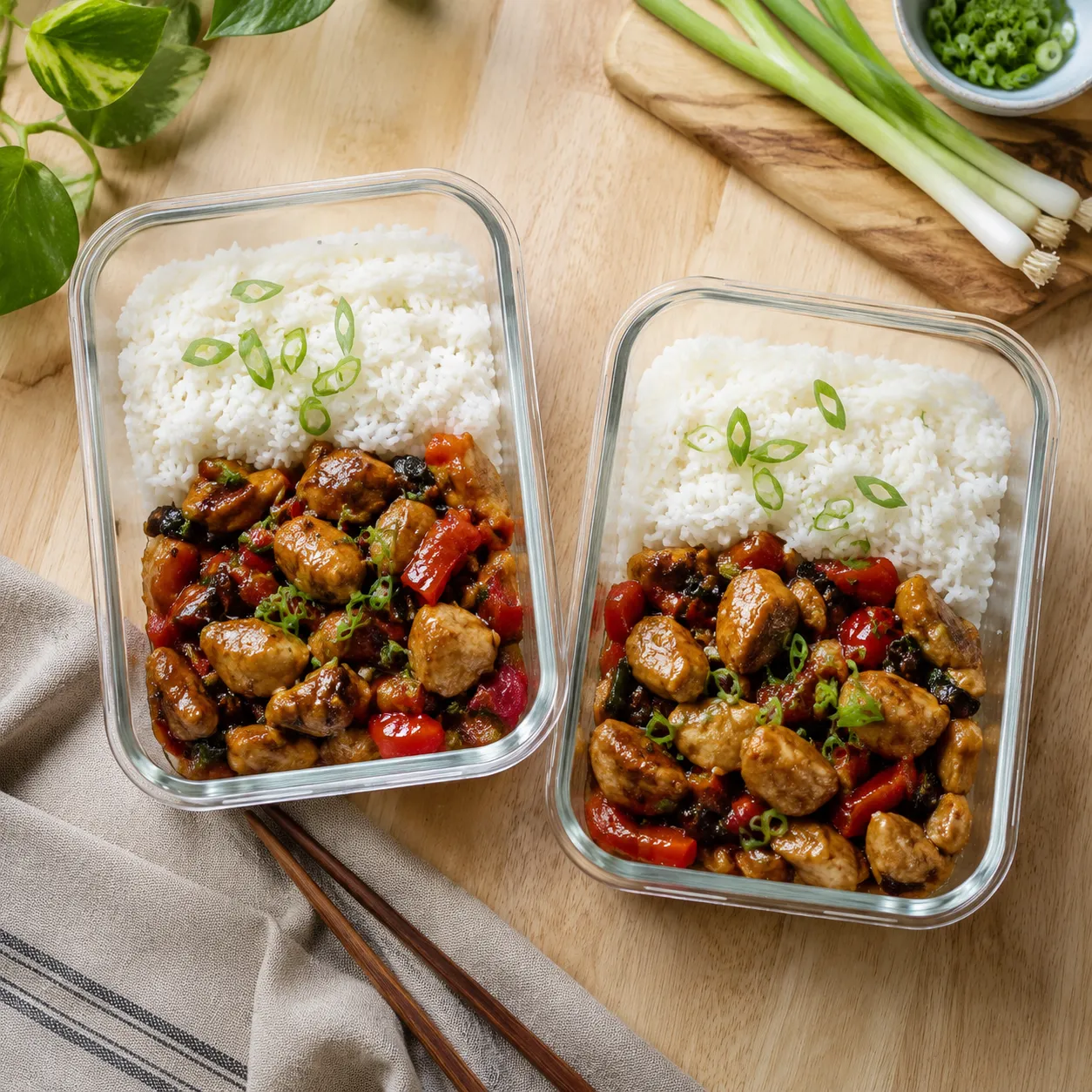
Whether this becomes your new Tuesday-night habit or your impressive-but-easy dinner-party move, I think you're going to make it on repeat. It's the kind of recipe that makes you wonder why you ever ordered out in the first place.
The beauty of this recipe is how flexible the Hunan sauce is — once you've nailed it, you can swap proteins and vegetables almost endlessly.
Leftover Hunan chicken keeps beautifully in an airtight container in the refrigerator for up to 3 days. The flavors actually deepen overnight, so don't be surprised if day-two lunch tastes even better than dinner. I don't recommend freezing — the vegetables turn watery and the sauce loses its glossy texture.
To reheat, skip the microwave if you can. Instead, heat a splash of oil in a skillet over medium-high, add the leftovers with a tablespoon or two of water, and toss for 2-3 minutes until heated through. The little splash of water revives the sauce and keeps the chicken from drying out.