Chicken Masala: Authentic Indian Chicken Recipe in 45 Minutes
4.8 from 12 reviews
0SHARES
Now Playing
Chicken Masala: Authentic Indian Chicken Recipe in 45 Minutes
0:00
0:00
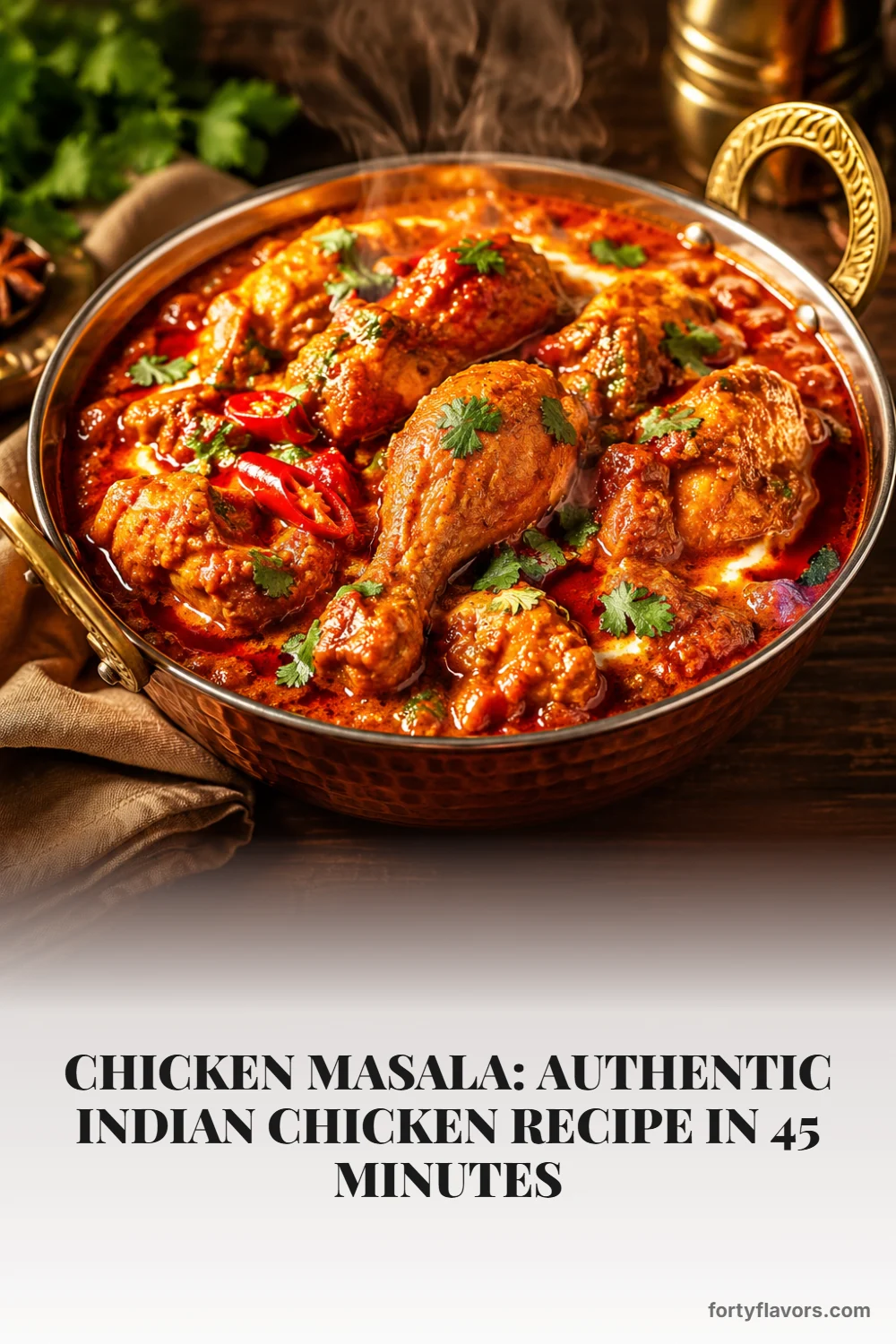
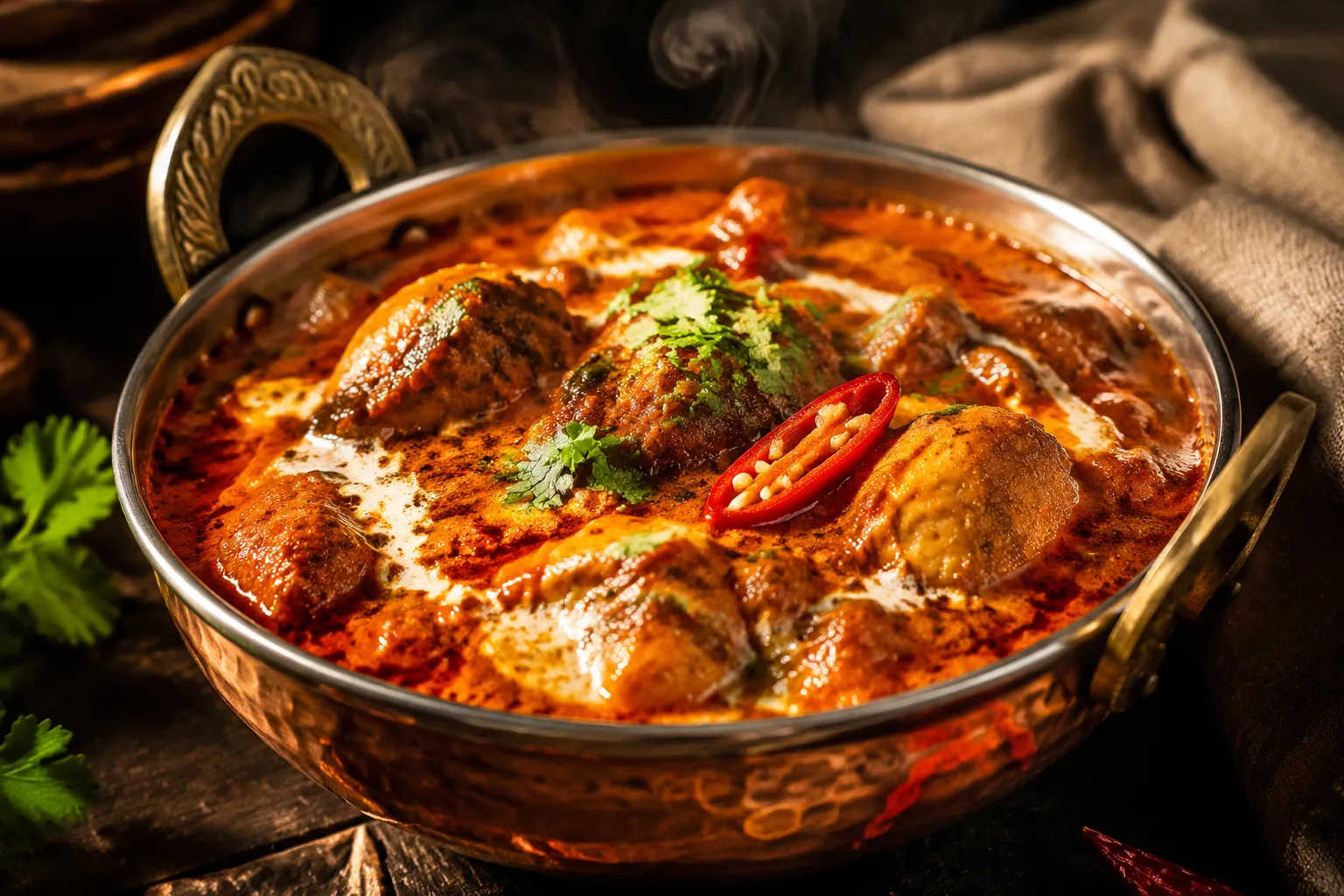
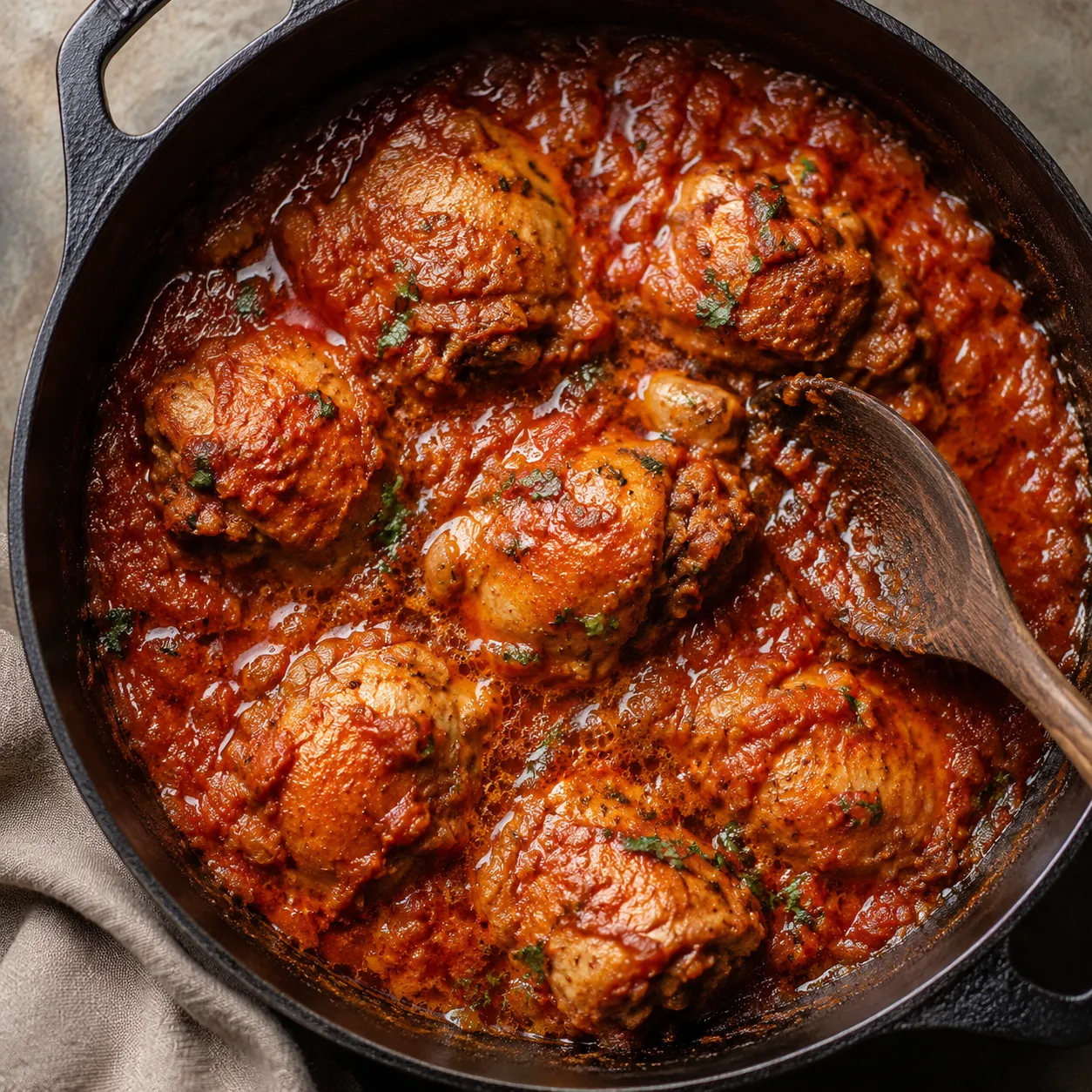
This chicken masala recipe delivers tender, juicy chicken simmered in a velvety, deeply spiced tomato-onion gravy. Better than takeout and ready in under an hour.
Why You'll Love This Recipe
Restaurant-style flavor at home: The layered yogurt marinade and slow-bloomed onion-tomato masala create a rich, glossy sauce that tastes like it simmered for hours.
Weeknight-friendly: This full-flavored Indian chicken recipe is ready in about 45 minutes with no specialty equipment.
Pantry spice magic: Garam masala, coriander, turmeric, and Kashmiri chili powder build warmth, color, and aroma from simple ingredients.
Juicy chicken every time: Boneless chicken thighs stay tender through searing and simmering, making the recipe very forgiving.
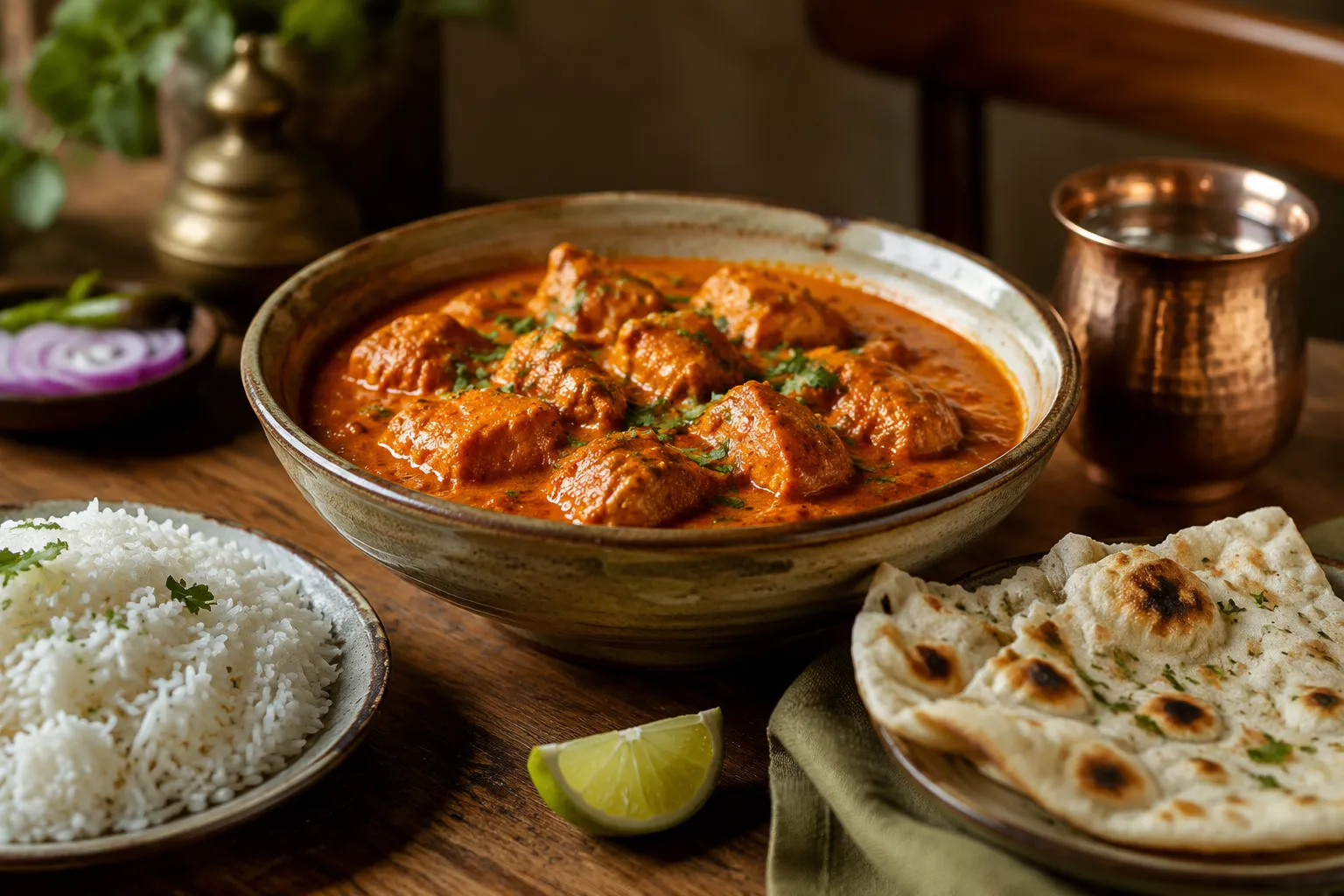
Easy to serve: Pair it with rice, naan, roti, or a crisp cucumber salad for a complete dinner.
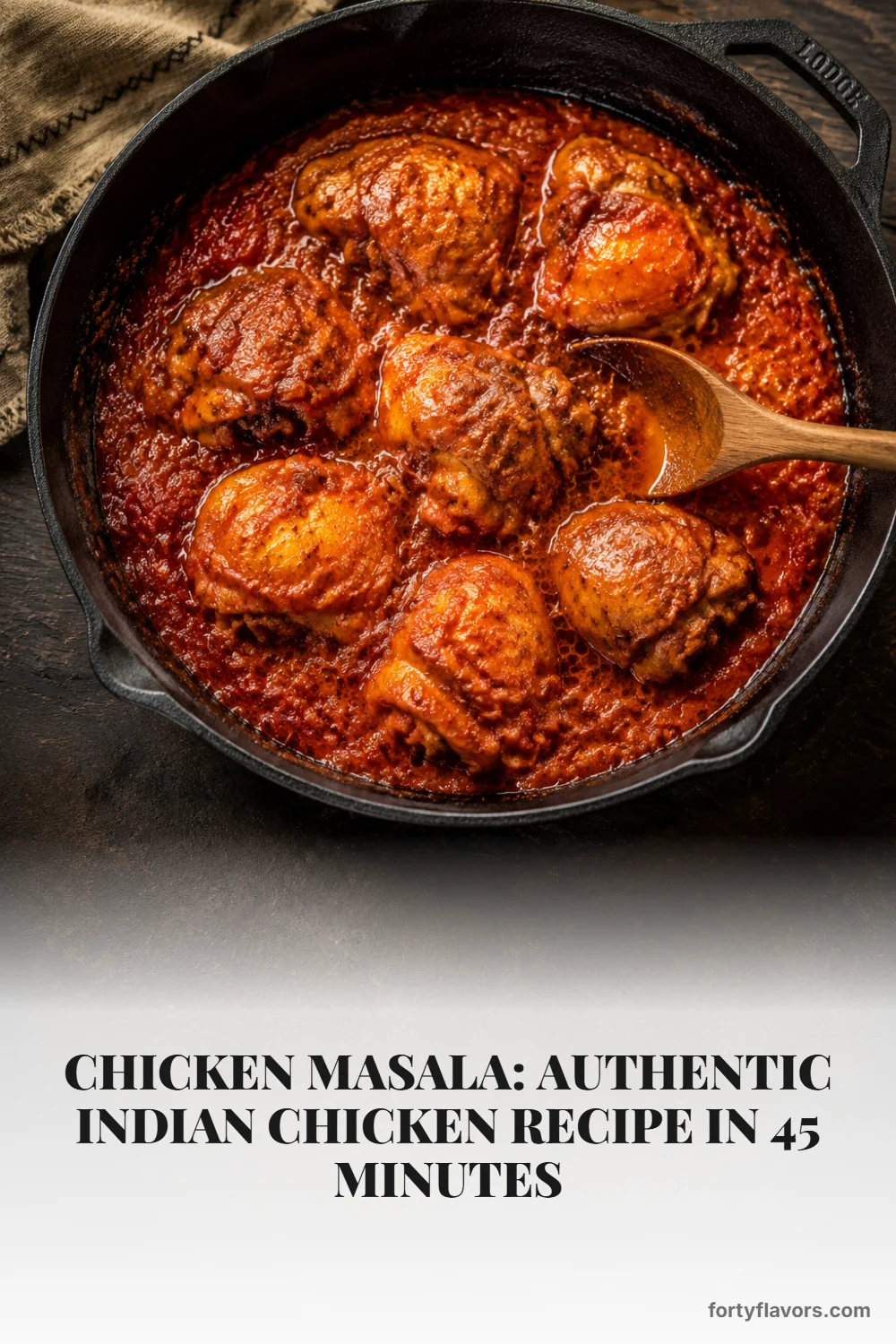
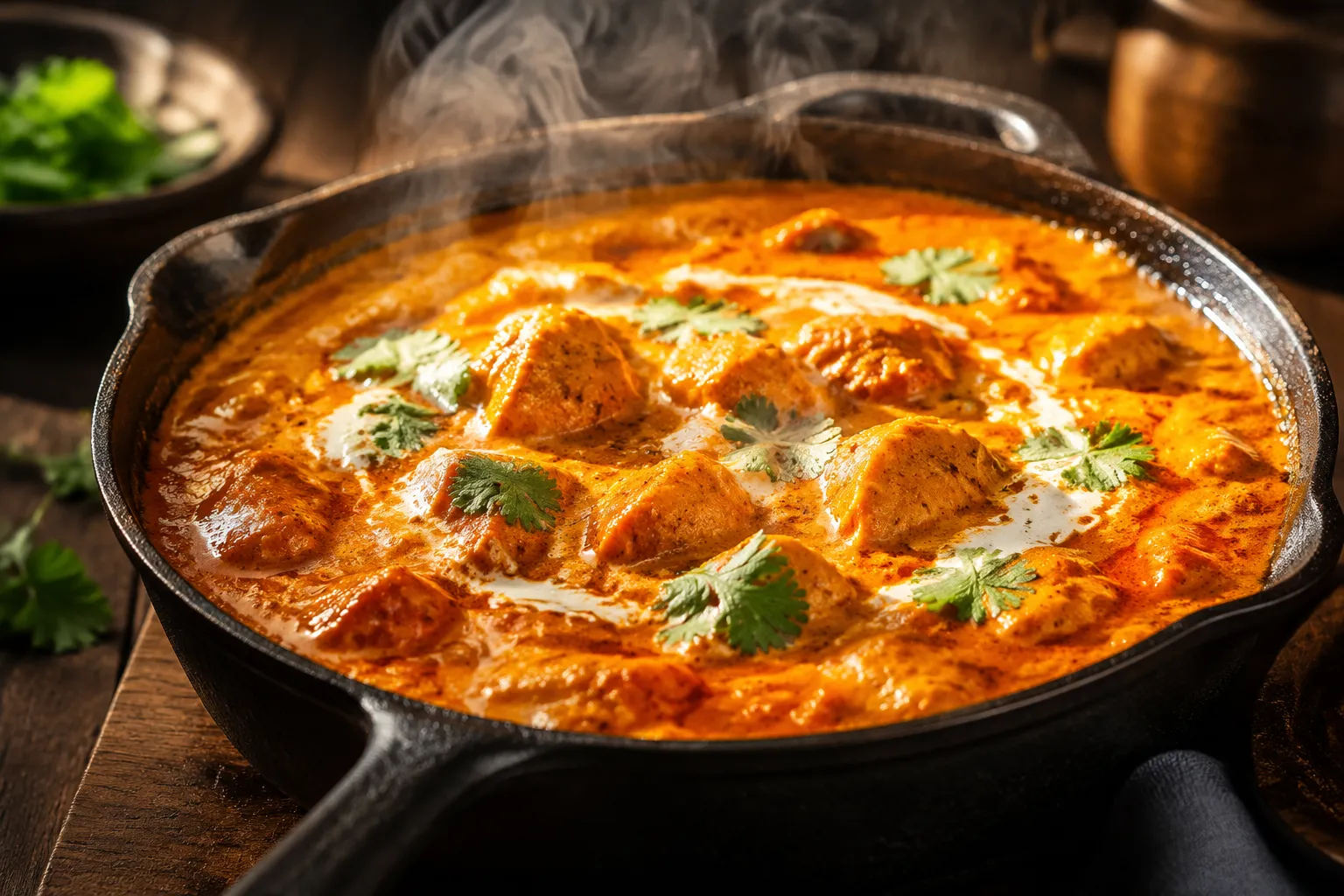
Chicken masala chicken is the kind of weeknight dinner that makes the whole kitchen smell like toasted spices, sweet onions, ginger, garlic, and simmering tomatoes. This is a deeply flavored Indian chicken recipe built on a plush tomato-onion gravy, tender boneless chicken thighs, and a finishing swirl of cream that makes the sauce glossy and restaurant-worthy. It tastes slow-cooked, but with a smart marinade and a double-bloomed spice base, it comes together in about 45 minutes.
This recipe of chicken masala is not meant to be fussy or intimidating. You do not need a tandoor, a long list of specialty ingredients, or a restaurant burner to get big flavor at home. What matters most is layering: season the chicken early, brown it well, let the onions turn golden, and give the spices a chance to wake up in hot ghee before the tomatoes go in.
Think of this as a flexible master dish you can serve over fluffy rice, scoop up with naan, or tuck into bowls for a cozy dinner. It is rich but not heavy, warmly spiced but not punishingly hot, and exactly the kind of saucy skillet meal that makes leftovers feel like a gift.
What Is Chicken Masala?
Chicken masala is a broad family of Indian chicken dishes made by cooking chicken in a spiced masala, which usually means a concentrated mixture of onions, tomatoes, aromatics, and ground spices. The word masala simply refers to a spice mixture or seasoned base, so the exact flavor can shift from home to home and region to region. In this version, the sauce starts with ghee, onions, garlic, ginger, garam masala, coriander, turmeric, and Kashmiri chili powder, then becomes velvety with crushed tomatoes and cream. The result is saucy, fragrant, and bold without being harsh.
It is easy to confuse chicken masala with chicken tikka masala, especially because both often feature a creamy red-orange sauce. The difference is in the technique: tikka masala usually begins with grilled or broiled marinated chicken pieces that are added to a finished sauce, while chicken masala chicken simmers more directly in the spiced onion-tomato base. Butter chicken is another cousin, but it tends to be sweeter, silkier, and more butter-forward. This dish lands somewhere heartier and more savory, with a gravy that clings beautifully to every piece of chicken.
Across India, you will find drier chicken masalas, saucier curries, coconut-rich coastal versions, and deeply roasted onion-based gravies. Some cooks use bone-in chicken for extra depth, while others prefer boneless chicken thighs for speed and tenderness. This version borrows the weeknight ease of a modern skillet curry while keeping the soul of a classic Indian chicken curry: browned aromatics, bloomed spices, tangy tomatoes, and juicy chicken simmered until the sauce turns glossy.
Essential Ingredients for a Rich Masala Gravy
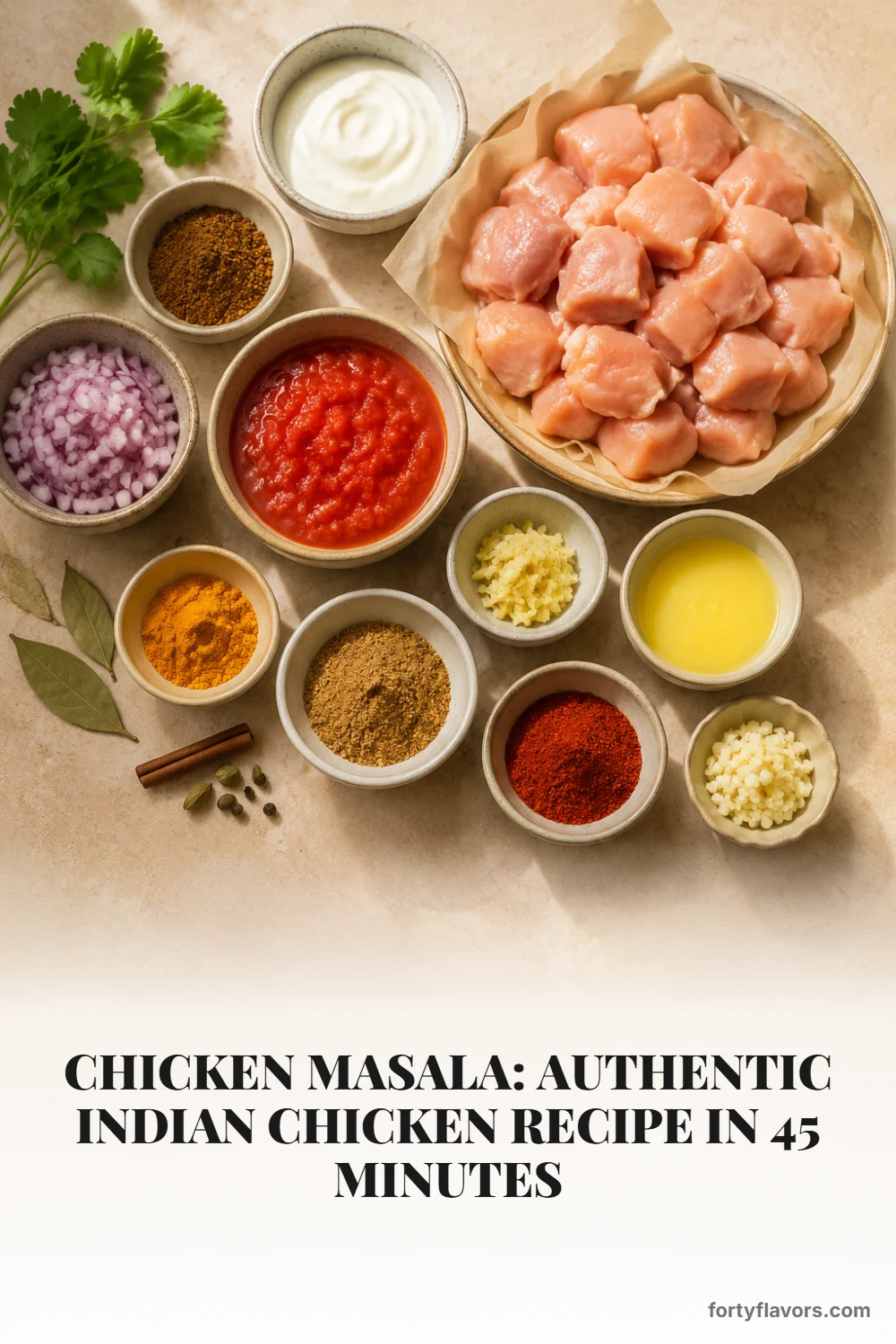
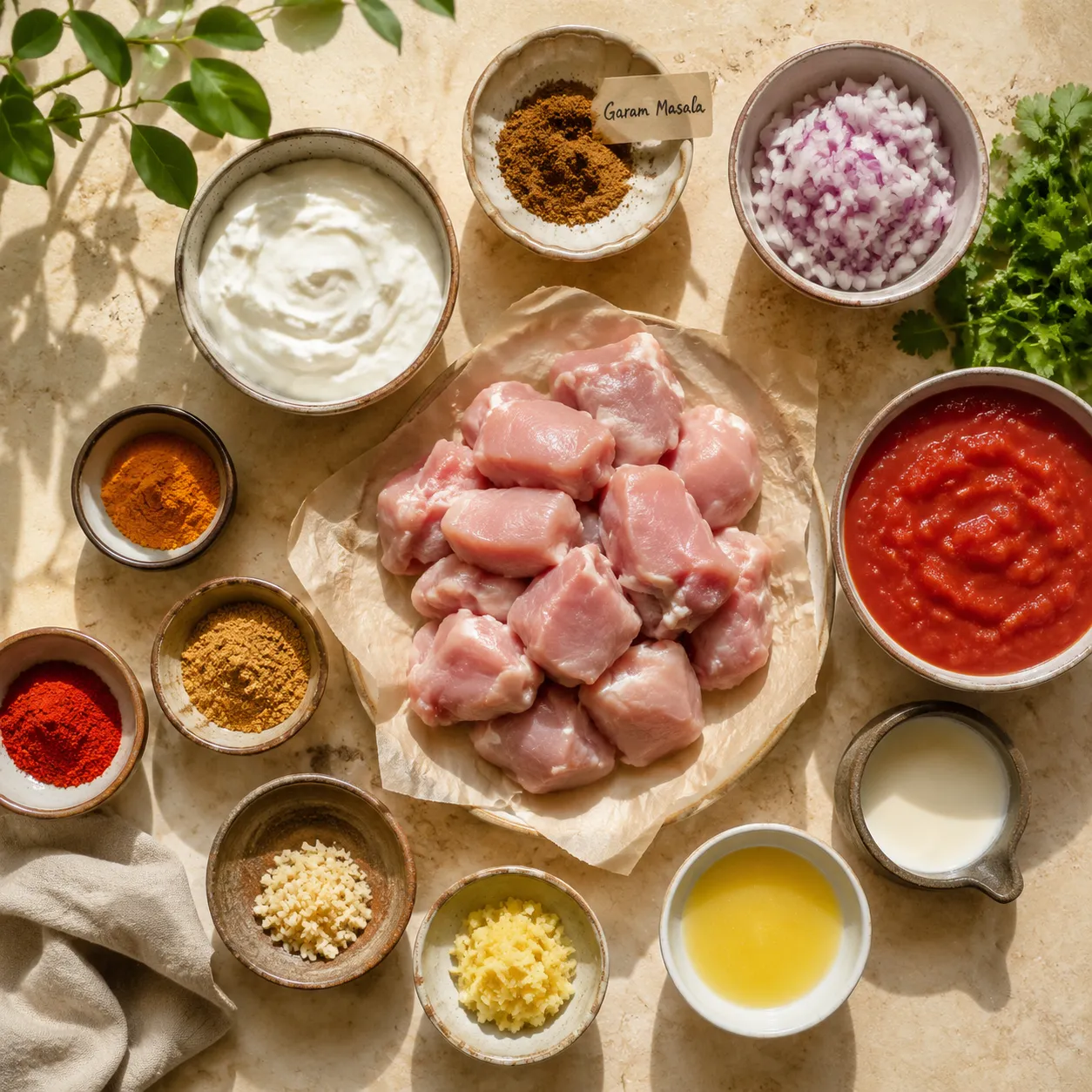
The ingredient list is simple, but each element has a job. Boneless chicken thighs are ideal because they stay juicy through searing and simmering, and they absorb the yogurt marinade without drying out. Chicken breast can work if you prefer it, but it needs a lighter hand and a slightly shorter simmer. If you have time, even 15 minutes in yogurt, salt, and spices makes a noticeable difference in tenderness.
The spice base is where the dish gets its warmth and character. Garam masala brings aromatic depth, coriander adds citrusy earthiness, turmeric gives golden color, and Kashmiri chili powder adds that signature red hue with gentle heat. If your jar of garam masala has been sitting around for a while, refresh it or make a garam masala blend at home for the best fragrance. Fresh spices make the difference between a flat sauce and one that tastes alive.
Onions, ginger, garlic, and tomatoes form the backbone of the tomato-onion gravy. The onions should be finely chopped and cooked until golden, not just softened, because that caramelized sweetness balances the acidity of the tomatoes. Crushed tomatoes keep things quick and consistent, though very ripe fresh tomatoes can be used when they are in season. Ginger and garlic should be generous; they are not background players here.
Cream rounds out the sauce at the end, softening the acidity and giving the gravy its luscious restaurant-style finish. Whole-milk yogurt appears earlier in the marinade, where it tenderizes the chicken and helps the spices cling to the meat. If you prefer a lighter finish, you can use half-and-half, coconut milk, or a spoonful of yogurt off the heat, but heavy cream gives the most classic glossy texture. Fresh cilantro at the end adds brightness, color, and a little herbal lift.
How to Build Deep Flavor in 45 Minutes
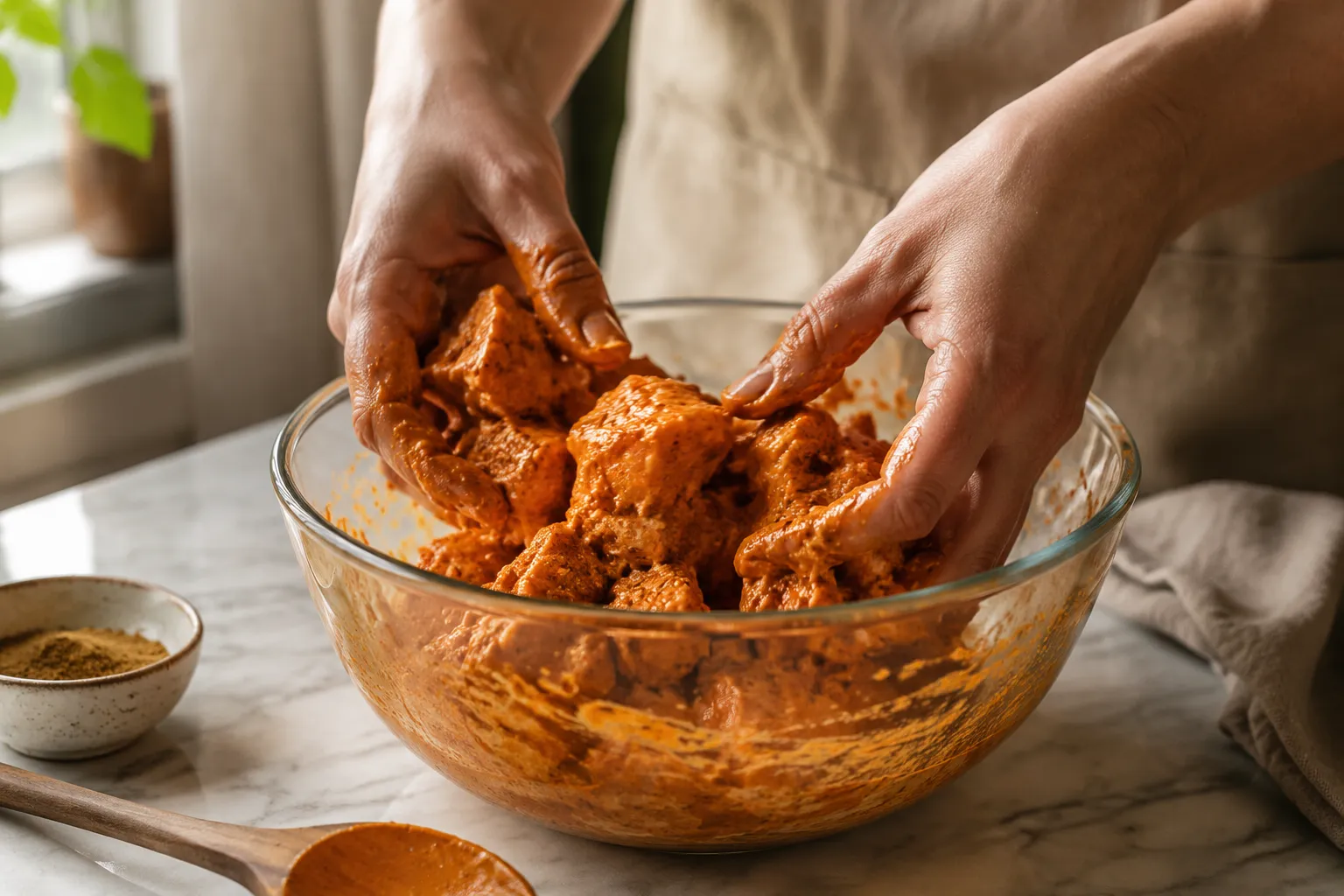
The secret to a fast but authentic-tasting masala is dividing the flavor work into two layers. First, the chicken is coated in a yogurt marinade with spices and salt so it seasons from the outside in while you prep the aromatics. Second, the sauce is built separately by blooming spices in fat and cooking the onion-tomato mixture until it thickens and darkens. This double-layered approach gives chicken masala chicken the complexity of a longer-cooked dish without stretching dinner past an hour.
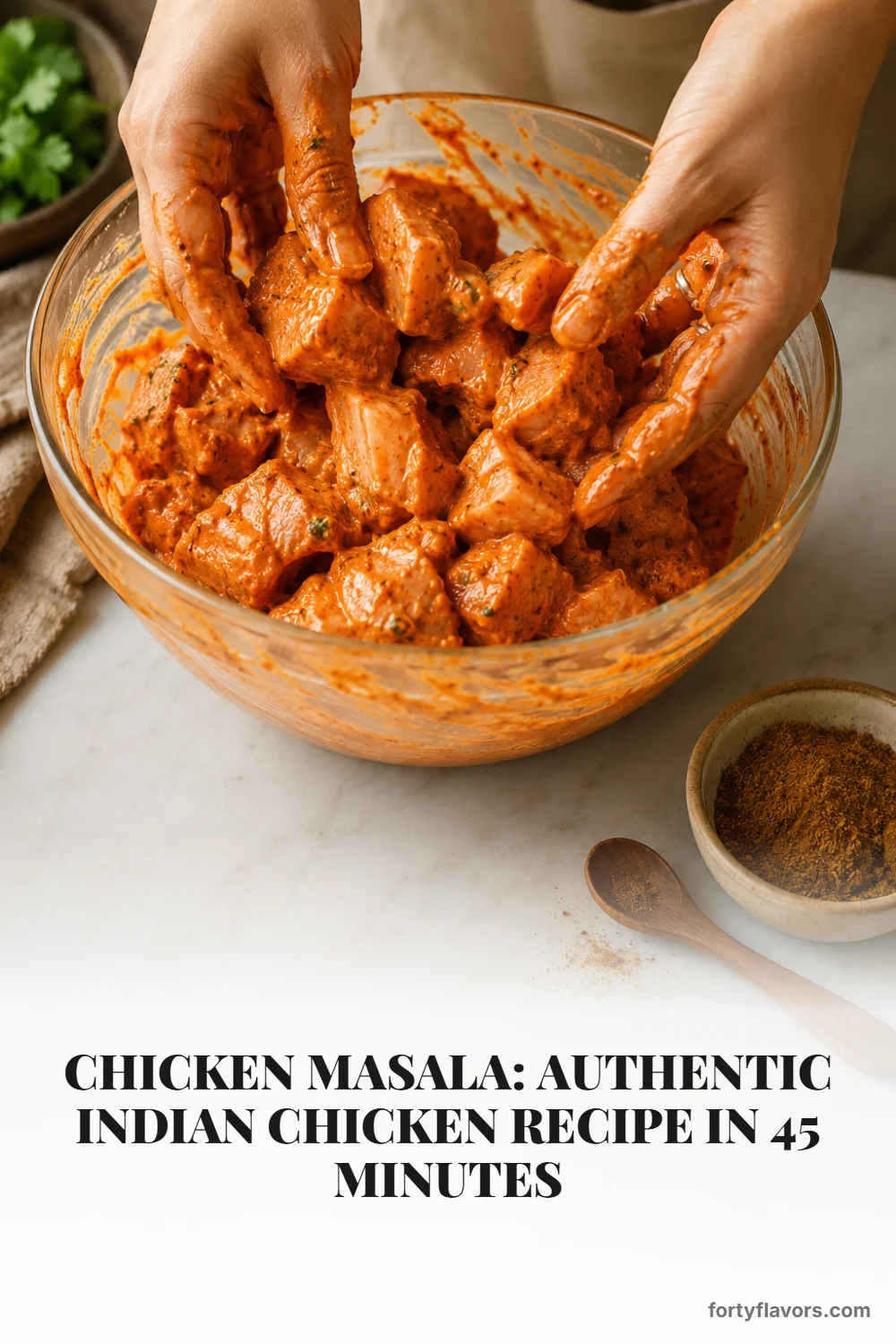
Start by cutting the chicken into even, bite-size pieces so they cook at the same rate. The yogurt should coat the chicken in a thin, vivid orange-red layer, not drown it. A good yogurt marinade for chicken includes salt, garam masala, turmeric, chili powder, and a little ginger or garlic if you want to echo the sauce. While the chicken rests, chop the onions finely so they melt into the gravy instead of staying chunky.
Searing the chicken before simmering is worth the extra pan time. You are not trying to cook it all the way through at this stage; you just want color on the edges and a little caramelized flavor in the pan. Those browned bits mix into the sauce later and make the finished chicken masala dish taste rounder and more savory. If the yogurt coating sticks a little, that is fine, as long as the spices do not burn.
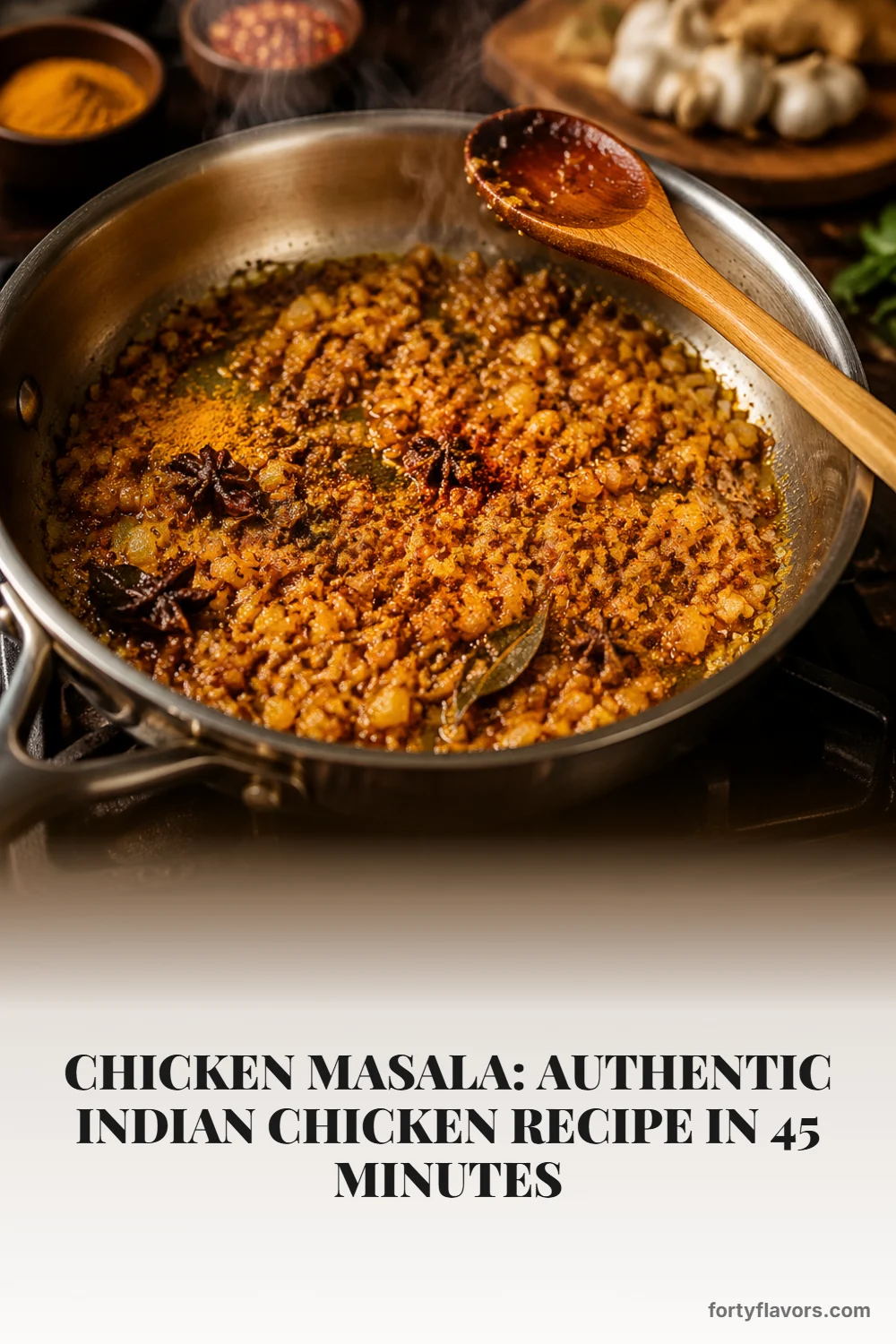
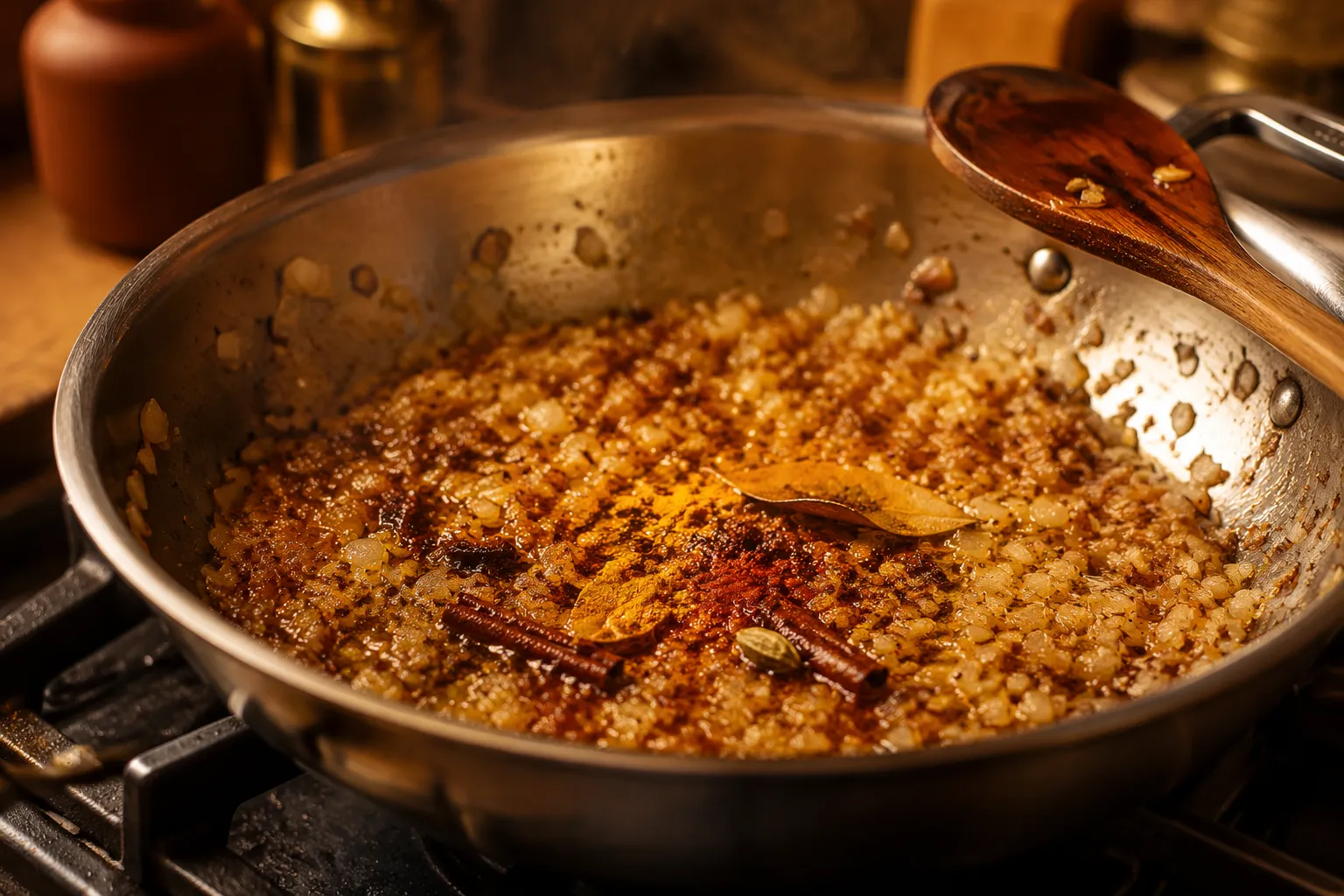
After the chicken comes out, the onions go into the same pan with ghee or butter. Let them cook past pale and translucent into a deeper golden brown, stirring often so the edges do not scorch. Garlic and ginger go in next, followed by the ground spices, which should sizzle briefly in the hot fat. This step is called blooming, and it releases the fat-soluble flavors that give the sauce its rounded aroma.
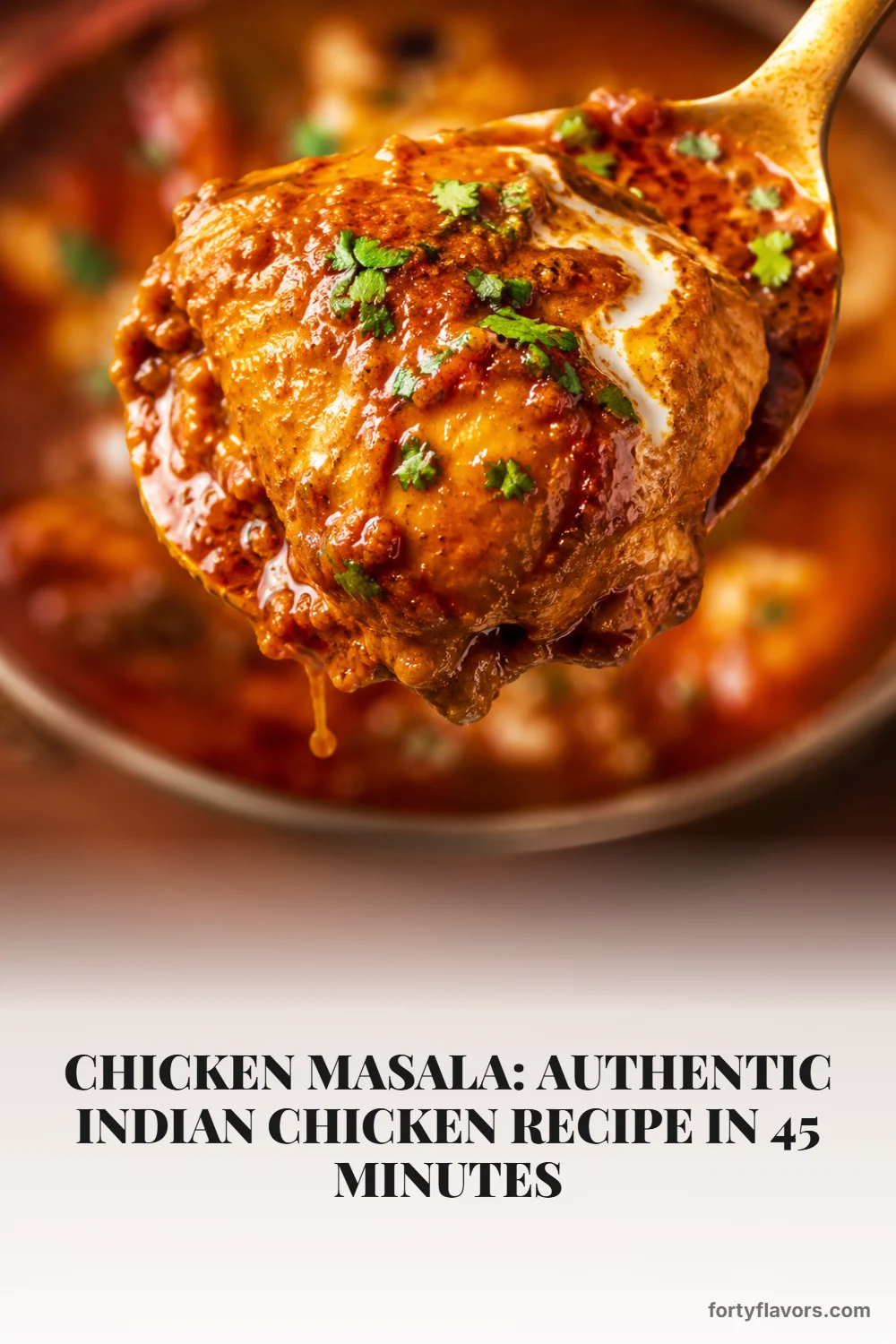
Once the spices smell fragrant, add crushed tomatoes and simmer until the sauce thickens and the oil begins to separate slightly around the edges. That visual cue tells you the masala base has cooked down enough and the raw tomato flavor has mellowed. Return the seared chicken to the pan and let it bubble gently until the pieces are cooked through and tender. The sauce should cling to the spoon, glossy and thick, with just enough looseness for rice or bread.
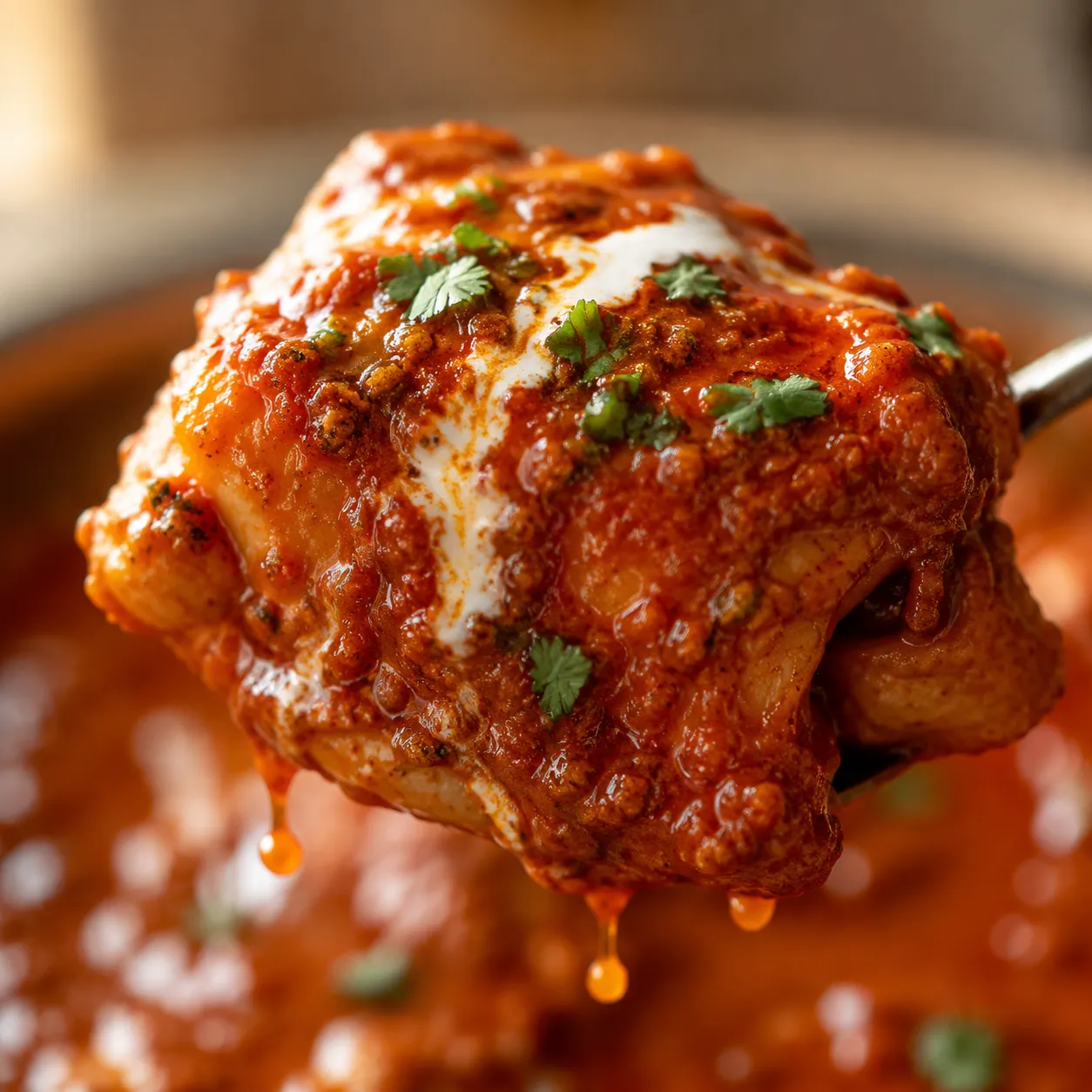
The final finish is intentionally simple: lower the heat, stir in cream, and let everything warm together without boiling aggressively. Boiling after adding cream can make the sauce look split, so keep the heat gentle. Taste for salt and heat at the end, because tomatoes, yogurt, and cream all soften seasoning. A handful of cilantro and a squeeze of lime make the whole pan pop.
Serving Ideas for a Complete Indian Dinner
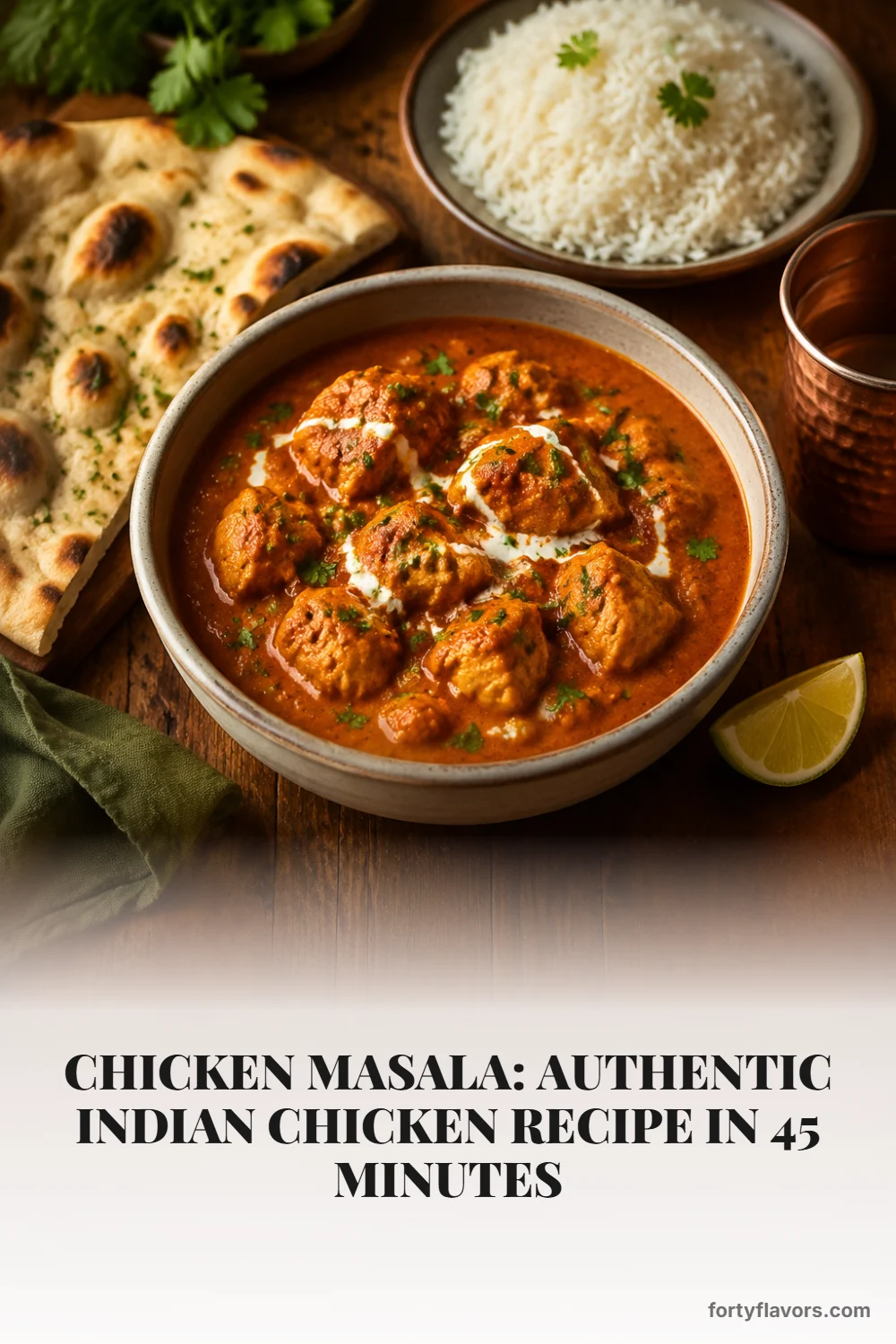
This saucy curry was made for rice. Steamed basmati is the classic choice because the long grains stay fluffy and separate, catching the sauce without turning heavy. If you want a little extra fragrance, follow your favorite basmati rice recipe and add cumin seeds, a bay leaf, or a small knob of butter to the pot. Jeera rice is especially lovely with the warm spice profile of the masala.
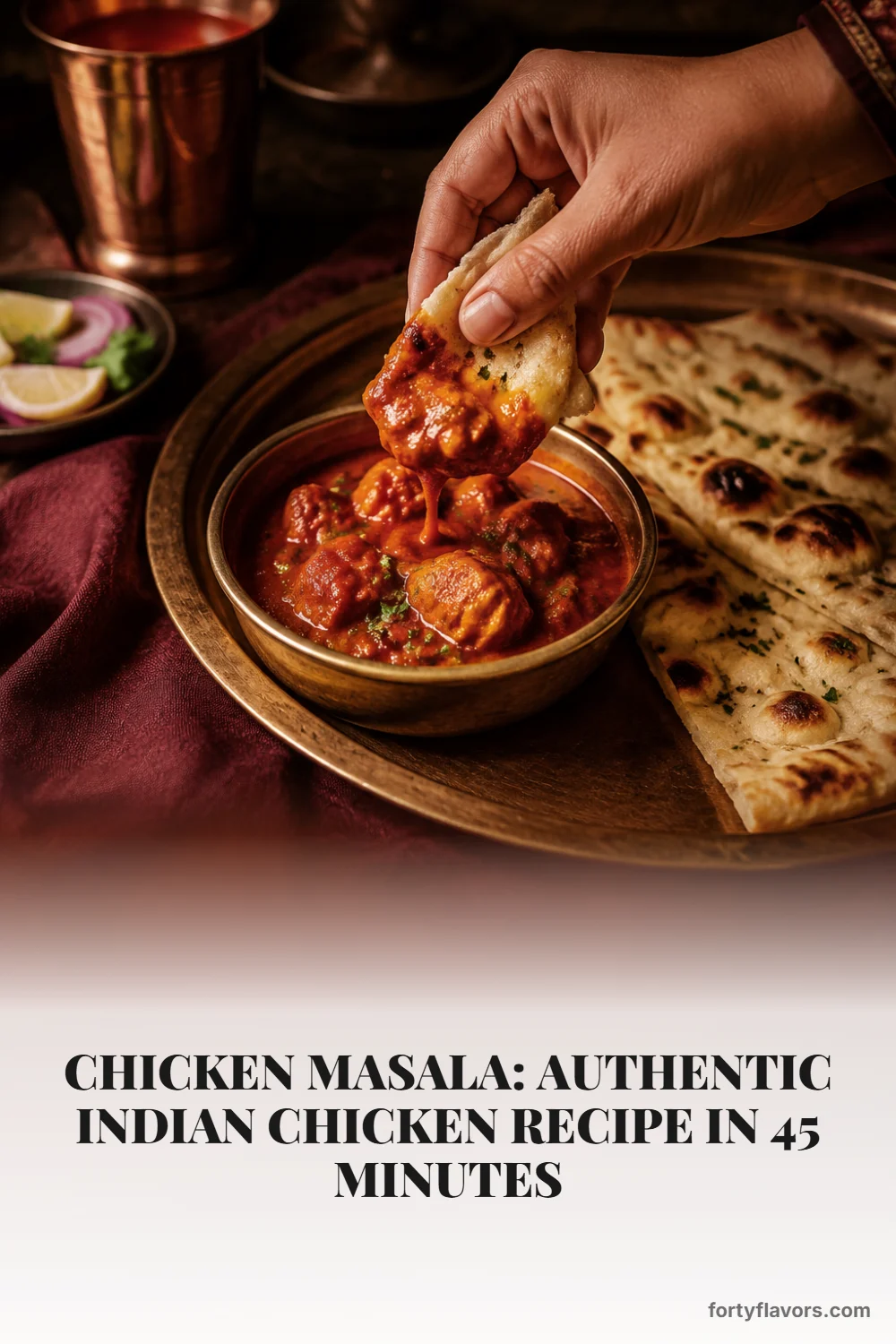
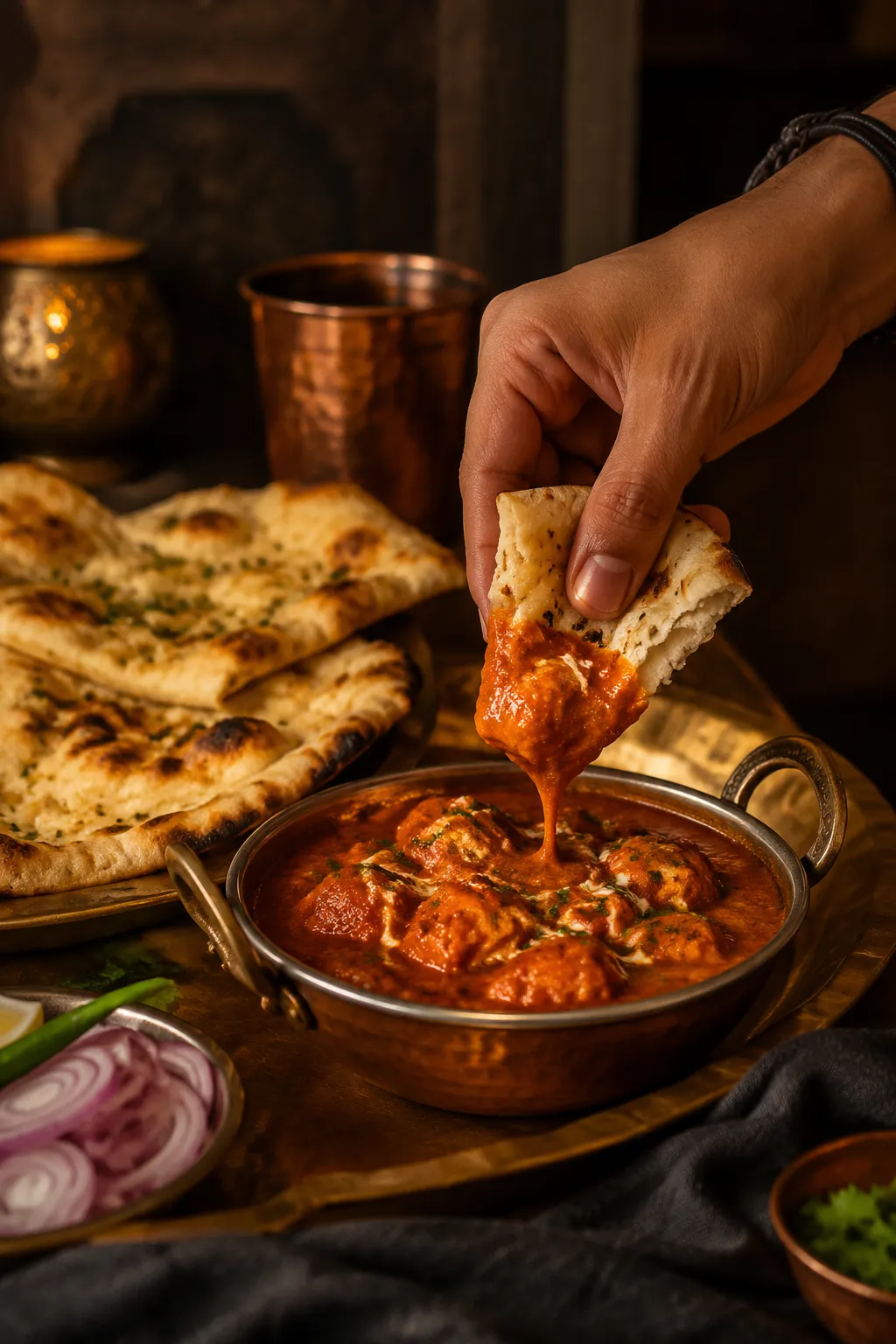
Bread is equally welcome, especially when the sauce is thick and glossy. Warm roti, paratha, or homemade naan bread can be torn into soft pieces and used to scoop up chicken and gravy. A little char on the naan is perfect against the creamy sauce, and it turns a simple bowl into something that feels like a proper restaurant dinner. If you are serving guests, offer both rice and bread so everyone can choose their favorite route through the sauce.
For freshness, pair the meal with cooling sides. Cucumber raita, sliced red onion with lime, a simple tomato salad, or crisp cucumbers all balance the richness. A spoonful of plain yogurt on the side also works nicely if you have made the dish spicier. The goal is contrast: creamy masala, fluffy starch, and something cool and bright.
This is also a wonderful anchor for a larger spread. Add dal, roasted cauliflower, sautéed greens, mango chutney, or a quick kachumber salad and you have a colorful table without much more effort. Because the sauce is bold, the sides can stay simple. Even with just rice and a wedge of lime, the meal feels complete.
Make It Your Signature Masala
Once you understand the method, this recipe becomes wonderfully adaptable. The chicken masala chicken base can lean smoky, creamy, spicy, or tangy depending on your spices and finishing ingredients. Use more Kashmiri chili for color, a pinch of cayenne for heat, or a small spoon of kasuri methi at the end for a restaurant-style aroma. You can also keep the sauce thicker for scooping with bread or loosen it with a splash of water for a more curry-like consistency.
Bone-in chicken pieces add deeper flavor if you have extra time, though they will need longer to simmer. Coconut milk gives the sauce a softer, slightly sweeter finish that is especially good if you want to skip cream. Cashew cream makes it plush and dairy-optional, while Greek yogurt stirred in off the heat keeps it tangy. The technique remains the same: build a strong masala base, simmer gently, and finish with something creamy.
If you are cooking for a mixed crowd, keep the chili mild and serve extra heat on the side. Pickled chilies, cayenne, chili crisp, or a little fresh green chili can be added at the table. This keeps the main pan family-friendly while still letting heat lovers have their moment. It is one of the reasons this chicken masala dish works so well for both weeknights and casual dinner parties.
A Cozy Finish
What makes this dish special is the way everyday ingredients turn into something that tastes layered and generous. Onions slowly sweeten, spices bloom in ghee, tomatoes cook down into a rich gravy, and chicken becomes tender as it absorbs all that flavor. It is comforting in the way the best skillet dinners are: one pan, one sauce, and a big payoff at the table.
Serve it hot, with rice or bread, and do not forget to spoon extra sauce over the top. The cream swirl, cilantro, and lime are small finishing touches, but they make the dish feel fresh and vibrant rather than heavy. Once you have made chicken masala chicken this way, you will have a reliable template you can return to whenever the craving for a deeply spiced, restaurant-style Indian dinner hits.
💡 Expert Tips
Bloom the spices: Let the ground spices sizzle briefly in hot ghee before adding tomatoes. This wakes up their aroma and prevents the sauce from tasting dusty or flat.
Cook the onions long enough: Pale onions make a sharp gravy, while golden onions create sweetness and depth. Give them time to caramelize lightly.
Use thighs if you can: Boneless chicken thighs are more forgiving than breast meat and stay juicy in the masala sauce.
Finish gently after adding cream: Keep the heat low so the sauce stays smooth and glossy instead of separating.
Taste at the end: Tomatoes, yogurt, and cream all soften seasoning, so adjust salt, chili, and lime just before serving.
🔄 Variations & Substitutions
Use this recipe as a base and adjust the finish, protein, or heat level to suit your kitchen. The core method stays the same: marinate, sear, build the masala, simmer, and finish with something creamy.
Dairy-free: Replace yogurt with coconut yogurt and finish with full-fat coconut milk or cashew cream.
Extra spicy: Add cayenne, fresh green chiles, or a pinch of hot chili powder with the Kashmiri chili.
Bone-in chicken: Use bone-in thighs or drumsticks and simmer longer, until the chicken is tender and cooked through.
Lighter sauce: Swap heavy cream for half-and-half or stir in Greek yogurt off the heat.
Vegetable boost: Add peas, spinach, roasted cauliflower, or bell peppers near the end of cooking.
🧊 Storage & Leftovers
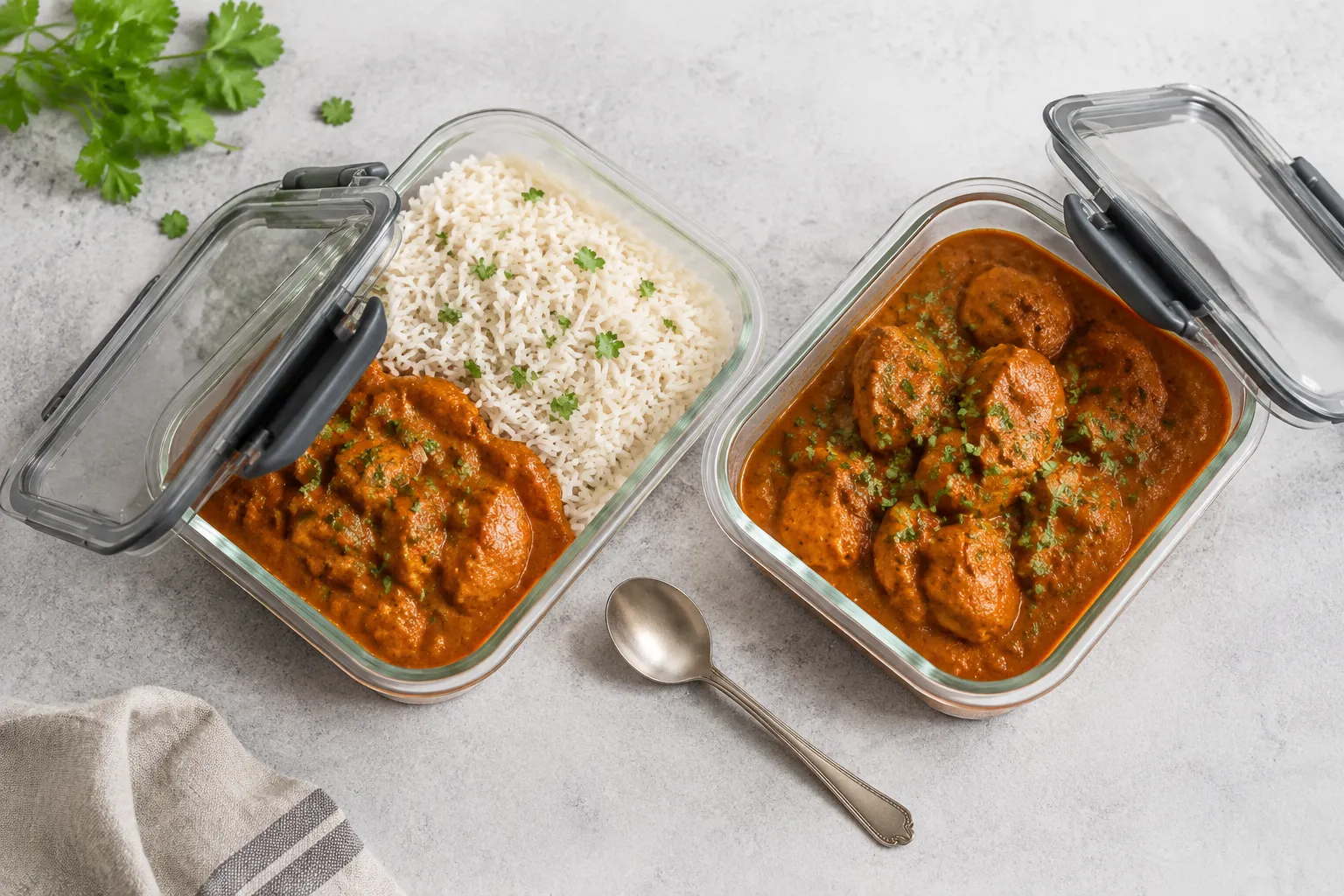
Store leftover chicken masala in an airtight container in the refrigerator for up to 4 days. The flavors deepen as it sits, so it makes excellent next-day lunches and meal prep. Reheat gently in a covered skillet over low heat or in the microwave at 50 percent power, adding a splash of water, cream, or stock to loosen the gravy.
To freeze, cool completely, then transfer to freezer-safe containers for up to 3 months. Thaw overnight in the refrigerator before reheating. For the best texture, freeze the curry separately from rice or bread.
Save This Recipe to Pinterest
Hover any image and hit “Pin it” to save it to your Pinterest boards.
What is the difference between chicken masala and chicken tikka masala?
Chicken tikka masala usually starts with chicken pieces that have been marinated, grilled or broiled, and then added to a creamy tomato sauce. Chicken masala is a broader Indian dish where chicken often simmers directly in a spiced onion-tomato gravy. The flavor of chicken masala can vary more by region and home cook, while tikka masala has a more recognizable restaurant-style profile. Both are saucy and delicious, but the cooking method and texture of the chicken are the biggest differences.
Can I make chicken masala without cream?
Yes, you can make chicken masala without heavy cream and still keep the sauce rich. Full-fat coconut milk is the easiest swap and gives the gravy a slightly sweeter, softer flavor. Cashew cream is another excellent option if you want a dairy-free finish with a luxurious texture. You can also stir in extra Greek yogurt, but do it off the heat to prevent curdling. The sauce will taste a little tangier, but still very satisfying.
What kind of chicken is best for chicken masala?
Boneless skinless chicken thighs are the best choice for this recipe because they stay juicy during searing and simmering. They are flavorful, forgiving, and less likely to dry out than chicken breast. Bone-in thighs or drumsticks add even deeper flavor, but they need a longer cook time. Chicken breast works in a pinch; just cut it evenly and simmer only until cooked through so it stays tender.
Is chicken masala spicy?
Chicken masala is warmly spiced, but it does not have to be fiery. Kashmiri chili powder adds beautiful red color and a mild heat, so the finished dish is usually aromatic rather than aggressively hot. For kids or spice-sensitive eaters, reduce the chili powder or leave it out. If you prefer a hotter masala, add cayenne, fresh green chile, or extra chili powder a little at a time until it tastes right to you.
Can I make chicken masala ahead of time?
Absolutely. Chicken masala is one of those dishes that often tastes even better the next day because the spices have time to settle into the sauce. Make it up to 4 days ahead and store it in the refrigerator in an airtight container. You can also freeze it for up to 3 months. Reheat gently with a splash of water, cream, or stock to bring the gravy back to a smooth, spoonable consistency.
Chicken Masala: Authentic Indian Chicken Recipe in 45 Minutes