Katsu Sauce Recipe: Easy Tonkatsu Sauce in 5 Minutes

This 5-minute katsu sauce tastes just like the bottled Bull-Dog version, made from 5 pantry staples you already own. Sweet, tangy, and impossibly easy.
Why You'll Love This Recipe
- Five minutes, no cooking. Whisk, rest, serve. Faster than driving to the store for the bottled stuff.
- Five pantry staples. Ketchup, Worcestershire, soy sauce, sugar, and mustard or mirin — that's the entire shopping list.
- Tastes like Bull-Dog. The ratios are tuned to mimic the iconic Japanese brand without needing apple or prune puree.
- Endlessly versatile. Works on cutlets, burgers, fries, rice bowls, meatloaf, grilled chicken, and as a glaze.
- Keeps for two weeks. Make a double batch on Sunday and use it all week with no loss of quality.
- Fully customizable. Dial up the heat, sweetness, or umami to match your palate or pairing.
If you've ever finished a plate of crispy fried cutlets at a Japanese restaurant and wondered what makes that glossy mahogany dip so addictive, this katsu sauce recipe is your answer. It comes together in five minutes with five ingredients you almost certainly have in the door of your fridge, and it tastes startlingly close to the iconic green-capped Bull-Dog bottle sold in markets across Japan. Sweet, tangy, deeply savory, with a fruity backbone that makes every bite of crunchy breaded meat sing.

I started making this version years ago after running out of the bottled stuff on a Tuesday night with a tray of pork cutlets already cooling on the rack. I scanned the imported label, raided the pantry, and whisked together a bowl that turned out so good I never bought a bottle again. The ratios here are tuned to mimic that signature Bull-Dog sweetness without needing apple puree, prune paste, carrot juice, or any of the more obscure produce on the commercial recipe's spec sheet.
Whether you're dipping golden chicken katsu, drizzling it over a steaming rice bowl, or using it as a glaze for meatloaf, this five-minute formula will become a staple in your rotation. It's the kind of sauce that rewards a casual hand: taste, tweak, taste again, and trust your tongue. By the time you finish reading this post, you'll have it whisked, rested, and ready in a ramekin.
What Is Katsu Sauce?
Katsu sauce, also called tonkatsu sauce, is a thick Japanese condiment served alongside breaded and fried cutlets. The word tonkatsu literally translates to "pork cutlet" — ton for pork, katsu short for katsuretsu, a Japanese rendering of the English word "cutlet." When that same fried treatment is given to chicken, it becomes chicken katsu, and the sauce served with both is identical. Different protein, same glossy dip.

If you've used Worcestershire sauce, you'll find this recipe sits in the same family but takes the flavor several steps further. The Japanese version is sweeter, fruitier, and noticeably thicker, closer to a cross between A1 steak sauce and barbecue sauce than the thin English original. Bull-Dog, the most famous brand, builds its base from tomato, apple, prune, carrot, and onion, then layers in vinegar, sugar, soy, and warming spices. The result is a sauce with a complete arc of flavors: bright acid up front, mellow sweetness in the middle, and a long umami finish.
That umami depth is what makes this sauce one of the most useful Japanese condiments to keep on hand. It isn't just for cutlets. A spoonful can lift a sad burger, glaze grilled vegetables, or stand in for steak sauce on a cold roast beef sandwich. Once you've tasted the homemade version, you'll start finding excuses to use it everywhere — and you'll start to understand why so many Japanese diners simply leave a bottle on every table.
Ingredients You'll Need

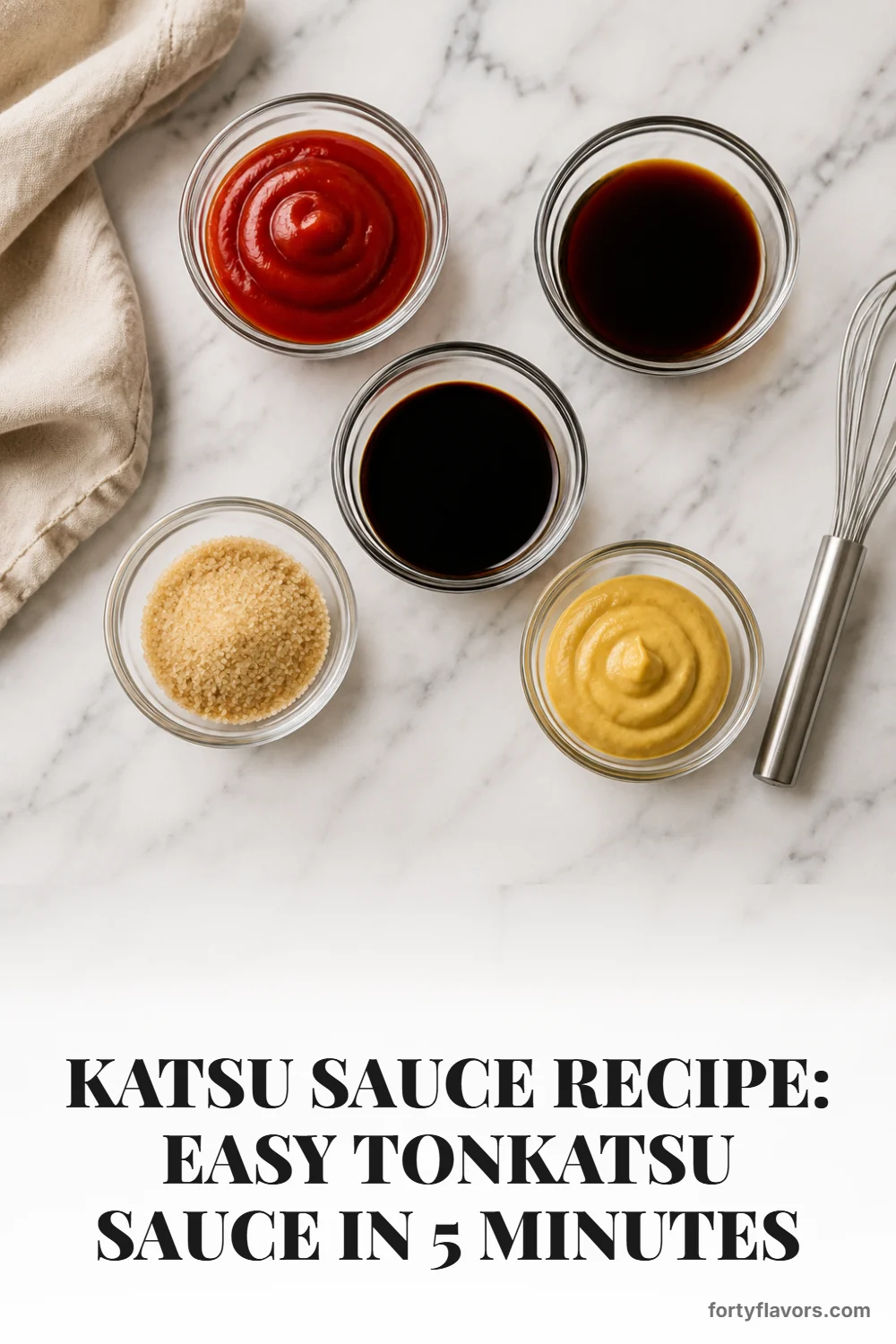
Five ingredients, all common, all probably already in your kitchen. The magic isn't in any single component but in the ratio between them, which is why I encourage tasting and adjusting as you go. Treat the measurements below as a strong starting point, not a rigid law.
Ketchup does the heavy lifting on body and sweetness. It contributes the tomato base that mimics Bull-Dog's fruit puree, plus enough natural sugar and vinegar to give the sauce its signature thickness. Use a quality ketchup here — Heinz works perfectly. Avoid the sugar-free or no-salt versions, which throw off the balance and leave the sauce tasting weirdly hollow.
Worcestershire sauce is the umami backbone. It carries fermented anchovy, tamarind, molasses, and onion notes that the simple ketchup base can't deliver on its own. Lea & Perrins is the gold standard. This is the one ingredient where brand quality genuinely matters; budget store brands tend to taste flat, overly salty, and one-note. If your bottle has been languishing at the back of the cabinet for years, give it a sniff before committing — Worcestershire does fade.
Soy sauce adds salty depth and that distinctive Japanese savor. Regular soy works better than low-sodium for this recipe because you want the salt to balance the sugar. Granulated sugar dials sweetness up to Bull-Dog levels, and a teaspoon of Dijon mustard (or mirin, if you have it) adds a gentle warmth that rounds out the finish. The mustard contributes subtle heat and helps emulsify the sauce; mirin brings a more authentic Japanese sweetness with a hint of rice wine perfume. Either works beautifully — pick whichever is closer to your hand.
How to Make Katsu Sauce (Step-by-Step)
Making homemade katsu sauce is honestly one of the easiest five-minute kitchen projects you'll ever take on. There's no cooking, no straining, no special equipment beyond a small bowl and a whisk. Read through the steps once, then dive in.

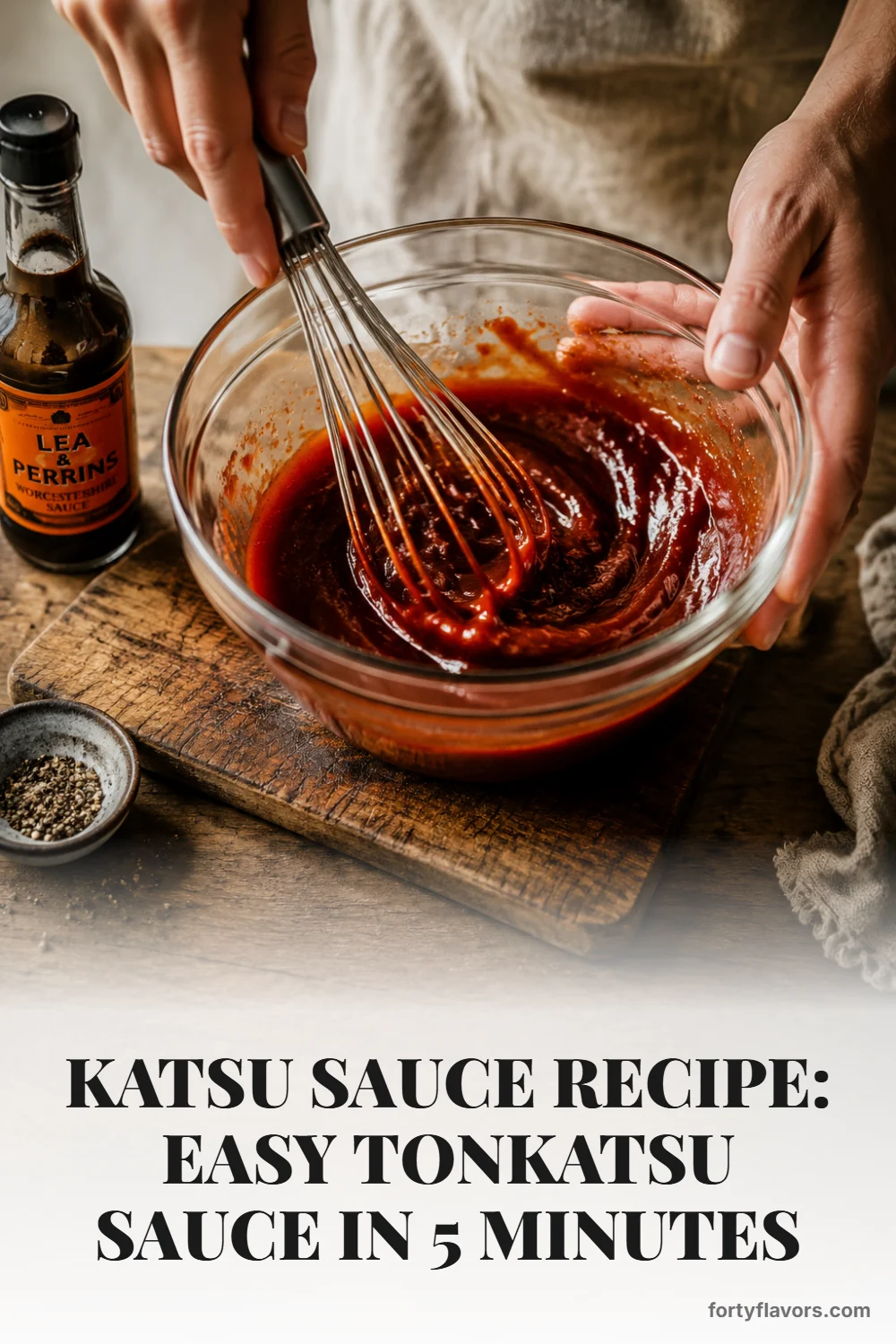
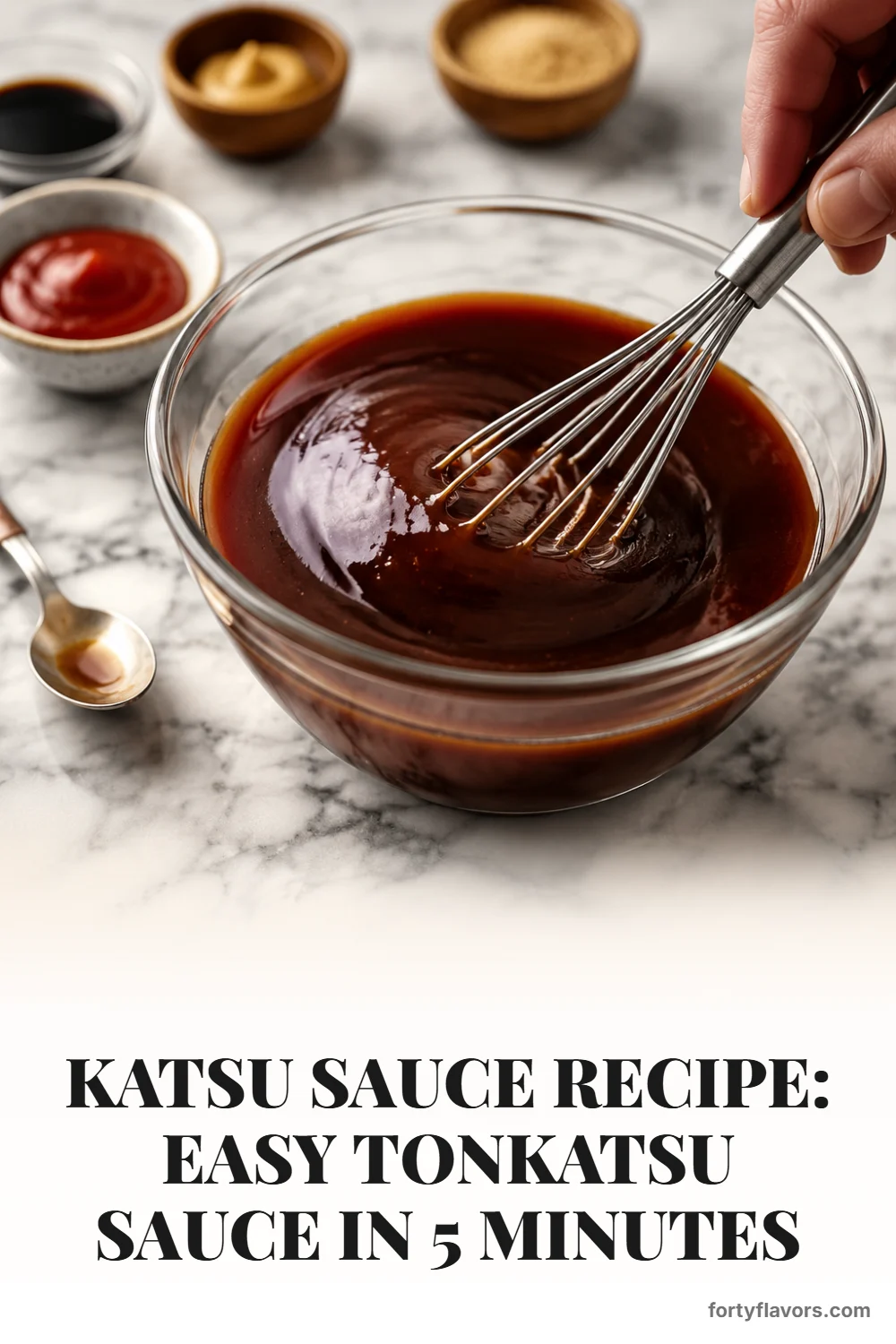
Start by measuring the ketchup into a small mixing bowl, then add the Worcestershire sauce. Whisk these two together first — this builds your flavor foundation and lets you watch the deep red-brown color come together. The Worcestershire will streak through the ketchup like marbling at first, then smooth into a glossy, uniform base over about fifteen seconds of steady whisking.

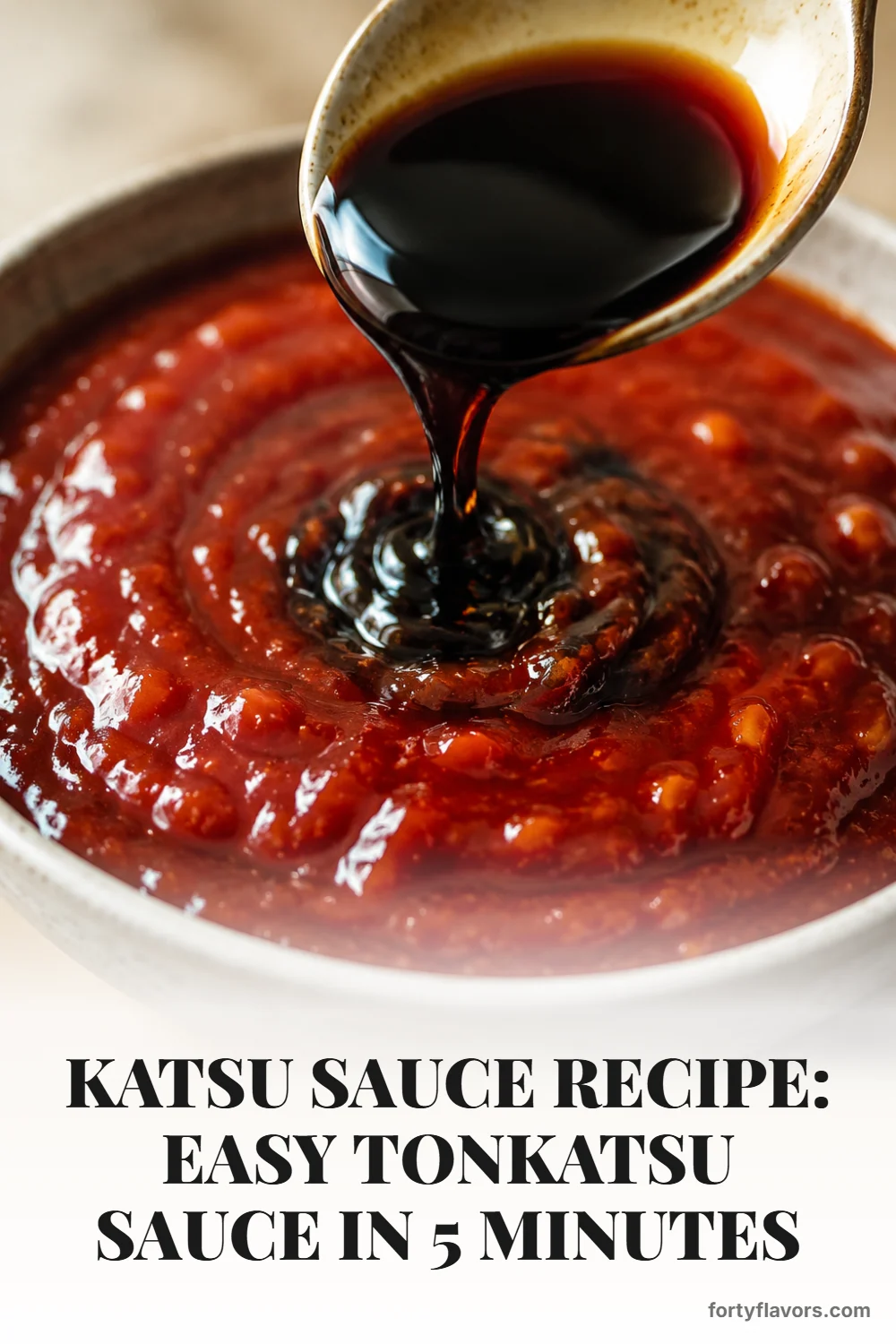
Next, drizzle in the soy sauce and add the sugar. Whisk vigorously for about thirty seconds, until the sugar fully dissolves. You'll feel the resistance drop as the granules melt into the liquid, and the sauce will deepen another shade darker. If you're using mirin instead of Dijon, add it now; if Dijon, add it last so its emulsifying power can pull everything together at the very end.

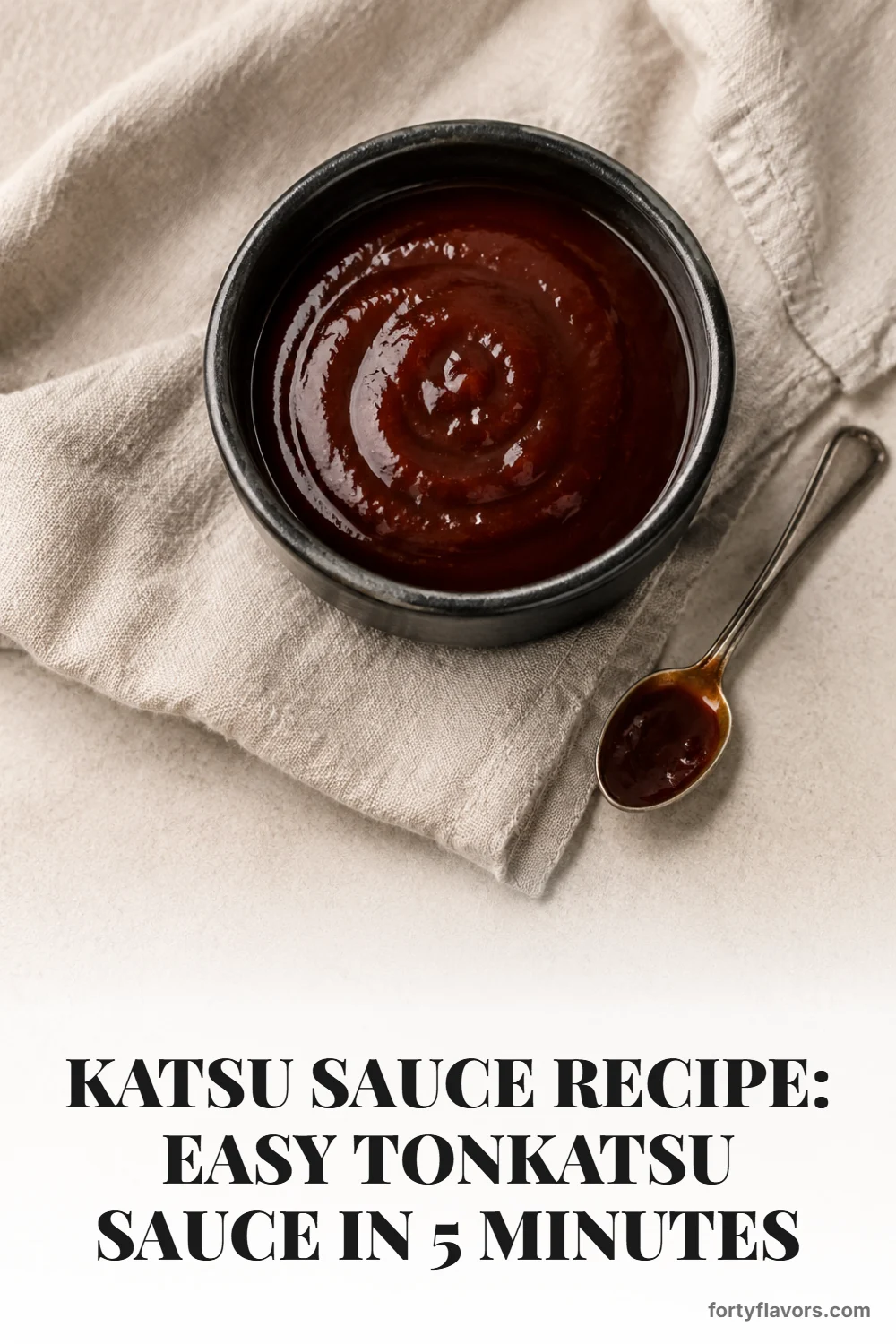
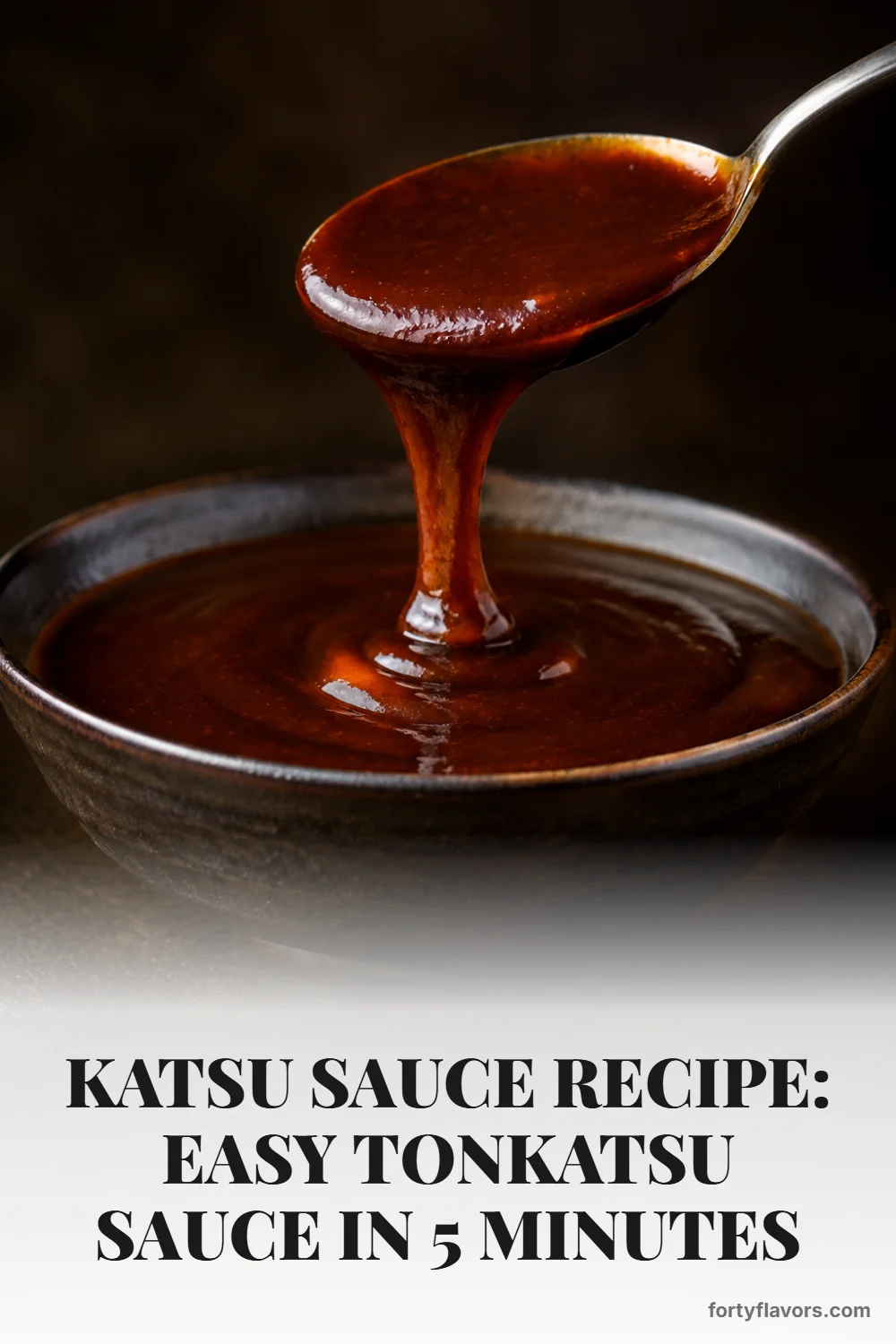
Whisk in the mustard last. This is your moment to taste and tune. Too sweet? Add another splash of Worcestershire. Too sharp? A pinch more sugar. Too thin? Whisk in another half-teaspoon of ketchup. The sauce should coat the back of a spoon thickly, with a slow, glossy drip rather than a quick run — that ribbon-like consistency is what tells you it's ready.

Transfer to a small ramekin or jar, and you're done. The full batch makes about three-quarters of a cup, enough for six generous dipping portions or four entree-sized drizzles. Made ahead, it gets even better overnight as the spices and umami compounds continue to develop. Don't skip the rest if you can help it — it's the difference between a good sauce and a great one.
How to Serve Katsu Sauce

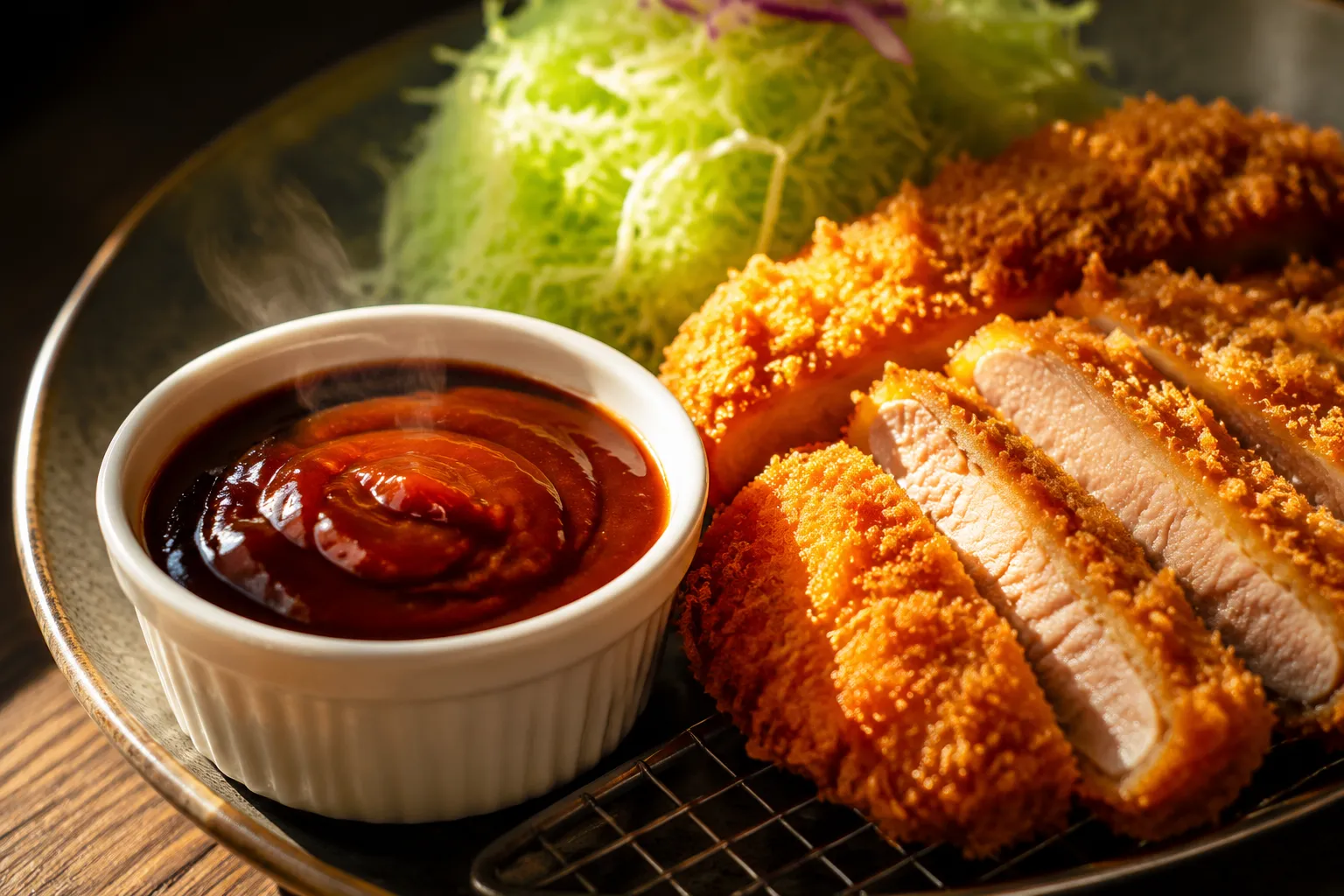
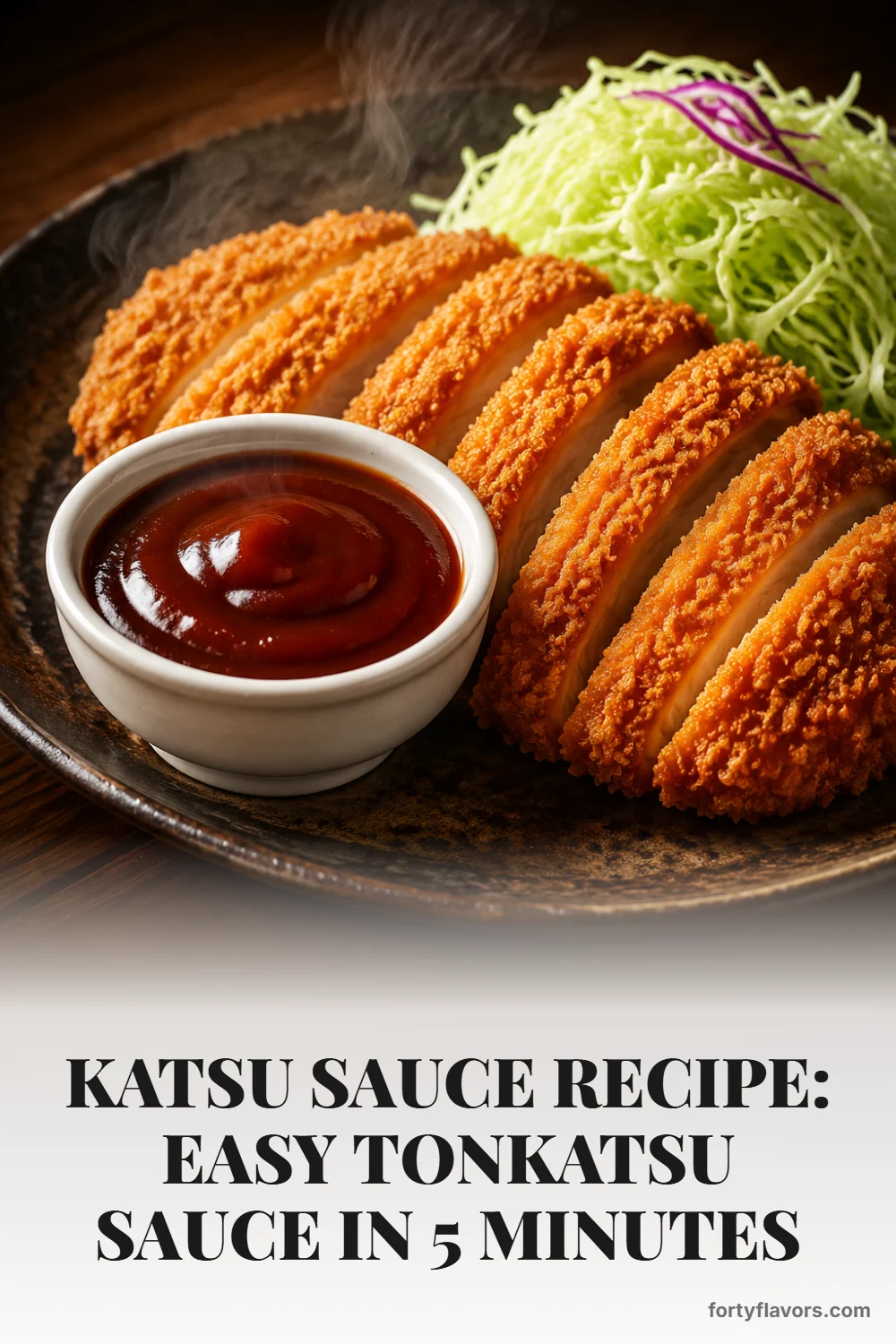
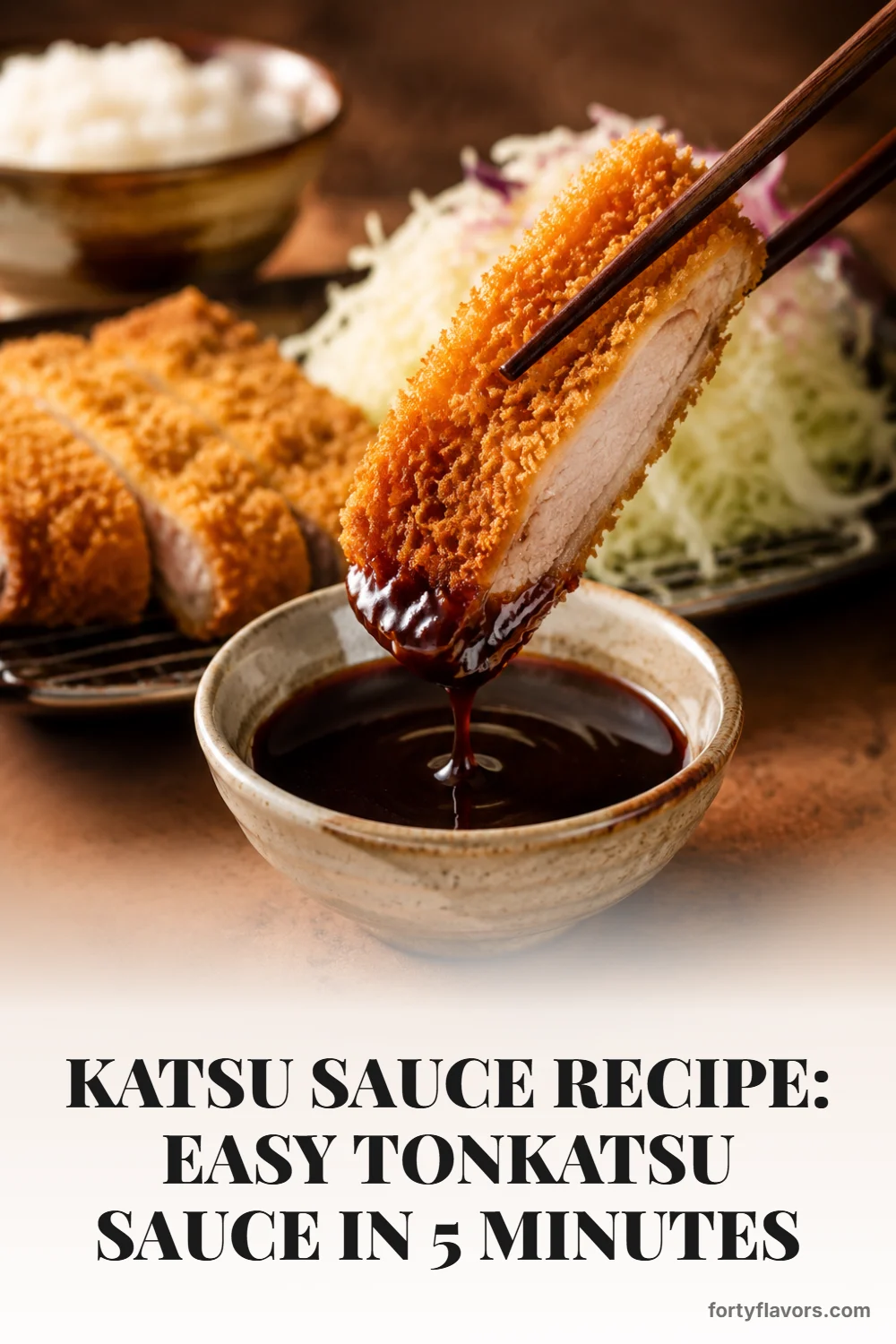
The classic pairing is, of course, a piece of crispy chicken katsu or pork tonkatsu — a cutlet pounded thin, dredged in flour, dipped in egg, coated in panko breadcrumbs, and pan-fried until shatteringly golden. Slice the cutlet on the bias, fan it across a plate next to a mound of finely shredded green cabbage and a scoop of short-grain rice, and pour the sauce into a small dish for dipping. That's the canonical Japanese diner presentation, and it never gets old.
But limiting this sauce to cutlets is a missed opportunity. Stir a tablespoon into Japanese curry to deepen its complexity, or brush it on grilled chicken thighs during the last minute on the grill for a glossy, lacquered finish. It's incredible on a smashburger, layered with American cheese and a swipe of mayo, and even better drizzled over crispy oven fries with a sprinkle of toasted sesame seeds. I've used it as a dip for chicken nuggets, a glaze for meatloaf, the secret ingredient in a fried rice that disappeared in three minutes, and a swipe on katsu sandos with milk bread and pickles.
For the most authentic experience, pair the sauce with finely shredded raw cabbage. The cabbage isn't just garnish — its cool, crunchy neutrality is the perfect foil for the sauce's richness, and the contrast is built into the texture of every Japanese tonkatsu plate. A squeeze of lemon over the cabbage takes the whole plate to another level, cutting through the fried richness and waking everything up.

Once you've made this homemade tonkatsu sauce a couple of times, you'll stop reaching for the bottle entirely. It's faster than driving to the Asian grocery store, cheaper than the imported stuff, and easy to scale up for parties or meal prep. Keep a jar in the fridge and you'll find yourself building entire meals around it — Japanese curry nights, weekend katsu sandwiches, weeknight rice bowls topped with whatever protein needs using up.
The best part of making your own is the control. Want it spicier? Add a dash of sriracha or a pinch of togarashi. Prefer it richer? Swap a tablespoon of ketchup for tomato paste. Hunting for a more grown-up edge? A few drops of fish sauce will push the umami into deeply savory territory. This recipe is a starting point, not a rulebook, and the more you riff on it the more it becomes yours.
Expert Tips
- Use real Lea & Perrins. Generic Worcestershire often tastes flat and overly salty, which throws off the whole balance. The brand-name bottle genuinely matters here.
- Taste before you serve. Tongues vary. Adjust sweetness with sugar, tang with extra Worcestershire, salt with soy, and thickness with a touch more ketchup until it sings to you.
- Let it rest at least 10 minutes. The raw soy edge mellows and the flavors meld noticeably. Overnight in the fridge is even better.
- Whisk warm if sugar resists. If your kitchen is cold and the granulated sugar refuses to dissolve, microwave the bowl for ten seconds, then whisk again.
- Double the batch. The sauce keeps for two weeks and you'll find more uses than you expect — meal prep insurance for almost no extra effort.
Variations & Substitutions
This base recipe is intentionally minimal so you can riff in any direction your meal demands. The five-ingredient skeleton stays the same; what you add on top is where the personality comes in.
- Spicy katsu sauce: Whisk in 1 teaspoon sriracha or a pinch of shichimi togarashi for a warming kick.
- Garlic-ginger version: Add 1/4 teaspoon each of grated garlic and ginger for a bolder, more aromatic profile.
- Fruitier and closer to Bull-Dog: Replace 1 tablespoon of ketchup with applesauce or apple butter to add fruit complexity.
- Smoky variation: Add 1/4 teaspoon smoked paprika or a few drops of liquid smoke for a barbecue-leaning twist that's great on burgers.
- Deeper umami: A few drops of fish sauce or 1/2 teaspoon oyster sauce pushes the savory dial way up.
- Sugar-free: Swap granulated sugar for an equal amount of monk fruit sweetener or 2 teaspoons date syrup.
Storage & Leftovers
Transfer the finished sauce to an airtight container — a small mason jar or repurposed condiment bottle works beautifully — and refrigerate for up to two weeks. Stir or shake before each use, since the heavier solids in the ketchup and Worcestershire can settle. The flavor actually improves over the first 24 hours as the ingredients meld, so don't worry about making it ahead.
Freezing is technically possible but not recommended; the sauce can separate and lose its glossy texture once thawed. Because it comes together so quickly from pantry staples, you're better off making a fresh batch as needed. If you do want to scale up for a party or batch cook, simply double or triple all five ingredients in a larger bowl — the recipe scales linearly with no adjustments needed.
Save This Recipe to Pinterest
Hover any image and hit “Pin it” to save it to your Pinterest boards.