Homemade Ketsjup Recipe (Better Than Store-Bought)
Ingredients
Scale
Skip the bottle and make your own ketsjup at home. This easy homemade ketchup is thick, tangy-sweet, and ready in 30 minutes with simple pantry ingredients.
This homemade ketsjup recipe is the upgrade your fridge door has been waiting for: glossy, deep-red, tangy-sweet, and thick enough to cling to a fry without sliding off. It comes together in one small saucepan in about 30 minutes, using a can of tomato paste and pantry spices you almost certainly already have. No canning equipment, no straining, no cooking down five pounds of summer tomatoes.
I started making my own ketchup the year I got serious about reading labels. Most national brands lean on high-fructose corn syrup and a vague "natural flavors" line, and once you taste a fresh batch with real apple cider vinegar and brown sugar, the bottled stuff starts feeling a little flat. This version is brighter, a touch more savory, and easy to tweak so it tastes like your ketchup, not a factory's.
If you've never made a condiment from scratch before, this is the one to start with. It's nearly impossible to mess up, the ingredient list is short, and the payoff is huge: a jar of glossy homemade ketchup that makes burger night, meatloaf, and Sunday eggs taste a whole lot more intentional.
Ketsjup is simply the Swedish and Finnish spelling of ketchup, the same thick, sweet-tart tomato condiment Americans squeeze onto burgers and dunk fries into. In Scandinavia, you'll see it printed on bottles right next to senap (mustard) at the grocery store, and it's a staple alongside meatballs, sausages, and roasted potatoes. The flavor profile is close to American ketchup, though European versions sometimes lean a little less sweet and a little more vinegary.
The word itself has a wandering history, with roots in a fermented fish sauce called kê-tsiap from southern China that traveled through Southeast Asia and into European kitchens. By the time tomatoes entered the picture in the 1800s, the sauce had transformed completely. Today, whether you spell it ketchup, catsup, or ketsjup, you're talking about the same beloved red sauce.
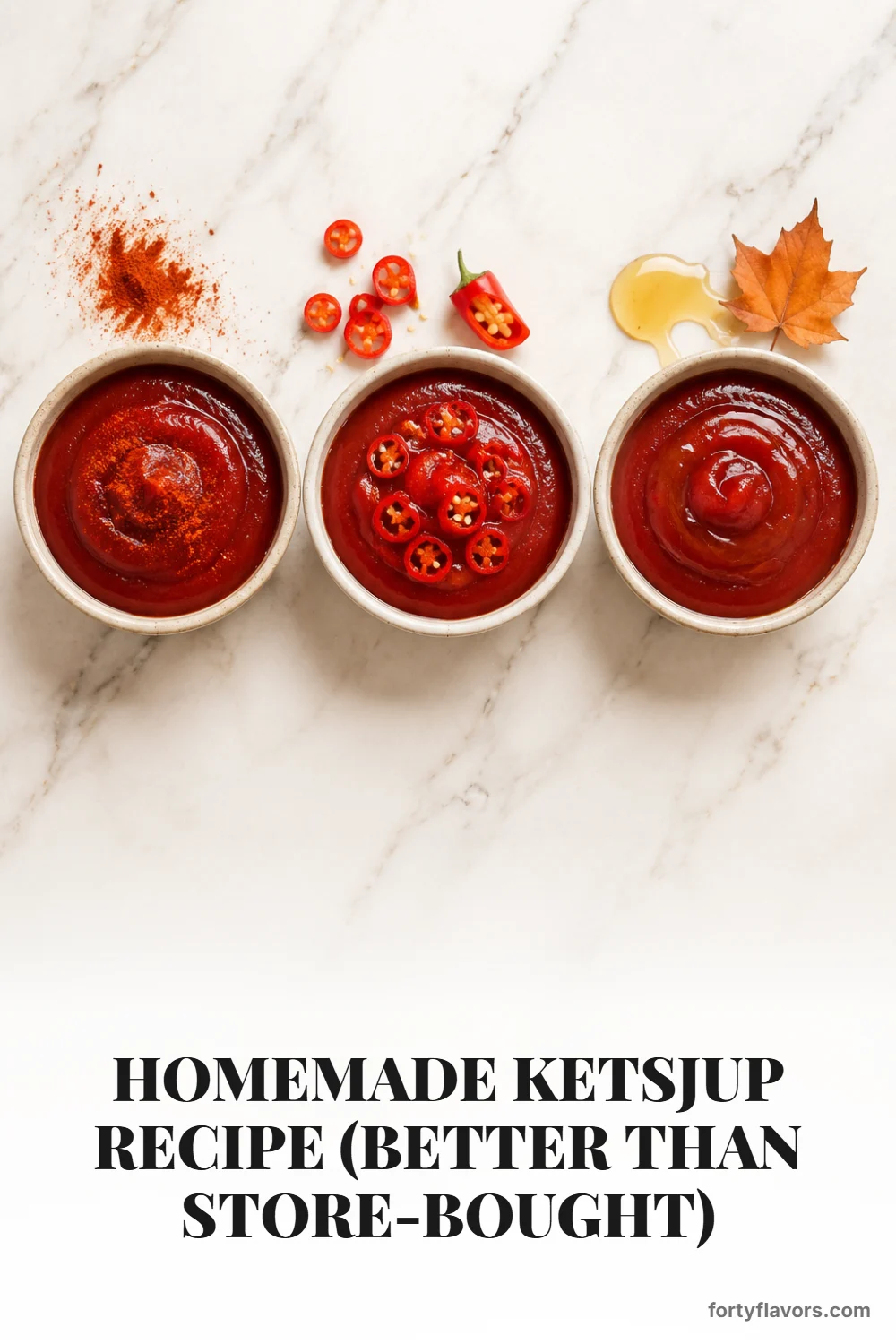
What makes a homemade version worth the effort is control. You decide how sweet, how tangy, how spiced. You can dial back the sugar for a more European-style finish, or add smoked paprika and a pinch of cayenne for something closer to a Kansas City barbecue vibe. It's the kind of small kitchen project that quietly changes how you cook for the next month.
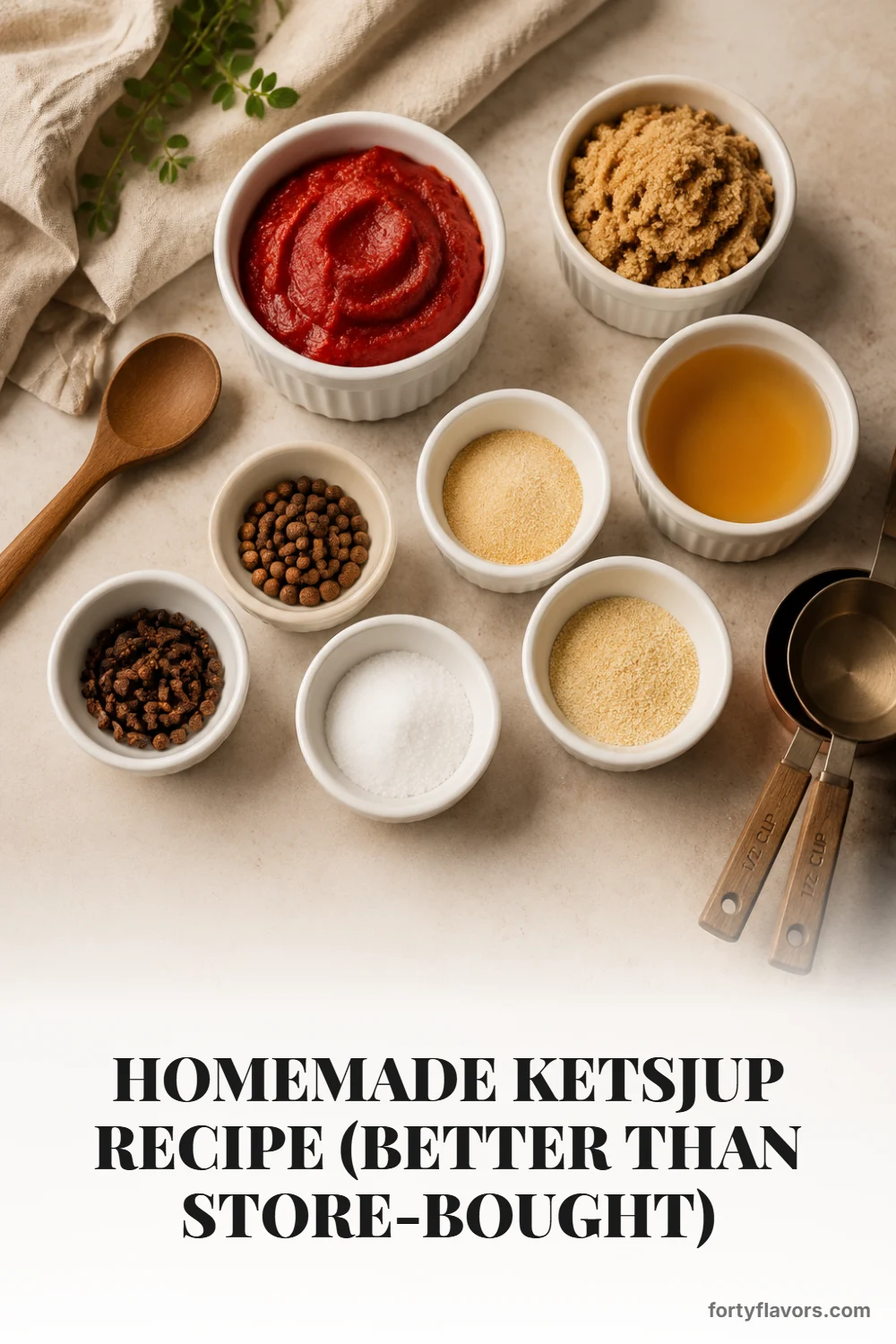
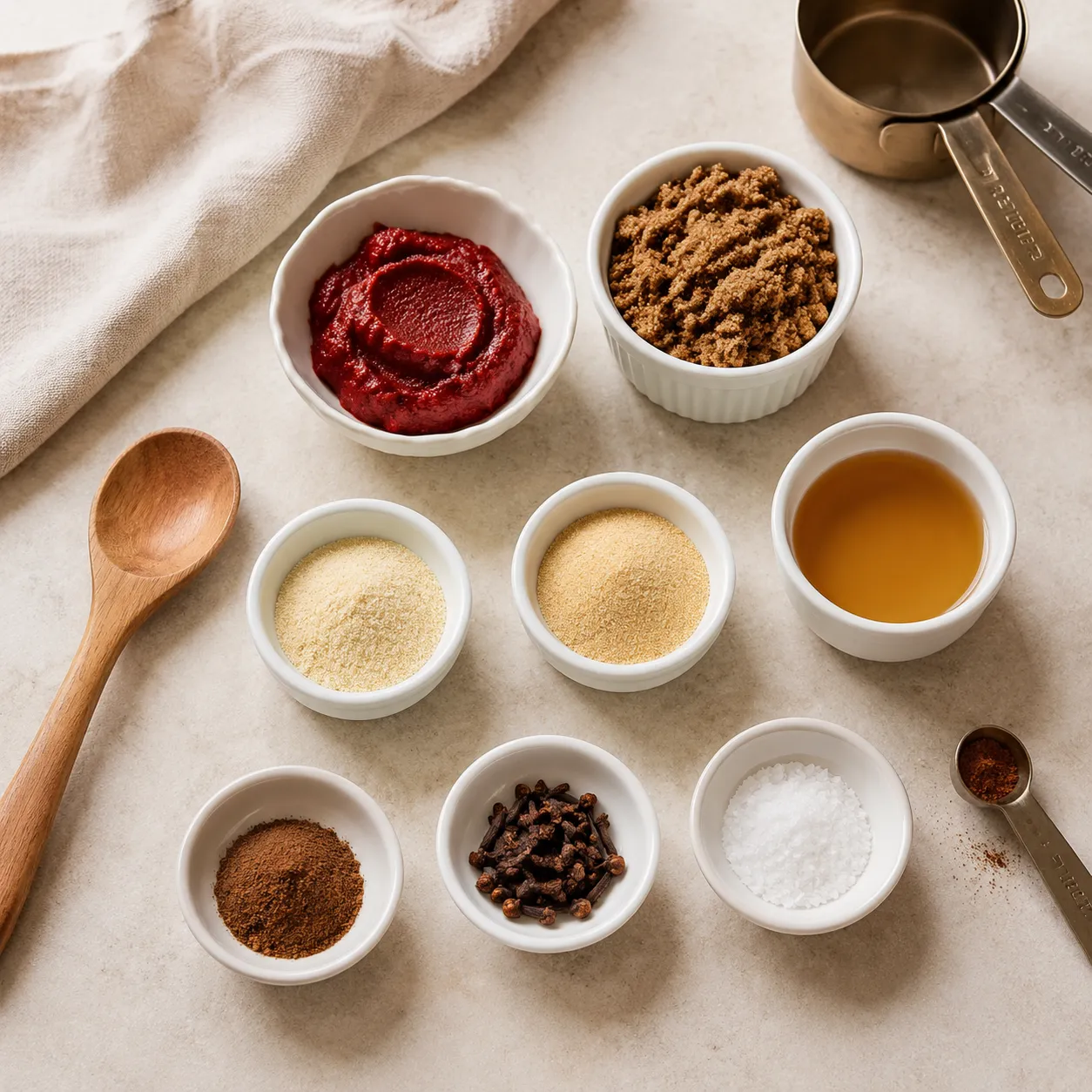
The beauty of this tomato paste sauce is that the ingredient list reads like a tidy spice-drawer inventory. Tomato paste does the heavy lifting, giving you concentrated tomato flavor and built-in body so you don't have to simmer for hours to thicken things up. Look for a 6-ounce can with a short ingredient list, ideally just tomatoes and salt.
For the tang, apple cider vinegar is my go-to. It has a soft, fruity sharpness that plays well with brown sugar, where distilled white vinegar can taste a little harsh. Brown sugar brings caramel depth, but you can swap in honey, maple syrup, or even a date paste if you prefer. The warm spices, onion powder, garlic powder, allspice, and a whisper of clove, are what take this from "tomato sauce" to genuinely ketchup-y. Don't skip the allspice. It's the secret handshake.
One note on salt: kosher salt is what I measure with, and it tastes a touch less aggressive than table salt. If table salt is all you have, start with half the amount and adjust at the end. The same goes for sweetness. Taste as you go, especially in the last five minutes of simmering, when flavors concentrate.
Making this homemade ketchup is genuinely a one-pan, one-whisk affair. You'll combine everything in a small saucepan, simmer until thickened, then either blend smooth or leave it slightly rustic. The whole process is hands-off enough that you can prep a sheet-pan dinner alongside it.
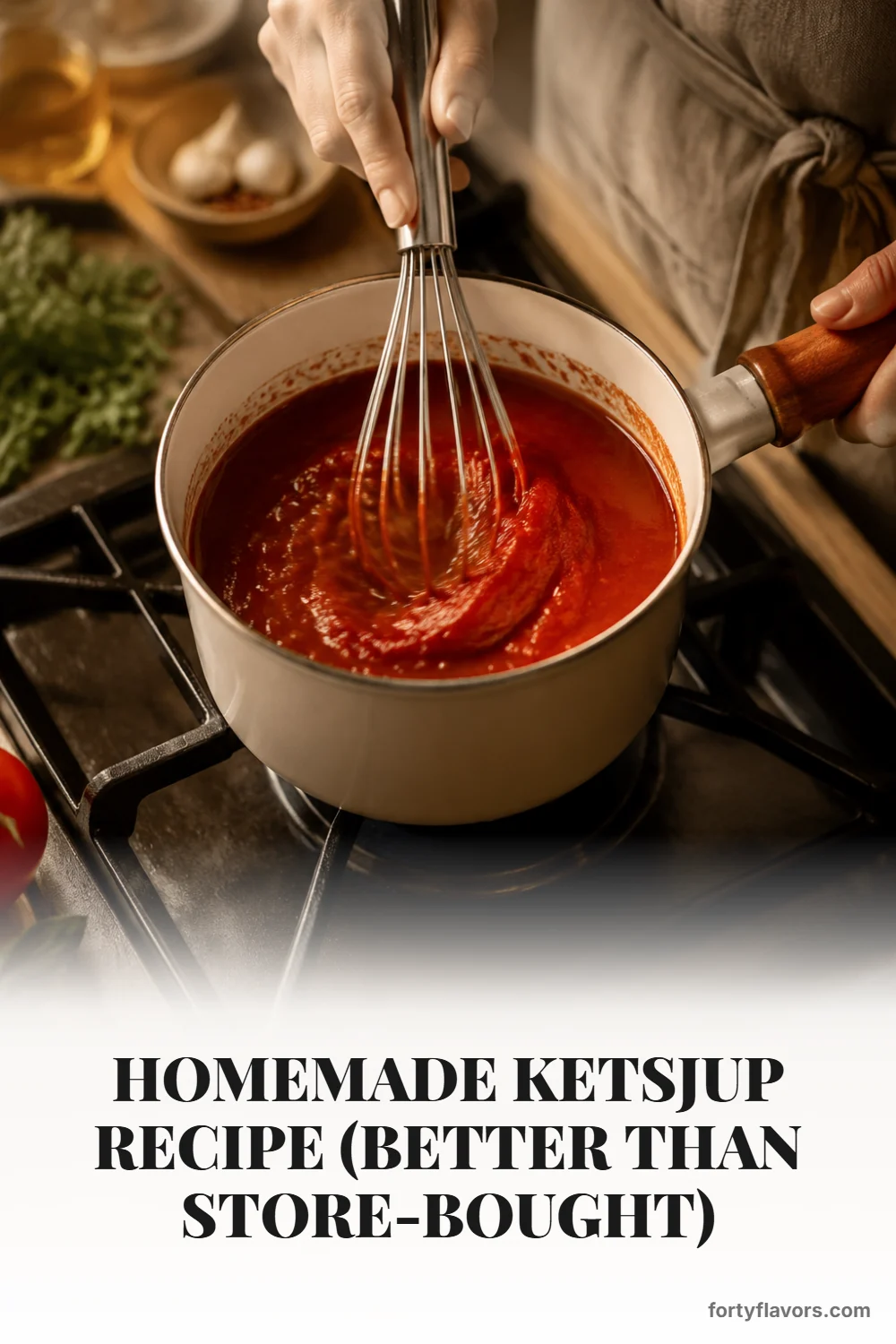
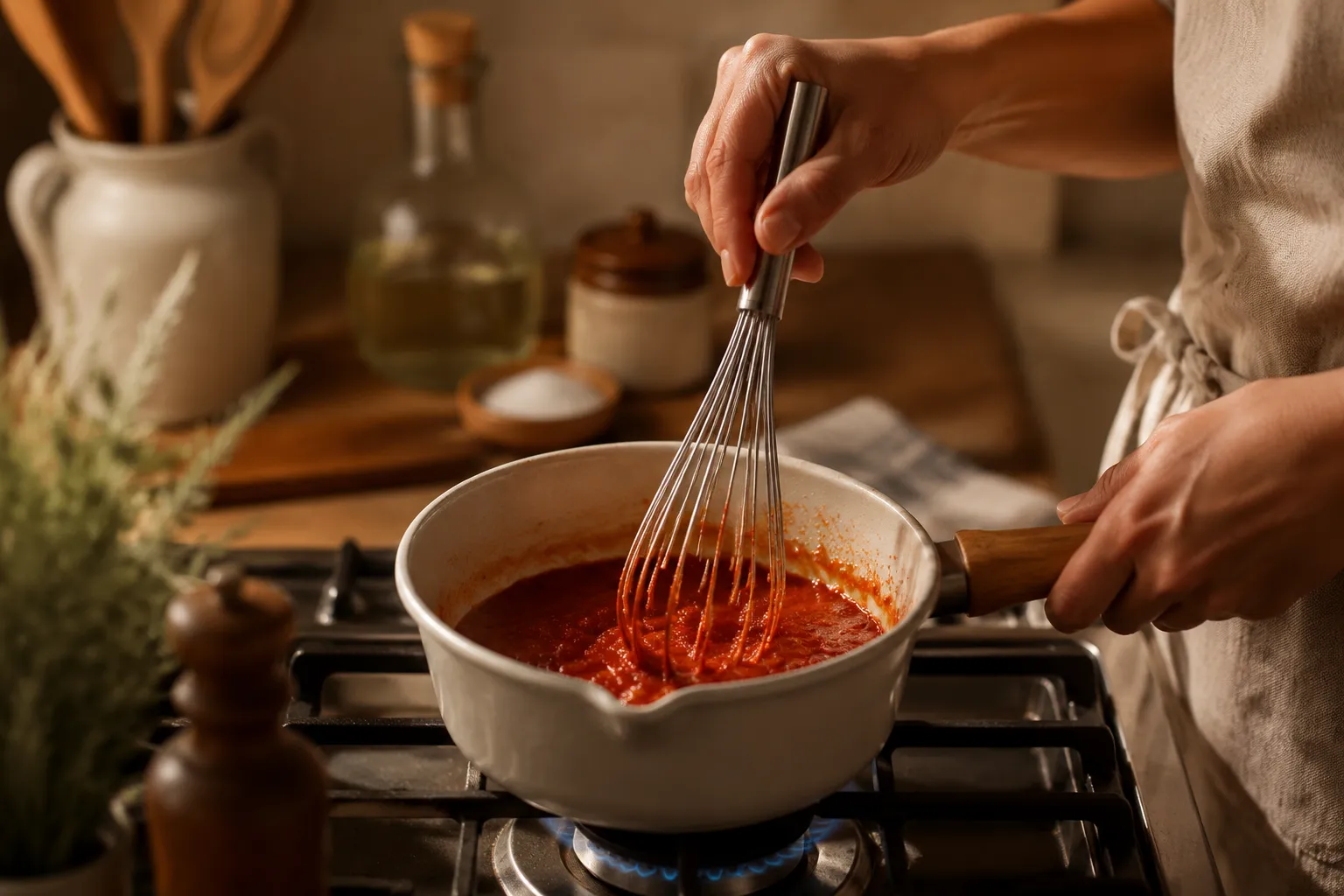
Start by whisking the tomato paste, water, and apple cider vinegar together until completely smooth. Tomato paste is stubborn, so take an extra thirty seconds to break up any clumps before you turn the heat on. Then stir in the brown sugar, salt, and spices, and bring everything to a gentle simmer over medium heat.
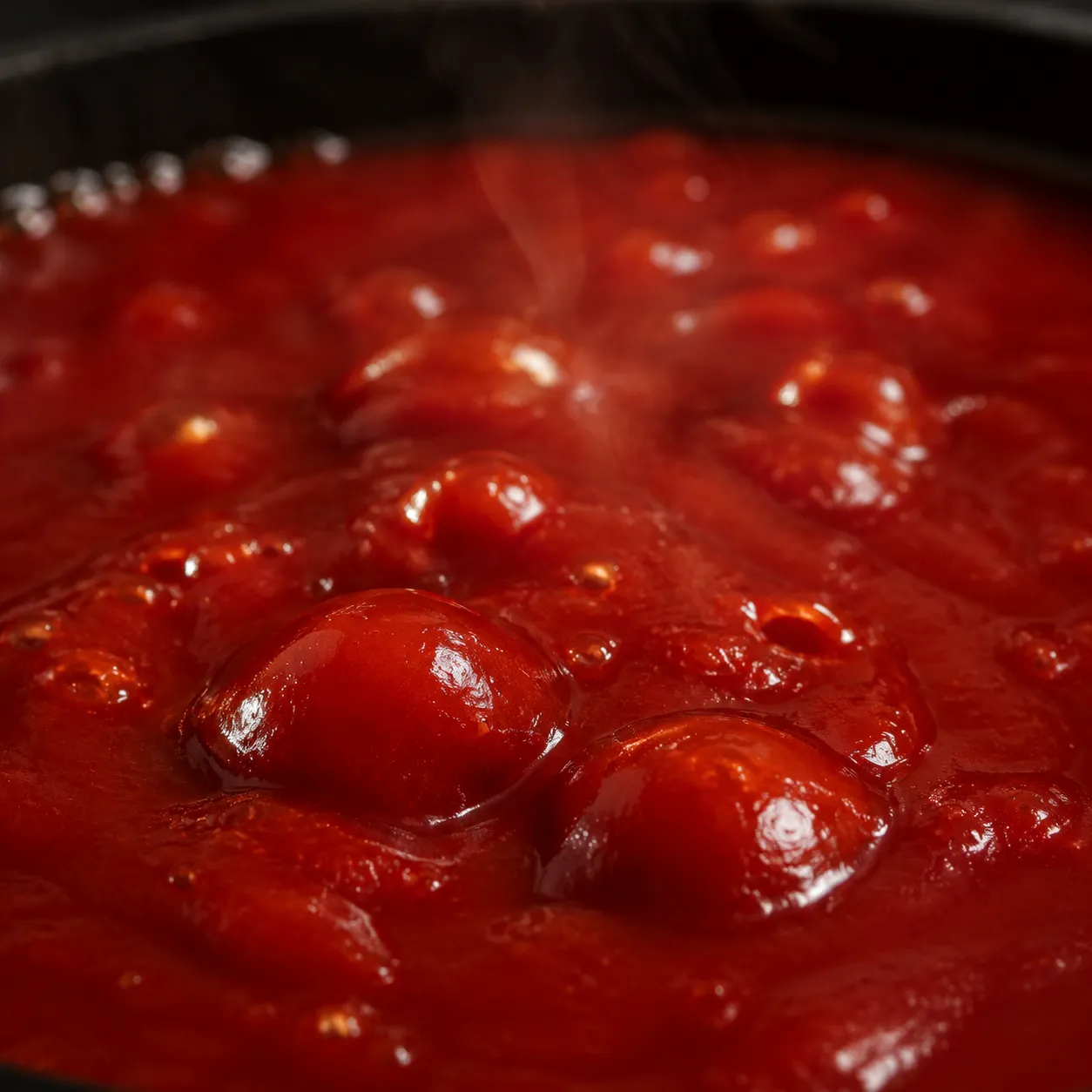
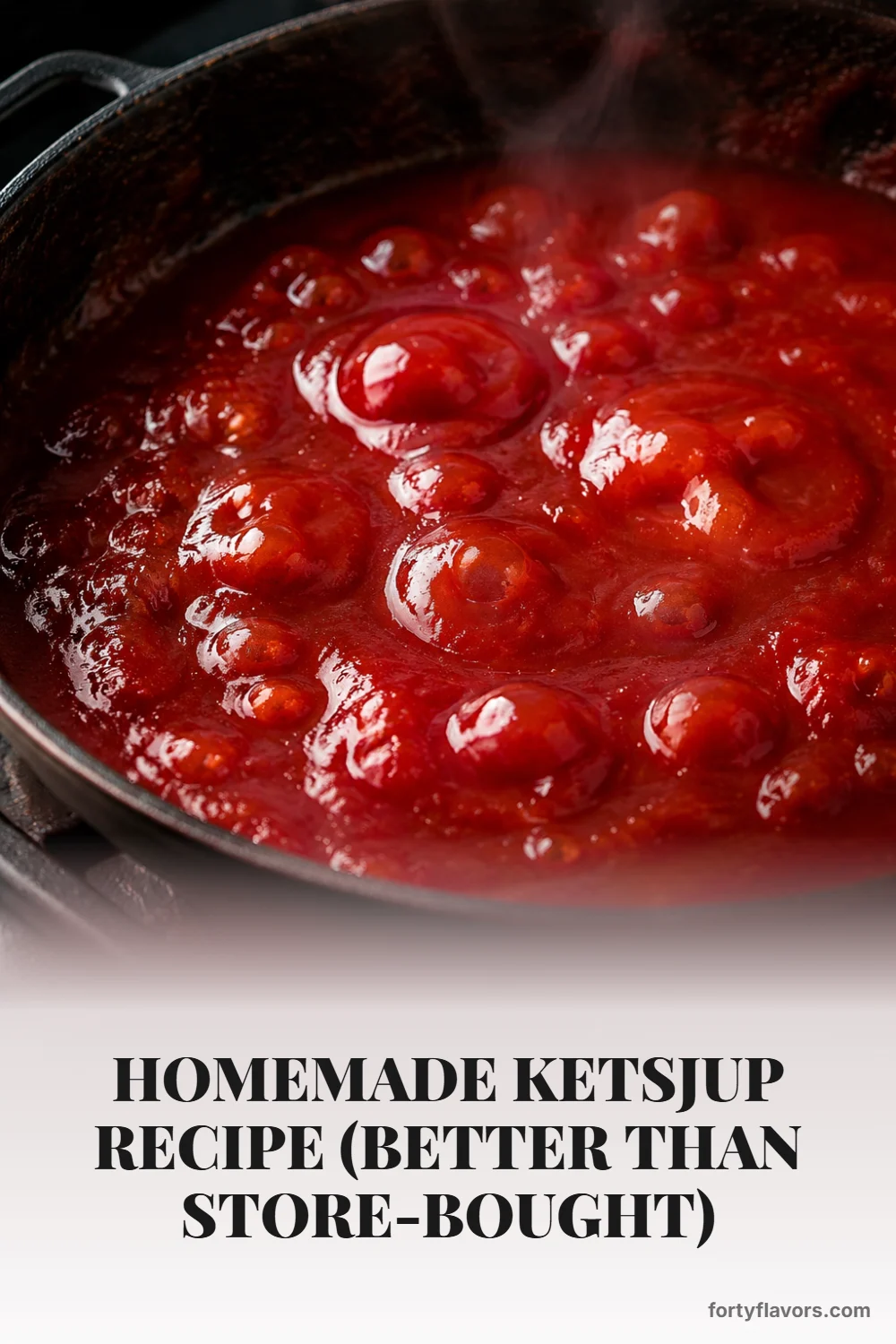
From there, drop the heat to low and let it bubble away for about 20 to 25 minutes, stirring every few minutes so the bottom doesn't scorch. You're looking for a glossy, thick-but-pourable consistency. Tiny lava-style plops on the surface are a good sign you're close. If it tightens up too much, whisk in a tablespoon of water at a time to loosen.
Once it's thickened, taste and adjust. Too sweet? A splash more vinegar. Too sharp? A pinch more brown sugar. Too thin? Simmer a few minutes longer. Then you have a choice: leave it as-is for a slightly textured, rustic finish, or buzz it with an immersion blender for that ultra-smooth, bottled-look texture most American palates expect.
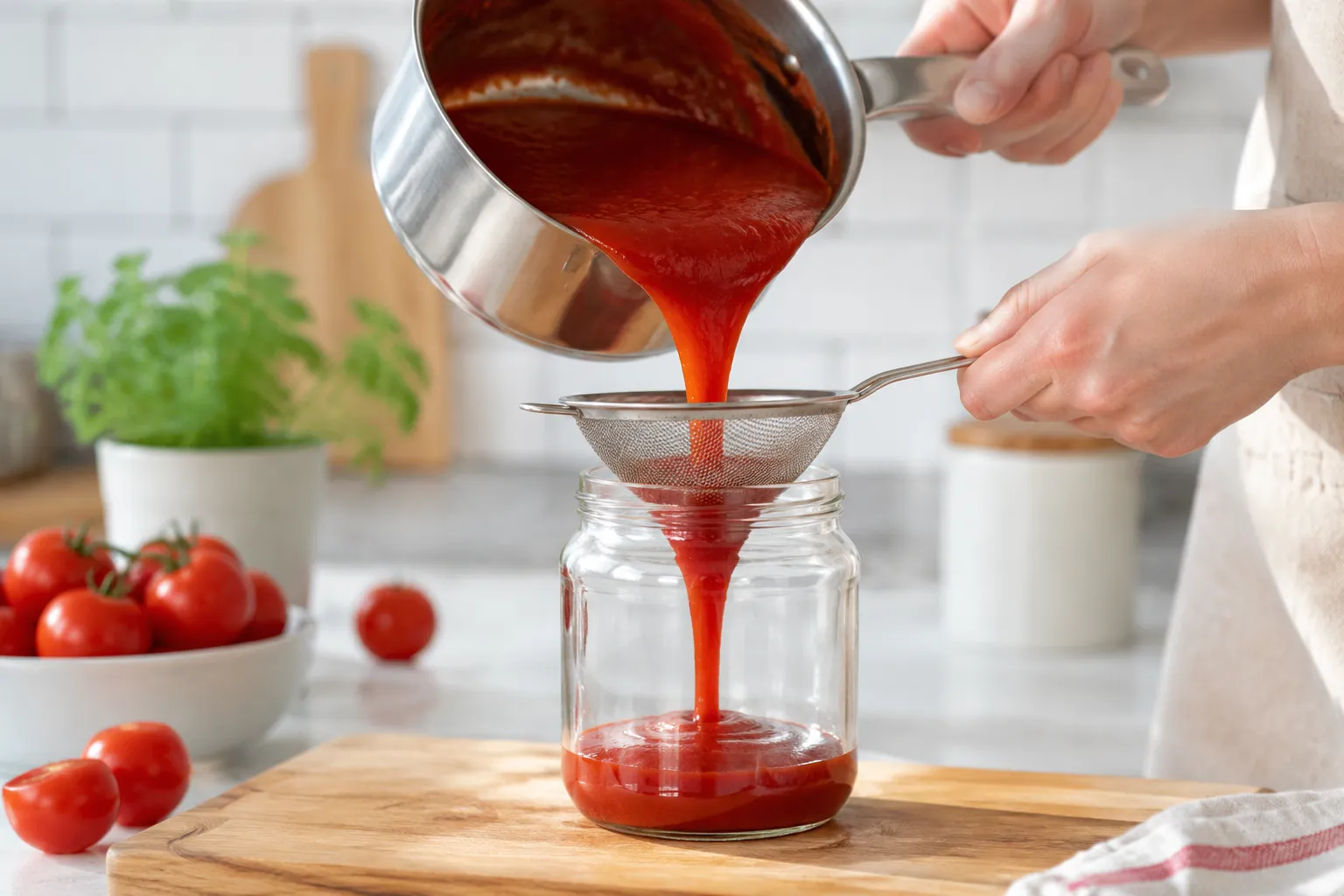
Cool the ketsjup completely before transferring it to a clean glass jar or swing-top bottle. It will continue to thicken slightly as it chills. The flavor also rounds out beautifully overnight, so if you can resist using it right away, day-two ketsjup is even better than day-one.
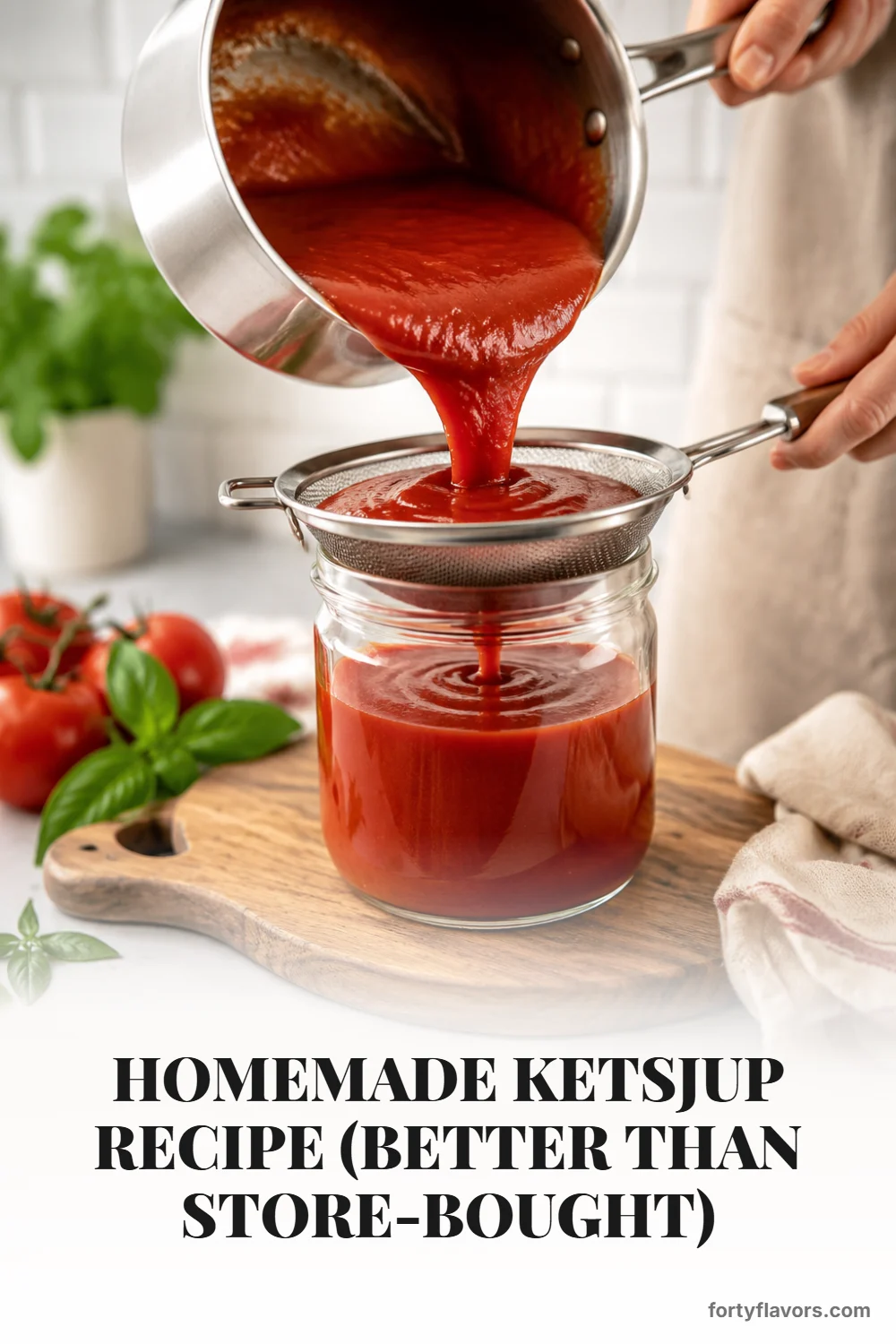
A lot of homemade ketchup recipes ask you to start with whole tomatoes, simmer for an hour or more, then push everything through a fine-mesh sieve. That route makes a beautiful sauce, but it's a project. This 30-minute approach gives you 90% of the payoff in a fraction of the time, and the result is a true no corn syrup ketchup with a clean, recognizable flavor.
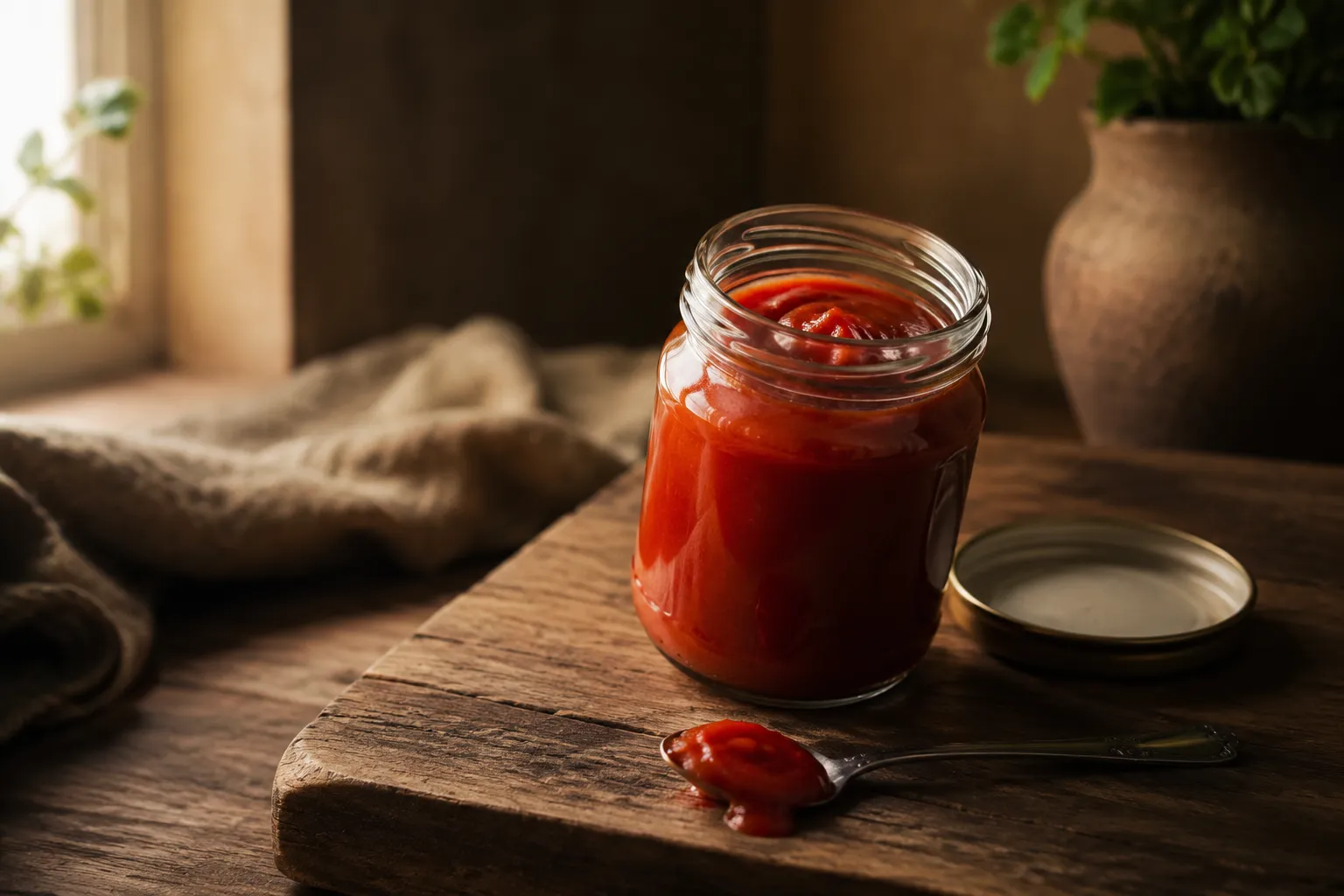
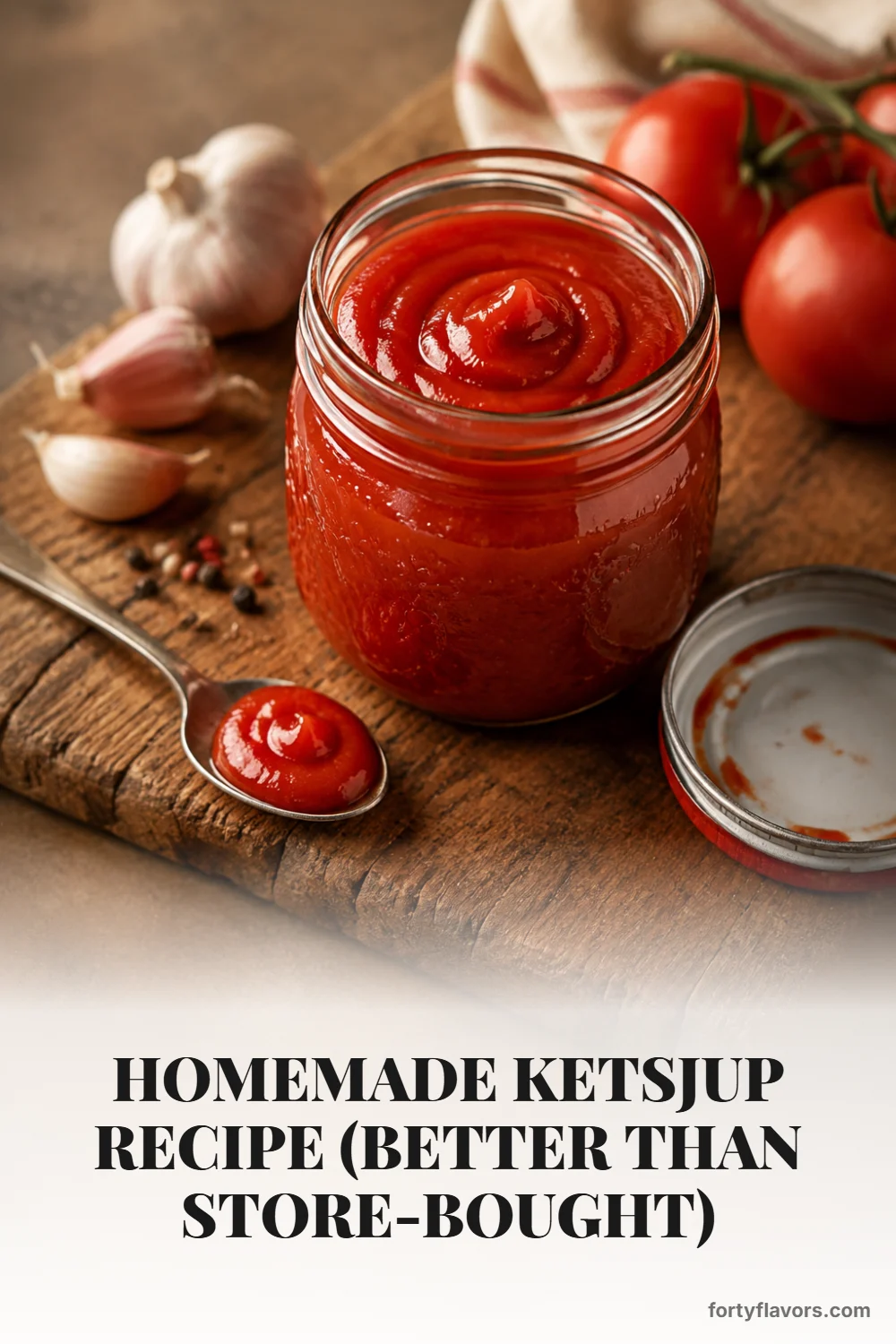
The other thing I love is the texture. Because tomato paste is already concentrated, you get that signature thick, glossy cling, the kind that sits on top of a hot dog instead of running off the side of the bun. Look at the way it holds its shape when you swoosh a spoonful onto a plate, ridges and all.
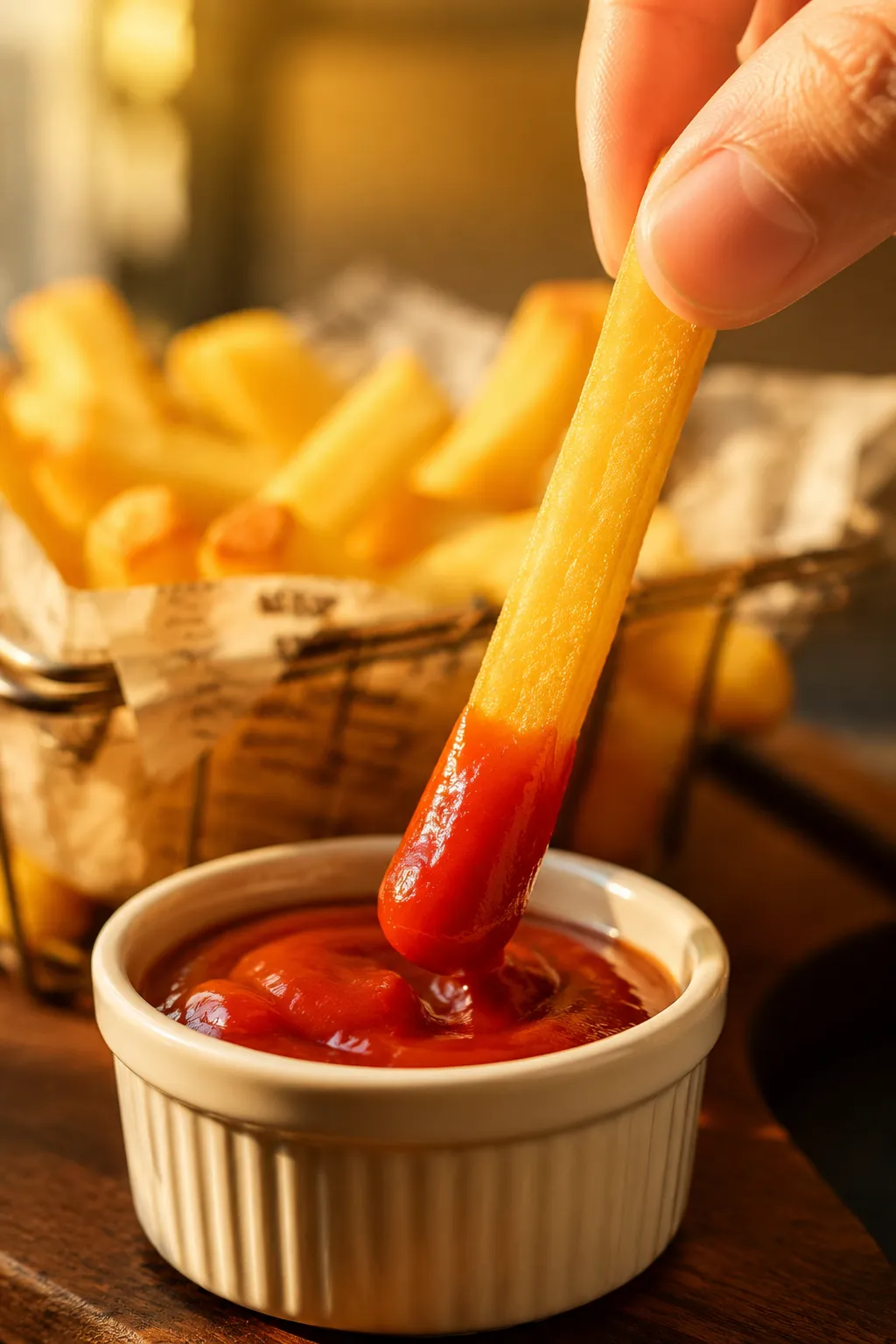
It's also endlessly adaptable. Once you have the base recipe in your back pocket, you can riff on it for a homemade BBQ sauce by adding molasses, smoked paprika, and Worcestershire, or stretch it into a fry sauce recipe by stirring two parts ketchup into one part mayo with a dash of pickle brine. One small saucepan, half a dozen sauces.
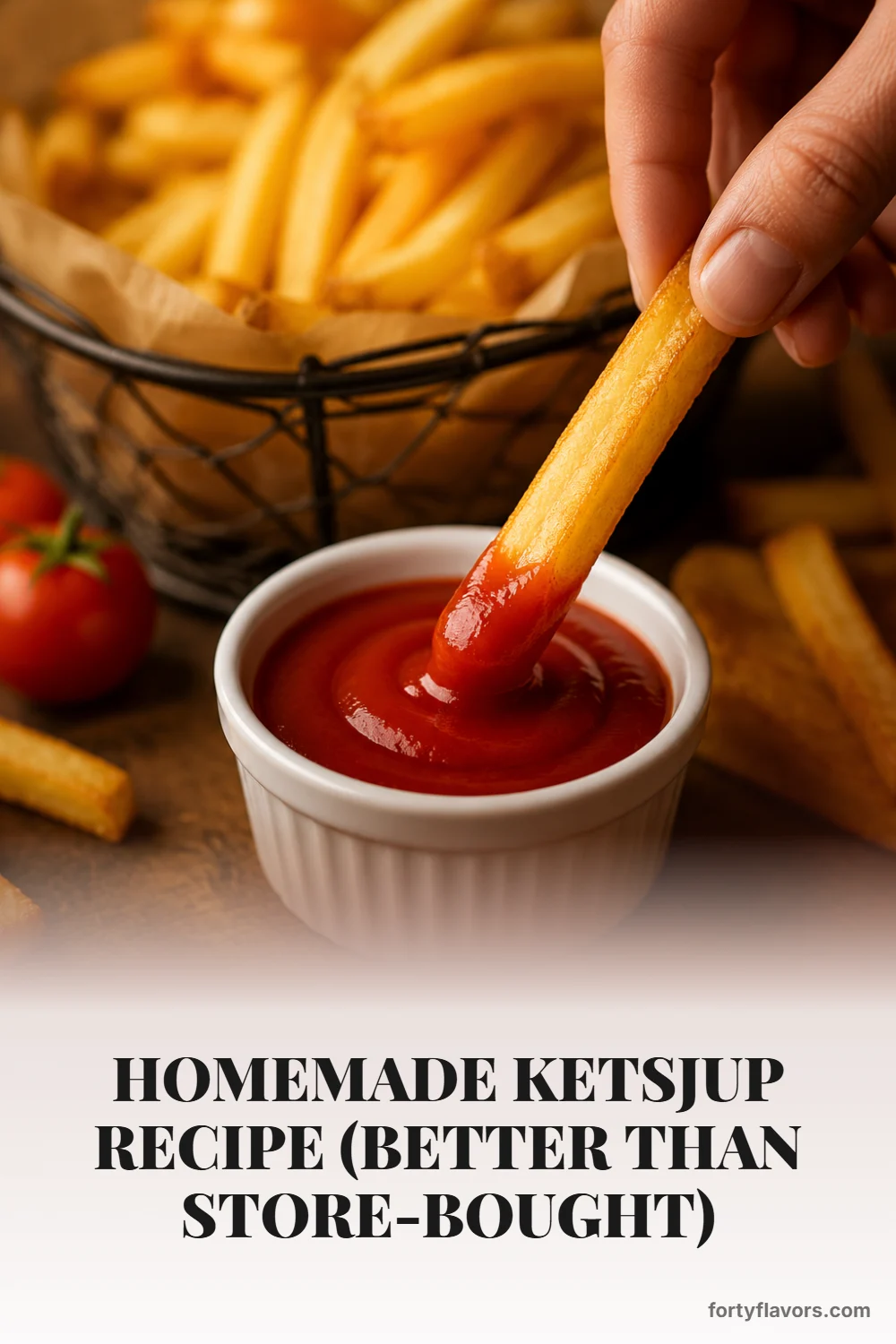
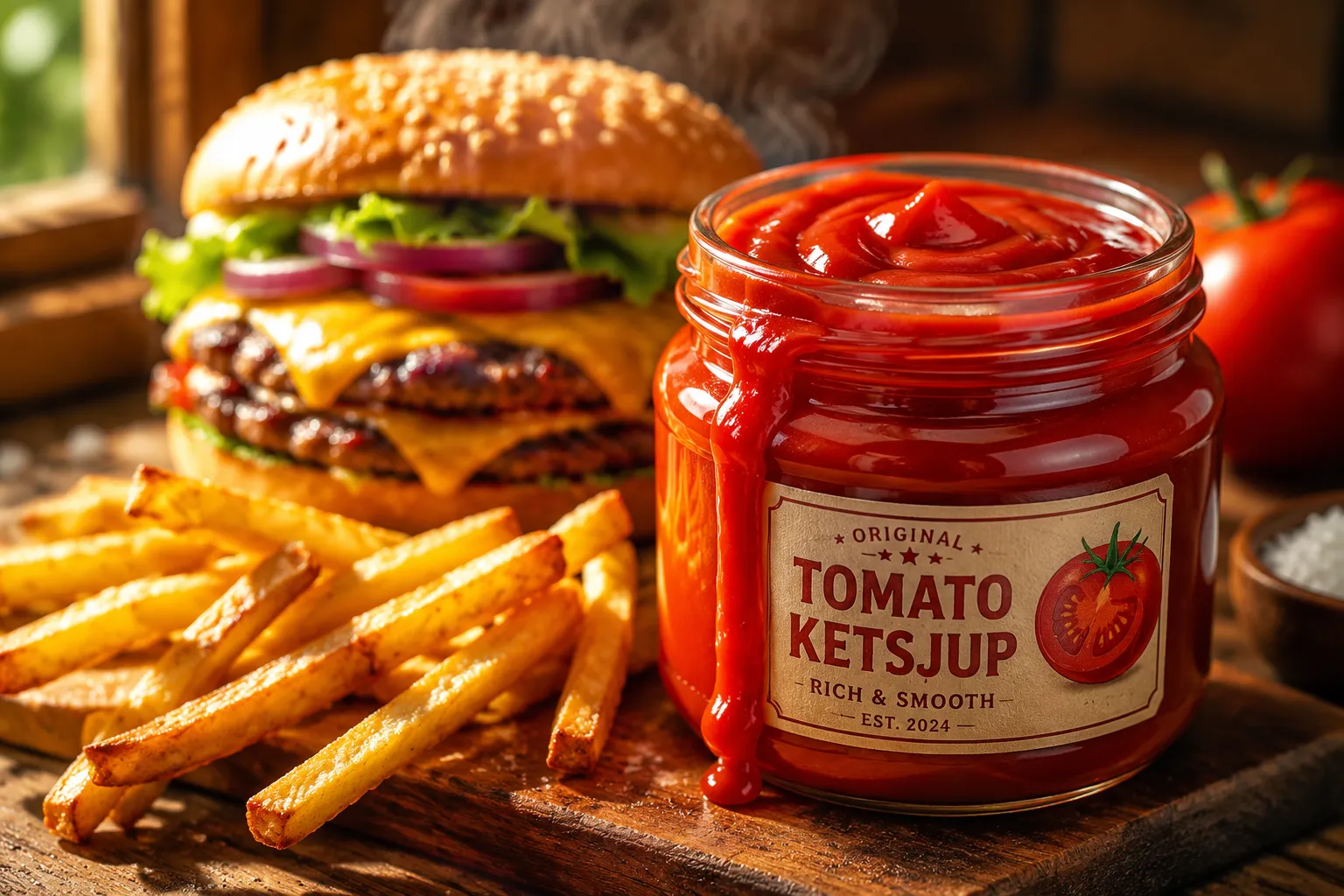
The obvious move is burgers and fries, and honestly, that's still the move. A spoonful of this on a smash burger with melty American cheese is the kind of thing that makes you slow down between bites. Crinkle fries, sweet potato wedges, tater tots, all elevated. As far as burger condiments go, a from-scratch ketchup is the easiest upgrade you can make for almost no money.
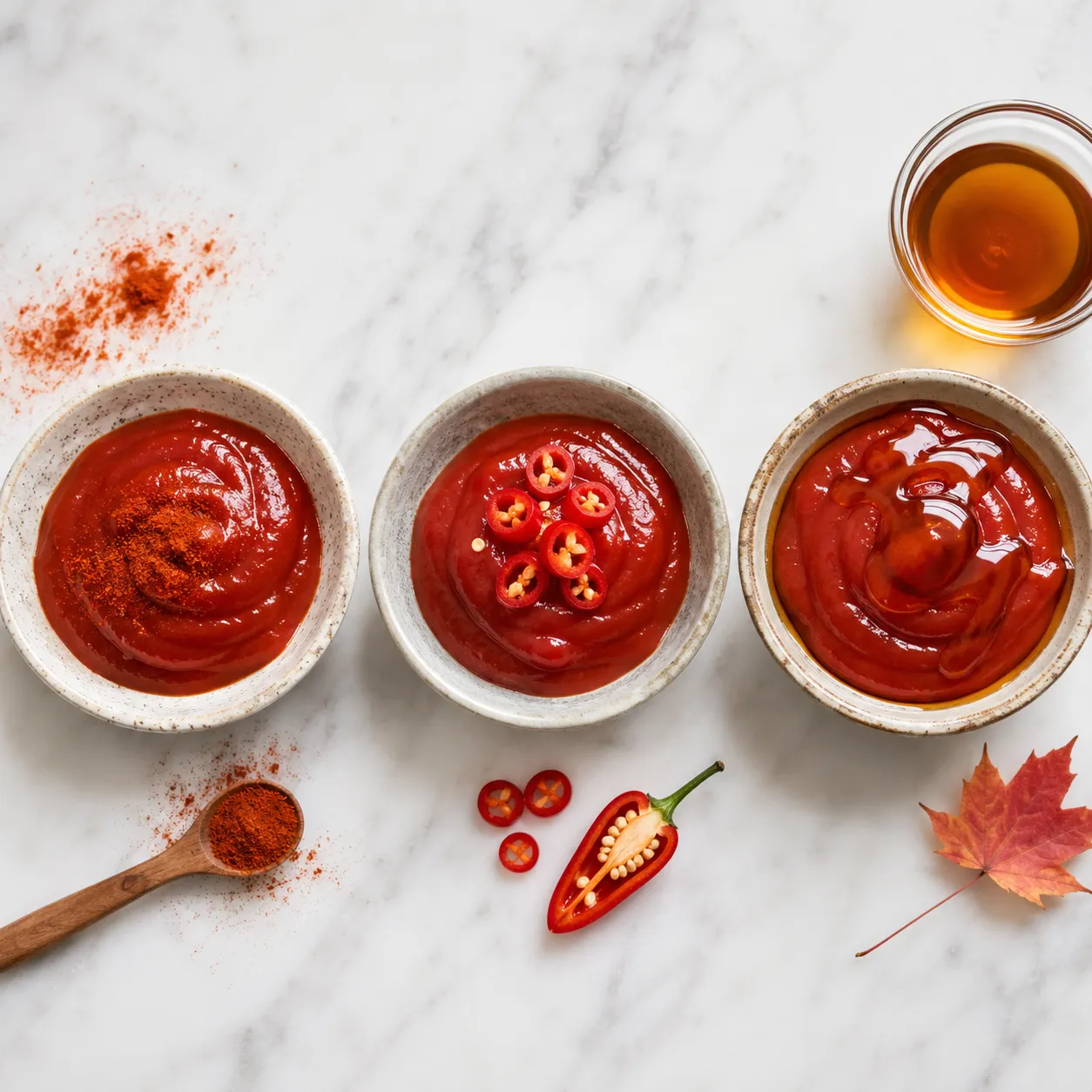
Beyond the basics, this ketsjup is fantastic stirred into meatloaf and brushed across the top in the last 15 minutes of baking. It glazes chicken thighs and salmon beautifully, especially with a little soy sauce and brown sugar whisked in. I use it as the base for cocktail sauce (just add prepared horseradish and lemon), Russian dressing, and a quick weeknight sloppy joe sauce.
It's also worth keeping a small jar by the stove for breakfast. A spoonful next to scrambled eggs, hash browns, or a folded omelet is the kind of small luxury that makes a Tuesday morning feel a little more like brunch. Once you start thinking of it as a real ingredient instead of just a squeeze-bottle condiment, you'll find new uses every week.
Once you've made one batch, you'll have a hard time going back to the bottle. The flavor is brighter, the texture is thicker, and you'll always know exactly what's in your jar, no high-fructose corn syrup, no preservatives, just pantry ingredients you can pronounce. That's the real magic of this little ketsjup project.
Once you've made the base recipe, treat it like a launching pad. Small swaps create entirely different condiments, and most use ingredients you already have on hand.
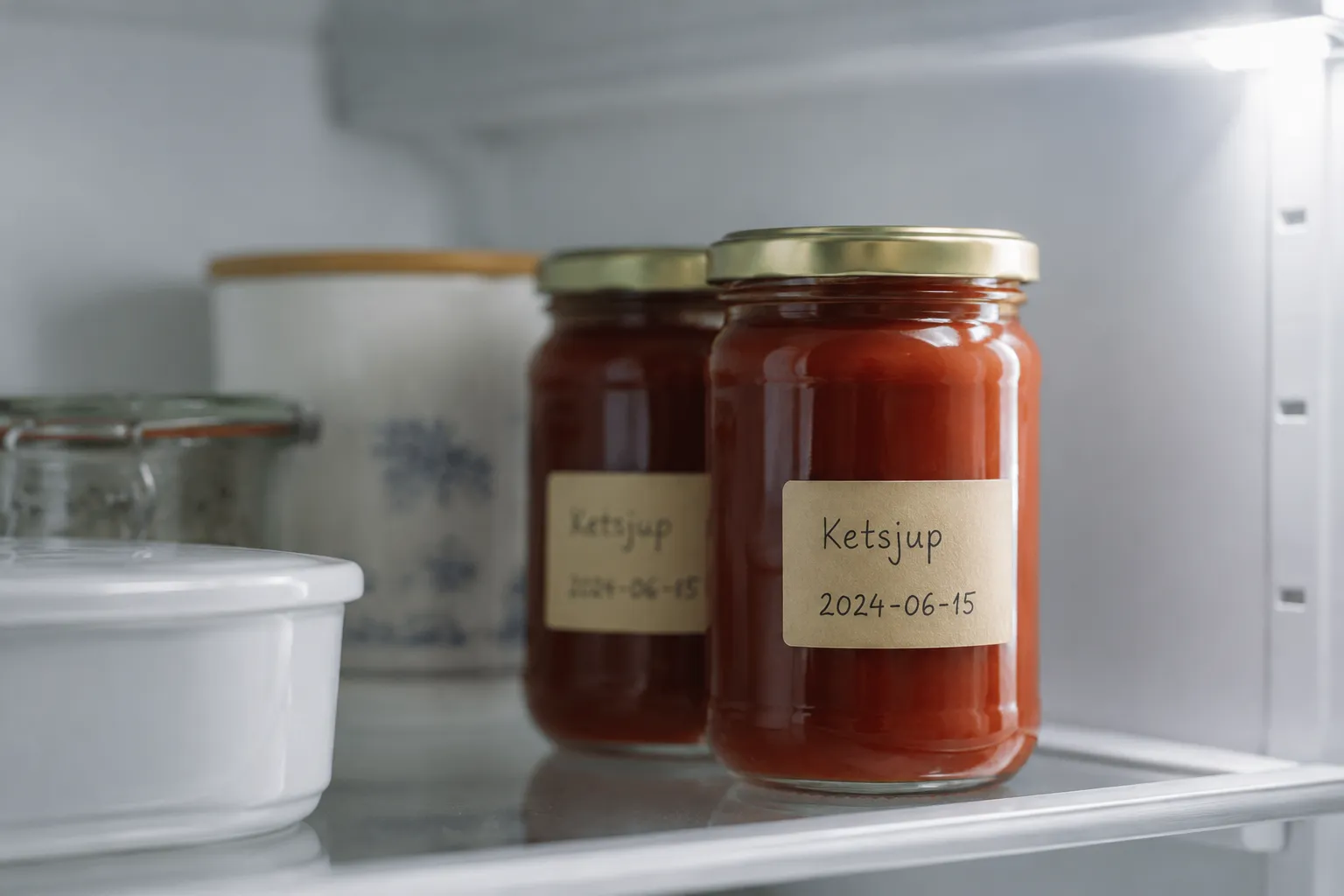
Cool the ketsjup completely, then transfer it to a clean glass jar or swing-top bottle with a tight-fitting lid. Stored in the refrigerator, it keeps beautifully for 3 to 4 weeks. The vinegar, salt, and sugar all act as natural preservatives, but because there are no commercial stabilizers, you'll want to use a clean spoon every time and keep the rim wiped down. Label the jar with the date so you don't have to guess.
For longer storage, freeze in small portions. I like silicone ice cube trays for one-tablespoon servings, perfect for stirring into sauces or glazes, then transfer the cubes to a freezer bag once solid. Frozen ketsjup keeps its flavor for up to 3 months. Thaw overnight in the fridge and give it a quick whisk before using, since it can separate slightly. Avoid water-bath canning unless you're following a tested, lab-verified recipe; the acid balance in homemade ketchup isn't always reliable enough for shelf-stable storage.
Hover any image and hit “Pin it” to save it to your Pinterest boards.