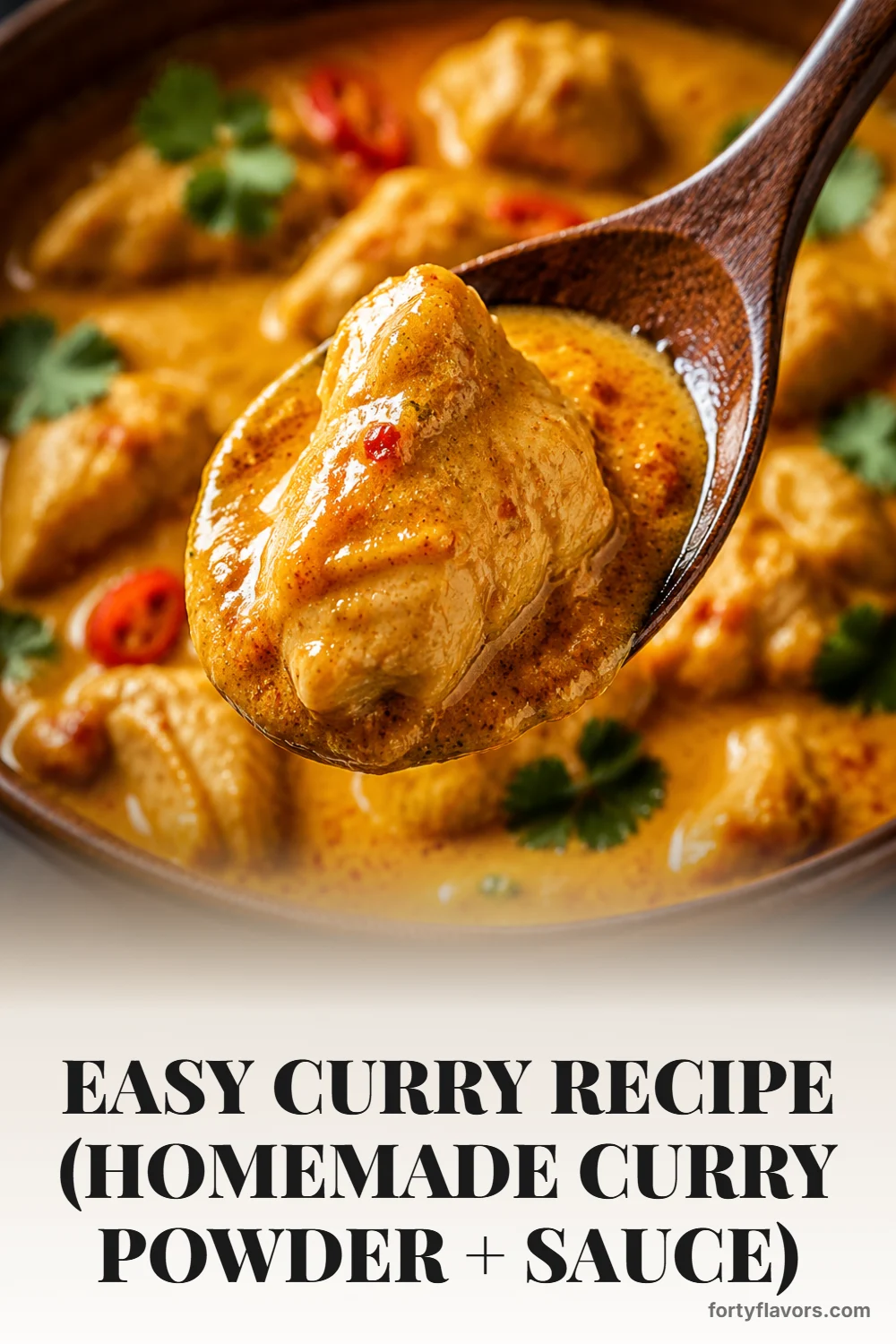
Easy Curry Recipe (Homemade Curry Powder + Sauce)
Ingredients
Scale
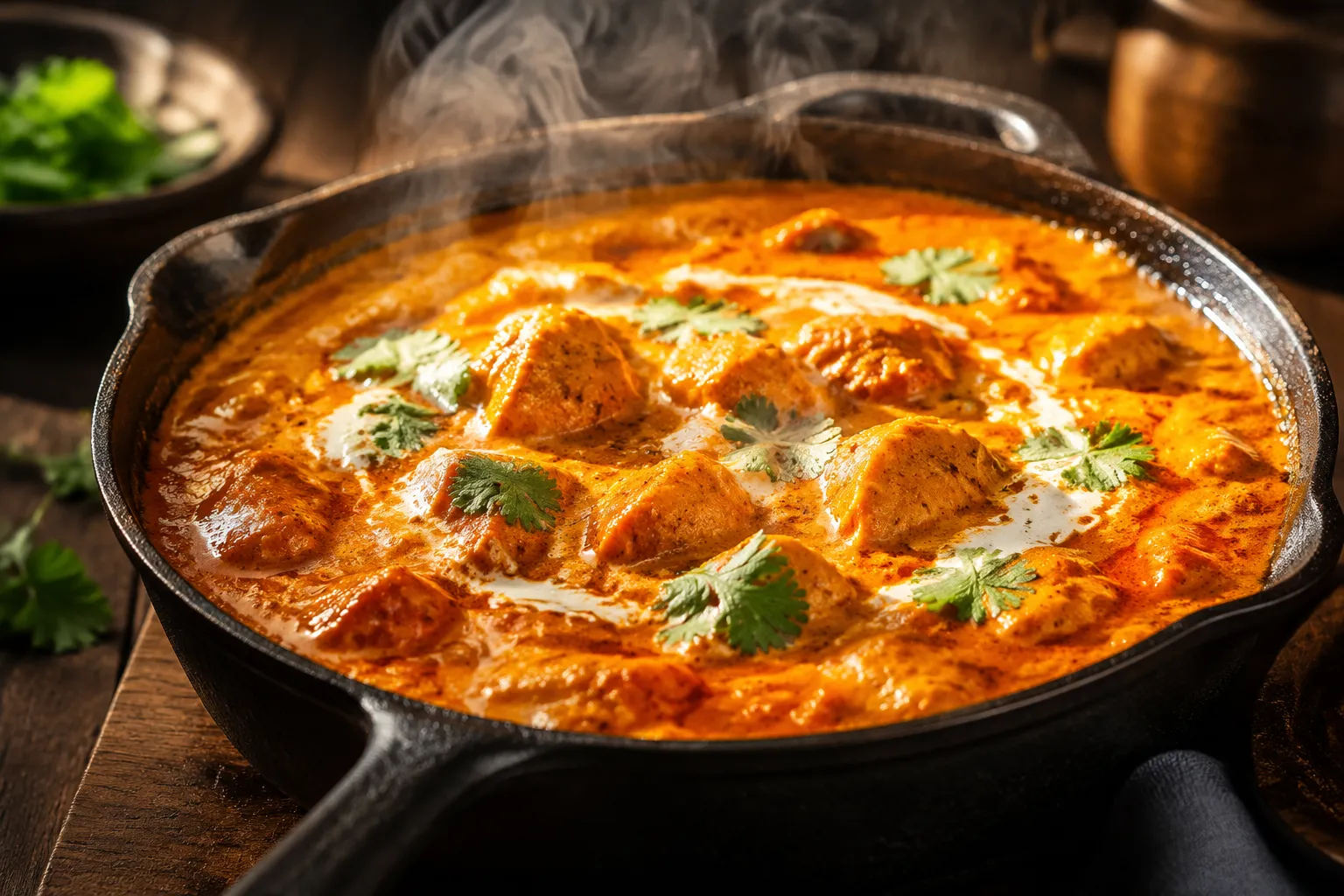
A foolproof curry recipe built on a from-scratch curry powder and a quick aromatic paste, simmered into a silky, restaurant-worthy sauce in under 40 minutes.
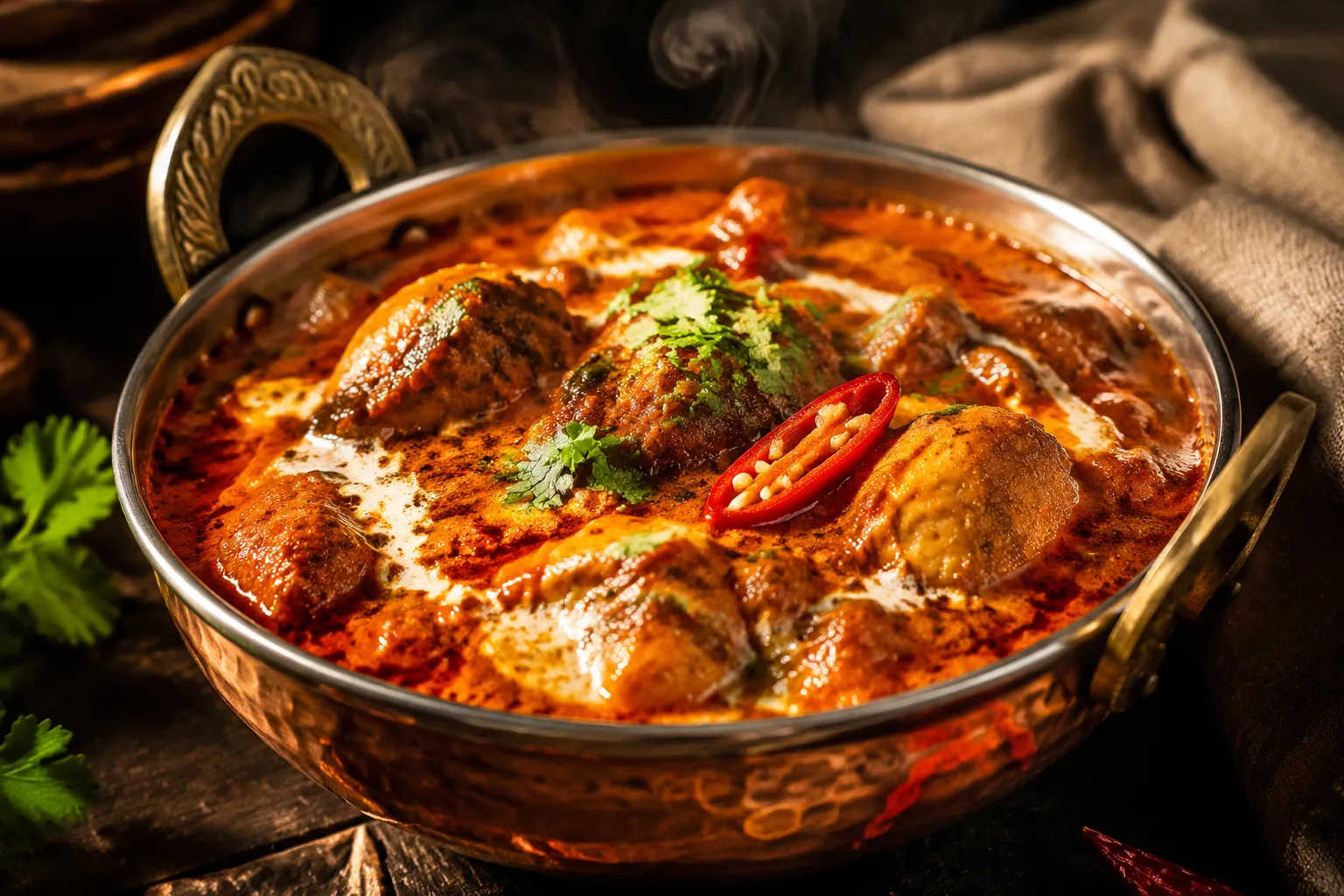
This curry recipe is the cozy, from-scratch dinner I make when I want something that tastes slow-simmered but still fits into a weeknight. It starts with a quick toasted spice blend, turns into a punchy aromatic paste, and finishes as a glossy golden-red sauce with tomato, coconut milk, and tender chicken or chickpeas. Think restaurant-style comfort, but with pantry spices, one pot, and about 40 minutes.
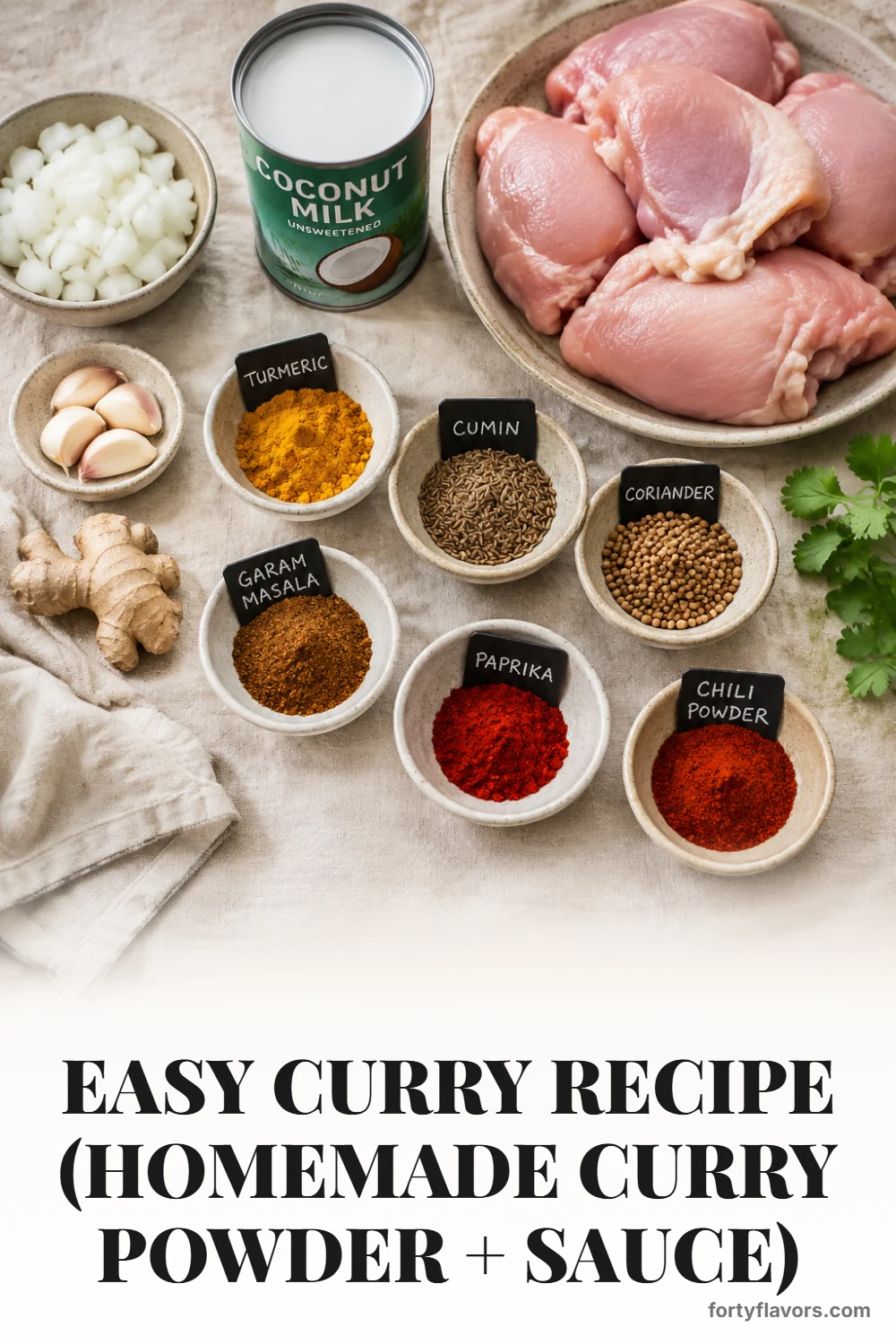
The magic here is the two-layer flavor build: first, a homemade curry powder with warm coriander, cumin, turmeric, paprika, cardamom, cinnamon, black pepper, and cayenne; then a fast curry paste recipe made with onion, garlic, ginger, and tomato paste. That combination gives the sauce depth without asking you to simmer it all afternoon. Serve it over fluffy basmati rice with warm naan, a squeeze of lime, and a shower of cilantro, and dinner feels instantly special.
Curry is less a single dish and more a wide, delicious family of saucy, spiced dishes found across South Asia, Southeast Asia, the Caribbean, and beyond. In many Indian kitchens, you will not necessarily hear every dish called curry, but the term has become a useful shorthand for a richly seasoned sauce built with spices, aromatics, and a main ingredient like chicken, lentils, chickpeas, paneer, or vegetables. This version leans Indian-inspired, with a tomato-coconut base and warm ground spices, rather than a Thai-style paste heavy with lemongrass, galangal, and fresh herbs.
The difference between curry powder and paste is simple but important. Curry powder is a dry blend of ground spices; it brings warmth, color, and structure. Curry paste folds those spices together with wet aromatics like garlic, ginger, onion, chiles, and oil, creating a fresher, more concentrated base that blooms beautifully in a hot pan. When you use both, you get the roundness of a curry spice recipe and the brightness of freshly blended aromatics.
If you are comparing an Indian curry recipe with a Thai one, look at the fat and flavor base. Indian-style sauces often begin with onions, ginger, garlic, tomatoes, and spices bloomed in oil or ghee, then finish with cream, yogurt, coconut milk, or broth. Thai curries typically start with a prepared paste fried in coconut cream, then build around fish sauce, palm sugar, herbs, and vegetables. Both are wonderful; this one is all about toasted spices, silky tomato, and a spoon-coating coconut curry sauce.
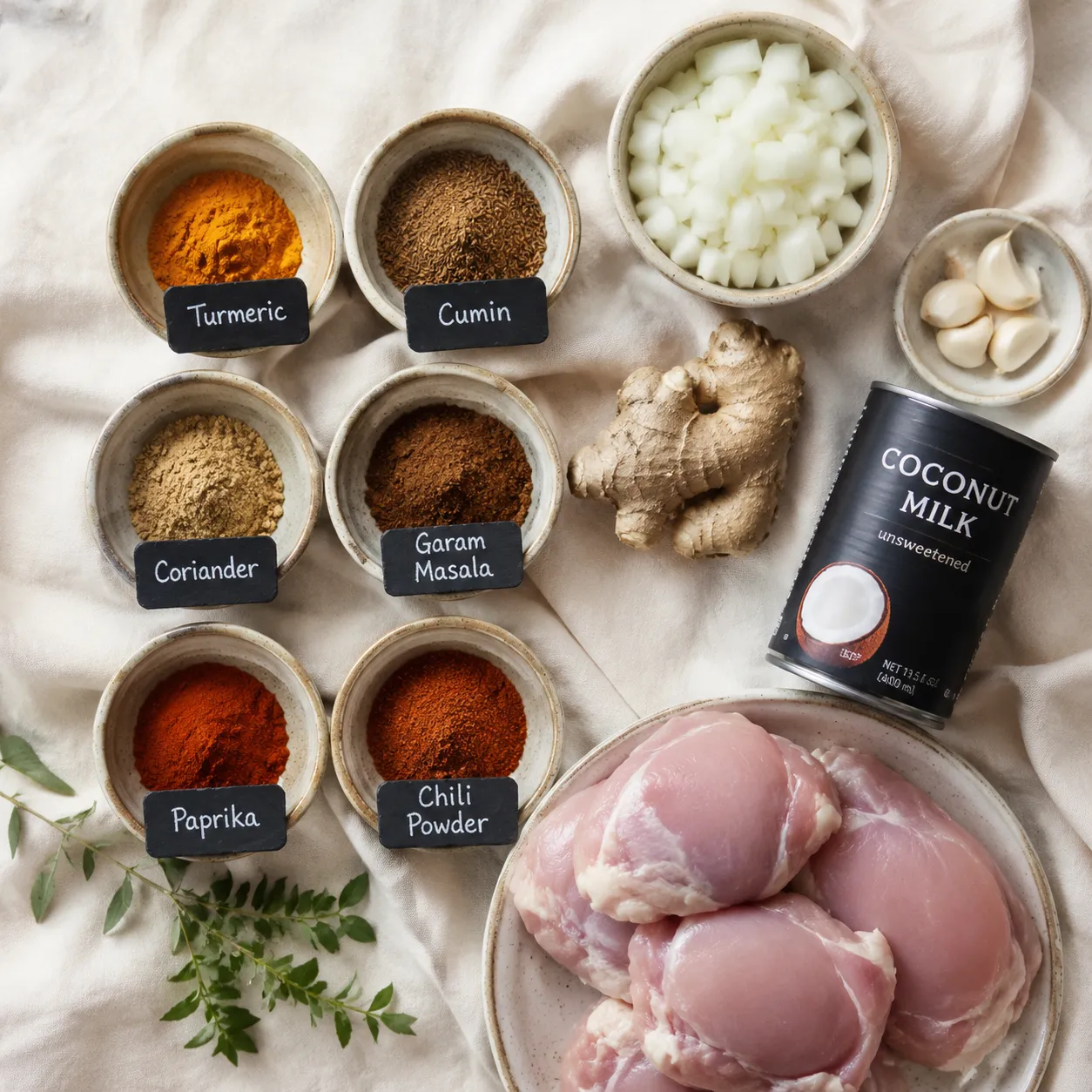
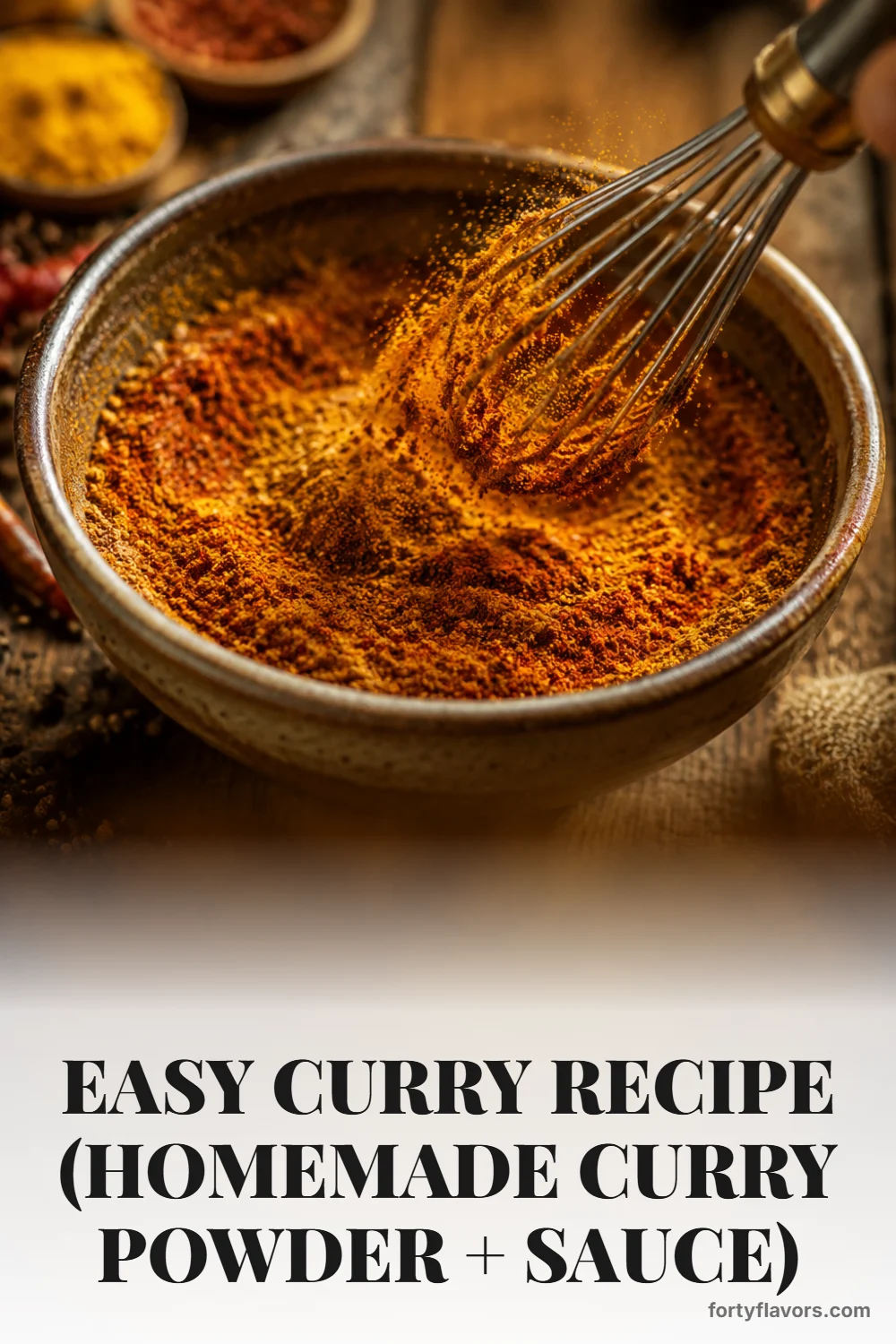
The spice blend is the heartbeat of this dish. Coriander gives citrusy warmth, cumin adds earthiness, turmeric brings its signature golden color, paprika rounds everything with gentle sweetness, and cardamom and cinnamon add just enough fragrance to make the kitchen smell incredible. A pinch of cayenne is optional but lovely if you want mild heat. If you already have ground spices, you can still make the blend quickly, but toasting whole coriander, cumin, cardamom, and cinnamon first gives the most vivid aroma.
The aromatic base is what transforms a simple curry powder recipe into a sauce that tastes layered and alive. Onion gives sweetness, garlic adds savoriness, and fresh ginger brings brightness and a little heat. Tomato paste gets cooked until it darkens, which deepens the sauce and removes any raw edge. A spoonful of garam masala near the end adds a final warm, perfumed finish without overpowering the toasted blend.
For the sauce, crushed tomatoes create body, broth loosens everything into a spoonable simmer, and full-fat coconut milk makes the texture lush and velvety. Boneless chicken thighs are my favorite because they stay tender, but chickpeas make an excellent pantry-friendly swap. Finish with lime and cilantro so the sauce tastes bright instead of heavy.
Toasting the spices is a small step with a huge payoff. Heat a dry skillet over medium heat, add the whole spices, and shake the pan until they smell nutty and fragrant. You are not trying to char them; you just want the essential oils to wake up. Once toasted, let them cool briefly before grinding so they do not steam inside the grinder.
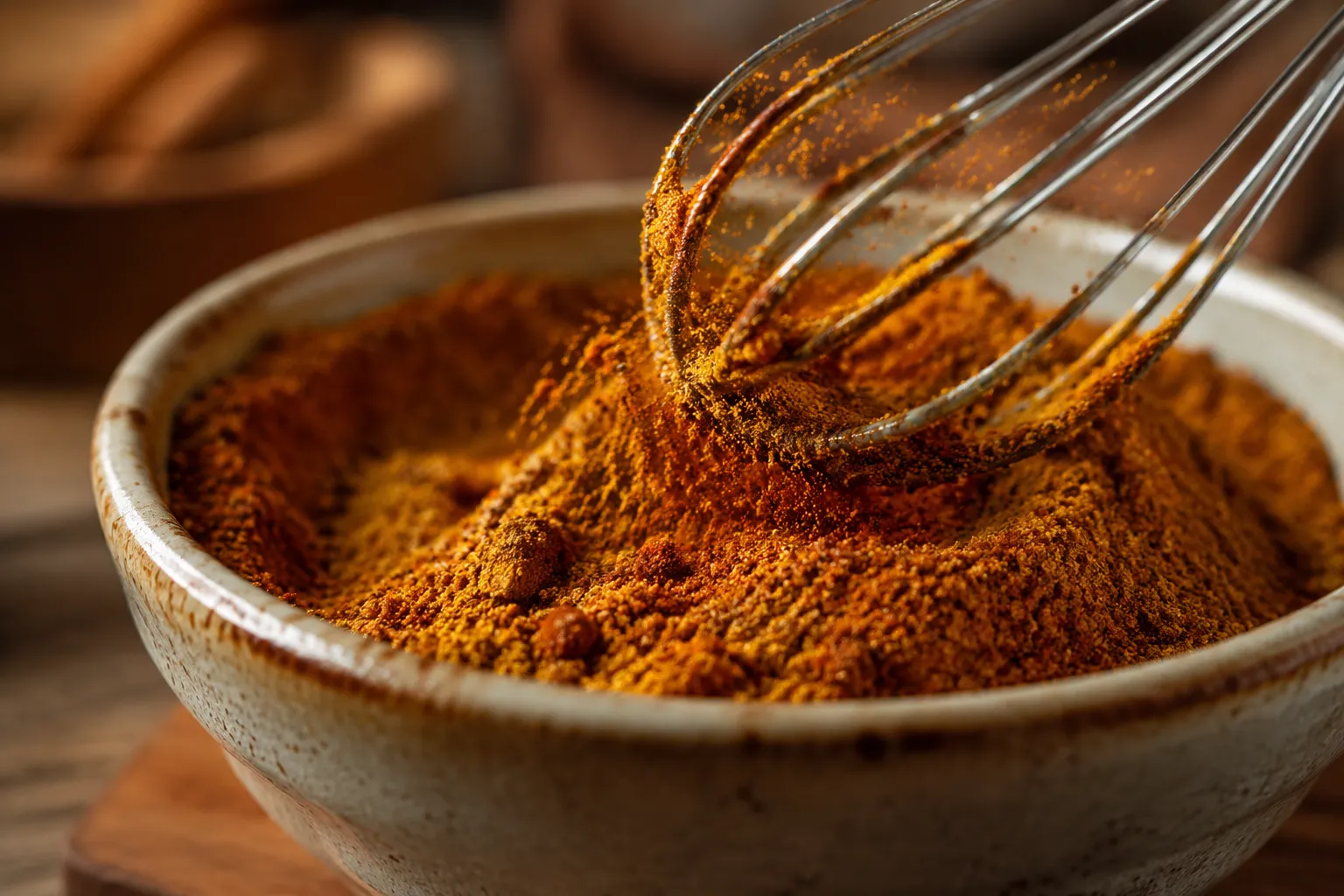
A small spice grinder, coffee grinder dedicated to spices, or mortar and pestle all work. After grinding, stir in turmeric, paprika, black pepper, and cayenne. The finished blend should smell warm, earthy, and a little sweet, with enough brightness to cut through the richness of the sauce. This homemade curry powder is more vibrant than most jars from the back of the pantry, and any extra can be saved for roasted vegetables, lentil soup, or quick weeknight marinades.
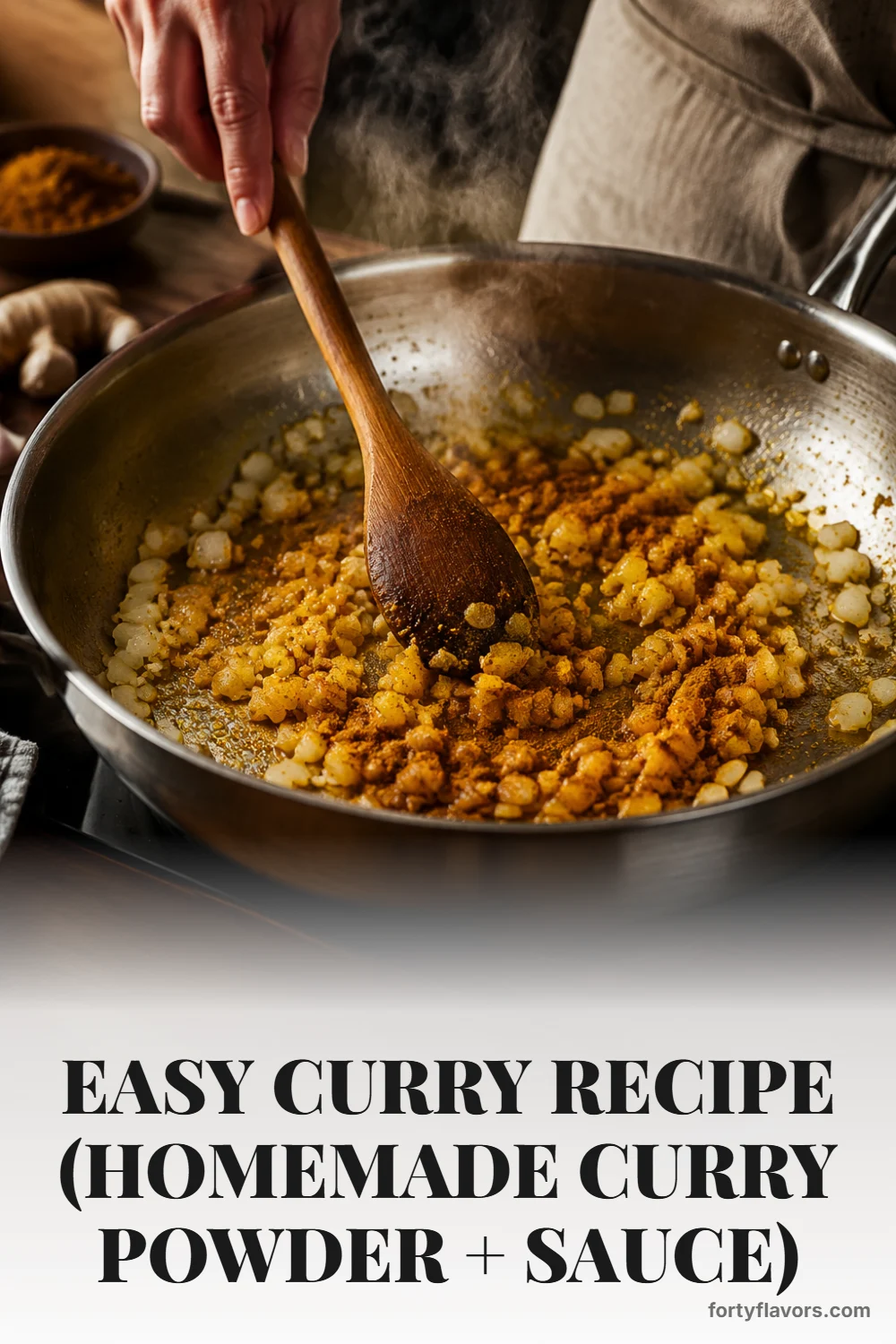
Once the spices are ready, the paste comes together quickly. Add the onion, garlic, ginger, tomato paste, a splash of oil, and a spoonful of the spice blend to a small food processor, then pulse until you have a thick orange-red paste. It does not need to be perfectly smooth; a little texture gives the finished sauce character. If you do not have a food processor, grate the garlic and ginger, finely mince the onion, and stir everything together by hand.
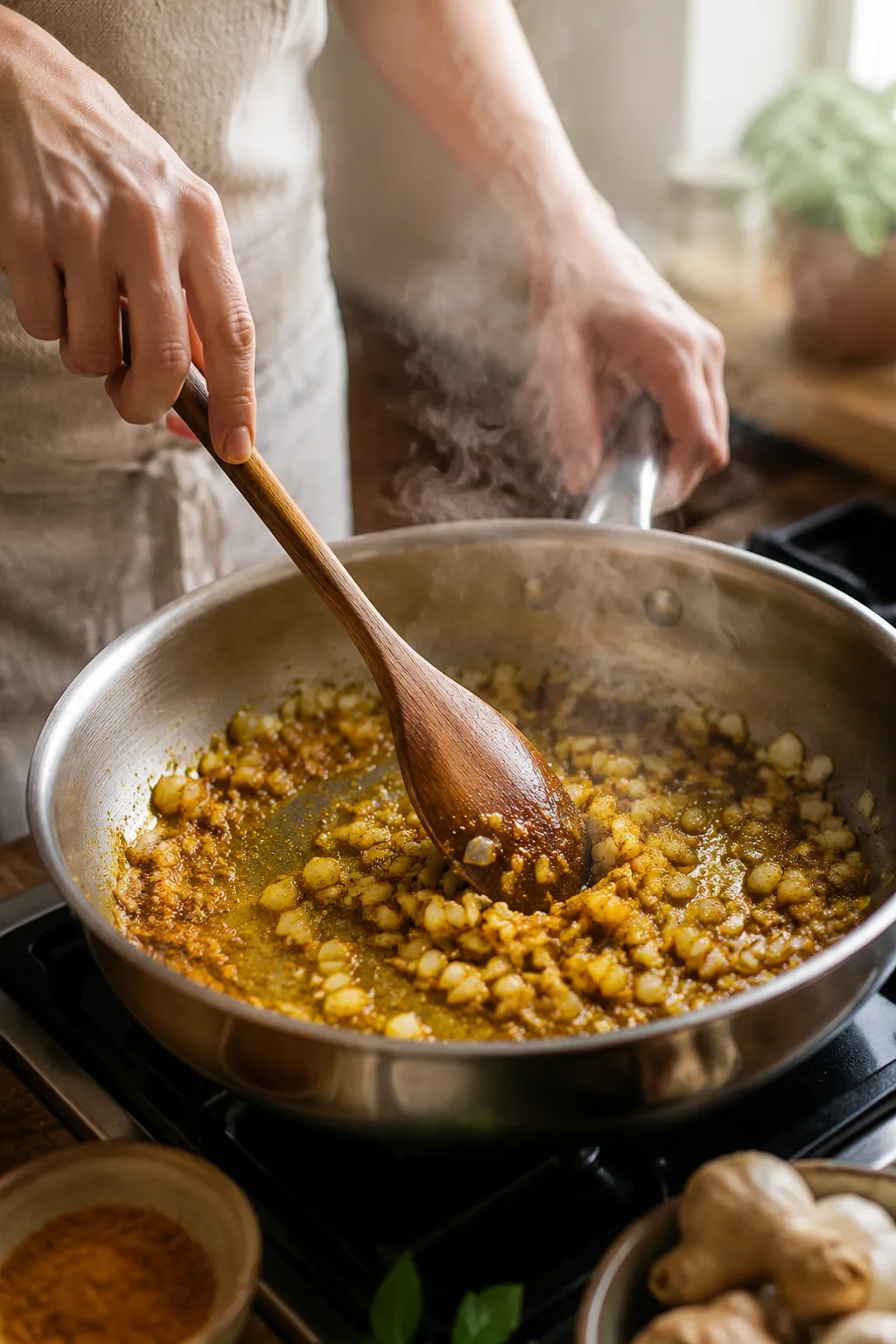
Start by heating oil and ghee in a Dutch oven or heavy skillet. Add the curry paste and cook it until it darkens slightly, smells sweet and spicy, and begins to leave a thin film on the bottom of the pot. This is where the flavor concentrates, so resist the urge to rush. If the paste sticks aggressively, add a tablespoon of broth and keep stirring.
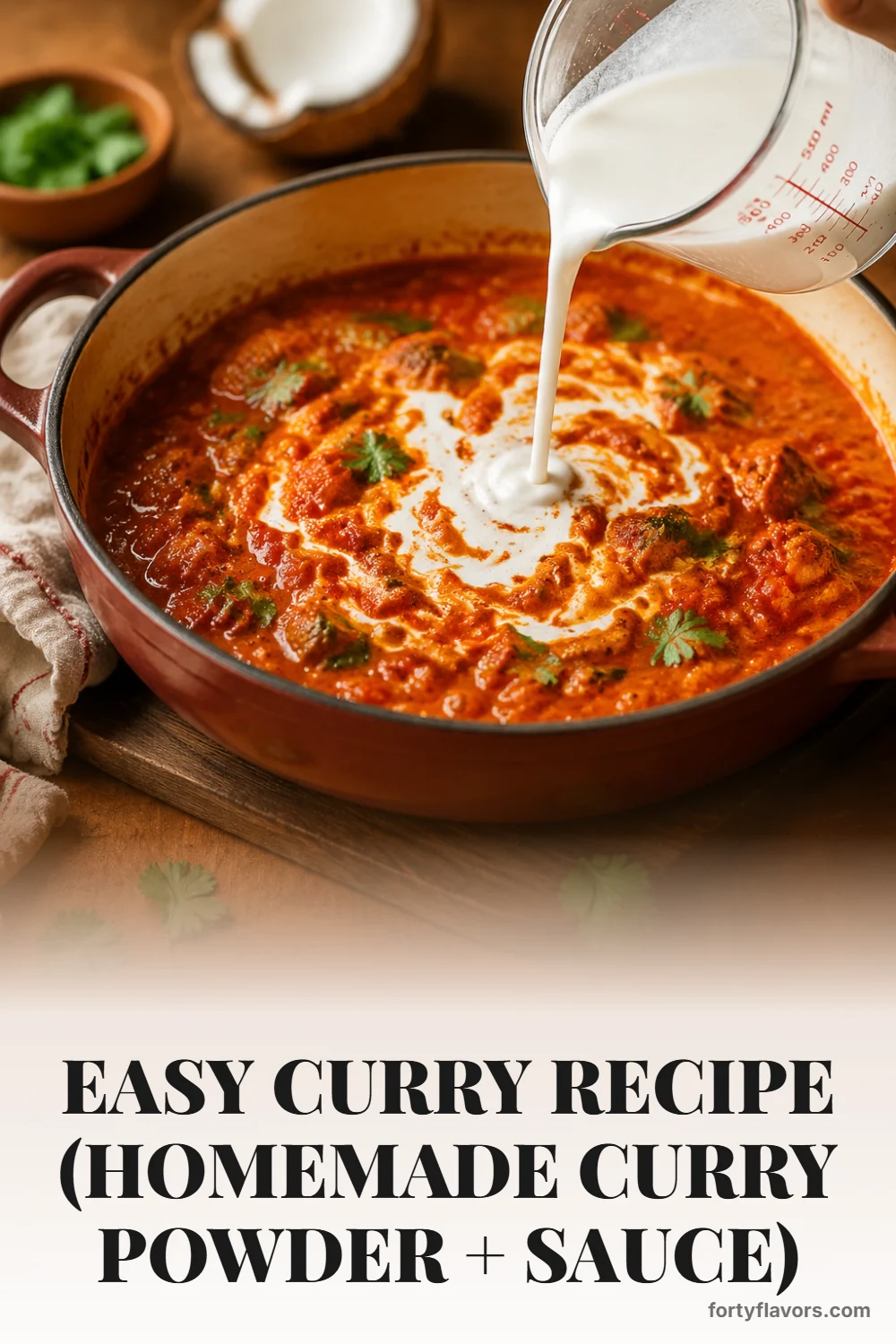
Next, stir in the crushed tomatoes and let them bubble for a few minutes. The tomato will soften the intensity of the spices and create that deep brick-red base. Pour in the broth, then add the coconut milk and stir until the sauce turns glossy and orange-gold. This is the moment when it starts to look like the kind of curry sauce you want to scoop up with naan.
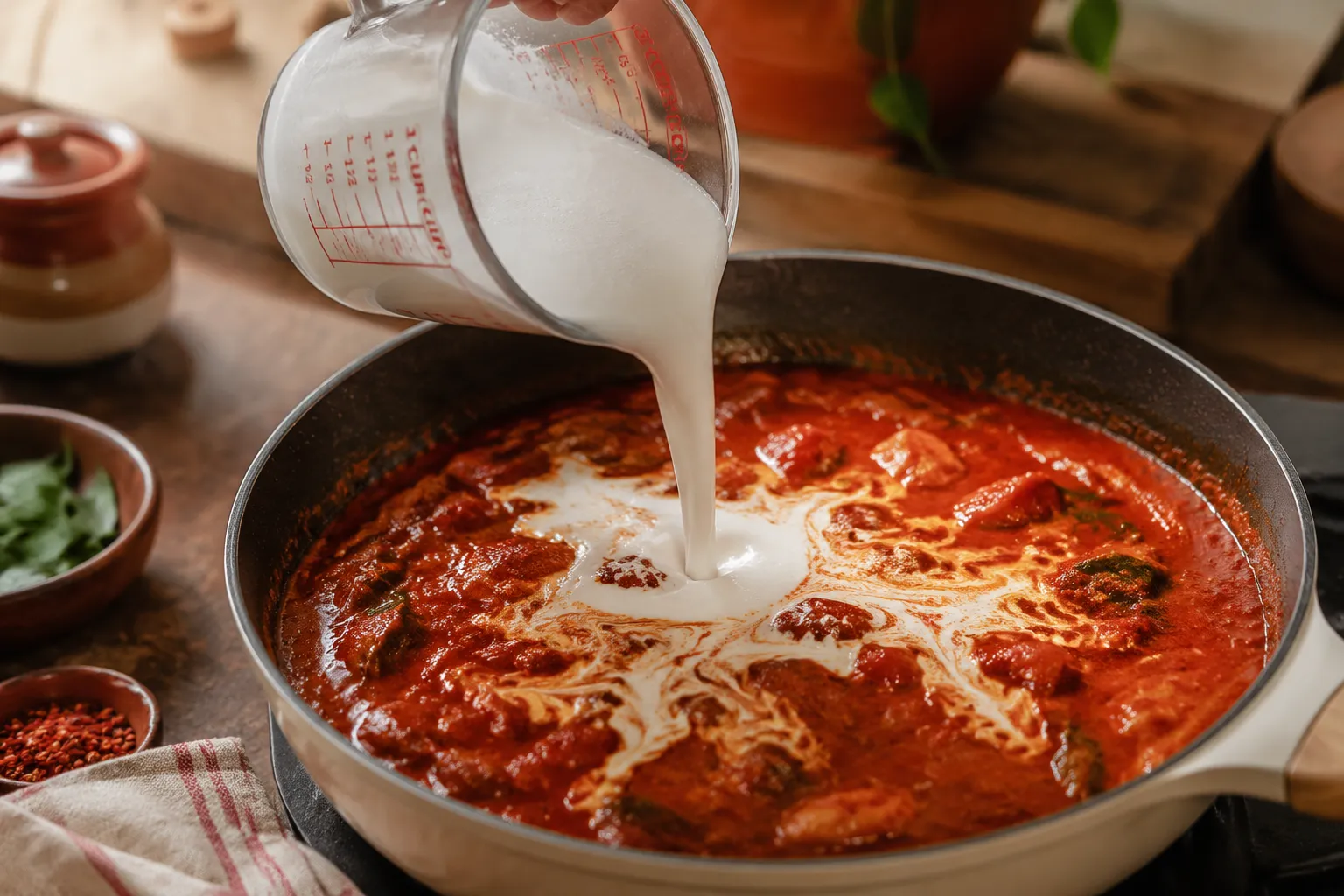
Add the chicken pieces or chickpeas once the sauce is simmering gently. Keep the heat at a steady low bubble, not a hard boil, so the protein cooks evenly and the coconut milk stays smooth. Chicken thighs usually cook through in about 12 to 15 minutes, while chickpeas simply need time to warm through and absorb flavor. Stir occasionally, scraping the bottom of the pot so nothing catches.
Finish the pot with garam masala, lime juice, and chopped cilantro. Taste and adjust with salt, more lime, or a pinch of cayenne depending on what the sauce needs. A great curry should taste balanced: savory, gently sweet from the coconut and tomato, warmly spiced, and just bright enough at the end.

Chicken thighs are the easiest route to a juicy, forgiving dinner because they can simmer without drying out. Cut them into bite-size pieces so they cook quickly and soak up plenty of sauce. If you prefer chicken breast, reduce the simmer time and watch closely, since lean meat can become firm if overcooked. For extra richness, brown the chicken lightly before adding the paste, then remove it and return it to the sauce later.
Chickpeas make this dish hearty, budget-friendly, and beautifully simple. Drain and rinse two cans, then simmer them in the sauce until they are creamy inside and coated in spice. Cauliflower florets, cubed sweet potato, peas, spinach, green beans, or carrots can all join the pot depending on what you have. Add firm vegetables earlier so they can soften, and quick-cooking greens at the very end so they stay bright.
This is also a lovely place to use tofu or paneer. Pan-sear cubes first for golden edges, then fold them into the finished sauce so they keep their shape. If using paneer, add it during the last few minutes; if using tofu, press it well so it can absorb flavor rather than watering down the pot. The sauce is the anchor, which means the add-ins can flex with your fridge.
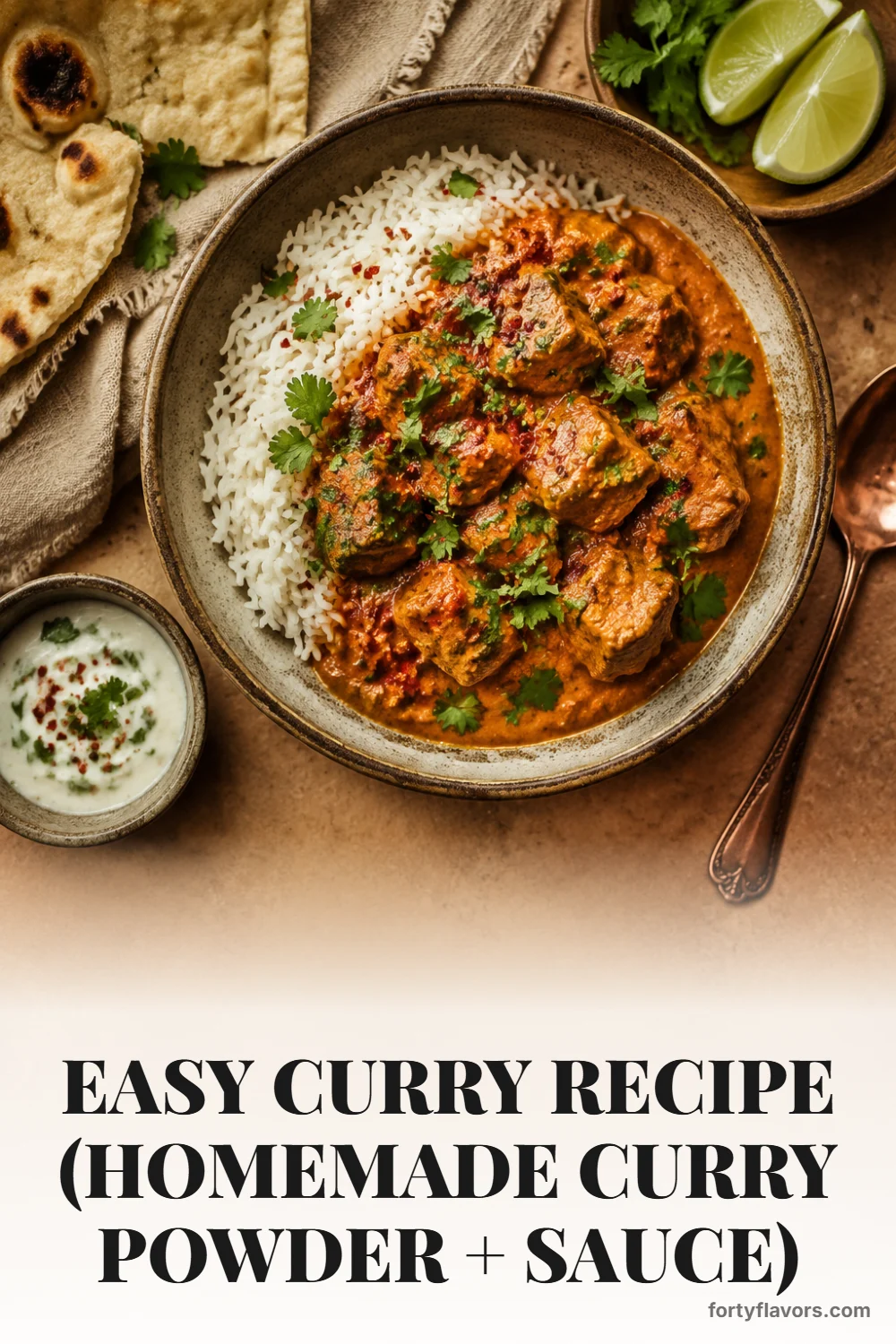
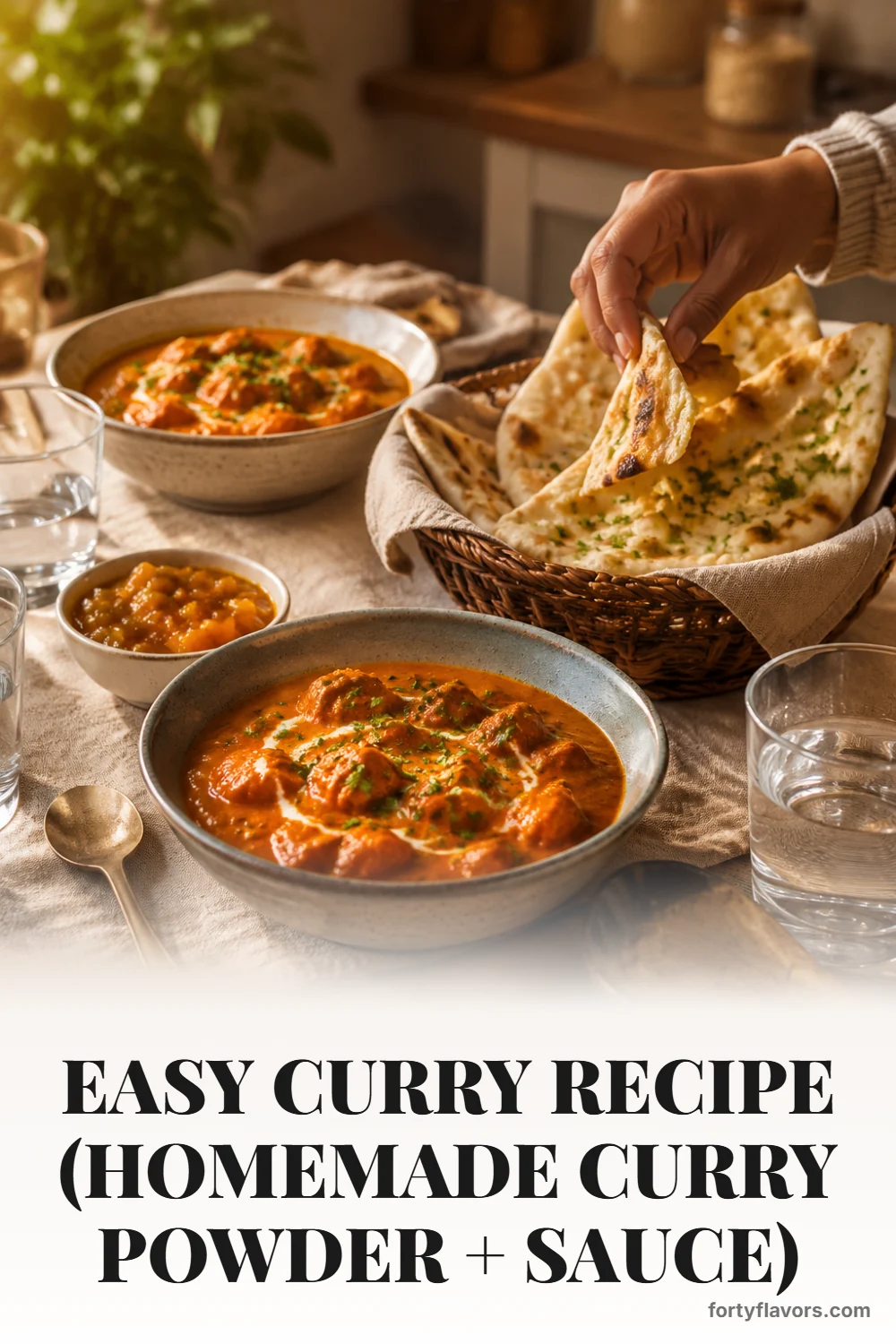
The classic bowl is simple: a generous ladle of curry over hot basmati rice with cilantro, lime, and a piece of naan tucked alongside. Rice catches every bit of sauce, while bread gives you the joy of swiping through the glossy edges of the bowl. A spoonful of yogurt or raita is wonderful if you want something cool and tangy. Mango chutney, pickled onions, or sliced cucumbers add contrast without much effort.
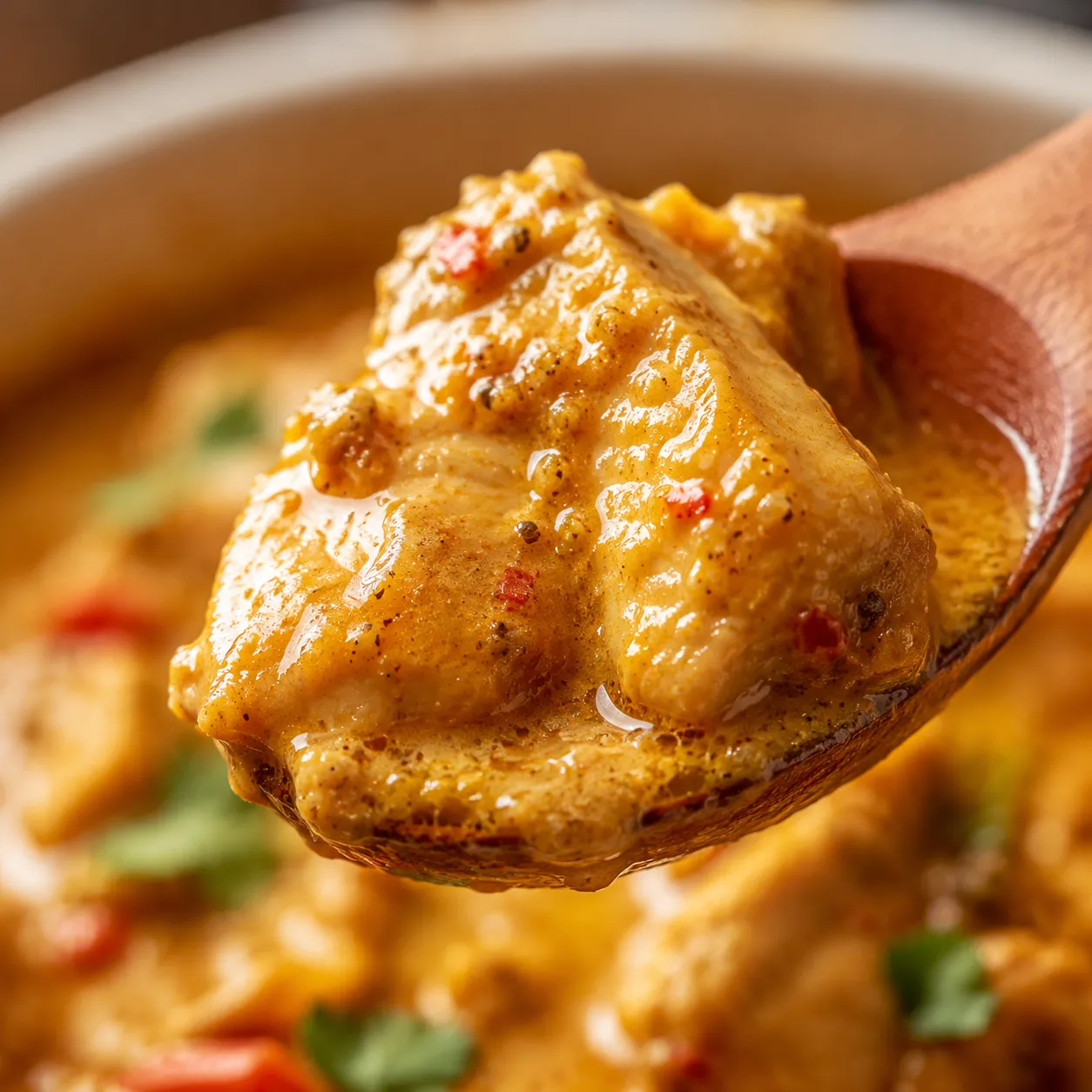
For a slightly lighter spread, pair the curry with roasted cauliflower, a crisp cucumber salad, or sautéed greens. If you are feeding a group, set out bowls of toppings so everyone can finish their plate the way they like: extra cilantro, lime wedges, sliced chiles, toasted cashews, or a drizzle of coconut cream. The sauce is rich enough to feel celebratory, but the sides can be as simple or as elaborate as the night allows.
Leftover sauce also makes a fantastic next-day lunch. Spoon it over rice, tuck it into a warm flatbread, or thin it with a splash of broth for a quick curry soup. The flavors continue to settle as it rests, which is one of the reasons this dish is so meal-prep friendly. If you like planning ahead, make the spice blend on the weekend and the full dinner comes together even faster.
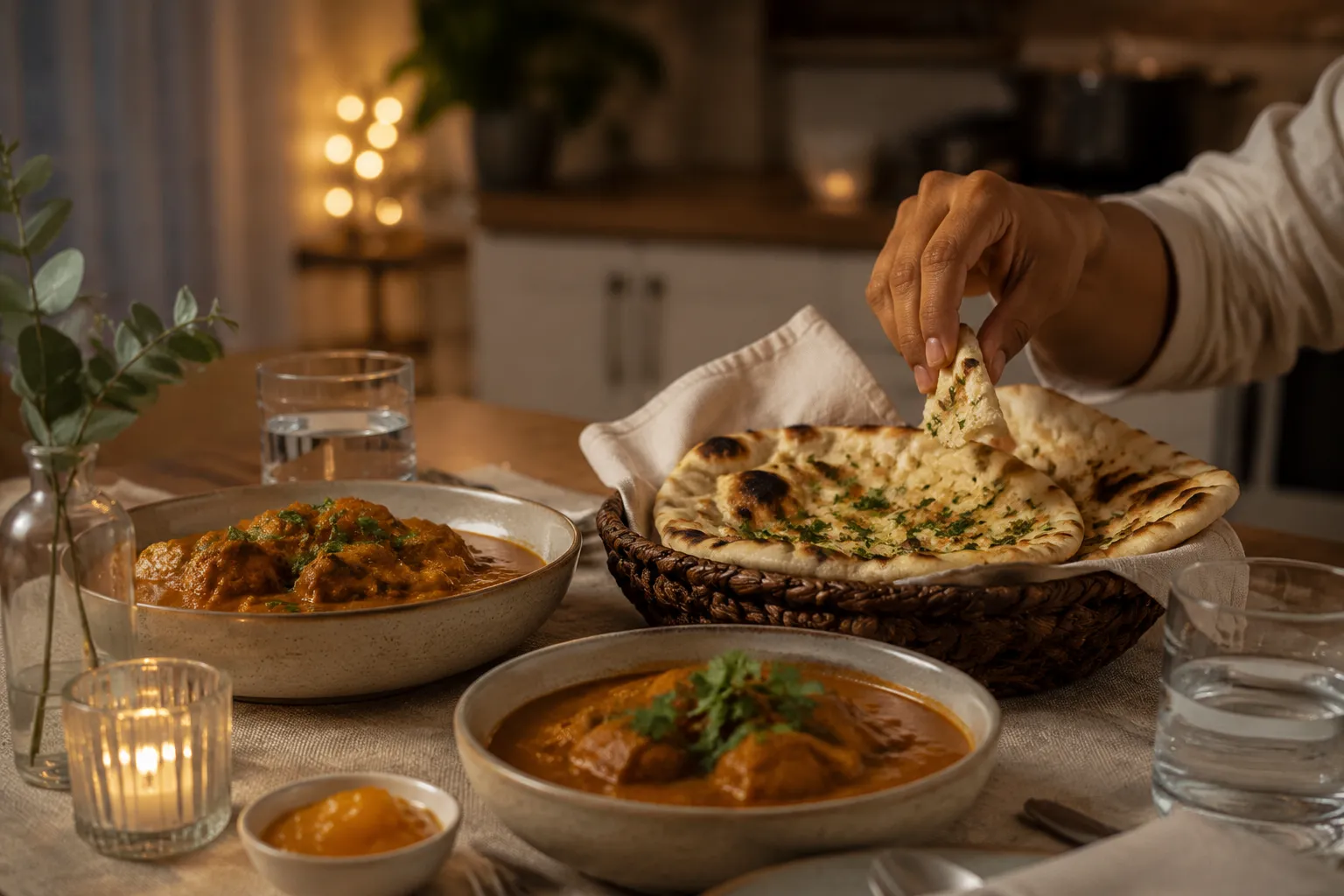
What makes this method special is that it teaches the whole arc: the dry spice blend, the fresh paste, and the finished sauce. You are not relying on a single jar to do all the work, but you are also not committing to a complicated project. Each layer has a job, and together they create a sauce that tastes round, fragrant, and deeply comforting. Once you learn the rhythm, you can adapt it to whatever protein, vegetables, or level of heat you love.
This curry recipe is weeknight-friendly, but it has enough depth for a Sunday dinner with friends. The homemade curry powder brings warmth, the paste brings freshness, and the coconut-tomato sauce ties it all together in one silky pot. Make it once as written, then start adjusting it to your taste. That is the joy of a great curry: it gives you structure, then invites you to make it your own.
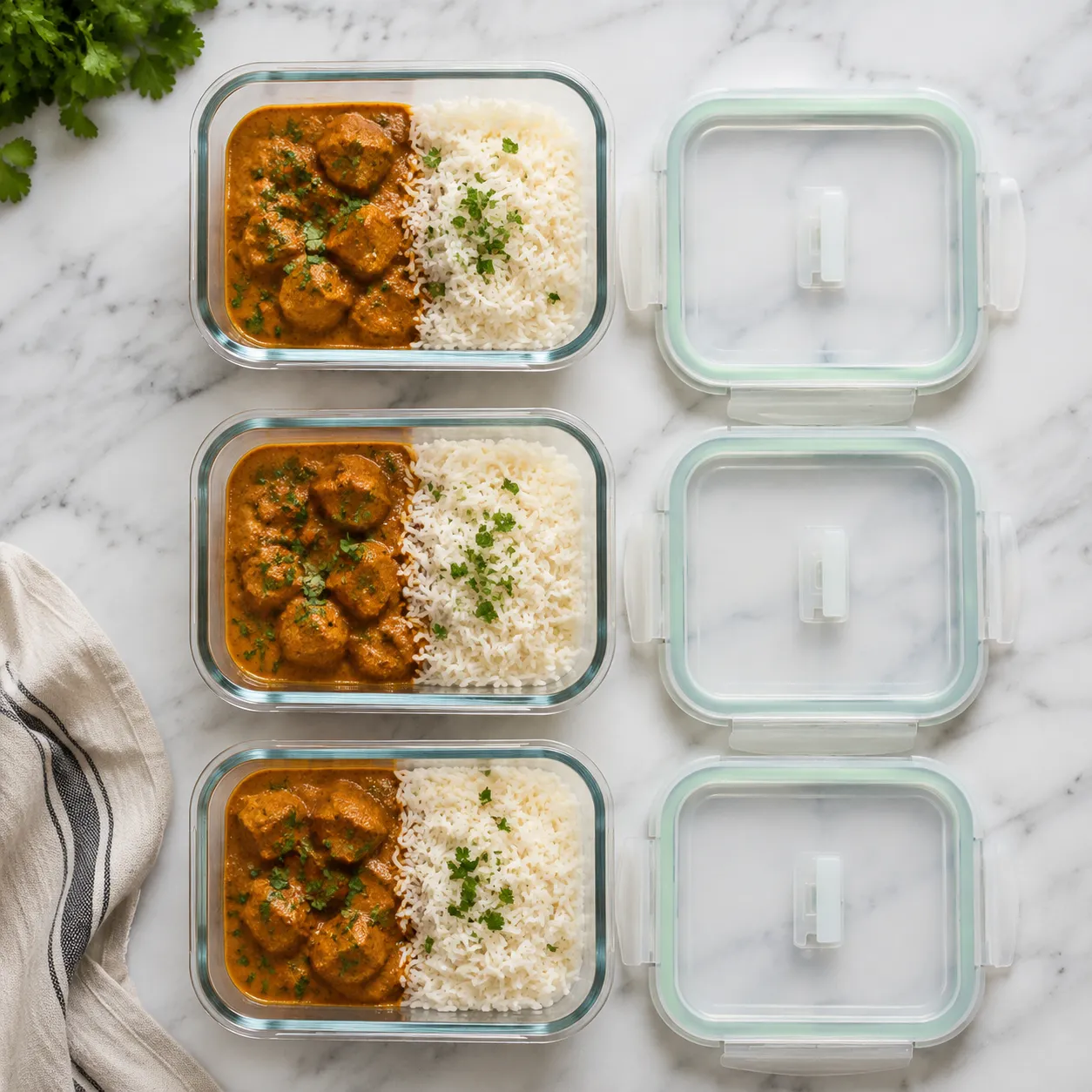
Let leftover curry cool completely, then transfer it to airtight containers and refrigerate for up to 4 days. The flavor deepens as it sits, making it excellent for meal prep. Freeze portions for up to 3 months, ideally without rice for the best texture, though rice-and-curry lunch containers can also be frozen in a pinch.
To reheat, thaw frozen curry overnight in the refrigerator if possible. Warm gently on the stovetop over medium-low heat, adding a splash of broth, water, or coconut milk to loosen the sauce. Avoid a hard boil, especially with coconut milk, so the sauce stays silky.
Hover any image and hit “Pin it” to save it to your Pinterest boards.