Coconut Cream: How to Use It (+ 3 Easy Recipes)
Ingredients
Scale
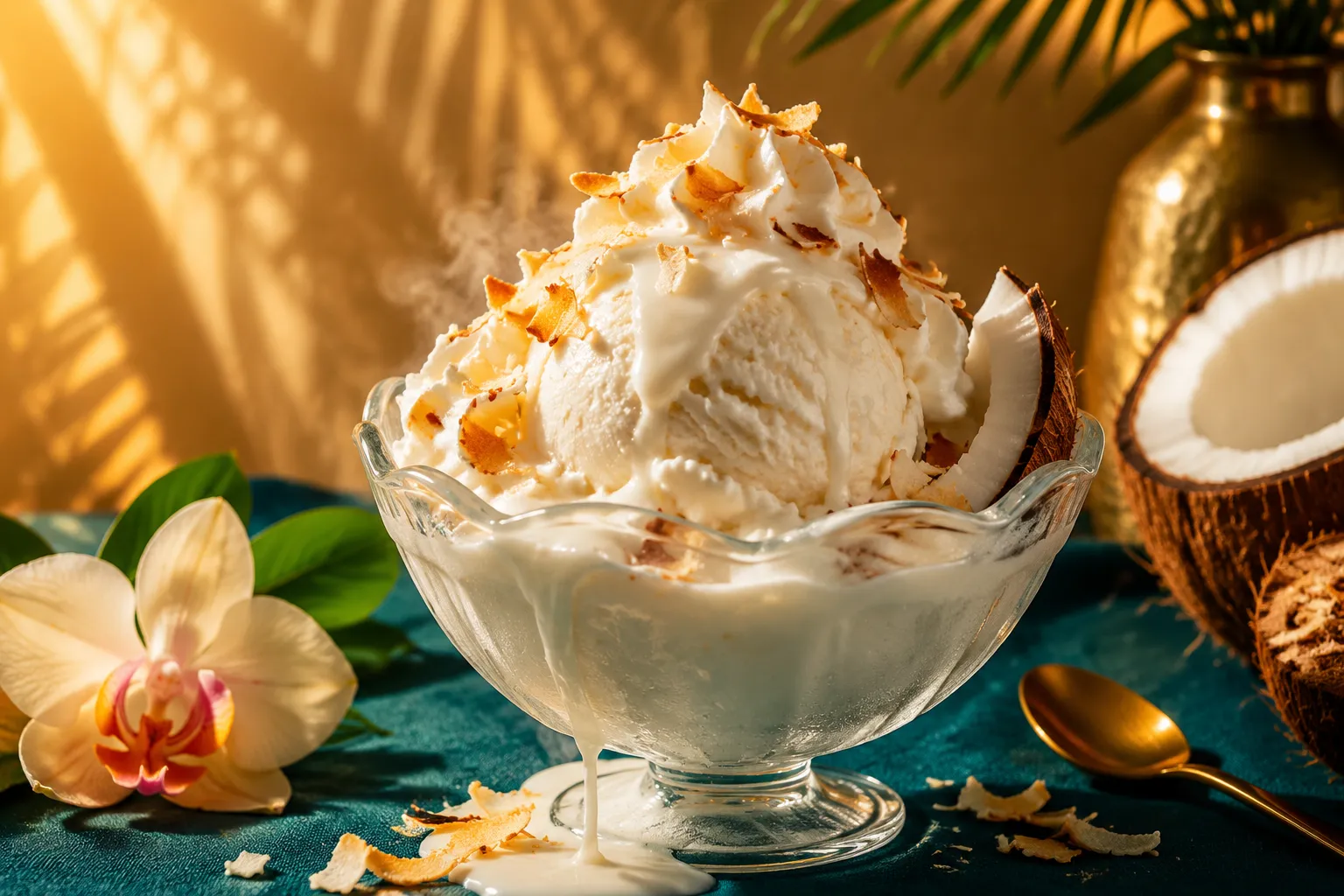
Coconut cream is the dairy-free secret to silky whipped toppings and scoopable ice cream. Here's exactly how to use it, plus three foolproof recipes.
coconut cream is one of those humble pantry staples that feels a little magical once you know what to do with it. With the right can and a little chilling time, it can turn into cloud-like topping, a silky dessert base, or the rich backbone of a weeknight curry.
If you’ve ever bought a can of full-fat coconut milk and wondered why only some brands whip while others stay stubbornly liquid, you’re in the right place. This guide walks through what coconut cream is, how to buy it, how to store it, and two desserts you’ll want to make on repeat: coconut whipped cream and no-churn coconut ice cream.
And because this is meant to be your one-stop resource, we’re not stopping at dessert. You’ll also find practical ways to use it in savory recipes, plus troubleshooting tips so your next batch of whipped coconut cream is as fluffy as you hoped.
At its simplest, coconut cream is the thick, rich, high-fat portion of coconut milk. It’s made from coconut flesh and water, but with much less liquid than standard coconut milk, which gives it that lush, spoonable texture home cooks love. In the can, it often separates naturally, with a firm white layer on top and a thinner liquid underneath. That separation is a feature, not a flaw.
Because it has so much more fat and less water than regular coconut milk, it behaves differently in recipes. That extra richness is what makes coconut whipped cream hold its shape and gives coconut ice cream a creamy, almost custard-like body without any dairy. If you’re shopping for a dairy-free dessert, this ingredient is the shortcut that delivers the best texture with very little effort.
Coconut milk is thinner and usually used for soups, curries, and sauces where you want coconut flavor but not the same heaviness. Coconut cream is thicker, more concentrated, and better suited to whipping or freezing into desserts. You can think of coconut cream as the decadent cousin of coconut milk.
When a recipe calls for whipped topping, always check that the can is actually labeled full-fat coconut milk or coconut cream. Light versions simply don’t have the body needed for good structure. If you want that creamy finish on pies, brownies, or fresh fruit, you need the richer stuff.
These two are not interchangeable. Cream of coconut is sweetened and usually used in cocktails or tropical drinks, while coconut cream is unsweetened and versatile. For most desserts, especially anything from a coconut whipped cream recipe to frostings, cream of coconut will make things overly sweet and can affect texture.
Always read the label carefully. A good can should list coconut and maybe water, with minimal extras. If the ingredient list starts looking like a science project, keep moving.
Commercial coconut cream is produced by blending coconut flesh with water, then pressing and separating the thicker fat-rich portion from the thinner liquid. Depending on the brand, some cans include stabilizers to prevent separation, while others are more natural and separate readily in the fridge. That’s why one can may whip beautifully and another may refuse to cooperate.
The ideal can for dessert work is usually simple, rich, and with a high fat content. That’s especially true if you’re planning a whipped coconut cream topping or a frozen treat. The better the starting texture, the more likely you are to get a dreamy result. 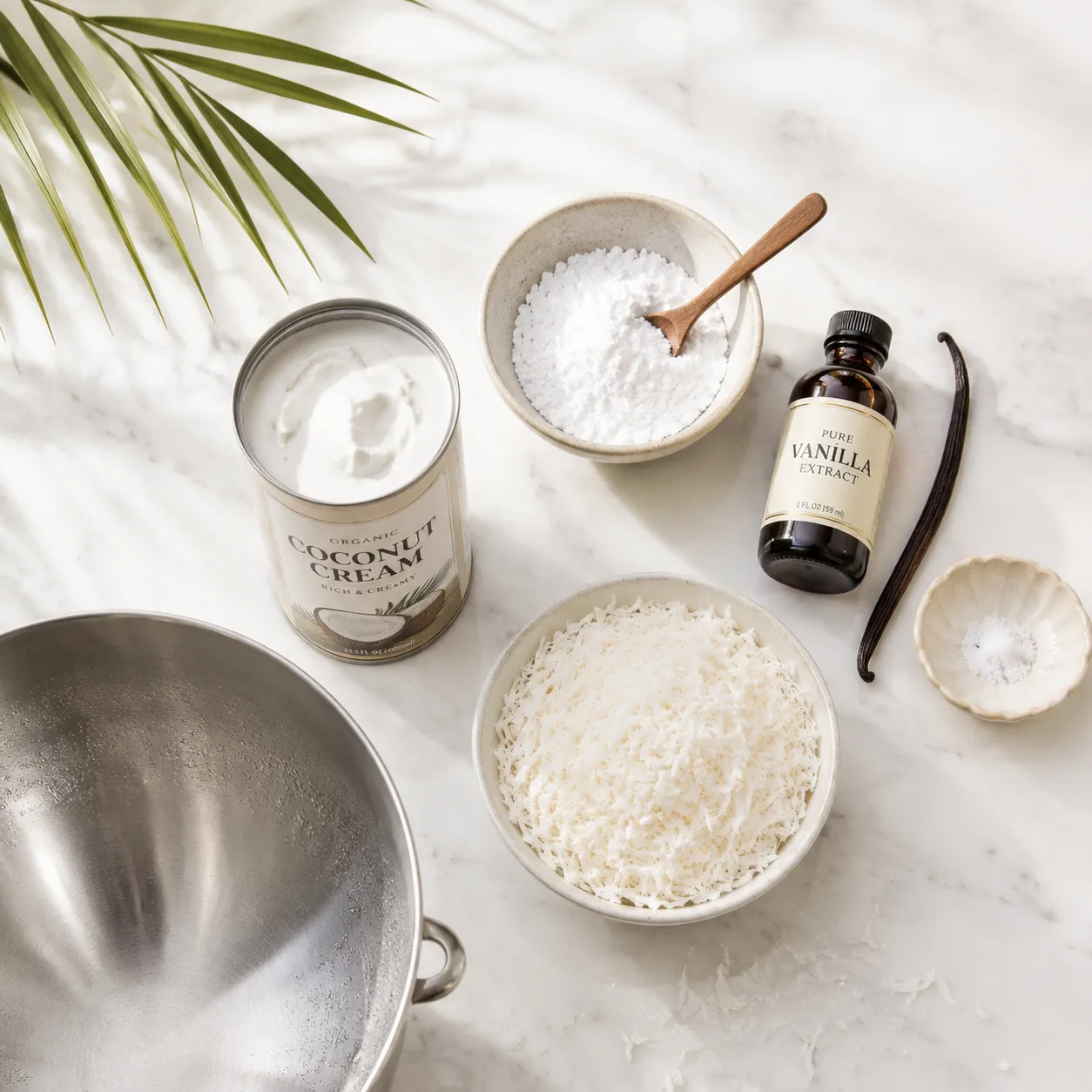
When you’re picking up cans, scan for ones with the fewest ingredients and the highest fat content. Some brands are more reliable for whipping, while others are better for cooking because they stay smooth when heated. If you’re planning desserts, choose a brand that uses a simple formulation and avoid anything labeled “light.”
The most important step is chilling. For best results, refrigerate the can overnight, and ideally for 24 hours, so the fat solidifies and separates from the liquid. That way, when you open the can, you can spoon out the thick top layer and leave the water behind. This single step makes all the difference for a stable whipped topping and for most recipes built on coconut cream.
Store unopened cans in a cool pantry, away from heat and direct sunlight. Once opened, transfer any unused portion to an airtight container and refrigerate it for up to 4 days. If you know you’ll use it for dessert later, you can also freeze it in measured portions for easier prep down the road.
There isn’t one perfect brand for every kitchen, but the best options are usually those with a high fat percentage and minimal additives. In general, shoppers have the best luck with simple, full-fat canned coconut milk products that separate well in the fridge. If you can see a thick cap of cream after chilling, you’re in good shape.
Use brand consistency to your advantage. Once you find a can that whips into soft peaks every time, stick with it for your vegan whipped cream and frozen dessert projects. That kind of reliability is worth more than a fancier label.
Cold temperatures help the fat solidify and pull away from the liquid. If you try to whip a can that’s only been chilled for a few hours, you may end up with a soft, soupy mixture instead of fluffy peaks. Overnight chilling gives you the firmest possible layer to work with.
This is especially important if you’re making whipped coconut cream in warm weather or using a kitchen that runs hot. A cold can, a cold bowl, and cold beaters all help. The colder the better.
Unopened cans live happily in the pantry until their date, but once opened, refrigerate them right away. If the solid and liquid layers separate again in the fridge, that’s normal. Just stir or rewhip as needed depending on your recipe.
If you’re planning ahead for homemade ice cream or a topping for cake, it can help to chill the mixing bowl too. Cold equipment keeps the fats firm and improves texture. That little bit of prep can make the difference between a lovely dessert and one that weeps on the plate. 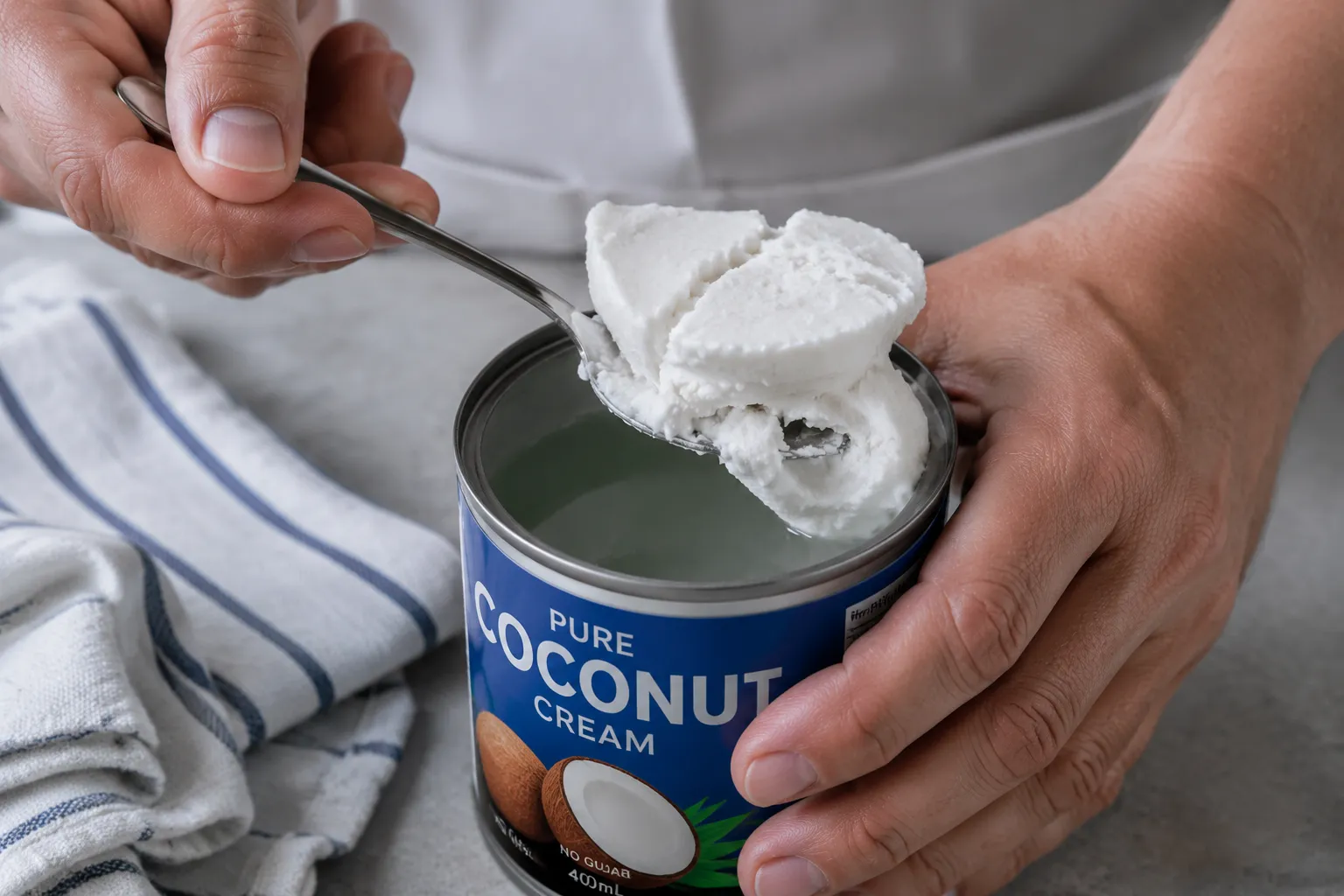
This coconut whipped cream recipe is the easiest way to turn one chilled can into a glossy, airy topping that tastes like a tropical cloud. It’s naturally dairy-free and works beautifully on pies, cakes, fresh berries, pancakes, and hot chocolate. If you’ve been looking for a reliable coconut whipped cream that actually holds up in the fridge, this is the one to save.
The trick is simple: use only the solid cream from the top of the can, sweeten it lightly, and whip it just until fluffy. A pinch of salt keeps it from tasting flat, while vanilla adds warmth and depth. Once you see how easy it is, you’ll want to keep a can in the fridge at all times.
You only need a handful of pantry ingredients to make this work: chilled coconut cream, powdered sugar, vanilla, and a pinch of salt. Powdered sugar dissolves smoothly and gives the finished cream a soft, polished texture. Vanilla makes the flavor read more like dessert and less like a can.
If you want a cleaner, less sweet version, you can reduce the sugar slightly. The base still whips up nicely as long as you keep the bowl cold and don’t overmix. For the best result, use a can that has fully separated in the refrigerator.
Start by opening the chilled can and carefully spooning the firm cream into a cold bowl, leaving the watery liquid behind for smoothies or coffee. Beat the cream on medium-high speed until it begins to thicken, then add the powdered sugar, vanilla, and salt. Continue whipping until you get soft peaks or medium-firm peaks, depending on how you want to use it.
Be careful not to overbeat, because coconut fat can turn grainy or even start to separate if you go too far. Stop as soon as the texture looks billowy and light. If you’re serving immediately, spoon it over desserts right away or chill until needed. 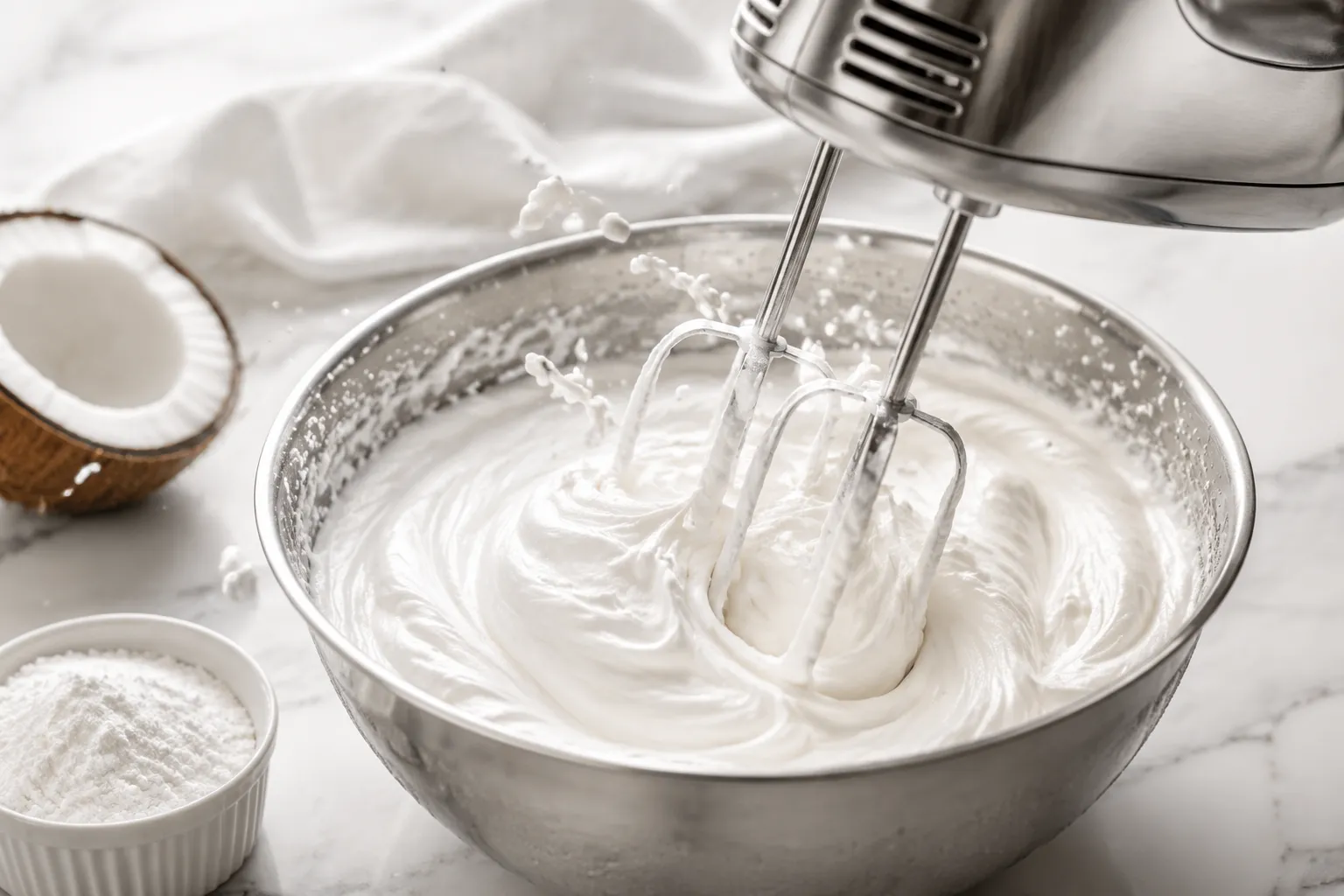
Once you have the base down, it’s easy to flavor it in different directions. Add a little cocoa powder for a chocolate version, swap the powdered sugar for maple syrup if you want a warm, caramel-like note, or keep it classic with extra vanilla. These simple changes make the topping fit everything from brownies to fruit crisps.
The key is to add flavoring gradually so you don’t thin the cream too much. If you’re using liquid sweeteners, start with a small amount and whip again briefly to check the texture. 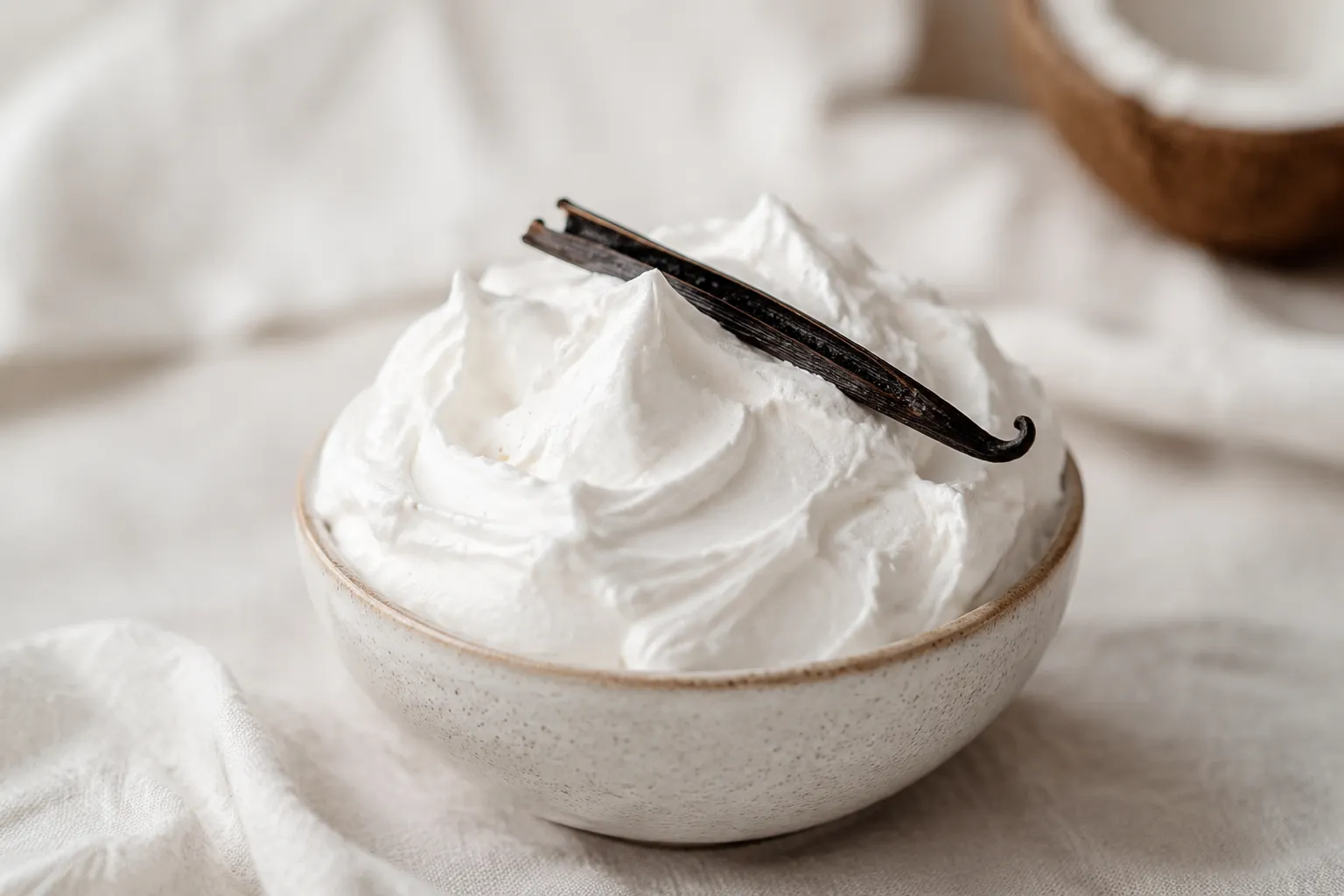
This coconut cream ice cream recipe gives you a rich, scoopable dessert with no dairy and very little effort. It’s one of the easiest ways to make coconut ice cream at home because the natural fat in the coconut cream creates a smooth, luxurious base. You can go no-churn or use an ice cream machine, depending on what you have in the kitchen.
The flavor is clean, creamy, and lightly sweet, which makes it perfect for pairing with fruit, chocolate sauce, toasted coconut, or a scoop of more whipped topping on top. It’s the kind of recipe that feels special enough for guests but easy enough for a random Tuesday. If you love homemade ice cream, this one belongs in your back pocket.
For the no-churn version, whisk together the coconut cream, sugar, vanilla, and salt until smooth and fully combined. Pour the mixture into a loaf pan lined with parchment, then freeze until firm, stirring once halfway through if you want an even creamier texture. Because coconut cream is already rich, it sets up beautifully without an ice cream maker.
The result is dense in the best possible way: soft enough to scoop, but still silky and cold. Let it sit at room temperature for a few minutes before serving so it becomes easy to portion. A sprinkle of flaky salt or toasted coconut on top makes it feel restaurant-worthy. 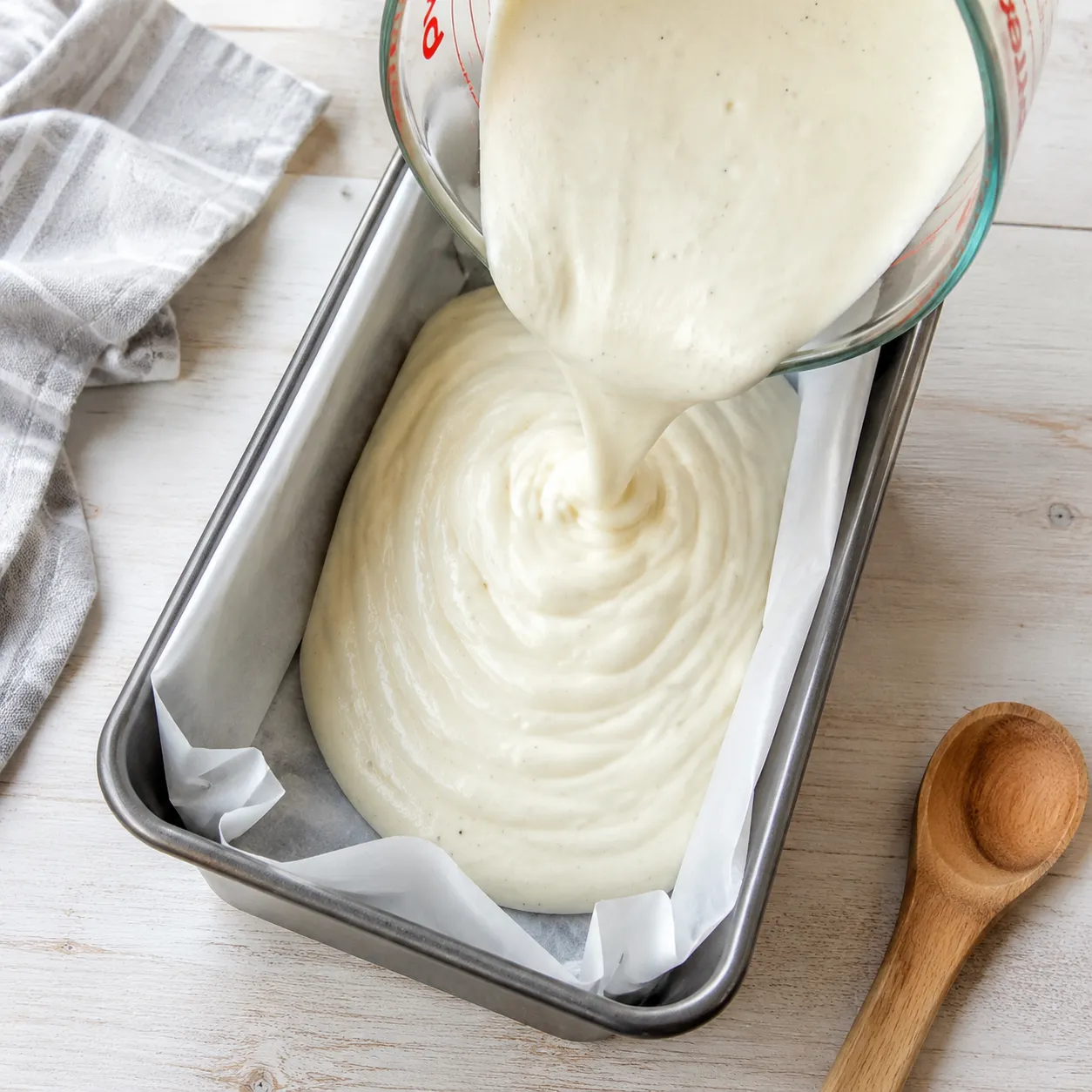
If you have a machine, you can churn the base for an even smoother finish. Chill the mixture well before processing, then churn according to your machine’s instructions until it reaches soft-serve consistency. Transfer it to a freezer-safe container and freeze until scoopable.
Using an ice cream maker can help create a lighter, more aerated texture than the no-churn version. That said, both methods work beautifully, so choose the one that fits your kitchen and your schedule. Either way, the coconut flavor stays front and center. 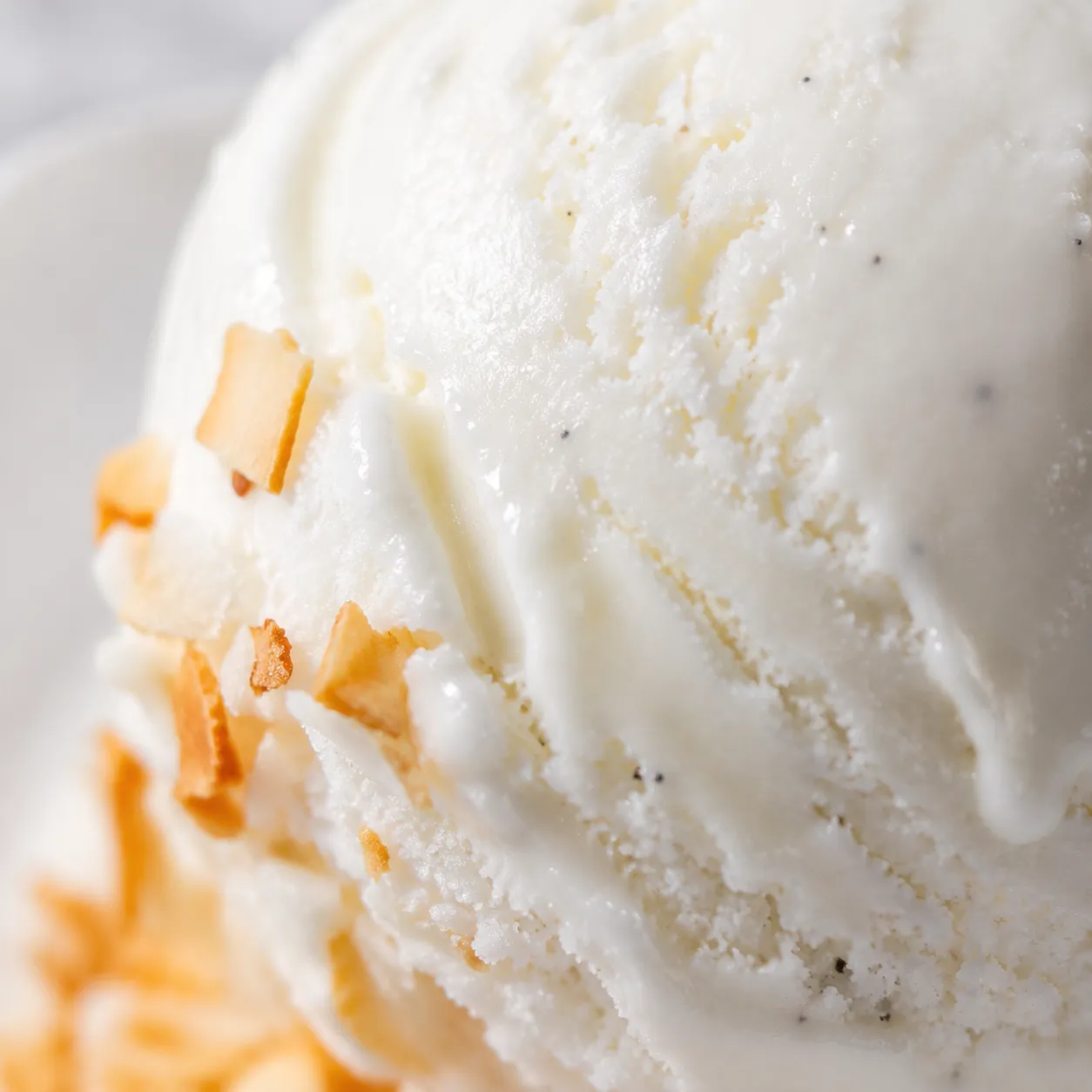
Once the base is ready, you can fold in chopped chocolate, crushed cookies, toasted nuts, or ribbons of fruit jam. Shredded coconut adds texture and amplifies the flavor, while caramel swirls make the whole thing taste extra indulgent. Keep mix-ins balanced so they don’t overwhelm the creamy base.
If you want a tropical vibe, try mango chunks, pineapple jam, or toasted macadamia nuts. For something more classic, go with brownie pieces and chocolate chips. This is the kind of dessert that rewards creativity.
Beyond dessert, coconut cream can be stirred into savory dishes for richness without dairy. It works especially well in curries, stews, and soups where you want a silky finish and a subtle coconut note. It’s also a smart addition to smoothies, coffee drinks, and breakfast bowls when you want extra body.
Think of it as a flexible pantry ingredient rather than a one-use specialty item. A spoonful can mellow spicy dishes, round out sweet drinks, and transform basic frosting into something lush. That versatility is part of what makes it such a smart ingredient to keep around. 
Stir coconut cream into Thai-inspired curries, carrot soup, lentil soup, or roasted squash soup for instant richness. It adds body without dairy and softens strong spices beautifully. If a recipe already uses coconut milk, a little coconut cream on top can make the final bowl taste even more luxurious.
It’s especially handy in recipes where you want a silky finish but don’t want to add cream. A spoonful at the end of cooking is often enough. This is where its richness really shines.
Blend a spoonful into fruit smoothies for a milkshake-like texture, or whisk it into hot coffee for a dairy-free cream substitute. It can make iced coffee extra lush too, especially if you shake it with ice and a little sweetener. The result is indulgent without feeling fussy.
Use the thinner liquid from the can sparingly here if you want a lighter drink, but the solid cream gives the best texture. You can even freeze leftover coconut cream in ice cube trays for quick add-ins later. That way nothing goes to waste.
Whipped coconut cream can be folded into frosting recipes or combined with chocolate for a smooth ganache-like glaze. It’s a simple way to make cakes, cupcakes, or bars feel extra polished without butter or heavy cream. If you need a quick finishing touch, this pantry ingredient can save the day.
For best results, keep your ingredients cold and work quickly. The natural fat makes it easy to create structure, especially if you’re building a vegan dessert table or planning a celebration cake. 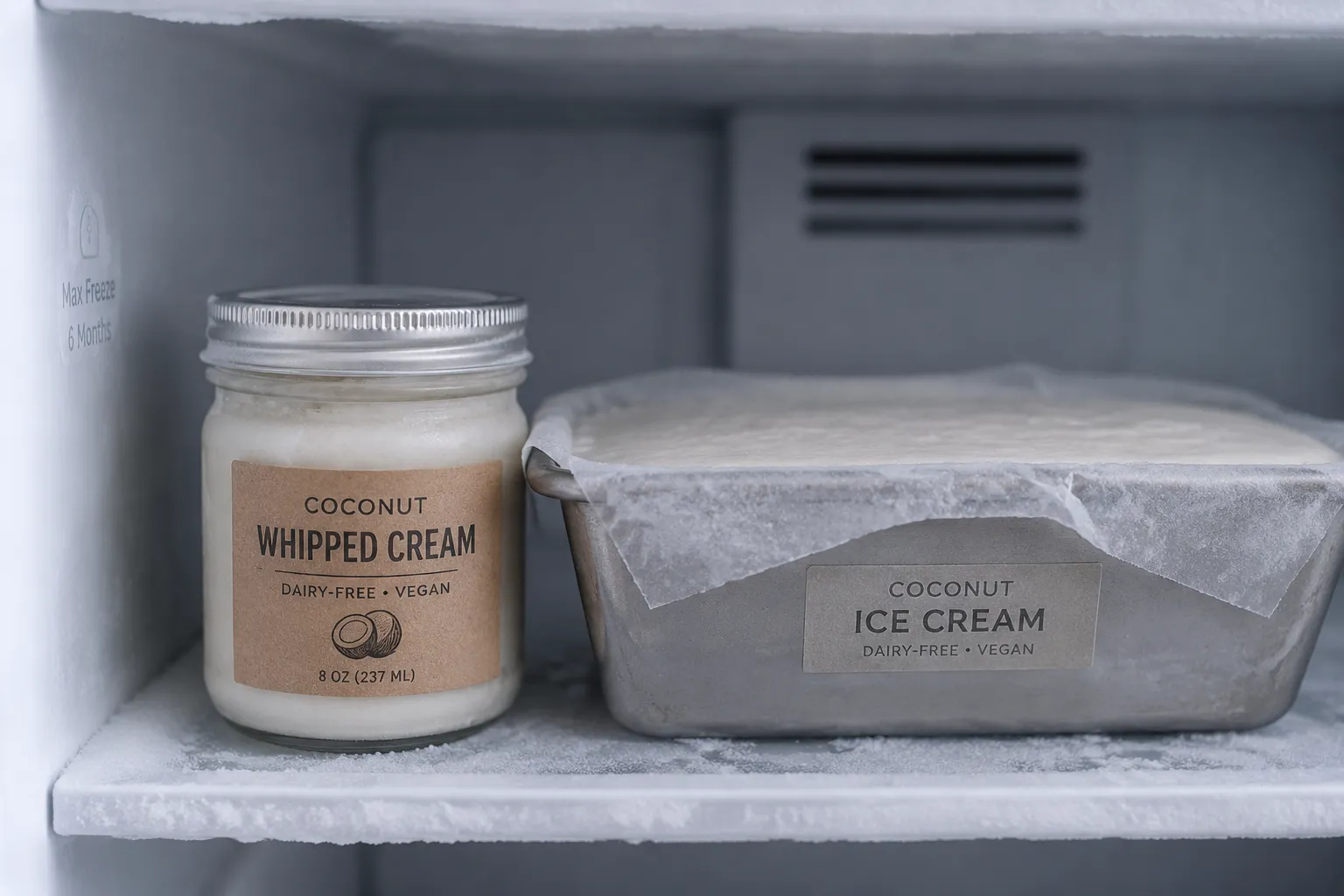
A few simple habits will save you a lot of frustration when cooking with coconut cream. First, always chill the can thoroughly and use a cold bowl. Second, don’t assume every brand behaves the same way; some separate beautifully, while others stay blended no matter how long they sit in the fridge.
If you’re making dessert, remember that texture matters more than speed. Whip only until you hit the texture you want, and freeze ice cream until it’s set but still scoopable. With these small adjustments, your results will be much more consistent.
Now you’ve got everything you need to make whipped toppings, frozen desserts, and plenty of savory dishes with confidence. Whether you’re aiming for a quick finish for pie or a make-ahead frozen treat, coconut cream earns its spot as a pantry essential. Save this guide, chill a can tonight, and tomorrow you’ll be one step closer to the dreamiest dairy-free desserts.
Once you know the base method, it’s easy to customize both the whipped cream and the ice cream. Keep the flavorings subtle so they don’t thin the texture, and add extras after the base is already whipped or churned.
Store coconut whipped cream in an airtight container in the refrigerator for up to 5 days. It firms up when cold, so let it sit at room temperature for about 5 minutes before serving, or rewhip briefly if needed.
For coconut ice cream, freeze in a loaf pan or freezer-safe container with parchment pressed directly on the surface to help prevent ice crystals. For the best texture, let it sit on the counter for a few minutes before scooping. If you’re making it ahead, it can also be kept tightly covered in the freezer for about 2 weeks before the texture starts to lose some of its creaminess.