Egg Foo Young Recipe: Fluffy Chinese Omelet with Gravy
4.8 from 12 reviews
0SHARES
Now Playing
Egg Foo Young Recipe: Fluffy Chinese Omelet with Gravy
0:00
0:00
Crispy-edged, fluffy Chinese egg foo young smothered in a glossy brown gravy. This 30-minute takeout copycat uses pantry staples and tastes better than delivery.
Why You'll Love This Recipe
- **Better than takeout, half the cost.** Four dollars of pantry ingredients beats an $18 delivery bill, and your patties stay crispy because they don't sit in a steamy paper bag on the way home.
- **Ready in 30 minutes flat.** Faster than the delivery driver, with one skillet and one saucepan to clean.
- **Endlessly customizable.** Shrimp, chicken, pork, char siu, tofu, or all-veg — whatever protein you have on hand slots right in.
- **Built on staples.** Eggs, soy sauce, oyster sauce, cornstarch, and broth are likely already in your kitchen.
- **Crispy lacy edges, fluffy middles.** That texture contrast is the whole reason you crave this dish, and the home version actually delivers it.
- **Family-friendly.** Mild flavors, soft texture, and a glossy sauce that even picky eaters love over rice.
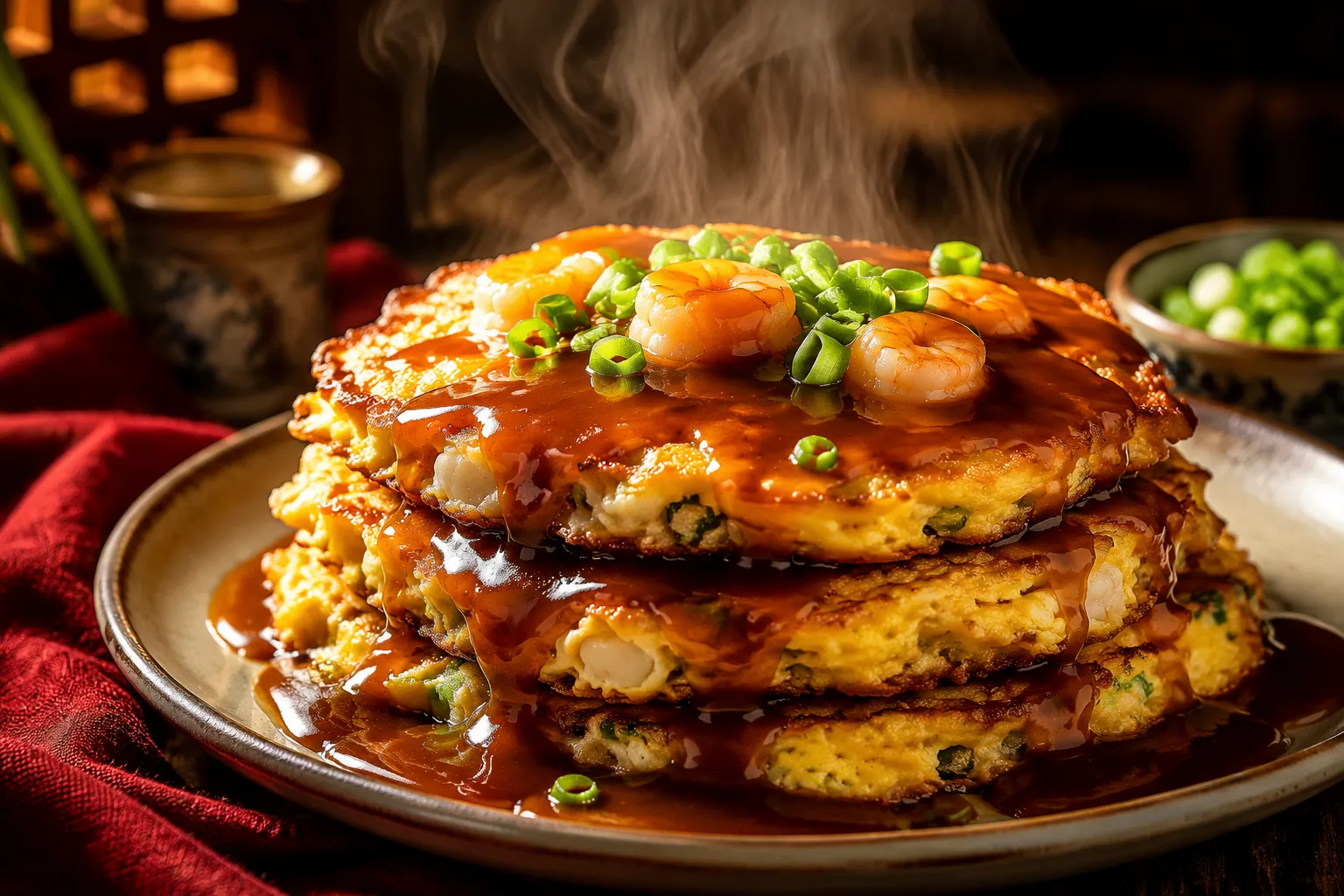
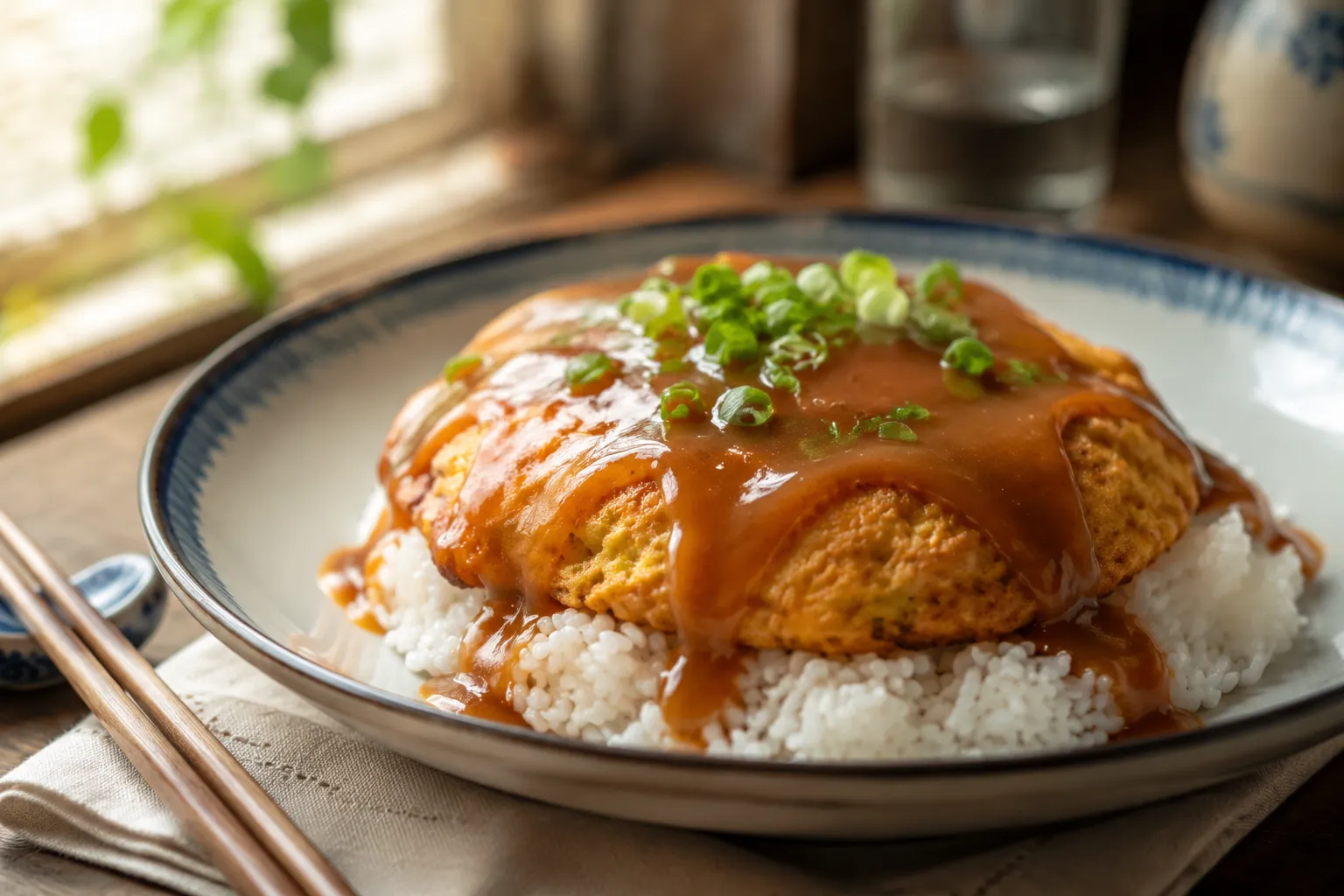
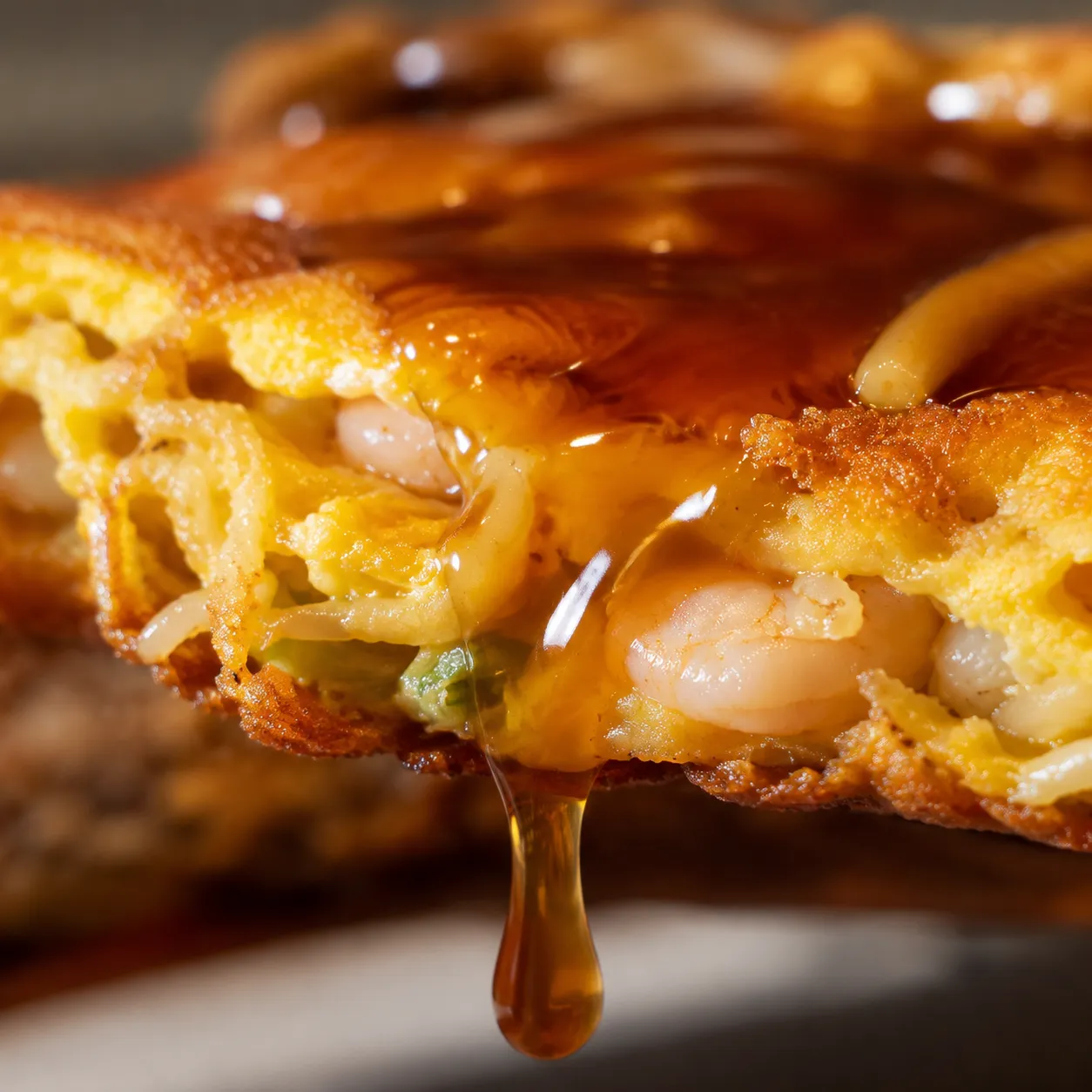
This egg foo young recipe is the takeout copycat I make on busy Tuesday nights when I want dinner that feels indulgent without leaving the kitchen for more than half an hour. Picture golden, lacy-edged Chinese egg omelets piled with crisp bean sprouts and tender pink shrimp, then drowned in a glossy mahogany brown gravy that pools across the plate and soaks into the rice underneath. It's the kind of comfort food that fogs up the windows and clears the leftovers fast.
I grew up ordering this at our neighborhood Chinese-American spot, where the patties came stacked three high under a flood of dark sauce, with steamed white rice on the side and a tiny paper cup of hot mustard. Recreating that exact texture at home — fluffy interiors, crisp lacy edges, and a sauce that clings without going gluey — took some practice, but the technique is genuinely simple once you know the moves. A hot skillet, well-beaten eggs, and a quick cornstarch slurry are really all you need to land restaurant results.
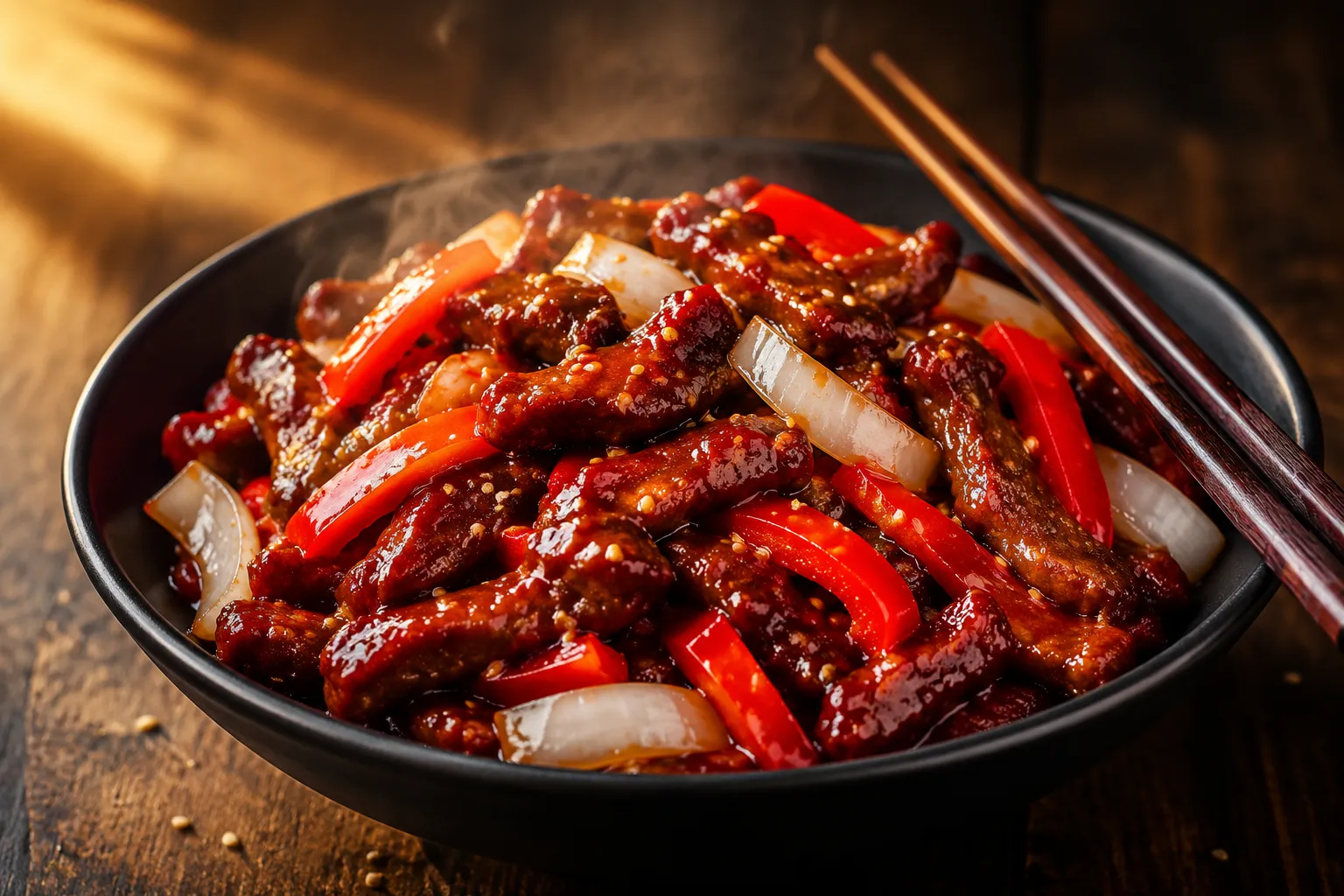
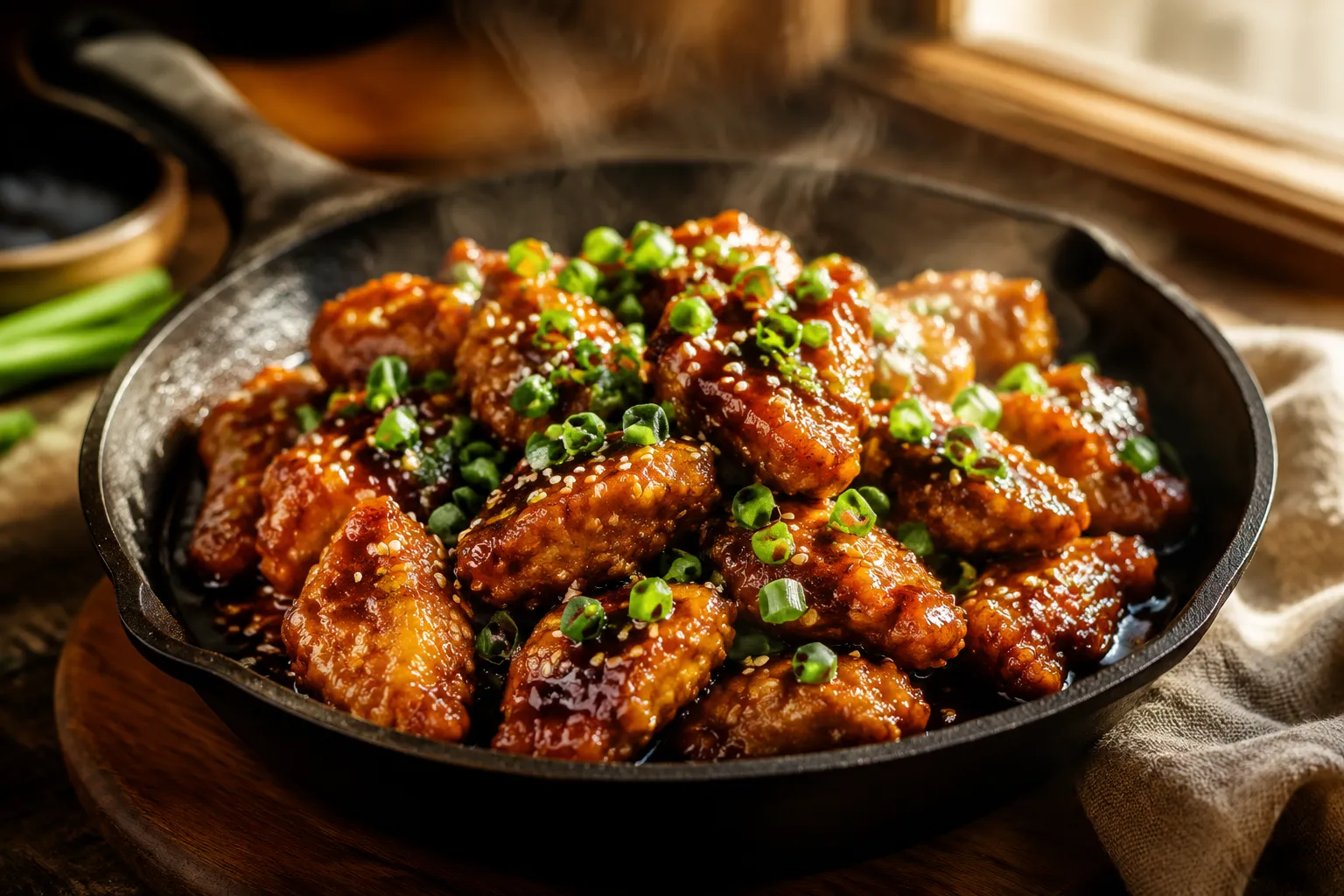
If you love restaurant-style classics like kung pao chicken, shrimp fried rice, or homemade lo mein, this dish slots right into that same weeknight rotation. It's flexible enough to clear out the fridge and elegant enough to feel like a treat when you set it on the table. Let's break it down piece by piece.
## What Is Egg Foo Young?
Egg foo young is a Chinese egg omelet folded with vegetables and a protein like shrimp, chicken, pork, or Cantonese barbecued char siu, then pan-fried into thick patties and served under a savory brown gravy. The name traces back to the Cantonese fu yung daan, loosely translating to "hibiscus egg" — a poetic nod to the dish's pale, ruffled appearance when it puffs up in hot oil. While it has authentic Cantonese roots, the version most Americans recognize today, patty-shaped and blanketed in thick dark sauce, was popularized by mid-20th-century Chinese-American restaurants adapting Cantonese techniques to local tastes and pantries.
So how is this different from a Western omelet? Western omelets fold around fillings and stay tender and pale, while this one is mixed all the way through, fried hot enough to develop crispy lacy edges, and built specifically to hold up under a generous ladle of sauce. It's heartier, more textural, and the gravy isn't optional. Cantonese-style versions back in Hong Kong tend to be lighter, with a clearer broth-based sauce and softer eggs, while the American-style version leans into the thick, soy-tinted brown gravy that's become its calling card on takeout menus across the country.
## Ingredients You'll Need
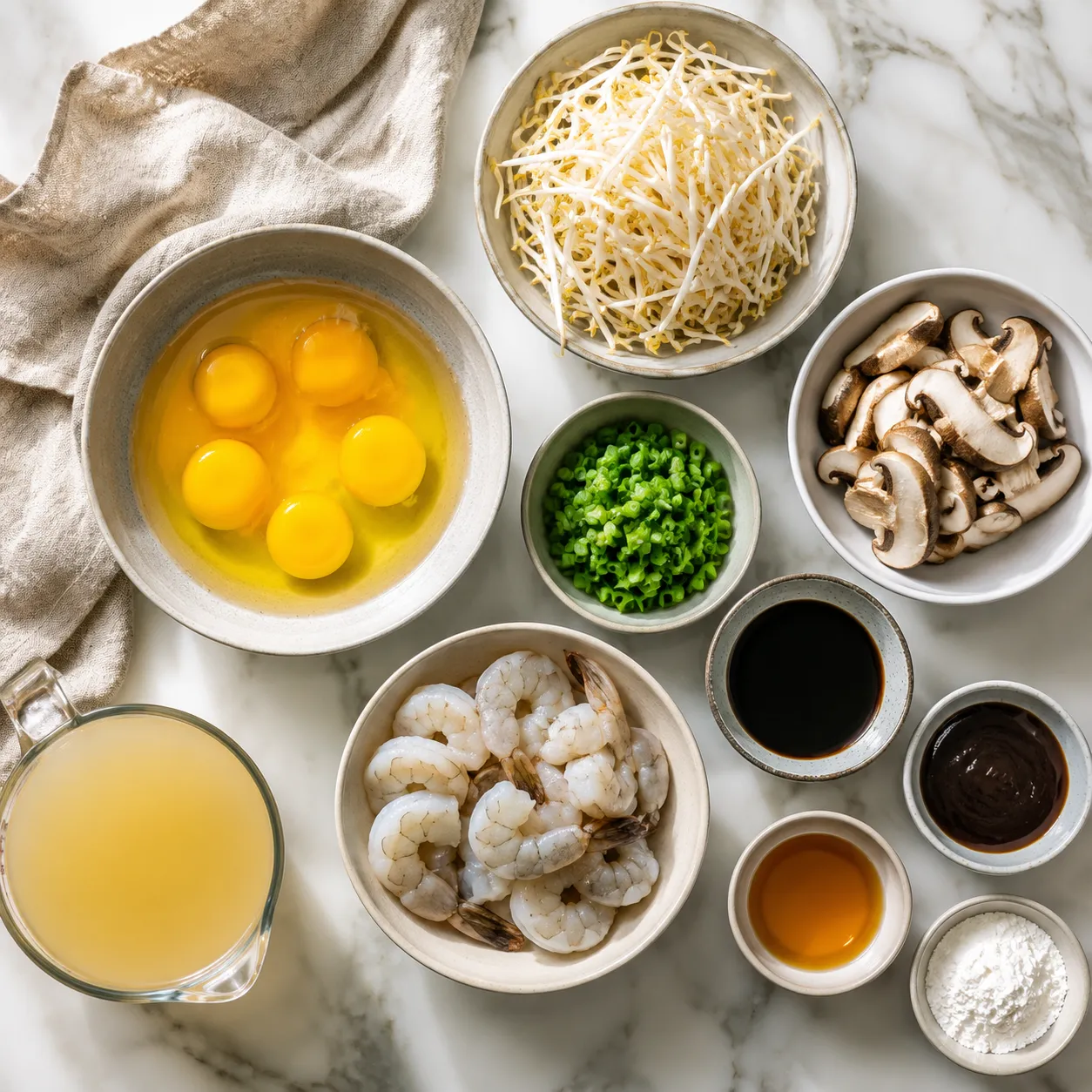
The beauty of this dish is that it leans entirely on Chinese pantry staples — nothing exotic, nothing hard to source at a regular grocery store. Six large eggs form the base, beaten just until uniform but never foamy. Fresh bean sprouts bring the signature crunch and that slightly grassy snap that immediately tells your taste buds this isn't a brunch omelet. Sliced cremini or button mushrooms add an earthy bite, and a generous handful of chopped green onions threads brightness and a touch of allium sweetness through every forkful.
For protein, I usually reach for small cooked shrimp because they cook into the patties without weeping water, but diced rotisserie chicken, leftover roast pork, crumbled firm tofu, or even thinly sliced ham all slot in beautifully. The egg foo young sauce is built from chicken broth, soy sauce, oyster sauce for that deep umami punch, a cornstarch slurry to thicken, and a finishing drizzle of toasted sesame oil. A pinch of white pepper sharpens the whole thing without making it spicy, and a small pinch of sugar balances the salt. That's it — a tight ingredient list, most of which probably already lives in your fridge or pantry door.
## How to Make Egg Foo Young Step-by-Step
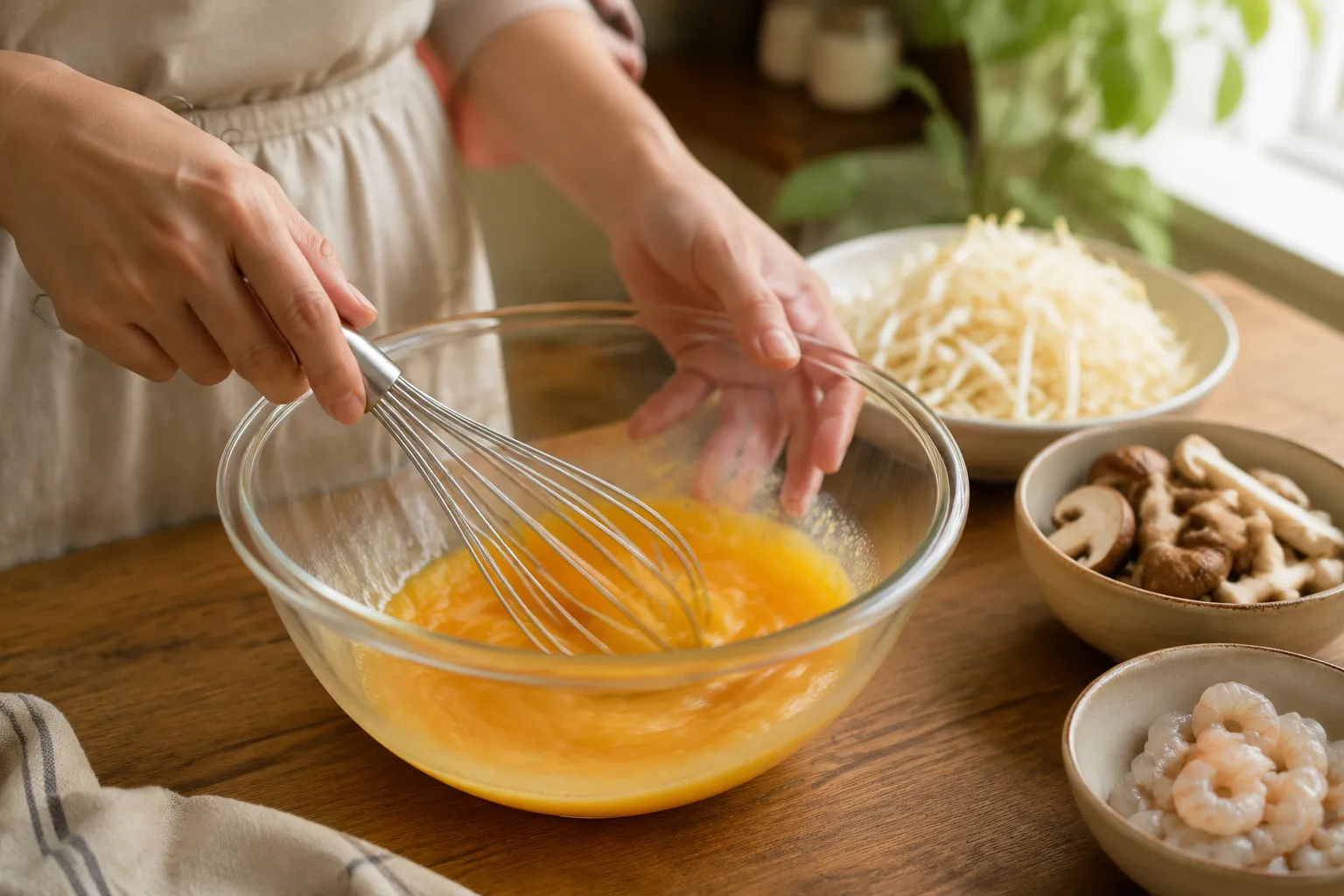
Start by prepping every ingredient before the skillet ever heats up — this dish moves quickly once oil hits the pan, so a lined-up mise en place is the difference between fluffy patties and rubbery ones. Crack the eggs into a wide mixing bowl and whisk just until the yolks and whites are fully combined with no streaks. Stir in the bean sprouts, mushrooms, green onions, and your cooked protein of choice along with a generous pinch of salt and a few cracks of white pepper. Resist the urge to whip air into the eggs; you want the lift to come from the heat of the pan, not from a soufflé batter.
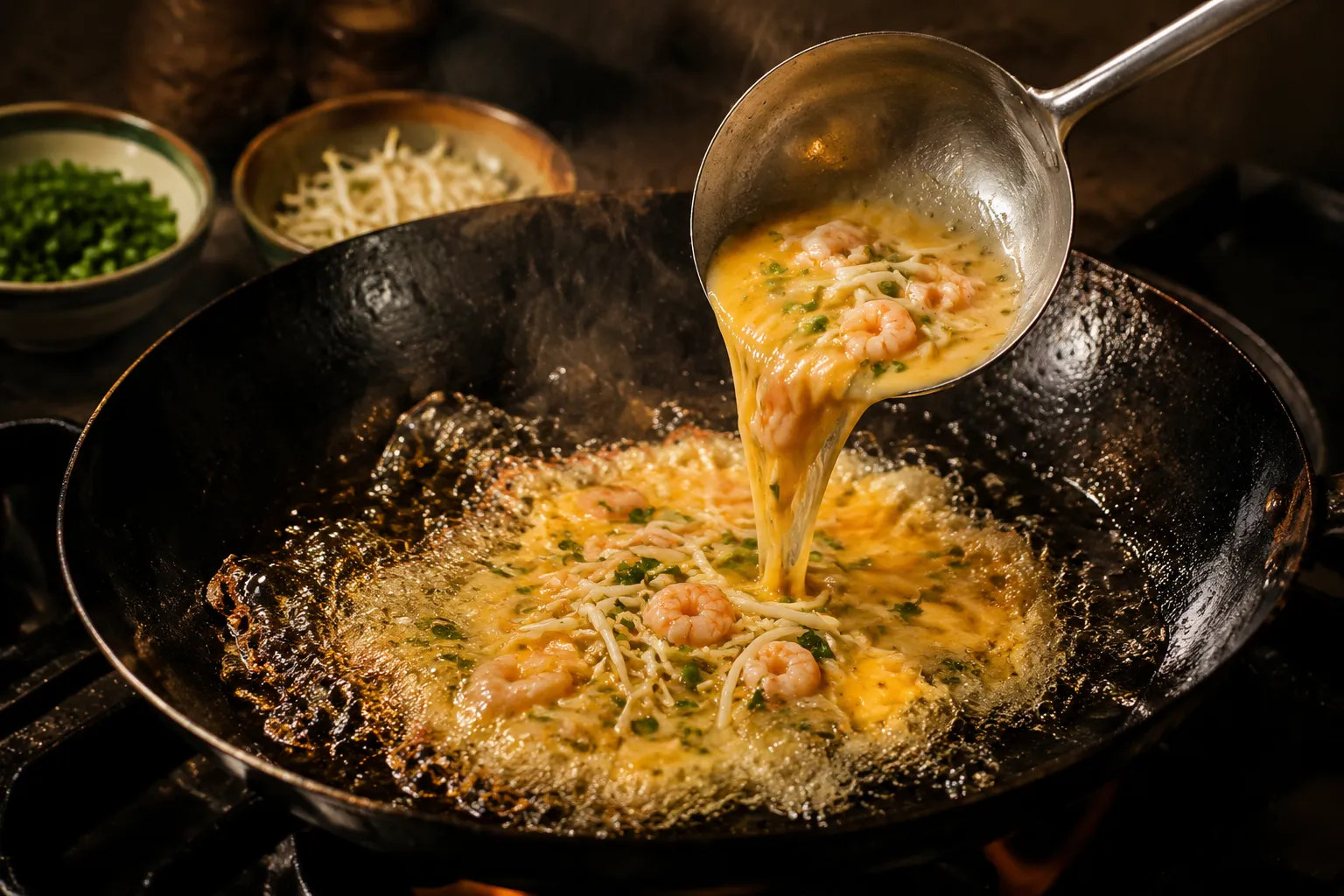
Heat about three tablespoons of neutral vegetable oil in a nonstick or carbon-steel skillet over medium-high until the surface shimmers and just begins to ripple. Use a half-cup measure or large ladle to portion the batter into the pan, letting it spread into a roughly four-inch round. The edges should bloom into ruffled lace within seconds — that aggressive hiss is exactly what you want. Cook for about two minutes, until the underside is deep golden brown, then flip carefully with a wide spatula and give it another ninety seconds on the second side. Transfer the finished patty to a paper-towel-lined plate and repeat with the remaining batter, topping up the oil between rounds.
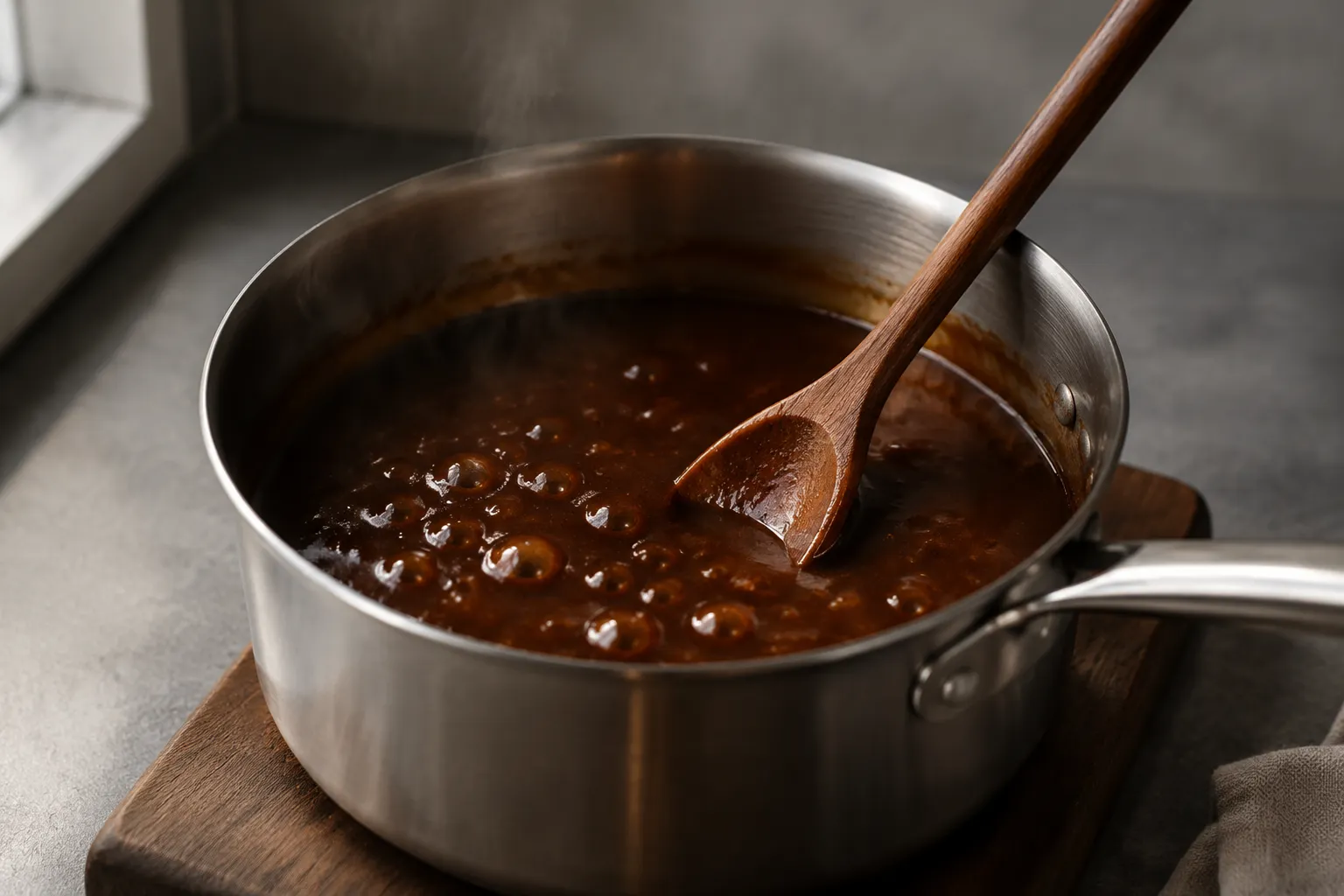
While the patties rest, whisk together two cups of chicken broth, the soy sauce, oyster sauce, and a small pinch of sugar in a saucepan and bring it to a gentle simmer over medium heat. In a separate small bowl, stir one tablespoon of cornstarch into two tablespoons of cold water until completely smooth — this is your slurry. Drizzle it slowly into the simmering broth while whisking constantly, and within about thirty seconds the sauce will turn glossy and thick enough to coat the back of a spoon. Pull the pan off the heat and finish with a teaspoon of toasted sesame oil for fragrance. This same technique is the foundation of any great Chinese brown gravy, and once you have it down, you'll be making it for stir-fries and noodle bowls on repeat.
Stack the patties on a serving platter or directly onto individual plates over hot jasmine rice, ladle the warm gravy generously over the top so it cascades down the sides, and finish with a final shower of sliced scallions. Serve immediately while the lacy edges are still crisp and the sauce is at its glossiest.
## Serving Suggestions
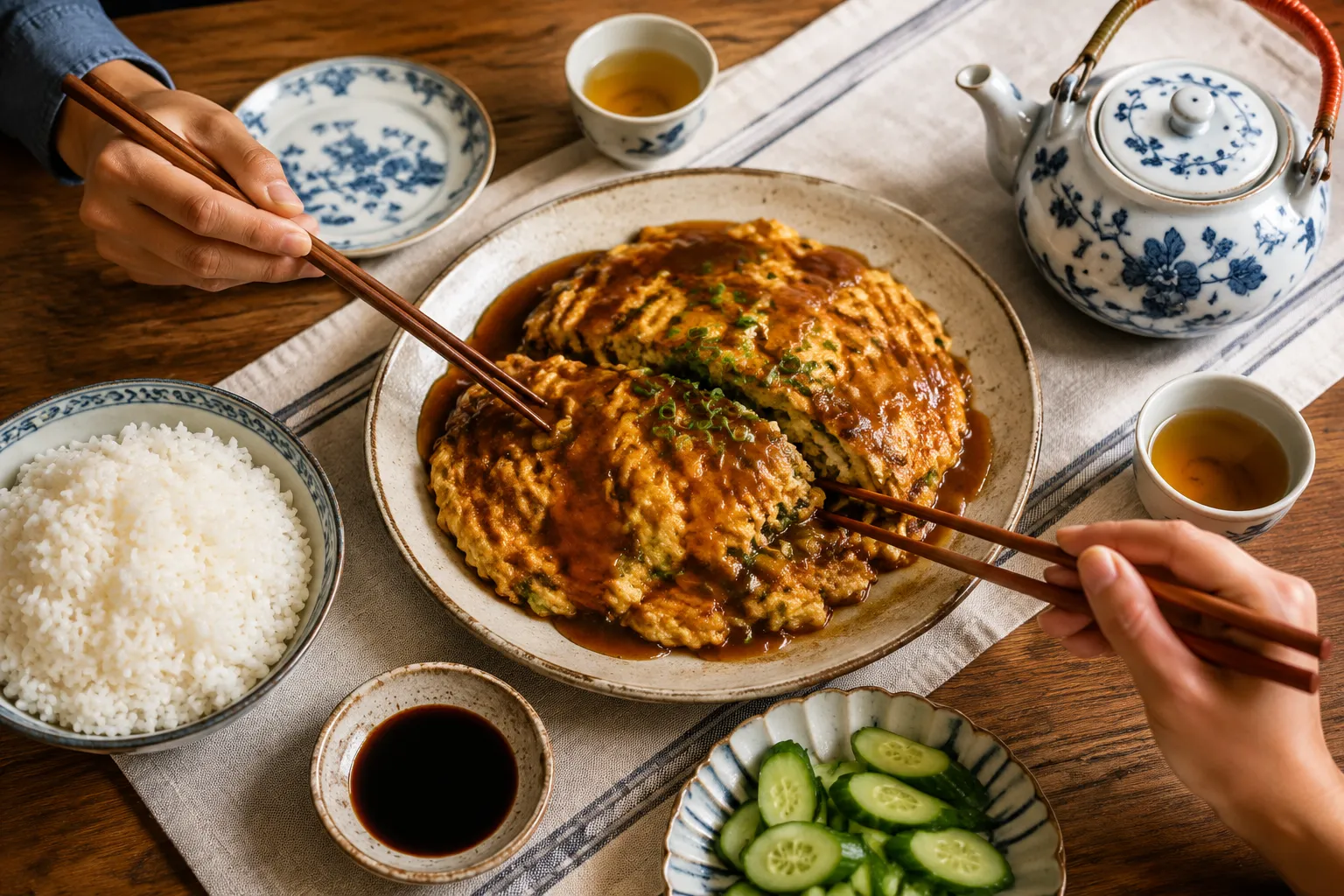
This dish is built to anchor a full Chinese-American dinner spread, and egg foo young plays well with almost everything else on that menu. The most traditional pairing is a mound of fluffy white jasmine rice — the grains soak up the extra gravy and somehow turn into the best bite of the meal. For a more substantial spread that feeds a crowd, serve it alongside shrimp fried rice or a tangle of chicken chow mein so guests can build their own plates family-style. The contrasting textures — crisp egg, chewy noodles, soft rice — keep every forkful interesting from start to finish.
If you're hosting, bring out a few quick supporting sides: smashed cucumber salad with rice vinegar, blistered green beans with garlic, or a clear hot-and-sour soup to start. A pot of jasmine or oolong tea rounds it all out and cuts through the richness of the sauce. Leftover gravy is also excellent ladled over plain rice the next day or used as a glossy dipping sauce for dumplings or potstickers.
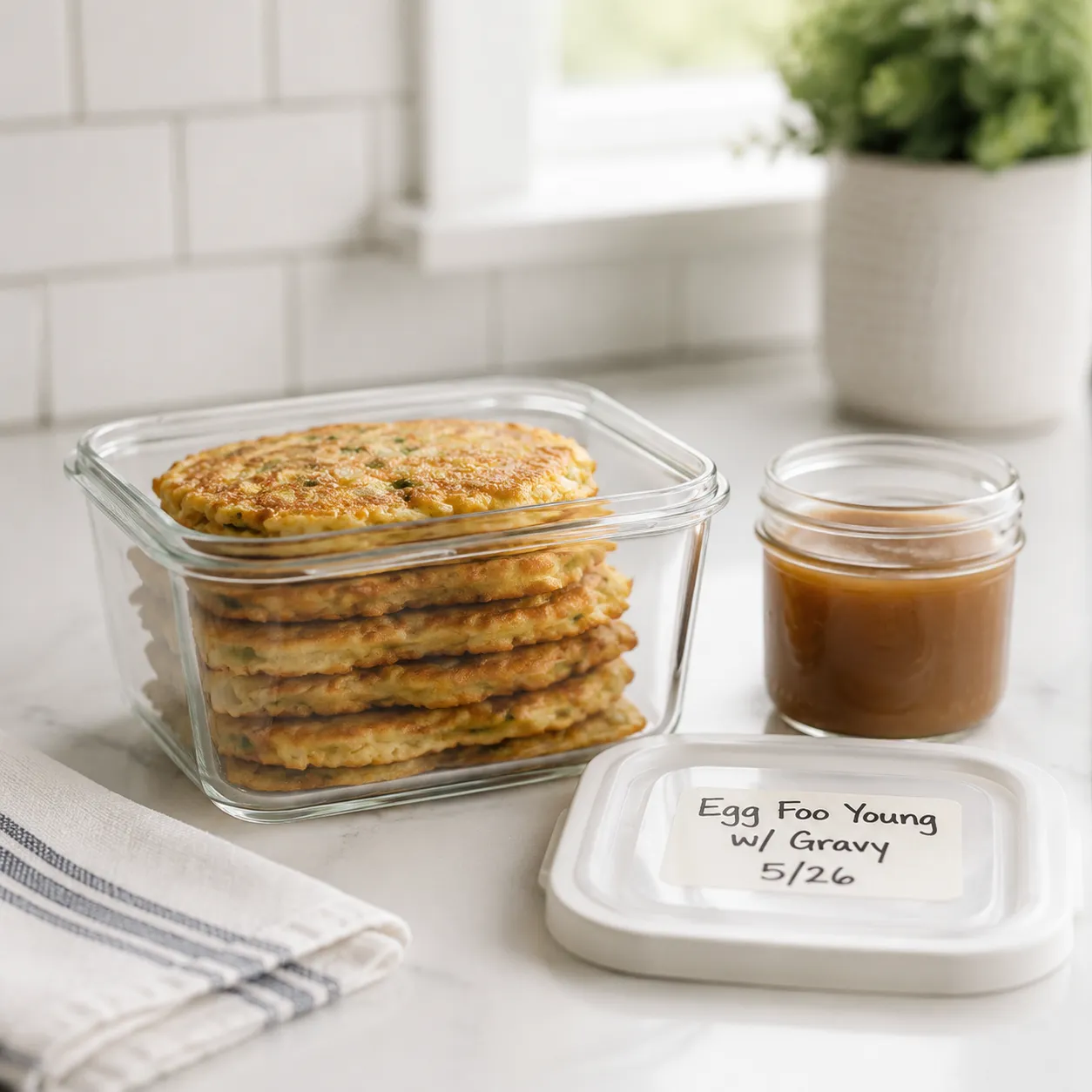
If you find yourself with leftovers — a happy problem — let them cool completely first, then stack the patties in a sealed container with the gravy stored separately so the lacy edges keep some of their bite for round two.
## Bringing It All Together
Once you've tucked this Chinese egg omelet into your weeknight rotation, you'll wonder why ordering takeout ever felt easier. Thirty minutes from start to finish, a single skillet, ingredients you already own, and a finished plate that looks like it came straight off a restaurant kitchen line. The trick really comes down to three things: beat the eggs gently, get the pan ripping hot before the batter ever touches it, and let those lacy edges crisp without fussing or moving them around. As for the sticky-glossy egg foo young gravy? Always make extra. You'll want it spooned over rice, drizzled into ramen bowls, and dragged through with potstickers for the next three days.
💡 Expert Tips
- **Get the oil hot before the batter hits.** Medium-high until it visibly shimmers. Cool oil means greasy, soggy patties that never form those signature lacy edges.
- **Don't overcrowd the skillet.** Cook one or two patties at a time max so each one has room to spread, crisp, and flip cleanly without tearing.
- **Beat the eggs gently.** You're combining, not aerating. Excess foam collapses in the pan and leaves you with rubbery, dense omelets instead of fluffy ones.
- **Mise en place is non-negotiable.** Have every vegetable chopped and every sauce measured before you turn the burner on, because the cooking window is short and unforgiving.
- **Drizzle the slurry slowly.** Stream the cornstarch mixture into the simmering broth while whisking constantly to keep the gravy silky-smooth and lump-free.
🔄 Variations & Substitutions
Once you've nailed the base technique, this recipe becomes a blank canvas for whatever protein and produce you have on hand. The egg-and-vegetable batter is the constant; everything else is fair game. Lean into Cantonese tradition with char siu, channel the classic American-Chinese diner with shrimp, or keep it weeknight-easy with rotisserie chicken. The gravy stays the same across every version.
- **Shrimp Egg Foo Young:** small bay shrimp or chopped large shrimp, the most iconic version.
- **Chicken:** diced rotisserie or leftover roast chicken folds in beautifully.
- **Roast Pork:** Cantonese char siu (Chinese BBQ pork) is traditional and incredible.
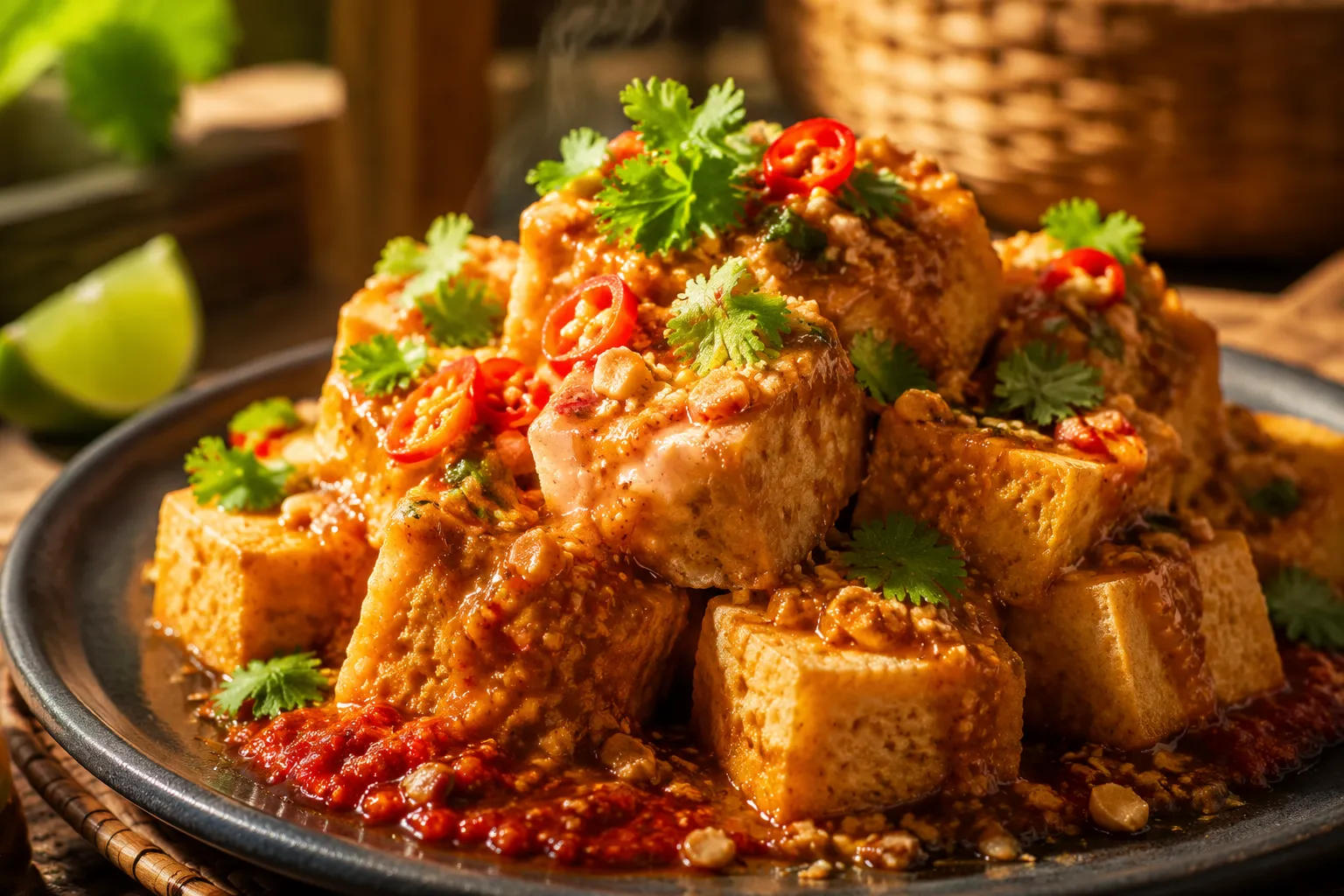
- **Vegetarian Mushroom:** swap protein for diced shiitake mushrooms, firm tofu, and extra napa cabbage.
- **Crab Rangoon-style:** imitation crab and chopped chives with a touch of cream cheese folded in.
- **Lower-carb:** skip the rice and serve over shredded cabbage or cauliflower rice.
🧊 Storage & Leftovers
Cool the patties completely on a wire rack, then layer them between sheets of parchment in an airtight container and refrigerate for up to 3 days. Store the gravy separately in its own jar so the eggs don't go soggy. To freeze, wrap individual patties tightly in plastic and slip them into a freezer bag — they keep beautifully for up to 2 months. The gravy doesn't freeze as gracefully (cornstarch sauces tend to weep when thawed), so it's worth making a fresh small batch when reheating.
The best reheating method is a dry nonstick skillet over medium-low heat for 3 to 4 minutes per side, which re-crisps the edges without drying out the centers. The microwave works in a pinch (45 seconds on 70% power), but you'll lose most of the textural contrast that makes the dish special. Reheat the gravy gently in a small saucepan, whisking in a splash of broth or water if it's tightened up in the fridge.
Frequently Asked Questions
What is egg foo young made of?
Egg foo young is built from beaten eggs mixed with crunchy bean sprouts, sliced mushrooms, chopped green onions, and a protein like shrimp, chicken, roast pork, or Cantonese char siu. The mixture is pan-fried in hot oil into thick patties with crispy lacy edges, then plated and topped with a glossy savory brown gravy made from chicken broth, soy sauce, oyster sauce, cornstarch, and a finishing drizzle of toasted sesame oil. It's typically served over steamed white rice. Some versions also include water chestnuts, bamboo shoots, or thinly sliced cabbage for extra texture and crunch.
What does egg foo young gravy taste like?
The gravy is savory, deeply umami, and lightly salty with a glossy, spoon-coating texture from the cornstarch slurry. The flavor backbone comes from chicken broth, soy sauce for salt and color, and oyster sauce for that signature sweet-savory depth that defines so many Chinese-American sauces. A small pinch of sugar rounds out the salt, white pepper adds gentle warmth, and a finishing teaspoon of toasted sesame oil gives it a nutty aromatic lift. It's rich but not heavy — designed to coat the eggs without drowning them, and it's almost good enough to drink with a spoon.
Is egg foo young Chinese or American?
It's a Chinese-American dish with genuine Cantonese roots. The technique of folding eggs with vegetables and protein traces back to fu yung daan in southern China, but the version most Americans know today — patty-shaped, deeply browned, blanketed in thick brown gravy — was popularized by Chinese immigrant cooks in mid-20th-century American restaurants. They adapted Cantonese techniques to use local ingredients, American palates, and the affordable pantry items available in the U.S. at the time. So while the dish has authentic Chinese DNA, the gravy-drowned diner-counter version is essentially an American invention rooted in a Cantonese tradition.
Can I make egg foo young without bean sprouts?
Absolutely. Bean sprouts bring crunch and that slightly grassy snap, but plenty of other vegetables stand in beautifully. Try thinly shredded green or napa cabbage for a similar bite, julienned zucchini for a softer texture, or thinly sliced bok choy stems for a fresh, slightly peppery note. Drained canned water chestnuts also work and add their own crisp pop. Whatever you swap in, aim for a similar volume — about one cup of crunchy vegetable per six eggs — so the patties hold together and don't get waterlogged. The flavor stays delicious; only the texture shifts slightly.
How do I keep egg foo young fluffy and not greasy?
Three things make the difference. First, get the oil genuinely hot before the batter goes in — medium-high until it shimmers — so the eggs set quickly and seal out grease instead of soaking it in. Second, drain the cooked patties on paper towels for 30 seconds before plating to wick away surface oil. Third, beat the eggs only until smooth, never frothy; over-aerated eggs collapse into a dense, rubbery puck once the heat hits them. Bonus tip: don't overcrowd the skillet, cook one or two patties at a time so each has room to bloom into those signature lacy crisp edges.
Egg Foo Young Recipe: Fluffy Chinese Omelet with Gravy