Gluten Free Flour Guide: Best Blends for Baking
Ingredients
Scale
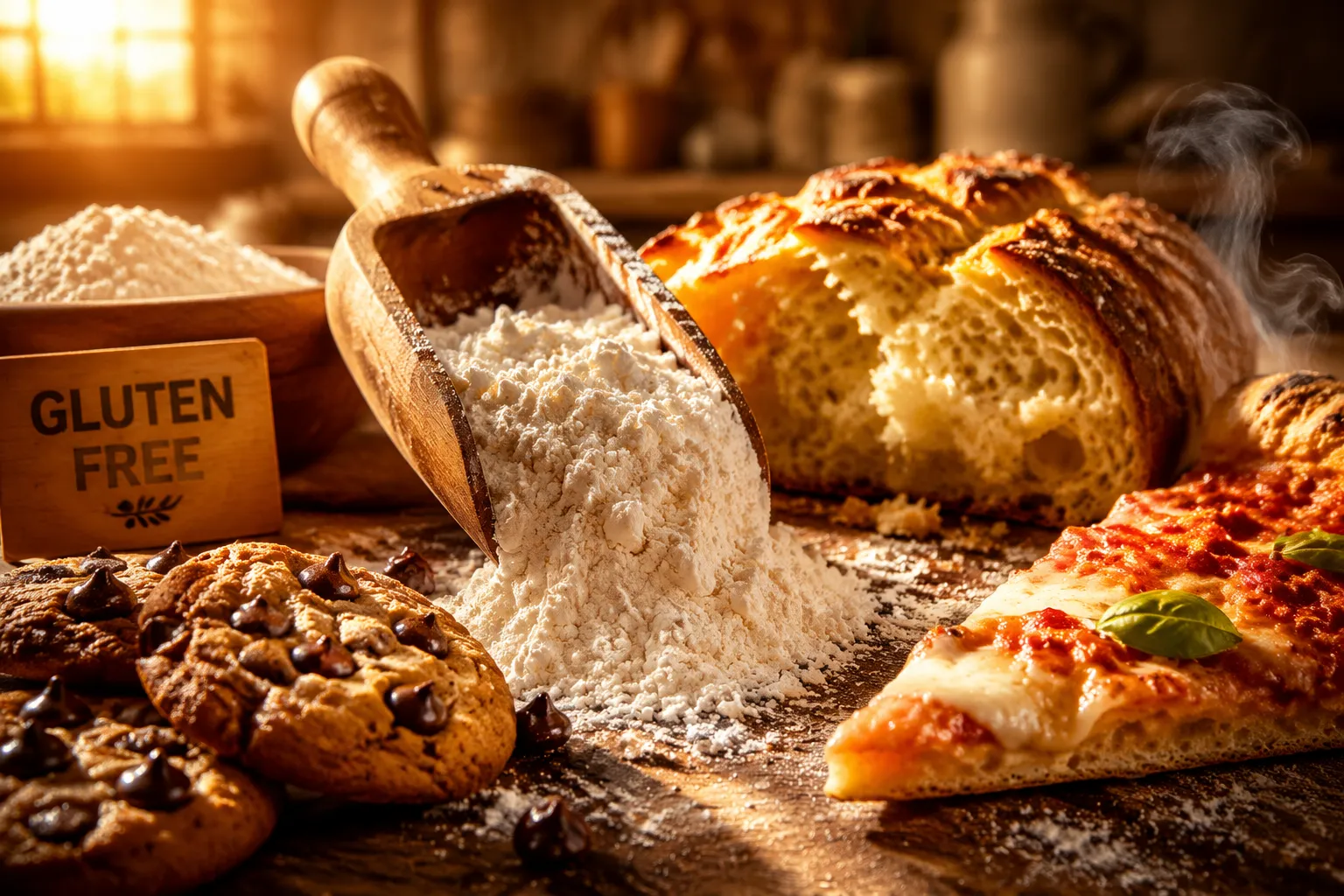
Everything you need to know about gluten free flour, from single-grain options to a foolproof DIY blend that bakes up bread, cookies, cake, and pizza crust like the real thing.
Gluten free flour can feel mysterious at first, especially if you’re used to grabbing one bag of all-purpose flour and calling it a day. The good news is that once you understand how different flours behave, gluten free flour for baking gets a lot simpler—and a lot more reliable. The trick is learning which flours build structure, which bring tenderness, and which help mimic the stretch and chew that gluten normally provides.
In this guide, we’ll walk through the most useful gluten free flours, how store-bought blends compare, and the homemade ratio I reach for when I want one dependable gluten free flour all purpose mix. If you’ve ever wondered is flour gluten free or why one recipe turns out sandy while another bakes up beautifully, this is the place to start.
Traditional wheat flour works because gluten forms an elastic network when mixed with liquid. That network traps air, gives dough its stretch, and helps baked goods hold together after they rise. Without it, gluten free flour relies on a smart mix of grains, starches, and binders to create structure and tenderness instead of a tough, crumbly result.
So, is flour gluten free by default? Not usually. Wheat, barley, rye, and spelt all contain gluten, so most conventional flour is off the table for gluten-free baking. Naturally gluten-free options come from rice, sorghum, millet, oats, buckwheat, nuts, legumes, and pure starches like tapioca or potato.
The other key difference is that gluten free flour often needs help from starches and binders to improve moisture retention and elasticity. Starches lighten the texture and soften the crumb, while xanthan gum or psyllium husk can stand in for some of gluten’s binding power. That balance is what makes a good gluten free flour blend feel bakery-worthy instead of gritty or dry.
📷 Gluten free flour blend ingredients in bowls on marble
Gluten creates springiness, chew, and strength. It’s why sandwich bread can rise tall and why pizza dough can stretch without tearing. In gluten-free baking, you’re recreating those functions with different ingredients rather than relying on a single protein network.
No—most flour is not gluten free. If a package says “all-purpose flour,” it almost always means wheat flour unless the label states otherwise. When in doubt, look for certified gluten-free packaging and ingredient lists that clearly name the grain or starch used.
Starches soften and lighten, while binders help hold everything together. A little xanthan gum can improve sliceability in breads and keep cakes from crumbling, though some recipes don’t need it at all. The right mix depends on whether you’re making cookies, cake, or a yeast dough that needs more support.
There isn’t one perfect flour for every job, which is why experienced bakers keep a small roster of gluten free flours on hand. Some are best for structure, others for tenderness, and others for chew or moisture. Think of them as a team rather than a single magic ingredient.
For an everyday pantry, I like to separate them into whole-grain flours, lighter flours, starches, and specialty options. That way you can build a better gluten free flour mix depending on the recipe. If you’ve ever tried a one-note blend and wondered why it tasted chalky or behaved oddly, the missing piece was likely balance.
Whole-grain choices like brown rice flour and sorghum are the backbone of many successful gluten free flour recipes because they add body and a more neutral, bread-like flavor. Light flours such as white rice, sweet rice, and millet keep things delicate. Starches like tapioca and potato help with tenderness and stretch, while almond, chickpea, and coconut flour each bring their own personality—and limitations.
📷 Close up texture of gluten free flour blend
Brown rice flour is one of the most versatile foundations for gluten free flour for baking because it has a mild flavor and decent structure. Sorghum flour is another favorite for its soft wheat-like feel, while oat flour adds tenderness and a gentle sweetness. Buckwheat is more assertive and earthy, which can be wonderful in rustic breads, pancakes, and hearty muffins.
White rice flour is smoother and lighter than brown rice flour, making it a common choice in a gluten free flour blend. Sweet rice flour, sometimes called glutinous rice flour, is not glutenous at all—it’s simply sticky, which helps with chew and binding. Millet flour has a mild, almost buttery flavor and works especially well when you want a softer crumb.
Starches are the secret to a lighter, less sandy texture. Tapioca adds stretch and chew, potato starch improves moisture and tenderness, and arrowroot can be a smooth substitute in some recipes. Cornstarch can help in small amounts too, especially in cookies and cakes where you want a soft, delicate finish.
Almond flour brings richness and moisture, making it especially useful in baked goods that benefit from tenderness. Chickpea flour adds protein and structure but can taste beany if used too heavily. Coconut flour is extremely absorbent, so it behaves very differently from other gluten free flours and usually needs major liquid adjustments.
A good store-bought gluten free flour mix can save time on busy weeks, especially if you’re new to gluten-free baking. The challenge is that not all blends are designed for the same purpose, and the label can be a little misleading. Some are true 1-to-1 swaps, while others work better as a gluten free baking mix for specific recipe styles.
Start by reading the ingredient list, not just the front-of-package claims. Look for a blend that includes a balanced mix of whole-grain flour, starch, and possibly a binder. If the first ingredients are only starches, the texture may be too soft or gummy; if it’s all coarse grains, the finished bake can turn dry or sandy.
When people ask for a dependable gluten free flour blend, I usually suggest choosing one based on the recipe at hand. A brownie mix, cake mix, and bread blend are not interchangeable in the real world. That’s especially true if you’re using it in a gluten free bread recipe, where structure matters more than in cookies or muffins.
1-to-1 blends are formulated to replace wheat flour by volume in many common recipes. All-purpose gluten-free blends can be broader or more neutral, but they may still need help from extra starch, gum, or eggs. If you want the easiest starting point, 1-to-1 usually wins for everyday baking.
These are some of the most recognizable pantry options, and each has its own strengths. Some lean softer and better for tender baked goods, while others feel sturdier and more versatile across savory applications. The best choice often depends on whether you’re making gluten free cookies, a layer cake, or a pan of biscuits.
A gluten free baking mix is worth buying when you need consistency, speed, or convenience. If you bake only occasionally, a premixed option can reduce guesswork and prevent ingredient overload. But if you bake often, a homemade blend is usually more economical and easier to tailor.
This is the blend I trust most for daily baking: a 40/30/30 ratio of whole grains to starches that behaves like gluten free flour all purpose in cookies, cakes, quick breads, and even a simple pizza dough. It’s designed to be balanced, not fussy, so it’s easy to scoop and measure without needing a different bag for every recipe. If you want one dependable base, this is the one to keep on repeat.
My favorite starting point is a mix of brown rice flour, white rice flour, sorghum flour, tapioca starch, and potato starch. That combination gives you mild flavor, good structure, and enough lightness to keep the crumb from feeling dense. A small amount of xanthan gum can be added to the blend itself, or you can add it per recipe depending on what you’re baking.
📷 Whisking homemade gluten free flour blend in a glass bowl
Here’s the beauty of a homemade gluten free flour blend: you control the flavor and the texture. Want more tenderness? Lean a little heavier into starch. Want more structure for loaves? Increase the whole-grain portion slightly and pair it with a binder. Once you understand the ratio, you can fine-tune it the same way you’d adjust seasoning in soup.
The basic formula is 40% whole-grain flour, 30% lighter flour, and 30% starch. In practical terms, that often means combining brown rice flour, white rice flour, sorghum flour, tapioca starch, and potato starch in a way that keeps both structure and softness. It’s the balance that makes this gluten free flour for baking feel surprisingly versatile.
Whisk the ingredients together thoroughly so the starches don’t settle to the bottom. Store the blend in a sealed jar or container in a cool, dry place, and label it with the date. If you make a larger batch, keep it in the fridge or freezer for longer freshness, especially if your flours are whole-grain based.
For bread, add a binder and consider slightly more structure from brown rice or sorghum. For cake, use a lighter hand with whole grains and lean into starch for a softer crumb. For pastry, keep the blend as fine and cool as possible, and avoid overmixing once liquid is added.
📷 Storing homemade gluten free flour blend in a glass jar
Once you have a blend you trust, the fun part is putting it to work. Gluten free flour can absolutely handle everyday baking, but the recipe style matters. Quick breads and cookies are usually the easiest wins, while yeast breads and pizza dough need a little more care.
For a reliable gluten free bread recipe, use a blend that includes sorghum or brown rice plus a starch for chew, then add a binder for elasticity. For a batch of gluten free cookies, you can often skip xanthan gum and still get a chewy center if the fat and sugar are balanced well. In cake, the goal is tenderness, which means avoiding a heavy hand with coarse flours and mixing only until combined.
Pizza is its own category, because dough needs stretch, strength, and a crisp finish. That’s why a dedicated gluten free pizza crust often benefits from extra starch and a binder, plus enough hydration to keep it from cracking. If you’ve struggled before, don’t assume the flour is the problem—it may just need a formula better suited to the bake.
📷 Gluten free cookies baked with homemade gluten free flour blend
Use a warm environment for rising, and don’t expect dough to behave exactly like wheat dough. Gluten-free batter-style breads are often wetter than traditional doughs, which helps create a lighter crumb. A loaf pan also gives the batter the support it needs while baking.
For chewy cookies, use enough fat and brown sugar, and avoid overbaking. A well-balanced gluten free baking mix can perform beautifully here, especially when the recipe includes a little starch for tenderness. Chill the dough if you want thicker cookies with less spread.
For a soft gluten free cake, choose a fine, balanced blend and measure carefully. Overmixing can make cakes dense, so stop as soon as the batter looks smooth. Cakes are also a great place to use white rice flour or a more refined homemade blend for a lighter finish.
Pizza dough should be sticky, elastic, and easy to press rather than knead. A good gluten free pizza crust usually needs extra moisture and a short rest before shaping. For the best result, bake on a hot stone or preheated sheet so the crust sets quickly and crisps at the edges.
Even experienced bakers run into issues the first few times they switch to gluten free flour. The texture can be gritty, the center can turn gummy, or the crumb can fall apart once cooled. The fix is usually less about one bad flour and more about adjusting the formula around it.
If your baked goods taste sandy, the flour blend may need finer milling or more starch. If they’re dense or gummy, the recipe may be too wet, underbaked, or lacking binder. And if the final result crumbles, you may need more moisture, a longer rest, or a different ratio of whole grain to starch.
When a recipe fails, don’t throw out the whole idea. Often a small tweak turns an average bake into a keeper, especially when you’re working with gluten free flour recipes that were developed for a specific texture target. With a little practice, you’ll start recognizing the signs before the pan even goes in the oven.
Storage matters more with gluten-free ingredients than many bakers realize. Whole-grain flours can go rancid faster than refined flour, especially in warm kitchens. If you make a large batch of gluten free flour mix, keep freshness in mind from the start so the blend tastes clean and bakes well.
I like to store my blend in airtight jars or containers away from heat and light, and I label everything clearly. If your pantry gets warm, the fridge is a better short-term home, while the freezer is ideal for longer storage. That’s especially helpful if you buy in bulk or make enough gluten free flour blend to last a few months.
Cross-contamination is equally important. Choose certified products when you need a strict gluten-free kitchen, and avoid shared scoops, toasters, or containers that may have touched wheat flour. A little caution goes a long way toward keeping your gluten free flours safe and dependable.
📷 Gluten free flour for baking bread, cake, and pizza crust comparison
If you want a one-bag solution for everyday recipes, a homemade blend is often the most practical answer. It gives you the feel of gluten free flour for baking without leaving you stuck with a mix that only works in one category. And once you know which flour does what, choosing the right blend becomes a lot less intimidating—and a lot more fun.
You can customize this gluten free flour blend depending on what you bake most often. For a slightly more rustic profile, swap part of the white rice flour for additional sorghum or brown rice flour. For extra tenderness in cakes and muffins, increase the starch slightly and keep the blend finer. If you prefer a brighter, lighter flavor, use more white rice flour and a bit less whole grain.
Store homemade gluten free flour blend in an airtight container in a cool, dark pantry for up to 3 months. If your kitchen runs warm or you buy flours in larger quantities, refrigerate the blend for about 6 months or freeze it for up to a year. Whole-grain flours are the first to lose freshness, so tighter storage makes a noticeable difference.
For food safety and consistency, keep all gluten-free ingredients labeled and separate from wheat products. If you bake for someone with celiac disease or a serious sensitivity, choose certified gluten-free flours and avoid shared utensils, strainers, and storage containers that may have been contaminated.