Garlic Butter Recipe: The Ultimate 5-Minute Spread
Ingredients
Scale
Learn how to make garlic butter at home in 5 minutes with just 4 pantry staples. One creamy, golden spread that upgrades steak, bread, shrimp, and pasta.
There's a reason garlic butter has earned permanent shelf space in every great kitchen: it transforms plain ingredients into something that tastes deeply considered, even when you've spent five minutes on it. This is the only garlic butter recipe you'll need going forward — a flexible, four-ingredient base that doubles as both a spreadable compound butter for warm bread and a glossy melted sauce for shrimp, steak, and pasta. One bowl, one whisk, no fancy techniques required.
I've made versions of this for years, tested it against fancier methods, and kept coming back to the same conclusion: when butter, garlic, salt, and herbs are treated with care, they don't need much help. The trick is in the small choices — softening the butter properly, blooming raw garlic to round out its bite, salting in stages — and once you internalize them, you'll never reach for a tub of supermarket spread again.
Whether you're slathering it on a baguette, finishing a ribeye, or tossing it through linguine at 9 p.m. on a Tuesday, this recipe is built to flex. Make a double batch, roll it into a parchment log, and slice off a coin whenever dinner needs a lift. That's the whole pitch.
Great compound butter is a study in restraint — four core ingredients, each pulling its own weight. Get the basics right and there's no need for fancy add-ins or specialty pantry purchases.
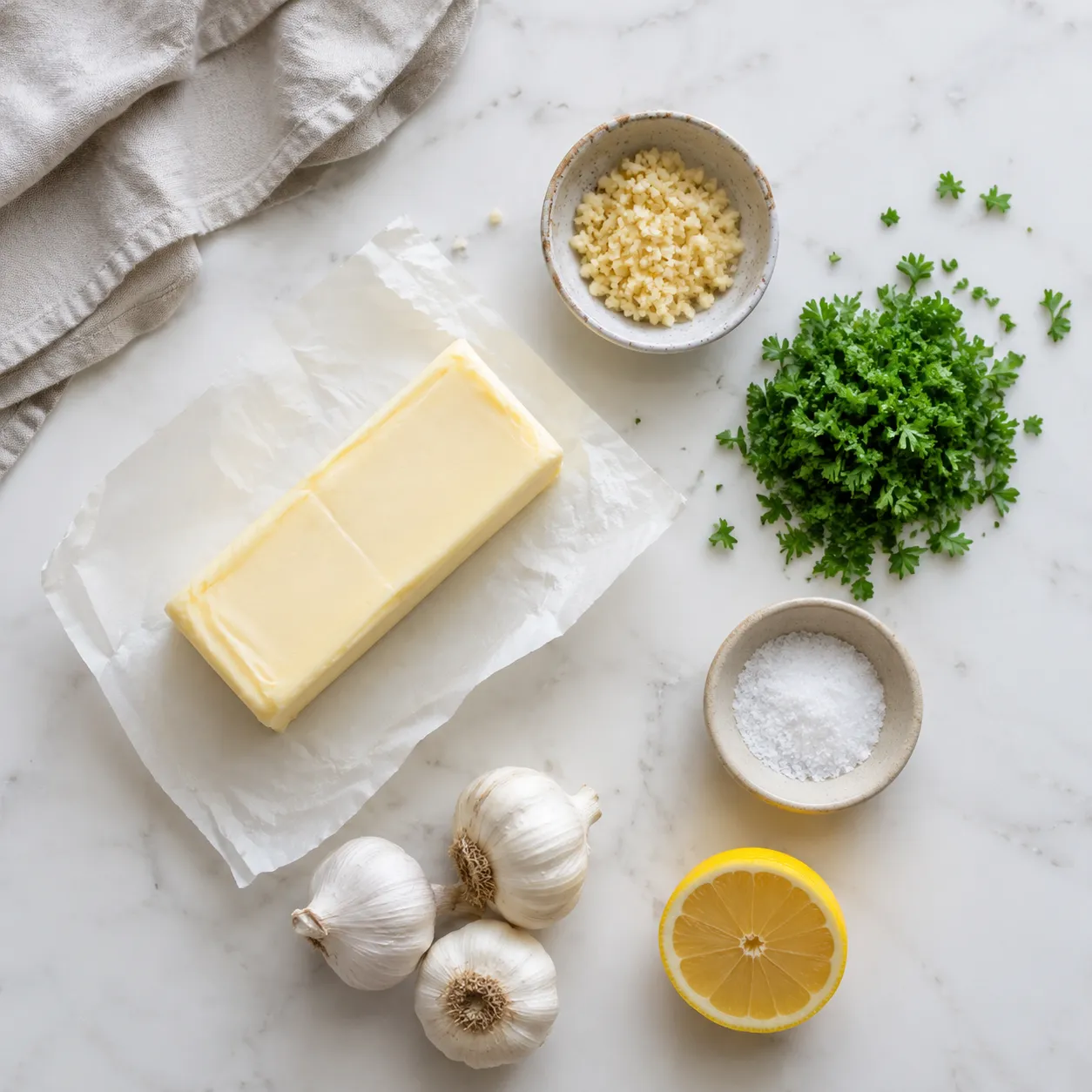
Reach for unsalted butter whenever possible. It gives you full control over the seasoning, which matters more than you'd think when you're spreading a thick layer onto warm bread or melting it down into a sauce that already concentrates flavor. A high-fat European-style butter will give you extra richness, but a standard American stick works beautifully too — both melt down into something glossy and rich. The most important thing is texture: you want softened butter that gives easily under a finger but still holds its shape, not melted, not still cold from the door of the fridge.
Fresh garlic, finely minced, is the gold standard. It brings that bright, almost peppery snap that defines a great spread. For a sweeter, mellower flavor, swap in cloves of slow-cooked roasted garlic — if you've never tried it, learning how to roast garlic is one of those small kitchen wins that pays off for weeks. In a pinch, garlic powder works too: a teaspoon of powder roughly replaces three fresh cloves. The flavor is rounder and less aromatic, but still good when fresh isn't available.
Fresh parsley is the classic herb here, and for good reason — it's clean, bright, and lets the garlic stay center stage. Chives, thyme, or rosemary all play nicely too, alone or in combination. A small squeeze of lemon juice cuts through the richness, and freshly cracked black pepper adds quiet warmth. Save the Parmesan, red pepper flakes, and miso experiments for variations — start with the clean base and build from there once you know how it tastes.
The full numbered method lives in the recipe card below, but here's the narrative version so you understand what's happening at each stage. Total active time runs about five minutes from cold butter to finished spread.
Pull a stick of butter out of the fridge 30 to 45 minutes before you start. You want it soft enough that a spoon glides through with no resistance, but not greasy or shiny on the surface. If you forgot to plan ahead, cut the cold stick into small cubes and let them sit on the counter for 15 minutes — they'll catch up fast. Skip the microwave; even a few seconds too long melts the edges and ruins the creamy whip you're after.
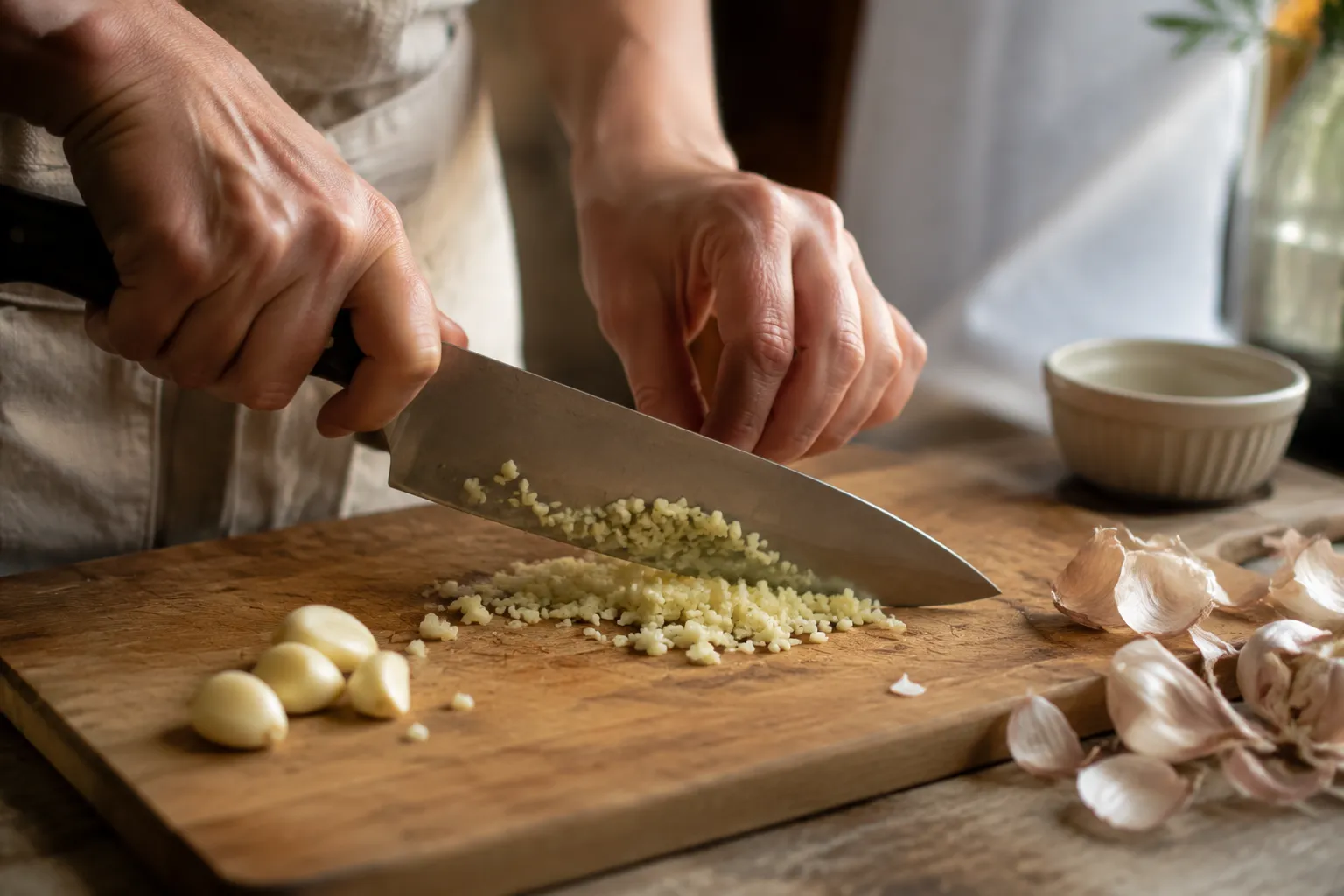
Finely mince your fresh garlic — really finely, almost to a paste. Big chunks turn raw and harsh against soft butter, and nobody wants to bite into a hot nugget of allium. To tame the bite, sprinkle a pinch of kosher salt over the minced garlic and let it sit for 2 minutes. The salt draws out moisture and softens the sharper sulfur compounds, leaving you with a rounder, sweeter punch. This is the secret step most quick recipes skip entirely.
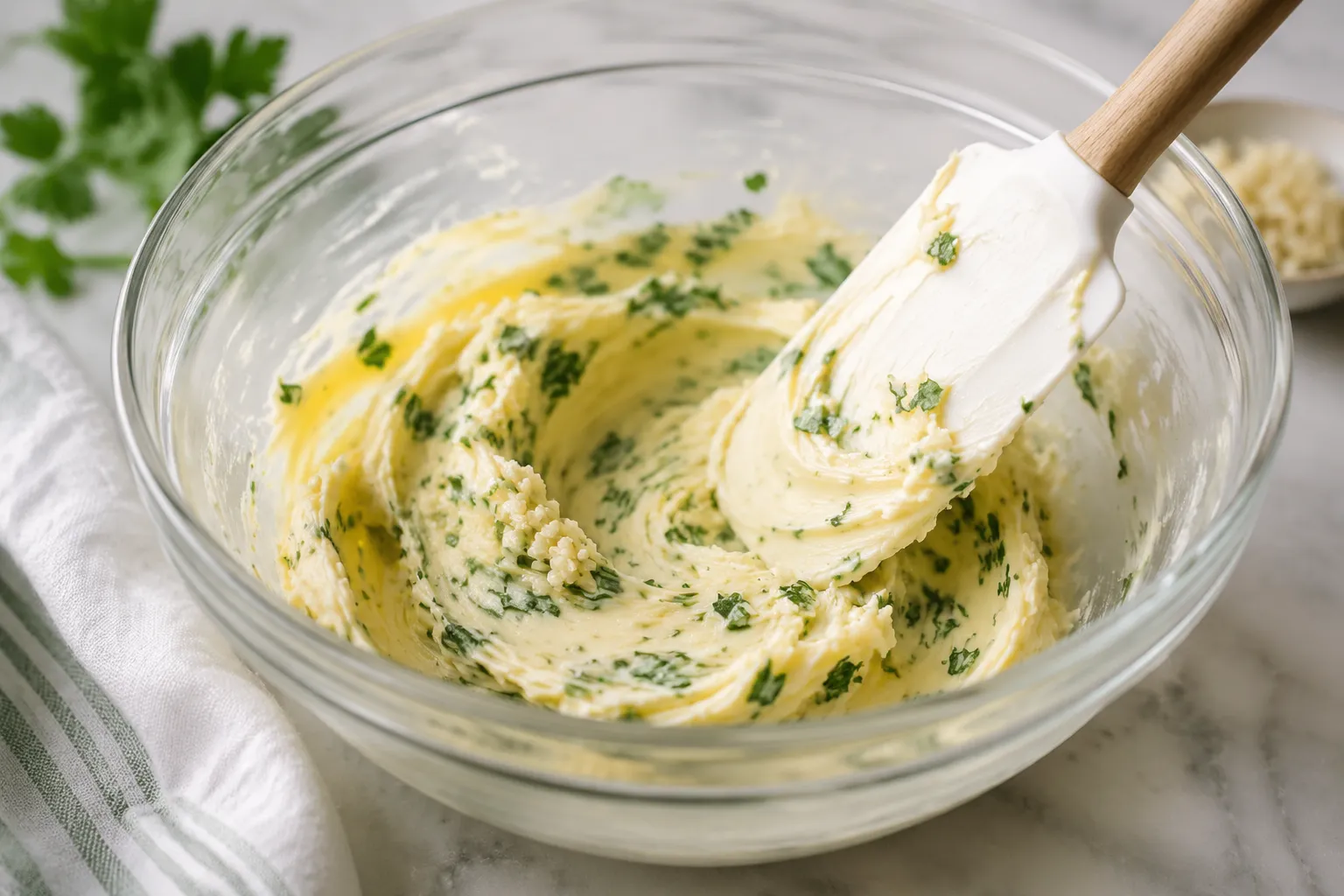
Add the garlic, fresh parsley, salt, and pepper to your softened butter and whip with a sturdy spatula or fork until everything is uniformly streaked through. Taste it before it firms up. Add more salt if it falls flat, a squeeze of lemon if it feels heavy, more parsley if it looks pale. From here you have two paths: spoon it into a small jar for spreading, or scrape it onto parchment, roll into a tight log, and chill until firm.
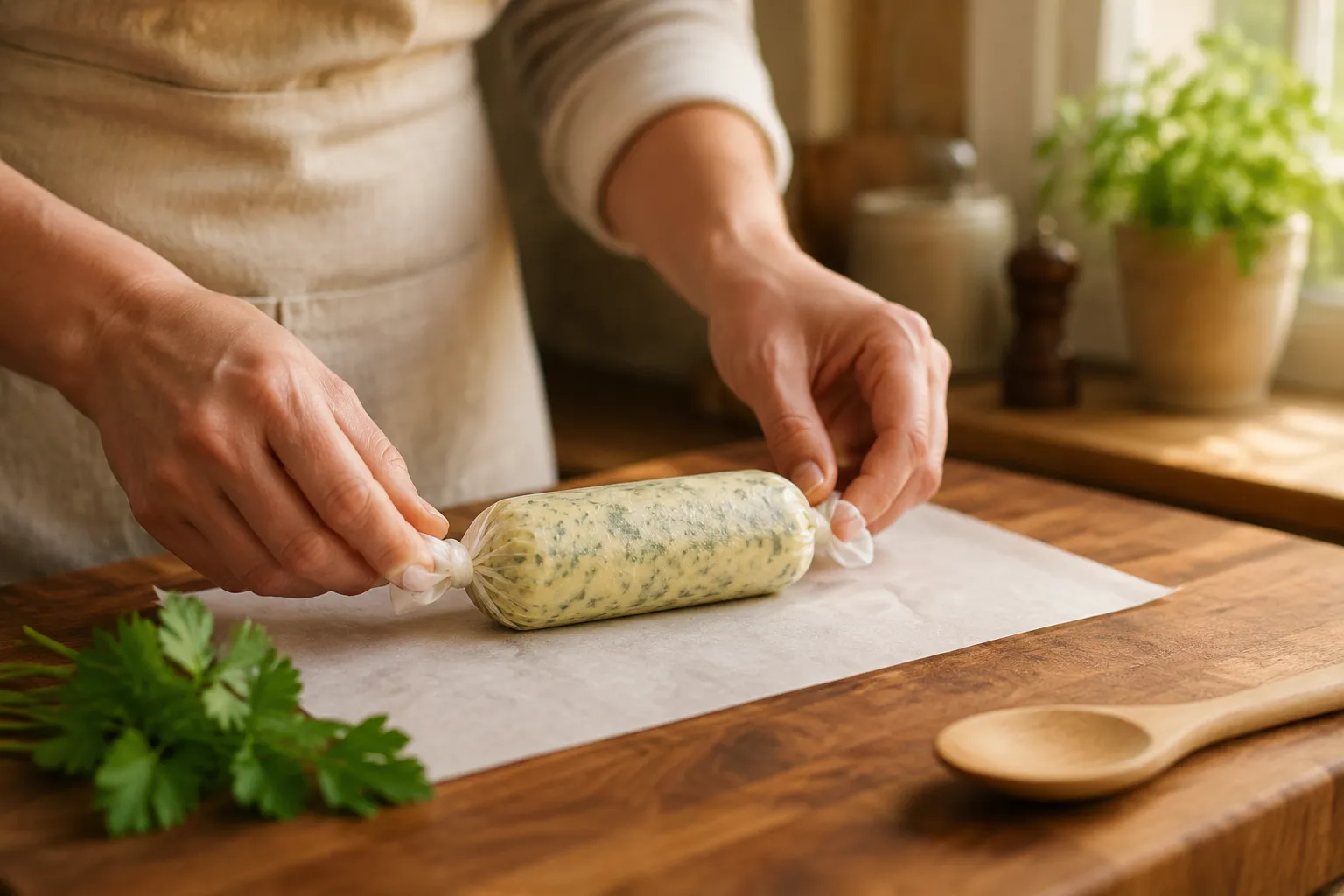
A chilled log is the home cook's secret weapon — slice off coins to melt over hot steak, tuck under chicken skin before roasting, or stash in the freezer for later. This is the moment you realize a homemade compound butter is doing twice the work of anything from a tub.
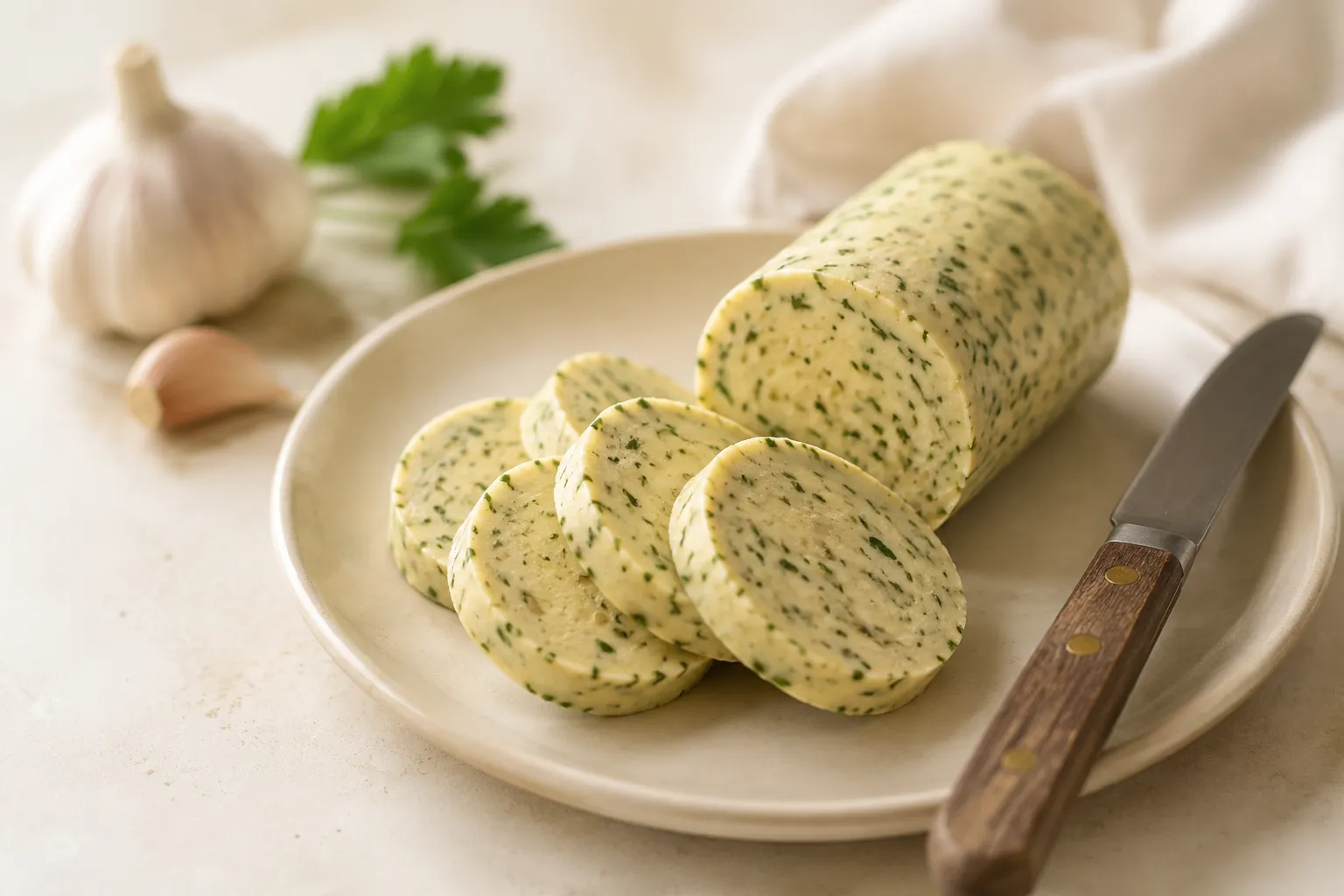
The same base recipe transforms into a glossy garlic butter sauce in about three minutes. Keep a log on hand and weeknight pan sauces stop feeling like a project — they become the easy part of dinner.

For garlic butter shrimp or a quick pasta finish, melt 4 tablespoons of compound butter in a skillet over low heat. Don't rush it — low and slow keeps the milk solids from browning before you want them to. Once it's mostly liquid, add a splash of pasta water, dry white wine, or seafood stock and swirl until the sauce thickens into something silky. Toss in cooked shrimp, scallops, or al dente pasta and finish with a squeeze of lemon and another shower of fresh parsley.
For garlic butter steak, sear your meat first, then pull it onto a plate to rest. Drop two or three coins of cold butter into the still-hot pan, swirl, and add a splash of broth or red wine to deglaze. The sauce will emulsify almost on its own, picking up all the fond from the bottom of the pan. Spoon it generously over the rested steak. The same move works for seared chicken thighs, pork chops, and even thick-cut mushrooms.
Sauces tighten as they cool and loosen as they sit on heat. If yours feels too thin, simmer another minute or whisk in another small pat of cold butter to emulsify. Too thick? A tablespoon of warm broth or pasta water brings it right back. Always taste before serving — salt, acid, and a pinch more parsley are usually all that's needed to land it.
Once you have a batch in the fridge, you'll start spotting uses everywhere. Here's the short list of dishes I rotate through on a regular basis.
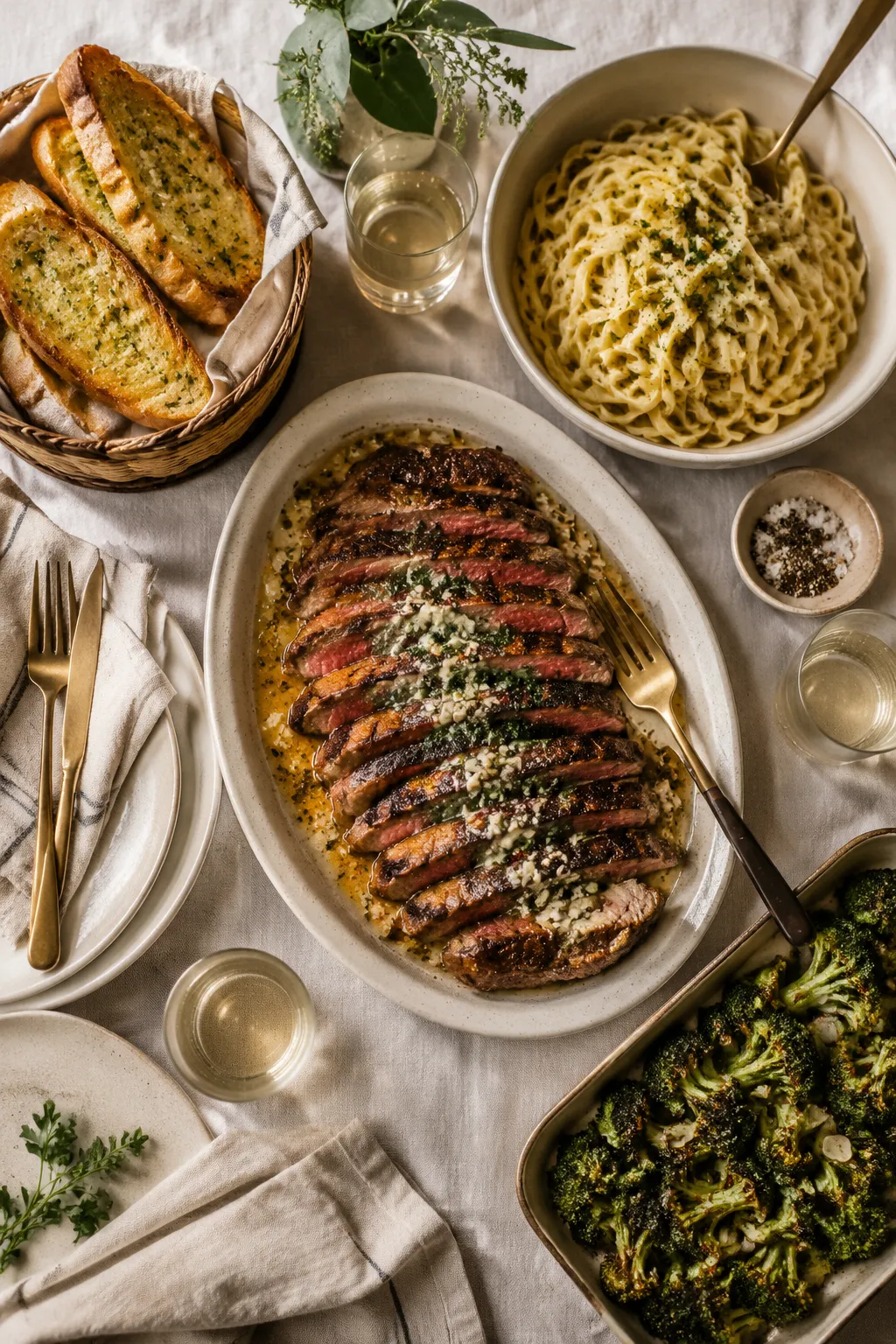
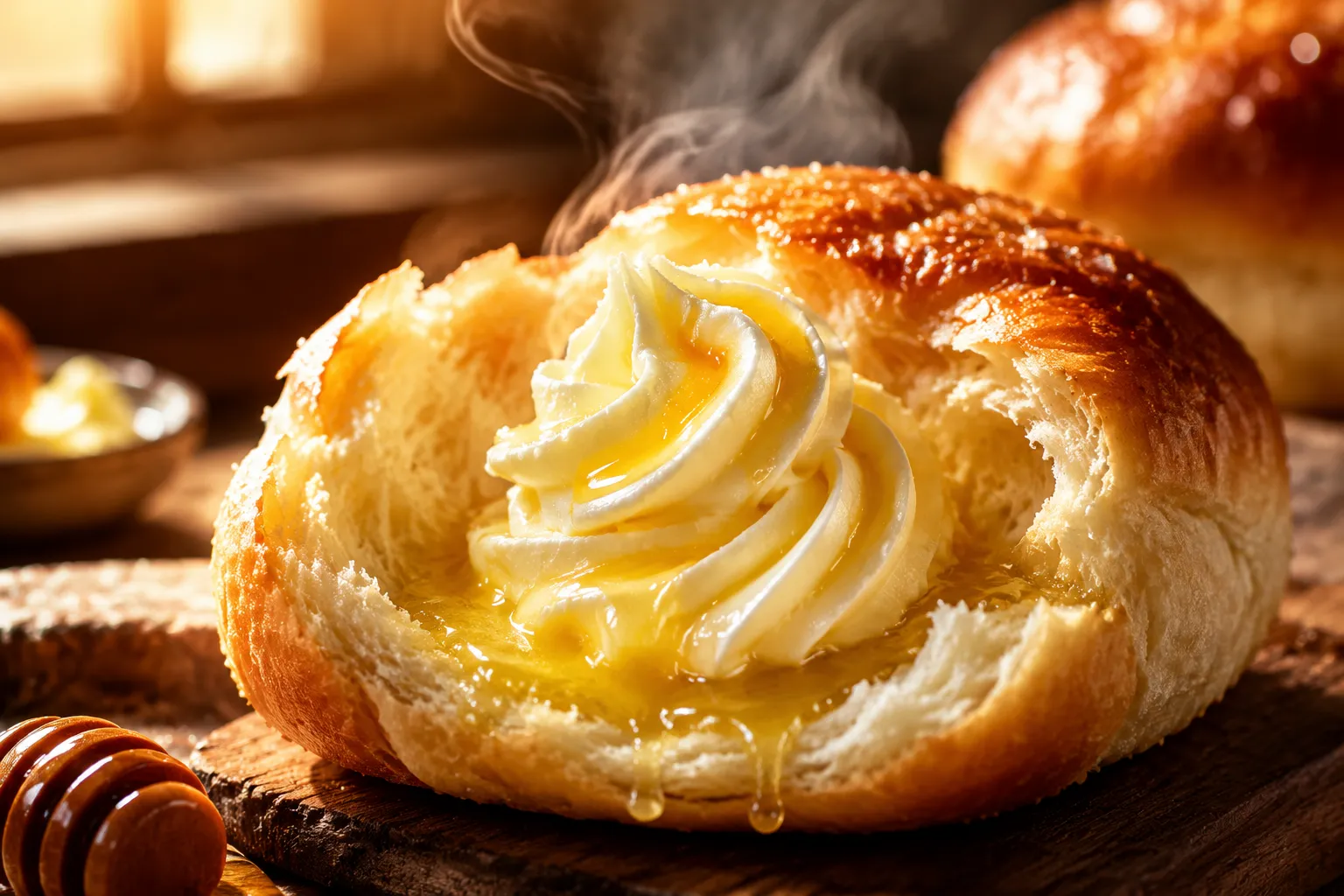
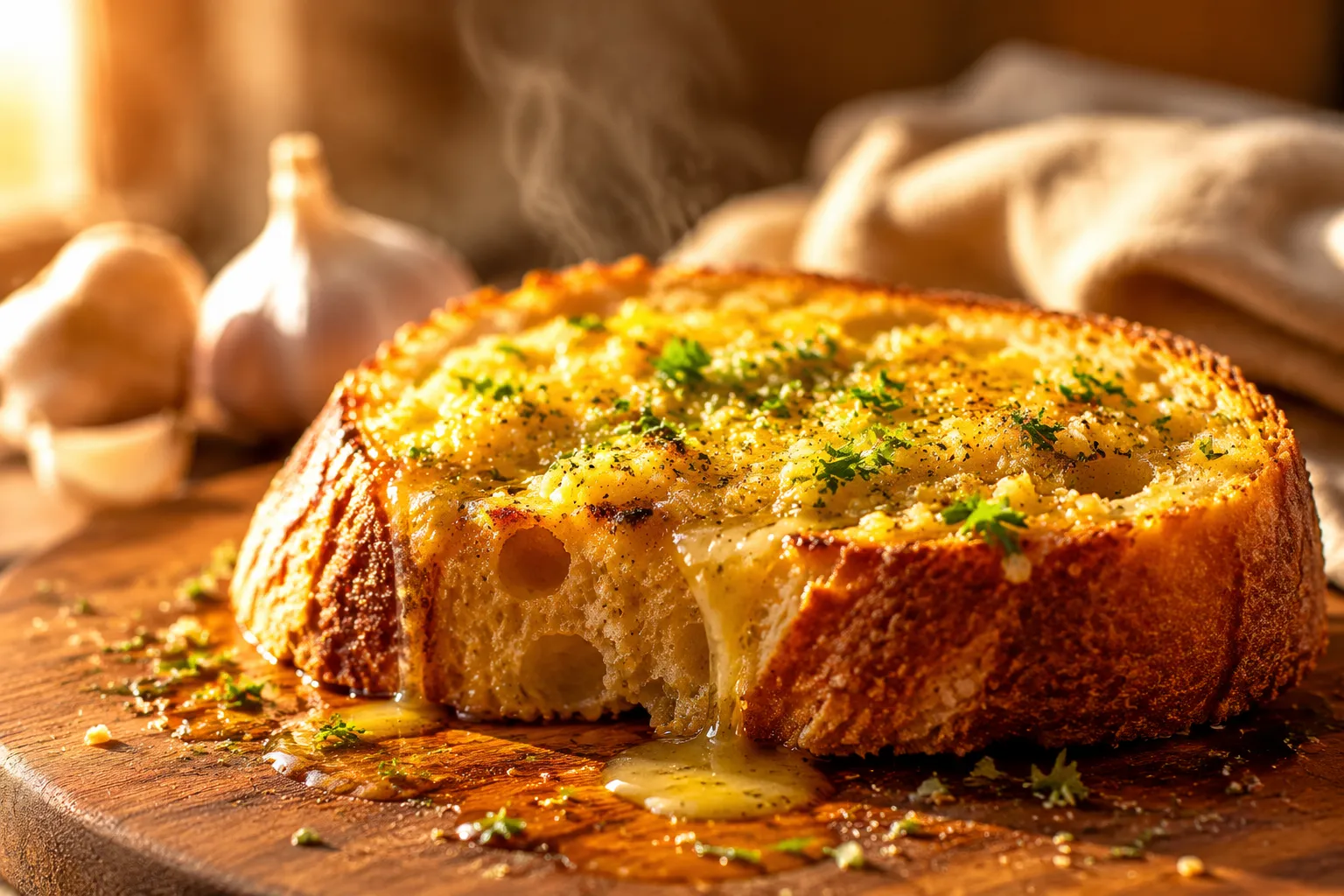
The original use case, and still the best. Spread a thick layer onto split baguette halves, broil for 2 minutes, and you've got a faster, better garlic bread than anything from a freezer aisle. The same butter melts perfectly into warm dinner rolls, drop biscuits, or sliced focaccia. If you want a true bakery-style garlic bread recipe, mix a tablespoon of grated Parmesan and a pinch of red pepper flakes into the spread before broiling.
Seafood and butter were made for each other. A skillet of plump shrimp swirled in melted butter, finished with parsley and a squeeze of lemon, takes 7 minutes start to finish and tastes like a steakhouse appetizer. The same approach works for seared scallops, lobster tails, or even crab legs in the shell. Serve with crusty bread on the side to mop up every last pool of sauce.
A coin of cold butter on a hot ribeye, melting slowly into the grain, is one of the great kitchen pleasures. The same trick elevates seared chicken, pork chops, and pan-roasted fish. For vegetables, toss roasted broccoli, asparagus, or smashed potatoes with a tablespoon of melted butter just before serving — the residual heat blooms the garlic and coats every surface evenly.
The beauty of this recipe is how little you have to think about it once it lives in your fridge. A jar on the door, a wrapped log in the freezer, and dinner gets quietly upgraded for weeks at a time.
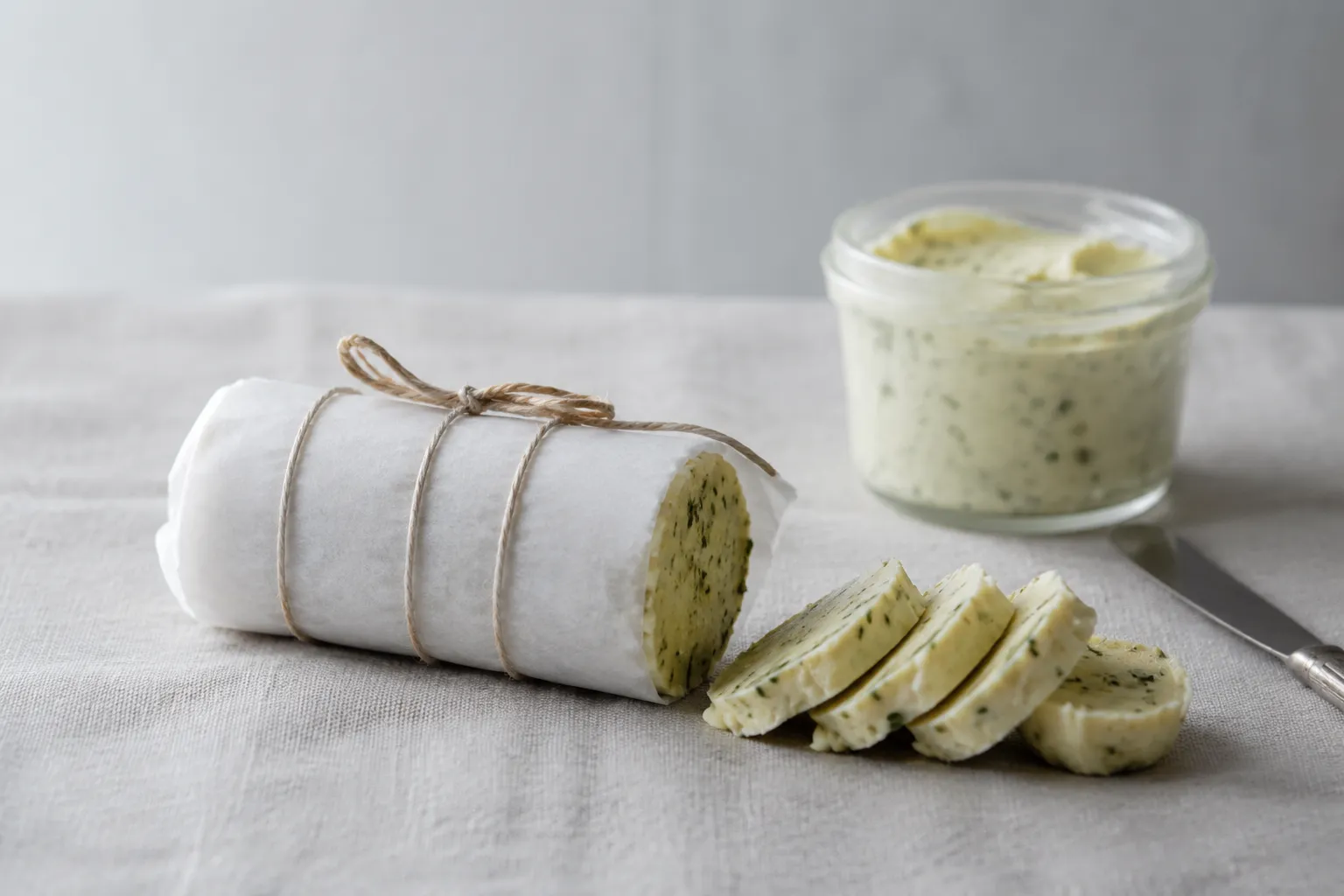
Make it once and you'll find yourself reaching for it more than you expect — bread, eggs, pasta, weeknight chicken, anywhere a pan needs a finishing kiss of richness. It's the kind of small, repeatable kitchen magic that earns its keep, batch after batch.
Once you trust the base recipe, branch out. The classic parsley-and-garlic combo is a launchpad, not a ceiling — most pantry add-ins integrate cleanly when blended into a tablespoon of softened butter at a time, then folded back into the master batch.
Stored in an airtight container or wrapped tightly in parchment paper and plastic wrap, the finished butter keeps in the refrigerator for up to 2 weeks. The flavor actually deepens after a day in the fridge as the garlic mellows into the fat, so make it ahead whenever possible. Press a piece of plastic directly onto the surface of jarred butter to keep it from picking up off-flavors from the fridge.
For longer storage, roll the soft butter into a log on parchment paper, twist the ends like a candy wrapper, and slide it into a freezer bag. It will keep for up to 3 months frozen. Slice off coins straight from the freezer as needed — they'll melt instantly on hot steak, pasta, or bread without thawing the whole log. To reheat a melted sauce that has separated, return it to a low burner and whisk in a splash of warm broth or pasta water to bring the emulsion back together.