Alfredo Sauce Recipe: Creamy 15-Minute Homemade Classic
Ingredients
Scale
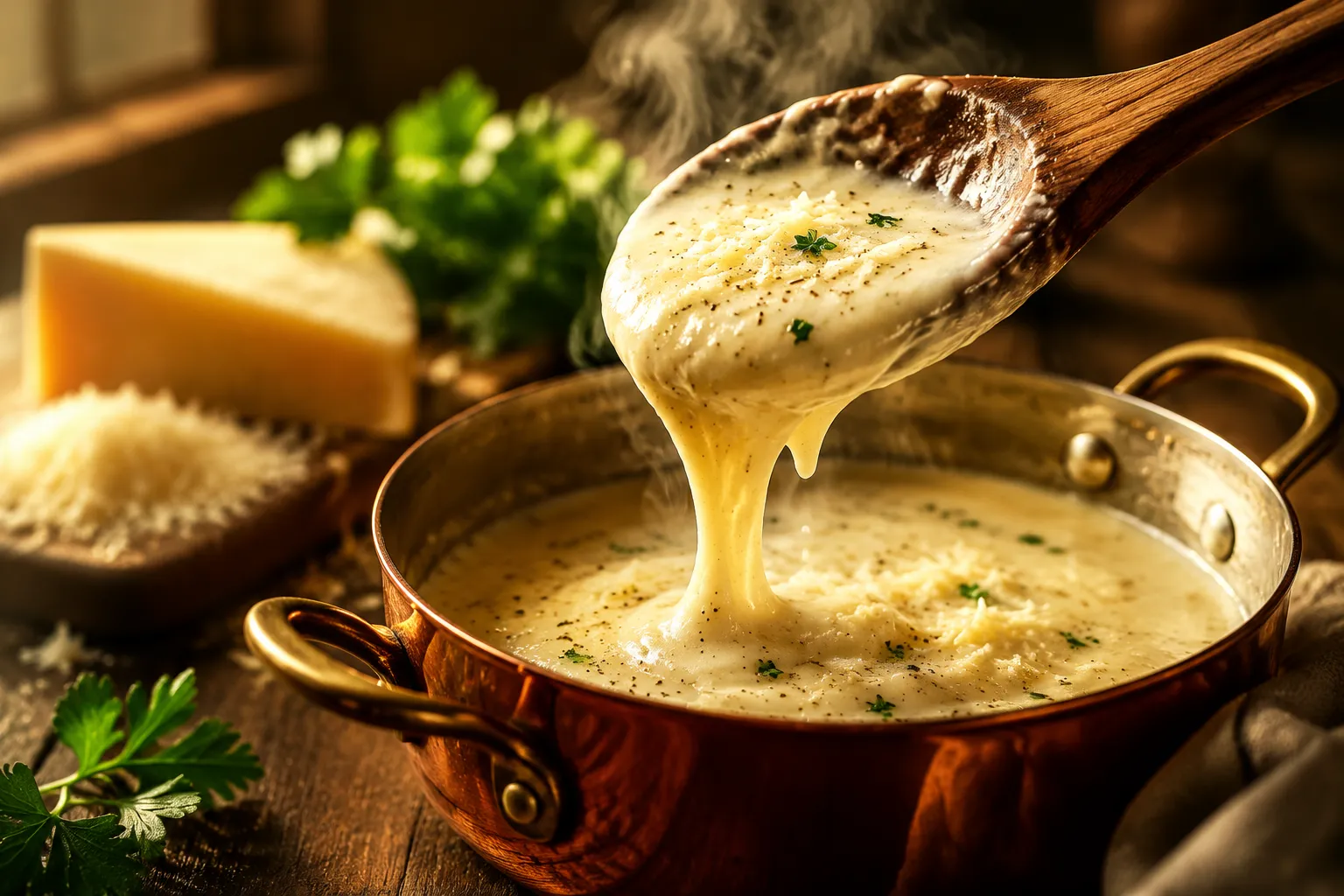
A silky, restaurant-quality alfredo sauce recipe made in one pan with 5 pantry staples. Ready in 15 minutes, no cream cheese shortcuts required.
This alfredo sauce recipe is the one I make when dinner needs to feel a little luxurious but absolutely cannot require a sink full of dishes. It is rich, glossy, deeply Parmesan-forward, and ready in about the time it takes to boil pasta. No jar, no floury roux, no cream cheese required—just butter, cream, garlic, and real cheese coaxed into a silky sauce.
The magic is in the method: simmer the cream gently, then pull the pan off the heat before adding the Parmigiano-Reggiano. That one small move keeps the cheese from seizing, so your homemade alfredo sauce stays smooth instead of grainy. Finish it with a splash of starchy pasta water and suddenly you have that restaurant-style sheen that clings to every ribbon of fettuccine.
I love this as the base for fettuccine alfredo, spooned over roasted vegetables, or tucked into a bubbling chicken alfredo bake when the evening calls for comfort food. It is also one of those easy weeknight dinners that feels much fancier than the effort involved. If you can whisk and keep the heat gentle, you can make a simple alfredo sauce that tastes like it came from your favorite Italian-American spot.
A classic Italian-American Alfredo is all about restraint: a short ingredient list, careful heat, and enough good cheese to make the sauce taste full without becoming heavy or gluey. This alfredo sauce recipe leans on heavy cream for body, unsalted butter for roundness, and freshly grated Parmigiano-Reggiano for its salty, nutty backbone. Garlic is included because it brings warmth without taking over, and a whisper of nutmeg is optional but lovely if you like a subtle restaurant-style finish.
What separates this version from a shortcut sauce is that the cheese melts off the heat. Parmesan is delicate; when it is boiled, it can clump or turn sandy. By whisking it into hot cream after the pan is removed from the burner, the cheese melts gradually and evenly. The result is a homemade pasta sauce that feels plush, balanced, and deeply savory.
This is not meant to be an overly thick, spoon-standing sauce. The best Alfredo coats pasta in a creamy veil, with just enough looseness to glide around the noodles. That is where reserved pasta water comes in: the starch helps the sauce emulsify, giving it gloss and movement. Think silky, not stiff.
The ingredients are simple, so each one matters. Start with unsalted butter so you can control the salt level at the end, especially because Parmigiano-Reggiano brings plenty of natural salinity. Heavy cream gives the sauce its signature richness and reduces just enough in a few minutes to become velvety. Garlic should be finely minced so it melts into the butter rather than leaving sharp bites behind.
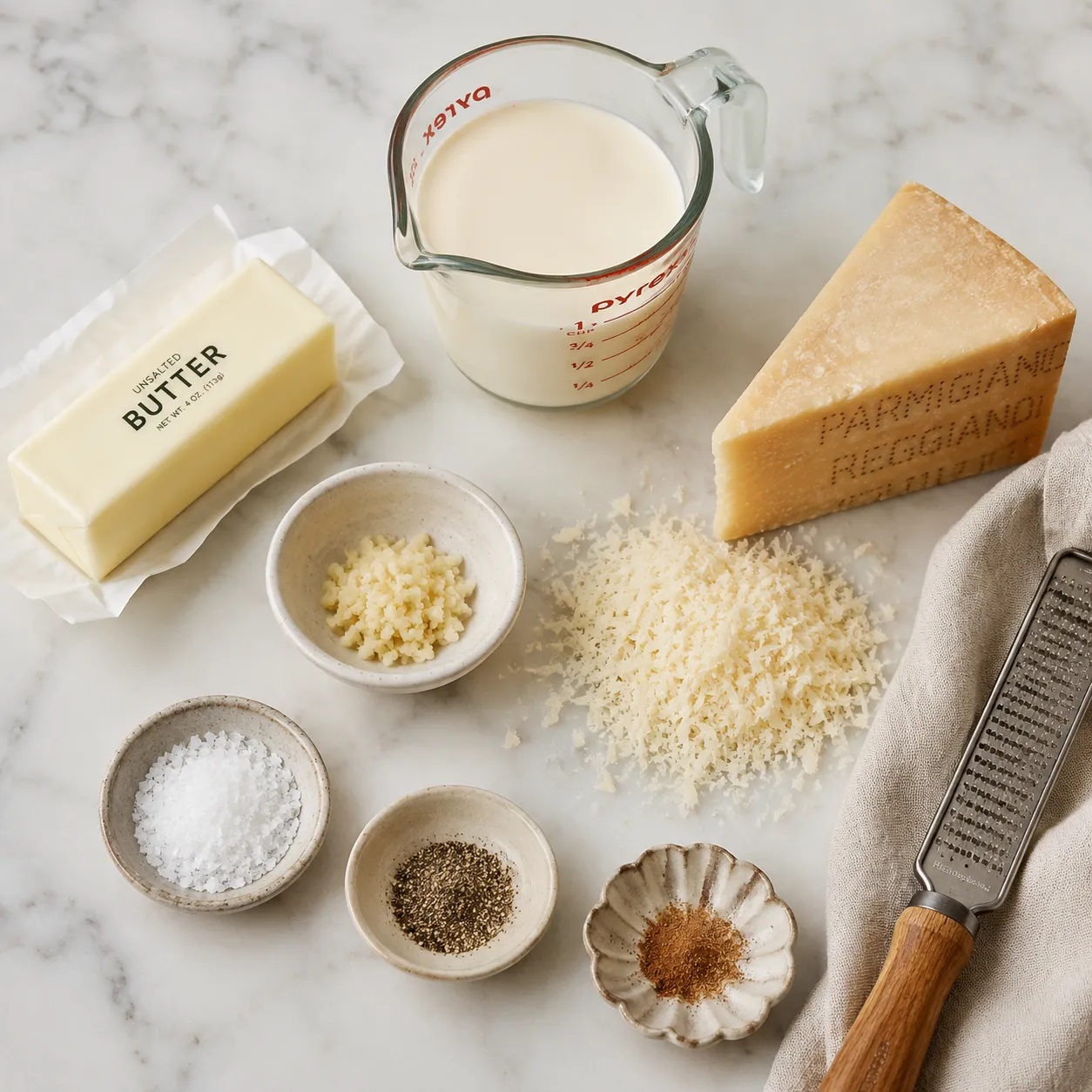
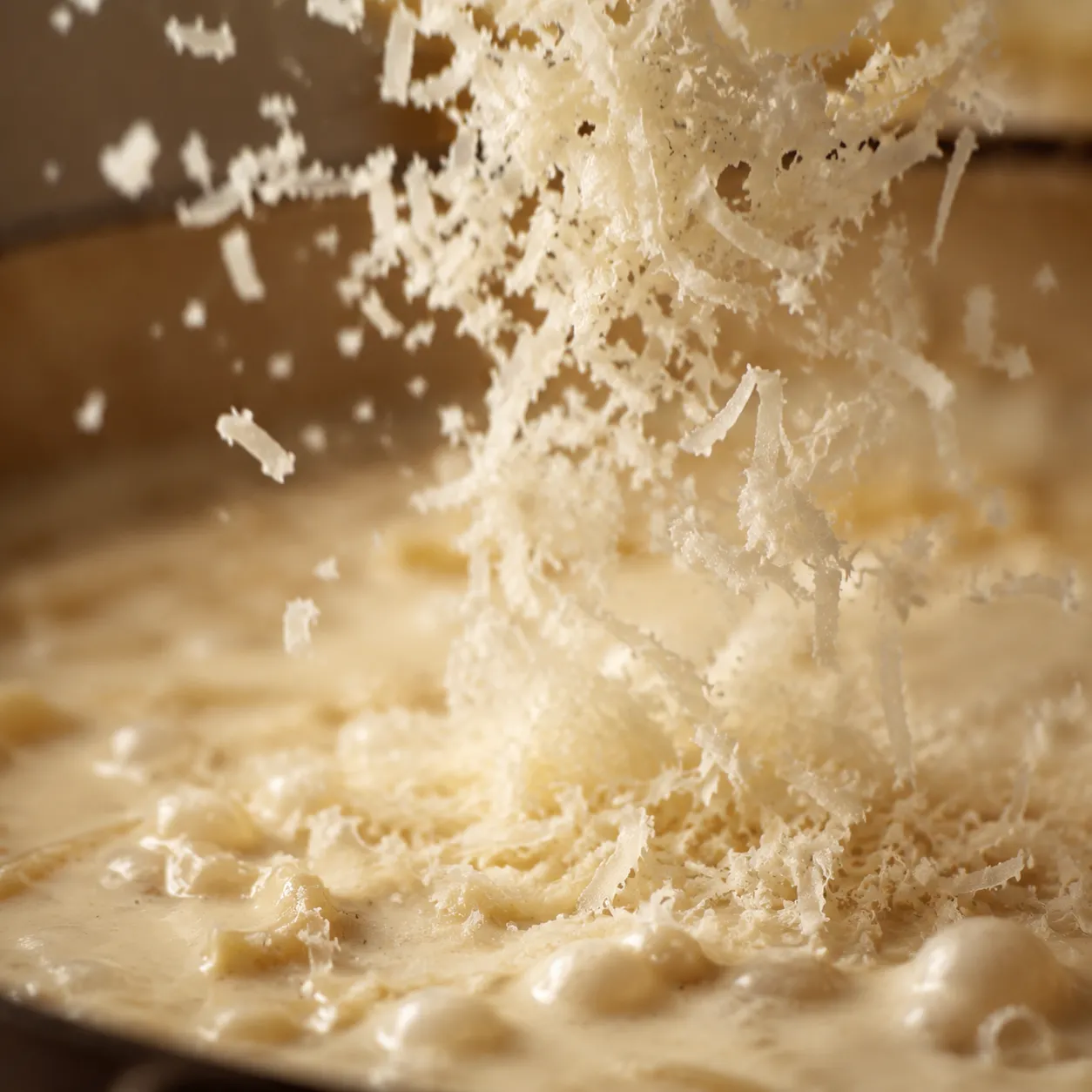
The cheese is the heart of the sauce. Choose a wedge of Parmigiano-Reggiano and grate it yourself just before cooking; pre-shredded cheese is often coated with anti-caking agents that resist melting. If you are new to this, a quick guide on how to grate Parmesan can make a big difference—use the small holes of a box grater or a microplane for fluffy shreds that disappear into the cream. Freshly grated cheese gives this easy alfredo sauce its smooth texture and clean, nutty flavor.
Black pepper cuts through the richness and makes the sauce feel complete. Nutmeg is optional, but just a pinch adds a soft warmth that is especially good with fettuccine or gnocchi. Salt should be added last, after the cheese has melted, because the amount you need depends on both your Parmesan and the pasta water. If you are serving the sauce with chicken, shrimp, or vegetables, season those components separately so the final dish tastes layered rather than flat.
If you have ever wondered how to make alfredo sauce without it splitting, the answer is gentle heat and patience at the cheese stage. Begin by melting the butter over medium-low heat, then add the garlic and let it bloom until fragrant. You are not trying to brown the garlic here; pale gold is perfect. Burnt garlic can make the whole pan taste bitter, so keep the heat mellow.
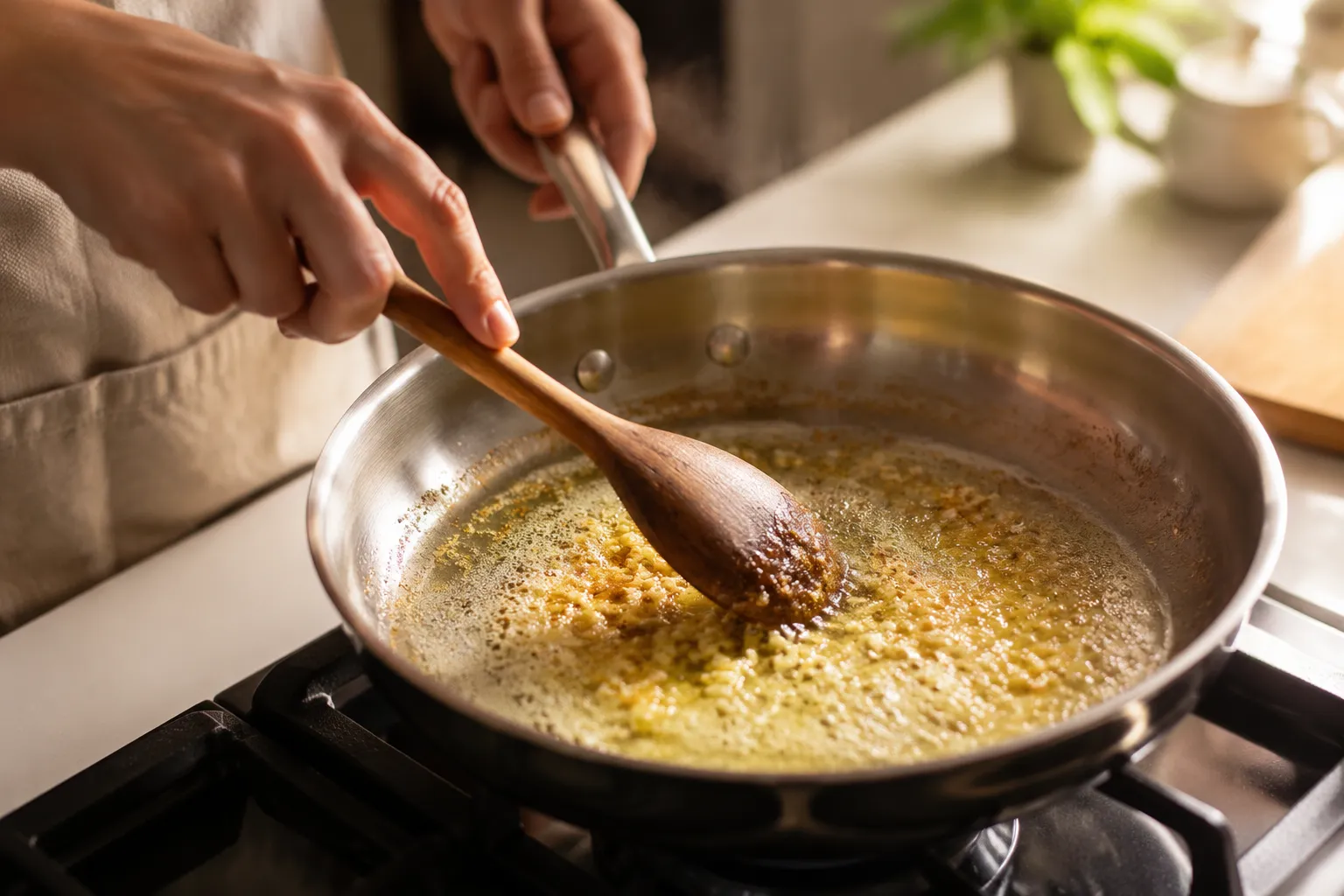
Next, pour in the heavy cream and bring it to a gentle simmer. Let it bubble softly for a few minutes, whisking now and then, until it thickens slightly and looks cohesive with the butter. A vigorous boil is not your friend; steady, lazy bubbles are what you want. This little simmer concentrates the cream and creates the base for a glossy sauce.
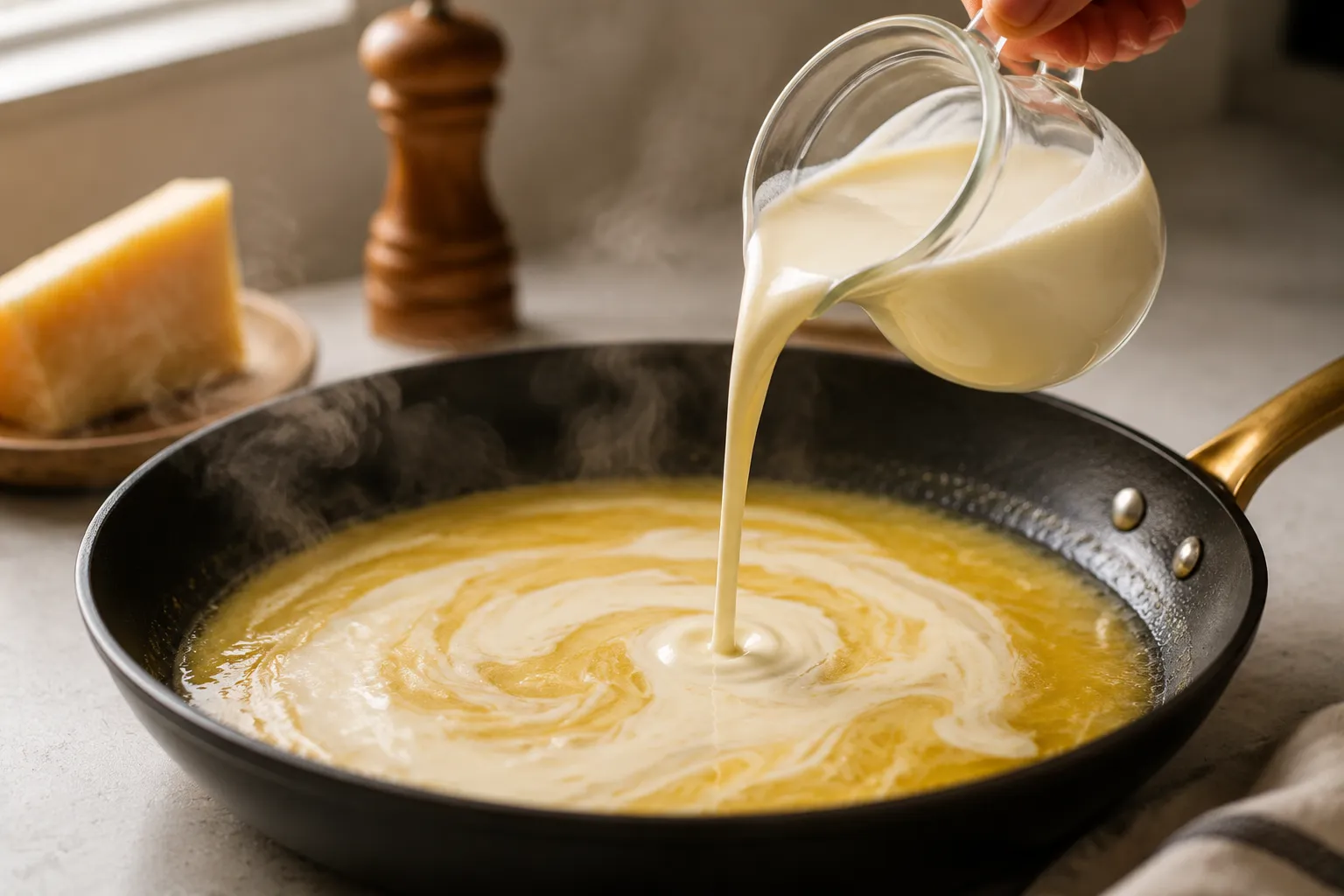
Once the cream has thickened, take the pan off the burner and start whisking in the cheese by handfuls. Add more only after the previous handful has mostly melted. This off-heat method is the key move in this alfredo sauce recipe because it protects the cheese from harsh heat and keeps the sauce smooth. If the sauce seems too thick, whisk in reserved pasta water a tablespoon at a time until it loosens and shines.
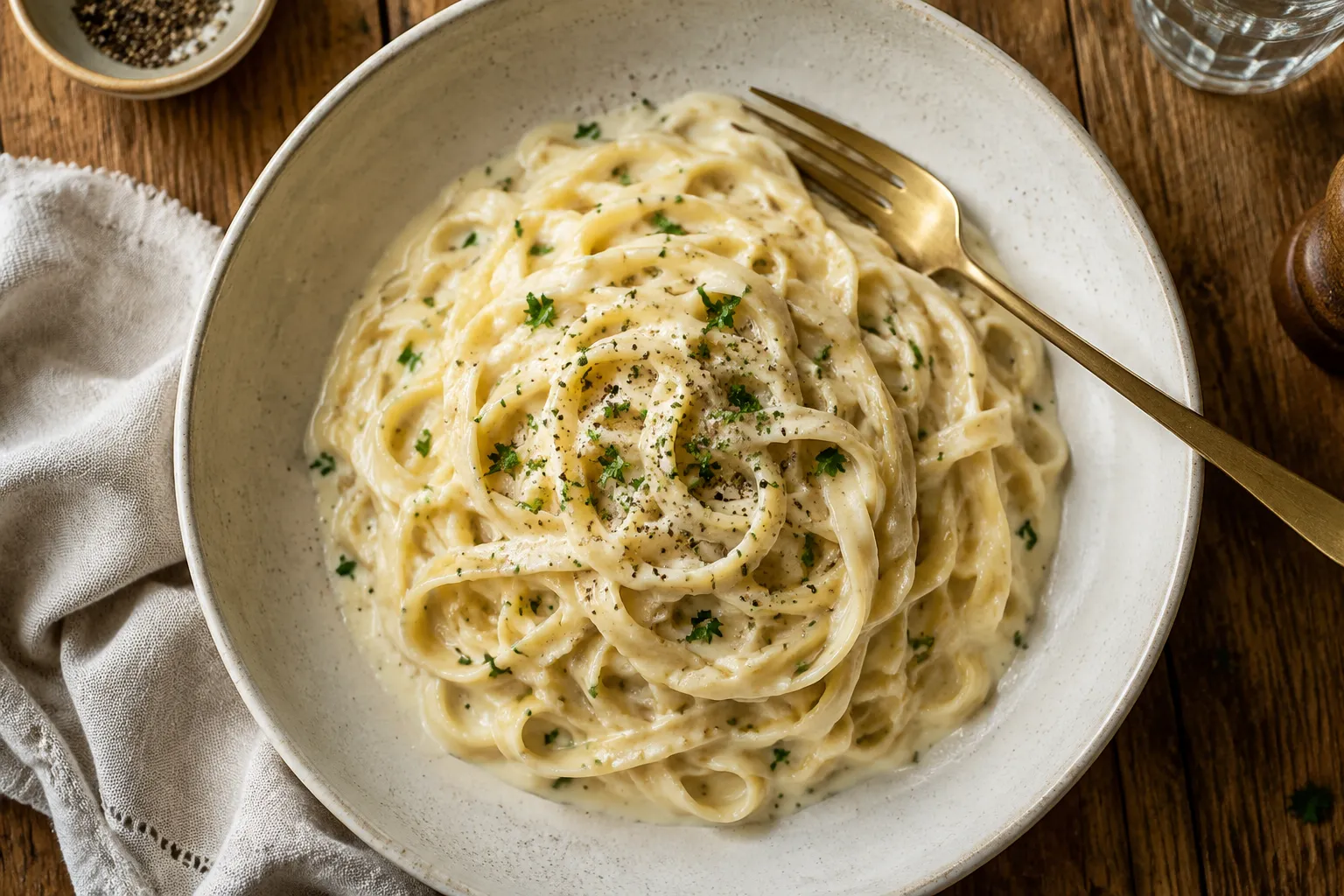
When the sauce is ready, toss it with hot pasta immediately. Fettuccine is the classic because its broad ribbons catch the cream so beautifully, but linguine, tagliatelle, penne, and rigatoni all work. If you are making a pasta alfredo recipe, undercook the noodles by about a minute and finish them in the sauce with a splash of pasta water. The noodles absorb flavor while the sauce tightens around them.
There is a reason fettuccine alfredo is the classic pairing: the wide, flat noodles have enough surface area to carry a creamy sauce without disappearing underneath it. Fresh fettuccine is wonderful if you have it, but dried pasta works beautifully and is easier to keep on hand. The important thing is to salt the pasta water well and save some of that water before draining. A few tablespoons can transform a thick cream sauce into something glossy and restaurant-worthy.
For proteins, grilled chicken, seared shrimp, and salmon all pair naturally with Alfredo. If you love garlic butter shrimp pasta, this sauce makes an especially indulgent twist—just sauté the shrimp separately, then fold them into the finished noodles. Crispy pancetta or bacon can add a salty edge, while roasted broccoli, peas, mushrooms, or asparagus bring freshness. The richness of the sauce welcomes anything with a little char, sweetness, or crunch.
Bread and salad make the plate feel complete without a lot of extra work. A crisp green salad with lemony vinaigrette balances the cream, and garlicky bread is always welcome for swiping the bowl clean. If you are planning a bigger meal, serve smaller portions of pasta alongside roasted chicken or vegetables. This alfredo sauce recipe is flexible enough to be the main event or the creamy finishing touch.
The finished sauce should ribbon from a spoon or whisk, not drop in heavy clumps. When tossed with pasta, it should cling lightly to the noodles and pool just a little at the bottom of the bowl. If it looks too tight, pasta water will loosen it; if it looks too thin, a minute of gentle stirring with the pasta usually brings it together. Alfredo continues to thicken as it sits, so it is better to stop just shy of perfect thickness than to reduce it too far.
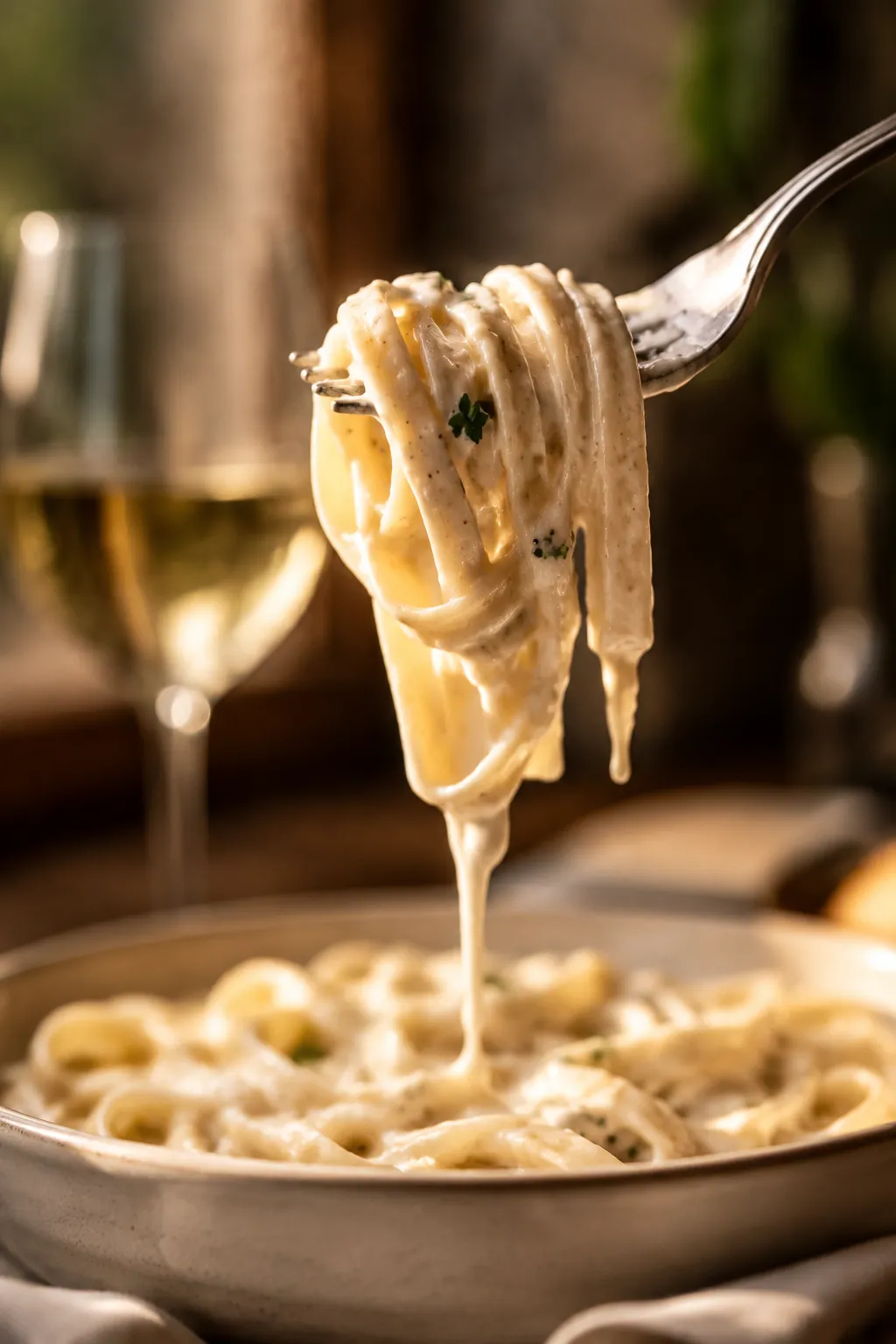
Color is another clue. A good homemade alfredo sauce is pale ivory with tiny flecks of pepper and cheese, not bright white or oily yellow. If butter starts separating around the edges, whisk in a splash of warm pasta water to bring the emulsion back together. If the sauce tastes flat, it usually needs either a pinch of salt, more black pepper, or a little extra Parmesan. Small adjustments are all it takes.
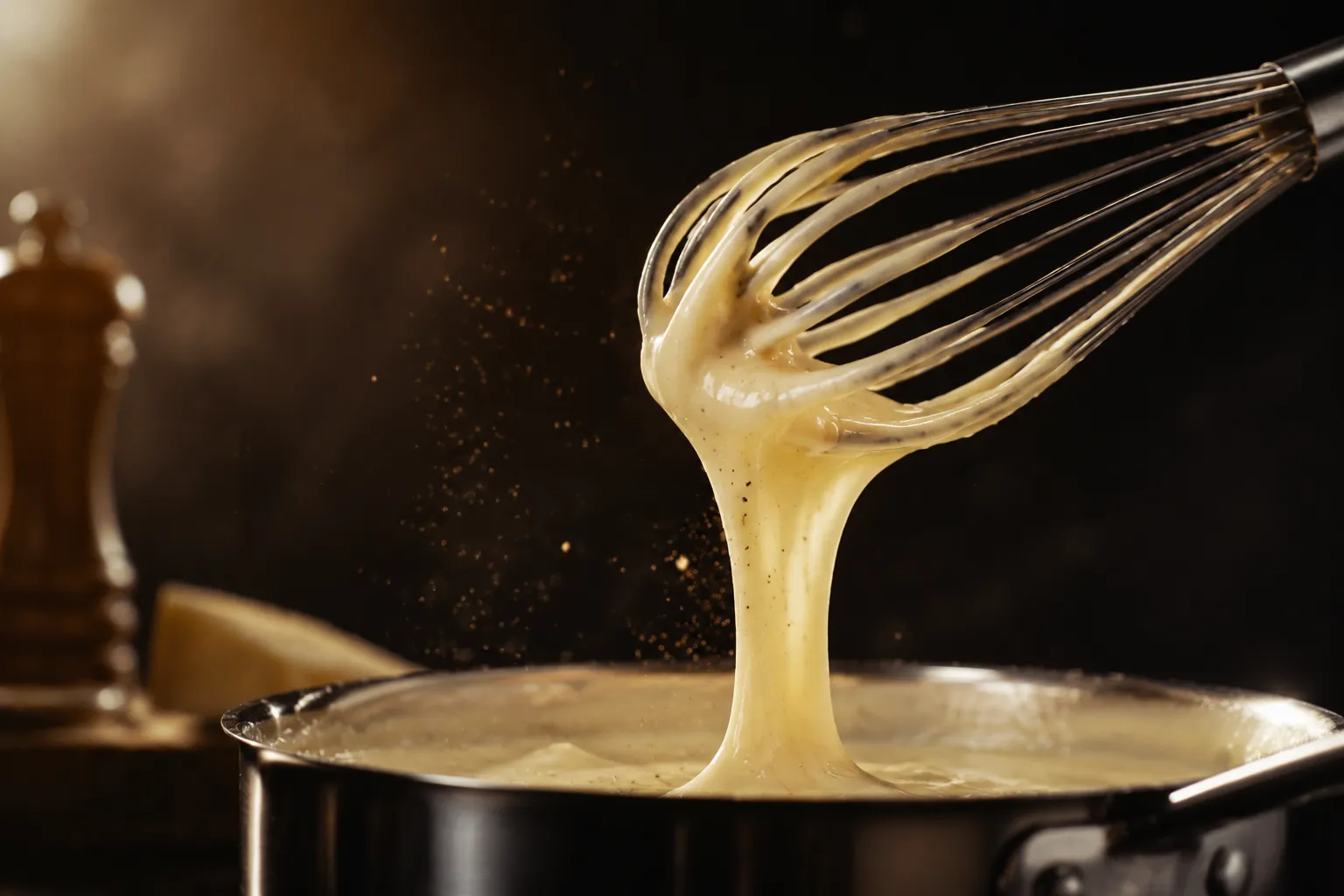
Because the sauce is so simple, it rewards tasting as you go. Parmesan varies by age and saltiness, cream can reduce faster in a wide skillet, and pasta water can be more or less salty depending on the pot. Trust your spoon. A balanced Alfredo should taste rich, savory, gently garlicky, and creamy without coating your palate too heavily.
For a cozy dinner, toss the sauce with fettuccine and top with extra Parmesan, cracked pepper, and parsley. For something heartier, add sliced grilled chicken or roasted vegetables and serve it family-style in a warm bowl. Leftover sauce can also become a quick filling for baked pasta, a creamy layer in lasagna rolls, or the base for a white pizza. It is the kind of foundational recipe that makes the rest of dinner feel easier.
If you are meal planning, keep this sauce in your back pocket for nights when you want comfort without complicated prep. It uses ingredients many cooks already have, comes together quickly, and tastes far better than anything from a jar. Pair it with a crisp salad, warm bread, and a little lemon zest over the top if you want brightness. That tiny final flourish keeps the whole plate lively.
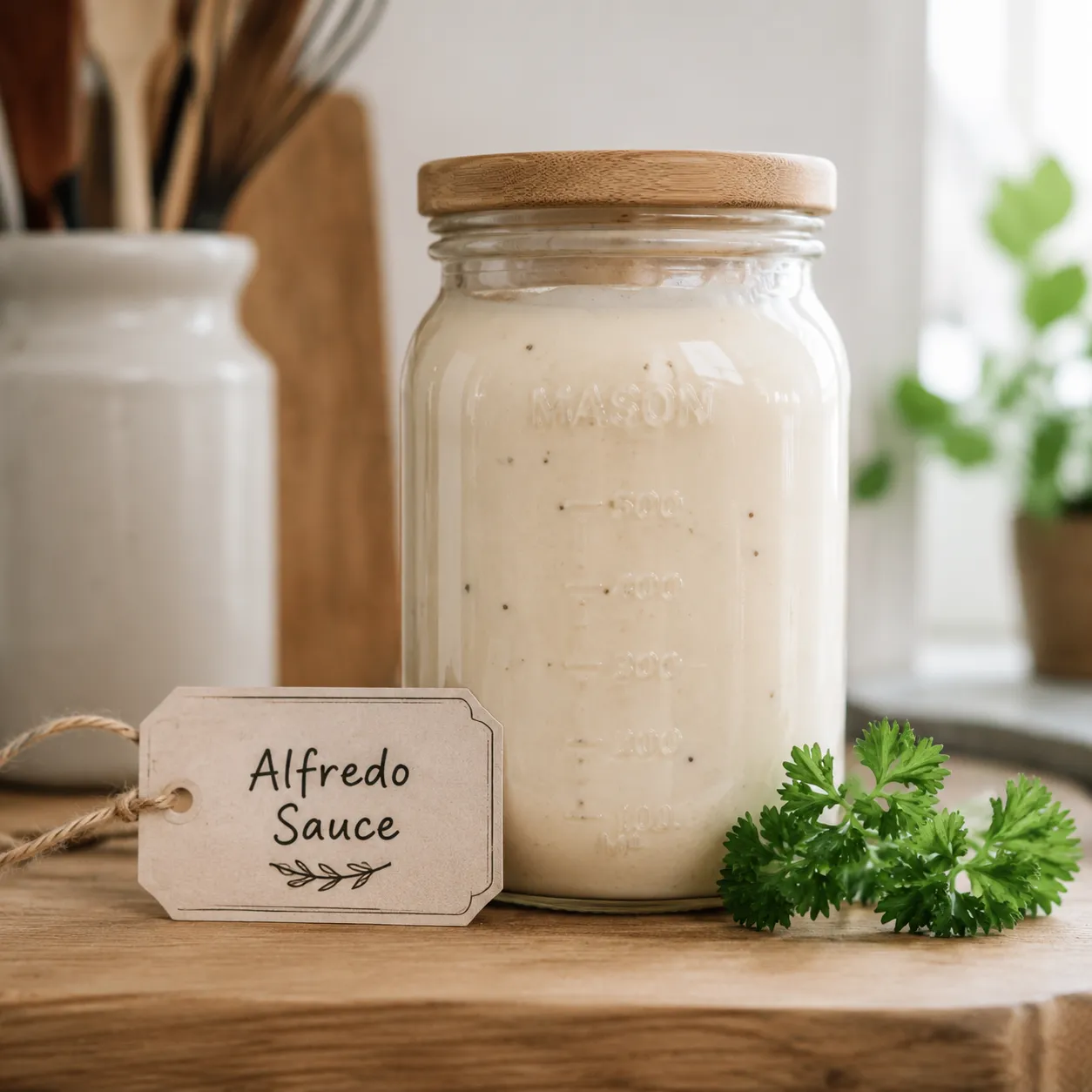
Once you have made this alfredo sauce recipe a time or two, you will know the texture by sight: glossy, loose, and creamy enough to coat a noodle beautifully. It is simple cooking, but it feels special every single time. Pour it over pasta, spoon it over chicken, or use it anywhere you need a creamy Parmesan moment. Dinner is only 15 minutes away.
Store cooled Alfredo sauce in an airtight container in the refrigerator for up to 4 days. It will thicken as it chills, so expect to loosen it when reheating.
Reheat gently in a saucepan over low heat, whisking in a splash of milk, cream, or warm pasta water until smooth. You can freeze Alfredo sauce for up to 2 months, but cream-based sauces may separate; thaw overnight in the refrigerator and whisk slowly over low heat to bring it back together.