Pasta Types: The Ultimate Guide to 30+ Pasta Shapes
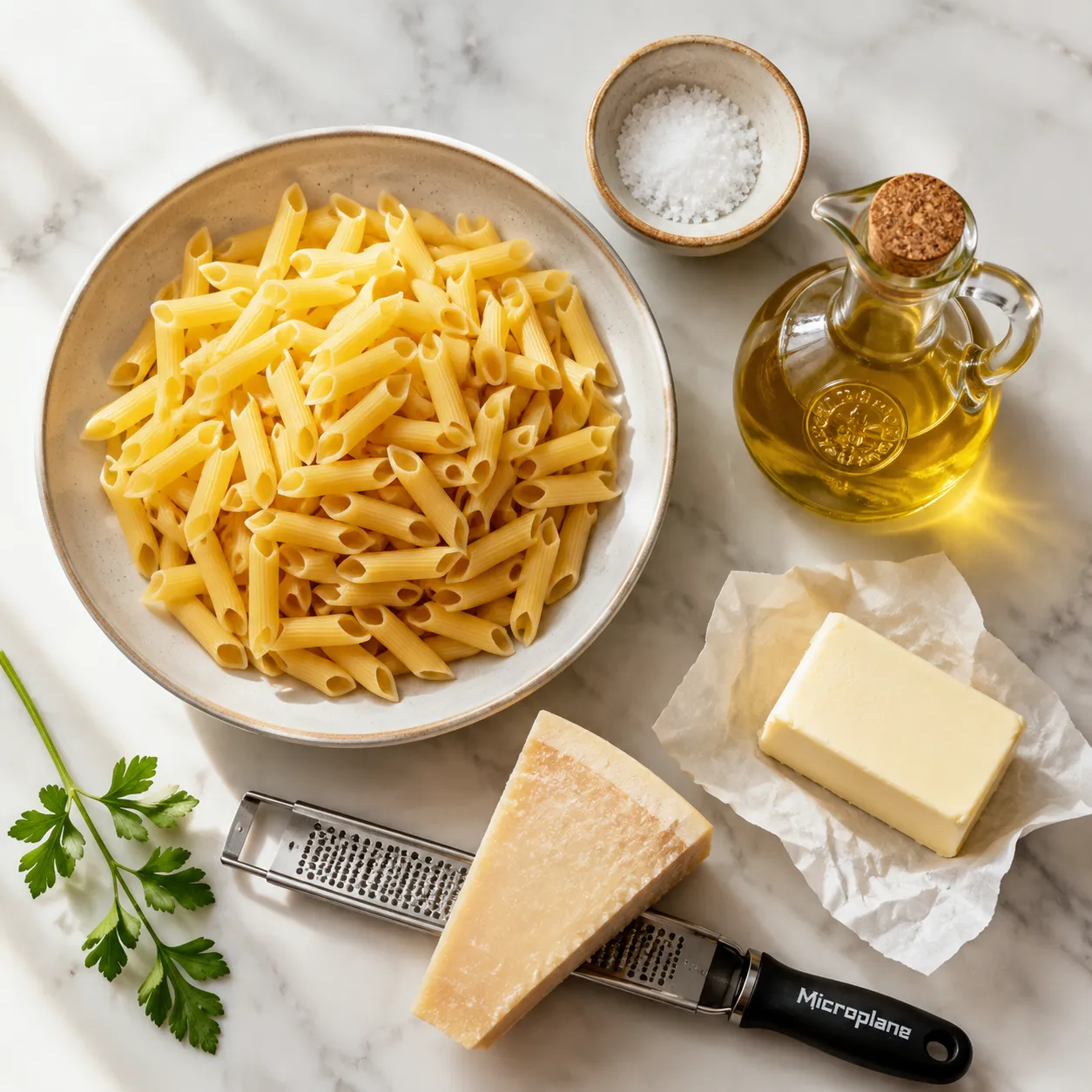
Ingredients
Scale
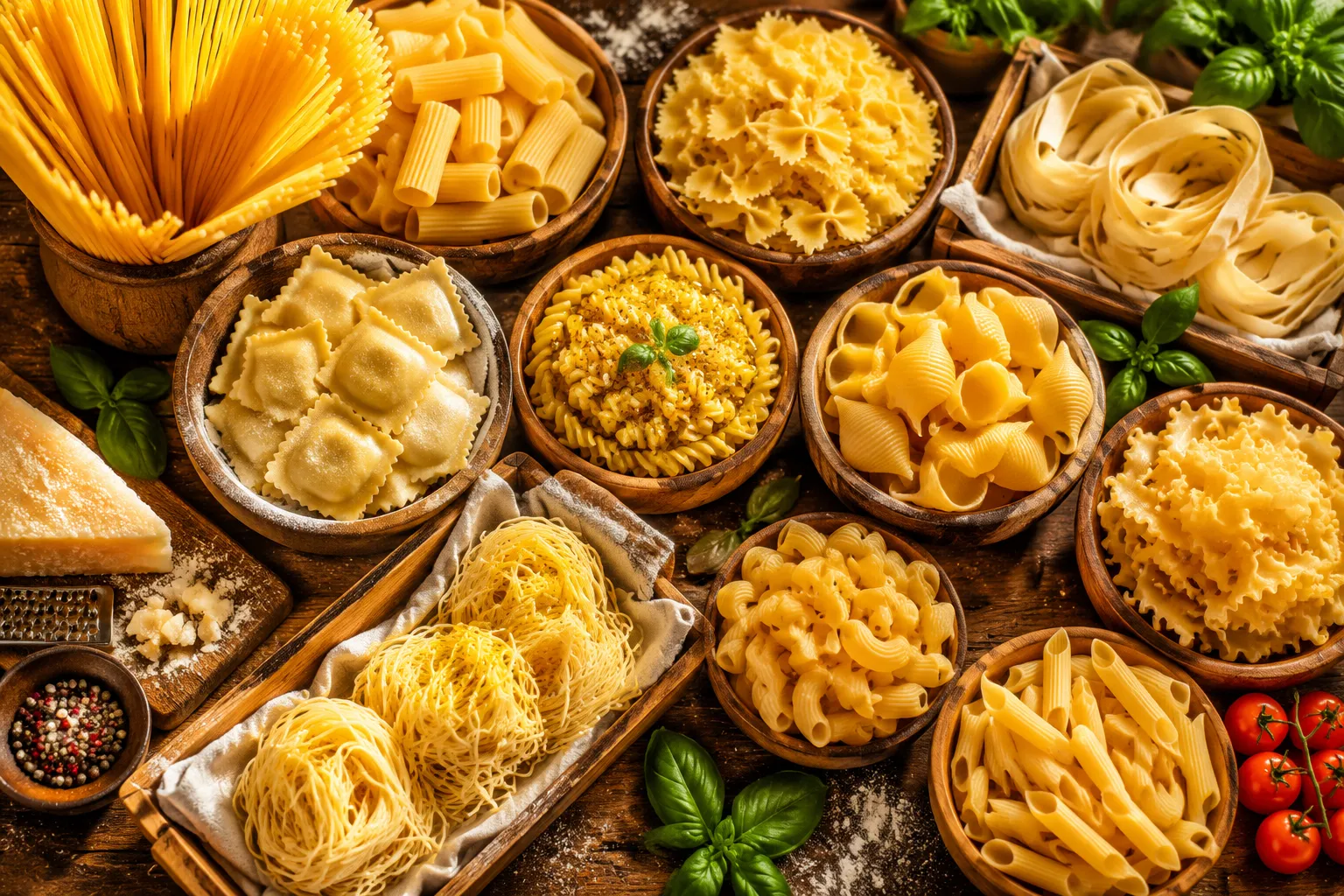
From silky long strands to chunky tubes, this visual guide to pasta types shows you exactly which shape pairs with which sauce, and why it matters.
Pasta types can feel like a delicious little language of their own: ridges, tubes, ribbons, shells, twists, and tiny stars, each with a job to do. Once you learn why certain pasta shapes love certain sauces, your weeknight spaghetti, Sunday lasagna, and cozy soup nights all get better in the most effortless way.
Think of this as your friendly pasta atlas for the home kitchen. We’ll walk through the main kinds of pasta, from silky long pasta to sturdy short pasta, plus stuffed pasta, pastina for soups, and sheet-style noodles for baked casseroles. Along the way, you’ll get practical sauce pairing ideas, cooking cues for al dente texture, and easy swaps when your pantry is missing the exact shape a recipe calls for.
The golden rule is simple: the shape should match the sauce. Long strands are wonderful with silky, oil-based, or smooth tomato sauces because the sauce can coat each noodle from end to end, while ridged tubes and twists are built to trap chunky ragùs, vegetables, and bits of sausage. Wide ribbons feel luxurious with butter, cream, and slow-cooked meat sauces because they provide a broad surface for the sauce to cling to. Tiny shapes, on the other hand, are made for broth, minestrone, and spoonable comfort.
Most pasta types fall into four easy families: long, short, stuffed, and tiny. There are also sheets and larger tubes used for baked dishes, which overlap a little with the short and stuffed categories. Once you understand the family, you can substitute confidently: rotini can stand in for fusilli, rigatoni can often replace penne, and linguine can step in for spaghetti. If you want to go all-in on Italian cooking, homemade pasta dough is the place to start for fresh ribbons, ravioli, and tender lasagna sheets.
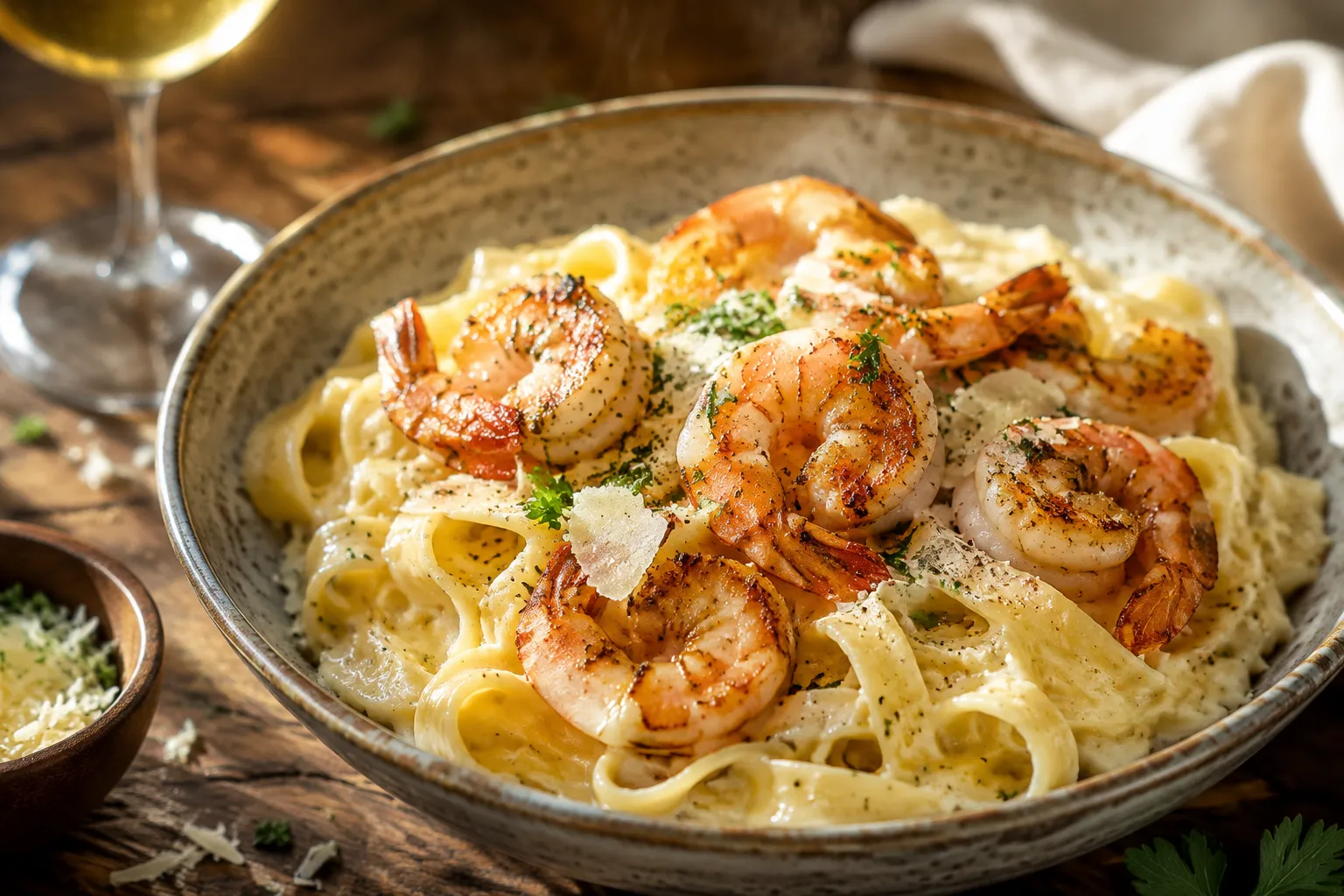
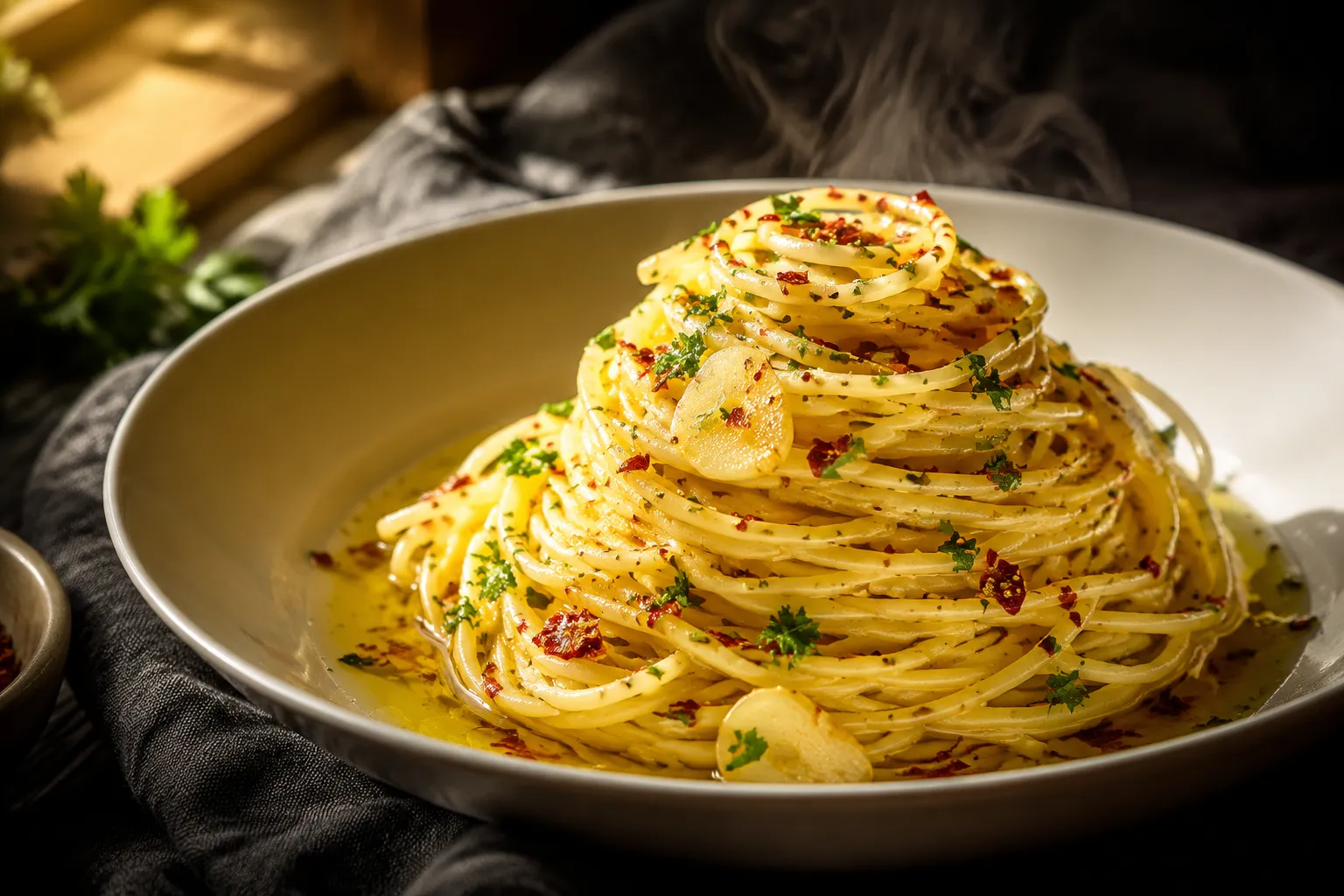
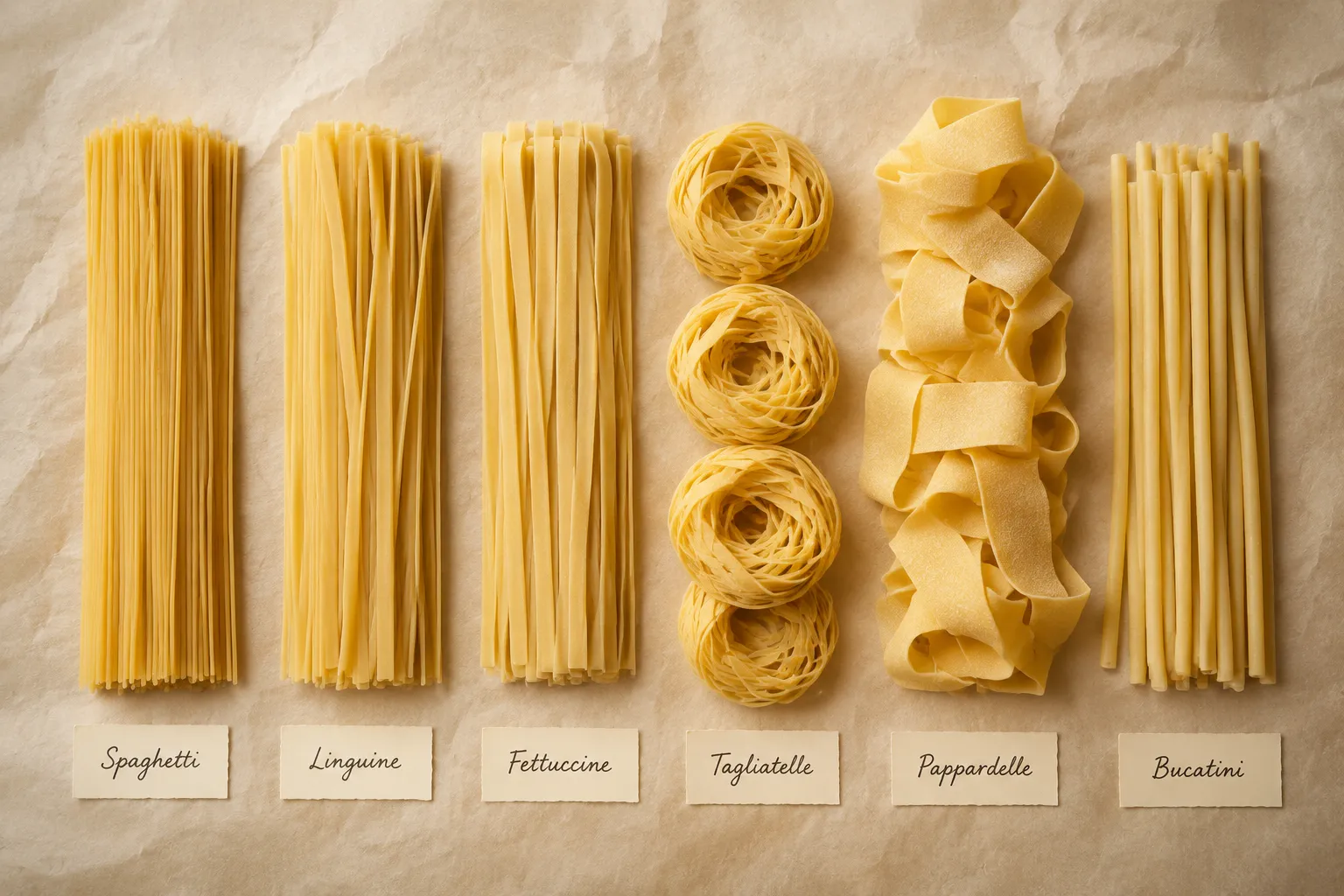
Long noodles are the drama queens of the pasta world in the best way: twirlable, glossy, and perfect for simple sauces. Spaghetti is the classic all-purpose strand, especially good with classic marinara sauce, garlic and olive oil, clams, or meatballs. Linguine is slightly flatter, which helps it grip seafood sauces and pesto pasta without feeling heavy. Fettuccine and tagliatelle are wider ribbons, ideal for creamy alfredo sauce, mushroom sauces, and slow-simmered Bolognese.
Pappardelle is the boldest ribbon, wide and silky enough to carry braised short rib, duck ragù, or a hearty vegetable sauce with roasted mushrooms. Bucatini looks like thick spaghetti, but its hollow center gives it extra chew and a sneaky way to hold sauce, especially in amatriciana or carbonara-style dishes. Capellini, also called angel hair, cooks in minutes and works best with light, delicate sauces rather than anything chunky. With long pasta, the goal is coating rather than filling, so keep your sauce loose enough to wrap around every strand.
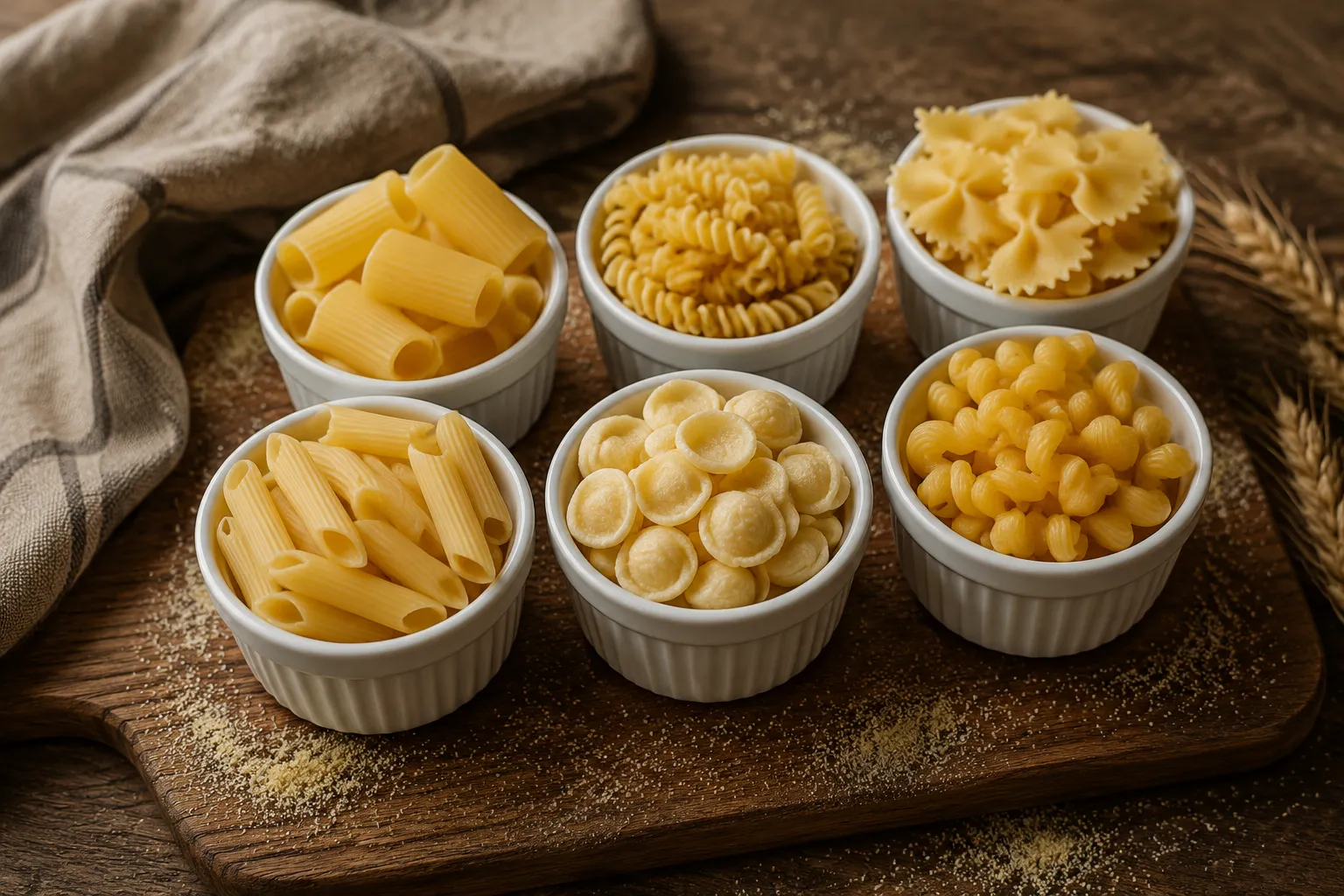
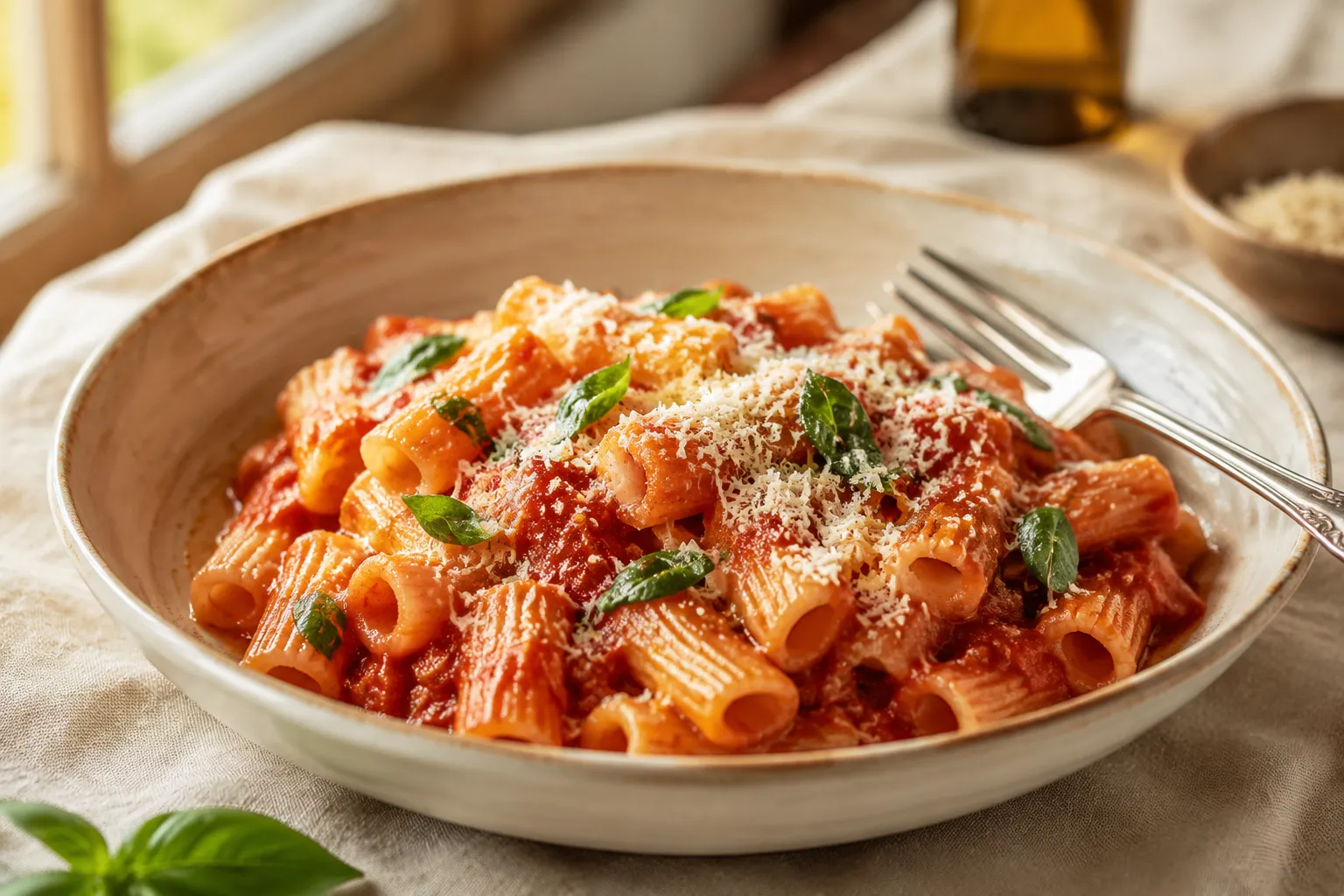
Short shapes are the pantry workhorses: easy to scoop, easy to bake, and excellent with thick sauces. Penne has angled ends and often ridged sides, making it a go-to for tomato cream sauce, sausage, and roasted vegetables. Rigatoni is wider and more robust, with deep ridges that grab chunky sauces beautifully; it’s one of my favorite shapes for a Sunday red sauce with Parmesan and basil. Ziti is smoother and straight-cut, which is why it layers so neatly in a baked ziti recipe.
Fusilli and rotini are spirals that hold pesto, vinaigrettes, and bits of chopped vegetables, making them wonderful for pasta salad. Farfalle, or bow tie pasta, has pinched centers and ruffled edges that give every bite a little variety in texture. Orecchiette means “little ears,” and those shallow cups are famous for catching broccoli rabe, sausage, breadcrumbs, and garlicky olive oil. Cavatappi, the corkscrew tube, is pure joy in mac and cheese because cheese sauce nestles into the hollow center and curls.
If you remember nothing else, remember texture: smooth with smooth, chunky with ridged, creamy with ribbons, brothy with tiny. A delicate tomato sauce wants spaghetti, linguine, or capellini, while a sauce with ground beef, lentils, diced vegetables, or pancetta needs a shape with grooves or pockets. Cream sauces love fettuccine, tagliatelle, and cavatappi because those shapes feel plush without letting the sauce slide off. For baked dishes, choose shapes sturdy enough to survive bubbling sauce and cheese without turning mushy.
This is where knowing different pasta types turns dinner from “fine” into truly satisfying. A lasagna recipe depends on broad sheets that create tender layers, while a quick pesto dinner is better with fusilli, trofie, or linguine. A light lemon-butter sauce would disappear inside rigatoni but shine on spaghetti or angel hair. The right sauce pairing does not have to be fancy—it just has to make every bite balanced.
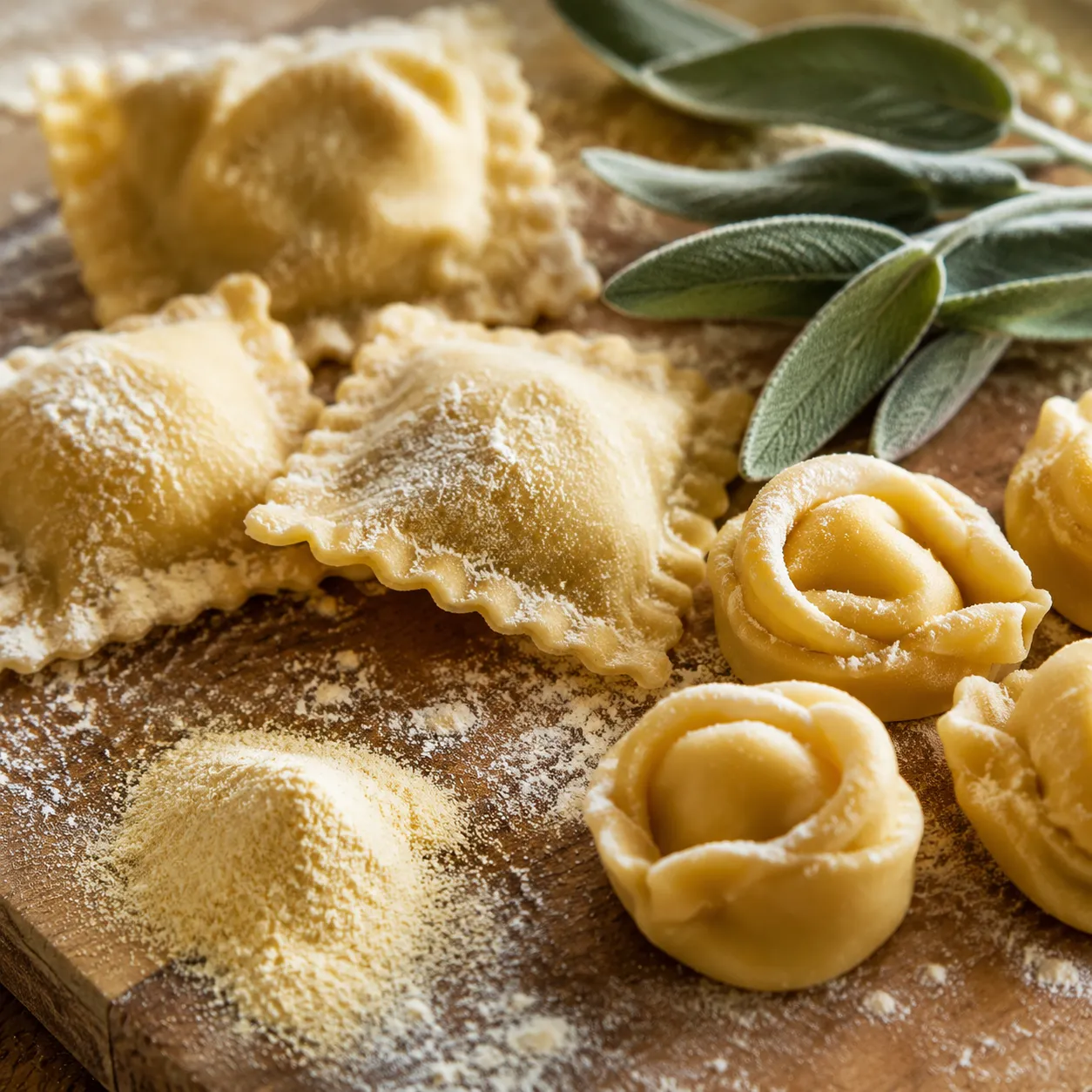
Stuffed pasta is where noodles become a complete little parcel: dough on the outside, filling tucked inside, and sauce as the finishing touch. Ravioli are the most familiar, usually square or round pillows filled with ricotta, spinach, mushrooms, squash, or meat. Tortellini and tortelloni are ring-shaped; tortellini are smaller and often served in broth, while tortelloni are larger and lovely with butter, sage, or tomato sauce. Agnolotti, a Piedmontese specialty, are small folded pockets that often hold roasted meat or vegetables.
Cannelloni and manicotti sit in the baked-pasta world too, because they are large tubes filled with ricotta, meat, greens, or a combination of all three. Because the filling is the star, stuffed shapes usually need gentler sauces: brown butter, light marinara, brodo, or a simple cream sauce. Avoid overwhelming them with a very chunky sauce unless the filling is equally hearty. Fresh filled pasta cooks quickly, so watch it closely and pull it as soon as the dough is tender and the centers are hot.
Pastina is the sweet little category of tiny pasta made for spoons, broths, and cozy bowls. Orzo looks like rice but cooks like pasta, making it perfect for lemony chicken soup, pasta salads, and one-pot dinners. Ditalini are small tubes that show up in pasta e fagioli, minestrone, and hearty vegetable soups because they add body without taking over the bowl. Acini di pepe are tiny round beads that float through brothy soups and creamy salads with a delicate, almost couscous-like feel.
Stelline are tiny stars, beloved in children’s soups but honestly charming for adults too, especially in a Parmesan-rich broth. Anelli are small rings that work well in tomato-based soups and nostalgic baked casseroles. With these small shapes, it is especially important not to overcook; they can go from tender to swollen quickly. If you are making soup ahead, consider cooking the pasta separately and adding it to bowls just before serving.
Sheets are the architectural side of pasta, built for layers, fillings, sauce, and bubbling cheese. Lasagna sheets can be fresh, dried, traditional, or no-boil, and each behaves a little differently in the pan. Traditional dried sheets usually need a brief boil before layering, while no-boil sheets soften as they absorb moisture from sauce during baking. Fresh sheets are tender and delicate, so they shine in lighter lasagnas with béchamel, vegetables, or gentle meat sauces.
The best baked shapes are sturdy enough to hold their form under heat. Ziti, rigatoni, penne, shells, and cavatappi all do well because they trap sauce and leave little pockets for melted cheese. For casseroles, slightly undercook the pasta before baking so it finishes in the sauce instead of turning soft. Among all the pasta types in the pantry, baked shapes may be the most forgiving and family-friendly.
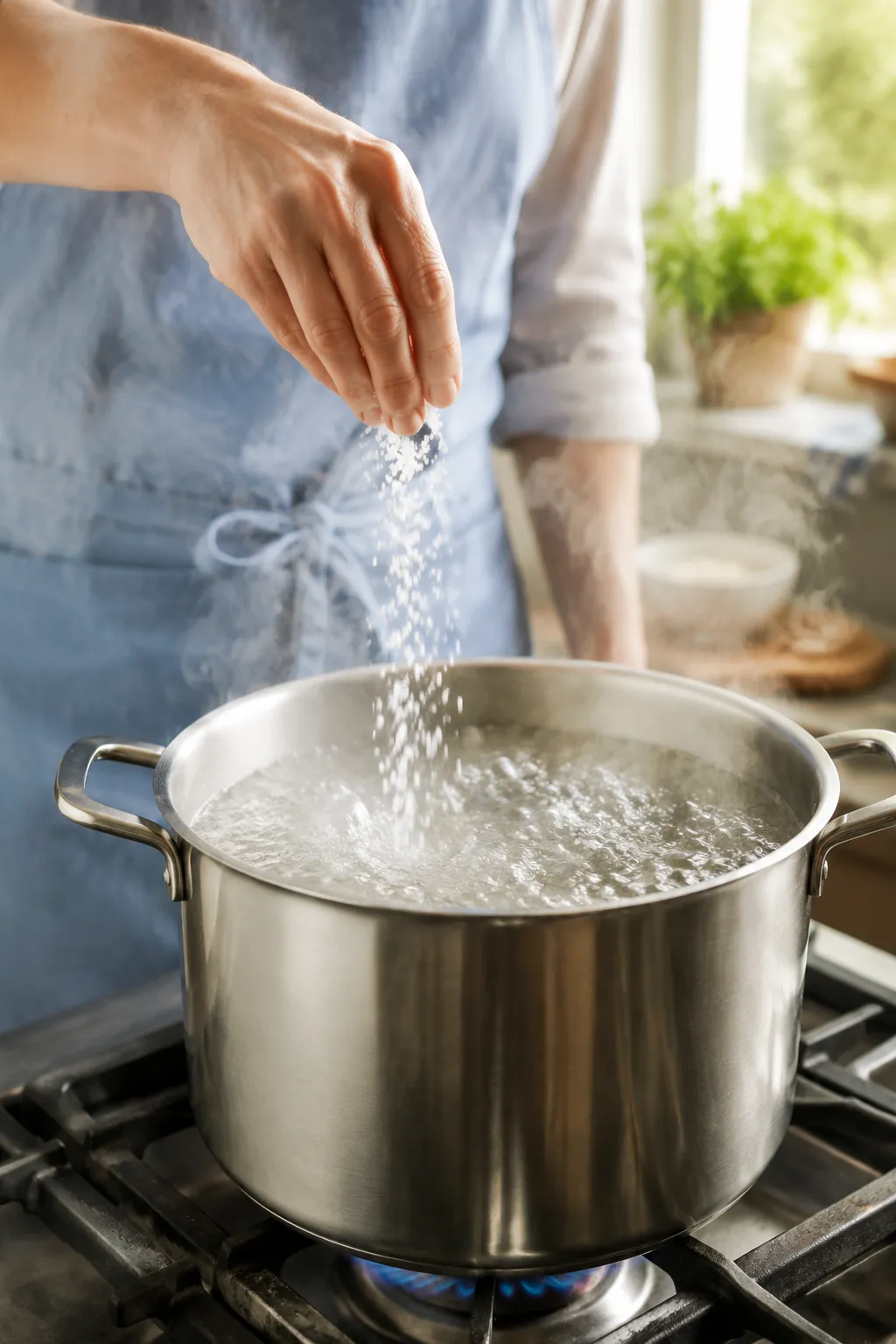
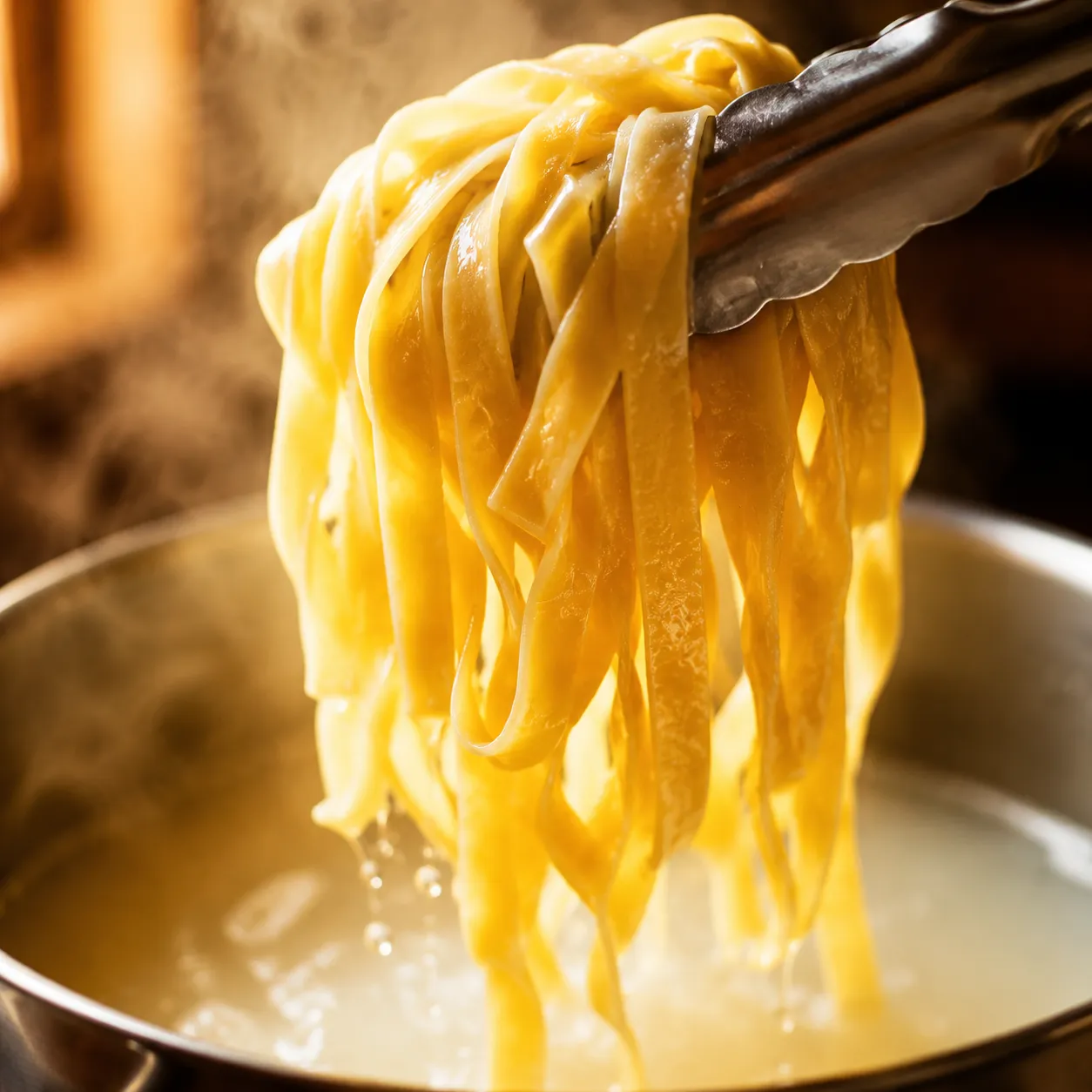
Great pasta starts with plenty of boiling water and enough salt to make it taste seasoned, not flat. A good baseline is 4 quarts of water and 2 tablespoons kosher salt for 1 pound of dried pasta, though you can use a little less water for weeknight cooking if you stir often. Add the pasta only when the water is at a full boil, then stir during the first minute so the pieces do not stick together. Start tasting a minute or two before the package time, because true al dente pasta should be tender with a faint firmness in the center.
Before draining, scoop out a cup of starchy pasta water; it is the secret ingredient that helps sauce cling and turn glossy. Toss the drained pasta with sauce over low heat, adding splashes of that water until everything looks silky and cohesive. This matters for every family of pasta, from spaghetti to ravioli to soup shapes.
You do not need dozens of boxes to cook well, but a thoughtful pantry makes dinner easier. Keep one long noodle, one ridged tube, one twist or spiral, one tiny soup shape, and one baked-pasta favorite on hand. That small rotation gives you enough variety for marinara, Alfredo, pesto, soup, pasta salad, and a bubbling casserole. Add fresh ravioli or tortellini when you want a low-effort dinner that feels a little special.
My ideal starter shelf is spaghetti, rigatoni, fusilli, orzo, and lasagna sheets, plus Parmesan, olive oil, canned tomatoes, and a jar of good pesto. With those basics, you can make something comforting in the time it takes to boil water. Once you learn the logic of pasta types, choosing a box becomes less about rules and more about the kind of bite you want.
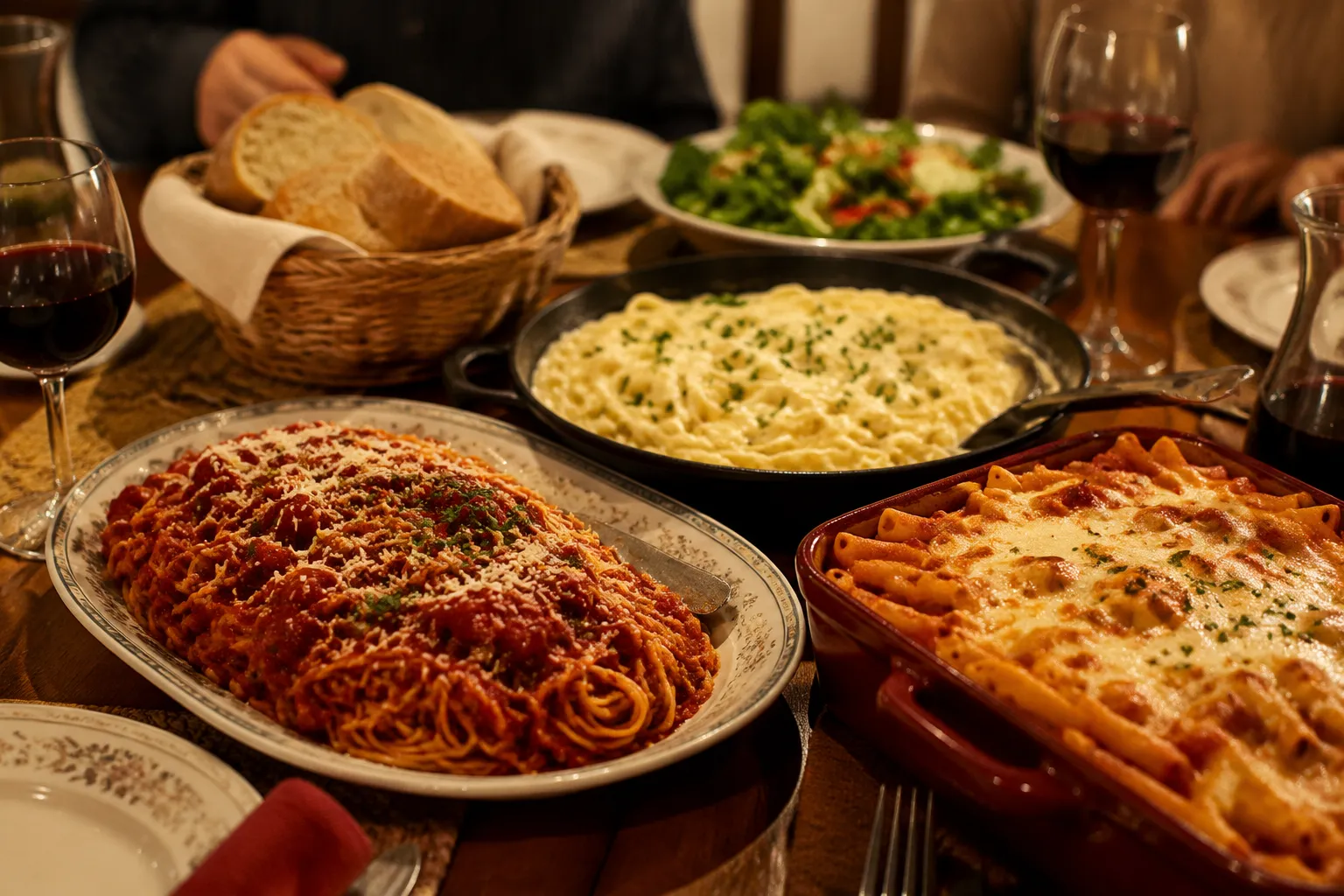
For a casual dinner, pair one simple pasta with a crisp salad, warm bread, and plenty of grated cheese. Spaghetti with marinara feels classic and bright, fettuccine Alfredo brings creamy comfort, and baked ziti gives you that cheesy, scoopable, family-style moment everyone loves. If you are serving multiple dishes, vary the sauces and shapes so the table feels generous rather than repetitive. A long noodle, a baked casserole, and a filled pasta make a beautiful mix for Sunday dinner.
Wine, sparkling water, and something green on the side keep a rich pasta meal balanced. For vegetables, think garlicky broccoli rabe, roasted zucchini, lemony arugula, or a tomato-cucumber salad. Finish with extra Parmesan, basil, chile flakes, or toasted breadcrumbs so everyone can season their own bowl. However you serve it, the best pasta meals are the ones that feel abundant, unfussy, and made to be shared.
Store dried pasta in a cool, dry pantry in its original box or an airtight container. Most dried pasta keeps well for a long time, but it is best used within 1 to 2 years for the freshest flavor and texture.
Cooked pasta can be refrigerated in an airtight container for 3 to 5 days. Toss plain cooked pasta with a small drizzle of olive oil before storing, and reheat sauced pasta gently with a splash of water to loosen everything back up.