Homemade Gnocchi Recipe: Pillowy Soft in 45 Minutes
Ingredients
Scale
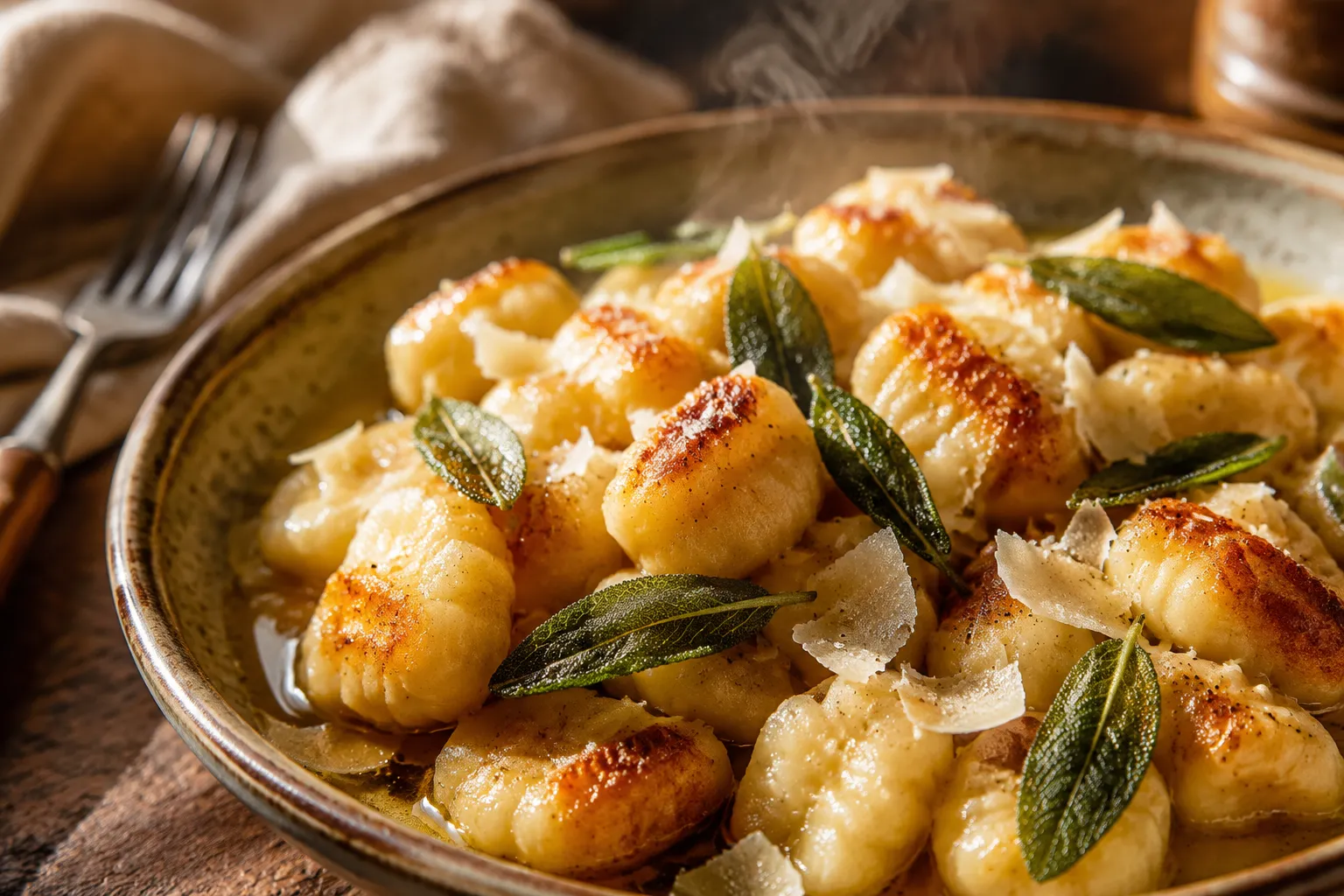
Tender, pillowy potato gnocchi made from scratch with just four pantry staples. This foolproof gnocchi recipe walks you through every step, no special tools required.
This gnocchi recipe is for the home cook who wants that dreamy Italian restaurant texture: tender, pillowy potato dumplings that feel light instead of heavy. The ingredient list is humble—russet potatoes, flour, egg, and salt—but the method makes all the difference. Bake the potatoes instead of boiling them, handle the dough gently, and you will be rewarded with soft little clouds ready for butter, tomato sauce, or pesto.
Homemade gnocchi has a reputation for being fussy, but it is really more about feel than perfection. If you have ever made homemade pasta dough, you already understand the basic rhythm: add just enough flour, stop working the dough before it turns tough, and let simple ingredients shine. No gnocchi board is required here; a fork gives you the classic ridges, and even a box grater can stand in for a ricer if that is what you have.
The goal is not to make every piece look machine-stamped. The charm of homemade gnocchi is in the soft edges, the hand-cut pieces, and the way sauce clings to those tiny grooves. Set aside about 45 minutes, pour yourself something cozy, and treat the process like a small kitchen project with a very delicious payoff.
Great potato gnocchi starts with controlling moisture. Potatoes that absorb too much water need more flour to become workable, and more flour is usually what turns gnocchi dense or chewy. That is why this method bakes the potatoes until fluffy and dry, then rices them while warm so steam can escape before the flour goes in.
Think of the dough as a delicate mixture rather than a bread dough. You are not trying to build gluten or create elasticity; you are simply bringing the potato, egg, salt, and flour together until they hold their shape. A light touch gives you tender centers, while a little surface flour keeps everything from sticking as you roll and cut.
The ridges are more than decoration. They create little pockets for sauce, whether you are tossing the gnocchi with brown butter sage, a bright tomato sauce, or a creamy cheese sauce. If your first few pieces look rustic, keep going—the pot of water will be wonderfully forgiving.
The beauty of homemade gnocchi is that it asks for only four core ingredients. Russet potatoes are the star because they are high in starch and low in moisture compared with waxier potatoes. That fluffy, dry texture is exactly what helps the dough come together without needing too much flour.
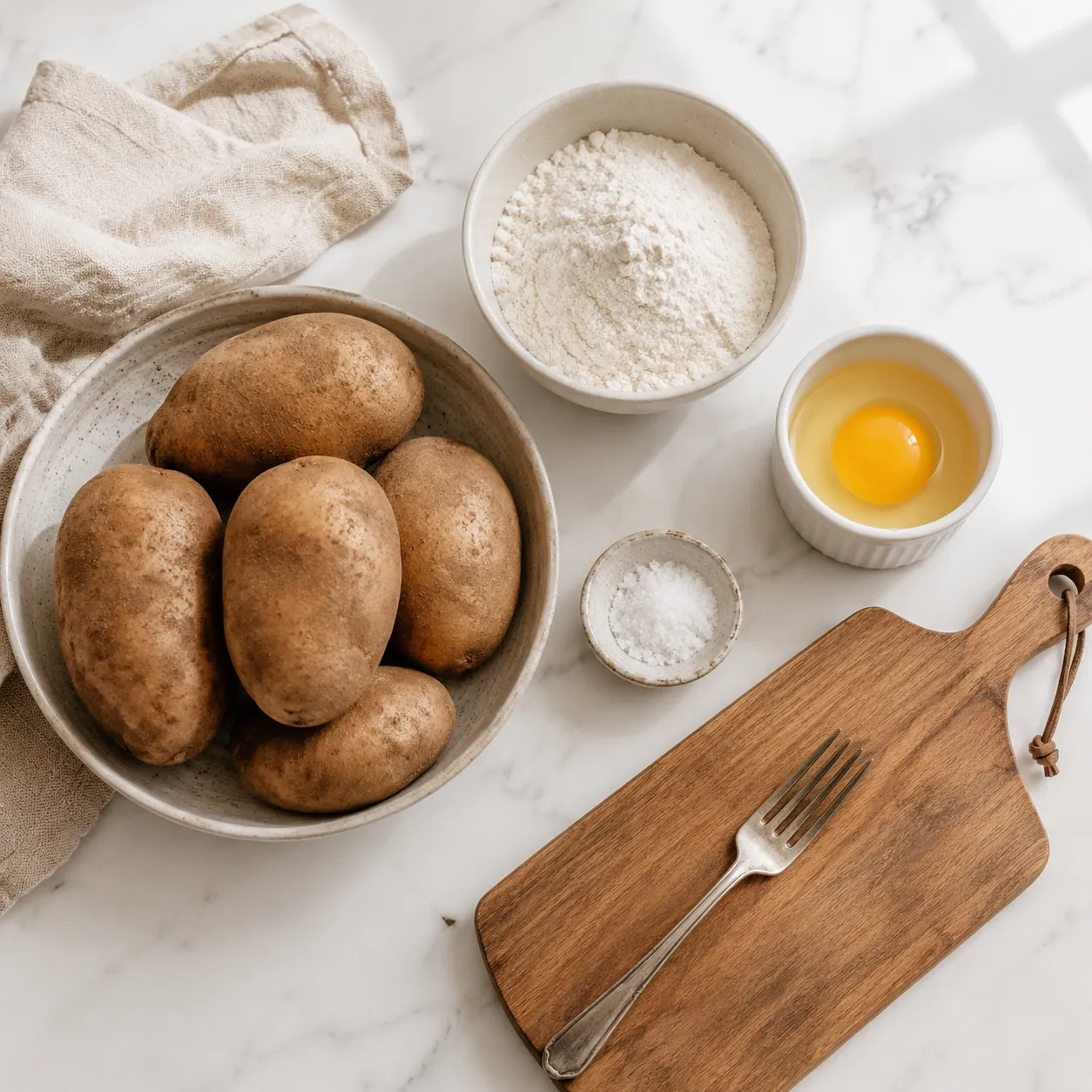
All-purpose flour works beautifully and is easy to find, but Italian 00 flour can make the dough feel slightly silkier if you keep it stocked for fresh pasta. The key is to add flour gradually, because every potato batch behaves a little differently. Start with less than you think you need, then add just enough to form a soft dough that is not wet or sticky.
The egg is a helpful insurance policy, especially for beginners. Traditional potato gnocchi can be made without egg, but an egg gives the dough structure and makes it easier to roll, cut, and simmer without falling apart. Kosher salt seasons the dough from within, so the finished pieces taste like something, not just a vehicle for sauce.
Russets win here because they bake up mealy, fluffy, and easy to rice. Red potatoes and many Yukon Golds are delicious for other recipes, but their waxier texture can make gnocchi sticky and heavy. If you use a moist potato, you will be tempted to keep adding flour, and that is where the pillowy texture starts to disappear.
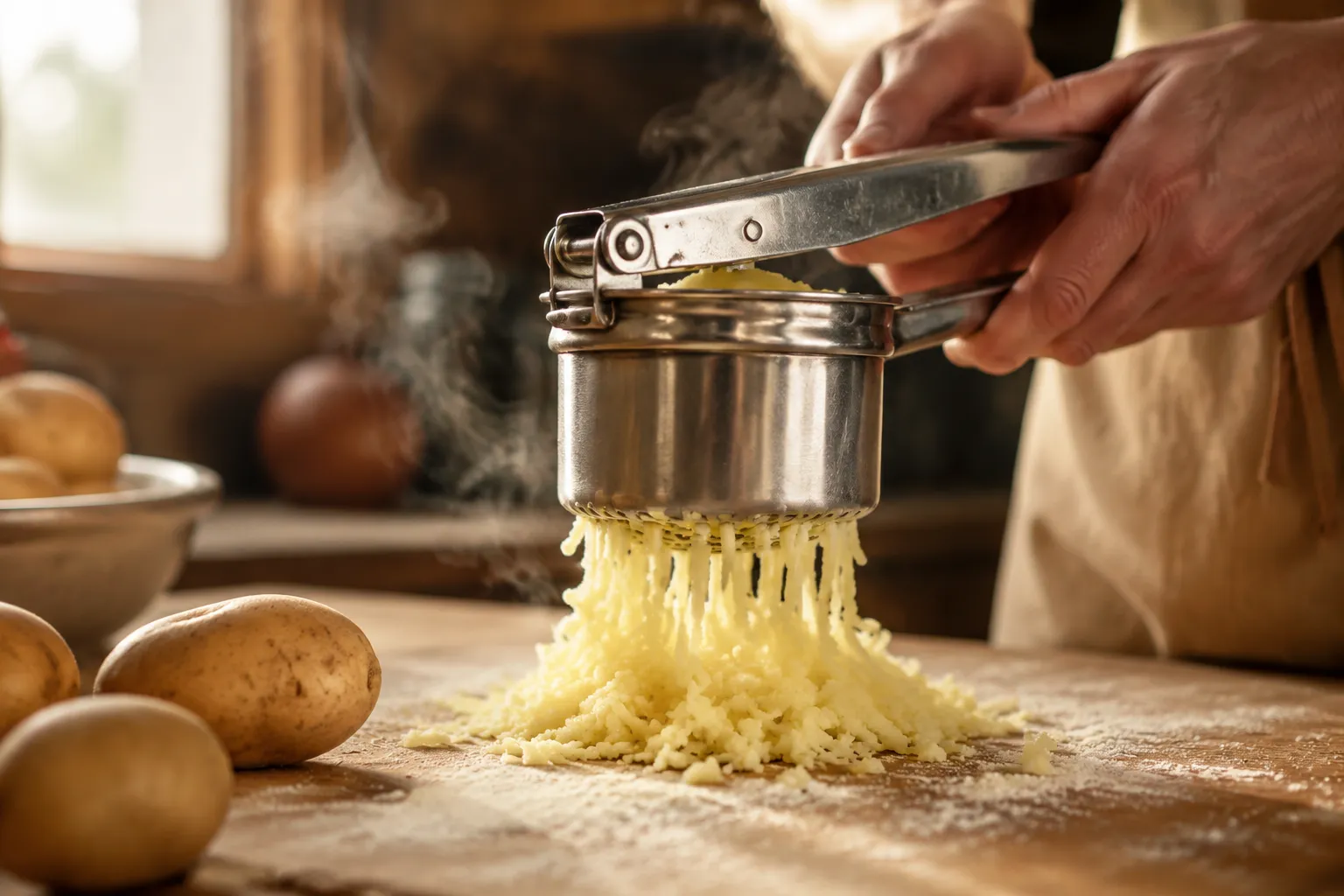
After baking, split the potatoes open right away so steam can escape. Scoop the flesh while it is still warm, then press it through a ricer, food mill, fine masher, or even the large holes of a box grater. The smoother the potato, the less you have to work the gnocchi dough later.
For flour, all-purpose is the practical choice and gives reliable results. If you use 00 flour, the dough may feel softer and more delicate, so dust the board lightly and avoid over-handling. In either case, save a little extra flour for shaping, but resist the urge to bury the dough in it.
Begin by baking the potatoes until a knife slides through the centers with no resistance. Baking takes a little longer than boiling, but it removes moisture instead of adding it, which is the quiet secret behind this recipe’s texture. Once baked, cut the potatoes open and let them steam for a minute or two before scooping out the flesh.
Rice the warm potato directly onto a lightly floured board or into a wide bowl. Spread it out a bit so it cools from hot to warm; if it is too hot, it can scramble the egg, and if it sits too long, it becomes less fluffy. Sprinkle salt over the potato, drizzle in the beaten egg, then dust part of the flour across the surface.
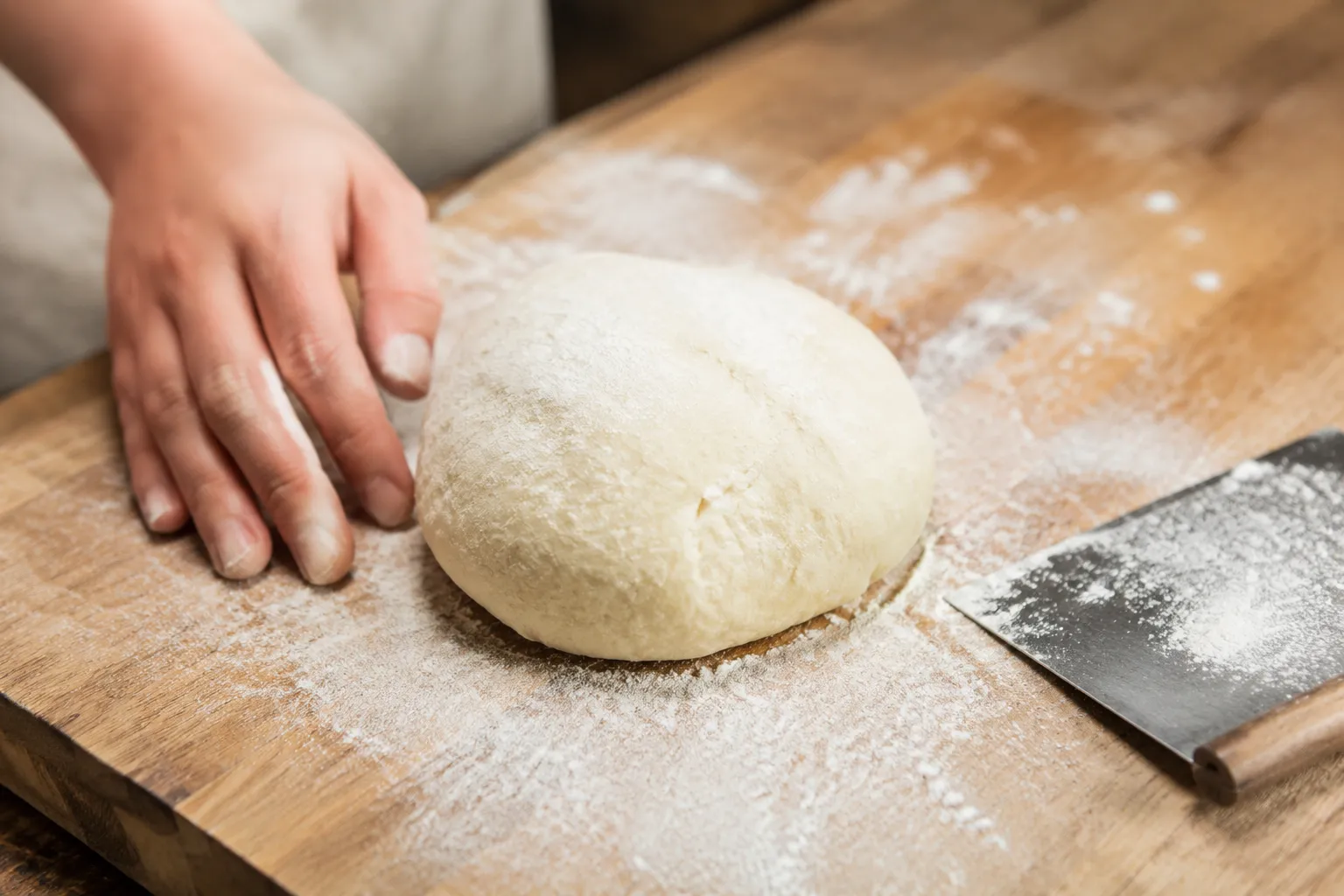
Use a bench scraper or your fingertips to fold the mixture together. The dough should look shaggy at first, then come together into a soft, smooth mass after just a few gentle turns. If it clings aggressively to your hands, add flour a tablespoon at a time, but keep the dough tender and slightly delicate.
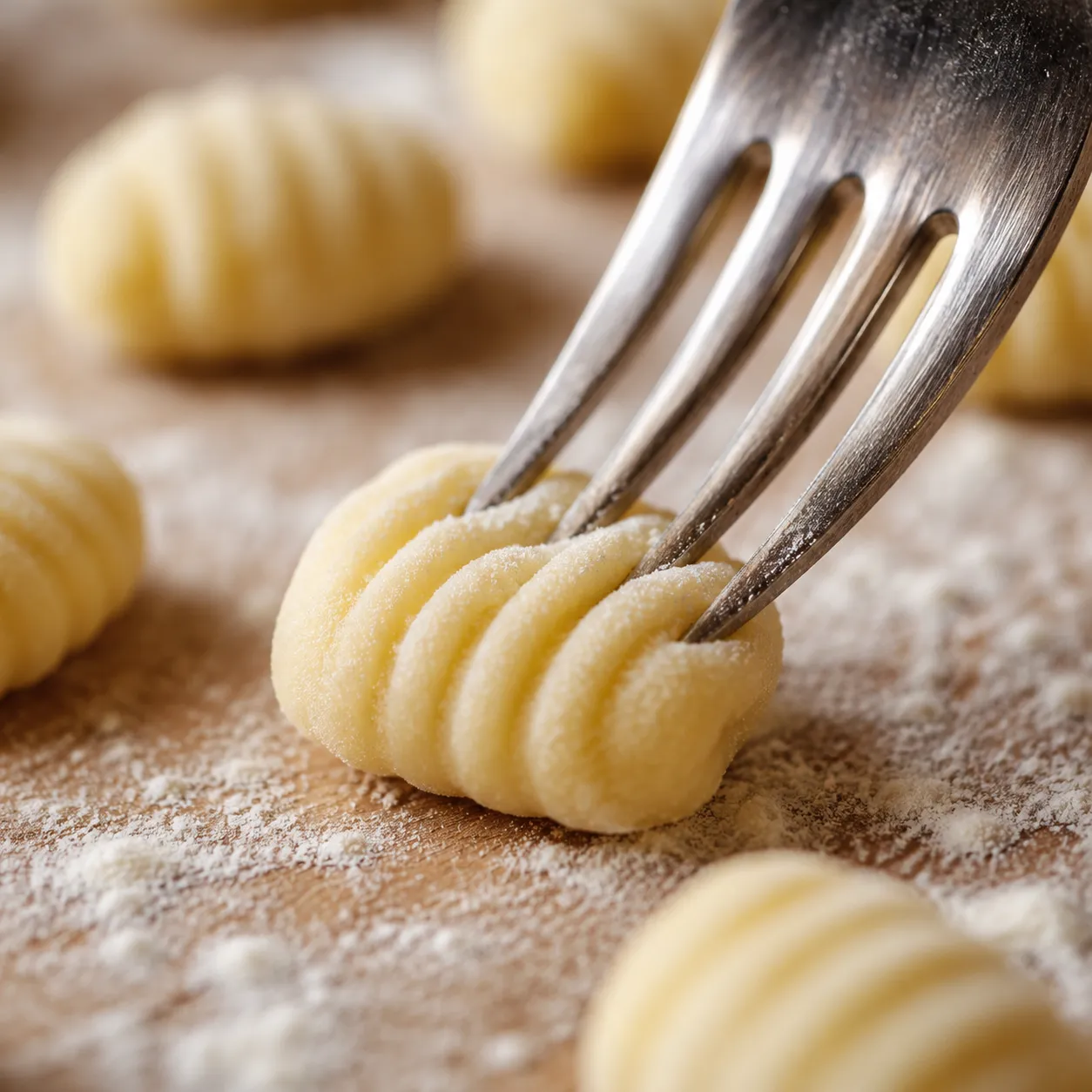
Divide the dough into portions and roll each one into a rope about 3/4 inch thick. Cut the ropes into bite-size pieces, then leave them as little pillows or roll each piece over the back of a fork to create ridges. Those ridges are classic for a reason: they catch sauce and help every forkful feel extra satisfying.
Bring a large pot of salted water to a gentle boil, not a violent rolling boil. Drop in a small test piece first; it should float to the surface and taste tender, not floury. If it falls apart, the dough may need a touch more flour, and if it tastes dense, the next batch should be handled even more lightly.
Fresh gnocchi cook quickly, usually in just a few minutes. Work in batches so the pot does not cool down too much and the dumplings have room to rise. When they float to the surface, give them about 20 to 30 seconds more, then lift them out with a slotted spoon rather than dumping everything into a colander.
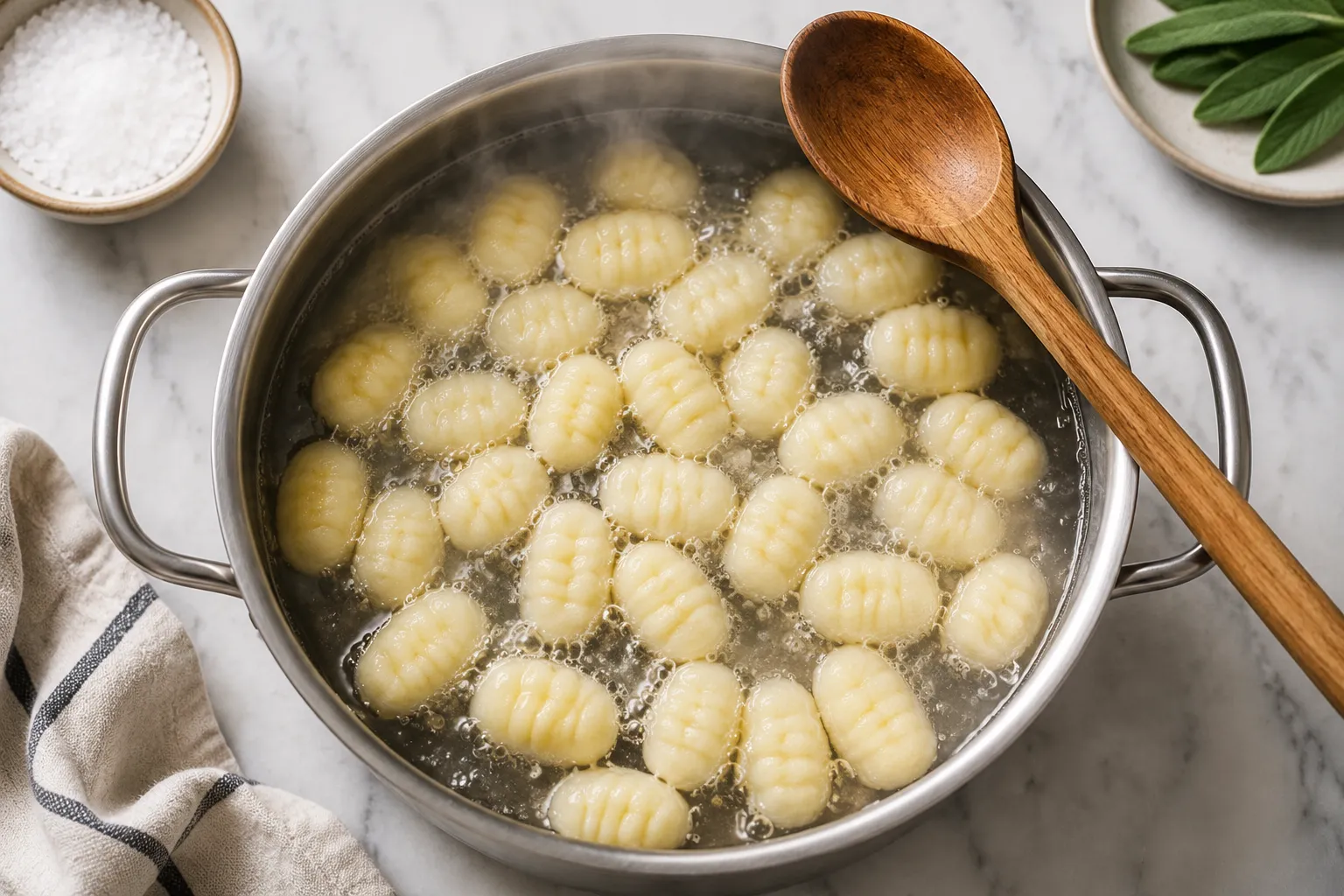
From there, you have options. For the most luxurious finish, transfer the boiled gnocchi directly into a skillet of warm sauce so they can absorb flavor. A quick toss in butter gives the edges a soft gloss; a minute in a hot skillet can lightly brown them if you like a little texture.
Do not rinse cooked gnocchi. The thin coating of starch on the outside helps sauce cling, just like it does with pasta. If you need to hold them for a few minutes, toss them with a small knob of butter or a spoonful of sauce so they do not stick together.
Brown butter and sage may be the most effortless way to make homemade gnocchi feel special. Melt butter until it smells nutty and turns amber, crisp a handful of sage leaves in it, then toss in the hot dumplings with Parmesan and black pepper. If you want a dedicated sauce guide, brown butter sage sauce is the natural next stop.
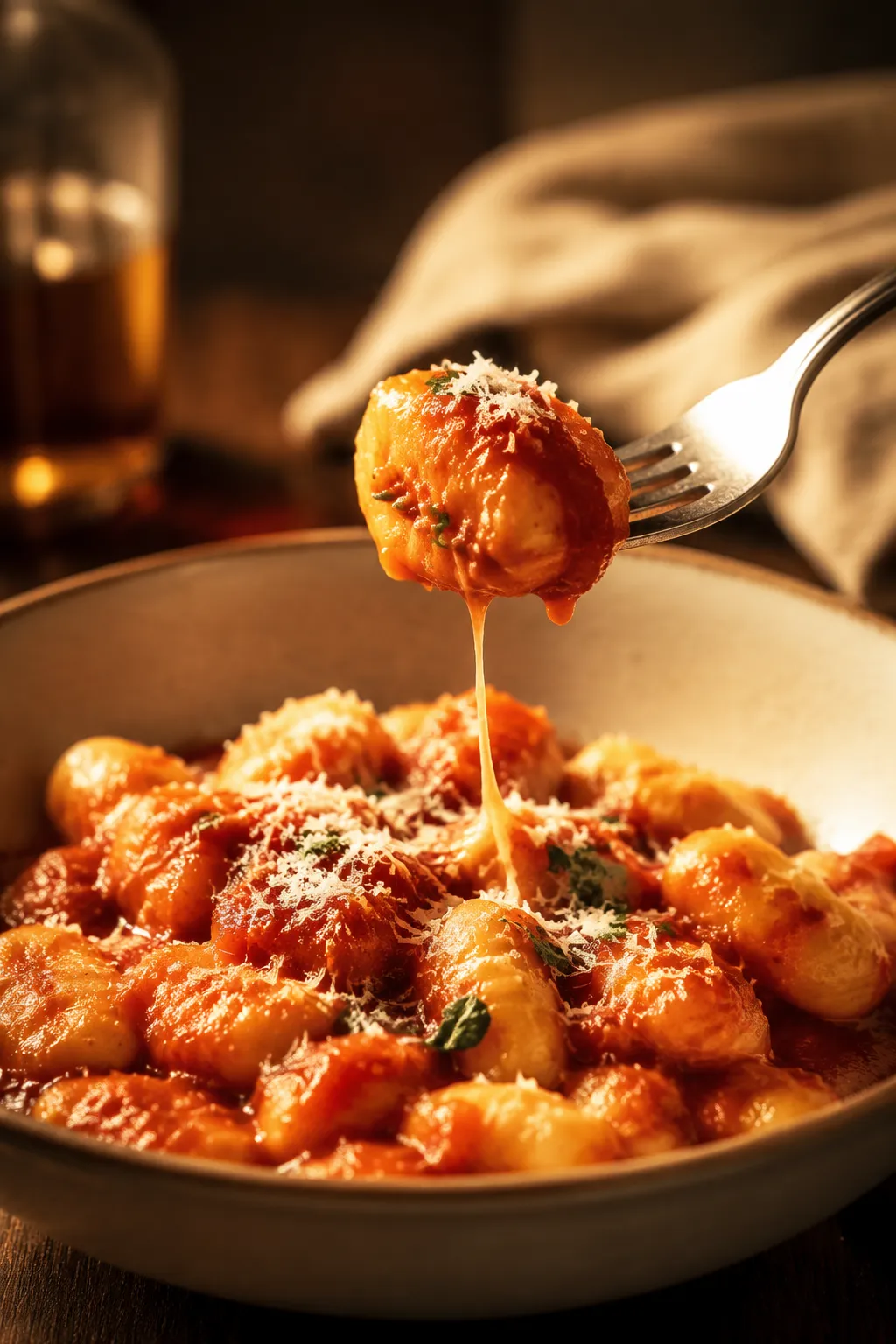
Tomato sauces are just as good, especially when you want something cozy and bright. A simple marinara sauce brings acidity that balances the richness of the potatoes, while a smooth pomodoro keeps the dish light and classic. Add torn basil, a snowy shower of Parmesan, and a drizzle of olive oil right before serving.
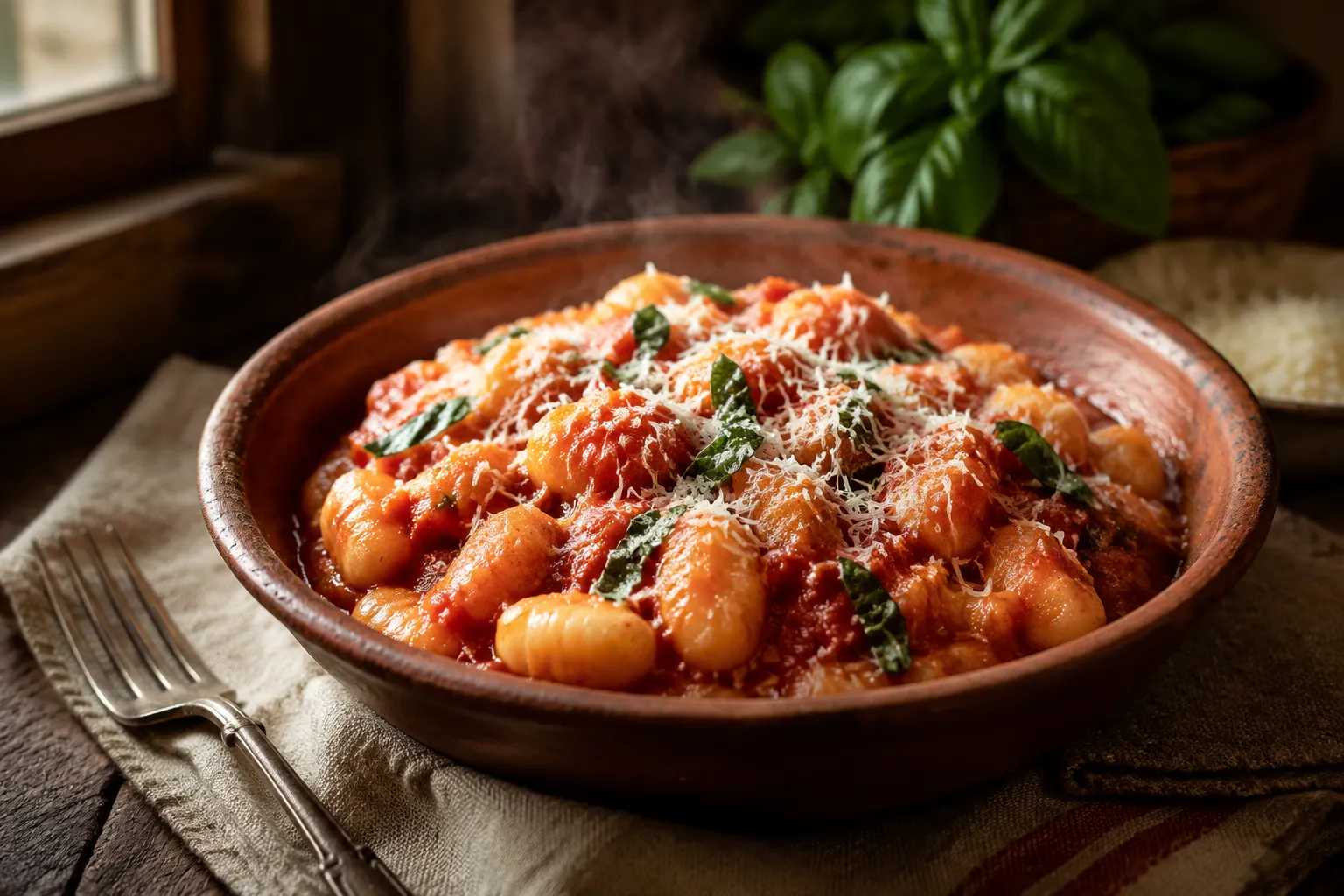
Creamy sauces work best when they are bold but not overly heavy. Gorgonzola cream, pesto loosened with a splash of pasta water, or a lemony mascarpone sauce all coat the ridges beautifully. For a full Italian comfort-food spread, serve the gnocchi with a crisp salad, roasted vegetables, or garlic bread and let the sauce do the talking.
This is the kind of dish that turns a quiet night at home into a little trattoria moment. Serve bowls of hot gnocchi at the table with extra Parmesan, cracked pepper, and a spoon for catching every bit of sauce. A simple arugula salad with lemony dressing is a nice contrast to the soft, rich dumplings.
If you are cooking for guests, you can shape the gnocchi earlier in the day and keep them chilled on a floured tray until dinner. That gives you time to make sauce, set the table, and avoid a last-minute flour cloud in the kitchen. For anyone building confidence with fresh pasta, this is a wonderful project because it is hands-on without being overly technical.
Wine-wise, pair tomato-sauced gnocchi with Chianti or Barbera, and buttery sage gnocchi with a crisp white like Pinot Grigio or Verdicchio. For a nonalcoholic option, sparkling water with lemon or a bitter Italian soda keeps the meal feeling bright. The final bowl should be warm, saucy, and generous.
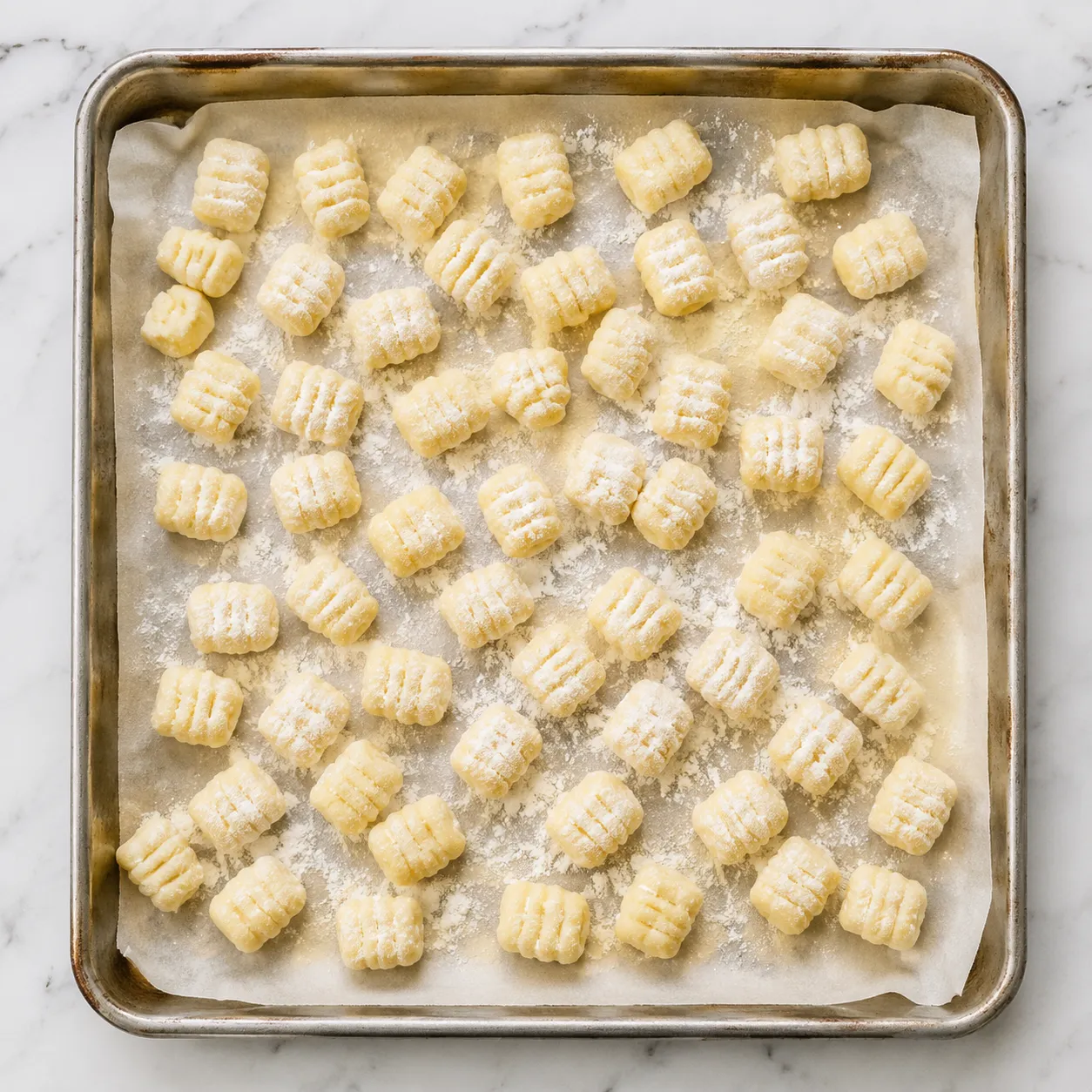
One of the best things about this project is that the uncooked pieces can wait for you. After shaping, arrange them in a single layer on a floured parchment-lined sheet pan so they do not touch. At that point, you can cook them within a couple of hours or freeze them for later.
If you are planning a dinner party, make the dumplings in the morning and keep them lightly covered in the refrigerator. Avoid stacking them or packing them into a container while raw, because they are soft and can stick together. When dinnertime arrives, all that is left is boiling water, warm sauce, and a few minutes at the stove.
For a broader skill boost, fresh pasta tips apply here too: keep your work surface lightly floured, trust your hands more than the clock, and adjust based on how the dough feels. Humidity, potato size, and flour brand can all shift the texture slightly. That is normal, and it is also part of what makes handmade Italian cooking so satisfying.
If a test piece tastes floury, give the next batch a few extra seconds in the water and check that your pot is simmering steadily. If it feels heavy, the dough may have been worked too long or given more flour than it needed. Keep notes the first time you make it, because the second batch is often even better.
If the pieces seem too soft while shaping, dust your hands and the board rather than dumping flour directly into the dough. Surface flour prevents sticking without changing the whole batch. If the dough truly will not hold together, fold in a tablespoon or two more flour with the gentlest touch possible.
And if a few gnocchi look lopsided, please do not worry. Once they are simmered and coated in sauce, their handmade look is part of the pleasure. This is comfort food, not a geometry exam.
Homemade gnocchi is one of those recipes that teaches you something every time you make it. You learn how warm potatoes behave, how soft dough should feel, and how a few simple ingredients can become something that tastes deeply comforting. The first batch may be charmingly imperfect, but it will still be delicious.
Once you have the basic potato method down, you can branch into sweet potato versions, herb-flecked doughs, or even ricotta gnocchi for a lighter, no-potato variation. Start with the classic, serve it with a sauce you love, and enjoy the quiet magic of turning potatoes and flour into dinner.
Uncooked gnocchi are best cooked the same day or frozen. To freeze, arrange the shaped pieces in a single layer on a floured, parchment-lined sheet pan and freeze until firm, then transfer them to a freezer bag or airtight container for up to 2 months.
Cook frozen gnocchi straight from the freezer; do not thaw, or they may become sticky. Leftover cooked gnocchi can be refrigerated in an airtight container for up to 3 days and reheated gently in a skillet with a little butter, sauce, or splash of water until warmed through.