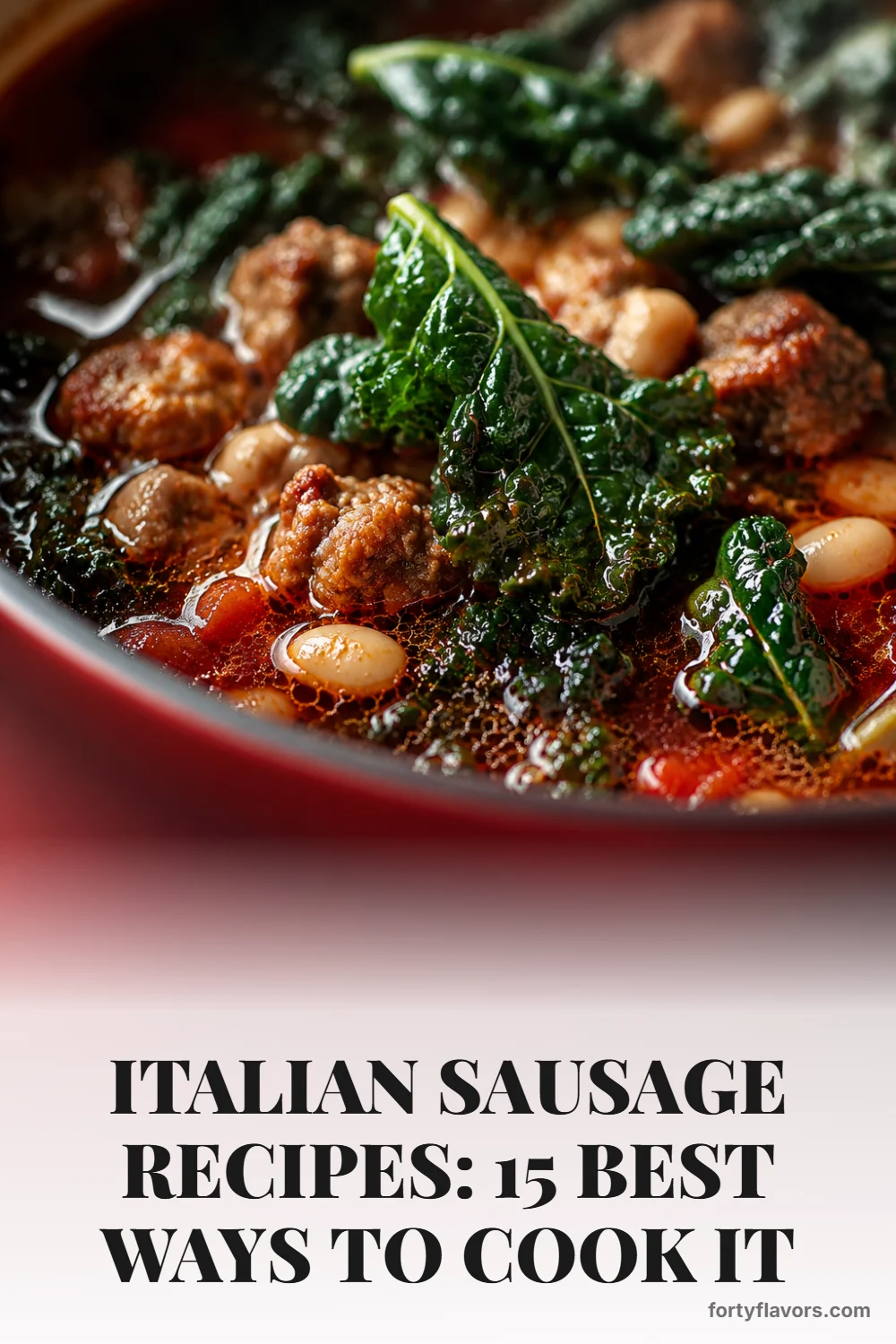
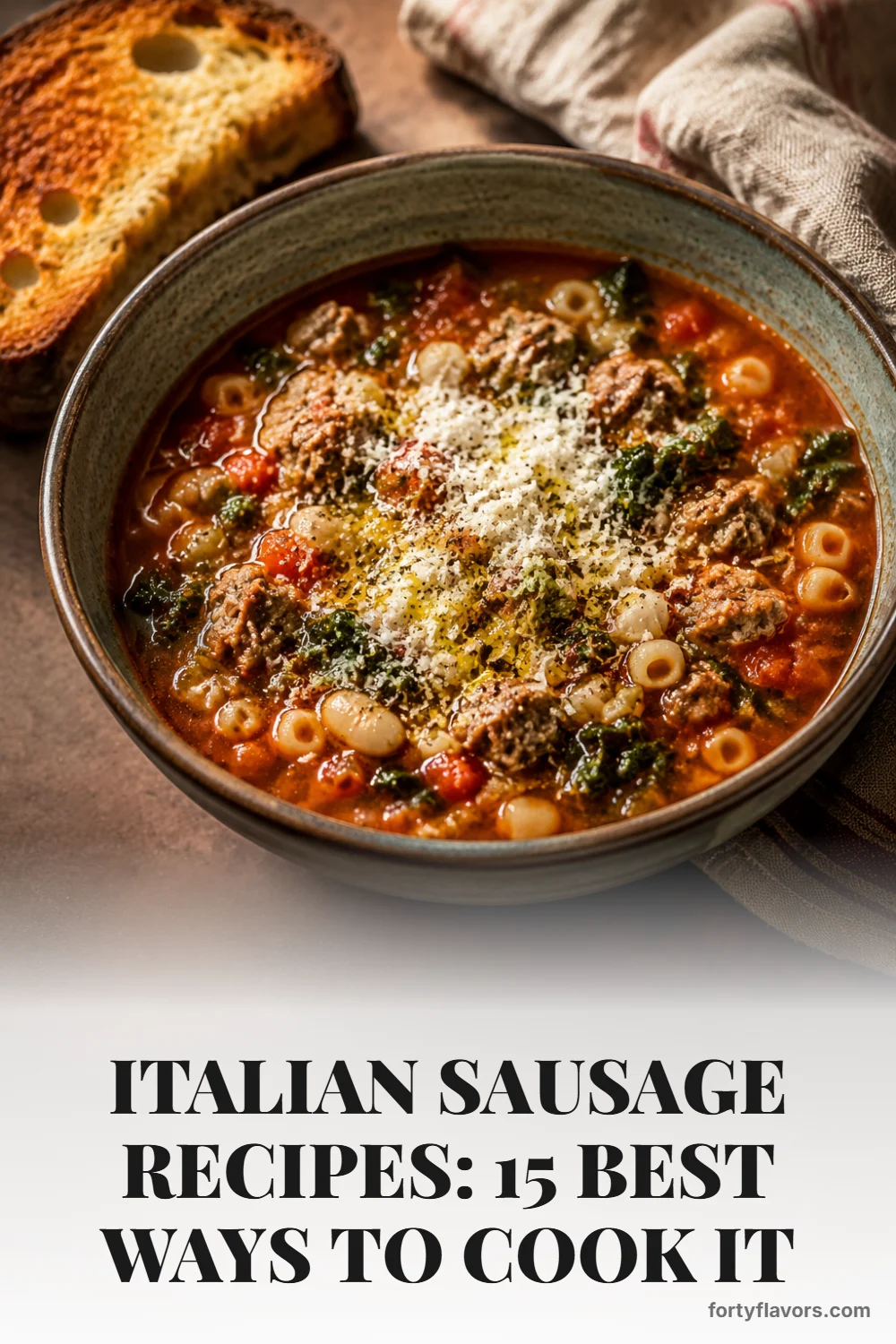

Italian Sausage Recipes: 15 Best Ways to Cook It
Ingredients
Scale
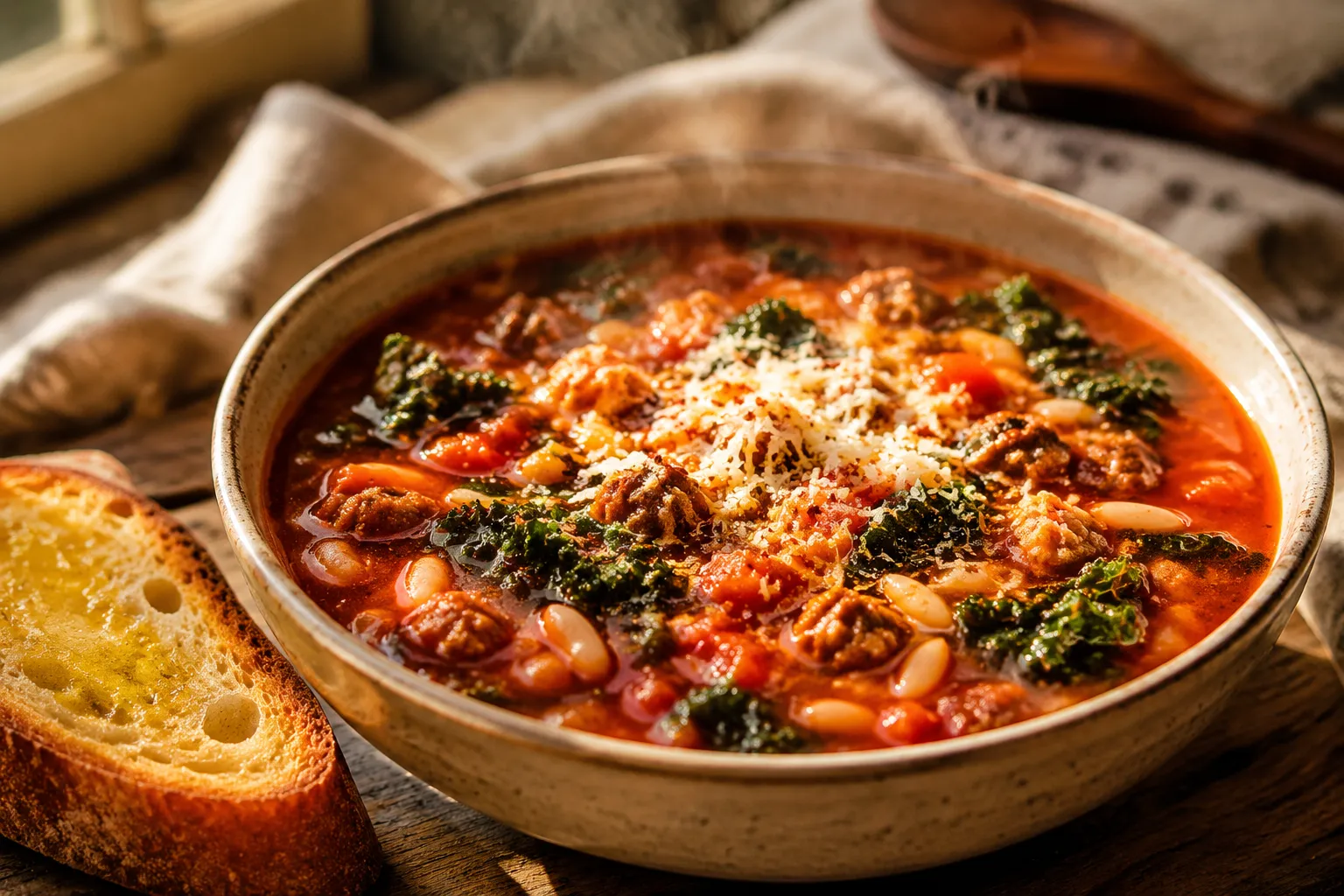
From rustic Italian sausage soup to smoky grilled links, this guide rounds up the tastiest, most reliable ways to cook with this flavor-packed staple.
italian sausage is one of those hardworking ingredients that can turn a humble weeknight dinner into something that tastes slow-simmered, cozy, and deeply seasoned. It brings garlic, fennel seed, herbs, fat, salt, and savory richness all in one tidy package, which means you can build big flavor without emptying the spice cabinet.
Think of this as your complete cook’s guide: how to brown it, bake it, grill it, smoke it, simmer it into soup, and fold it into easy dinners that feel generous without being fussy. We’ll walk through sweet, hot, and mild varieties, then finish with a one-pot Tuscan-style soup that is creamy, brothy, hearty, and ready in about 45 minutes.
If you’re here for one cozy bowl, start with the italian sausage soup recipe below. If you’re here for dinner inspiration, you’ll also find 15 practical ideas for skillets, pastas, stuffed peppers, sheet pans, and smoky weekend cooking.
The magic starts with seasoning. Most classic links are built around pork, garlic, fennel seed, black pepper, and herbs, giving the meat that unmistakable pizzeria-meets-Sunday-supper aroma as soon as it hits the pan. Because the seasoning is already mixed throughout the meat, every crumble or slice carries flavor, not just the sauce around it.
That built-in seasoning makes it especially useful for busy cooks. A pound of links can anchor a pot of beans, a quick pasta, a tray of roasted vegetables, or a brothy soup with very little extra work. You can use whole links when you want juicy slices, or remove the casings when you want crumbles that melt into sauces and soups.
It also plays beautifully with American weeknight staples: canned tomatoes, boxed pasta, bell peppers, potatoes, rice, kale, white beans, and store-bought broth. That’s why so many recipes with italian sausage feel both comforting and flexible—you get the character of a long-cooked meal with the speed of a skillet dinner.
Sweet Italian sausage is not usually sugary; “sweet” simply means it is mild and often leans aromatic with fennel, garlic, and sometimes a little basil or parsley. It is a great family-friendly choice for soups, baked pasta, sausage and peppers, and any dish where you want depth without noticeable heat. If a recipe calls for mild links, sweet is usually a safe swap.
Hot Italian sausage brings the same garlicky, fennel-kissed base but adds crushed red pepper, and sometimes paprika or other warm spices. It is the one to choose when the dish has cream, beans, potatoes, or pasta to soften the heat. The richness of dairy or starch rounds out the spice and makes the final dish feel balanced rather than fiery.
The question of sweet vs hot italian sausage really comes down to the people at your table and the rest of the dish. For a bright tomato pasta, hot links add welcome energy; for a creamy tortellini soup, either sweet or hot works beautifully. If you are unsure, use one of each and let the two styles meet in the middle.
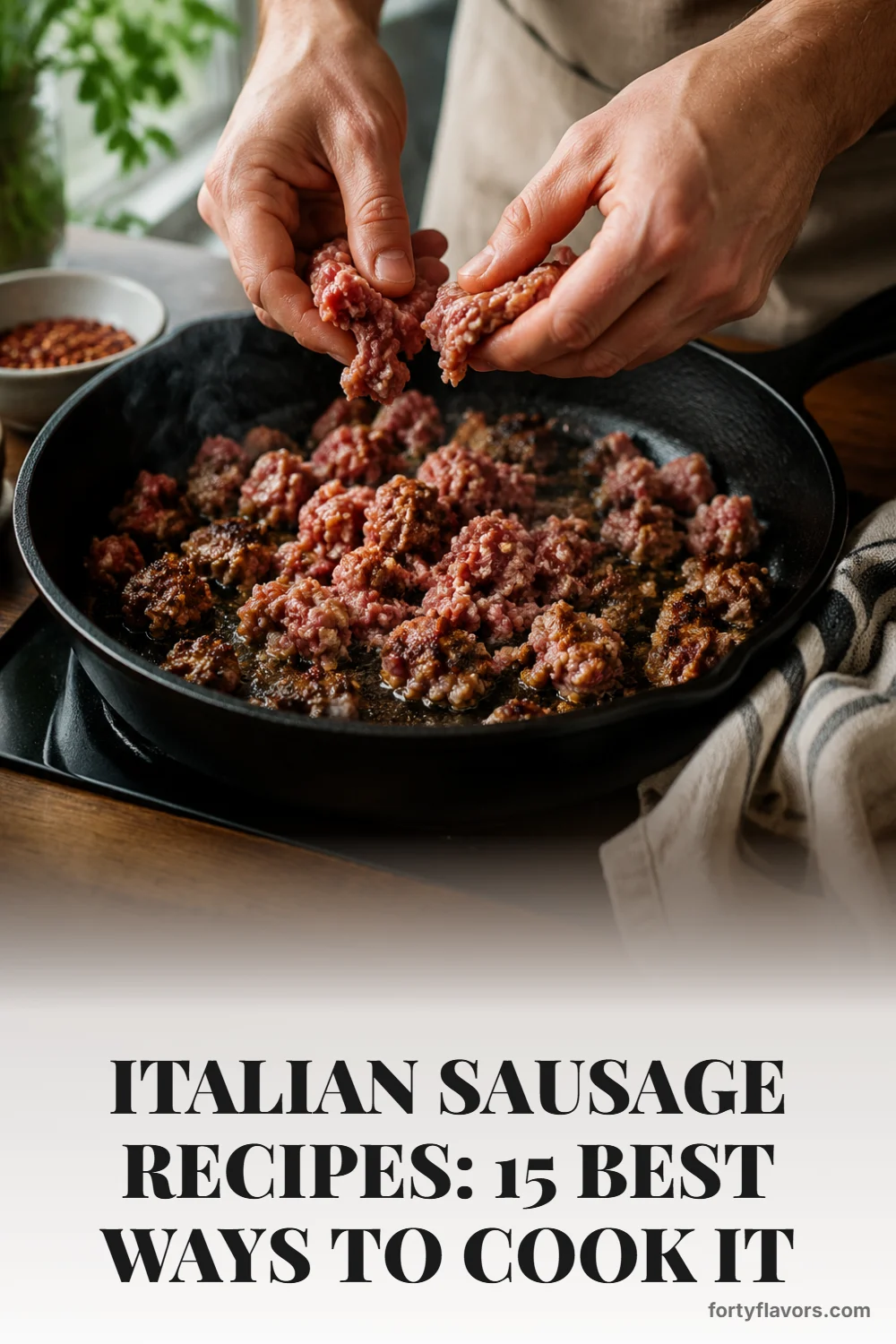
For stovetop cooking, start in a heavy skillet or Dutch oven over medium to medium-high heat. Add a small slick of olive oil only if the pan is very dry, then let the links or crumbles sit long enough to brown before moving them. That browning creates fond—the caramelized bits on the bottom of the pan—which becomes the backbone of soups, sauces, and skillet dinners.
For oven cooking, arrange links or sliced pieces on a sheet pan with vegetables such as peppers, onions, potatoes, broccoli, or zucchini. Roast at 400°F until the sausage is cooked through and the vegetables are browned at the edges. This is the low-effort dinner move: everything cooks together, and the rendered juices season the vegetables as they roast.
For grilling, use medium heat and turn the links often so the casings brown without splitting. If you are adding them to rolls, peppers, or pasta salad, let the cooked links rest for a few minutes before slicing so the juices stay where they belong. Grilled links are especially good with lemony greens, herby white beans, or a simple tomato-cucumber salad.
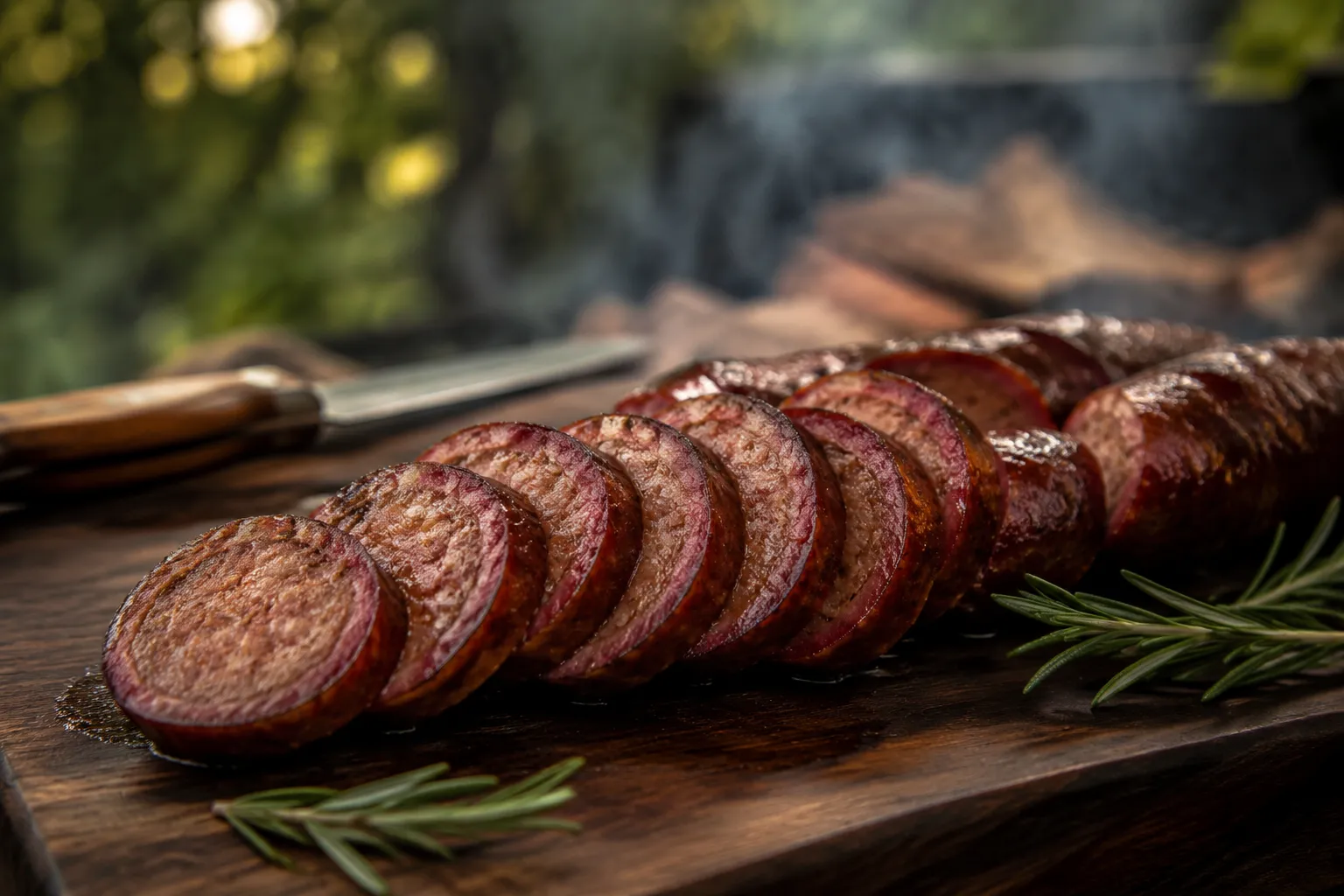
For a weekend project, smoked italian sausage is wonderfully easy and rewards patience. Smoke uncooked links at 225°F over apple, cherry, or hickory until they reach 160°F internally, usually 1 1/2 to 2 hours. The flavor turns deep and woodsy, making the slices perfect for boards, beans, sandwiches, and meal-prep bowls.
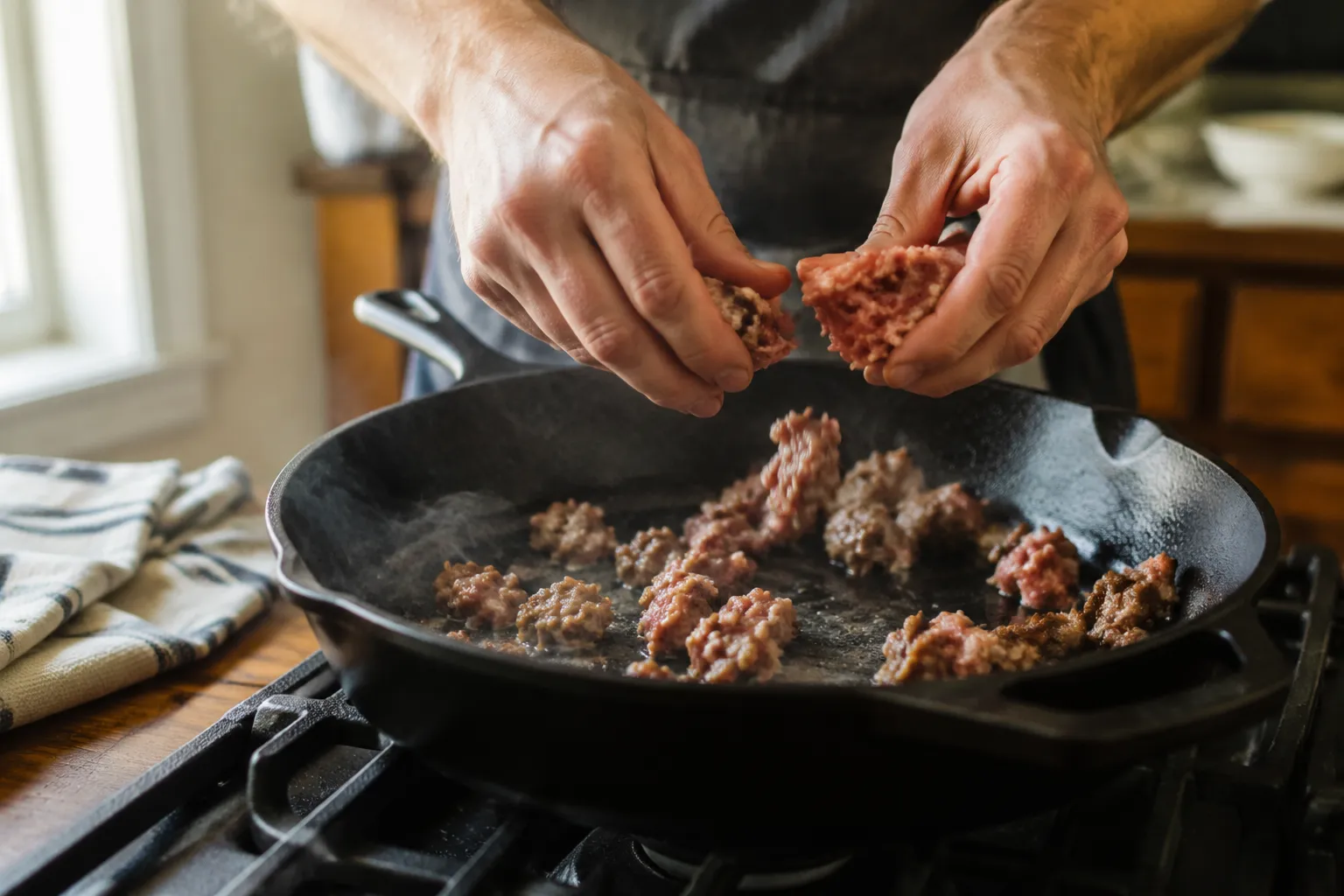
Start with sausage and peppers, the forever classic. Brown links or crumbles, add sliced onions and bell peppers, then finish with a splash of marinara or broth until everything is glossy and tender. Pile the mixture into hoagie rolls, spoon it over polenta, or serve it with a green salad for a fast, satisfying dinner.
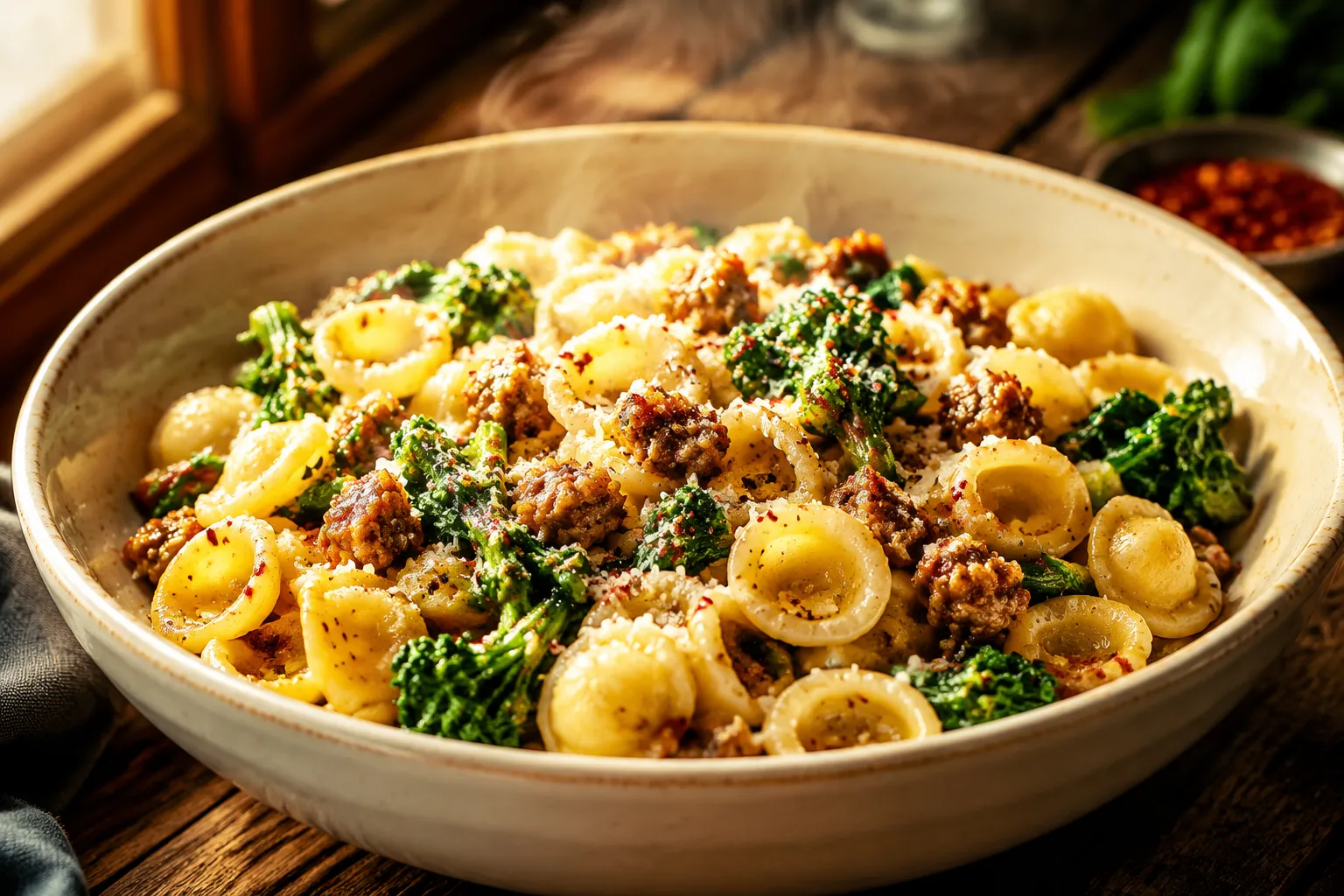
Next, make a tomato pasta. Brown crumbled sausage, add garlic and crushed tomatoes, then simmer until the sauce tastes rich and slightly sweet. Toss with rigatoni, penne, or orecchiette, and finish with Parmesan and basil. This is the kind of italian sausage recipe that feels restaurant-cozy but still belongs on a Tuesday night.
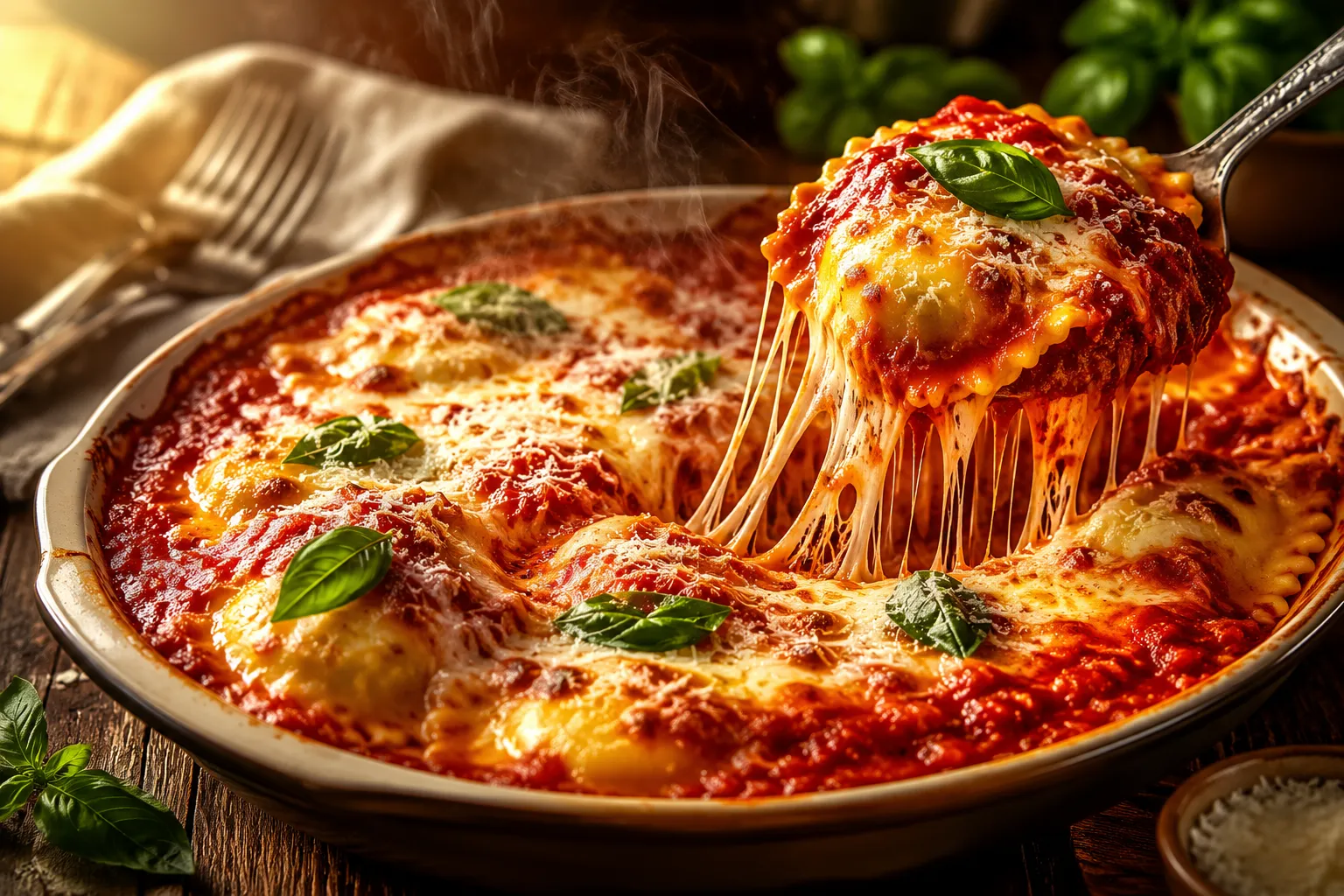
Stuffed peppers are another weeknight win. Mix cooked crumbles with rice, tomato sauce, mozzarella, and herbs, then bake inside halved bell peppers until bubbling. For a lighter version, use cauliflower rice; for a heartier one, add white beans or chopped spinach.
Sheet pan dinners may be the easiest route of all. Pair sliced links with potatoes, onions, and broccoli, then roast until the edges are crisp and caramelized. Finish with lemon juice, chopped parsley, or a quick swipe of pesto to brighten the tray.
For cozy bowls, try white bean stew, creamy tortellini soup, lentil soup with greens, or a Tuscan kale-and-tomato pot like the one below. Sausage also loves eggs, so don’t forget breakfast casseroles, frittatas, and hash with crispy potatoes. And for appetizers, slice cooked links into coins and serve them with marinara, whipped ricotta, or a mustardy dipping sauce.
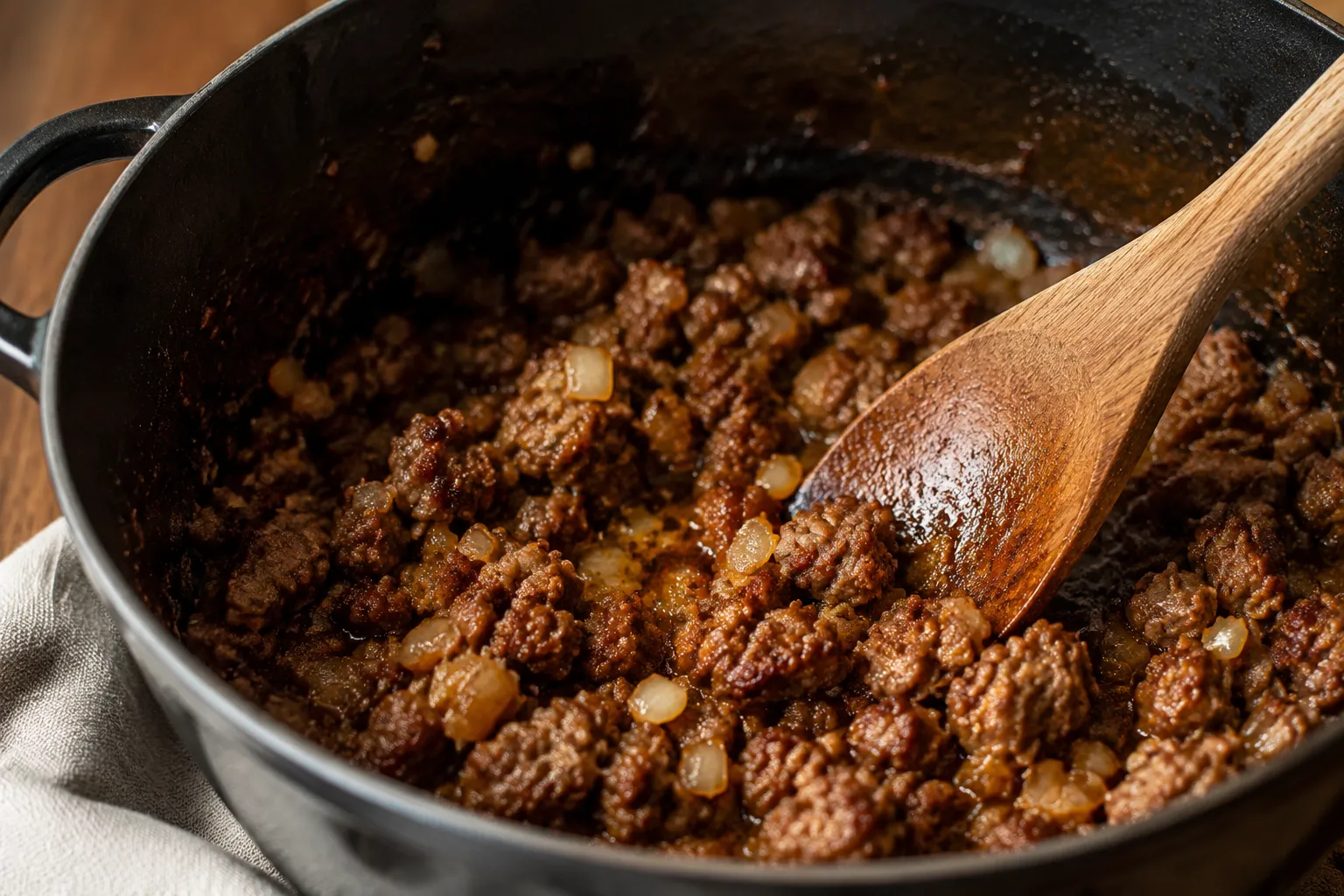
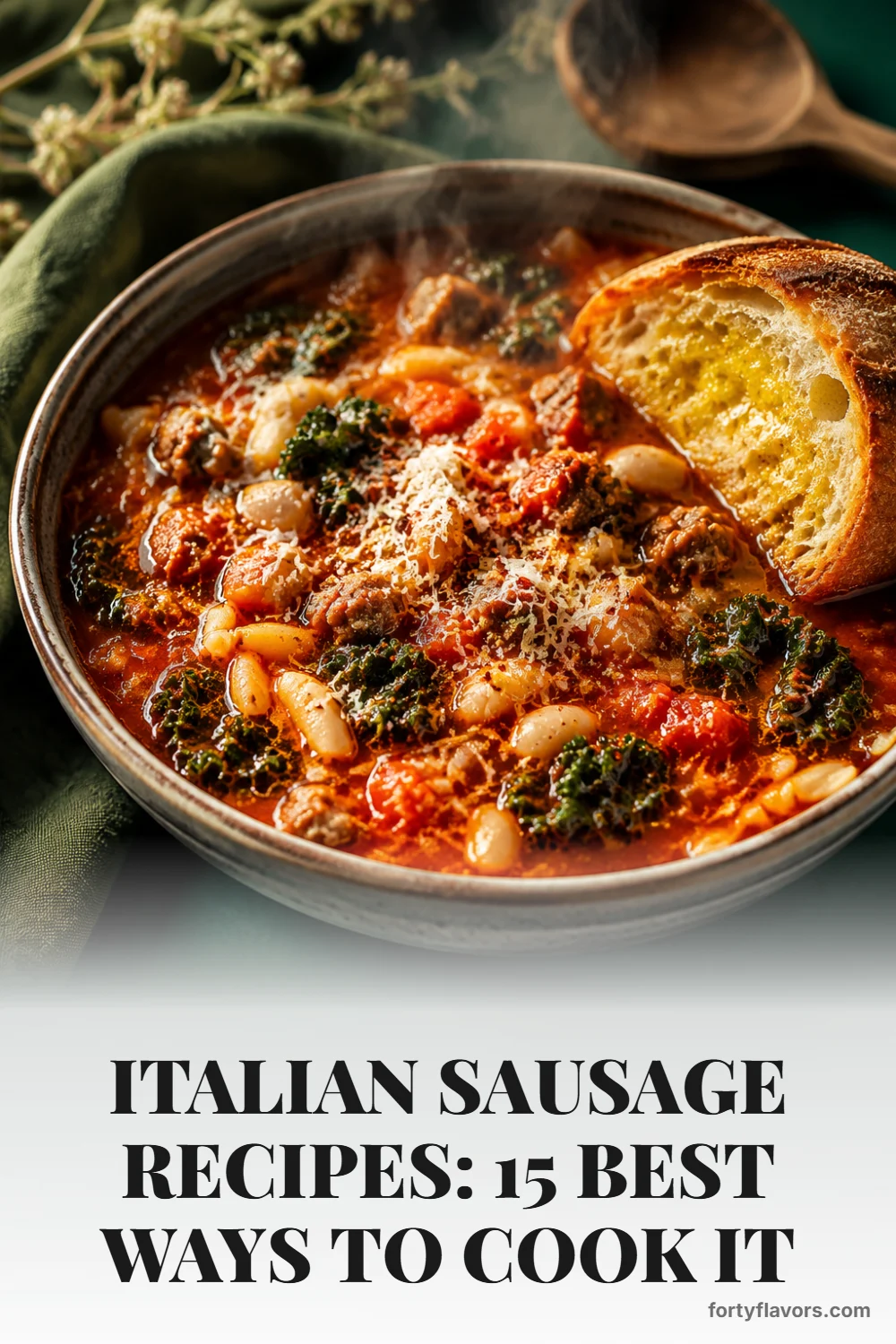
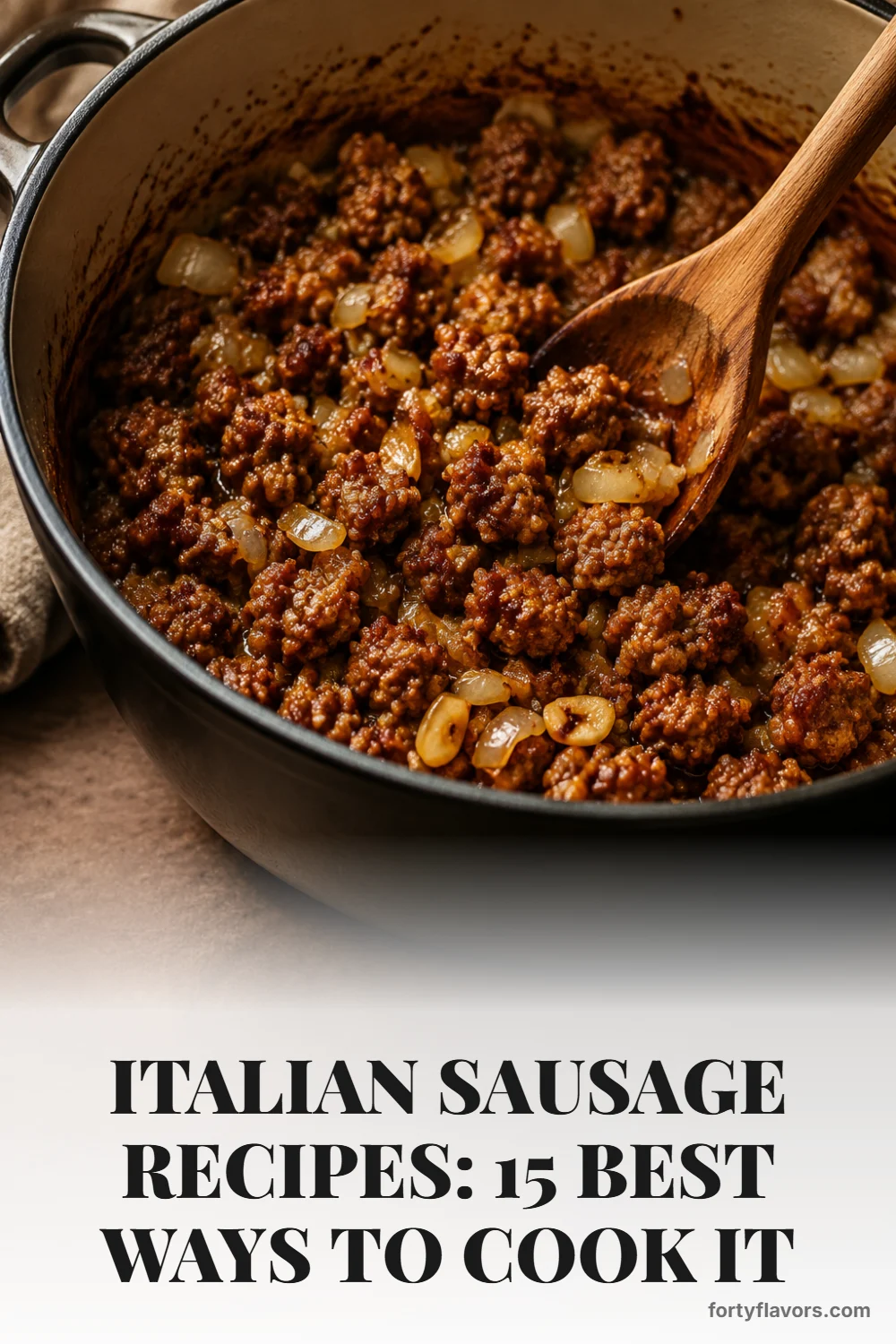
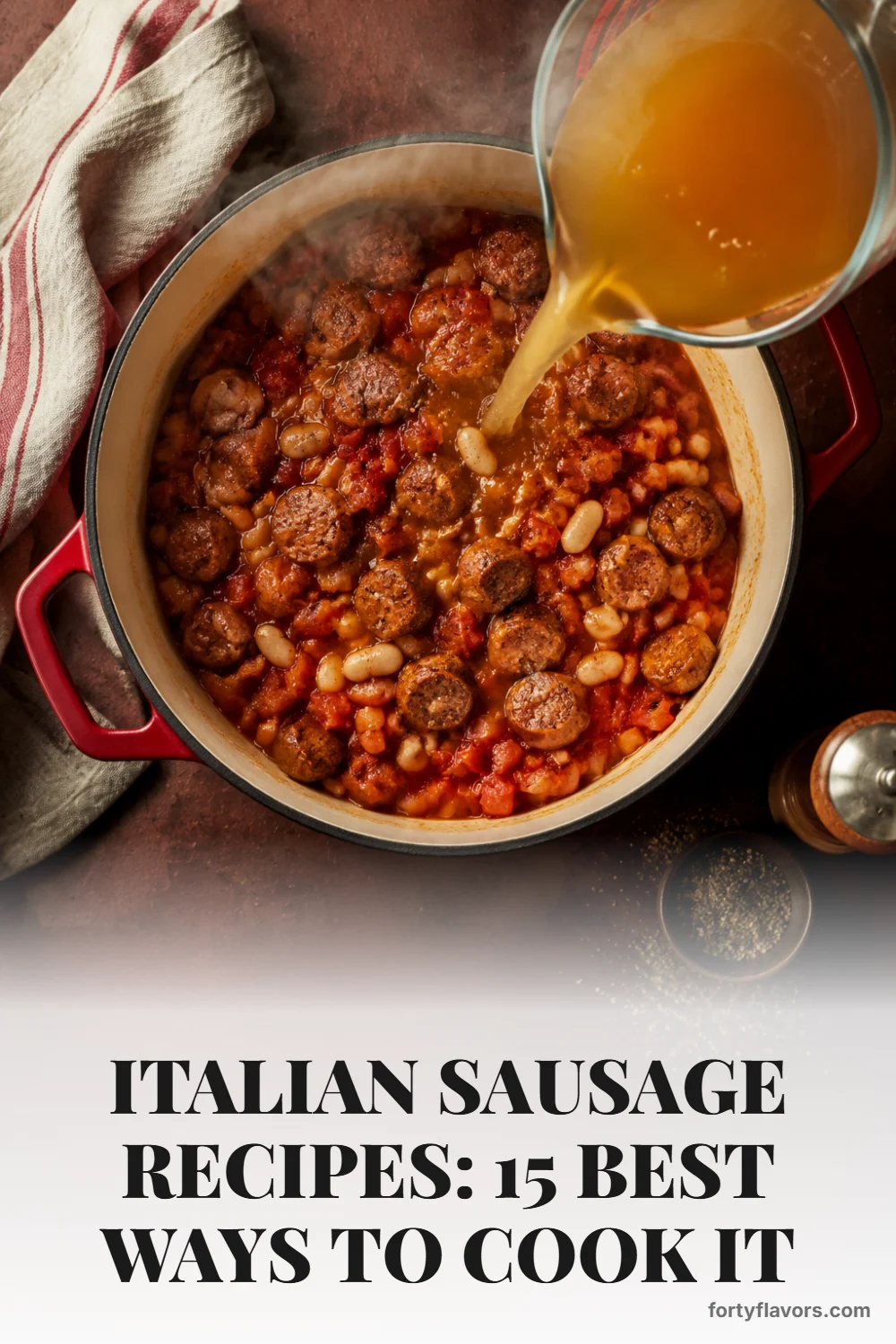
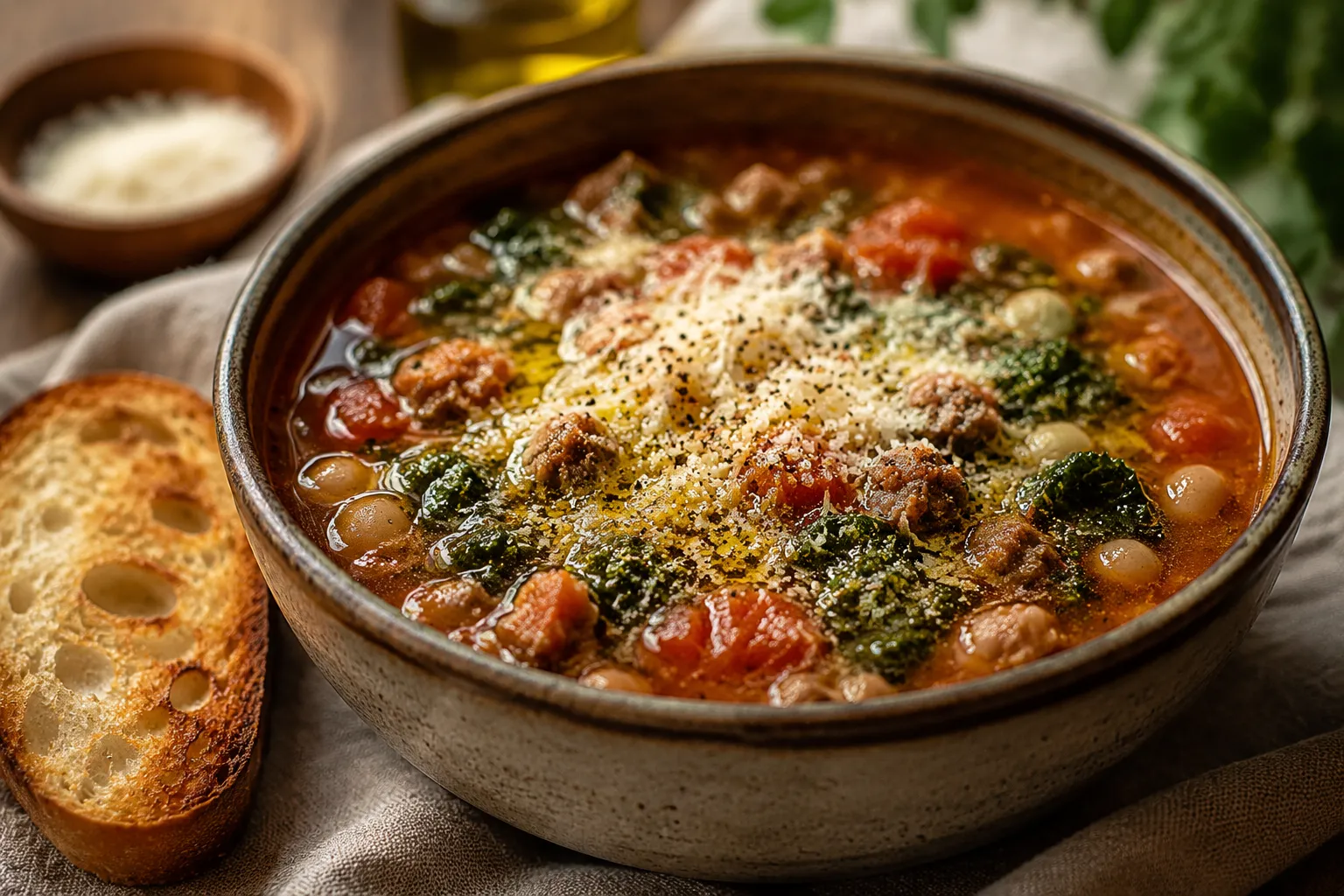
The soup in this guide is built like a good sauce: first you brown the meat deeply, then soften onion and garlic in the flavorful drippings, then deglaze with broth so every browned bit comes along for the ride. Cannellini beans make the pot creamy without much effort, diced tomatoes bring acidity, and Tuscan kale adds earthy greens that hold their texture well.
A splash of heavy cream is optional, but it gives the broth a silky, restaurant-style finish. If you prefer a lighter bowl, skip the cream and add a drizzle of extra-virgin olive oil at the end instead. Either way, the soup lands squarely in the cozy-dinner category: rustic, brothy, a little creamy, and excellent with crusty bread.
This is also a great place to use ground italian sausage if you have it. Bulk sausage browns quickly and disperses through the soup, so each spoonful gets a little savory bite. If you only have links, simply slit the casings and squeeze the meat into the pot.
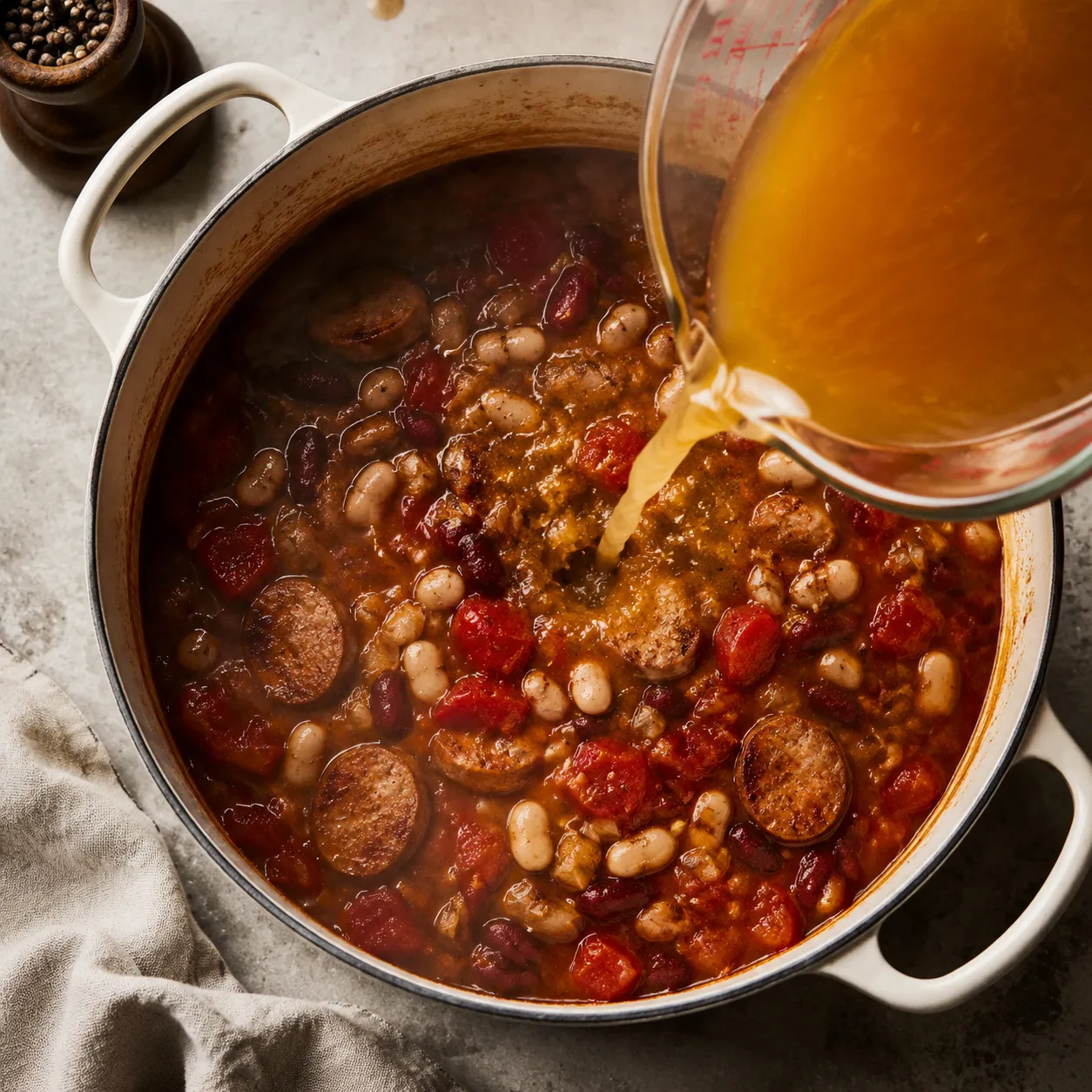
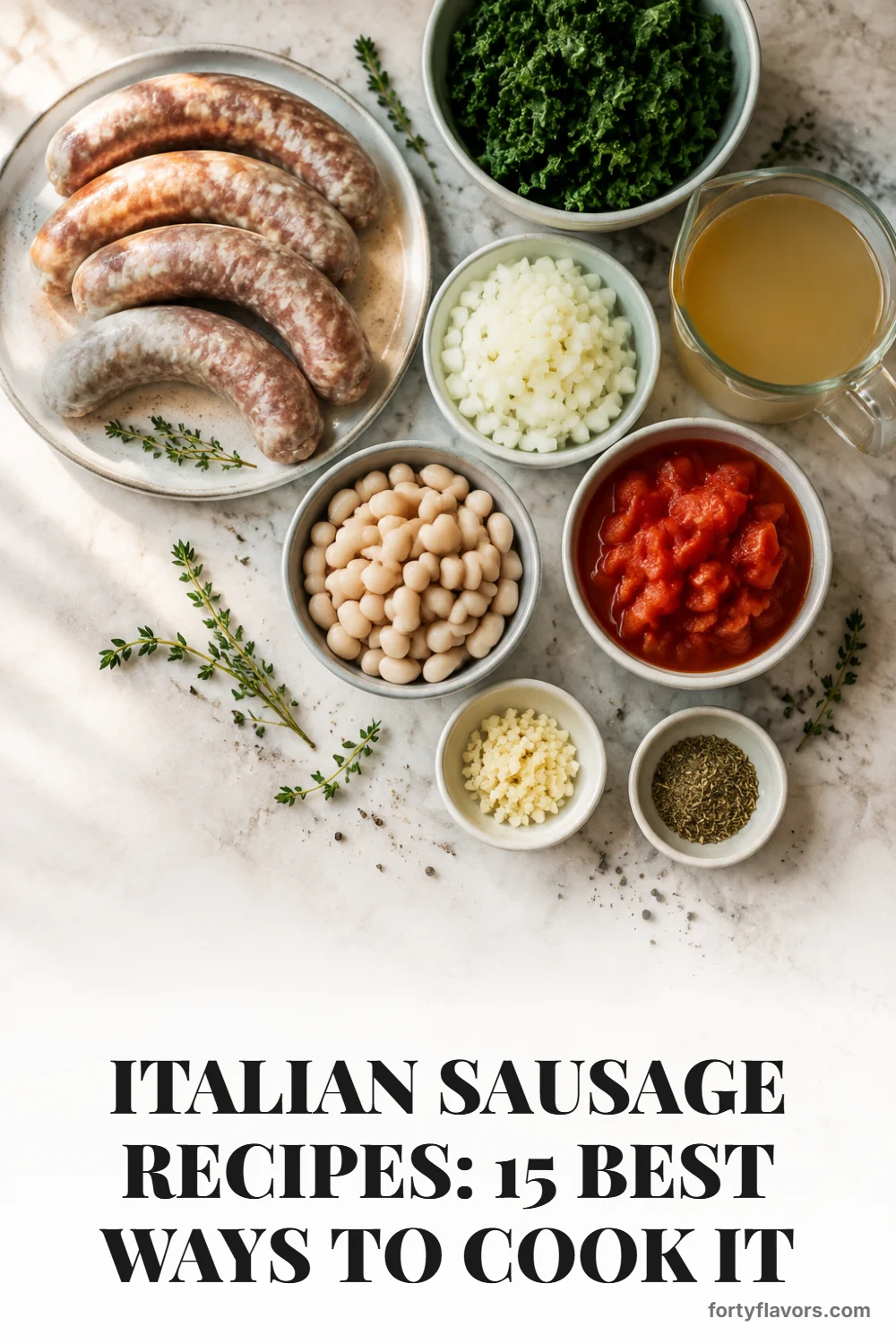
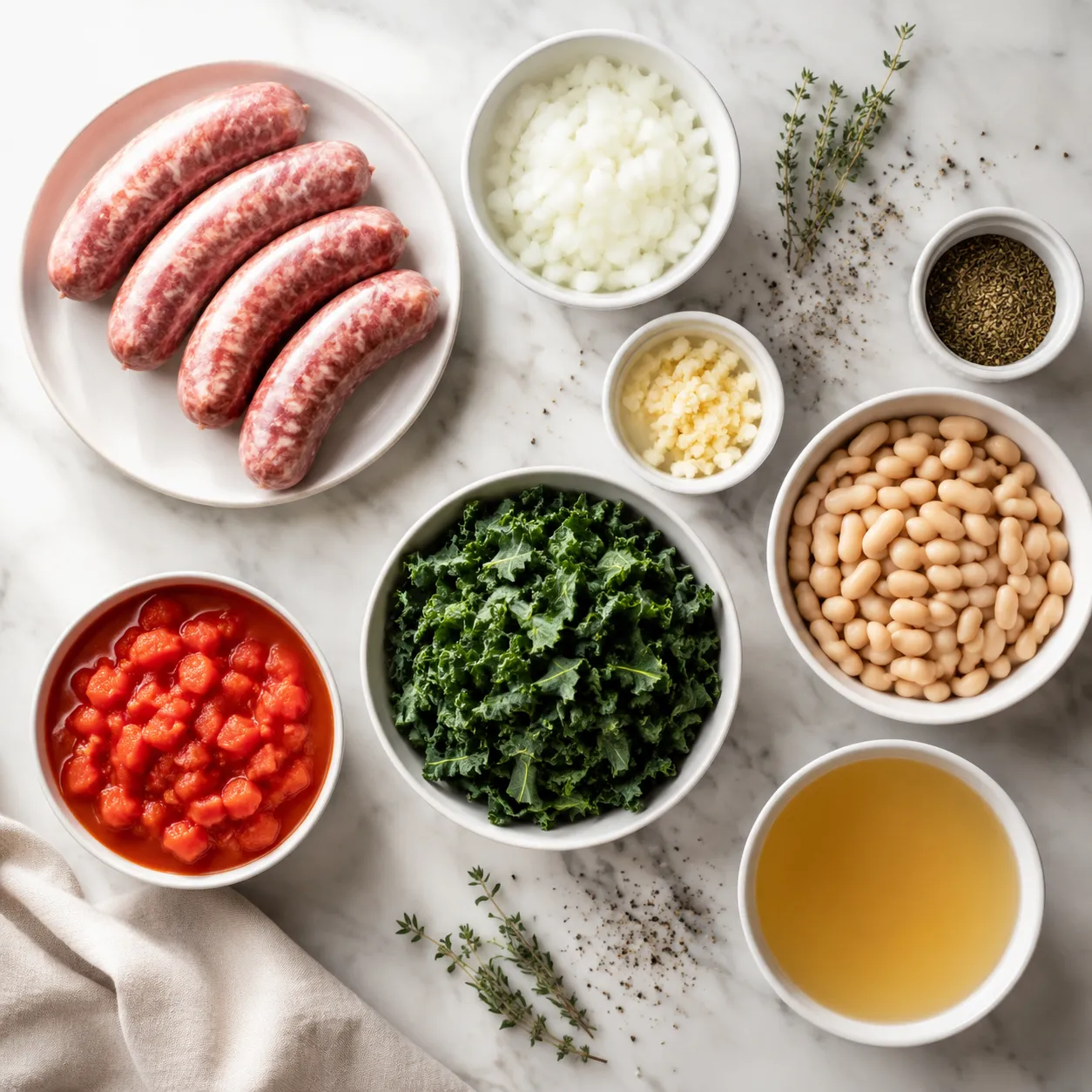
You only need a short list of pantry-friendly ingredients for this soup, but each one has a job. The sausage seasons the entire pot; onion and garlic create sweetness and aroma; canned tomatoes add brightness; and chicken broth gives the soup its savory base. Cannellini beans make it hearty enough for dinner without needing pasta or potatoes.
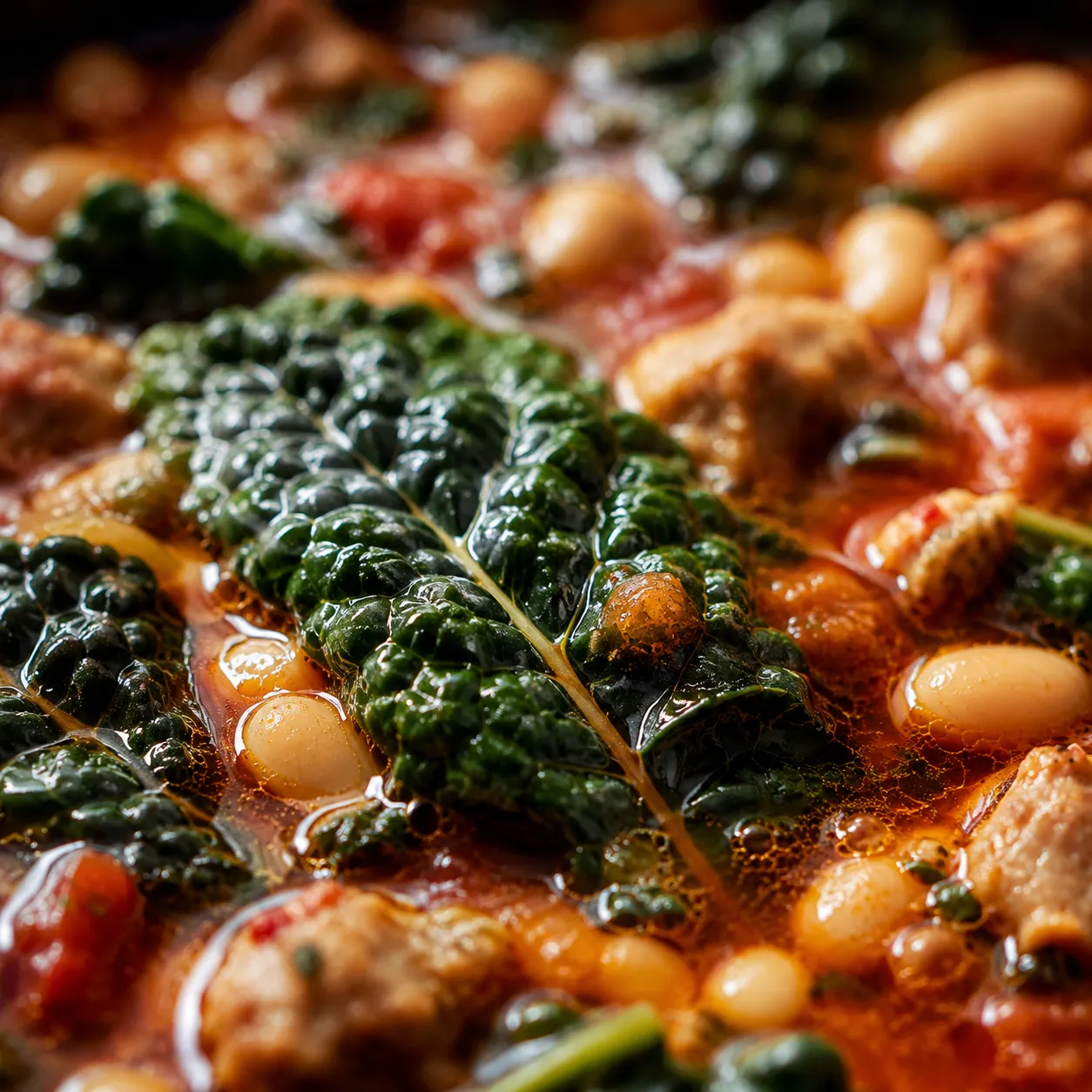
Tuscan kale is sturdy, slightly bitter, and perfect for simmering. Remove the tough stems, chop the leaves, and add them near the end so they soften but don’t disappear. If you only have curly kale, baby spinach, or escarole, those will work too, though spinach needs just a minute or two.
Parmesan is more than a garnish here. A shower of grated cheese adds salt, nuttiness, and a little richness that ties the tomatoes, greens, and beans together. For even more depth, simmer a Parmesan rind in the pot while the broth bubbles, then remove it before serving.
The key moment is the browning step. Give the meat time to sear before you stir too much, and let those golden-brown bits collect on the bottom of the Dutch oven. Once the onion releases its moisture, the fond loosens and turns into a concentrated flavor base for the broth.
After that, the recipe is mostly a gentle simmer. Beans, tomatoes, broth, and Italian seasoning go in together, then the soup bubbles until the flavors feel rounded and the broth tastes savory. The kale joins near the end so it keeps its color, and the cream goes in last so it stays smooth.
When you have more time, smoked links bring a completely different mood to the table. The gentle heat firms the casing, keeps the interior juicy, and adds a subtle wood-fired aroma that works with beans, mustard, roasted peppers, and potatoes. Slice smoked links on the bias and serve them as a main, or tuck them into lunch bowls all week.
If you are grilling instead of smoking, avoid blasting the links over roaring heat. Medium heat gives the inside time to cook before the casing gets too dark, and frequent turning prevents hot spots. Once cooked, rest the links briefly, then slice and serve with grilled bread, marinated tomatoes, and a crisp salad.
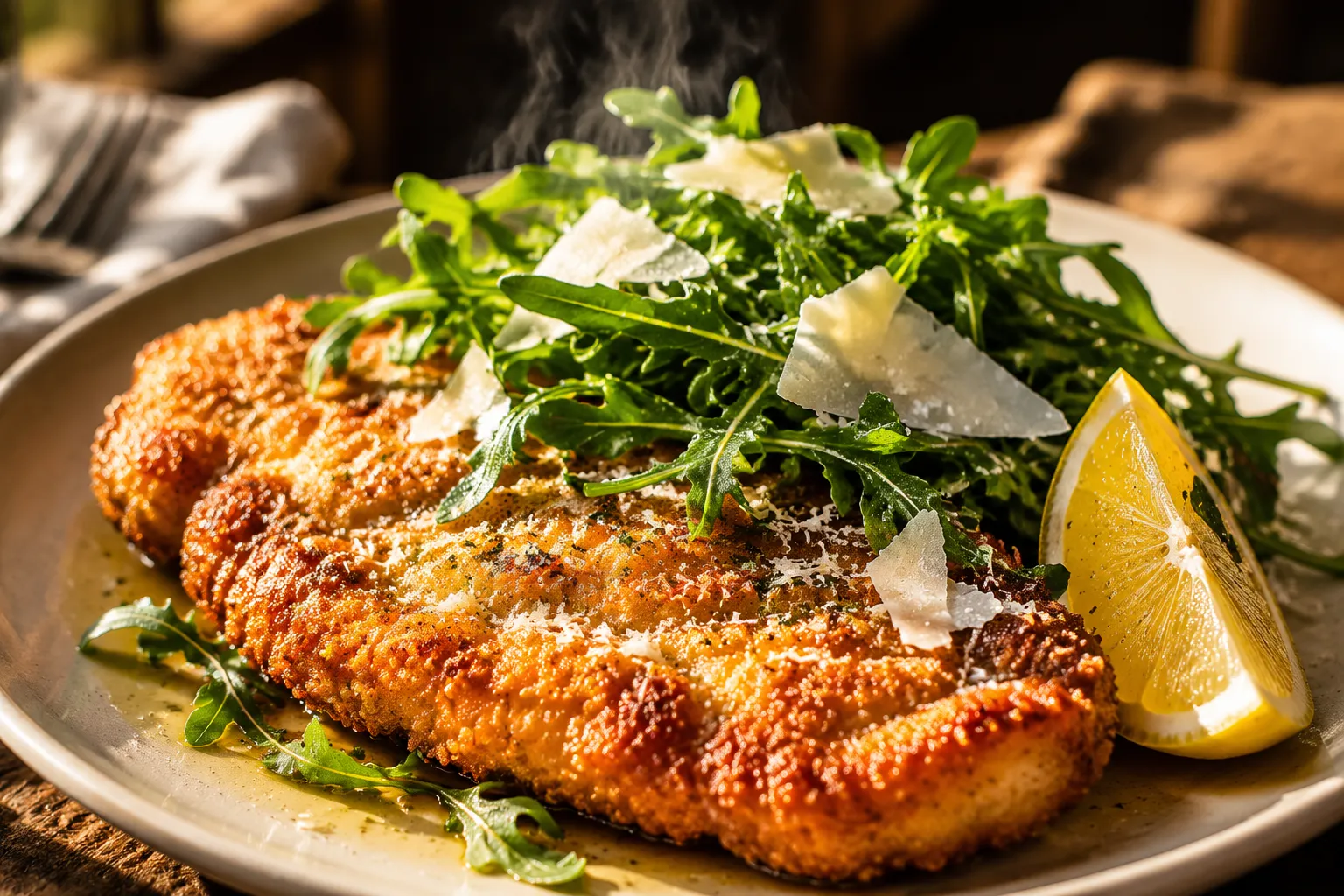
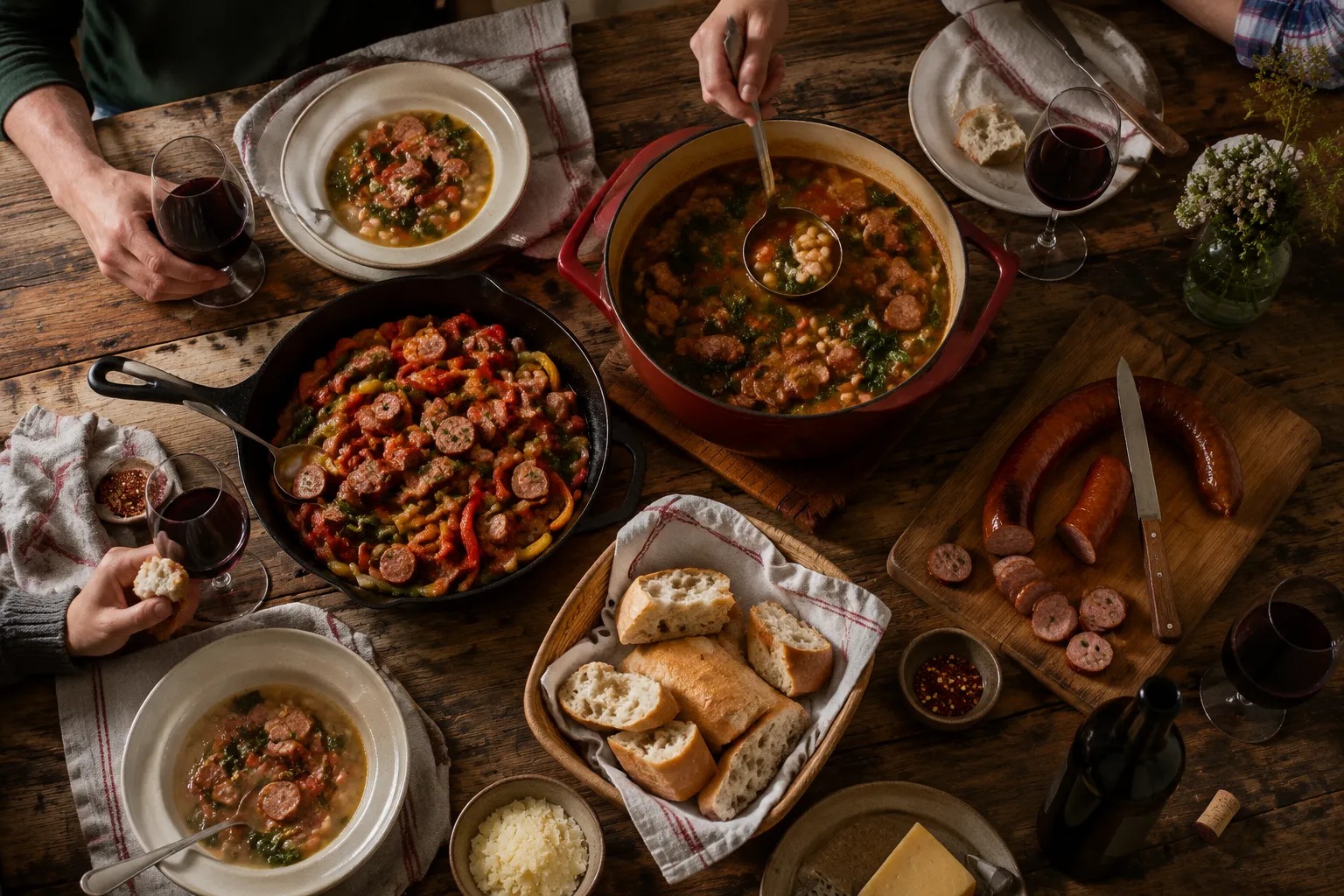
For soup night, keep the sides simple: toasted ciabatta, garlic bread, a lemony arugula salad, or roasted broccoli all work well. The broth is rich enough to feel generous, so something crisp, acidic, or bread-like is usually the best match. If you want to stretch the meal, serve the soup over a small scoop of cooked pasta or rice.
For sausage and peppers, add hoagie rolls, provolone, and a bowl of warm marinara. For pasta, pair with a bitter green salad and a glass of Chianti or Sangiovese. For smoked links, think picnic-style: potato salad, white beans with herbs, grilled vegetables, or a mustardy slaw.
However you cook it, the goal is balance. Rich sausage loves acidity from tomatoes, lemon, wine, or vinegar; it loves greens like kale, broccoli rabe, spinach, and arugula; and it loves creamy ingredients like beans, polenta, ricotta, and Parmesan. Once you know those pairings, you can improvise dinner from whatever is already in the kitchen.
Store cooked sausage dishes in airtight containers in the refrigerator for up to 4 days. For the Tuscan soup, let it cool slightly before refrigerating, and reheat gently on the stovetop or in the microwave until steaming hot.
Freeze the soup for up to 3 months, preferably before adding cream for the smoothest texture. Thaw overnight in the refrigerator, warm gently, then stir in cream or Parmesan just before serving.
Hover any image and hit “Pin it” to save it to your Pinterest boards.