Chicken Florentine: Creamy Skillet Recipe in 30 Minutes
Ingredients
Scale
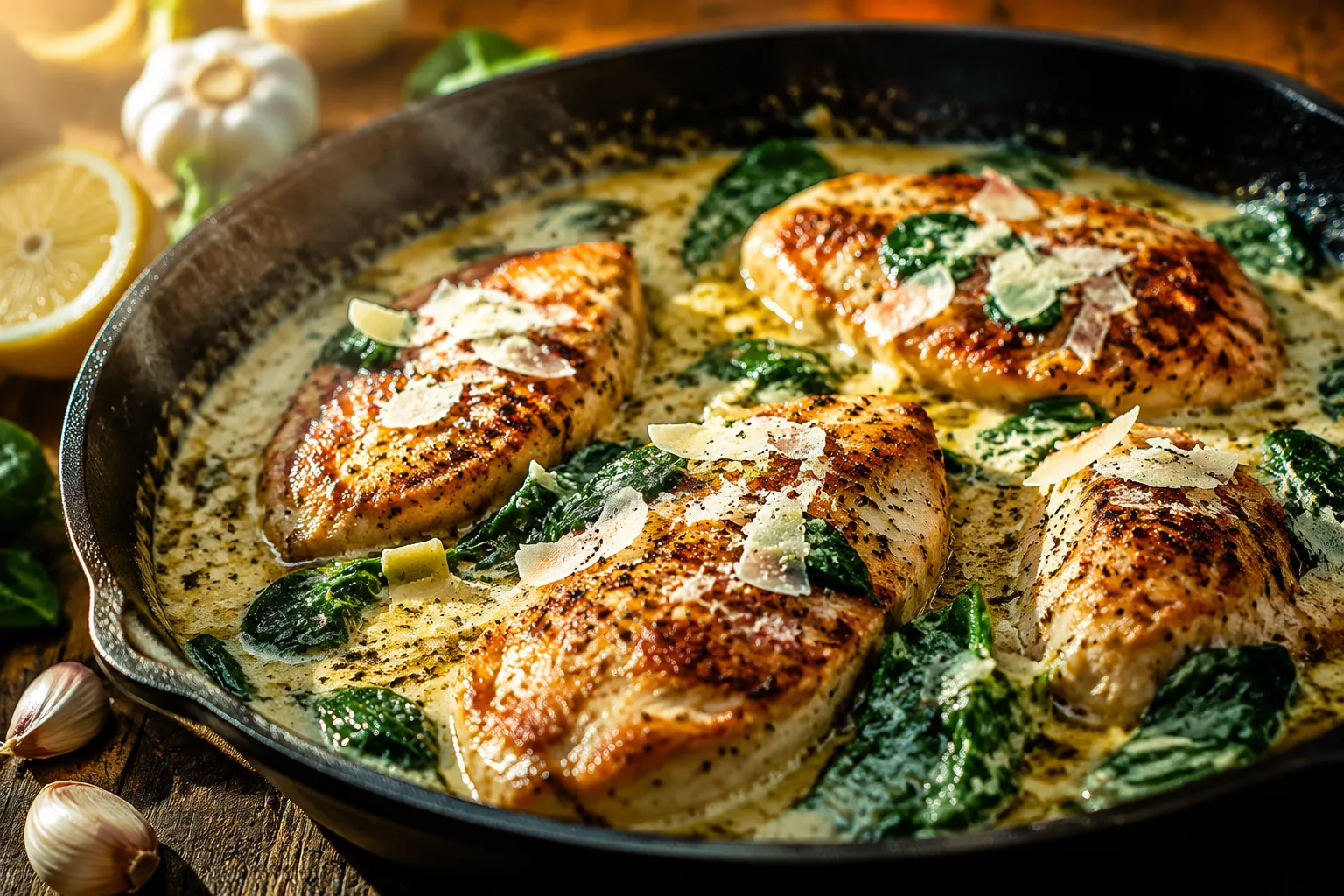
Tender pan-seared chicken bathed in a silky garlic Parmesan sauce with wilted baby spinach. One skillet, 30 minutes, restaurant-worthy results.
Chicken Florentine is the kind of weeknight dinner that looks and tastes like it took hours, even though the whole thing comes together in one skillet in about thirty minutes. Picture deeply golden cutlets nestled into a glossy, garlicky cream sauce shot through with handfuls of bright baby spinach and a generous shower of nutty Parmesan cheese. It is rich without being heavy, fancy without being fussy, and the kind of meal that makes people put down their forks just long enough to ask for the recipe.
I have been making versions of this dish for years, and after a lot of stovetop trial and error, I finally landed on the technique that gives a restaurant-quality result every single time. The keys are butterflying the chicken so it cooks fast and evenly, building real flavor in the pan with white wine, and emulsifying the sauce gently so it stays silky instead of breaking. If you have ever made creamy garlic chicken on a busy weeknight, you already have most of the muscle memory you need.
Best of all, this is a true one-skillet dinner. One pan, one stovetop, one quick simmer, and you have a saucy main ready to spoon over pasta, rice, mashed potatoes, or just a hunk of crusty bread to mop up every last drop of that white wine sauce.
The word Florentine on a menu is shorthand for “served with spinach,” usually in a creamy sauce. The name nods to Florence, Italy, but the dish as most Americans know it is firmly Italian-American comfort food: pan-seared chicken cutlets in a buttery cream sauce loaded with wilted greens and Parmesan cheese. The combination of tender chicken, silky sauce, and earthy spinach is straightforward, but when each component is treated with a little care, it tastes far greater than the sum of its parts.
Florentine cooking has a long association with spinach in classical French and Italian cuisine, supposedly tracing back to Catherine de’ Medici, the Florentine queen of France who reportedly demanded spinach at every meal. Whether that is fact or food folklore, the convention stuck: any dish labeled “à la Florentine” almost always involves a bed of spinach and some form of creamy or cheesy enrichment. American restaurants picked up the idea mid-twentieth century, swapped in chicken cutlets, and the modern chicken florentine recipe was born.
It is easy to confuse this dish with its close cousins. A Tuscan chicken skillet typically leans on sun-dried tomatoes, garlic, and basil alongside the spinach, with a more rustic, tomato-tinted sauce. Chicken piccata, on the other hand, is bright and lemony with capers and a thin pan sauce — no cream, no spinach. It sits squarely in the middle: creamier than piccata, more elegant and herb-forward than the heartier Tuscan version, and laser-focused on that classic spinach-and-Parmesan combination.
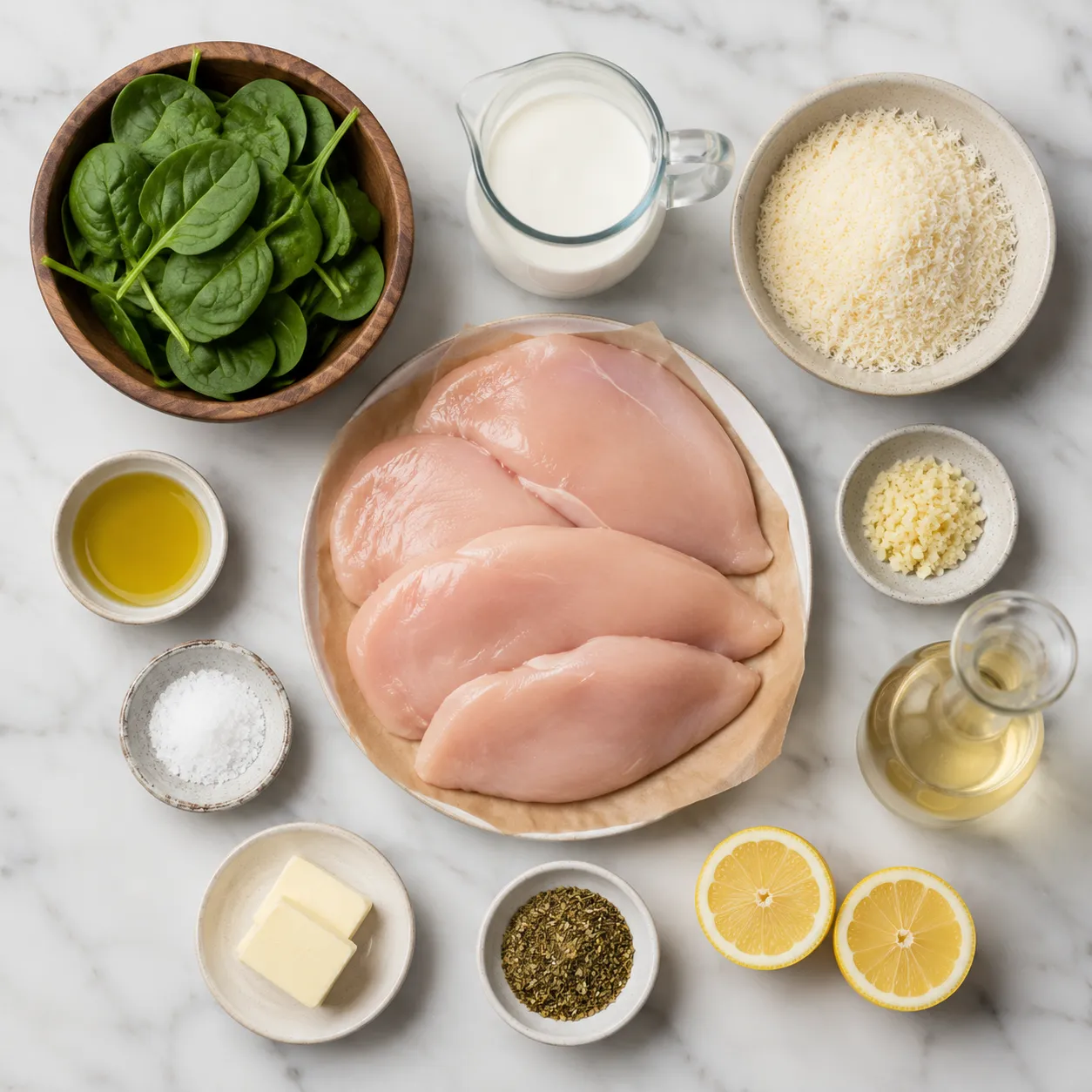
The ingredient list is short and shoppable. Most of these are pantry and fridge staples, and there are only a few places where quality really makes a difference. Use the freshest ingredients you can find and a humble weeknight dinner suddenly tastes like Sunday in Florence.
Boneless, skinless chicken breasts are traditional, but they need help cooking evenly. The trick is butterflying each breast horizontally to create thinner cutlets that sear in just a few minutes per side. If you have never done it before, the technique for how to butterfly chicken breast is simple: lay your hand flat on top of the breast, and slice horizontally through the thickest part with a sharp knife, stopping just before you cut all the way through, then open it like a book. You can also use boneless, skinless chicken thighs for a juicier, more forgiving result — just add a few extra minutes of cook time.
The sauce is built on a classic French foundation: garlic bloomed in butter, deglazed with dry white wine, finished with heavy cream and freshly grated Parmesan cheese. A dry Pinot Grigio or Sauvignon Blanc adds acidity that cuts the cream beautifully. If you would rather skip the alcohol, low-sodium homemade chicken broth with a squeeze of lemon does the same job. Use real, freshly grated Parmesan cheese from a block — the pre-shredded stuff is coated in anti-caking starches that can leave the sauce gritty.
Five ounces of fresh baby spinach is plenty for four servings; it looks like a mountain in the bowl, but it wilts down to almost nothing the moment it hits the warm sauce. Baby spinach is mild and tender, with no need to stem or chop. Mature spinach works too, just chop it roughly. Frozen chopped spinach is a perfectly respectable shortcut as long as you thaw and squeeze it bone-dry before adding, otherwise it will dilute the sauce.
Below is the high-level method so you understand what is happening at each stage. The full numbered recipe with timing lives in the recipe card at the bottom of the page.
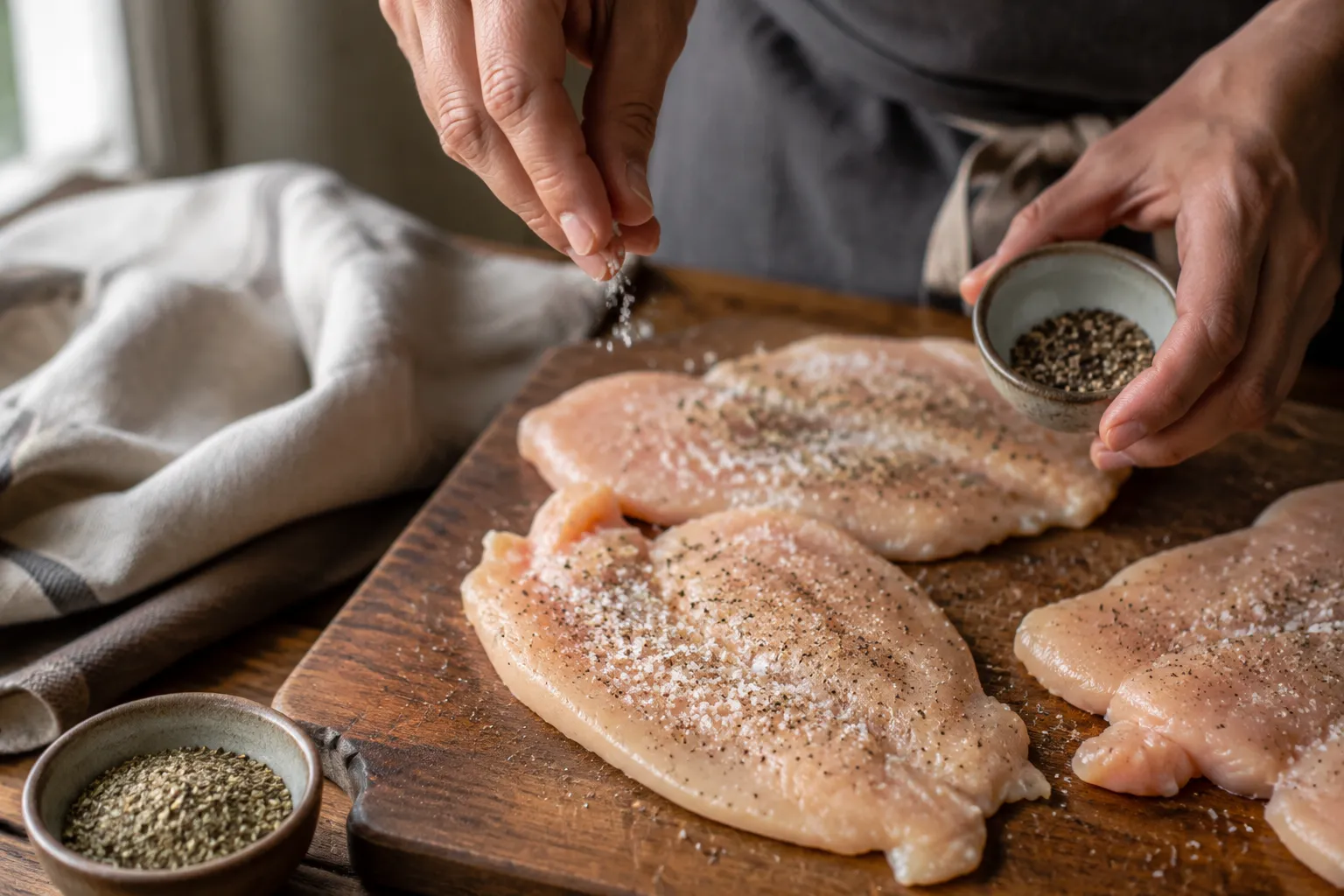
Pat the cutlets very dry — this is non-negotiable for a deep golden crust — and season generously with kosher salt, black pepper, and Italian seasoning on both sides. Heat a large stainless steel or cast-iron skillet over medium-high until it shimmers, then add olive oil and a knob of butter. Lay the cutlets in away from you and do not touch them for three to four minutes. When they release cleanly and the crust is the color of toasted hazelnuts, flip and finish on the second side.
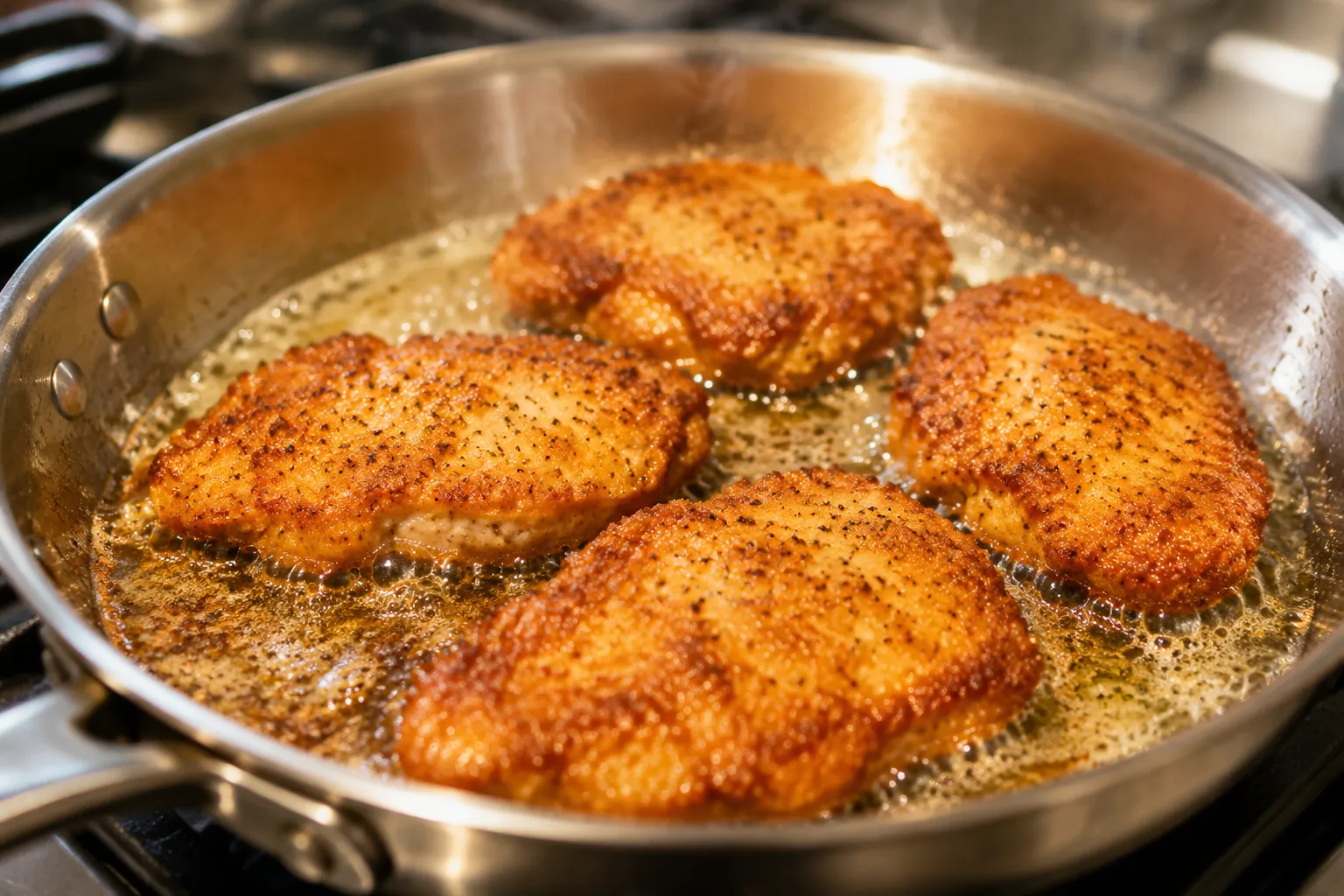
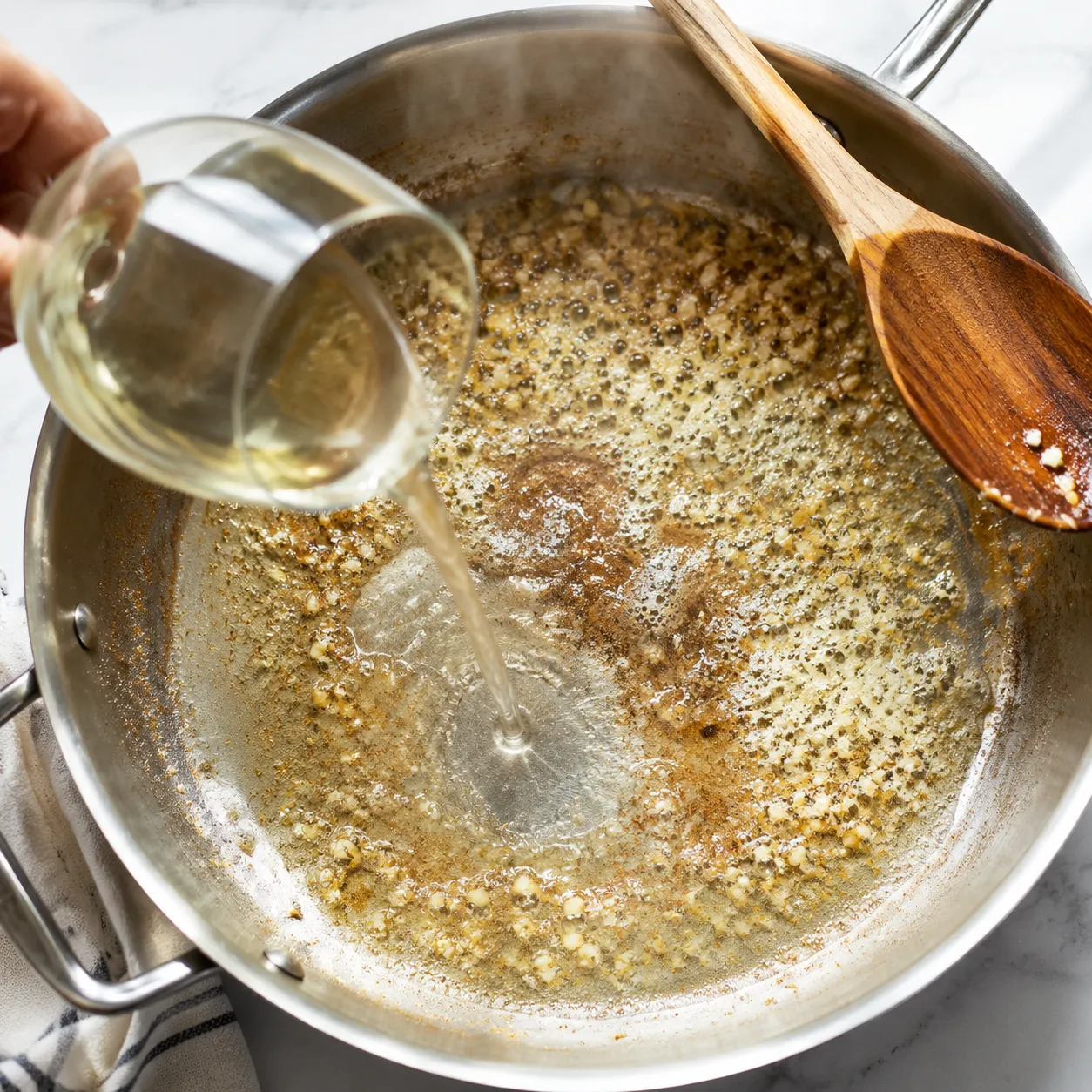
Transfer the cutlets to a plate and lower the heat to medium. Add the remaining butter, swirl in the minced garlic, and cook just until fragrant, about thirty seconds — you want it blond, not browned. Pour in the white wine and scrape up every bit of caramelized fond from the bottom of the pan with a wooden spoon. That brown stuff is pure flavor and the foundation of any great pan-seared chicken breast dish. Let the wine reduce by half, then stream in the heavy cream.
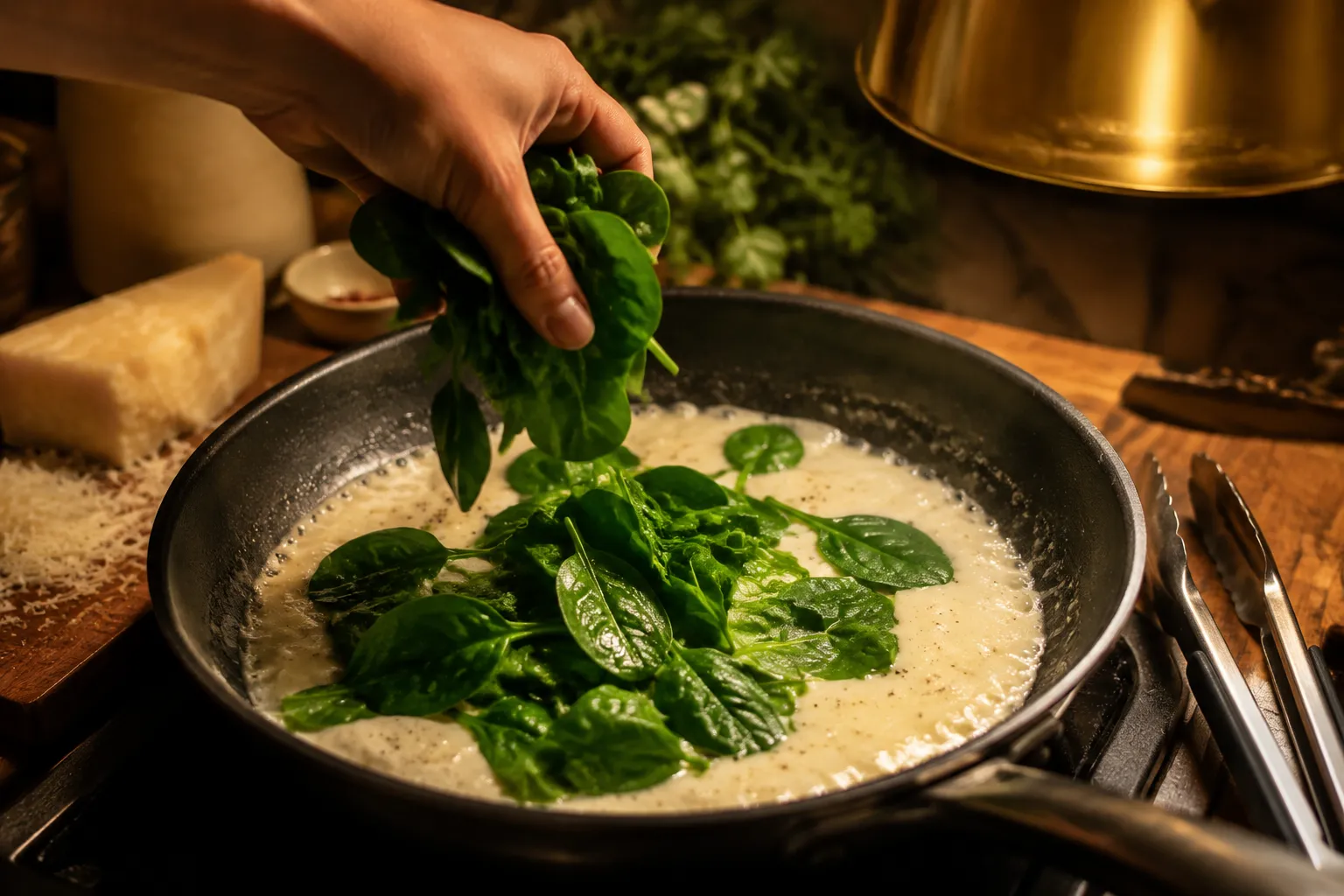
Once the cream is gently bubbling, whisk in the Parmesan a handful at a time, letting each addition melt before adding more. This is how you avoid a clumpy or grainy emulsion. Add the baby spinach in big handfuls — it looks like too much, but trust me — and stir until it collapses into the sauce. Taste and adjust with salt, pepper, and a bright squeeze of fresh lemon juice to balance the richness.
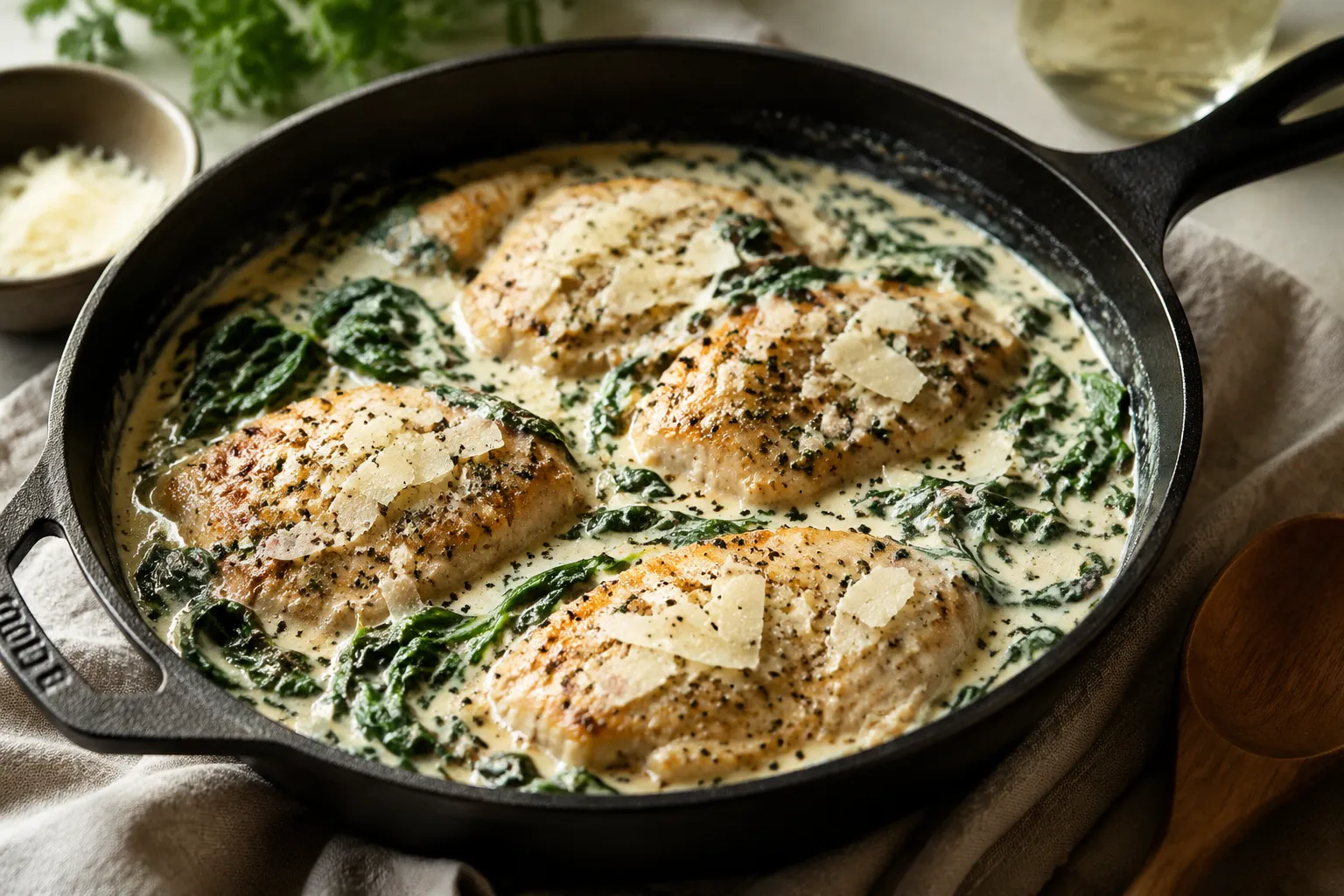
Nestle the seared cutlets back into the sauce along with any juices that have collected on the plate. Spoon sauce over the top and let everything simmer together for two to three minutes so the chicken warms through and absorbs the flavor of the sauce. The cutlets should be glossy, the sauce should coat the back of a spoon, and the spinach should be vivid green, not olive drab. Serve immediately.
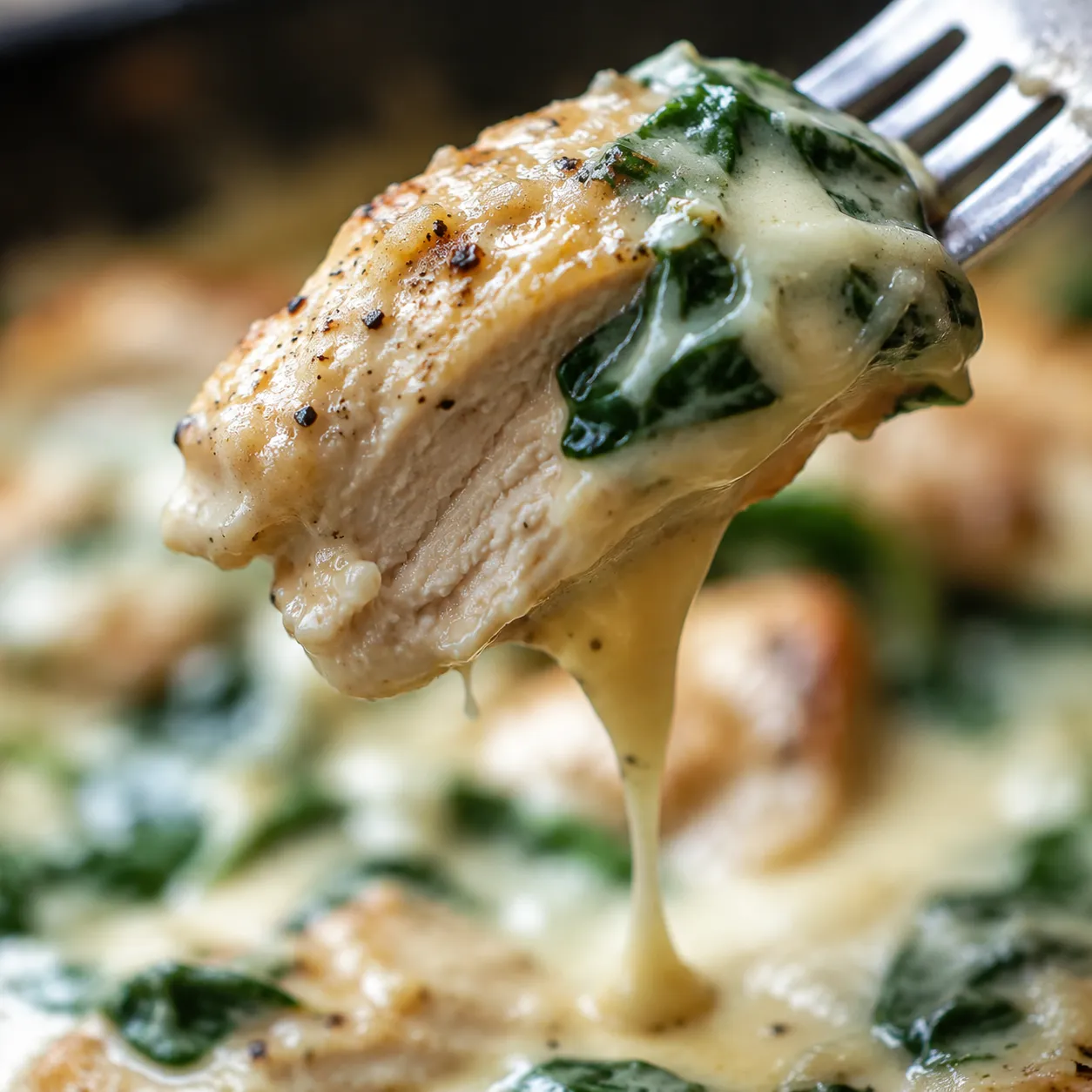
This is a saucy main, so the best side dishes are the ones that act like a sponge. Buttered fettuccine or pappardelle is the classic move and turns the dish into something close to a creamy spinach pasta. Soft polenta, fluffy mashed potatoes, or buttery rice all work beautifully. For a lighter plate, spoon it over roasted spaghetti squash or a pile of garlicky sautéed green beans.
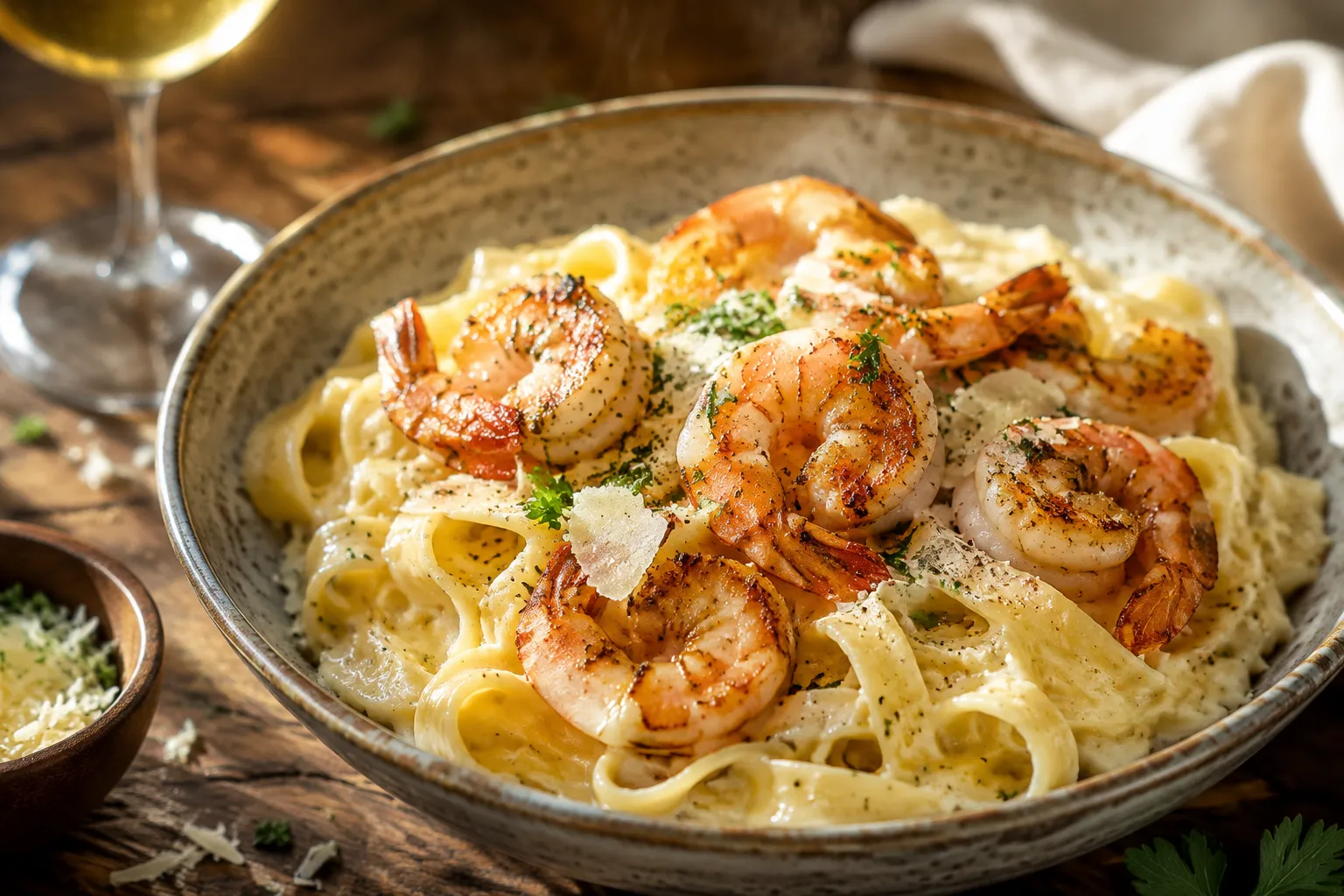
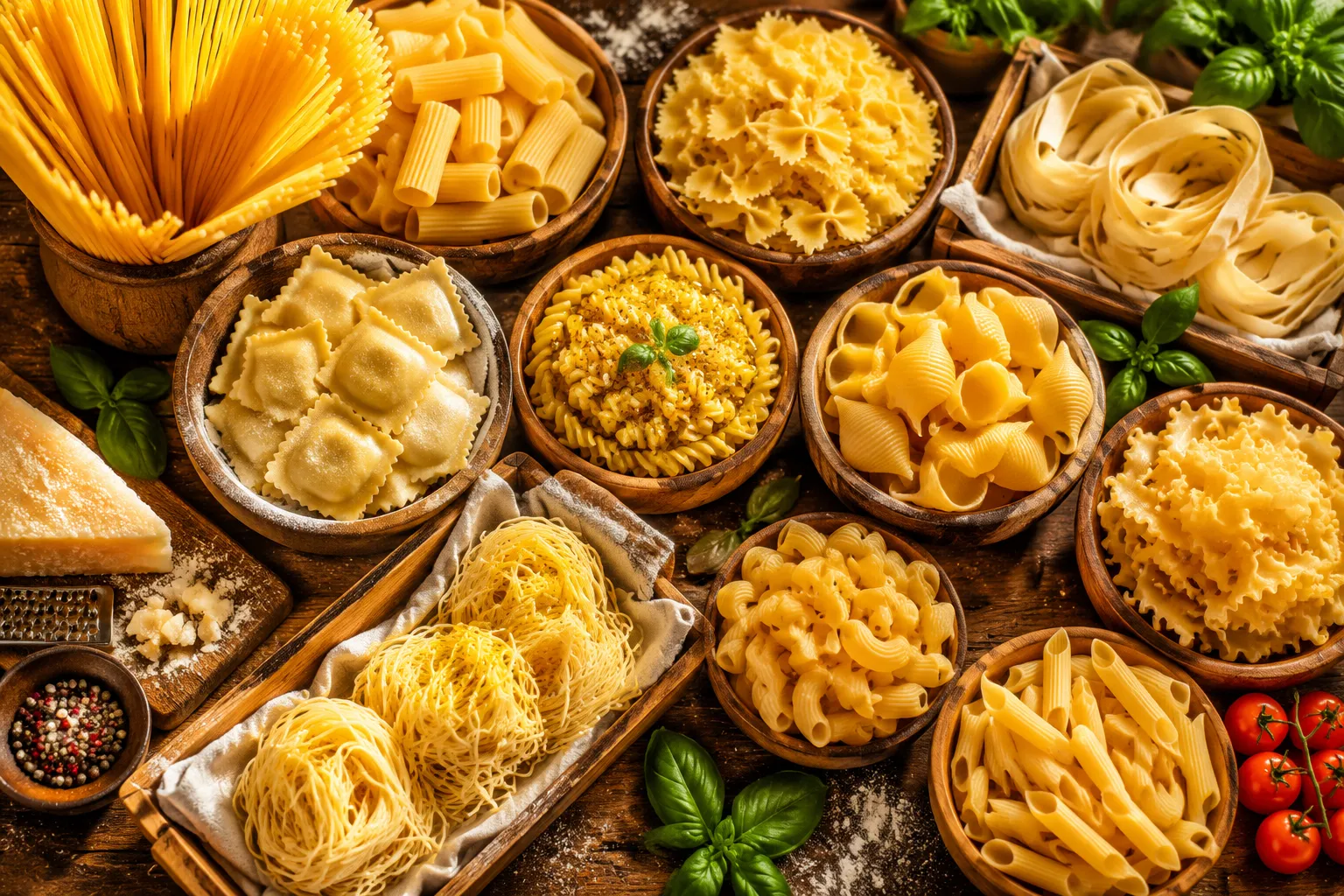
Long noodles cling to the cream sauce best — fettuccine, linguine, and tagliatelle are all winners. Short pasta like rigatoni or penne catches sauce in its ridges and works equally well. For a low-carb option, swap in zucchini noodles or cauliflower mash. Whichever base you choose, finish with a few extra Parmesan cheese shavings and a crack of black pepper.
You will want bread on the table. Warm garlic bread or a torn baguette is non-negotiable for swiping through the leftover sauce. Pair the plate with a sharp, lemony salad — think arugula with shaved Parmesan, a Caesar, or a simple mixed greens with vinaigrette — to cut through the richness.
Pour the same dry white you used in the sauce. Pinot Grigio, Sauvignon Blanc, and unoaked Chardonnay all complement the creamy garlic sauce without overpowering it. A light Italian red like Chianti or Barbera is a fine alternative if white is not your thing. If you love this kind of bright, citrusy approach, you will probably also love a good chicken piccata when you want something lighter on a different night.
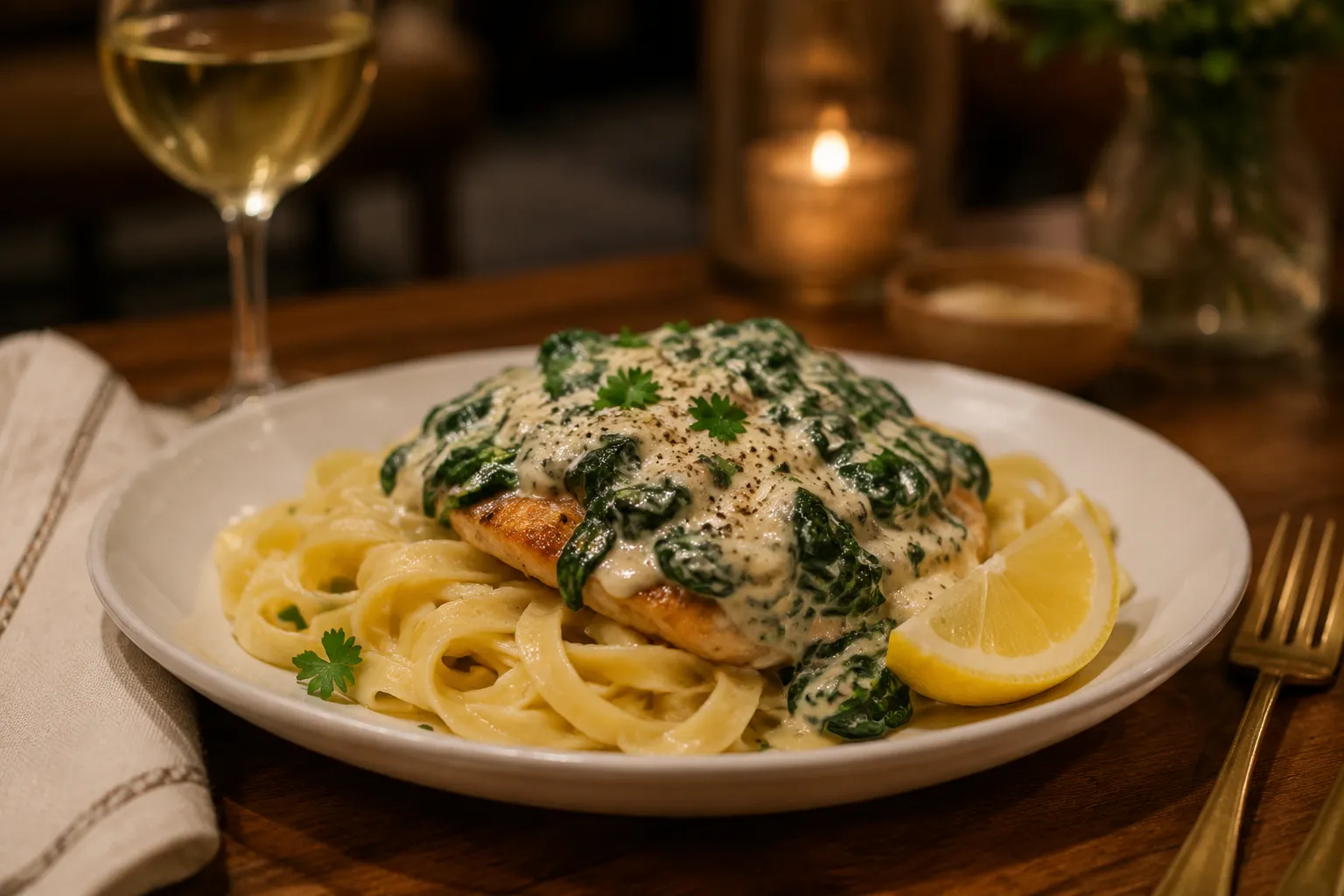
Once you have made this chicken florentine recipe a couple of times, you will find yourself reaching for it whenever you want a meal that feels generous without being complicated. It is the dish I make for guests when I have run out of time, for my kids when I want them to eat their spinach without a fight, and for myself on a Friday night when the only thing standing between me and the couch is a single pan and thirty minutes.
Once you have the base technique down, this dish is endlessly riffable. Swap proteins, change up the greens, or play with herbs — the creamy backbone forgives almost any tweak.
Refrigerate leftovers in an airtight container for up to 3 days. The sauce will thicken in the fridge — that is completely normal. To reheat, warm gently in a covered skillet over low heat with a splash of cream, milk, or broth to loosen things back up. Stir occasionally and avoid a hard boil, which can cause the dairy to break and the sauce to turn grainy. The microwave works in a pinch; use 50 percent power, cover loosely, and stir every 30 seconds until heated through.
For longer storage, freeze the cooked chicken (without the sauce) for up to 2 months in a zip-top bag with the air pressed out. Cream sauces tend to separate when frozen and thawed, so I do not recommend freezing the finished dish. Instead, thaw the chicken overnight in the fridge, then build a fresh batch of sauce in a clean skillet and reheat the chicken right in it. Five minutes and dinner is back on the table.