Pan-Seared Orange Roughy with Lemon Butter (Easy)
Ingredients
Scale
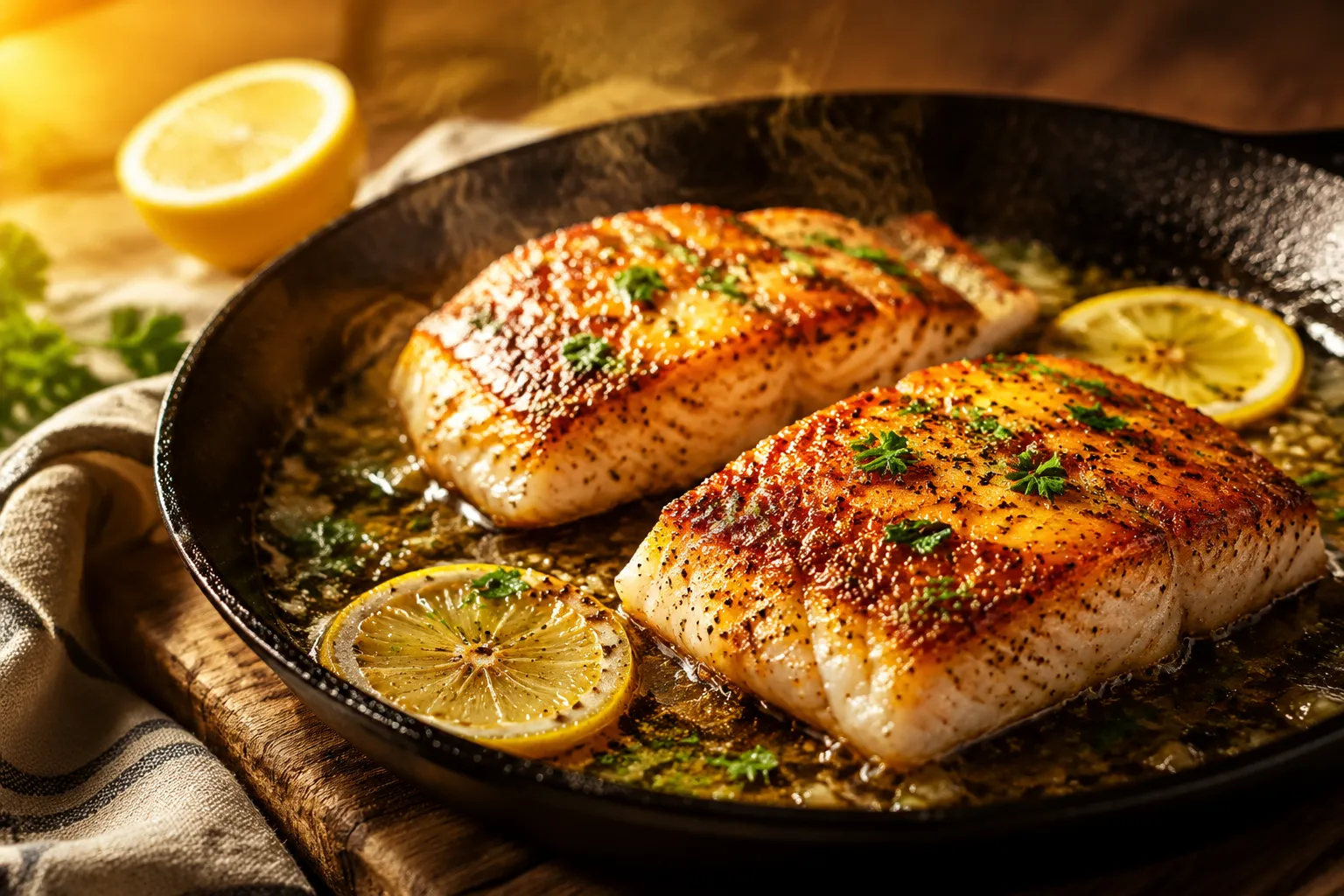
Mild, flaky, and ready in 20 minutes — this pan-seared orange roughy with lemon butter is the easiest weeknight white fish dinner you'll make all year.
This easy orange roughy recipe transforms a humble white fish into a 20-minute dinner that tastes like it came out of a small bistro kitchen. The fillets get a quick stovetop sear until the edges turn deep golden, then a glossy lemon-garlic butter sauce comes together right in the pan. It's the kind of easy fish dinner that feels almost effortless once you've made it twice.
This humble fish is having a quiet comeback in home kitchens because it's mild, beginner-friendly, and forgiving — three words you don't always get to use about seafood. If you've been intimidated by cooking fish, this is the recipe to start with. The flesh is so naturally delicate that a hot skillet, a little butter, and a squeeze of lemon are really all it asks for.
I've been making versions of this dish for years, and the lemon butter sauce here is the one I keep returning to: bright, glossy, lightly garlicky, and ready in about two minutes flat. Serve it over rice, alongside roasted vegetables, or with a piece of crusty bread to mop up every last drop. It's the kind of meal that turns an ordinary Tuesday night into something a little special.
Orange roughy is a deep-sea white fish with a mild, slightly sweet flavor and firm but tender flake. Despite the dramatic name, the fillets you'll find at the market are pearly white when raw, turning bright opaque white once cooked. The flavor is closer to cod than to anything bold or fishy, which makes it ideal for picky eaters and for simple sauces that want to shine through.
Compared to other popular white fish, it sits comfortably between cod and tilapia on the texture spectrum. Cod flakes into big, loose pieces; tilapia is leaner and a touch sweeter; haddock is closest in flavor but slightly more pronounced. If you've ever loved a fish-and-chips dinner or a buttery piece of cod at a restaurant, you already know the kind of mild, snowy white meat you can expect here.
You'll find it sold both fresh and frozen at most well-stocked grocery stores, often near the cod, halibut, and haddock. Frozen fillets are honestly excellent for this recipe — they're flash-frozen at sea, which locks in the fresh-from-the-water texture better than days-old fresh fillets sometimes deliver. Look for firm, translucent flesh without any strong odor; clean ocean is good, fishy is not. One sustainability note worth mentioning: this species is slow-growing and deep-dwelling, so the FDA recommends enjoying it occasionally rather than as a weekly staple. A few times a season is plenty.
The whole shopping list for this pan-seared white fish dinner reads like a pantry refresh, which is part of its charm. You don't need anything fancy or hard to source — just clean, fresh ingredients that let the fish itself do the talking.
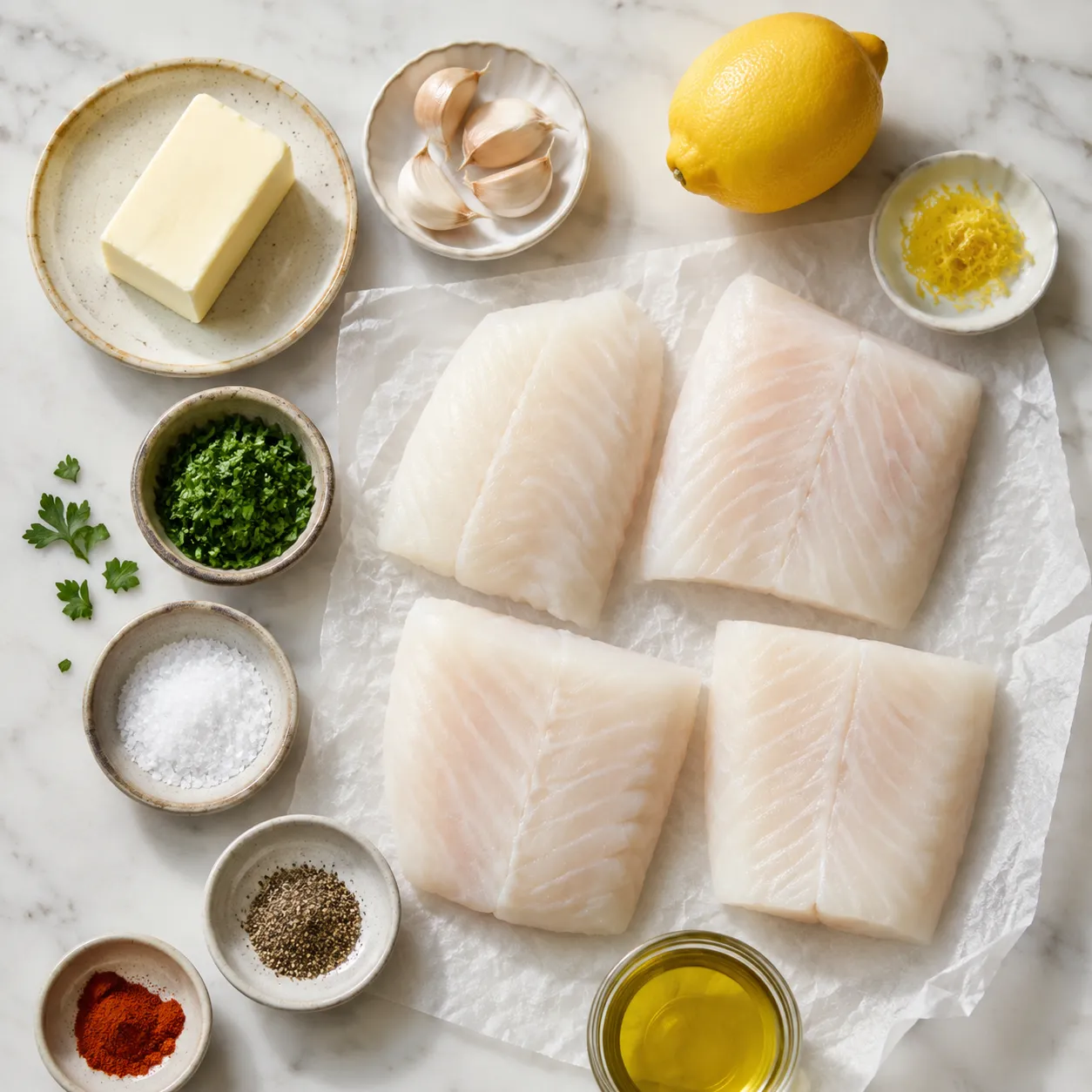
The fish: Look for four white fish fillets weighing roughly 6 ounces each. They should look glossy, smell like clean ocean, and feel firm to the touch. Thawed-from-frozen orange roughy fillets work beautifully here — just drain off any liquid and pat them very dry before cooking. Thicker pieces will need a touch more time on the heat; thinner ones, a touch less.
The lemon butter sauce: Real unsalted butter is non-negotiable; you want that pure, sweet dairy flavor as the base. Add freshly minced garlic, the juice and zest of one bright lemon, and a generous handful of chopped flat-leaf parsley. The zest is the secret weapon — it brings the perfume that bottled lemon juice can never match, and it makes the finished sauce taste almost professional.
Aromatics and finishing touches: A drizzle of good olive oil for the initial sear, kosher salt and cracked black pepper, and a quarter teaspoon of paprika for warmth and a hint of color on the crust. If you want to push the flavor a little further, a pinch of red pepper flakes for heat or a splash of dry white wine in the sauce both play very nicely without overwhelming the delicate flesh.
This is one of those recipes where good technique matters more than a long ingredient list. Three things make the difference between a great seared fillet and a so-so one: a bone-dry surface, a properly hot skillet, and the patience not to flip the fish too soon. Hit those three notes and you're most of the way there before you've even turned on the stove.
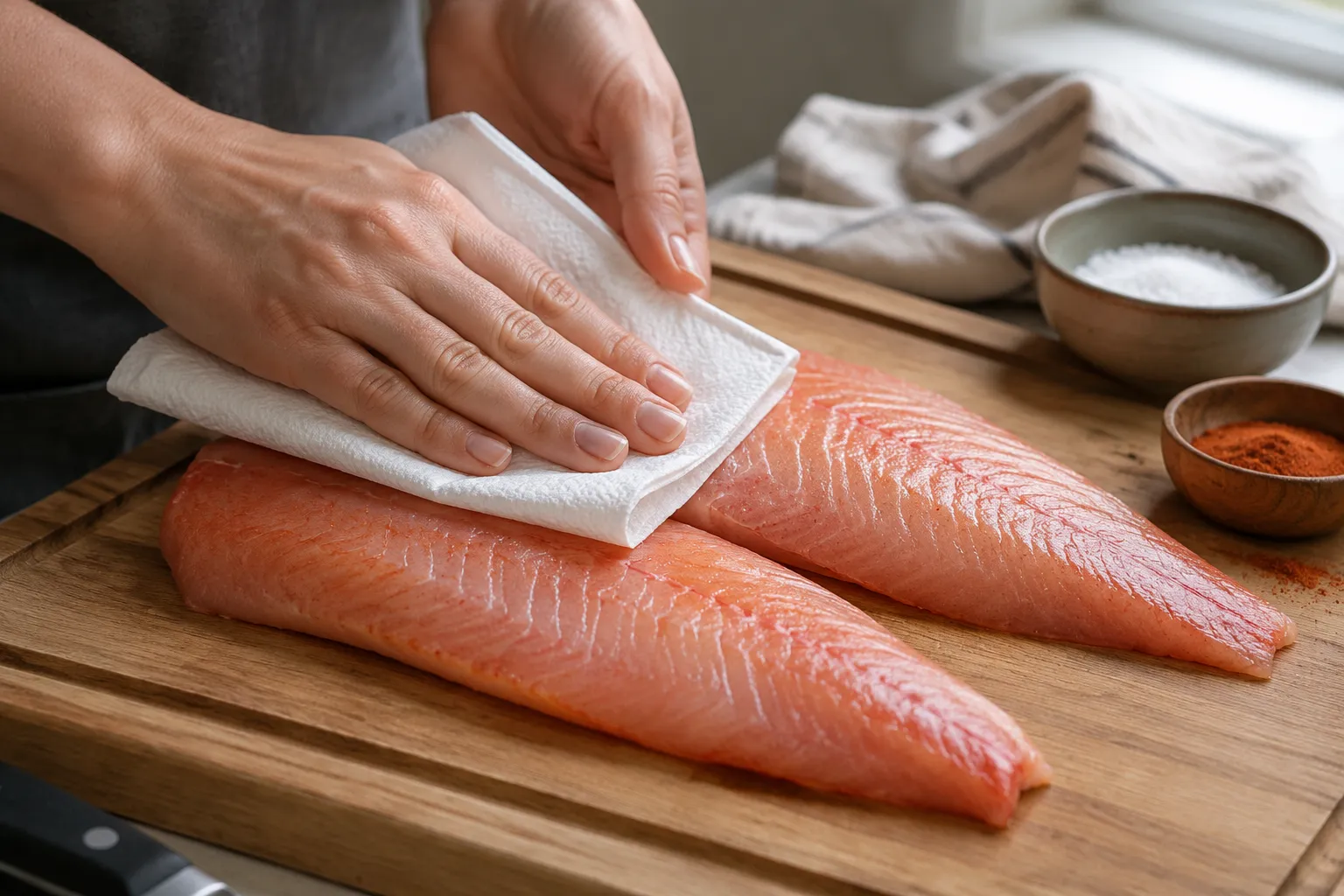
Step 1 — Pat dry and season. Lay the fillets on a paper-towel-lined plate and pat both sides thoroughly dry. Surface moisture is the single biggest enemy of a good sear; you want the fish almost matte before it hits the pan. Season generously with kosher salt, pepper, and paprika right before cooking — not earlier. Salt drawn out too far in advance will start to weep moisture back onto the surface and undo all that careful patting.
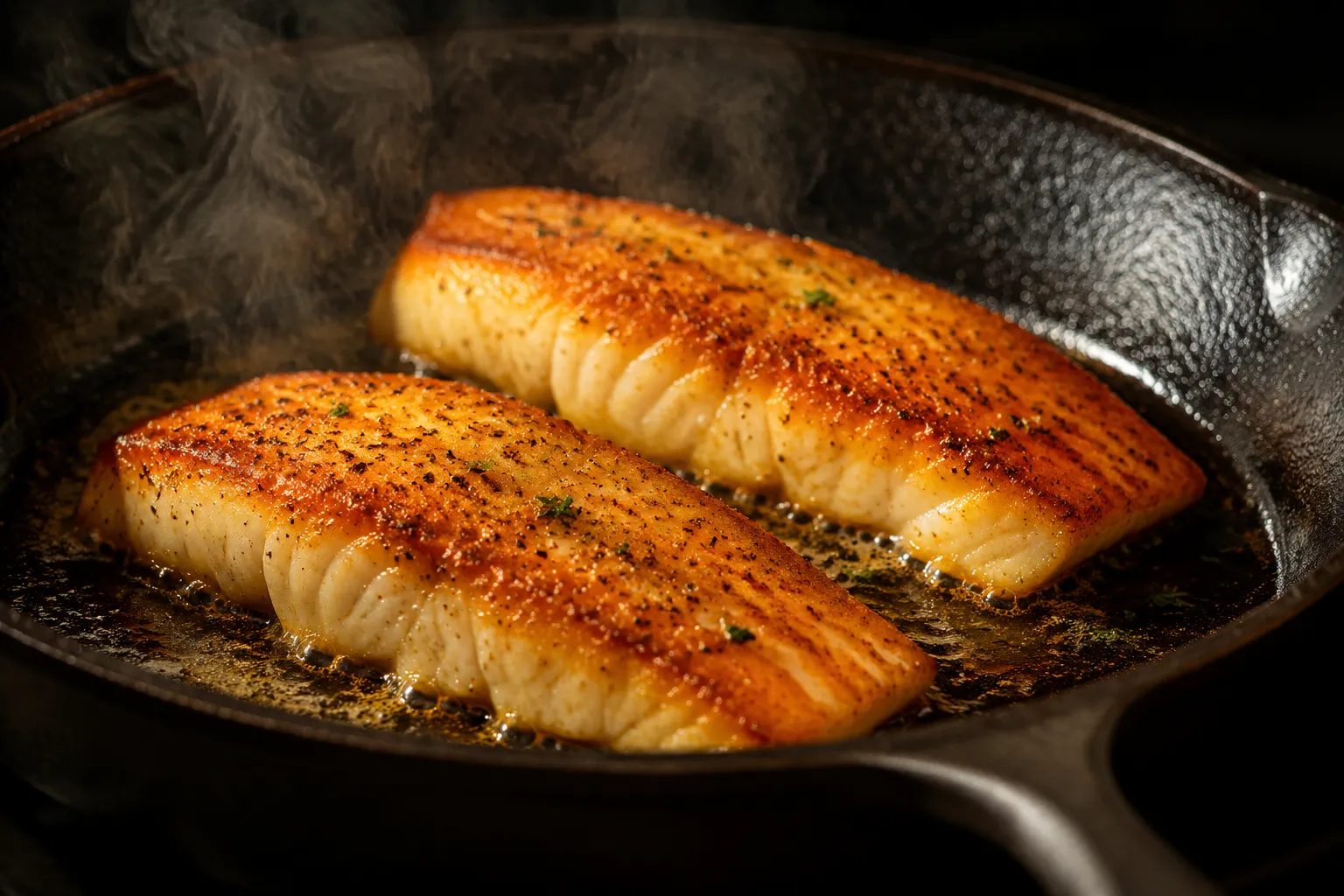
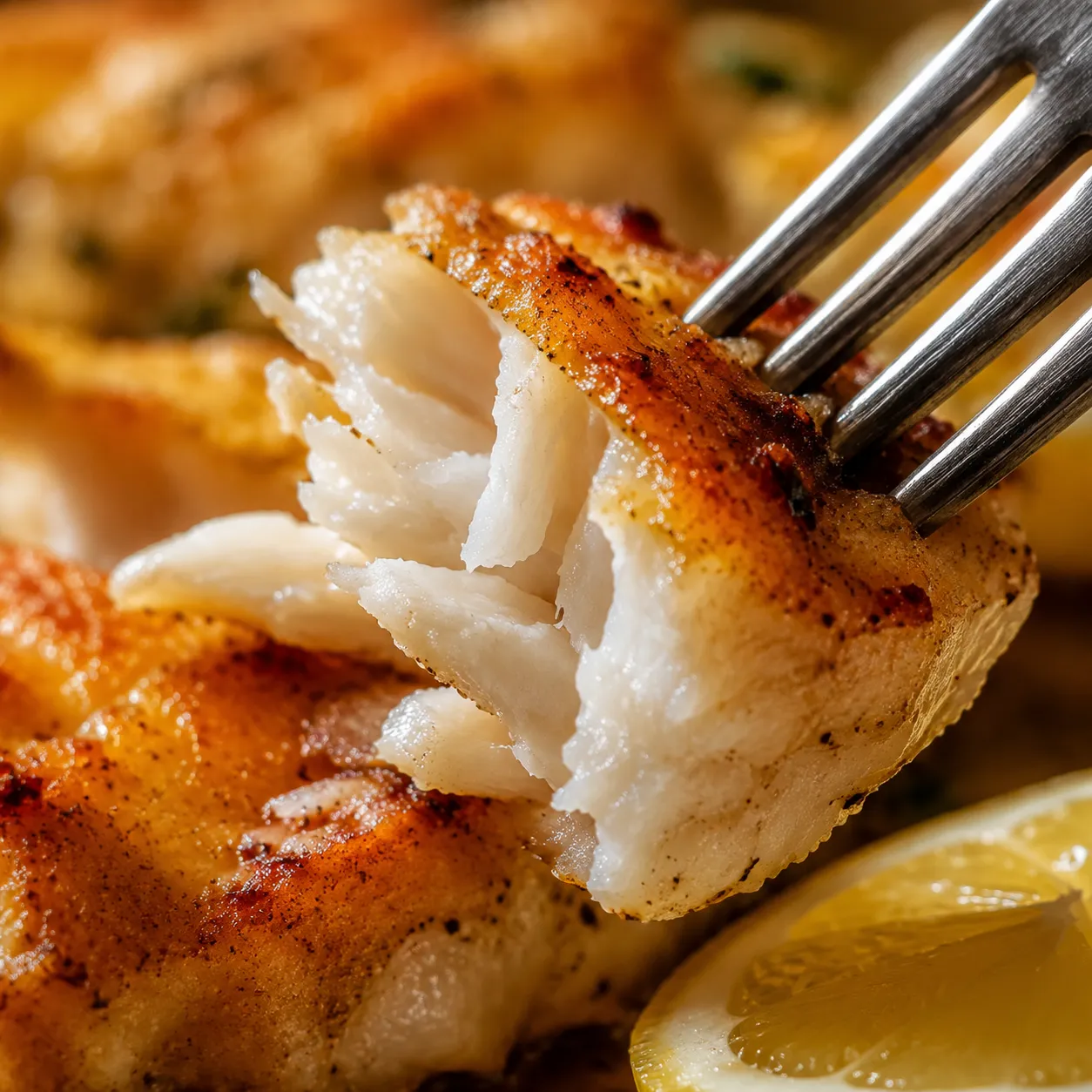
Step 2 — Sear in a hot skillet. Heat a large cast-iron or heavy stainless steel pan over medium-high until properly hot, then add the olive oil and swirl to coat. Lay the fillets down away from you and resist the urge to peek. Don't touch them for a full three minutes — they'll release naturally when the crust is ready. Flip once, gently, with a thin fish spatula and cook another two to three minutes until the flesh turns fully opaque and flakes easily with a fork.
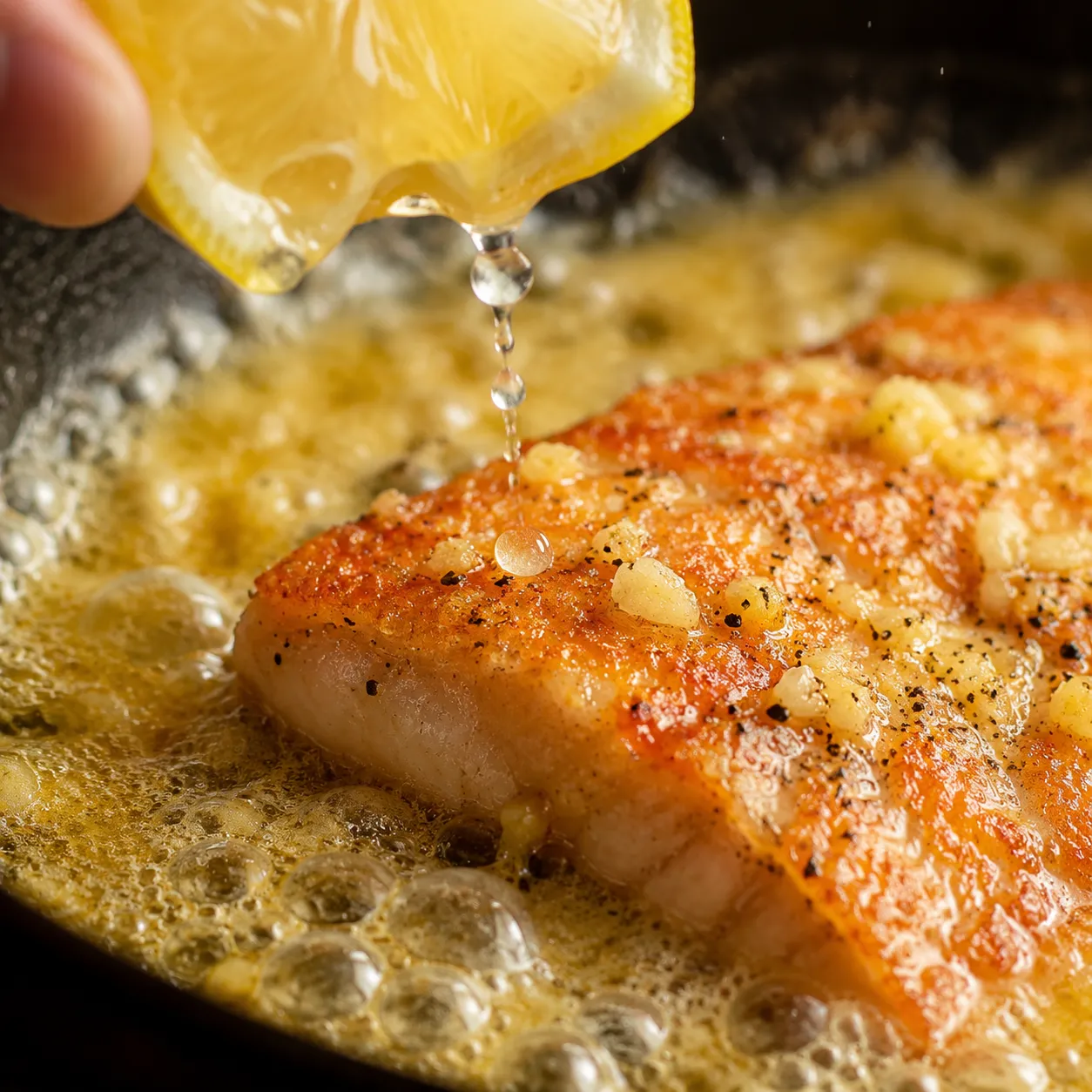
Step 3 — Build the lemon butter pan sauce. Move the cooked fillets to a warm plate and tent loosely with foil. Drop the heat to medium-low, add the butter, and let it melt and foam, scraping up any browned bits stuck to the pan. Add the garlic and cook for just 30 seconds — you want fragrant, not browned. Squeeze in the lemon juice, scatter in the zest and parsley, and swirl until the sauce comes together glossy and emulsified. Return the fish to the pan, spoon the sauce generously over the top, and you're done.
Because the fish itself is mild, you have a lot of latitude with sides. I lean toward bright, fresh accompaniments that echo the lemon in the sauce rather than compete with it for attention.
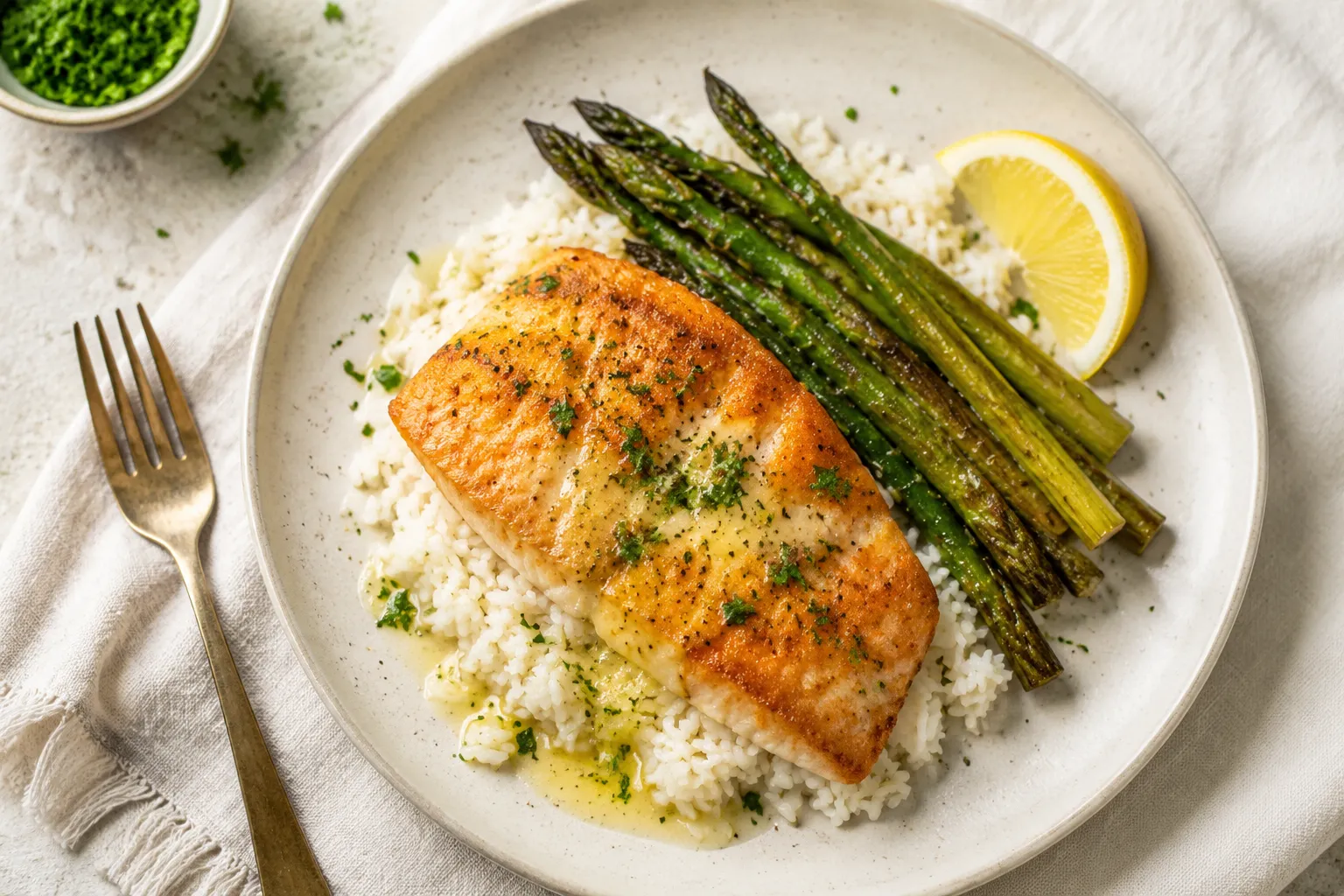
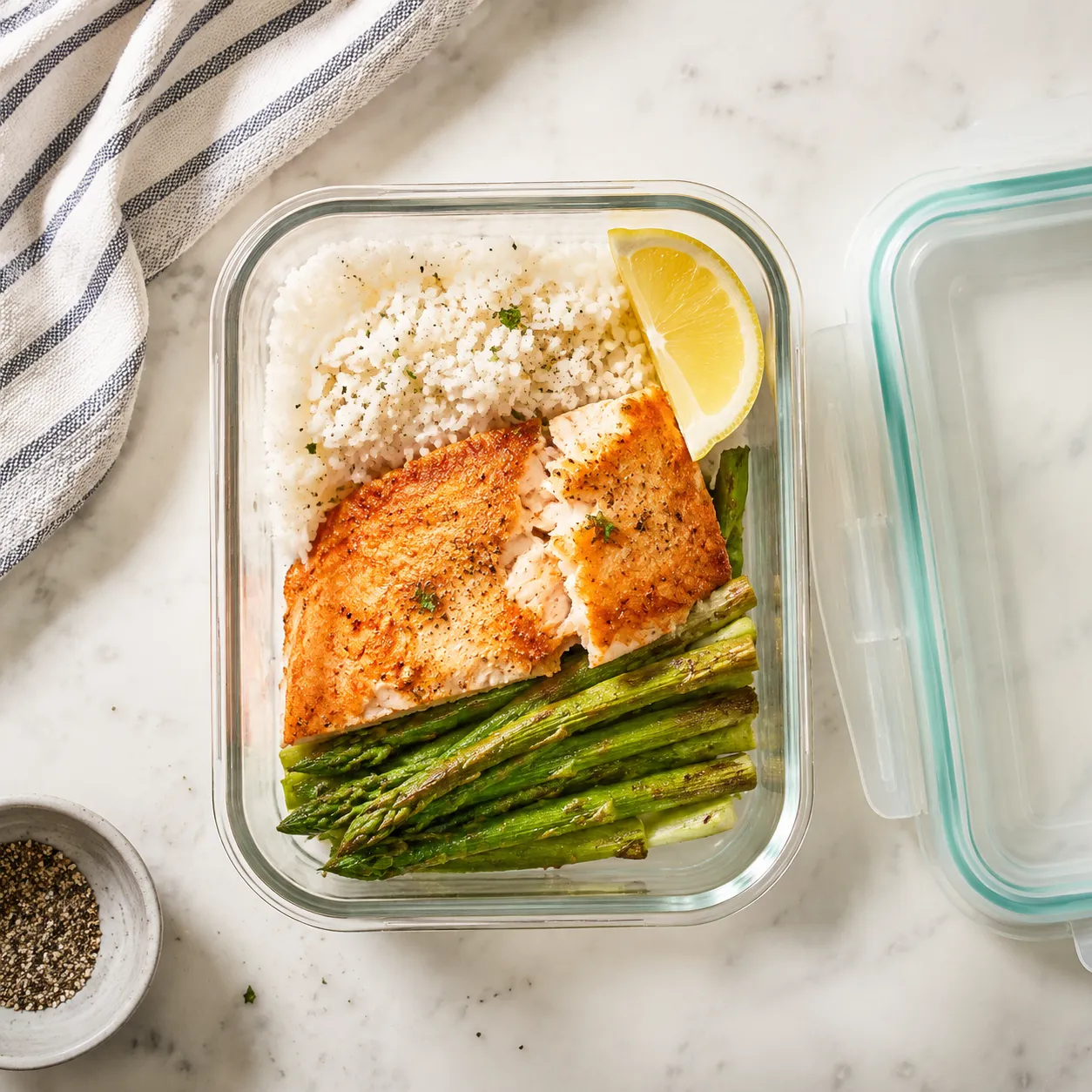
For weeknights, my go-to is fluffy jasmine rice and a quick sheet pan of roasted asparagus or green beans — the rice catches every drop of the sauce, which is honestly the whole point. A simple lemony arugula salad with shaved parmesan keeps things light and looks dinner-party-pretty without any extra effort. If you want a starchier route, lemon-herb orzo, garlic mashed potatoes, or a slice of warm crusty bread for sopping are all winners.
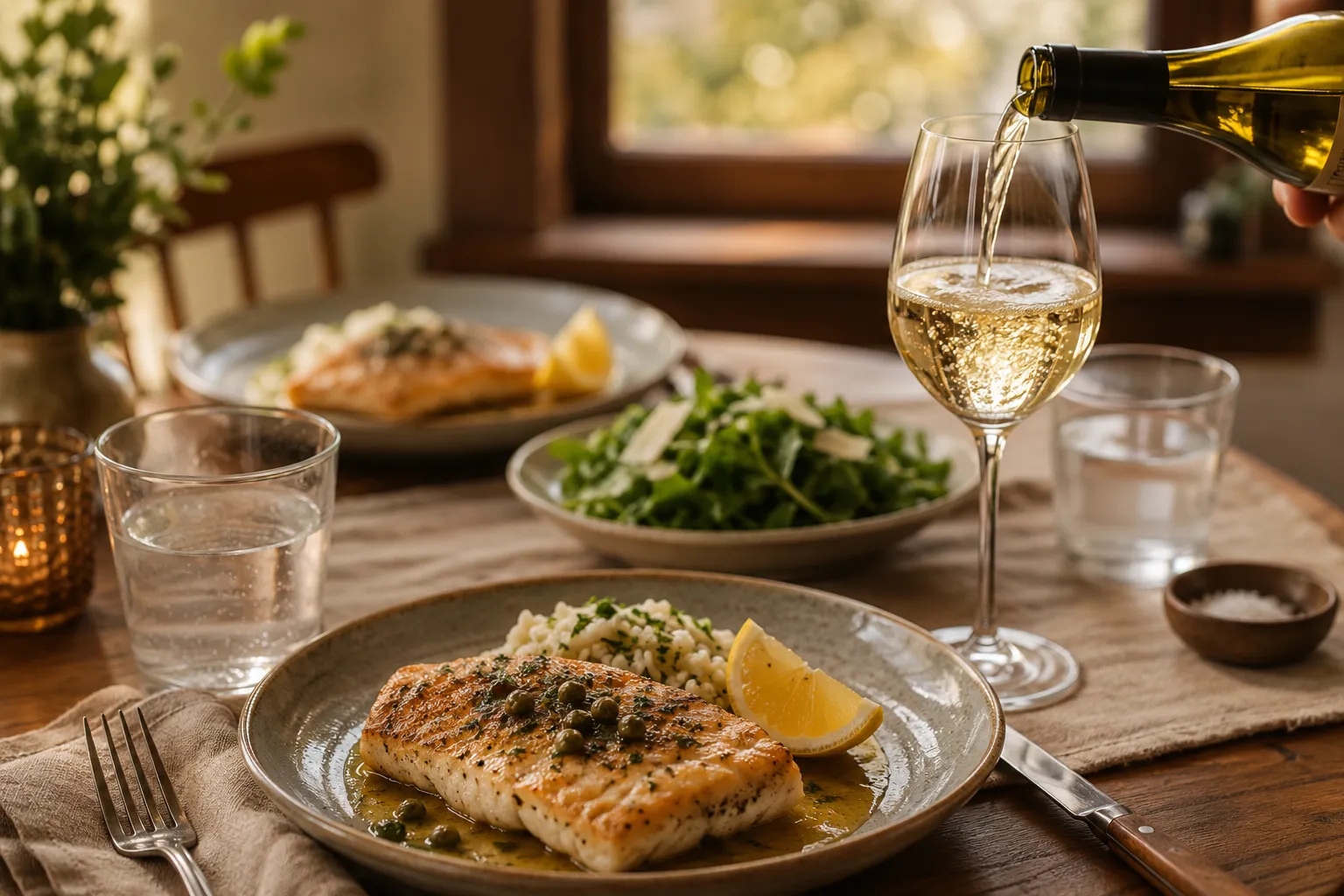
This also makes a fantastic 30-minute seafood dinner when friends drop by unexpectedly — it scales easily, plates beautifully, and pairs with a chilled bottle of Sauvignon Blanc, Pinot Grigio, or unoaked Chardonnay. For a non-alcoholic pairing, sparkling water with cucumber and lemon keeps the palate just as bright. A small bowl of olives and a handful of marinated artichokes on the side, and you've essentially built a Mediterranean-leaning meal in under half an hour.
If you're already a fish-and-chips household, this same lemon butter approach works wonderfully with cod, haddock, or tilapia, so once you've got the technique down you've essentially unlocked a whole category of weeknight dinners. It's quietly become my favorite flaky white fish recipe to teach beginners — quick, restaurant-feeling, and almost impossible to mess up if you respect the dry-pan-hot rule.
A garlic butter fish dinner like this one is real proof that fancy and fast can absolutely live in the same skillet. Make it once on a Tuesday and I'd bet good money it lands in your regular rotation by next week — and that the kids will ask for seconds before you've even sat down.
This base recipe is genuinely a launching pad. Once you've got the dry-pan-hot rule down, you can swing the flavor profile in a dozen directions without changing the technique itself.
Cooked fillets keep in an airtight container in the refrigerator for up to 2 days. Store the fish and any extra lemon butter sauce together so the flesh stays moist as it cools — dry leftovers are sad leftovers. Beyond two days the texture starts to fade, so plan to enjoy any extras within a day or so for the best experience.
To reheat, place the fillet in a covered skillet with a splash of water or broth over low heat for 3 to 4 minutes, just until warmed through. The microwave works in a pinch on 50% power in 30-second bursts, but the stovetop method preserves the flake far better. I don't recommend freezing cooked fillets — the delicate flesh turns watery on thaw — but raw, well-wrapped fillets freeze beautifully for up to 3 months.