Flounder Recipes: 12 Easy Ways to Cook Flounder
Ingredients
Scale
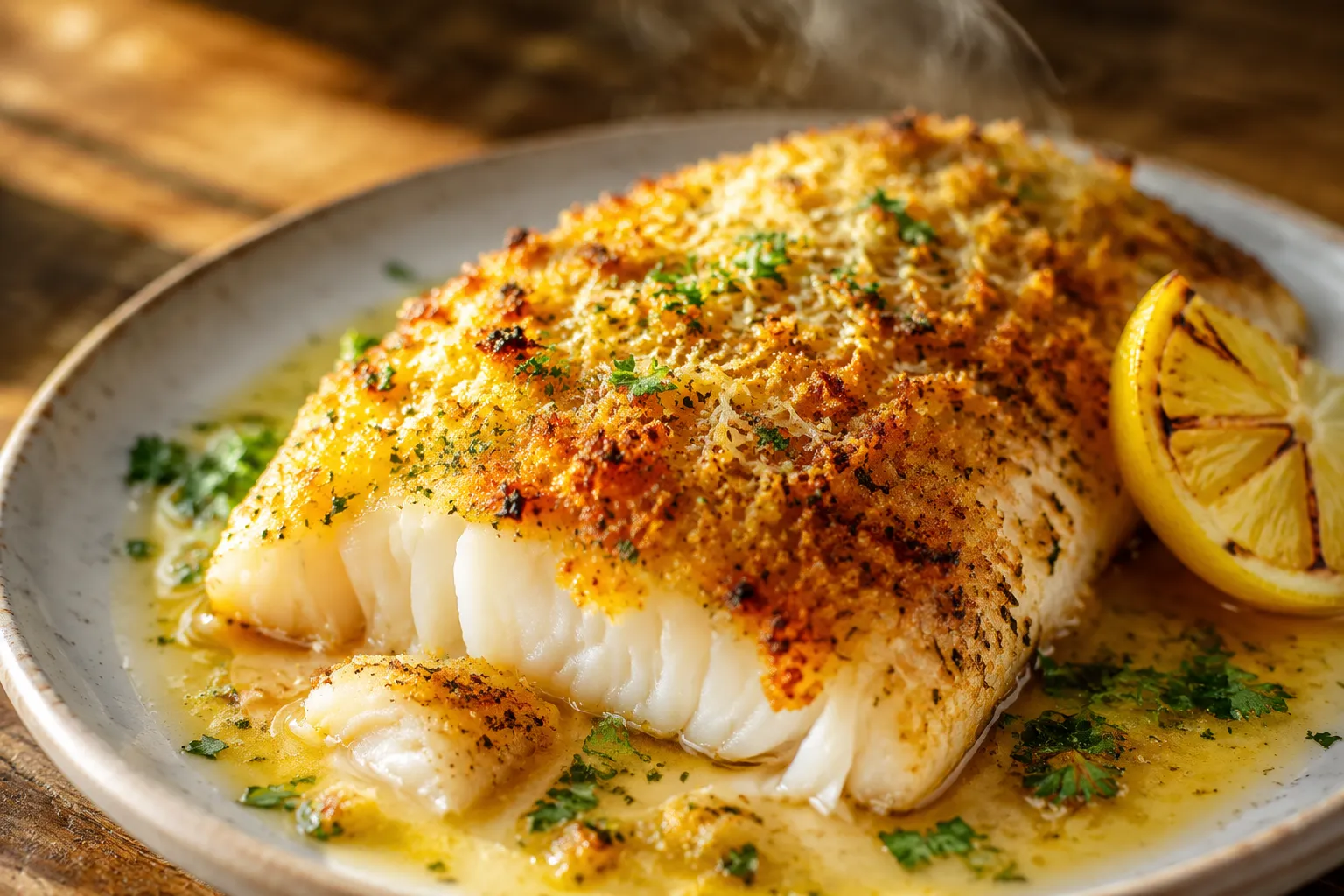
Flaky, mild, and ready in under 30 minutes, these flounder recipes turn a humble white fish into the easiest dinner on your weekly rotation.
Flounder recipes are the weeknight seafood answer for anyone who wants something light, tender, and honestly very hard to mess up. This delicate white fish cooks quickly, takes beautifully to lemon, butter, herbs, and crisp crumbs, and feels restaurant-worthy without asking you to hover over the stove.
If you have ever been nervous about cooking fish at home, flounder is a gentle place to start. The fillets are thin, mild, and naturally flaky, which means you can turn them into a cozy baked dinner, quick tacos, a skillet meal, or a buttery plate of pan-seared flounder in less time than it takes to order takeout. This guide gives you a master baked flounder method plus plenty of easy dinner ideas, so you can choose the style that fits your night.
My favorite base is a panko parmesan topping with garlic, parsley, melted butter, and fresh lemon. It bakes into a golden, savory crust while the fish underneath stays moist and pearly. Keep this one in your back pocket for busy Mondays, last-minute guests, or any night you want a fresh white fish dinner that still feels special.
Flounder is a flatfish with lean, delicate flesh and a clean, slightly sweet flavor. It is less oily and less assertive than salmon, milder than cod, and similar to sole or tilapia, though often a bit more tender. Because it is such a mild white fish, it takes on whatever you pair with it: browned butter, capers, tomatoes, olives, Cajun spices, or a simple lemon butter sauce.
Compared with tilapia, flounder feels more delicate and cooks even faster, so the biggest thing to watch is overcooking. Compared with sole, it is very similar in taste and texture, and the two can often be used interchangeably in home cooking. If your market has both fresh and frozen options, choose what looks best and fits your budget; frozen flounder fillets are often flash-frozen right after catch and can be excellent.
When buying fresh flounder, look for fillets that smell clean and ocean-like, never sour or overly fishy. The flesh should look moist and translucent, not dry, gray, or mushy around the edges. If buying frozen, avoid packages with lots of ice crystals or torn wrapping, which can signal thawing and refreezing.
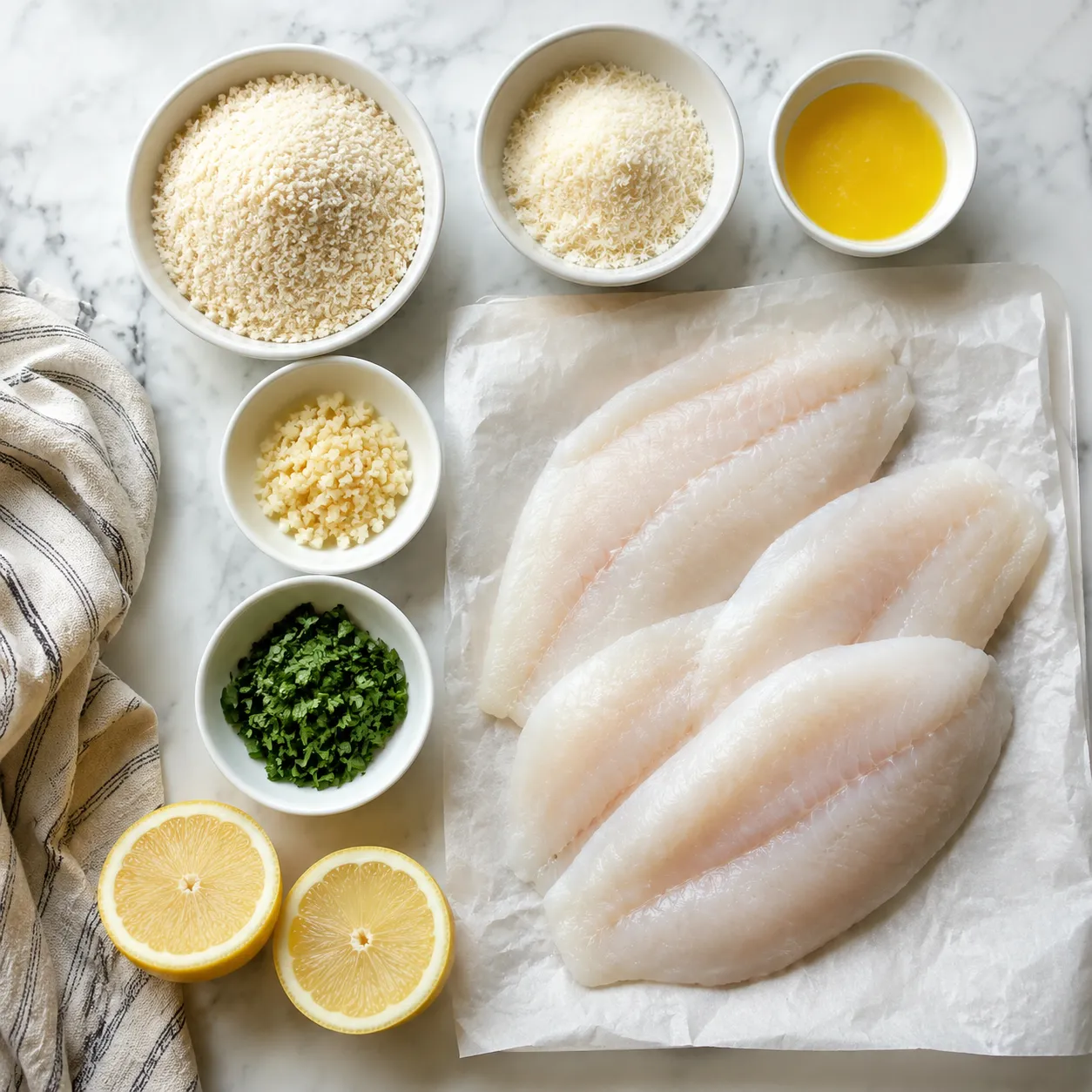
The heart of this flounder recipe is a short list of high-impact ingredients. Start with four skinless flounder fillets, about 4 to 6 ounces each. Thin fillets cook quickly and evenly, and because flounder is so lean, a little butter in the topping helps keep everything tender.
Panko breadcrumbs bring the crunch. They are lighter and flakier than standard breadcrumbs, so they toast beautifully in the oven without becoming heavy. Parmesan adds salty, nutty depth, and together they create the kind of panko crust that makes baked fish feel like a treat instead of a compromise.
For the finish, use melted butter, fresh lemon juice, minced garlic, and chopped parsley. The butter carries flavor, the lemon brightens the fish, the garlic adds warmth, and the parsley gives the whole dish a fresh, green lift. A little salt and black pepper are all you need to season the fillets before the topping goes on.
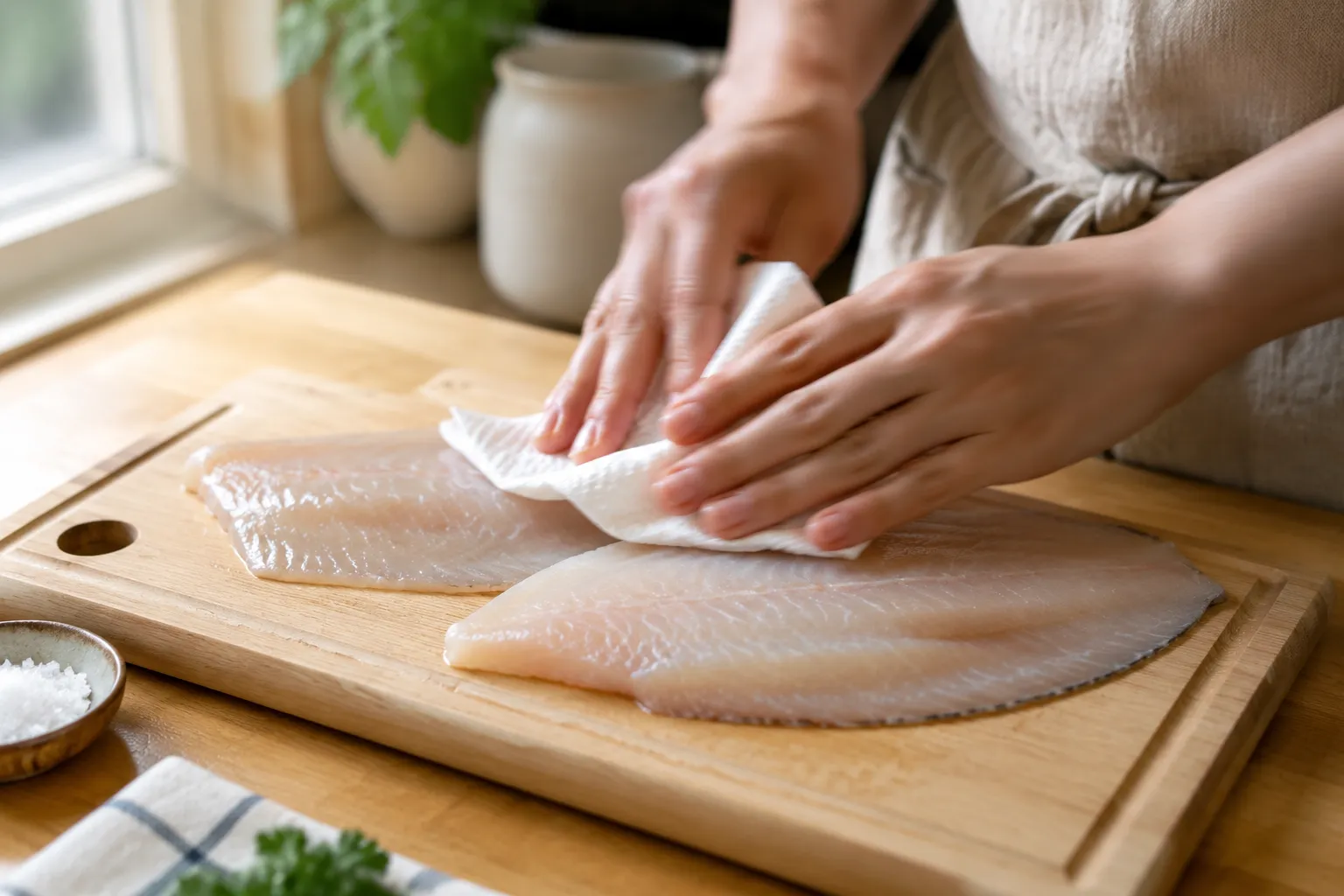
The best way to get flavorful, flaky fish is to start by removing excess moisture. Pat the fillets very dry with paper towels, then arrange them in a lightly buttered baking dish or on a parchment-lined sheet pan. Season both sides gently; because the fish is mild and thin, you want enough salt to wake it up without overwhelming it.
Next, stir together the panko, parmesan, parsley, garlic, melted butter, lemon juice, salt, and pepper. The mixture should look like damp sand, not a wet paste. Spoon it over the fish and press lightly so the crumbs adhere without smashing the delicate fillets.
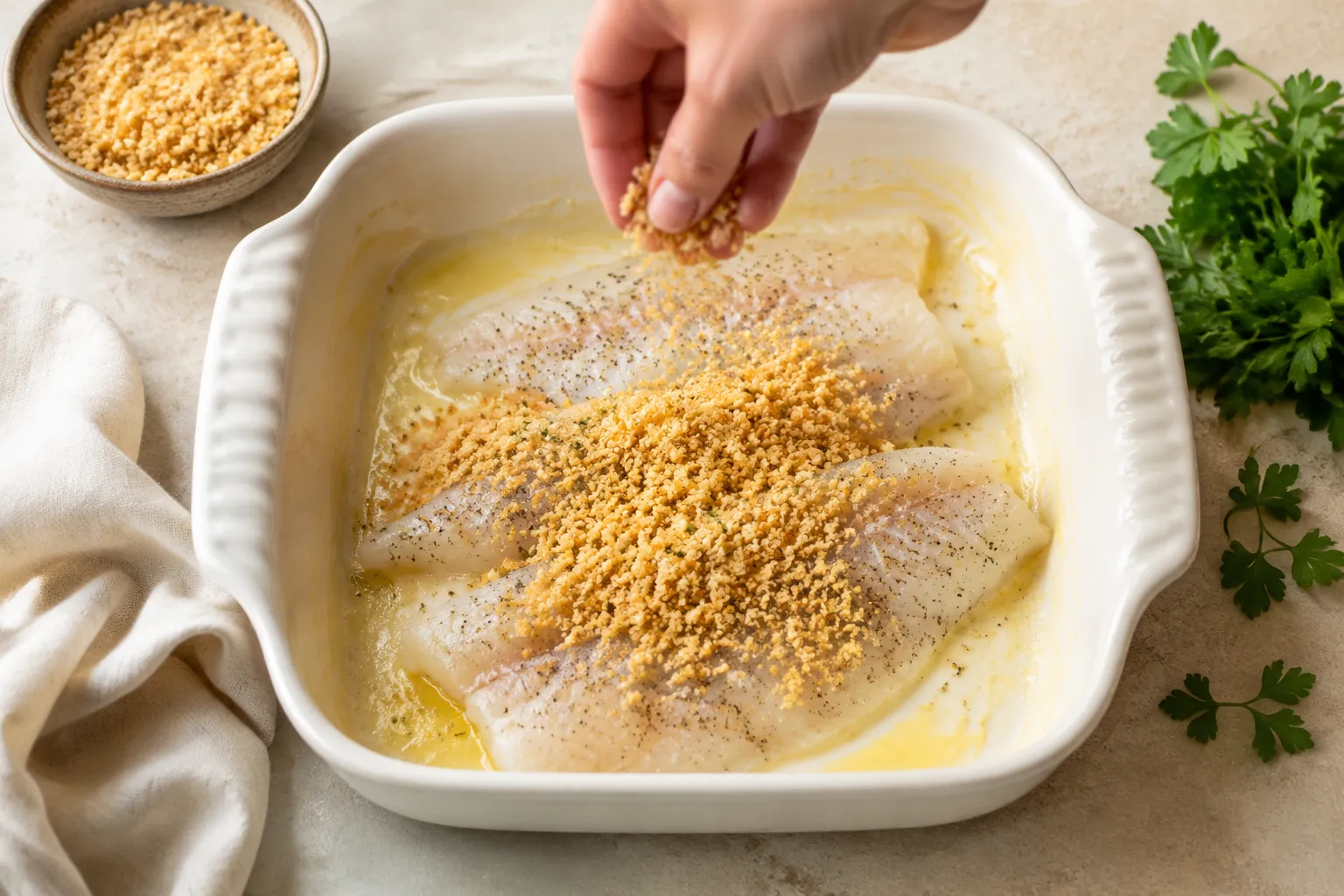
Bake at 400°F until the topping is golden and the fish flakes easily with a fork. For most flounder fillets, that means 10 to 15 minutes, depending on thickness. If the fish is cooked but the top needs more color, turn on the broiler for 30 to 60 seconds and watch closely.
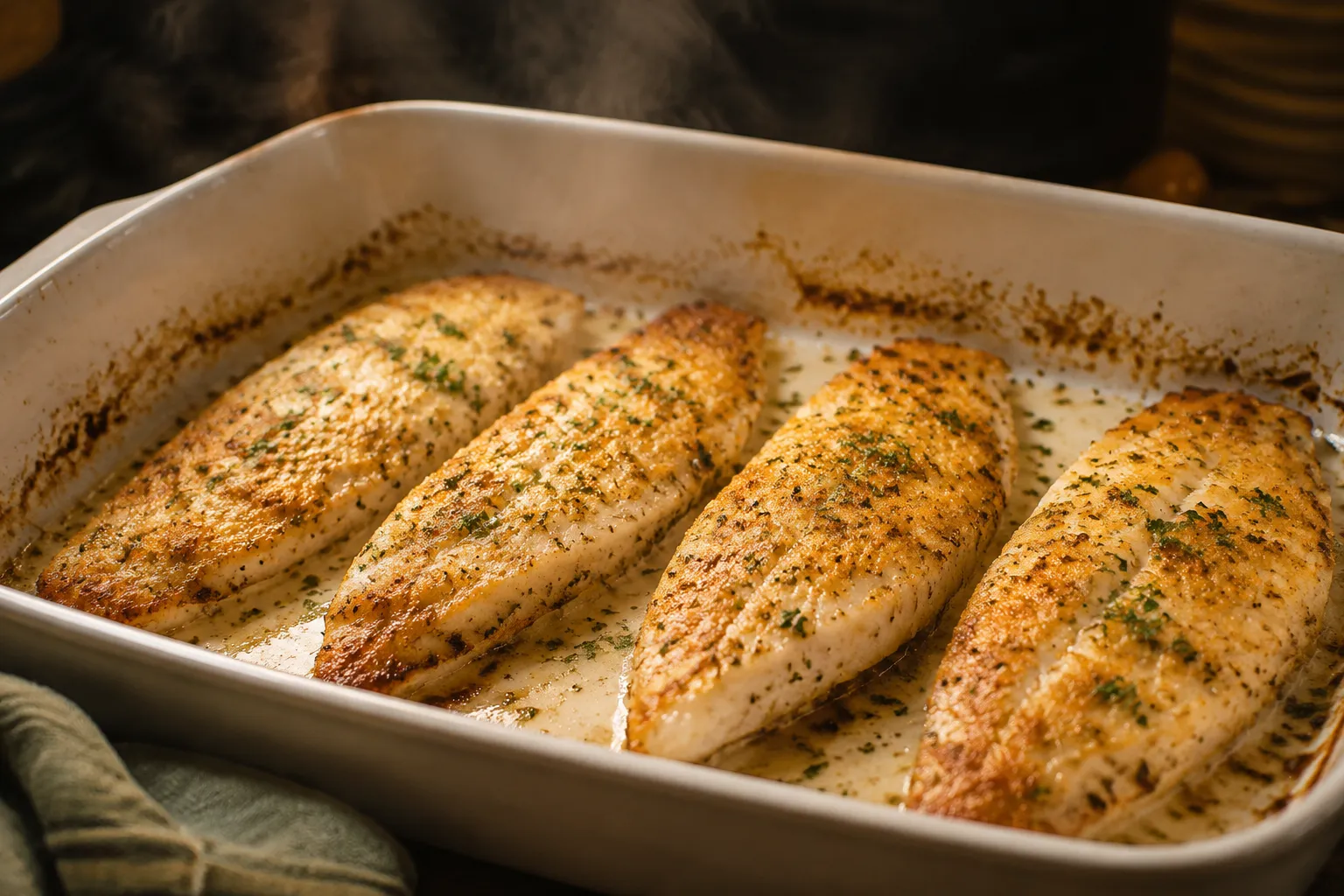
Right before serving, spoon any buttery juices from the pan over the fillets and add another squeeze of lemon. This final hit of brightness makes the crumbs taste toastier and the fish taste sweeter. It is a tiny step that turns a simple baked flounder dinner into something you will want to make again next week.
Once you know the basic timing, you can take flounder in so many directions. These flounder recipes are built around the same idea: fast cooking, simple seasoning, and a finish that makes the fish shine. Use fresh or thawed frozen fillets, keep the heat controlled, and adjust seasonings to match what you already have in your kitchen.
1. Baked flounder with panko and parmesan: This is the master recipe below, and it is the one I make most often. The panko parmesan topping bakes into a crisp, golden blanket while the fish stays soft and tender underneath. Serve it with lemon wedges and a green vegetable for an easy seafood dinner.
2. Pan-seared flounder with lemon butter: Dust the fillets lightly with flour, shake off the excess, and sear them in a mix of olive oil and butter. They need only a few minutes per side, and the skillet drippings make a quick lemon butter sauce with garlic and parsley. This is the fastest option when you want crisp edges.
3. Stuffed flounder with crab: For a company-worthy version, roll or fold flounder around a simple crab, breadcrumb, lemon, and herb filling. Stuffed flounder looks elegant but still bakes quickly because the fish is so thin. A little melted butter over the top helps everything brown.
4. Blackened flounder tacos: Coat the fish in a smoky spice blend with paprika, garlic powder, onion powder, cayenne, and oregano, then sear until just flaky. Tuck into warm tortillas with slaw, avocado, and lime crema. The mild fish is a perfect canvas for bold seasoning.
5. Air fryer flounder fillets: Bread the fish lightly with seasoned panko, mist with oil, and air fry until crisp on the outside. This method is great when you want crunch without much cleanup. Because air fryers vary, start checking early so the thin fillets do not dry out.
6. Mediterranean flounder with tomatoes and olives: Bake the fillets with cherry tomatoes, kalamata olives, garlic, capers, olive oil, and lemon. The tomatoes burst into a quick sauce, and the olives add briny depth. Serve with couscous, orzo, or crusty bread to catch the juices.
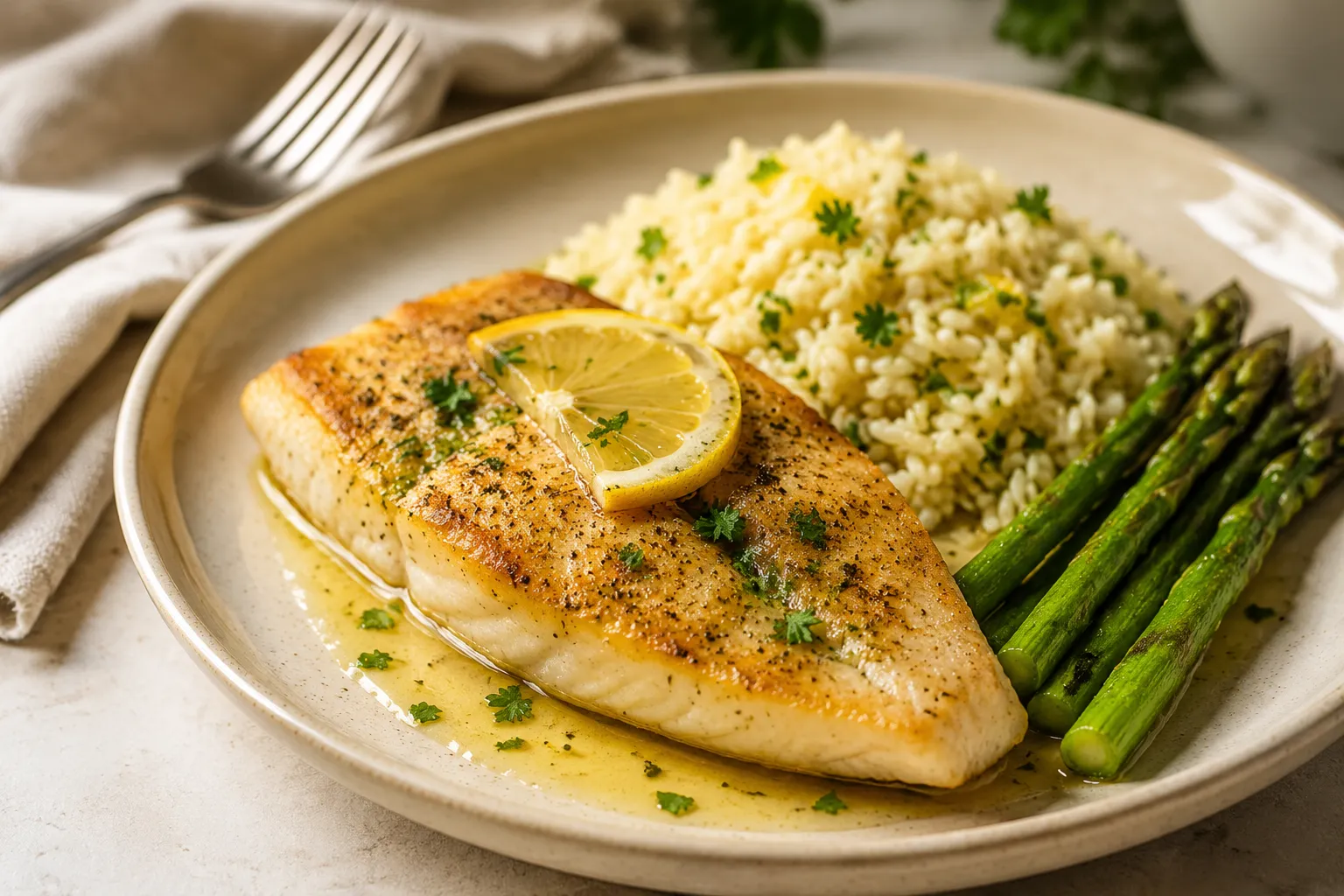
7. Flounder piccata: Sear the fish quickly, then make a pan sauce with lemon juice, capers, white wine or broth, and butter. It has all the bright, salty flavor of classic piccata but feels lighter with delicate fish. Spoon the sauce over the fillets right before serving.
8. Parmesan herb broiled flounder: Spread the top of each fillet with a thin layer of mayo or softened butter, then sprinkle with parmesan, herbs, and pepper. Broil for just a few minutes until bubbling and lightly browned. This is a great no-breadcrumb option.
9. Coconut-crusted flounder: Mix panko with unsweetened shredded coconut, a pinch of salt, and lime zest. Bake or pan-fry until golden, then serve with mango salsa or a squeeze of lime. The sweet-savory crust is especially good for summer dinners.
10. Flounder with garlic butter and spinach: Sauté garlic and spinach until wilted, nestle the fillets on top, cover, and cook gently until opaque. Finish with lemon and a knob of butter. It is a one-pan meal that tastes clean, cozy, and fresh.
11. Flounder fish sandwiches: Use baked or pan-fried fillets on toasted buns with tartar sauce, lettuce, pickles, and tomato. The fish is tender enough to bite through easily, while the crisp coating gives the sandwich structure. Add hot sauce if you like a little heat.
12. Flounder en papillote: Seal fillets in parchment with thin vegetables, lemon slices, herbs, and a drizzle of olive oil. The packet steams in the oven, locking in moisture and aroma. Open it at the table for a simple dinner that feels a little magical.
Flounder is done when it turns opaque and flakes easily at the thickest part. If you press gently with a fork, the flesh should separate into moist flakes rather than bend like raw fish or crumble into dryness. An instant-read thermometer should register 145°F, though many cooks pull it just as it reaches doneness and let carryover heat finish the job.
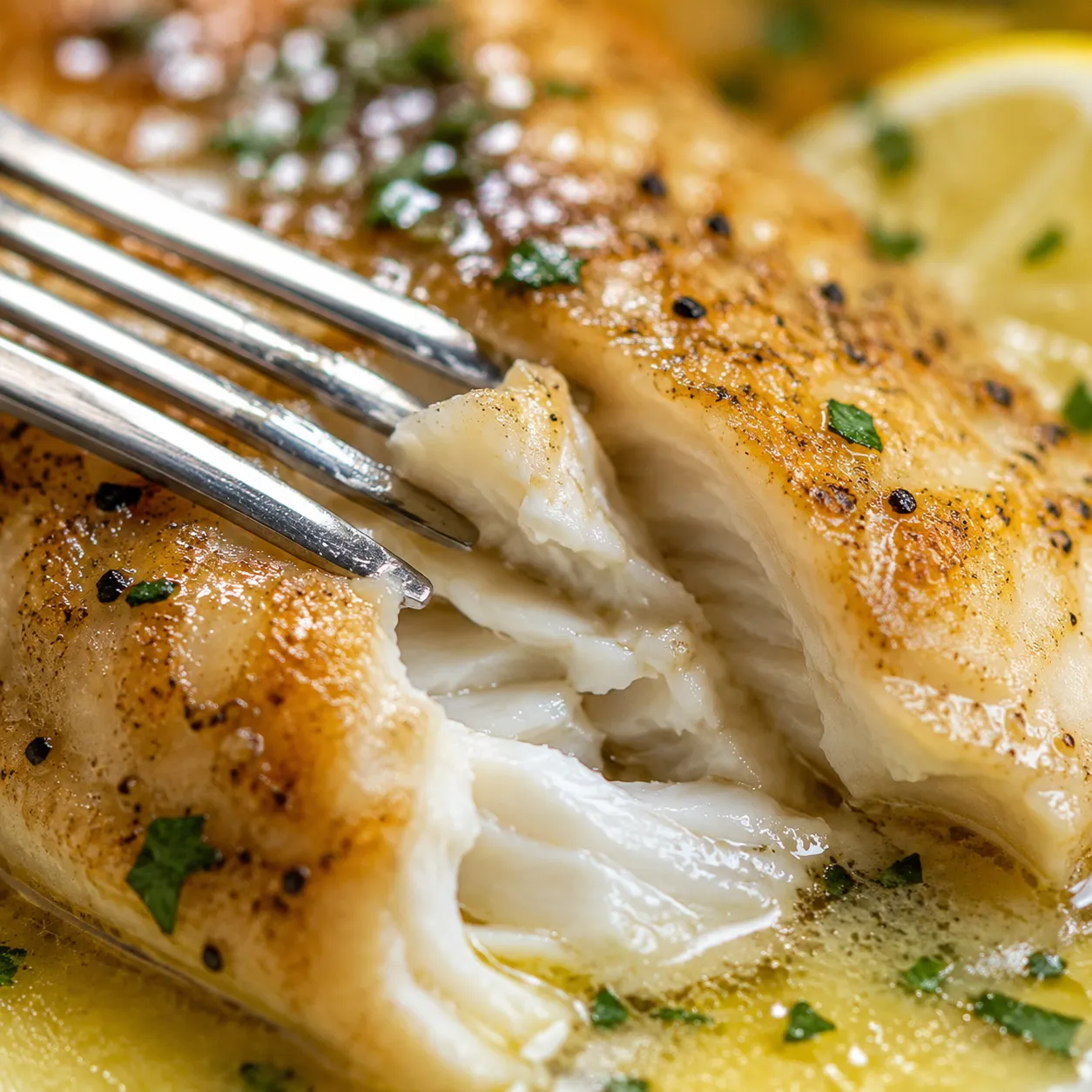
The old 10-minutes-per-inch rule is helpful, but flounder is often thinner than an inch, which is why visual cues matter. A 1/2-inch fillet may need only 7 to 9 minutes in a hot oven. If your fillets vary in thickness, tuck very thin ends under themselves so each piece cooks more evenly.
Good seafood dinners start before the oven turns on. If you are choosing fresh fillets at the fish counter, ask when they arrived and whether they were previously frozen. Previously frozen fish is not a problem at all; in fact, it can be excellent, but it is helpful to know so you do not refreeze it at home.
To thaw frozen flounder, place it in the refrigerator overnight on a plate or in a shallow dish. For a faster method, keep the fish sealed and submerge it in cold water, changing the water every 20 to 30 minutes until thawed. Once thawed, pat it very dry so the seasoning sticks and the crust can crisp instead of steaming.
Because flounder is delicate, handle it gently and season with intention. Too much acid too early can start to firm the fish, so save most of the lemon for just before baking or just after it comes out of the oven. A simple blend of salt, pepper, garlic, herbs, and butter is often all you need.
This flaky fish pairs beautifully with sides that are bright, buttery, or crisp. Rice pilaf, buttered orzo, roasted asparagus, green beans, lemony potatoes, or a big salad all work well. If you are serving a richer version with crumbs and parmesan, choose something green and fresh to balance the plate.
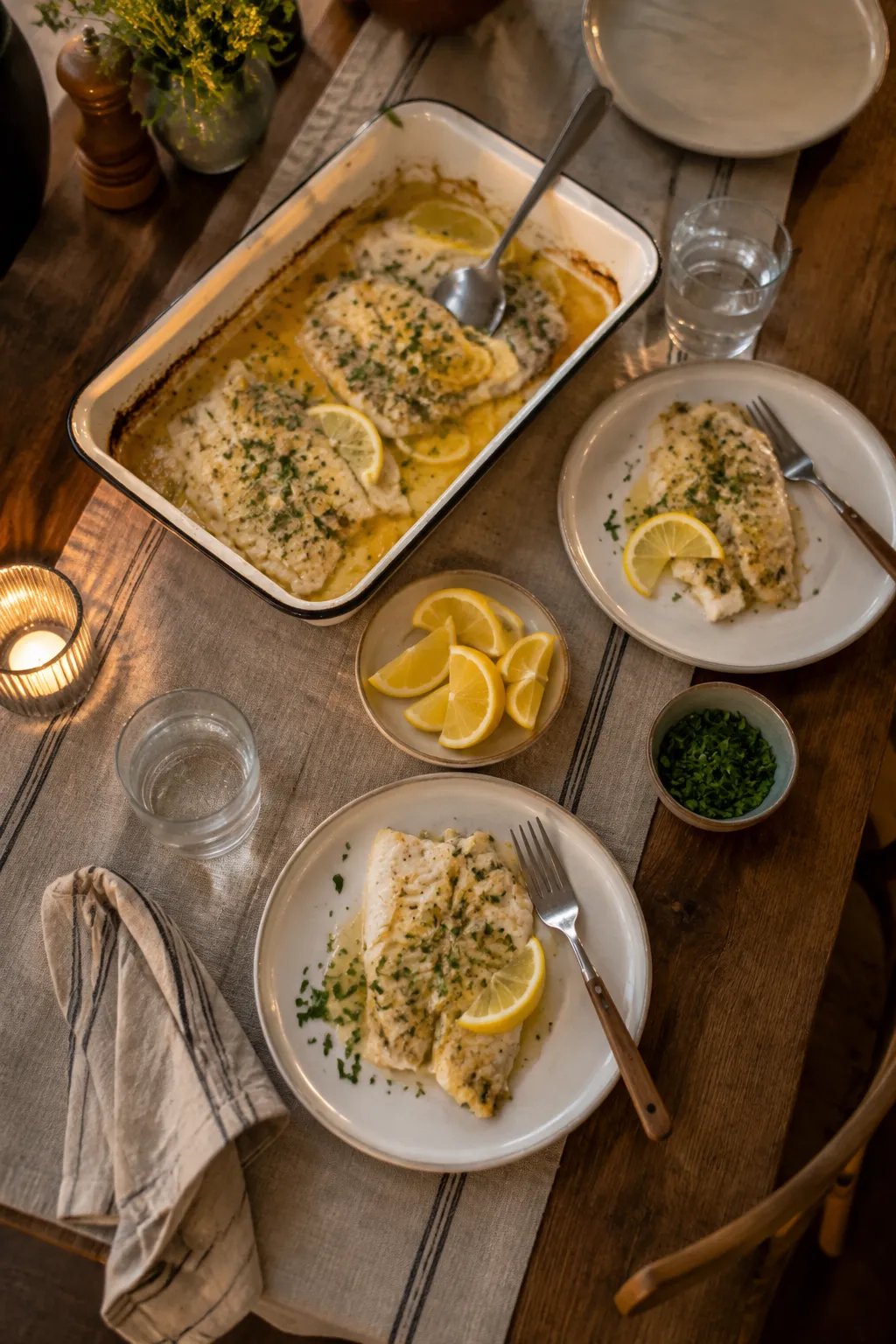
For a cozy family-style dinner, bring the baking dish straight to the table with lemon wedges, extra parsley, and a small bowl of warm butter sauce. Add a simple vegetable and something starchy to catch the pan juices, and dinner feels complete without much effort. This is also a lovely place to serve garlic bread if you want something golden and crunchy on the side.
If you are making tacos or sandwiches, lean into contrast. Crunchy slaw, pickled onions, sliced radishes, tartar sauce, avocado, and hot sauce all wake up the mild fish. For Mediterranean versions, add cucumber salad, hummus, olives, or warm pita to make the meal feel abundant.
The beauty of these flounder recipes is that once you understand the timing, you can change the flavor profile almost endlessly. Keep the fish dry before cooking, season it simply, and choose a finish that brings texture or brightness. Some nights that means a buttery crumb topping; other nights it means tomatoes and olives, blackening spices, or a quick skillet sauce.
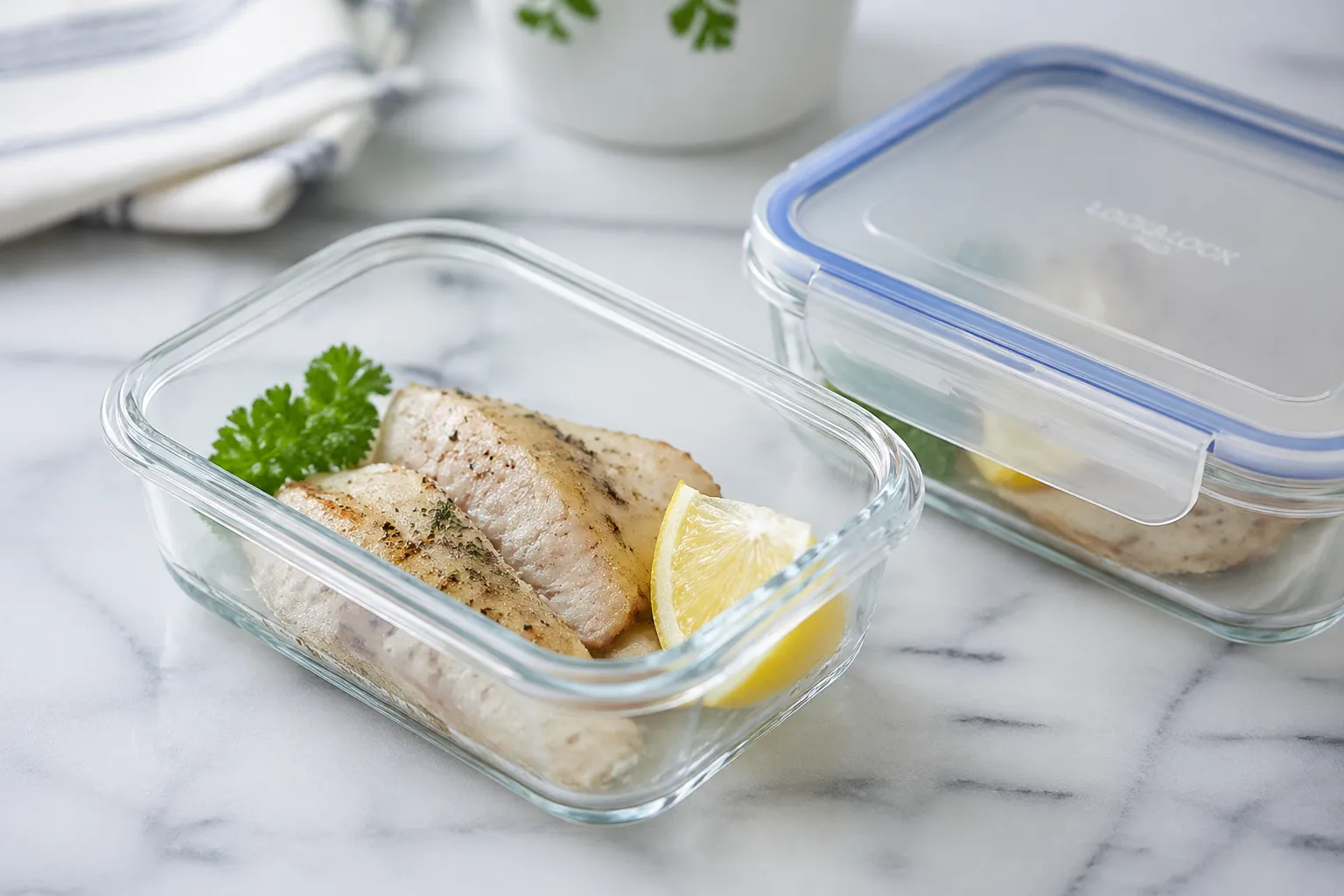
If you are starting with one method, make the panko-parmesan baked version first. It is forgiving, family-friendly, and crisp in all the right places, with just enough lemon butter to make the fillets taste rich without feeling heavy. From there, you can use the same timing and doneness cues to explore all the other flounder recipes on this list.