Flank Steak: The Ultimate Guide to Cooking It Perfectly
Ingredients
Scale
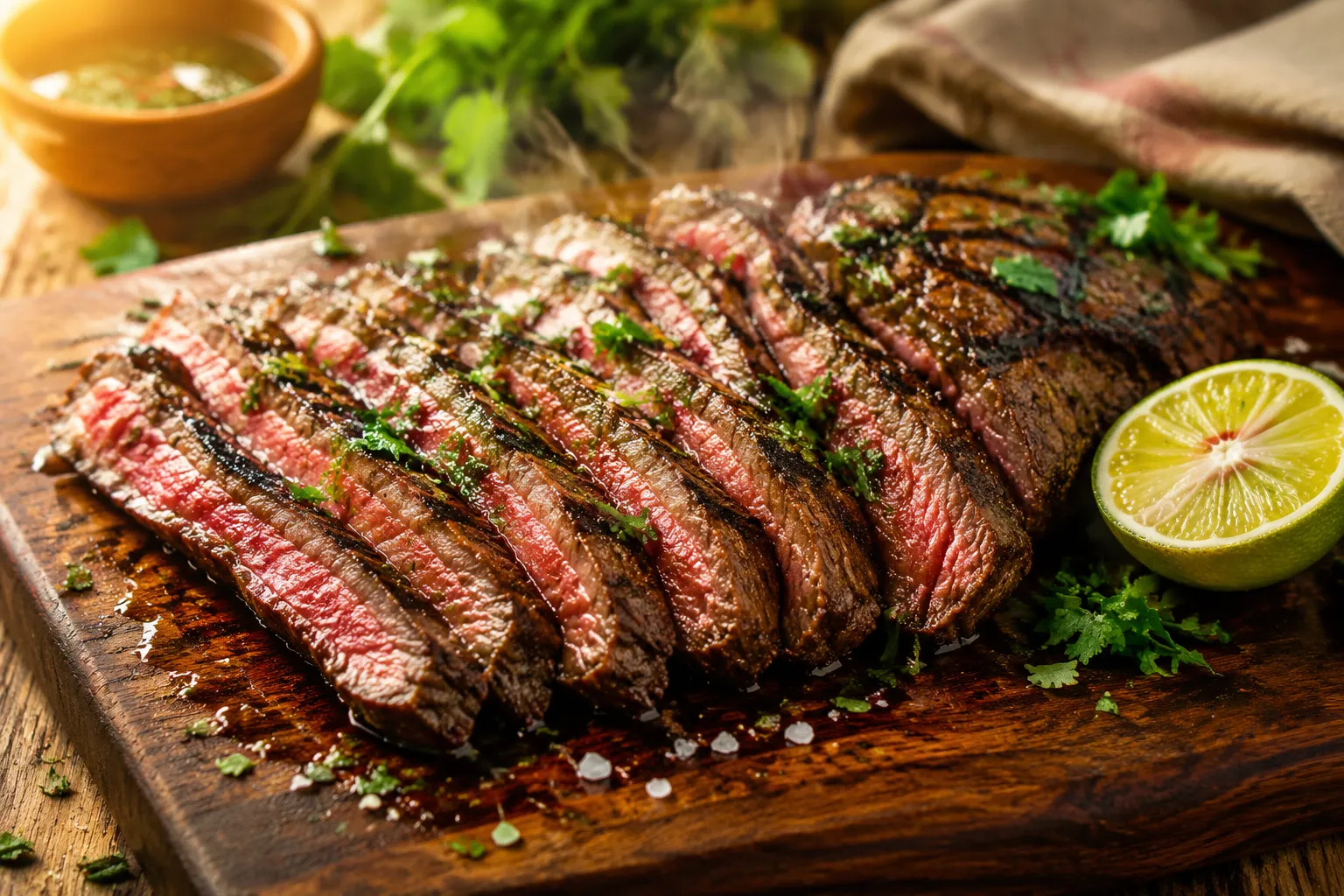
Flank steak is the lean, flavor-packed cut every home cook should master. Here's exactly how to marinate, sear, and slice it for buttery-tender results.
Flank steak is the lean, flavor-packed beef cut that can feel a little intimidating until you learn the simple rules that make it shine. The good news is that this is one of the best beef cuts for grilling when you want something fast, bold, and restaurant-worthy without a long ingredient list.
At Forty Flavors, I love this cut because it gives you big steakhouse energy on a weeknight, especially when a balanced marinade, a screaming-hot pan, and a proper slice do the heavy lifting. If you have ever ended up with chewy steak, this guide will walk you through the why as well as the how, so dinner feels much more confident from the start.
The method here works beautifully for a backyard cookout or an indoor dinner in cast iron, and it is just as friendly for meal prep as it is for a casual weekend spread. The goal is simple: juicy beef, deep browning, and slices that stay tender all the way through.
This cut comes from the abdominal muscles of the cow, which means it works hard and has a naturally firm texture. That muscle structure is exactly why proper cooking matters, but it is also why the flavor is so satisfying once you get it right. Treated well, it becomes deeply beefy and full of character.
Flank steak is a long, flat, relatively thin lean beef cut taken from the lower chest and abdominal area. Because it gets a lot of movement, the muscle fibers are pronounced, and that gives the steak its distinctive grain. It is not a cut that benefits from low-and-slow braising; instead, it rewards speed, heat, and careful slicing.
The flavor is robust and meaty, with just enough chew to feel substantial without crossing into tough territory. On its own, it is a little understated compared with fattier steaks, which is why a marinade helps it taste fuller and juicier. Once cooked to medium-rare and rested properly, it turns silky and satisfying instead of stringy.
If you have ever compared skirt steak vs flank steak, the difference is easy to spot. Flank is wider, leaner, and generally milder, while skirt steak is thinner, more marbled, and a little more intensely beefy. Hanger and flat iron are both excellent, but they are more naturally tender than flank and often need less help from a marinade.
For a cut with such a bold reputation, the ingredient list stays refreshingly short. You need a good steak, a savory-sweet marinade, and enough acid and salt to encourage tenderness without overpowering the meat. The result should taste balanced, not sugary, with enough char and garlic to make each bite stand out.
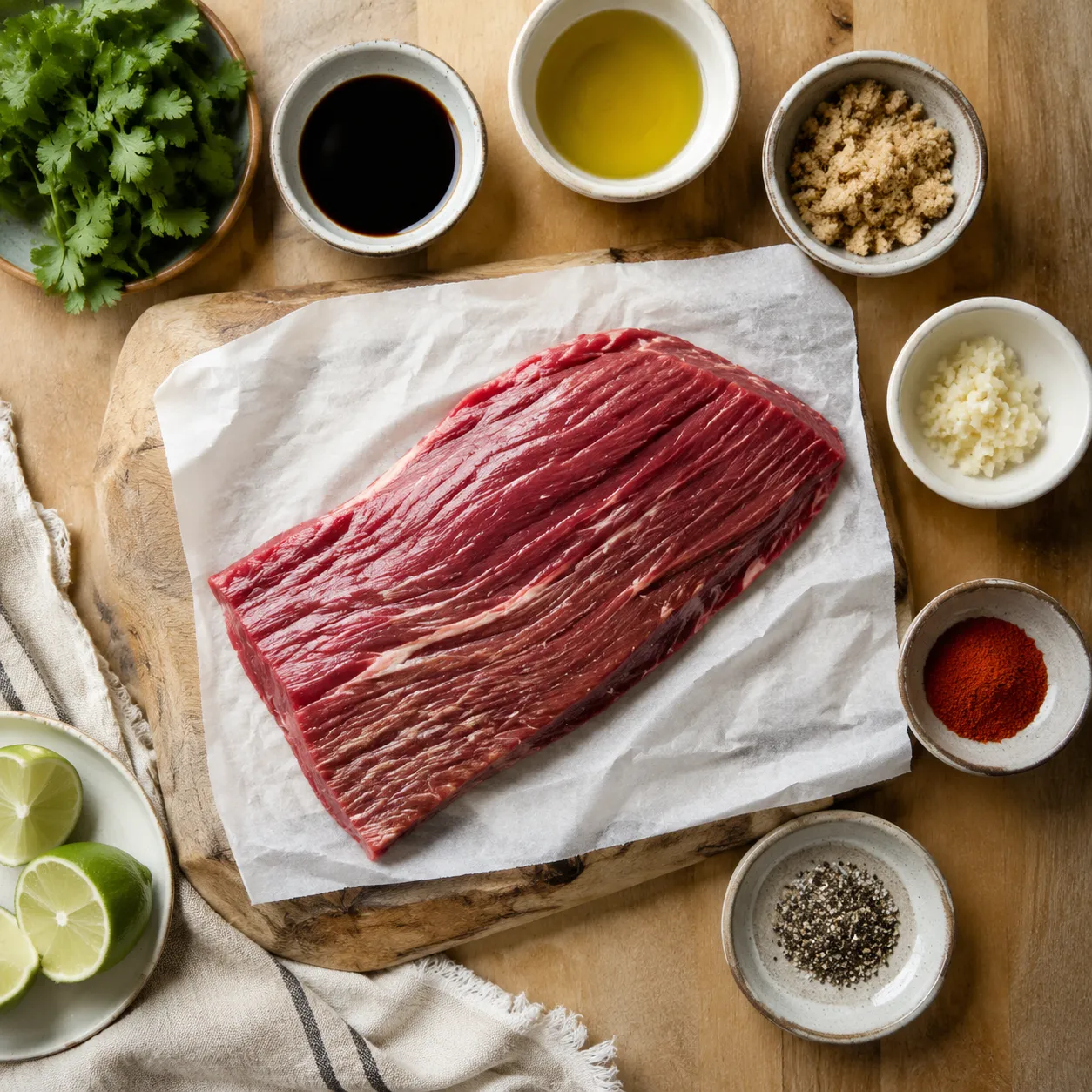
Look for a steak that is evenly shaped, deep red, and trimmed of excess silverskin or thick outer fat. A little surface fat is fine, but you want the cut to look clean and compact rather than ragged. If you can, ask the butcher for a piece that is roughly the same thickness from end to end, since that helps it cook more evenly on the grill or in cast iron.
When shopping, remember that this is one of the best beef cuts for grilling because it cooks quickly and carries flavor so well. If the steak is especially thin, reduce the cook time slightly; if it is on the thicker side, plan on a few extra seconds per side and rely on internal temperature rather than guesswork.
A great flank steak marinade should hit four notes: salty, savory, sweet, and bright. Soy sauce brings depth, olive oil helps the seasoning cling, brown sugar encourages caramelization, and lime juice wakes everything up. Garlic and smoked paprika round out the flavor so the finished steak tastes fuller and more complex without feeling busy.
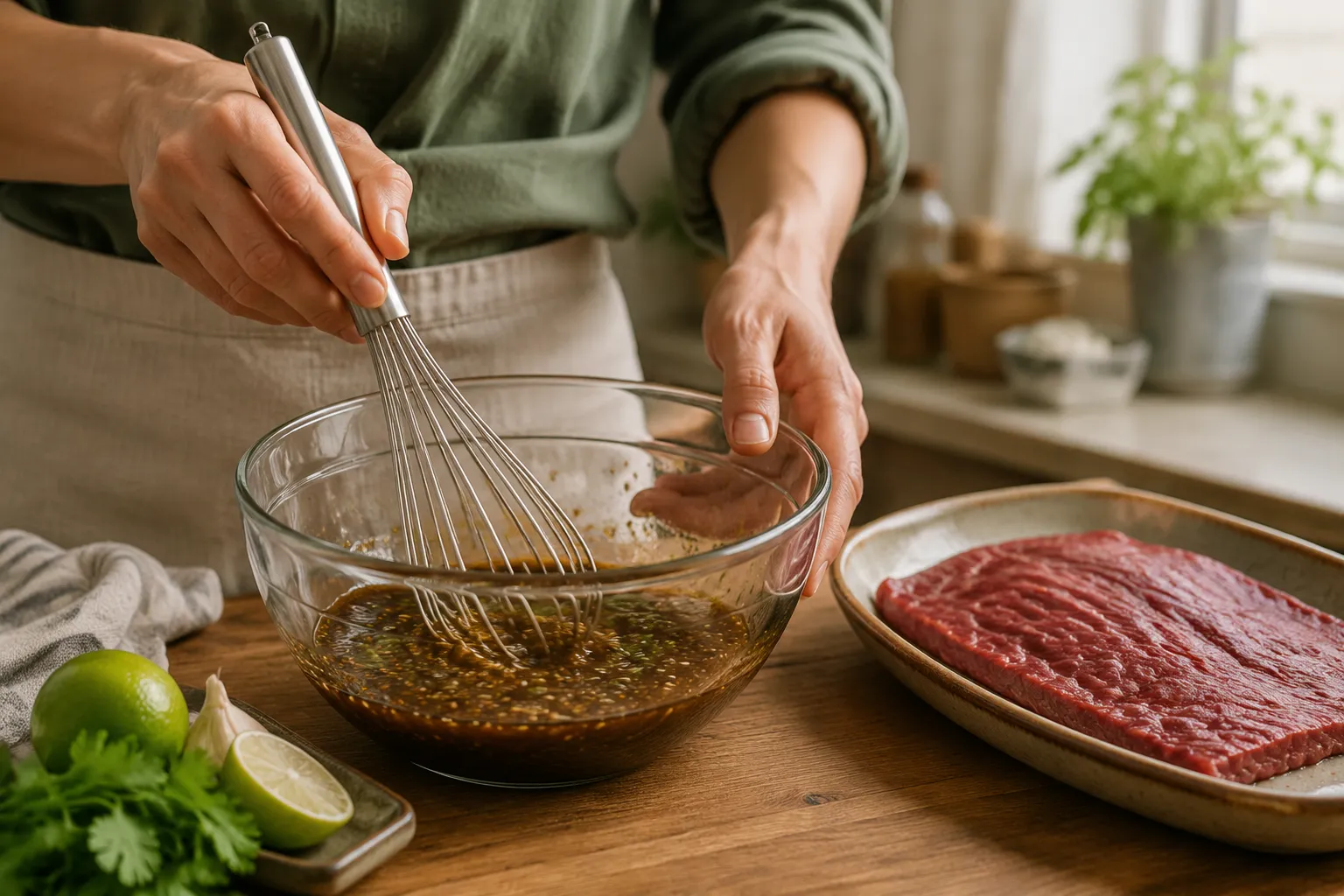
Whisk the marinade until the sugar dissolves enough to look glossy and unified, then let the steak soak up the flavor in the fridge. A couple of hours is the minimum sweet spot, but a longer marinating window can be even better as long as you keep it within reason. You want flavor penetration, not mushy edges.
If you are missing one ingredient, the recipe is flexible enough to adapt. You can swap lime juice for lemon, brown sugar for honey, or smoked paprika for regular paprika plus a tiny pinch of cayenne. If your soy sauce is low sodium, you may want to add a touch more for seasoning, but keep the overall balance in mind so the marinade does not become too salty.
[tip]If you are cooking for a crowd, double the marinade and reserve a spoonful before it touches the raw steak. That reserved portion makes an excellent drizzle for the finished slices or a quick sauce for rice bowls.
The basic rhythm is simple: marinate, dry the surface, sear hard, then rest and slice carefully. That is the entire secret to turning a stubborn cut into a juicy steak dinner. Once you understand that pattern, you can move between the grill and the stove with total confidence.
Let the steak marinate long enough for the seasoning to do its work, ideally at least two hours and up to overnight if your schedule allows. The acid in the lime and the salt in the soy sauce help the outer layer of the meat soften a bit while the sugar deepens the browning later. Before cooking, remove the steak from the marinade and let the excess drip off so the surface can sear instead of steam.
[note]A little patience goes a long way here. Even a short marinade is better than none, but a full flavor soak gives you the most balanced and juicy result.
For a grilled flank steak, preheat the grill until it is very hot and lightly oil the grates. If you prefer the stove, use cast iron because it holds heat beautifully and builds a deep crust in a matter of minutes. You are aiming for a fast sear, not a long roast, so keep the surface hot enough to brown quickly.
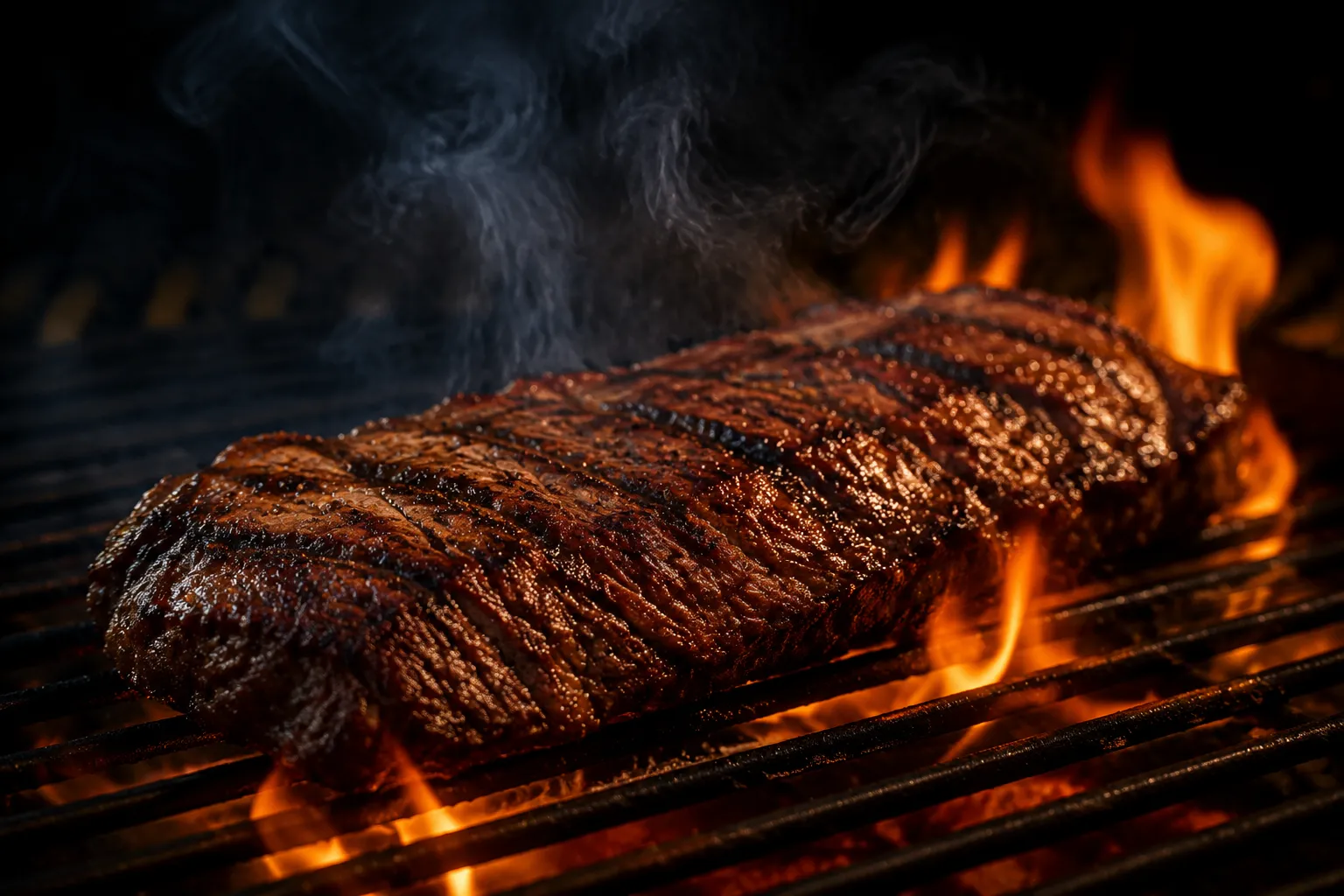
Cook the steak until you see good color on the first side, then flip once and finish on the other side. For a thinner piece, that may take only a few minutes per side, while a thicker steak may need a little more time. The key is to let the exterior caramelize without losing the rosy center that keeps the meat tender.
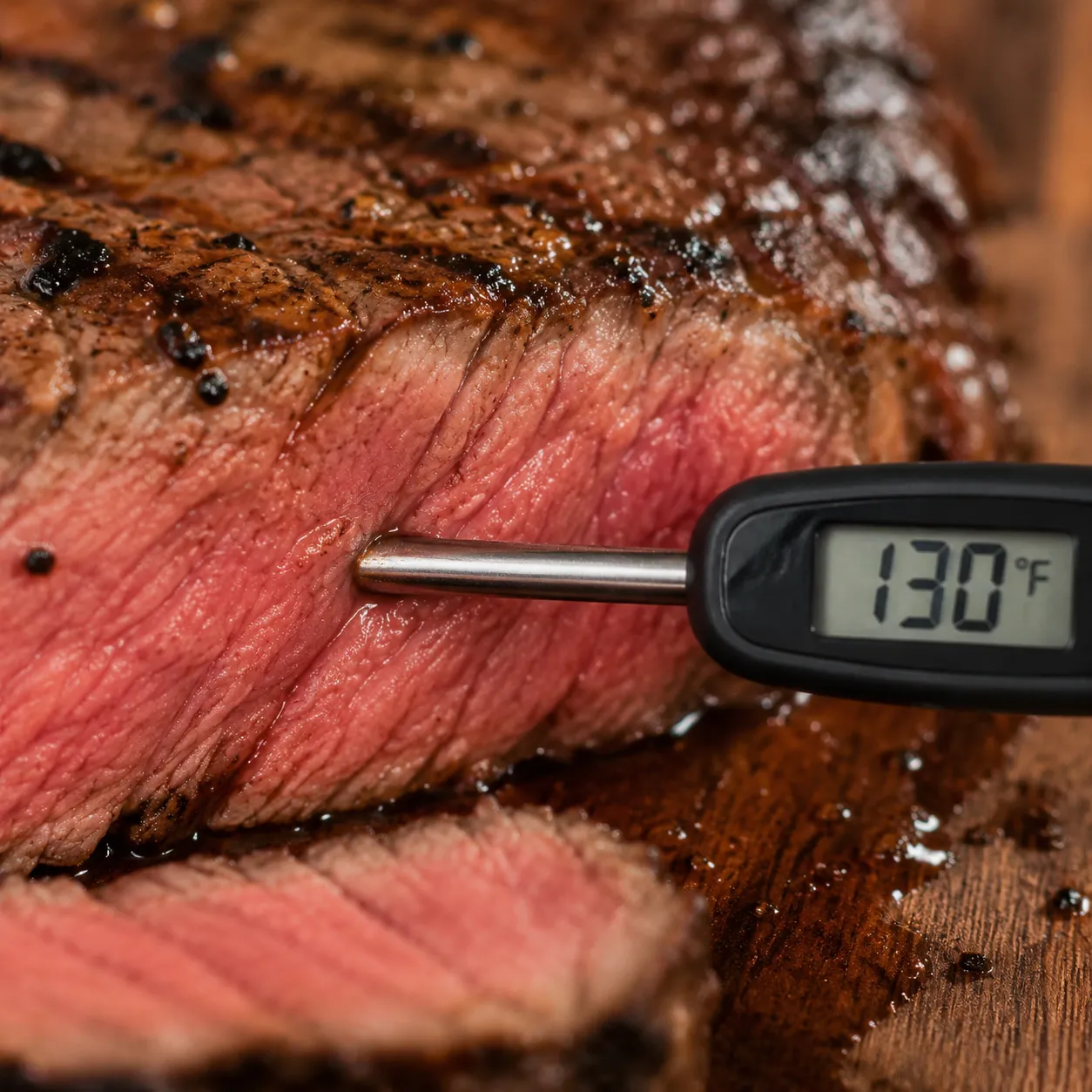
Pull the steak when the internal temperature reads 130 to 135°F for medium-rare, then rest it on a board for about 10 minutes. Resting lets the juices redistribute so they stay in the meat instead of running out onto the cutting board. If you skip this step, even a well-cooked steak can taste drier than it should.
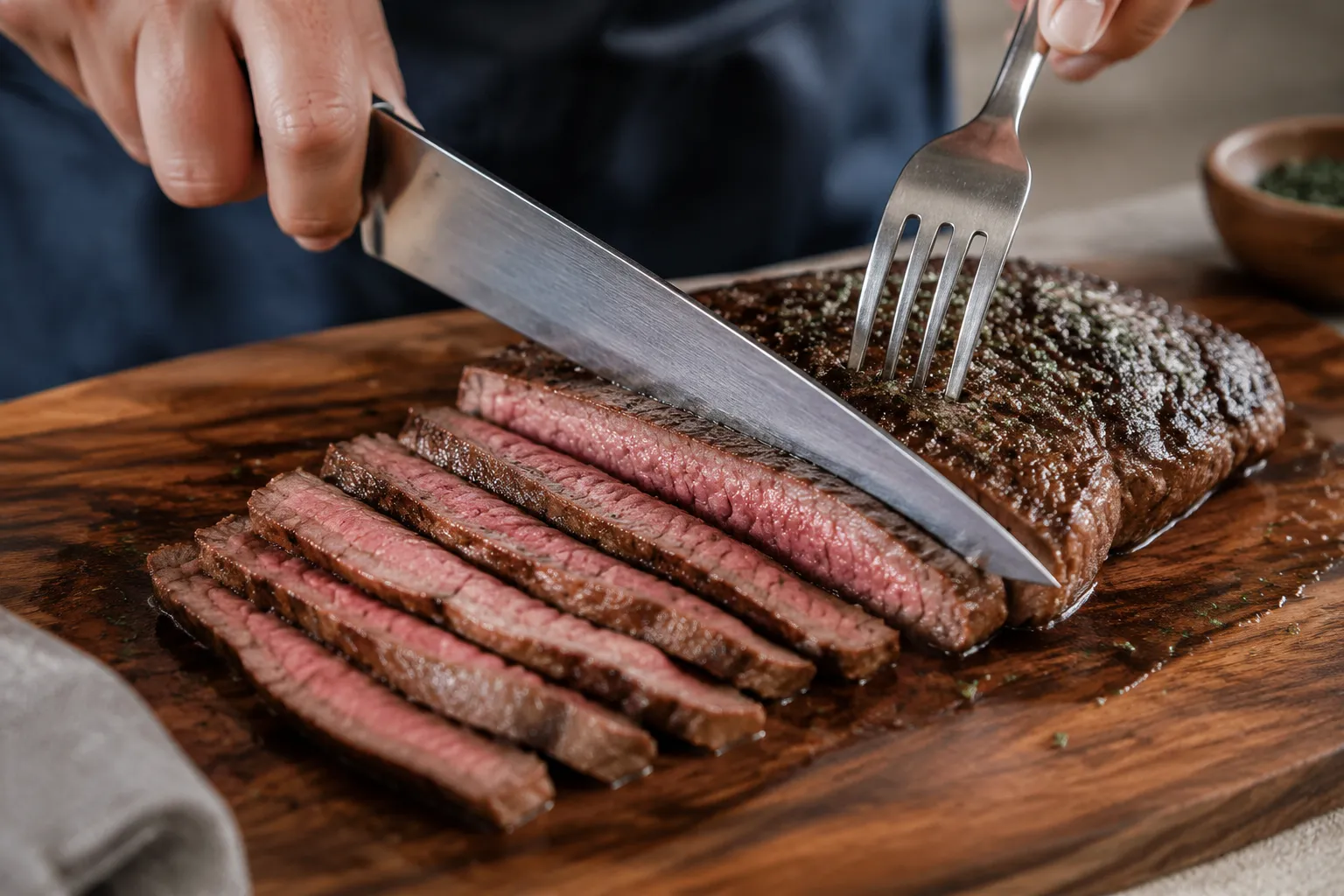
Once the steak has rested, the final move is all about technique: how to slice flank steak matters just as much as how you cooked it. Look for the direction of the grain, then cut thin slices against the grain at a slight angle so the fibers shorten and the meat feels far more tender. That one small step is what turns a good steak into the kind of dinner people remember.
Once the steak is sliced, the possibilities open up quickly. You can serve it as the centerpiece of a simple dinner, tuck it into warm tortillas, pile it over greens, or layer it into a sandwich with something creamy and crunchy. However you serve it, the bold flavor plays nicely with bright, fresh, and slightly acidic sides.
If you are planning flank steak tacos, keep the toppings simple so the beef can stay the star. Warm corn tortillas, diced onion, cilantro, and a squeeze of lime are enough to make the whole plate sing. The same slices also work beautifully in fajitas or rice bowls with peppers, avocado, and a spoonful of salsa.
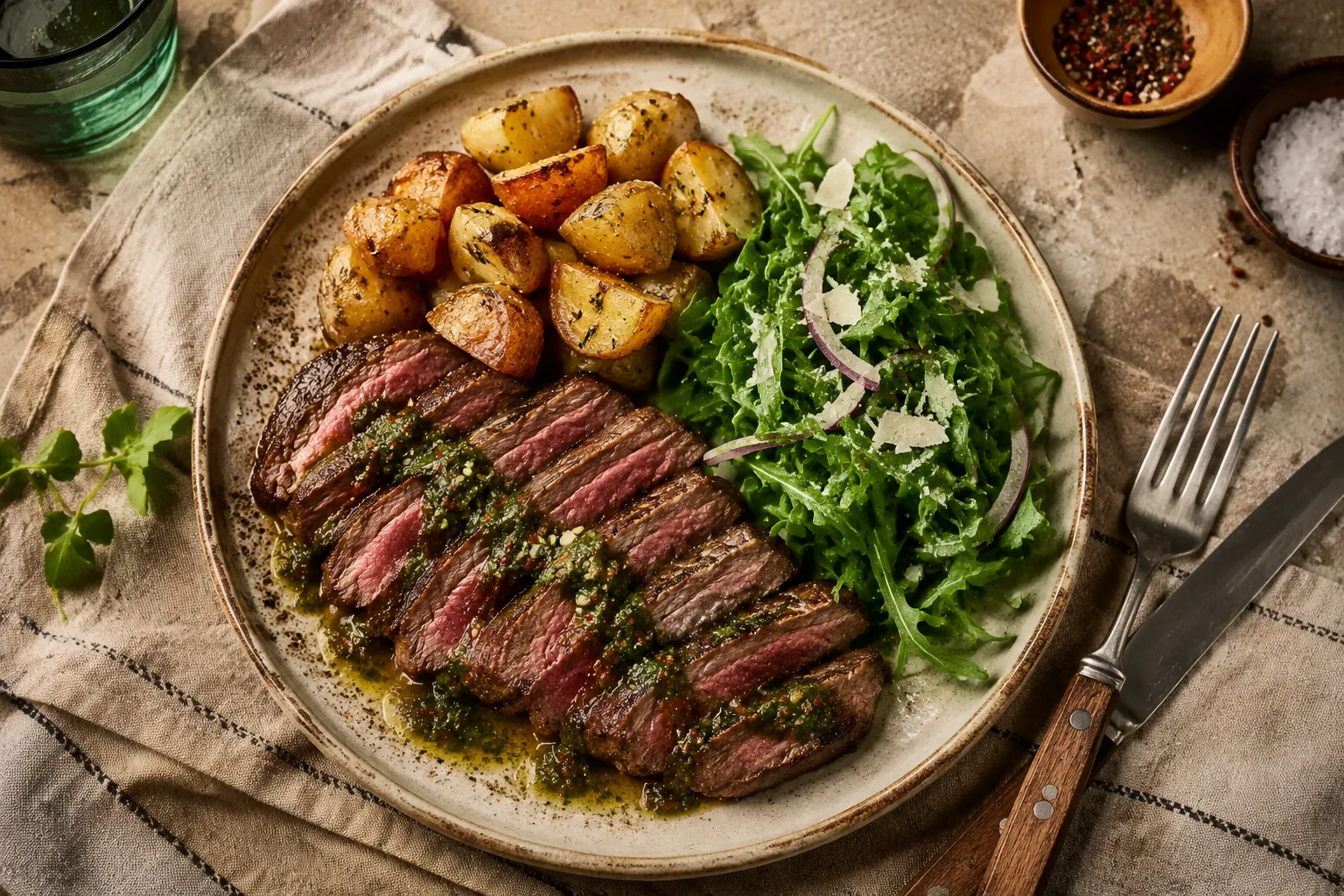
For lunch or a lighter dinner, scatter the slices over arugula, romaine, or mixed greens and add something creamy like avocado or a tangy vinaigrette. You can also tuck the steak into a crusty roll with pickled onions, arugula, and a swipe of aioli for a satisfying sandwich that feels much fancier than the effort required. A plated dinner with chimichurri and potatoes is another easy win when you want something a little more classic.
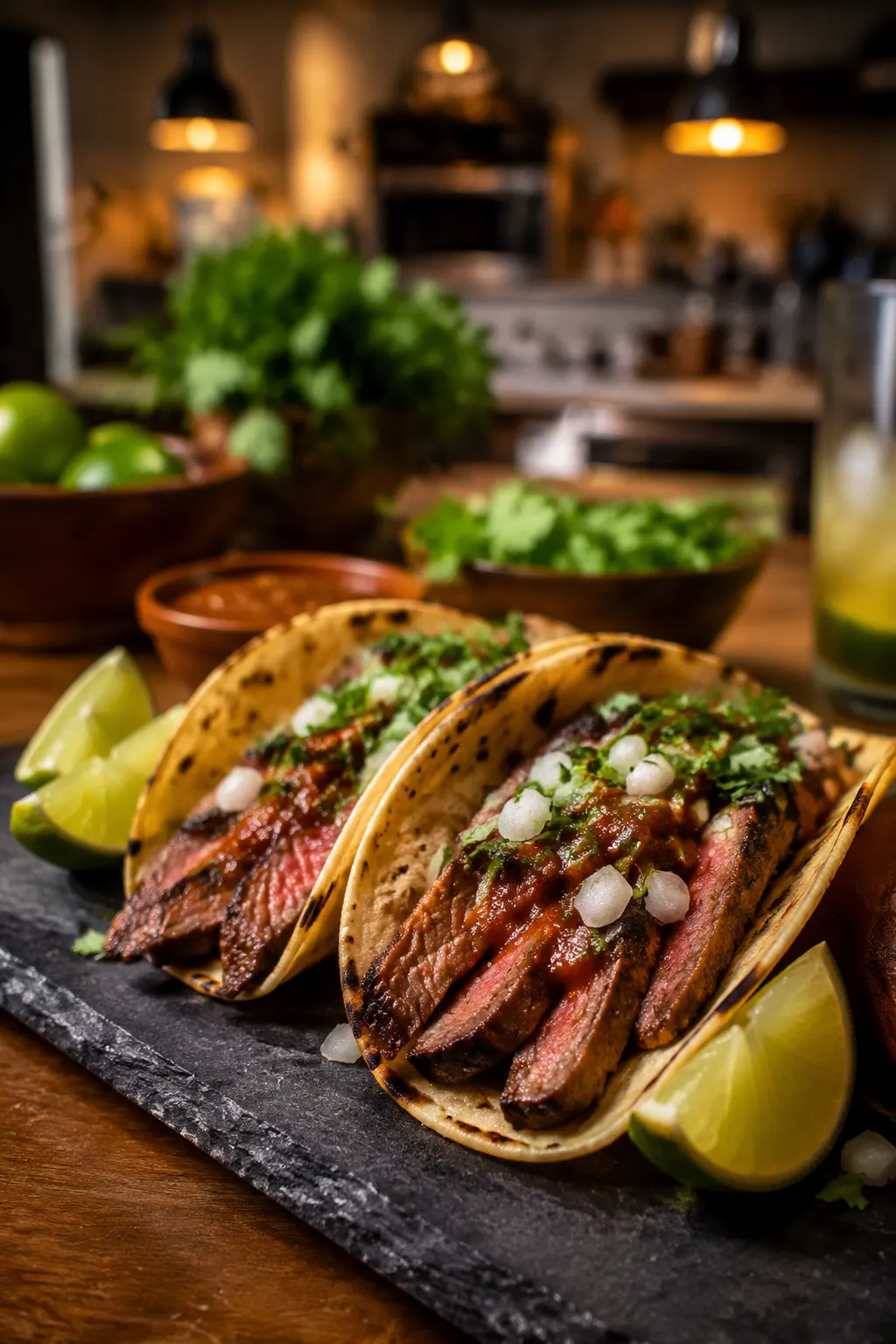
Roasted potatoes, grilled vegetables, corn on the cob, cucumber salad, and simple rice all work well because they do not compete with the beef. If you want a full spread, add something crisp and something acidic to balance the richness of the steak. Even a few extra slices in the fridge can become lunch the next day, which is exactly why this cut is such a smart choice for meal prep.
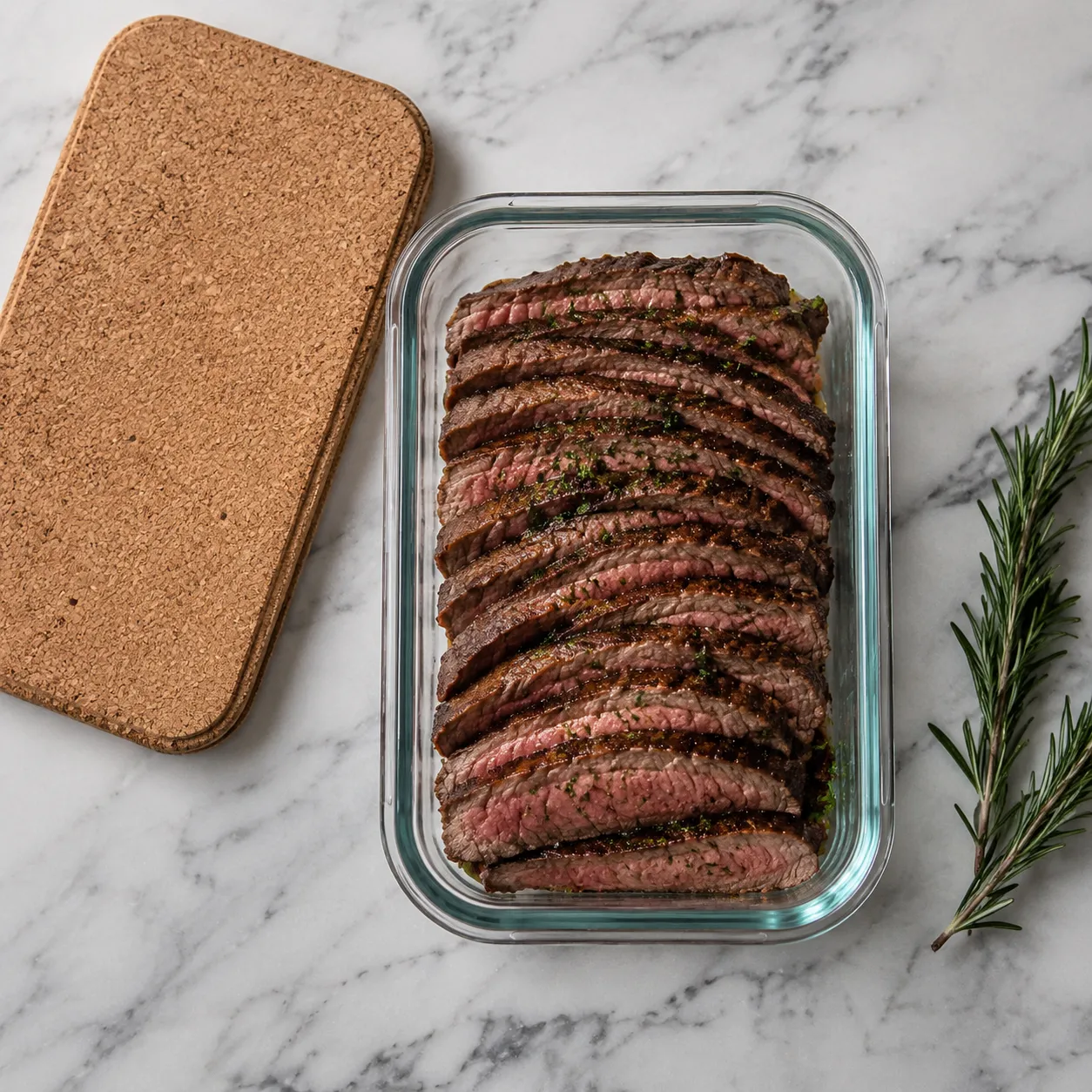
And if you are thinking about next-day leftovers, this is one of those rare dinners that tastes just as good repurposed. Chill the slices, tuck them into a container, and you have a head start on tomorrow’s salad, grain bowl, or sandwich. That kind of flexibility is what makes this steak so dependable for busy home cooks.
This recipe is a flexible template, which is part of why it works so well for busy cooks. You can keep the same marinating and searing method, then change the flavor direction depending on what you are serving. Try one of these ideas when you want to switch things up.
Store leftover sliced steak in an airtight container in the refrigerator for up to 3 to 4 days. If possible, keep a little of the resting juice or pan juices with the meat so it stays more tender when reheated. The slices are excellent cold in salads or grain bowls, which means you may not even need to warm them up.
To freeze, wrap the cooled steak tightly or store it in a freezer-safe container for up to 2 months. Reheat gently in a skillet over low heat or briefly in the microwave at reduced power so the meat does not dry out. If you are reheating a larger batch, add a splash of broth or water and cover the pan just until the slices are warmed through.