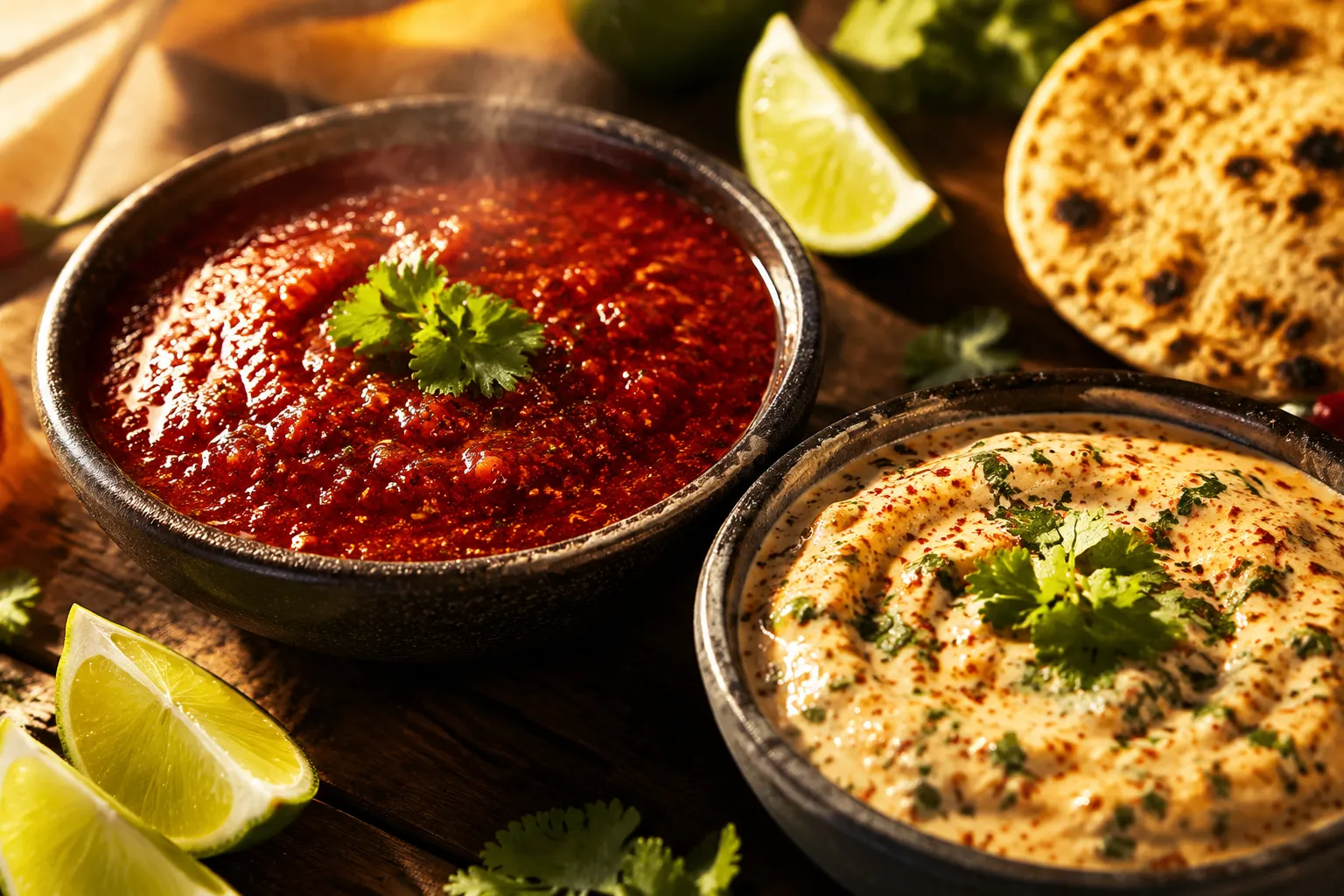
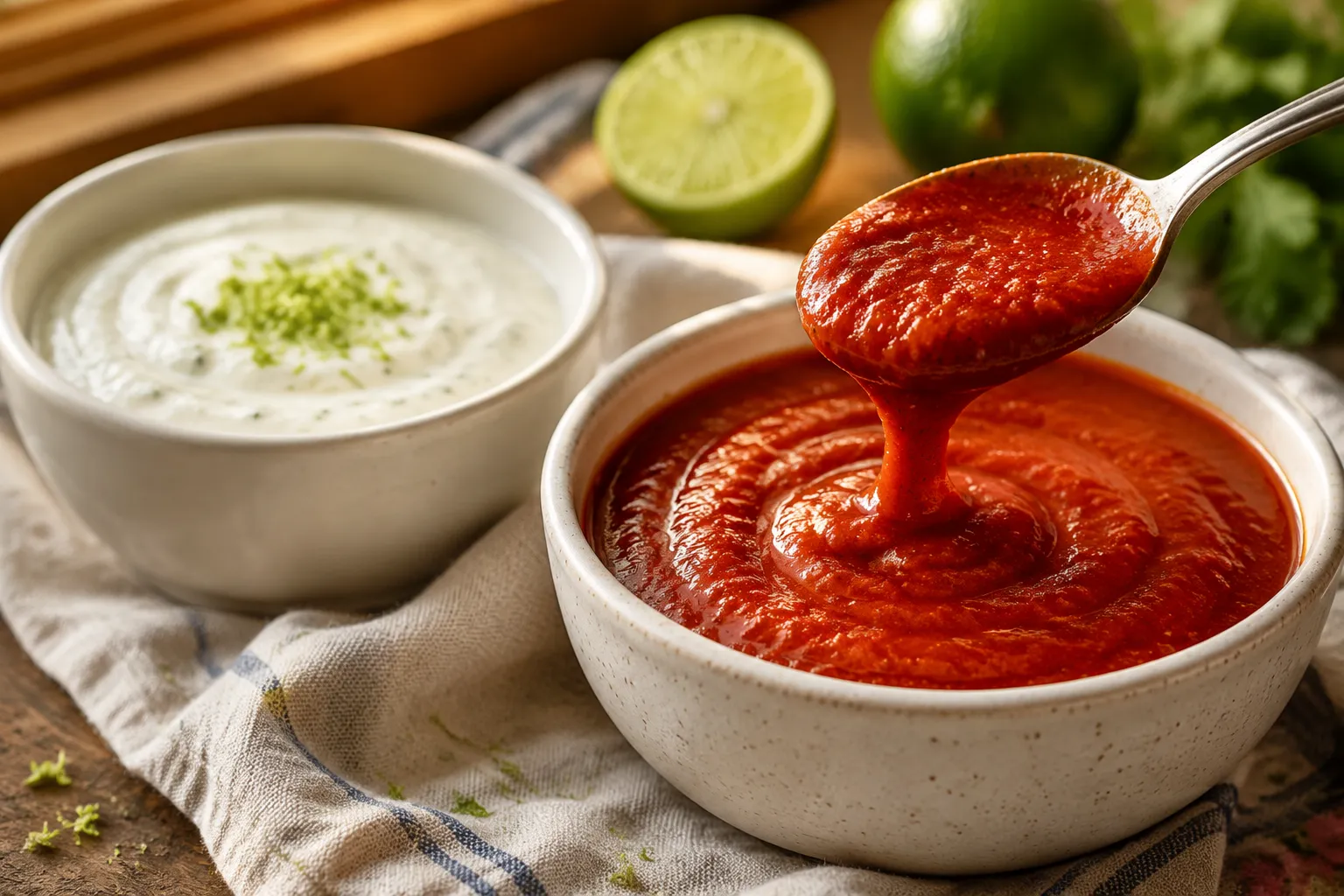
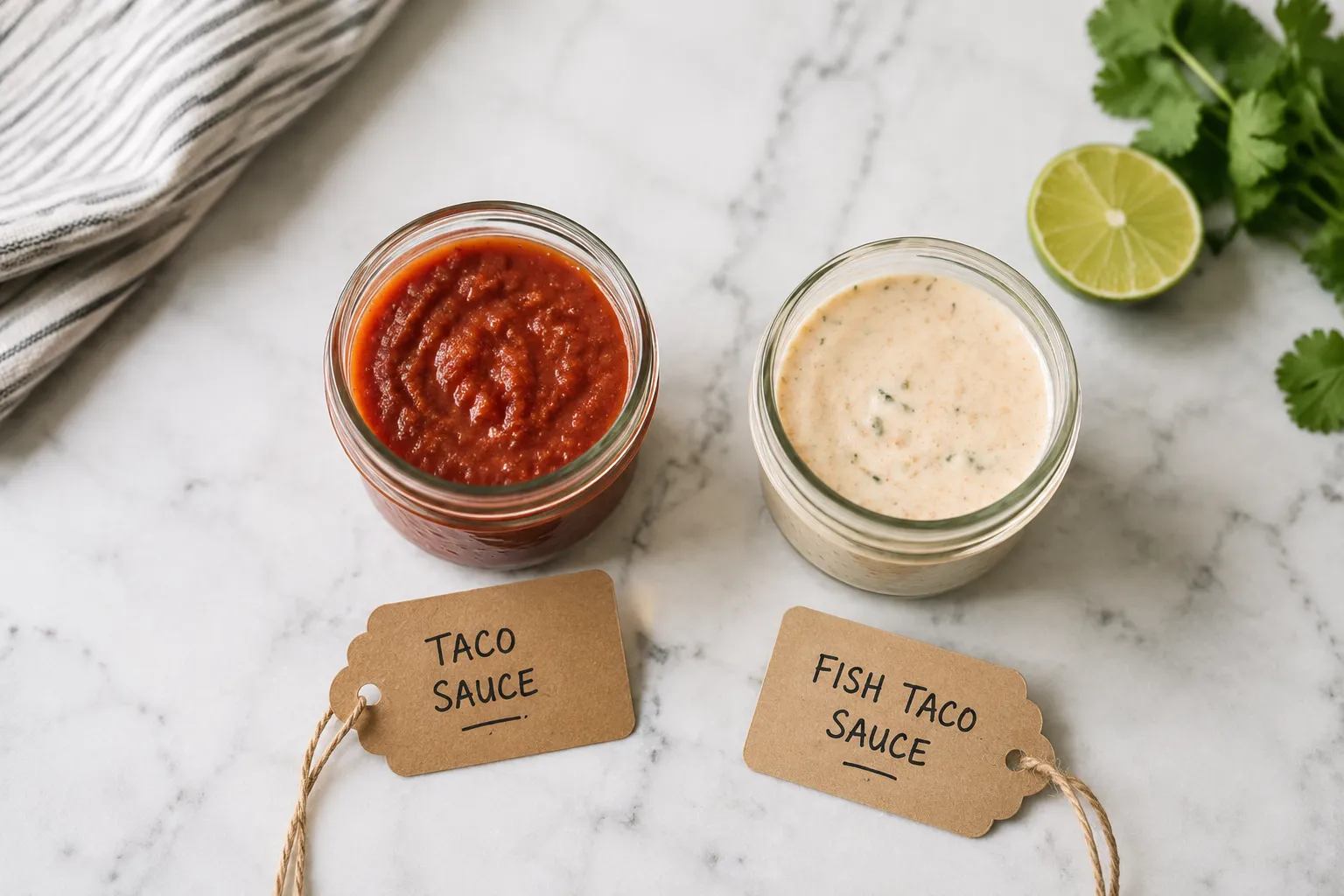
One base taco sauce, two ways: a smoky red sauce for beef and chicken tacos, and a creamy lime crema for fish tacos. Five minutes, no blender needed.
Why You'll Love This Recipe
Better than store-bought: Completely free of high-fructose corn syrup, artificial colors, and unnecessary chemical thickeners found in commercial brands.
Two sauces from one base: Yields both a classic red drizzle and a creamy seafood topping from a single, simple spice foundation.
Ready in 5 minutes: Comes together incredibly fast using basic pantry staples you likely already have on hand.
Highly customizable: Easily adjust the heat levels, allowing you to make it mild for kids or fiery for spice lovers.
No special equipment: No blender or food processor required—just a small saucepan and a whisk.
There is nothing quite like a drizzle of warm, glossy taco sauce to finish off your favorite weeknight dinner. For years, many of us have relied on those familiar glass bottles or crinkly plastic packets from the grocery store, tossing them into our carts without a second thought. The ritual of setting out the bowls of toppings, the shredded cheese, and that signature tangy red condiment is a staple of Americanized Mexican food nights. But once you realize how much unnecessary corn syrup, artificial coloring, and artificial thickeners are hiding in those commercial brands, making it from scratch becomes an absolute no-brainer.
Today, we are changing the game with a five-minute homemade taco sauce recipe that yields two completely different, incredibly delicious condiments from one simple spice base. Whether you are craving a smoky, tangy red drizzle for your classic hard-shell dinners or a cool, zesty topping for a coastal-inspired seafood feast, this streamlined method has you completely covered. It is the ultimate two-for-one culinary trick that will forever change how you approach your weekly meal planning.
The beauty of this approach is its pure efficiency and respect for your time. By simmering a single pot of robust spices and tomato purée, you create a deeply flavorful foundation that works beautifully on its own. Then, with just a few quick additions, you can transform a portion of that base into a vibrant, restaurant-quality creamy fish taco sauce that will instantly elevate your next meal. You get the best of both worlds without having to dirty a blender or spend an hour at the stove.
## The Essential Spices and Pantry Staples
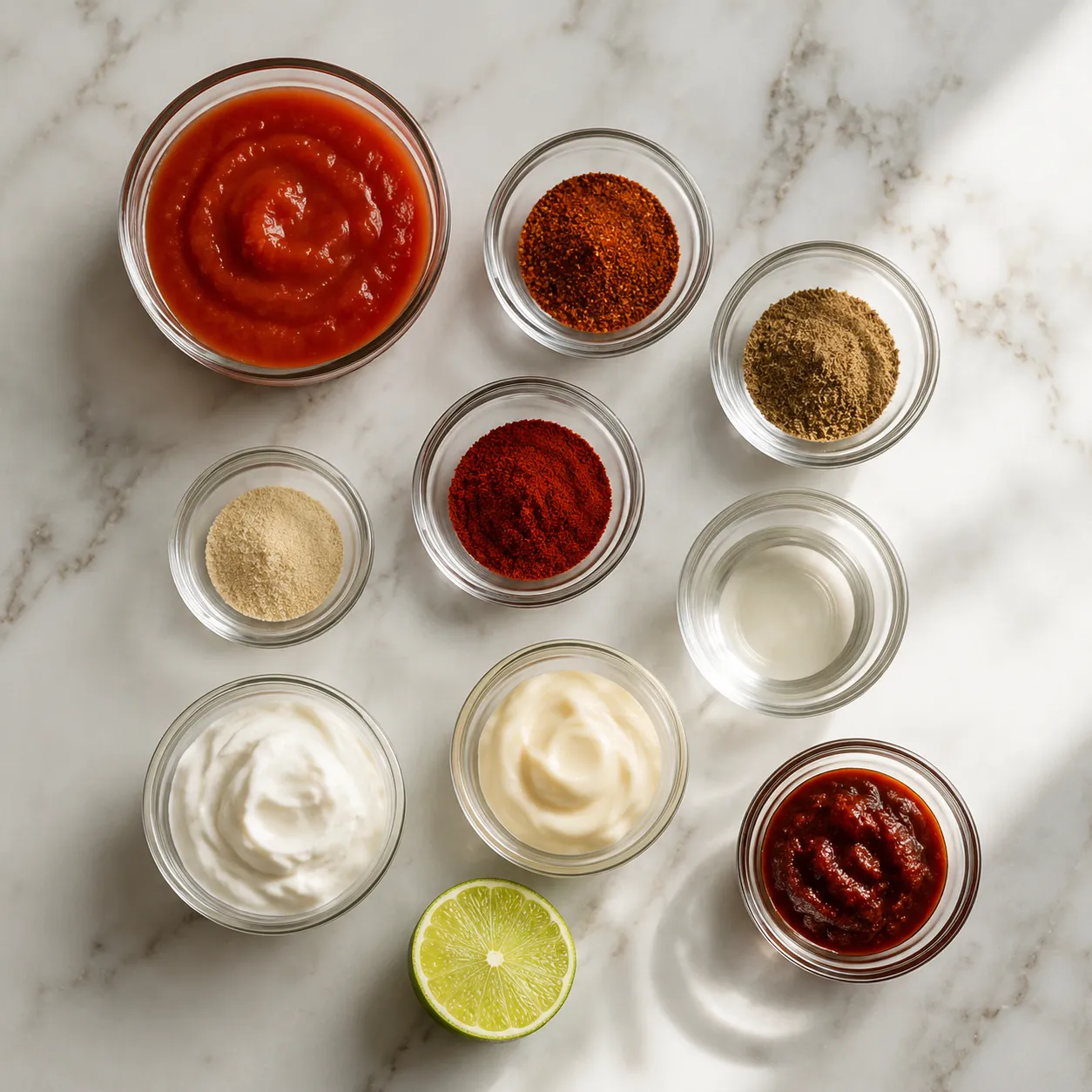
Building a better-than-bottled condiment starts with raiding your pantry for high-quality staples. The foundation of our red base requires just a few simple, wholesome items: plain tomato sauce, a splash of white vinegar, and a robust blend of dried spices. You will need chili powder, ground cumin, garlic powder, onion powder, and a touch of smoked paprika. If you are a fan of mixing up your own taco seasoning for weekly dinners, you likely have every single one of these jars sitting in your spice cabinet right now, just waiting to be utilized.
Let us break down why these specific spices matter. The cumin provides an earthy, grounding warmth that is essential to this flavor profile. The smoked paprika adds a subtle, campfire-like smokiness without the need for liquid smoke or actual fire-roasting. Using fine onion and garlic powders instead of fresh alliums ensures that the final texture remains completely smooth and silky, mimicking the mouthfeel of your favorite fast-food packets but with real, recognizable ingredients.
The white vinegar is the unsung hero of this ingredient list. It provides that signature tangy zip that cuts through rich meats and melted cheeses perfectly. Without the vinegar, the mixture would simply taste like seasoned tomato soup; with it, the mixture transforms into a bright, punchy condiment that wakes up every bite of your meal.
## Crafting the Perfect Creamy Seafood Topping
For the creamy variation, we build directly upon those same earthy spices to create something entirely new. You will also need sour cream, a dollop of mayonnaise, fresh lime juice, and a finely minced chipotle pepper in adobo. The combination of sour cream and mayonnaise creates an ideal texture and flavor balance. The sour cream brings a necessary tanginess and a light, refreshing quality, while the mayonnaise provides stability and richness, ensuring the mixture coats your food beautifully without watering down or separating.
Using fresh lime juice is absolutely critical when building this profile. Bottled citrus juices often contain preservatives that can lend a bitter, metallic aftertaste to dairy-based dips, completely ruining the fresh illusion. A fresh squeeze of lime not only brightens the entire profile but also helps thin the sour cream to the perfect drizzling consistency, resulting in a condiment that rivals any high-end chipotle crema you might find at an upscale, trendy cantina.
The chipotle pepper itself provides both heat and a deep, complex smokiness. Because these peppers are smoked jalapeños preserved in a tangy, spiced tomato broth (the adobo), they bring a massive amount of flavor in a very small package. Even if you are sensitive to spice, adding just a tiny scrape of the adobo liquid can provide that necessary depth without blowing out your palate.
## The Secret Technique: Blooming Your Spices
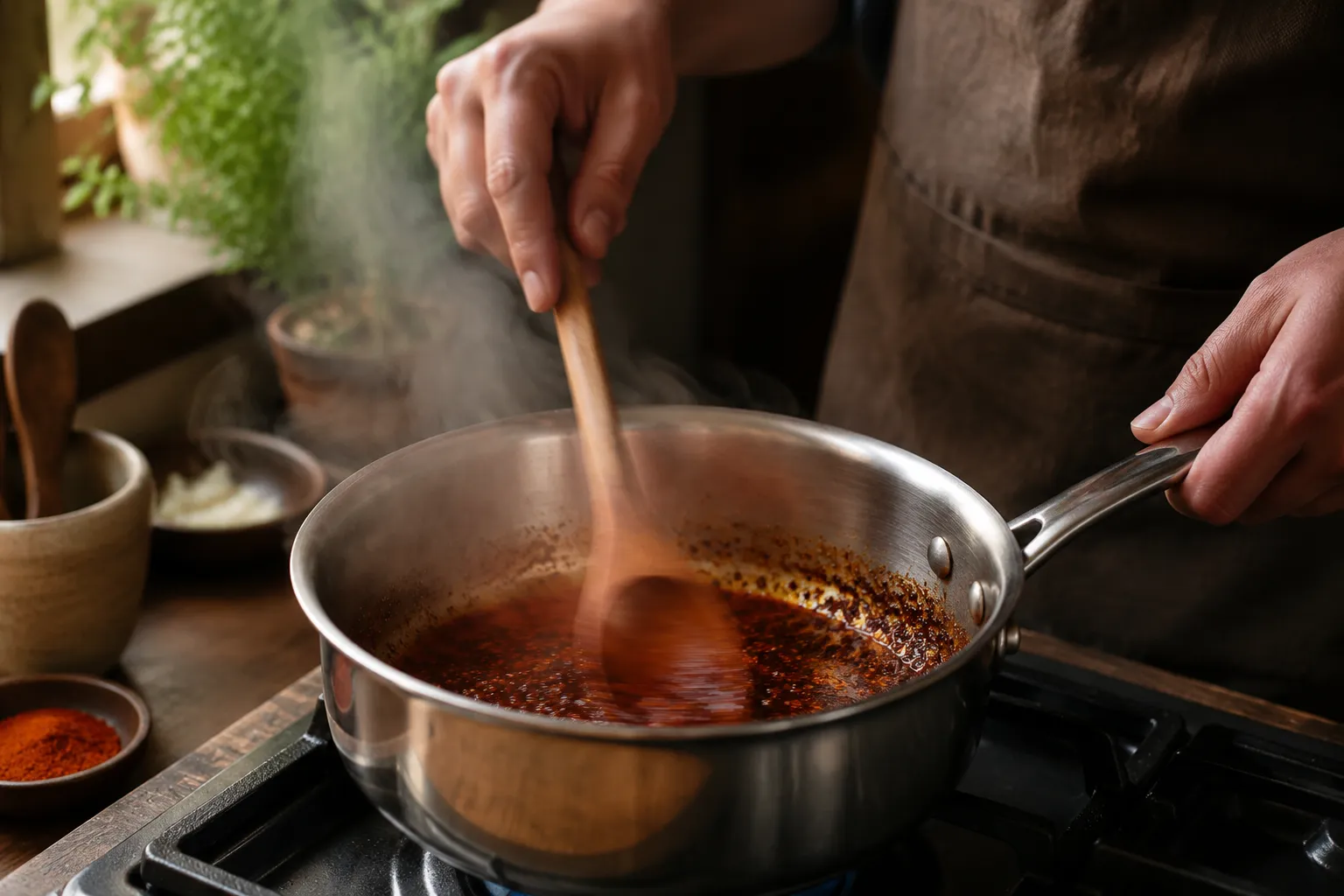
The secret to achieving a deeply flavored, slow-cooked taste in a mere five minutes lies in a fundamental culinary technique called blooming. Instead of simply whisking raw spices into cold liquid—which can leave them tasting dusty, flat, and somewhat gritty—we start by heating a tiny drizzle of neutral or olive oil in a small saucepan. Once the oil is warm, you add your chili powder, cumin, and paprika, stirring continuously with a wooden spoon or small whisk.
As the spices hit the warm oil, the heat begins to coax out their fat-soluble flavor compounds. They release their essential oils, immediately transforming the kitchen with an intoxicating, earthy aroma that smells like the best taqueria in town. This quick thirty-second step removes any raw, bitter edge from the dried powders and unlocks a toasted, complex depth that you simply cannot achieve by boiling them in water or tomato purée.
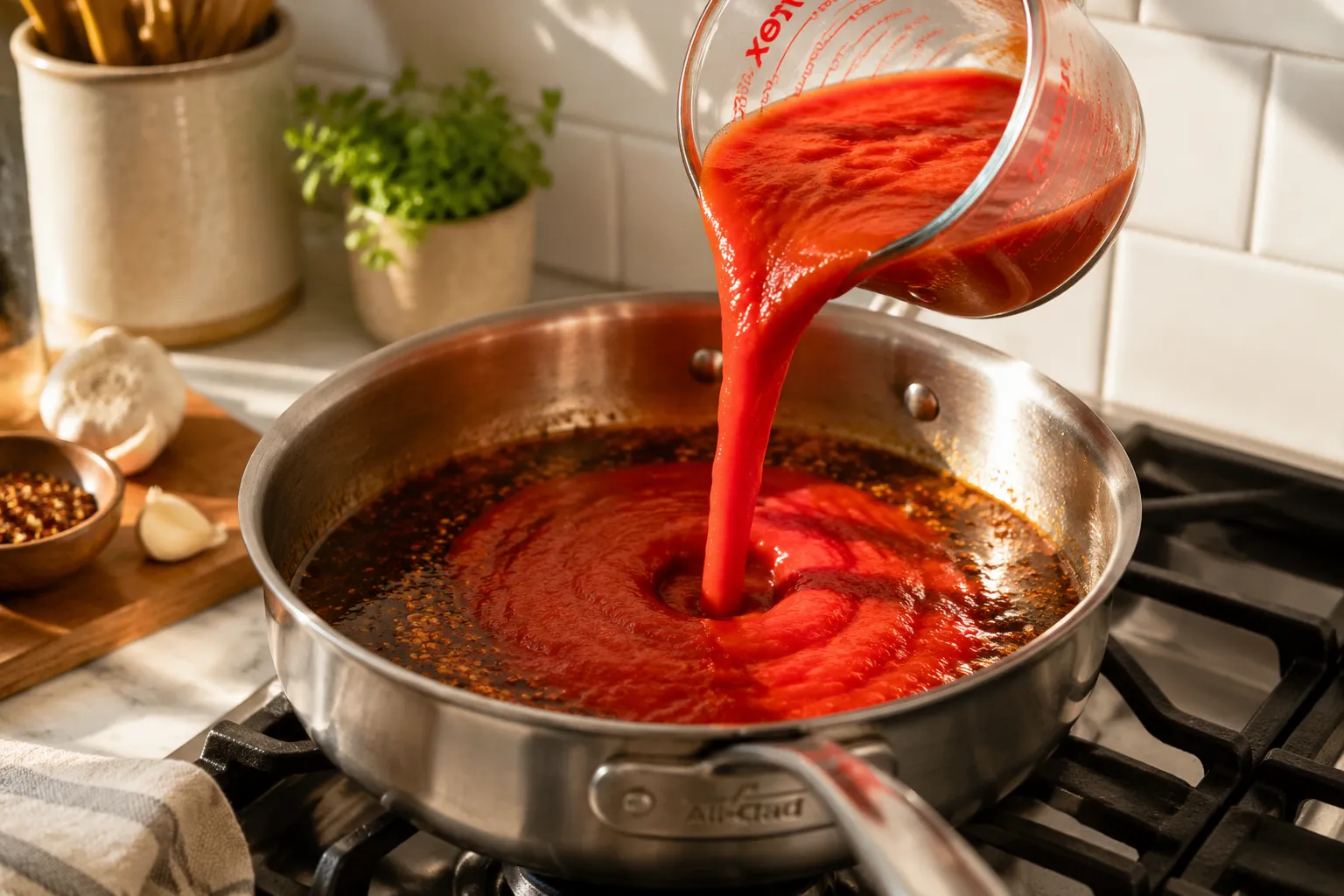
Once the spices are beautifully fragrant and have taken on a slightly darkened, brick-red hue, it is time to halt the toasting process before they scorch. Carefully pour the tomato purée and white vinegar directly into the saucepan. The liquid will sizzle dramatically as it hits the hot pan, and as you whisk it together, it will immediately incorporate with the seasoned oil, creating a rich, glossy mixture that looks and smells absolutely incredible.
## Simmering to the Right Consistency
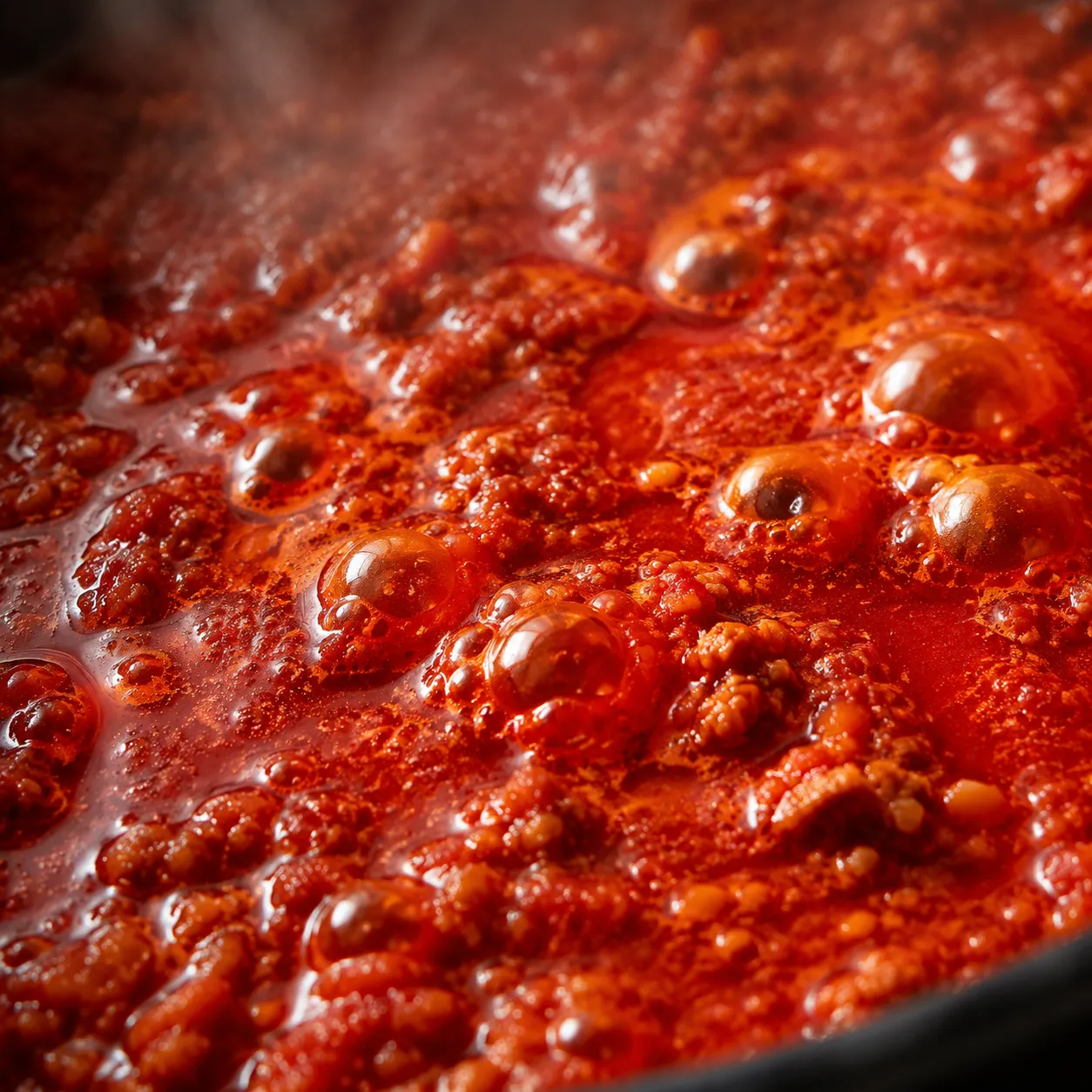
With the liquid successfully added and whisked smooth, bring the saucepan to a gentle simmer over medium-low heat. This brief cooking time is not just about warming the ingredients through; it is a crucial chemical process. The heat allows the sharp, harsh bite of the acetic acid in the vinegar to mellow out, leaving behind a pleasant, fruity tang. It also allows the tomato base to reduce slightly, concentrating its natural sweetness.
You are looking for a glossy, clingy texture that will adhere perfectly to your tortillas and fillings. This short simmering process is a technique often used when preparing a batch of homemade enchilada sauce or an easy salsa roja from scratch. It ensures the final product tastes cohesive and intentional, rather than just a hasty, separated mixture of cold ingredients.
After three to four minutes of gentle bubbling, you will notice the surface turning exceptionally shiny. The consistency will be thick enough to coat the back of a spoon, leaving a clear trail when you swipe your finger through it. At this point, remove it from the heat and let it cool slightly. As it cools, the pectins in the tomato will cause it to thicken even further, resulting in the perfect drizzling texture.
## Whisking Up the Chipotle Variation
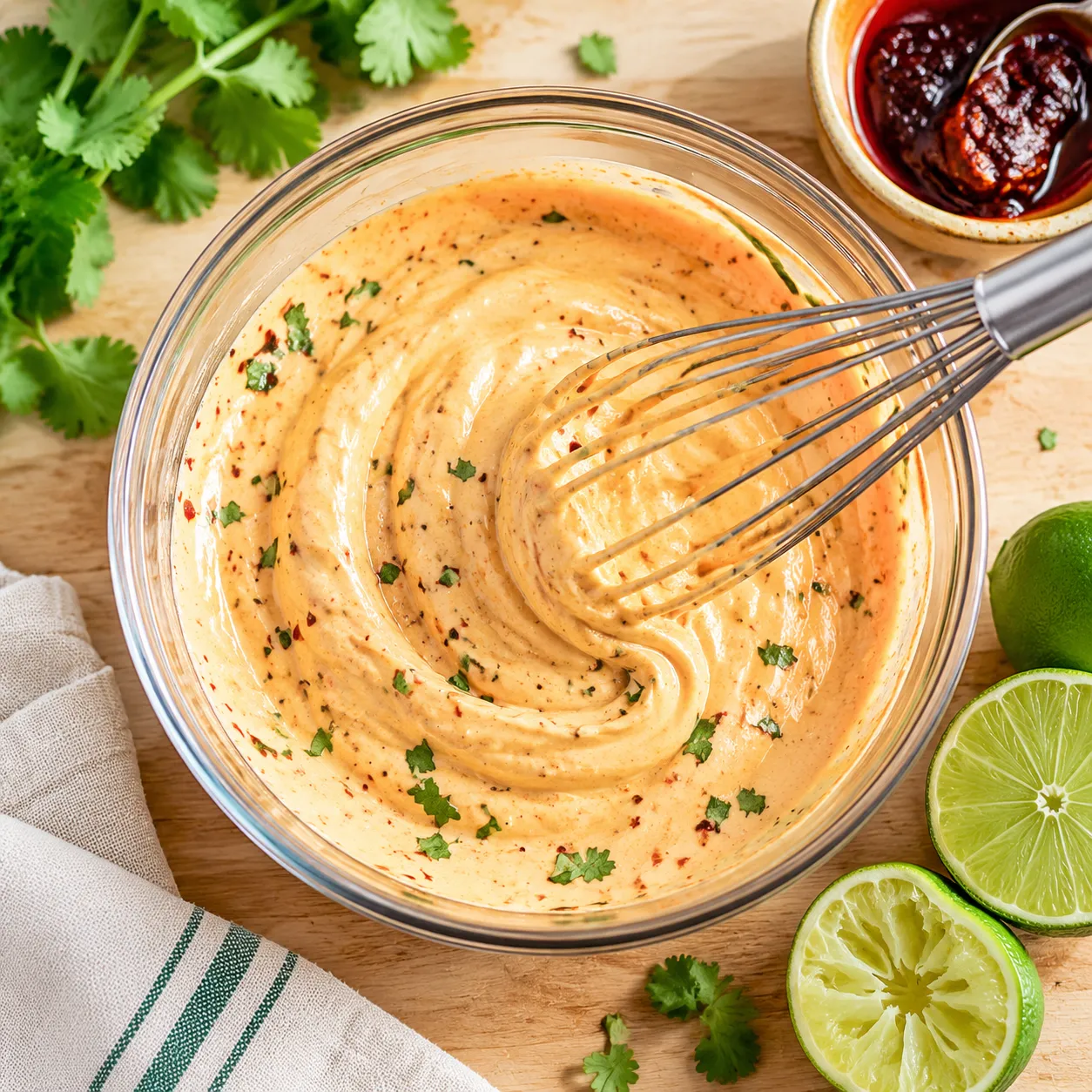
If you are planning a coastal-inspired seafood night, you absolutely must take the extra two minutes to whisk up the creamy variation. Once your cooked red base has cooled down so it doesn't melt the dairy, transfer a couple of tablespoons of it into a separate glass mixing bowl. Add your sour cream, mayonnaise, fresh lime juice, and the finely minced chipotle peppers.
Whisk everything vigorously until the mixture is perfectly smooth and takes on a beautiful, appetizing pale orange hue, flecked with tiny bits of red pepper and perhaps some fresh cilantro if you choose to add it. The acidity of the fresh citrus cuts right through the heavy richness of the dairy, while the chipotle adds a gentle, lingering warmth that builds pleasantly with each bite.
Once you learn how to make fish taco sauce at home using this method, you will never look at plain sour cream the same way again. It is incredibly versatile, and allowing it to sit in the refrigerator for just ten or fifteen minutes before serving will give the flavors even more time to meld and intensify.
## The Ultimate Pairings for Taco Night
Having two distinct, high-quality condiments at your disposal opens up a world of culinary possibilities for your weekly meal rotation. The classic red version is your ultimate go-to for traditional Tex-Mex feasts. Drizzle it generously over hard-shell ground beef tacos, fold it into shredded chicken quesadillas, or pour it over a massive platter of loaded weekend nachos. Its tangy, savory profile cuts through rich, cheesy dishes perfectly, adding that nostalgic flavor we all crave but with a much cleaner ingredient list.
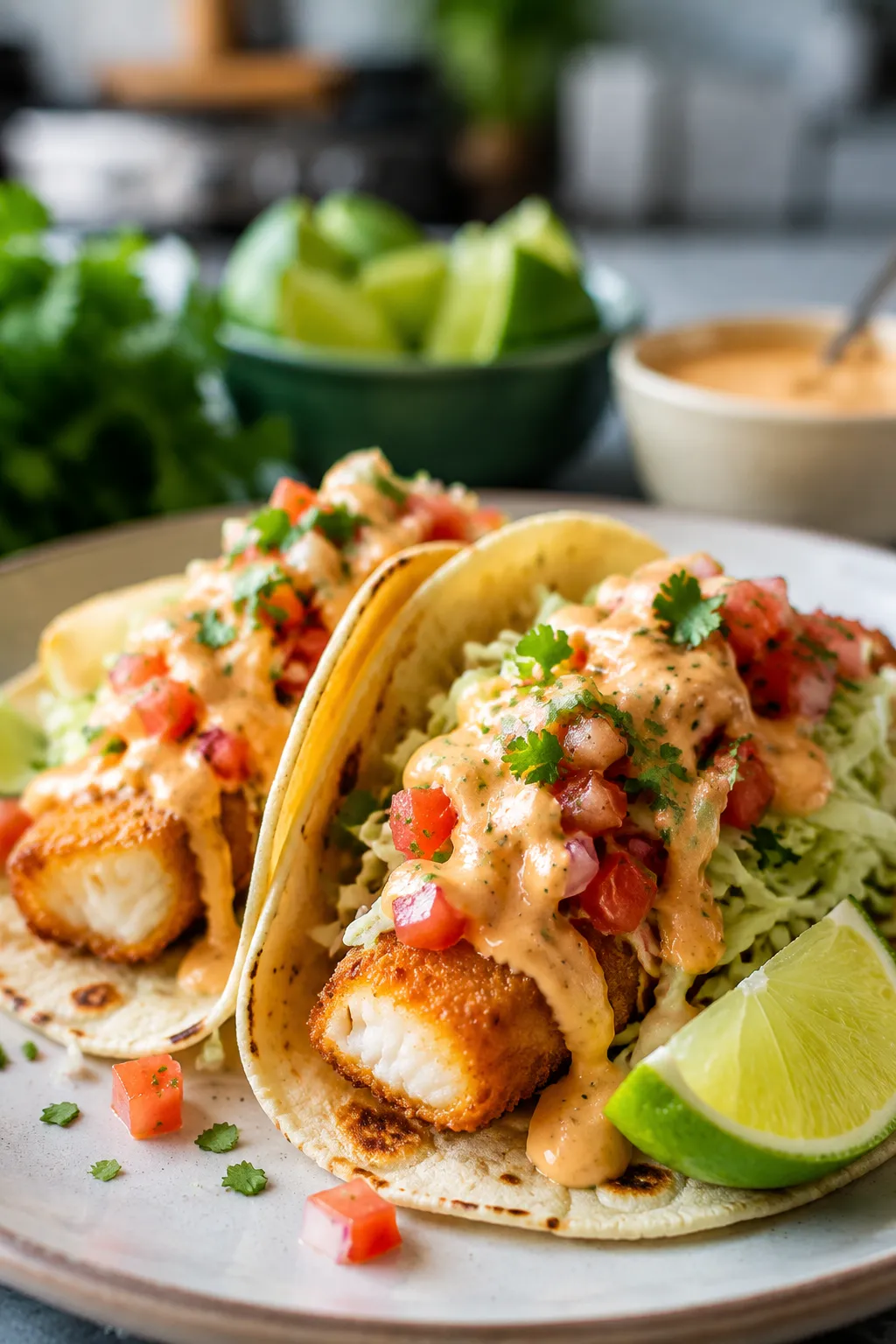
The creamy version, on the other hand, was practically destined for lighter, coastal-inspired dishes. It is the absolute best finishing touch for crispy baja fish tacos, blackened shrimp burrito bowls, and even grilled mahi-mahi or salmon. The cool dairy provides a necessary contrast to the hot, crispy batter of fried seafood. Beyond seafood, it serves as a fantastic dipping sauce for roasted sweet potato wedges, a zesty dressing for a black bean and corn salad, or a spread for spicy chicken sandwiches.
## Preparing for Future Meals
One of the absolute best parts about this dual-recipe approach is how well it lends itself to weekend meal prep. Taking just five minutes on a Sunday afternoon to whip up a batch means you are fully prepared for busy weeknights when you barely have time to cook, let alone make condiments from scratch. You can easily double or triple the quantities if you are hosting a large gathering, planning a neighborhood block party, or simply want to stock your fridge for the weeks ahead.
This versatile taco sauce will keep your family coming back for more, transforming mundane weeknight dinners into vibrant, flavorful feasts that taste like they came from your favorite local restaurant. With total control over the ingredients, the precise heat level, and the consistency, you can finally say goodbye to the condiment aisle and enjoy fresh, bold, uncompromising flavors right from your own kitchen.
💡 Expert Tips
Toast your spices: Do not skip blooming the cumin and chili powder in warm oil; it unlocks a deeper, richer flavor profile and removes the raw, dusty taste of dried spices.
Balance the acidity: Depending on the brand of tomato purée you use, it might be slightly acidic. A tiny pinch of white sugar can balance the final flavor perfectly.
Mince the chipotle finely: For the creamy variation, ensure the chipotle peppers are minced very small so they distribute evenly without leaving large, overwhelmingly spicy chunks.
Let it cool: The red condiment will thicken significantly as it cools down from a simmer, so do not over-reduce it on the stove or it will become too paste-like.
🔄 Variations & Substitutions
While this recipe provides a fantastic baseline, it is incredibly easy to customize to suit your family's specific dietary needs and heat preferences. Feel free to experiment with these simple tweaks to make the recipe your own.
Vegan/Dairy-Free: Swap the sour cream and mayonnaise for your favorite plant-based alternatives to make a completely vegan-friendly creamy topping.
Extra Spicy: Add a quarter teaspoon of cayenne pepper, a pinch of red pepper flakes, or a dash of your favorite hot sauce to the simmering red base.
Smoky Garlic: Double the garlic powder and add an extra half-teaspoon of smoked paprika for a robust, campfire-style flavor profile.
Cilantro Lime: Stir two tablespoons of very finely chopped fresh cilantro into either the red or creamy versions right before serving for an herby finish.
🧊 Storage & Leftovers
Proper storage ensures you always have a delicious drizzle ready for your next Mexican-inspired meal. The classic cooked red version keeps exceptionally well thanks to the vinegar; store it in an airtight container or a glass mason jar in the refrigerator for up to two weeks. You can also freeze the red base for up to three months. Simply transfer it to a freezer-safe bag, squeeze out the excess air, and freeze it flat. Thaw it overnight in the fridge before using, giving it a good shake to recombine if it separates slightly.
The creamy chipotle-lime variation, due to its fresh dairy content, has a much shorter shelf life. Keep it tightly sealed in the refrigerator and consume it within five days. Because mayonnaise and sour cream can separate, curdle, and change texture dramatically when frozen and thawed, it is highly recommended that you do not freeze the creamy version.
Frequently Asked Questions
What is taco sauce made of?
A traditional homemade version of this beloved condiment is made from a simple but flavorful blend of pantry staples. The foundation relies on a smooth tomato base, which is then heavily seasoned with earthy spices like chili powder, ground cumin, garlic powder, and onion powder. A splash of white vinegar is added to provide a necessary tangy bite that balances the richness of the meats it typically accompanies. Some variations also include a tiny pinch of sugar to counteract the acidity of the tomatoes. These ingredients are simmered together briefly until the mixture becomes thick, glossy, and perfectly clingy.
What's the difference between taco sauce and salsa?
While both are staple condiments for Mexican-inspired meals, they serve different culinary purposes and have distinct textures. Salsa is typically made with raw or roasted fresh ingredients, resulting in a chunky, watery texture filled with diced tomatoes, crisp onions, jalapeños, and fresh cilantro. In contrast, the classic red drizzle is a completely smooth, cooked purée. It is heavily vinegar-forward, giving it a sharp, tangy flavor profile, and it is simmered until it reaches a thick, velvety consistency designed to cling tightly to your favorite fillings rather than soaking into the tortilla.
What sauce goes on fish tacos?
The ideal accompaniment for seafood is a creamy, tangy, and slightly smoky condiment that contrasts beautifully with the crispy texture of battered fish. This specialized topping is usually built on a rich dairy foundation of sour cream and mayonnaise. Freshly squeezed lime juice is whisked in to thin the consistency and provide a bright, zesty punch. For heat and depth, finely minced chipotle peppers in adobo or diced jalapeños are folded into the mixture. The resulting cool, refreshing flavor profile cuts through the richness of the fried seafood perfectly.
How long does homemade taco sauce last?
The shelf life of your homemade condiments depends entirely on which version you are storing. The classic cooked red base is quite stable thanks to the acidity of the vinegar; it will keep beautifully in an airtight container in the refrigerator for up to two weeks. You can also freeze the red version for up to three months. However, the creamy dairy-based variation has a much shorter lifespan. It should be kept tightly sealed in the fridge and consumed within five days. Because mayonnaise and sour cream separate when thawed, you should never freeze the creamy version.
Can I make taco sauce without tomato sauce?
Yes, you can absolutely make this recipe even if you do not have a can of plain tomato purée in your pantry. The easiest substitution is to use concentrated tomato paste. Simply whisk three tablespoons of tomato paste together with a half cup of water until it reaches a smooth, sauce-like consistency, then proceed with the recipe as written. Alternatively, if you have a can of crushed tomatoes or whole peeled tomatoes, you can run them through a blender or food processor until completely smooth, then strain out any remaining seeds or pulp before simmering.