Flax Egg Recipe for Baking
Ingredients
Scale

Need an egg-free baking fix? This simple flax egg recipe shows the exact ratio, timing, and best ways to use it.
A reliable flax egg is a baker's best friend. Whether you have suddenly run out of chicken eggs in the middle of a baking project, or you are intentionally crafting beautiful egg-free desserts for your family, this simple pantry trick is nothing short of kitchen magic. By combining just two everyday ingredients, you can create a thick, gel-like binder that holds your favorite treats together beautifully.
This simple flax egg recipe will save you countless trips to the grocery store. It is incredibly versatile, adding a subtle nutty flavor and a boost of fiber to your baked goods. Once you understand the basic science behind why this mixture thickens, you will feel completely confident swapping it into your weekend baking routine.
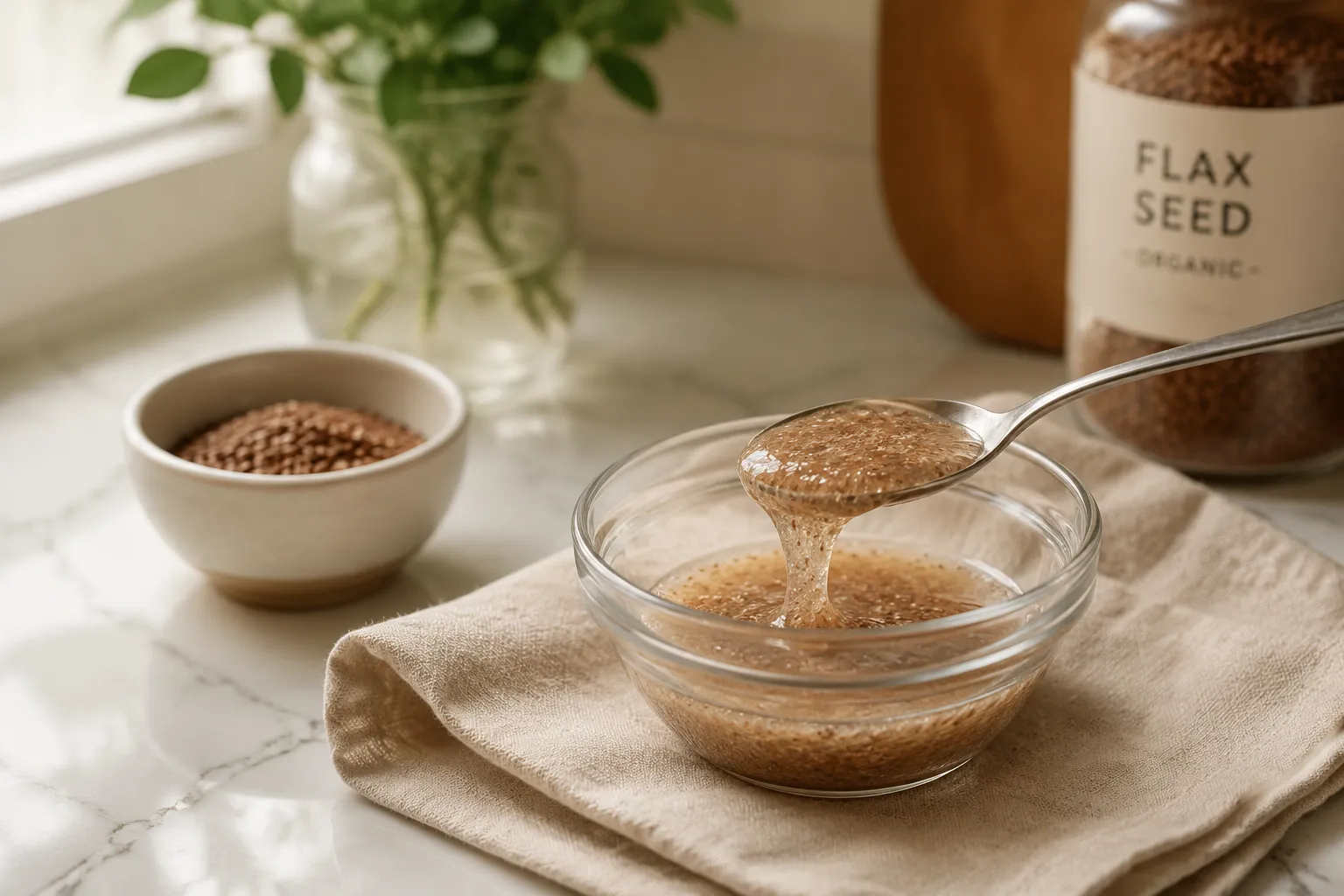
If you are new to plant-based baking, you might be wondering what exactly this concoction is. Simply put, it is a mixture of ground flaxseed and water that has been allowed to sit and thicken. The resulting gel mimics the binding properties of a traditional chicken egg, helping to hold batters and doughs together so your baked goods do not crumble into pieces.
The magic lies in the outer coating of the flaxseed. Flaxseeds are rich in a specific type of soluble fiber called mucilage. When the seeds are ground up and exposed to liquid, this mucilage absorbs the water and swells, creating a viscous, sticky gel. This gel structure is remarkably similar to the viscosity of an egg white, which is why using flax for egg replacer duties is incredibly effective in providing structure to baked goods.
Many bakers rely on flax eggs when they are exploring vegan baking recipes or accommodating egg allergies. However, it is also one of the most practical baking substitutions you can memorize for everyday emergencies. If you are halfway through mixing a batch of muffins and realize the egg carton is empty, this trick allows you to finish the recipe without missing a beat. It is best used in hearty, dense, or chewy baked goods rather than light, airy cakes.
You might see different recipes calling for a "flaxseed egg" while others call for a shorter name. Yes, they are exactly the same thing. The terminology just varies depending on the baker. Creating a flax seeds egg requires the exact same ingredients and resting time, regardless of what the recipe author calls it.
Learning how to make a flax egg is a fundamental skill that takes less than five minutes of active kitchen time. There is no cooking required, no special equipment needed, and the process is virtually foolproof once you know the golden ratio.
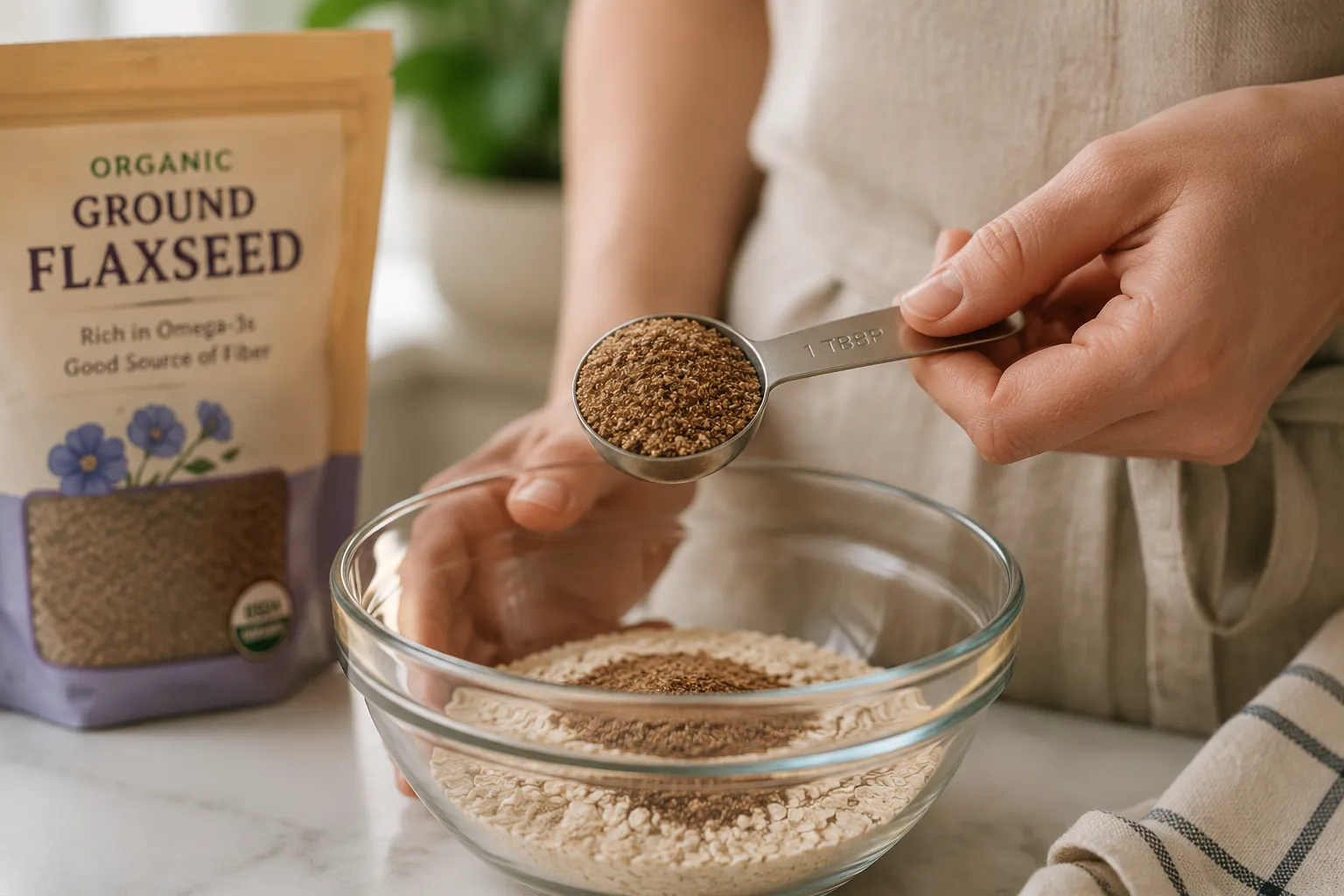
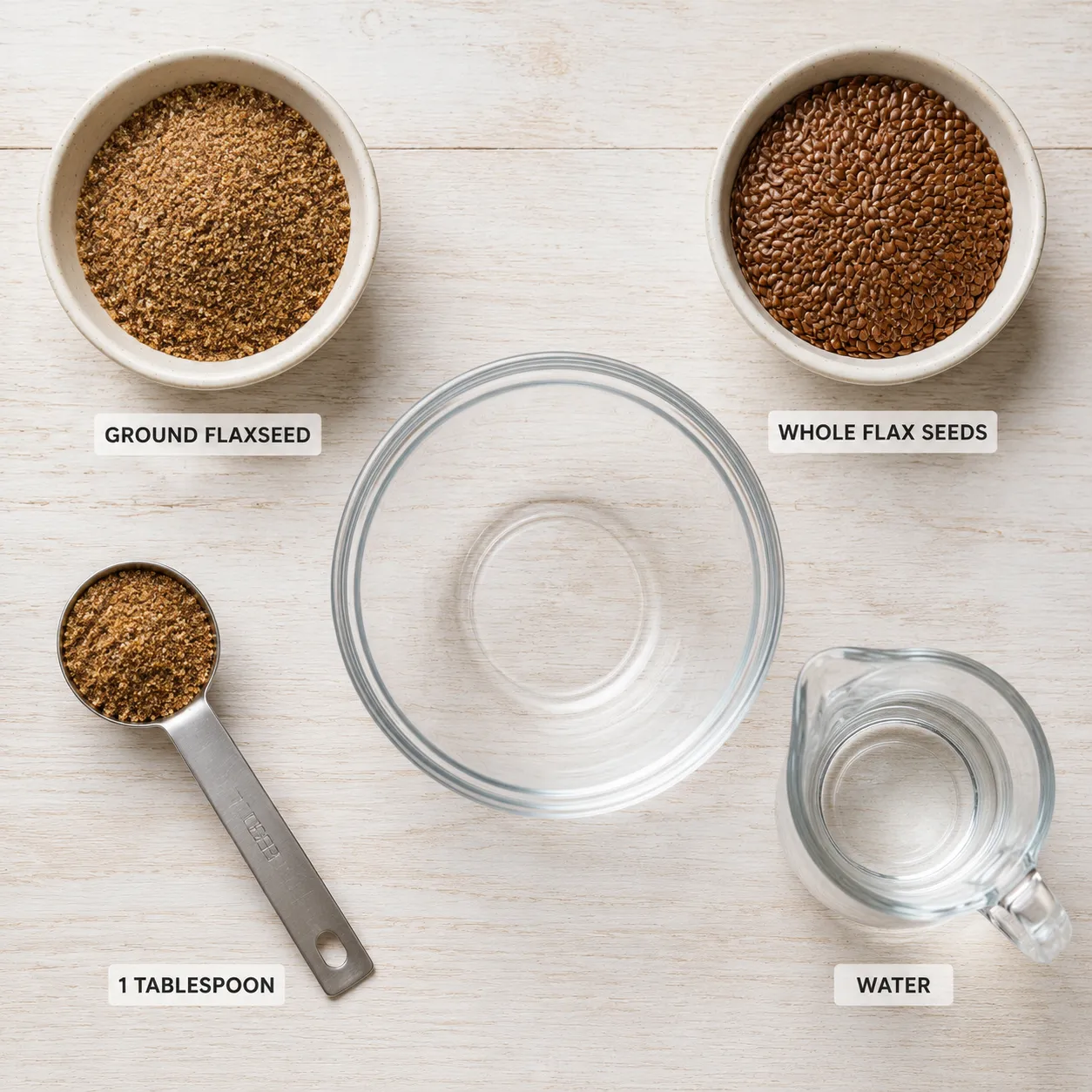
The universal ratio is one tablespoon of ground flaxseed to three tablespoons of water. This yields the equivalent of one large chicken egg. If a recipe calls for two eggs, you simply double it: two tablespoons of ground flaxseed and six tablespoons of water. Memorize this 1:3 ratio, and you will never be caught off guard.
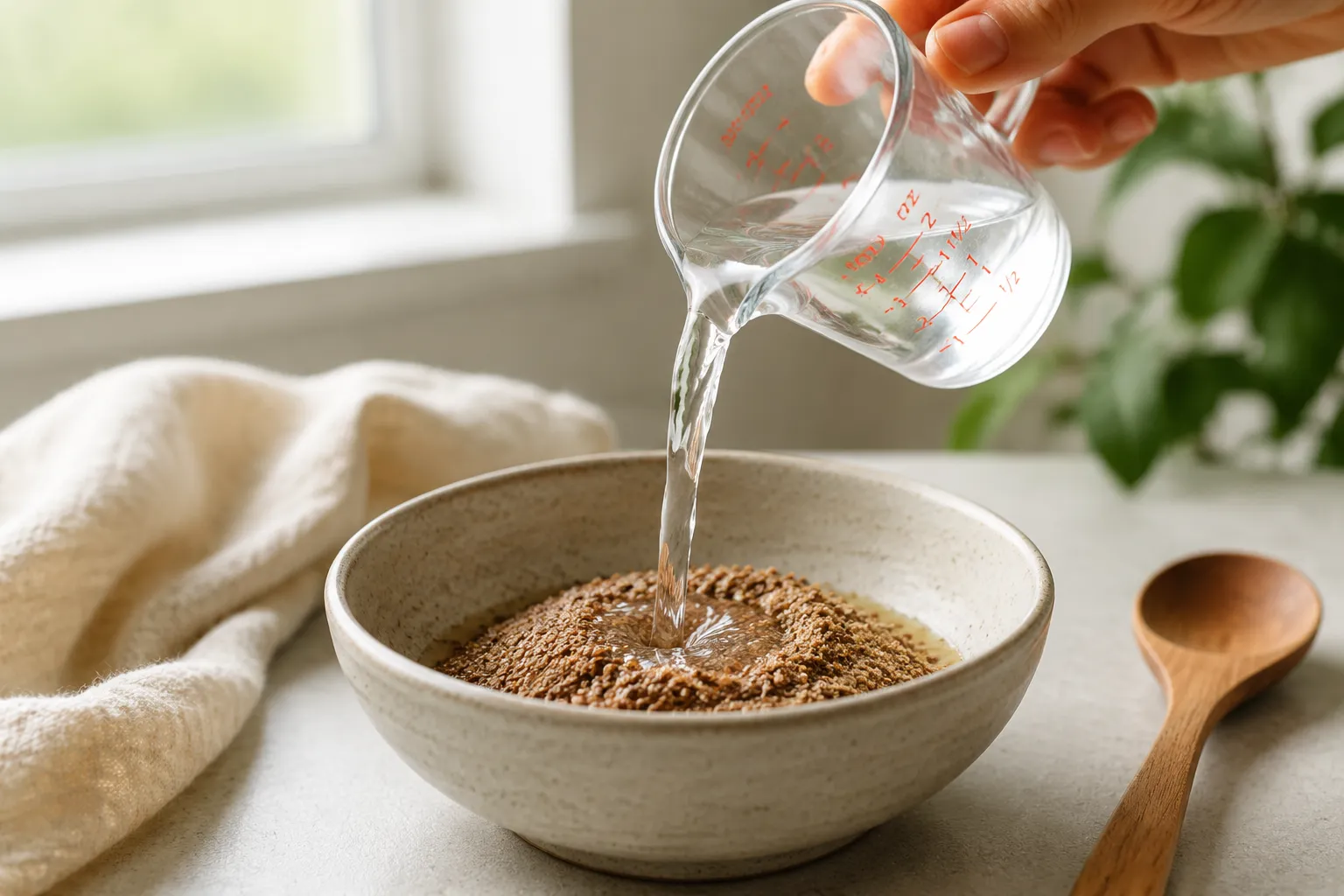
To start, measure your ground flaxseed into a small prep bowl. Pour the water directly over the top. Using a small spoon or a mini whisk, stir the mixture thoroughly until no dry spots remain. At first, it will look very thin and watery—this is completely normal. The magic happens during the resting phase.
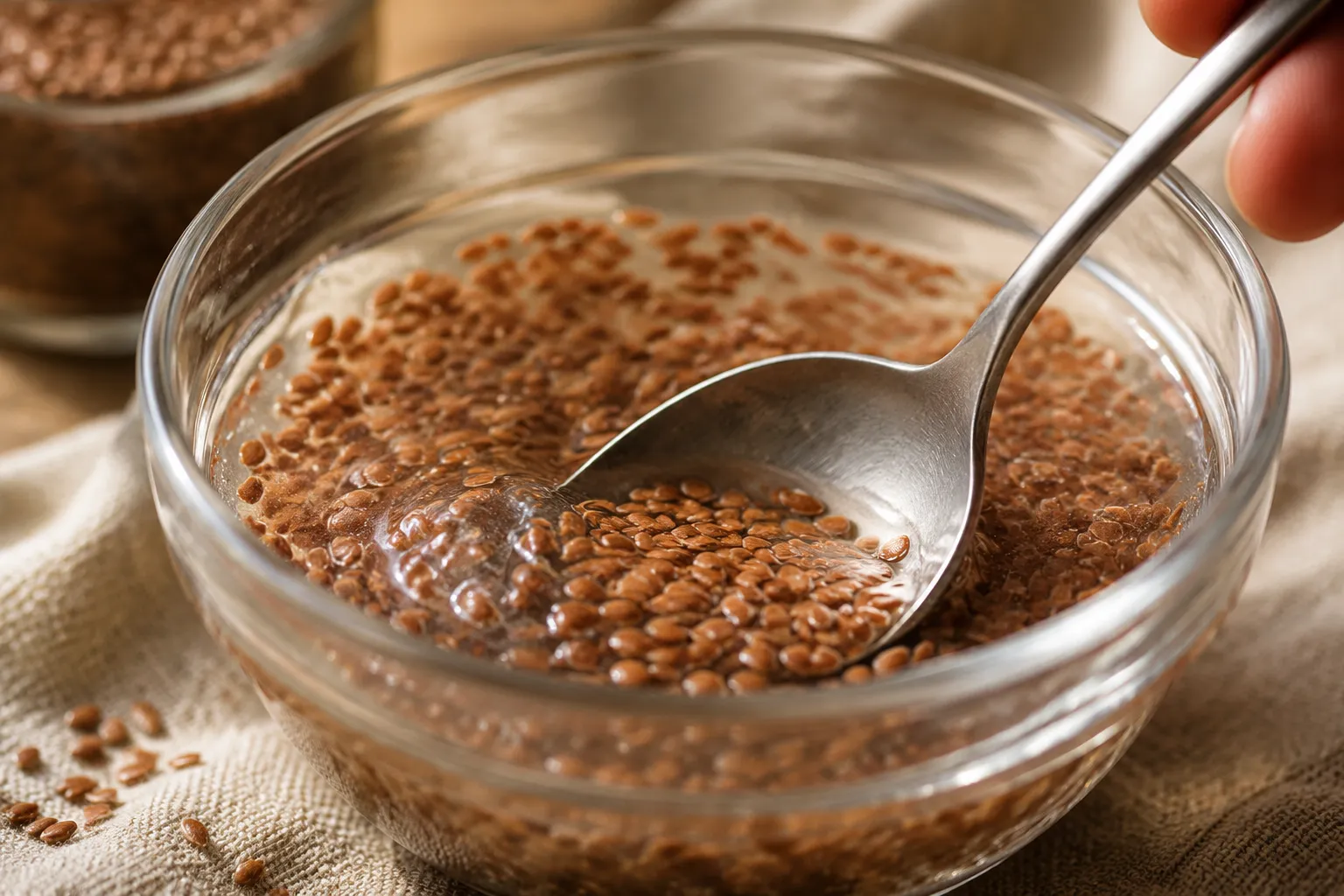
Patience is key here. You must let the mixture rest for at least 5 minutes, though 10 minutes is even better if you have the time. During this resting period, the mucilage is actively absorbing the water. If you rush the process and add the mixture to your batter too soon, it will not have developed the necessary binding power, and your baked goods may turn out crumbly.
While this is a fantastic ingredient, it is not a perfect 1:1 swap for every single recipe in your cookbook. Understanding where it shines—and where it falls flat—is the secret to successful egg-free baking.
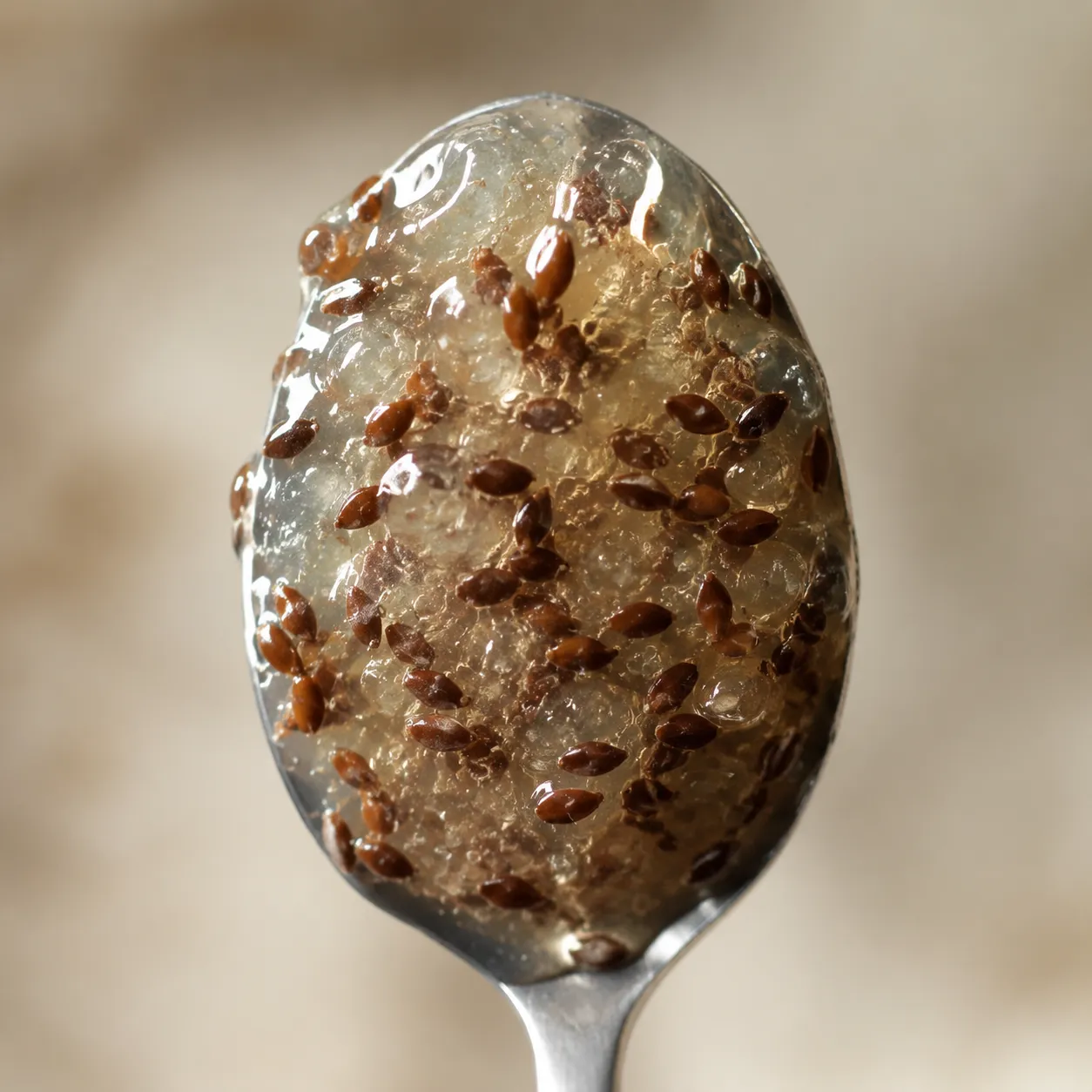
This flax egg substitute binds everything perfectly in recipes that are naturally dense, chewy, or hearty. It is phenomenal in banana bread, oatmeal cookies, bran muffins, and brownies. It also works beautifully for whipping up easy vegan pancakes on a Sunday morning, adding a lovely wholesome texture to the batter.
Look for recipes that only require one or two eggs. In these formulas, the egg is primarily acting as a binder (holding things together) or providing a little bit of moisture. Hearty morning glory muffins, rustic whole-wheat waffles, and dairy-free breakfast ideas that rely on oats or whole grains are prime candidates. The subtle, earthy flavor of the flax complements these ingredients perfectly.
A standard flaxseed egg behaves differently than a chicken egg when it comes to leavening (rising) and structure-building. It cannot trap air, so it will not whip into stiff peaks. Therefore, you should never use it for meringues, angel food cake, soufflés, or delicate sponge cakes. Additionally, if a recipe calls for four or more eggs (like a quiche or a large pound cake), using flax will likely result in a heavy, gummy, and dense final product.
The quality and format of the seeds you use will directly impact the success of your binder. Not all flax is created equal when it comes to baking.
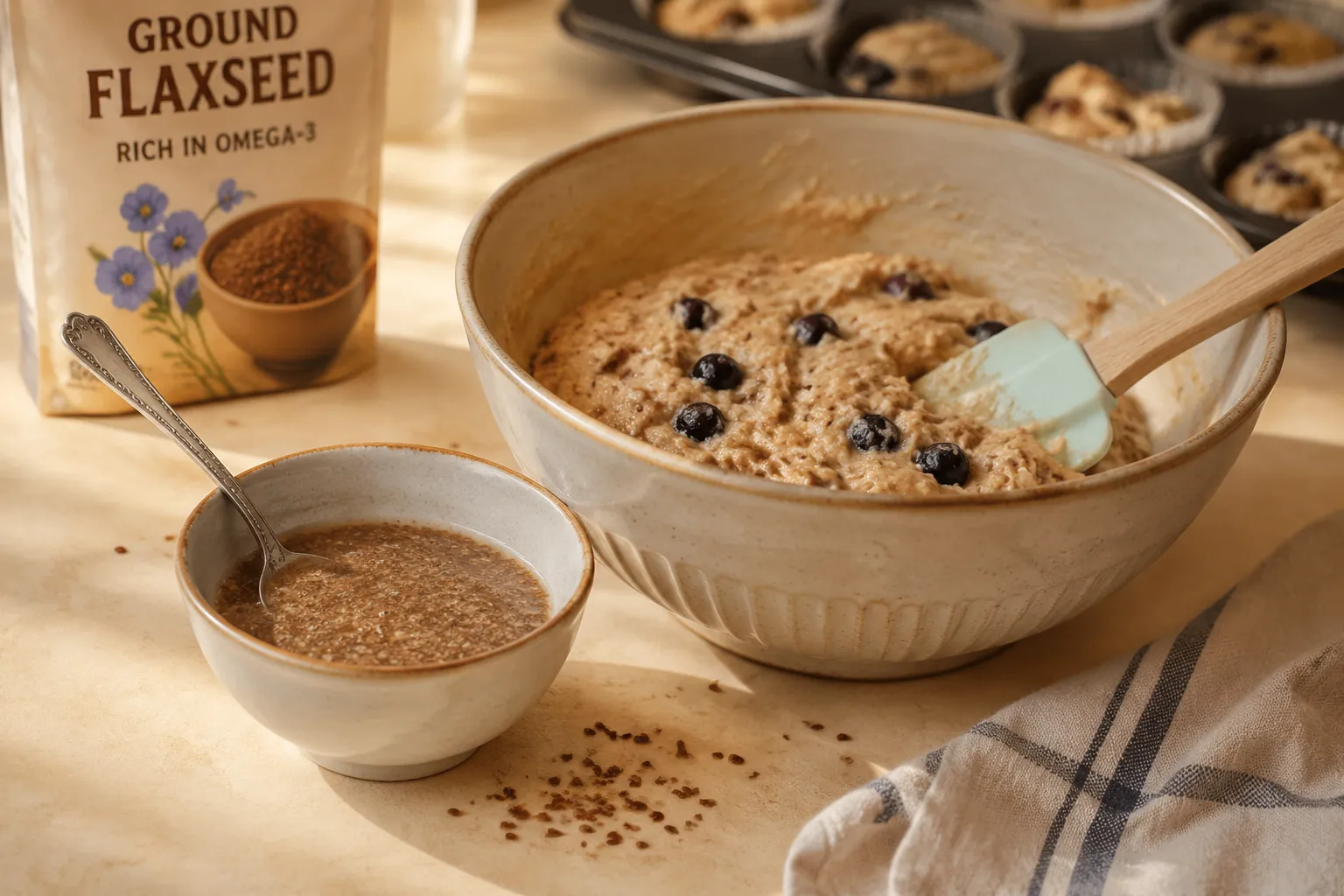
You will typically find two varieties at the grocery store: brown and golden. Nutritionally and functionally, they are identical. They will both gel beautifully. The difference lies entirely in color and a slight variation in flavor. Golden flaxseed is milder and lighter in color, making it ideal for light-colored baked goods like sugar cookies or lemon muffins. Brown flaxseed has a slightly more robust, nutty flavor and will leave visible dark specks in your batter.
This is the most critical rule: you must use ground flaxseed. If you try to mix whole seeds with water, they will just float there. The hard outer shell of the seed prevents the water from reaching the mucilage inside. A properly mixed flax seed egg provides binding power only because the seeds have been milled, exposing the interior fibers to the liquid.
For a seamless flax egg replacement in your favorite treats, the grind should be as fine as possible—similar to the texture of almond flour or cornmeal. If the grind is too coarse, the gel won't be as strong, and you will end up with a gritty texture in your finished cookies or muffins.
Even with a process this simple, occasional hiccups can happen. Here is how to troubleshoot common issues so you always get perfect results.
If your flaxseed egg sub looks too watery after ten minutes of resting, a few things might have gone wrong. First, check your ratio—did you accidentally use too much water? Second, ensure your flaxseed is finely ground; coarse meal absorbs water poorly. Finally, older, stale ground flaxseed can lose its gelling power over time. If your ground flax has been sitting in a warm pantry for a year, it might be time for a fresh bag.
When preparing flax eggs for baking, remember the simple math. For two eggs: 2 tablespoons flax + 6 tablespoons water. For three eggs: 3 tablespoons flax + 9 tablespoons water (which is just over half a cup). Mix them all together in one bowl; there is no need to make them in separate little dishes.
Keep this basic flax eggs recipe memorized, but always be aware of how it alters your final dish. Baked goods made with this substitute tend to be slightly denser and chewier than those made with chicken eggs. You will also notice a mild, earthy, graham-cracker-like flavor. Visually, especially if using brown flax, expect charming little speckles throughout your crumb.
If you don't have ground flaxseed on hand, there are a few other excellent plant-based binders you can use with similar success in dense baked goods.
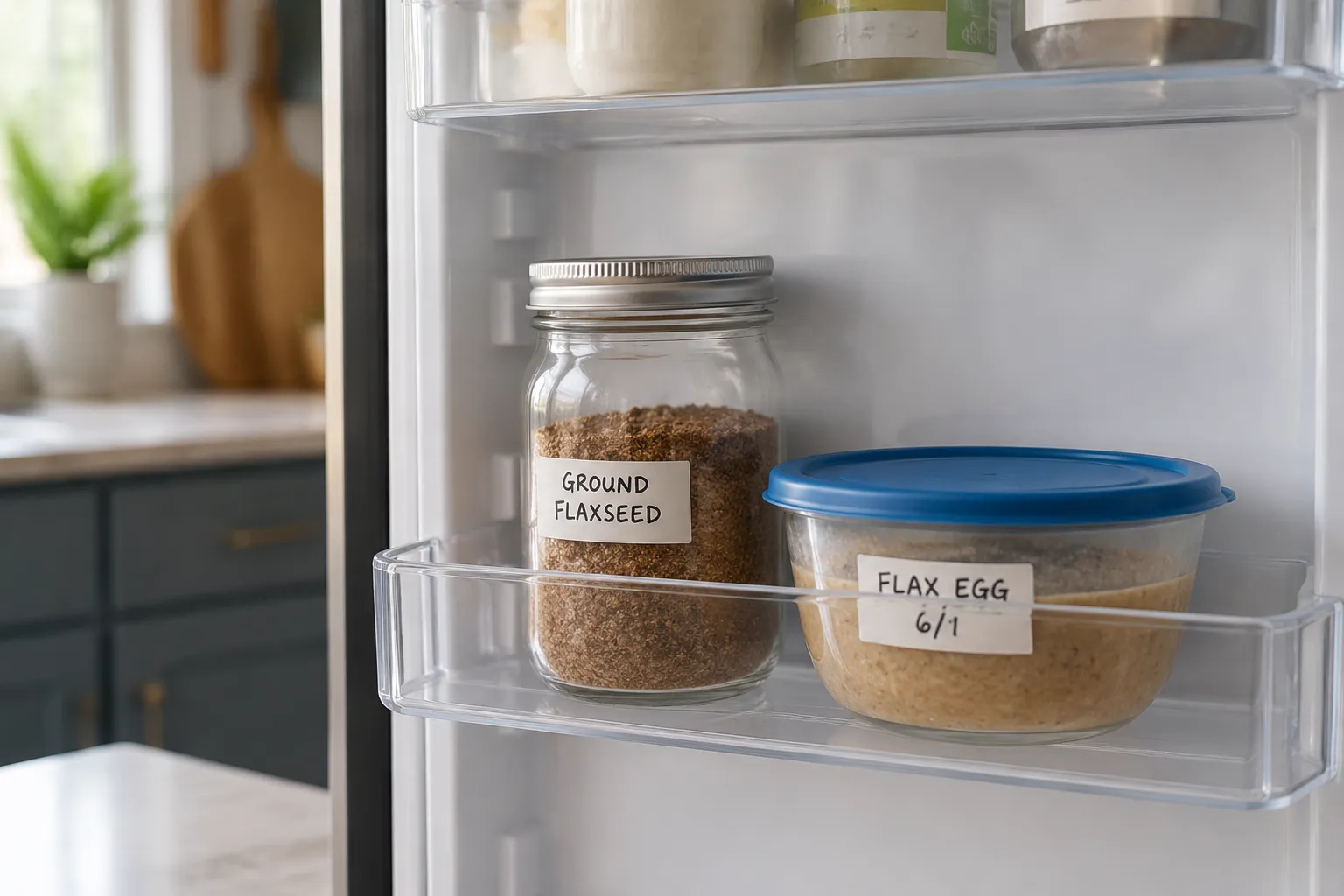
If you like to prep ahead, you can absolutely make your flax mixture in advance. Mix the ground flaxseed and water in an airtight container and store it in the refrigerator for up to 24 hours. The mixture will become quite thick and gelatinous as it chills. When you are ready to bake, let it sit on the counter for a few minutes to take the chill off before adding it to your room-temperature batters.
As for the dry ingredients, ground flaxseed is highly perishable due to its natural oils. It is prone to oxidation and can go rancid quickly if left in a warm pantry. Always store your bag of ground flaxseed (or your whole seeds) in an airtight jar in the refrigerator or freezer. Kept cold, ground flaxseed will stay fresh for up to six months. If your prepared gel smells sour, fishy, or bitter, the oils have gone rancid and you should discard the mixture immediately.