Egg Substitute Guide: 15 Best Swaps for Baking & Cooking
Ingredients
Scale
Out of eggs or going vegan? This egg substitute guide breaks down 15 tested swaps with exact ratios, so your bakes and savory dishes turn out perfect every time.
There's a particular kind of kitchen panic that hits when you're elbow-deep in cookie dough and realize the egg carton is empty. Or your toddler suddenly has a new allergy. Or you've decided to bake a vegan birthday cake and have absolutely no idea what to use instead. The right egg substitute can save the entire bake, but only if you know which one to grab and how much to use.
This guide breaks down the 15 best swaps tested in real home kitchens, with exact US measurements, recipe-type recommendations, and a printable cheat sheet at the end. We'll cover everything from a classic flax egg for muffins to whipped aquafaba for meringues, so you can match the right swap to the job in seconds.
The secret isn't memorizing every option. It's understanding what eggs actually do in a recipe (binding, lifting, moistening, browning) so you can pick a swap that mimics the right function. Once you have that mental model, egg-free baking stops being intimidating and starts feeling like a clever kitchen hack.
Egg-free baking isn't just for vegans anymore. Roughly 2 percent of US children have an egg allergy, and even adults occasionally develop sensitivities, so having a reliable egg substitute on hand is genuinely useful for any home cook. Religious dietary practices, cholesterol concerns, and plant-based eating have all pushed egg replacements into the mainstream, and most major grocery stores now stock JUST Egg and Bob's Red Mill replacer right next to the conventional cartons.
Plant-based baking has its own loyal following thanks to the rise of vegan baking and dairy-free baking communities online. Whether you're testing out a fully plant-based lifestyle or just want to nail vegan baking basics for a friend with dietary restrictions, knowing your swaps frees you up to bake almost anything.
And then there's the most relatable scenario of all: you're halfway through a recipe, the bowl of dry ingredients is ready, and the last egg in the fridge cracks itself onto the floor. We've all been there. The substitutes in this guide use pantry staples like flax, applesauce, banana, or even a splash of vinegar, so you can almost always rescue the recipe without a trip to the store.
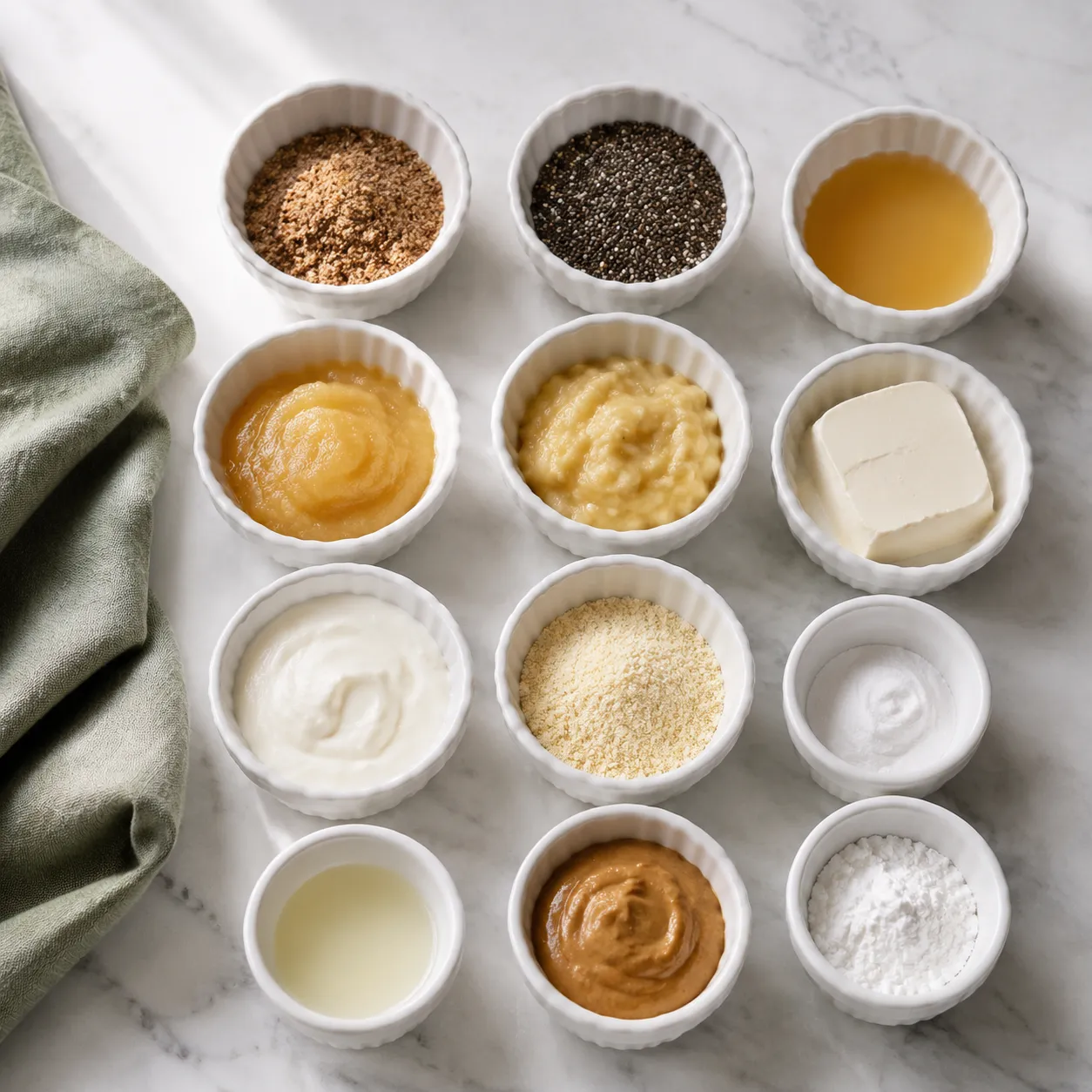
Before swapping in any egg substitute, it helps to know what job the egg was hired to do. In most baked goods, an egg performs four functions at once, and the best replacement depends on which one matters most for your recipe.
Binding is the most common role. The proteins in egg whites coagulate during baking and hold ingredients together, which is why a binding agent like flax, chia, or silken tofu is the go-to swap for cookies, brownies, and meatballs. Without a good binder, your bake will crumble the moment you slice it.
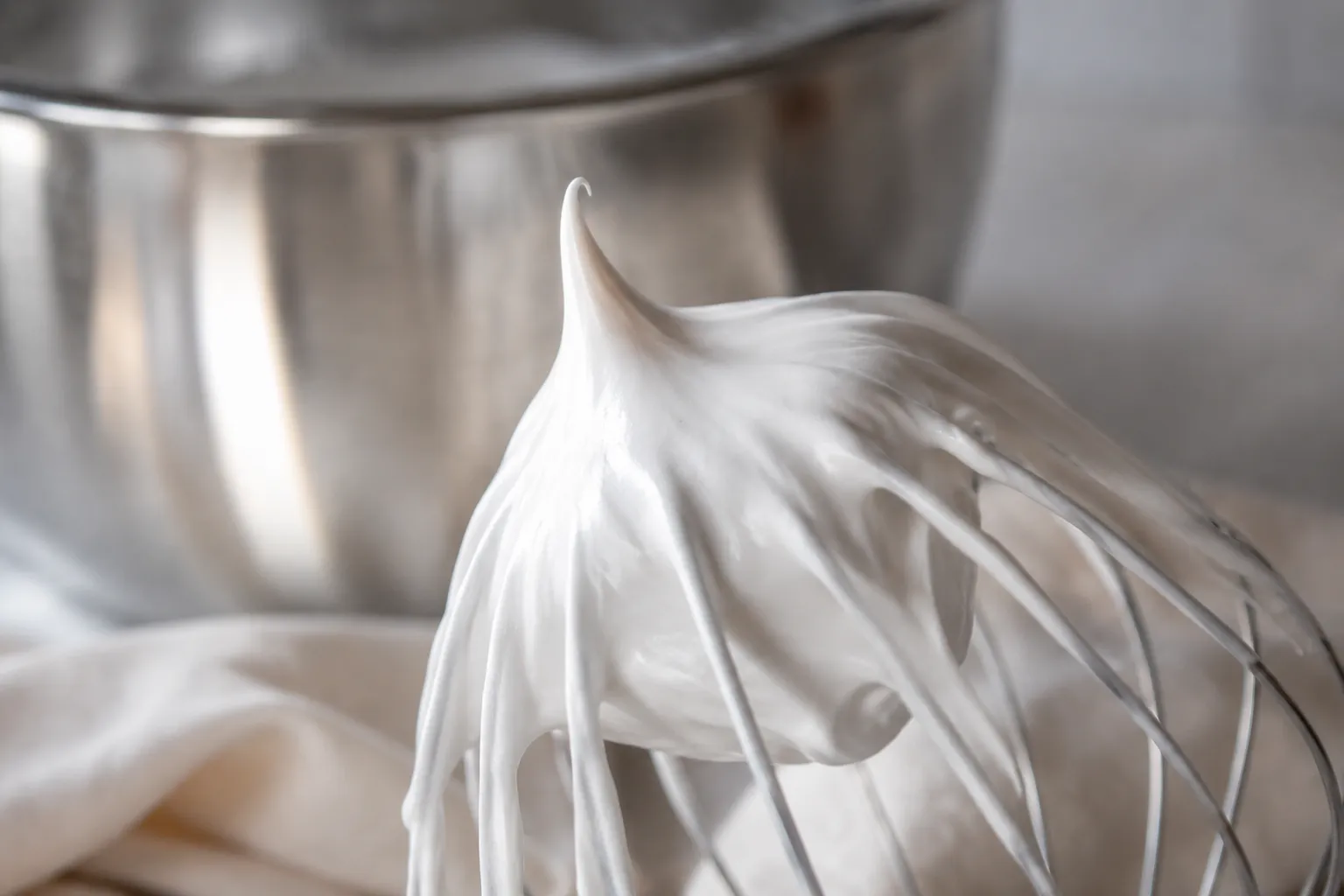
Lift comes from the air whipped into eggs and the steam they release in the oven. This is why aquafaba, the liquid drained from a can of chickpeas, is the magic ingredient for meringues, mousses, and angel food cakes. It whips up almost identically to fresh egg whites.
Moisture and richness come from the yolk, which is roughly half water and half fat. Fruit purées like applesauce and mashed banana shine here, especially in muffins and quick breads where extra moisture is welcome and a touch of fruity sweetness blends right in.
Eggs help baked goods set with a tender crumb and contribute to that glossy, golden top. When you go egg-free, expect slightly paler bakes. A quick brush of plant milk or maple syrup before baking helps the surface brown beautifully.
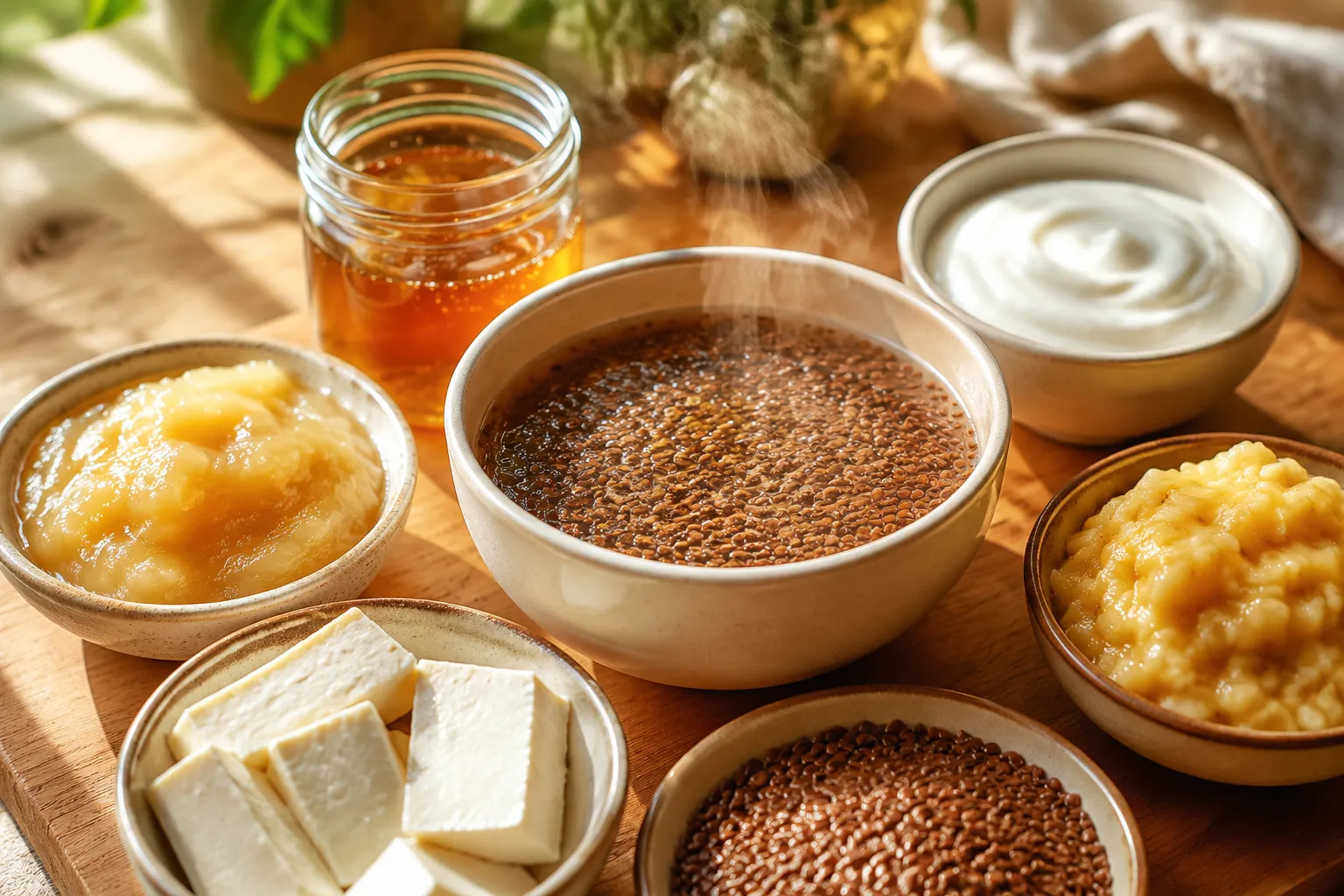
Here are the swaps that consistently deliver, ranked by how often they earn a spot in my kitchen. Each one assumes 1 egg equals one portion of substitute, so scale up proportionally for recipes that call for two or three eggs.
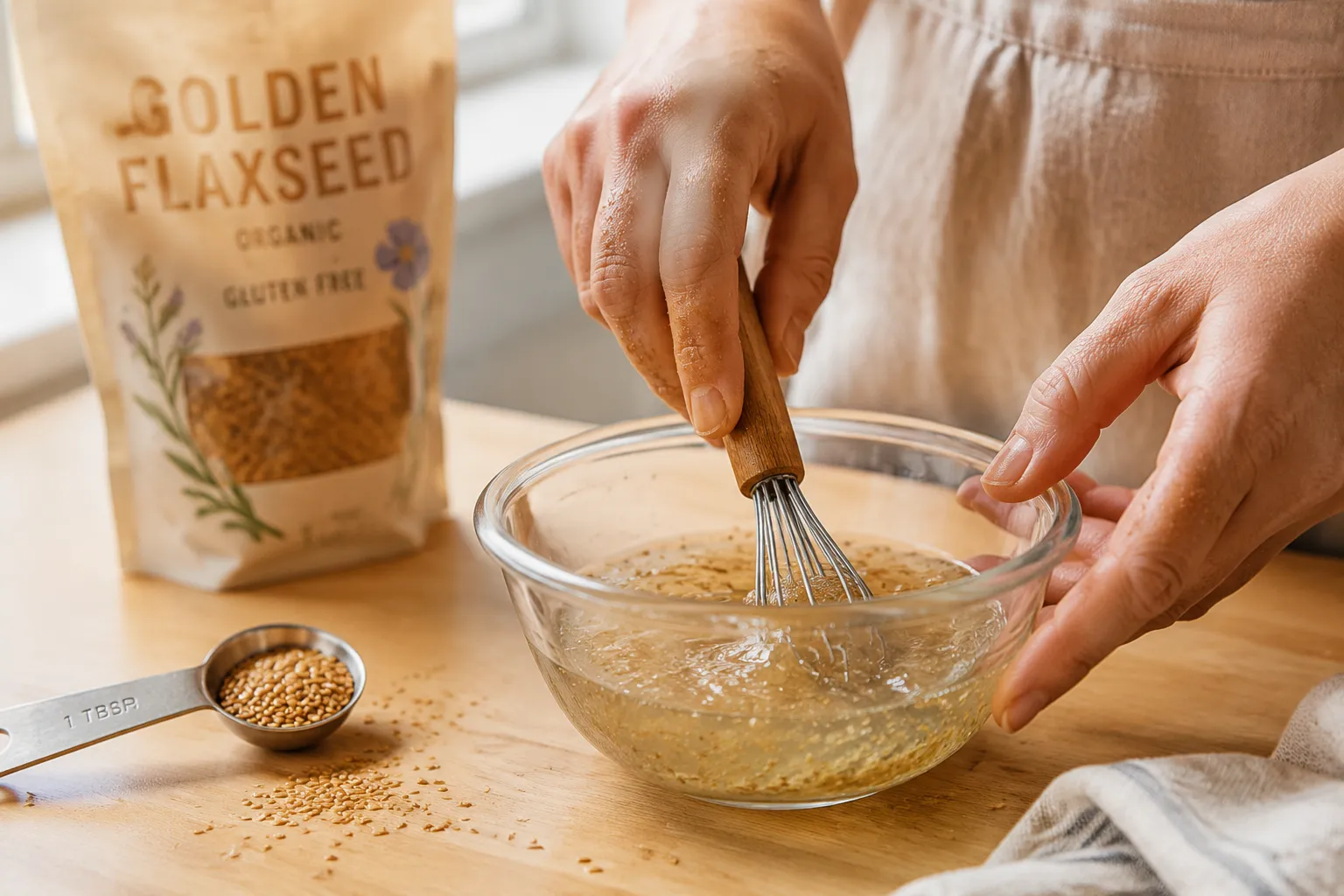
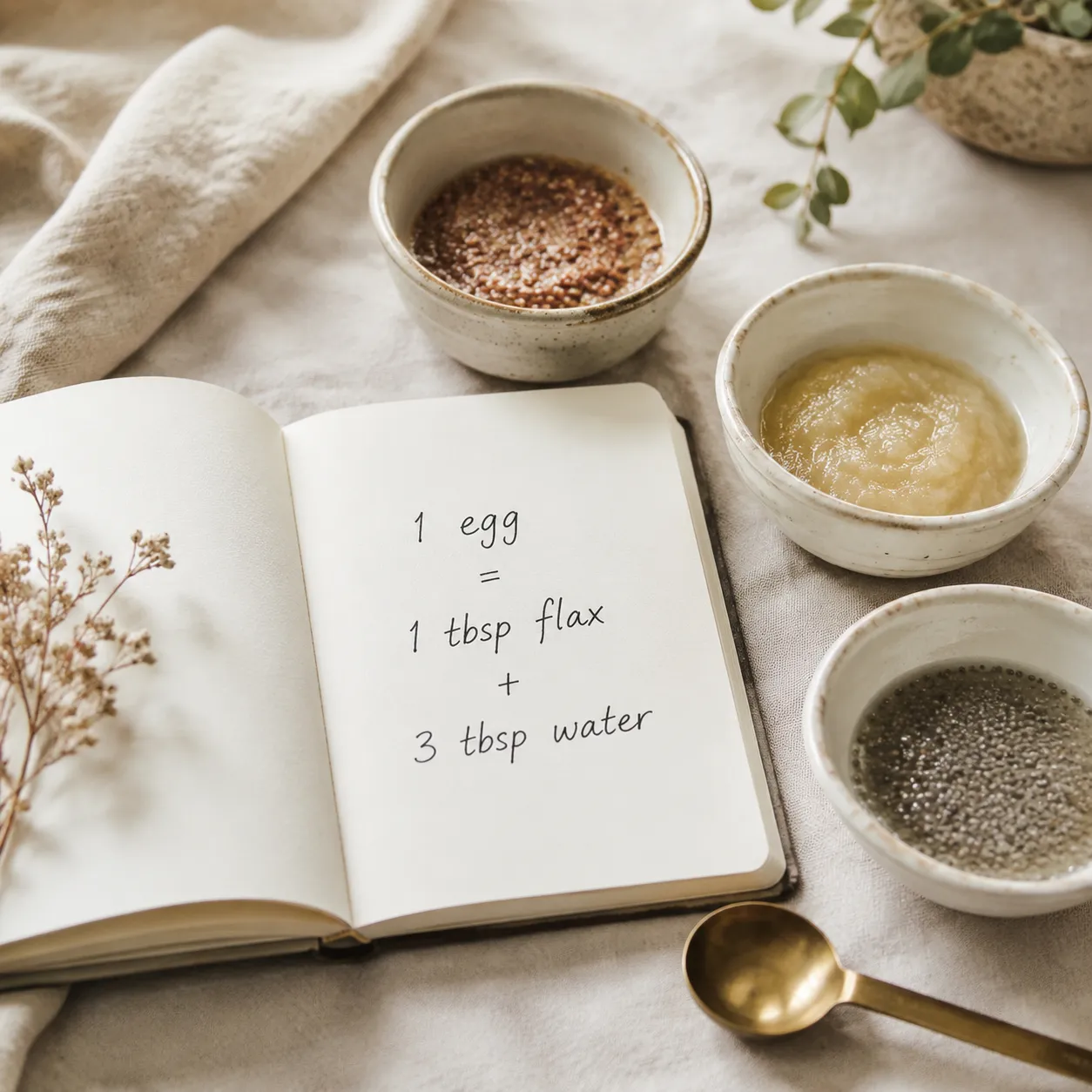
The undisputed workhorse. Stir 1 tablespoon of finely ground flaxseed into 3 tablespoons of warm water and let it sit for 5 minutes until it gels. The flax egg has a faint nutty flavor that disappears in chocolate, banana, oat, and whole-grain bakes. Use it in cookies, brownies, muffins, pancakes, and quick breads. It binds beautifully but doesn't add lift, so skip it for delicate cakes.
A chia egg works on the same principle: ground chia seeds form a gel when hydrated, mimicking the binding action of a real egg. The flavor is even more neutral than flax, and the texture is a touch firmer. Use it interchangeably in cookies, energy bars, and pancakes. Whole chia seeds work too but leave little black specks throughout the bake.
The water from a can of chickpeas is the gold standard for replacing whole eggs and especially egg whites. Use 3 tablespoons of aquafaba for one whole egg, 2 tablespoons for one yolk, and 2 tablespoons for one white. Whip it with a hand mixer for 5 to 8 minutes and it forms glossy peaks identical to a meringue.
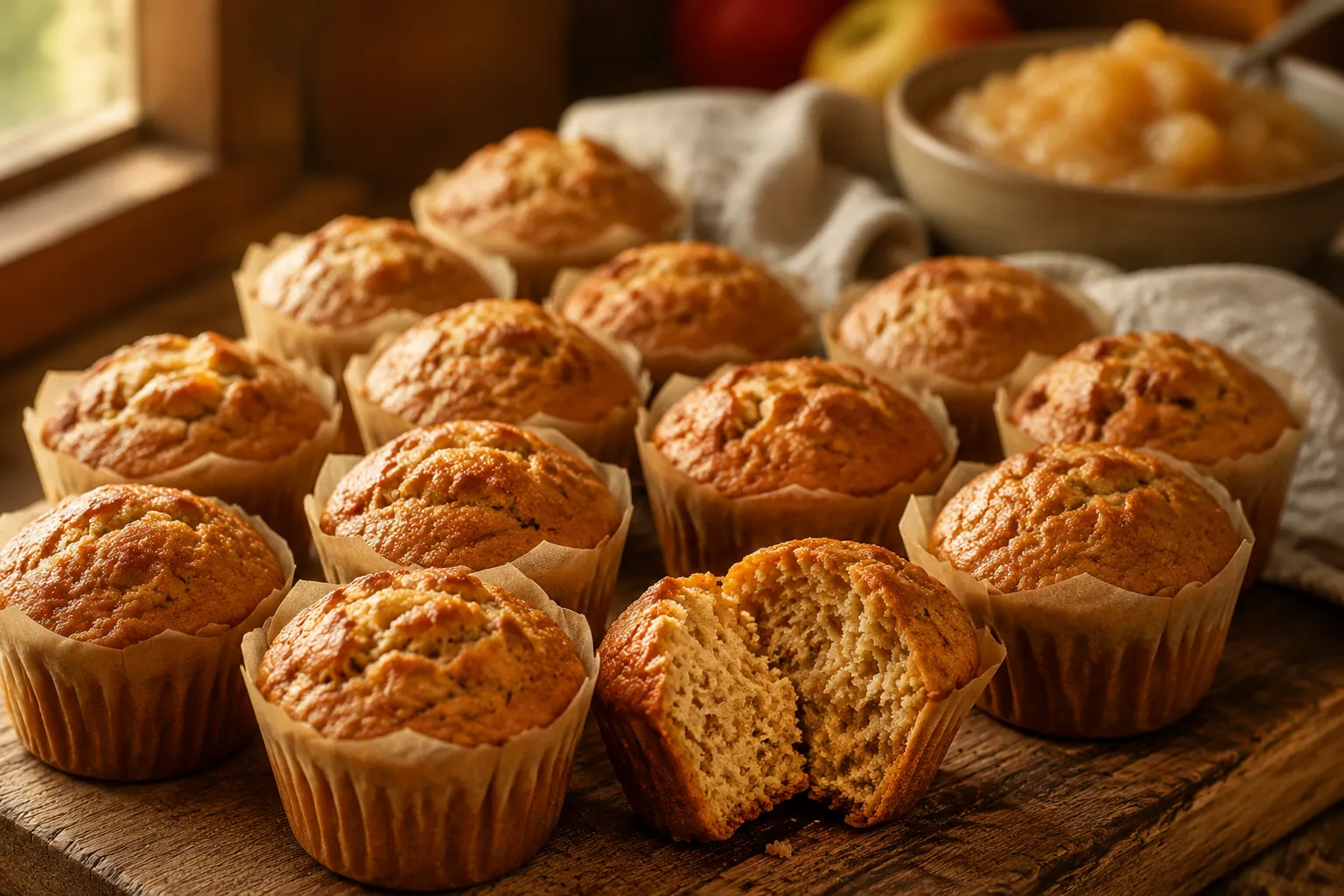
Use 1/4 cup of unsweetened applesauce per egg. It's the queen of moist bakes (muffins, brownies, banana bread, snack cakes) and adds almost no flavor when used in moderate amounts. Using applesauce in baking can make the final bake denser, so pair it with an extra 1/4 teaspoon of baking powder when the recipe needs lift.
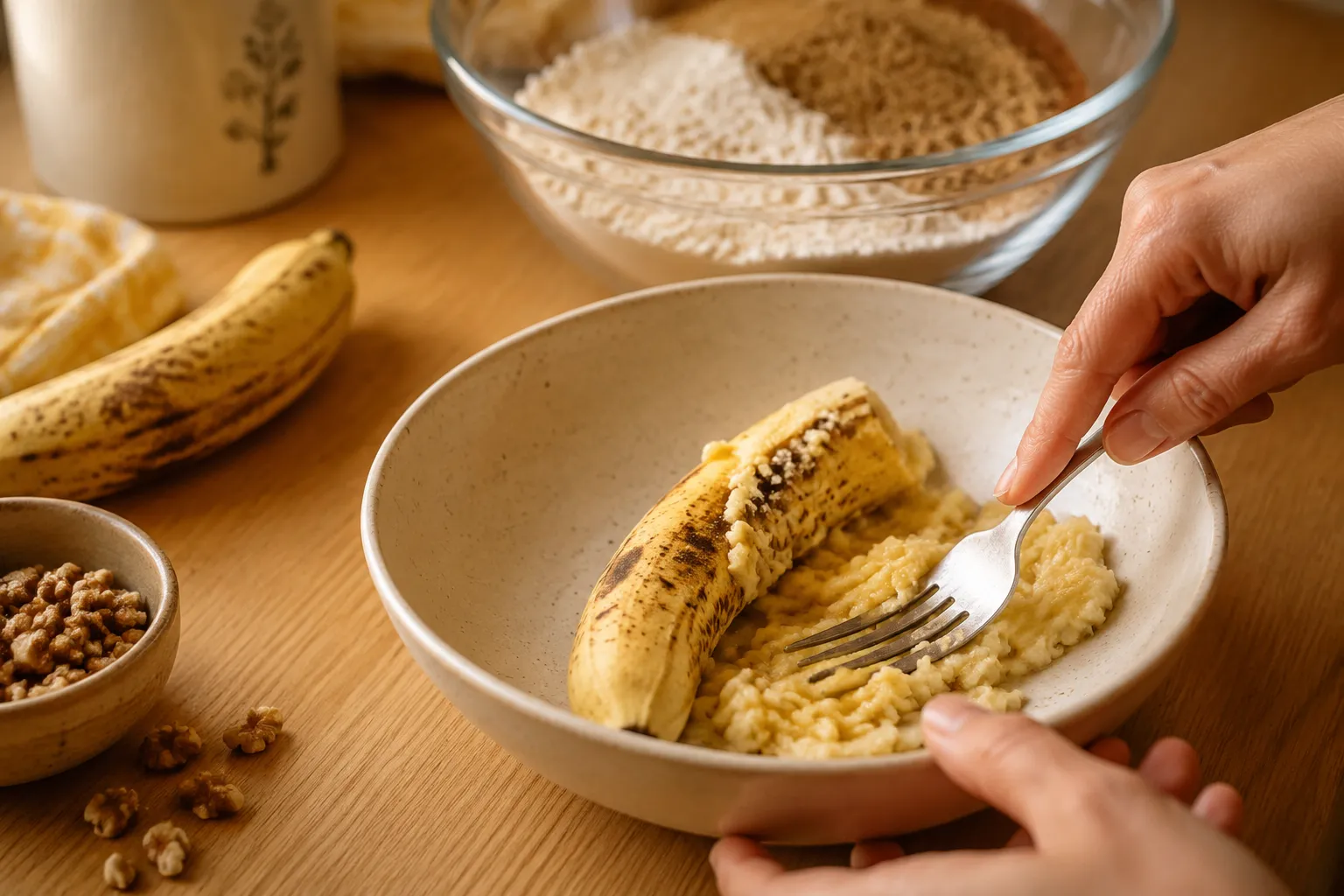
A small ripe banana yields about 1/4 cup mashed, the perfect single-egg portion. Banana adds noticeable flavor, so save it for chocolate, oat, peanut butter, and (obviously) banana-based bakes. It is not the substitute for a delicate vanilla layer cake.
Blend 1/4 cup of silken tofu until completely smooth and stir it into your wet ingredients. It is flavor-neutral, high in protein, and works wonders in dense, fudgy bakes like brownies and cheesecakes. It's also the best option for savory recipes like quiche, frittata, and crustless veggie bakes.
Both add tang, tenderness, and a little lift, especially in cakes and pancakes. Greek yogurt is thicker and richer; buttermilk is lighter and keeps batters pourable. For anyone exploring dairy-free baking, unsweetened plant-based yogurts work just as well, with coconut and soy versions being particularly reliable.
Powdered options like Bob's Red Mill Egg Replacer and Ener-G mix with water and behave like a neutral binder. JUST Egg, the liquid mung bean product, scrambles, omelets, and binds in savory recipes almost exactly like the real thing. These are the most foolproof egg replacer options if you bake egg-free regularly.
Combine 1 teaspoon of baking soda with 1 tablespoon of white or apple cider vinegar. It fizzes furiously and adds dramatic lift to cakes, cupcakes, and quick breads that need air without binding. Stir it in last and get the batter into the oven quickly before the bubbles deflate.
Round out your toolkit with these honorable mentions: 3 tablespoons of peanut or almond butter add richness in cookies and bars; 1/4 cup of carbonated water lifts pancakes and waffles; 3 tablespoons of pumpkin or sweet potato purée act like applesauce with extra body; 1 tablespoon cornstarch plus 3 tablespoons water creates a quick slurry binder; 2 tablespoons arrowroot plus 3 tablespoons water works for grain-free recipes; and 3 tablespoons of vegan mayo (yes, really) bring richness to muffins and dense loaf cakes.
For chewy chocolate chip cookies, reach for a flax egg or 3 tablespoons of nut butter. For fudgy brownies, applesauce or silken tofu locks in that gooey center. Expect cookies to spread slightly less and bake about 1 to 2 minutes faster than the original recipe calls for.
Whipped aquafaba and the baking soda + vinegar combo are your best friends here. They deliver lift and structure without weighing the batter down. For dense pound cakes, blended silken tofu yields a luxurious crumb that holds up to frosting.
Banana bread, zucchini muffins, pumpkin loaves, and cornbread all thrive with applesauce, mashed banana, or yogurt. The extra moisture is a feature, not a bug, and the dense crumb of a quick bread hides any textural quirks.
A single flax egg or 1/4 cup of carbonated water transforms morning pancakes into something genuinely fluffy. The carbonated water trick is a sleeper hit because the fizz creates a notably tender stack with crisp edges.
For meatballs and meatloaf, mix 2 tablespoons of breadcrumbs with 2 tablespoons of plant milk per egg as a binder. For breading station coatings, plant milk plus a tablespoon of cornstarch helps the crust adhere. For quiche, blended silken tofu with a pinch of turmeric for color and black salt for that eggy sulfur note is uncanny.

Here's the at-a-glance ratio chart, designed to be screenshot-friendly and stuck on the fridge.
When a recipe calls for three or more eggs, mix and match rather than tripling a single substitute. Three flax eggs in one cake will taste muddy and feel gummy. Try one flax egg for binding, one applesauce for moisture, and one round of aquafaba for lift. This combo mirrors the multitasking nature of real eggs and yields the best texture in cakes and rich quick breads.
Banana is delicious in banana bread, less so in your daughter's vanilla birthday cake. Match the flavor profile of your substitute to the recipe. Neutral options like aquafaba, silken tofu, or commercial replacers belong in vanilla, almond, or lemon bakes where banana would announce itself loudly.
A flax egg needs at least 5 full minutes of rest to thicken into the gel that mimics egg whites. Skip the wait and you'll be adding raw flax water to the batter, which won't bind a thing. Make it first, then prep your other ingredients while it sits.
This is where most swaps fall apart. Custards rely on egg yolks coagulating slowly to thicken, and a flax or applesauce simply won't replicate that. Use a cornstarch slurry instead. For meringues, only whipped aquafaba comes close, and even then it needs a pinch of cream of tartar for stability.
Once you're comfortable with the basic swaps, you can layer flavor and dietary tweaks to match almost any recipe.
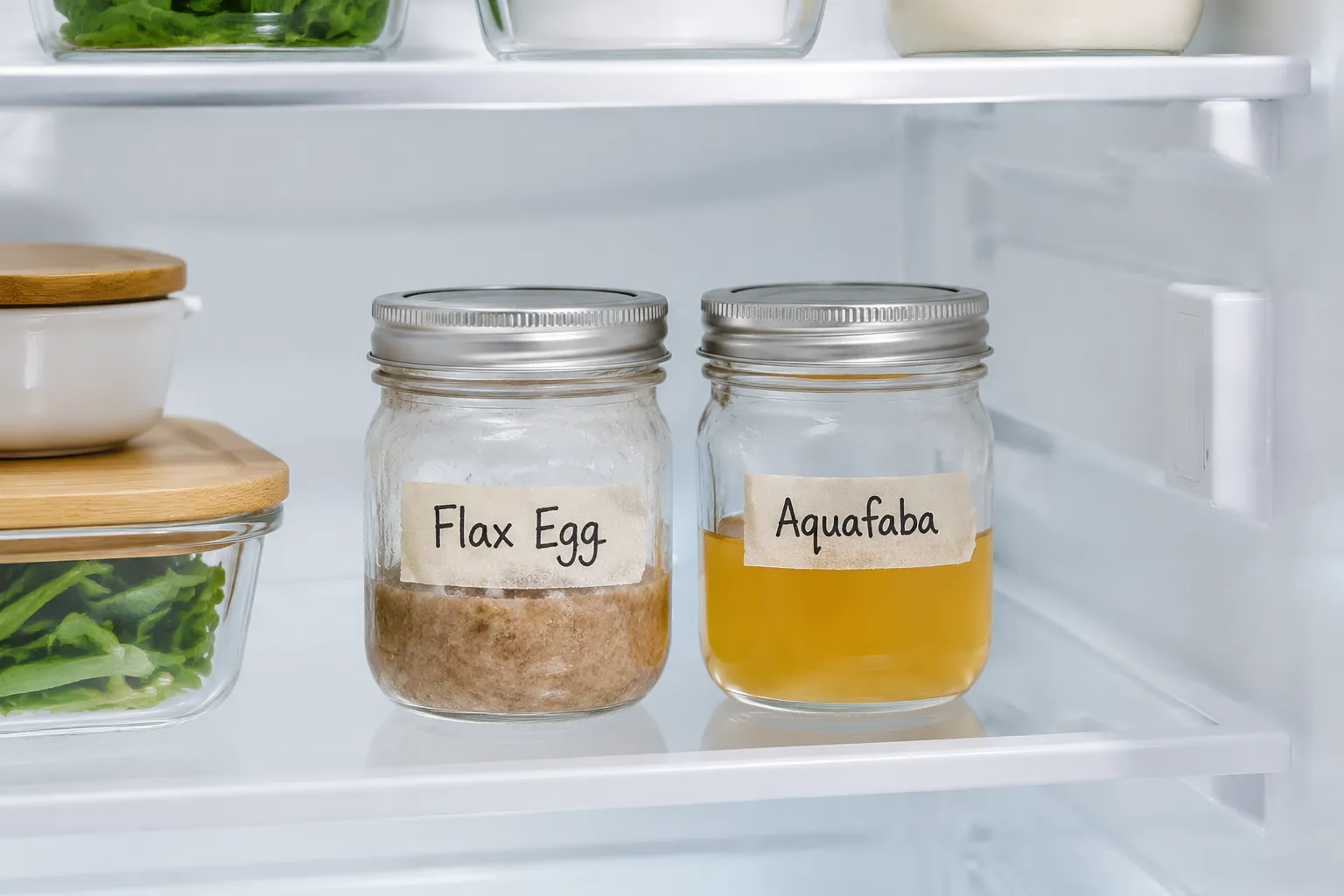
Most homemade egg replacements are best made fresh, but a few keep beautifully in the fridge. Premade flax eggs and chia eggs hold their gel for up to 5 days in a small lidded jar, though they thicken further as they sit, so loosen with a teaspoon of warm water before using. Aquafaba lasts up to 1 week refrigerated in an airtight container and freezes well in ice cube trays (each cube is roughly 1 tablespoon for easy measuring later).
Mashed banana and applesauce should be used the day they're prepped, since both oxidize and turn brown within hours. If you've baked an egg-free loaf or batch of muffins, store them in an airtight container at room temperature for up to 3 days, refrigerated for 5 days, or frozen for up to 3 months. Egg-free bakes tend to dry out faster than traditional ones, so a slice of bread or apple in the container helps preserve moisture.