Confectioners Sugar: What It Is and How to Make It at Home
Ingredients
Scale
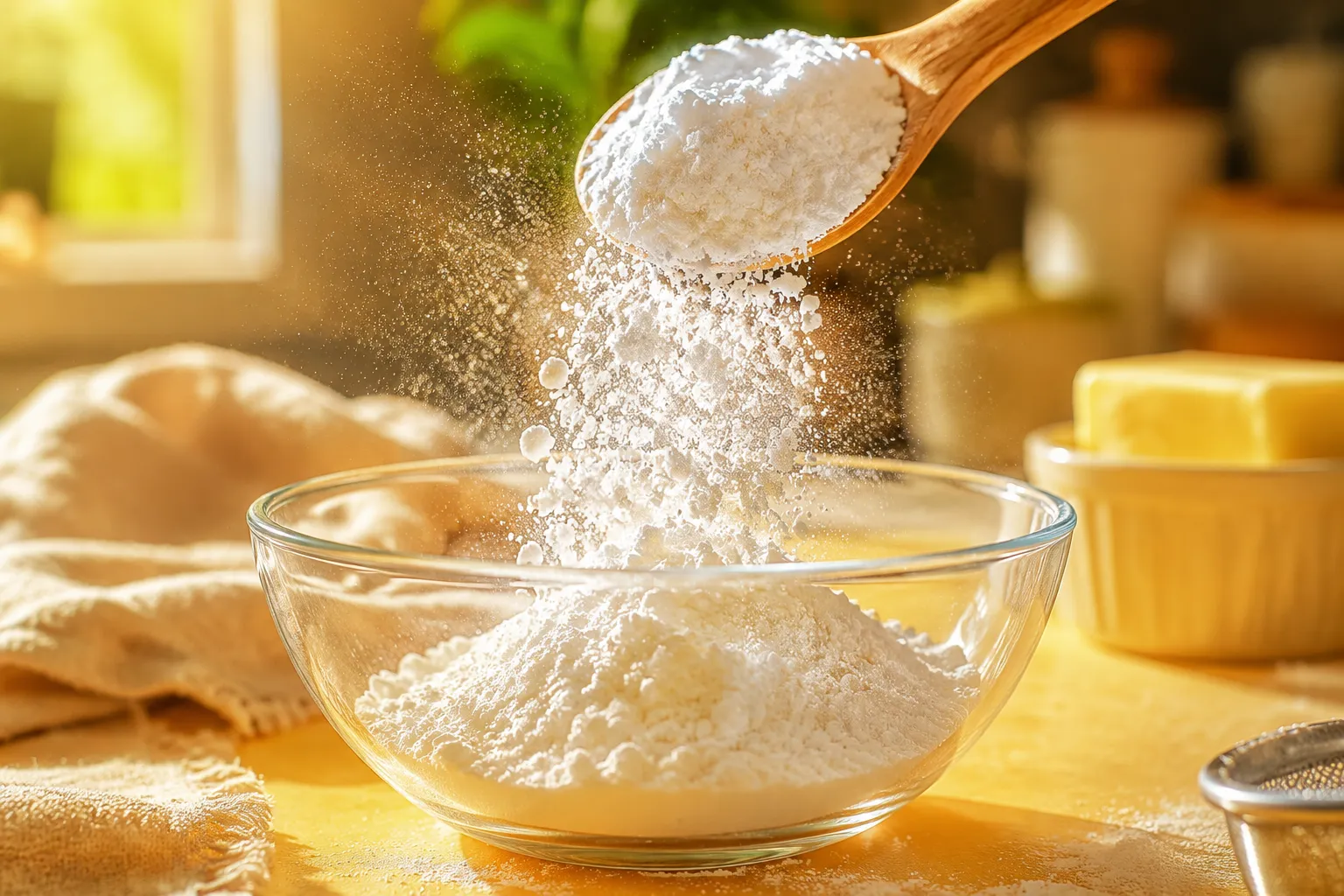
Confectioners sugar is the silky, snow-white powder behind glossy glazes and fluffy frostings. Here's what it is, when to use it, and how to make it at home in seconds.
Confectioners sugar is the soft, snowy baking staple that melts into silky frostings, glossy glazes, tender no-bake treats, and that picture-perfect dusting over brownies or lemon bars. If you have ever opened a bag labeled powdered sugar, icing sugar, or 10X sugar and wondered whether they are all the same thing, you are in exactly the right kitchen.
This guide breaks down what it is, how it compares to granulated sugar and caster sugar, and how to make a quick homemade version when you run out halfway through a recipe. It is one of those tiny pantry details that makes a huge difference, especially in buttercream frosting, royal icing, and any dessert where smooth texture matters.
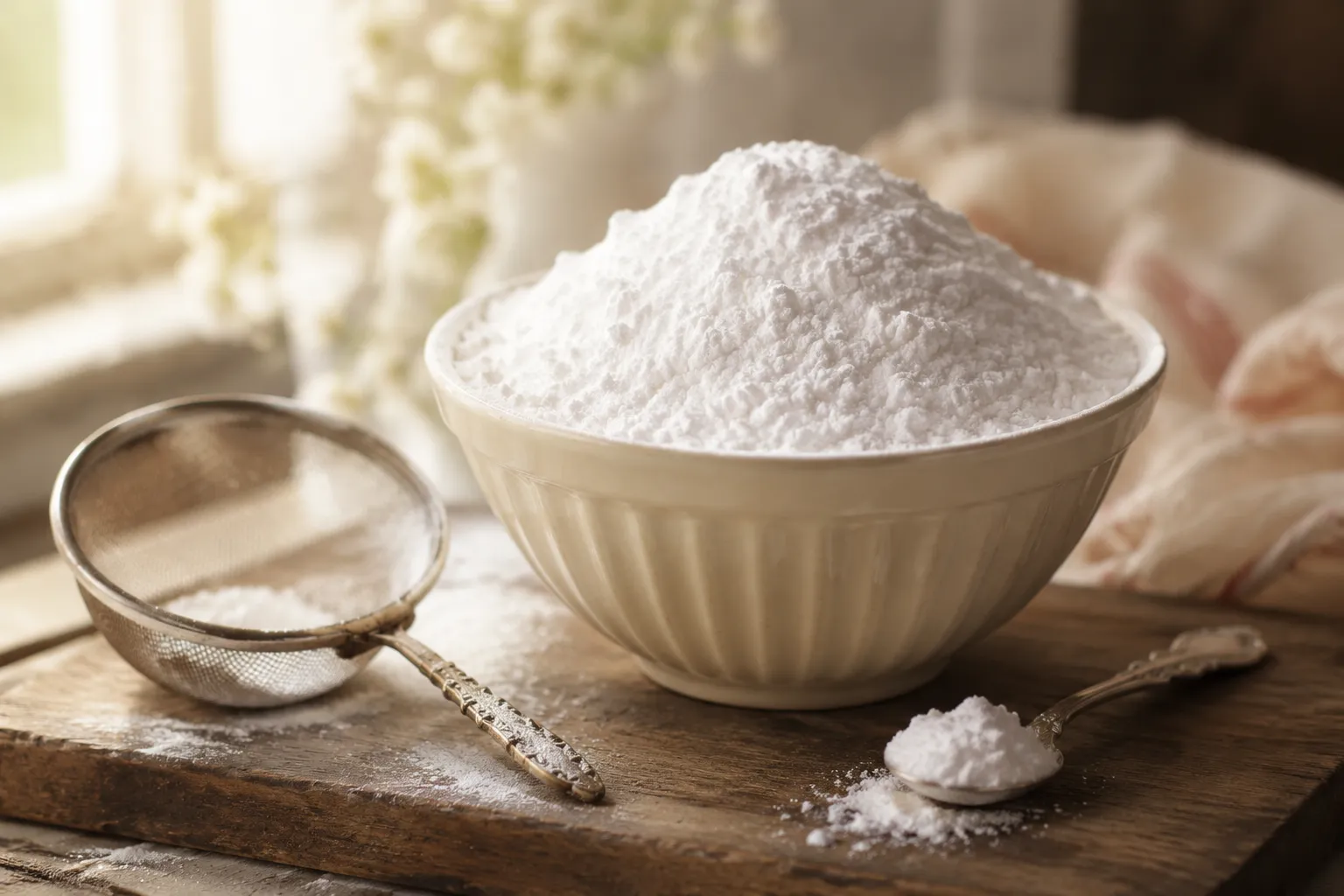
Confectioners sugar is simply granulated sugar that has been ground into a very fine powder, usually with a small amount of cornstarch added to keep it from clumping. The texture is much finer than table sugar, which is why it dissolves almost instantly into liquids, softened butter, cream cheese, and egg whites. In the United States, the terms powdered sugar and icing sugar are generally used interchangeably with it, though packaging can vary by brand. The magic is not in a special kind of cane or beet sugar; it is in the ultra-fine grind and the anti-caking starch.
That little “10X” on the bag refers to how finely the sugar has been milled. The higher the number, the finer the texture, and 10X sugar is the common grocery-store standard for home baking. You may occasionally see 6X, which is a touch coarser and sometimes used in commercial bakery settings, but 10X is what most recipes expect. That fine powder is why a simple glaze can go from grainy to glassy in seconds.
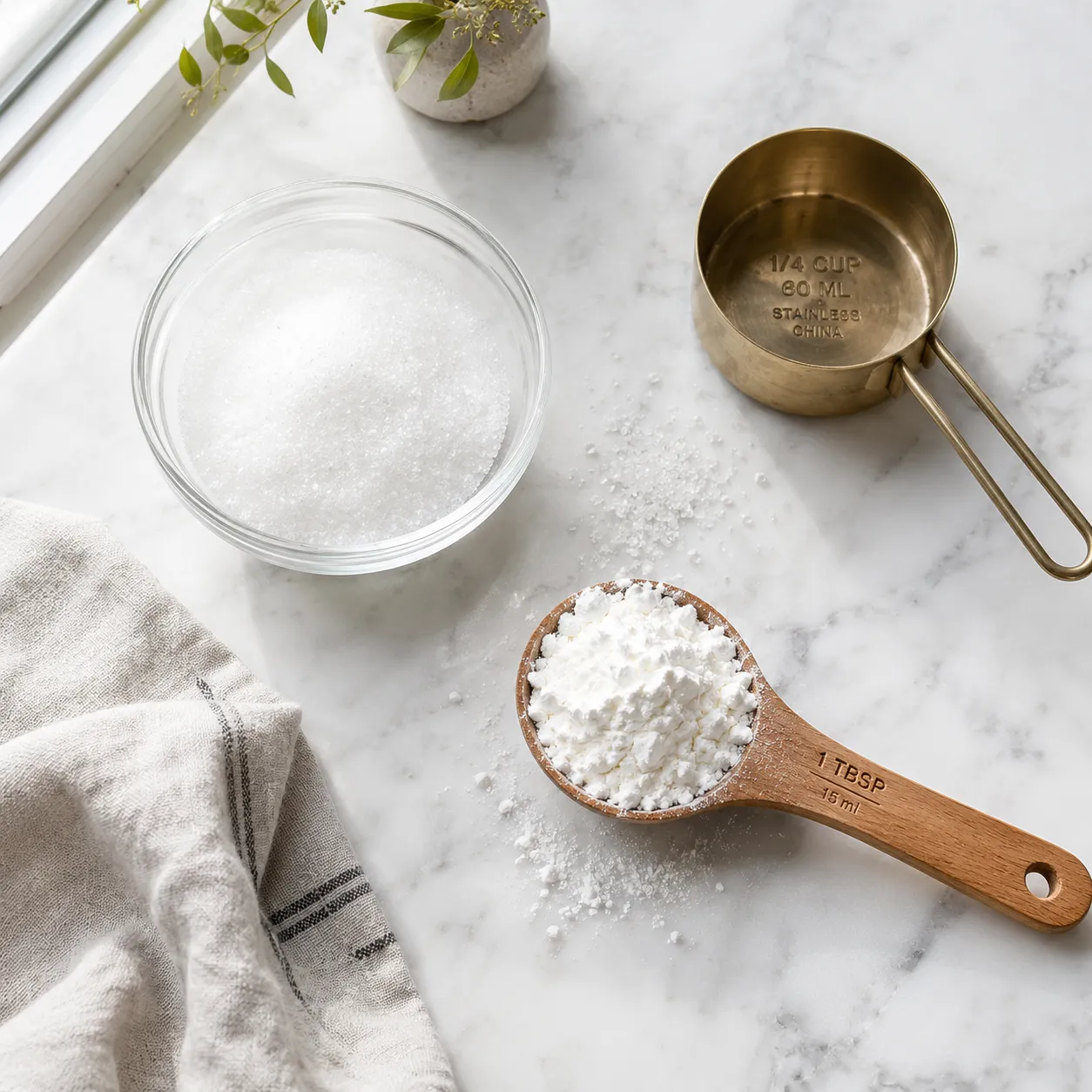
Most store-bought powdered sugar contains about 3% cornstarch, and that small amount does a lot of heavy lifting. It helps prevent moisture from turning the sugar into a hard block, and it also helps thicken icings and stabilize frostings. If you have ever wondered about cornstarch in baking, this is one of the most practical everyday examples: it is not there for flavor, but for texture and reliability. In homemade versions, a tablespoon per cup of granulated sugar mimics the behavior of commercial bags nicely.
In most US recipes, powdered sugar, icing sugar, and confectioners’ sugar mean the same product: finely milled sugar with a bit of starch mixed in. The naming difference is often regional or brand-based, not a meaningful recipe distinction. If a cookie glaze calls for powdered sugar and your pantry bag says icing sugar, you can use it without adjusting the amount. The only exception is if you are using an organic or starch-free specialty sugar, which may behave slightly differently in icings.
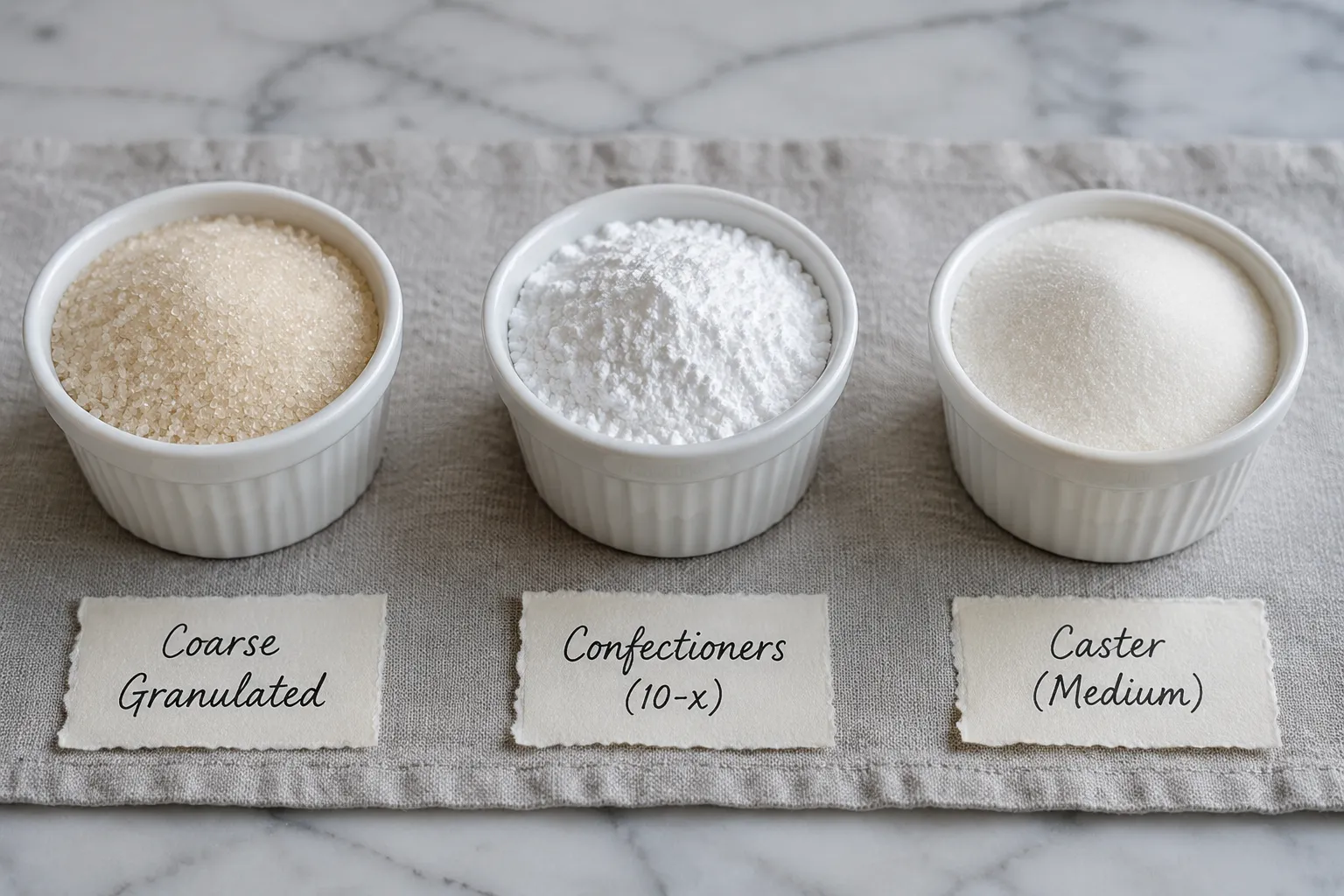
Granulated sugar has larger crystals, and those crystals are designed to create structure, aeration, and browning in recipes like cookies, cakes, and meringues. It is not a direct 1:1 swap in buttercream or glaze because the crystals will not fully dissolve, leaving a sandy texture. If you need a powdered sugar substitute in a pinch, blending granulated sugar with cornstarch is the fastest route. This is especially helpful when you are mid-recipe and do not want to abandon a batch of homemade vanilla frosting.
Caster sugar sits between granulated and powdered: finer than table sugar, but still crystalline rather than powdery. It dissolves beautifully in whipped egg whites, delicate cakes, and cocktails, but it will not give you the same fluffy body in frosting or the same soft dusting finish on pastries. Think of caster sugar as a quick-dissolving granulated sugar, not a replacement for 10X sugar. For recipes like a royal icing recipe or a simple glaze for donuts, you still want the powdery version.
You only need two pantry staples: granulated sugar and cornstarch. For every 1 cup of sugar, add 1 tablespoon of cornstarch, then blend until the mixture is light, fluffy, and powdery. The starch is important if you plan to store the sugar or use it in frosting, because it helps reduce clumps and gives icings their familiar body. If you are making a tiny batch for immediate dusting, you can skip the starch, but the texture will be less like a standard grocery-store bag.
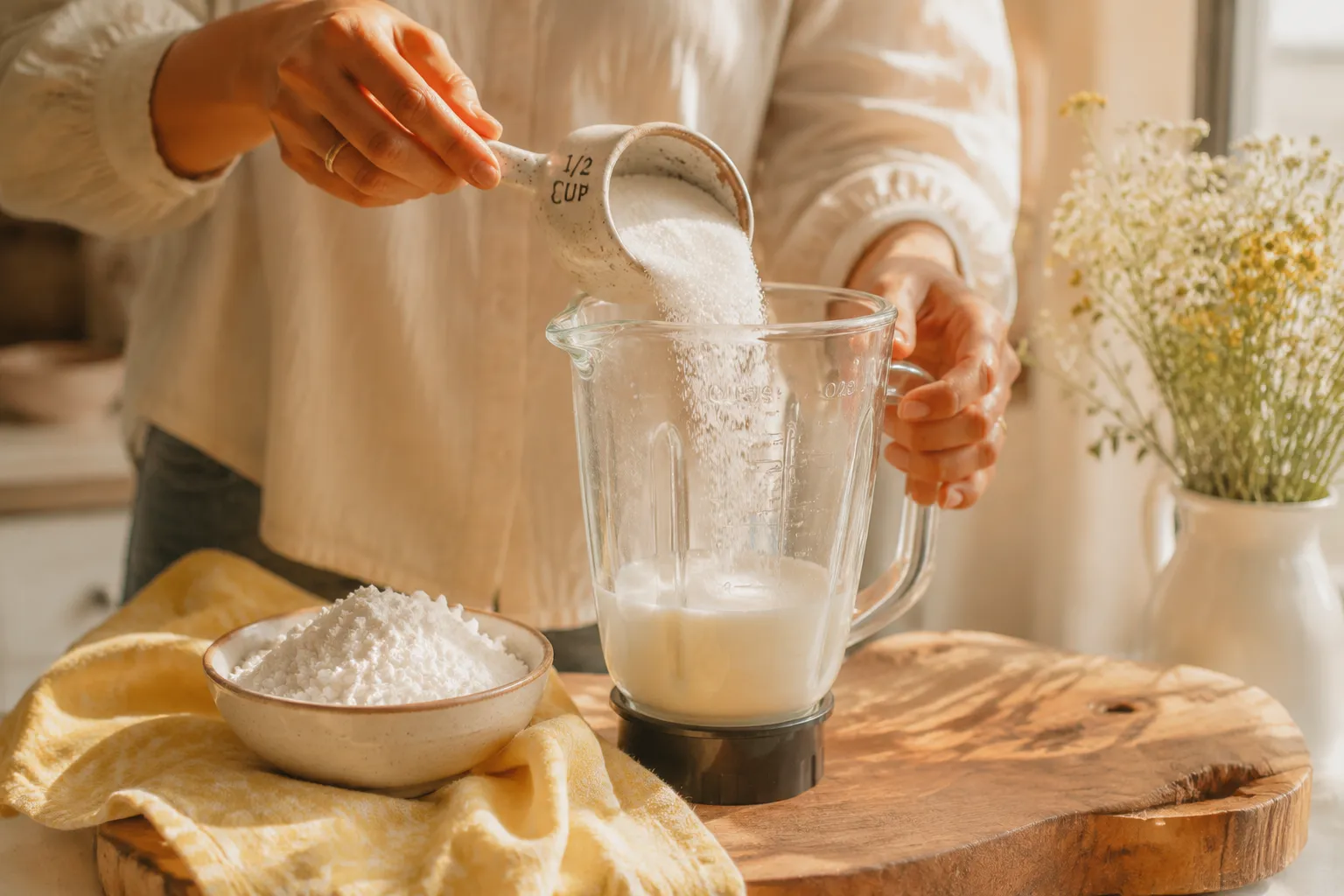
Add the sugar and cornstarch to a completely dry blender, secure the lid, and blend on high until the mixture looks like a fine white cloud. Let the blender sit for a few seconds before opening so the powder can settle, then check the texture by rubbing a pinch between your fingers. If it still feels gritty, blend again in short bursts until it is as fine as your machine can make it. Sift before using for the smoothest homemade powdered sugar, especially in frosting or glaze.
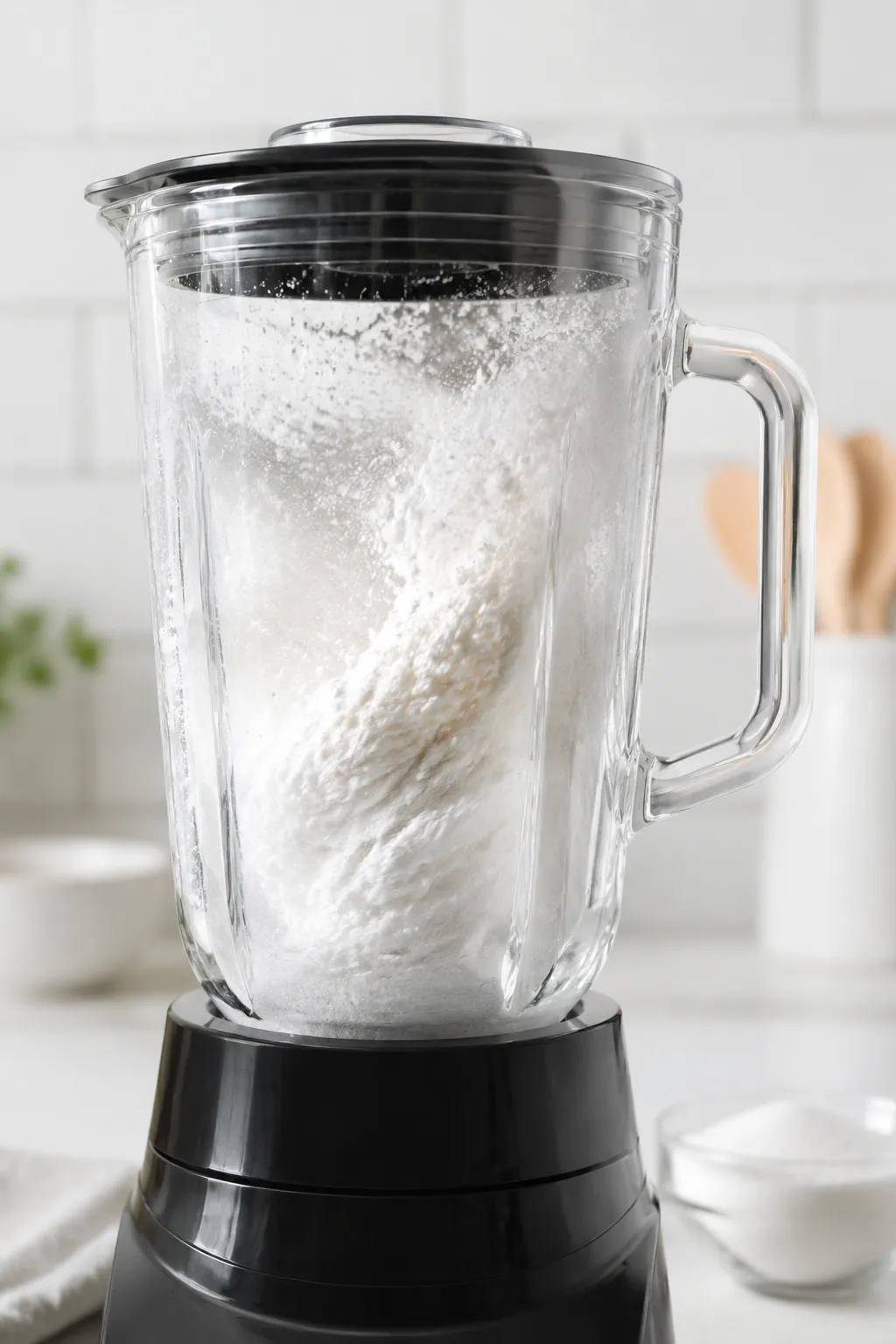
A high-speed blender gives the finest, quickest result because the blades create a powerful vortex that pulverizes the crystals. A food processor works too, though it may take longer and can leave the sugar slightly more textured. A clean spice grinder is excellent for very small batches, but be sure it does not smell like cumin, coffee, or chili powder unless you are aiming for a very unusual dessert. Whatever tool you use, keep it dry; even a few drops of water can turn your sugar into paste.
This is where the silky texture really shines. In American buttercream frosting, powdered sugar blends into softened butter and milk or cream to create a fluffy, spreadable finish without grit. It also sweetens cream cheese frosting, whipped toppings, and filling for sandwich cookies. Because it contains starch, it gives frostings structure and helps them hold swoops, swirls, and piped borders.
For glazes, this sugar dissolves almost instantly into milk, citrus juice, coffee, maple syrup, or vanilla. That makes it perfect for cinnamon rolls, pound cake, scones, doughnuts, and quick breads. The more liquid you add, the thinner and more translucent the glaze becomes; add less, and it sets into a thicker, opaque icing. It is also the backbone of classic royal icing, where it combines with egg whites or meringue powder to create a firm, pipeable finish for decorated cookies.
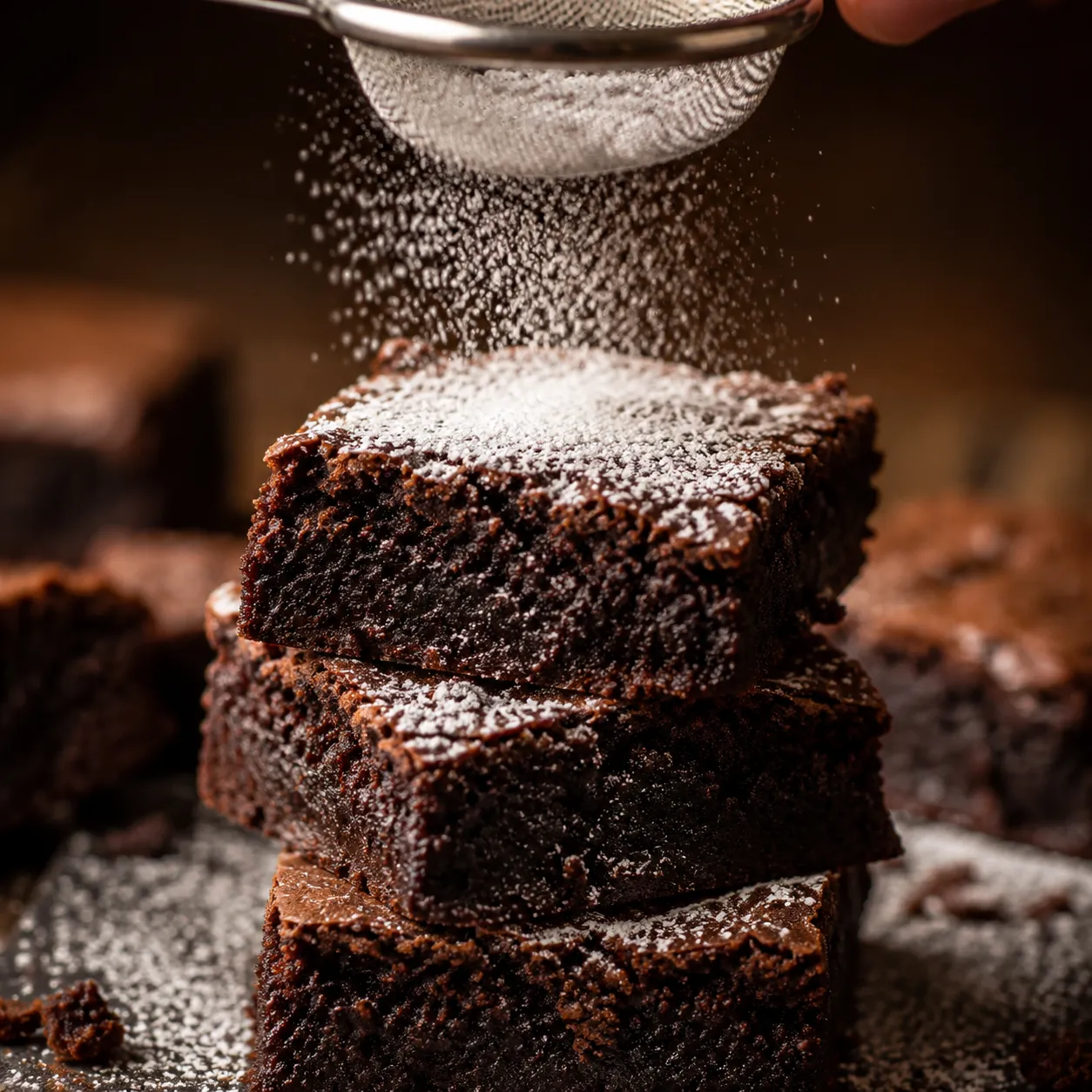
A snowfall of 10X sugar is the fastest way to make a dessert look bakery-window beautiful. Dust it over brownies, bundt cakes, crêpes, French toast, funnel cakes, and fruit tarts right before serving. For clean lines, use a stencil or a strip of parchment paper, then lift it away carefully. Because this sugar absorbs moisture quickly, wait until the last minute for the prettiest finish.
Fine powdered sugar is a quiet hero in no-bake desserts because it dissolves without heat. It sweetens peanut butter balls, cereal bars, truffles, whipped fillings, and freezer pies while keeping the texture smooth. Granulated sugar would stay crunchy in many of these recipes, but the powdered version melts into the fat and dairy. That smoothness is the reason it appears so often in classic holiday candy recipes and quick party desserts.
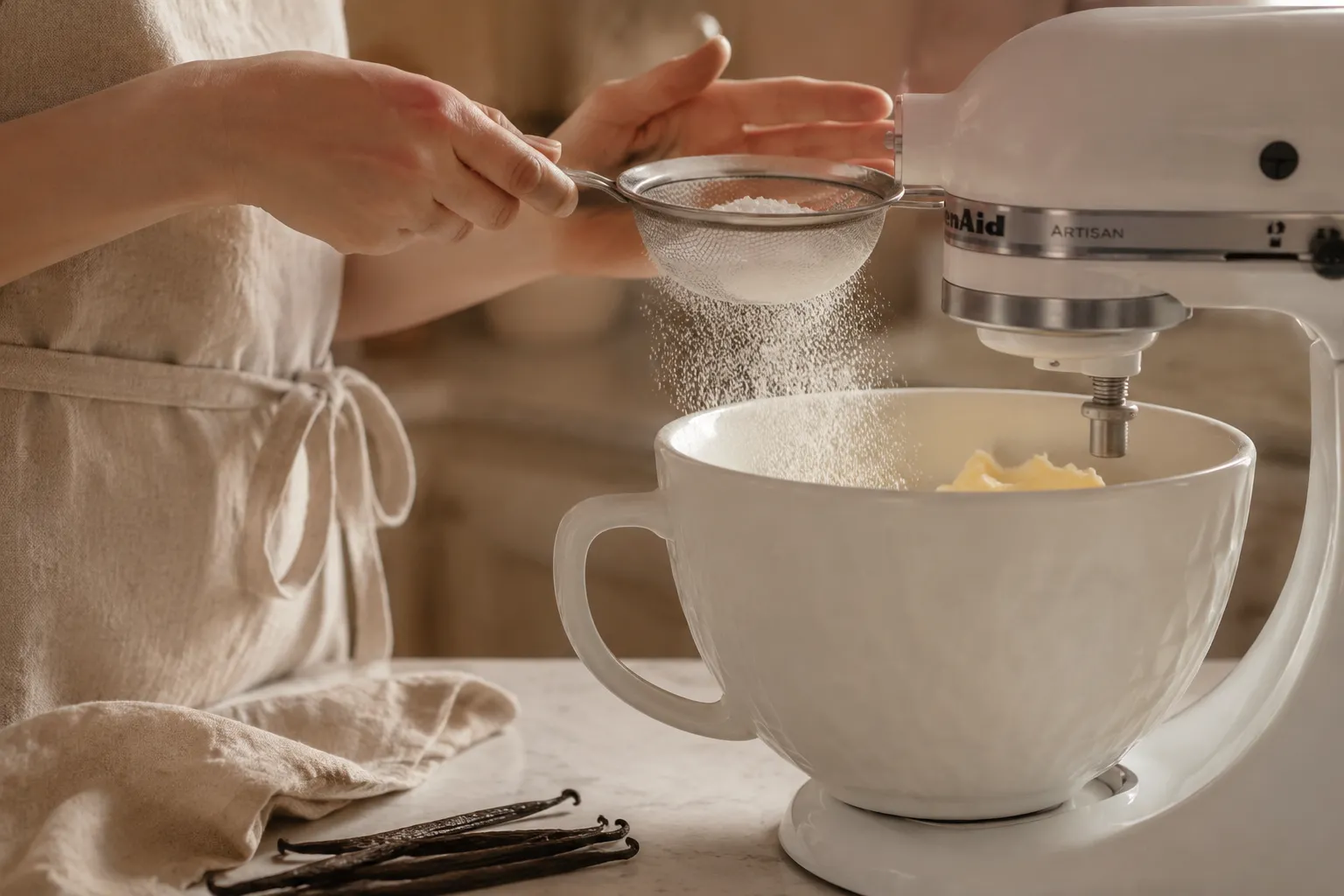
Sifting is the small step that makes frostings and glazes feel polished. Even a fresh bag can contain tiny compressed lumps, and those lumps can streak through icing or clog a piping tip. A fine-mesh sieve is usually all you need; tap it gently over a bowl or directly into your mixer. This is particularly helpful for homemade batches, which may have a slightly less uniform grind than commercial sugar.
Powdered sugar compacts easily, so measuring can vary depending on whether you scoop, spoon, or pack it. Unless a recipe says otherwise, spoon it into the measuring cup and level it off, just as you would when learning how to measure flour properly. If a recipe gives a weight, use it; a scale removes the guesswork and makes repeat batches more consistent. This matters most in frosting, where too much sugar can make the result stiff and overly sweet.
If your sugar has a few soft lumps, press them through a sieve or pulse briefly in a food processor. If it has hardened into a dense block from humidity, break it up first, then sift and decide whether the texture is still usable. Sugar that smells musty, stale, or like nearby pantry items should be replaced, since it can carry those flavors into delicate icing. For the smoothest finished desserts, start with sugar that is dry, neutral-smelling, and fluffy.
The reason this sugar works so differently from granulated sugar comes down to surface area. Once sugar is ground into a fine powder, it absorbs liquid quickly, thickens mixtures faster, and disperses more evenly into fat. That is great for icings, but it also means it can dry out a mixture if you add too much at once. In frostings, alternate sugar with small splashes of milk or cream so you can control the final texture.
It is also worth remembering that the starch content affects delicate recipes. In most frostings and glazes, the starch is helpful; in some candy-making or cooked syrup applications, it may be unwanted. If a recipe specifically calls for granulated sugar, do not assume the powdered version will behave the same way. The two may share sweetness, but they do not share structure, melting speed, or volume.
If your frosting tastes gritty, the sugar may not be fine enough, or it may not have had enough time to dissolve into the fat and liquid. Beat it a little longer, add a teaspoon of cream or milk, and make sure you sift next time. If a glaze is lumpy, press it through a sieve or whisk in liquid a few drops at a time until it smooths out. If it becomes too thin, add more sifted powdered sugar by the tablespoon until it flows slowly from a spoon.
Hot liquids can also cause trouble. When very fine sugar hits steaming liquid too quickly, it can clump at the surface before it dissolves. For smooth icing, use warm rather than boiling liquid, and whisk gradually. This gentle approach gives you a glossy finish instead of a bowl of stubborn little sugar pebbles.
Once you understand the difference between powdered, caster, and granulated sugar, choosing the right one becomes simple. Use the ultra-fine powdered style when you need smoothness, quick dissolving, thick glazes, fluffy frosting, or a pretty dusted finish. Use granulated sugar when you need structure, spread, browning, or aeration in a baked good. And when the bag is empty, remember that a blender, sugar, and cornstarch can save dessert in about a minute.
It is a small ingredient, but it is one of the great finishers in the baking pantry. Keep a bag on hand for quick icings, dusted desserts, and last-minute decorating, and keep the homemade method in your back pocket for those inevitable “I thought we had some” baking moments.
You can customize homemade powdered sugar slightly depending on how you plan to use it, though the classic granulated sugar and cornstarch version is the most all-purpose.
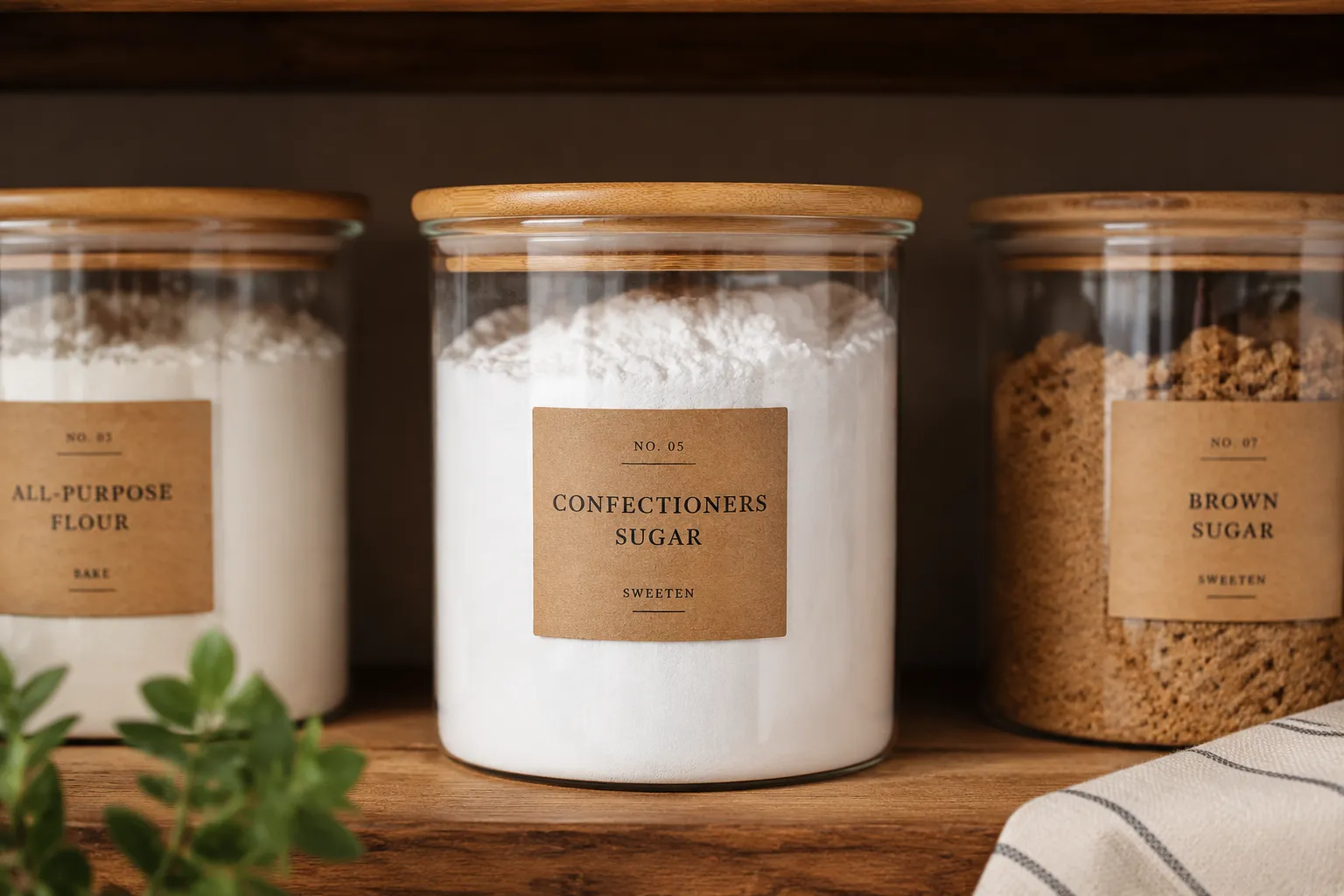
Store confectioners sugar in an airtight container in a cool, dry pantry away from strong-smelling ingredients like spices, onions, or coffee. Because it absorbs moisture and odors easily, a sealed jar or tightly closed bag inside a container is better than a loosely folded paper package.
Store-bought powdered sugar keeps well for a long time when dry, but homemade powdered sugar is best used within a few months for freshest flavor and texture. For long-term storage, freeze it in a well-sealed freezer bag or container, then let it come fully to room temperature before opening to prevent condensation.