Fondant 101: What It Is & How to Make It at Home
Ingredients
Scale
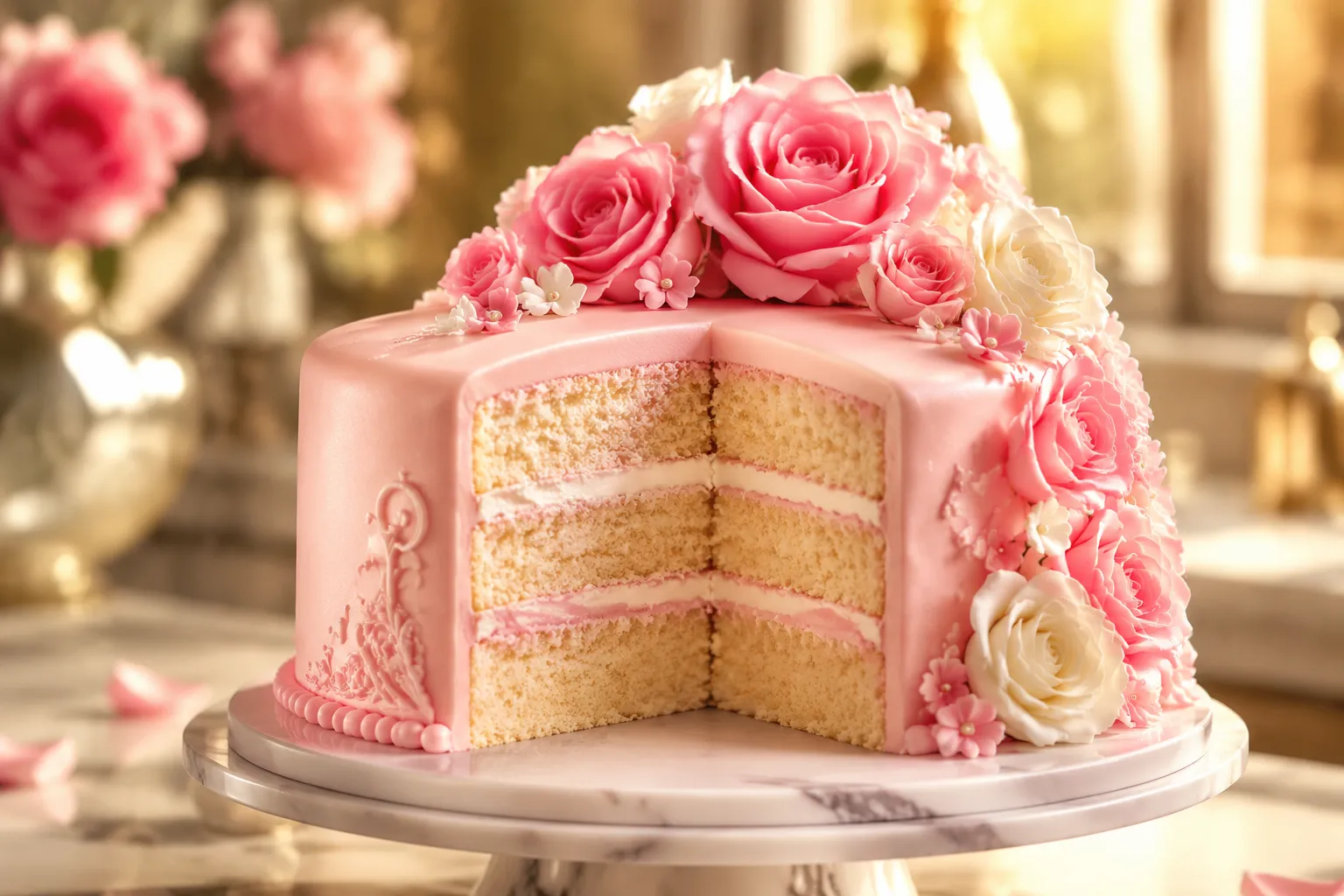
Fondant gives cakes that smooth, picture-perfect finish, but what exactly is it and can you make it at home? Here is everything bakers need to know.
If you have ever admired a bakery cake with a glassy, sculpted finish and wondered how it got that way, the answer is almost always fondant. This pliable sugar dough is what professional decorators reach for when they want a clean, polished look that whipped frostings simply cannot achieve. It drapes like silk over a layer cake, sets up matte and firm, and turns even a humble birthday round into something worthy of a magazine cover.
The stuff has a reputation problem, though. Most people have only tasted the mass-produced version, which can feel like chewing a lightly sweetened eraser. The good news is that a homemade marshmallow fondant tastes like soft vanilla candy and is far more forgiving to roll out. In this guide I'll walk through what this sugar paste actually is, the main types you'll come across, when to use it (and when to skip it), plus a foolproof four-ingredient recipe with troubleshooting tips for the inevitable cracks and air bubbles.
Whether you are tackling your first themed birthday cake or working up to a wedding tier, this is the kind of cake decorating basics primer I wish I had on day one.
At its simplest, fondant is a sweet, pliable sugar paste used as a decorative covering for cakes and cookies. The two main forms you'll see are the rollable kind, which behaves like edible Play-Doh, and a poured version that stays glossy and pourable for glazing petit fours and éclairs. Both start from sugar, water, and a stabilizer like gelatin or corn syrup, but they end up in very different places. The rolled style is what most home bakers picture when they hear the word—the smooth shell on a tiered cake or the molded bow on a baby shower centerpiece.
The clearest way to understand this sugar paste is to compare it with its cousins. Buttercream is whipped and fluffy, designed to be spread or piped, and it stays soft right through the slice. Royal icing dries hard and brittle, ideal for delicate piped lace or holding gingerbread together, but you would never drape it over a cake. The rolled sugar dough sits between the two: firmer than whipped frosting, more flexible than dried icing, and made to be rolled, sculpted, or molded by hand.
This is where commercial brands earn their bad reputation. The supermarket kind tends to taste flat and slightly waxy, which is why so many wedding guests politely peel it off the plate. A good homemade marshmallow version has a clean vanilla sweetness reminiscent of soft taffy. It is still very sugary, since it is essentially powdered sugar held together with a bit of moisture, so a thin layer is plenty for most cakes. The flavor improves dramatically when you make it yourself instead of buying a tub.
There is more than one product hiding under this single name, and knowing which is which will save you a lot of grocery store confusion when a recipe calls for a specific kind.
Rolled fondant is the kneadable, doughlike kind you see covering tiered cakes and competition showpieces. It is made from sugar, water, glucose or corn syrup, and gelatin or glycerin, kneaded until it forms a smooth, satin ball. You roll it out into a thin sheet, about an eighth of an inch, and lay it over a buttercream-coated cake. This is by far the most common form sold at craft stores.
Poured fondant is essentially a thick, opaque sugar syrup that sets to a soft, creamy finish. Pastry chefs use it for petit fours, Boston cream donuts, and the iconic glaze on a black-and-white cookie. It is heated to a precise temperature, then ladled over the dessert to coat it. Unlike its rolled cousin, this style has a slightly creamy bite rather than a chewy one, and it produces that telltale glossy shell.
Marshmallow fondant is the home baker's hero. Made from melted marshmallows, water, and a mountain of powdered sugar, it tastes noticeably better than commercial brands and costs a fraction as much. It is softer and a touch stickier, which can be a blessing for beginners since it tears less easily, though it does need a few hours of resting time to firm up before you roll it out.
Worth a quick note: when bakers say chocolate fondant, they mean a cocoa-flavored rolled sugar paste used for covering cakes, not the molten chocolate dessert with a runny center, which shares the name but is an entirely different thing. The covering version is made the same way as the standard rolled style, with sifted cocoa powder and sometimes melted chocolate kneaded in to deepen the flavor and color.
Gum paste is the sturdier sibling. It dries rock-hard and is what decorators use for sugar flowers, intricate bows, and standing figurines that need to hold a delicate shape. The two can be mixed together in a 50/50 blend for decorations that need both flexibility and structure. You would not cover a whole cake in gum paste, however, since it would be unpleasant to bite into once it sets.
The right choice between a rolled covering and a soft frosting depends entirely on what you want from a cake.
Sculpted, tiered, and themed cakes are where this sugar covering truly shines. Think wedding cakes with crisp 90-degree edges, kids' birthday cakes shaped like a soccer ball, or fashion-style cakes with hand-cut bows and ruffles. It also works well for cakes that need to travel or sit out at a party for hours, since the firm shell helps protect the cake underneath from drying out and from clumsy fingerprints at the buffet.
For an everyday birthday cake, especially one going straight from the kitchen to the table, a fluffy buttercream frosting or a swooped-on cream cheese frosting is usually the better call. Most people prefer the taste of soft frosting over a sweet sugar shell, and you'll save yourself an hour of rolling and smoothing. Tender cakes like angel food or chiffon also do not pair well with a heavy rolled covering, since the weight can crush the airy crumb.
Even when you do go the rolled-covering route, you almost always want a thin layer of buttercream or ganache underneath. This crumb coat does two jobs: it gives the rolled sheet something to grip onto, and it adds the buttery flavor that the topcoat is missing. Most decorators chill the buttercream layer until it is firm to the touch before applying the cover, which prevents sagging and helps achieve those crisp top edges.
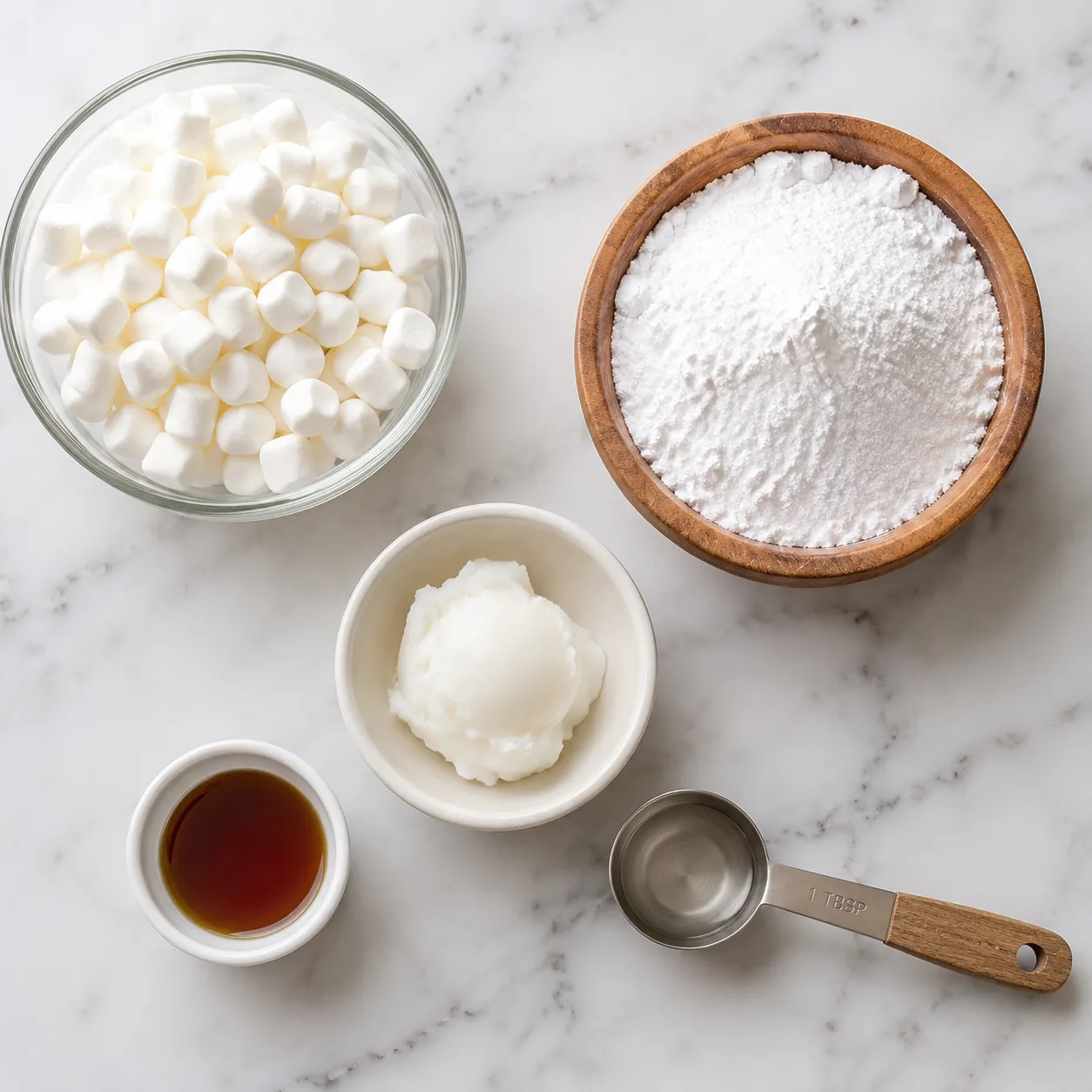
This is the recipe that converted me from a fondant skeptic into someone who actually enjoys eating it. Just four pantry ingredients, one microwave-safe bowl, and a willingness to get powdered sugar everywhere. The texture is supple, the vanilla flavor is genuinely good, and the cost is a small fraction of what you'd spend on the boxed kind. It also tints beautifully and stores for months.
You'll need a 16-ounce bag of mini marshmallows, two tablespoons of water, about eight cups of powdered sugar (sifted), half a teaspoon of pure vanilla extract, and vegetable shortening for greasing your hands and bowl. Mini marshmallows melt more evenly than the jumbo size, and shortening keeps the dough from sticking to everything you own. Sifting the sugar matters more than you'd think.
The full numbered method lives in the recipe card below, but here is the rhythm of how it comes together so you know what you're walking into.
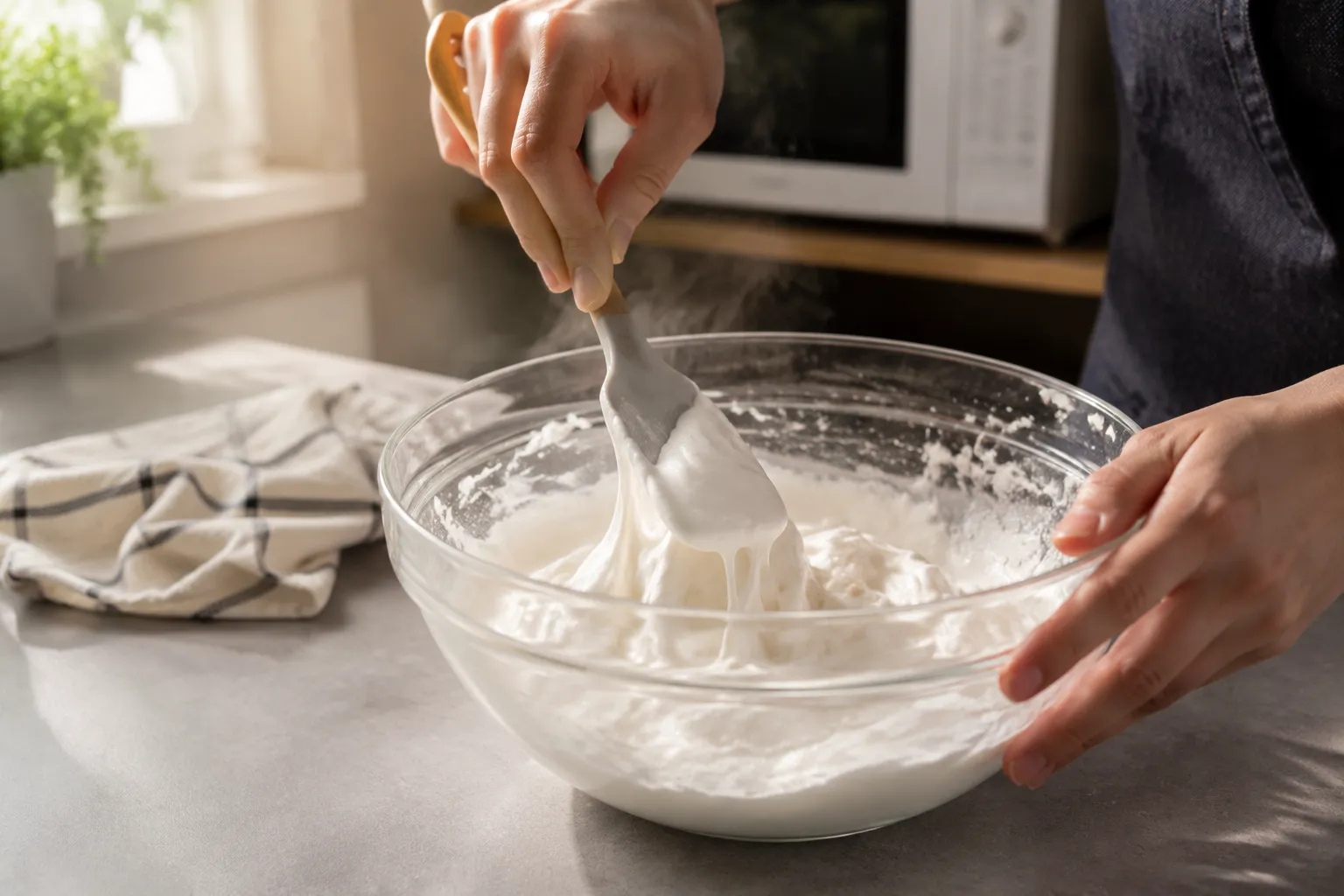
Start by greasing a large microwave-safe bowl with shortening and adding the marshmallows and water. Microwave in 30-second bursts, stirring between each one, until you have a smooth, glossy puddle. Stir in the vanilla while the mixture is still hot so the flavor disperses evenly through the melted sugar.
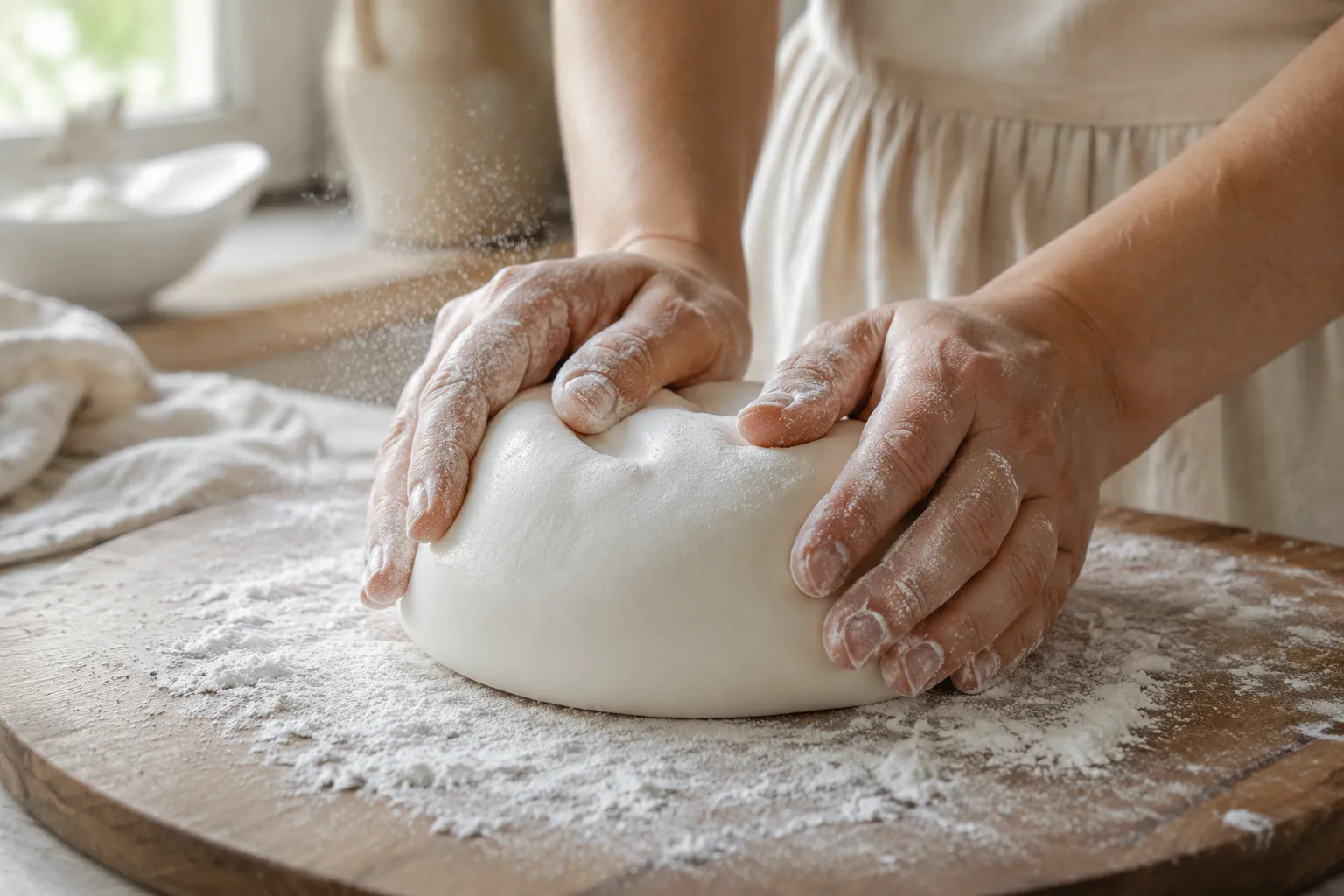
Add the powdered sugar a few cups at a time, stirring with a greased spatula until the dough is too stiff to mix. Turn it out onto a sugar-dusted surface and knead with greased hands until smooth, satiny, and no longer sticky, usually eight to ten minutes. Wrap it tight in plastic, then again in a zip-top bag, and let it rest at room temperature for at least four hours (or overnight) before rolling.
Gel food coloring is your friend here. Liquid colors throw off the moisture balance and make the dough sticky, so stick to gel or paste and knead them in a drop at a time until the color is even. For flavoring, swap the vanilla for almond, lemon, or peppermint extract, or knead in a pinch of citrus zest. Just keep added liquids to a minimum—anything extra has to be balanced out with more powdered sugar.
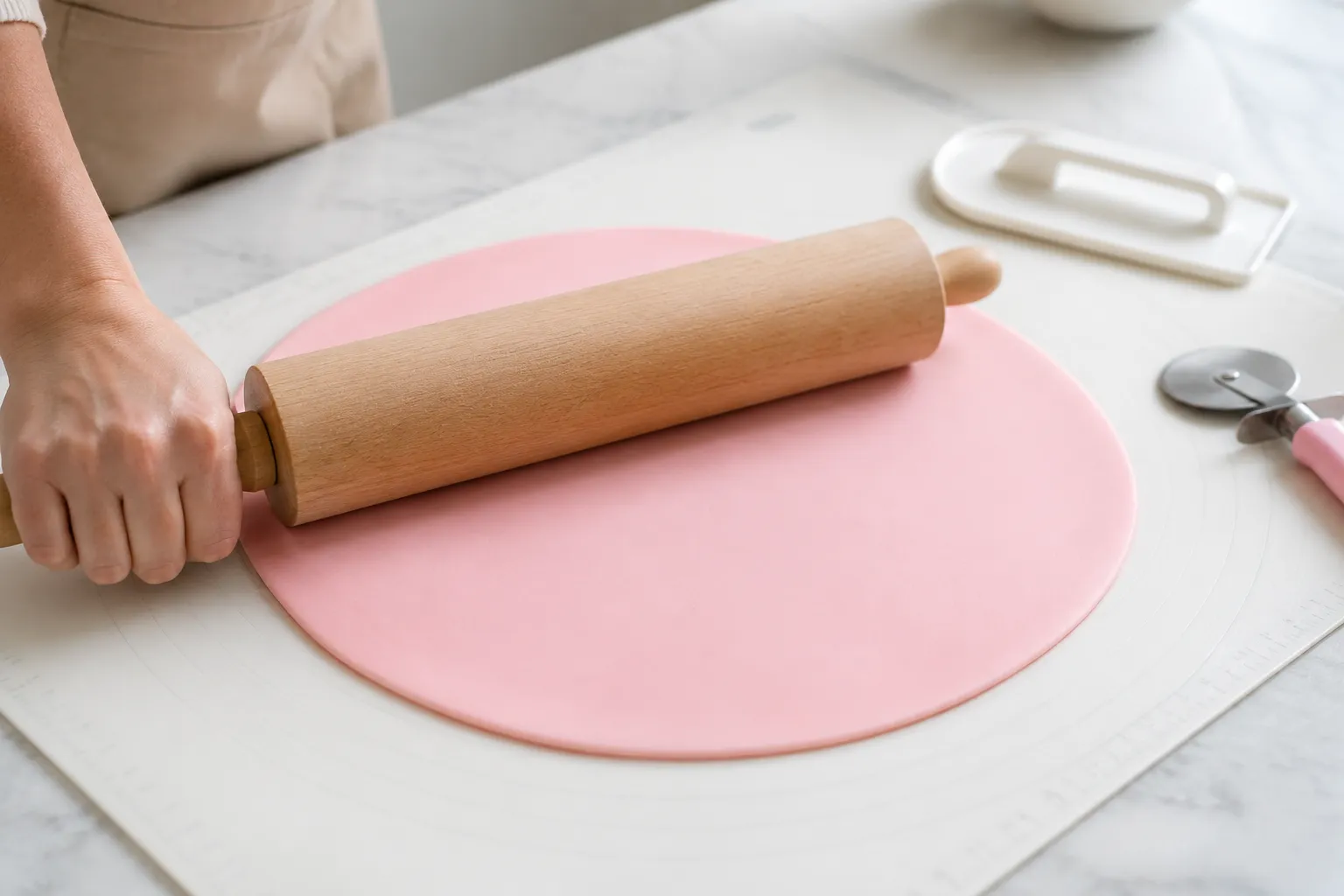
Once the dough has rested, the actual decorating is more about technique than strength. Take it slow, work in a cool kitchen, and treat the rolled sheet like delicate fabric—stretching, tearing, and overworking are all easier than you think.
A nonstick silicone mat, a long fondant rolling pin (the smooth, handle-free kind), and a pair of plastic smoothers will dramatically improve your results. Cornstarch or extra powdered sugar dusted on the surface keeps things from sticking, and a pizza cutter or a sharp paring knife gives you a clean trim around the base of the cake. None of this is fancy gear—most of it lives at any craft store for under twenty dollars.
Aim for an even one-eighth-inch thickness across the sheet. Too thin and you'll see the buttercream coat through it; too thick and the cake will taste like a sugar bomb. Roll from the center outward, rotating the sheet a quarter turn each time, and check the thickness with a guide ring or by eyeing the gap on a spaced rolling pin. Lift and reposition often to keep it from sticking down.
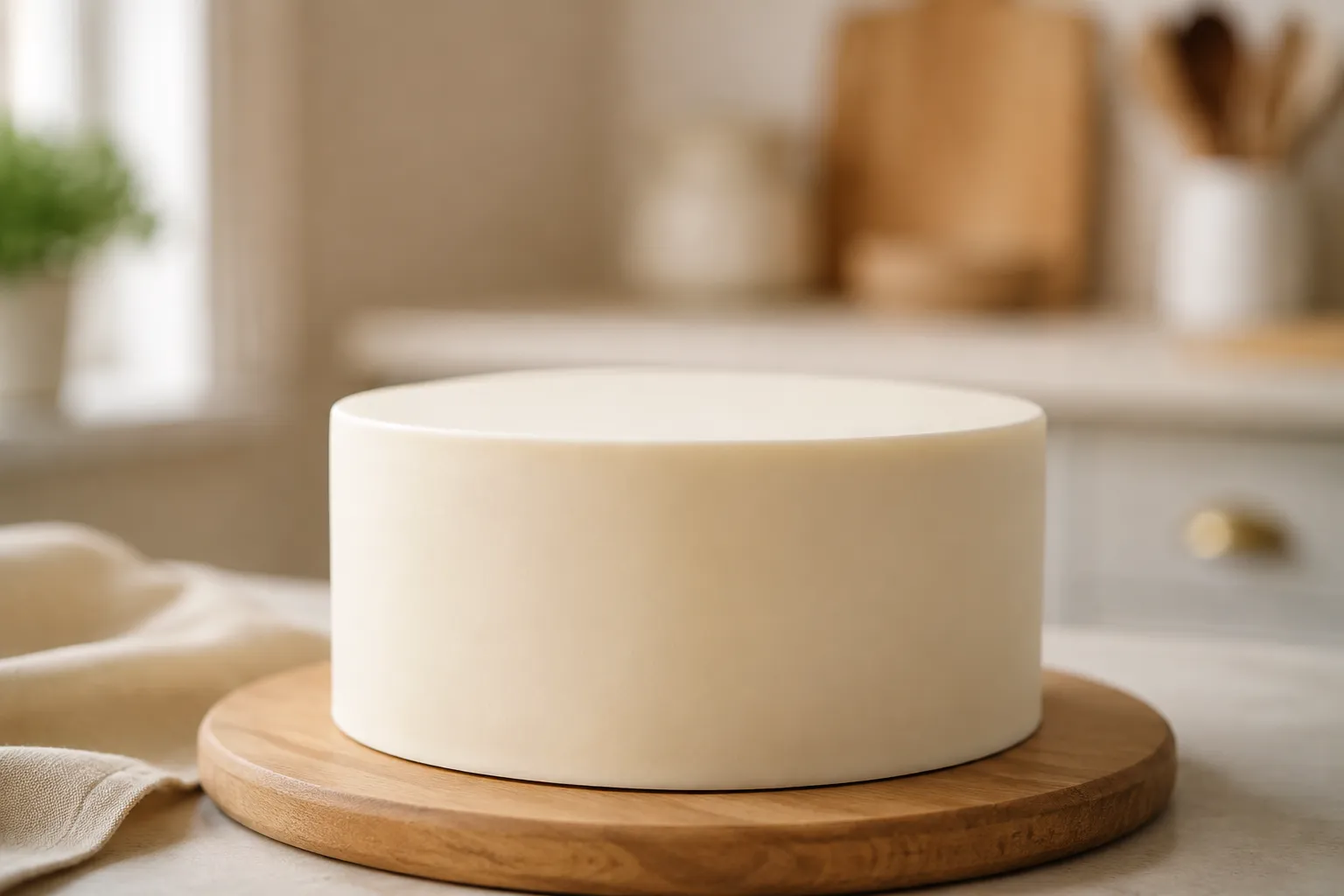
Once the sheet is draped over the cake, work from the top center outward with the flat of your hand, then a smoother. If you spot an air bubble, prick it with a clean pin at a shallow angle and press the air out gently. Small cracks at the base usually mean the dough was too dry; warm a little shortening into your fingertip and gently buff them closed.
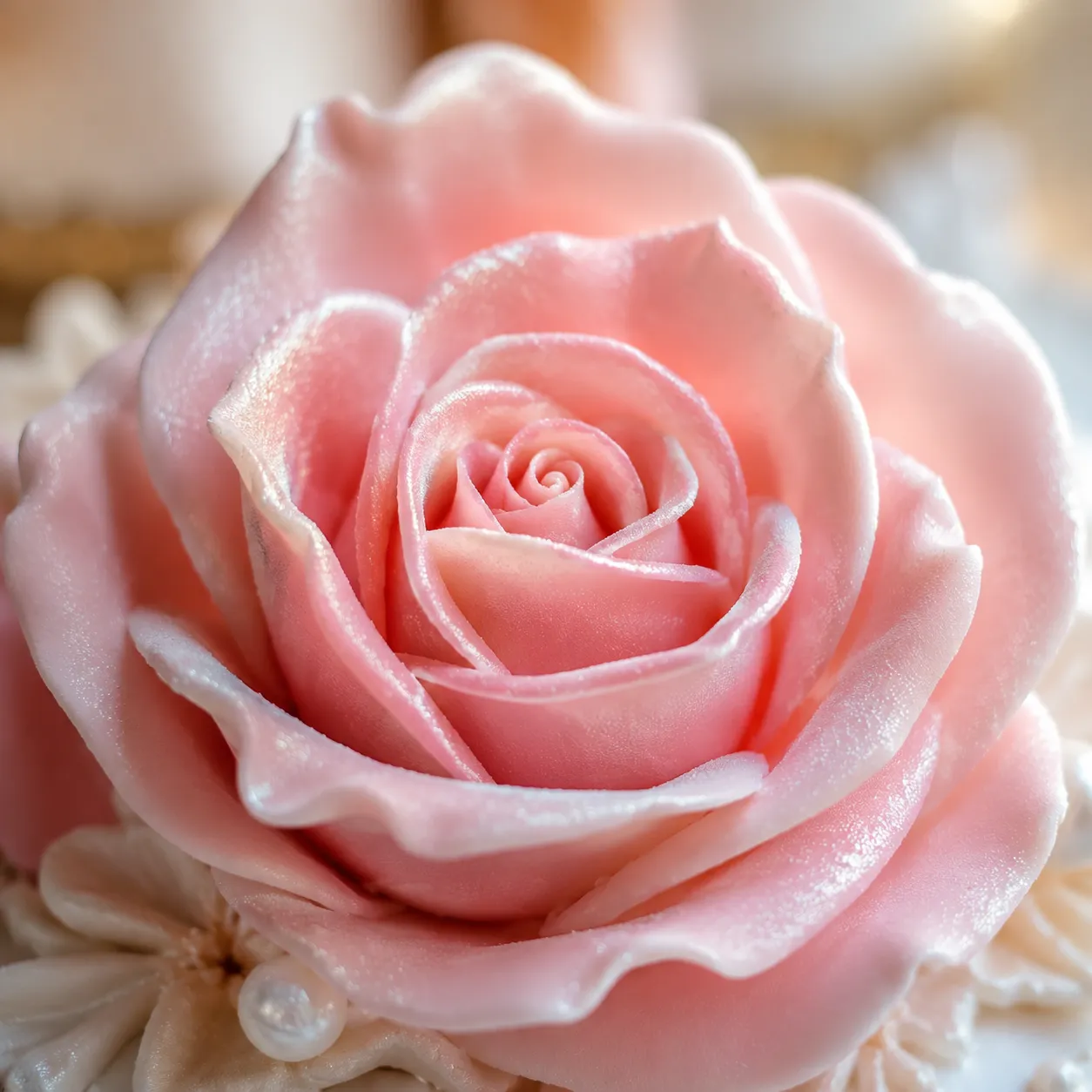
Leftover sugar dough behaves a lot like pie crust scraps: wrapped well, it keeps for months; left exposed, it forms a crusty skin within an hour. The same care extends to a finished, decorated cake.
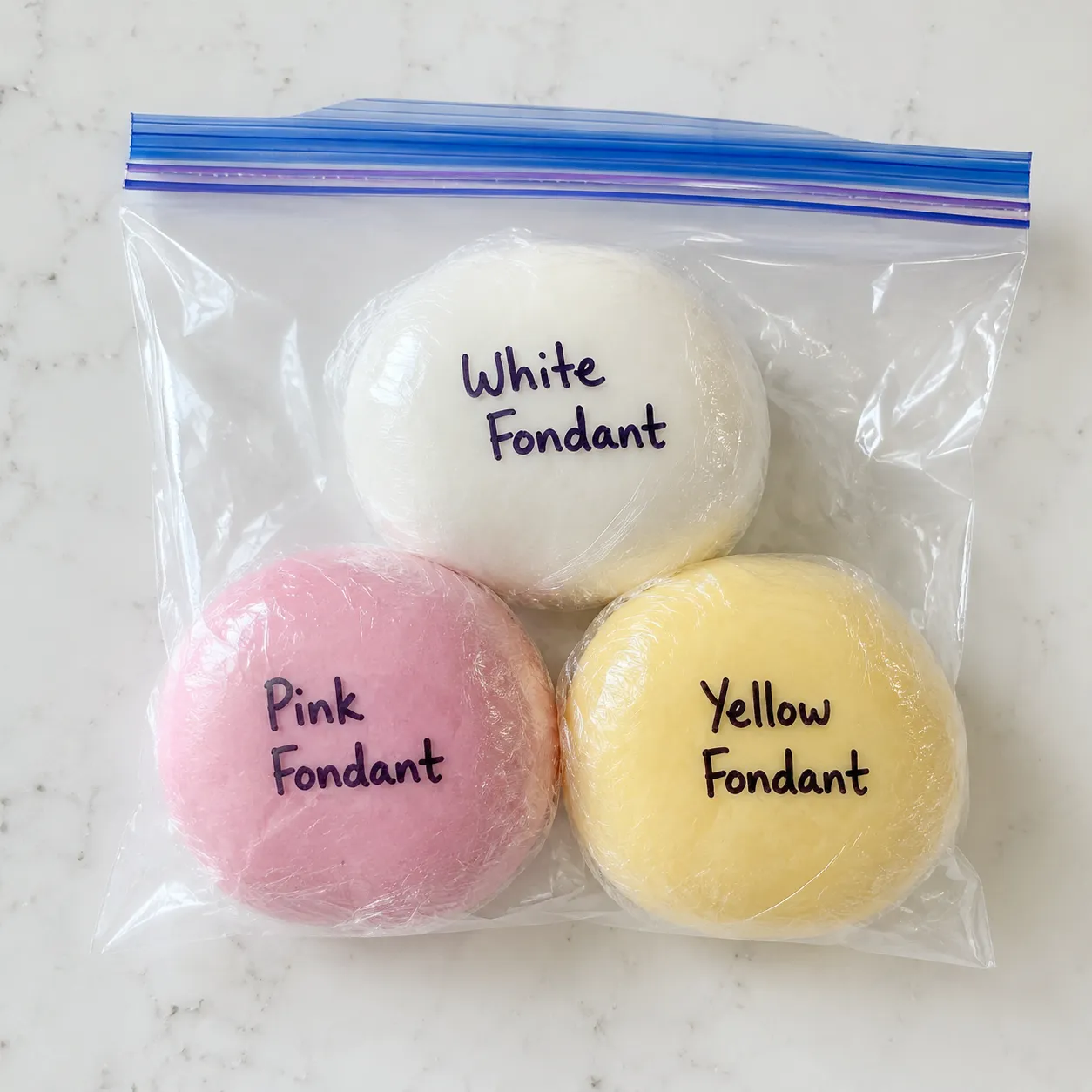
Wrap any leftover dough tightly in plastic, pressing out as much air as possible, then tuck it into a zip-top bag. Store at cool room temperature in a dry pantry, never the fridge, where condensation will turn it sticky on contact. Properly wrapped, it stays workable for up to two months without changing in flavor or texture.
For longer storage, freeze the wrapped balls inside a freezer-safe bag for up to six months. Thaw overnight on the counter still wrapped, so condensation forms on the plastic instead of the dough itself. Knead briefly with greased hands to bring it back to a smooth working consistency before rolling.
This one trips up a lot of beginners. A finished cake covered in this sugar shell should not go in the fridge if you can avoid it—the cold causes condensation when it comes back out, leaving the surface clammy and dull. Store the assembled cake at cool room temperature in a covered cake box for up to two days. If your filling needs refrigeration, chill it before covering, then bring the boxed cake to room temperature inside the closed box before opening so condensation forms outside, not on the cake.
Even experienced decorators run into hiccups, and most of them have quick fixes if you know what to look for.
Cracks usually mean the dough is too dry or has been kneaded too long. Knead in a teaspoon of warm water or a small dab of shortening to bring back the elasticity. If a tear opens up while you're draping the sheet over the cake, smooth it together with a fingertip greased in shortening and buff with a smoother until the seam disappears.
A sweaty surface, where tiny beads of moisture appear after the cake comes out of the fridge, is just condensation. Do not wipe it; let the cake air-dry at room temperature and the beads will evaporate on their own. If the dough itself is sticky during rolling, dust on more powdered sugar or cornstarch a tablespoon at a time.
Elephant skin is the wrinkled, dimpled look that develops when the dough has been overworked or has dried out on the surface. Prevent it by keeping unused portions wrapped while you work and by greasing your hands instead of relying on too much dusting sugar. Once it appears, you can sometimes buff it smooth with a shortening-coated smoother, but bad cases need to be peeled off and redone.
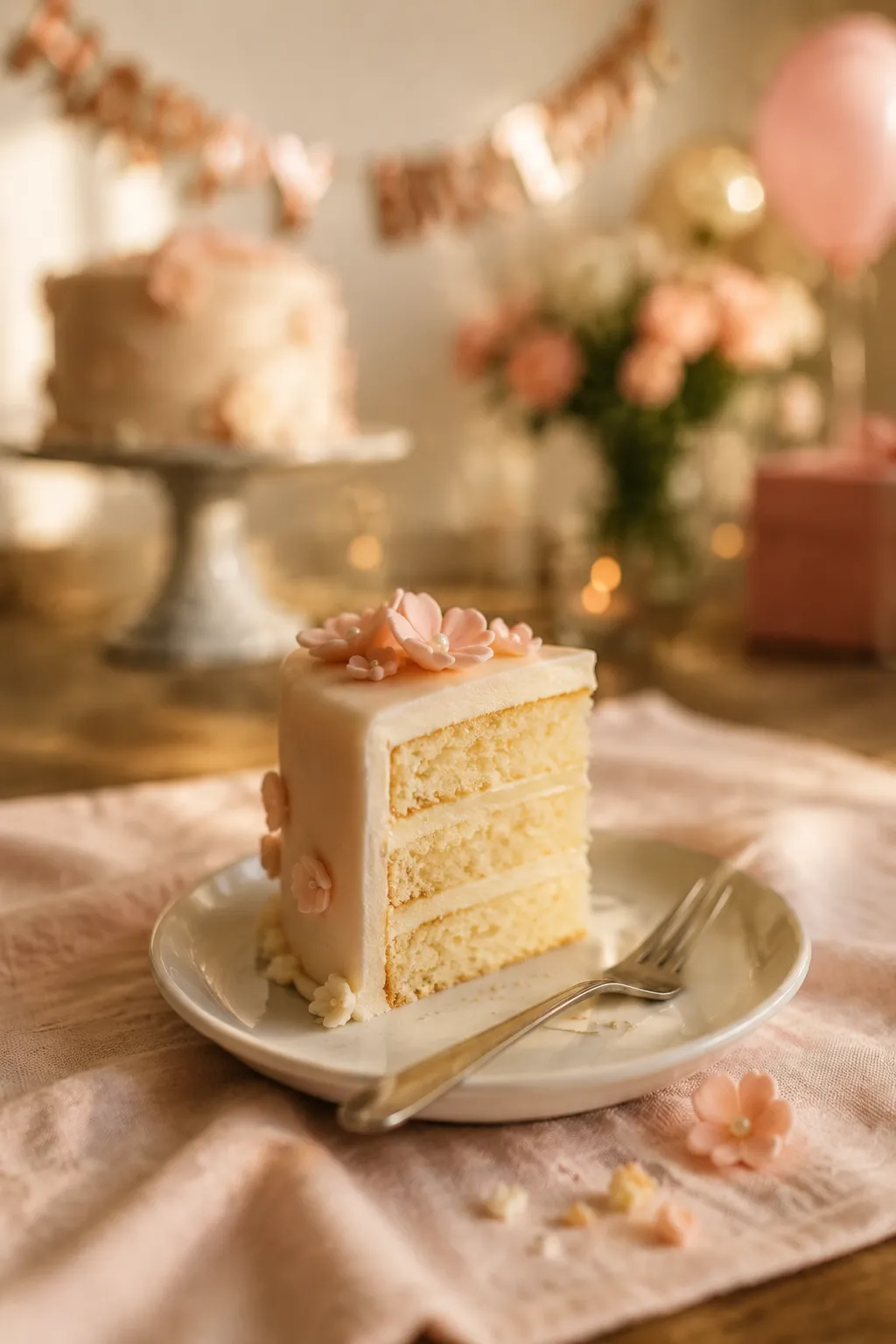
Fondant is one of those skills that looks impossibly fancy until you make it once at home and realize it is mostly patience and powdered sugar. Start with a simple round cake, give yourself a forgiving Saturday afternoon, and you'll wind up with a centerpiece that feels far above your effort level. And the best part: when you peel back that sweet sugar shell, the cake underneath—your buttercream, your sponge, your crumb—still gets to be the star of the slice.
The base recipe is endlessly adaptable, which is half the fun once you have the technique down. Different extracts, colors, and add-ins can completely change the personality of a cake without changing the method or hands-on time.
Wrap any leftover dough tightly in plastic, pressing out as much air as possible, then seal it inside a zip-top bag. Stored at cool room temperature in a dry pantry, it stays workable for up to 2 months. For longer keeping, freeze the wrapped ball for up to 6 months and thaw overnight on the counter while still wrapped, so any condensation forms on the plastic rather than the dough itself.
A finished, covered cake should sit at cool room temperature inside a covered cake box for up to two days. Skip the fridge whenever the filling allows; cold air causes condensation when the cake warms back up, which leaves the once-glossy surface dull, clammy, and prone to color bleeding.