Philadelphia Cheesecake Recipe: Classic Creamy Dessert
Ingredients
Scale
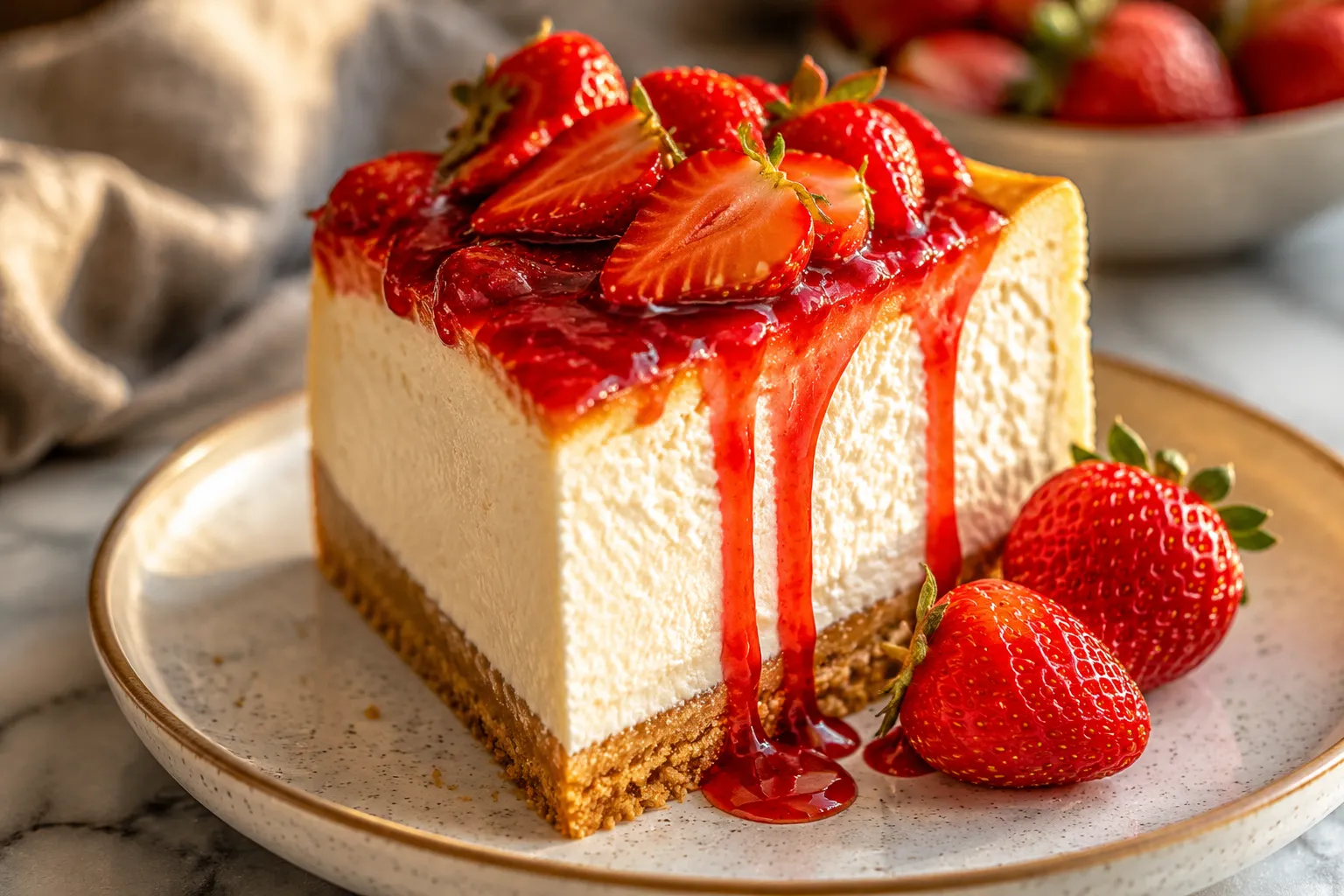
A bakery-quality Philadelphia cheesecake recipe with a velvety cream cheese filling and golden graham crust. No cracks, no fuss, all classic flavor.
When it comes to recipes for philadelphia cheesecake, this one is the keeper — the kind of dessert that quiets a dinner table the moment the first slice hits the plate. We're talking about a tall, ivory-pale slice with a buttery graham cracker crust, a tangy-sweet middle that melts the second it touches your tongue, and a glossy ribbon of berry sauce sliding down the side. It's the kind of dessert that earns a this is the best cheesecake I've ever had text the next morning.
I've made this recipe more times than I can count — for birthdays, holidays, and the occasional Tuesday because life is short. What I love is that it leans on humble pantry staples (Philadelphia cream cheese, eggs, sour cream, vanilla extract) but produces a dessert that tastes like it came from a downtown patisserie. No exotic ingredients, no equipment beyond a springform pan, and no cake-decorating skills required.
If you've been intimidated by cheesecake in the past — sunken middles, surface cracks, the dreaded soggy crust — let this be the version that breaks the curse. We're using a gentle water bath, a low oven, and a slow chill to coax the filling into something silky and crack-free every single time.
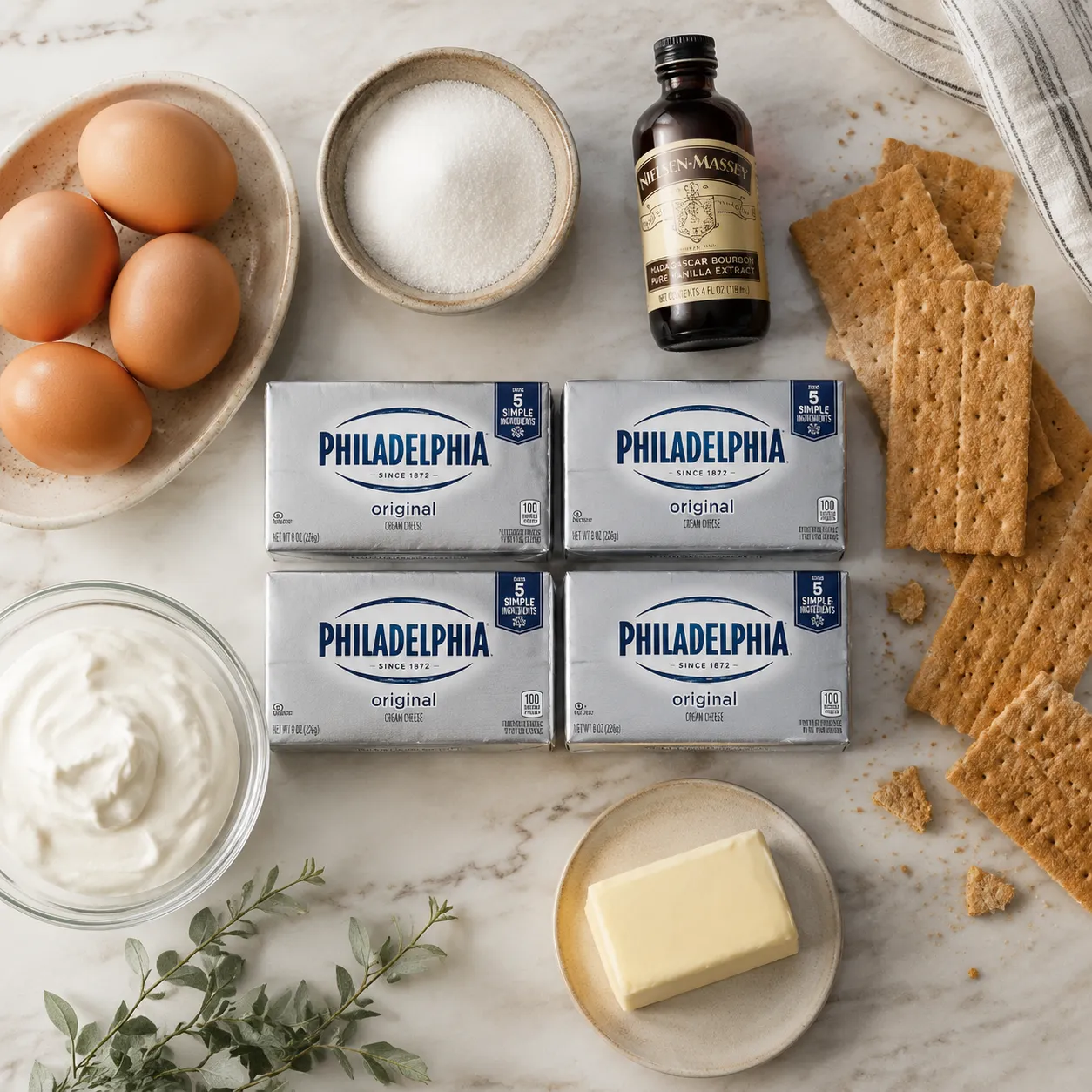
Most great recipes for philadelphia cheesecake live or die on two ingredients: the cream cheese and the dairy. Authentic Philadelphia brand cream cheese has a slightly higher fat content and lower moisture than most generics, which means a smoother, more stable filling. The other supporting players (sugar, eggs, vanilla, sour cream) are pantry friends, but if you're making this for company, splurge on the real Philly. You'll taste the difference.
A buttery, golden graham cracker crust is the foundation of any classic cheesecake. You'll need about 14 full graham cracker sheets pulsed into fine crumbs (or 2 cups of pre-crushed crumbs straight from the box), 6 tablespoons of melted unsalted butter, and 2 tablespoons of granulated sugar to balance the tang of the filling. A pinch of kosher salt brings everything into focus. Press it firmly — too loose and it crumbles, too dense and it turns into a hockey puck.
The creamy cheesecake filling comes together with four 8-ounce blocks of Philadelphia cream cheese, 1 cup of granulated sugar, 1 cup of room-temperature sour cream, 4 large eggs, 2 teaspoons of pure vanilla extract, and a single tablespoon of all-purpose flour to stabilize. The flour is optional, but I find it gives this cheesecake recipe philly bakers swear by an extra cushion against weeping. Everything must be at true room temperature — I leave my dairy on the counter for at least two hours before mixing.
The classic move is a glossy strawberry sauce topping made from fresh berries, sugar, and a splash of lemon, but this base recipe takes other directions beautifully. Think salted caramel, lemon curd, a tangle of macerated summer fruit, or a simple cloud of homemade whipped cream piped along the edge. There's a full list of swaps in the variations section below.
The full numbered method lives in the recipe card at the bottom of this post — but here's the narrative walk-through, because cheesecake rewards a baker who understands what they're doing and why. What sets this approach apart from many other recipes for philadelphia cheesecake is the deliberate pacing: every stage is engineered to keep the surface smooth and the texture velvety.
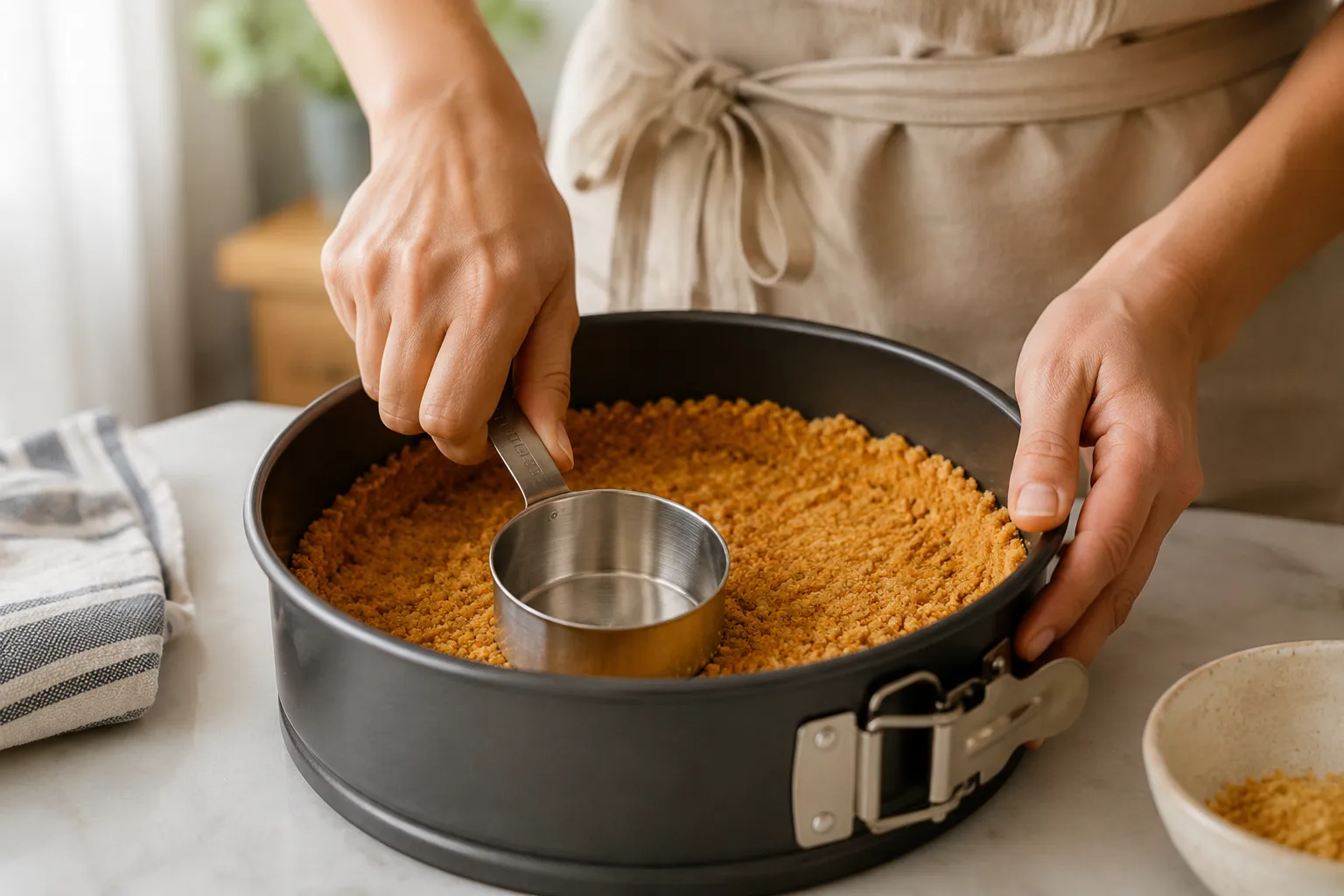
Start by buttering the sides of a 9-inch springform pan and lining the base with parchment for easy release. Stir the graham cracker crumbs together with melted butter and sugar until the mixture looks like wet sand. Tip it into the pan and use the flat bottom of a measuring cup to press it firmly across the base and just slightly up the sides. Pre-baking the crust for 10 minutes at 325°F before the filling goes in is the difference between crisp and soggy.
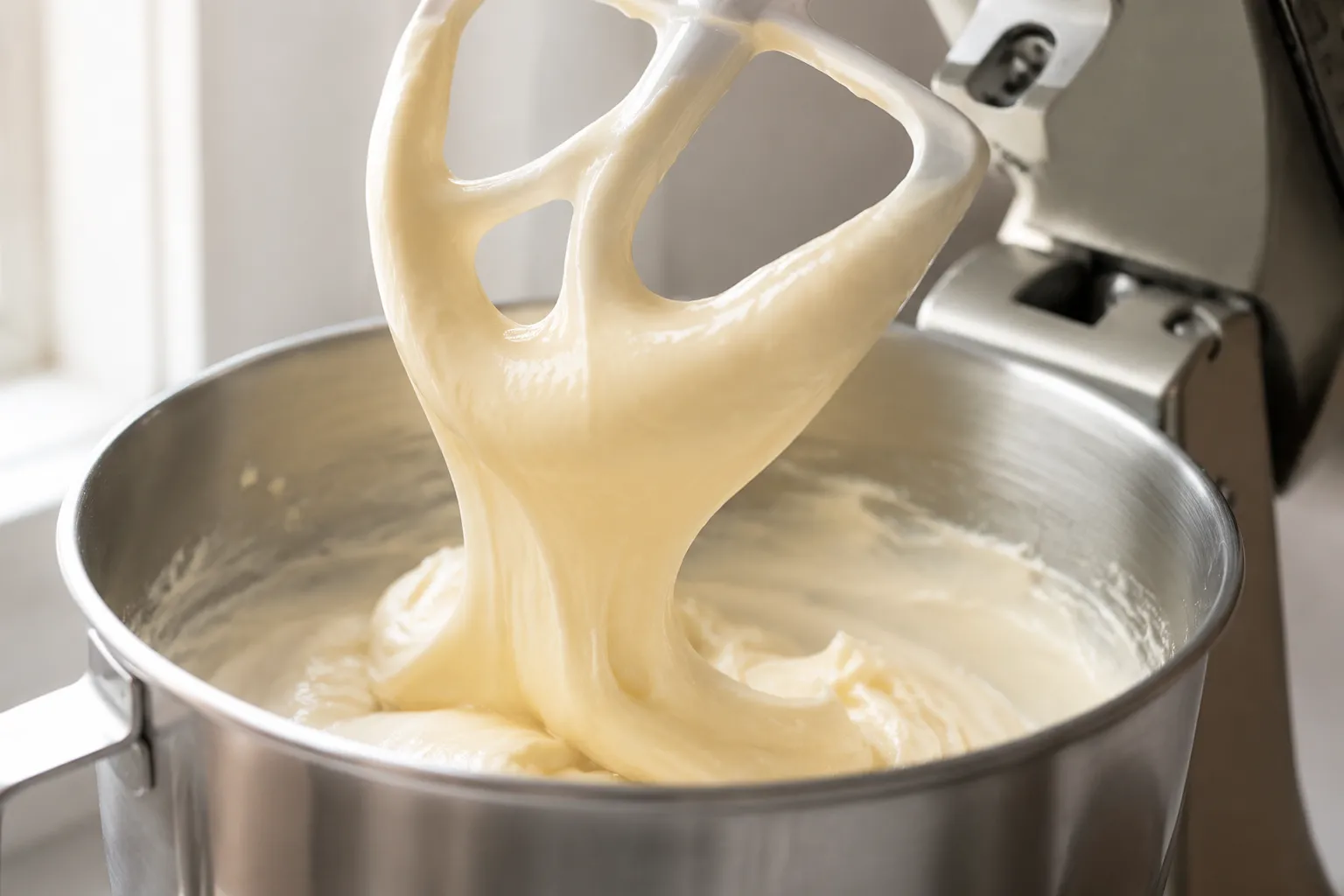
Beat the softened Philadelphia cream cheese on medium-low until completely smooth — this can take three or four minutes, so don't rush it. Stop and scrape the bowl often. Add the sugar and flour, beat until just combined, then stream in the eggs one at a time on low speed. Finally fold in the sour cream and vanilla extract. Slow speeds matter here: every extra minute on high incorporates air bubbles, and air bubbles are exactly what cause cracks.
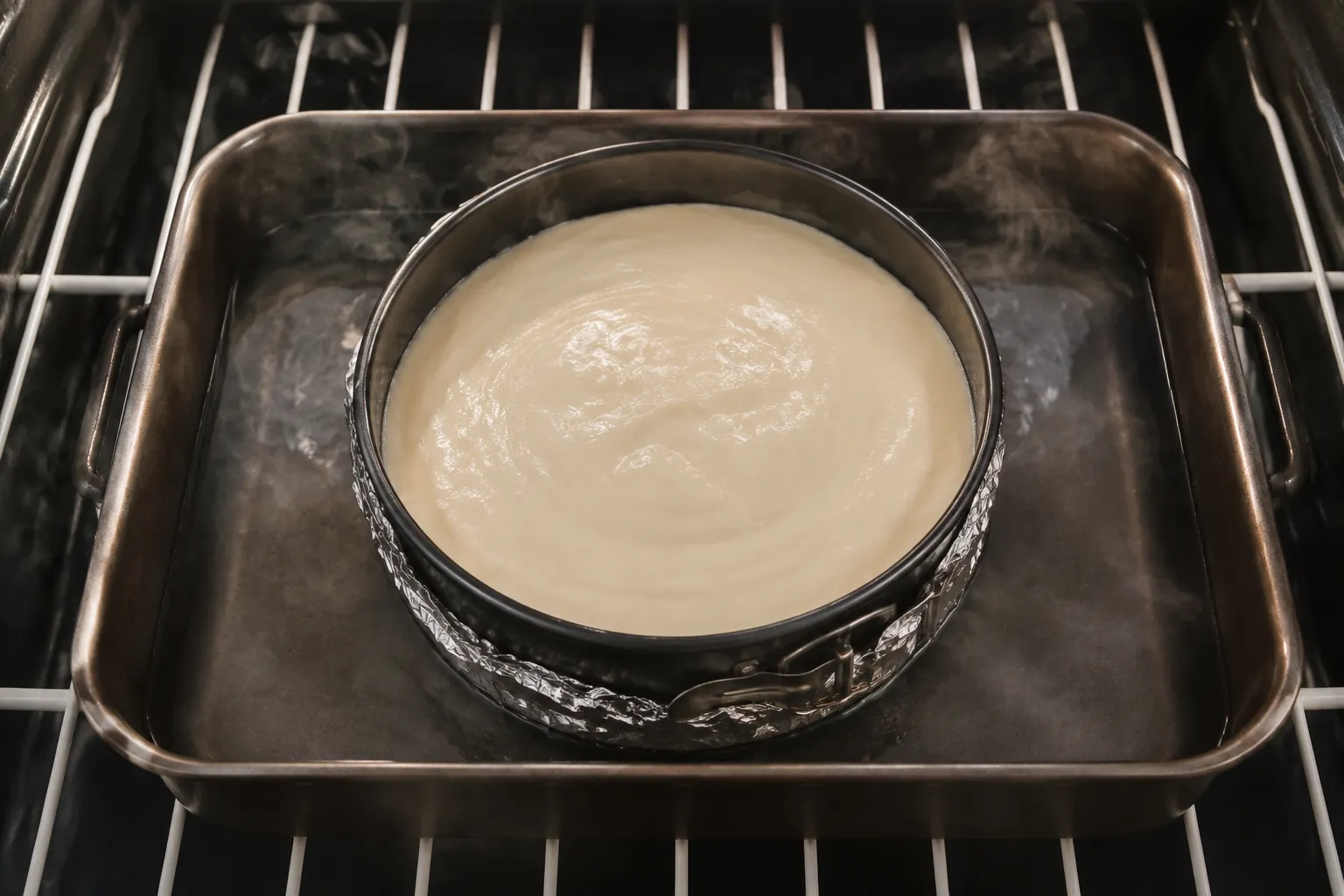
The water bath baking technique is non-negotiable if you want a smooth, crack-free top. Wrap the bottom and sides of your springform pan tightly in two layers of heavy-duty foil, set it inside a larger roasting pan, and pour boiling water around it until the water reaches halfway up the sides. The hot water acts as a buffer, keeping the oven gentle and humid so the proteins set slowly without seizing. Bake at 325°F for about 1 hour and 10 minutes, until the edges are set but the center still wobbles like Jell-O when you nudge the pan.
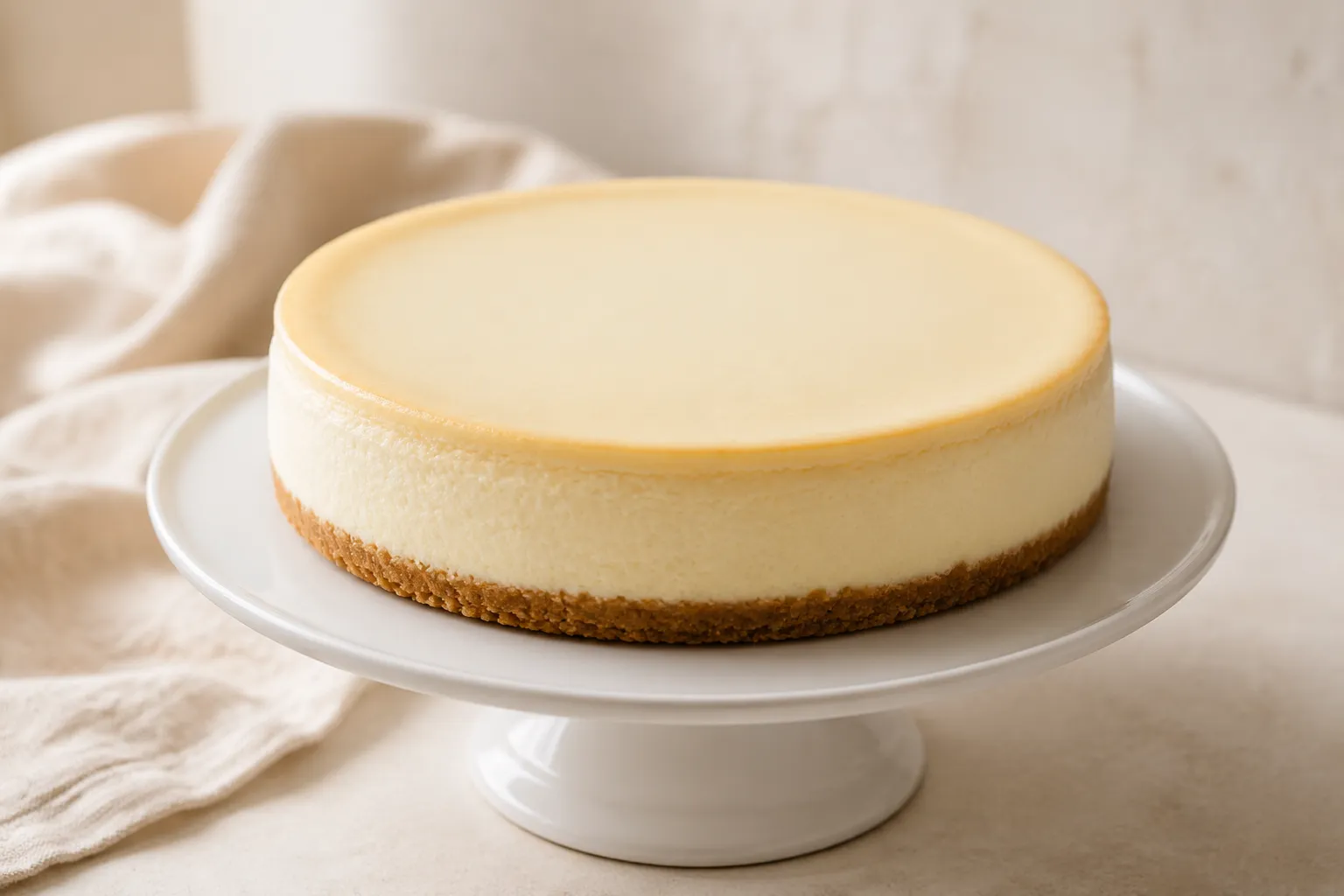
Crack the oven door, turn off the heat, and let the cheesecake hang out in there for one full hour. This slow descent is the unsung hero of crack prevention — sudden temperature changes are what split the surface. After that, run a thin knife around the inside edge of the pan (this prevents the cake from clinging and tearing as it shrinks), then chill uncovered for 4 hours and covered overnight. Yes, overnight. The texture and flavor genuinely transform.
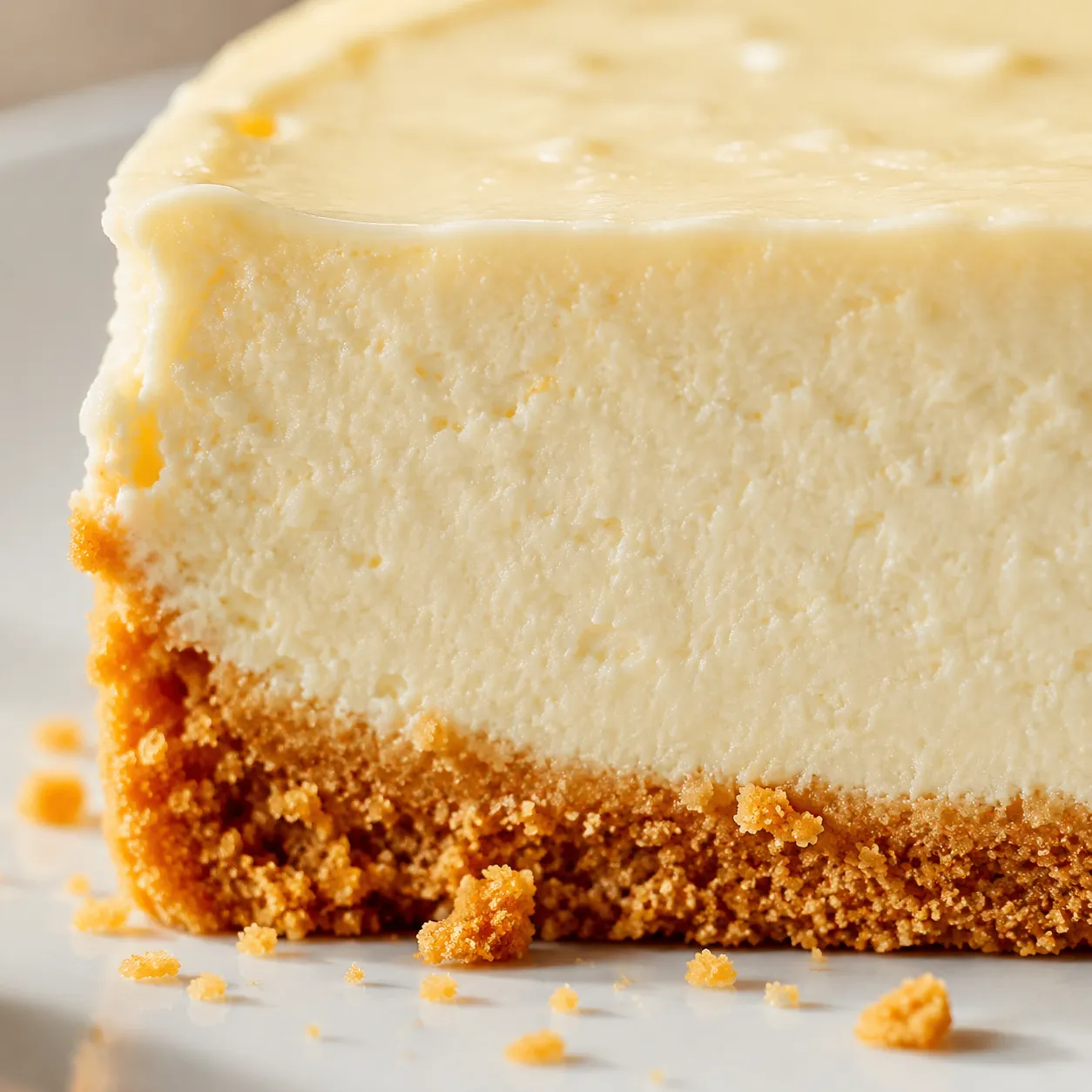
Recipes for philadelphia cheesecake split into a few camps, and it helps to know where this one lands. Compared to a New York style cheesecake — which is dense, towering, and often includes heavy cream and extra yolks — Philadelphia style is a touch lighter, creamier, and more pronounced in its tang. It's still rich, but the texture leans silky rather than fudgy. You'll see this recipe rise high and proud in the oven before settling into a smooth, even surface as it cools.
The other side of the family is the no-bake cheesecake, which skips eggs and the oven entirely in favor of whipped cream and gelatin or sweetened condensed milk. Those have their place — especially in July — but they don't have the same custardy depth. A baked Philly cheesecake is closer in spirit to a French set custard than a chilled mousse, and that's the texture we're chasing here.
This particular version splits the difference: the sour cream lightens the body, the flour stabilizes it, and the long chill gives it the clean, sliceable structure that makes restaurant cheesecake look so impossibly tidy.
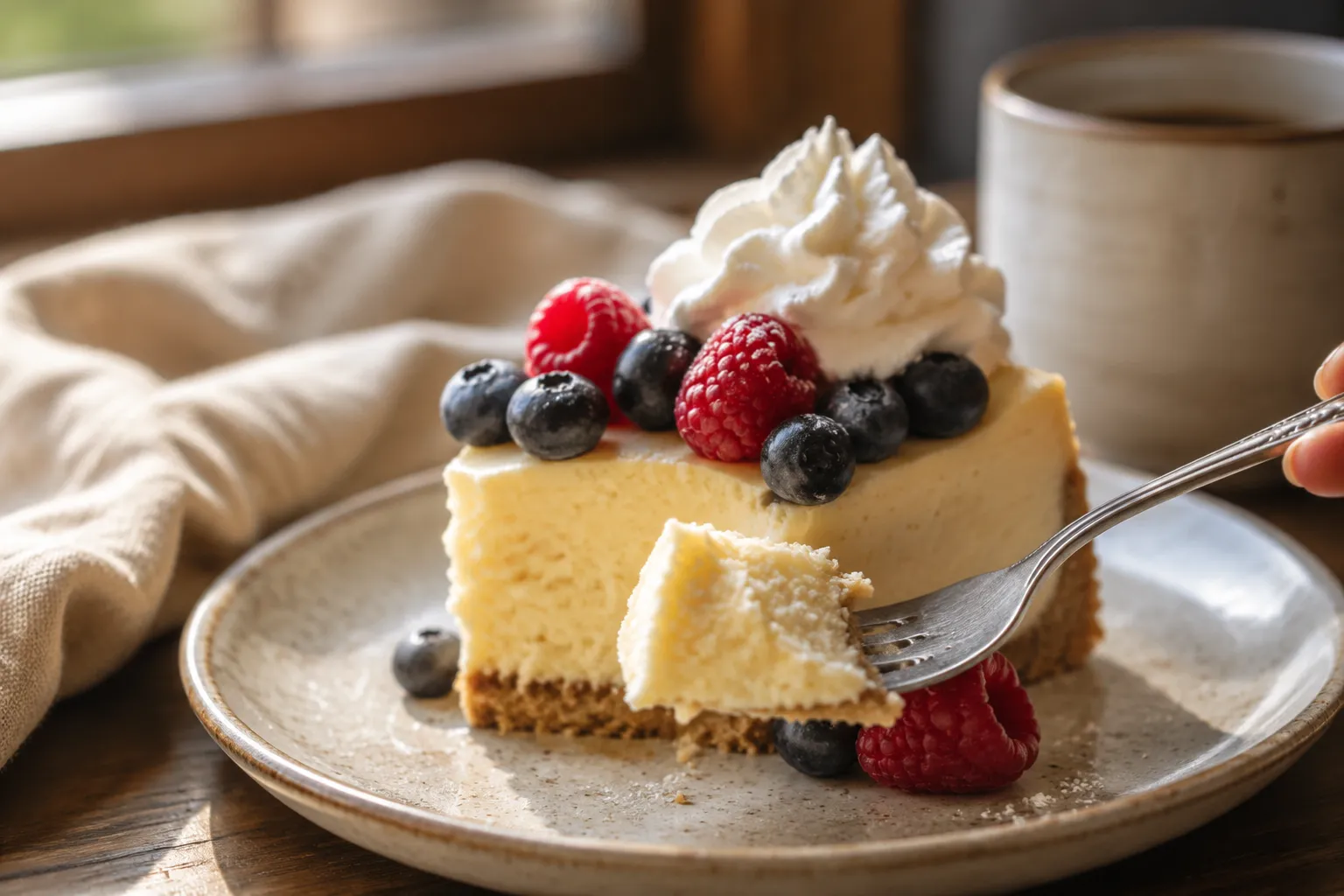
A perfectly chilled cheesecake doesn't need much, but a few finishing touches turn a slice into a moment. A spoonful of homemade whipped cream, a flurry of fresh berries, and maybe a tiny mint leaf is the cleanest, prettiest path forward. For a more dramatic plate, ladle warm berry sauce over the top so it pools into the graham crust corners, then add a dusting of powdered sugar.
Pair it with a strong espresso, a glass of late-harvest Riesling, or — my personal favorite — a small pour of dessert sherry. Holiday tables can stretch this dessert into multiple personalities by setting up a topping bar: warm caramel, lemon curd, chocolate ganache, and seasonal compotes side by side. Twelve generous slices feed a crowd, and leftovers (if there are any) only get better on day two.
Of all the recipes for philadelphia cheesecake I've tested over the years, this one earns the most repeat requests — and once it wins you over, you have a whole family of cream-cheese-forward desserts waiting. Mini cheesecakes baked in muffin tins are perfect for parties and freeze beautifully. Cheesecake bars with shortbread crust take half the time and slice into neat, lunchbox-friendly squares.
For warm weather, a no-bake cheesecake with fresh fruit topping skips the oven entirely and still hits the spot. And for a holiday crowd, a layered pumpkin or chocolate marbled version uses this same base with seasonal flair. The recipe card below has been tested and re-tested — save it, screenshot it, and come back to it whenever you need a dessert that earns its keep.
This base is a launching pad. Once you nail the classic, the same filling-and-crust template handles a dozen seasonal personalities — just swap the topping or fold flavorings into the batter before baking.
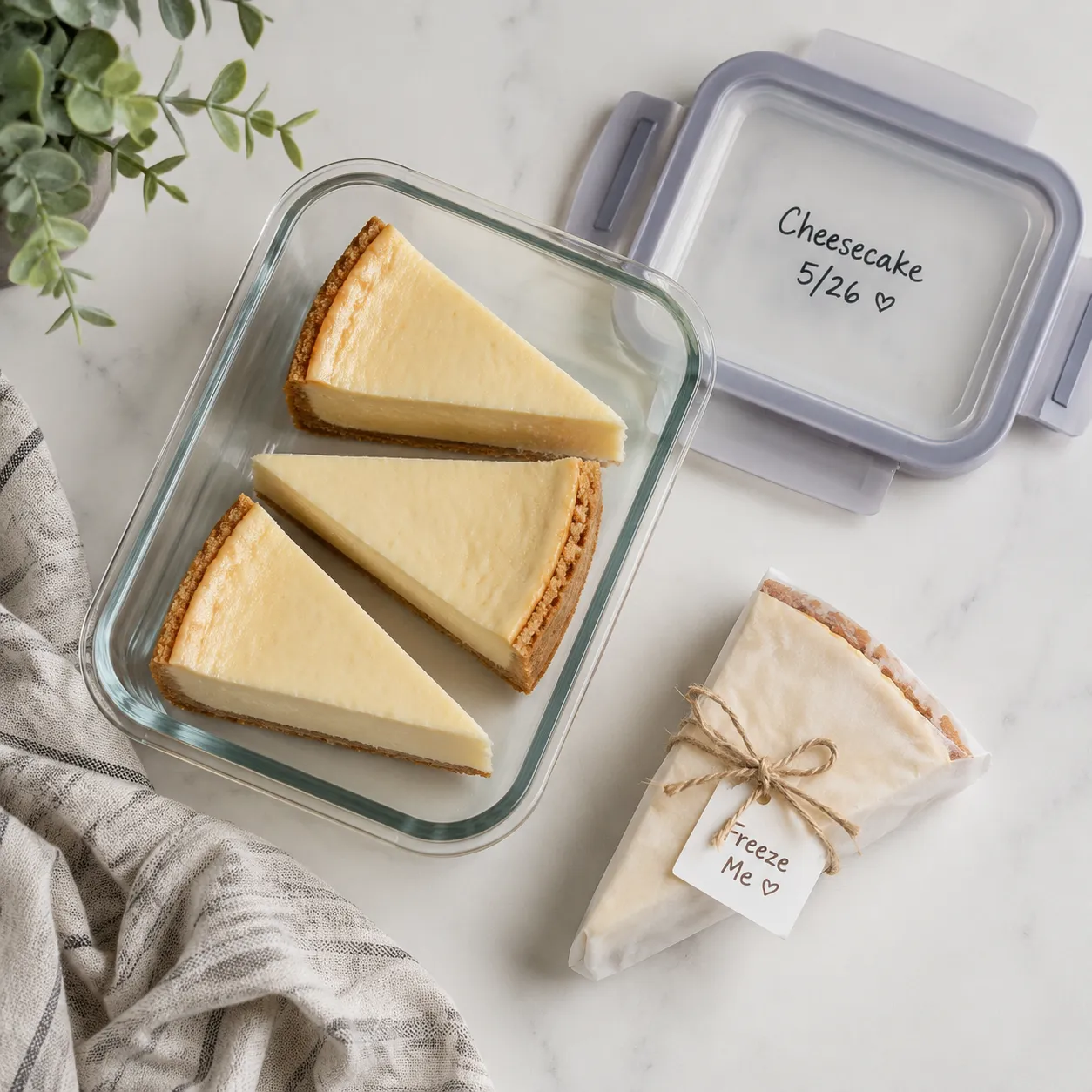
Refrigerator: Cover the cheesecake loosely with plastic wrap or transfer slices to an airtight container. It keeps beautifully for up to 4 days, and honestly tastes its best on days two and three. Don't add toppings until just before serving — sauces and whipped cream weep over time.
Freezer: Cheesecake freezes like a dream. Chill the whole cake or individual slices completely, then wrap tightly in plastic wrap followed by a layer of heavy-duty foil. Freeze for up to 2 months. To thaw, transfer to the refrigerator overnight (never at room temperature, which encourages weeping). For clean restaurant-style slices, cut while still partially frozen using a long knife dipped in hot water and wiped between cuts.