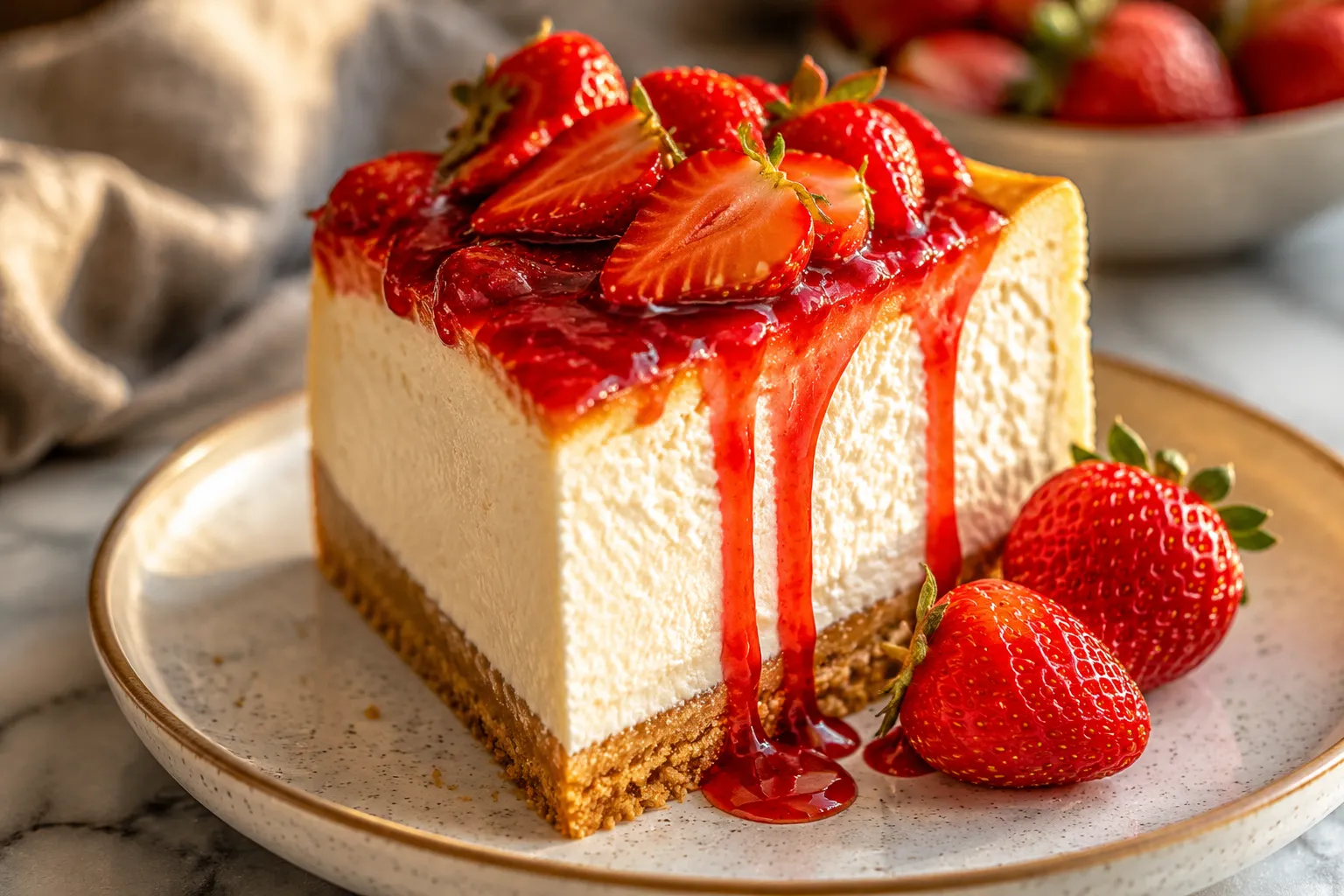
Lactation Cookies Recipe: Soft, Chewy & Milk-Boosting
Ingredients
Scale
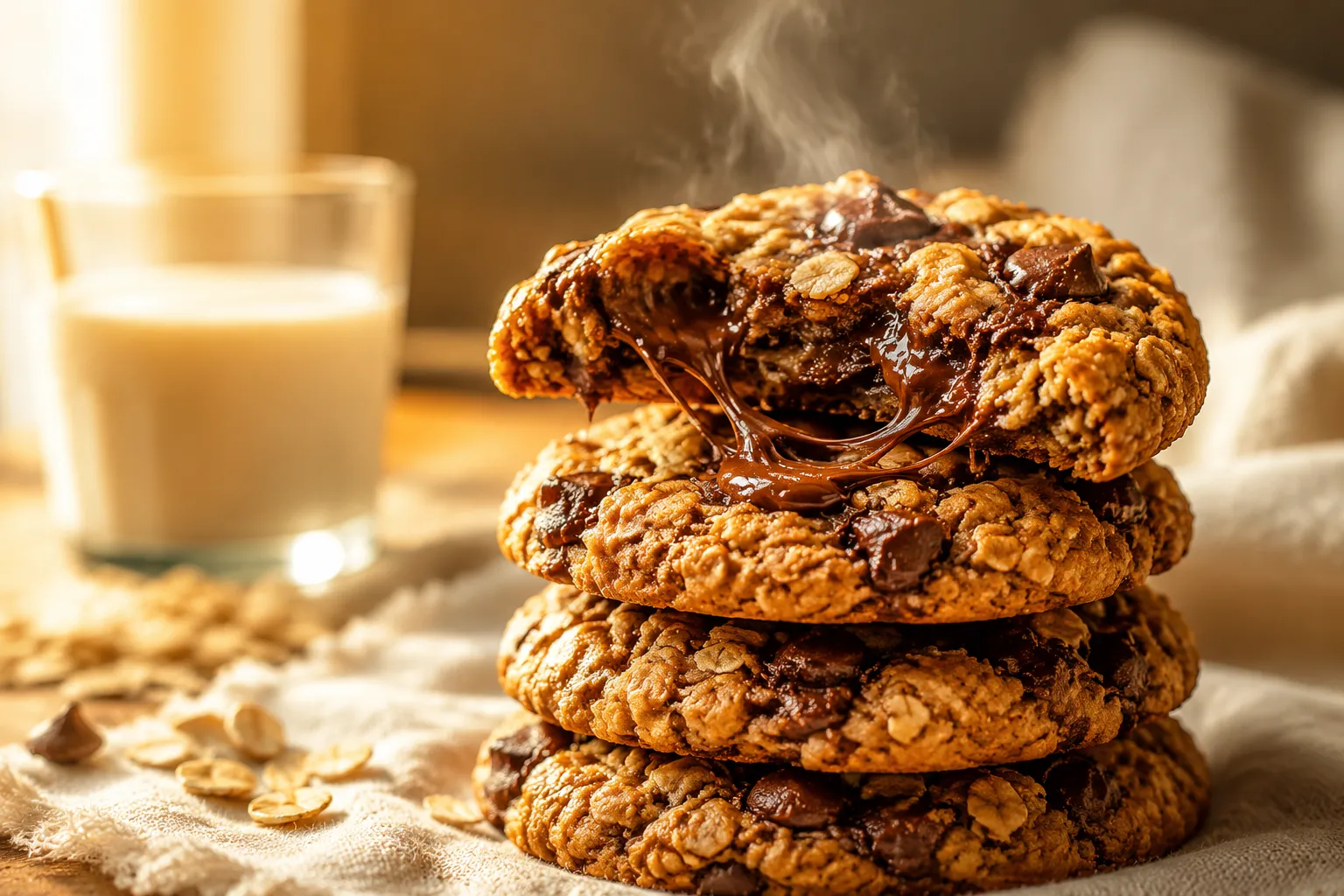
Buttery, chewy lactation cookies packed with oats, flaxseed, and brewer's yeast — a cozy treat designed to support nursing moms in their busiest weeks.
Lactation cookies have become one of those legendary postpartum treats that get passed around like a secret handshake among new moms. The first time a friend brought a tin to the hospital after I had my second baby, I cried into them at 2 a.m. between feedings, because they tasted like an actual cookie — buttery, chewy, gooey with chocolate — not the sad, sandy bricks I had tried before. That batch is what got me obsessed with nailing this recipe at home.
These are loaded with three traditional galactagogues — rolled oats, ground flaxseed, and brewer's yeast — but they actually taste like dessert. The brown sugar caramelizes into crackly tops, the centers stay soft for days, and pools of melted chocolate sit between chewy oats. They are exactly what you want at 11 p.m. when you're trying to pump and watch one more episode of something mindless.
What I love most is how forgiving the recipe is. It comes together in one bowl, no stand mixer required, and the dough freezes beautifully so you can have warm breastfeeding snacks ready any time a cluster-feed strikes. Whether you're still pregnant and prepping ahead or in the thick of it with a six-week-old, this is the batch I want every nursing mom to have stashed in her freezer.
Lactation cookies are essentially oatmeal cookies engineered to support breastfeeding. Their power players are galactagogues — foods and herbs traditionally believed to encourage milk production — and the trio you'll see in nearly every recipe is rolled oats, ground flaxseed, and brewer's yeast. None of these ingredients are magic on their own, but the combination has been a postpartum staple for generations of nursing moms across cultures, and many lactation consultants still recommend them as a comforting, low-stakes way to support supply.
Here's the honest part: the research on any single galactagogue is mixed, and the strongest predictors of milk supply are still frequent nursing or pumping, hydration, and rest. But brewer's yeast in particular is rich in B vitamins, iron, and chromium, all of which take a hit during pregnancy and the early weeks postpartum. Eating two or three cookies a day gives you a small, steady dose alongside calories your body genuinely needs while feeding a baby.
Most moms start eating them in the first two to three weeks postpartum, once milk has come in and supply is regulating. They're also a thoughtful gift to drop off at a baby shower or stash in the freezer for the inevitable growth-spurt days when feeds feel relentless. Just check with your OB before eating them in late pregnancy, since some galactagogues can stimulate uterine activity.
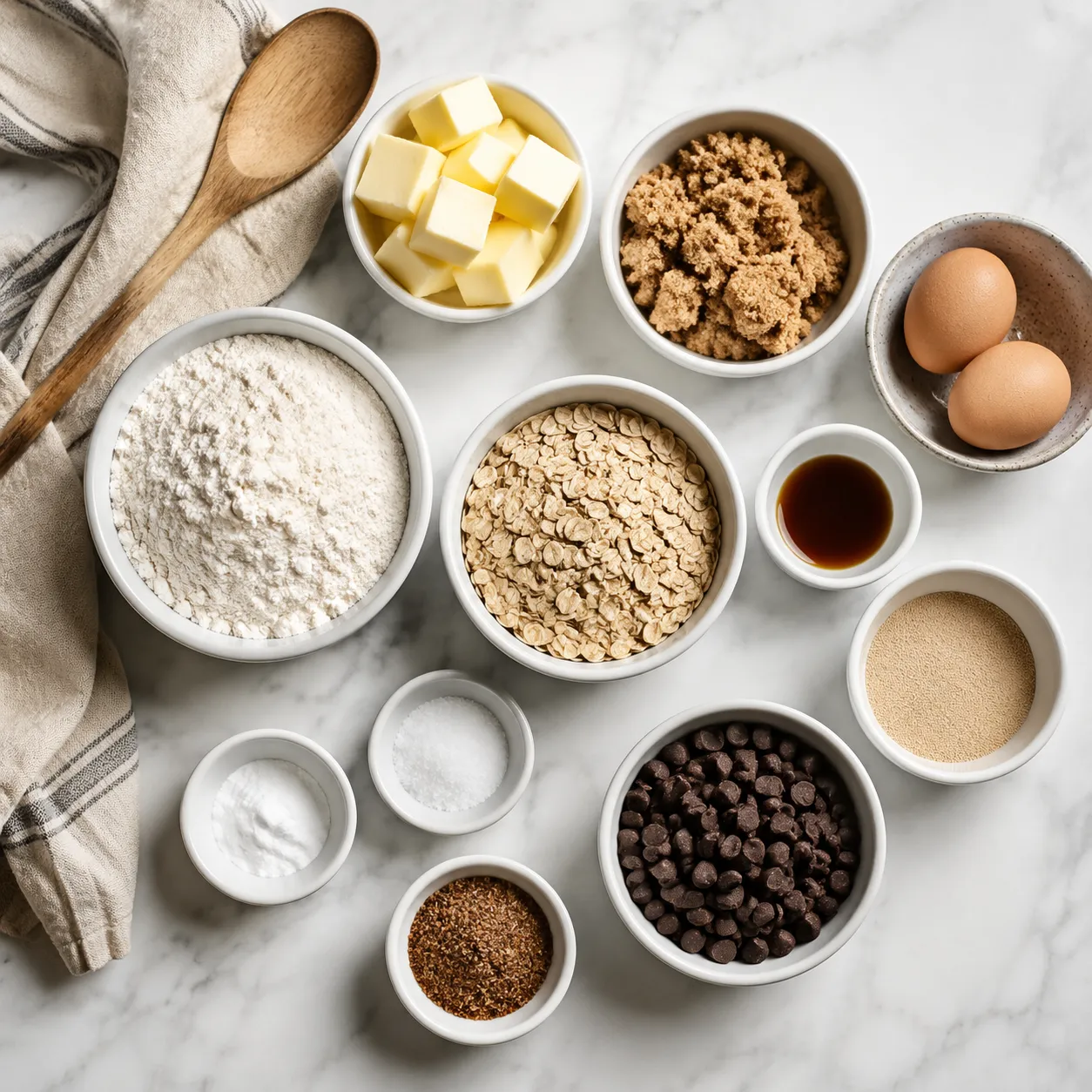
The ingredient list reads like a classic chocolate chip cookie with a few intentional additions. Use real butter (softened, not melted), packed brown sugar for that caramelly chew, and old-fashioned rolled oats — quick oats turn the cookies cakey and dense, which we don't want here. Two large eggs and a teaspoon of vanilla round out the wet team.
The galactagogue trio is where this recipe earns its name. Brewer's yeast is the non-negotiable hero — grab the debittered kind sold for lactation use, not baker's yeast (which is alive and would make your dough rise) and not nutritional yeast (a different organism that won't give the same supply benefits). Ground flaxseed adds soluble fiber, omega-3s, and a nutty note that disappears into the dough. Use pre-ground flax, not whole seeds, so your body actually absorbs it.
For the chocolate, I go with semi-sweet chips, but feel free to mix in chopped dark chocolate or a handful of minis for more melty pockets. A pinch of flaky sea salt on top after baking is optional but worth it. If you've ever baked oatmeal cookies before, this list will look familiar — the brewer's yeast and flax are the only real curveballs.
The method is the most relaxed part of this recipe. You don't need a stand mixer, you don't need to brown the butter, and the dough comes together in about fifteen minutes start to finish.
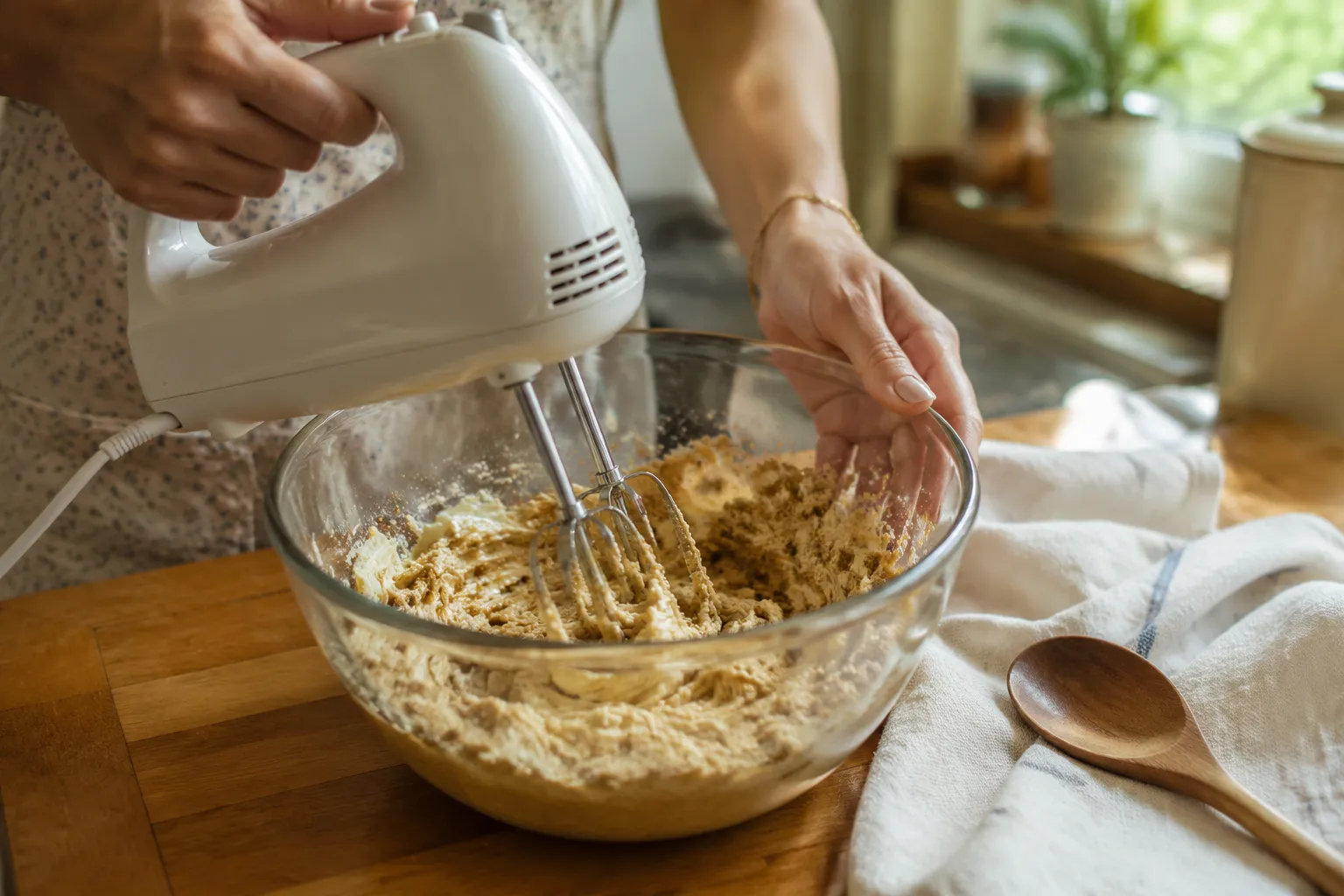
Start by stirring the ground flaxseed with three tablespoons of warm water in a small bowl and letting it sit for five minutes — this creates a flax egg of sorts that locks in moisture and gives the cookies their signature chewy bite. While that hangs out, cream the softened butter with the brown sugar and granulated sugar until the mixture turns pale and fluffy. A hand mixer takes about two minutes; a wooden spoon and some forearm grit will get you there in four.
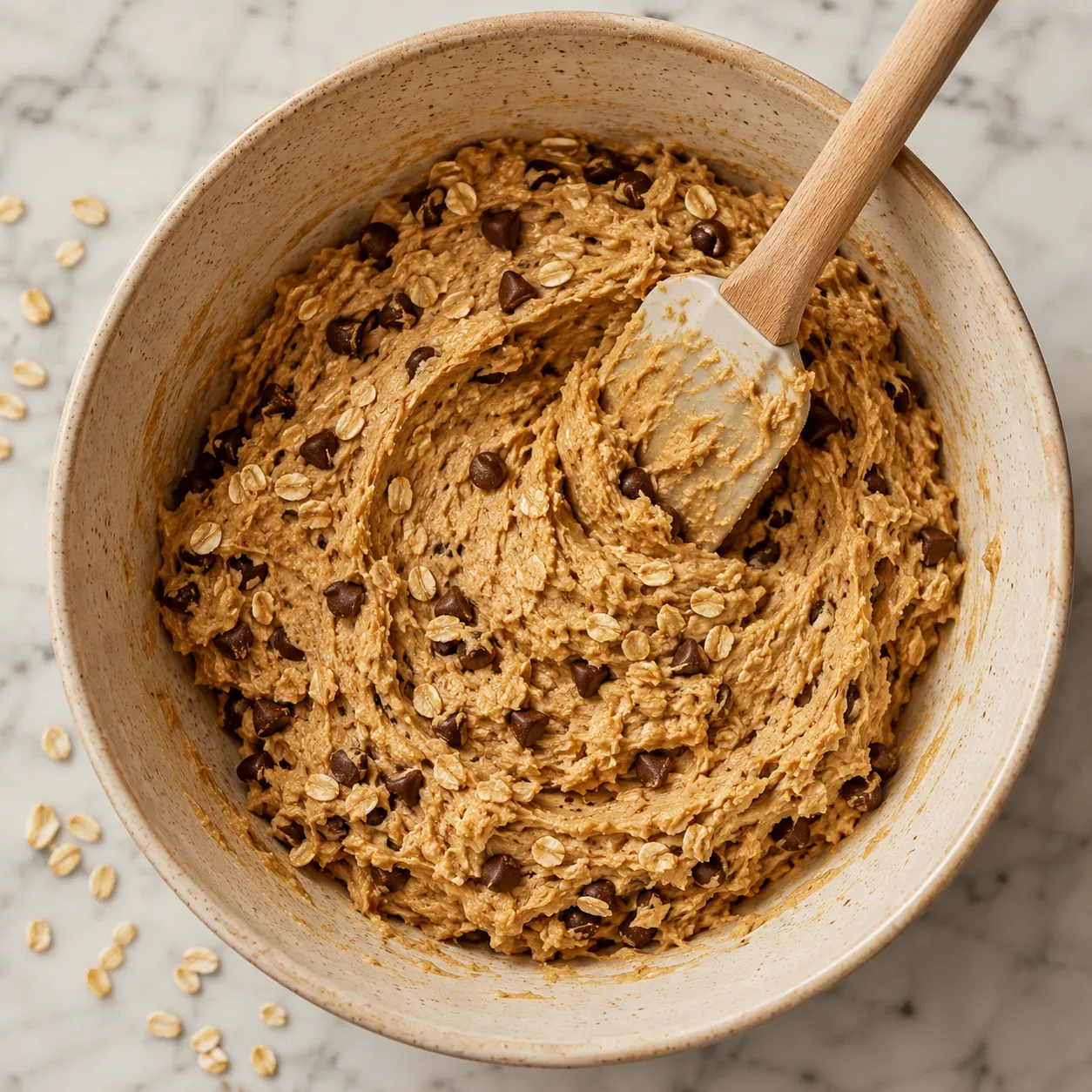
Beat in the eggs one at a time, then add the vanilla and bloomed flax. In a separate bowl, whisk the flour, oats, brewer's yeast, baking soda, and salt — this is where the yeast gets evenly distributed so no one ends up with a bitter pocket. Tip the dry mix into the wet, fold gently with a spatula until just combined, and stir in the chocolate chips. The dough will be thick and shaggy, almost like granola bar batter, with visible flecks of yeast and oats.
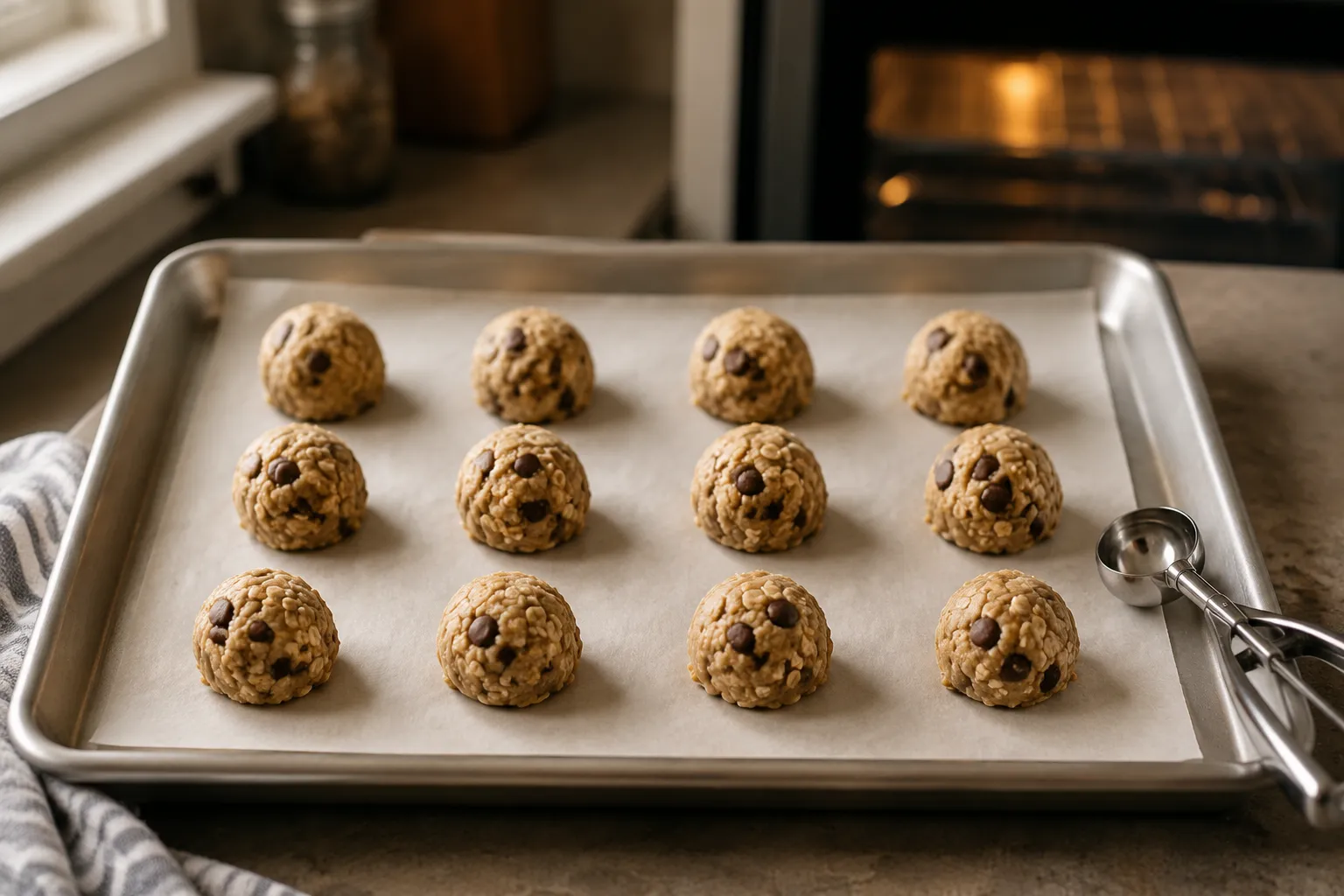
Chill the dough for at least 30 minutes — this is the secret to thick, bakery-style cookies that don't spread into puddles. Scoop heaping tablespoons (or use a #40 cookie scoop) onto a parchment-lined sheet pan, leaving two inches between each ball. Bake at 350°F for 11 to 12 minutes, until the edges are set and lightly golden but the centers still look a touch underdone.
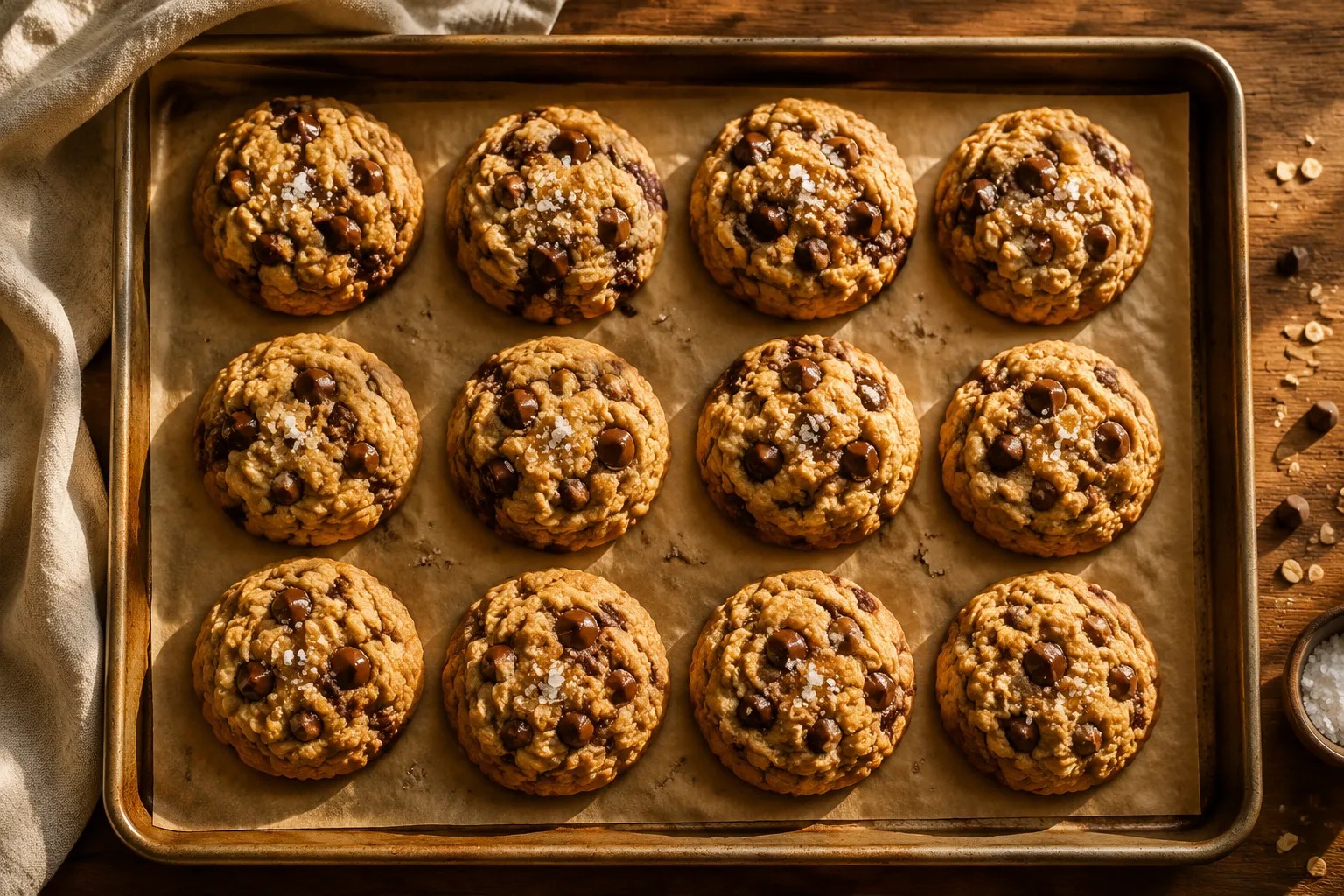
Let the cookies cool on the pan for five full minutes before transferring to a wire rack. They firm up dramatically as they cool, so resist the urge to peek under one and call it done too early.
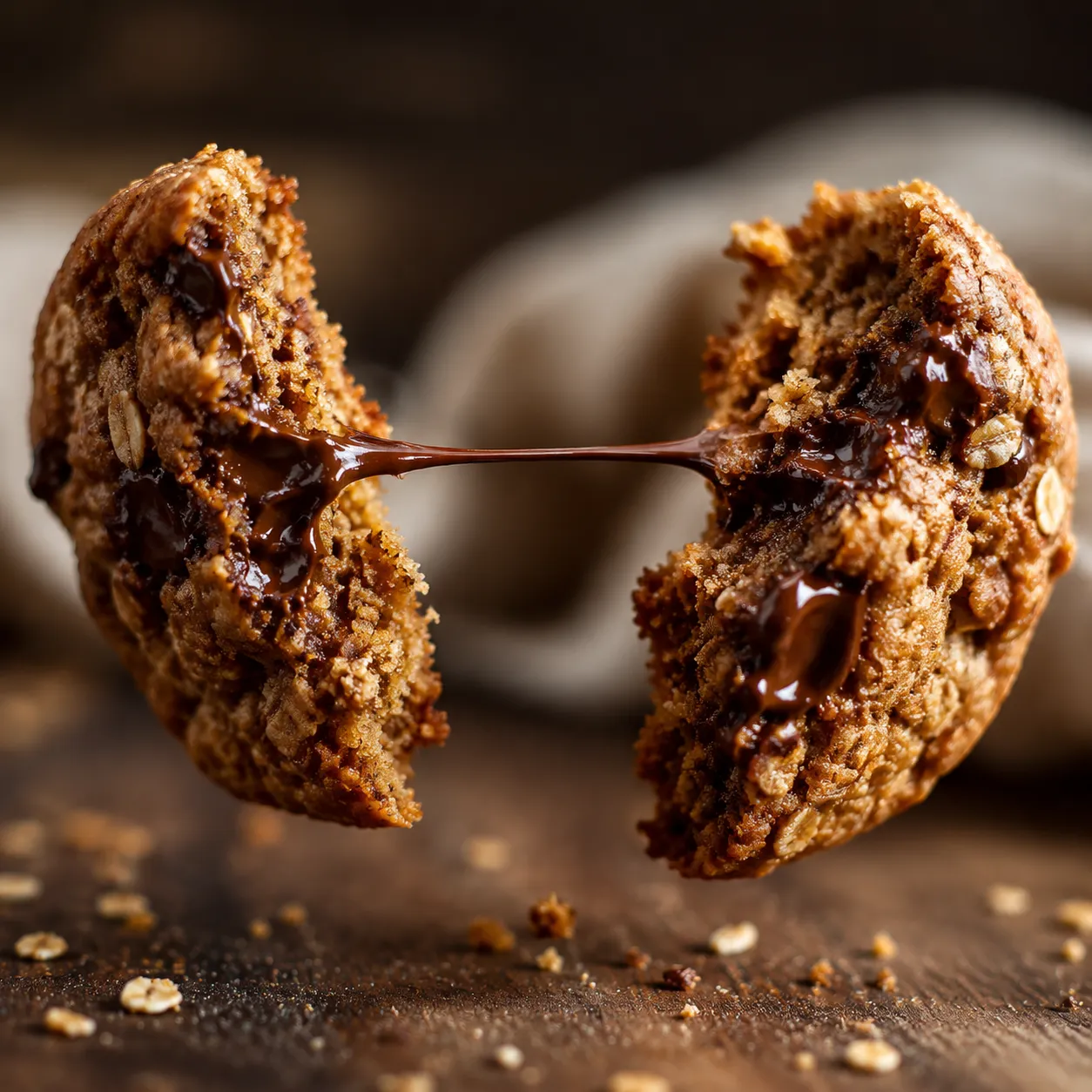
A great cookie is mostly about moisture management, and this dough is built to hang onto every bit of it. Rolled oats slowly absorb liquid in the bowl and again in the oven, creating that hearty, slightly springy bite. Brown sugar pulls humidity from the air long after baking, which is why these stay soft on day three. The bloomed flaxseed acts like a second binder, trapping butter and sugar around the chocolate so the centers stay fudgy instead of crumbling.
Brewer's yeast deserves credit too — it adds a subtle malted note that reads almost like browned butter, while its protein content keeps the crumb tender rather than dense. The cookies actually taste noticeably better the next day, once the yeast mellows and the oats fully hydrate. If you can hide a few from yourself overnight, that rest is worth it.
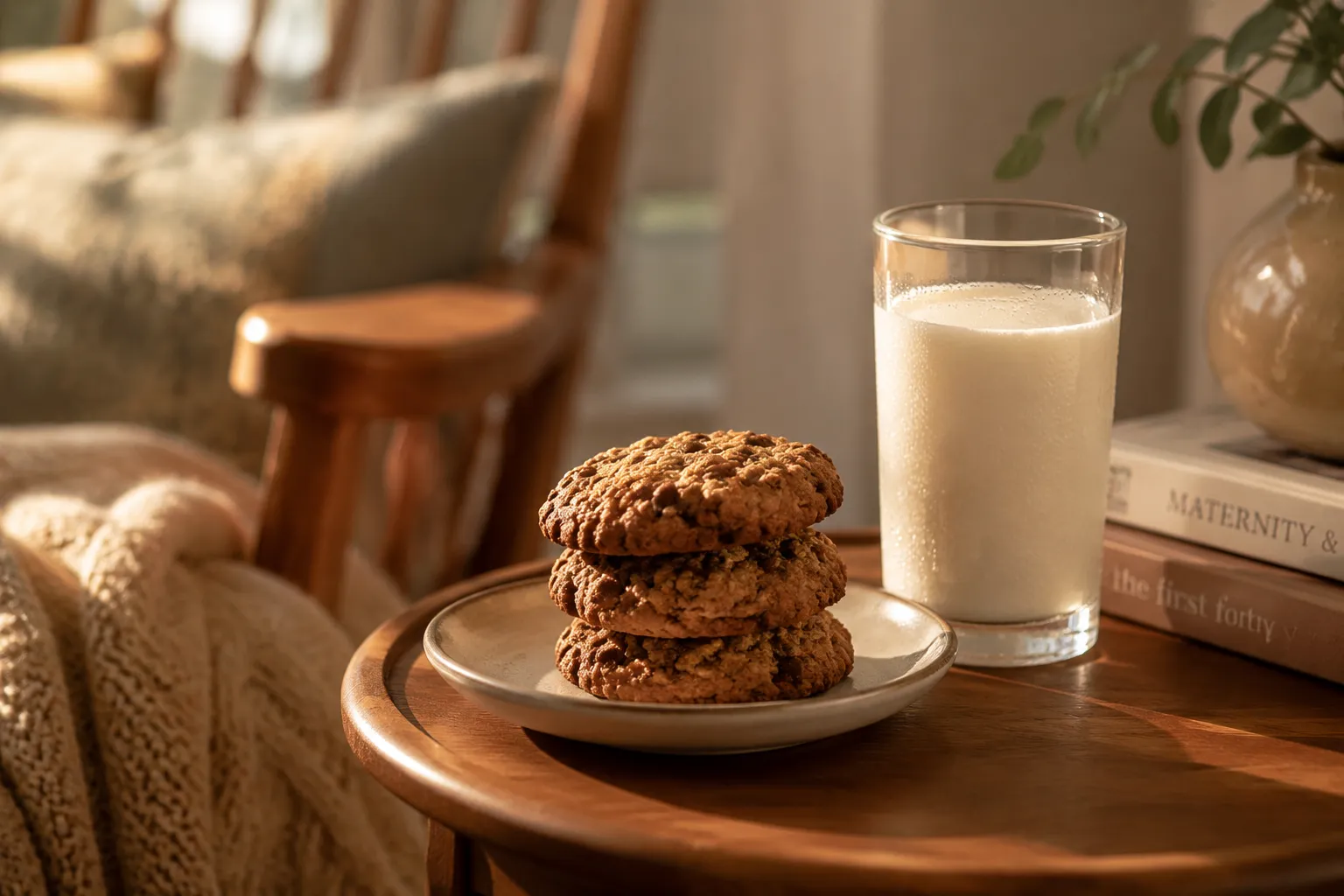
The classic move is two cookies and a tall glass of cold milk on the nightstand for night feeds. I also love crumbling one over Greek yogurt with a drizzle of honey for breakfast — the oats turn into an instant granola. For a slightly more dessert-leaning vibe, sandwich a scoop of vanilla ice cream between two cookies and call it a postpartum win.
If you're stocking the freezer for a friend, pair these with a couple of other postpartum recipes — a hearty soup, a tray of baked oatmeal, or a batch of energy bites — so she has both meals and snacks within reach. They also slide right into a lunchbox if you have older kids who think mom's cookies are their cookies. Spoiler: they're not wrong.
There's a reason this recipe stays on rotation long after the postpartum stretch is over. The cookies behave like easy chocolate chip cookies with a little extra nutritional muscle, and they freeze like a dream — which is why you'll see freezer-friendly cookies tagged on so many of my recipes for new parents. Bake a batch this weekend, stash half, gift the other half, and you've just made someone's hardest week a little softer.
This dough is forgiving enough that you can swap the chocolate, the binder, or the flour without losing the soft, chewy bite. Pick the riff that fits your pantry and your cravings on any given postpartum afternoon.
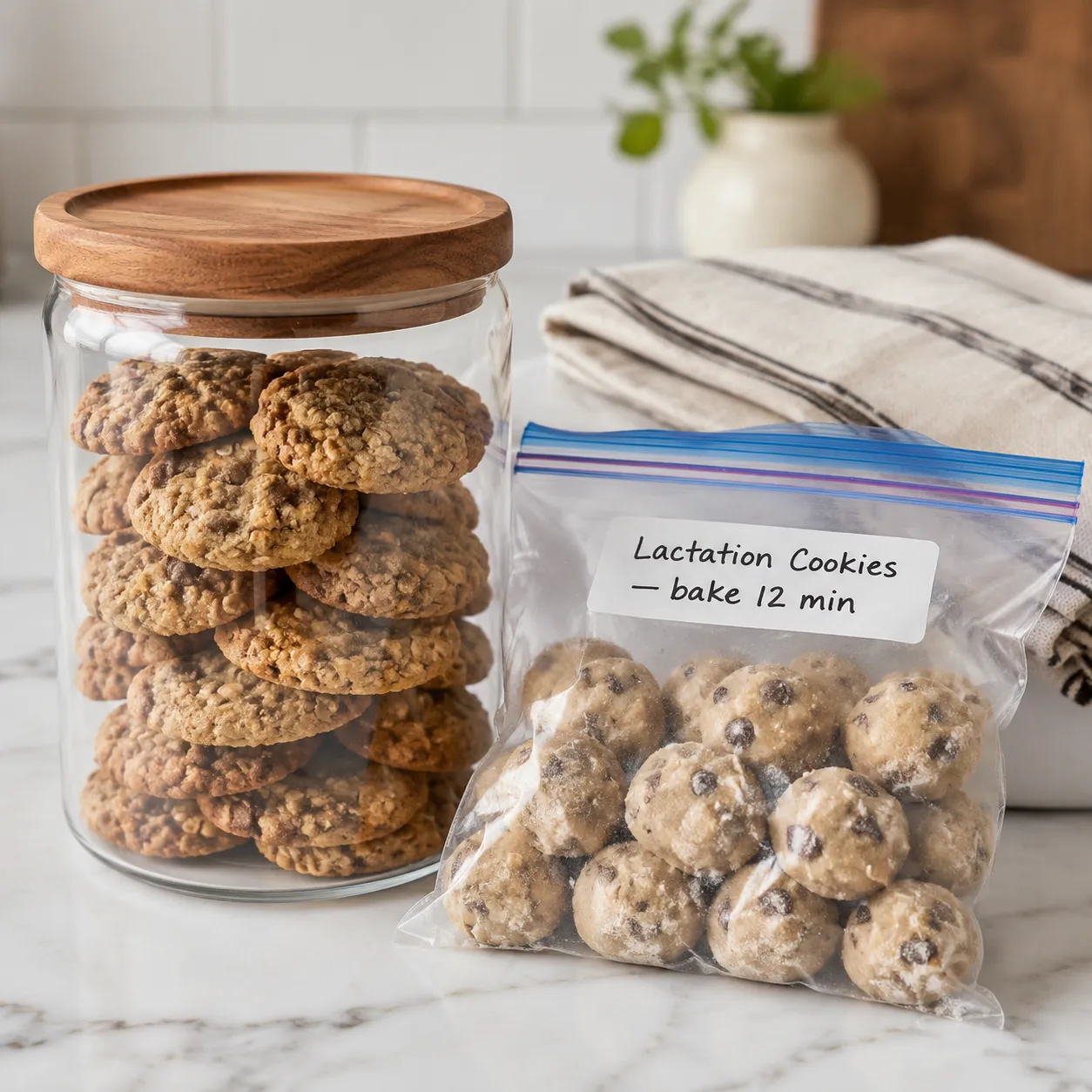
Store baked cookies in an airtight container at room temperature for up to 5 days, or in the fridge for up to a week. A slice of sandwich bread tucked into the container keeps them noticeably softer — an old bakery trick that really works. To freeze baked cookies, layer them between sheets of parchment in a zip-top freezer bag and freeze for up to 3 months. Thaw at room temperature for about an hour or microwave in 10-second bursts for that just-baked feel.
The raw dough freezes even better. Scoop into balls, freeze on a sheet pan until solid (about an hour), then transfer to a labeled freezer bag. Bake straight from frozen at 350°F, adding 2 extra minutes to the bake time. This is honestly the move for postpartum prep — having a bag of dough in the freezer means a fresh-from-the-oven cookie any time the supply needs a friendly nudge or a visiting friend needs feeding.