DessertsMay 22, 2026

German Chocolate Frosting (Classic Coconut-Pecan Recipe)

4.8 from 12 reviews
0SHARES

Now Playing

German Chocolate Frosting (Classic Coconut-Pecan Recipe)

0:00
0:00
German Chocolate Frosting (Classic Coconut-Pecan Recipe)

This classic German chocolate frosting is buttery, custardy, and loaded with toasted pecans and sweet coconut — the only icing your layer cake needs.

Why You'll Love This Recipe
  • True Southern-style classic. This is the real-deal cooked custard frosting your grandma made — no shortcuts, no powdered sugar.
  • Custard-based, not overly sweet. The evaporated milk and egg yolks balance the sugar so the coconut and pecans shine through.
  • One pan, 25 minutes. Everything happens in a single saucepan, and the frosting is ready to spread by the time your cake cools.
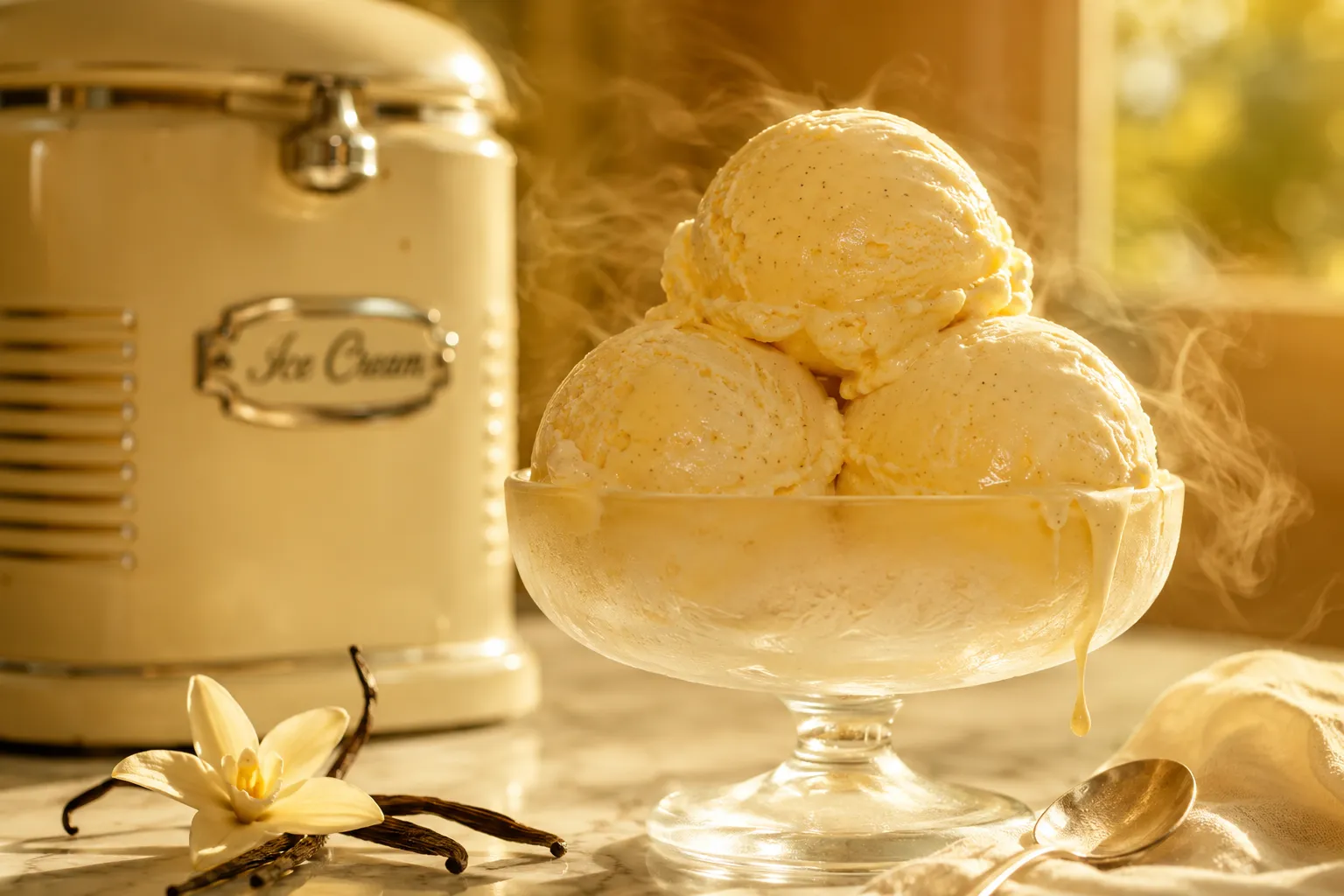
  • Wildly versatile. Use it on layer cakes, sheet cakes, cupcakes, brownies, or even ice cream.
  • Make-ahead friendly. Keeps beautifully in the fridge for up to 5 days.

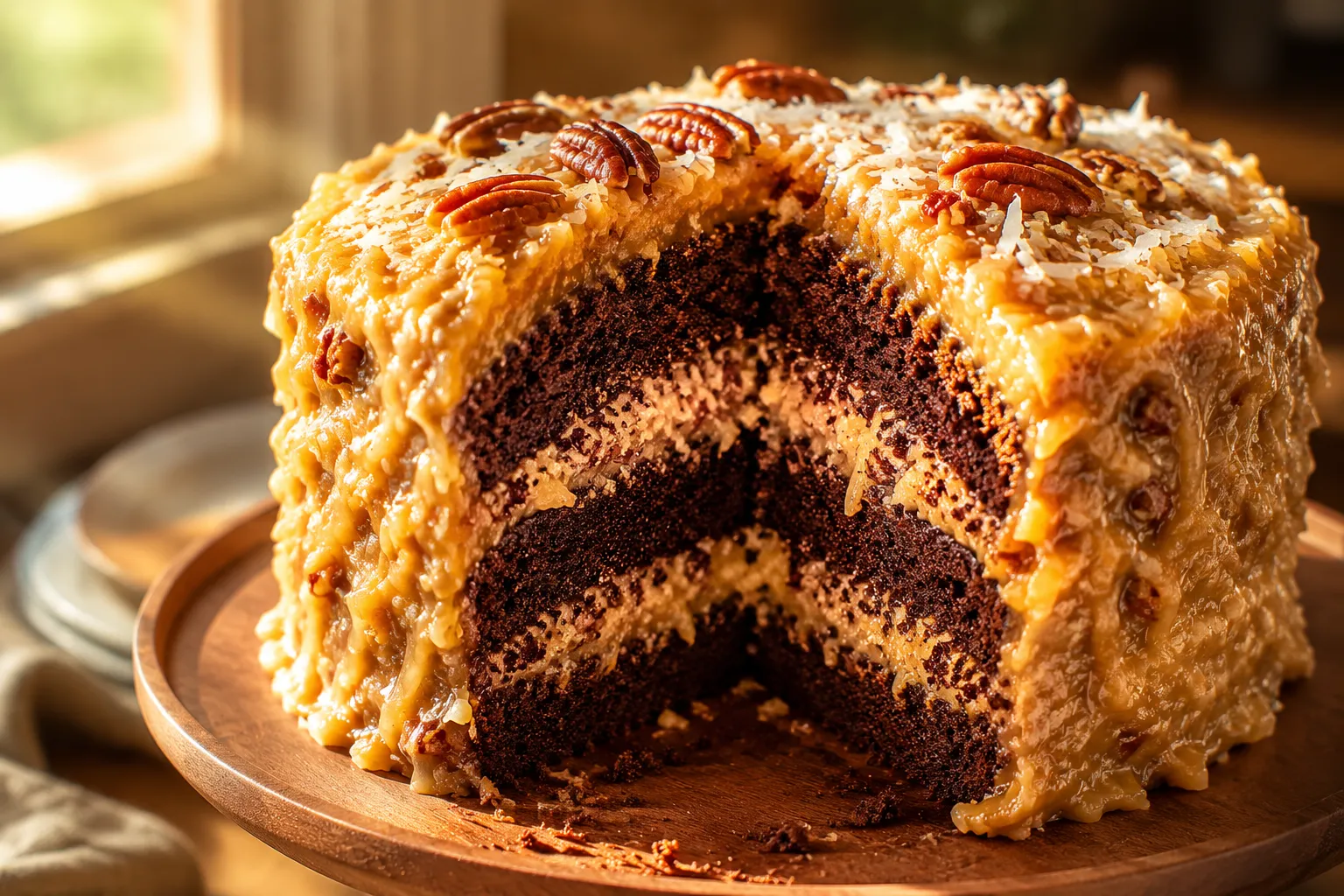
This german chocolate frosting is the gooey, caramel-amber, coconut-and-pecan-studded icing of your bakery daydreams — and yes, you can absolutely make it from scratch in one saucepan. Unlike a fluffy buttercream frosting that relies on powdered sugar and whipping, this is a true cooked custard: butter, sugar, evaporated milk, and egg yolks simmered until thick, then folded with toasted nuts and sweet coconut. The result is silky, spoonable, and almost candy-like the moment it cools.

German chocolate frosting recipe spread thick over a sliced layer cake on a cake stand

I grew up watching my grandma make this for every birthday german chocolate cake on the kitchen table, and she always said the secret was patience — stir, stir, stir, and don't walk away. Once you've made it once, you'll understand why this coconut pecan frosting has stayed an American baking icon for nearly a century. It's the kind of recipe that turns a humble homemade chocolate cake into a showstopper, and it comes together in about 25 minutes start to finish.

Whether you're frosting a tall layer cake, a 9x13 sheet, a tray of brownies, or even a batch of cupcakes, this is the only icing recipe you need bookmarked.

What Is German Chocolate Frosting?

Despite the name, this frosting isn't German at all. It traces back to Sam German, an American baker who developed a sweet baking chocolate bar for Baker's Chocolate Company in 1852. Decades later, a Texas homemaker published a layer cake recipe using "German's Sweet Chocolate" in a Dallas newspaper, and the apostrophe-S quietly disappeared over time. The frosting paired with the cake — a cooked custard loaded with coconut and pecans — became just as famous as the chocolate itself.

What sets this german chocolate icing apart from a standard chocolate frosting or ganache is its texture. It doesn't get piped or whipped; it gets spread, glossy and thick, between layers and over the top of a cake (traditionally, the sides are left bare to show off those dark chocolate layers). It's sweet but balanced, with a custardy richness that plays beautifully against deep cocoa cake.
Ingredients You'll Need

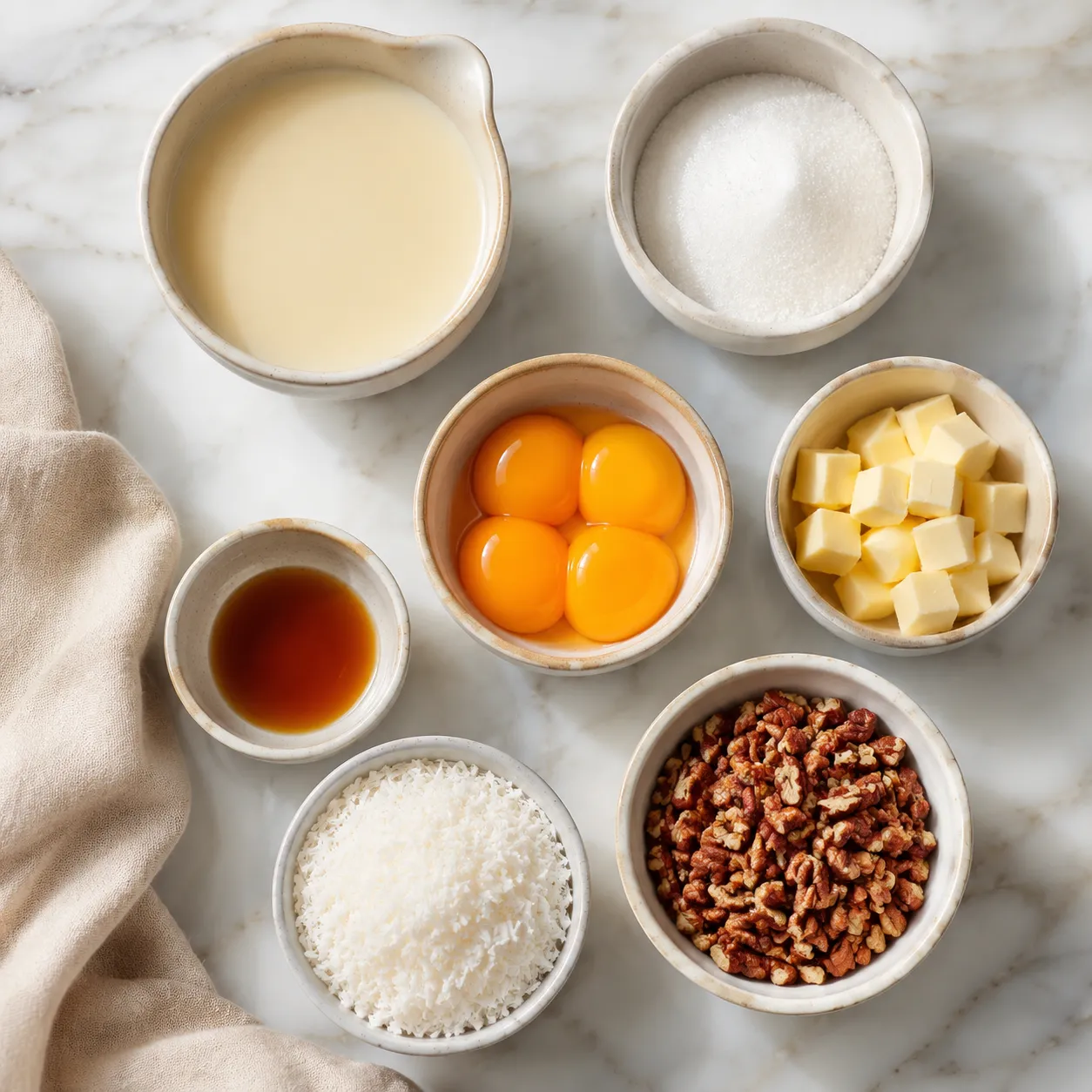
Ingredients for German chocolate icing recipe laid out on a marble counter

The ingredient list is short, pantry-friendly, and every component pulls its weight. Here's what you're working with and why it matters:
  • Evaporated milk — the backbone of the custard. It's concentrated, slightly caramelized, and gives the frosting its signature richness without the cloying sweetness of condensed milk. Do not swap.
  • Granulated sugar — just enough to sweeten the custard and help it thicken as it cooks.
  • Egg yolks — three of them, which thicken the base into a glossy pudding-like consistency. Save the whites for meringues or an omelet.
  • Unsalted butter — for body, flavor, and that luscious melt-in-your-mouth finish.
  • Pure vanilla extract — added off the heat to keep its flavor bright.
  • Sweetened shredded coconut — the classic choice. It melts into the warm custard and gives every bite that chewy, tropical sweetness.
  • Toasted pecans — please don't skip the toasting step. Five minutes in a dry skillet transforms raw pecans into deeply nutty, buttery jewels.

How to Make German Chocolate Cake Frosting

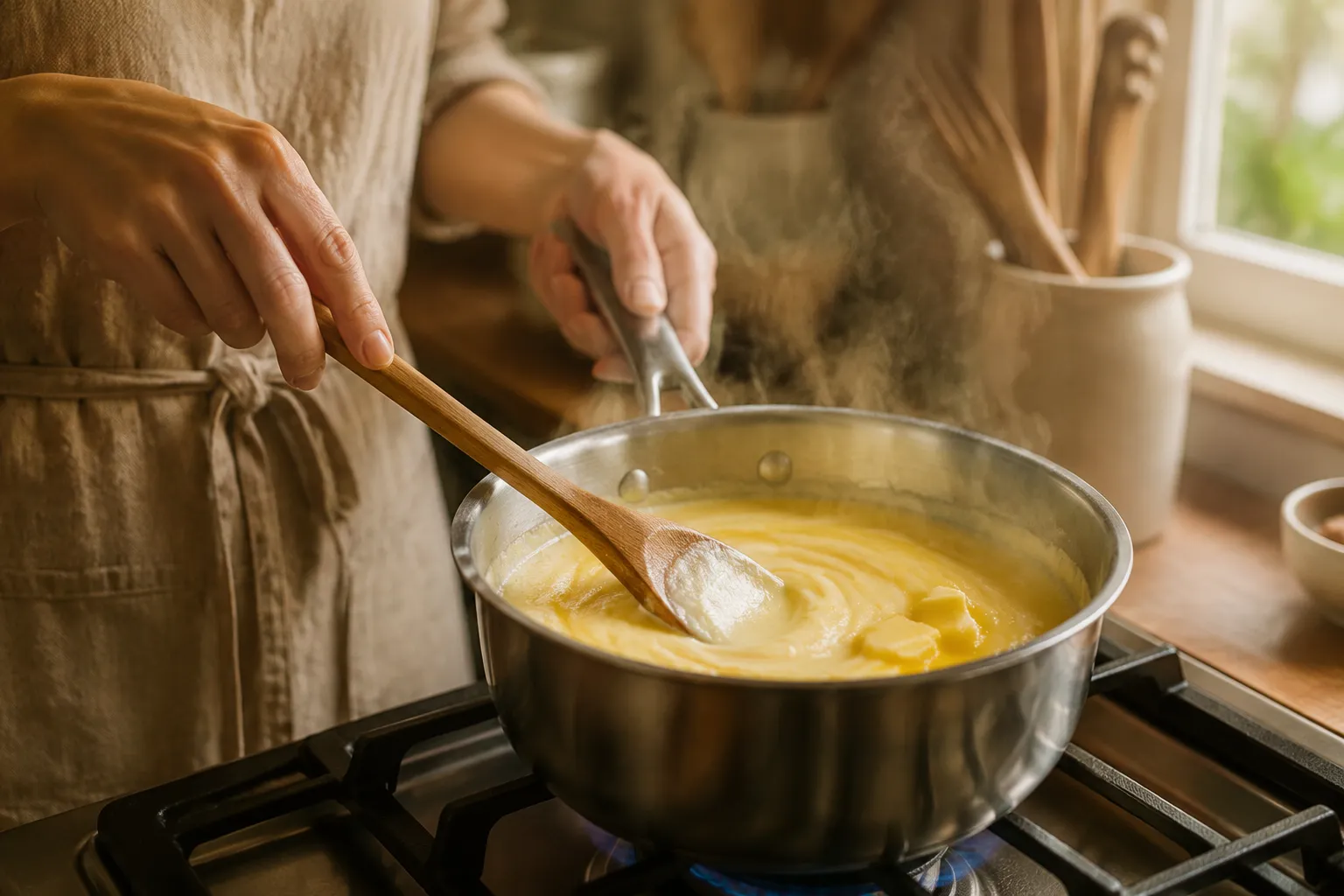
Stirring egg yolks and evaporated milk to make German chocolate cake frosting

The full step-by-step is in the recipe card below, but here's the big-picture walkthrough so you know what to expect at the stove. The whole process happens in one heavy-bottomed saucepan — no double boiler required, as long as you keep the heat medium-low and stir constantly.

First, you'll whisk the evaporated milk, sugar, egg yolks, and butter together in the pan before turning on any heat. This is important: starting cold and warming gently means the yolks won't scramble. Then you'll cook the mixture over medium heat, stirring with a wooden spoon or silicone spatula, for about 10 to 12 minutes. You're looking for it to thicken enough that a finger drawn across the back of the spoon leaves a clean line that holds.
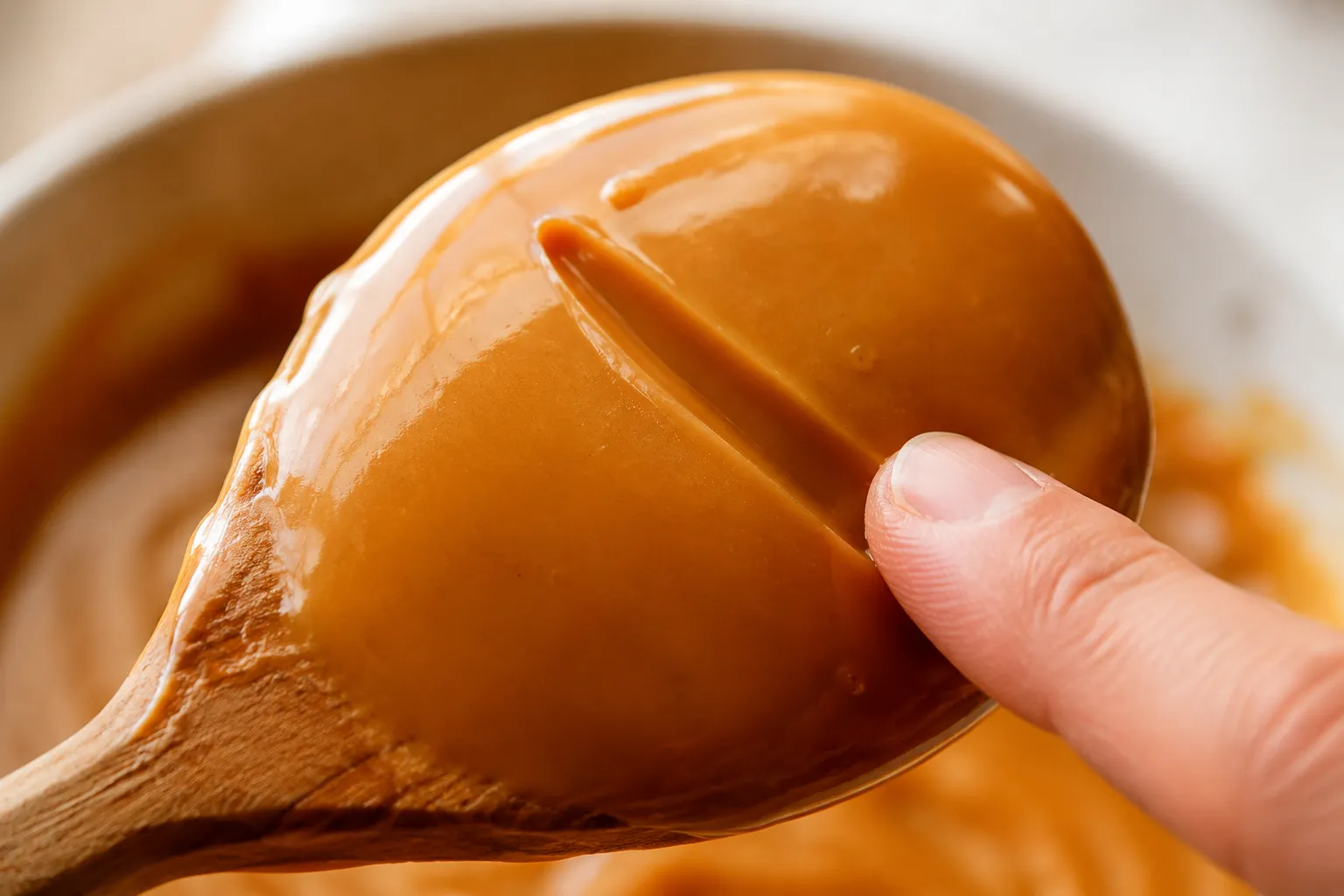
Thickened custard base coating a spoon for German chocolate icing

Once that custard stage hits, pull the pan off the heat immediately and stir in the vanilla, toasted pecans, and sweetened shredded coconut. The mixture will look loose — that's normal. As it cools, it tightens up dramatically.
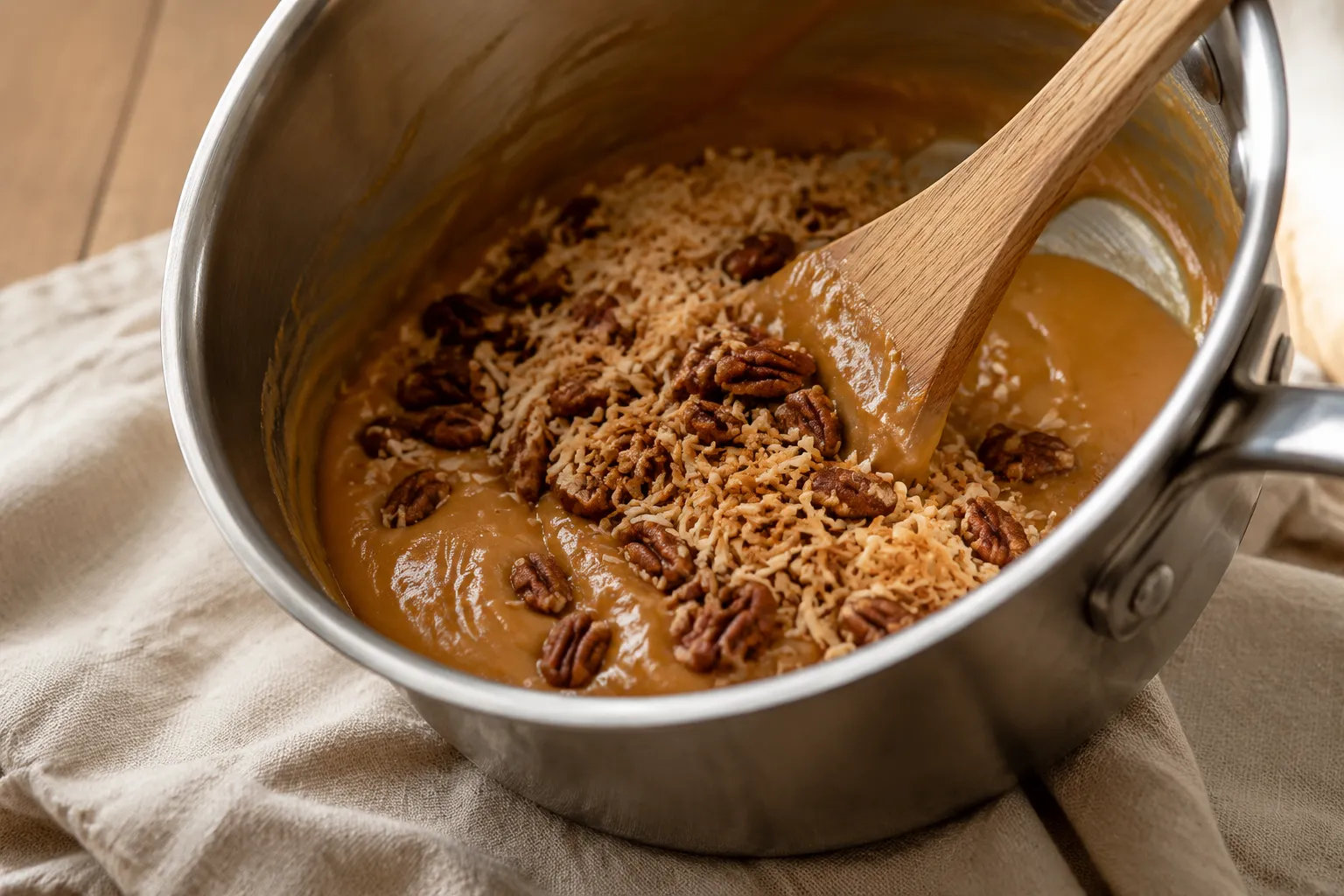
Folding toasted pecans and coconut into German chocolate frosting

Transfer everything to a heatproof bowl and let it cool at room temperature for 30 to 45 minutes, stirring occasionally. You'll watch it go from pourable to thick and spreadable, which is exactly the consistency you want for assembling a cake.
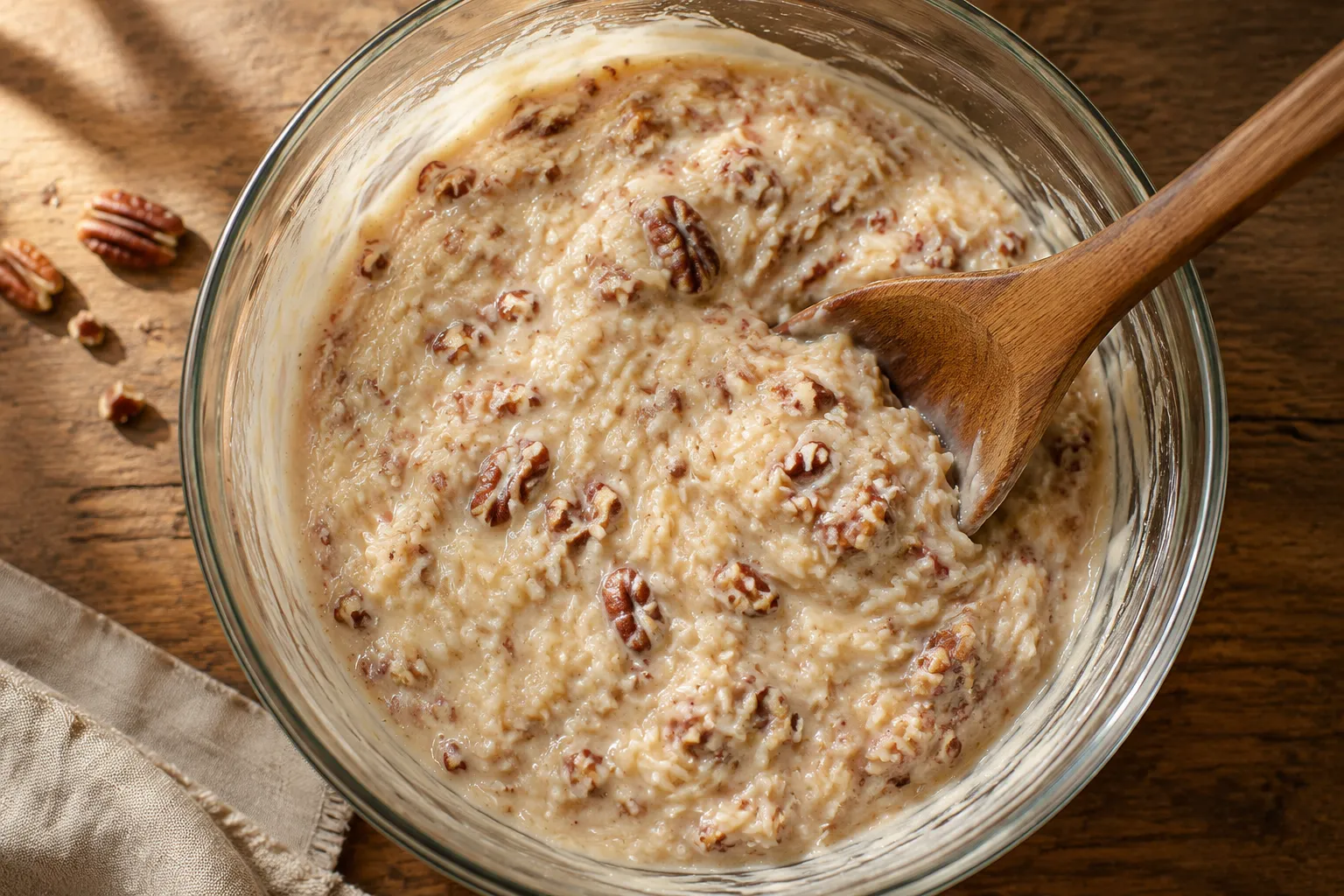
Finished German chocolate frosting cooling in a glass mixing bowl

How to Use This Coconut-Pecan Frosting

Traditionally, this frosting goes on a three-layer german chocolate cake — slathered generously between each layer and piled on top, with the sides of the cake left naked so the dark chocolate sponge peeks through. It's a beautiful, rustic look and one of the most recognizable cakes in American baking.
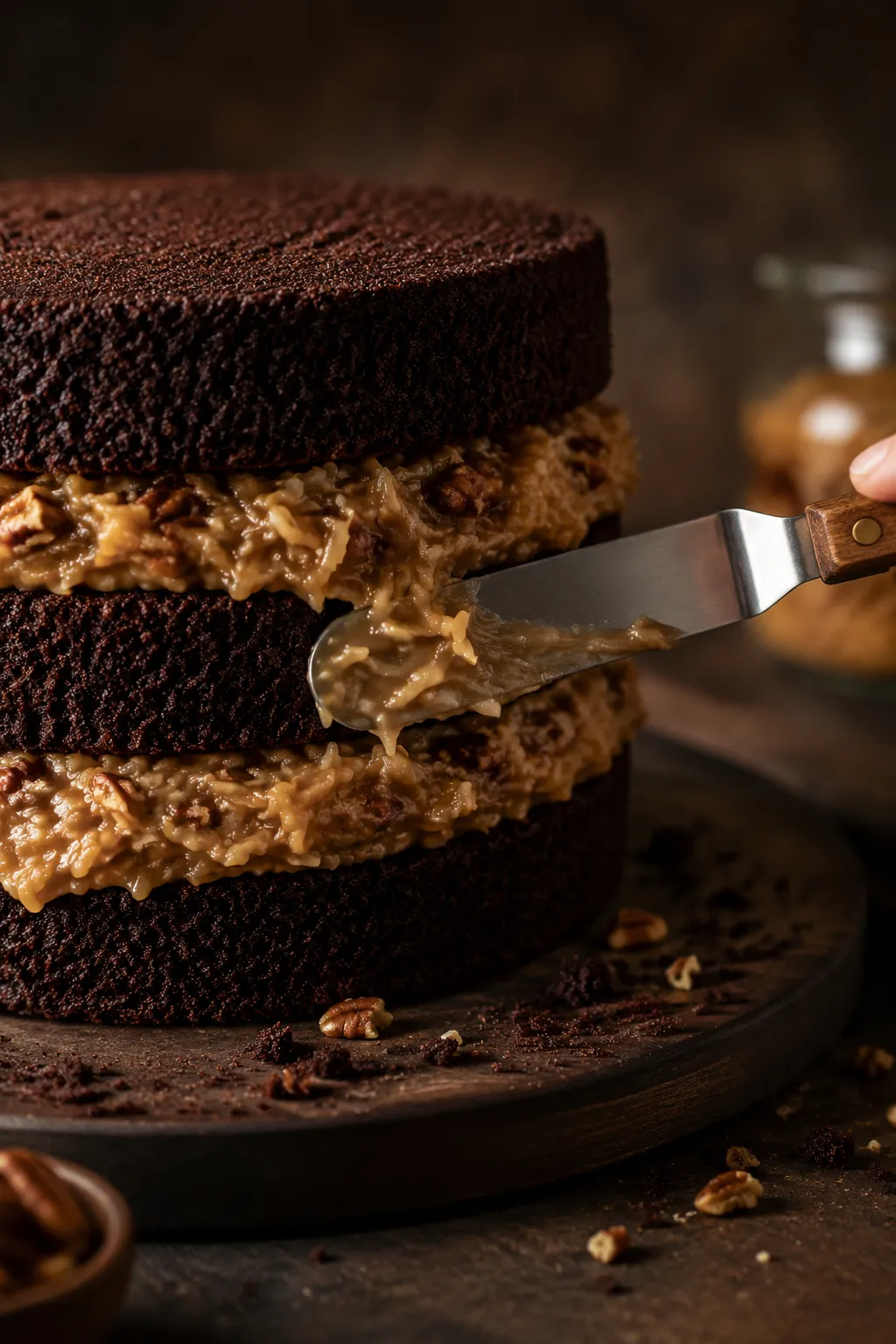
Spreading German chocolate cake icing between two chocolate cake layers

But don't stop there. This frosting is incredible spooned warm over vanilla ice cream, spread across a pan of fudgy brownies, piled onto cupcakes (skip a piping bag — just spoon and swirl), or sandwiched between two soft chocolate cookies. It's a worthy companion to any homemade chocolate cake you've got in your repertoire, and a fun twist if you're branching out from typical coconut cake recipes.
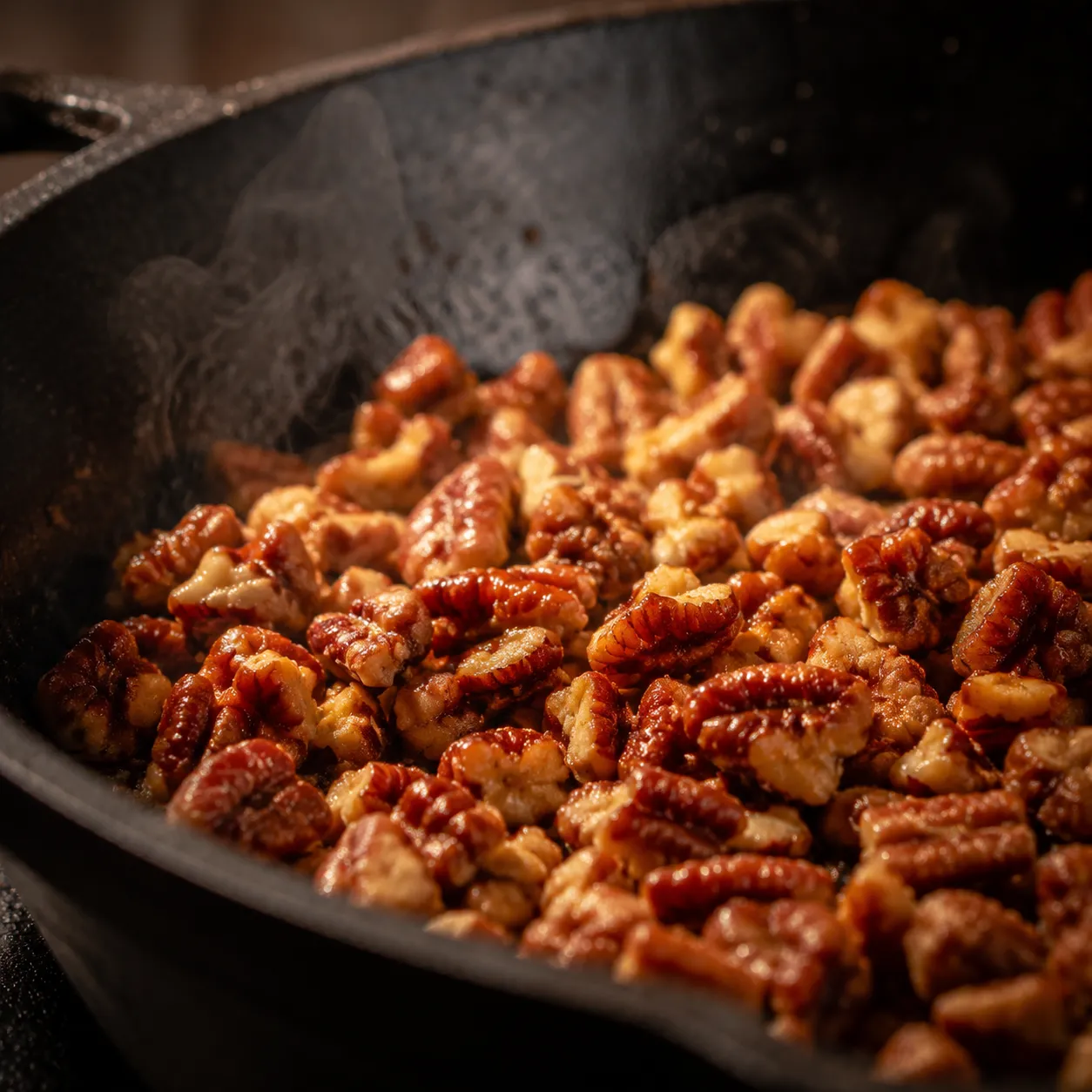
Toasting pecans in a skillet for the best German chocolate icing recipe

The Toasting Step Is Non-Negotiable

If I could underline one sentence in this entire post, it would be this: toast the pecans. Raw pecans are fine; toasted pecans are transformative. Spread one cup of chopped pecans in a dry skillet over medium heat and stir for 4 to 6 minutes, until they smell intensely nutty and the cut edges deepen to a rich golden brown. Let them cool before folding them into the custard.

This single step is the difference between a frosting that tastes homemade and one that tastes bakery-perfect. The same goes for the coconut if you want to push the flavor even further — a light toast in the same skillet (watch it carefully, it burns fast) adds extra caramel notes.

Troubleshooting: Why Is My Frosting Runny?

The most common problem with a homemade german chocolate icing recipe is a thin, soupy texture — and it's almost always one of two issues. Either the custard didn't cook long enough at the stove (it needs to truly coat a spoon and hold a line), or you didn't give it enough cooling time. Resist the urge to spread it on a cake while still warm; it will slide off. Cool at room temp until it's thick enough to mound on a spatula, usually 30 to 45 minutes.

If you've cooled it fully and it's still loose, return the pan to low heat and cook another 3 to 5 minutes, stirring constantly. It will tighten up.
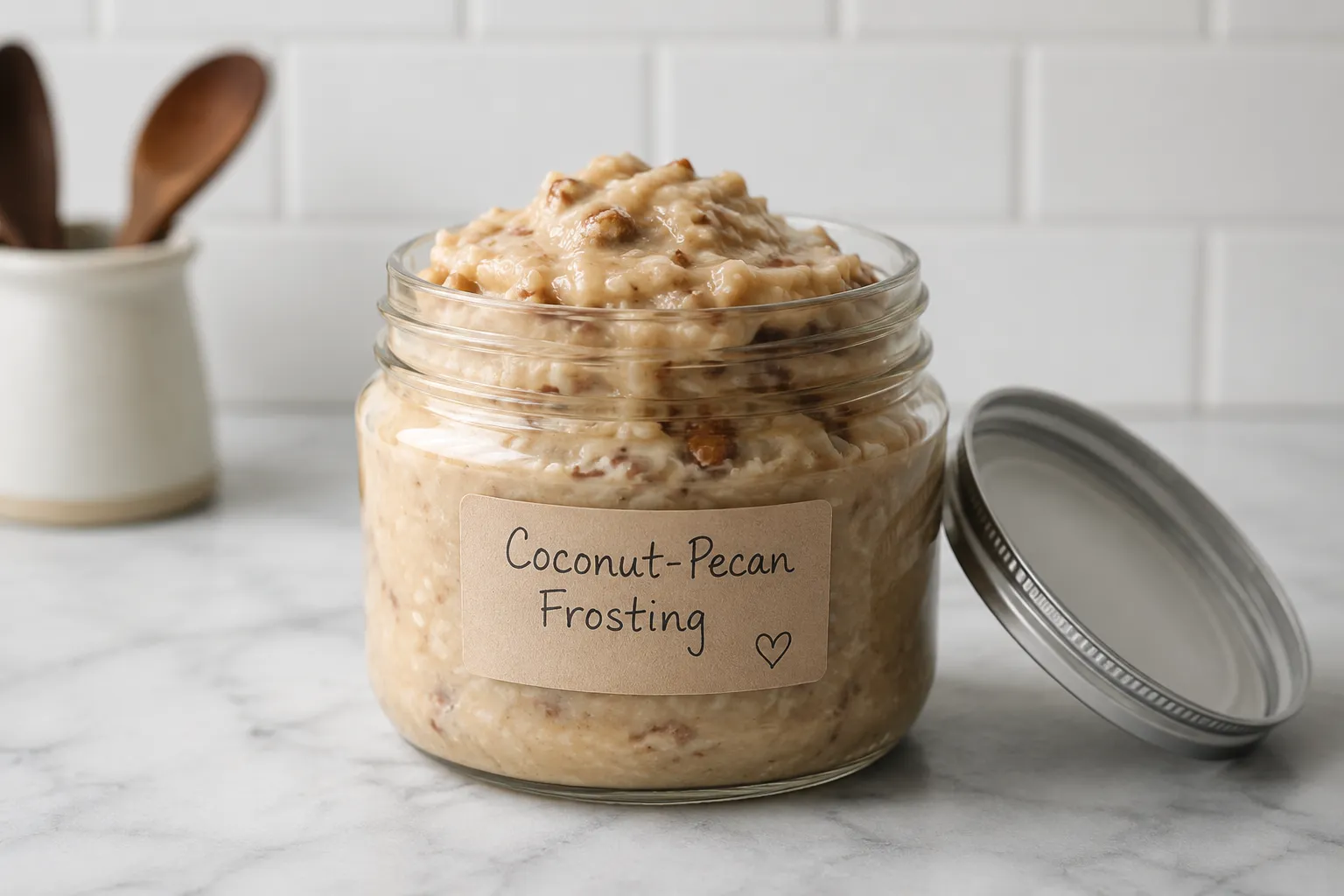
Storing leftover German chocolate frosting in a glass jar

Make It Your Own

This recipe is a foundation. Once you've nailed the classic, play with it: stir in a couple tablespoons of cocoa powder for a chocolate-spiked version, swap the dairy for coconut milk and vegan butter, or use it as a filling instead of an icing. However you serve it, you'll understand why this gooey, glossy frosting has been bringing people back to the cake table for generations.

💡 Expert Tips

  • Toast the pecans first. Five minutes in a dry skillet deepens the flavor more than any other single step in this recipe.
  • Stir constantly. The yolks can curdle if left alone over heat. Keep the spoon moving in figure-eights across the bottom of the pan.
  • Use medium heat, not high. Rushing the custard means scrambled eggs. Low and slow gives you the silkiest texture.
  • Cool fully before spreading. Warm frosting will slide right off a cake. Give it the full 30–45 minutes at room temperature.
  • Taste the coconut. Stale shredded coconut is a real thing — make sure yours is fresh and soft, not crunchy from the pantry.

🔄 Variations & Substitutions

This frosting takes well to a few thoughtful tweaks once you've made the classic version:

  • Chocolate-spiked: Whisk 2 tablespoons of unsweetened cocoa powder into the custard base for a deeper, fudgier flavor.
  • Dairy-free: Substitute full-fat coconut milk for the evaporated milk and use vegan butter. The flavor leans tropical and works beautifully.
  • Walnut swap: If pecans aren't your thing, toasted walnuts or even macadamia nuts make a great substitute.
  • Bourbon kissed: Add 1 tablespoon of bourbon along with the vanilla for a grown-up edge.
  • Beyond cake: Spread it on brownies, pile it on cupcakes, sandwich it between cookies, or spoon it warm over vanilla ice cream.

🧊 Storage & Leftovers

Cooled frosting keeps in an airtight container in the refrigerator for up to 5 days. Bring it back to room temperature for about 30 minutes and give it a good stir before spreading — it firms up considerably when chilled. If it feels too stiff, warm it gently in 10-second microwave bursts, stirring between each, until it's spreadable again.

For longer storage, freeze the frosting in a freezer-safe container for up to 2 months. Thaw overnight in the fridge, then bring to room temperature and stir to re-emulsify. Because this frosting contains egg yolks and dairy, any frosted cake should be refrigerated after the first day for food safety.

Frequently Asked Questions

Why is it called German chocolate frosting?
Despite the name, the frosting isn't from Germany. It's named after Sam German, an American baker who developed a sweet baking chocolate bar for Baker's Chocolate Company back in 1852. More than a century later, in 1957, a homemaker in Dallas published a layer cake recipe in a local newspaper that used 'German's Sweet Chocolate,' and the cake — along with its coconut-pecan frosting — became a national sensation. Over time, the possessive apostrophe-S fell away, and we ended up with 'German chocolate' as the name we know today. So really, you're tasting a slice of American baking history.
Can I make German chocolate frosting ahead of time?
Absolutely — this is one of the most make-ahead-friendly frostings out there. Cook the frosting as directed, let it cool completely, then transfer it to an airtight container and refrigerate for up to 5 days. When you're ready to use it, pull it out 30 minutes before assembling your cake so it can come to room temperature, then give it a vigorous stir to loosen it back up. If it's still too firm to spread, warm it in 10-second microwave bursts until pliable. The flavor actually deepens after a day in the fridge, so making it ahead is a win.
Why is my frosting runny or too thin?
Runny frosting almost always comes down to one of two issues: undercooking the custard or not letting it cool long enough. The custard base needs to simmer until it's thick enough to coat the back of a spoon and hold a clean line when you drag your finger through it — usually 10 to 12 minutes of constant stirring. After cooking, the frosting also needs a full 30 to 45 minutes at room temperature to set up. If you've done both and it's still loose, return the pan to low heat and cook another 3 to 5 minutes, stirring constantly.
Can I use sweetened condensed milk instead of evaporated milk?
Not as a one-to-one swap, unfortunately. Sweetened condensed milk is much sweeter and considerably thicker than evaporated milk because it has sugar already added and more water removed. If you substitute it directly, you'll end up with a frosting that's cloyingly sweet, dense, and almost candy-like in a not-great way. Stick with evaporated milk for the classic custardy texture and balanced sweetness. If you're in a pinch, you can substitute whole milk plus an extra tablespoon of butter, though the richness won't be quite the same.
Does German chocolate frosting need to be refrigerated?
Because this frosting contains both egg yolks and dairy (evaporated milk and butter), it does need refrigeration for food safety. A freshly frosted cake can sit at room temperature, covered, for the first day if your kitchen is cool. After that, store the cake — or any leftover frosting on its own — in the refrigerator in an airtight container for up to 5 days. Bring slices back to room temperature for about 20 minutes before serving so the frosting softens and the flavors come alive again. Don't leave it out longer than 8 hours total.

German Chocolate Frosting (Classic Coconut-Pecan Recipe)

Pin Recipe
  • Prep Time10 min
  • Cook Time15 min
  • Total Time25 min
  • Yield3 servings

Ingredients

Scale

Instructions