Homemade Sherbet Ice Cream: Creamy Citrus Recipe
Ingredients
Scale
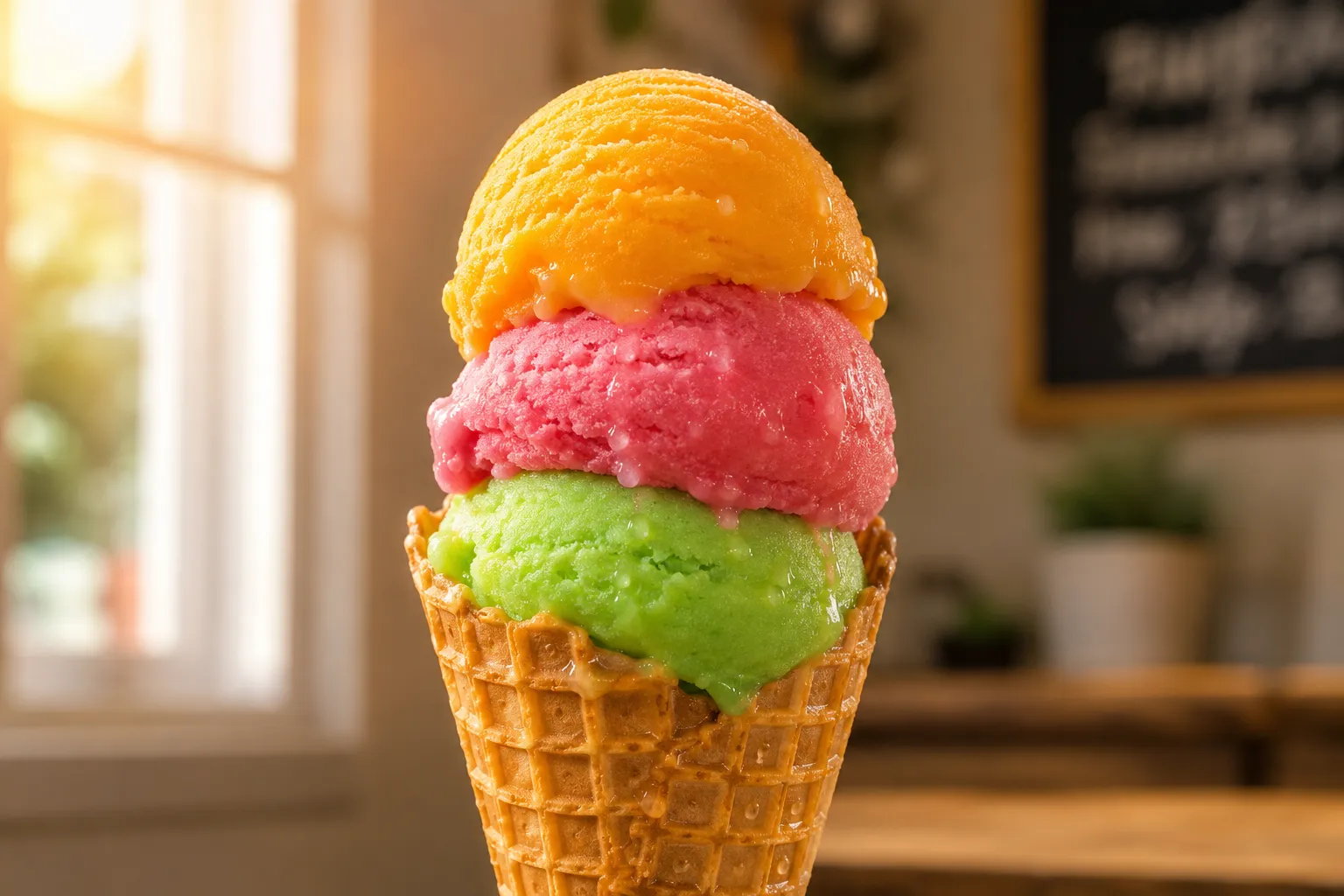
Bright, creamy, and refreshingly fruity — this homemade sherbet ice cream hits that nostalgic sweet spot between sorbet and classic ice cream.
Bright, creamy, and refreshingly fruity — this homemade sherbet ice cream hits that nostalgic sweet spot between a dairy-free fruit treat and classic rich frozen desserts. Whenever summer rolls around, or honestly, anytime I need a vibrant pick-me-up after dinner, I find myself craving the distinct, zesty bite of orange sherbet. There is something profoundly satisfying about the way the sharp citrus notes mingle with just enough dairy to coat your palate.
There is something incredibly special about making your own frozen treats from scratch. While store-bought tubs are fine in a pinch, making a homemade sherbet allows you to control the sweetness, amplify the fresh citrus flavor, and achieve a velvety texture that simply cannot be bought in an aisle. It is significantly lighter than traditional ice cream but so much creamier than a standard homemade sorbet.
If you have never tried making this at home, you are in for a delightful surprise. The process is incredibly forgiving, and the resulting creamy sherbet is bursting with real fruit juice and zest. Let's dive into what makes this recipe a staple in my kitchen and how you can master it with ease.
Before we get to whisking, it is helpful to understand exactly what we are making. The frozen dessert aisle is filled with confusing terminology, but sherbet holds a very specific, and delicious, culinary definition that sets it apart from the rest of the pack.
The great sherbet vs sorbet debate usually comes down to one simple ingredient: dairy. Sorbet is entirely dairy-free, relying solely on fruit purée or juice, sugar, and water. It is intensely fruity and often quite icy or smooth like a slush. On the other end of the spectrum, traditional ice cream requires a minimum of 10% milkfat, usually achieved through a heavy base of cream and egg yolks, resulting in a rich, dense, and coating mouthfeel.
A true sherbet ice cream sits perfectly in the middle. By law in the United States, sherbet must contain between 1% and 2% milkfat. This tiny addition of milk or heavy cream transforms the icy fruit base into something smooth, mellow, and wonderfully creamy, without masking the bright, acidic fruit flavors. It is the ultimate compromise for anyone who loves the refreshing quality of a sorbet but craves the luxurious mouthfeel of a dairy-based dessert.
The origins of this delightful dessert trace back to the Middle East, derived from the Arabic word sharbat, which was a chilled, sweetened fruit drink. As the concept traveled through Europe and eventually to America, it evolved. By the mid-20th century, American dairies began adding small amounts of milk to these fruit ices to create the pastel-hued scoops we recognize today. The nostalgic appeal of a classic rainbow sherbet pushing through a push-pop tube or scooped into a waffle cone is a direct result of this mid-century dessert innovation.
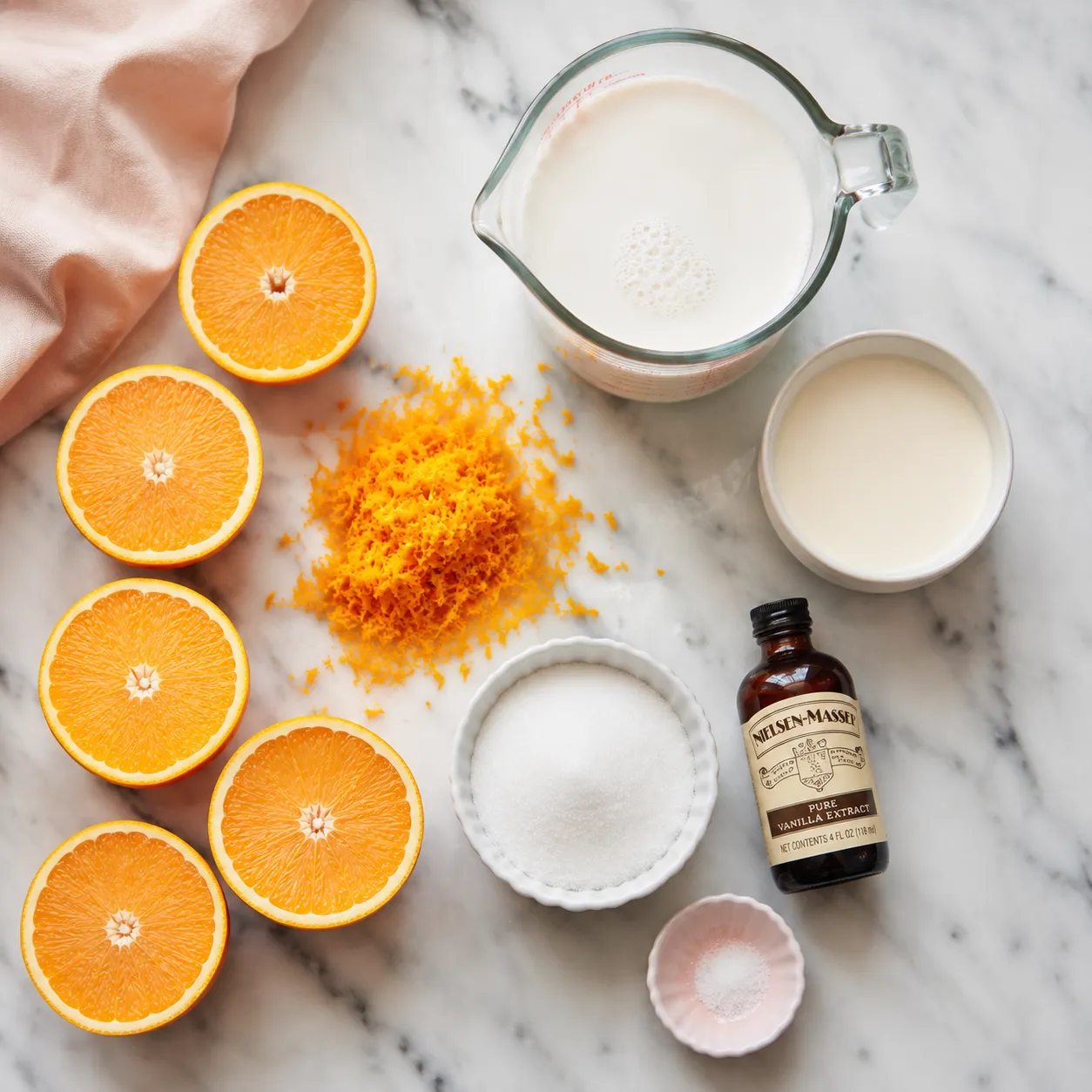
The beauty of this recipe lies in its simplicity. Because we are not making a complicated custard base that requires tempering eggs on the stove, the quality of your few ingredients truly shines. Gathering high-quality components is the secret to a spectacular frozen dessert.
The foundation of any great fruit-based frozen treat is the fruit itself. For this recipe, fresh-squeezed orange juice is absolutely non-negotiable. Bottled juices are often pasteurized in a way that dulls their vibrant high notes, leaving you with a flat, overly sweet flavor profile. You will need about two cups of fresh juice, which usually means squeezing about four to six large, heavy oranges. Do not forget the zest! The essential oils trapped in the orange peel provide the aromatic punch that makes the flavor linger beautifully on your palate.
To achieve that signature texture, we use a combination of whole milk and heavy cream. The whole milk provides the necessary liquid volume and a touch of fat, while a splash of heavy cream ensures the final product is smooth and luxurious. If you are tempted to use skim milk, I highly recommend reconsidering. The fat is crucial for preventing the dessert from freezing into a solid, un-scoopable block of ice.
Granulated sugar does more than just sweeten the mixture; it is a vital structural component in all frozen desserts. Sugar lowers the freezing point of the liquid, which prevents large ice crystals from forming. We also add a splash of pure vanilla extract to round out the acidic citrus notes, creating a flavor profile reminiscent of a classic creamsicle. Finally, a tiny pinch of salt enhances all the flavors, balancing the sweetness and making the citrus pop.
Creating this dessert is surprisingly straightforward. It requires minimal active prep time, making it an ideal project for a lazy weekend afternoon when you want a homemade treat without spending hours over a hot stove.
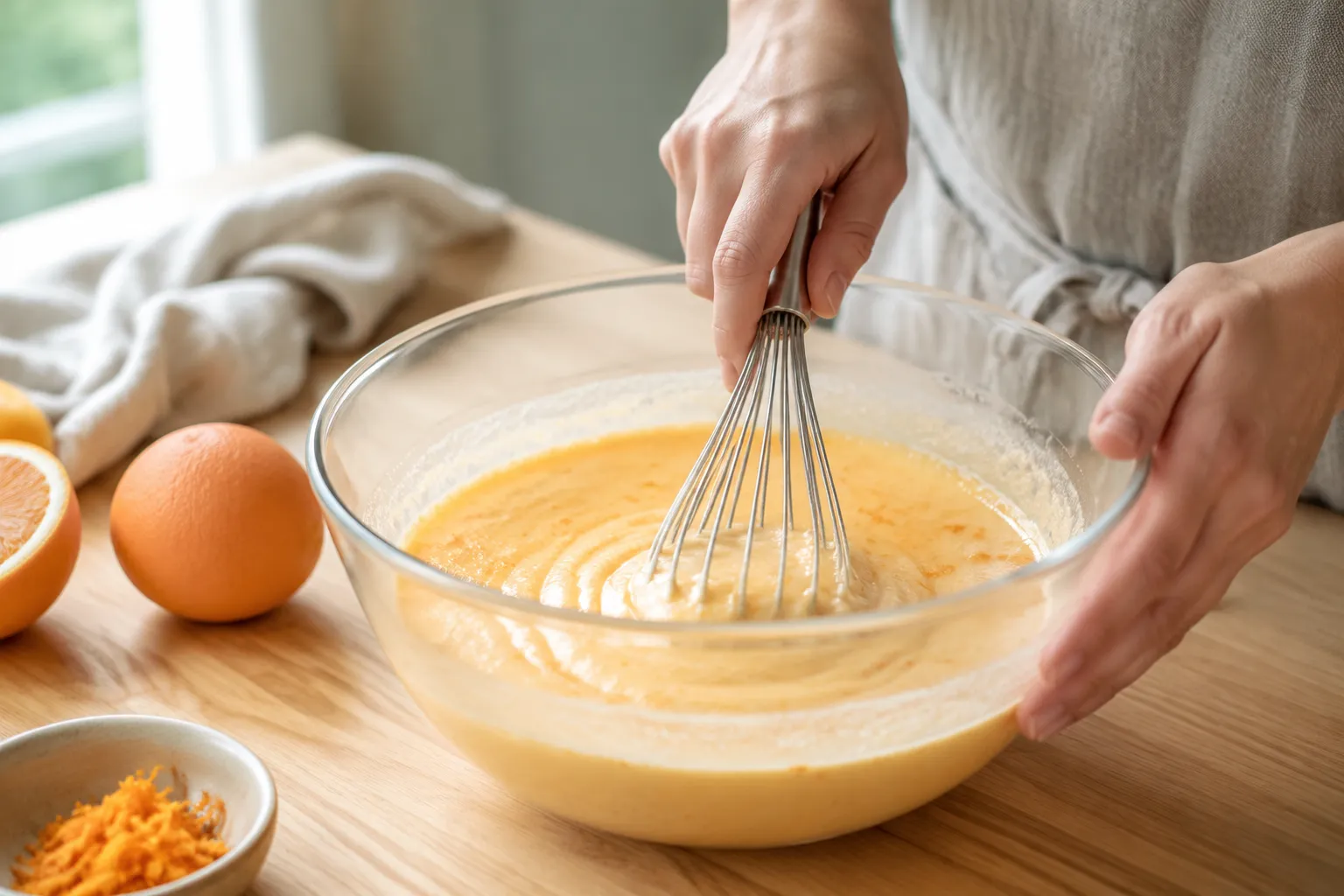
Start by combining your freshly squeezed orange juice, aromatic zest, granulated sugar, and a pinch of salt in a large mixing bowl. Whisk vigorously until the sugar is completely dissolved. This is a crucial step; any undissolved sugar will result in a grainy texture. Once the sugar has vanished into the juice, slowly pour in the whole milk, heavy cream, and vanilla extract. The mixture will take on a beautiful, pale pastel hue that looks just like summer.
Patience is the secret ingredient in any frozen dessert. Even if your ingredients started out cold from the fridge, the friction of whisking and the room temperature sugar will have warmed the base. Cover your bowl tightly and place it in the refrigerator for at least two hours, or ideally overnight. A deeply chilled base churns faster, which means smaller ice crystals and a much smoother final texture.
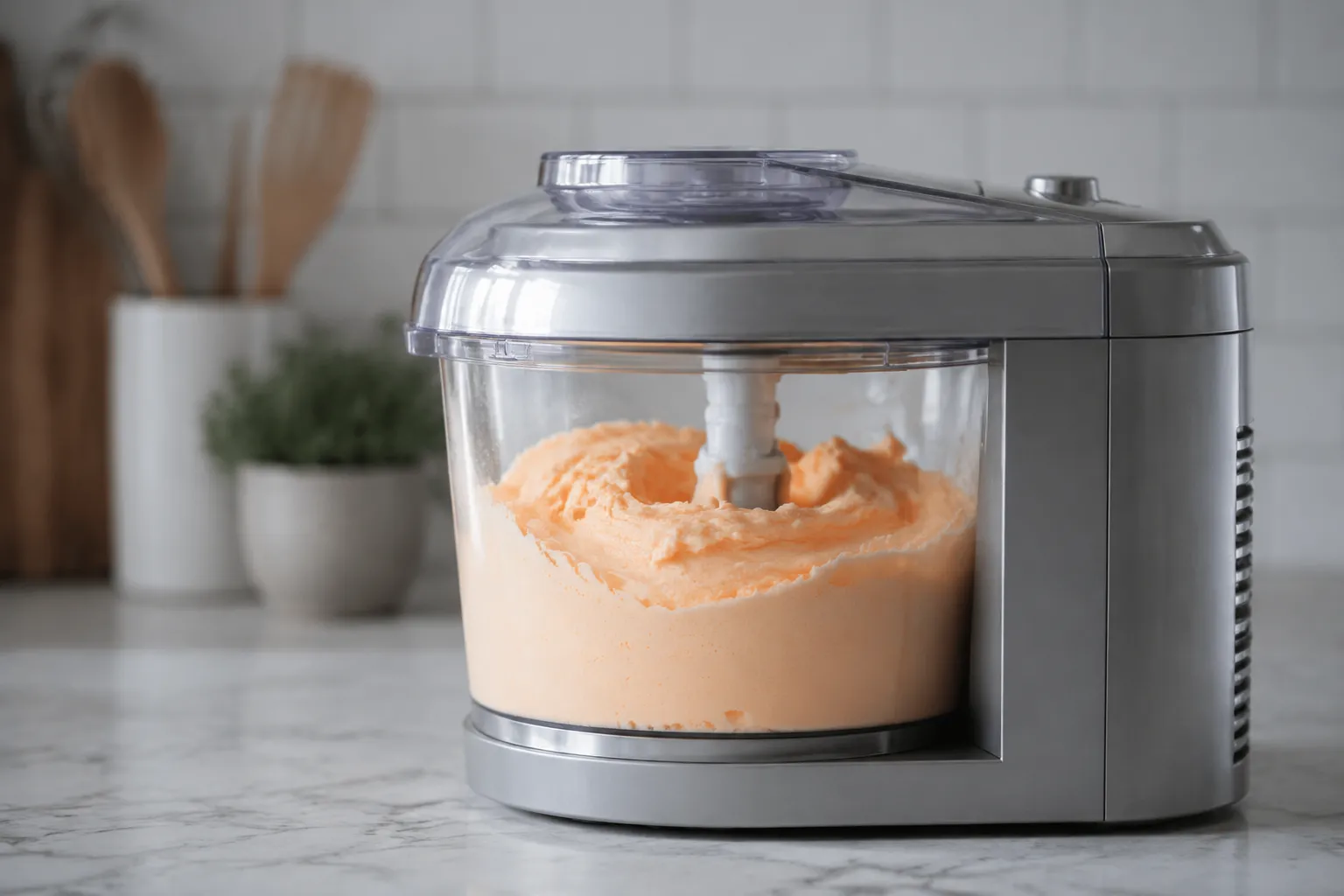
Once your base is thoroughly chilled, pour it into your ice cream maker. Follow the manufacturer's instructions, but generally, you will want to churn the mixture for about 20 to 25 minutes. You are looking for a soft-serve consistency—it should hold its shape when scooped but still be quite soft. If you do not have a machine, do not worry; you can easily adapt this sherbet ice cream into a no-churn ice cream method by freezing the base in a shallow dish and vigorously stirring it every thirty minutes to manually break up the ice crystals.
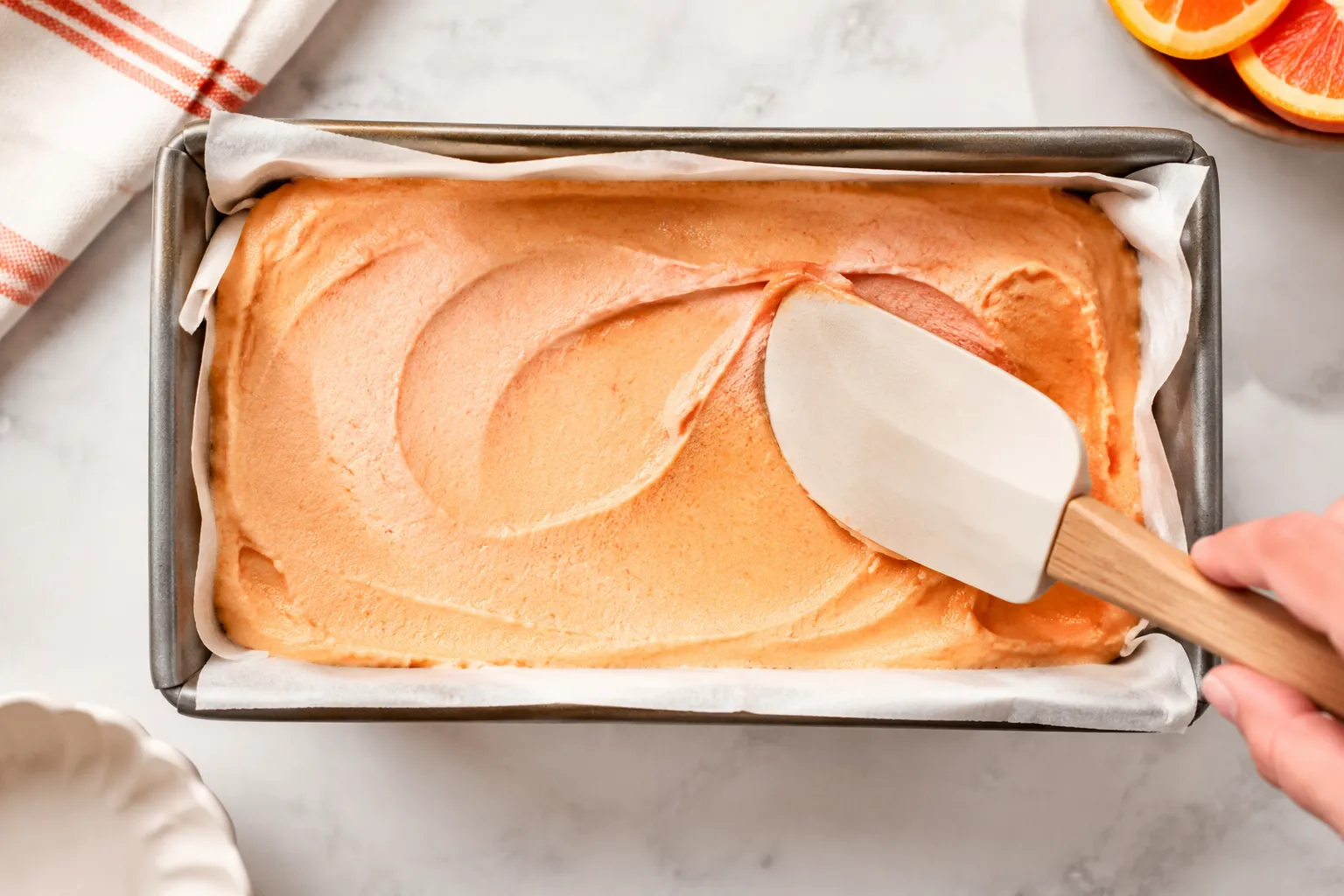
Transfer the softly churned mixture into a chilled, freezer-safe container. A metal loaf pan works wonderfully for this because it conducts cold efficiently. Smooth the top with a spatula, and press a piece of parchment paper or wax paper directly onto the surface of the sherbet. This prevents air exposure and stops ice crystals from forming on top. Freeze the container for at least four hours, or until the dessert is firm enough to scoop.
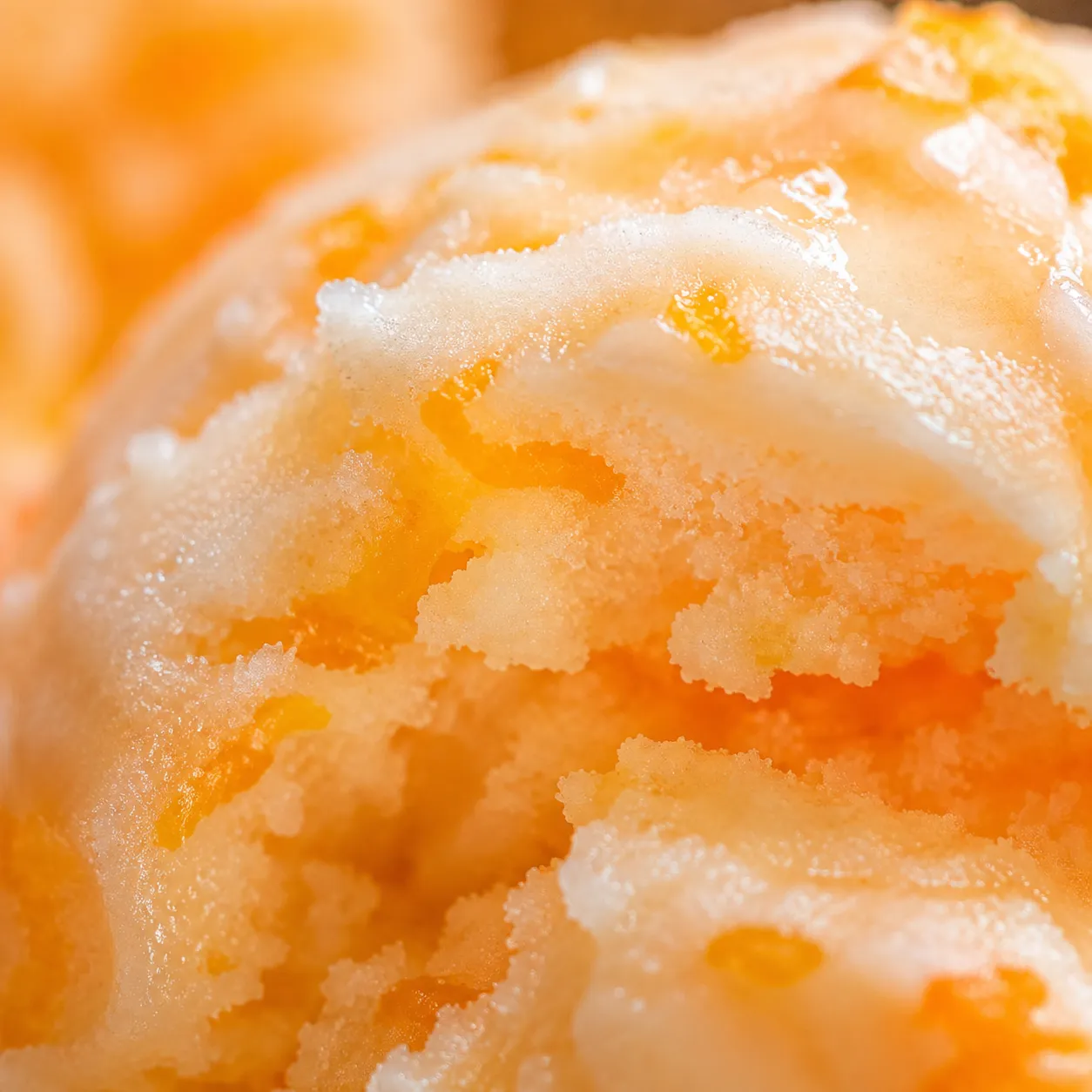
When you look closely at a well-made batch, you will notice a fine, crystalline structure that is distinct from standard heavy ice creams. The secret to this delicate balance is managing the water content from the fruit juice. Because orange juice is primarily water, the addition of sugar and a small amount of fat from the dairy is what prevents the water from freezing into solid, unbreakable shards. The churning process introduces air, known as overrun, which further lightens the mixture and gives it that signature melt-in-the-mouth feel.
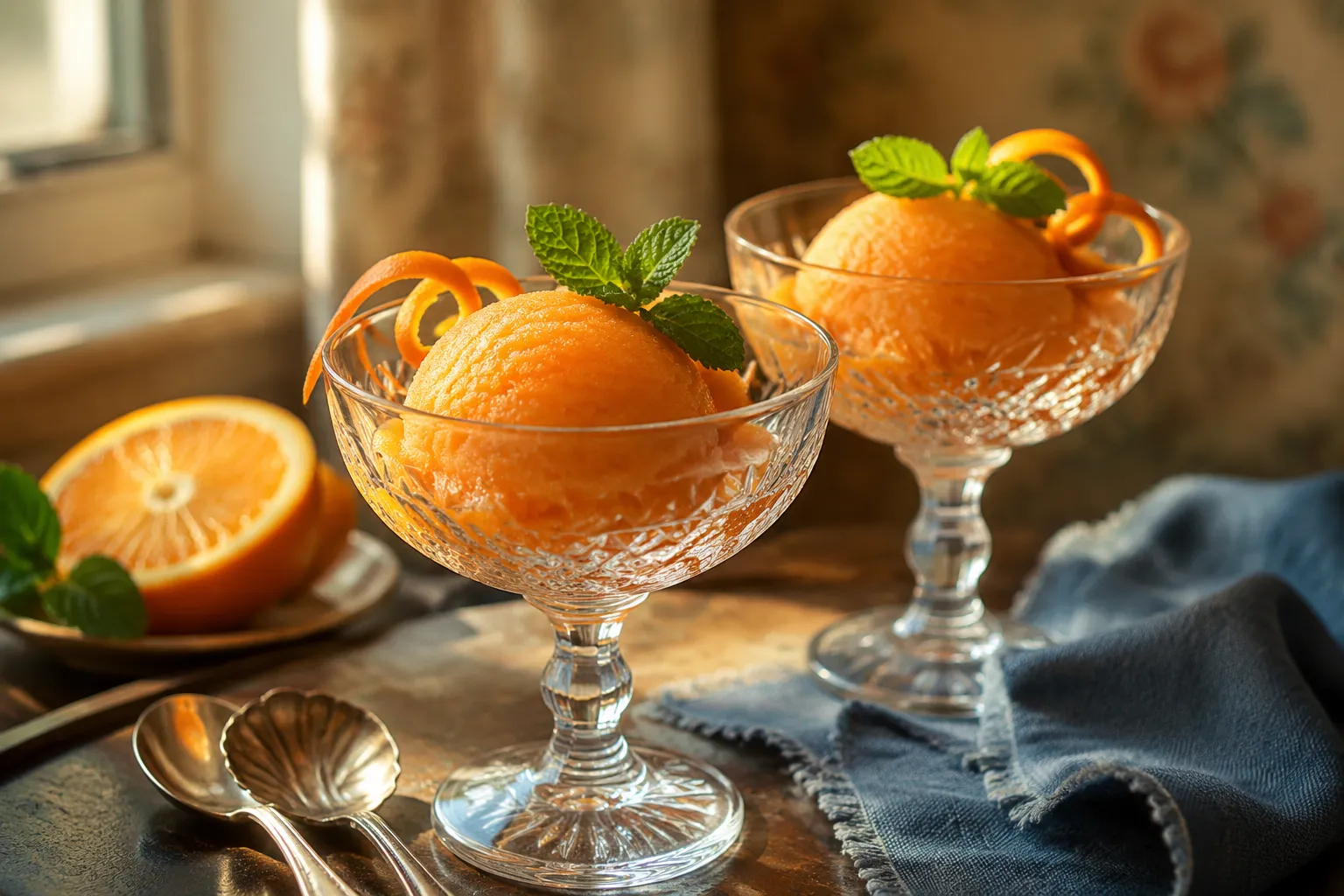
Once your sherbet ice cream has fully set, the hardest part is over. Now comes the joy of serving and enjoying your creation. Because of its lighter texture, this dessert melts a bit faster than a heavy custard-based ice cream, so you will want to serve it promptly.
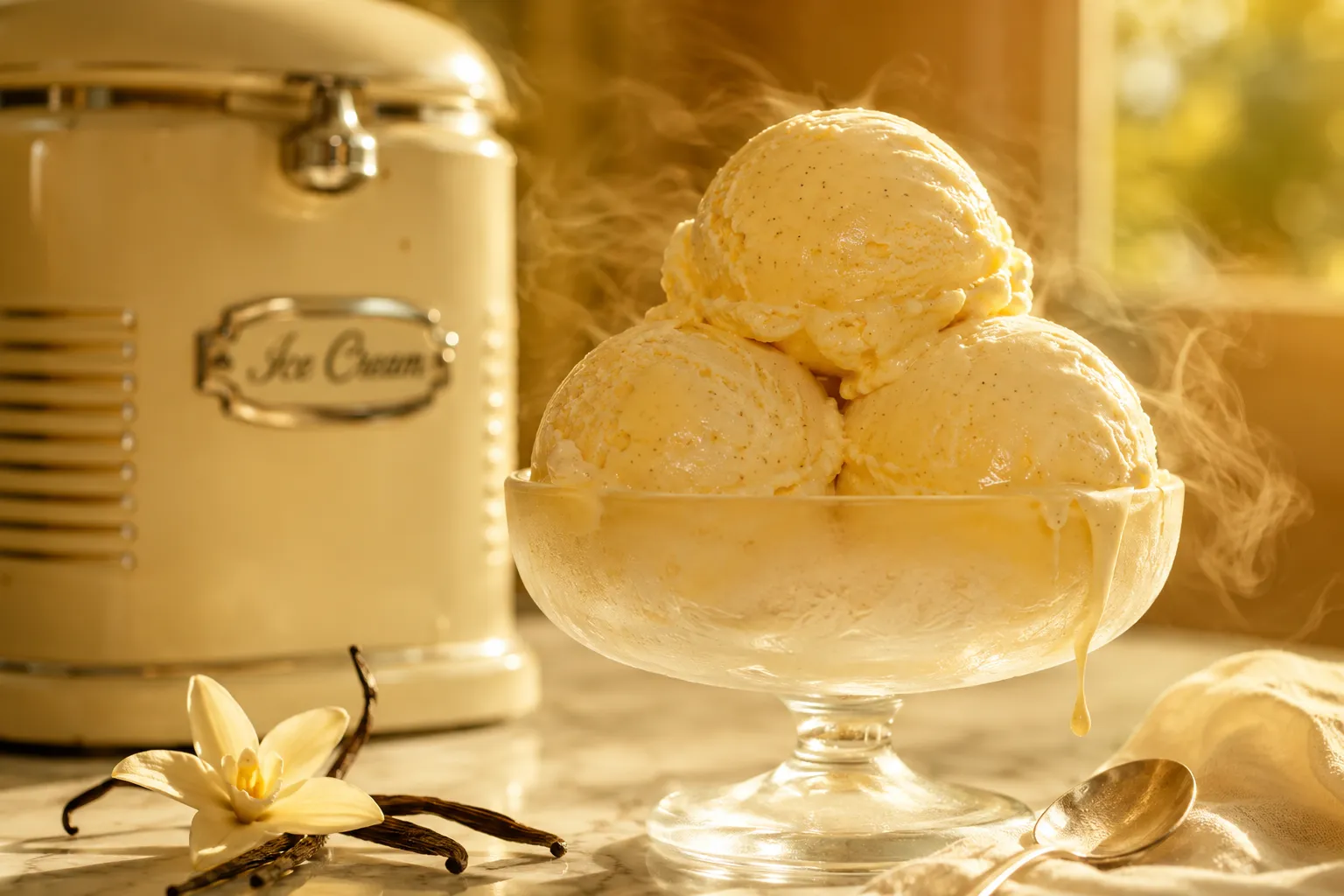
I love serving this in chilled vintage glass coupes for an elegant dinner party presentation. Garnish each dish with a sprig of fresh mint and a delicate curl of orange peel. The vibrant color of the dessert looks absolutely stunning against the glass, making it a feast for the eyes as well as the palate.
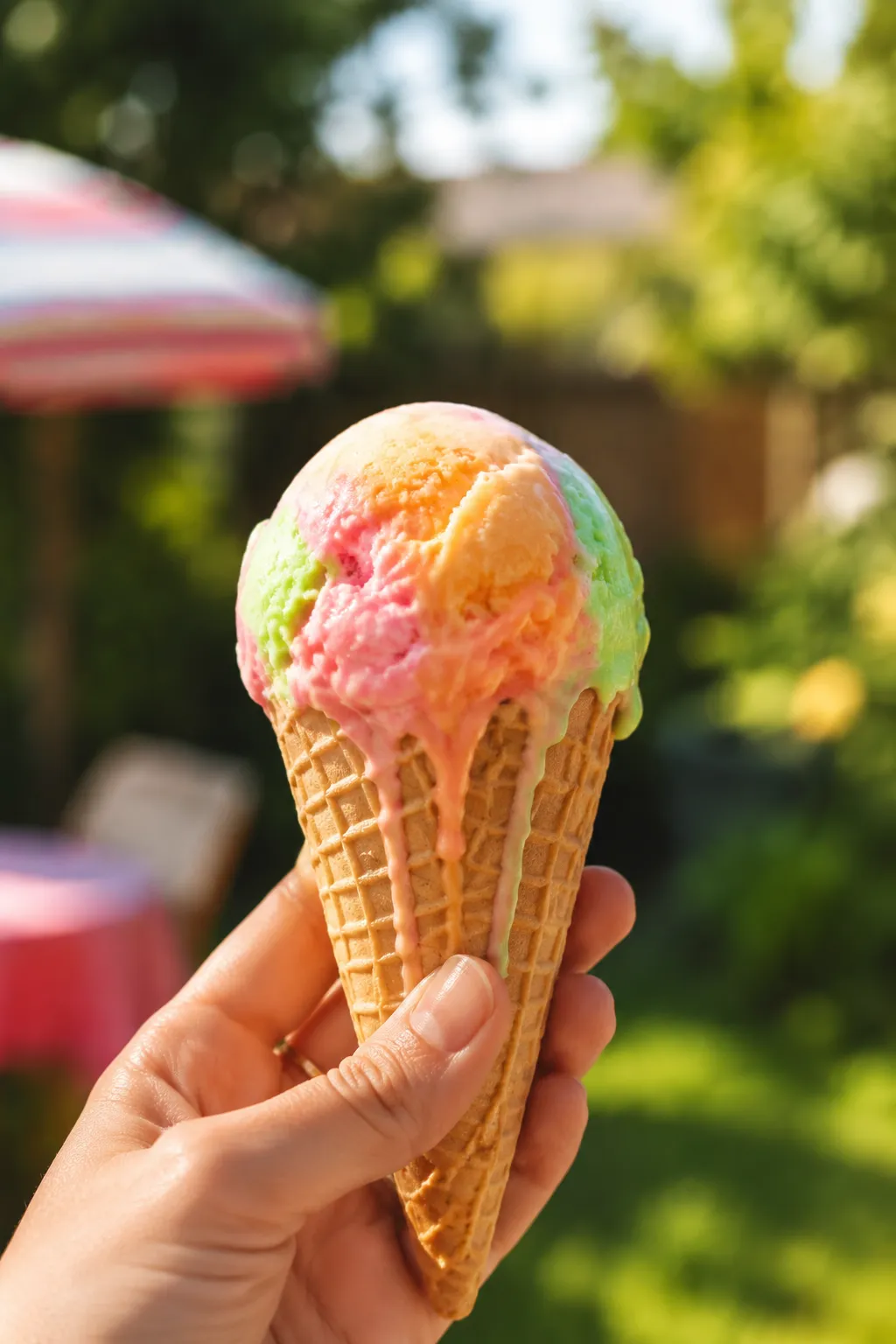
For a more casual, nostalgic approach, nothing beats a classic waffle cone. The buttery, crispy crunch of the cone is the perfect textural contrast to the smooth, bright citrus scoops. It is the ultimate backyard summer treat. If you are feeling adventurous, you can even use this as a base for a fun, fizzy punch by dropping a scoop into a glass of ginger ale or lemon-lime soda.
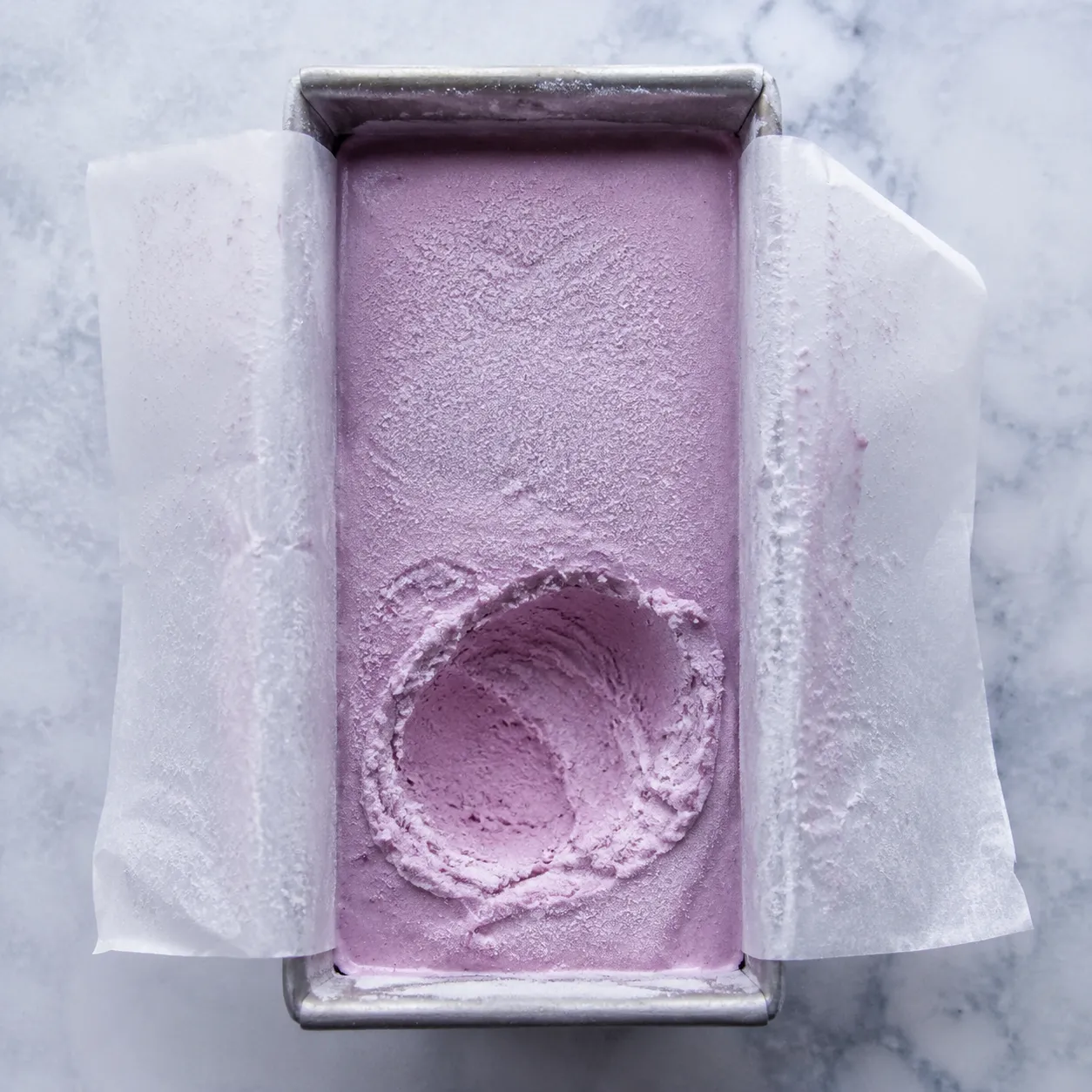
One of the best things about homemade frozen desserts is that they are inherently make-ahead friendly. If you are planning a dinner party or a weekend barbecue, you can easily prepare the base and churn the sherbet ice cream a day or two in advance. When transferring your freshly churned treat to a container, always use a shallow, wide pan rather than a deep bucket. A metal loaf pan is ideal because it chills rapidly, helping the dessert set up quickly and evenly, preserving that beautiful, smooth consistency you worked so hard to achieve.
While this classic orange version is a timeless favorite, the basic ratio of fruit juice, sugar, and dairy can be adapted to create a whole spectrum of vibrant flavors. Once you master the base, you can experiment with different fruits and add-ins to customize your scoops.
To keep your homemade creation tasting fresh and creamy, proper storage is key. Transfer the churned mixture to a shallow, airtight freezer-safe container. Before sealing with the lid, press a piece of parchment paper or wax paper directly onto the surface of the dessert. This prevents air from interacting with the surface, which is the primary cause of freezer burn and unwanted ice crystals.
Stored correctly, it will keep well in the freezer for up to two weeks. Because homemade frozen desserts lack the commercial stabilizers found in store-bought brands, it may freeze quite hard over time. Simply let the container sit on the counter for 5 to 10 minutes before scooping to allow it to soften slightly.