Potato Recipes: 15 Easy Ways to Cook the Perfect Potato
Ingredients
Scale
From crispy roasted to fluffy mashed, the humble potato is the most versatile ingredient in your kitchen. Here's how to cook it perfectly every time.
A great potato recipe is the kind of kitchen magic that turns a simple pantry staple into something golden, comforting, and completely dinner-worthy. Whether you are craving shatteringly crispy edges, buttery mashed potatoes, or a cozy baked potato piled high with toppings, this guide gives you the reliable methods and flavor ideas to make it happen.
Think of this as your bookmarkable roadmap to better spuds: which varieties to buy, how to season them, when to boil first, and what to serve them with on a busy weeknight. We will use one master roasted method as the recipe card, then branch into 15 easy ideas you can riff on all year long. The result is a collection of weeknight-friendly potato side dishes that feel both classic and fresh.
Potatoes have earned their place in nearly every home kitchen because they are affordable, filling, and endlessly adaptable. A bag in the pantry can become breakfast hash, dinner sides, soup, salad, or a cozy main with very little fuss. They are naturally gluten-free and bring satisfying texture to the plate, from creamy centers to crisp, browned edges. Depending on the variety, they can be fluffy and dry, waxy and firm, or somewhere perfectly in between.
They also play well with almost every flavor profile. Garlic, rosemary, smoked paprika, lemon, Parmesan, chili crisp, sour cream, and fresh herbs all make sense here. For nutrition, potatoes offer potassium, vitamin C, fiber when the skins are left on, and steady, comforting energy. That combination of practical and delicious is exactly why they show up on holiday tables, diner plates, lunch bowls, and quick Tuesday-night meals.
One of the best things about cooking with potatoes is that you can make them as light or as indulgent as the moment calls for. Roast them with olive oil and herbs for a crisp, simple side, or enrich them with butter and cream for a celebratory mash. The skins add fiber and earthy flavor, especially on thin-skinned varieties. If you are feeding a family, they are one of the easiest ways to make a meal feel generous without stretching the grocery budget.
A well-stocked kitchen does not need much more than potatoes, salt, pepper, oil, and heat to create something wonderful. Add a protein and a green salad, and you have dinner. Add broth and aromatics, and you have soup. Add eggs, peppers, and onions, and you have a brunch skillet that tastes like it came from your favorite cafe.
Choosing the right variety is the first step toward getting the texture you want. Starchy potatoes bake up fluffy and light, waxy potatoes hold their shape in salads and stews, and all-purpose varieties handle almost anything. If you have ever wondered why one batch turns creamy while another falls apart, the answer is often the starch and moisture level. Once you know the basic categories, your results become much more predictable.
Russet potatoes are the classic choice for fluffy baked dinners, fries, and deeply browned wedges. They are high in starch and low in moisture, which means they cook up airy inside and crisp beautifully outside. Use them when you want a light, cloudlike interior or a crunchy exterior. They are also a favorite for traditional mash, especially if you peel them first and treat them gently.
Yukon gold potatoes are the weeknight hero of the bunch. They have a naturally buttery flavor, thin skins, and a creamy texture that works for roasting, boiling, mashing, and smashing. They are especially good in roasted potatoes because the centers stay tender while the edges brown. If you only want to keep one variety on hand, this is the one I reach for most often.
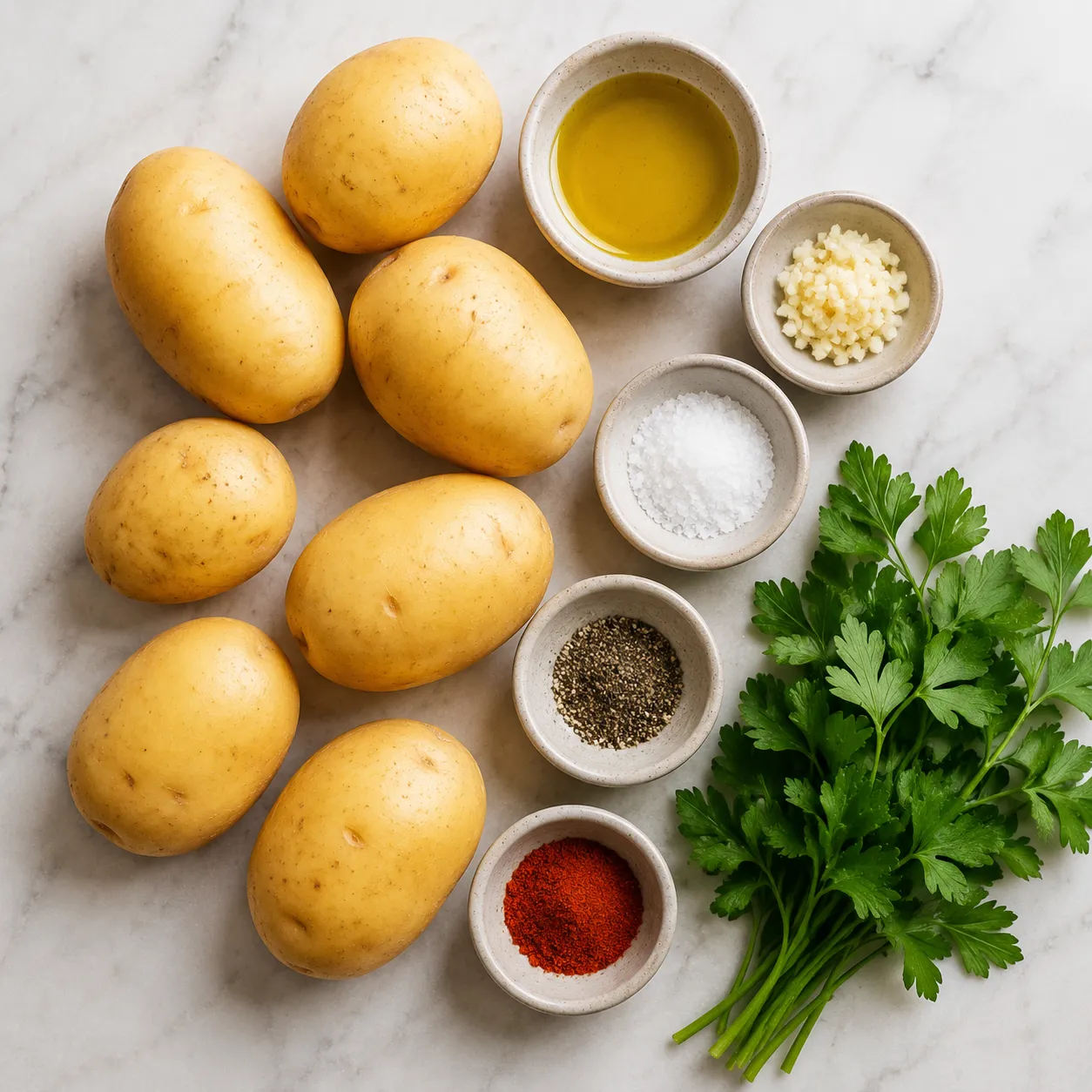
Red potatoes are waxy, firm, and great at holding their shape. Their skins are thin and colorful, so there is usually no need to peel them. They shine in salads, soups, stews, and simple boiled preparations with butter and herbs. Because they do not break down as easily, they are ideal when you want distinct pieces rather than a fluffy mash.
Sweet potatoes bring natural sweetness, deep color, and a slightly caramelized edge when roasted. They are not interchangeable in every dish, but they are wonderful with smoky, spicy, tangy, or maple flavors. If you are browsing sweet potato recipes, try pairing them with lime, cumin, chili powder, tahini, or brown butter. They also roast beautifully on the same sheet pan as carrots, onions, or chickpeas.
The best preparations are built from a short list of high-impact ingredients. Start with fresh, firm potatoes with no soft spots, then add a good fat, enough salt, and aromatics that can stand up to high heat. Olive oil is a favorite for roasting because it coats the pieces evenly and helps the edges brown. For a richer finish, butter can be added after cooking so it melts into the hot surfaces without burning in the oven.
Kosher salt, black pepper, garlic powder, onion powder, smoked paprika, and red pepper flakes are the backbone of many easy recipes. Smoked paprika is especially useful because it adds color and a gentle campfire warmth without overwhelming the dish. Cornstarch can be sprinkled lightly over parboiled pieces when you want extra crunch. Vinegar, mustard, and lemon juice are also worth keeping nearby because a bright finish balances all that cozy starch.
Garlic, parsley, rosemary, thyme, chives, dill, and scallions all love potatoes. Hardy herbs like rosemary and thyme can roast alongside the pieces, while delicate herbs like parsley and chives are best added at the end. Fresh garlic can become bitter if it burns, so mince it finely, toss it with enough oil, or add it later in the cooking process. A shower of herbs right before serving makes the whole pan look and taste fresher.
The method in the recipe card uses a parboil-then-roast approach, which is one of the most reliable ways to get creamy middles and crackly edges. Boiling first softens the centers and roughs up the surfaces, giving the hot oven more texture to brown. This same principle is why smashed and crispy potatoes taste so good: more uneven surface area means more crunch. It is a small extra step that pays off in a big way.
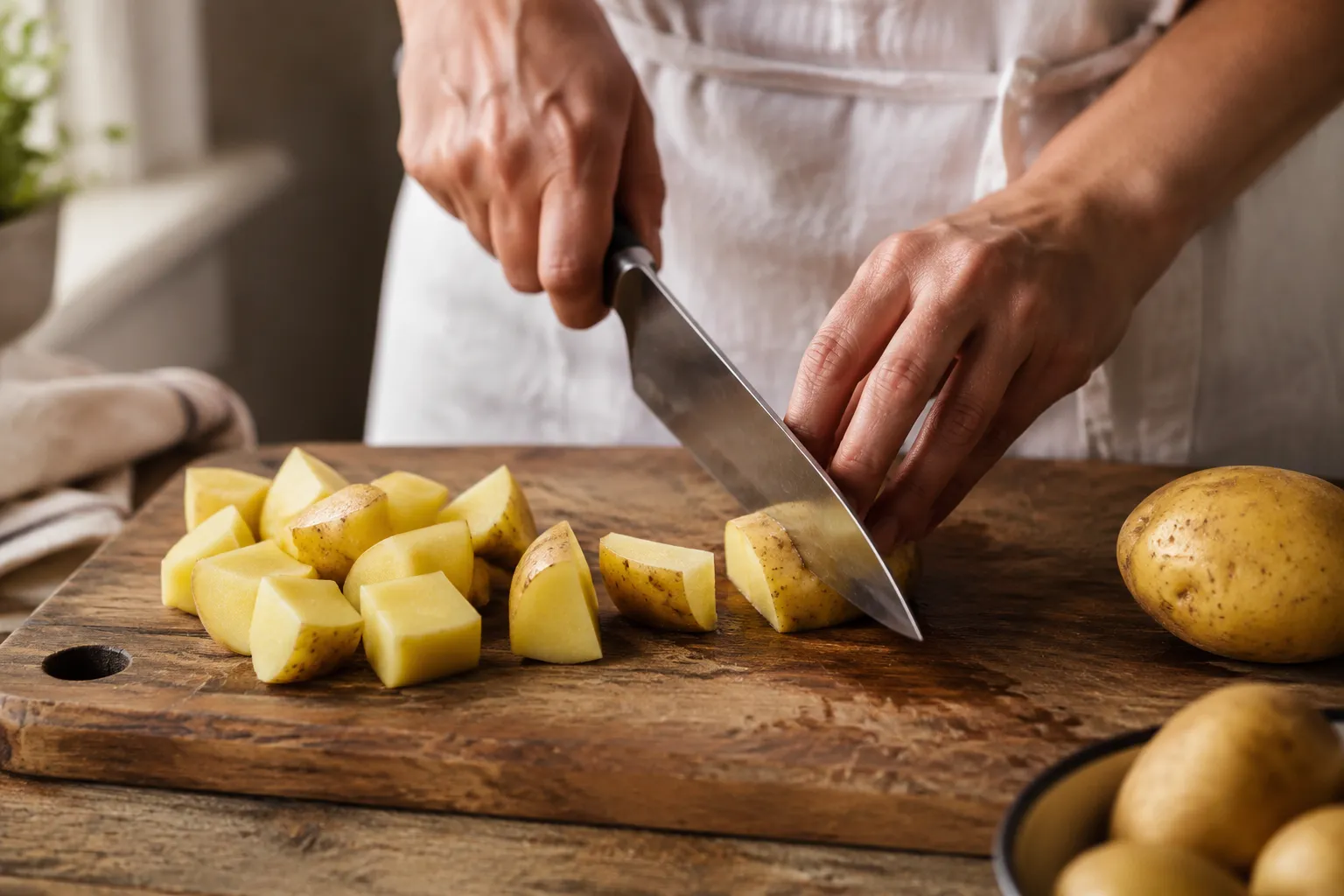
Cut the pieces as evenly as possible so they finish at the same time. For roasting, one-inch chunks are the sweet spot: small enough to crisp, large enough to stay creamy inside. If you are using thin-skinned varieties, leave the skins on for flavor and texture. For russet mash, peeling is often worth it because the finished texture will be smoother and lighter.
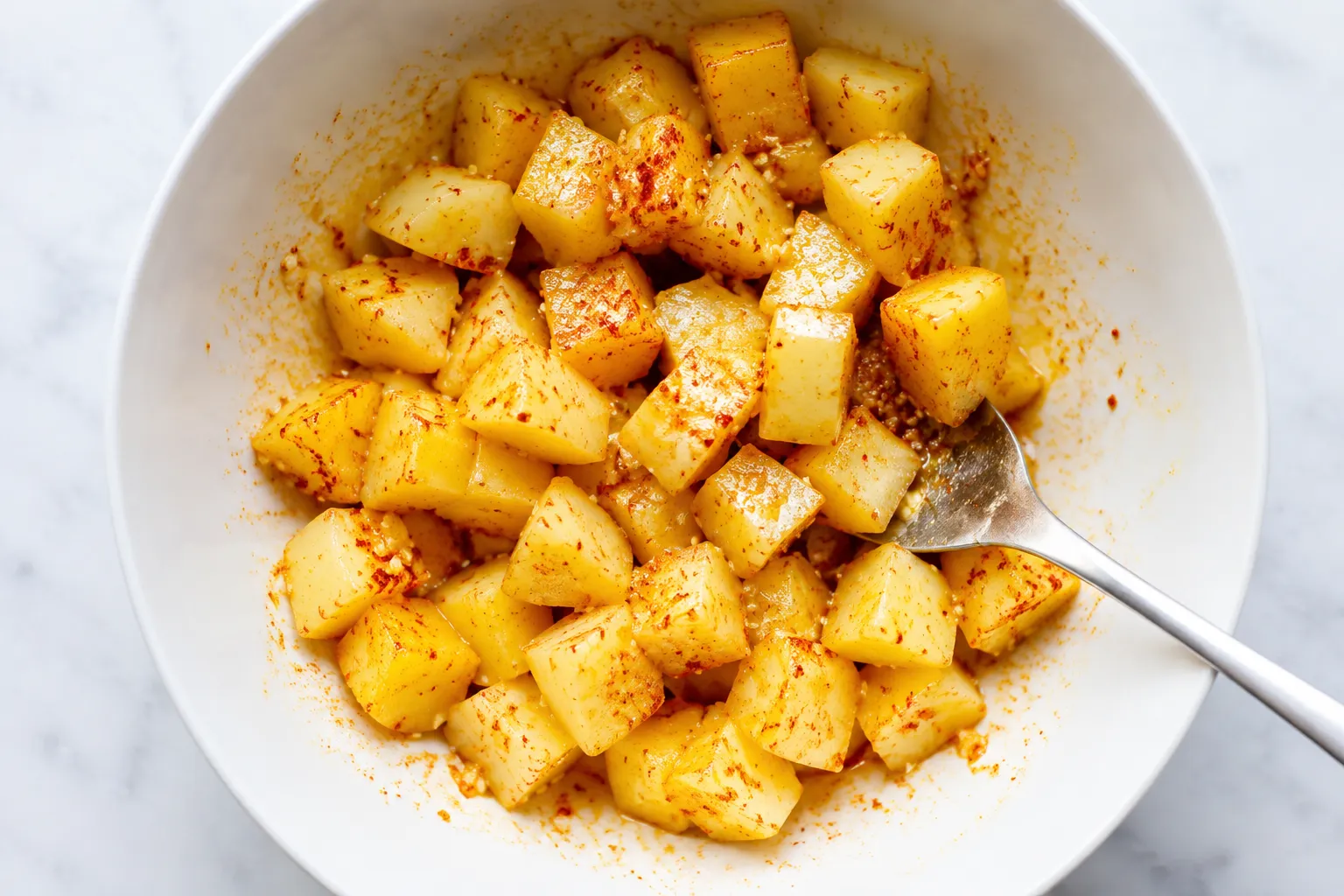
Potatoes need more salt than you might expect, especially if you are boiling them first. Season the cooking water so the pieces are flavored from the inside, then toss with olive oil, pepper, paprika, and garlic before roasting. The oil should lightly coat every surface, not pool in the bowl. When each piece is evenly seasoned, the finished pan tastes balanced instead of bland in the middle and salty on the outside.
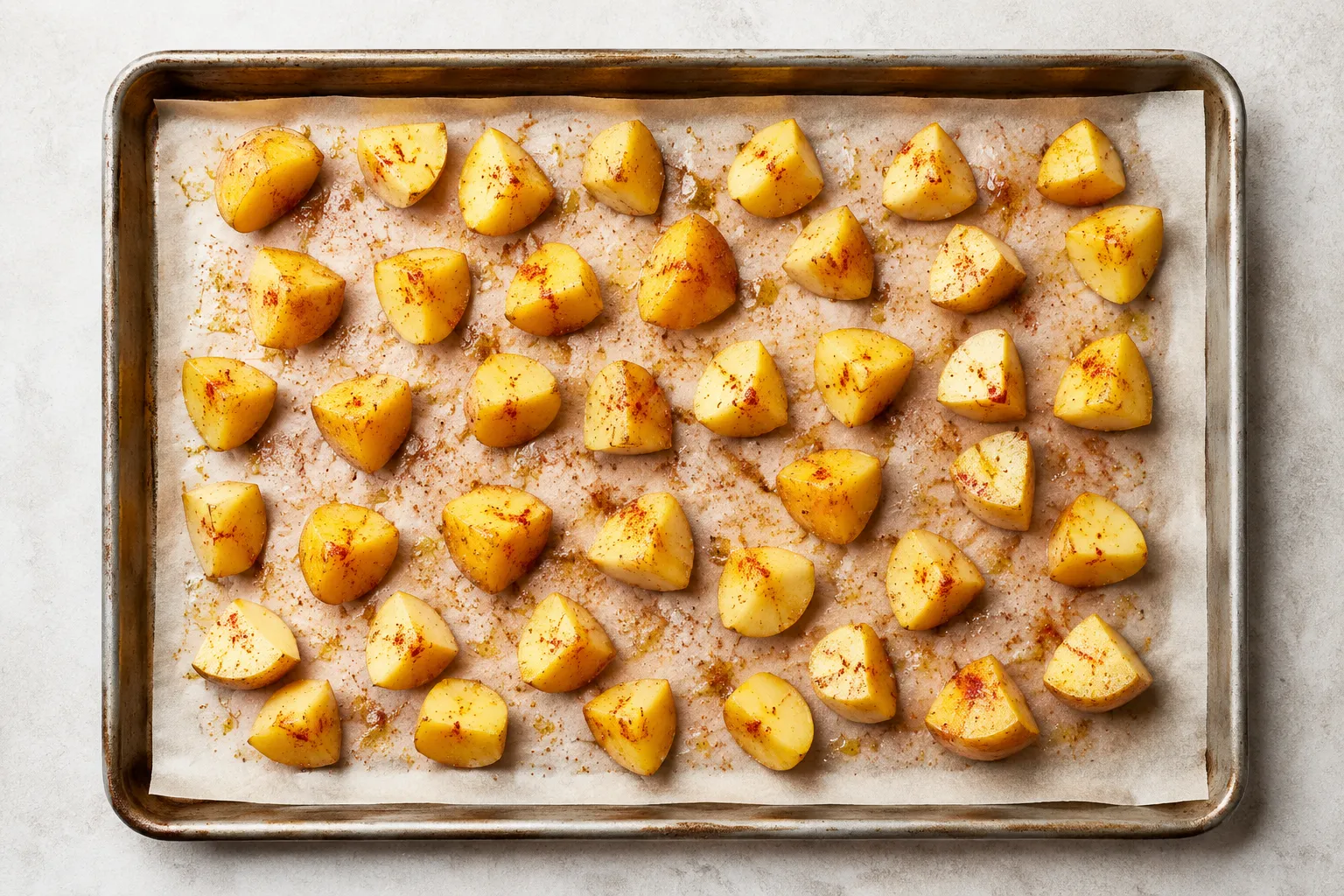
High heat is the key to browning. Spread the seasoned pieces out on a large sheet pan with space between them, then roast until deeply golden, turning once for even color. Boiling is best when you want tenderness for mash, salad, or soup. Baking whole potatoes takes longer, but the reward is a fluffy interior that is ready for butter, sour cream, chili, broccoli cheddar, or any topping you love.
Once you understand the main methods, the recipe possibilities open up quickly. These 15 ideas are meant to be flexible, dependable, and easy to adjust based on what is already in your kitchen. Some are classic comfort food, some are weeknight sides, and a few are hearty enough to anchor the plate. Use them as a menu planner when you have a bag waiting on the counter and no dinner plan yet.
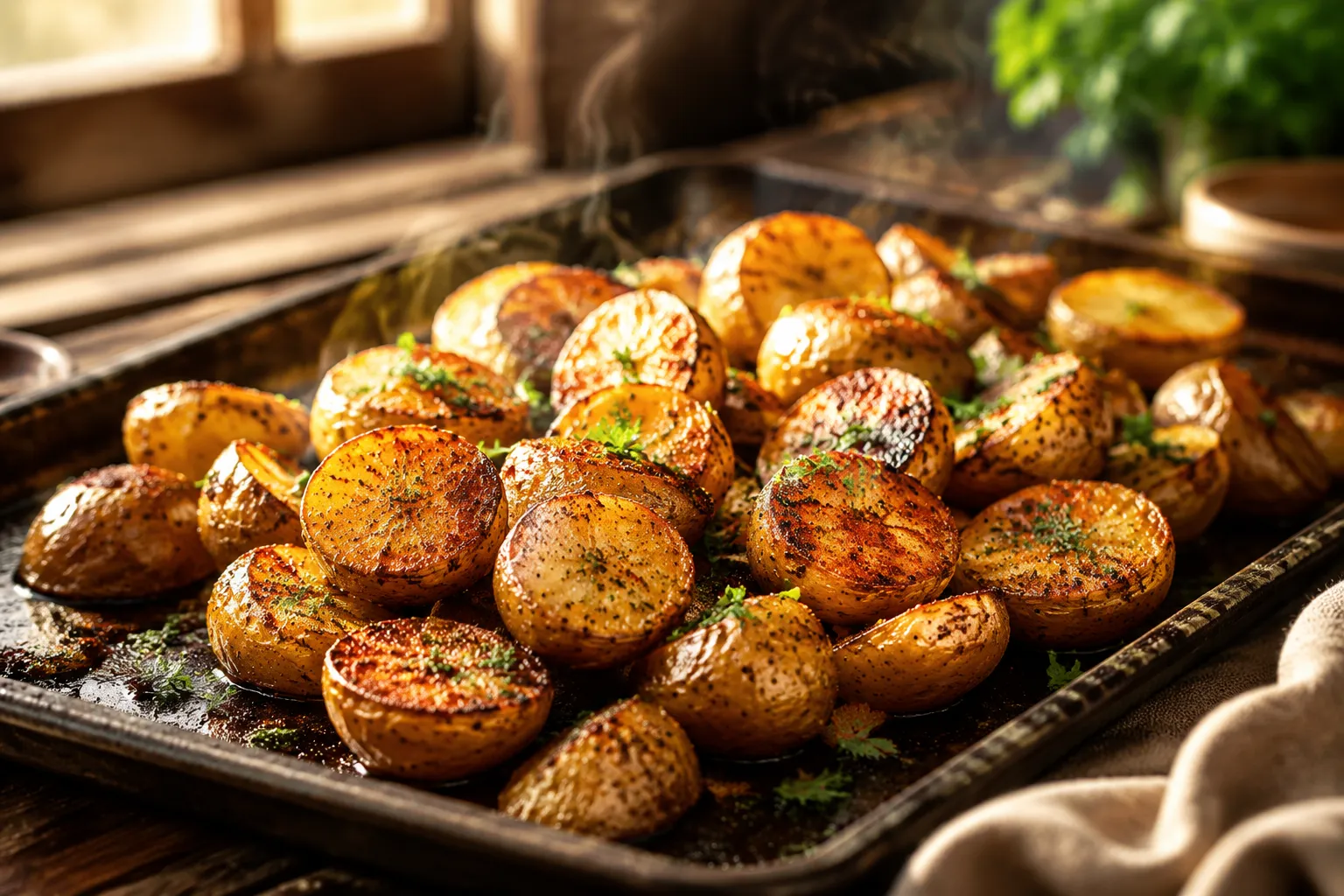
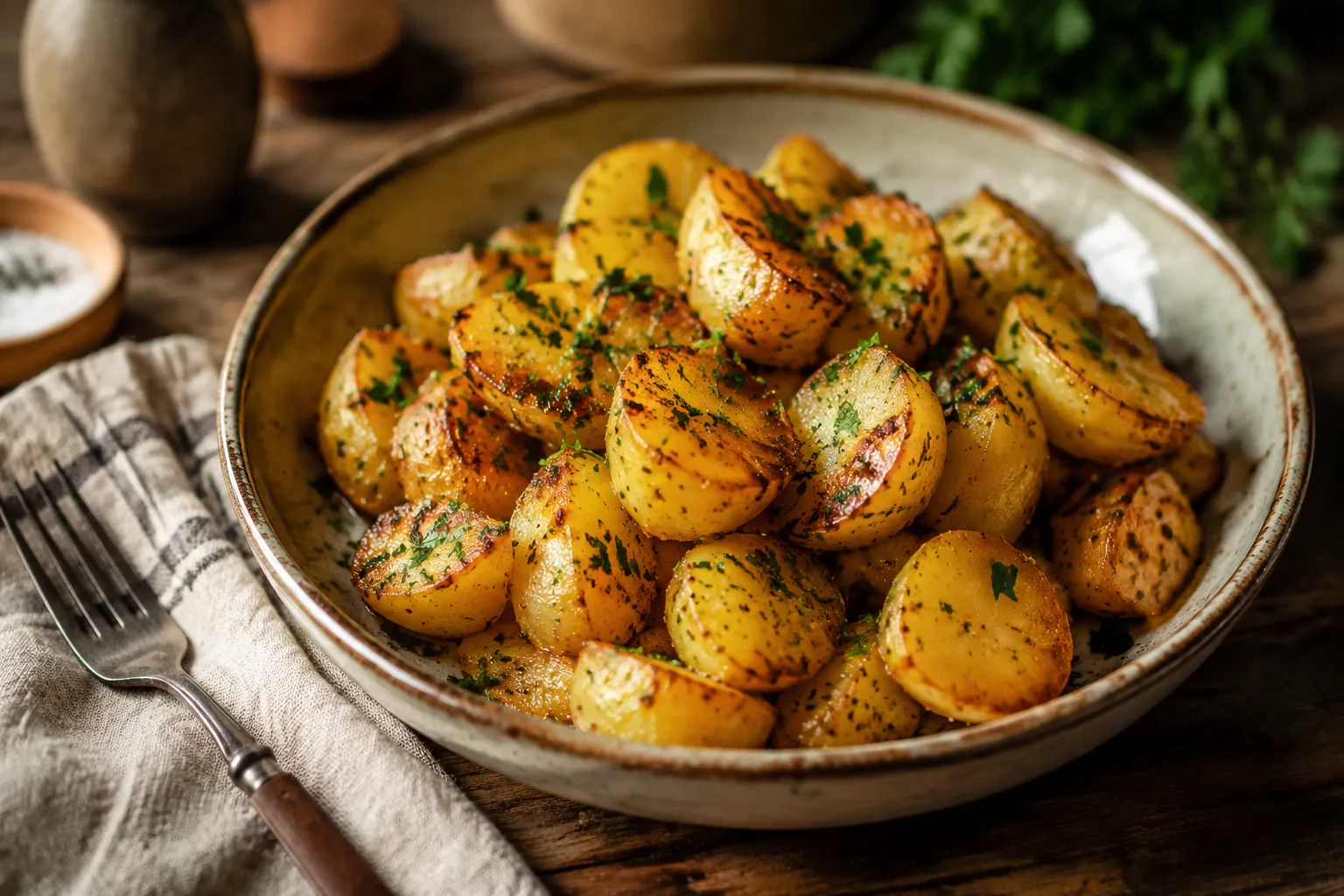
Start with the master recipe below: parboiled chunks tossed with olive oil, garlic, smoked paprika, salt, and pepper, then roasted hot until golden. These roasted potatoes are the kind you eat straight off the pan while pretending to set the table. They are excellent with roast chicken, grilled steak, salmon, fried eggs, or a bright green salad. Finish with parsley and flaky salt for that restaurant-style sparkle.
For classic mashed potatoes, use russets for the fluffiest texture or Yukon golds for a naturally buttery finish. Simmer until tender, drain well, and mash with warm milk, butter, salt, and pepper. For extra silkiness, pass them through a ricer before stirring in the dairy. Keep the mixing gentle so they stay light rather than gluey.
A loaded baked potato is a meal disguised as a side. Scrub the skins, prick with a fork, rub with oil and salt, and bake until the interior gives easily when squeezed. Split it open and add butter, sour cream, cheddar, bacon, scallions, chili, or steamed broccoli. This is one of the easiest dinners to customize for picky eaters because everyone can build their own.
Smashed potatoes begin with small boiled potatoes pressed flat on a sheet pan, then roasted until the ridges turn crisp. They are casual, snacky, and wonderful with creamy dips or herby yogurt sauce. The trick is to press them thin enough for crunch but not so thin that they fall apart. Parmesan, garlic butter, or chili oil all make excellent finishes.
Potato soup is the coziest way to turn humble ingredients into a full meal. Simmer diced potatoes with onion, garlic, broth, and thyme until tender, then blend part of the soup for body while leaving some chunks for texture. Add cheddar, cream, bacon, or leeks depending on the mood. Serve with salad and crusty bread for a cold-weather dinner that never fails.
Try skillet breakfast hash with peppers and onions, lemony Greek-style wedges, vinegar-splashed salt-and-pepper rounds, creamy gratin, mustardy warm salad, air-fryer cubes, herb butter boiled baby potatoes, spicy taco-stuffed skins, pan-fried gnocchi, or sheet-pan sausage and vegetables. Each one starts with the same principle: choose the right variety, season with confidence, and give the pieces enough heat to develop flavor. When you want crispy potatoes in a hurry, the air fryer is especially helpful for leftovers or small batches. For dinner parties, gratin or smashed rounds feel a little more special without being fussy.
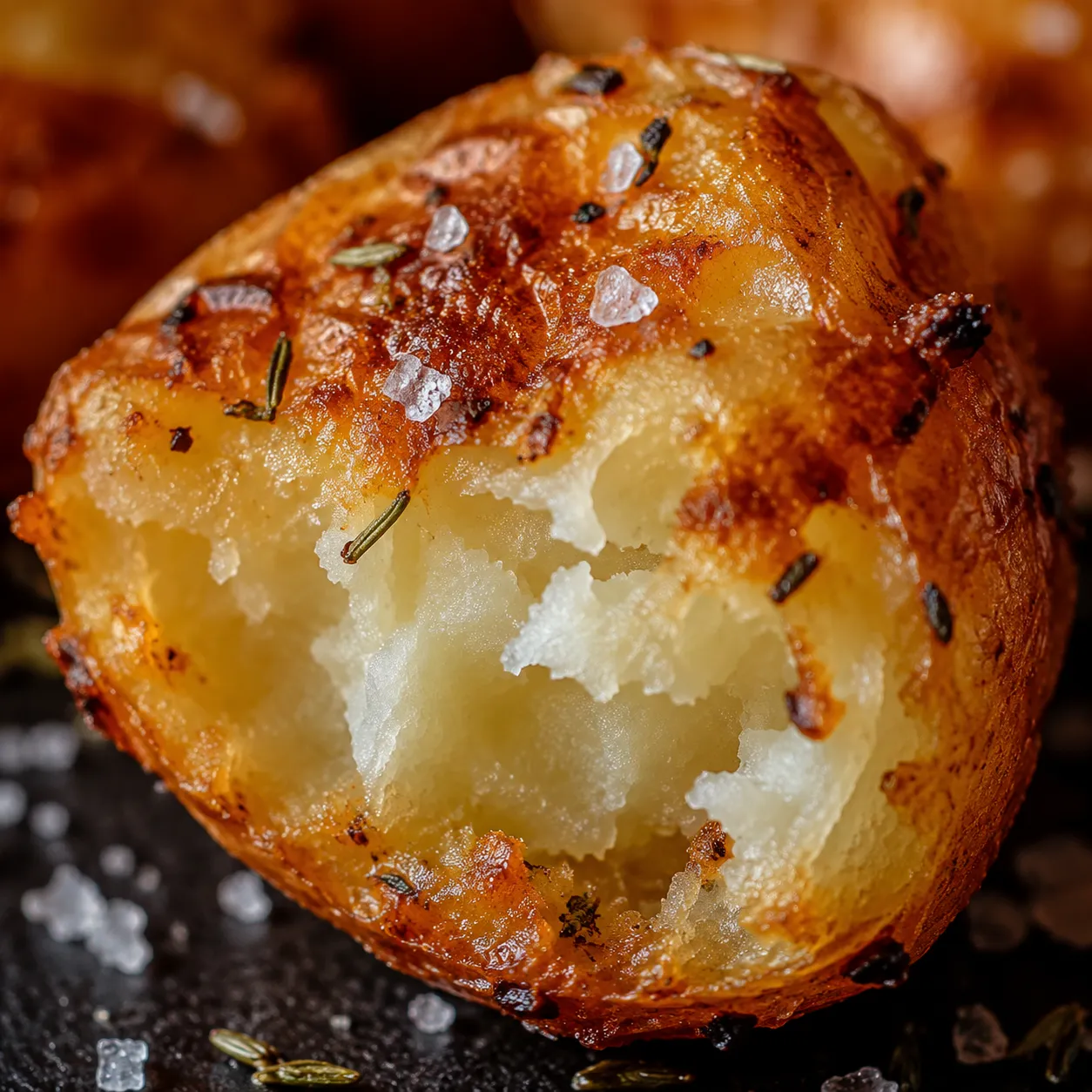
The parboil-then-roast method works because it creates contrast. The short boil hydrates and softens the inside, while draining and shaking the pieces roughs up the outer layer. Those rough edges catch oil and seasoning, then turn deeply browned in the oven. You get the best of both worlds: tender centers and crisp corners, without needing a deep fryer.
Another reason this method is dependable is that it is easy to scale. Use one sheet pan for four servings or two pans for a holiday meal, keeping the pieces in a single layer either way. You can change the flavor profile with herbs, citrus zest, curry powder, Cajun seasoning, or Parmesan. The structure stays the same, so the results remain consistent even when the seasonings change.
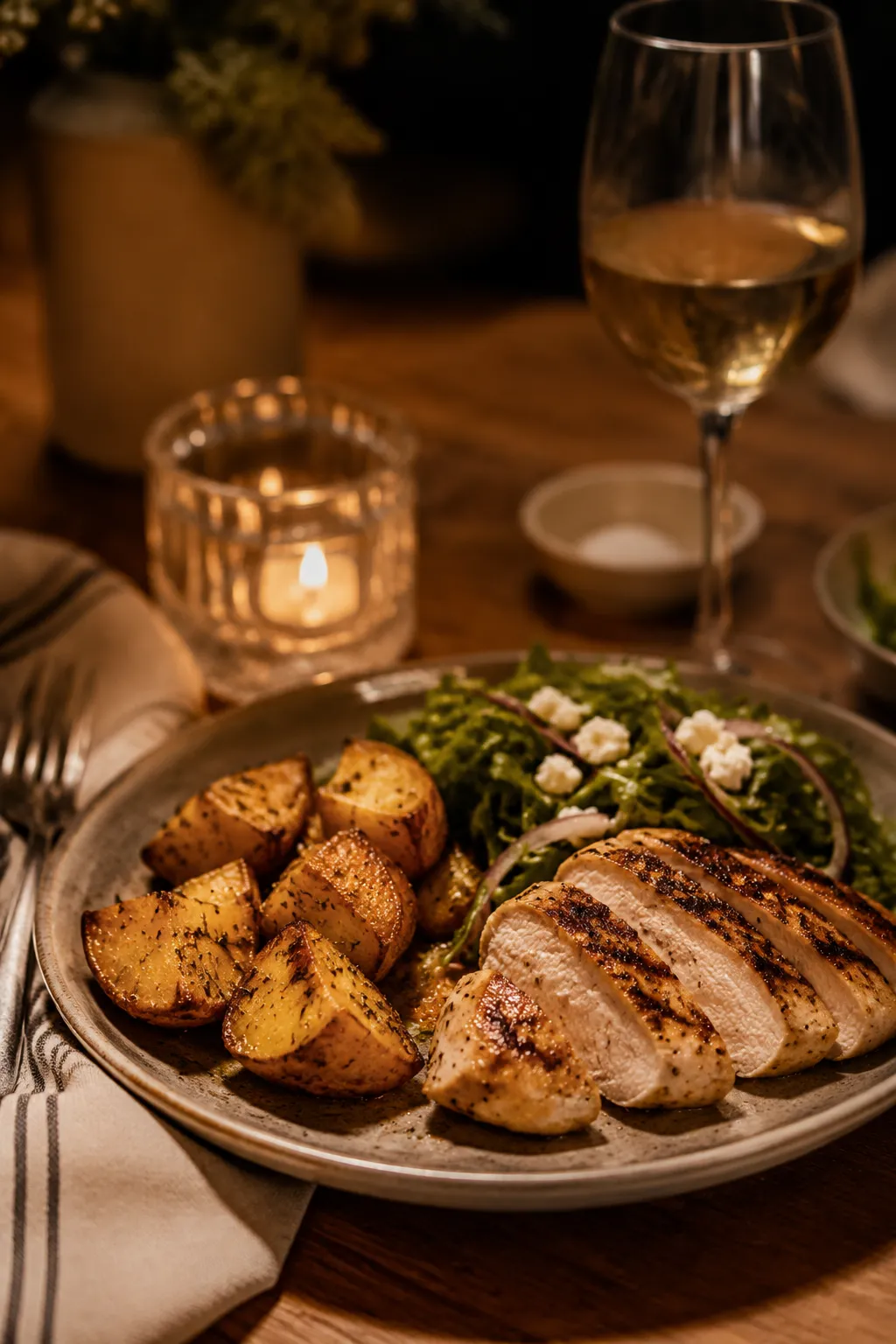
These golden bites fit almost anywhere on the table. Serve them beside roast chicken, pork chops, grilled fish, turkey burgers, steak, lentil loaf, or a big chopped salad. They also make a fantastic brunch side with soft scrambled eggs and fruit. For a casual dinner, add a garlicky yogurt sauce, chimichurri, ranch, or spicy ketchup and let everyone dip away.
For holidays, keep the seasoning classic with rosemary, thyme, garlic, and parsley so the dish works with gravy and all the other sides. For weeknights, lean bolder with smoked paprika, lemon zest, chili flakes, or everything bagel seasoning. A squeeze of lemon right before serving wakes up the richness and makes the herbs pop. The best part is that a platter of browned, steaming potatoes always feels welcoming, no matter what else is on the menu.
You can make dinner easier by washing and cutting the potatoes a few hours ahead, then keeping the pieces submerged in cold water until cooking. Drain and dry them thoroughly before seasoning so the oil can cling and the oven can brown instead of steam. You can also parboil earlier in the day, spread the pieces on a tray, and refrigerate until you are ready to roast. That little head start is especially helpful for holiday meals or nights when the oven is doing double duty.
Leftovers are surprisingly useful in the next day’s meals. Tuck them into breakfast burritos, crisp them in a skillet with eggs, fold them into a frittata, or add them to grain bowls with greens and a punchy dressing. If you have just a handful left, chop them smaller and turn them into a quick hash. Nothing about these recipes needs to be precious; they are built for real kitchens, real appetites, and real weeknights.
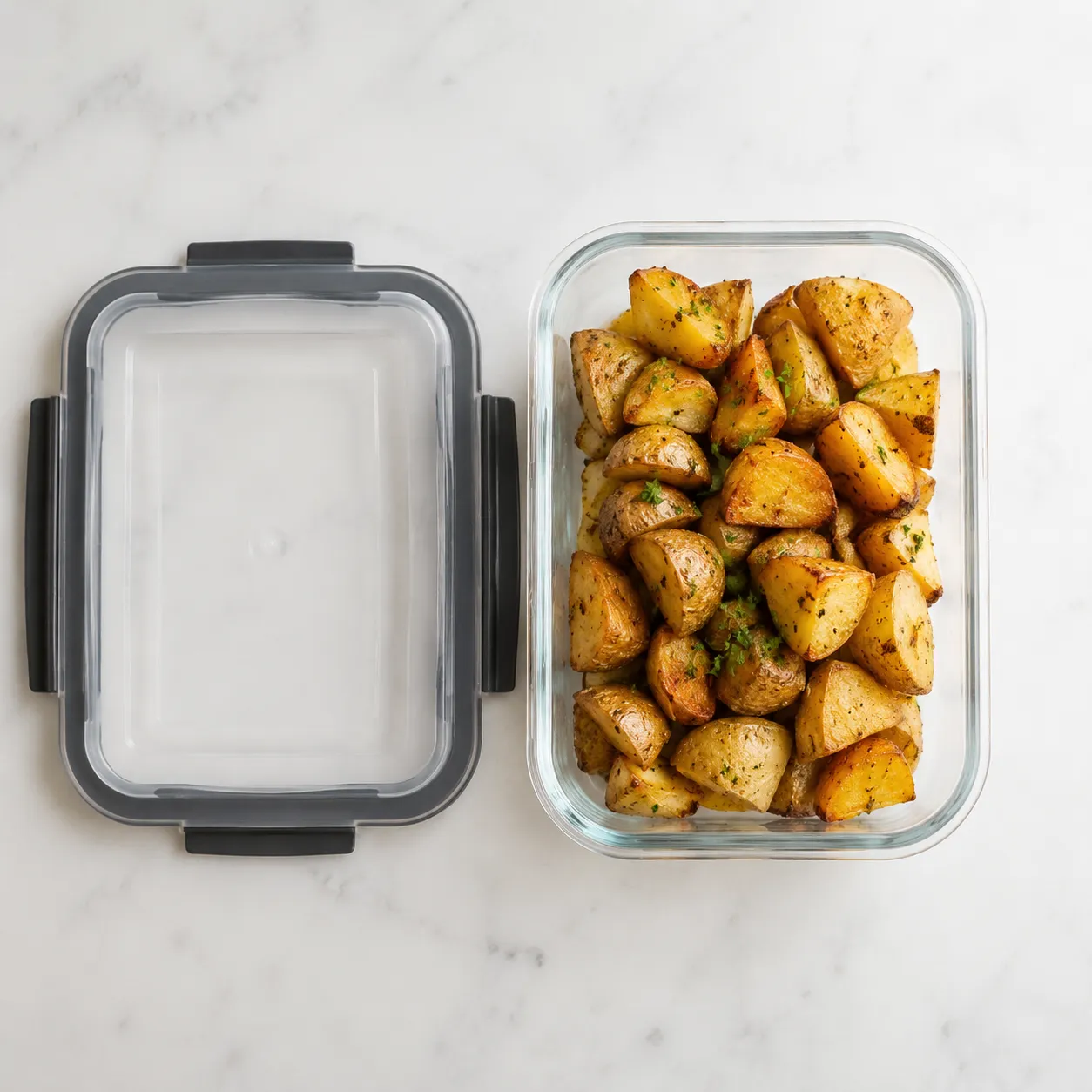
Store cooked potatoes in an airtight container in the refrigerator for 3 to 5 days. Let them cool before covering, but do not leave them at room temperature for more than 2 hours.
For the best texture, reheat roasted pieces in a 400°F oven or air fryer until hot and crisp again. The microwave works when you are in a hurry, but it will soften the browned edges.