Irish Potatoes Candy: Easy No-Bake Coconut Cream Treats
Ingredients
Scale
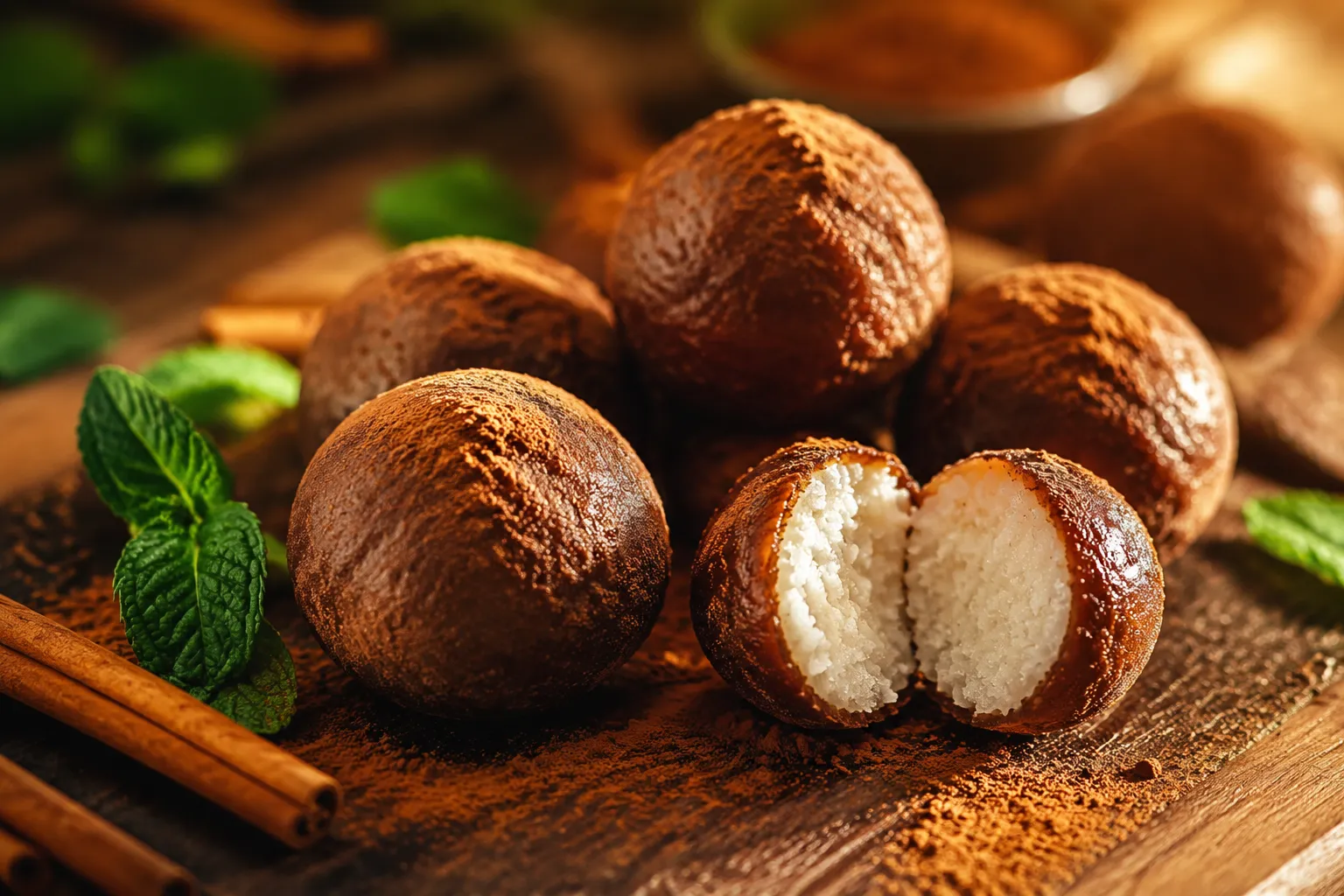
Soft, sweet, and dusted in cinnamon, these Irish potatoes are the classic Philadelphia St. Patrick's Day candy that look like tiny spuds but taste like coconut cream heaven.
Irish potatoes are the sweetest little trick of the dessert table: they look like tiny cinnamon-dusted spuds, but one bite reveals a creamy coconut center that melts into vanilla, butter, and tangy cream cheese. They are charming, nostalgic, and completely no-bake, which makes them exactly the kind of treat you can pull together when the oven is busy—or when you simply want something festive without fuss.
This classic Philadelphia Irish potato candy is especially popular around March, but honestly, it deserves a place beside all your favorite easy holiday candy recipes. The dough comes together in one bowl, chills until scoopable, then gets rolled into little rustic ovals and tumbled through a cinnamon coating for that signature “potato skin” look. It is cozy, playful, and wonderfully old-school in the best possible way.
If you love cream cheese desserts, coconut cream balls, or the kind of no-bake coconut candy that tastes like it came from a neighborhood candy shop, this recipe will feel instantly familiar. It is simple enough for beginners, cute enough for gifting, and sweet enough to disappear quickly from any tray of St. Patrick's Day desserts.
Despite the name, these candies are not made with potatoes, and they are not traditionally Irish. They are a beloved Philadelphia confection, often credited to candy makers in the early 1900s who created a playful treat that resembled the humble potato. The base is a thick, sweet mixture of cream cheese, butter, powdered sugar, vanilla, and shredded coconut, shaped into ovals and dusted generously with cinnamon.
The magic is in the contrast: a soft white interior with chewy coconut texture, wrapped in a warm brown exterior that looks earthy and rustic. That cinnamon coating does more than create the look—it balances the sweetness with gentle spice. Around St. Patrick’s Day, candy shops throughout the Philadelphia area still sell them by the box, and many families make their own versions at home.
Think of this as the candy cousin to a truffle, but without chocolate, tempering, or any stovetop work. It is quick, forgiving, and built for sharing. The finished candies are rich, so a small piece feels satisfying, especially with coffee or tea after dinner.
The name can be a little misleading, but the backstory is part of the fun. Philadelphia Irish potato candy became a regional tradition because of the city’s candy-making history and its large Irish-American community. The treat’s potato-like appearance made it an easy fit for March celebrations, even though the ingredients are very much in the American homemade candy lane.
Today, you will find versions in bakeries, candy counters, school fundraisers, family parties, and homemade Irish treats boxes. Some are rolled very smooth, others are lumpy and rustic like real potatoes, and some are dusted lightly while others are deeply cinnamon-brown. This version leans classic: creamy, coconutty, easy to shape, and not so soft that it collapses.
The illusion comes from three small details: the oval shape, the uneven surface, and the cinnamon exterior. When the chilled dough is rolled between your palms, you do not want perfect spheres; you want little imperfect nuggets, slightly tapered or flattened here and there. Once coated in ground cinnamon, the candies take on a speckled brown color that looks surprisingly potato-like.
For the most realistic finish, a gentle touch is better than overworking the dough. A few bumps, seams, and ridges actually make the candies more convincing. If you want to exaggerate the look, you can press a toothpick lightly into the surface before coating to mimic potato eyes.
This irish potatoes recipe keeps the ingredient list wonderfully short: cream cheese, butter, vanilla, powdered sugar, sweetened shredded coconut, and ground cinnamon. Because there is no baking, each ingredient has a clear job to do. The cream cheese gives the candies their gentle tang and smooth texture, the butter adds richness, and the powdered sugar thickens and sweetens the base.
Sweetened shredded coconut is what transforms the mixture from frosting-like to candy-like. It adds chew, body, and that classic coconut cream flavor. The cinnamon is saved for the outside, where it gives the candies their warm spice and unmistakable potato appearance.
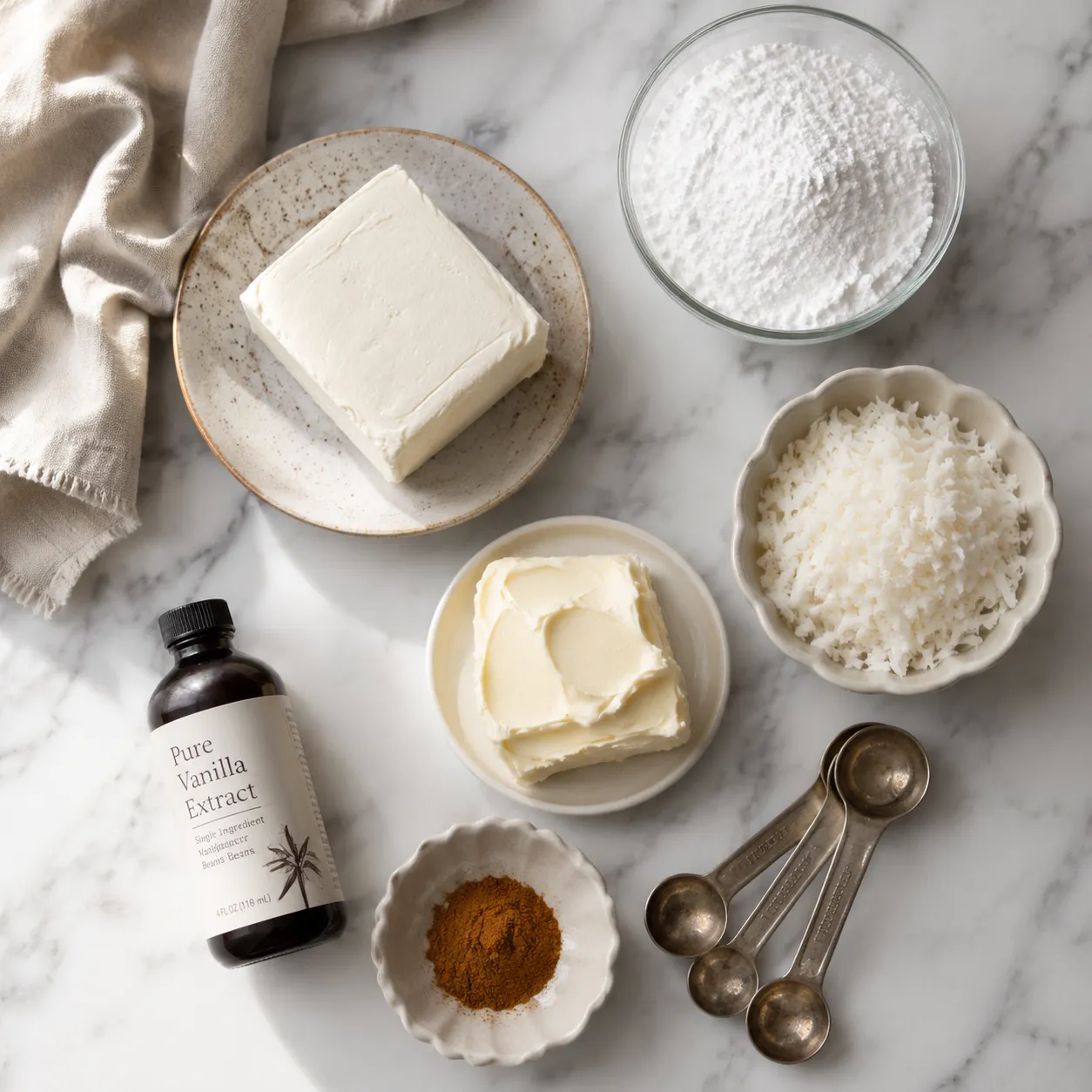
Use full-fat brick-style cream cheese if you can. Tub-style cream cheese tends to be softer and can make the mixture sticky. Softened butter is just as important; it should yield easily when pressed but not be melted or oily.
Powdered sugar is the sweetener and structure builder here, so granulated sugar will not work the same way. It dissolves into the butter and cream cheese, creating a smooth, thick dough without grittiness. If your powdered sugar is lumpy, a quick sift makes mixing easier and helps prevent pockets of sugar in the finished candy.
The base should be beaten until fluffy and fully blended before the sugar goes in. This step matters because once the powdered sugar and coconut are added, the mixture becomes thick and harder to smooth out. Starting with a creamy base gives every bite a soft, almost cheesecake-like richness.
Vanilla extract rounds out the flavor and makes the candy taste warmer and more complete. You only need a teaspoon, but it makes the difference between a flat sugar-coconut mixture and a truly nostalgic candy-shop bite. If you love almond extract, you can use a tiny splash, but vanilla keeps the flavor traditional.
Sweetened shredded coconut gives these candies their signature chew. It also helps absorb some moisture from the cream cheese and butter so the dough can hold its shape. If your coconut shreds are very long, pulse them once or twice in a food processor for a finer texture that rolls more neatly.
Unsweetened coconut can be used in a pinch, but the flavor and texture will be a little less classic. Since this is meant to be a sweet candy, the sweetened version gives the most familiar result. It also makes the center softer and more cohesive.
Ground cinnamon is the finishing touch that turns white coconut dough into a tray of tiny potatoes. Use fresh cinnamon if possible; older cinnamon can taste dusty instead of warm and fragrant. Two tablespoons gives you enough to coat the full batch without having to scrape the bottom of the bowl.
The coating should be generous but not clumpy. A shallow bowl works best because you can roll and tap each candy until the outside is evenly covered. If the cinnamon layer looks too heavy, simply roll the candy between clean palms for a softer, more natural finish.
The process is simple, but the order makes a difference. First, beat the softened cream cheese and butter until smooth and fluffy. This creates the creamy foundation that keeps the candies tender instead of crumbly.
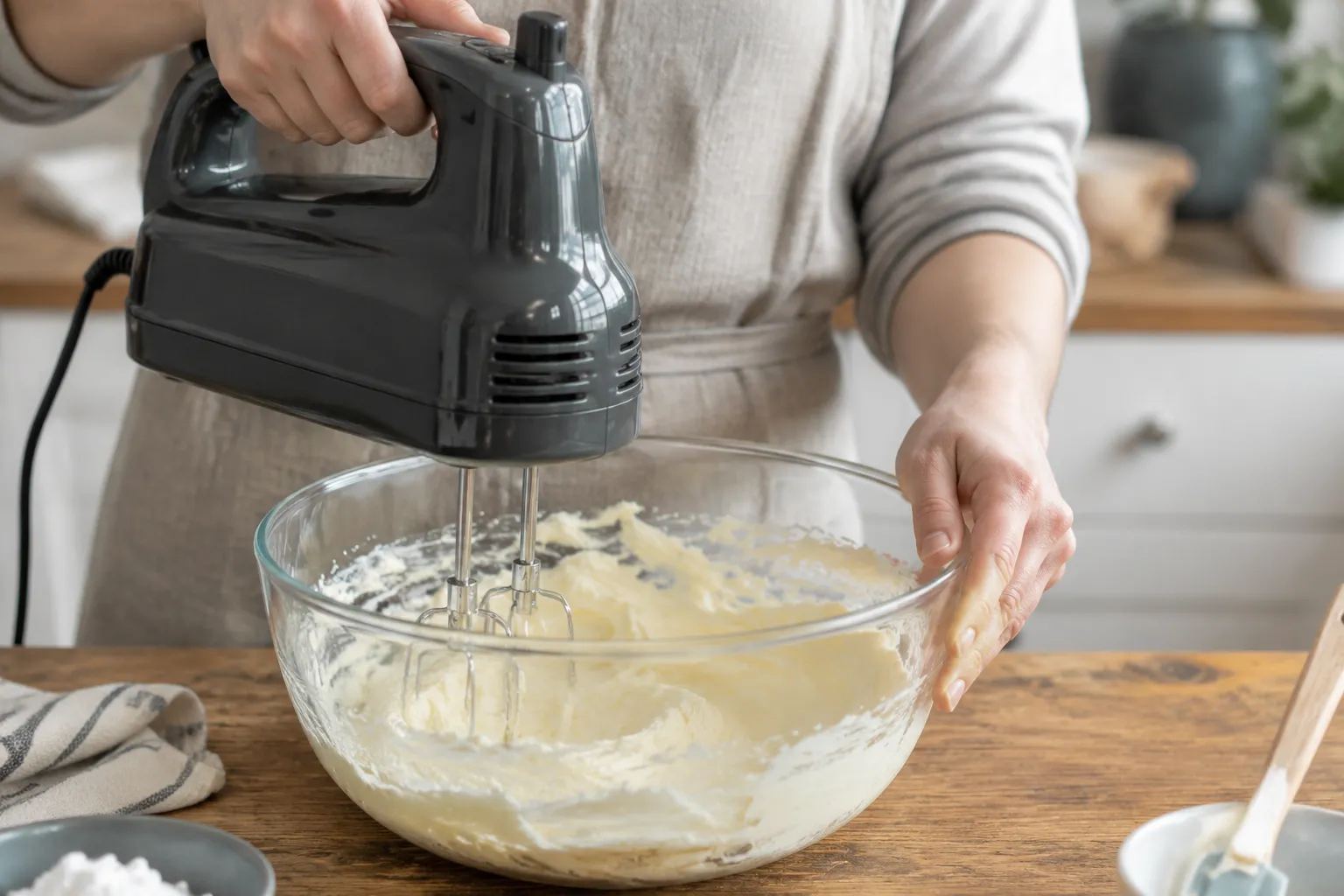
Next, mix in the vanilla and gradually add the powdered sugar. The dough will look soft at first, then thicken as the sugar incorporates. Once it is mostly smooth, fold in the shredded coconut with a sturdy spatula or spoon until evenly distributed.
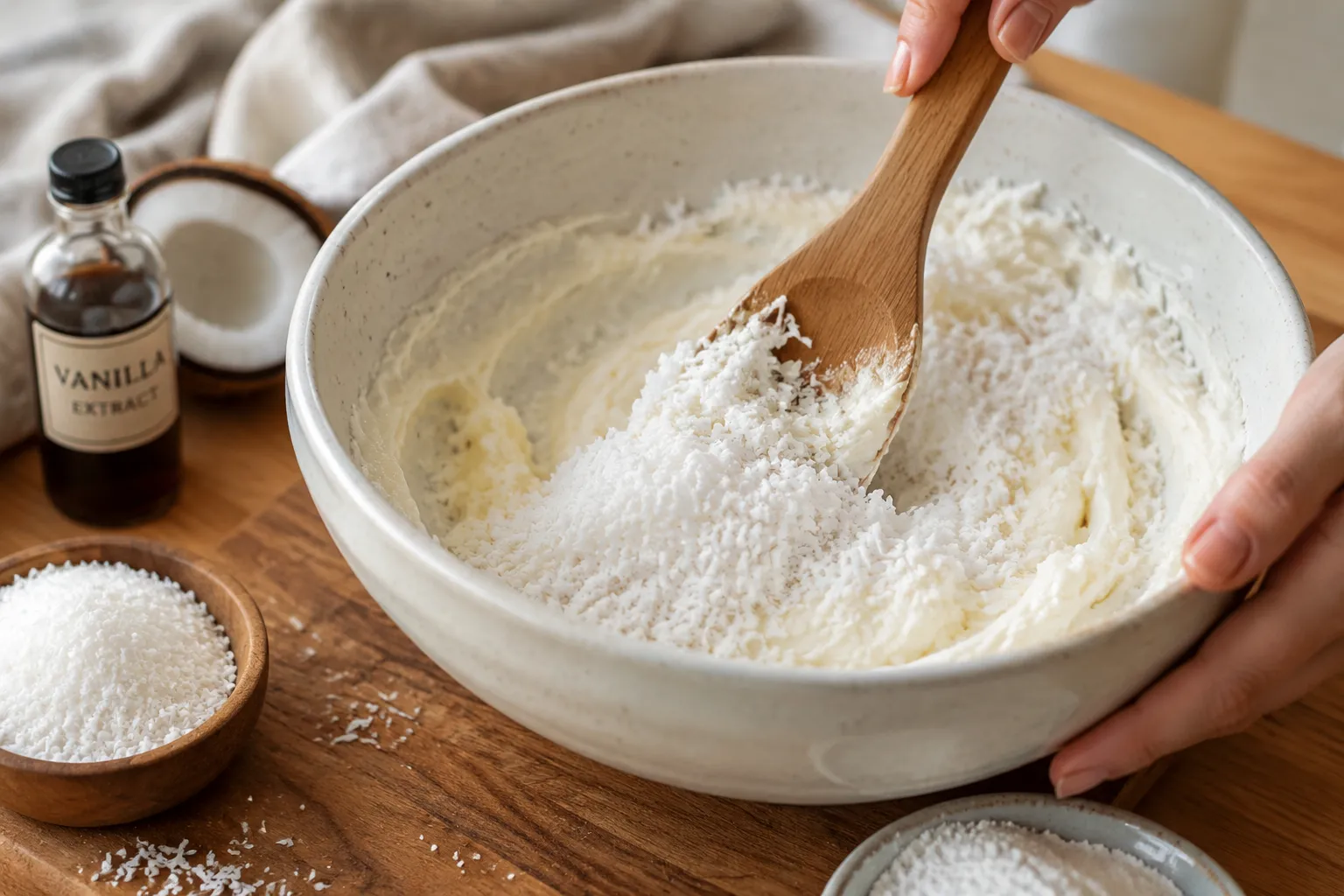
At this stage, the mixture needs time to chill. The refrigerator firms the butter and cream cheese, making the dough much easier to scoop and shape. If you try to roll it immediately, it will likely stick to your hands and flatten out.
After chilling, scoop small portions and roll them into rough ovals. Aim for about one tablespoon per candy, though you can go slightly smaller for party trays. Drop each piece into the cinnamon and roll until coated, then set it on a parchment-lined tray.
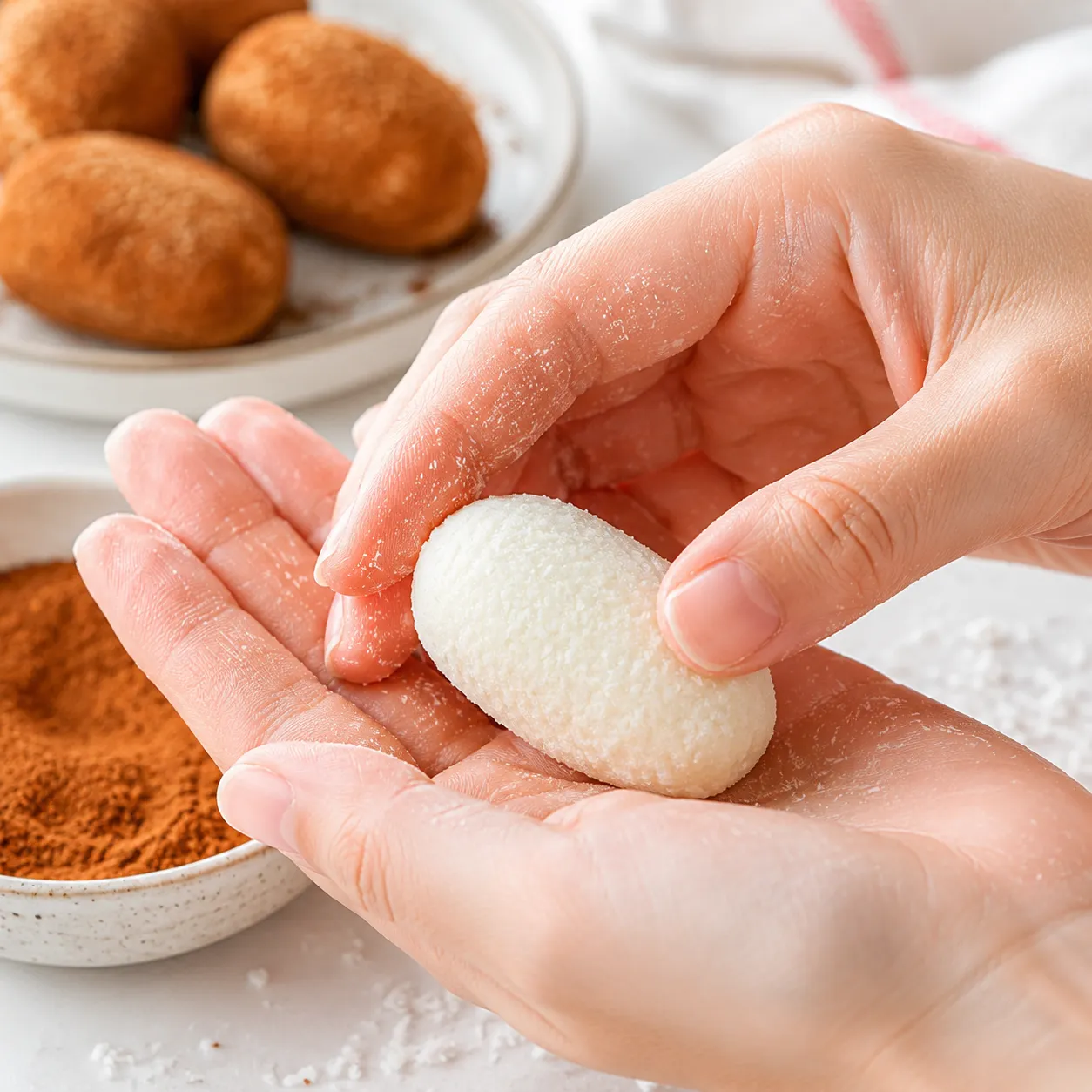
The finished candies should look rustic, not machine-perfect. Some can be short and round, others longer and a little bumpy. That variation is part of the charm, and it makes the platter feel handmade in the most delightful way.
Once chilled, the dough should be firm enough to scoop cleanly but still soft enough to roll without cracking. If it feels too sticky, give it more refrigerator time before adding extra ingredients. Chilling usually solves the problem without changing the flavor or texture.
If the mixture still seems loose after a good chill, stir in a few extra tablespoons of shredded coconut. Coconut adds structure without making the candy overly sweet. Powdered sugar will also firm it up, but too much can make the filling taste overly sugary.
For the classic look, skip the cookie scoop-perfect round and roll each piece into a small oval. Flatten one side slightly or taper the ends with your fingers to make the shape look more natural. The goal is a miniature potato, not a truffle.
If the dough warms up while you work, pause and return the bowl to the refrigerator for 10 to 15 minutes. This is especially helpful in a warm kitchen. Cool dough rolls cleaner and picks up cinnamon more evenly.
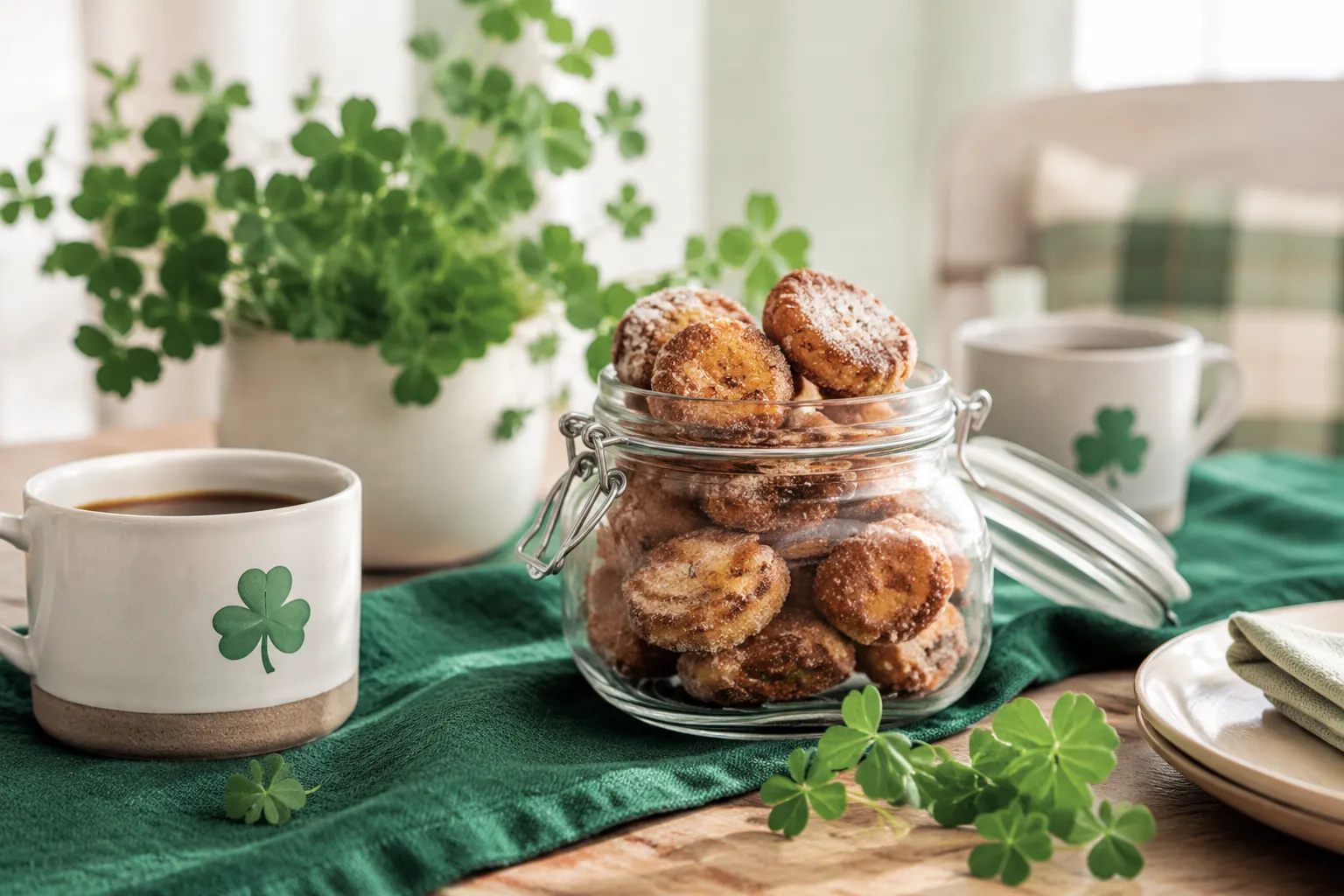
These little candies are right at home on a green-and-gold dessert board, tucked into treat bags, or piled high on a vintage plate with coffee after dinner. They are especially cute alongside brownies, sugar cookies, shortbread, or other St. Patrick's Day desserts. Because they are small and rich, guests can take one or two without committing to a full slice of cake.
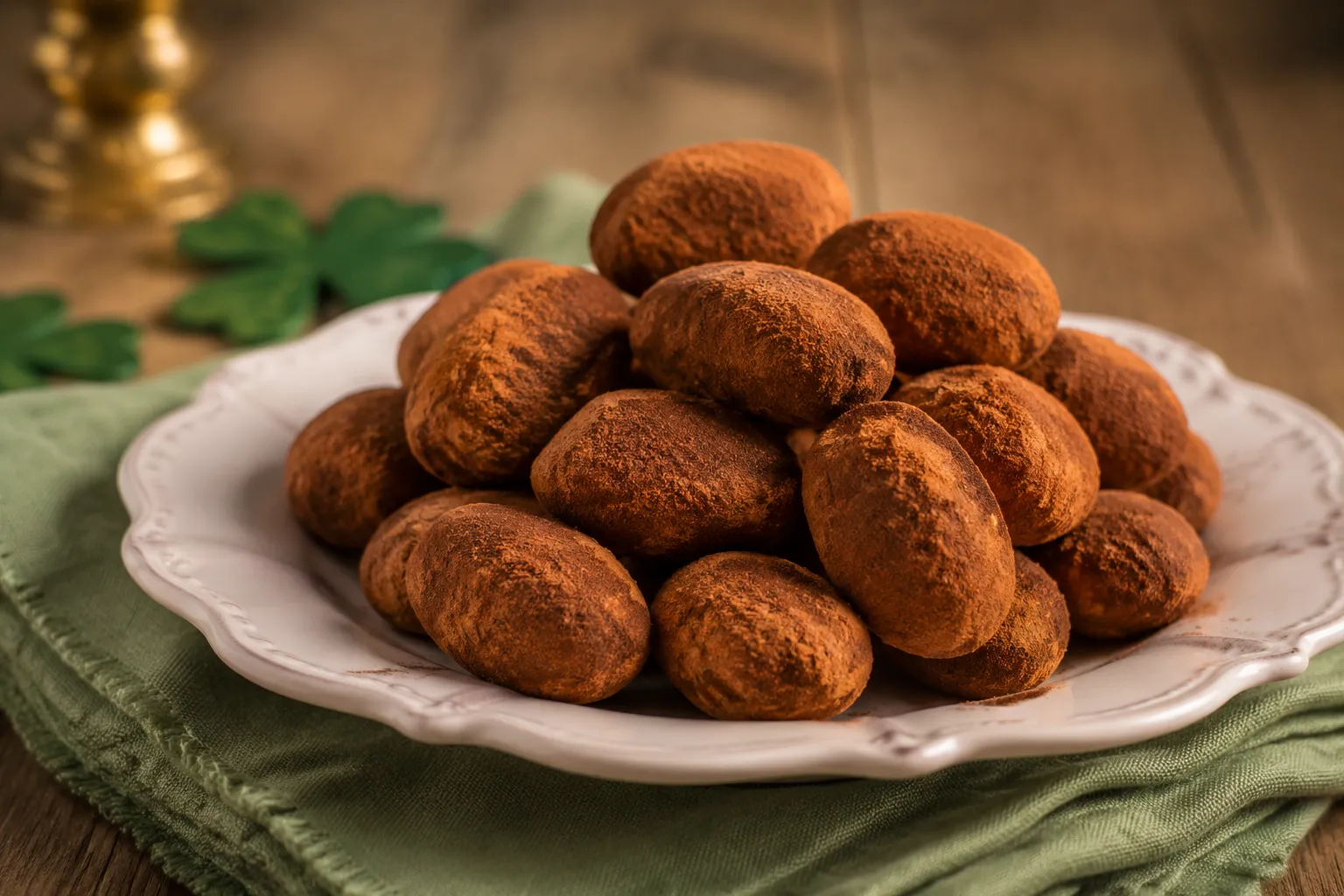
For gifting, place each candy in a mini paper cup and pack them into a bakery box. The cinnamon exterior makes them sturdy enough to handle, and the coconut cream center stays soft and sweet. They also make a fun addition to trays of homemade Irish treats, especially if you want something that sparks conversation.
If you are serving them at a party, keep the platter chilled until shortly before guests arrive. The candies taste best cool, when the texture is firm but creamy. A light dusting of fresh cinnamon just before serving can freshen the color if they have been handled or moved around.
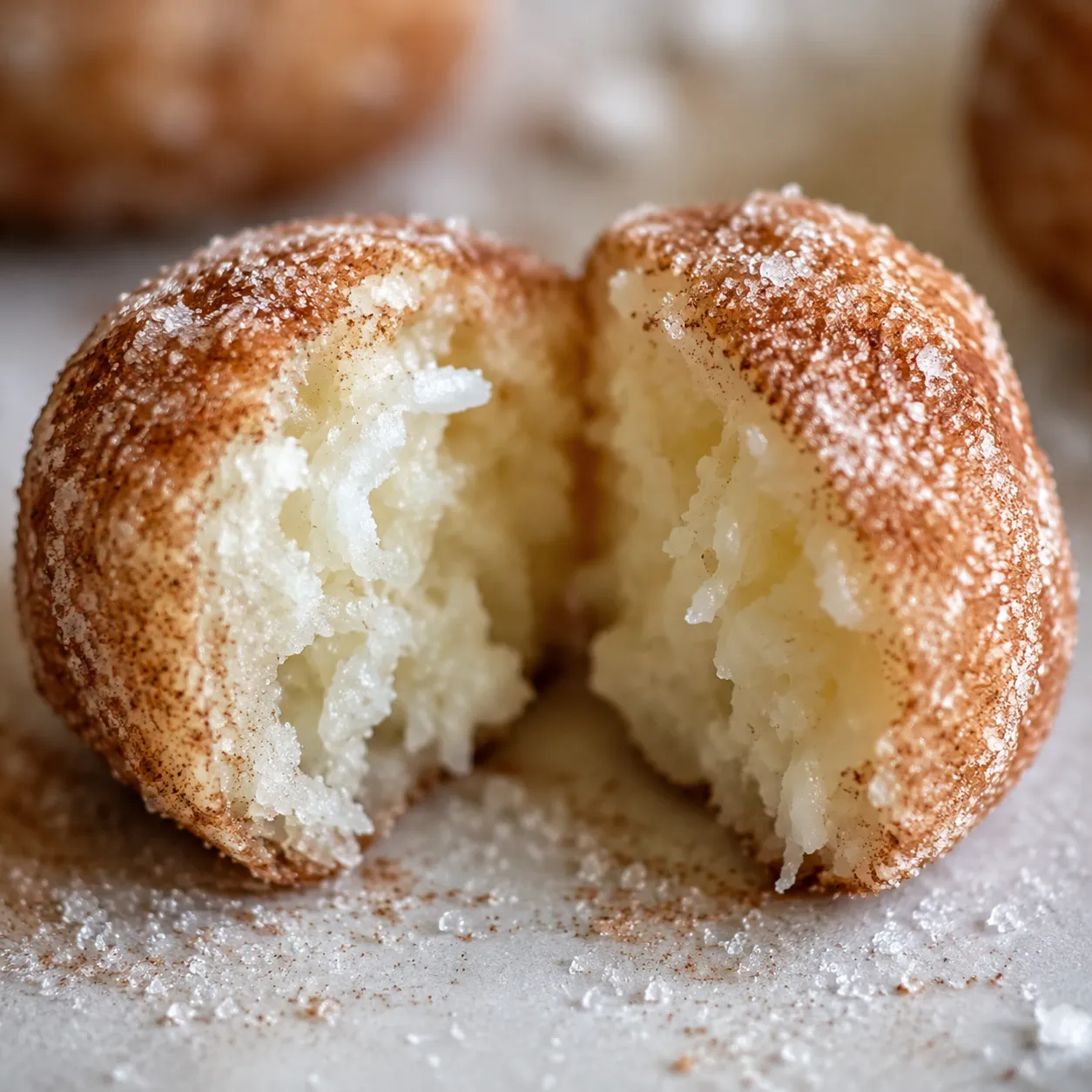
The inside is the real surprise: bright white, creamy, and packed with coconut. That contrast between the snowy center and the spice-coated outside is what makes the candy so memorable. It is humble-looking in the sweetest way, but the flavor is rich, nostalgic, and just a little indulgent.
There is something especially lovable about a recipe that does not take itself too seriously. Irish potatoes are playful and a little quirky, yet they have the kind of flavor that keeps people reaching back for another piece. They bring together the ease of no-bake coconut candy with the old-fashioned charm of a regional favorite.
They are also wonderfully practical for busy celebrations. You can make them ahead, keep them chilled, and pull them out when you need a festive sweet with very little last-minute effort. For anyone building a list of easy holiday candy recipes, this one earns its place because it is approachable, affordable, and reliably crowd-pleasing.
Whether you grew up with Philadelphia Irish potato candy or are discovering it for the first time, this version gives you the creamy center, chewy coconut, and warm cinnamon finish that define the classic. It is a small recipe with a big sense of nostalgia. And once you see a platter of these cinnamon-dusted candies on the table, you will understand why they come back every March.
Pack a few for neighbors, set some out with coffee, or tuck them into a festive dessert spread with coconut cream balls and other cream cheese desserts. However you serve them, irish potatoes are proof that a simple six-ingredient candy can still feel special, seasonal, and completely irresistible.
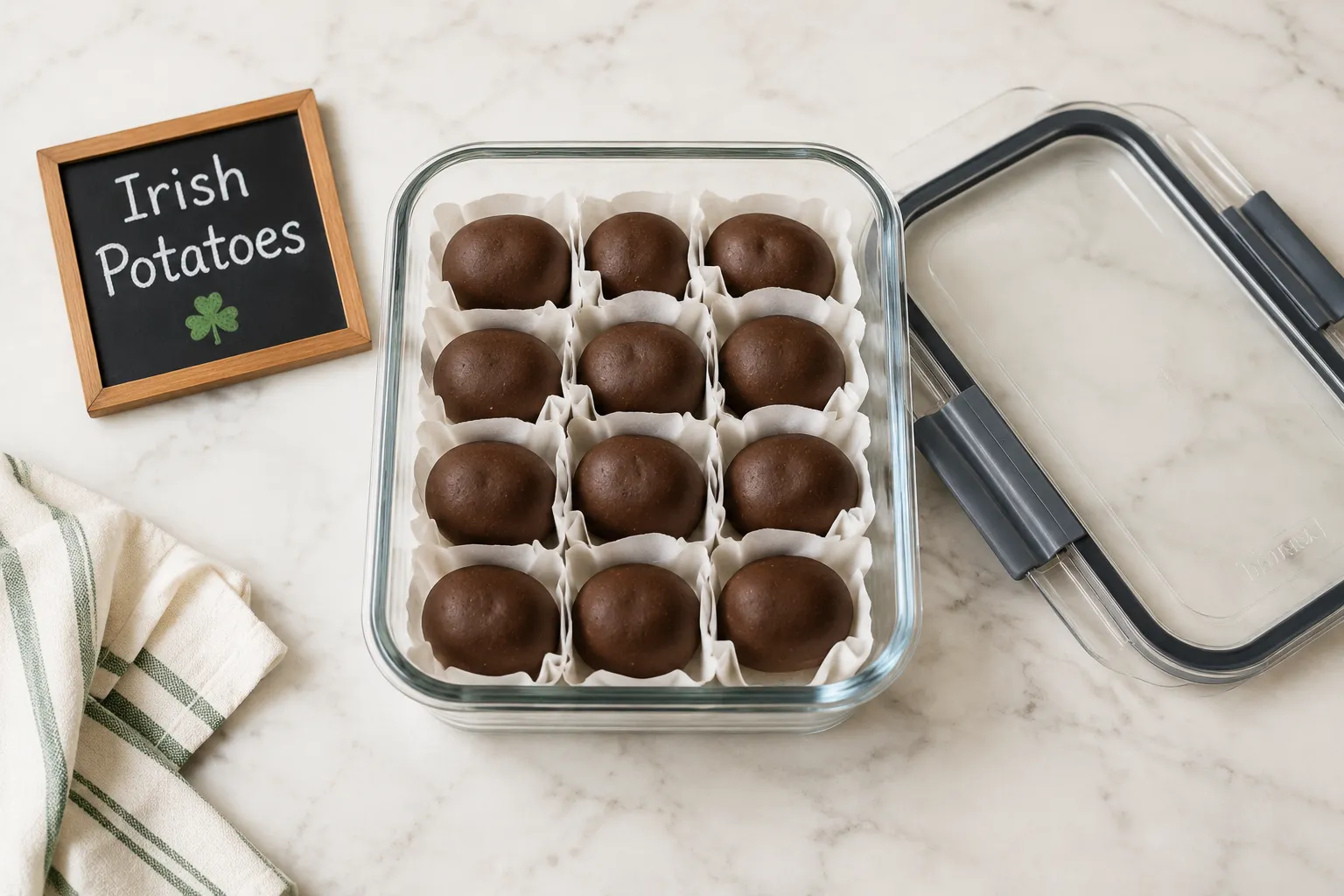
Store the candies in an airtight container in the refrigerator for up to 2 weeks. Layer them between sheets of parchment so the cinnamon coating stays neat and the candies do not stick together.
To freeze, place the candies in a freezer-safe container with parchment between layers and freeze for up to 3 months. Thaw them overnight in the refrigerator before serving; if the cinnamon coating looks a little faded after thawing, roll them lightly in fresh cinnamon to refresh the finish.