Peanut Butter Frosting: Fluffy, Creamy & Easy
Ingredients
Scale
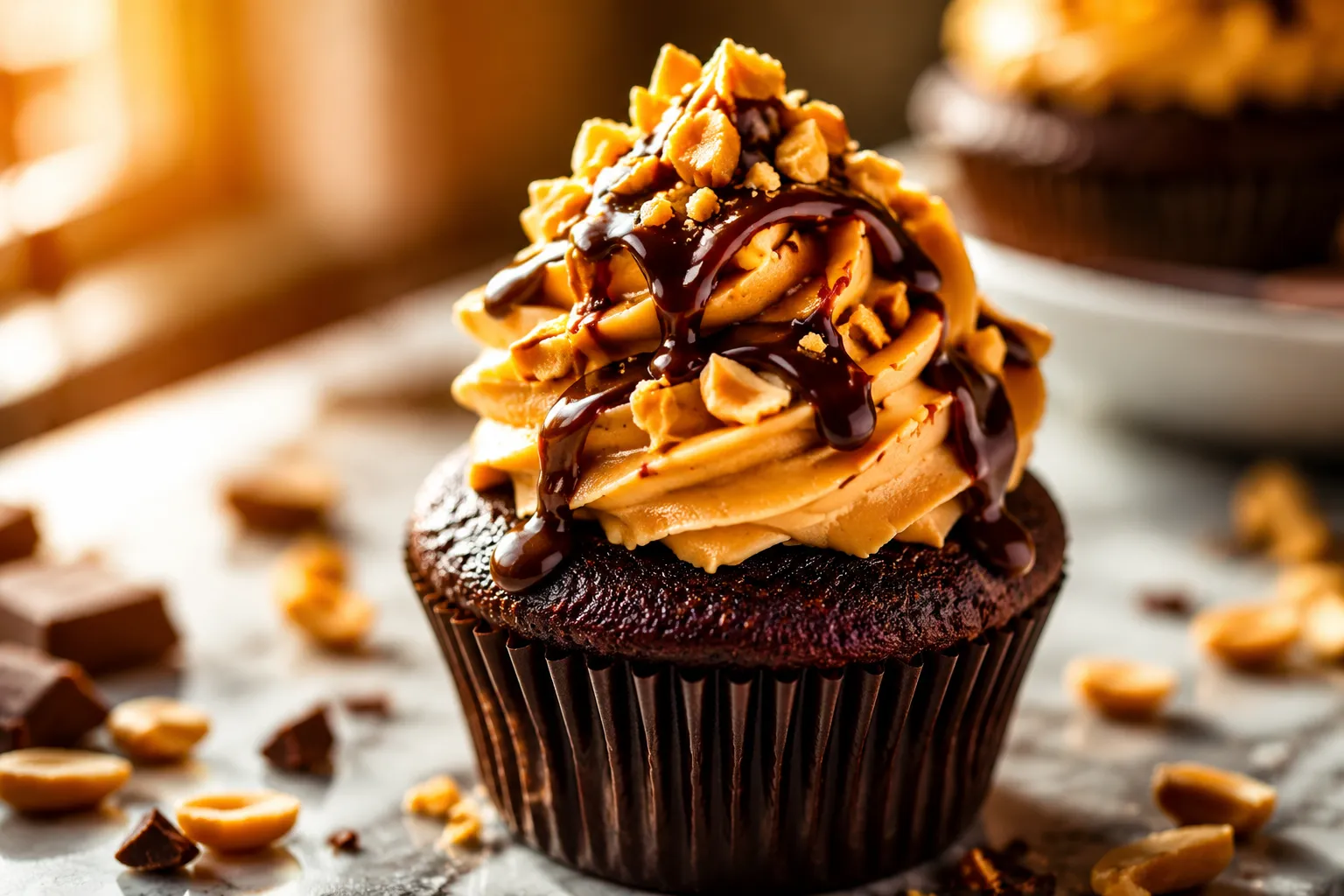
Silky, fluffy peanut butter frosting that pipes like a dream and tastes like a peanut butter cup. Ready in 10 minutes with 5 pantry staples.
This peanut butter frosting recipe is the kind of back-pocket dessert staple that makes a simple cake feel like a celebration. It whips up into a fluffy, creamy cloud with a deep peanut butter flavor, and it settles into clean, billowy swirls instead of sliding off the cake. If you have ever wanted a frosting that tastes like a peanut butter cup but spreads like a dream, this is the one.
I love that it uses everyday pantry ingredients and still feels bakery-worthy. You do not need fancy equipment, a candy thermometer, or a long list of extras—just good creamy peanut butter, softened butter, powdered sugar, and a splash of heavy cream to loosen everything into that perfectly light texture. The result sits somewhere between classic buttercream and the fluffiest whipped frosting, which is exactly why it works on everything from layer cakes to brownies.
What makes it especially useful is that it is flexible enough for both piping and spreading. You can make it thick and lofty for tall cupcakes, or whisk in an extra spoonful of cream if you want a softer finish for a sheet cake. And because the flavor is so familiar and nostalgic, it pairs well with just about any chocolate dessert you already love.
The beauty of peanut butter frosting is that it turns a short ingredient list into something that tastes luxurious. The base starts with creamy peanut butter and softened unsalted butter, which beat together into a smooth, rich foundation. From there, powdered sugar sweetens and thickens the mixture, while heavy cream adds the lightness that keeps the frosting from feeling dense. Vanilla and a pinch of sea salt round everything out so the final flavor tastes balanced instead of one-note.
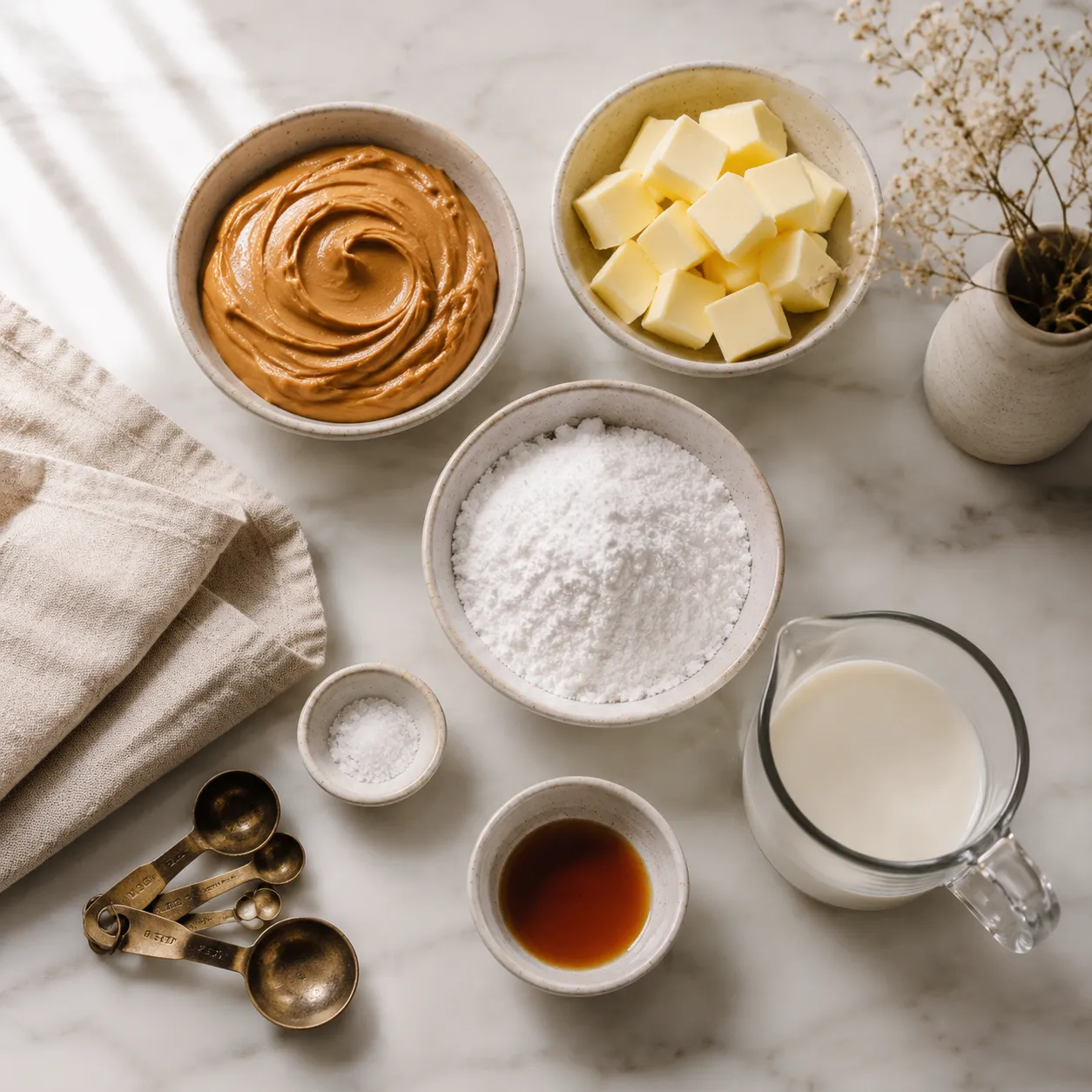
The most important ingredient choice is the peanut butter itself. Use a no-stir creamy peanut butter rather than a natural style, because the stabilized version keeps the texture silky and predictable. Natural peanut butter can separate and make the frosting oily or grainy, while a shelf-stable creamy peanut butter gives you the smoothest finish and the cleanest piping. If you are thinking ahead to chocolate cupcakes, this is the kind of frosting that needs that reliable base so the swirls stay pretty.
Powdered sugar does two jobs here: it sweetens and it builds structure. Start with the full amount in the recipe, then stop and taste before adding more, because some peanut butters are sweeter than others. The heavy cream is your texture adjuster, and it is what nudges this from thick and spreadable into a fluffy peanut butter frosting that feels airy on the tongue.
If you like a more dessert-shop flavor, you can also add a tiny bit more vanilla or a few flakes of salt at the end. Those small tweaks do not change the structure, but they make the peanut flavor taste fuller and more rounded. It is the same kind of small upgrade that makes homemade buttercream feel special, only here the peanut butter does most of the heavy lifting.
When peanut butter frosting comes together, it should look smooth, glossy, and slightly whipped before the sugar even goes in. Start by beating the softened butter and creamy peanut butter together until the mixture is completely uniform, with no streaks of pale butter or darker peanut butter left behind. That first step matters more than it seems, because a fully blended base gives you a frosting that stays silky instead of separating later. 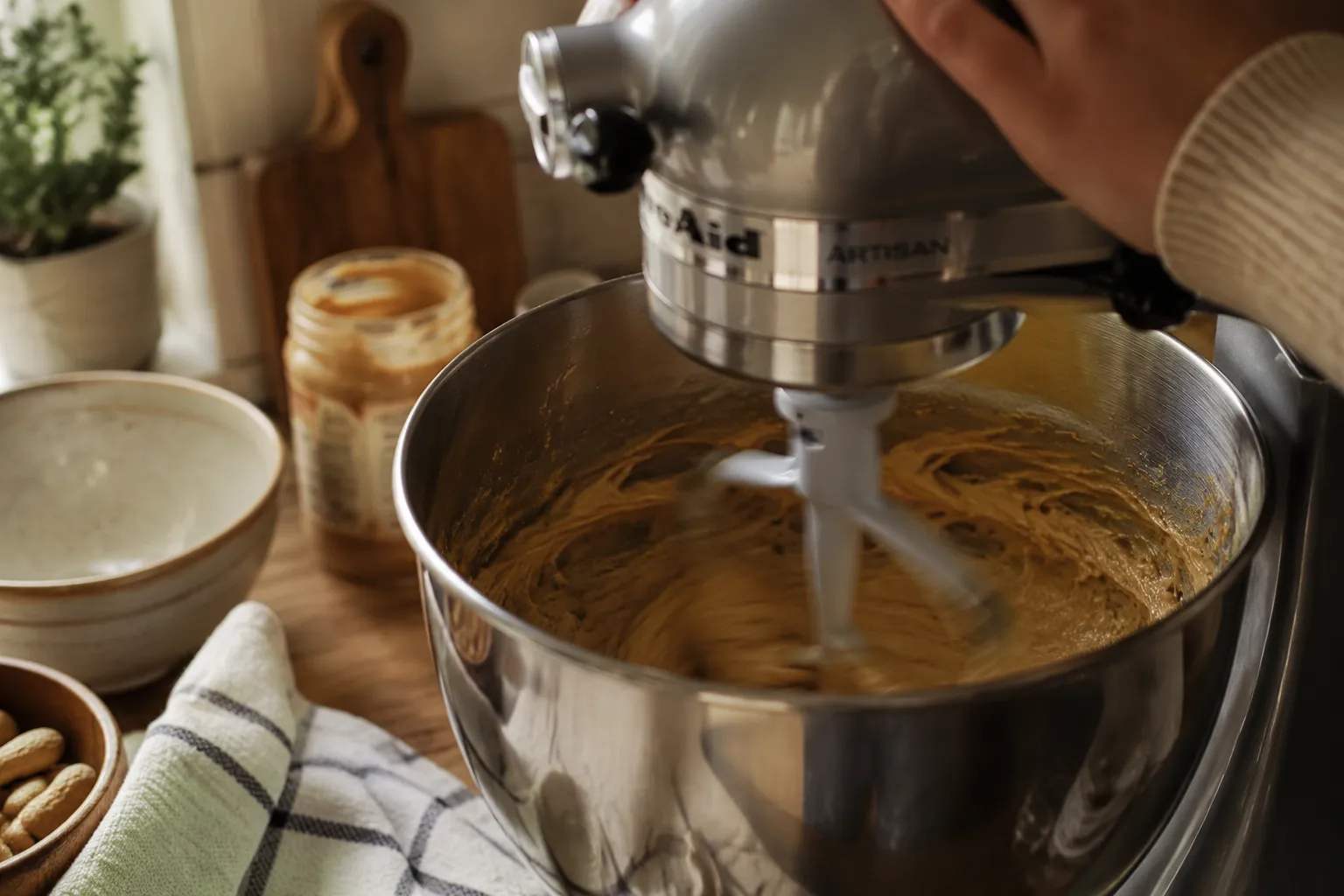
Next, add the powdered sugar gradually, not all at once. A slow addition keeps the sugar from flying everywhere and helps the frosting build structure in a controlled way, which is especially helpful if you plan to pipe it. Beat after each addition so the mixture stays smooth and does not turn gritty. By the time you are halfway through the sugar, it should already look thick, fluffy, and very much like a classic buttercream with a peanutty twist. 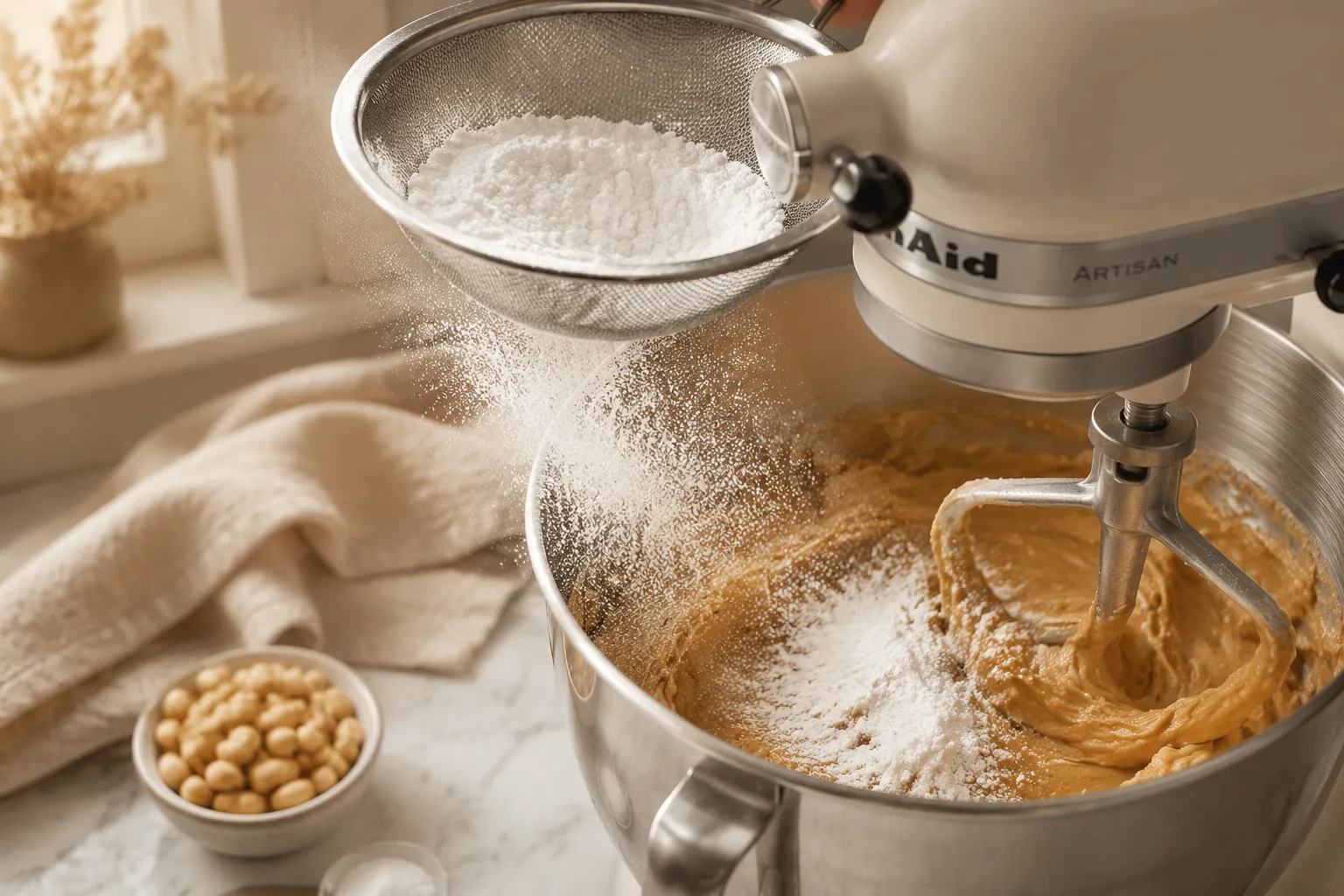
Once the sugar is incorporated, pour in the vanilla, salt, and one tablespoon of heavy cream at a time. This is where the frosting changes from dense to dreamy, because the cream lightens the texture without watering down the flavor. Beat for another minute or two after the last addition so the frosting becomes noticeably paler and more voluminous. You are looking for soft peaks that hold their shape but still feel smooth and spreadable. 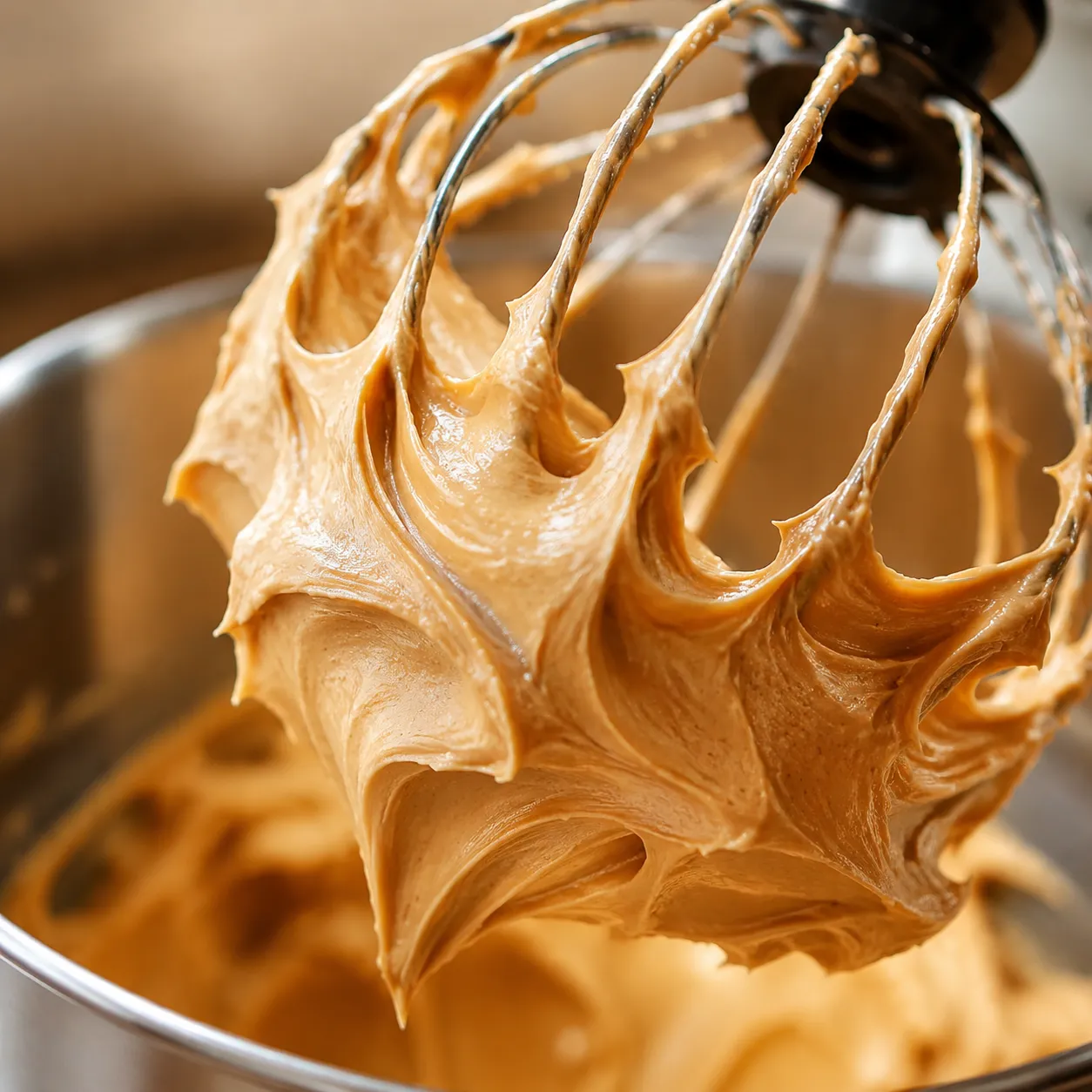
If you are frosting a layer cake, stop when the mixture is smooth and easy to swipe across the surface. If you want tall swirls on cupcakes, whip it a little longer so it becomes extra airy and pipeable. That extra minute of mixing makes a bigger difference than most people expect, and it is why this recipe works so well on bakery-style treats. 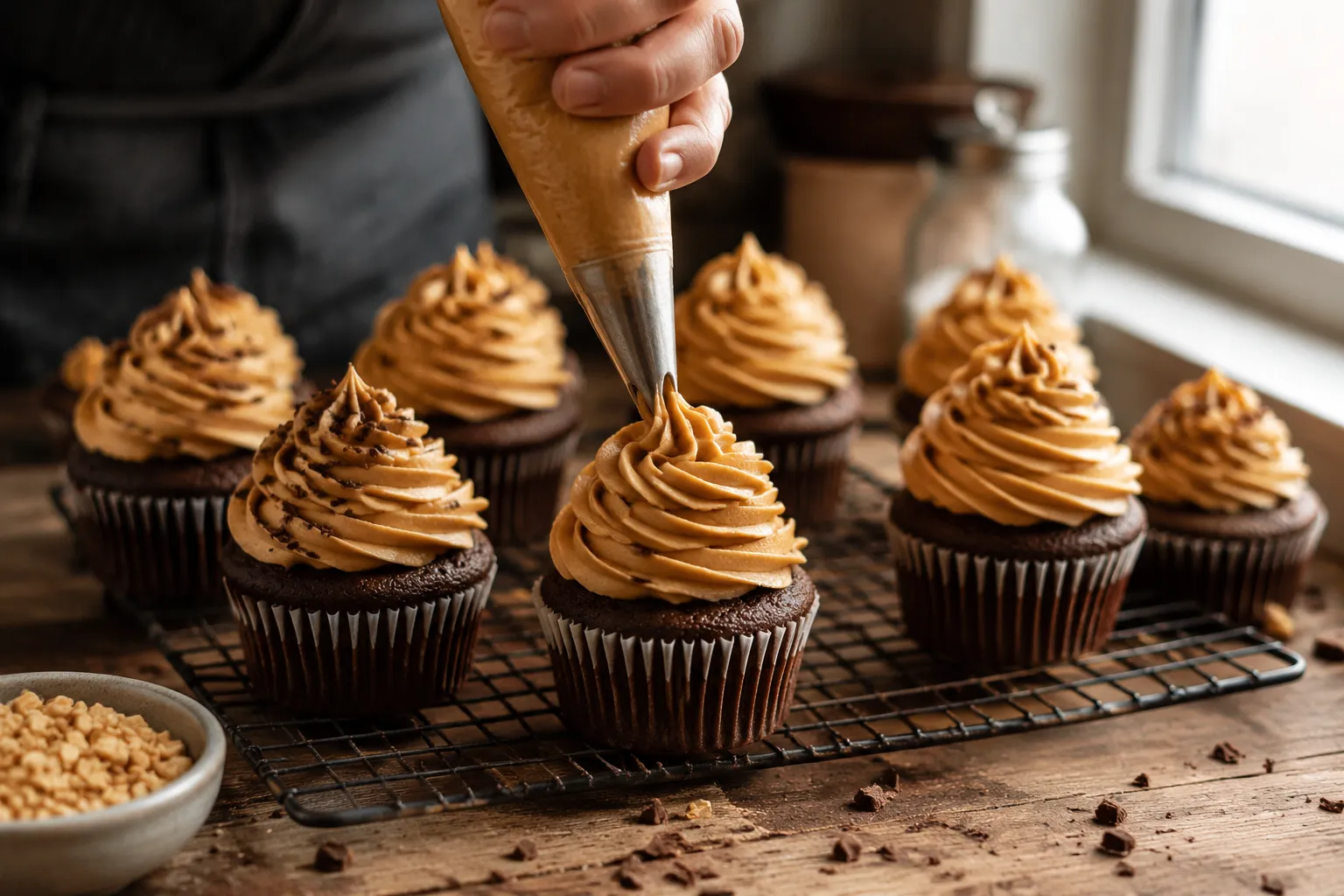
[tip]For the cleanest finish, let the mixer run on medium-high speed at the end instead of rushing straight to the bowl. That final whip traps tiny air bubbles and gives the frosting a lighter, more luxurious mouthfeel.
Once the peanut butter frosting is whipped, the fun part is deciding where to use it first. It is a natural match for chocolate cupcakes, where the bitter cocoa and sweet peanut butter play off each other like a candy-bar duo. It also looks gorgeous on a chocolate peanut butter cake, especially if you keep the swirls high and add chopped peanuts or a drizzle of melted chocolate on top. 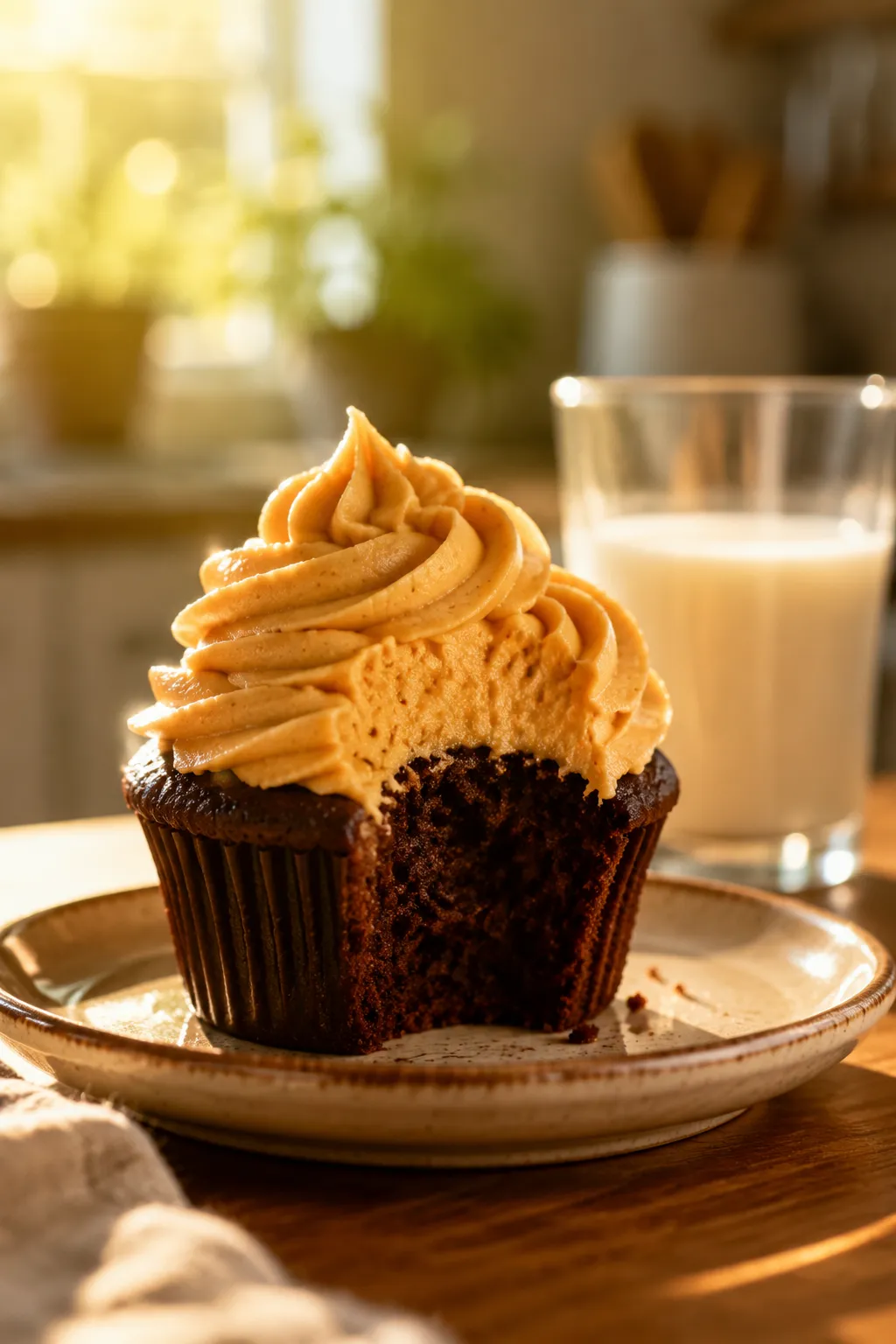
It does not stop at cake, either. Spoon it over a rich brownie recipe, sandwich it between soft cookies, or spread it across blondies for an easy dessert bar upgrade. If you usually reach for cream cheese frosting, this version gives you a richer, nuttier alternative that still feels tangy enough from the salt and vanilla to keep you coming back for another bite. For banana cake, it is especially good because the peanut flavor brings a cozy, almost nostalgic bakery vibe.
If you are serving a crowd, think about the texture of the dessert underneath. A sturdy layer cake can handle a generous swoop, while cupcakes and bars often look best with a lighter, more decorative finish. On softer desserts, a slightly chilled bowl helps the frosting hold sharp edges, which is useful if you want the final look to feel polished and a little dramatic. 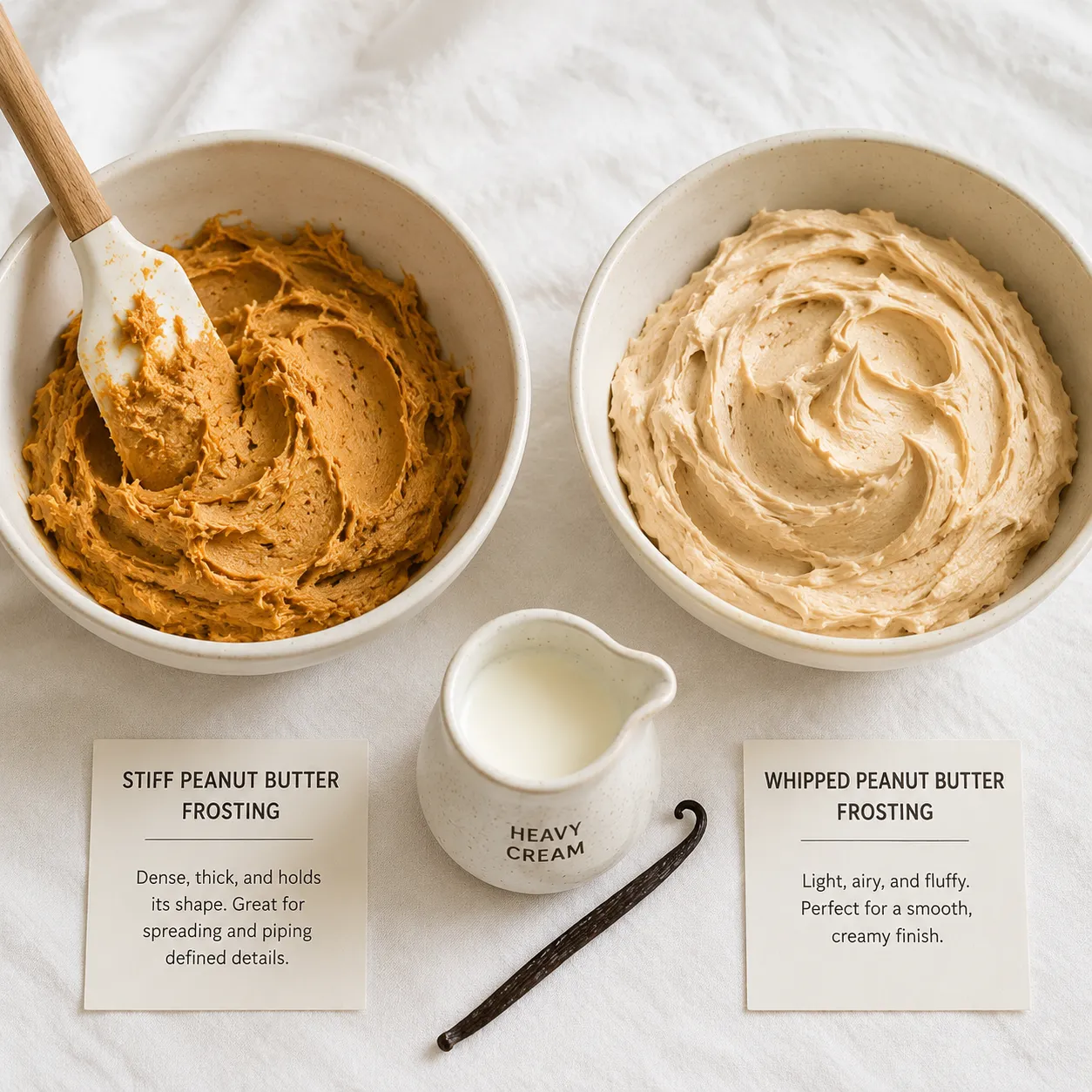
And if you are the kind of baker who likes a little extra contrast, pair it with crushed pretzels, roasted peanuts, or a thread of melted chocolate. Those finishing touches add crunch and shine without distracting from the smooth, creamy center. The frosting is rich enough to stand alone, but it is also forgiving enough to dress up or keep simple depending on the dessert in front of you.
If you are planning to make it ahead, this frosting holds beautifully for later use, which is one more reason it deserves a spot in your dessert rotation. I like to keep a small jar or container of leftovers ready for spontaneous cupcakes, snack cakes, or even a late-night spoonful over fruit. 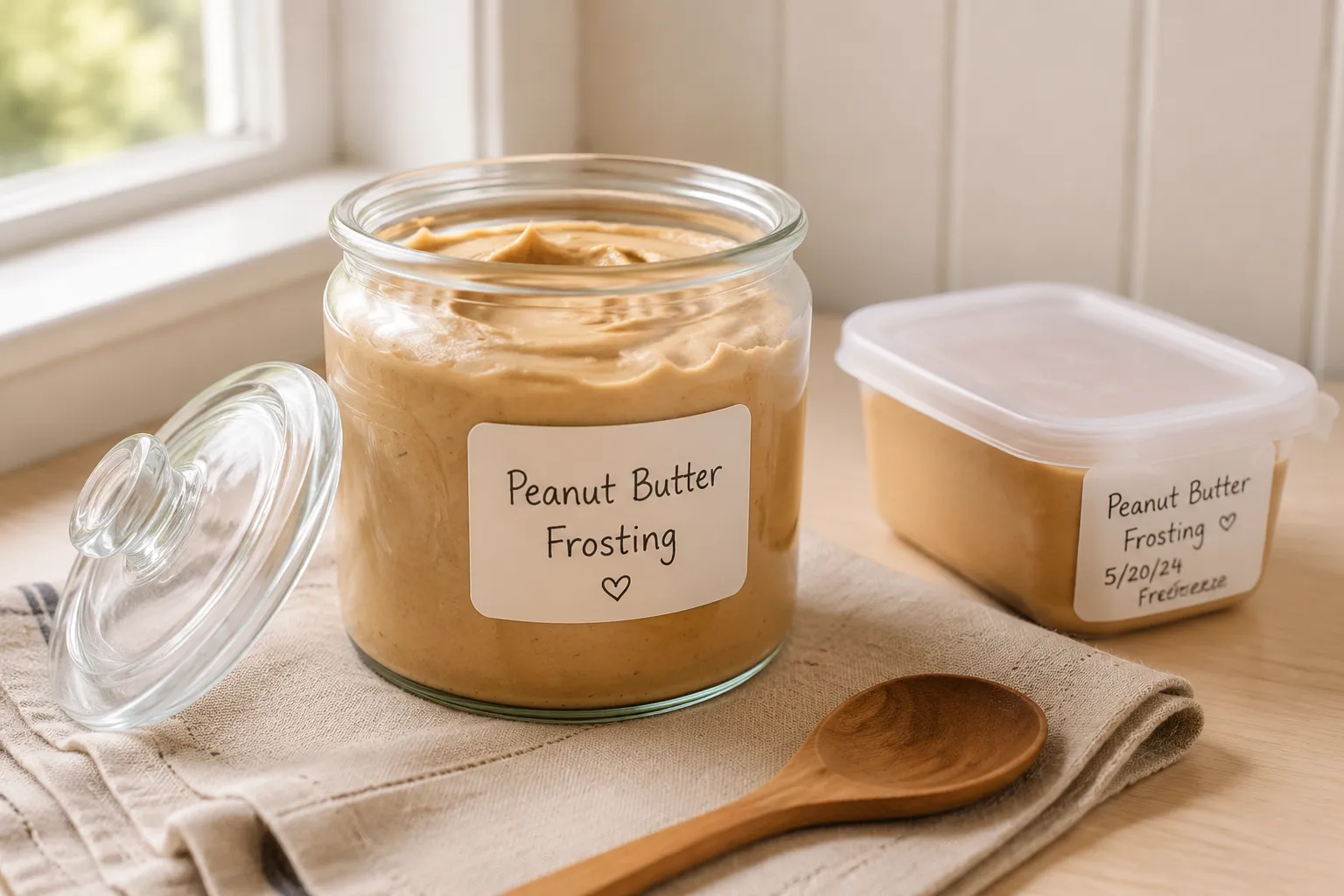
The best part is that it stays plush after a quick re-whip, so you do not lose that soft, glossy finish even if you prepare it in advance. That means you can bake the cake one day, frost it the next, and still end up with something that looks fresh and celebratory. If you make this peanut butter frosting, you will probably start looking for excuses to put it on everything.