Classic Butter Cookie Recipe (Buttery, Melt-in-Mouth)
Ingredients
Scale
Buttery, tender, and barely sweet, these classic butter cookies use just six pantry staples and come together in one bowl in under 30 minutes.
There's something quietly perfect about a great butter cookie recipe — the kind that doesn't need frosting, sprinkles, or a holiday excuse to land on your kitchen counter. Just butter, sugar, flour, and a whisper of vanilla, baked until the edges turn the color of toasted cream and the centers stay so tender they practically dissolve on your tongue.
I've been making these cookies for years, and they've earned a permanent spot in my baking rotation. They pipe like a dream into bakery-worthy rosettes, slice cleanly into rounds for icebox-style cookies, and roll out smoothly when I want to break out cookie cutters. One dough, three techniques, six pantry staples you almost certainly already have on hand. Honestly, this is the butter cookies recipe I find myself reaching for again and again — for hostess gifts, holiday tins, and the random Tuesday when I want something sweet beside my afternoon coffee.
If you've ever wondered why bakery butter cookies have that distinctive sandy, melt-in-your-mouth crumb that homemade versions rarely match, the secret is in the ratio of powdered sugar paired with a small whisper of cornstarch. That single tweak is what separates a good cookie from one people will ask you to bring back every year.
Butter cookies sit in a sweet spot between two cookie titans. Traditional shortbread cookies lean richer and more crumbly, made with just butter, sugar, and flour in a high-fat ratio that gives them their characteristic sandy bite and minimal sweetness. On the other end, sugar cookies use eggs and a higher proportion of sugar, producing a sturdier, sweeter cookie that holds up beautifully under royal icing and detailed decorating work.
A true butter cookie is what happens when you nudge shortbread toward something softer and more workable. It's tender like shortbread, but the dough is pliable enough to pipe through a star tip, slice into icebox rounds, or roll out for cutters — exactly why this style is a staple in Christmas cookie recipes and on every bakery's holiday tray. The flavor is unapologetically about the butter, with vanilla playing a supporting actor and a pinch of salt rounding everything out.
Texture-wise, expect crisp golden edges, a soft sandy interior, and that signature melt-in-your-mouth dissolve when the cookie hits your tongue. They're less sweet than chocolate chip cookies and more delicate than the average sugar cookie, which makes them a perfect blank canvas for chocolate dipping, sandwich fillings, or simply a cup of strong coffee.
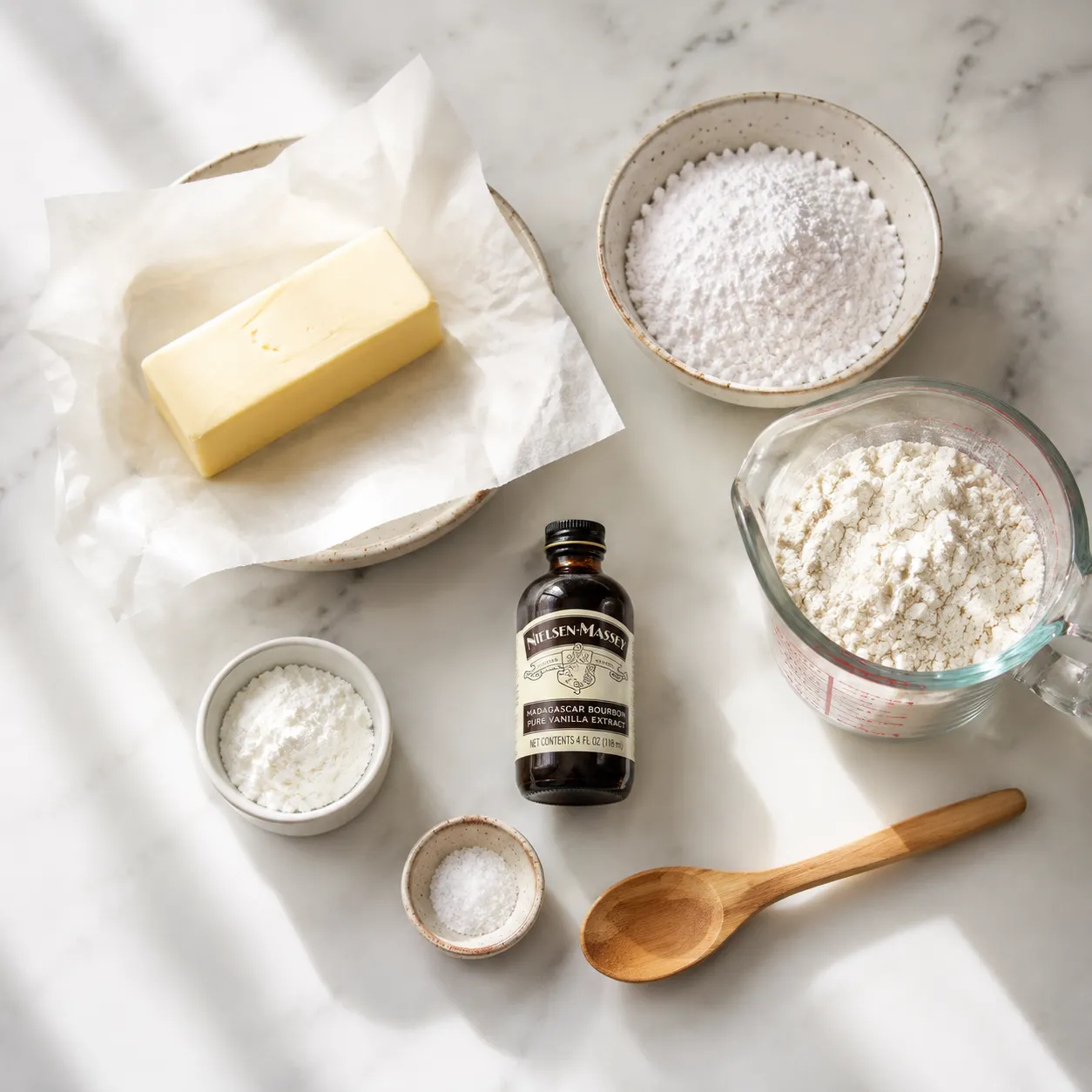
Six ingredients. That's the entire shopping list — no baking powder, no eggs, no cream cheese, no chilling required for the basic dough. Each ingredient earns its keep, and a few small choices make a big difference in the final texture and flavor.
The unsalted butter is the entire point of the cookie, so use the best you can find. European-style butter, with its higher fat content, gives the richest flavor, but a good standard unsalted butter works beautifully too. It needs to be properly softened — pliable to a gentle finger press but still cool to the touch, never warm or greasy. Using unsalted butter also means you control exactly how much salt ends up in the dough.
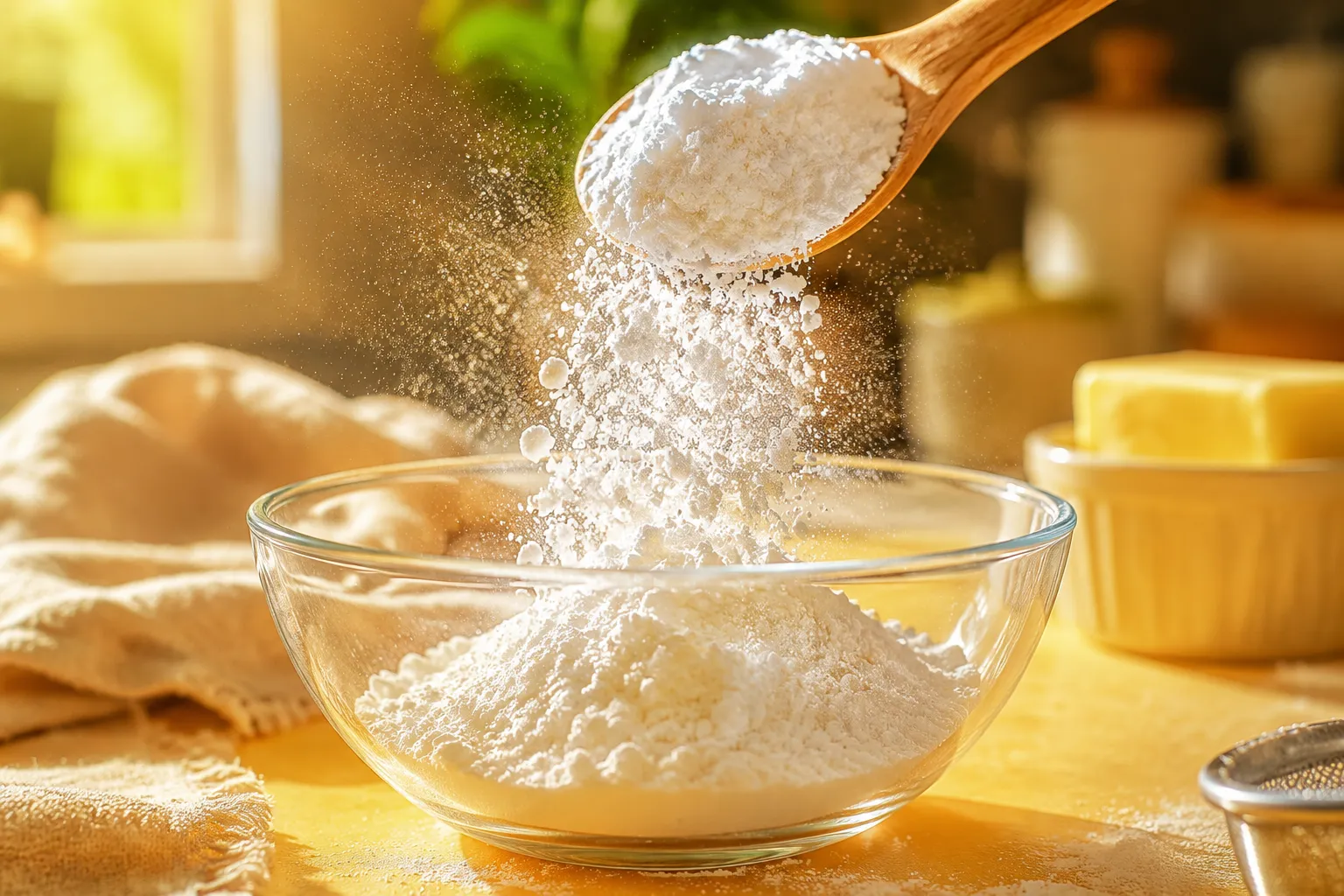
Powdered sugar is the secret weapon here. Unlike granulated sugar, which creates a crisper, sandier texture, powdered sugar dissolves seamlessly into the butter and contributes to that fine, almost dusting-of-sand crumb. The cornstarch already mixed into commercial powdered sugar is a happy bonus that reinforces the tender bite.
All-purpose flour gives structure without making the cookies tough — just spoon and level it into your measuring cup, since packing it down adds tablespoons of extra flour and produces dry, dense cookies. Two tablespoons of additional cornstarch is the bakery trick that softens the gluten further and pushes the texture into truly tender territory. Pure vanilla extract carries the flavor, so use the real thing, and if you keep homemade vanilla extract in your pantry, this is exactly the kind of simple recipe where it gets to shine. Finally, a pinch of fine sea salt balances the sweetness and lifts the butter flavor — fine grain only, since coarse flakes won't dissolve evenly into the dough.
This dough comes together in one bowl in under ten minutes of active work. The steps are simple, but technique matters — especially when it comes to knowing how to cream butter and sugar properly. A solid butter cookie recipe lives or dies by that first creaming stage.
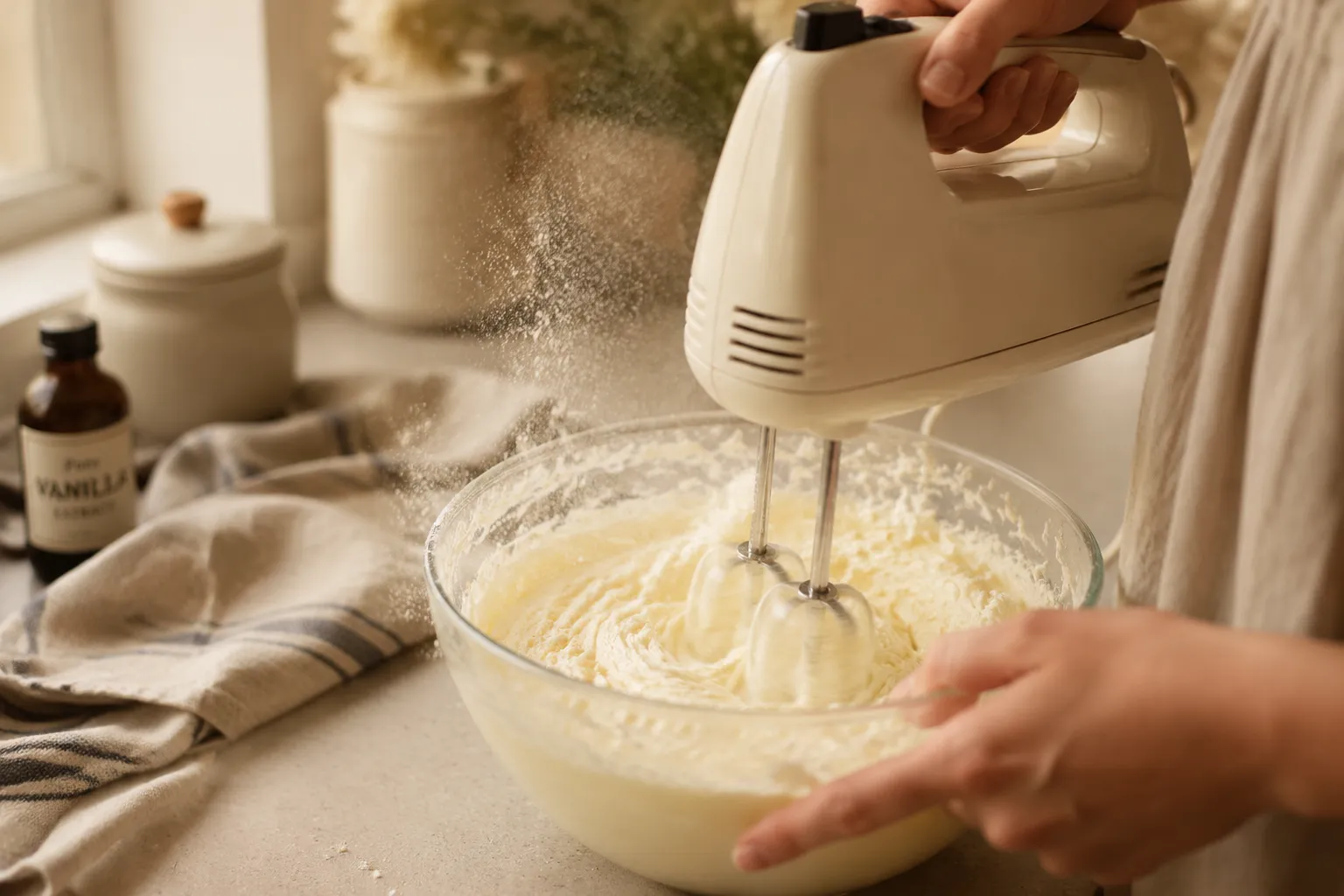
Start by beating the softened butter on its own for about a minute until it looks pale and creamy. Add the powdered sugar in two additions, scraping the bowl between each, and beat until the mixture is light, fluffy, and noticeably paler in color — about 2 to 3 minutes total. This step incorporates the air that gives the cookies their delicate, airy texture, so don't rush it.
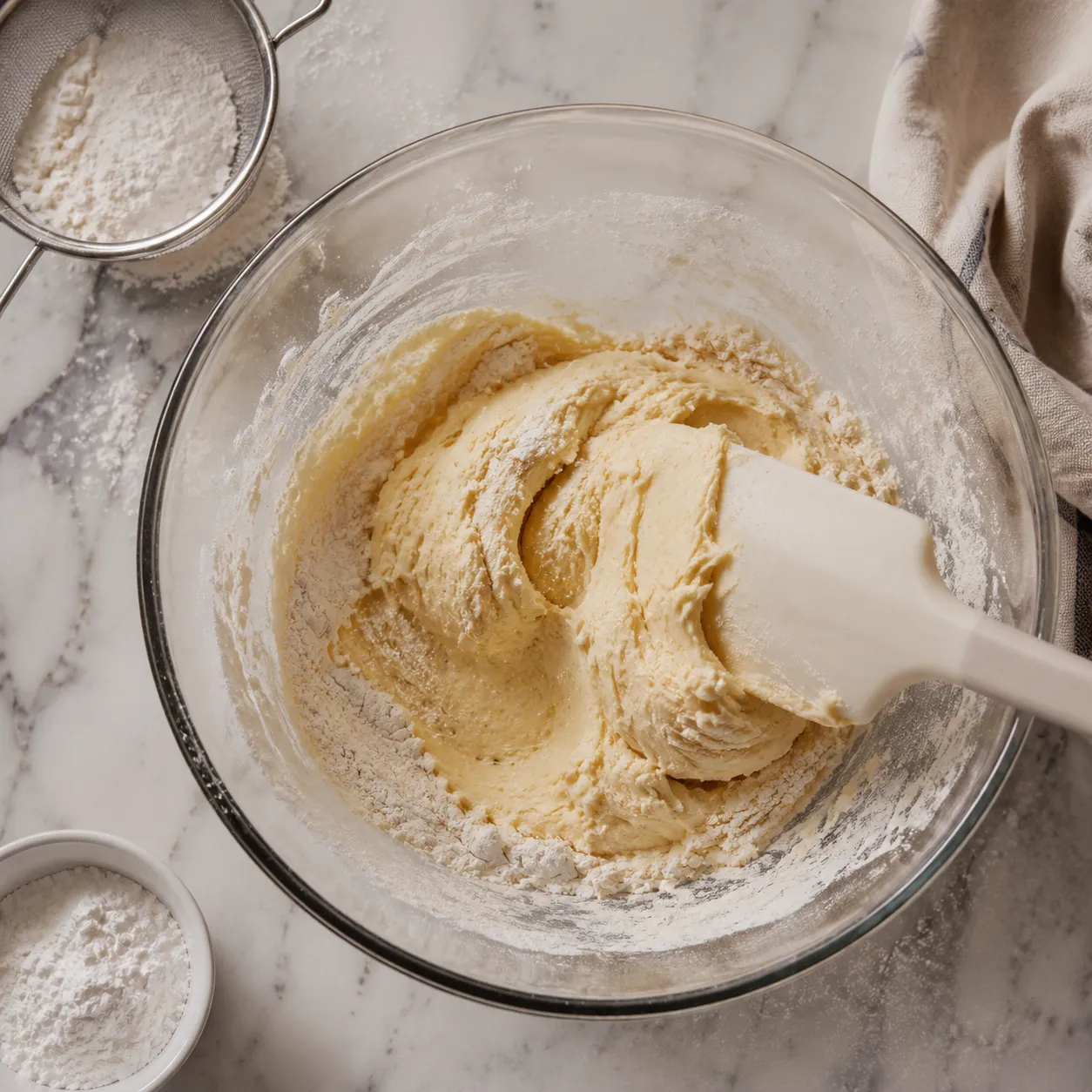
Mix in the vanilla extract and salt until just combined. Add the all-purpose flour and cornstarch all at once and mix on low speed only until the dough comes together in soft, cohesive clumps. Stop the moment the streaks of flour disappear — overmixing develops gluten, which means tough cookies and lost tenderness.
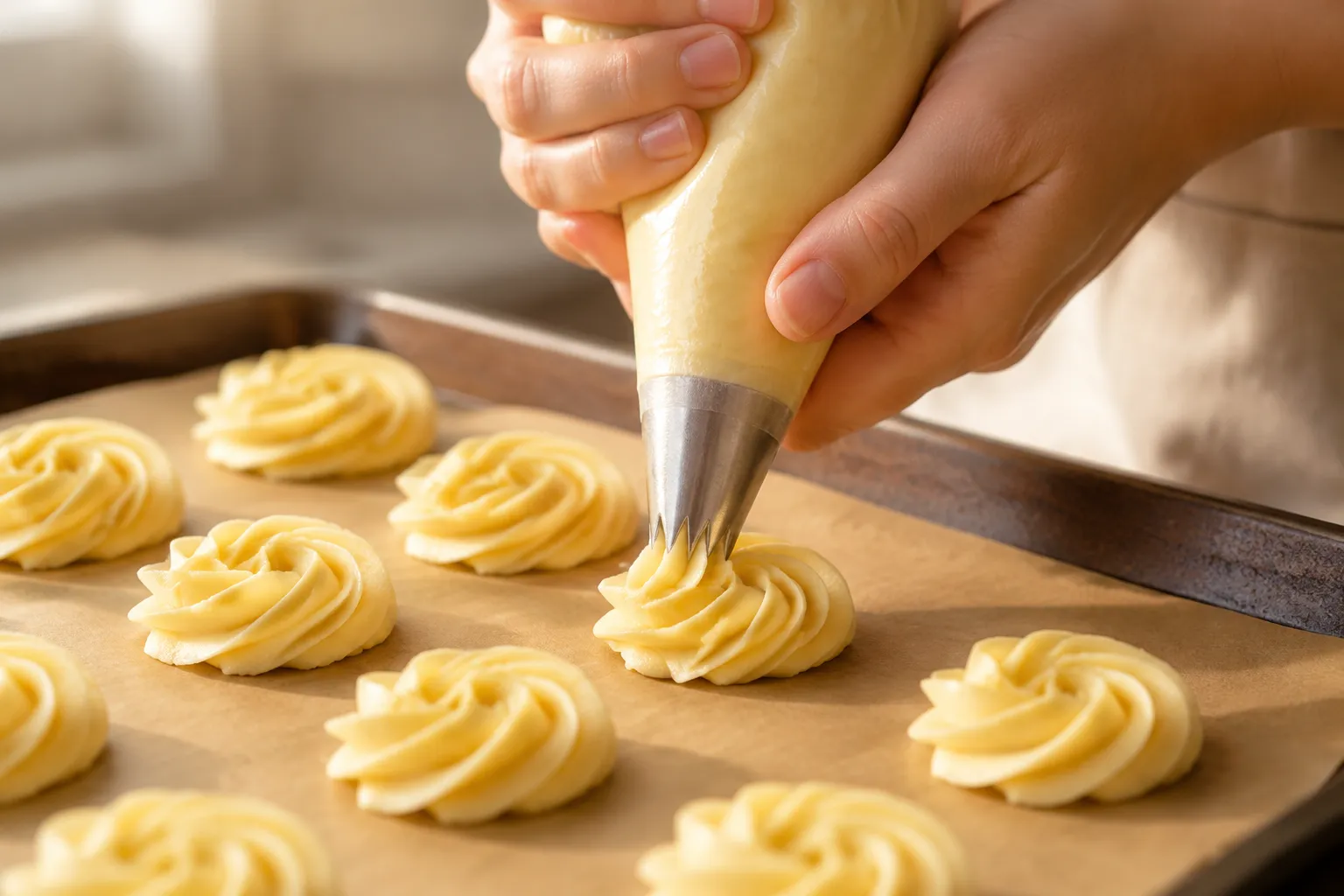
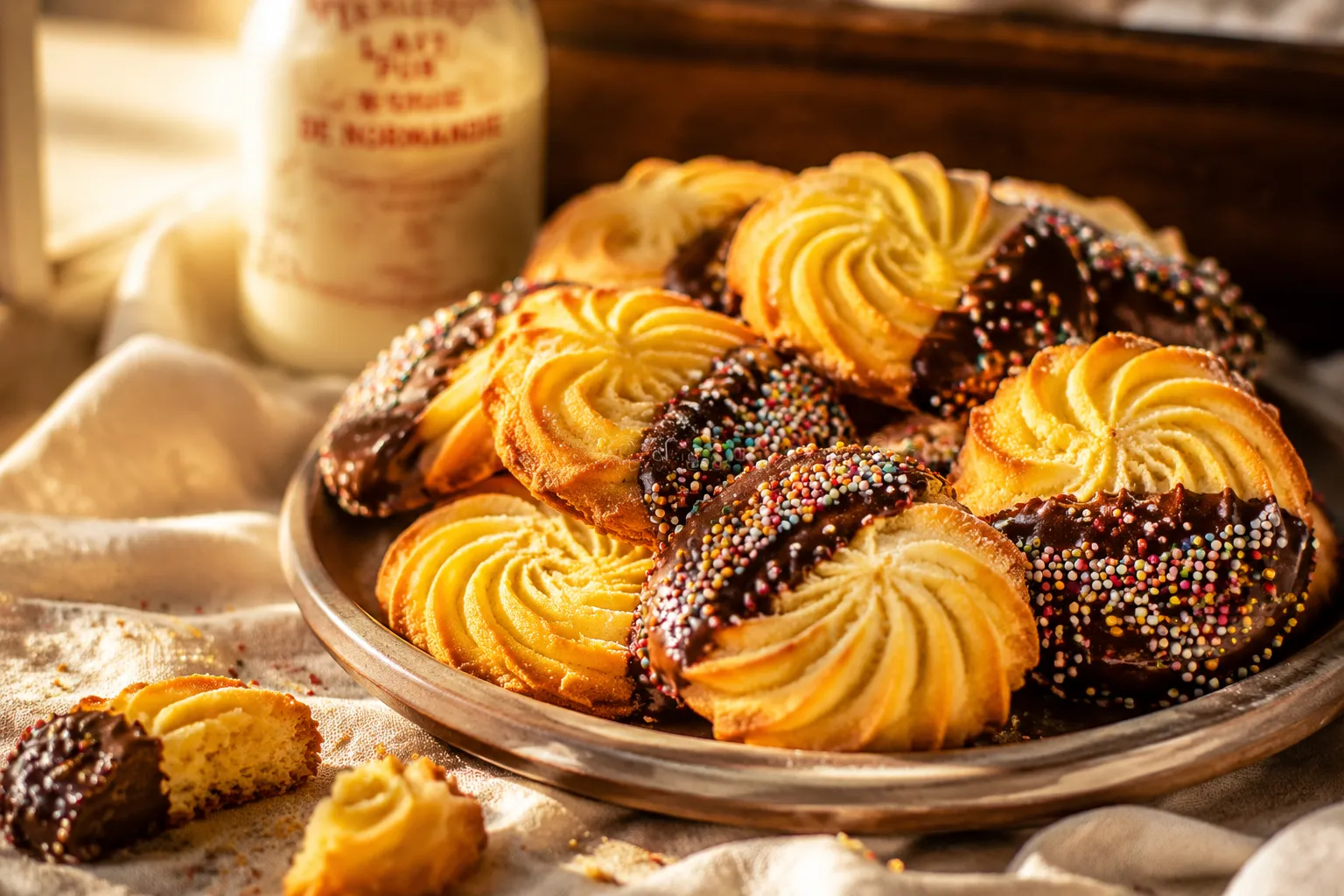
Now choose your shape. For piped butter cookies, transfer the dough to a piping bag fitted with a large open star tip and pipe rosettes about 1.5 inches across onto a parchment-lined baking sheet. For sliced cookies, roll the dough into a tight 1.5-inch log on parchment, wrap, and chill for 20 minutes before slicing into clean rounds. For cut-outs, roll the dough between two sheets of parchment to ¼-inch thickness, chill briefly so it firms up, and stamp with your favorite cookie cutters.
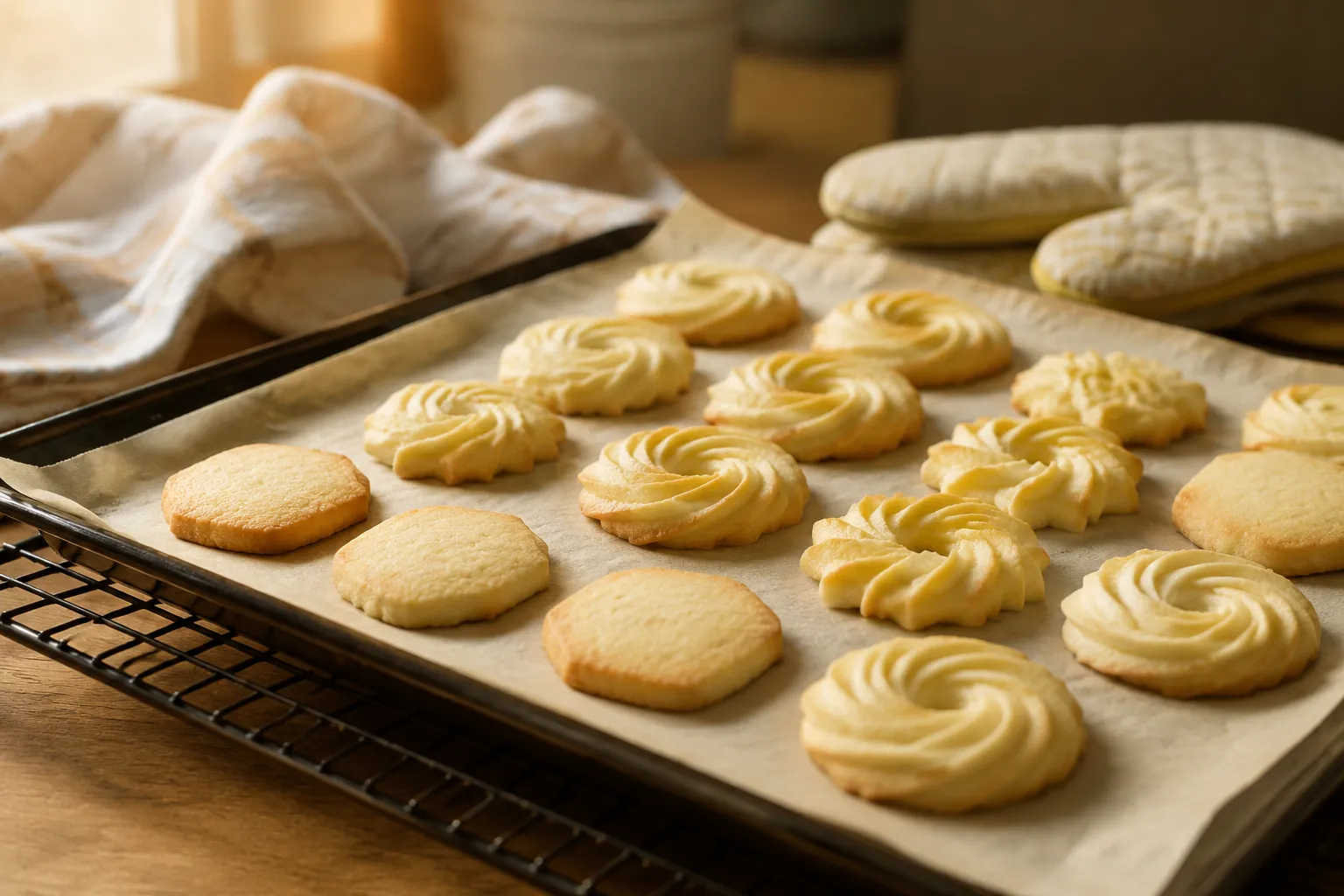
Bake at 350°F for 10 to 13 minutes, watching for the edges to turn just barely golden while the centers stay pale. They'll look slightly underdone when you pull the tray — trust this. They firm up dramatically as they cool. Let them sit on the sheet for at least 5 minutes before transferring to a wire rack to cool completely, since warm butter cookies are fragile and prone to breaking.
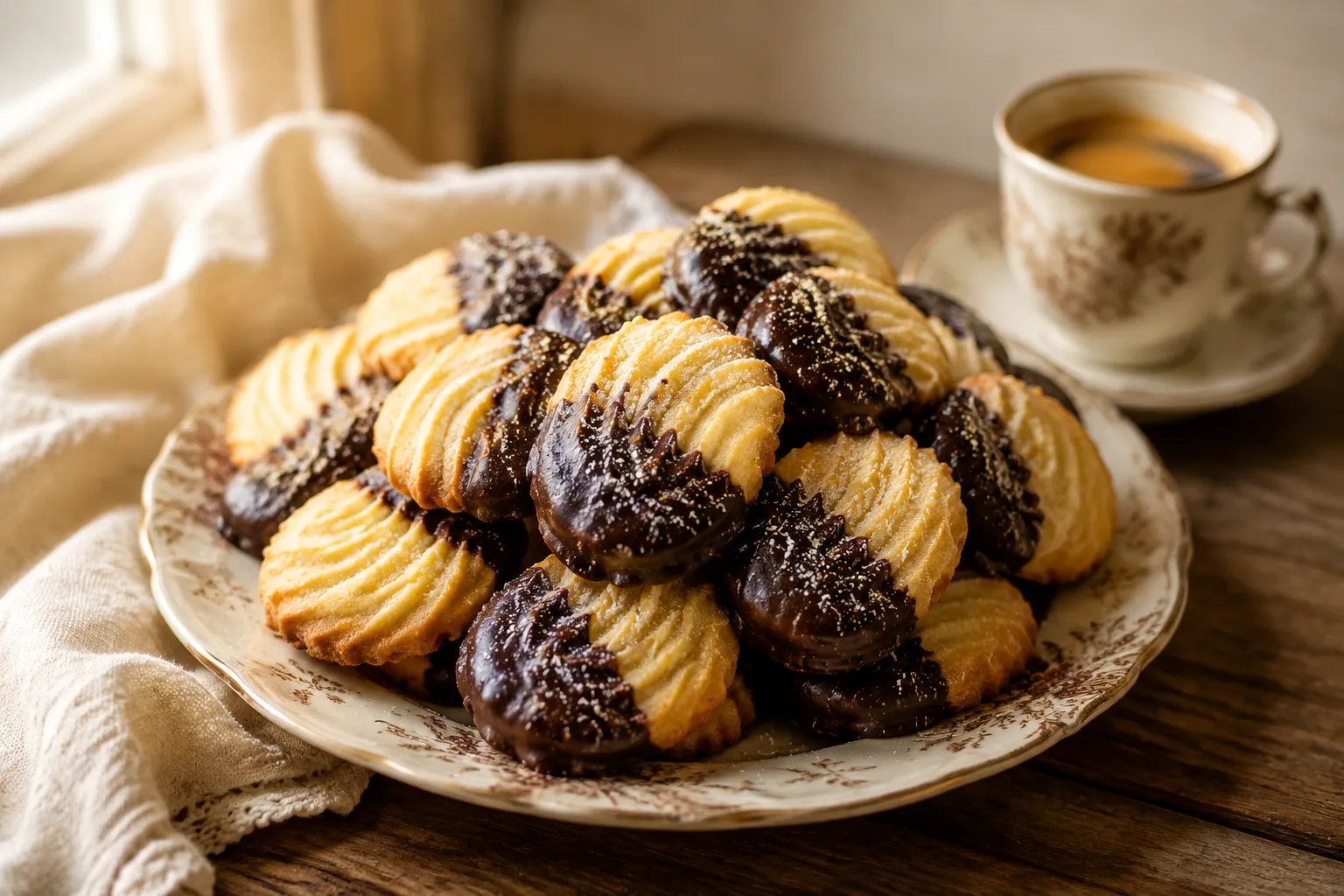
Plain butter cookies are a thing of beauty on their own, but they're also a fantastic foundation for dressing up. Dip cooled cookies halfway into melted dark or white chocolate and let them set on parchment — chocolate plus butter cookie is one of those flavor combinations that doesn't need reinventing. Sprinkle the still-wet chocolate with crushed pistachios, toasted coconut, or rainbow nonpareils for instant gift-tin polish.
For an even simpler finish, brush unbaked rosettes lightly with egg wash and dust with sanding sugar before baking for a delicate sparkle. Sandwich two cooled cookies around a swipe of raspberry jam, salted caramel, or vanilla buttercream for a French-bakery moment. They pair beautifully with espresso, hot tea, or a glass of cold milk, and they hold their own on a holiday platter alongside chocolate chip cookies and other classics. For gifting, stack them in cellophane bags tied with bakers' twine, or layer them in a vintage tin lined with parchment.
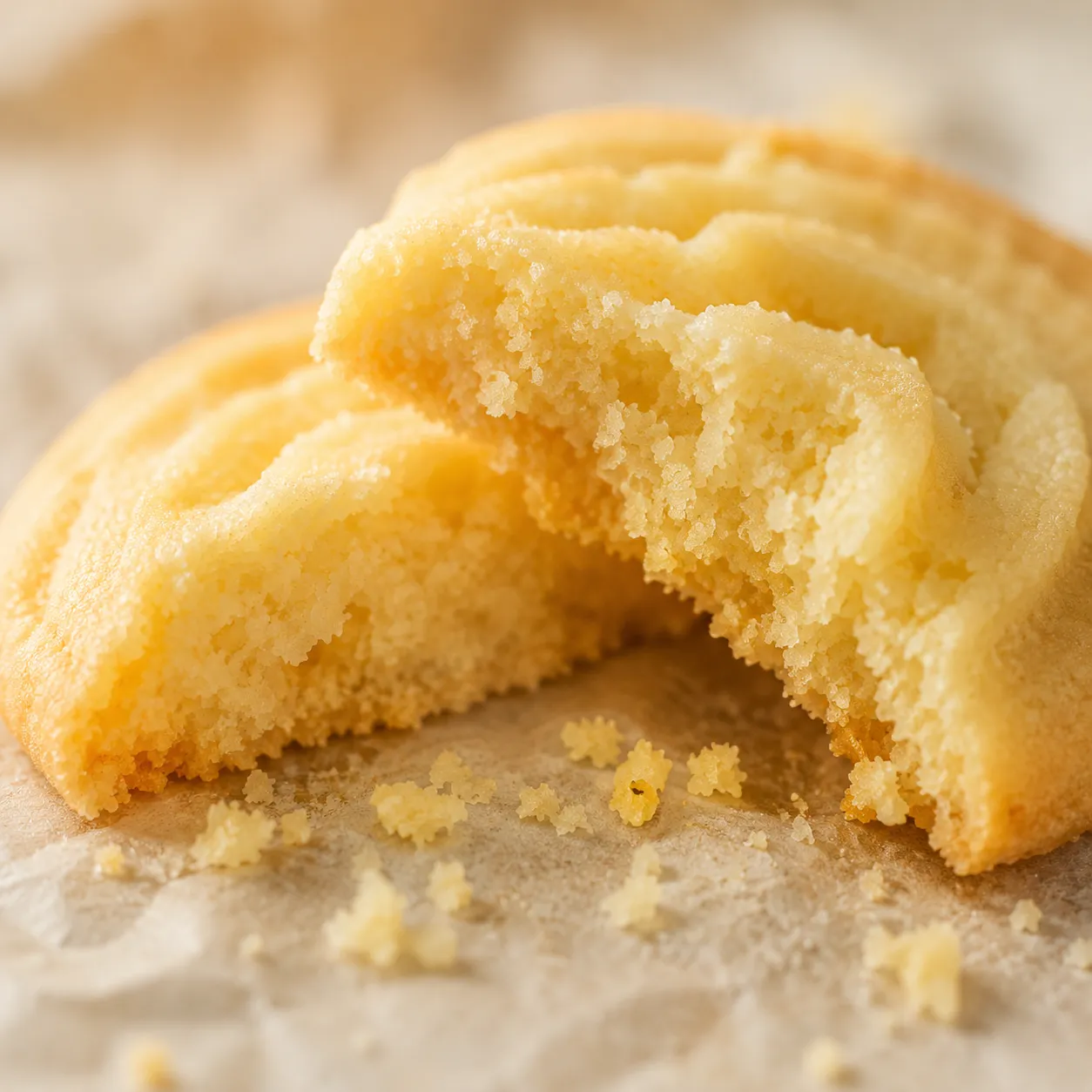
If you break one of these cookies in half, you'll see exactly what we're after: a fine, even, sandy crumb with no air pockets, no toughness, just that gentle yielding texture that signals real butter and proper technique. The combination of powdered sugar and cornstarch is doing most of the work — powdered sugar coats the flour particles in fat-friendly fineness, while the cornstarch interferes with gluten formation just enough to keep things tender without making the cookie crumbly or fragile.
Add proper creaming for aeration, restraint when the flour goes in, and a careful eye on the oven so they come out just barely golden, and you have a cookie that quietly disappears off the plate. It's the small, deliberate choices that make this style sing.
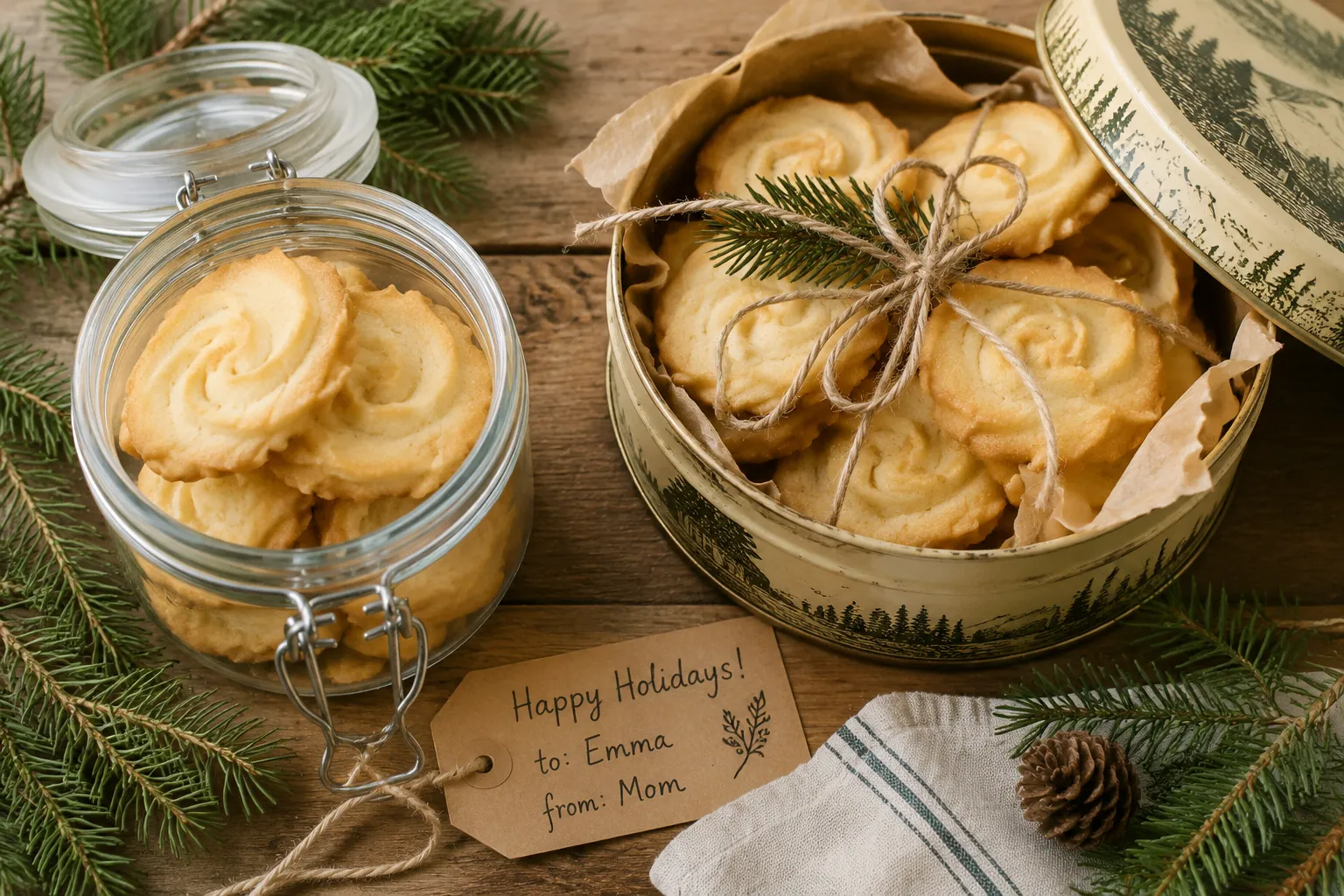
This homemade butter cookies dough has saved me on countless last-minute occasions — bake sales, hostess gifts, holiday cookie boxes, and the random Tuesday when I just want something sweet beside my afternoon coffee. Once you have this butter cookie recipe in your back pocket, you'll find yourself reaching for it whenever you need a small, reliable miracle from the oven. Happy baking.
This dough is a beautiful blank canvas. Once you have the basic ratio down, you can flavor and finish it a dozen different ways to suit any season, holiday, or mood.
Store fully cooled butter cookies in an airtight container at room temperature for up to 1 week, though they're at their absolute best in the first three to four days. If you're stacking them, layer parchment or wax paper between rows to prevent sticking, especially for any that have been dipped in chocolate or topped with sticky sprinkles. Avoid the refrigerator, which tends to dry out the tender crumb and dull the buttery flavor.
For longer storage, baked cookies freeze well for up to 3 months in a freezer-safe container — thaw at room temperature for about 20 minutes before serving. Raw dough freezes beautifully too: roll into a tight log, wrap snugly in plastic and foil, and freeze for up to 3 months. Slice and bake straight from frozen, adding 1 to 2 minutes to the original bake time. Piped rosettes can also be frozen on a parchment-lined sheet until solid, then transferred to a freezer bag and baked from frozen with 2 to 3 extra minutes.