Thumbprint Cookies with Buttery Jam Centers
Ingredients
Scale
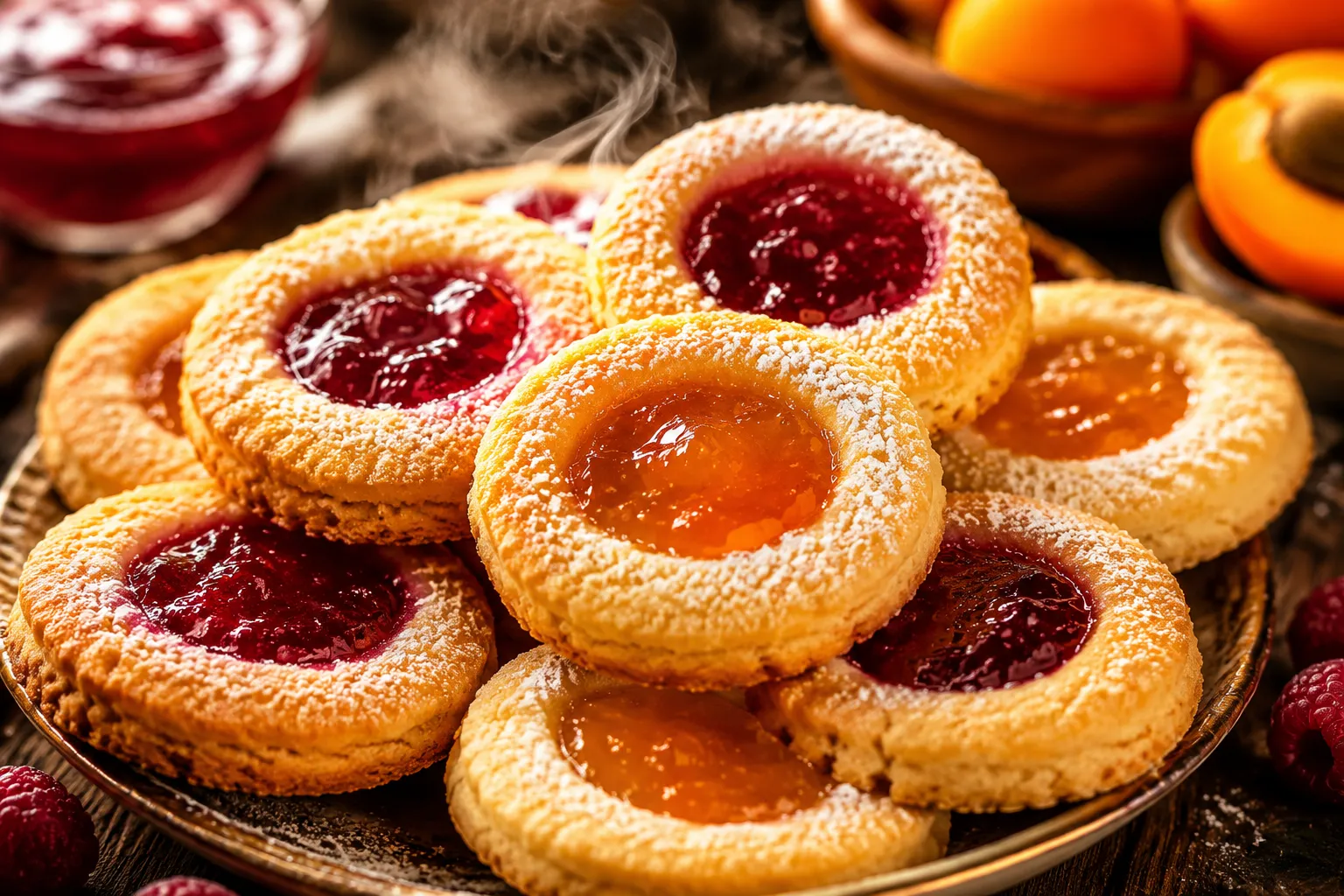
These buttery thumbprint cookies bake up tender, pretty, and filled with jewel-toned jam for holidays, cookie trays, or weekend baking.
Thumbprint cookies are the kind of nostalgic, jam-jeweled bake that earns a permanent spot on the cookie tray every December. They show up at bake sales, in tins from grandmothers, and tucked between sugar cookies and snickerdoodles on holiday platters, and there's a reason they never go out of style. The dough is essentially a tender, buttery shortbread base, and once you press a little well into the top and fill it with thick fruit jam, you get the prettiest cookies on the table for almost no effort.
I've made dozens of versions over the years, and the recipe below is the one I keep coming back to. It bakes up tender but never crumbly, the centers stay neat instead of overflowing, and the cookies hold their shape without spreading into sad puddles on the pan. It also leans firmly into the buttery, slightly sandy texture that makes shortbread thumbprint cookies feel a little fancy without much fuss. The dough mixes in one bowl, behaves predictably, and rewards a quick chill with bakery-level results.
If you love simple Christmas cookie recipes that look like you spent all afternoon on them but actually come together in one bowl, these are it. They keep beautifully, freeze even better, and are endlessly variable, so once you have the base down, you can spin them in a dozen directions for the rest of the season. Whether you're putting together a cookie swap contribution, packing tins for neighbors, or just wanting something to nibble with afternoon coffee, this is the kind of recipe that earns its keep.
A lot of buttery thumbprint cookies recipes skip the chill, and you can taste the difference. Cold dough holds its imprint, browns evenly, and resists the dreaded spread that turns your neat little wells into flat discs. This dough gets a short rest in the fridge after mixing, then a second short chill after shaping, which keeps the cookies tall and tidy in the oven. The whole thing still bakes in well under 15 minutes, so the chill time doesn't really stretch out your day.
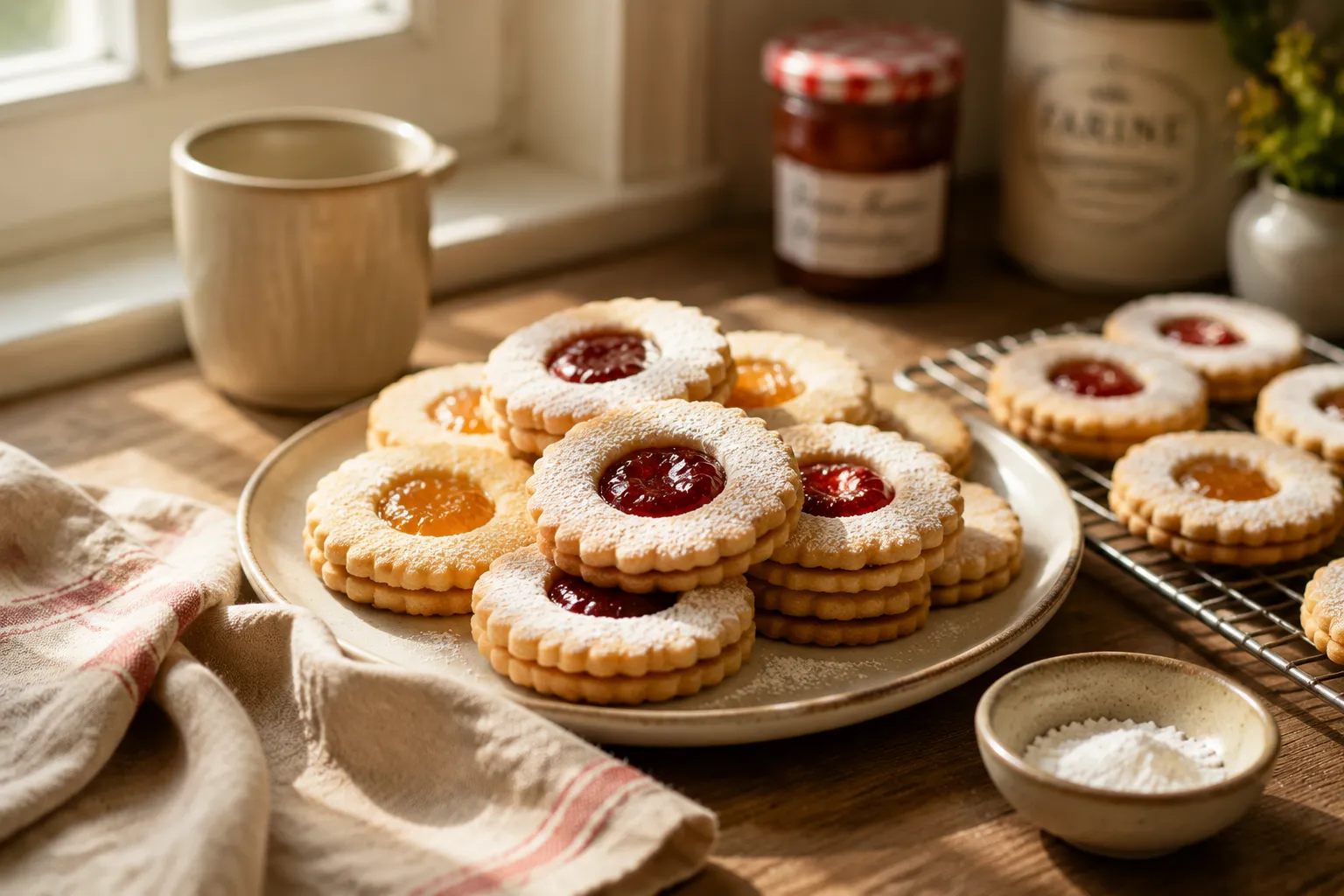
The other small thing that makes a big difference is the second press. After the cookies have been in the oven for about 5 minutes, the dough has just started to set but is still soft enough to reshape. A gentle re-press at that moment fixes any cracked edges and gives you a clean, deep well to hold the jam. This is one of those tiny moves that takes ten seconds and elevates the entire batch from homemade-looking to bakery-style. I learned it from a pastry chef and have never gone back to a single-press recipe.
The ingredient list reads like a classic shortbread cookies dough with a fruity flourish. Each one earns its place, so use the best you can find, especially the butter and the jam. With so few components, every choice matters more than usual.
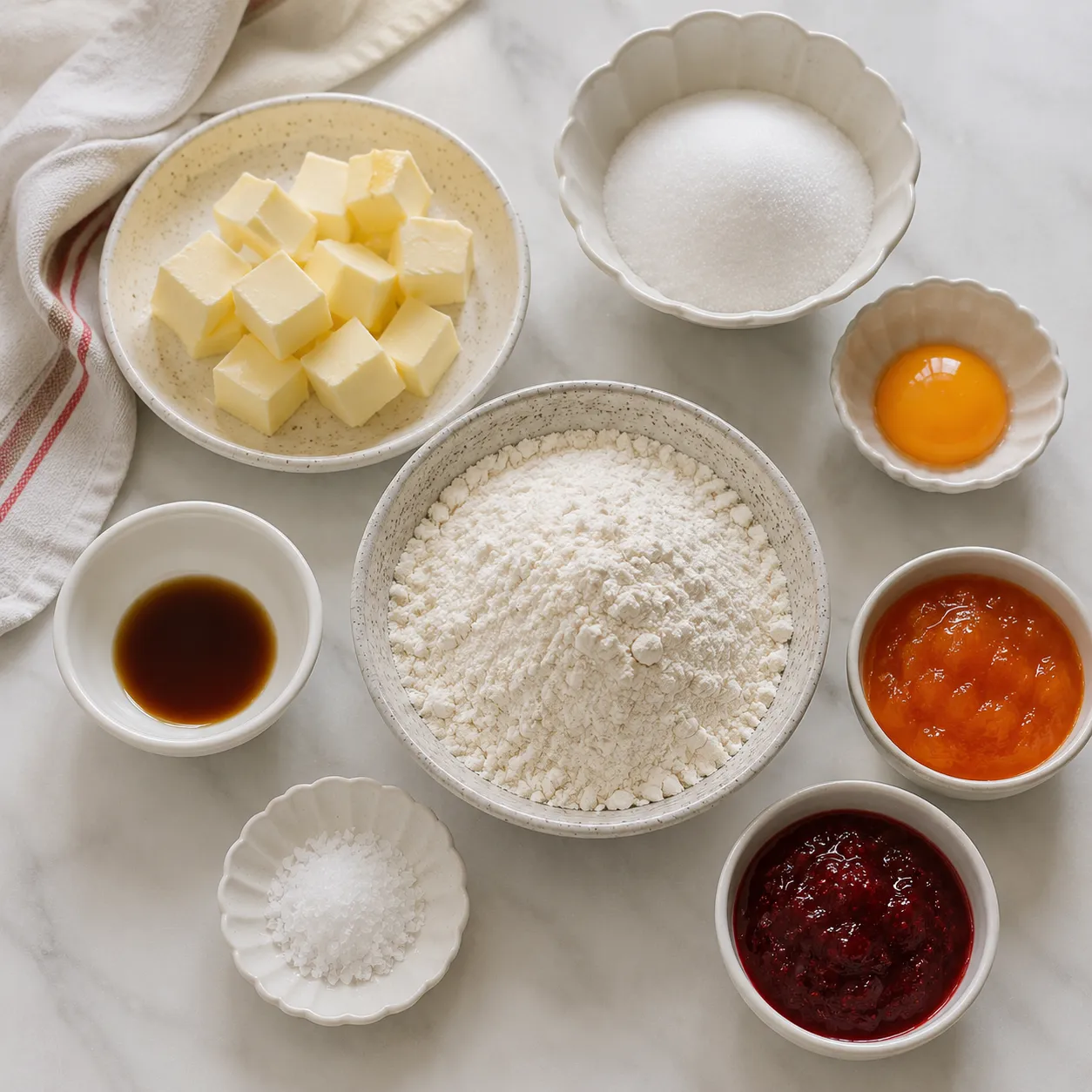
Use real, unsalted butter at cool room temperature: softened, but not greasy or melty. European-style butter with a higher fat content gives an even richer flavor and slightly more tender crumb, but a good American grocery brand will absolutely work here. Salted butter throws off the salt balance, so stick with unsalted and add your own fine sea salt to keep things in your control. Granulated sugar is the right call; brown sugar adds moisture that keeps these from setting up properly, and powdered sugar makes them too crumbly to indent cleanly.
This is where these jam thumbprint cookies live or die. Skip thin jellies and runny preserves; you want a thick, spoonable jam that holds its shape on the back of a knife. Raspberry is the iconic choice and the one I reach for most often, but apricot, strawberry, blackberry, cherry, and fig all bake up beautifully. Mixing two colors on the same tray, like ruby raspberry and amber apricot, is a quick way to make the platter look extra polished without doing any extra work.
A teaspoon of almond extract alongside the vanilla is a classic match for raspberry, especially if you grew up on Linzer-style cookies. Lemon or orange zest brightens the dough and pairs well with apricot or strawberry fillings. For a more complex shortbread flavor, swap a couple tablespoons of the all-purpose flour for finely ground almond flour. The egg yolks are doing quiet but important work too, adding richness, color, and just enough structure without the extra liquid an egg white would bring.
Once you have your ingredients measured and your butter softened, the actual mixing is fast. Don't skip the chill steps; they're the difference between bakery-clean cookies and lopsided ones.
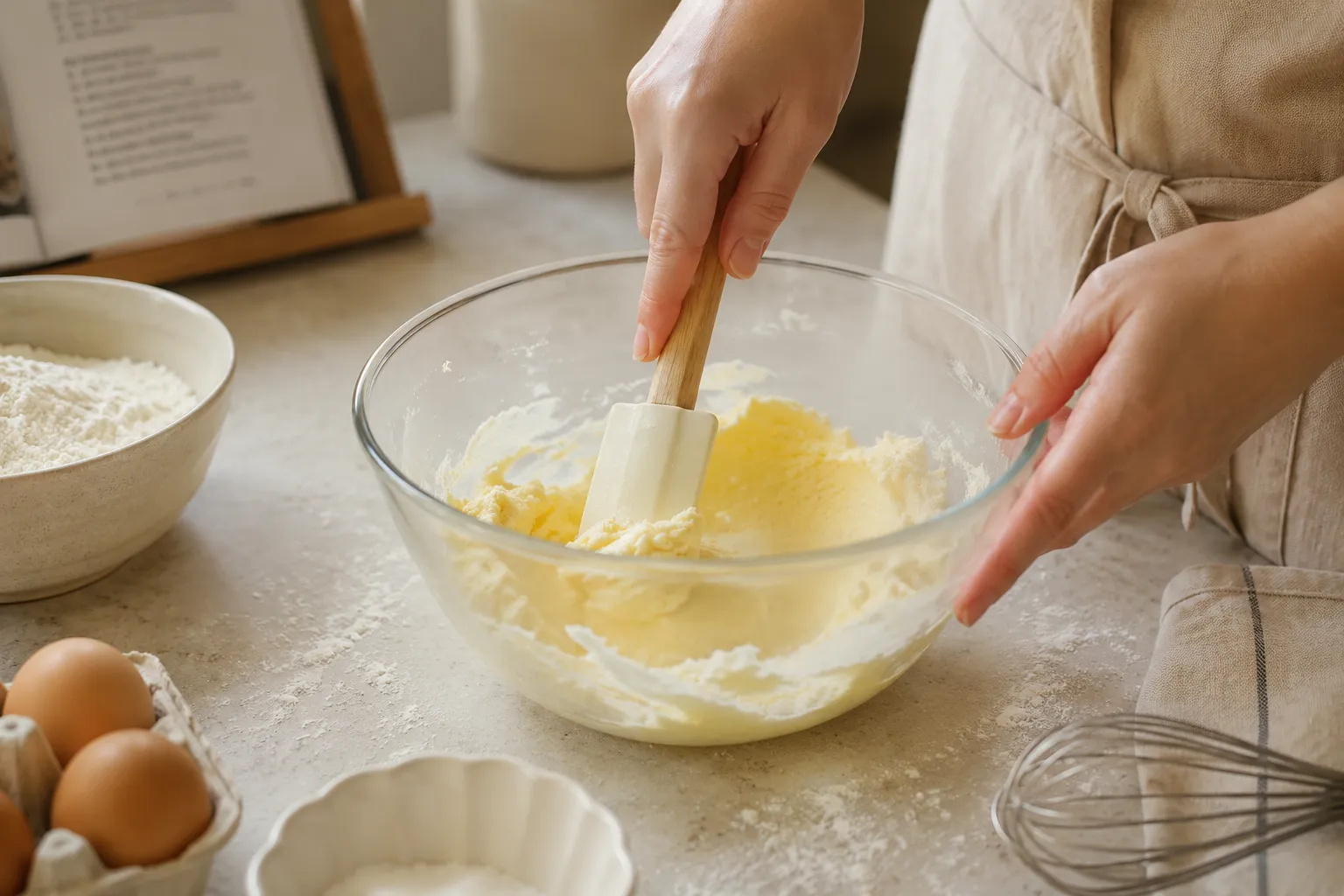
Beat the softened butter and granulated sugar together until pale and fluffy, about 3 minutes with a stand mixer or a sturdy hand mixer. This step is where the cookies pick up their tender, almost sandy texture, so don't rush it. Then add the egg yolks and vanilla and beat until smooth and silky. The mixture will look creamy and pale, which is exactly what you want. If yours looks broken or grainy, your butter was too cold; let the bowl sit for a few minutes, then beat again until everything comes back together.
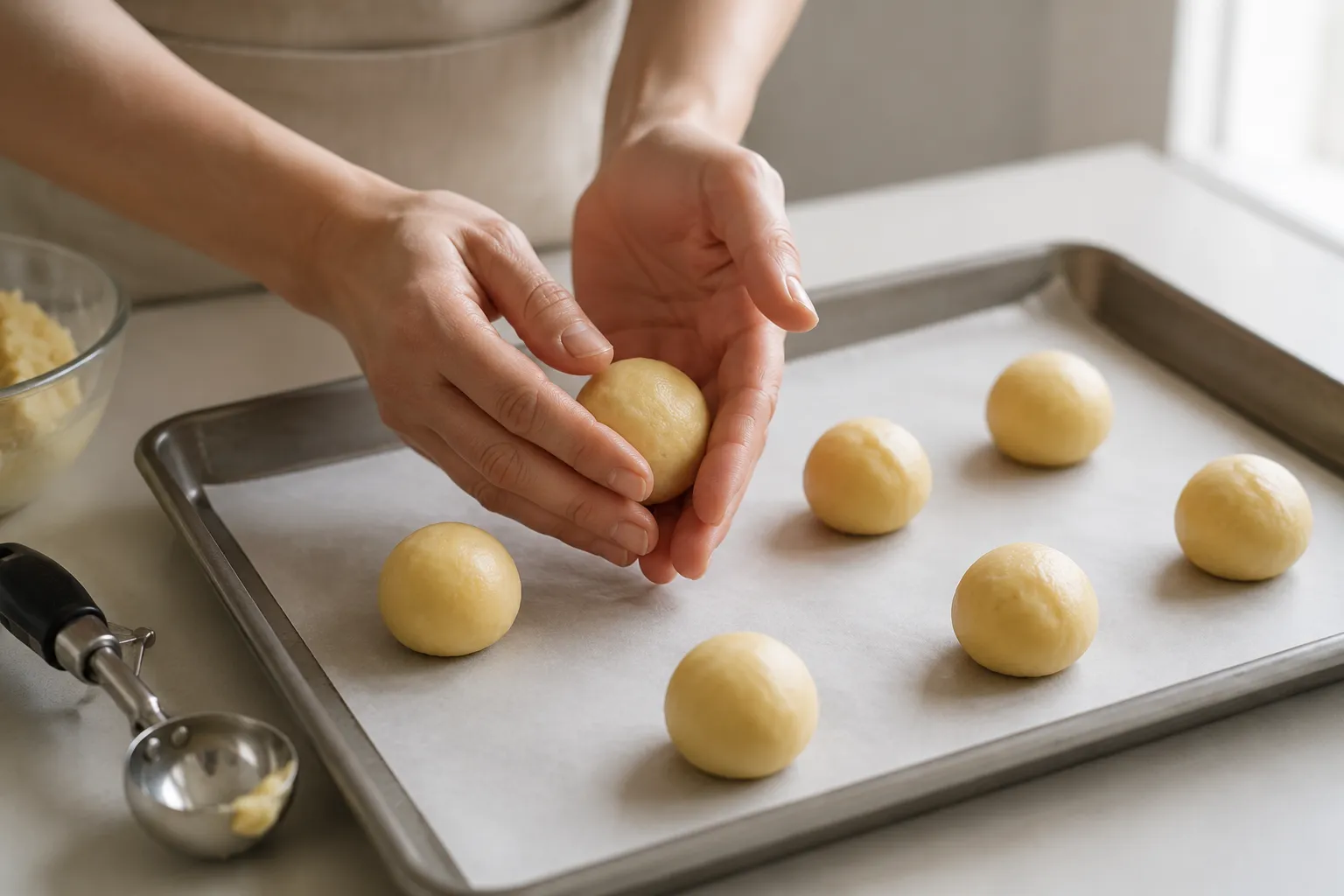
Add the flour and salt and mix on low just until the dough comes together. It should be soft but not sticky. Cover and chill for 15 to 20 minutes; this firms the butter back up so the cookies don't spread. Use a small cookie scoop (about 1 tablespoon) to portion the dough, then roll each scoop between your palms into a smooth ball and place on a parchment-lined sheet pan, spacing them about 2 inches apart for even airflow.
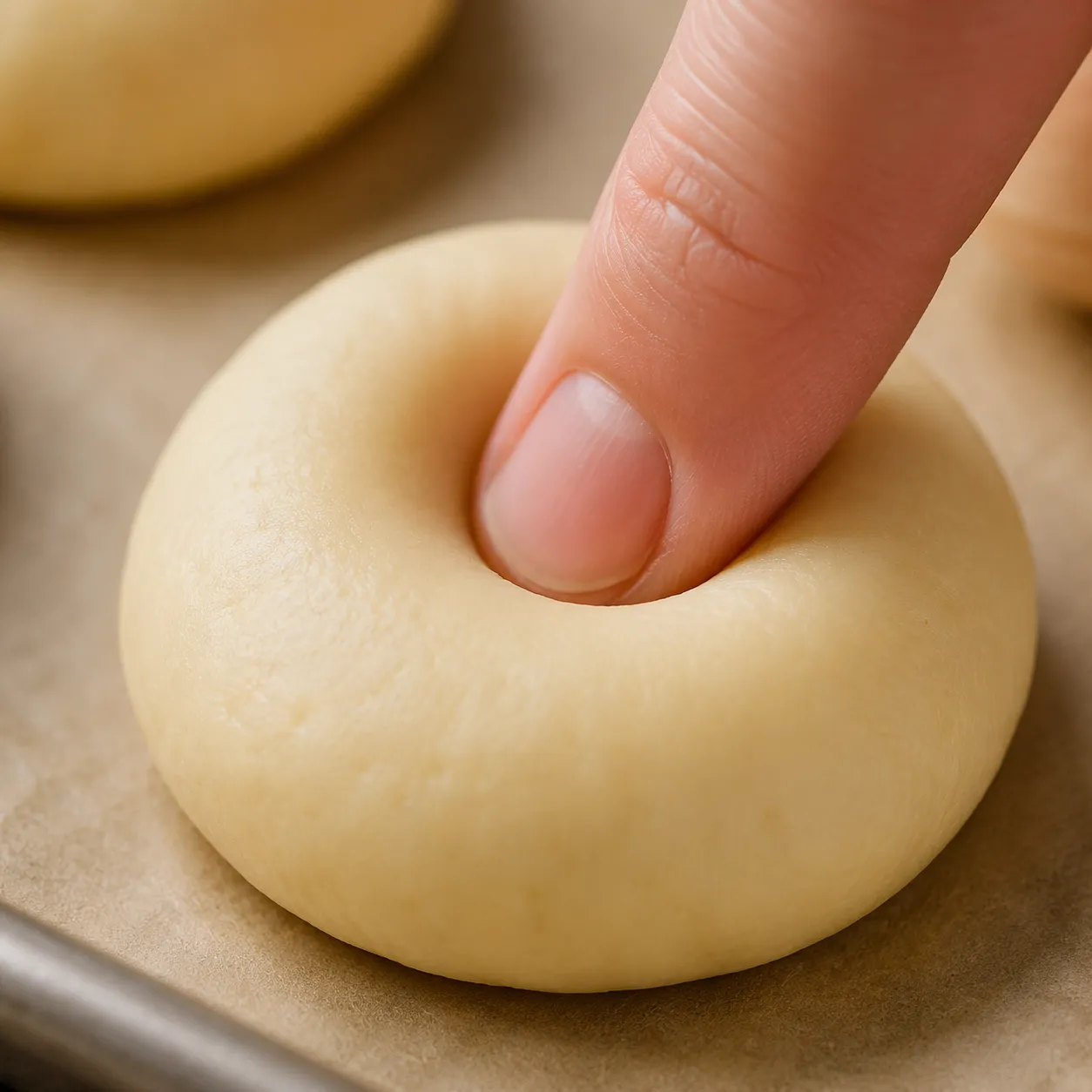
Use your thumb, the rounded handle of a wooden spoon, or the back of a half-teaspoon measure to press a deep, neat well into the center of each ball. Press firmly enough to make a real cup, but not so hard that you go through the bottom. If the edges crack a little, just smooth them gently with your fingers; cold dough is more likely to split, so let the balls sit at room temperature for a minute or two if needed before pressing.
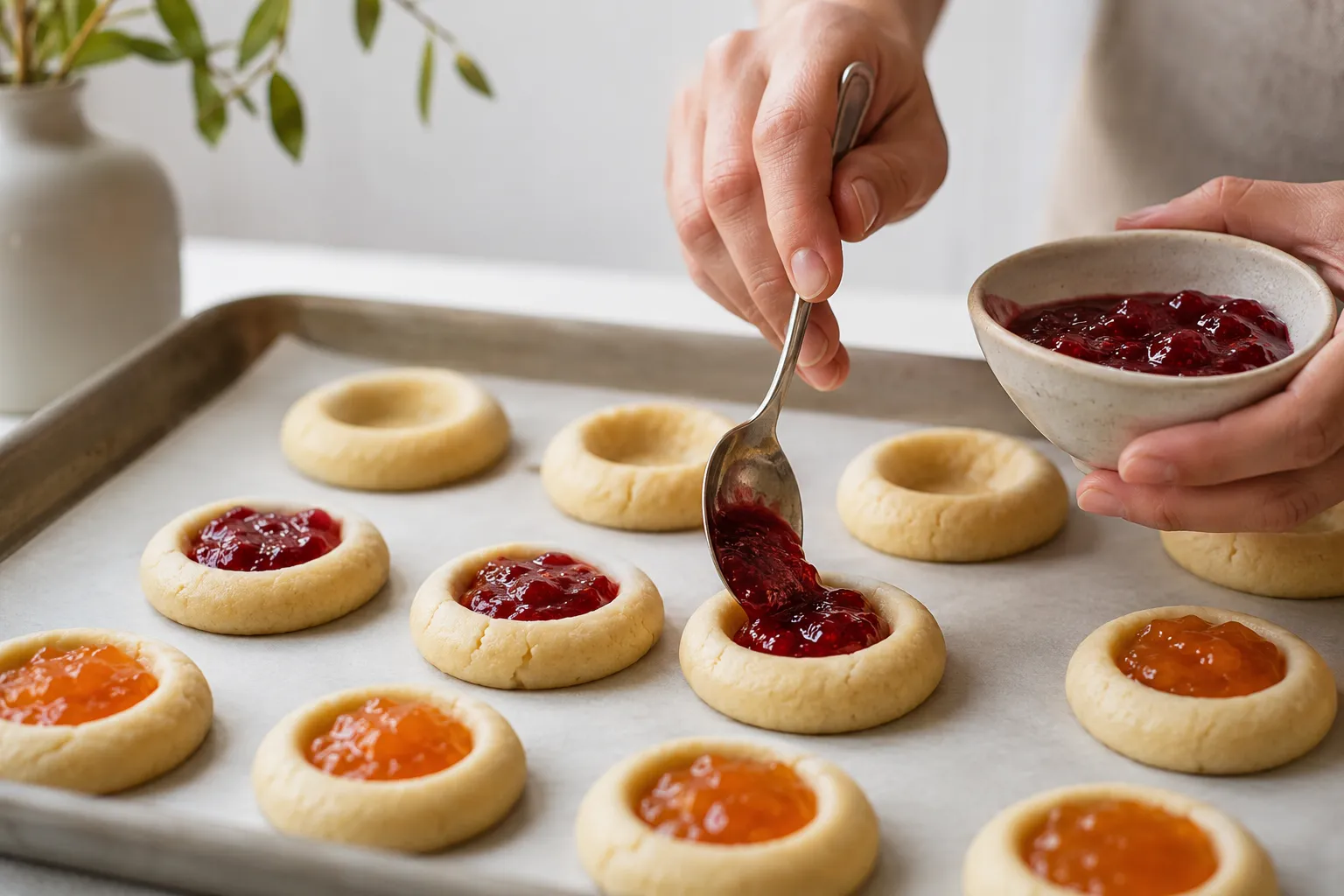
Spoon about a half-teaspoon of jam into each well, filling them just shy of level. Overfilling is the number one cause of jam puddles on your sheet pan, so resist the urge to top them off. Bake at 350°F for 10 to 12 minutes, until the bottoms are just turning golden and the tops still look pale. Around the 5-minute mark, peek in and gently re-press any wells that have shifted, then close the door and let them finish.
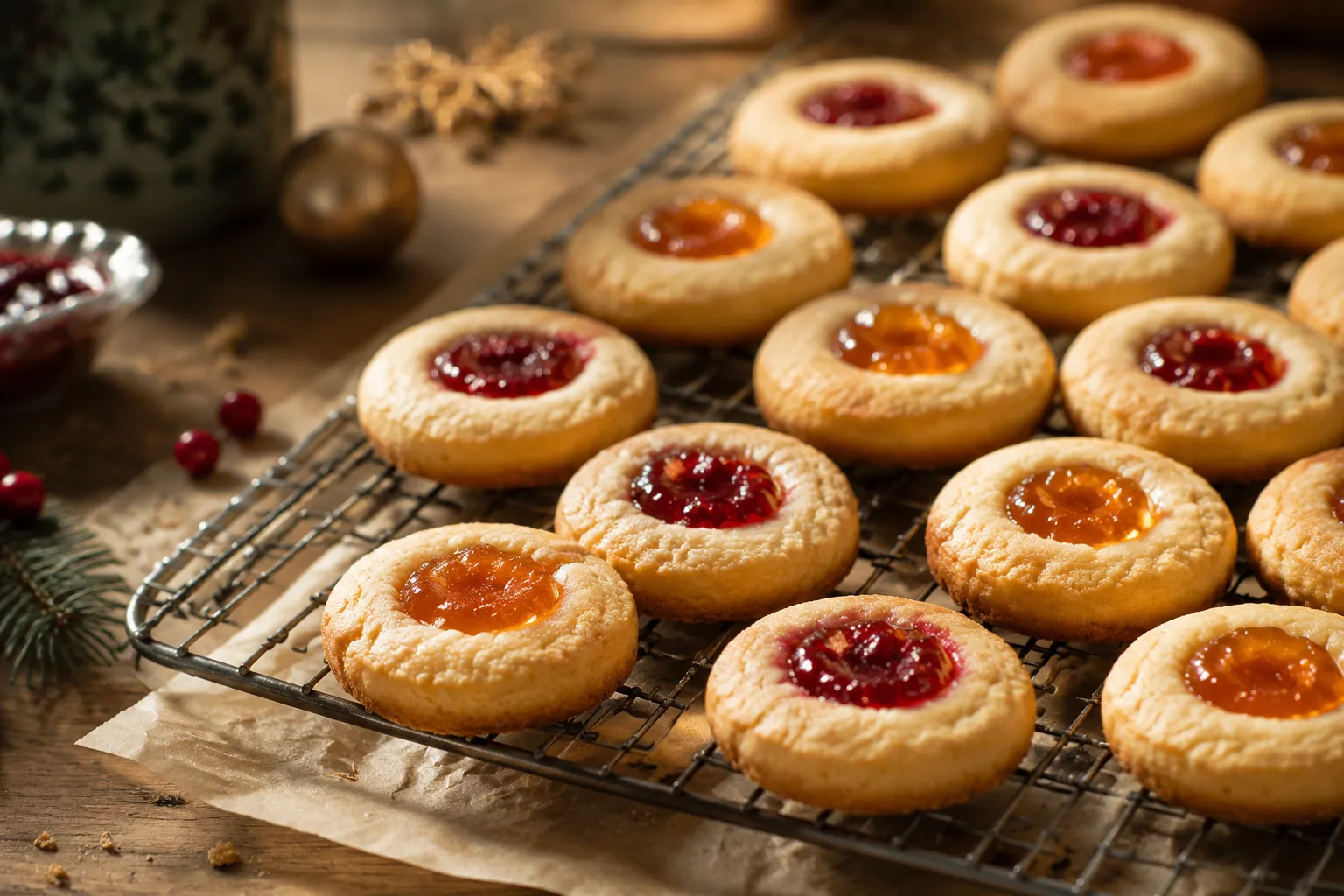
These are the kind of holiday desserts that look right at home on a tiered platter alongside gingerbread, biscotti, and frosted sugar cookies. Pile them on a vintage tin lid for cookie swaps, tuck them into wax-paper-lined boxes for gifting, or set out a small plate next to coffee for an afternoon pick-me-up. For a dressier finish, dust the cooled cookies with a whisper of powdered sugar around the edges, leaving the jam centers glossy and uncovered so they catch the light.
If you're building a full holiday spread, these slot perfectly between richer chocolate desserts and lighter citrus bars. They're not too sweet, which means they pair well with strong coffee, mulled wine, or a glass of dessert sherry after dinner. As far as easy cookie recipes go, this one consistently disappears first off the platter, so I'd plan to double the batch if you're feeding a crowd or sending tins out the door.
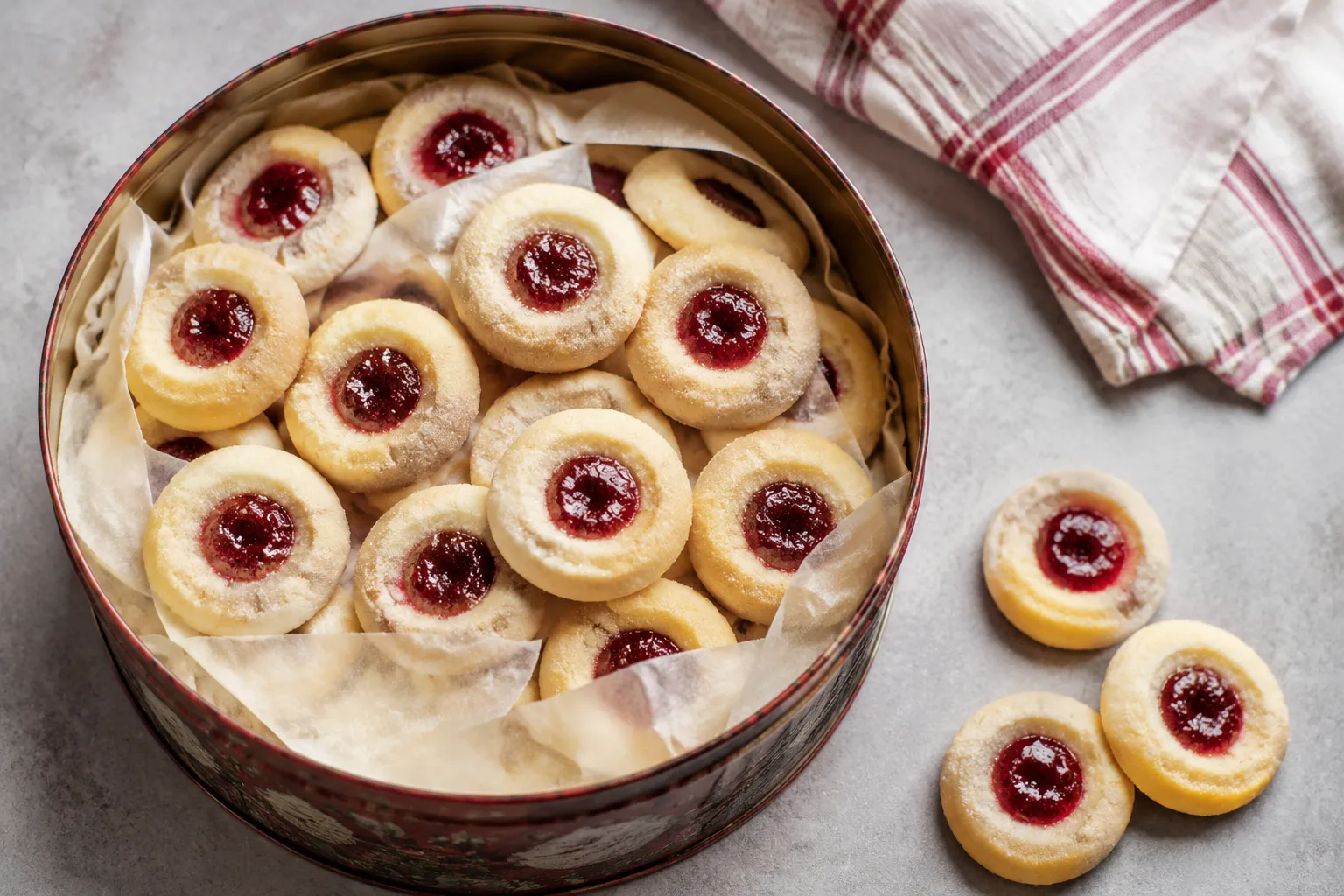
These cookies are some of the best make-ahead cookies in my December rotation. The dough holds beautifully in the fridge for a couple of days, the shaped balls can go straight into the freezer, and the baked cookies keep well in a tin for the better part of a week. That flexibility is what makes them ideal for cookie swaps, last-minute hostess gifts, and holiday tins you assemble over several afternoons rather than in one frantic Saturday.
Whether you're filling them with classic raspberry, golden apricot, or something a little less expected like fig or sour cherry, this is the kind of recipe that becomes part of your holiday baking lineup year after year. Knowing how to make thumbprint cookies that actually hold their shape and stay tender is genuinely useful, and once you've got the rhythm down, you'll find yourself reaching for this dough every time the oven goes on.
This base dough takes well to almost any flavor direction you push it. Once you have the technique down, swap the jam, extract, or coating to match the season or the rest of your cookie tray.
Store completely cooled cookies in an airtight tin or container at room temperature, layered between sheets of parchment to keep the jam centers from sticking together. They'll stay fresh for about 5 days, though the shortbread texture is at its best within the first 3. Avoid stacking warm cookies, which will steam and soften the bottoms before they finish setting up.
For longer storage, freeze the baked cookies in a single layer until firm, then transfer to a freezer-safe bag or container for up to 2 months. Thaw at room temperature for about 30 minutes before serving. You can also freeze unbaked, indented dough balls and bake straight from the freezer with an extra 2 to 3 minutes added to the time; add the jam just before baking rather than freezing it inside the wells, where it can crystallize.