Best Potatoes for Mashed Potatoes: A Complete Guide
Ingredients
Scale
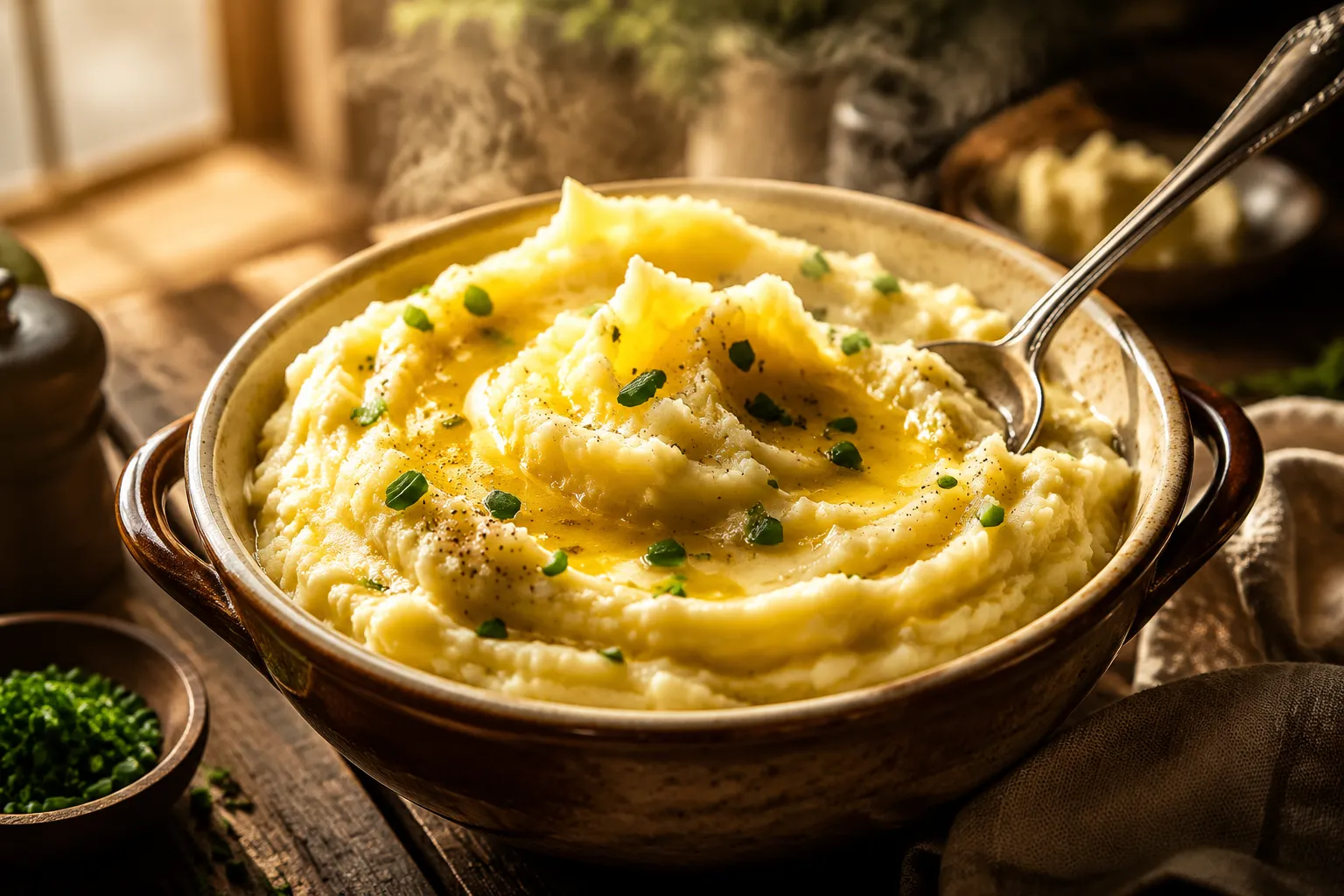
Not all spuds mash the same. Here's exactly which potatoes deliver the creamiest, fluffiest, most buttery mash, plus the ones to skip.
Picking the best potatoes for mashed potatoes isn't just a matter of preference. It's the single biggest factor between a bowl of buttery clouds and a gluey paste your guests politely push around their plates. The good news? Once you understand a little potato science, the choice becomes obvious every time. After cooking through a frankly ridiculous number of test batches, I've boiled it all down to a simple framework based on starch content, texture goals, and what's actually sitting in your produce aisle.
This guide ranks the top varieties, settles the eternal Yukon Gold vs Russet debate, and shares the pro blend technique restaurant kitchens lean on. Whether you're planning Thanksgiving side dishes or a Tuesday roast chicken dinner, you'll know exactly which bag to reach for and why it matters.
Not all potatoes mash the same, and the reason has everything to do with starch. Potatoes fall into three loose categories: starchy, all-purpose, and waxy. Starchy varieties like Russet potatoes are packed with fluffy granules that swell and separate when cooked, giving you that light, airy texture. Waxy potatoes (think red bliss or new potatoes) hold their shape because their cells stay tightly packed, which is fantastic for potato salad but a disaster for mash. All-purpose Yukon Gold potatoes sit right in the middle, with enough starch to mash smooth and just enough waxiness to taste rich and buttery on their own.
Starch grains are essentially tiny packets of carbohydrate inside each potato cell. When you cook a starchy potato, those grains burst open and create that fluffy, almost dry texture you want for mashing. Lower-starch waxy potatoes keep their grains locked tight, which is why they slice clean for salads but turn pasty when you smash them. The trick to nailing the best potatoes for mashed potatoes once and for all is matching your starch level to the texture you want on the plate.
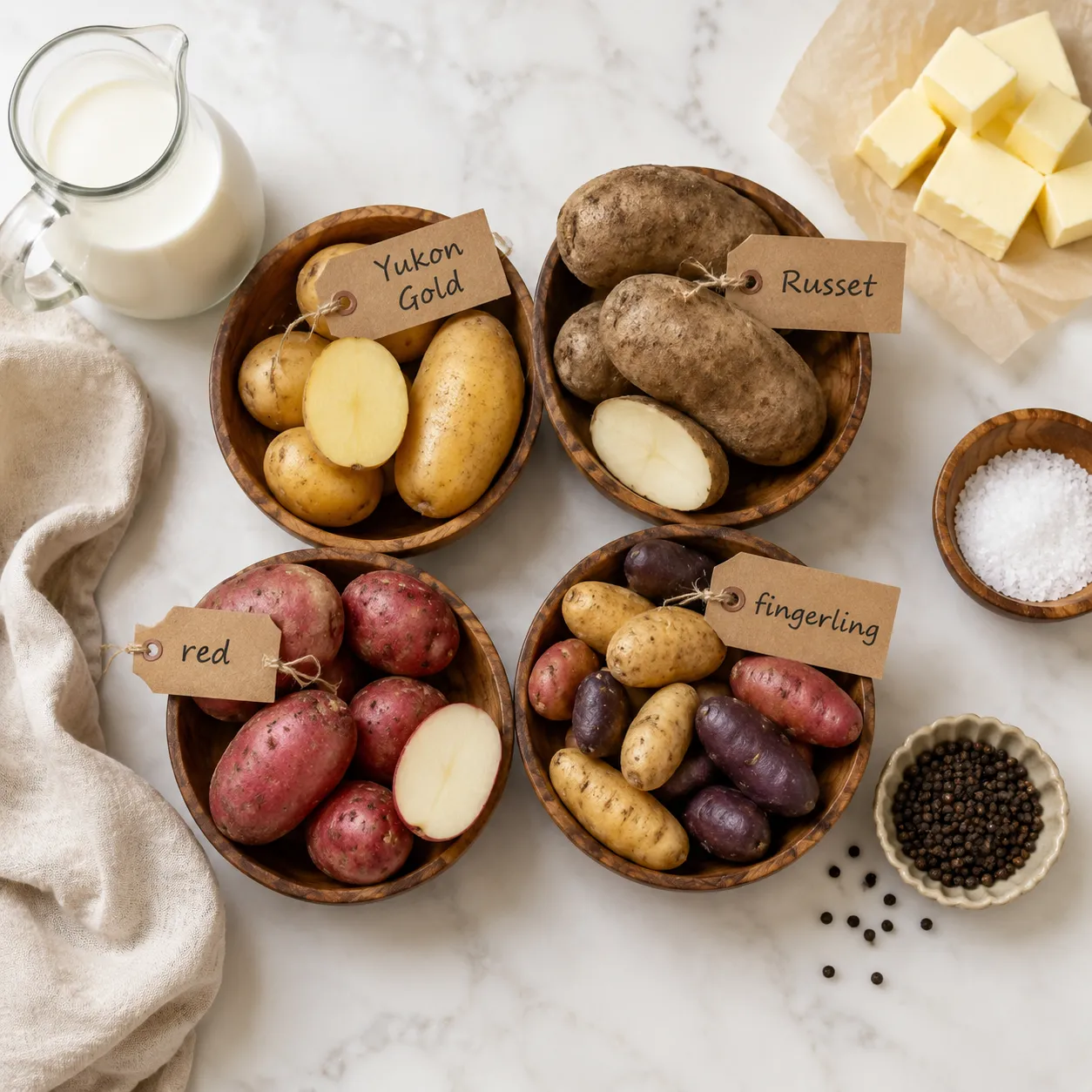
A Russet mash is light and almost flaky. A Yukon mash is dense, creamy, and deeply golden. A red potato mash is rustic and chunky at best, gummy at worst. The variety you choose dictates the final texture more than any technique you layer on top of it.
Russets are mild, almost neutral, a blank canvas that loves butter and cream. Yukon Golds carry their own buttery flavor and even taste subtly sweet. Red potatoes lean earthy and mineral. Once you taste them side-by-side in plain water with a pinch of salt, you'll never go back to grabbing whatever bag is closest to the door.
After tasting more bowls than I can count, here's the definitive ranking of the best potatoes for mashed potatoes, from absolute top pick to "use only if it's what you have." Each variety brings something different to the table, and knowing the strengths of each lets you match the right spud to the meal.
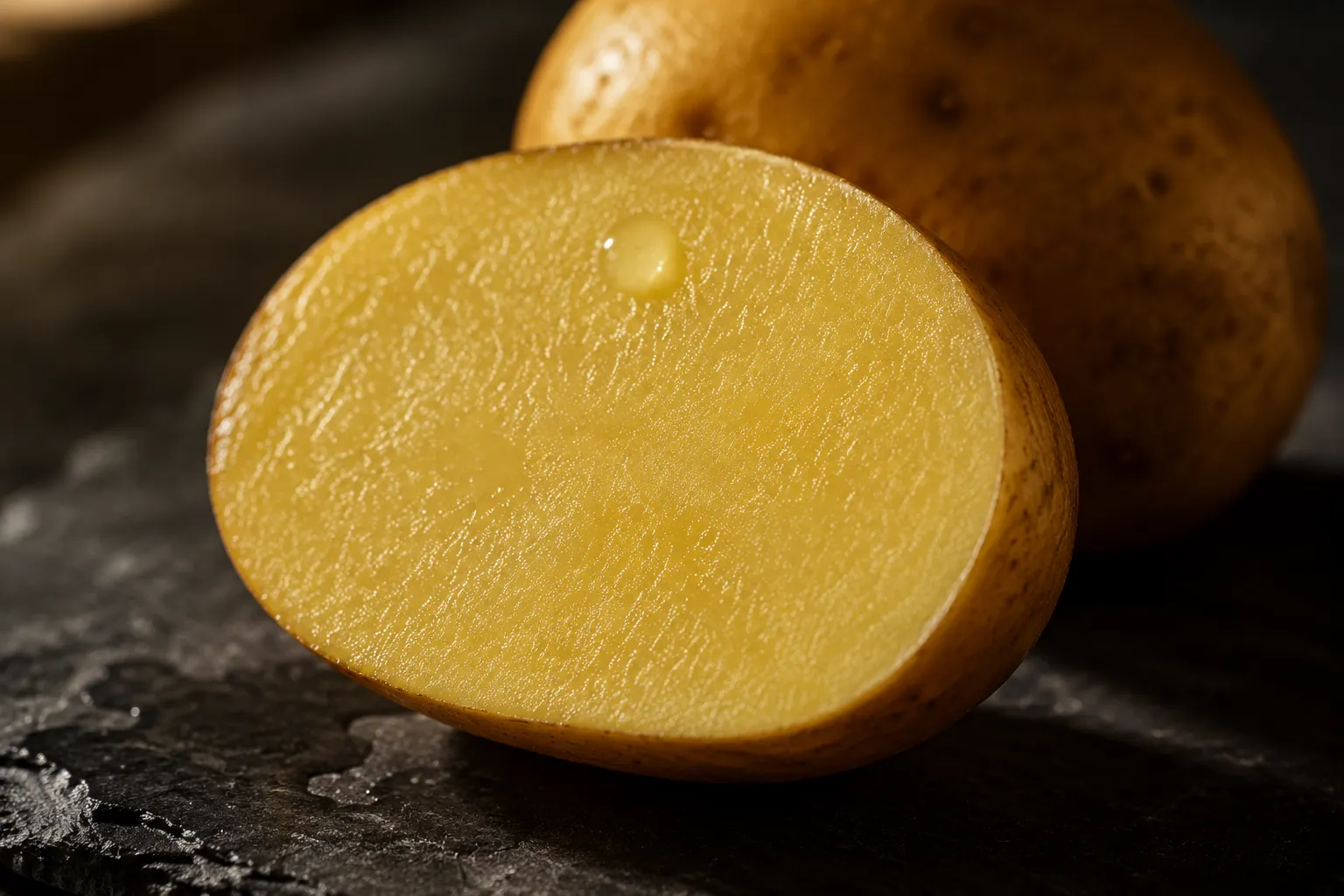
Yukon Gold mashed potatoes win on nearly every front. The flesh is naturally golden and buttery before you've added a single tablespoon of butter, which is why so many chefs default to them. Their medium-high starch content gives you a smooth, dense, creamy texture that doesn't fall apart but also doesn't turn glue-like. They also forgive a heavy hand. Even if you slightly overwork them, they recover better than most. If you only ever buy one variety, buy these.
Russets are the high-starch champion. Their floury, almost dry interior breaks down into the lightest, most cloud-like fluffy mashed potatoes you'll ever pile onto a plate. The trade-off is that they're trickier. They soak up moisture and turn pasty if you mishandle them. Treat them gently, use warm dairy, and they'll reward you with that classic steakhouse mash you remember from special-occasion dinners.
Red potatoes are the country cousin of the mashed potato world. They're waxy, so a smooth puree is off the table. But if you want a hearty, smashed-style side with skins left on for color, they deliver real character. Just mash them with a hand tool — never a mixer — and embrace the rustic, country-supper vibe.
Fingerlings, purple Peruvians, and German Butterballs all make beautiful, flavor-forward mashes for special occasions. They're pricey and not always perfectly smooth, but they bring color and complexity that's stunning on a holiday spread. Save them for company nights when the side deserves equal billing with the main.
This is the great debate, and honestly, you can't lose either way. The right answer depends on the texture you're chasing and how generous you want to be with butter and cream. Both are starchy potatoes that mash beautifully — they just take you to different destinations.
For a creamy mashed potatoes recipe with that dense, restaurant-style luxury, go Yukon Gold every time. Their natural butterfat-mimicking flavor means you actually need less added fat to get a deeply satisfying bowl. They hold a swirl beautifully on the plate and look golden enough to photograph without trying.
If you grew up on the airy, billowy mash from Thanksgiving tables and steakhouse sides, Russets are your potato. They mash up almost weightless and absorb cream like a sponge, making them ideal when you want the dairy front and center and the texture to feel like a cloud.
Here's the move pros use: split the bag. Two pounds of Yukon Gold and one pound of Russets (or a true 50/50 ratio) gives you the buttery flavor of Yukons with the lift of Russets. The Russets prevent things from getting too dense, the Yukons keep flavor depth and color. It's the answer to "I can't decide" and the technique I lean on for holiday dinners every single year.
A handful of varieties might look tempting in the produce section, but they'll sabotage your mash before you even start. Knowing what to skip matters as much as knowing what to grab.
Waxy potatoes — red bliss, new potatoes, most baby potatoes, and white round/boiling potatoes — have low starch and high moisture. When you mash them, the cell walls rupture and release a sticky, paste-like substance. The harder you work them, the worse it gets. There's actually no recovery path once a waxy mash turns gluey, which is why this is the most common holiday potato heartbreak.
Bags labeled "all-purpose" or "white potatoes" can be a coin flip — sometimes Yukons, sometimes white round (waxy). Read carefully and look for the actual variety name. Avoid anything labeled "creamer," "baby," or "new" for mashing. And those gorgeous tri-color medleys? Save them for roasting. The skin-on red and purple specimens won't behave the same as the Yukons mixed in, and you'll end up with uneven texture across the bowl.
Once you've got the right variety, the prep is where good cooks separate themselves from the pack. The rules for how to boil potatoes for mashing are simple but non-negotiable, and they apply whether you're using Yukons, Russets, or a blend.
For the silkiest result, leave skins on during the boil and slip them off while warm. The skins act as a barrier so the flesh doesn't waterlog. If you're going rustic, leave the skins on entirely — but only with thin-skinned varieties like Yukon Gold or red potatoes. Russet skins are too thick and papery to leave in.
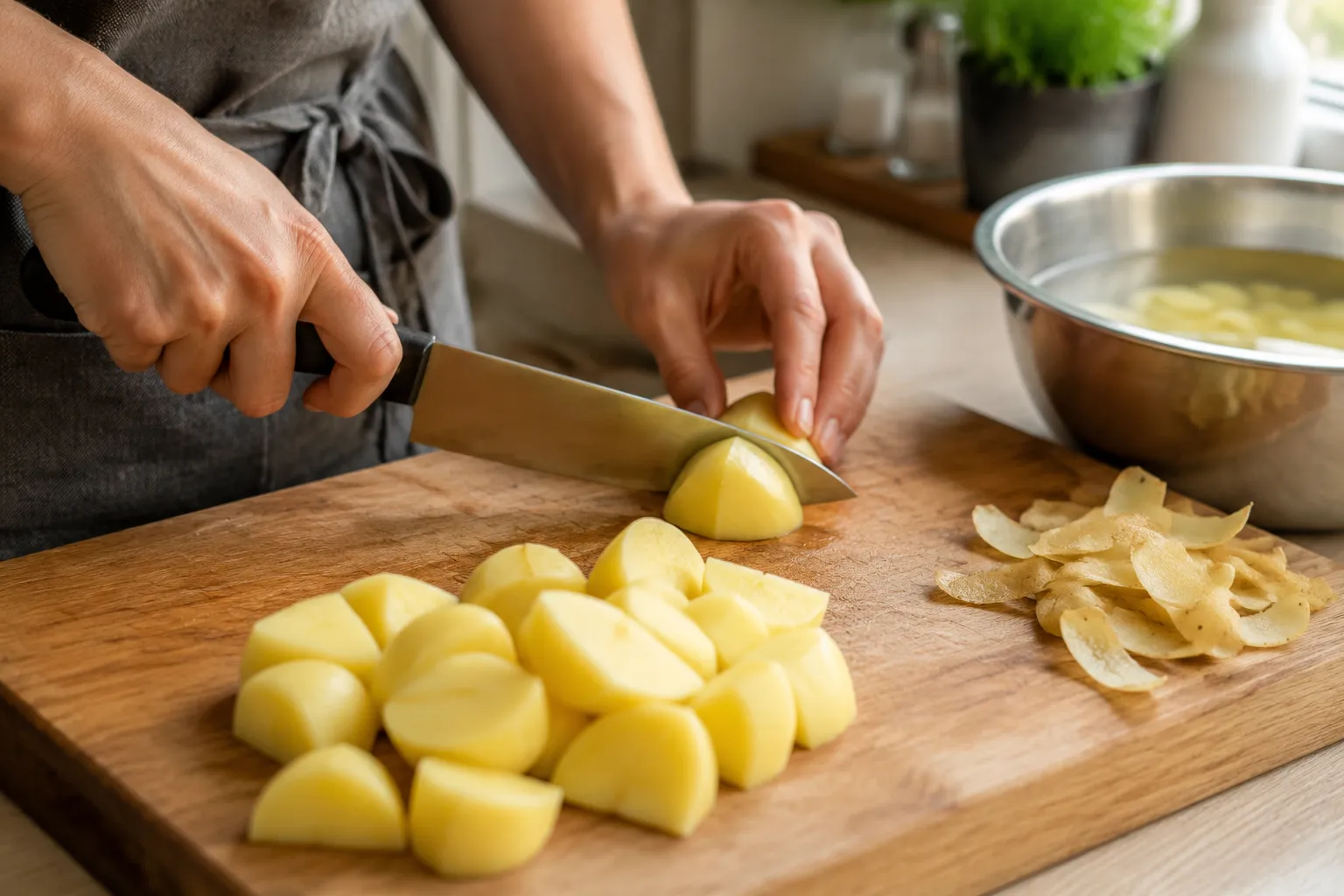
If you do peel and chunk before boiling (faster, slightly less silky), aim for evenly sized pieces about 1.5 to 2 inches across. Uniformity matters more than the exact size. Pieces that finish at different times mean some are overcooked and waterlogged while others are still firm in the middle, which guarantees uneven mash.
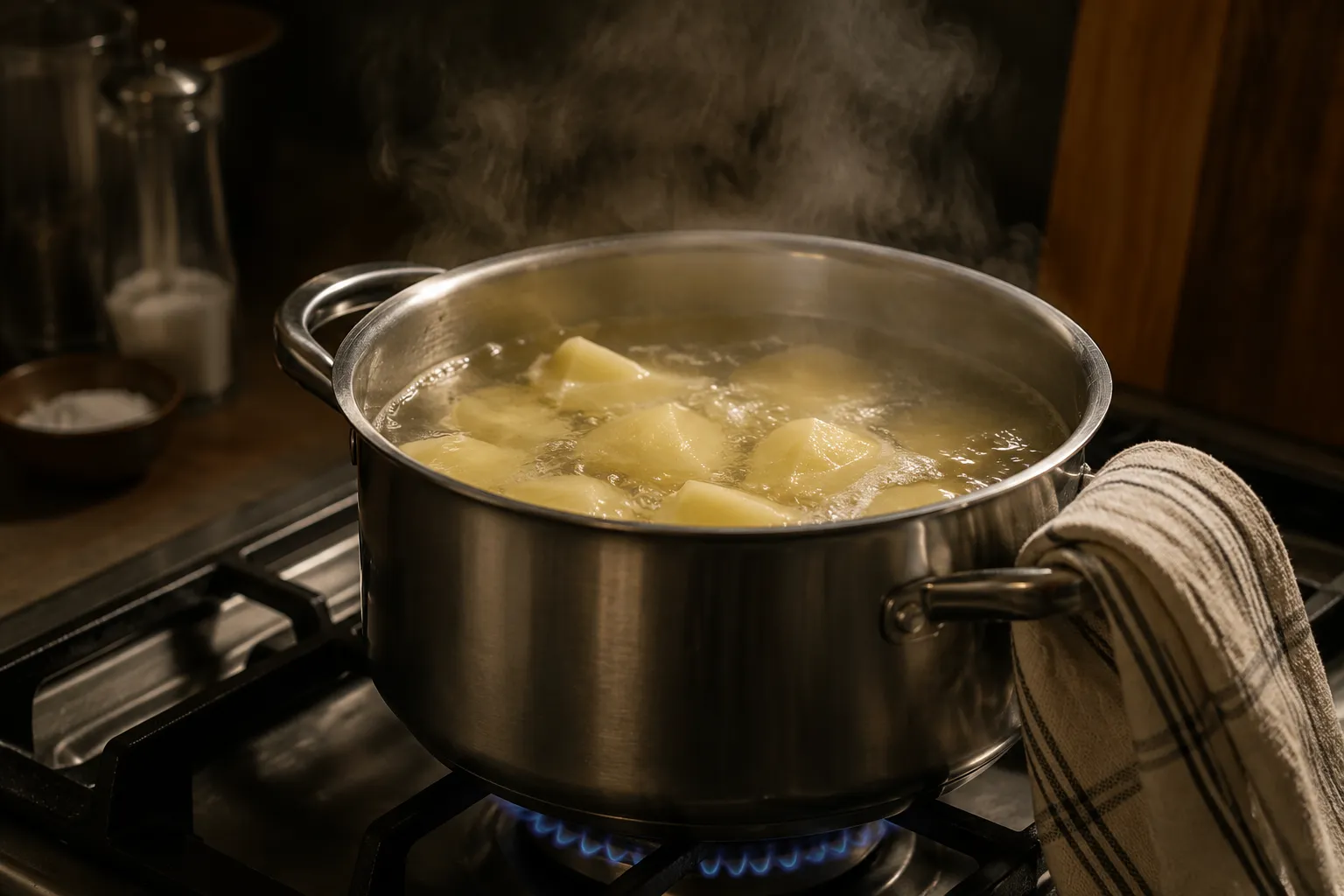
Always start with cold water, not boiling. Cold water heats the potatoes gradually so the outsides don't blow apart before the centers cook through. Salt the water aggressively, like pasta water — about 1 tablespoon kosher salt per quart. Unsalted potatoes taste flat no matter how much salt you add at the end, since the seasoning never penetrates past the surface.
Tool choice and technique decide whether your spuds end up fluffy, creamy, or sadly glue-like. Here's what changes the game once your potatoes are tender.
A potato ricer is the single best tool for smooth, restaurant-quality mash. It presses cooked potatoes through tiny holes, breaking starch grains apart cleanly without crushing them. A food mill works similarly. A hand masher gives you a more rustic, slightly chunky texture that's perfect for homestyle bowls. An electric mixer? Use it only on Russets, and only briefly — it's the fastest way to overwork potatoes into glue.
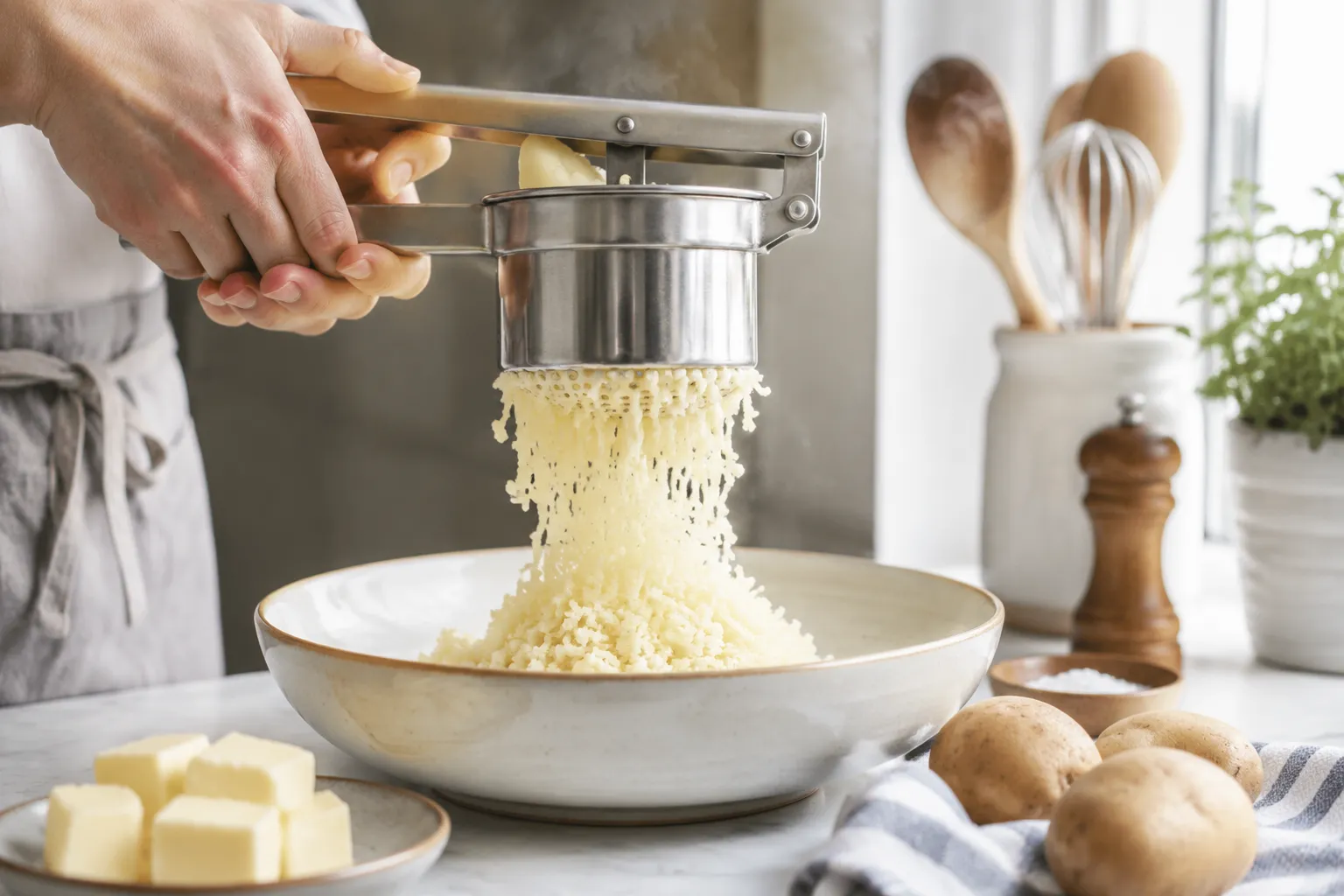
Cold milk and cold butter shock the hot potatoes, tightening starch and creating clumps. Warm your milk and melt your butter together over low heat before folding them in. The dairy emulsifies into the potatoes instead of seizing them, and the whole bowl stays piping hot longer at the table.
Once you start adding dairy, switch to a rubber spatula and fold gently. Stop the moment everything is incorporated. Every extra stir releases more starch and edges you closer to gummy territory. Less is genuinely more here, and restraint is the difference between good and great.
Now that you know which potatoes to grab and how to handle them, here's the classic recipe I make on repeat — for Sunday roasts, holiday tables, and anytime I want a side that quietly steals the show.
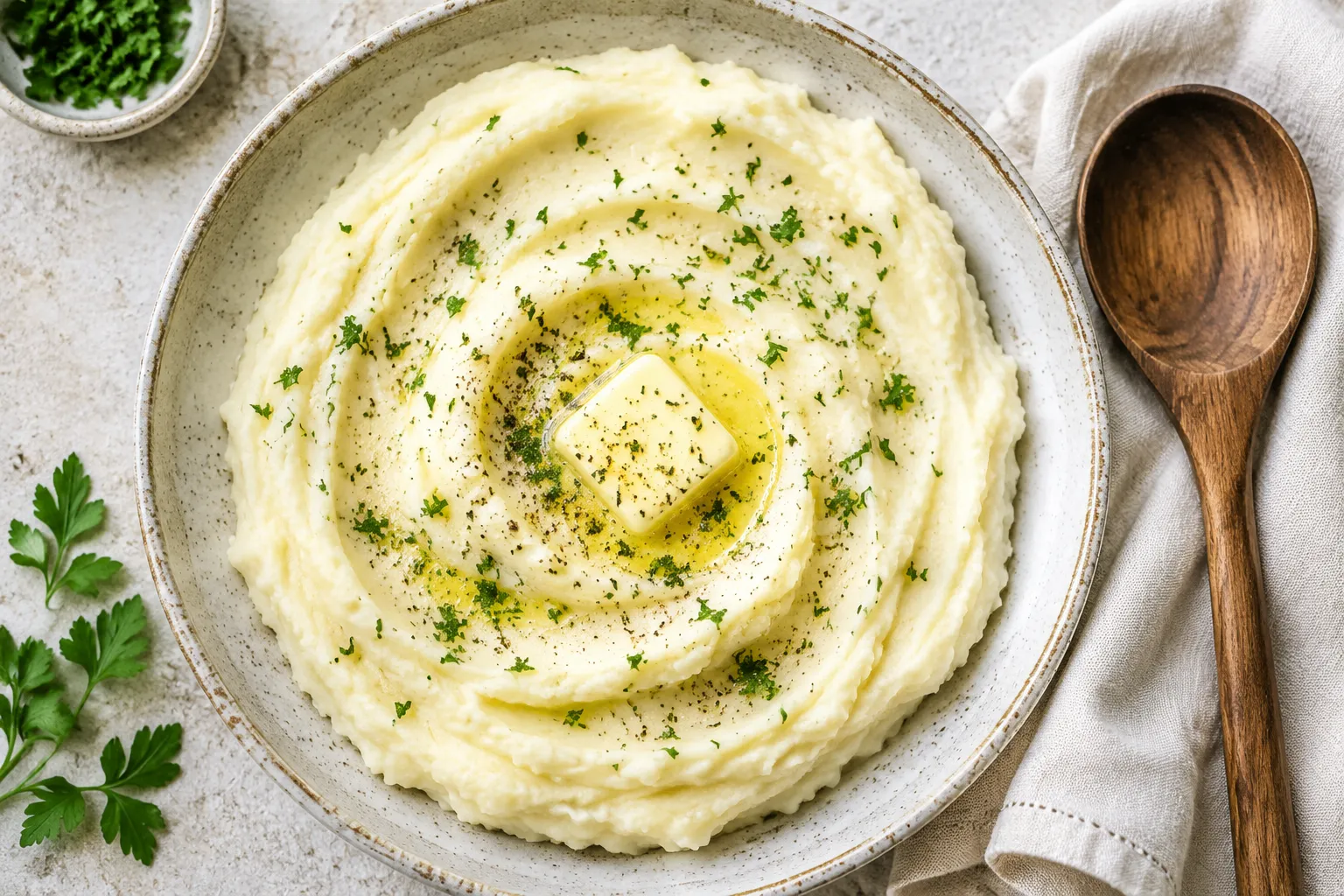
You'll find the full ingredient list and step-by-step instructions in the recipe card below. The bones: 3 pounds of Yukon Gold potatoes, a cup of warm whole milk, half a cup of unsalted butter, kosher salt, and freshly ground black pepper. An optional half-cup of sour cream or cream cheese folded in at the end takes things into truly luxurious territory without much effort.
The full numbered method lives in the recipe card below, but the headline moves are these: boil whole, peel warm, rice, then fold in warm dairy gently. That's the entire game. Skip any one of those four moves and you'll feel the difference in the final bowl.
For make-ahead mashed potatoes, assemble fully, transfer to a buttered baking dish, cover with foil, and refrigerate up to 2 days ahead. Reheat covered at 325°F for 30 to 40 minutes, stirring once partway through, with a splash of extra warm milk to loosen them back up. They taste freshly made, which is why this approach is my secret weapon every Thanksgiving.
Now you know exactly what makes the best potatoes for mashed potatoes, and more importantly, why. Yukon Golds for buttery and creamy, Russets for fluffy and light, the 50/50 blend when you want both at once. Skip the waxy potatoes, salt the water, warm the dairy, and treat the ricer like the gentle giant it is.
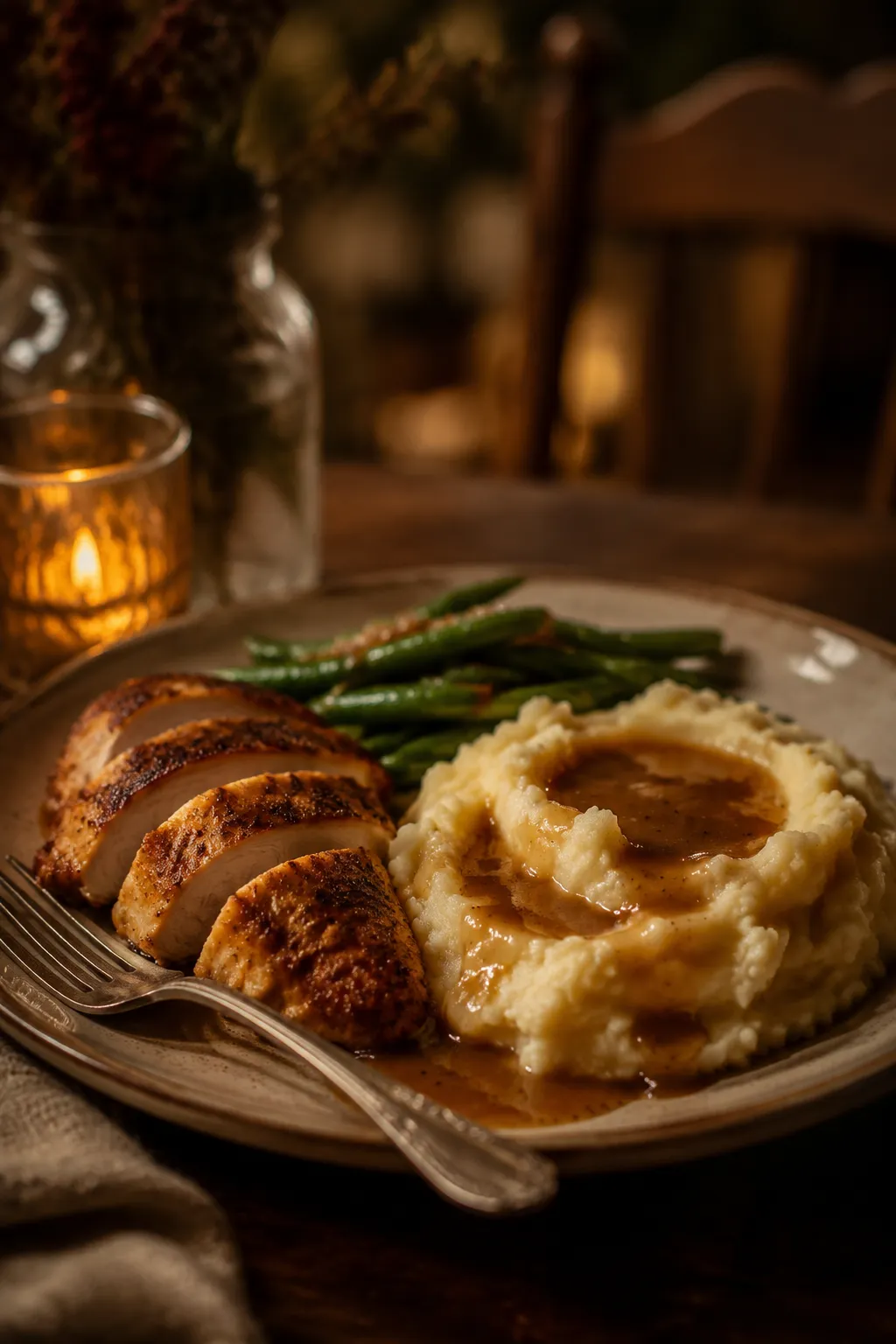
These are the mashed potatoes that anchor my Thanksgiving side dishes lineup every single year, the ones I serve alongside weeknight pot roast, and the ones my pickiest nephew actually asks for seconds of. Once you've tasted the difference variety makes, there's genuinely no going back to mystery-bag potatoes.
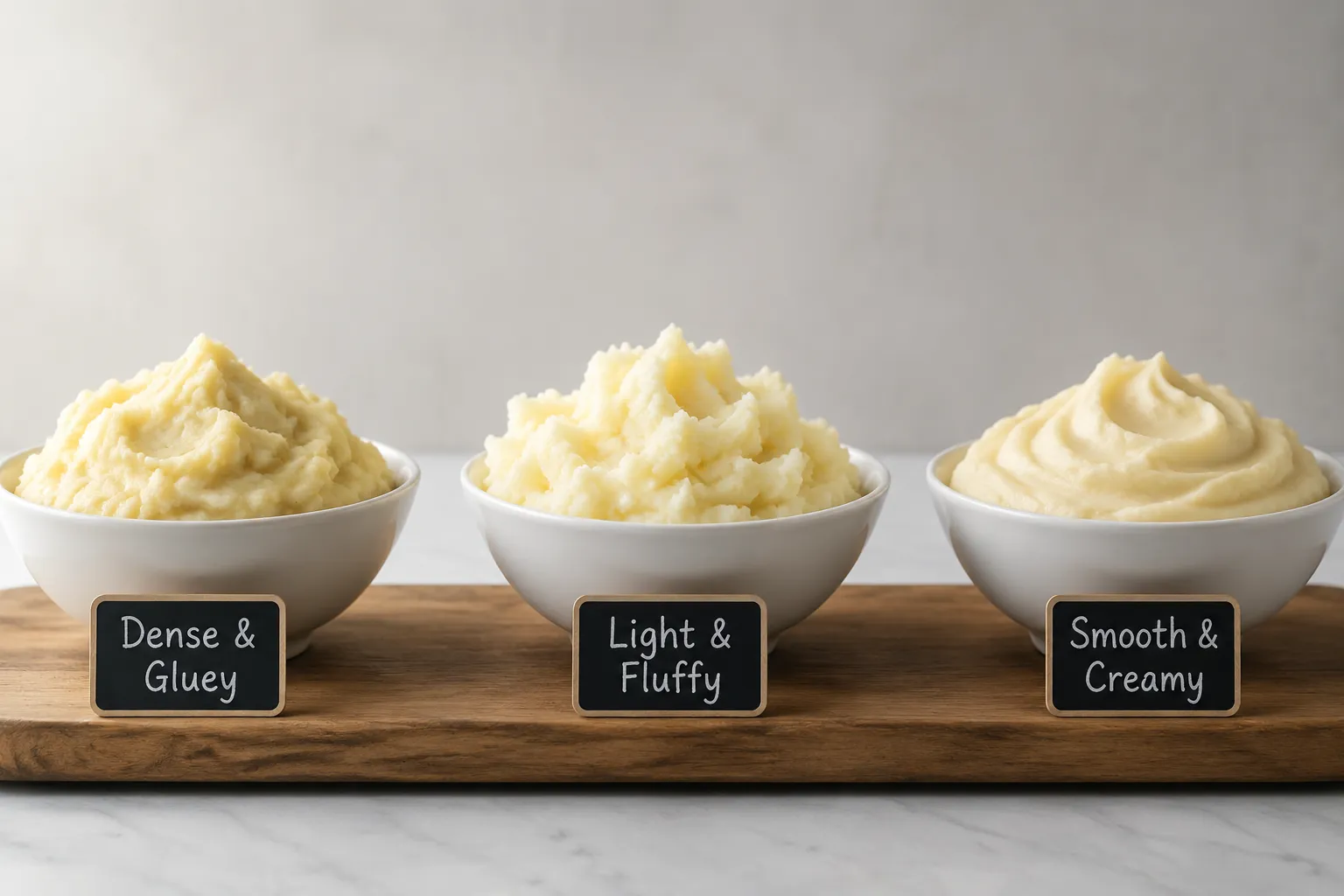
Hopefully the next time you're staring down the produce aisle, the right bag practically jumps out at you. And if your first attempt isn't picture-perfect, take notes on which variety you used and try the blend next time. Mashed potatoes are one of the most forgiving sides to practice on, and the upgrade in your finished bowl is immediate.
The master method here is the launching pad — once you've nailed the technique, the flavor variations are endless. Each one keeps the same buttery, fluffy base and just changes the supporting cast.
Cooked mashed potatoes keep beautifully in an airtight container in the fridge for up to 4 days. To reheat, transfer to a saucepan or oven-safe dish, add a generous splash of warm milk or cream, and warm covered over low heat (or at 325°F in the oven) until heated through, stirring once or twice. The extra dairy is non-negotiable — the starch tightens significantly as it cools, and reheating without it leaves you with a dense, gummy texture.
For longer storage, mashed potatoes freeze surprisingly well when made with plenty of butter and cream (the fat protects the texture during freezing). Portion into freezer-safe containers, leaving a little headspace, and freeze up to 2 months. Thaw overnight in the fridge before reheating low and slow with extra warm milk. Avoid freezing mashes made with low-fat dairy — they tend to weep and turn watery on the rebound.