How to Make Teriyaki Sauce (Easy 6-Ingredient Recipe)

4.8 from 12 reviews
0SHARES

Now Playing

How to Make Teriyaki Sauce (Easy 6-Ingredient Recipe)

0:00
0:00
How to Make Teriyaki Sauce (Easy 6-Ingredient Recipe)

Skip the bottled stuff. This homemade teriyaki sauce comes together in 10 minutes with 6 pantry staples and tastes leagues better than anything store-bought.

Why You'll Love This Recipe
  • Better than store-bought: No corn syrup, no preservatives, no mystery flavors — just real ingredients you can pronounce.
  • Ready in 10 minutes: Faster than driving to pick up takeout, and built entirely from pantry staples.
  • Endlessly versatile: Works as a marinade, glaze, stir-fry sauce, or dipping sauce.
  • Naturally adaptable: Easy to make gluten-free, spicy, or fruit-forward with simple swaps.
  • Restaurant-style gloss: The cornstarch slurry gives that signature shiny, spoon-coating finish.
  • Budget-friendly: Costs pennies compared to bottled teriyaki, and tastes twice as good.

Once you learn how to make teriyaki sauce from scratch, the bottled stuff at the back of your fridge starts to feel a little embarrassing. This version is glossy, deeply savory, kissed with brown sugar sweetness, and brightened by fresh ginger and garlic — all in about 10 minutes, with ingredients you almost certainly already own.

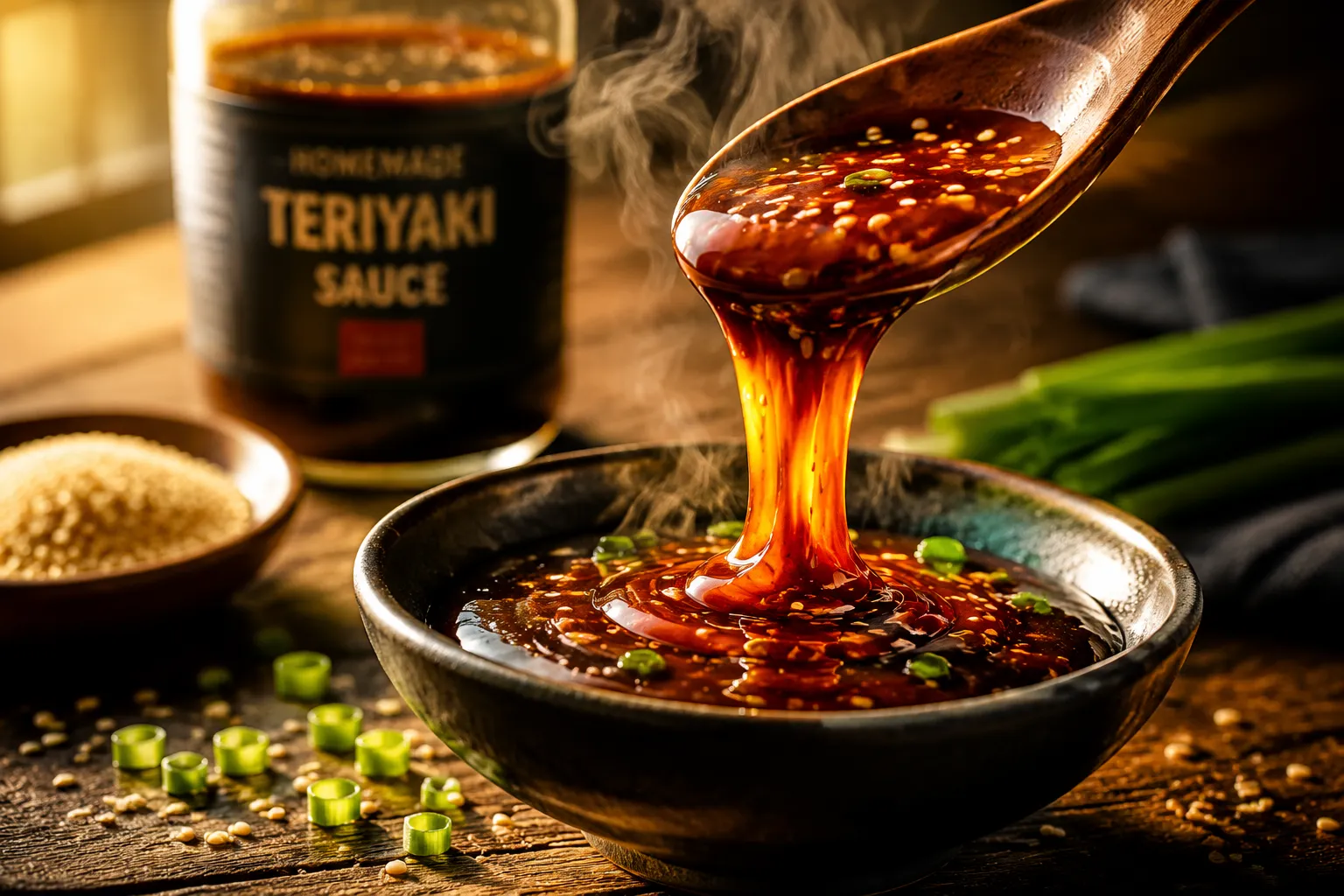
How to make teriyaki sauce recipe drizzling glossy from a spoon into a bowl

I started making my own years ago after squinting at a label full of corn syrup and unpronounceable preservatives. The homemade version isn't just cleaner — it's noticeably better. The sauce clings to chicken thighs in a sticky lacquer, glazes salmon into something restaurant-worthy, and turns a sad pile of weeknight vegetables into dinner you actually look forward to.

If you've been bouncing between bottled brands hoping to find one that tastes balanced and not cloyingly sweet, this teriyaki sauce recipe is the one to bookmark. It's the kind of thing you'll memorize after the second batch.

What Makes This Teriyaki Sauce So Good

The magic is in the balance. Bottled teriyaki tends to lean syrupy because it's built around high-fructose corn syrup. Real teriyaki should taste salty first, sweet second, with a savory backbone from soy sauce and a perfumed lift from aromatics. By using low-sodium soy sauce, real brown sugar, a touch of honey, and freshly grated ginger and garlic, you get layered flavor instead of one-note sweetness.

The other secret is texture. A quick cornstarch slurry transforms a thin liquid into the kind of glossy, spoon-coating glaze that puddles beautifully over rice. It's the same trick used in restaurant kitchens, and it takes about 30 seconds. This homemade teriyaki sauce works as a marinade, finishing glaze, dipping sauce, or stir-fry sauce — basically anywhere you'd reach for a bottle.
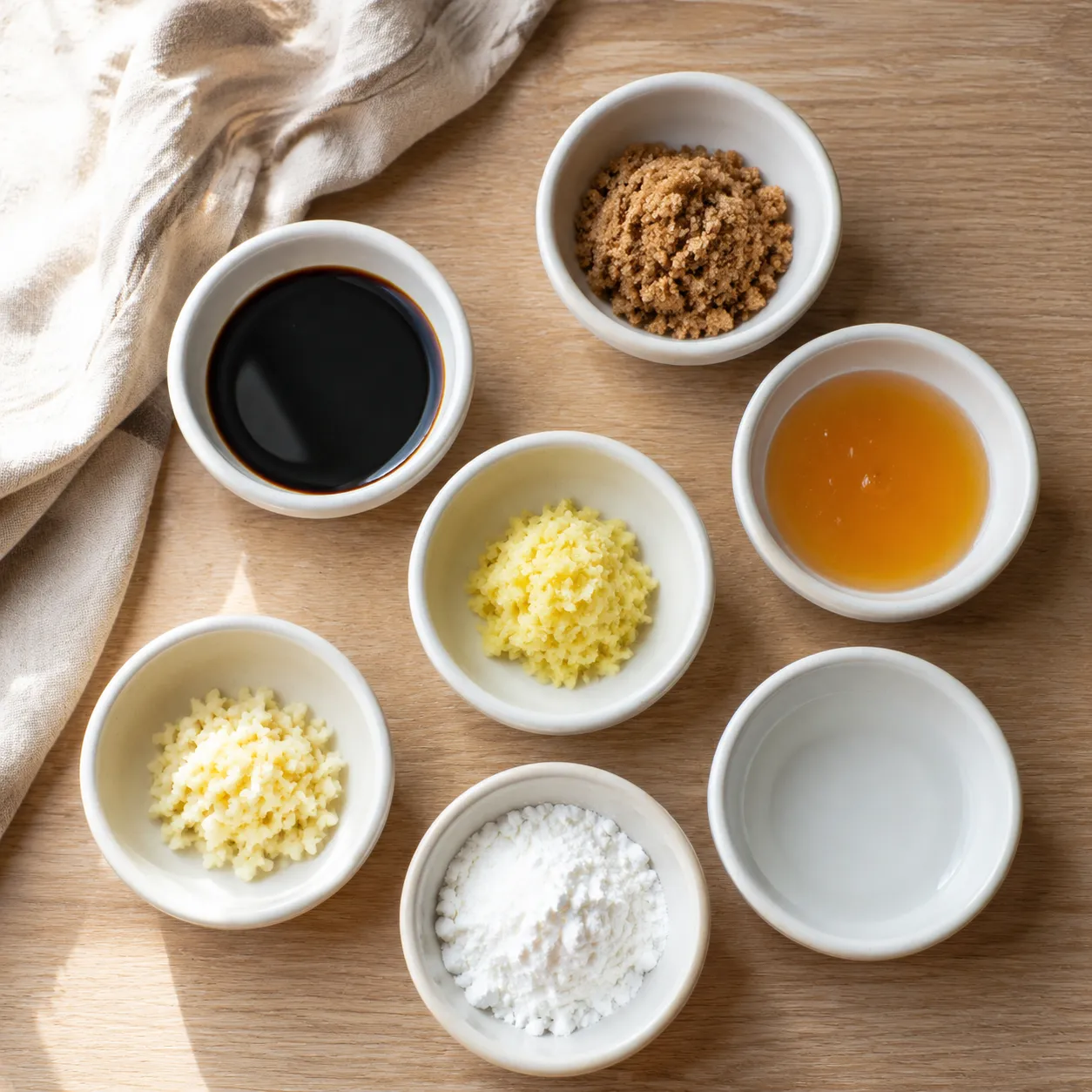
Homemade teriyaki sauce ingredients flatlay on wooden board

Ingredients You'll Need

You need just six core ingredients (plus water and a cornstarch slurry to finish). Everything is pantry- or fridge-standard.

  • Low-sodium soy sauce — the savory foundation. Regular soy sauce works but the sauce can tip salty fast, especially after reducing.
  • Brown sugar — light or dark; dark gives a deeper molasses note.
  • Honey — adds floral sweetness and helps the sauce cling.
  • Fresh ginger — grated on a Microplane for that bright, slightly spicy bite.
  • Fresh garlic — minced; the ginger and garlic combo is non-negotiable in my kitchen.
  • Cornstarch — whisked with cold water for the slurry that thickens everything.

Optional flavor boosters include a splash of mirin or rice vinegar for authenticity, toasted sesame oil for nuttiness, or a pinch of red pepper flakes for warmth. If you're avoiding gluten, tamari and coconut aminos are excellent soy sauce substitutes — coconut aminos run a little sweeter, so dial back the brown sugar by a teaspoon.

How to Make Teriyaki Sauce, Step by Step

The full method lives in the recipe card below, but here's the rhythm of it so you know what to expect.
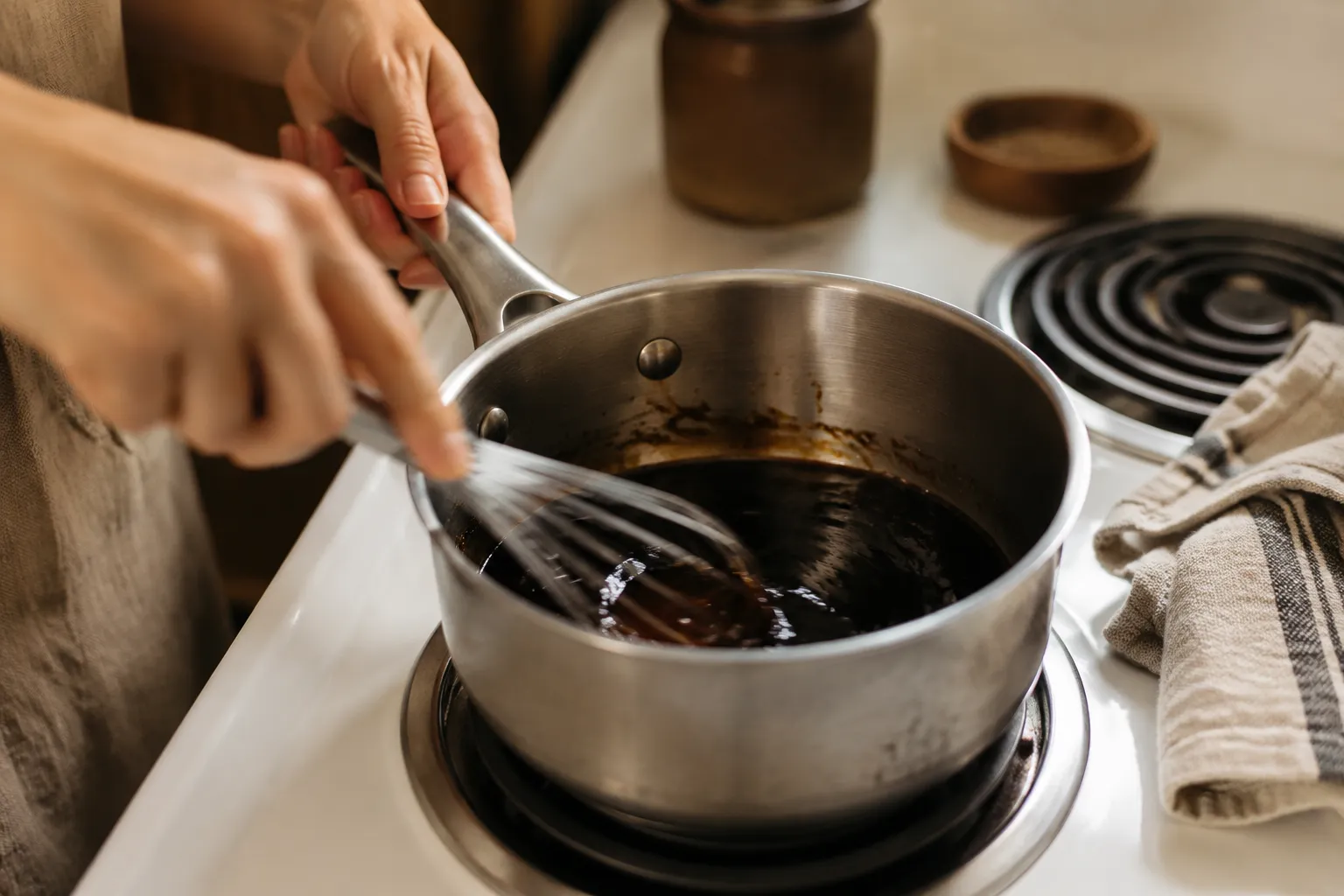
Whisking soy sauce and brown sugar to make homemade teriyaki sauce

Start by whisking the soy sauce, water, brown sugar, and honey together in a small saucepan over medium heat. Stir until the sugar dissolves completely — you'll see the liquid go from grainy to smooth and glossy. Add the grated ginger and minced garlic at this point so they have time to bloom in the warm liquid and infuse the sauce.
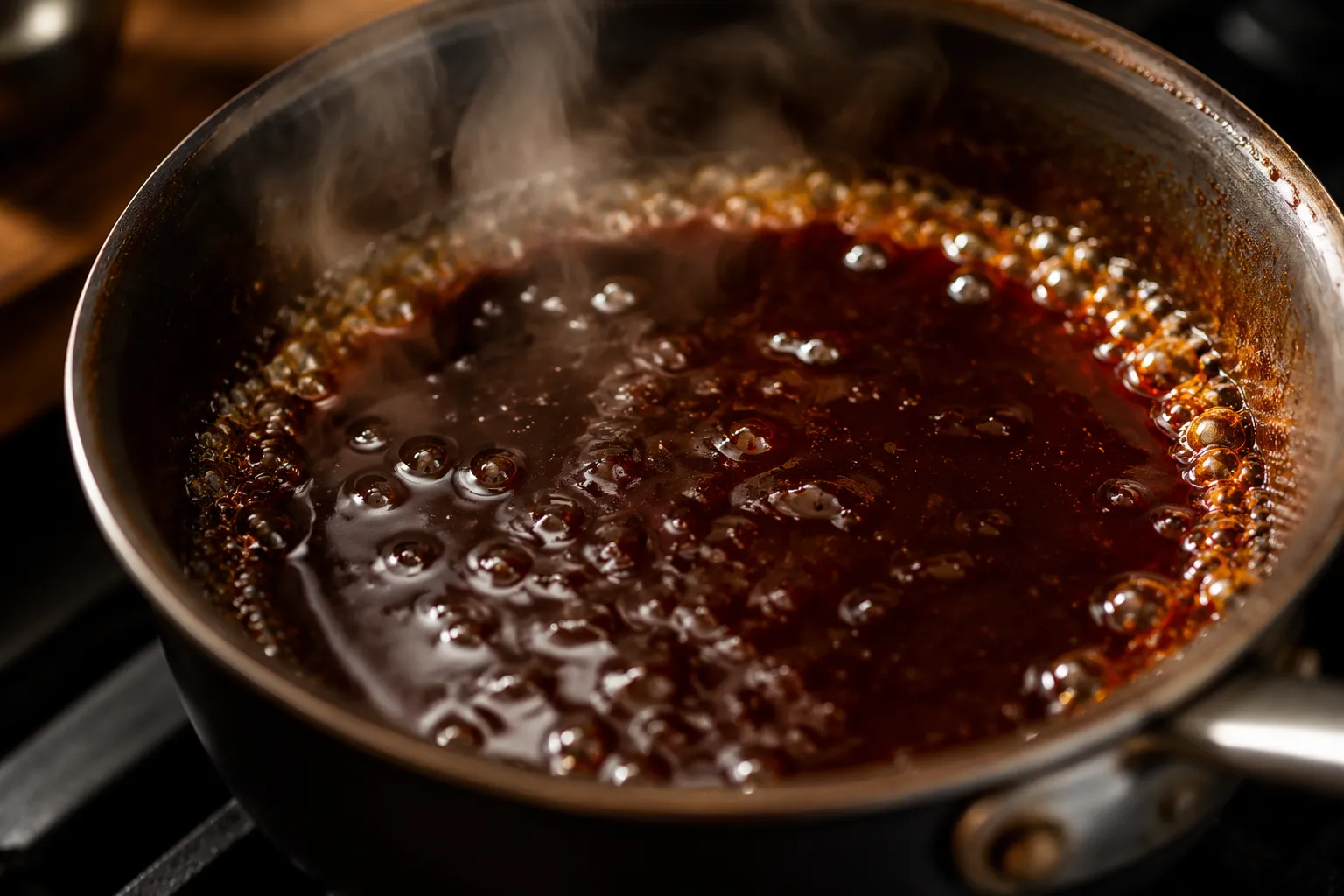
Teriyaki sauce simmering in saucepan with glossy bubbles

Bring the mixture to a gentle simmer and let it bubble for two to three minutes. This isn't a hard reduction — you just want the flavors to marry and the raw edge of the soy and garlic to mellow. The kitchen will start to smell like your favorite takeout spot, which is always a good sign.
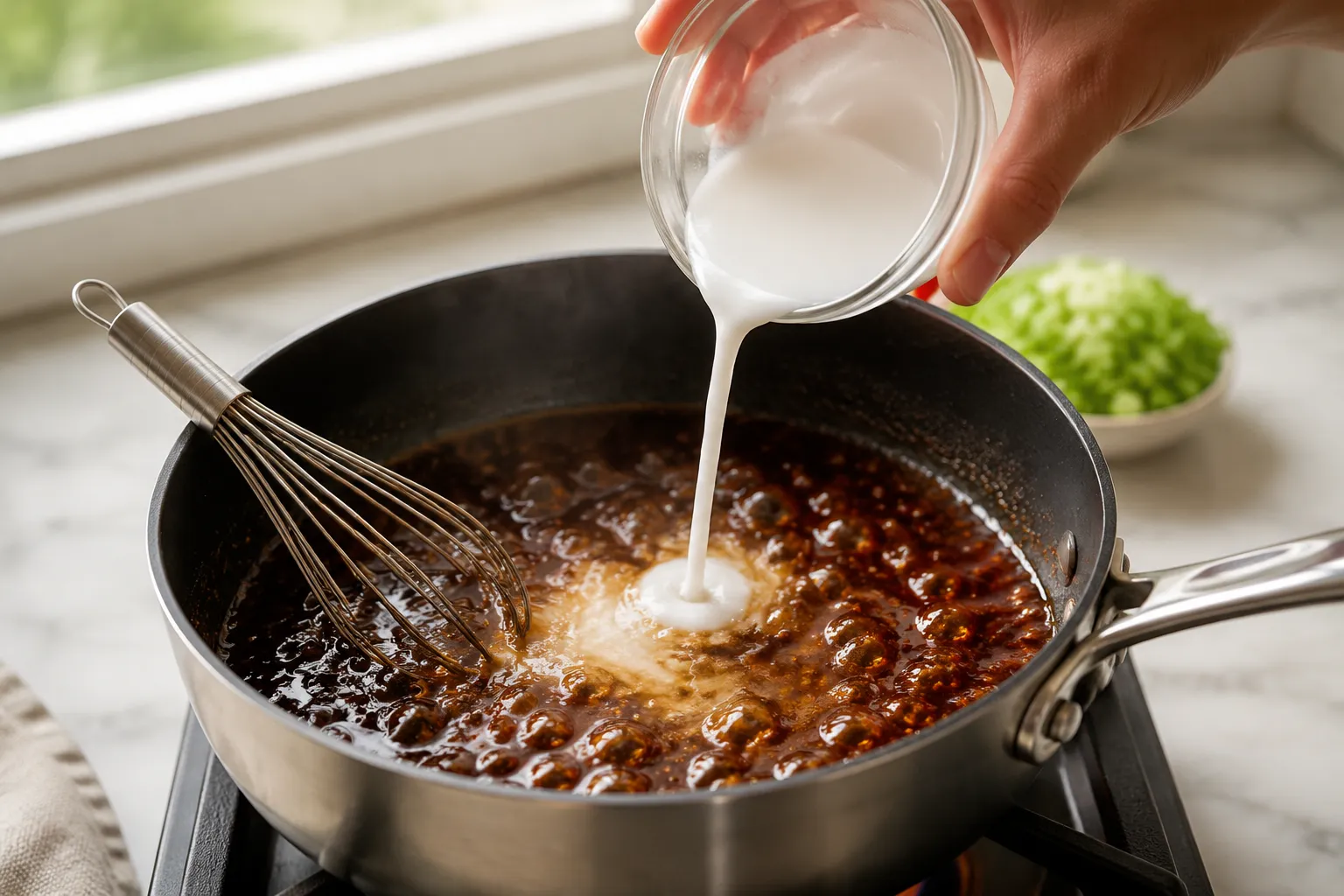
Adding cornstarch slurry to thicken homemade teriyaki sauce

Now whisk your cornstarch slurry (one tablespoon cornstarch + two tablespoons cold water) in a small bowl until completely smooth — no lumps. Stream it slowly into the simmering sauce while whisking constantly. Within 30 to 60 seconds, the sauce will visibly thicken and turn glossy. Pull it off the heat the moment it coats the back of a spoon; it will continue to thicken as it cools.
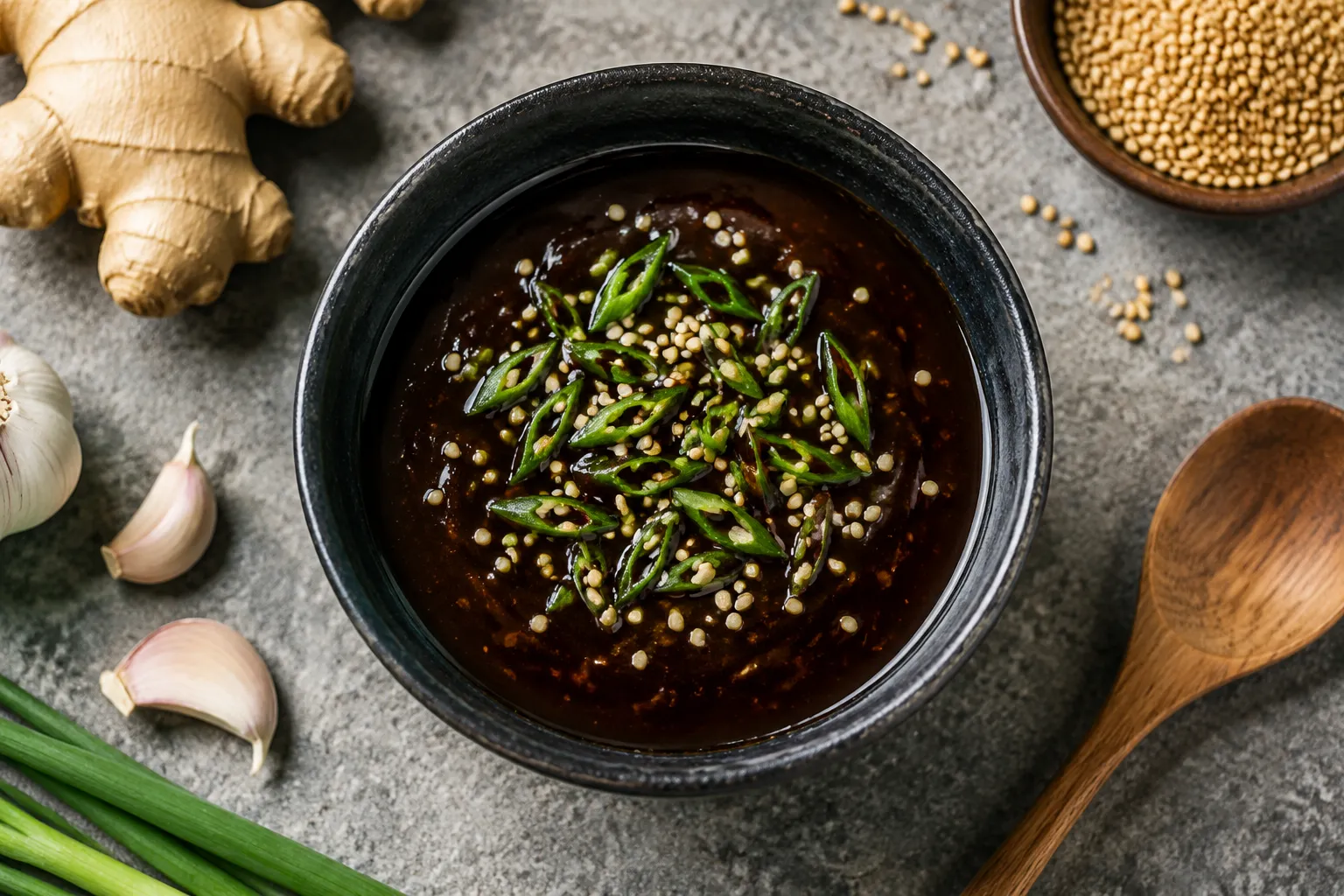
Finished homemade teriyaki sauce in bowl with sesame seeds

Ways to Use Your Homemade Teriyaki Sauce

This is where the recipe earns its keep. A jar of this sauce in the fridge is basically a weeknight dinner insurance policy.
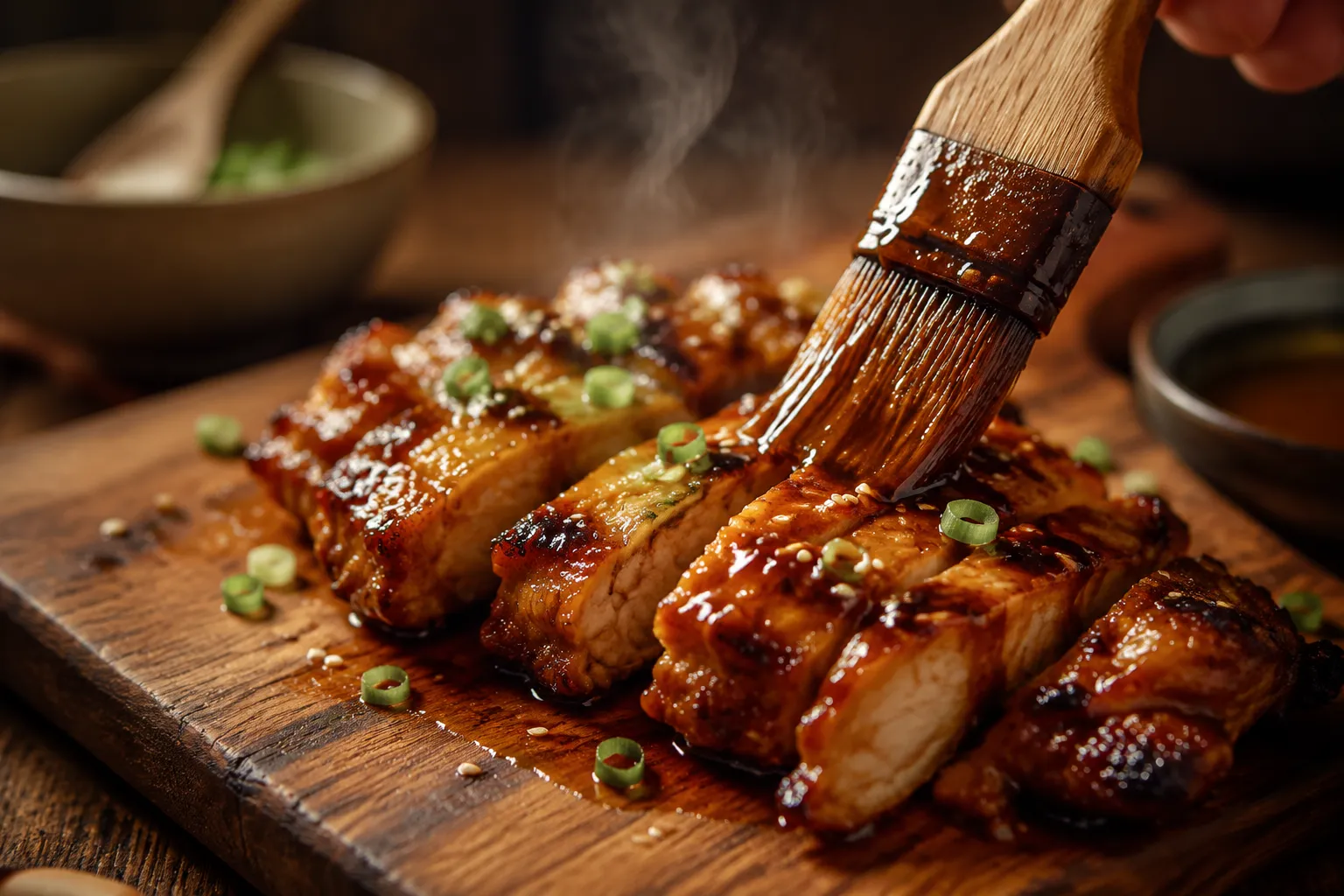
Brushing homemade teriyaki sauce over grilled chicken thighs

Use it as a marinade for boneless thighs to make sticky teriyaki chicken — marinate 30 minutes to overnight, then grill, broil, or pan-sear and brush with extra sauce at the end. It's equally magical on teriyaki salmon: brush over fillets and broil for 6 to 8 minutes until the edges caramelize. For a fast vegetarian dinner, toss cubed extra-firm tofu in the sauce, roast at 425°F until crisp, and serve over rice.

It also doubles as a serious stir-fry sauce — just thin with a tablespoon of water and toss with cooked noodles or vegetables in a hot wok. Drizzle it over rice bowls, dip dumplings into it, glaze meatballs with it, or fold it into ground beef for a 15-minute teriyaki rice bowl situation. It earns a permanent spot alongside your other go-to Asian marinades.
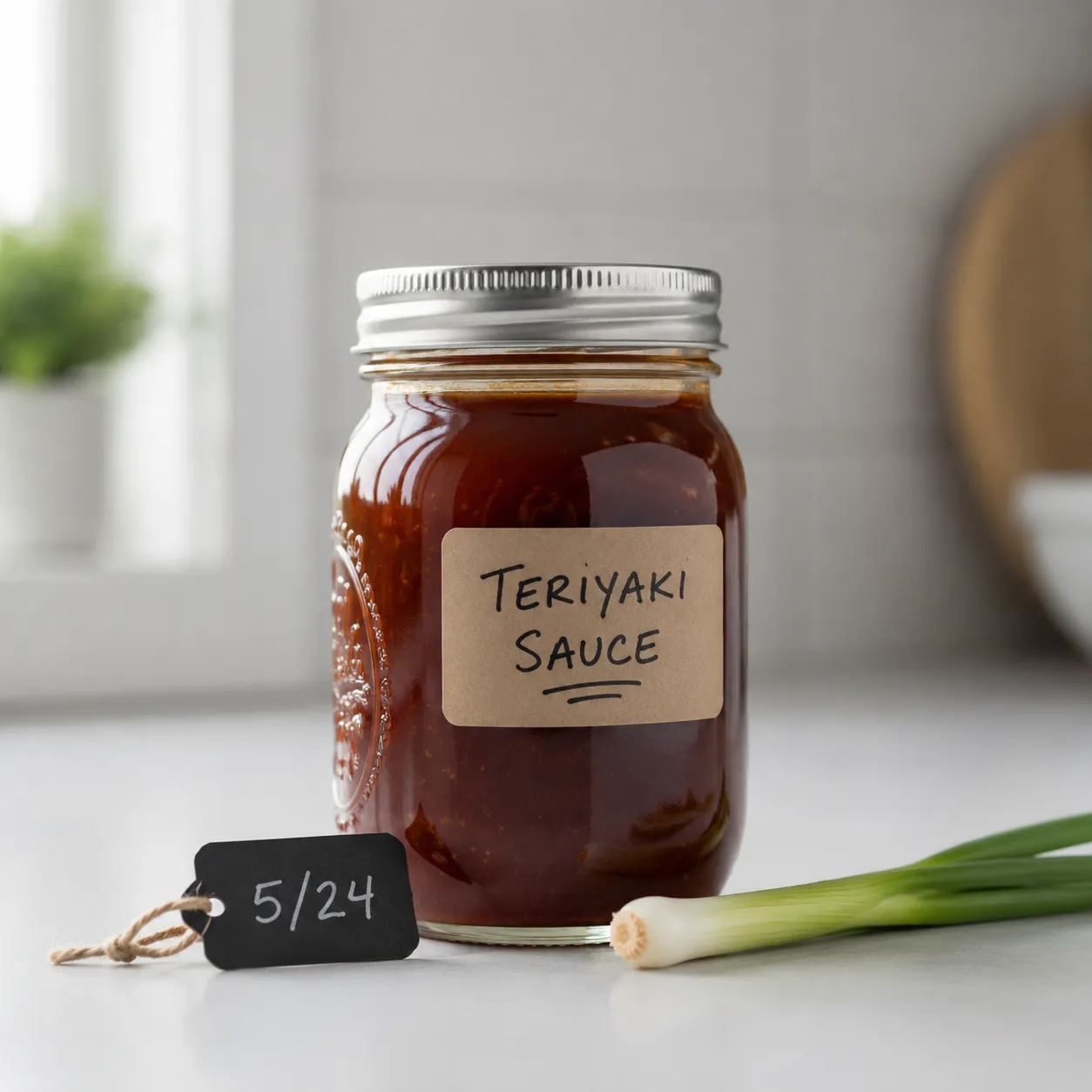
Homemade teriyaki sauce stored in glass mason jar

A Few Quick Troubleshooting Notes

If your sauce turned out too thick, whisk in warm water a teaspoon at a time until it loosens. Too thin? Make another mini slurry (½ teaspoon cornstarch + 1 teaspoon cold water) and stir it into the simmering sauce. Too salty? A small extra drizzle of honey rebalances things almost instantly. Too sweet? A squeeze of fresh lime or a splash of rice vinegar cuts through.
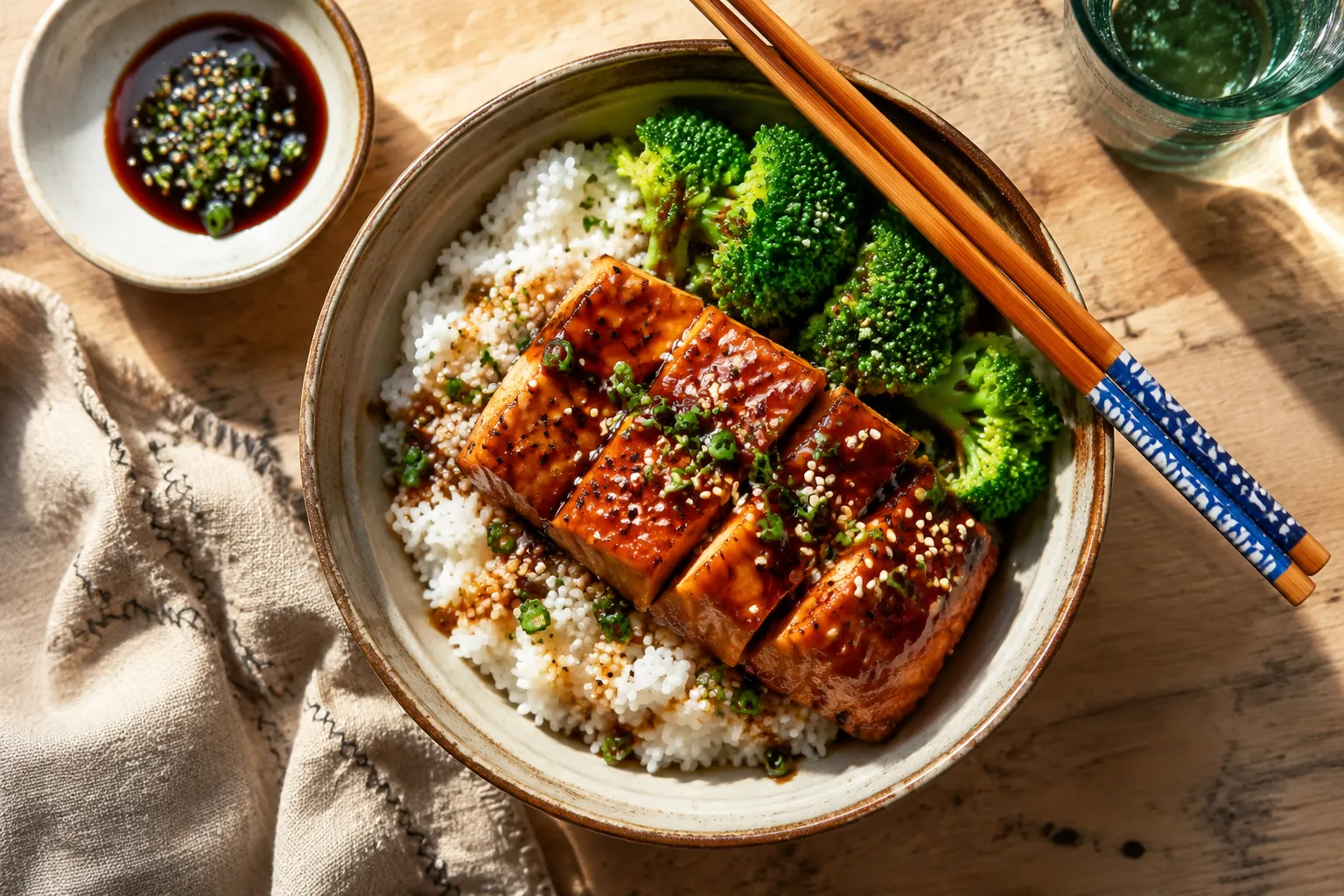
Teriyaki sauce served over salmon rice bowl with broccoli

Once you've nailed the base, this teriyaki sauce recipe becomes a launchpad. Keep a jar in the fridge, and dinner is more or less solved.

💡 Expert Tips

  • Always use low-sodium soy sauce. Regular soy sauce concentrates as the sauce simmers and can tip the whole thing into salty territory.
  • Don't skip the simmer. Two to three minutes of gentle bubbling is what marries the flavors and tames the raw bite of the garlic.
  • Whisk the slurry in a separate bowl first. Dumping dry cornstarch into hot liquid creates lumps that no amount of whisking will fix.
  • Pull it off the heat early. The sauce thickens further as it cools, so stop cooking when it lightly coats a spoon.
  • Grate ginger from frozen. Keep a knob of ginger in the freezer — it grates into a fluffy snow on a Microplane and lasts months.

🔄 Variations & Substitutions

This recipe is a strong base, but it loves a remix. Once you've made it once, try one of these spins to keep things interesting.

  • Gluten-free teriyaki: Swap soy sauce for tamari or coconut aminos. If using coconut aminos, reduce brown sugar by 1 teaspoon.
  • Spicy teriyaki: Whisk in 1–2 teaspoons sriracha, sambal oelek, or a pinch of red pepper flakes during the simmer.
  • Pineapple teriyaki: Replace the water with pineapple juice for a tropical, slightly tangy version that's incredible on grilled chicken or shrimp.
  • Sesame teriyaki: Stir in 1 teaspoon toasted sesame oil off the heat for nutty depth.
  • Citrus teriyaki: Add 1 teaspoon orange or yuzu zest at the end for a brighter, fragrant twist.

🧊 Storage & Leftovers

Pour cooled teriyaki sauce into a clean glass jar with a tight-fitting lid and refrigerate for up to 2 weeks. Give it a quick shake or stir before each use, since the cornstarch can settle slightly. The sauce thickens in the fridge; loosen it with a teaspoon of warm water if needed before brushing or drizzling.

To freeze, transfer to a freezer-safe container or ice cube tray (each cube is about a tablespoon — perfect for single servings) and freeze for up to 3 months. Thaw overnight in the fridge or warm gently in a saucepan over low heat, whisking until glossy again. Avoid microwaving in long bursts, which can break the texture.


Frequently Asked Questions

What is teriyaki sauce made of?
Classic Japanese teriyaki is traditionally made from just soy sauce, sugar, and mirin (or sake), simmered together until glossy. This pantry-friendly American-style version uses six core ingredients: soy sauce, water, brown sugar, honey, fresh ginger, and garlic, plus a cornstarch slurry to give it that signature thick, glossy finish. The honey and brown sugar combo replaces mirin while still delivering balanced sweetness, and the fresh aromatics add the kind of layered depth you don't get from bottled versions. It's flexible, accessible, and built around ingredients you likely already have.
Is homemade teriyaki sauce healthier than store-bought?
Generally, yes — by a meaningful margin. When you make teriyaki at home, you control the sodium level by choosing low-sodium soy sauce, you control the sugar with real brown sugar and honey instead of high-fructose corn syrup, and you skip the preservatives, caramel coloring, and artificial flavors that show up in many bottled brands. You also get the nutritional boost of fresh ginger and garlic, both of which have anti-inflammatory benefits. It's not a health food, but it's a much cleaner version of a pantry staple.
How long does homemade teriyaki sauce last?
Stored in an airtight glass jar in the refrigerator, homemade teriyaki sauce keeps beautifully for up to 2 weeks. Always use a clean spoon when scooping to prevent introducing bacteria, and give it a stir before each use since the cornstarch can settle. For longer storage, freeze it in a freezer-safe container or as individual cubes in an ice cube tray for up to 3 months. Thaw overnight in the fridge, then rewarm gently on the stovetop, whisking until it returns to that glossy, pourable consistency.
How do I thicken teriyaki sauce?
The fastest, most reliable method is a cornstarch slurry. Whisk 1 tablespoon cornstarch with 2 tablespoons cold water in a small bowl until completely smooth, then stream it into the simmering sauce while whisking constantly. Within 30 to 60 seconds, the sauce will visibly thicken and turn glossy. Stop cooking the moment it coats the back of a spoon, since it will continue to thicken as it cools. If your sauce isn't thick enough after the first slurry, repeat with a smaller amount rather than dumping in more cornstarch.
Can I make teriyaki sauce gluten-free?
Absolutely. Swap regular soy sauce for tamari, which is brewed without wheat and tastes nearly identical, or use coconut aminos for a soy-free, gluten-free option. Coconut aminos run noticeably sweeter than soy sauce, so reduce the brown sugar by about 1 teaspoon to keep the balance right. The cornstarch, honey, ginger, and garlic are all naturally gluten-free, so no other adjustments are needed. The texture and gloss come out exactly the same, and most people genuinely can't tell the difference between the gluten-free and original versions.

How to Make Teriyaki Sauce (Easy 6-Ingredient Recipe)

Pin Recipe
  • Prep Time5 min
  • Cook Time5 min
  • Total Time10 min
  • Yield8 servings

Ingredients

Scale

Instructions