Easy Bok Choy Recipe with Garlic Ginger Sauce
Ingredients
Scale
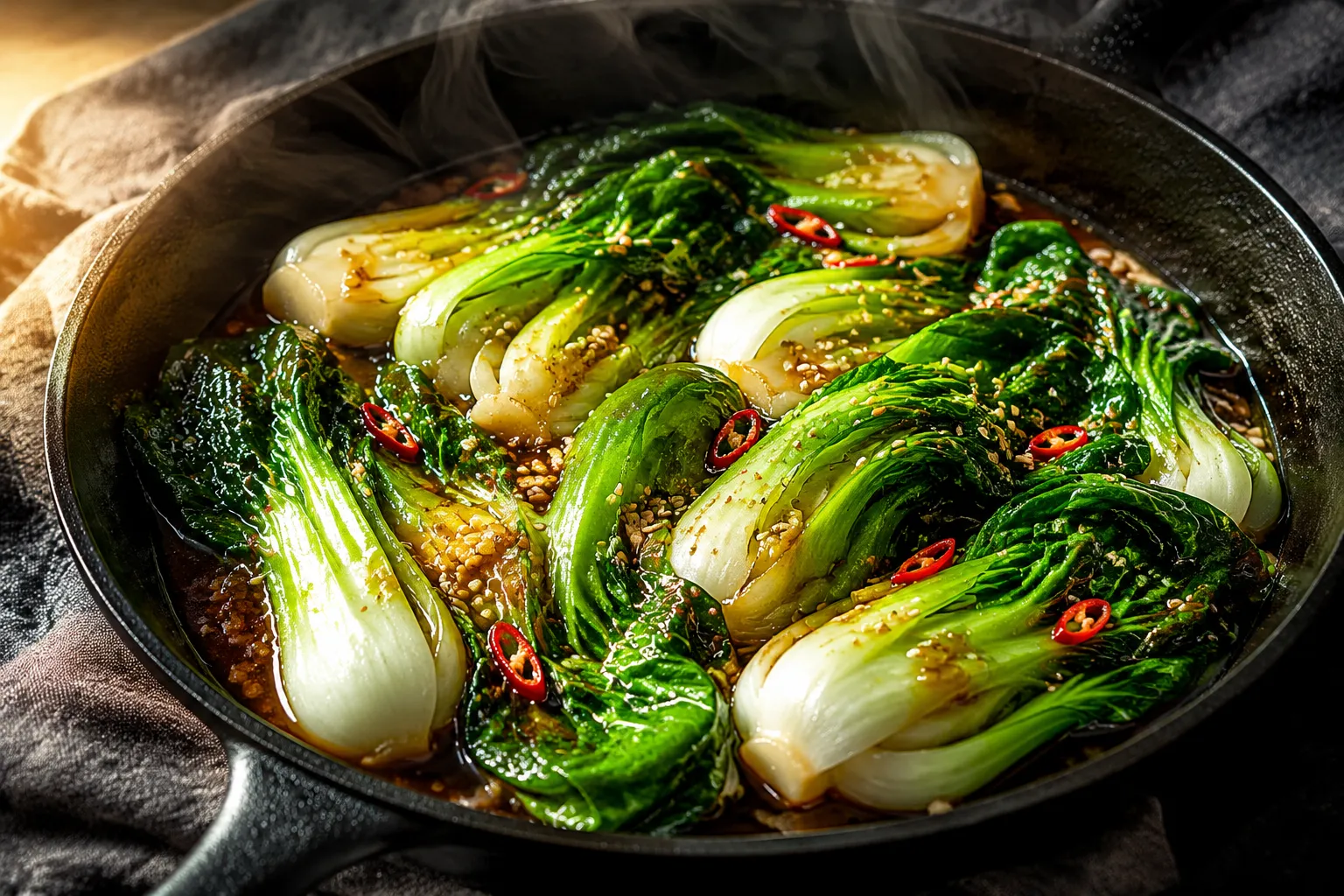
A 15-minute bok choy recipe with a glossy garlic-ginger sauce. Crisp-tender stems, silky leaves, and the kind of flavor that beats takeout.
This easy bok choy recipe lands somewhere between weeknight rescue mission and full-on flex. Fifteen minutes, one skillet, and a glossy garlic-ginger pan sauce that clings to every leaf. It's the kind of side dish that makes people lean over the stove and ask what smells so good before the rice is even done. Stems stay crisp-tender, leaves go silky and dark, and the whole thing tastes like the best version of takeout you've ever made at home.
I've cooked bok choy more ways than I can count. Boiled until it gave up. Steamed into limpness. Drowned in too much soy sauce. The two-stage skillet method below is the one that finally cracked it. You sear the stems hard so they pick up real color, then add the leaves at the very end with a fast pan sauce built on garlic, ginger, soy, and a splash of broth. Hot pan, fast hands, no soggy regrets.
If you've ever wondered how to cook bok choy without that watery, school-cafeteria texture, this is the technique. Most bok choy recipes online either drown the vegetable or undercook it. This bok choy recipe splits the difference: the stems get a real hard sear, and the leaves wilt in residual heat in the last 60 seconds. It works for baby bok choy, full-size heads, and even the giant Shanghai bok choy you sometimes spot at the Asian market. Grab one head or grab six. The method scales.
Bok choy is a Chinese cabbage with thick, juicy white stems and dark green leaves that look a little like spinach. It's part of the brassica family, a cousin to kale, broccoli, and napa cabbage, but it cooks faster than any of them. The flavor is mild and slightly sweet with a clean, mineral edge that takes well to garlic, ginger, soy, and chili.
You'll find it year-round at most US grocery stores, but it's especially good in cooler months when the leaves are crisp and tightly furled. Look for vivid green tops with no yellowing, firm white stems, and bases that aren't browned or mushy. If the head feels heavy for its size, that's a good sign because it means the stems are still full of water.
The big shopping question is baby bok choy vs regular bok choy. Baby bok choy is harvested young, so the heads are smaller (usually 4-6 inches), more tender, and faster to cook. Regular bok choy is the full-grown version with longer stems and bigger leaves; still delicious but it needs the stems and leaves separated and cooked in stages. For this recipe I prefer baby bok choy because each half plates beautifully and cooks in one motion. Full-size heads work too if you cut them down.
Texture-wise, the stems are crunchy like a cross between celery and water chestnut, while the leaves wilt down soft and almost silky. That contrast is the whole point, and the reason high heat matters so much.
The ingredient list is short by design. Most of these are pantry staples for anyone who keeps Asian condiments on hand, and the produce side is just bok choy, garlic, and fresh ginger.
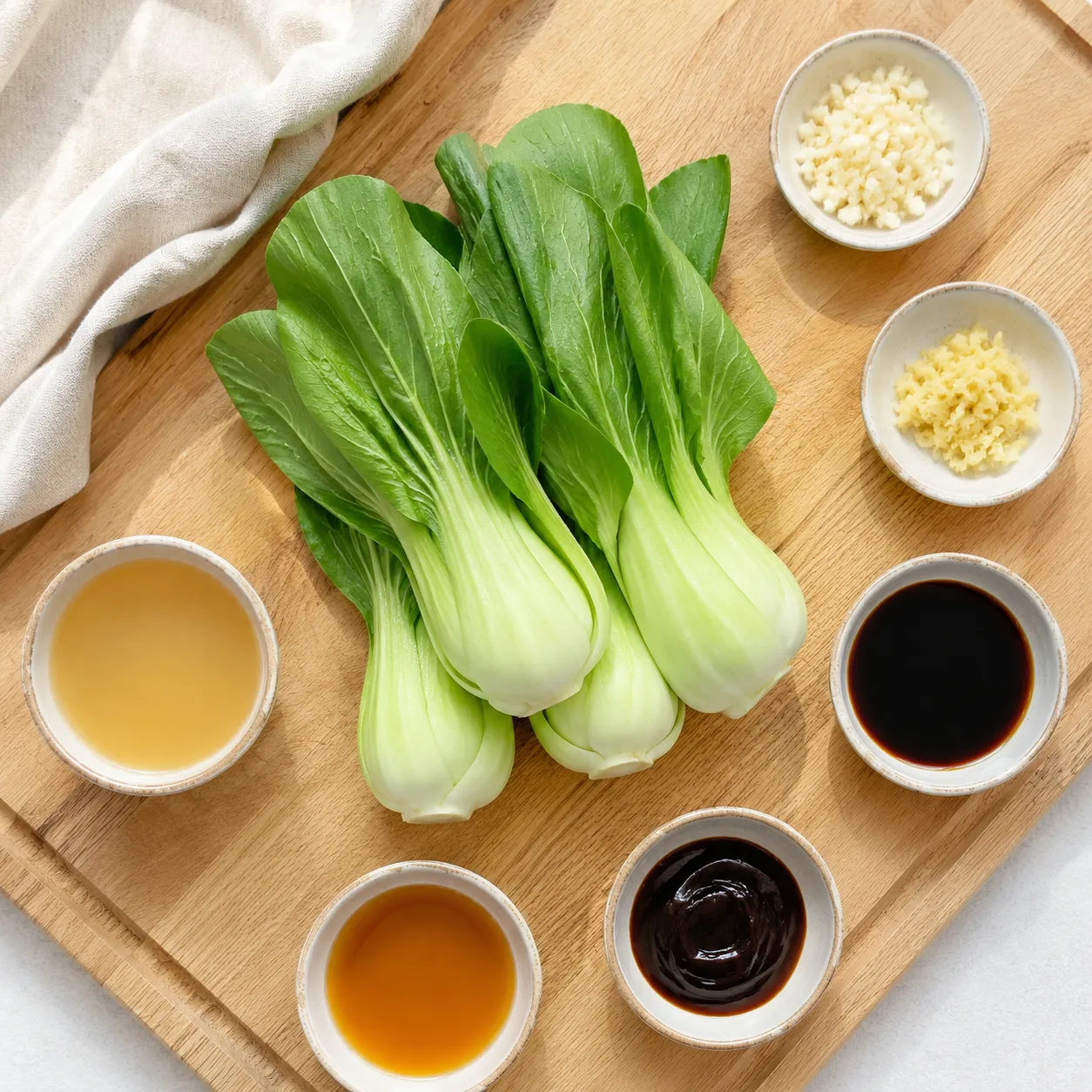
The bok choy. Aim for about 1.5 pounds of baby bok choy, which usually translates to 5 or 6 small heads. Halve them lengthwise so the cut side can sear flat against the pan. If you're using full-size bok choy, separate the stems from the leaves and slice the stems into 1-inch pieces.
The garlic ginger sauce. Four cloves of minced garlic, a heaping tablespoon of grated fresh ginger, two tablespoons of soy sauce, one tablespoon of oyster sauce, a teaspoon of toasted sesame oil, and a quarter cup of low-sodium chicken or vegetable broth. The broth is the sneaky hero. It loosens everything into a glossy coating that clings to every leaf without drowning the dish. This is a textbook garlic ginger stir fry sauce, and once you nail the ratio you'll use it on everything from gai lan to green beans.
Optional add-ins. A pinch of red pepper flakes or a spoonful of chili crisp for heat. A teaspoon of cornstarch slurry if you like the sauce thicker. A handful of dried shiitakes rehydrated in the broth for a deeper umami hit. If you're avoiding gluten or watching sodium, useful soy sauce substitutes include tamari or coconut aminos. Both work cleanly here without changing the technique.
The whole point of this method is high heat and short time on the stove. Get your pan ripping hot before anything goes in, and have every ingredient prepped and within arm's reach. Once the bok choy hits the skillet, you have about four minutes total. Not the time to start mincing garlic.
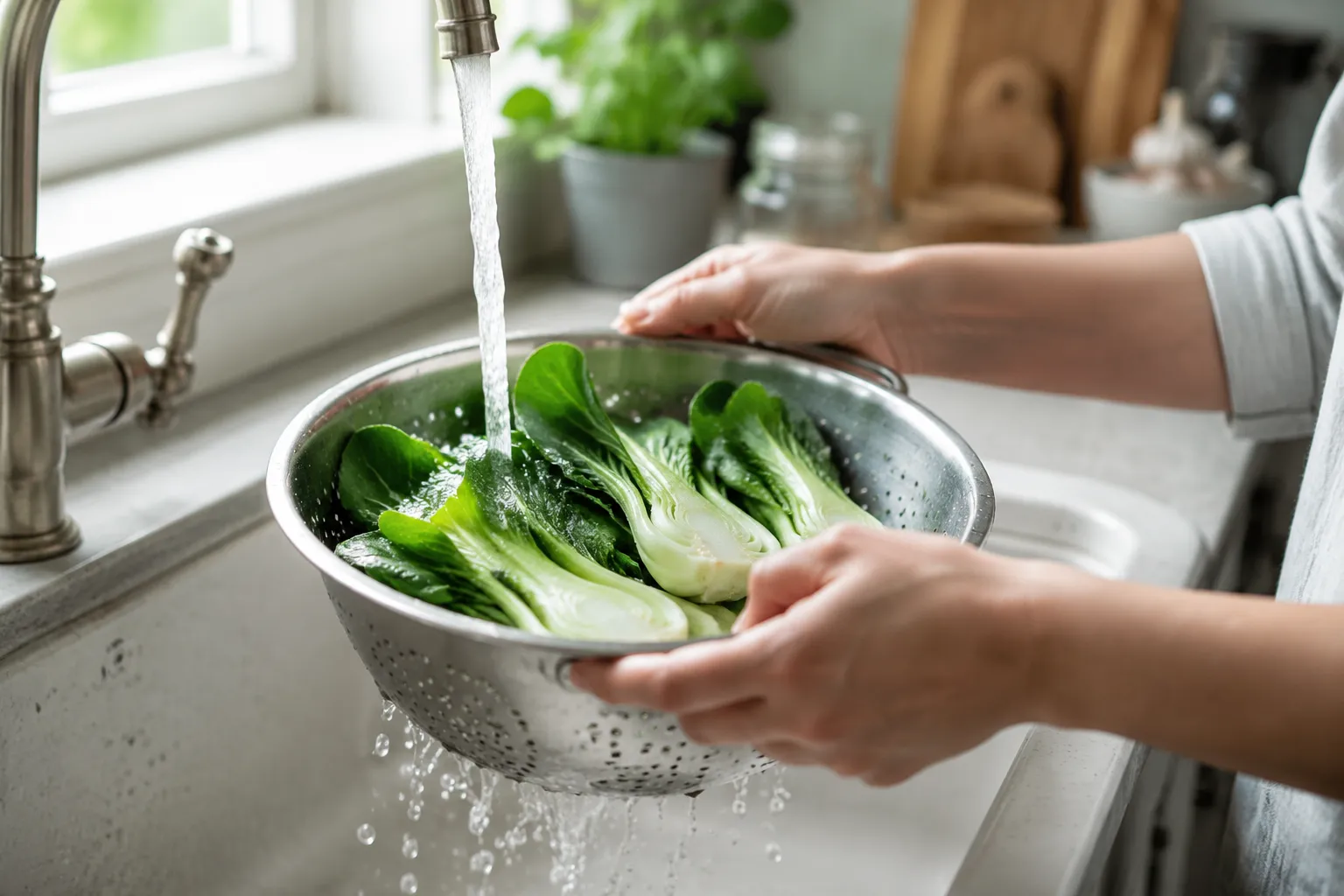
Step 1: Wash and trim. Bok choy hides grit deep down between the stems where the leaves attach. The trick to how to wash bok choy properly is to halve or quarter it first, then plunge the cut sides into a bowl of cold water and swish vigorously. Lift the bok choy out (don't pour, or the grit just goes back on), drain, and pat thoroughly dry with a clean towel. Wet bok choy steams instead of sears, and you do not want that.
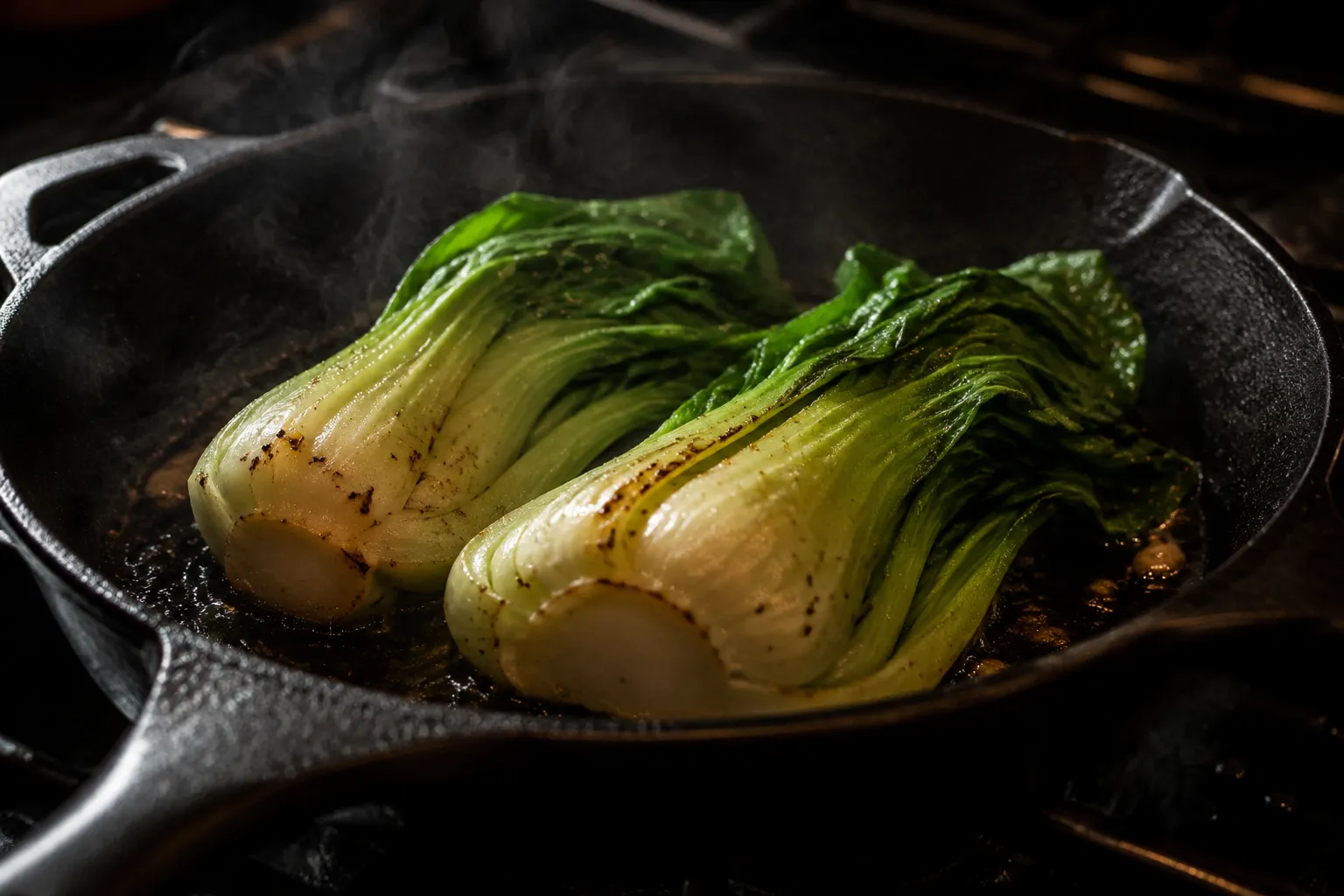
Step 2: Sear the stems first. Heat two tablespoons of neutral oil in a large cast iron or carbon steel skillet over medium-high until it shimmers and just starts to smoke. Lay the halves cut-side down in a single layer. Work in batches if you have to, because crowding the pan kills the sear. Let them cook undisturbed for 2 minutes until the white stems are deeply golden and slightly charred at the edges. This is where most home cooks rush; don't.
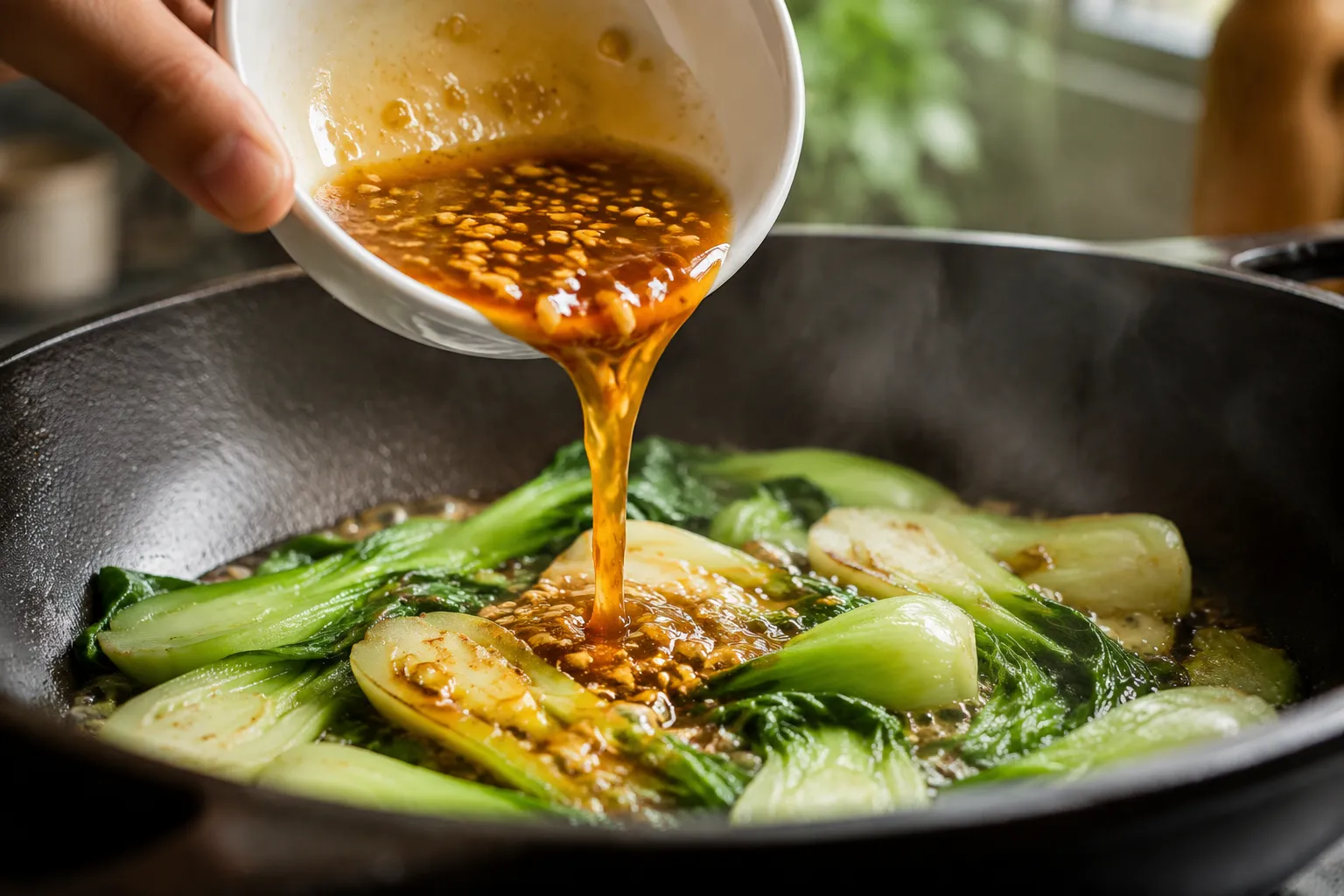
Step 3: Add the sauce and finish the leaves. Push the bok choy to one side of the pan and add the garlic and ginger to the empty space. Stir for 30 seconds until fragrant. Don't let the garlic burn. Pour in the soy sauce, oyster sauce, and broth. The pan will hiss and steam dramatically (this is good). Toss everything together for about 60 to 90 seconds until the leaves wilt and the sauce reduces to a glossy coating. Drizzle the sesame oil over the top off-heat, give it one last toss, and serve immediately.
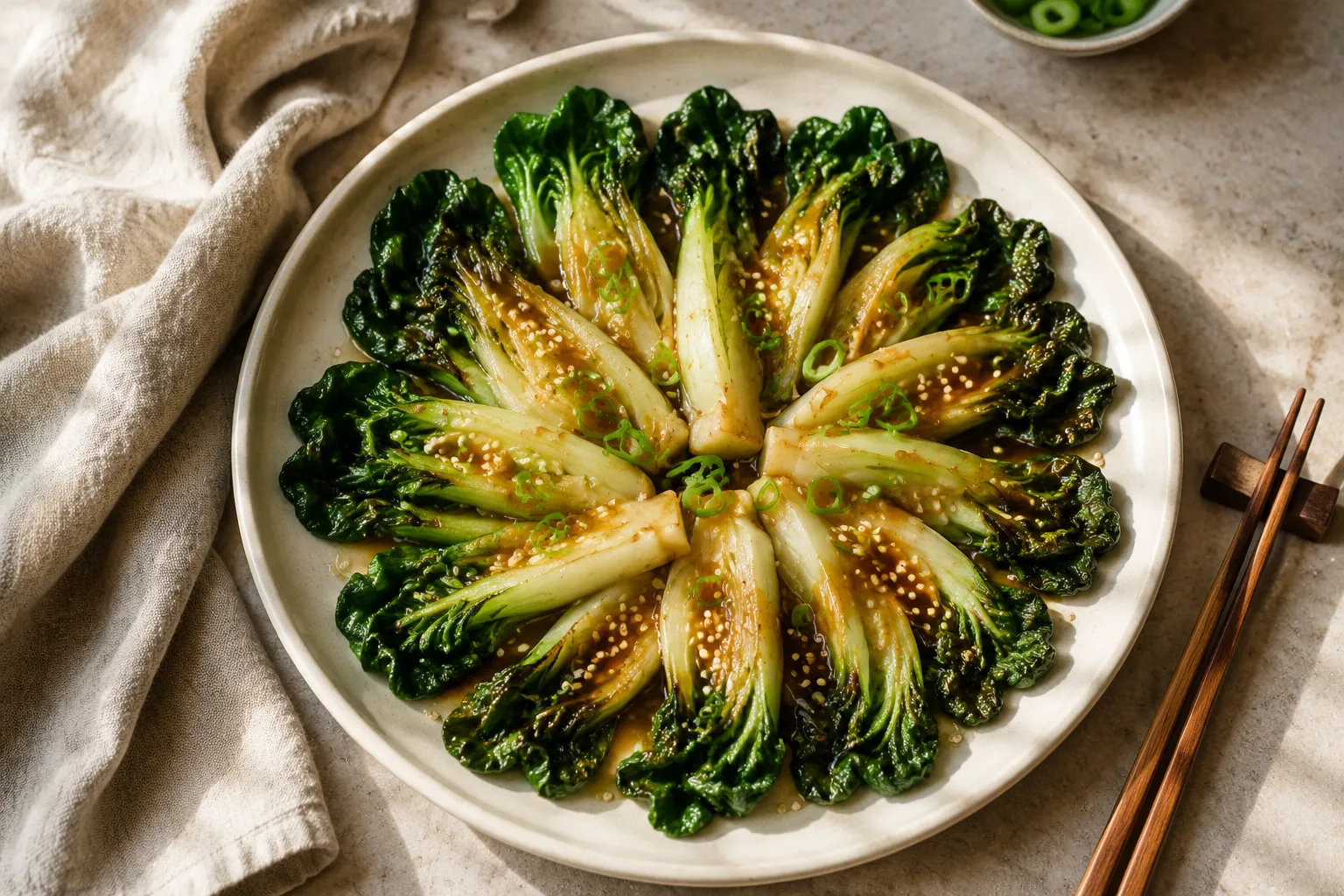
This bok choy recipe earns its keep through one trick: contrast. You're hitting the white stems with serious heat to caramelize their natural sugars, then barely touching the leaves so they keep that fresh, almost tea-like flavor. Take a close look at a finished half. The stem stays opaque and substantial while the leaves drape over it, glossy and dark.
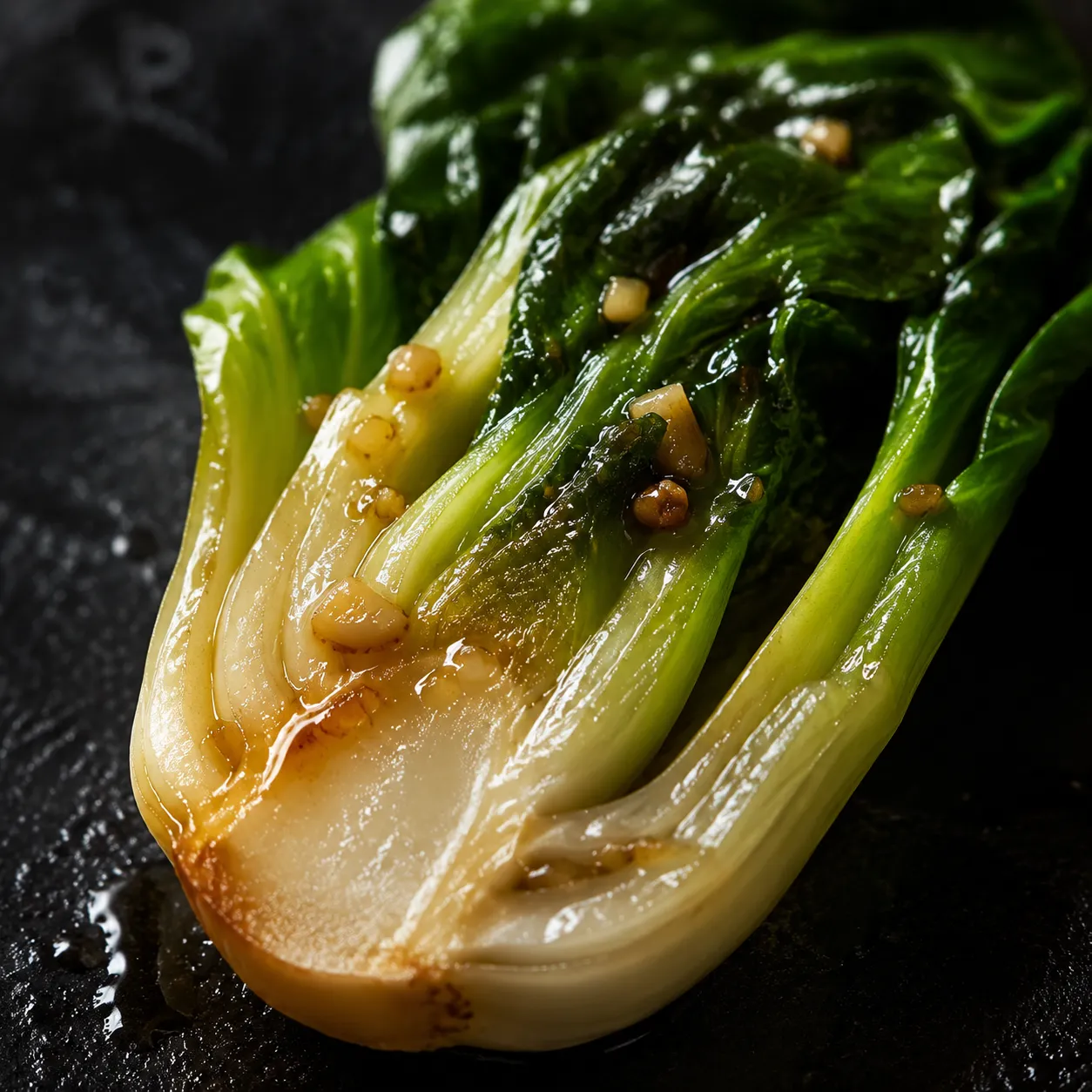
That's also why the sauce is built around broth instead of just thicker condiments. Broth gives you volume to cool the pan briefly, deglaze the fond, and steam the leaves in 60 seconds flat. It's a small move that separates restaurant-quality stir-fry from the watery version you got at home before you knew the trick.
This is the kind of side that punches above its weight. It's vibrant enough to anchor a vegetable-forward dinner, but it also slides quietly next to bigger proteins without competing.
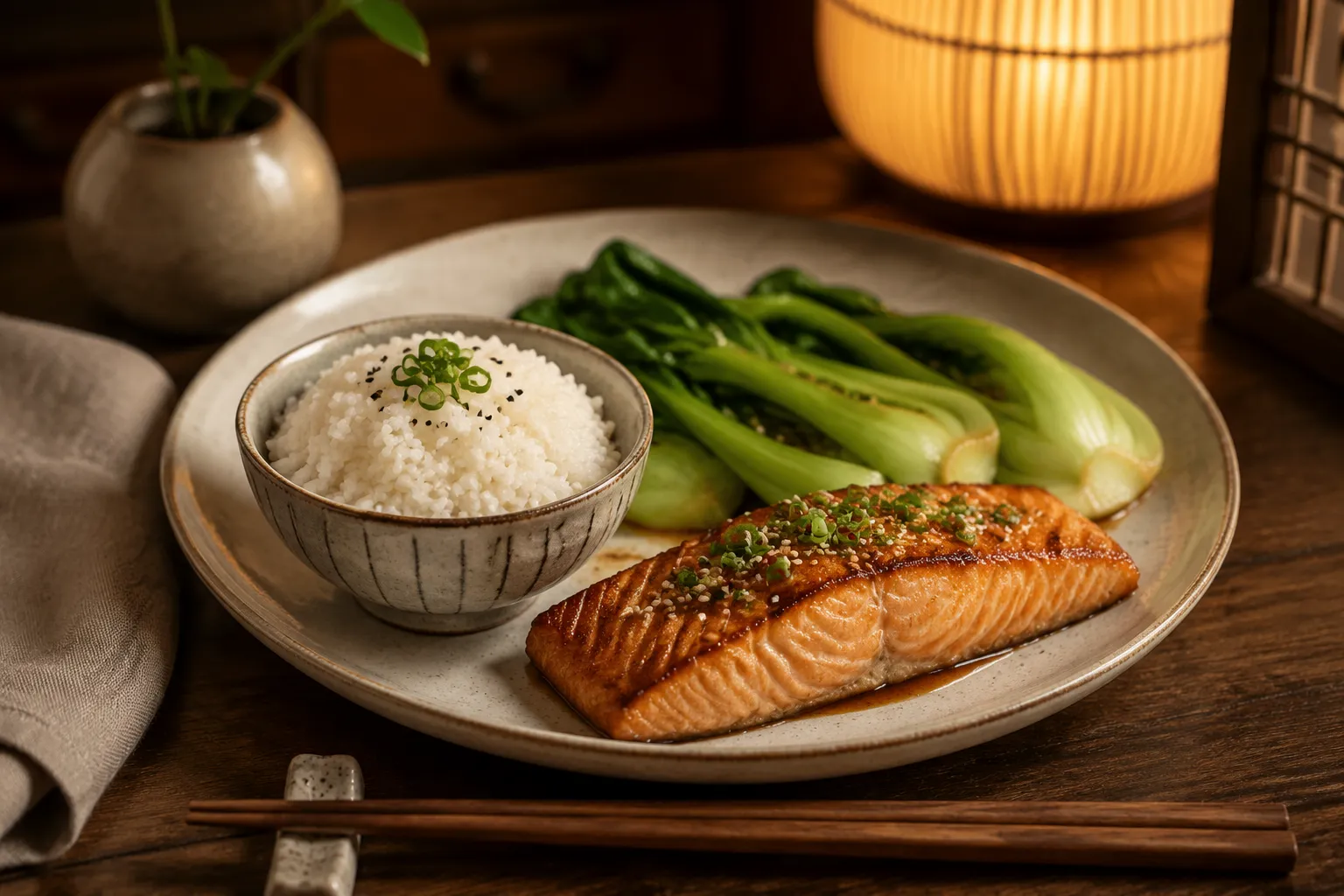
Rice and noodles. A bowl of jasmine rice is the obvious move, but it's also fantastic spooned over garlic noodles, lo mein, or a bed of glass noodles. The pan sauce is generous on purpose. Make sure you've got something starchy to soak it up.
Protein pairings. Soy-glazed salmon, five-spice roast chicken, sesame-crusted tofu, ginger-scallion shrimp, or a simple seared pork chop all work beautifully. The garlic-ginger profile is a friend to almost any animal protein and most plant-based ones too.
Make it a full stir-fry dinner. Combine this with another vegetable, a quick protein, and steamed rice for a complete weeknight meal. It's one of the most reliable easy Asian side dishes in my rotation, and it rounds out almost any cuisine. Even alongside a roast chicken or grilled steak when you want something green and saucy on the plate.
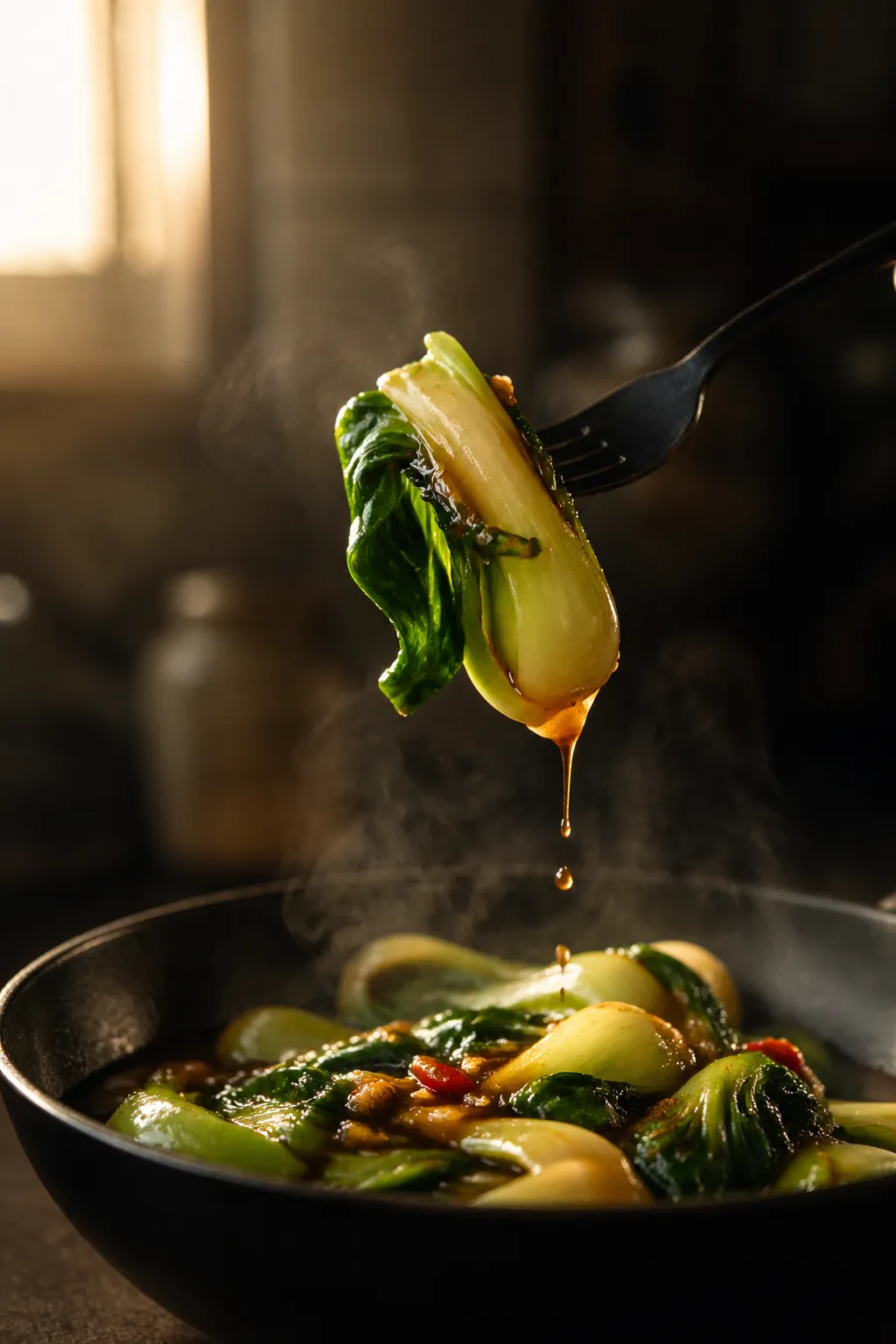
A great bok choy recipe shouldn't feel like a project. Fifteen minutes, one pan, and a sauce you can practically build in your sleep. That's the whole pitch. Once you've made this bok choy recipe twice, you won't need the card. You'll just be the person who casually crushes bok choy on a Tuesday.
This base recipe is a launching pad. Once the technique is in your hands, you can riff in a dozen directions without changing the fundamentals.
Bok choy is best straight out of the pan. The stems lose their snap within an hour, and reheated leaves go from silky to slick. If you do have leftovers, transfer them to an airtight container once they've cooled, then refrigerate for up to 2 days. Don't expect day-two bok choy to look like day-one bok choy, but the flavor still holds.
To reheat, skip the microwave (it turns the leaves to mush) and instead warm a skillet over medium-high with a teaspoon of oil. Add the bok choy and toss for 60-90 seconds, just enough to wake it up without overcooking. Raw, washed bok choy keeps for 3-4 days in the fridge wrapped in a paper towel inside a zip-top bag, so prepping a head ahead of time is genuinely useful for weeknight dinners. Freezing is not recommended; the high water content turns the stems mealy on thaw.