Curry Chicken Recipe: Easy 30-Minute Indian-Style Dinner
Ingredients
Scale
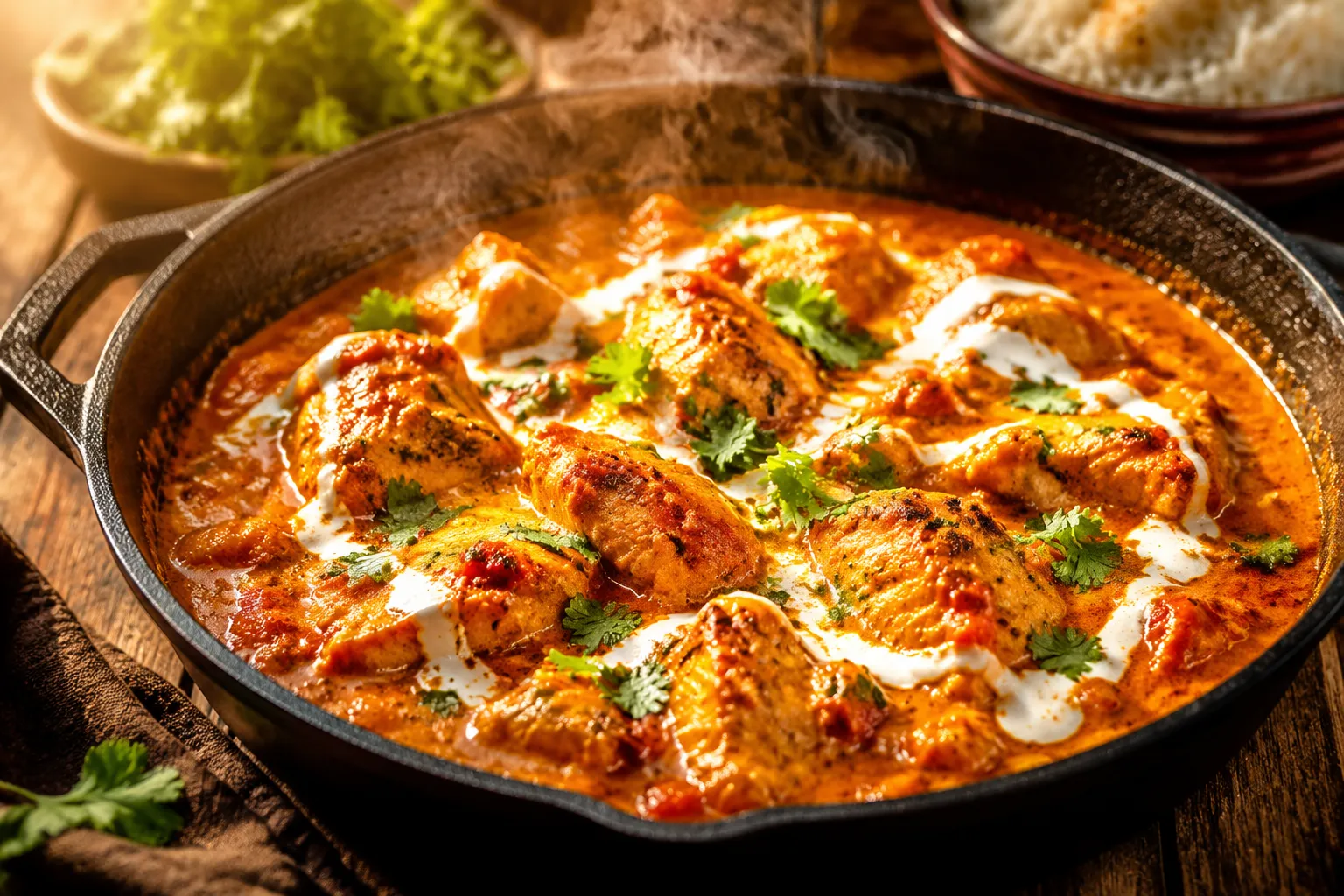
Tender chicken simmered in a silky, golden-spiced tomato-coconut sauce. This easy curry chicken comes together in 30 minutes using pantry spices.
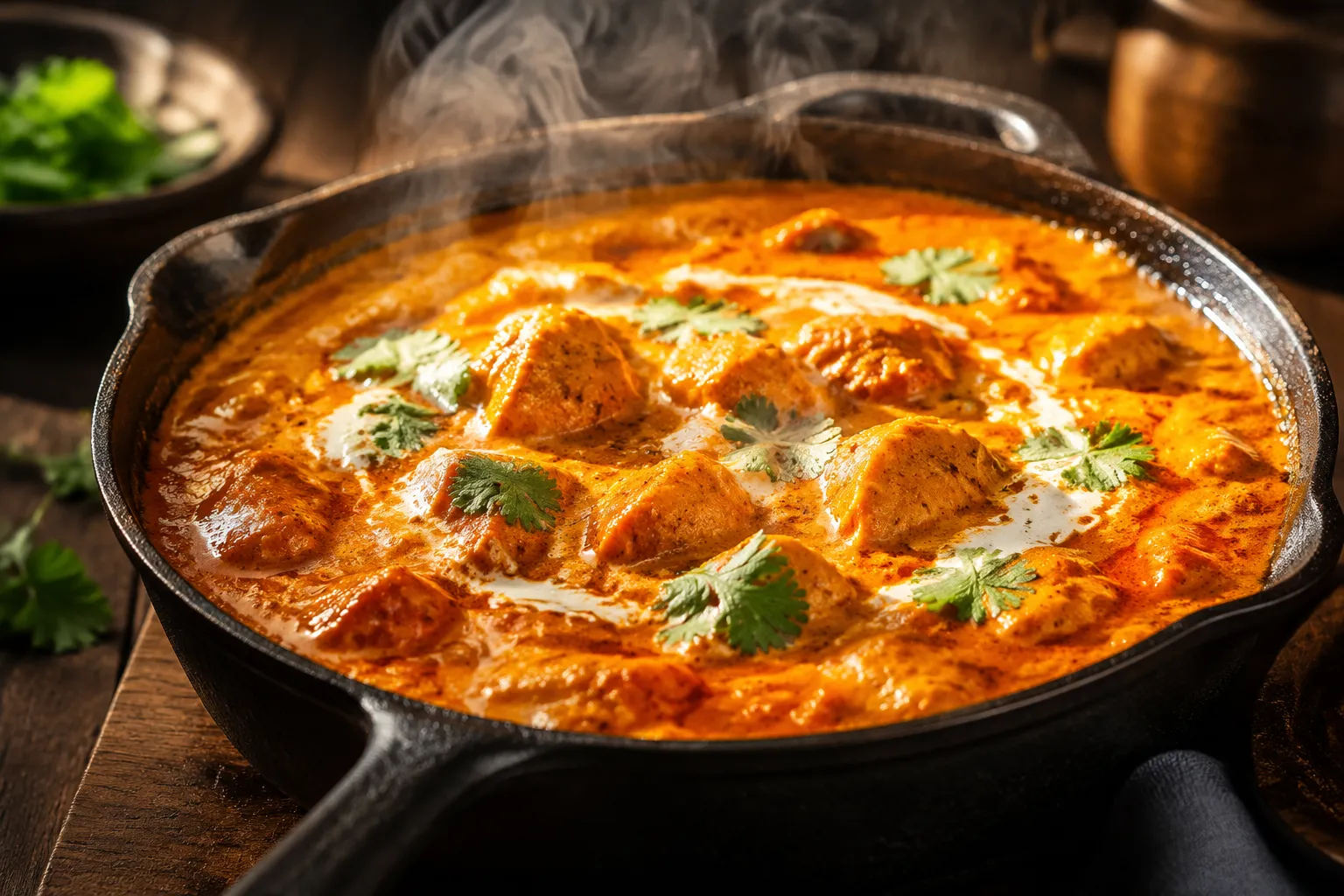
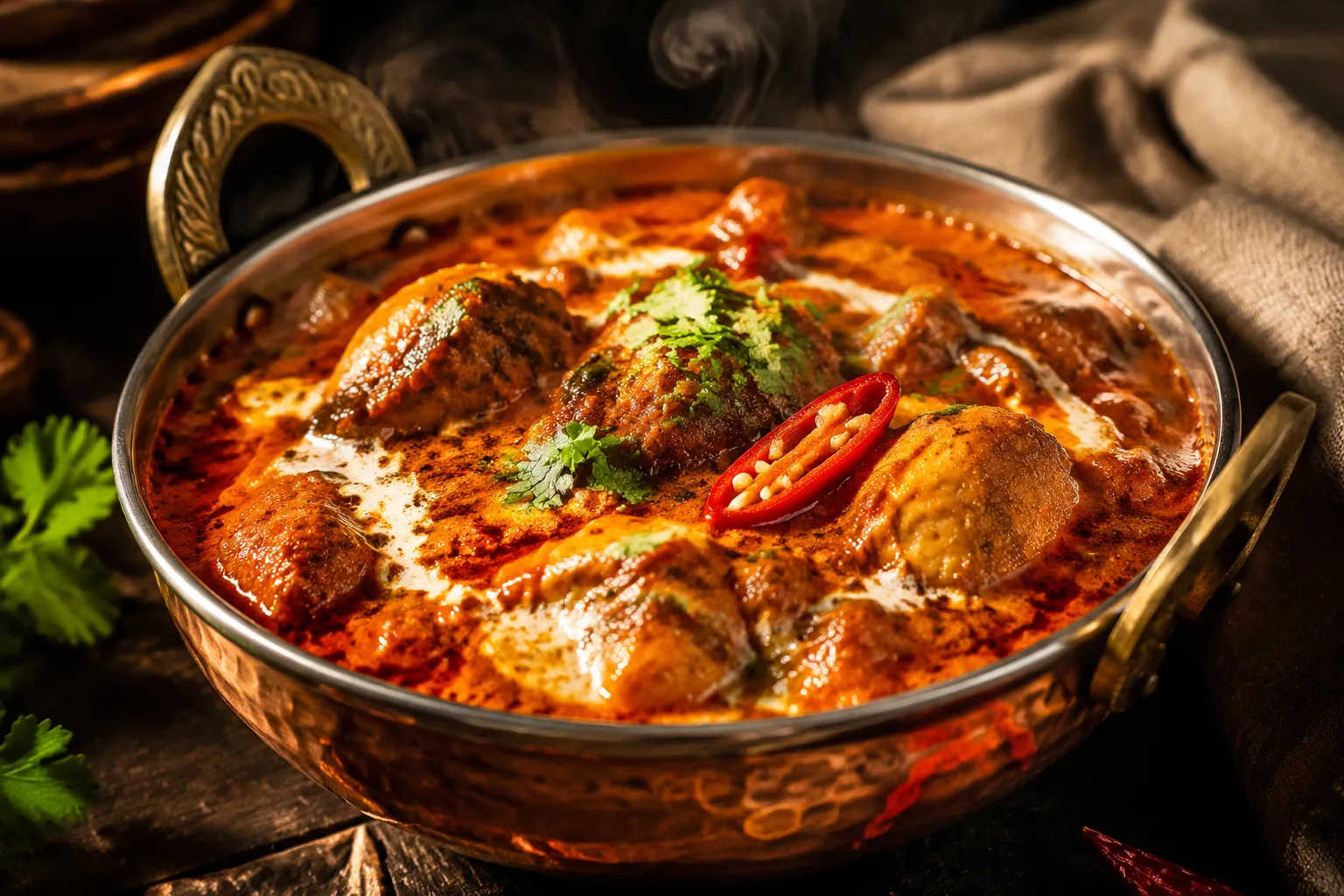
This curry chicken recipe is the kind of dinner I make when I want big, restaurant-style flavor without standing over the stove for an hour. Tender chunks of chicken thigh simmer in a silky, golden-orange sauce built from warm Indian spices, sweet onions, fresh ginger, ripe tomatoes, and creamy coconut milk. It's deeply fragrant, gently spiced rather than fiery, and it tastes like you fussed for hours, even though the whole thing comes together in about thirty minutes in one skillet.
What I love most is that it leans on pantry spices you probably already own. No specialty store trip, no obscure ingredient list, no overnight marinating required. Just bloom the spices in oil to wake up their flavor, build a quick aromatic base, sear the chicken, and let everything bubble together until the sauce turns glossy and clings to every piece. Spoon it over fluffy basmati rice with a torn piece of naan bread on the side, and you have an Indian-style weeknight dinner that genuinely rivals takeout.
If you've ever loved Indian butter chicken or chicken tikka masala at a restaurant and wondered if you could pull off something half as good at home, this is your easy entry point. Same family of warm, rounded flavors, but streamlined for a busy Tuesday and built around a single pan you can wash in two minutes flat.
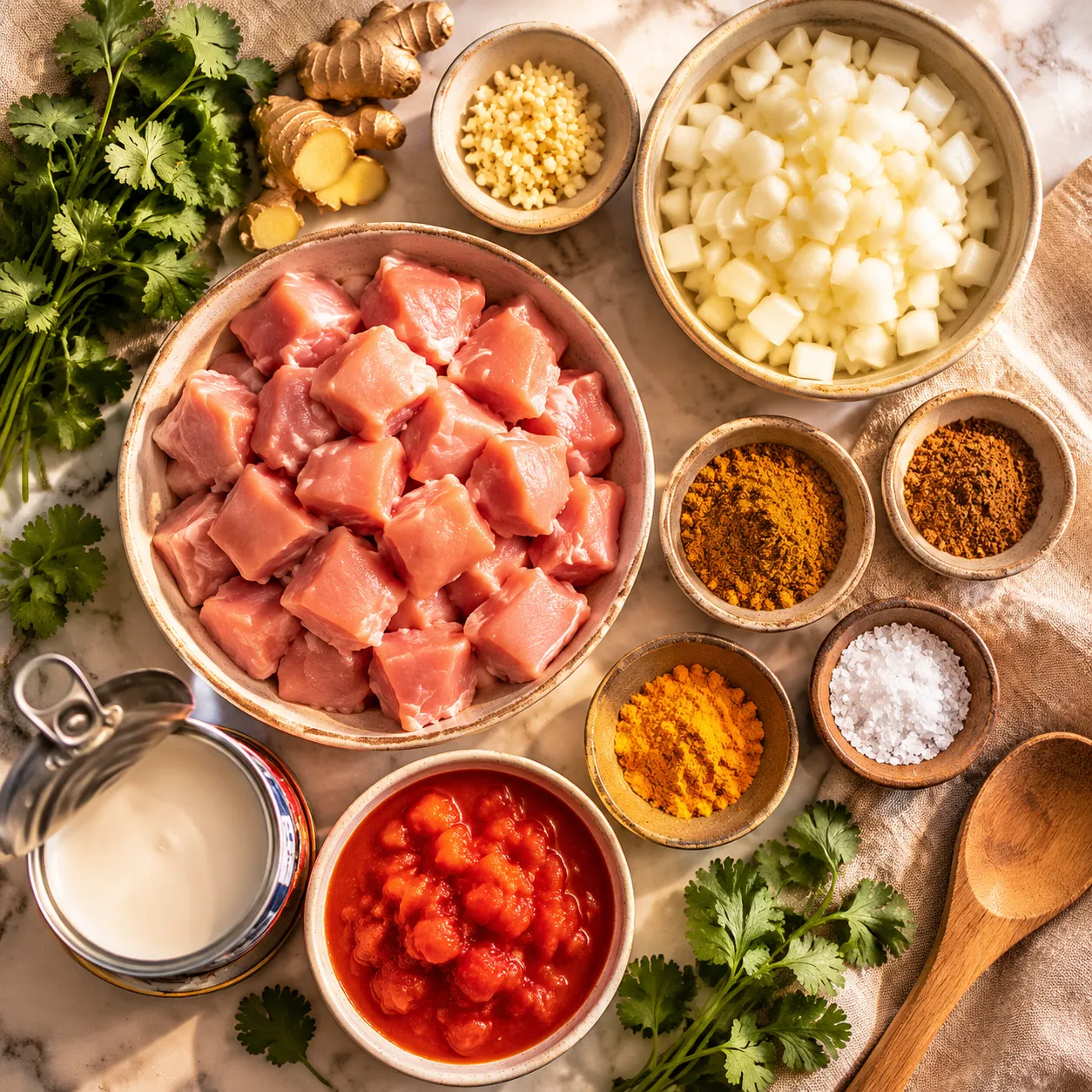
Great Indian chicken curry is built on a short list of ingredients that each pull serious weight. None are precious or expensive, but each one shapes the final flavor, so it's worth knowing exactly what they bring to the pot before you start cooking. Most of what you need lives in your pantry already, with a quick stop in the produce aisle for fresh aromatics.
I almost always reach for boneless skinless chicken thighs here. They stay juicy through the simmer, soak up spice better than leaner cuts, and hold their texture even if dinner sits for ten minutes before you serve it. Breasts work in a pinch, but they cook faster and tend to dry out, so cut them into larger chunks and add them later in the process. A meat thermometer is your friend either way.
A finely diced yellow onion melts into the sauce and gives it body and natural sweetness. Fresh minced garlic and a generous spoonful of grated ginger add warmth and that unmistakable curry-house aroma. Don't substitute powders for the fresh garlic and ginger if you can help it — they really are the backbone of this dish, and the flavor difference is enormous.
Curry powder is the workhorse, layered with garam masala for warmth and turmeric for that signature golden hue and gentle earthiness. If you want to go the extra mile, a homemade garam masala blend will give you brighter, more aromatic results than anything jarred. A pinch of cayenne or a fresh chile is optional for heat, and freshly cracked black pepper at the end ties everything together.
Crushed tomatoes give the sauce structure, color, and a mellow tang, while a full can of coconut milk turns it silky, slightly sweet, and downright crave-worthy. Use full-fat for the richest finish, or light coconut milk if you want a slightly looser, lower-calorie sauce. Either way, give the can a good shake before opening so the cream and water are mixed evenly.
The whole method runs in one skillet over about half an hour, and the order really matters. Each step builds another layer of flavor, so resist the urge to dump everything in at once. Full measurements and timings live in the recipe card at the bottom of the post — here's the technique behind each phase so you understand the why, not just the what.
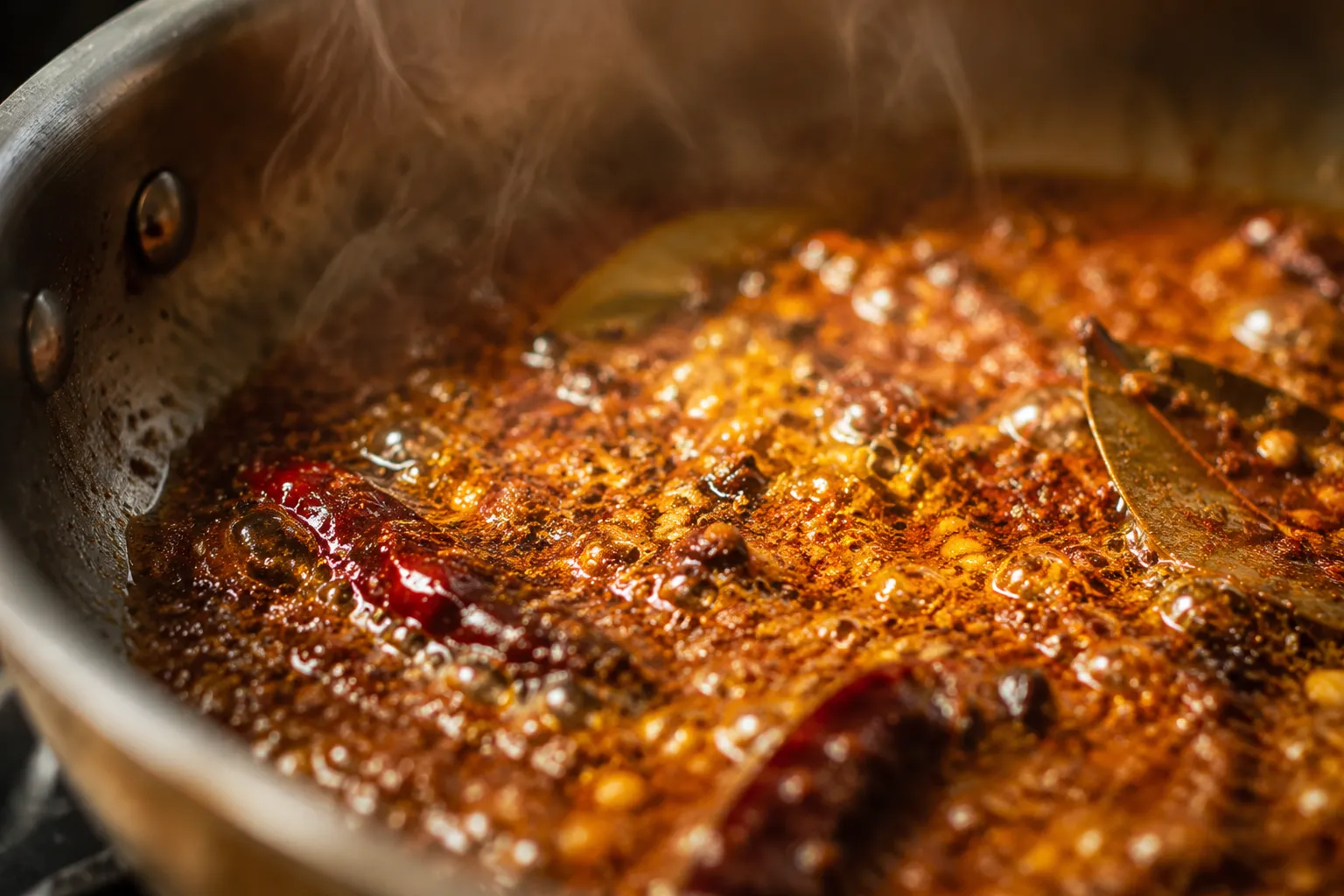
Set a large skillet over medium heat with a couple tablespoons of neutral oil. Once it shimmers, add the curry powder, garam masala, and turmeric and let them sizzle for about thirty seconds until the kitchen smells like a spice market. This single step transforms the spices from dusty to deeply aromatic and is the biggest reason home curry can taste as good as restaurant curry.
Slide in the diced onion with a pinch of salt and cook until soft and golden at the edges, about five minutes. Stir in the garlic and ginger for another minute. The onions will pick up the spice color and turn a beautiful deep amber, which means you're on the right track. Don't rush this stage — soft, well-cooked onions are what give the sauce its melt-in-your-mouth body later.
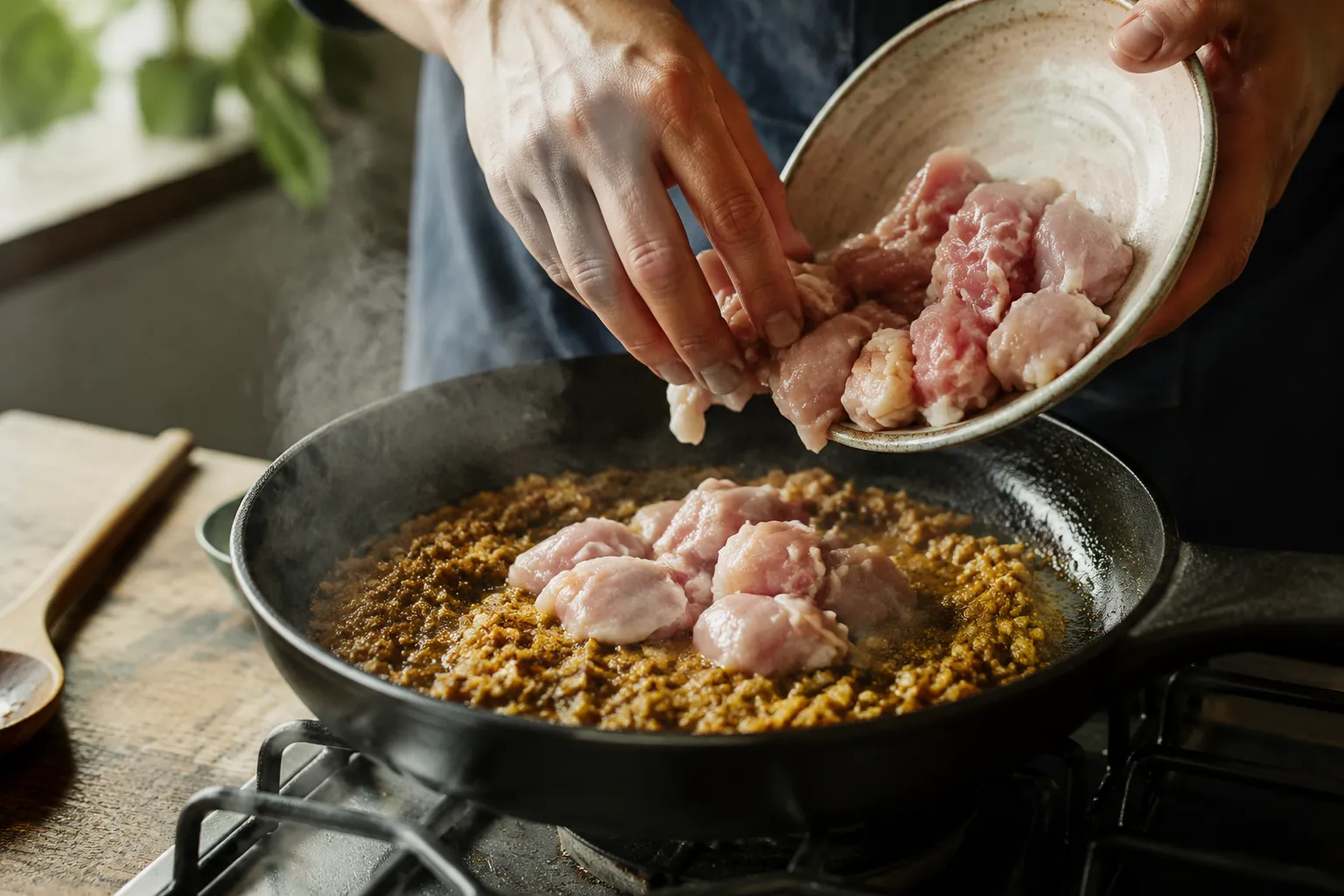
Add the cubed chicken thighs and another pinch of salt, tossing to coat in the spiced onions. You're not looking for a hard sear here — just enough heat to firm up the edges and lock in the seasoning before the sauce goes in. A few minutes of stirring is plenty, and you'll see each piece take on a beautiful golden tint from the turmeric.
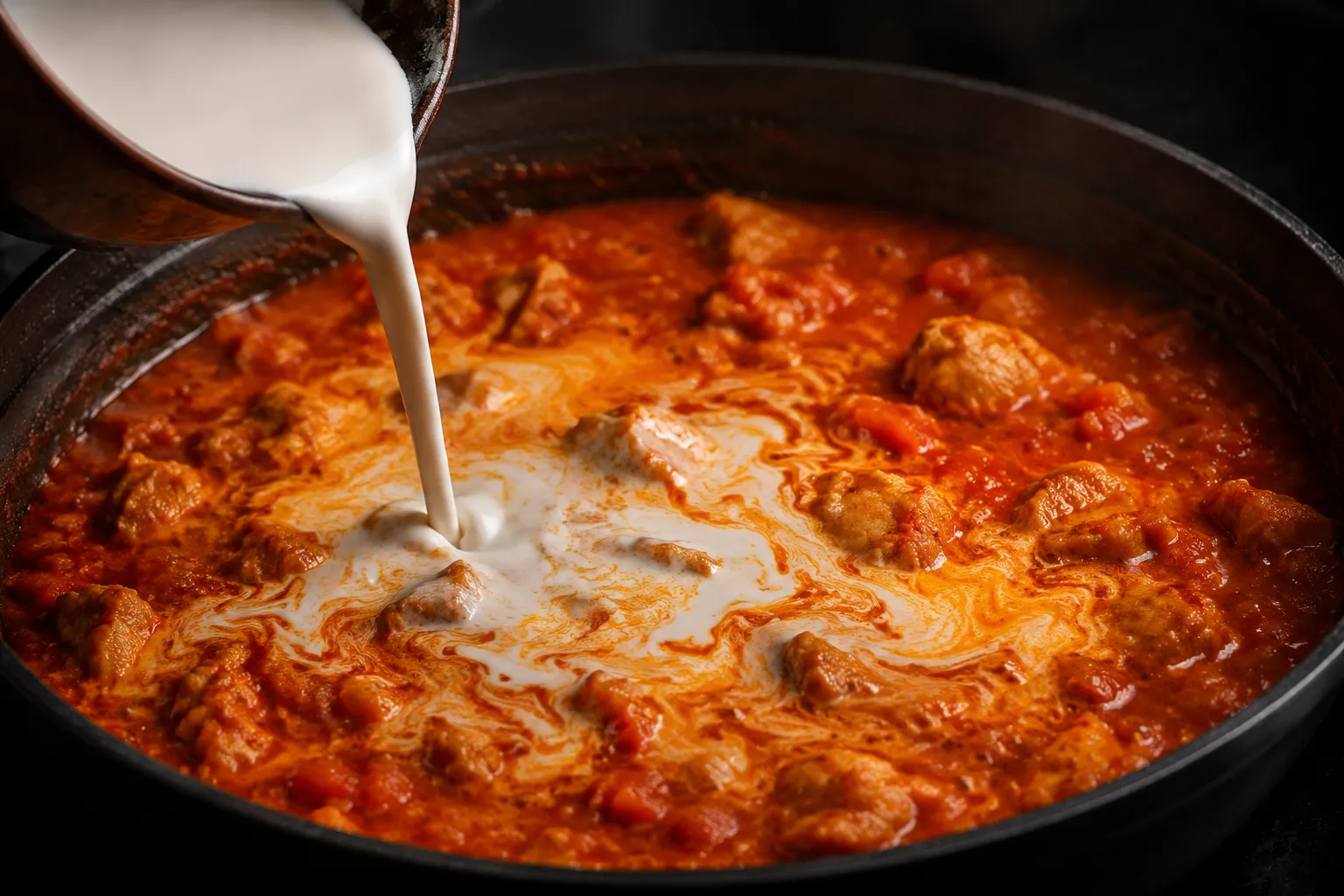
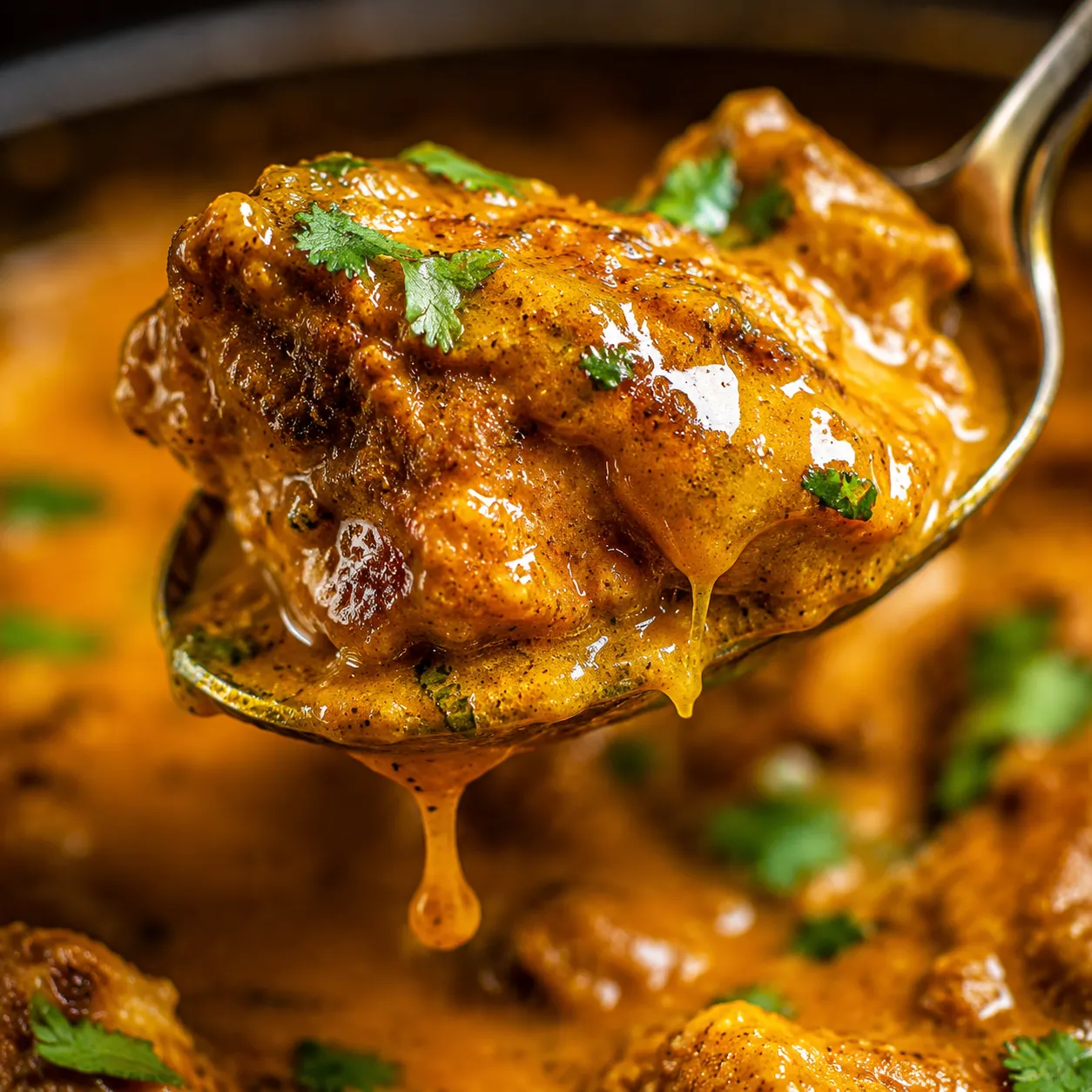
Pour in the crushed tomatoes and scrape up any browned bits stuck to the skillet, then stream in the coconut milk. Bring everything to a gentle simmer, lower the heat to medium-low, and let it bubble uncovered for about fifteen minutes, stirring occasionally. The sauce will thicken enough to coat the back of a spoon, and the chicken will turn fully tender and infused with spice.

Taste for salt and adjust if needed, then finish with a generous shower of chopped cilantro. If you like an extra-creamy finish closer to coconut chicken curry territory, swirl in a final spoonful of coconut milk or a splash of heavy cream off heat. The sauce should look glossy and cling to every chunk of chicken, with a deep golden-orange color that practically glows under the kitchen light.
A great chicken curry deserves the right supporting cast. The sauce is intentionally rich and saucy, so you want sides that either soak it up or cool things down. Here's how I usually round out the plate when this dish is on the menu.
A bed of long-grain basmati rice is the classic pairing and my personal favorite, because the slender grains stay separate and catch the sauce in every bite. Cook it with a pinch of salt and a bay leaf for extra fragrance, and finish with a knob of butter or ghee if you're feeling indulgent. Jasmine rice works too in a pinch.
A torn piece of warm naan bread is essential at my table for swiping up the last of the sauce. Roti, pita, or even a hunk of crusty sourdough will all do the job. Warm them in a dry skillet for thirty seconds per side to wake them up, and brush with melted butter and a little garlic if you want to go all-in.
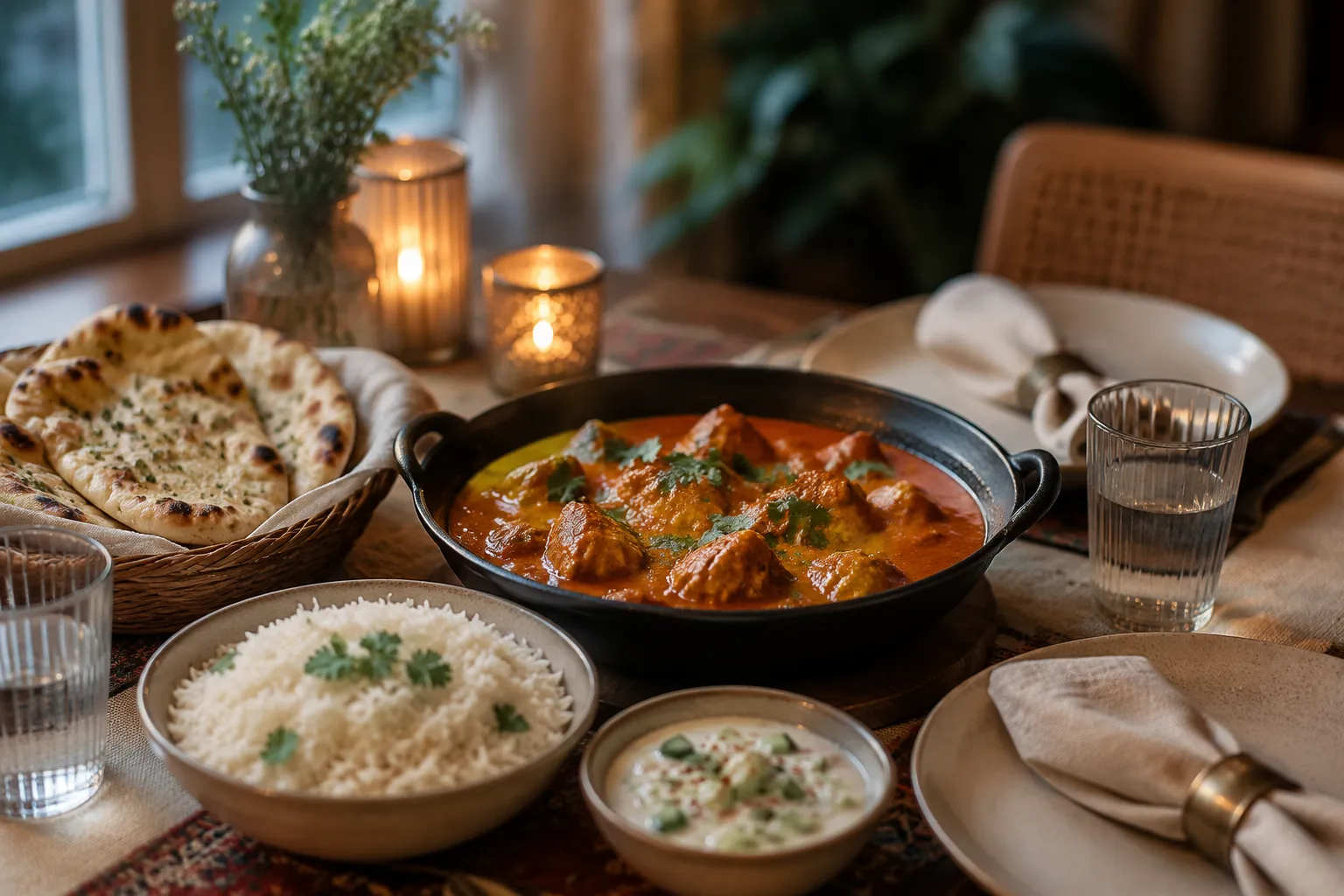
A simple cucumber raita made with thick yogurt, grated cucumber, a pinch of salt, and a sprinkle of cumin cools the warmth of the spices beautifully. A crisp green salad or quick pickled red onions add brightness too, and a wedge of lime squeezed over the top of everything right before serving is never a bad idea.
Once this curry chicken lands on your weeknight dinner rotation, I have a feeling it's hard to take it off. It's the kind of one-skillet meal that scales easily for a crowd, reheats beautifully for lunch the next day, and makes the whole house smell like the best kind of takeout. Once you've nailed the basic version, you'll find it's an easy launchpad for twists — coconut chicken curry with extra cream, a chickpea version for Meatless Monday, or a Caribbean-style spin with fresh thyme and Scotch bonnet pepper.
If you make it, I'd love to hear how you tweak it to make it your own — every household ends up with its own signature spice ratio. And if you're hungry to keep exploring this corner of the kitchen, there are plenty more thirty-minute dinners and globally inspired skillet meals waiting in the archives.
Once you have the basic technique down, this curry becomes a flexible template. The bones of the recipe — bloomed spices, aromatic base, tomato and coconut sauce — work with all kinds of swaps and method changes.
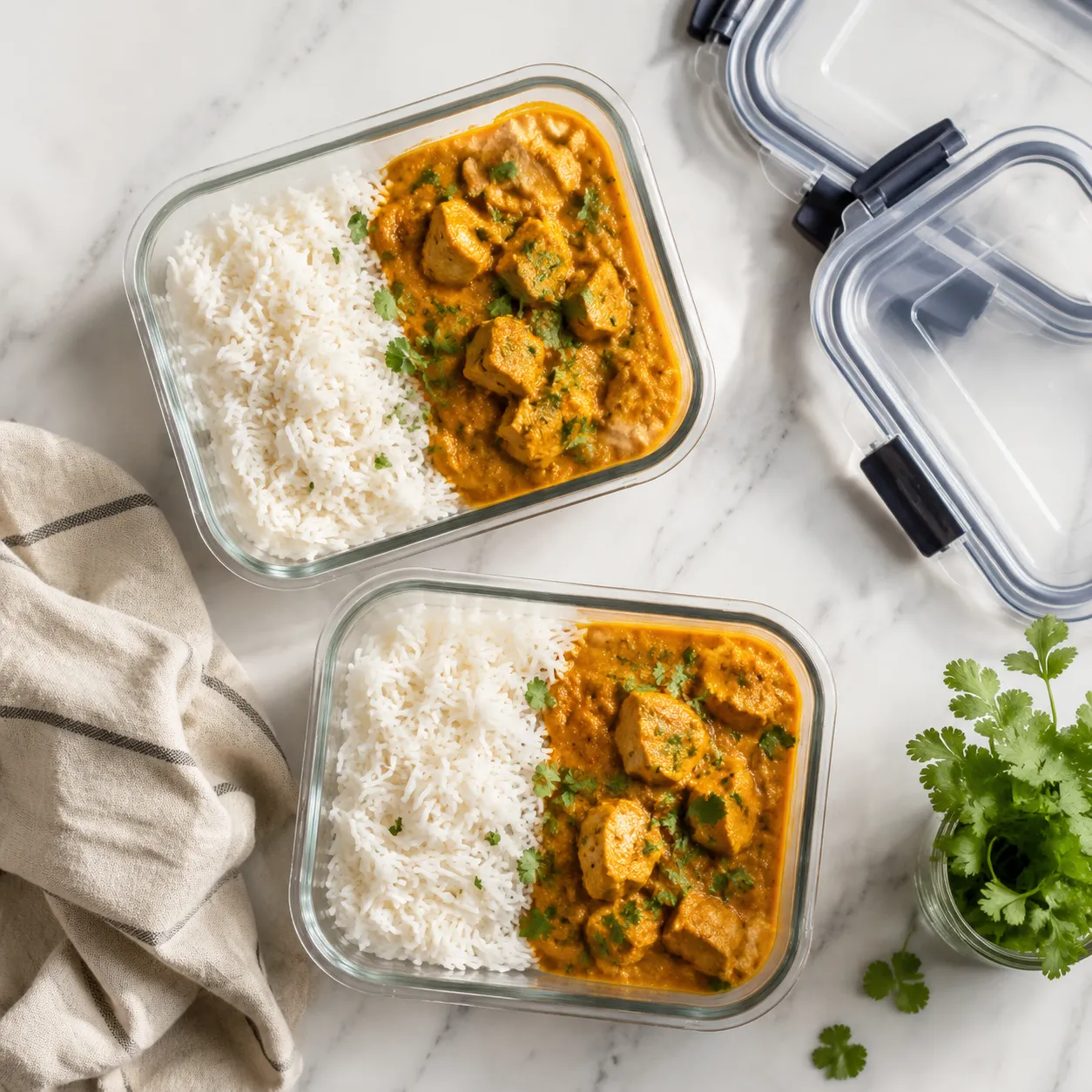
This is the kind of dish that genuinely tastes better the next day, so don't be shy about making a double batch. Once cooled to room temperature, transfer leftovers to an airtight container and refrigerate for up to four days. The sauce will thicken considerably in the fridge — that's normal and easy to fix.
To freeze, portion into freezer-safe containers or zip-top bags, press out as much air as possible, and freeze for up to three months. Thaw overnight in the fridge before reheating. The best way to reheat is in a covered skillet over medium-low heat with a splash of water, broth, or coconut milk to loosen the sauce, stirring occasionally until heated through. The microwave works in a pinch — use 50% power in 1-minute bursts and stir between each to avoid hot spots and tough chicken.