Adobo Seasoning Recipe
Ingredients
Scale
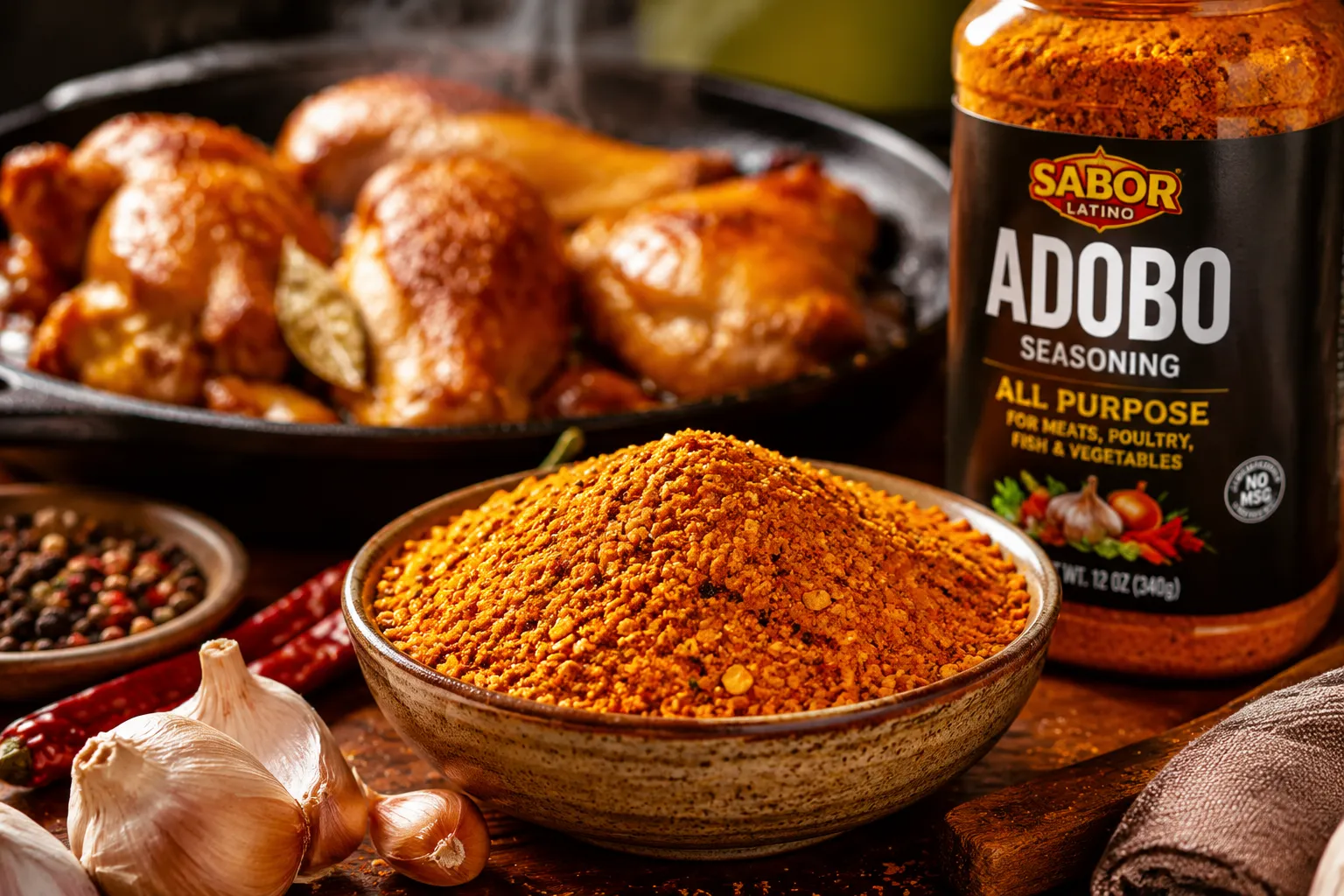
This homemade adobo seasoning is garlicky, savory, and easy to mix with pantry spices for chicken, pork, rice, beans, and vegetables.
This adobo seasoning is the kind of pantry staple that quietly transforms weeknight dinners — a golden, savory, garlicky spice blend you can sprinkle over almost anything and end up with food that tastes like you actually planned it. I keep a jar of it on my counter next to the salt because once you have it within arm's reach, you'll start reaching for it constantly: chicken thighs before they hit the pan, a pot of black beans, even buttered popcorn on a Friday night.
The version I'm sharing today leans into the dry-rub style — bold with garlic, warmed by oregano and turmeric, sharp with black pepper, and totally adjustable on the salt. It's one of my favorite homemade spice blends because it costs almost nothing to make, takes about ten minutes from start to finish, and stays good in your pantry for half a year. No special equipment, no toasting, no grinding — just measure, whisk, store.
If you've ever stood in the spice aisle squinting at a tiny pre-mixed jar that costs five dollars and lists fewer ingredients than you have at home, this recipe is for you. Mix it once, store it well, and you'll have a trusty all-purpose seasoning ready for everything from roasted potatoes to slow-simmered stews. The flavor is bold but balanced, leaning savory rather than spicy, which makes it just as friendly to a beginner cook as a seasoned home chef.
Adobo seasoning is a pantry-friendly spice blend rooted in Latin American kitchens, especially Puerto Rican, Dominican, and Cuban cooking. It's the kind of all-purpose seasoning that lives next to the stove and gets used daily — a quick shake here for chicken, a generous pinch there for beans, a teaspoon stirred into stew. Its job is to be reliable, not flashy.
Unlike adobo sauce — that smoky, tangy, chile-and-vinegar mixture you'll find chipotles swimming in — dry adobo seasoning is a dry rub built around garlic, oregano, and pepper. Both share a name and a love of bold flavor, but they show up in dishes very differently. The dry version belongs in your spice cabinet; the saucy version lives in the fridge in a small can or a glass jar.
The flavor profile is savory, deeply garlicky, slightly herbal from the oregano, and gently warm thanks to a pinch of turmeric. There's no real heat in a classic blend, which is part of the appeal — it's a foundational seasoning, not a finishing flourish. You can taste it and immediately understand why it became the everyday workhorse in so many Latin-inspired recipes, from sofrito-based stews to simple grilled meats.
In everyday cooking, this is the spice mix you reach for when you want food to taste seasoned without overthinking it. It does the heavy lifting for marinades, dry rubs, simmered beans, sautéed greens, and even a quick scramble. Once you start using it, you'll notice how it makes plain weeknight ingredients feel intentional — it's the difference between "I cooked something" and "I made dinner."
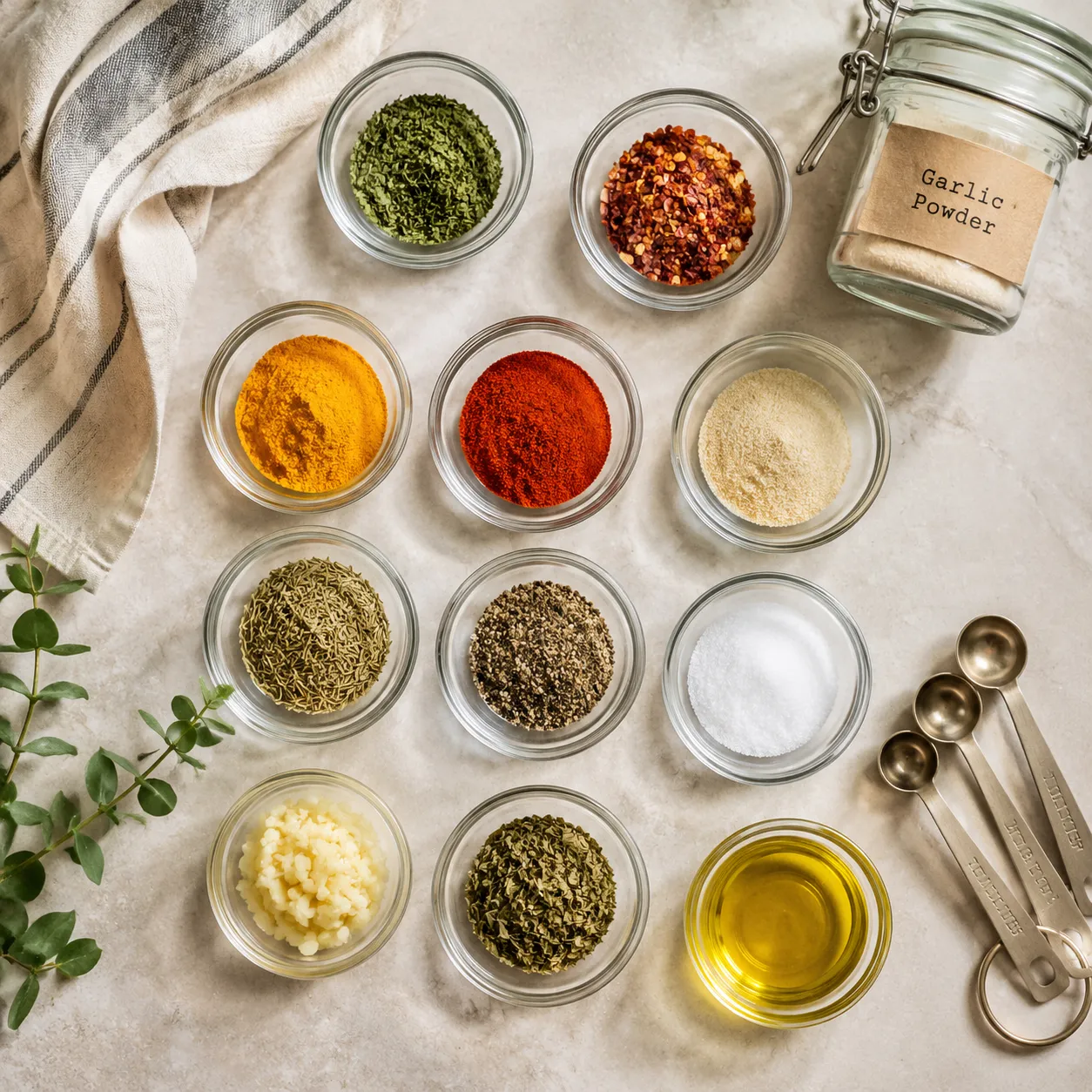
Most of what you need is probably already in your spice rack. The base of this blend is garlic powder and onion powder — the two ingredients responsible for that unmistakable savory backbone. From there, dried oregano brings a clean, slightly minty herbal note, and ground turmeric gives the blend its signature golden color and a soft earthy warmth.
Black pepper sharpens everything up, and kosher salt rounds it all out, though you can absolutely leave it out — more on that in a minute. I like to add a small amount of sweet paprika for color depth and a whisper of ground cumin for an extra savory layer, but neither is strictly necessary. The beauty of this adobo spice blend is how forgiving it is. The proportions matter less than the freshness of your spices, so check the date on those jars before you start.
If you're missing something, swap it. No oregano? Use Italian seasoning or marjoram. Out of turmeric? Skip it — you'll lose a little color but the flavor will still be solid. Want more depth? A pinch of dried thyme or bay powder works beautifully. This is one of those easy pantry recipes where confidence matters more than precision, and the only real rule is to use spices that still smell like something when you open the jar.
A note on salt: traditional store-bought versions can be aggressively salty, sometimes more than half salt by volume. My version is much more restrained, which lets you control the seasoning of your finished dish. If you want a fully salt-free version, leave it out completely — the blend still tastes balanced, and you can salt food separately at the table or in the pan.
The whole process is essentially measure, mix, store. There's no toasting, no grinding, no special equipment — just a bowl, a whisk or fork, and a clean jar. That's part of why this recipe is such a staple in my kitchen, and why it's a great first step for anyone learning to mix their own seasonings at home.
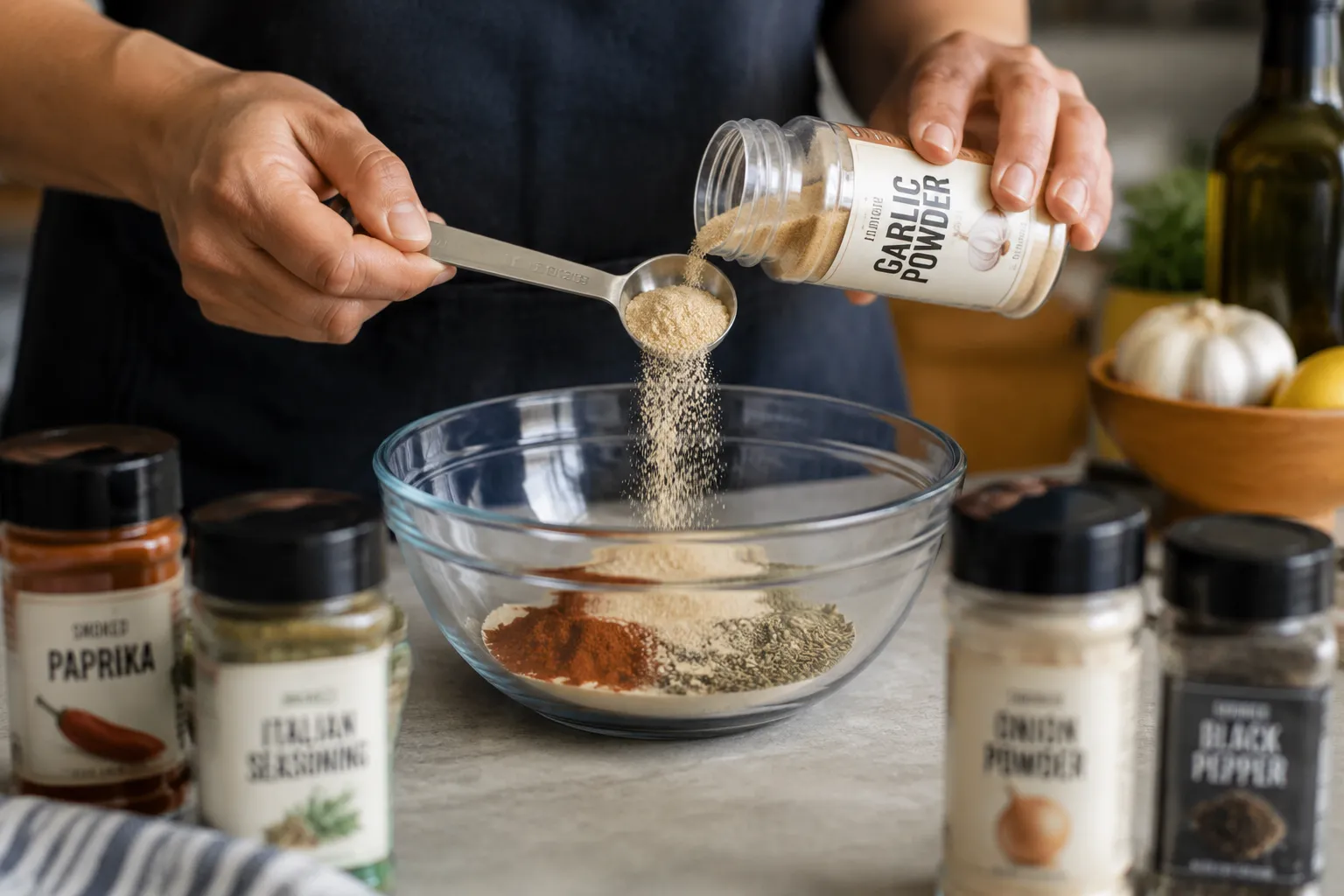
Start by measuring all your spices into a medium bowl. I like to do garlic powder and onion powder first since they make up the bulk of the blend, then add the oregano, turmeric, pepper, salt, and any optional extras. If your dried oregano leaves are large, crush them between your fingers as you add them — it helps the texture stay uniform and releases more flavor into the mix.
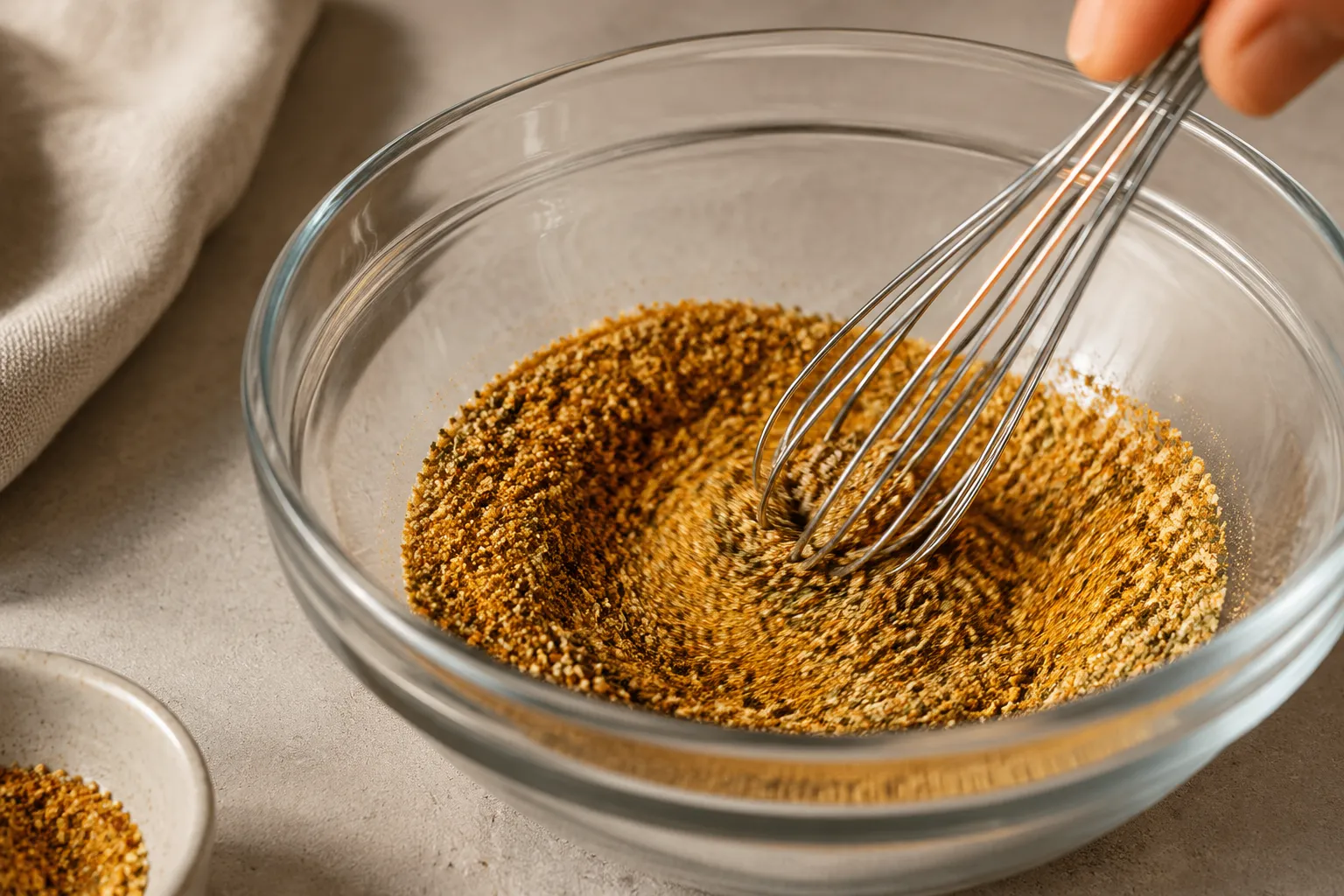
Whisk everything together until the color is consistent and you don't see streaks of yellow turmeric or pockets of red paprika. A small whisk works great, but a fork or even a clean spoon will do. Take a tiny pinch and taste it — yes, straight — and if it tastes flat, add a little more salt or pepper. If you want more brightness, bump up the oregano. Trust your tongue here; this is a forgiving recipe.
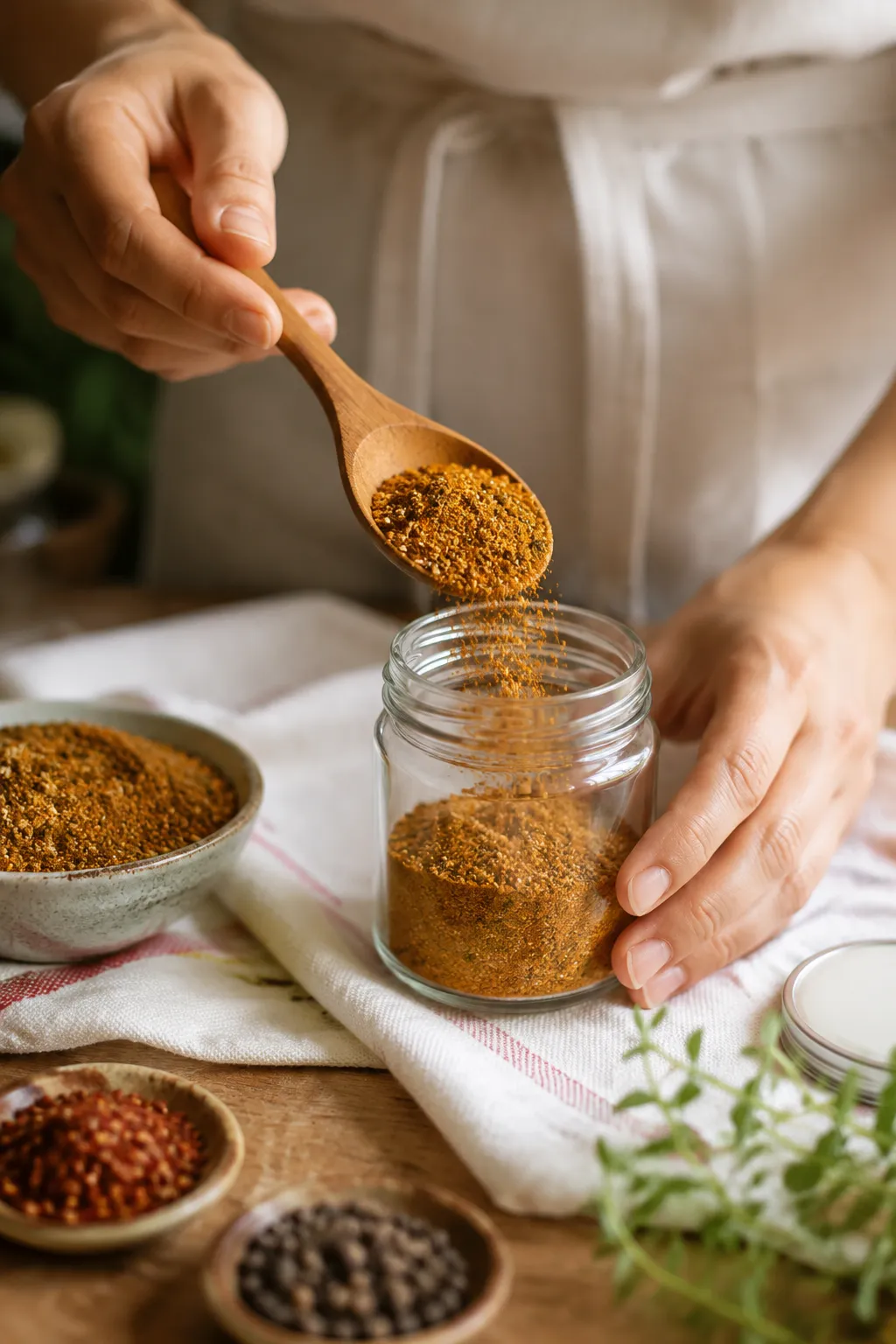
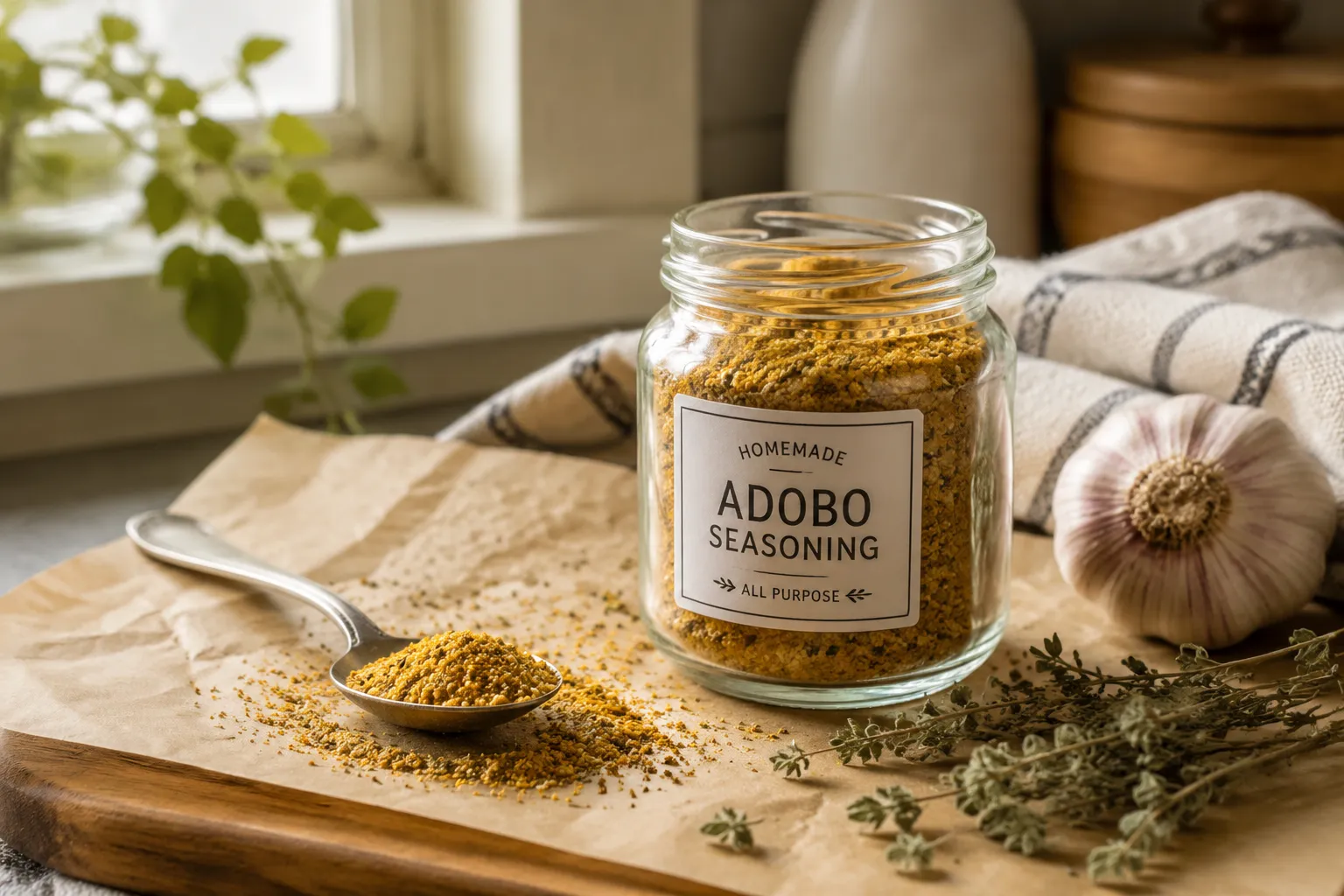
Transfer the blend to an airtight glass jar — a 4-ounce mason jar is the perfect size for this batch. Label it with the date so you can track freshness. That's it. Your finished blend is ready to go to work, and you've just spent less time mixing it than you would have spent driving to the store for a pre-made jar.
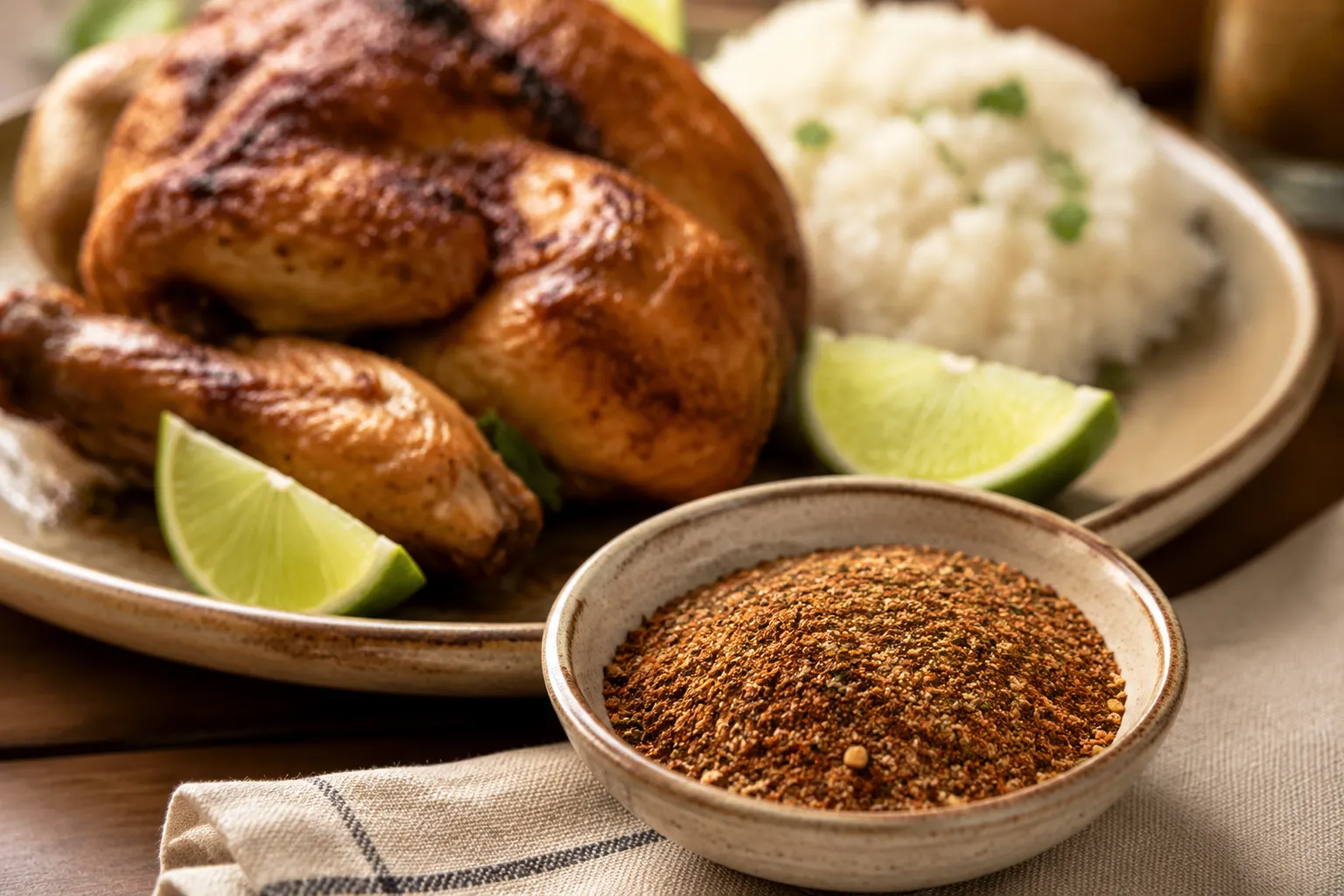
This is where the fun starts. Use this blend as a chicken seasoning by rubbing 1 to 2 teaspoons per pound onto thighs, breasts, or wings before searing or roasting. It also shines on pork chops, pork shoulder, flank steak, shrimp, and white fish — basically any protein benefits from the garlicky, herbal lift. For especially juicy results, mix the seasoning with a little olive oil and lime juice and use it as a wet rub before grilling.
For rice and beans, stir a teaspoon into the cooking liquid along with a bay leaf — it's the easiest way to make a pot of plain pinto or black beans taste like they came from somebody's abuela's kitchen. The same trick works in lentil soups, chicken noodle soup, and slow-simmered stews where you want background depth without piling on extra ingredients. A small spoonful at the start of cooking and a second pinch right before serving is my usual move.
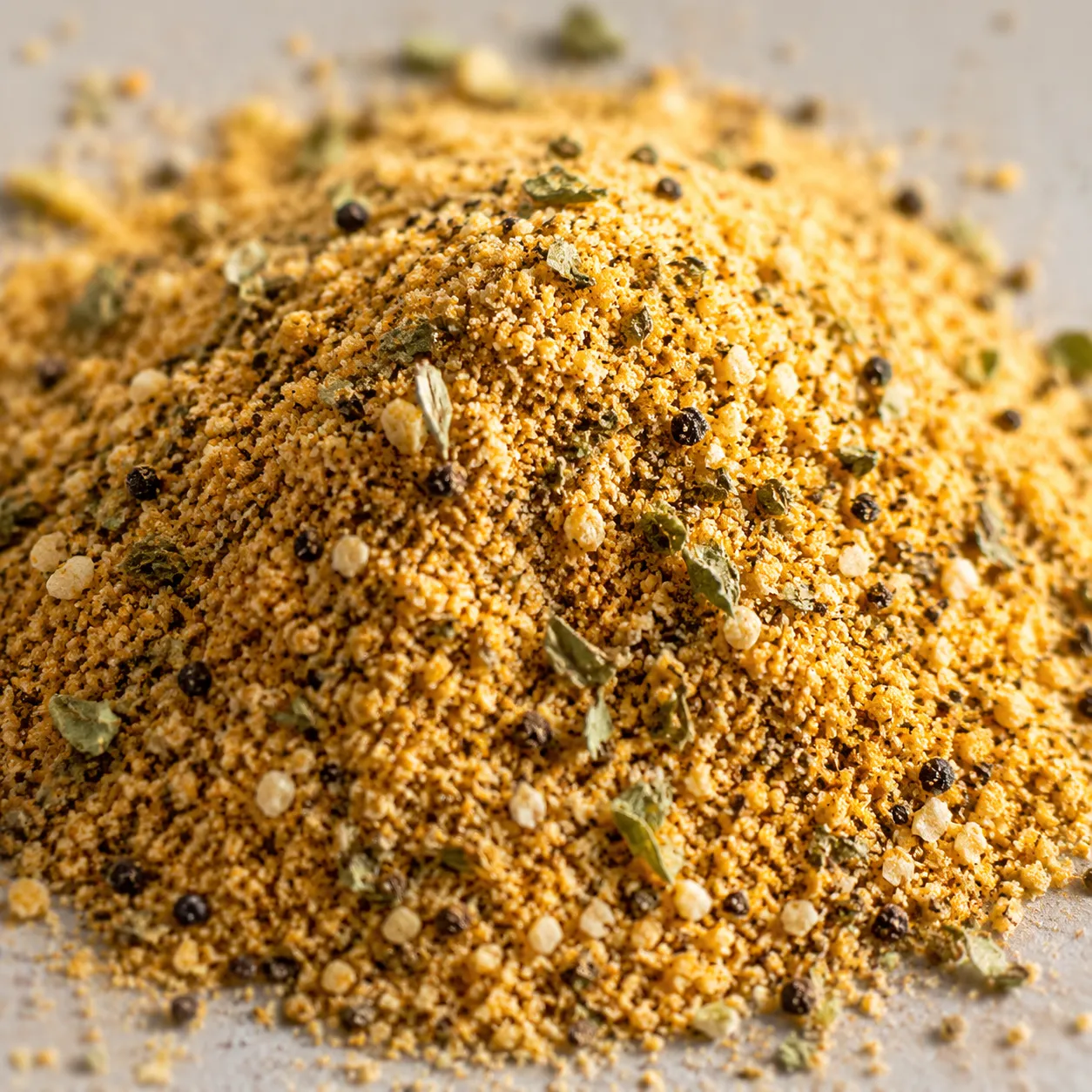
Roasted vegetables are another favorite use. Toss potato wedges, cauliflower florets, sweet potatoes, or zucchini with olive oil and 1 to 2 teaspoons of the blend per pound, then roast at 425°F until the edges are caramelized and crisp. It's also delicious dusted onto popcorn, mixed into mayo for a quick sandwich spread, sprinkled on a fried egg, or shaken into a Bloody Mary if you're feeling festive on a Sunday morning.
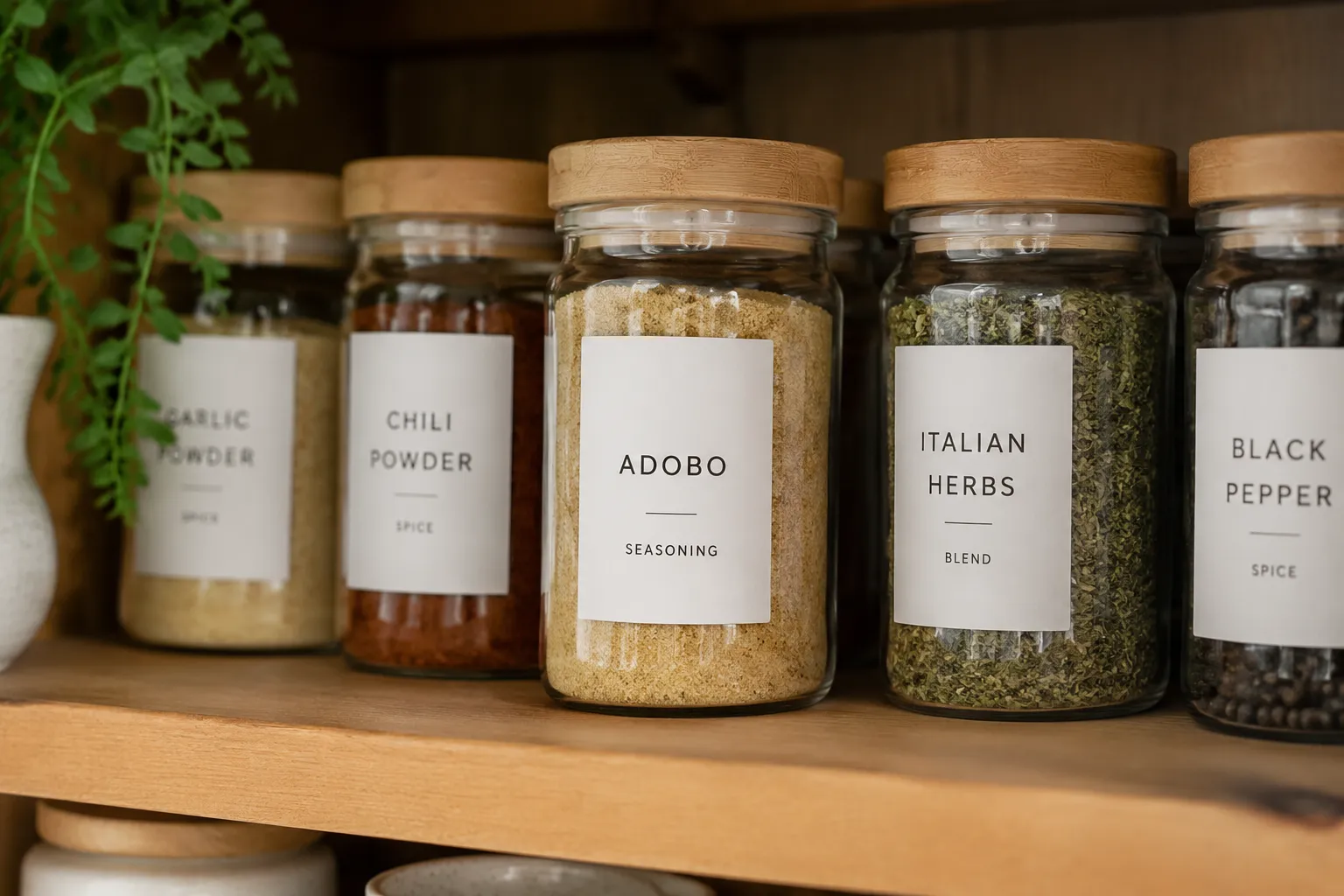
Once you've got a jar of this on your shelf, you'll notice how often it earns its keep. It's the spice blend I reach for when I want dinner to feel pulled-together with almost no effort, and it's one of those quiet kitchen tools that turns last-minute cooking into something worth sitting down for. Mix a batch this weekend and keep it where you can see it — that's the secret to actually using it.
This adobo blend is meant to be a starting point, not a fixed formula. Once you've made the base recipe, try one of the variations below to match your cooking style or dietary needs.
Store the finished blend in a small, clean, airtight glass jar away from direct heat and sunlight. A pantry shelf or closed cabinet is ideal — heat from the stove or window light will dull the flavor and fade the turmeric color faster than you'd expect. Properly stored, the blend stays vibrant for about 6 months, though it remains safe to use beyond that, just less aromatic.
To prevent clumping in humid kitchens, keep the lid tightly sealed between uses and avoid scooping with a wet spoon. If you notice the blend losing its punch before the 6-month mark, give it a quick sniff — if it doesn't smell strongly garlicky and herbal, it's time for a fresh batch. For longer storage, you can freeze a portion in an airtight container for up to a year.