Sauteed Mushrooms: Buttery, Garlicky, 15-Minute Recipe
Ingredients
Scale
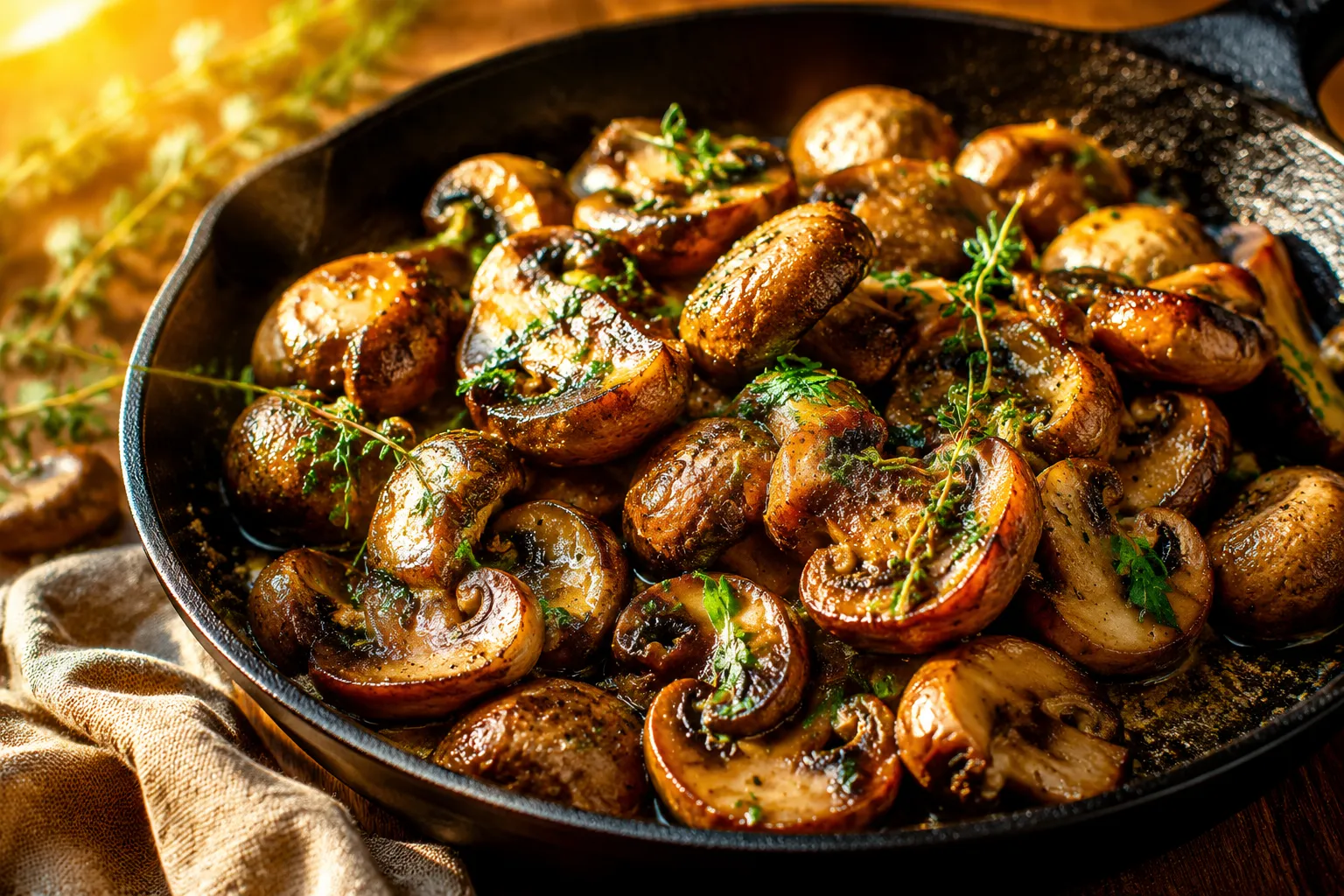
These sauteed mushrooms are buttery, garlicky, and deeply golden in just 15 minutes. The secret is a hot pan, room to breathe, and patience for that crust.
These sauteed mushrooms are the kind of side dish that quietly steals the show — buttery, garlicky, deeply caramelized at the edges, and ready in the time it takes to rest a steak. If you've ever ended up with a sad, gray, watery pile of mushrooms swimming in their own juices, this recipe is going to feel like a small culinary revelation. The technique is simple, but the results taste like something out of a steakhouse kitchen.
The trick isn't a fancy ingredient list. It's heat, space, and timing. A hot wide skillet, a butter-and-oil combo, and salt added at the end (not the start) are what turn ordinary cremini mushrooms into glossy, golden bites with that nutty, almost meaty flavor. Add a fistful of fresh thyme and minced garlic in the last minute, and you've got a side that pairs with everything from a perfect grilled steak to a bowl of creamy mushroom pasta.
I make this sauteed mushrooms recipe at least once a week — sometimes as a quick side, sometimes piled onto toast for a lazy lunch, and often spooned over polenta when I want comfort food without much effort. Once you understand the why behind each step, you'll never go back to soggy mushrooms again.
The beauty of skillet mushrooms is that the ingredient list is short and humble. Every component earns its place, so don't skip the aromatics — they're what take this from plain to crave-worthy.
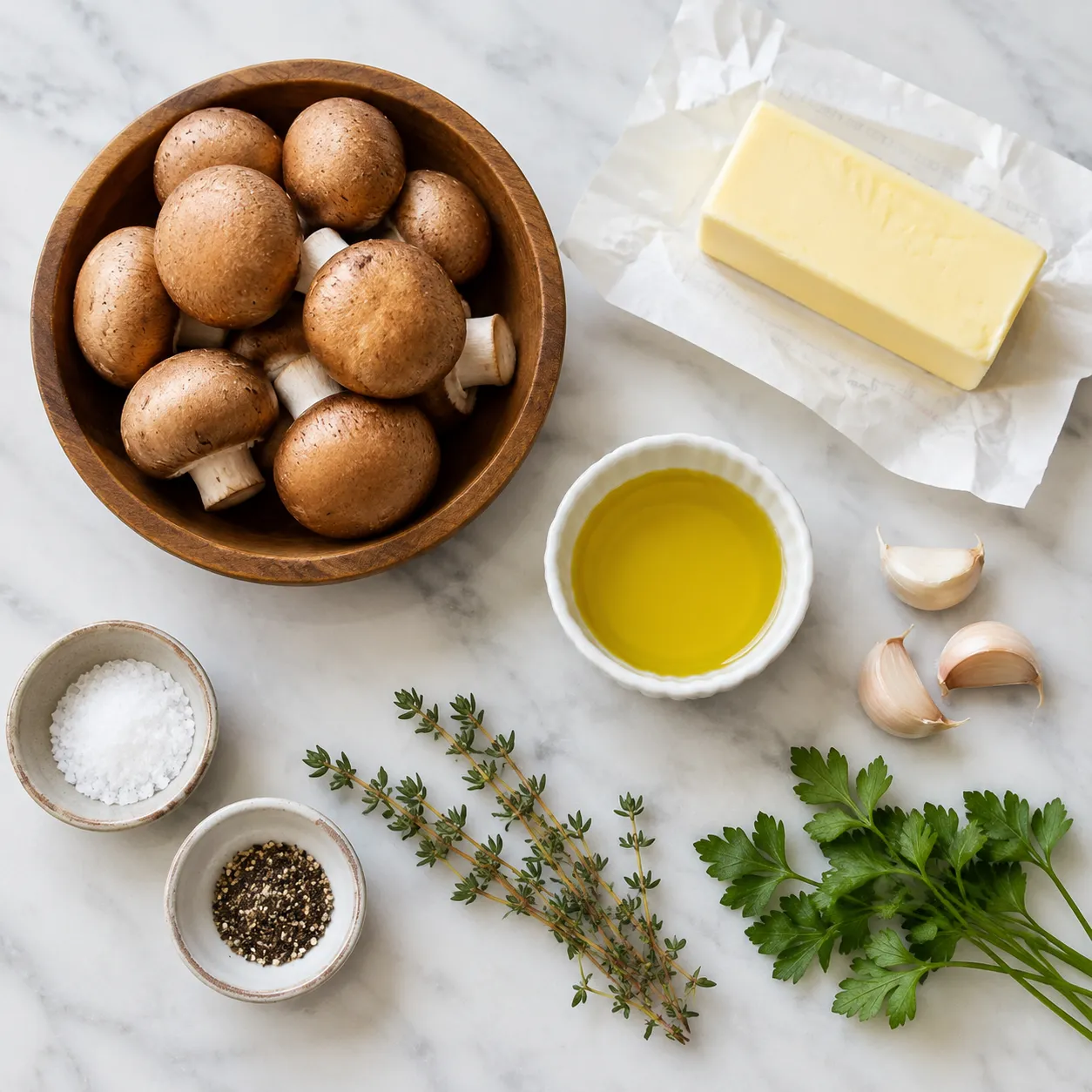
I reach for cremini mushrooms (also sold as baby bella mushrooms) because they have a deeper, earthier flavor than white buttons and hold their shape beautifully. White button mushrooms work in a pinch, and a mix of shiitake or oyster pushes things into gourmet territory. Whatever you choose, look for firm caps with no slimy spots.
Olive oil has a higher smoke point than butter alone, so it lets you crank the heat for that essential sear without burning. Butter goes in toward the end, where it melts into a glossy coating and adds nutty richness. Together they create the foundation of a quick garlic butter sauce that clings to every slice.
Three fat cloves of minced garlic, a teaspoon of fresh thyme leaves, and (optional but lovely) a small minced shallot. Add these at the end so the garlic doesn't scorch. A splash of dry white wine or chicken broth at the very end deglazes the pan and pulls all that browned flavor up off the bottom.
Here's the high-level walk-through. The full numbered method lives in the recipe card below, but read this first — the technique is everything.
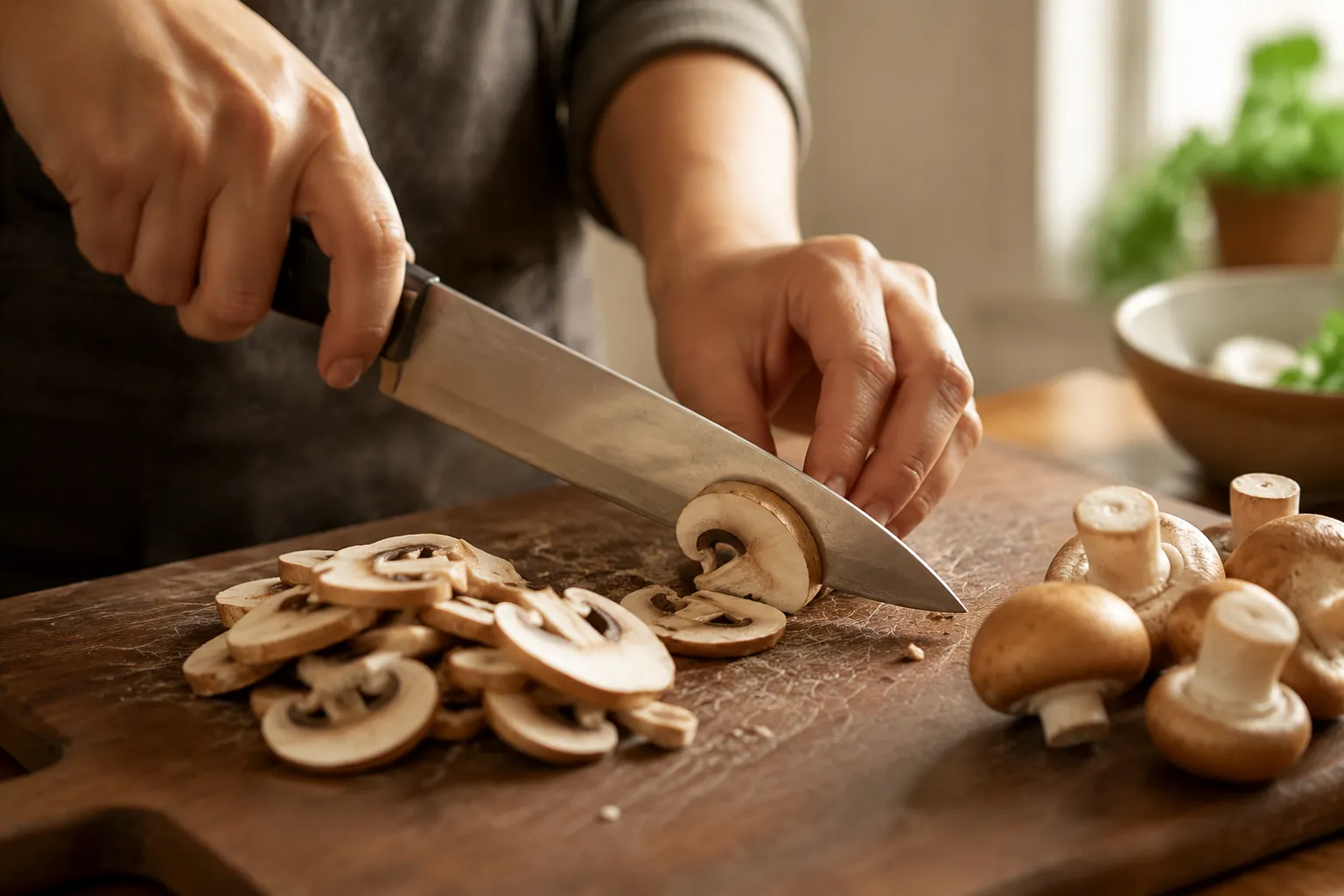
Start by cleaning your mushrooms with a damp paper towel or a quick rinse and immediate pat-dry. Soaking is the enemy — mushrooms are sponges, and water trapped in the gills will steam them later. Slice them about a quarter-inch thick so they cook evenly.
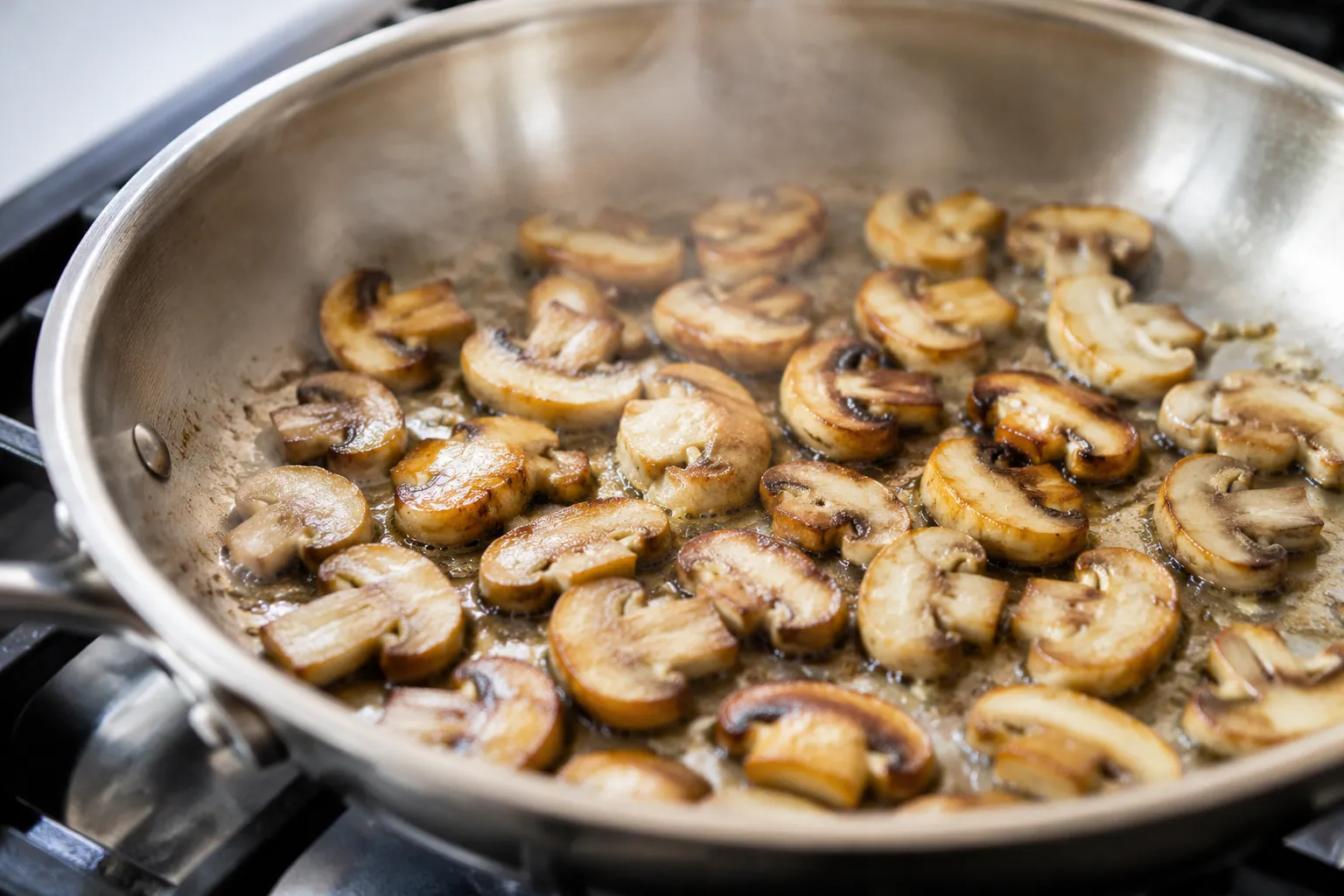
Now heat your widest skillet over medium-high until it's just beginning to smoke. Add the oil, then spread the mushrooms in a single layer. Walk away. Seriously — leave them alone for 3 to 4 minutes so the bottoms develop a deep golden crust. This is the single biggest difference between restaurant mushrooms and the soggy stuff.
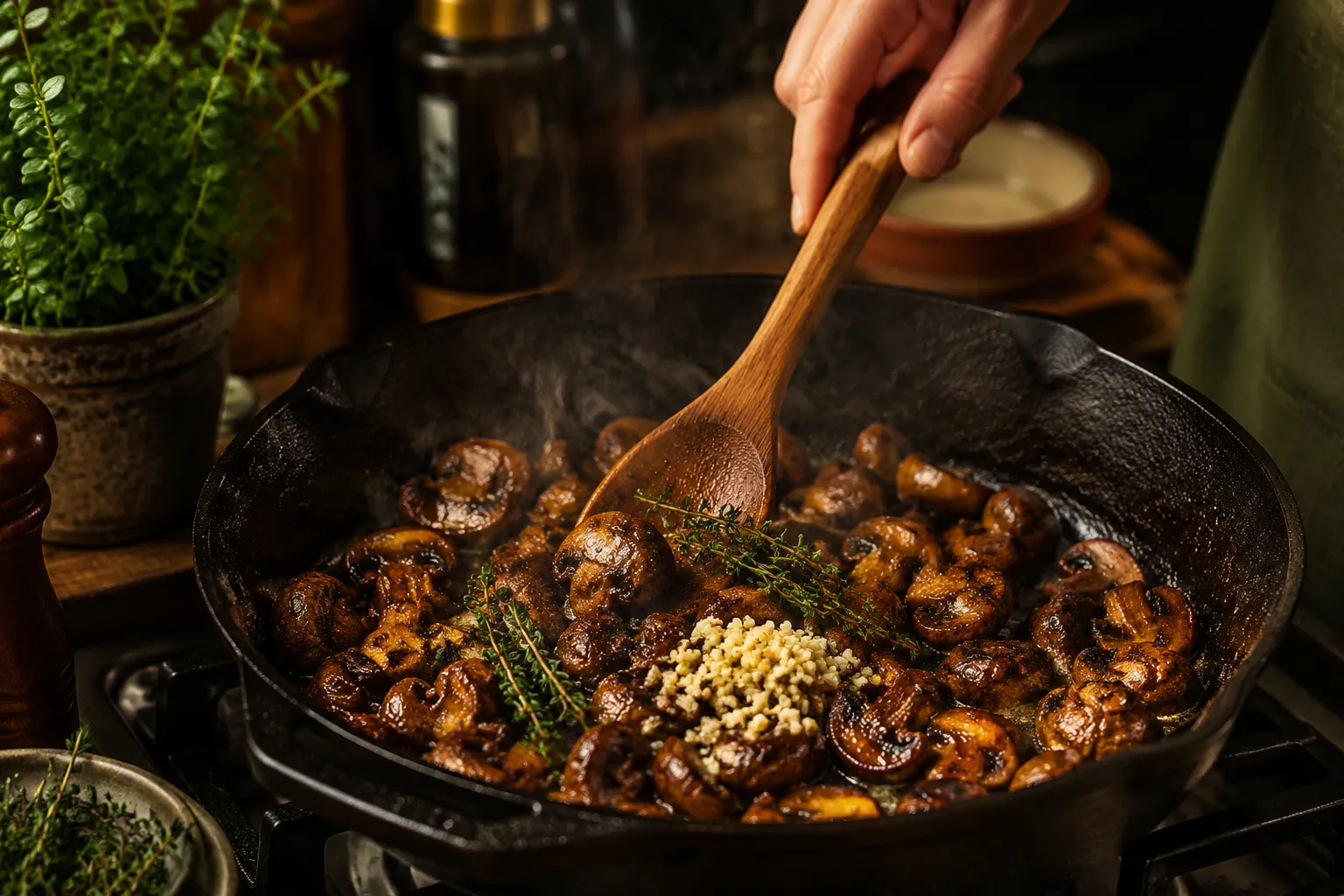
Once they're seared on one side, toss and let the other side color up. Drop in the butter, garlic, thyme, salt, and pepper. Stir for 60 to 90 seconds — just long enough to bloom the garlic without burning it. Finish with a splash of wine or broth, scrape up the fond, and shower with parsley.
Mushrooms are roughly 90% water. When you put them in a cool or crowded pan, that water leaches out faster than it can evaporate, and you end up boiling them in their own juice. Three rules fix this every single time.
Don't crowd the pan. A pound of sliced mushrooms needs at least a 12-inch skillet. If they're piled up, work in two batches — it takes five extra minutes and the difference is night and day.
Salt at the end. Salt draws moisture out instantly. If you season early, you're guaranteeing a steam bath. Wait until the mushrooms are deeply browned, then salt.
Use high heat and a wide skillet. Cast iron, carbon steel, or heavy stainless steel hold heat best. Nonstick can work but won't give you the same fond on the bottom of the pan.
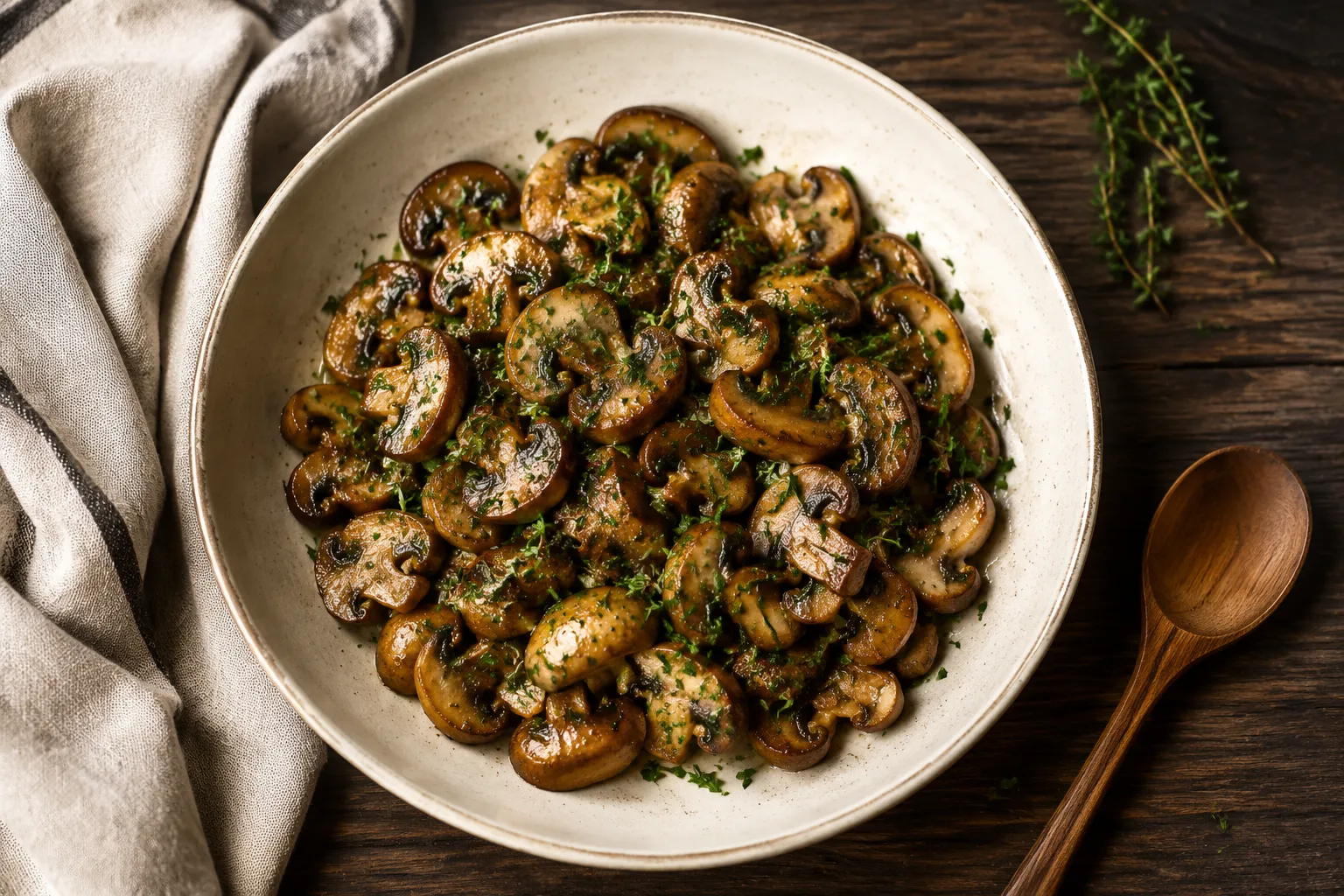
Once you've got the base technique down, the variations are endless. Here are four I rotate through depending on the meal.
Garlic butter mushrooms: Double the garlic and butter, finish with lemon zest. This is the version I use as a steak topper or to fold into a creamy mushroom pasta sauce.
Balsamic mushrooms: Swap the wine for a tablespoon of balsamic vinegar at the end and let it reduce into a sticky balsamic glaze that coats every piece. Incredible on crostini.
Creamy parmesan mushrooms: Add 1/4 cup heavy cream and 2 tablespoons grated parmesan in the final minute. Restaurant magic, especially over mashed potatoes.
Wine-glazed mushrooms: Increase the white wine to 1/4 cup and let it reduce until syrupy. Perfect alongside a roast chicken.
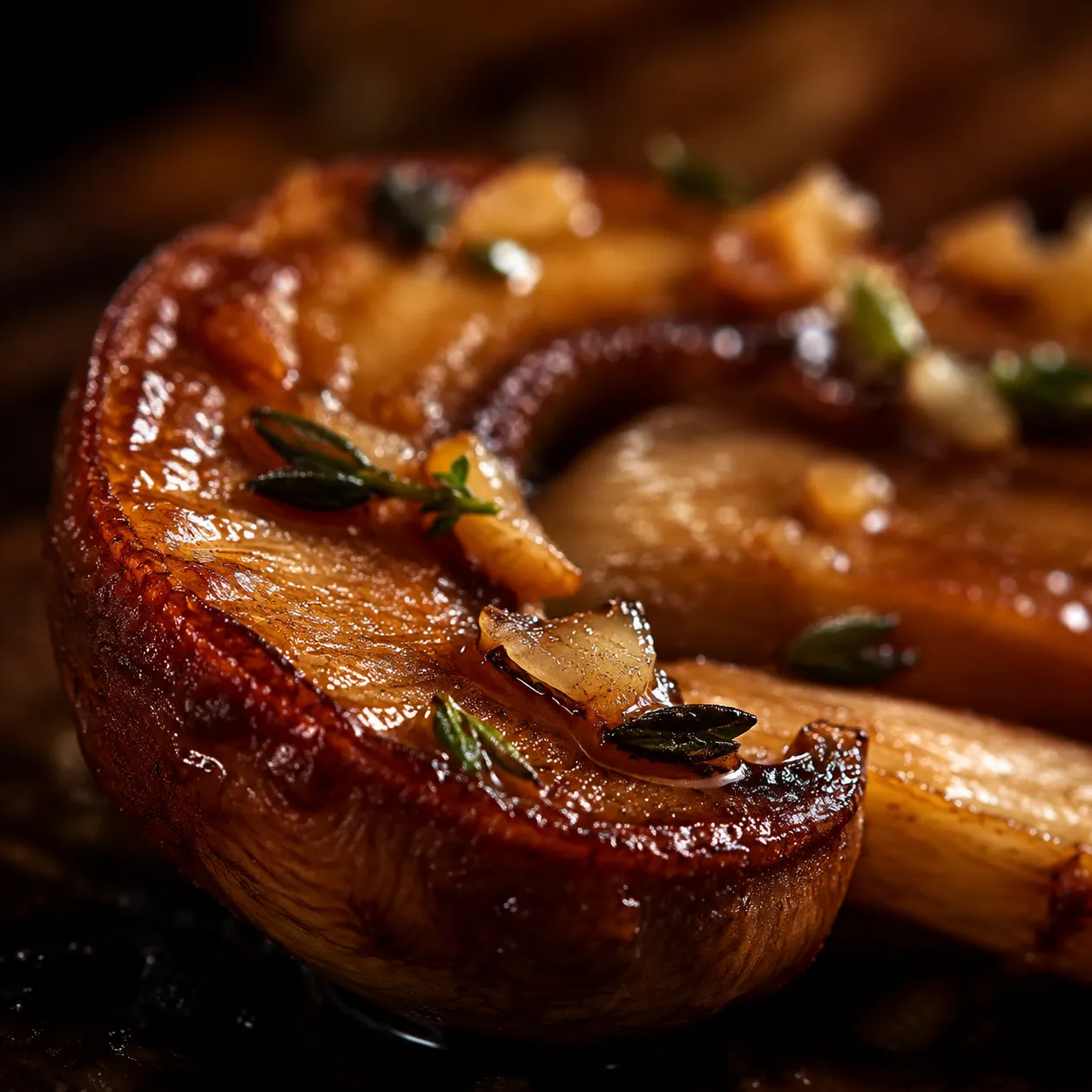
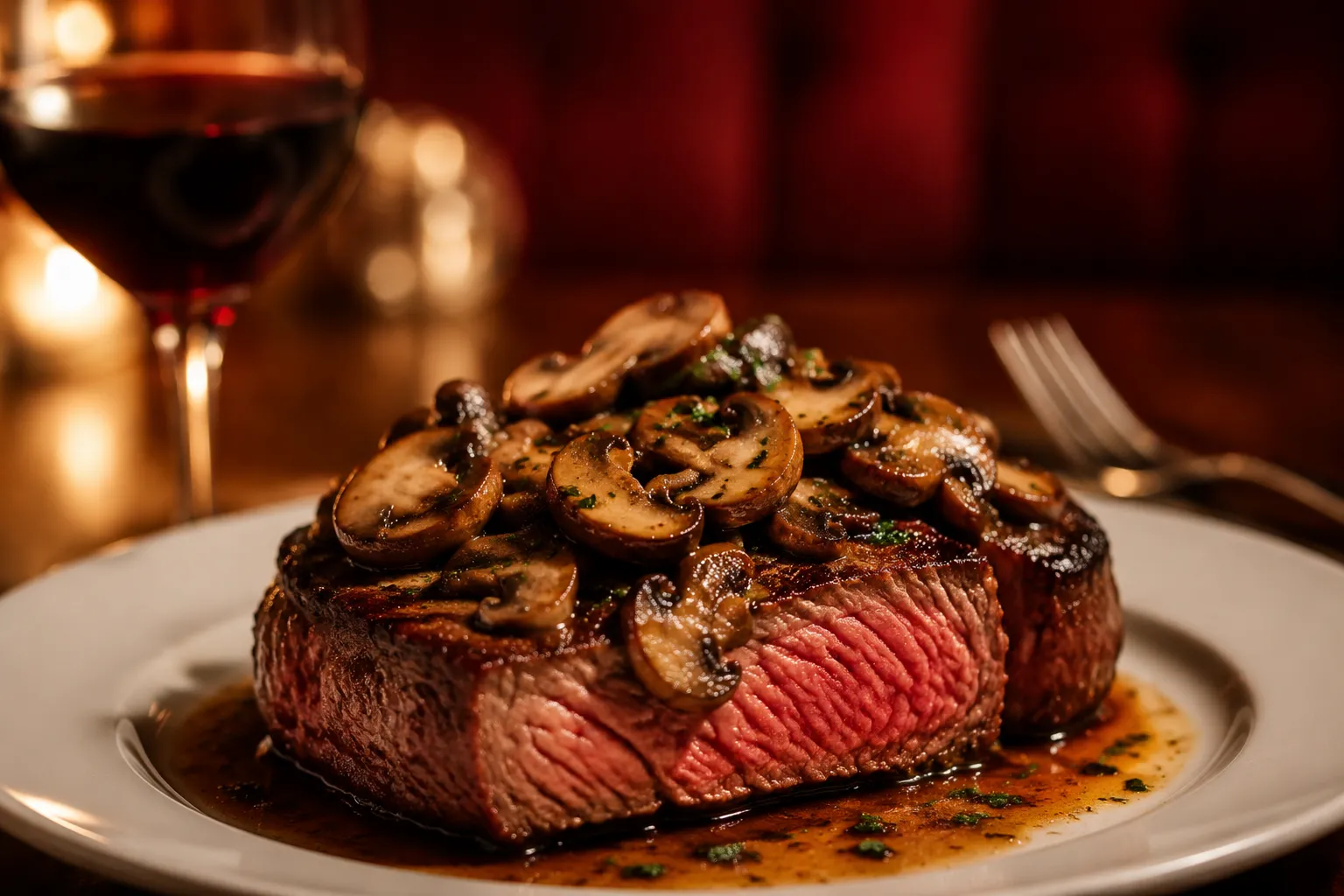
This is the side dish equivalent of a little black dress — it goes with everything. Spoon it over a perfect grilled steak with a glass of red wine and you've basically built a steakhouse dinner. They're also unbeatable next to roast chicken, pork chops, or a holiday prime rib.
For weeknight comfort, pile them onto buttery polenta, fold them into mushroom risotto, or toss with hot pasta and a splash of pasta water for an instant creamy mushroom pasta. Vegetarian? Spoon them over thick sourdough toast with a soft poached egg and call it dinner. They also make a stellar burger topper, especially with melted gruyere.
However you serve them, this is the kind of recipe that proves great cooking is mostly about respecting the ingredient. A pound of mushrooms, a hot pan, and 15 minutes of attention — that's all it takes to put something genuinely beautiful on the table.
Once you've nailed the base recipe, treat it as a launchpad. The mushrooms welcome almost any flavor direction you take them.
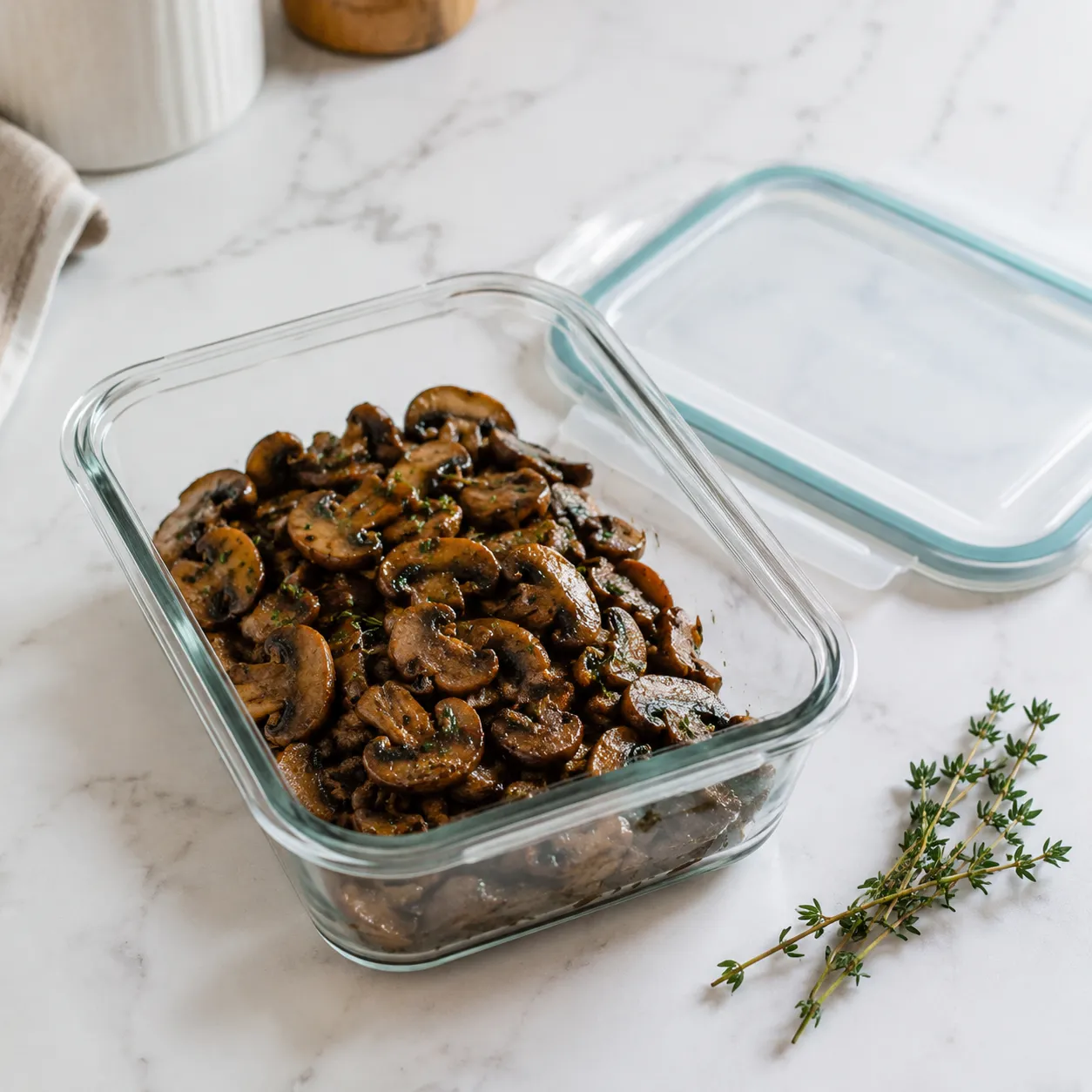
Let leftover sauteed mushrooms cool completely, then transfer to an airtight container and refrigerate for up to 4 days. They actually taste even better on day two as the flavors deepen.
To reheat, skip the microwave (it turns them rubbery) and use a hot skillet with a splash of oil for 2 to 3 minutes until sizzling. You can freeze them in a flat layer for up to 2 months, though the texture softens slightly — best used in soups, pasta, or risotto after freezing rather than as a stand-alone side.