Grilled Salmon Recipe: Perfectly Flaky in 15 Minutes
Ingredients
Scale
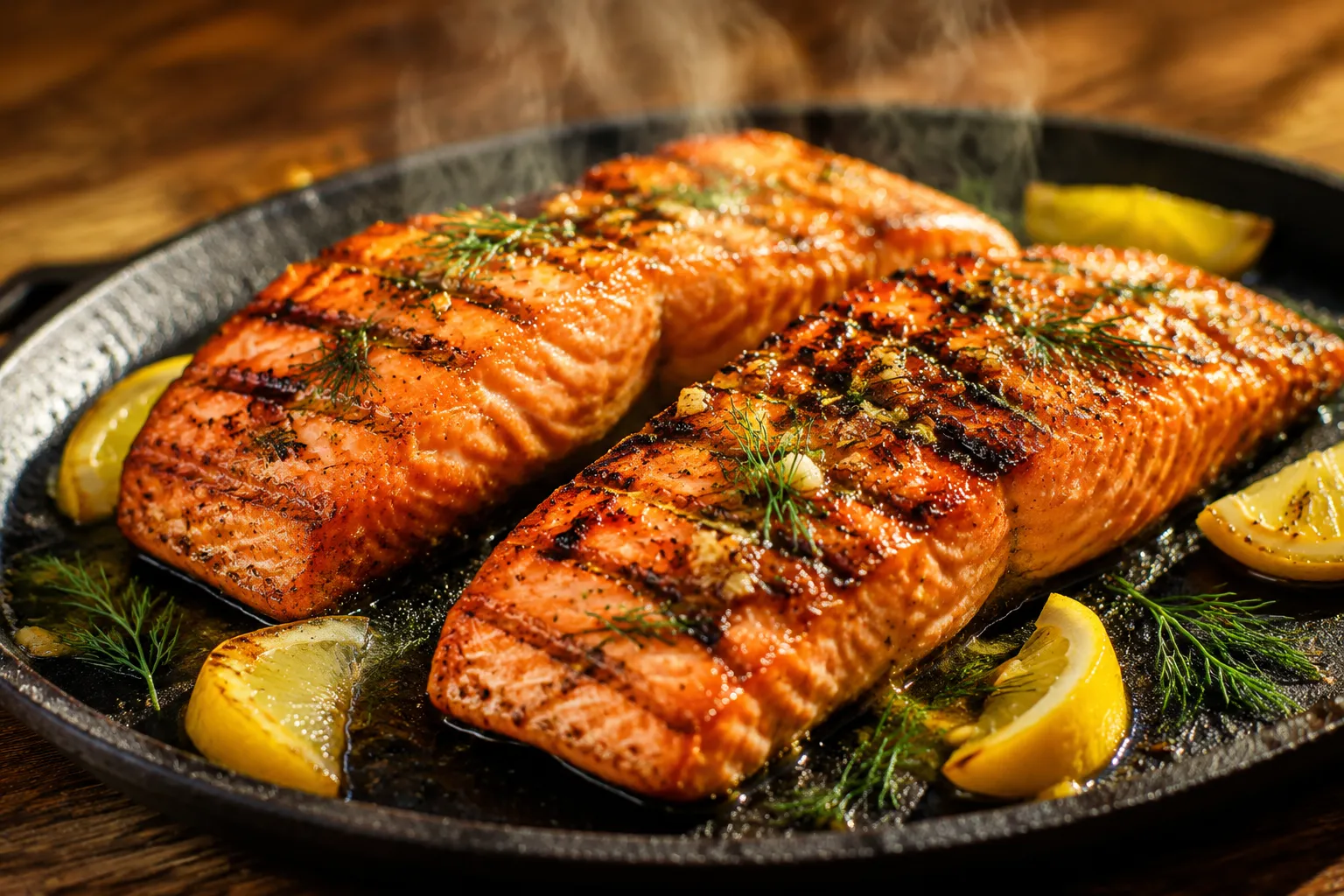
Tender, flaky grilled salmon with crispy edges and a bright lemon-garlic marinade — ready in 15 minutes and impossible to mess up, even for grilling beginners.
There is nothing quite like a perfectly cooked grilled salmon to anchor a warm-weather dinner party or a breezy weeknight meal. When the weather warms up, the last thing anyone wants is to be stuck inside a hot kitchen, hovering over a stove. Taking your seafood outside to the open flame not only keeps your kitchen clean and cool, but it also imparts an irresistible, smoky char that you simply cannot replicate indoors.
If you have ever felt intimidated by the prospect of cooking fish over an open fire, you are certainly not alone. The fear of beautiful, expensive fillets hopelessly sticking to the grates or falling apart during the flip is a common hurdle. But with the right technique, a hot fire, and a little bit of confidence, you will be turning out restaurant-quality seafood in no time. This method has quickly become one of my absolute favorite summer grilling recipes, completely eliminating the guesswork and the stress from the process.
What sets this approach apart is the combination of a vibrant, Mediterranean-inspired flavor profile and a foolproof cooking technique. We are trading heavy, sugary glazes for a bright, herbaceous finish that lets the natural richness of the fish shine through. Ready in just about 15 minutes from start to finish, this is the kind of back-pocket recipe that makes you look like an absolute culinary wizard with minimal actual effort.
The foundation of any incredible seafood dish starts at the seafood counter. When shopping for salmon fillets, you generally have a choice between wild-caught varieties (like King, Sockeye, or Coho) and farm-raised Atlantic salmon. Wild salmon tends to have a deeper, more vibrant ruby hue and a leaner, more pronounced flavor profile. Farm-raised salmon, on the other hand, is known for its rich, buttery texture and higher fat content, which makes it incredibly forgiving on the grill.
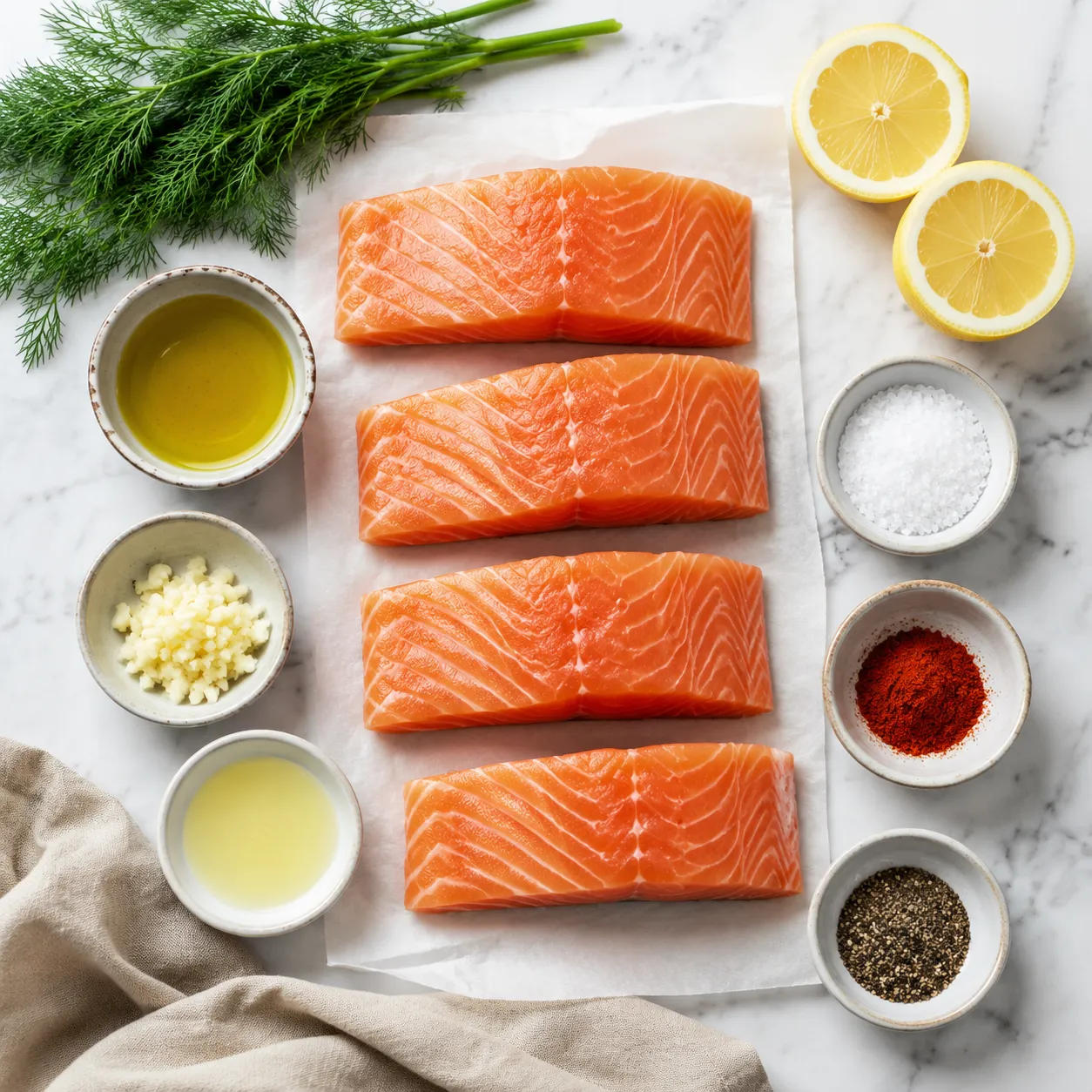
Whichever variety you choose, look for pieces that are vibrant in color, firm to the touch, and smell fresh like the ocean, not overly fishy. Uniform thickness is also key; center-cut pieces ensure that the thickest part of the fish cooks at the exact same rate as the edges, preventing those dry, overcooked tail ends. If you can only find fillets of varying thicknesses, just keep a close eye on the thinner pieces and pull them off the fire a minute or two early.
To flavor our beautiful fish, we are using a zesty lemon garlic marinade. It requires just a handful of pantry staples: good quality extra-virgin olive oil, freshly squeezed lemon juice, minced garlic, smoked paprika, kosher salt, and freshly cracked black pepper. The olive oil provides the necessary fat to encourage caramelization and prevent sticking, while the lemon juice adds a bright, acidic punch that cuts through the natural richness of the fish.
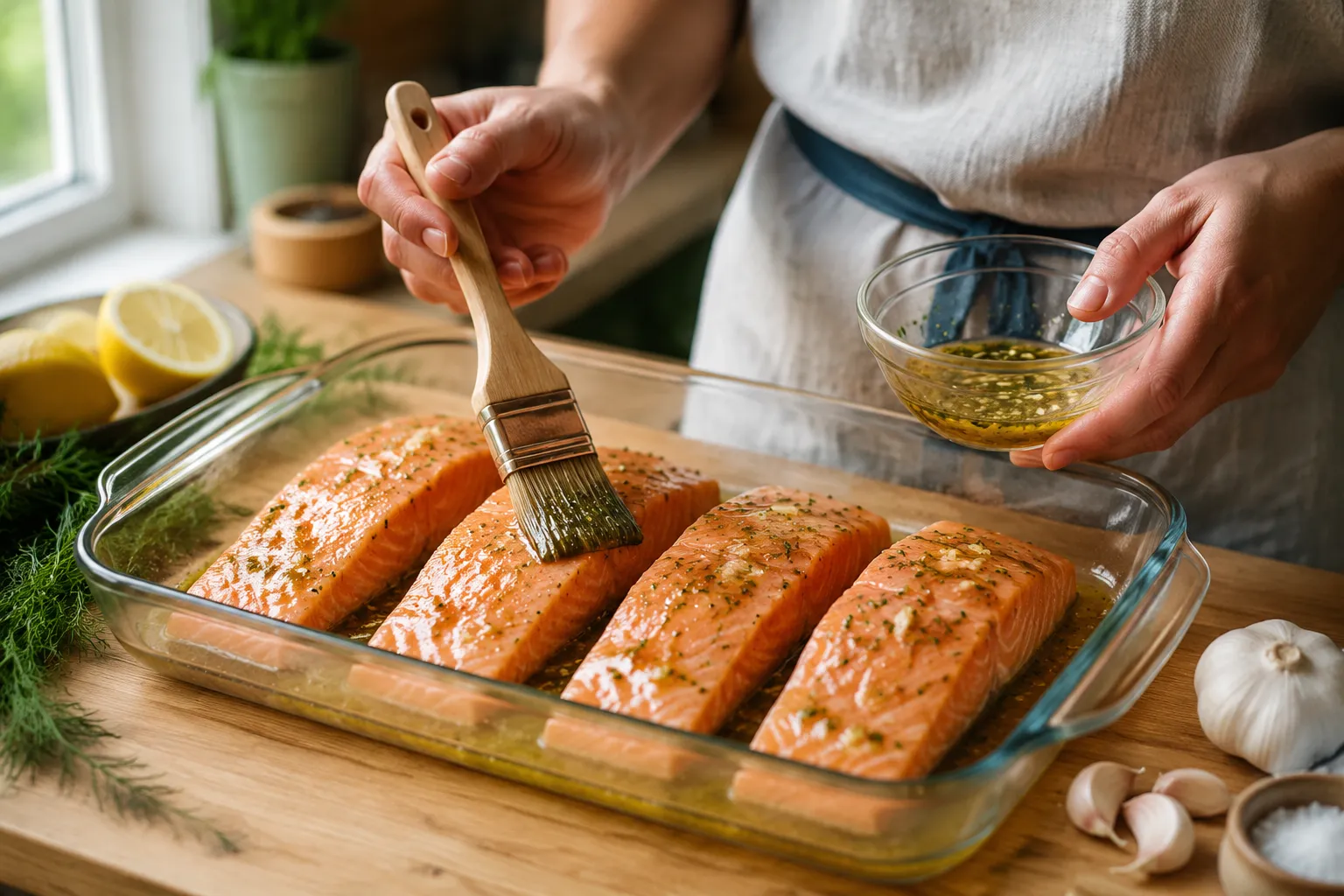
Because fish is incredibly delicate, a salmon marinade should be a quick affair. Unlike tough cuts of beef or pork that benefit from soaking overnight, leaving fish in a highly acidic mixture for too long will actually begin to "cook" the proteins—much like a ceviche—resulting in a mushy, unappealing texture. A brief 5 to 10-minute soak while your fire heats up is all you need to infuse the flesh with incredible flavor.
The absolute most critical step in learning how to grill fish successfully lies in the preparation of your equipment. A lukewarm, dirty cooking surface is the enemy of delicate seafood. You want to preheat your outdoor setup fiercely, aiming for a medium-high heat of around 400°F to 425°F. This intense initial blast of heat is what sears the exterior of the fish on contact, creating a crust that naturally releases from the metal.
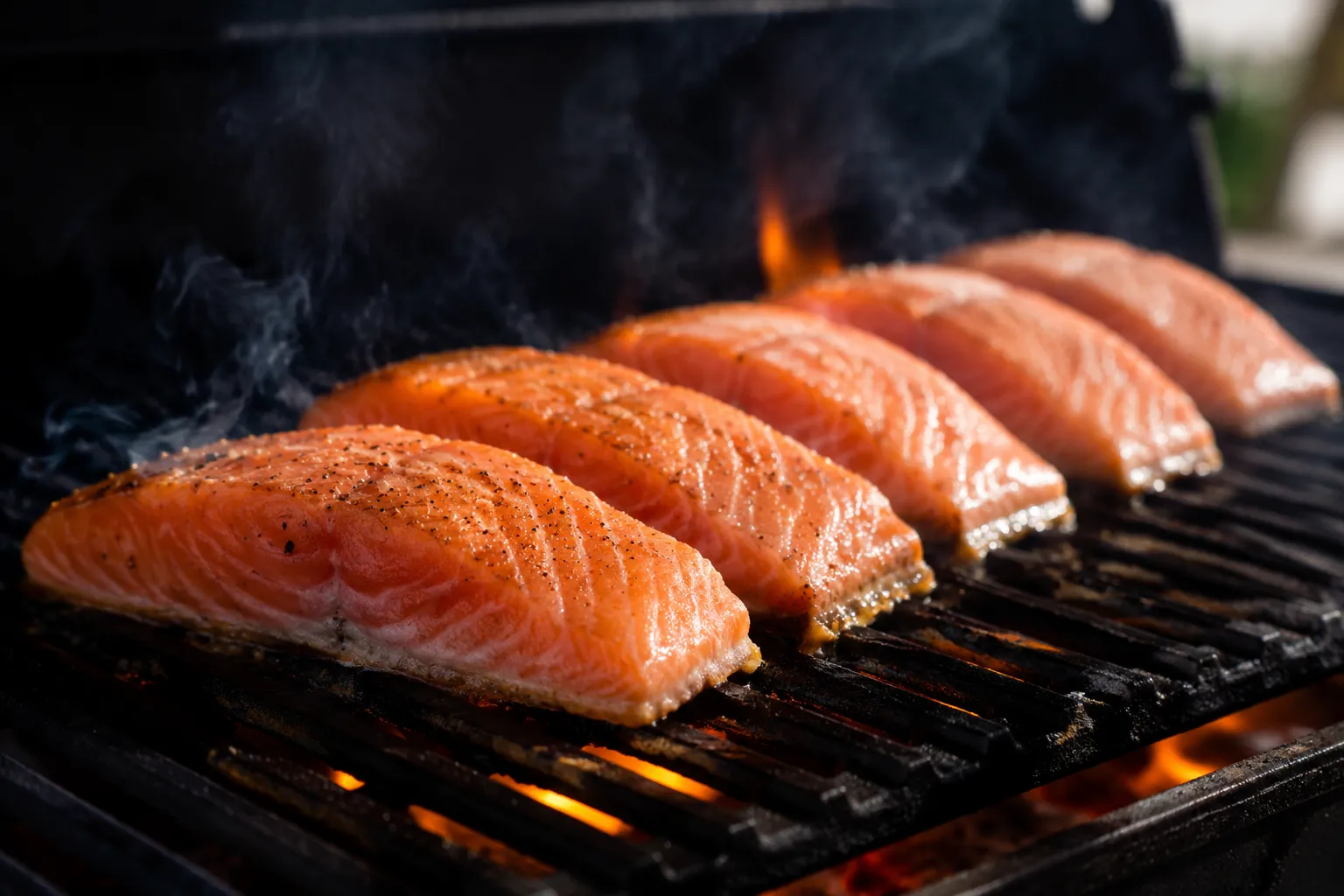
Once your fire is roaring, take a stiff wire brush and vigorously scrub the grill grates until they are completely free of any charred remnants from your last cookout. Next, fold a heavy-duty paper towel into a tight square, grip it with a pair of long-handled tongs, and dip it into a small bowl of high-smoke-point oil (like avocado or canola oil). Rub this oiled towel rapidly over the hot metal. You will see light smoke instantly billow up. Repeat this oiling process three or four times to build up a slick, non-stick polymer layer.
Another non-negotiable rule for success is using skin-on salmon. The skin acts as a protective barrier between the intense, direct heat of the flames and the delicate, buttery flesh of the fish. As the fat renders out of the skin, it crisps up beautifully like a potato chip, insulating the meat above it and keeping it incredibly moist. Even if you prefer not to eat the skin, leave it on during the cooking process; it makes sliding your spatula underneath infinitely easier and keeps the fillet perfectly intact.
When it is time to cook, place your marinated fillets directly onto the hot, oiled metal, skin-side down. Close the lid and resist the urge to peek, poke, or prod. Let the heat do its transformative work. For an average 6-ounce fillet, you are looking at about 4 to 5 minutes undisturbed on that first side. During this time, the skin is crisping, the fat is rendering, and a beautiful crust is forming.
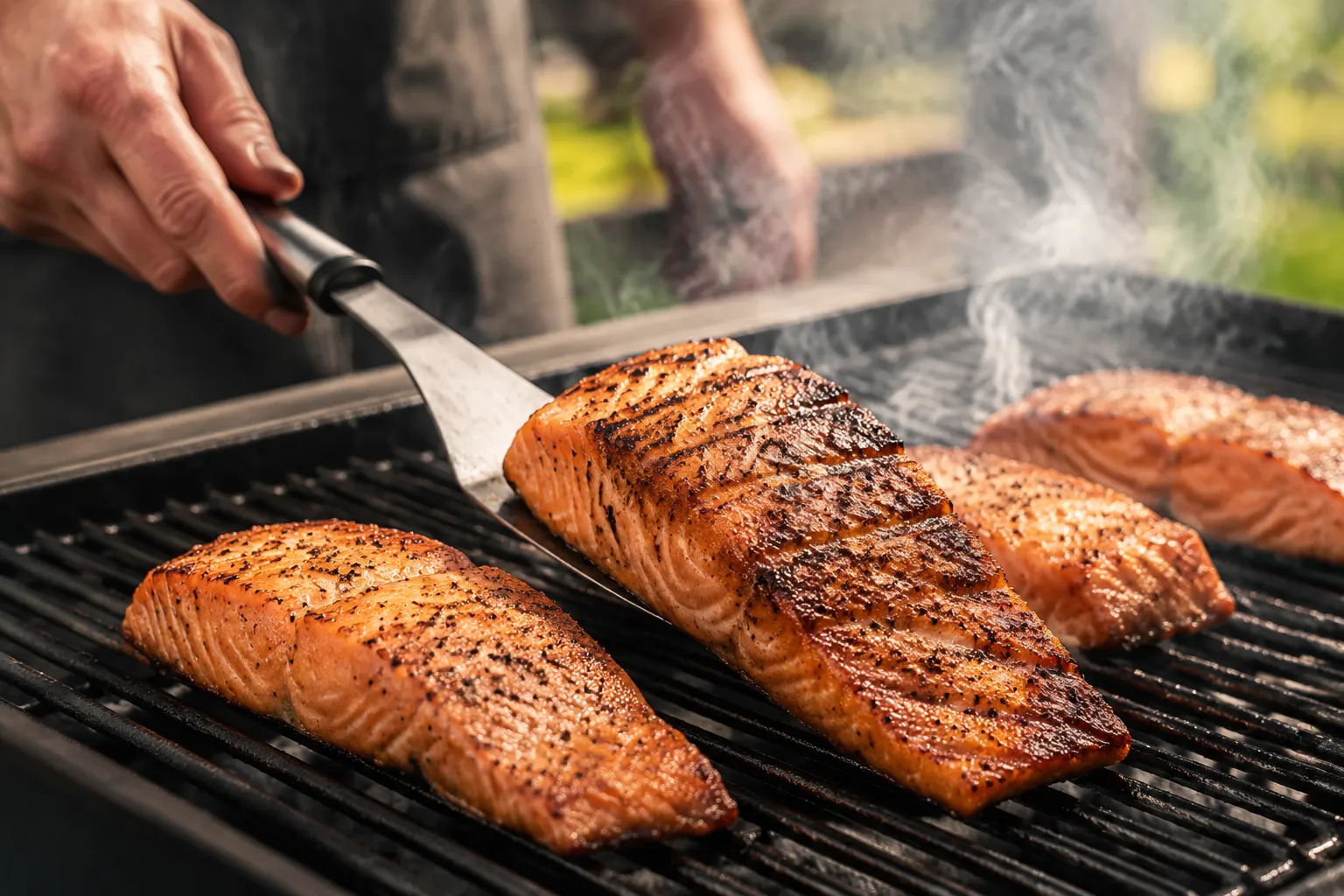
You will know it is time to flip when you gently slide your spatula under the edge of the fish and it yields easily. If it feels like it is gripping the metal and resisting, do not force it! Give it another 30 to 60 seconds. Fish will naturally let go of the metal when it is properly seared. Once flipped, the flesh side only needs a fraction of the time—usually just 2 to 3 minutes—to finish cooking through and develop those beautiful, caramelized crosshatch marks.
The difference between an unforgettable seafood dinner and a dry, chalky disappointment comes down to a matter of degrees. The most reliable way to guarantee tender, flaky salmon every single time is to use an instant-read meat thermometer. Insert the probe horizontally into the thickest part of the fillet.
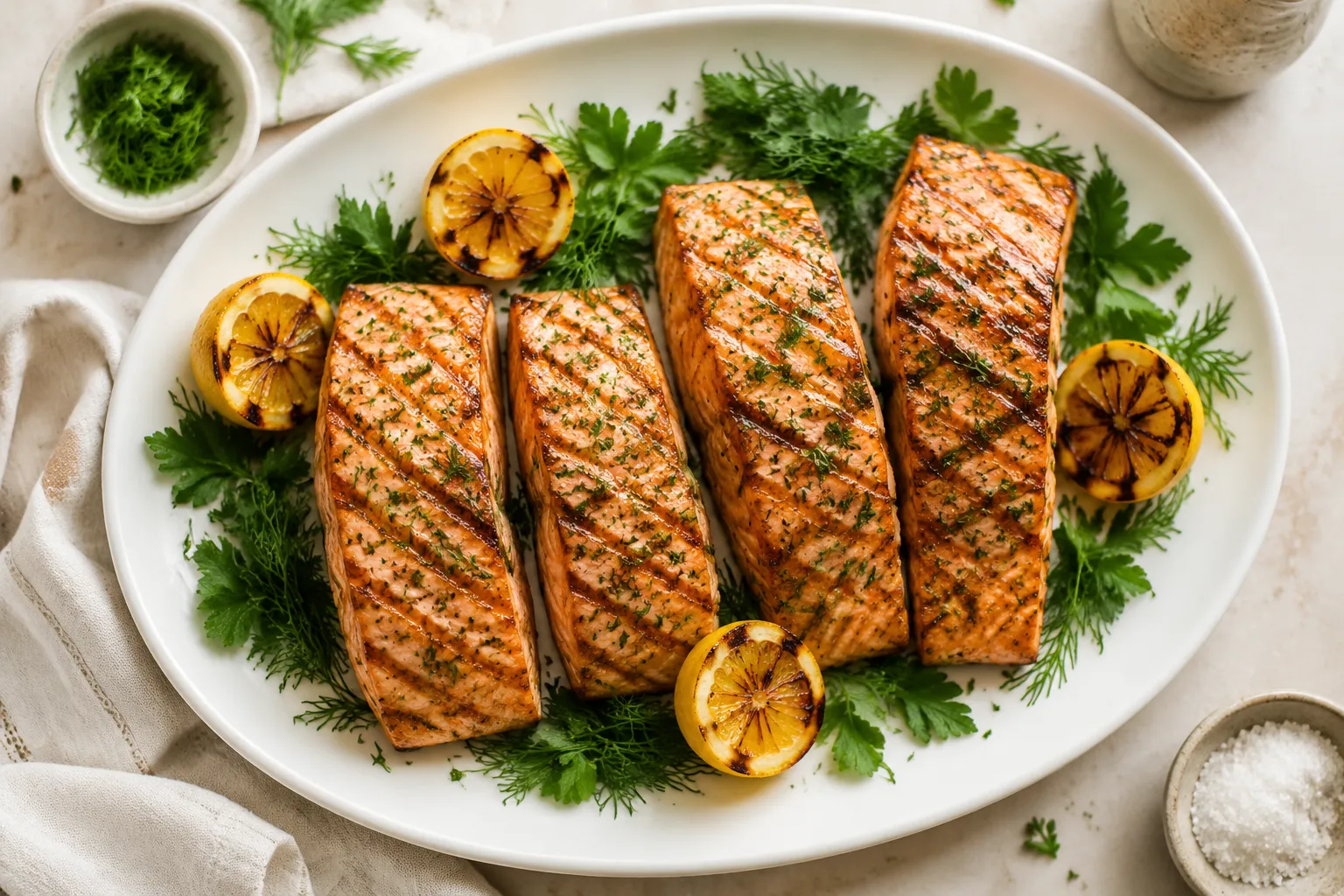
While the FDA officially recommends cooking fish to 145°F, most chefs and culinary professionals agree that this results in a severely overcooked, dry piece of fish. For a perfectly medium cook—where the center is still slightly translucent, incredibly juicy, and flakes apart at the mere suggestion of a fork—you want to pull the fillets off the heat when they reach an internal temperature of 125°F to 130°F.
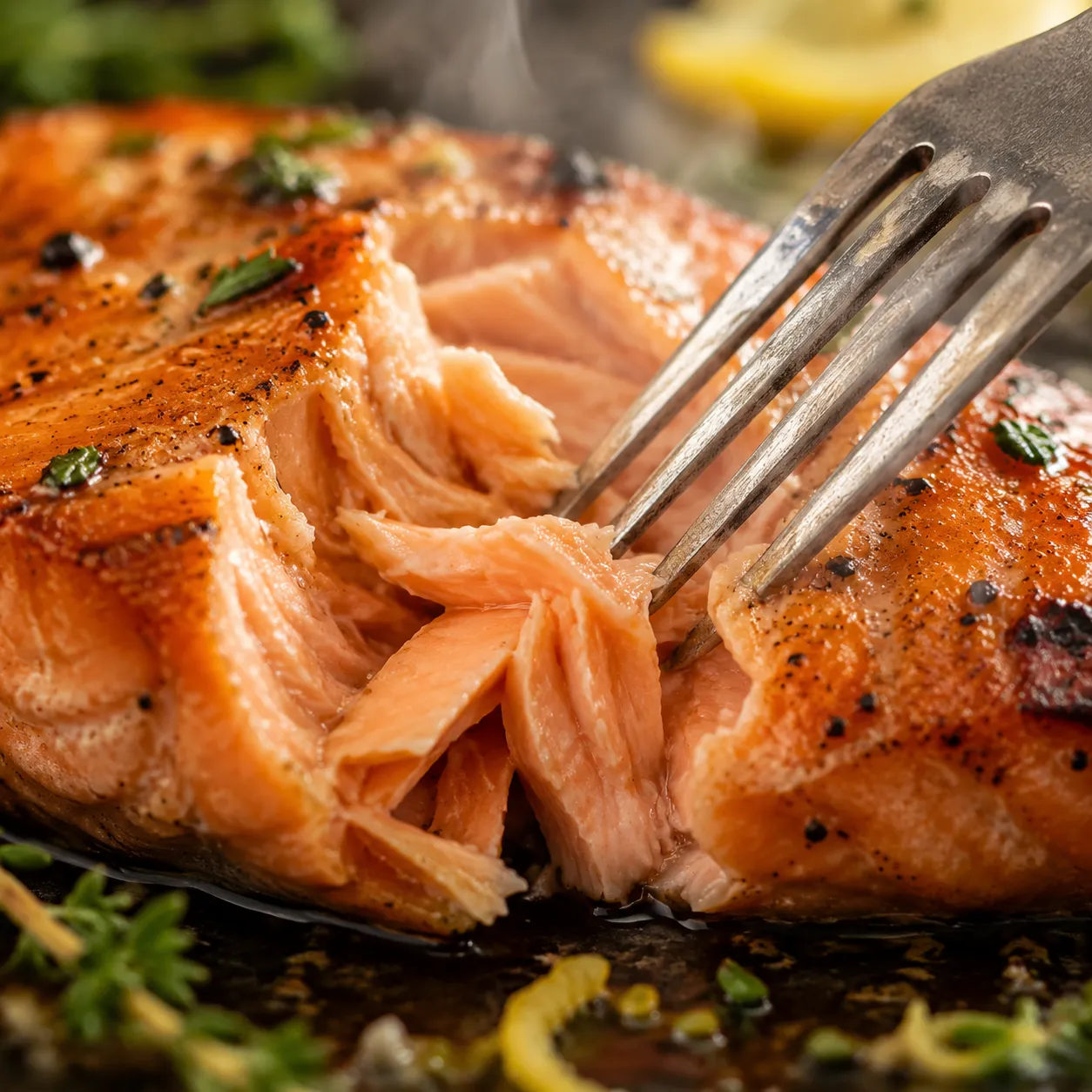
Once you transfer your masterpieces to a clean serving platter, let them rest for just a few minutes. This brief pause allows the violently bubbling juices to settle and redistribute throughout the flesh, ensuring that every single bite is as succulent and flavorful as possible. A final squeeze of fresh, charred lemon juice and a scattering of chopped dill right before serving elevates the dish to stunning new heights.
Because this main course is so quick and effortless, you have plenty of time to focus on vibrant, complementary side dishes. The bright, smoky flavors of BBQ salmon pair beautifully with almost anything you can throw on the grates alongside it. Toss some asparagus spears, zucchini planks, or sweet bell peppers in a little olive oil and salt, and let them char while the fish is resting. These grilled vegetables make for a colorful, healthy, and cohesive meal that requires almost zero cleanup.
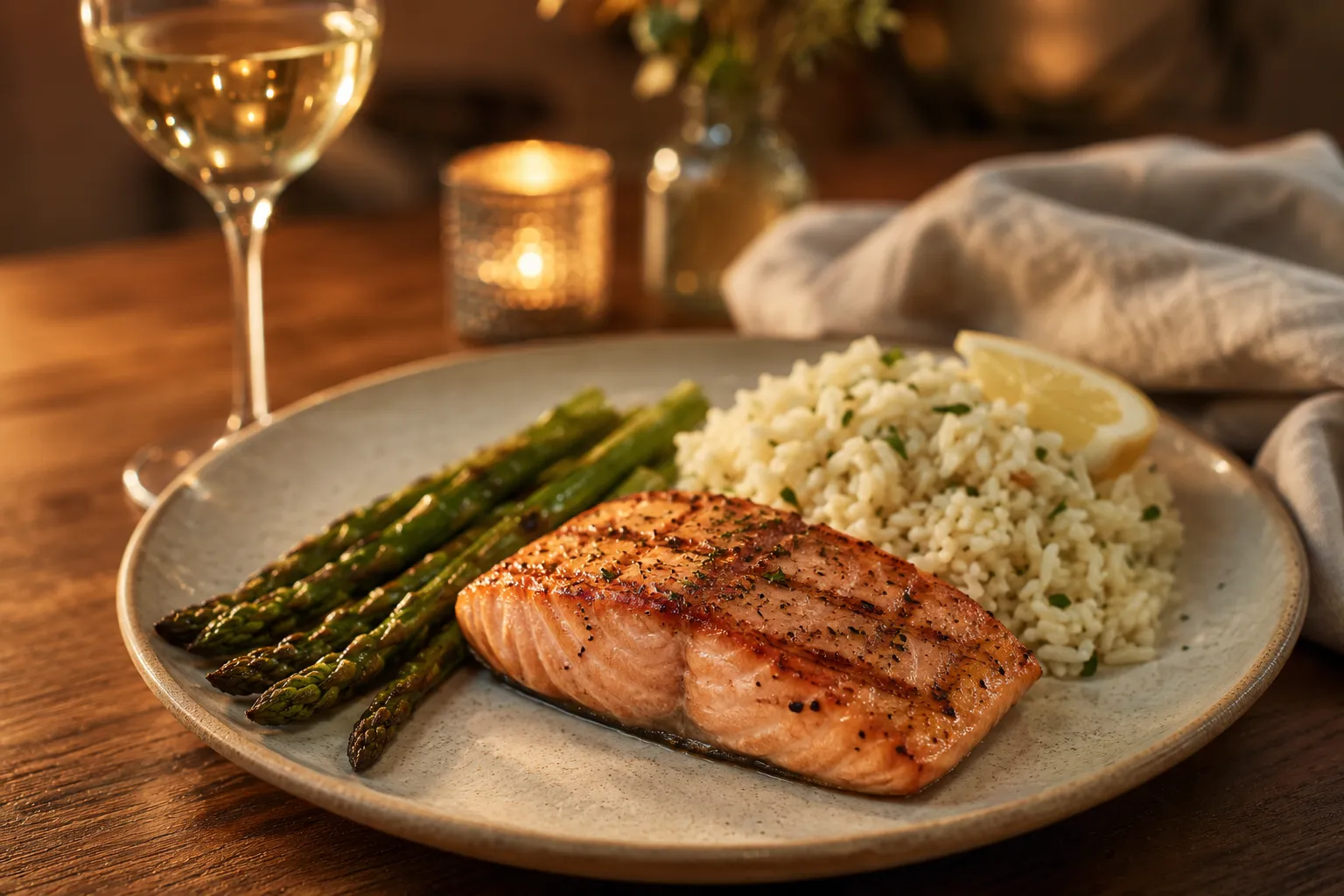
If you are craving some carbohydrates to soak up those delicious juices, a bed of fluffy lemon-herb quinoa, wild rice, or creamy parmesan orzo works wonders. The grains provide a comforting, hearty base that balances the lightness of the seafood perfectly. For a more casual, backyard picnic vibe, a crisp cucumber and tomato salad or a tangy cabbage slaw offers a refreshing, crunchy contrast to the rich, buttery fish.
Sauces are another fantastic way to customize your plate. While the marinade provides plenty of flavor on its own, offering a cool, creamy lemon dill sauce on the side is always a crowd-pleaser, especially if you are serving guests. Alternatively, a vibrant, herbaceous chimichurri or a simple drizzle of high-quality balsamic glaze can completely transform the flavor profile. As for the best salmon seasoning moving forward, once you master this basic lemon-garlic foundation, you can easily experiment with different dry rubs, from smoky Cajun blends to sweet and spicy brown sugar glazes.
While this dish is undeniably spectacular when served piping hot straight off the fire, it is also a brilliant candidate for meal prep. Cooking an extra fillet or two is a smart strategy that pays dividends the next day. The firm, meaty texture of the fish holds up beautifully in the refrigerator, making it an incredibly versatile protein to have on hand for quick, nutritious lunches.
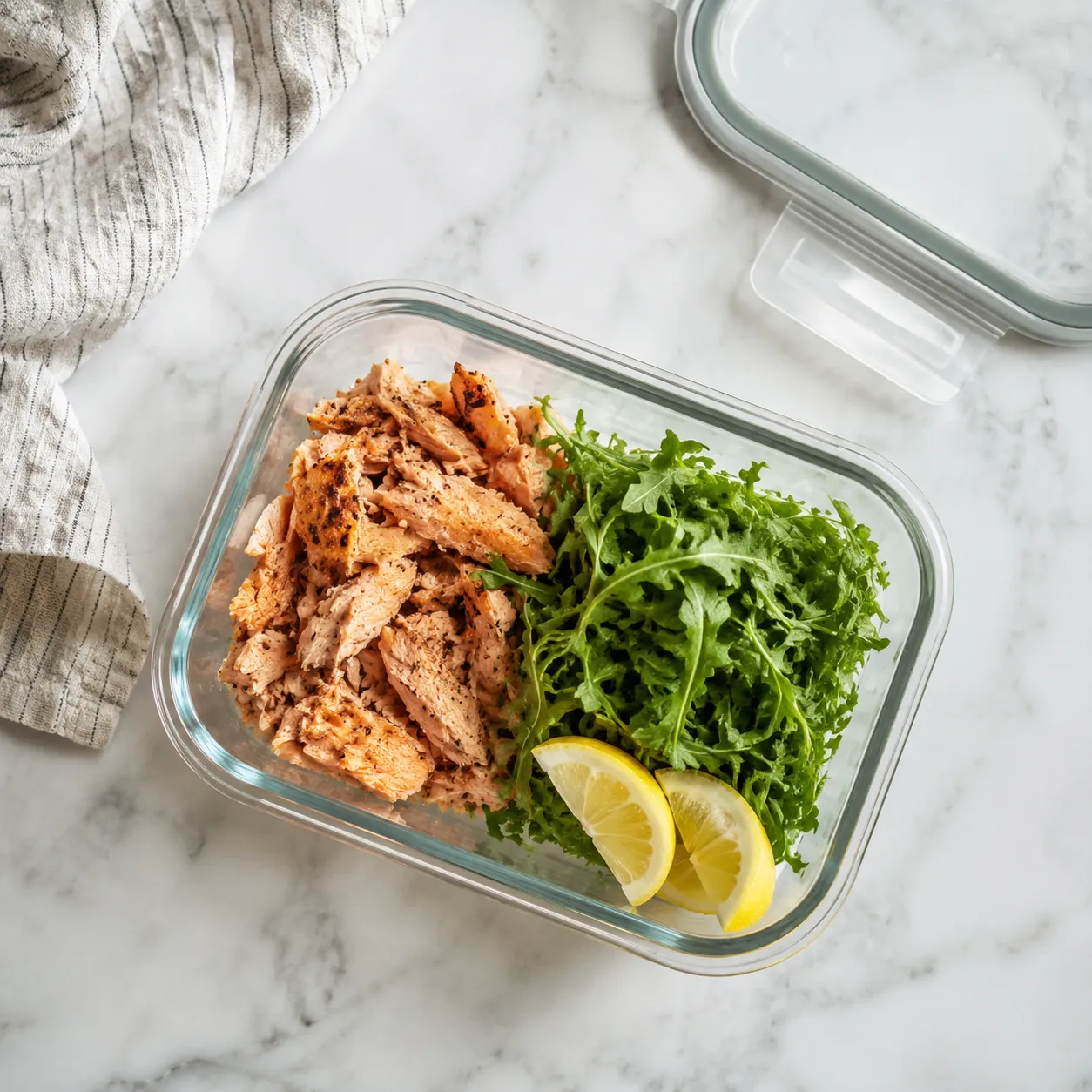
Cold, flaked fish is a revelation when tossed into a crisp Caesar salad, folded into a creamy avocado wrap, or mixed with a little Greek yogurt and celery for a protein-packed sandwich filling. You can even gently warm the flakes and toss them with hot pasta, capers, and a splash of white wine for a luxurious, seemingly fancy 10-minute dinner. Once you master this grilled salmon method, you will find yourself looking for any excuse to fire up the backyard setup all season long.
While this direct-heat method is our go-to for speed and crispy edges, you can easily adapt this recipe for different flavor experiences or outdoor setups depending on what you have on hand.
Store any leftover fillets in an airtight container in the refrigerator for up to 3 days. To maintain the best texture and prevent the fish from smelling overly pungent, avoid microwaving them on high heat, which can quickly dry out the flesh and leave it rubbery.
Instead, gently reheat the fish in a 275°F oven loosely covered with foil until just warmed through (about 10-15 minutes). Alternatively, enjoy the leftovers cold—they are absolutely delicious flaked over a crisp green salad, folded into a creamy pasta dish, or tucked into your morning scrambled eggs.