How Long to Grill Burgers: Perfect Times & Temps
Ingredients
Scale
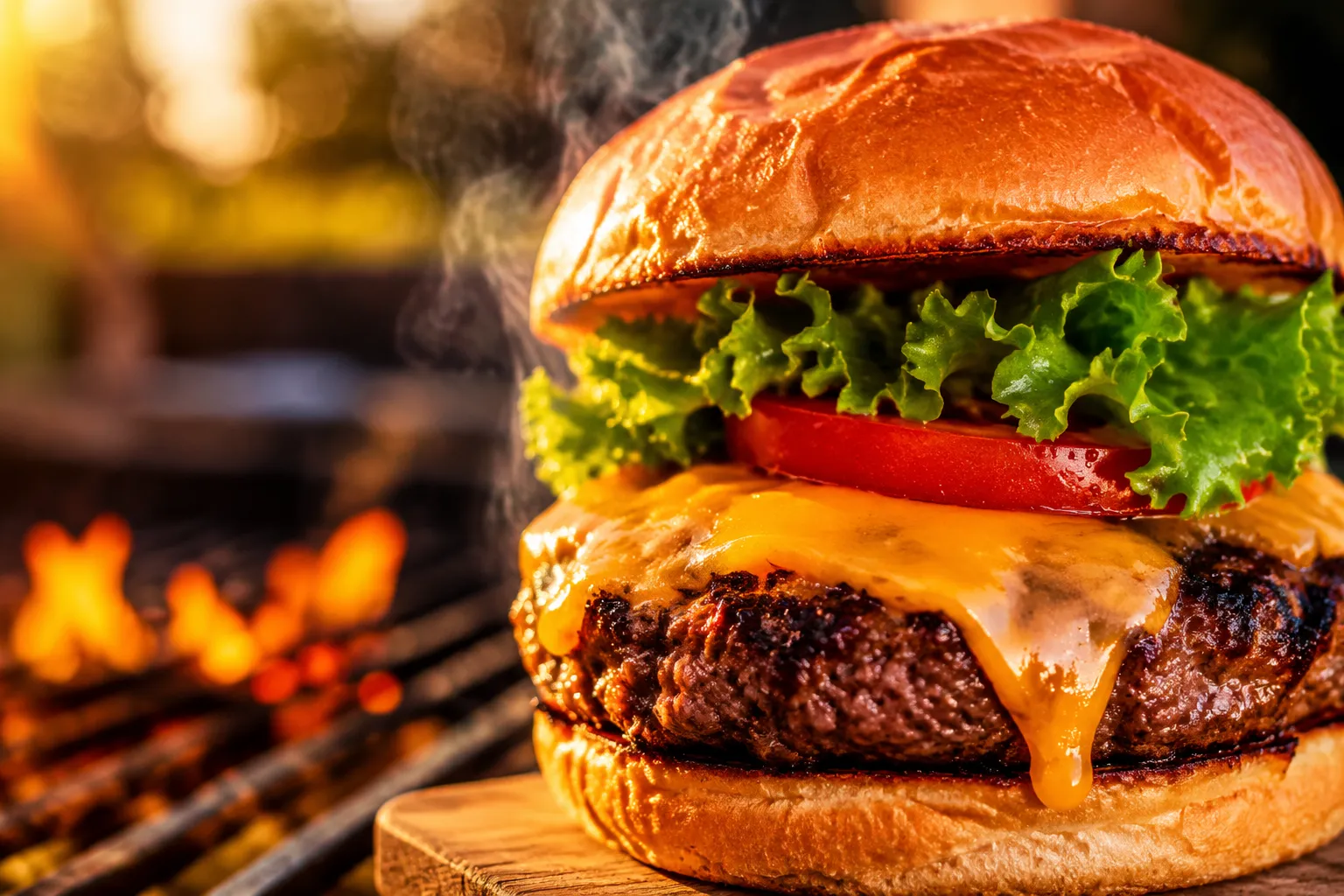
Wondering how long to grill burgers for that perfect juicy bite? Here are exact times, temps, and pro tips for rare to well-done patties every time.
Wondering how long to grill burgers for that perfect, melt-in-your-mouth backyard cookout experience? You are definitely not alone. There is nothing quite like the sensory magic of a warm summer evening, the scent of charcoal drifting through the air, and the sound of ground beef sizzling as it hits hot cast-iron grates. But for all the joy that grilling brings, it can also bring a fair bit of anxiety. Nobody wants to serve a burger that is charred to a crisp on the outside but dangerously raw in the center, or worse, a dry, hockey-puck patty that requires a gallon of ketchup just to swallow.
Whether you are planning an epic summer cookout menu for the neighborhood or simply throwing together a quick weeknight dinner for the family, mastering the timing is everything. The secret to a truly restaurant-quality burger lies in understanding the delicate balance between heat, time, and patty thickness. It is not just about throwing meat on the fire and hoping for the best; it is about knowing exactly when to flip, when to cover, and when to pull them off the heat to let them rest.
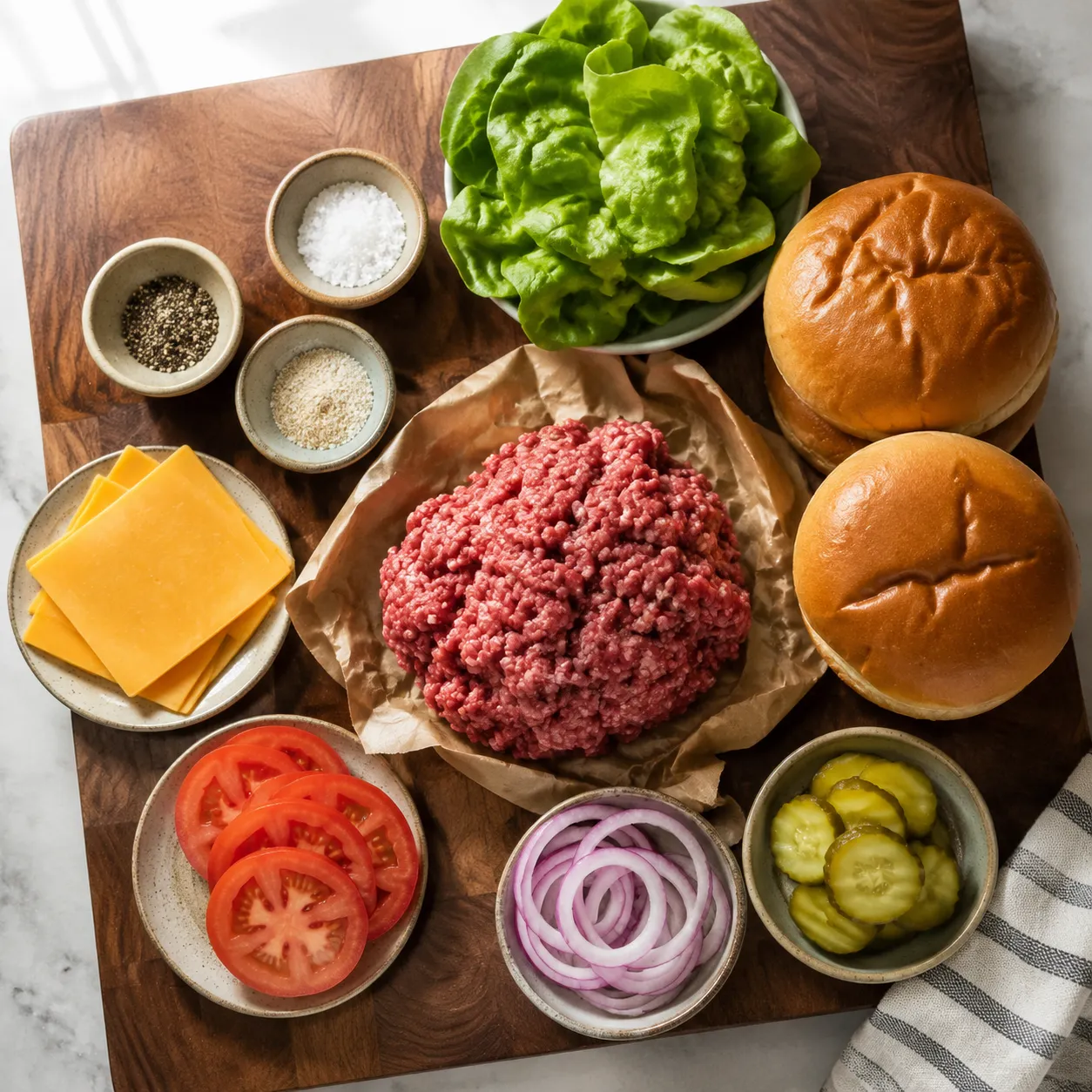
In this comprehensive guide, we are breaking down the exact science of grilling the ultimate backyard burger. We will cover precise times for every level of doneness, the crucial temperature benchmarks you need to hit, and the foolproof techniques that guarantee a juicy, flavorful center with a deeply caramelized crust. Grab your spatula, fire up the grill, and let's get cooking!
When it comes to achieving burger perfection, guesswork is your worst enemy. To get that ideal cook every single time, you need a reliable quick-reference chart based on the thickness of your patty and your desired level of doneness. For standard half-inch to three-quarter-inch patties cooked over medium-high heat (around 400°F), the timing is a relatively quick process. If you prefer a rare burger with a cool red center, you will want to grill your patties for about 2 to 3 minutes per side. For a classic medium-rare with a warm red center, aim for 3 to 4 minutes per side. Those who love a medium burger with a hot pink center should cook their patties for 4 to 5 minutes per side. If you lean towards medium-well with just a hint of pink, plan on 5 to 6 minutes per side. Finally, for a fully cooked well-done burger, you will need 6 to 7 minutes per side.
While timing is a great starting point, the most accurate way to gauge doneness is by checking the internal temperature. The USDA recommends cooking ground beef to an internal temperature of 160°F to ensure all harmful bacteria are destroyed, which correlates to a well-done burger. However, many burger aficionados prefer their patties cooked to lower temperatures for maximum juiciness. If you choose to cook your burgers to a lesser doneness, medium-rare is typically 130°F to 135°F, medium hits between 140°F and 145°F, and medium-well lands around 150°F to 155°F.
Patty thickness plays a massive role in how these times translate on the grill. A classic diner-style smash burger that is barely a quarter-inch thick will cook in a matter of minutes and should never be left on the grill for the times listed above. Conversely, a pub-style behemoth pushing a full inch in thickness will need slightly lower heat and more time to ensure the center cooks before the exterior burns. For this guide, we are focusing on the sweet spot: a perfectly portioned half-inch to three-quarter-inch patty.
Knowing how long to grill burgers on gas grill setups requires understanding how to manage consistent, controllable heat. Gas grills are incredibly convenient, offering rapid preheating and the ability to adjust temperatures with the turn of a dial. To start, you want to preheat your gas grill to medium-high heat, which usually hovers between 375°F and 400°F. Give your grill at least 10 to 15 minutes to fully heat up; those heavy grates need to be screaming hot to deliver that beautiful initial sear. If you throw cold meat onto lukewarm grates, you will end up steaming the beef rather than searing it, missing out on that crucial crust.
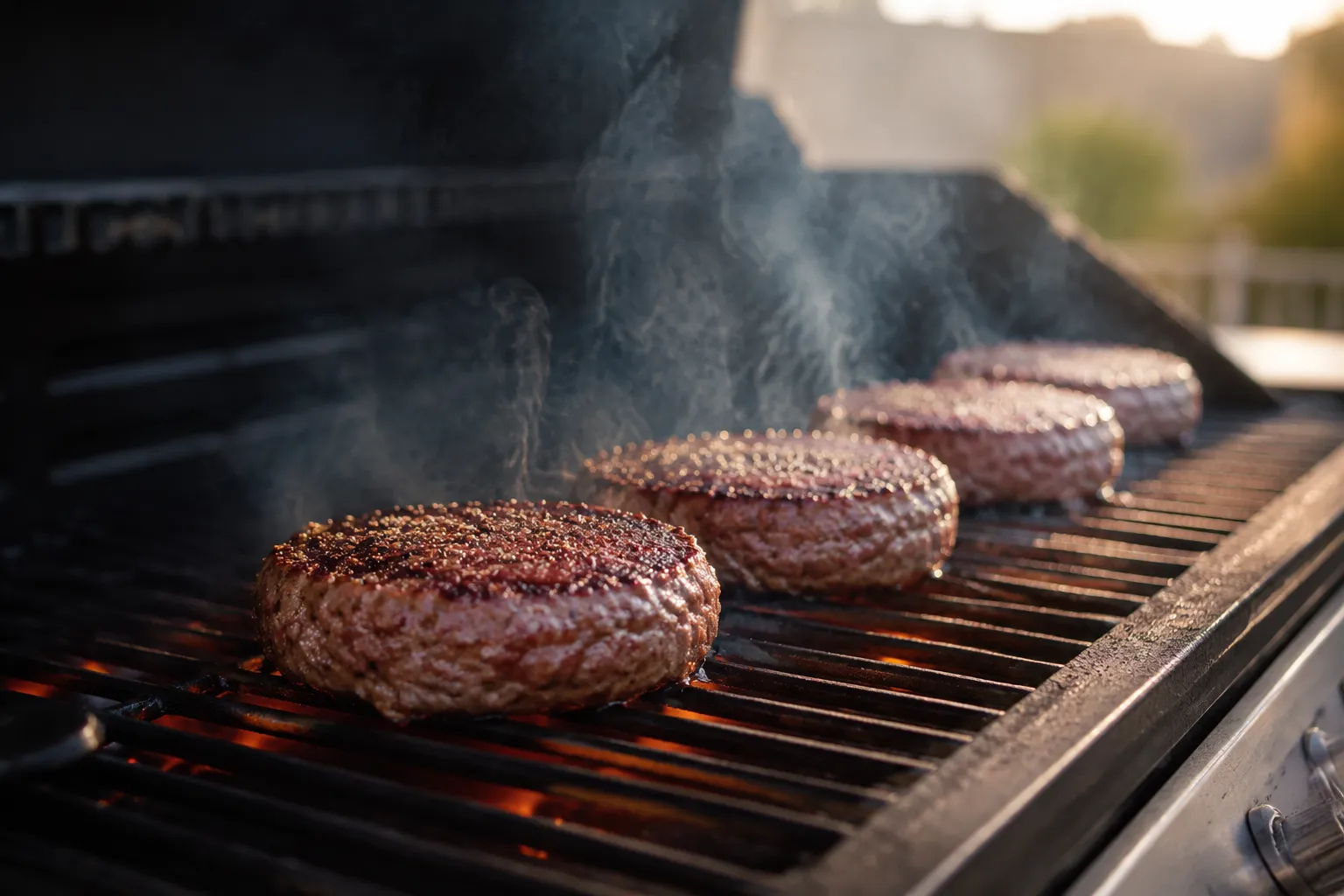
One of the best techniques for gas grilling is setting up direct and indirect heat zones. While burgers generally cook quickly over direct heat, having a cooler zone (where the burners are turned to low or off entirely) provides a safe haven. If your grill suddenly flares up from dripping fat, or if the outside of your burger is browning faster than the inside is cooking, you can simply slide the patties over to the indirect side to finish cooking gently. This two-zone method is a lifesaver for thicker patties that need a little extra time.
A common question is whether to keep the grill lid open or closed. The answer depends largely on the thickness of your meat. For standard or thick patties (half-inch and above), closing the lid traps the ambient heat, creating an oven-like environment that cooks the burger evenly from all sides while the direct heat sears the bottom. If you are cooking very thin patties, leave the lid open. Thin burgers cook so quickly that trapping the heat will almost certainly lead to an overcooked, dry result.
If you are wondering how long to grill burgers over hot coals, the principles are similar to gas, but the flavor profile is entirely different. Charcoal grilling imparts a distinct, smoky essence that simply cannot be replicated. The key to success here is building a proper two-zone fire. Start by lighting your briquettes or lump charcoal in a chimney starter. Wait until the coals are covered in a layer of white ash—this usually takes about 15 to 20 minutes. This visual cue tells you the coals are at their peak temperature and ready to be poured.
Once your coals are ready, pour them entirely onto one side of the grill grate, leaving the other side completely empty. This creates an intensely hot direct zone for searing and a cooler indirect zone for gentle cooking or rescuing patties from flare-ups. Because charcoal can burn significantly hotter than a typical gas grill, your initial sear might happen a bit faster. Keep a close eye on the patties during the first two minutes. If the flames lick up too aggressively, gently move the burgers toward the middle or the cooler side of the grill.
The foundation of any great burger is, unsurprisingly, the meat itself. For the absolute best results on the grill, you must use 80/20 ground beef. This ratio—80 percent lean meat to 20 percent fat—is the undisputed champion of the burger world. The fat is what keeps the patty moist over the intense heat of the grill and provides that rich, beefy flavor we all crave. Leaner blends like 90/10 or 93/7 will dry out rapidly on the grill, leaving you with a crumbly, flavorless disc. If you want to elevate your burger game, ask your local butcher for a custom blend of chuck, brisket, and short rib, all maintaining that crucial 80/20 balance.
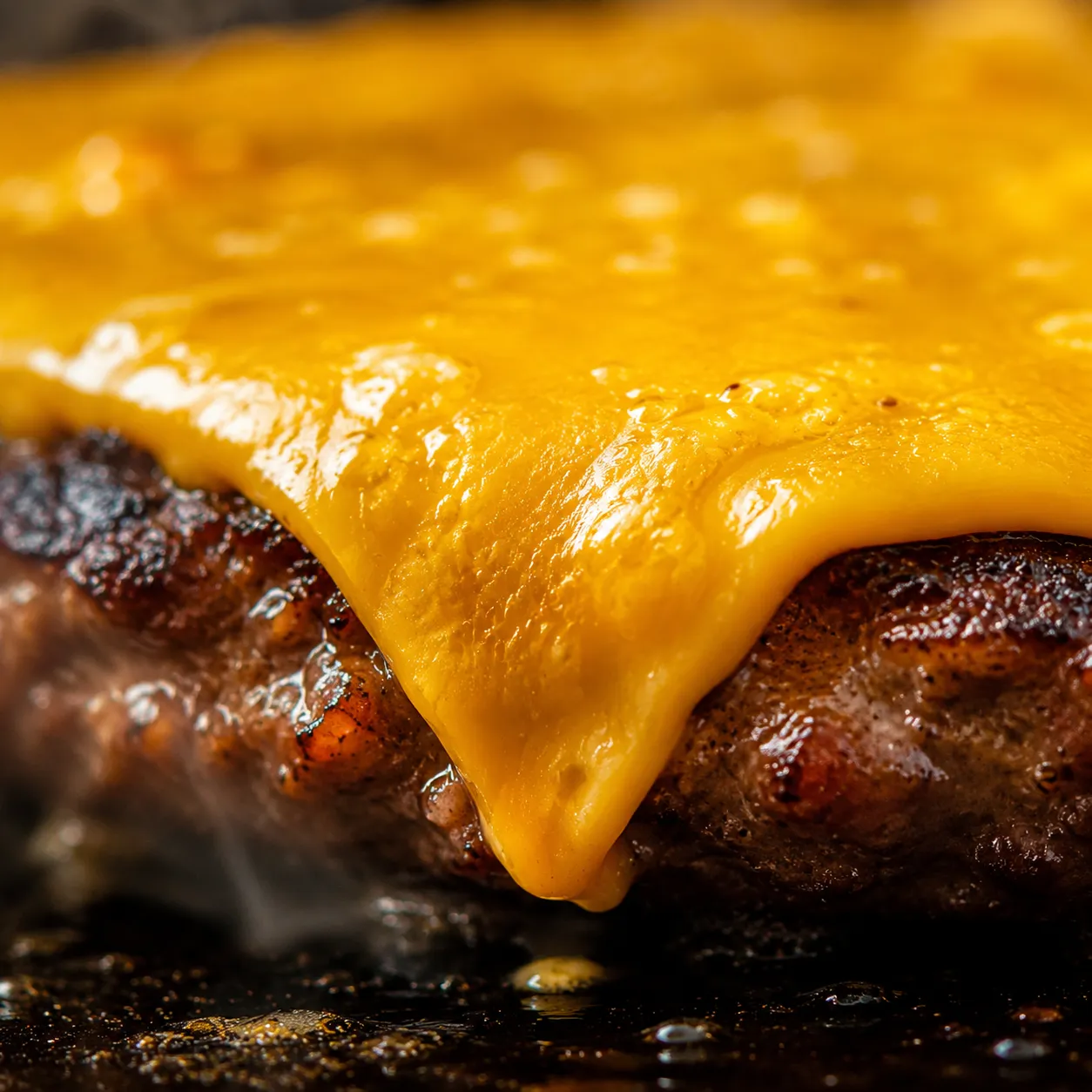
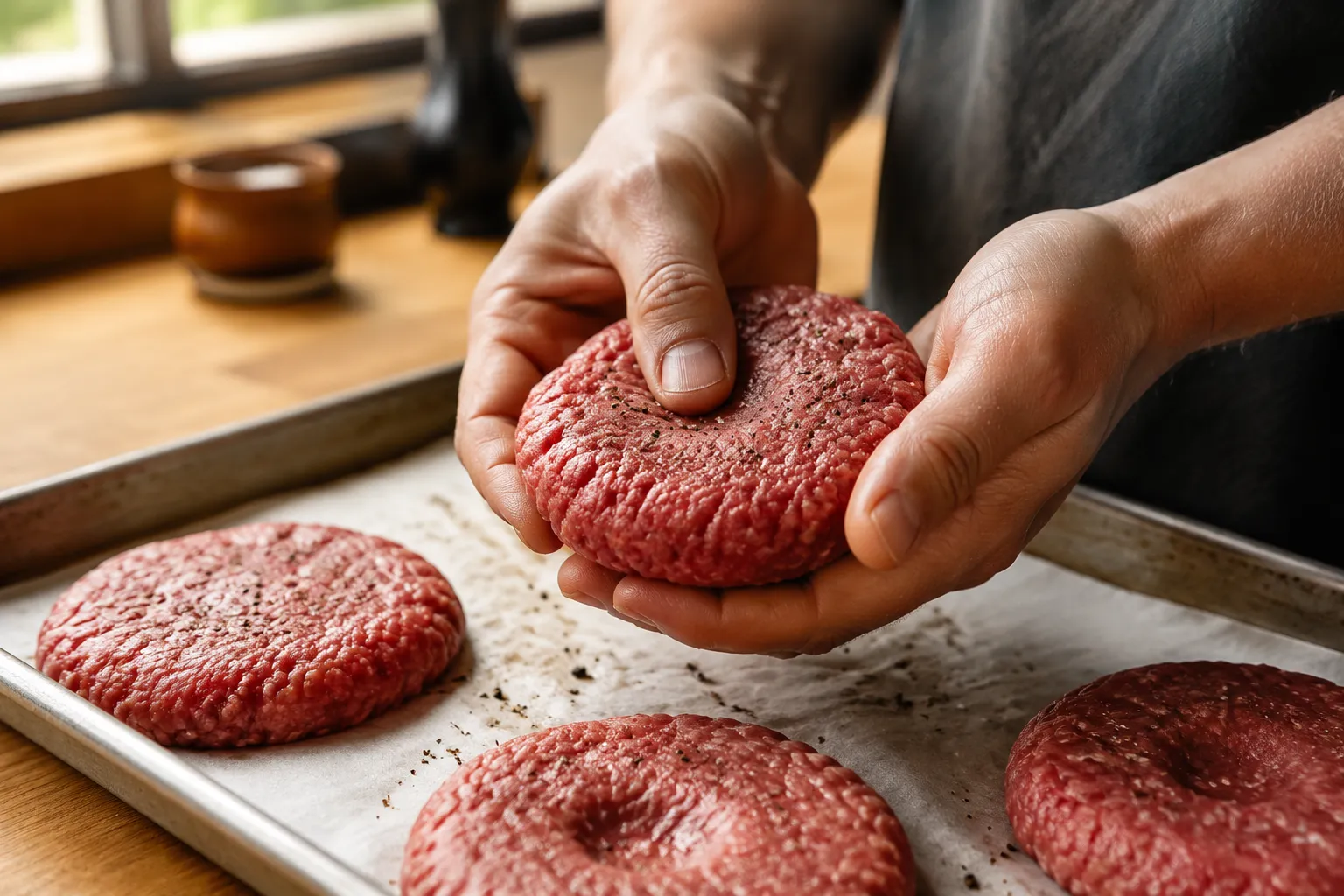
When shaping your patties, handle the meat as gently as possible. Overworking the beef tightly packs the proteins, resulting in a dense, tough burger. Lightly form the meat into balls, then gently press them into patties that are slightly wider than your homemade burger buns, as the meat will inevitably shrink as it cooks. To prevent the dreaded "burger bulge"—where the patty puffs up in the center like a meatball—use your thumb to press a shallow dimple into the center of each raw patty. As the edges contract during cooking, the dimple will flatten out, leaving you with a perfectly level burger.
Timing your seasoning is another critical factor. Never mix salt directly into the ground beef before shaping the patties. Salt draws out moisture and dissolves meat proteins, which will turn your burgers into a sausage-like texture if mixed in too early. Instead, wait until right before the patties hit the grill to generously coat the outside with your best burger seasoning. A simple mix of kosher salt, freshly cracked black pepper, and a touch of garlic powder is all you need to create a mouthwatering, savory crust.
The secret to mastering how long to grill burgers is trusting the process and avoiding the temptation to fiddle with the meat. Once your grill is hot and your patties are seasoned, place them gently on the direct heat zone. You should hear an immediate, aggressive sizzle. If you don't hear that sound, your grill isn't hot enough. Let the burgers cook undisturbed for the first few minutes. This uninterrupted contact with the hot grates is what triggers the Maillard reaction, developing that deeply brown, incredibly flavorful crust.
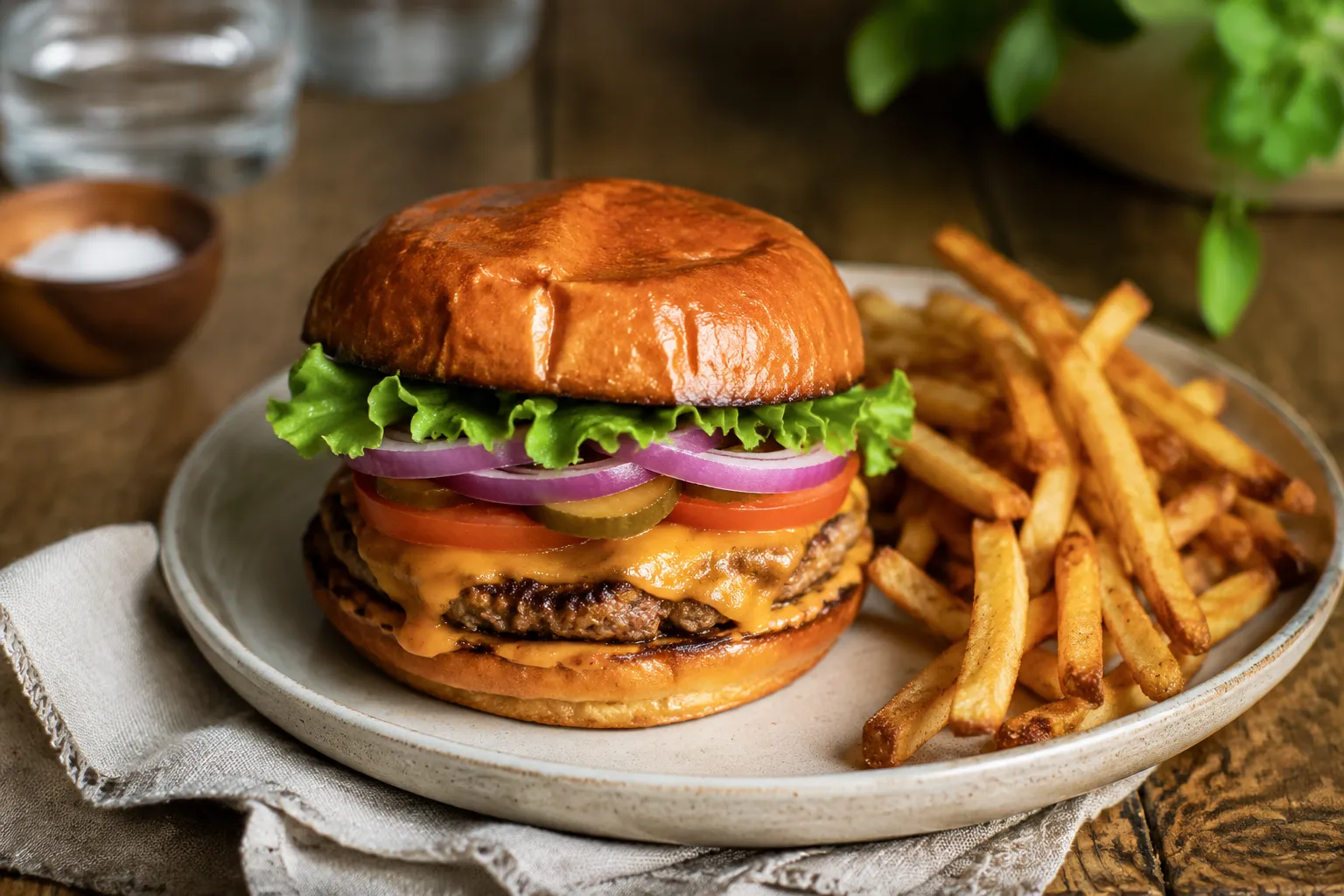
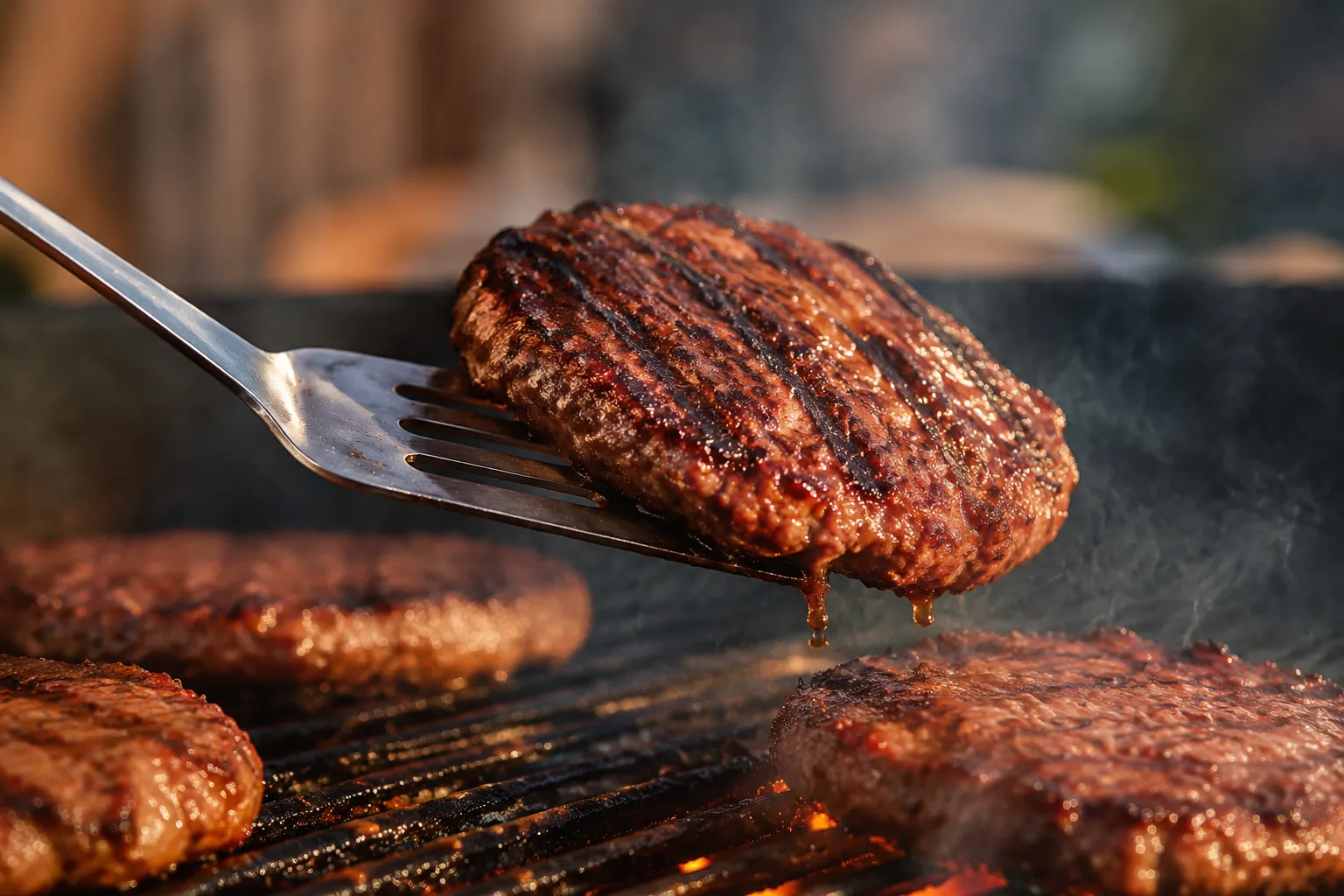
When it is time to flip, use a thin, sturdy metal spatula. Slide it decisively under the patty to ensure you don't leave any of that beautiful crust stuck to the grates. Flip the burger exactly once. The one-flip rule is a cornerstone of great grilling; it allows both sides to develop an even crust and prevents the burger from breaking apart. After flipping, let the second side sear.
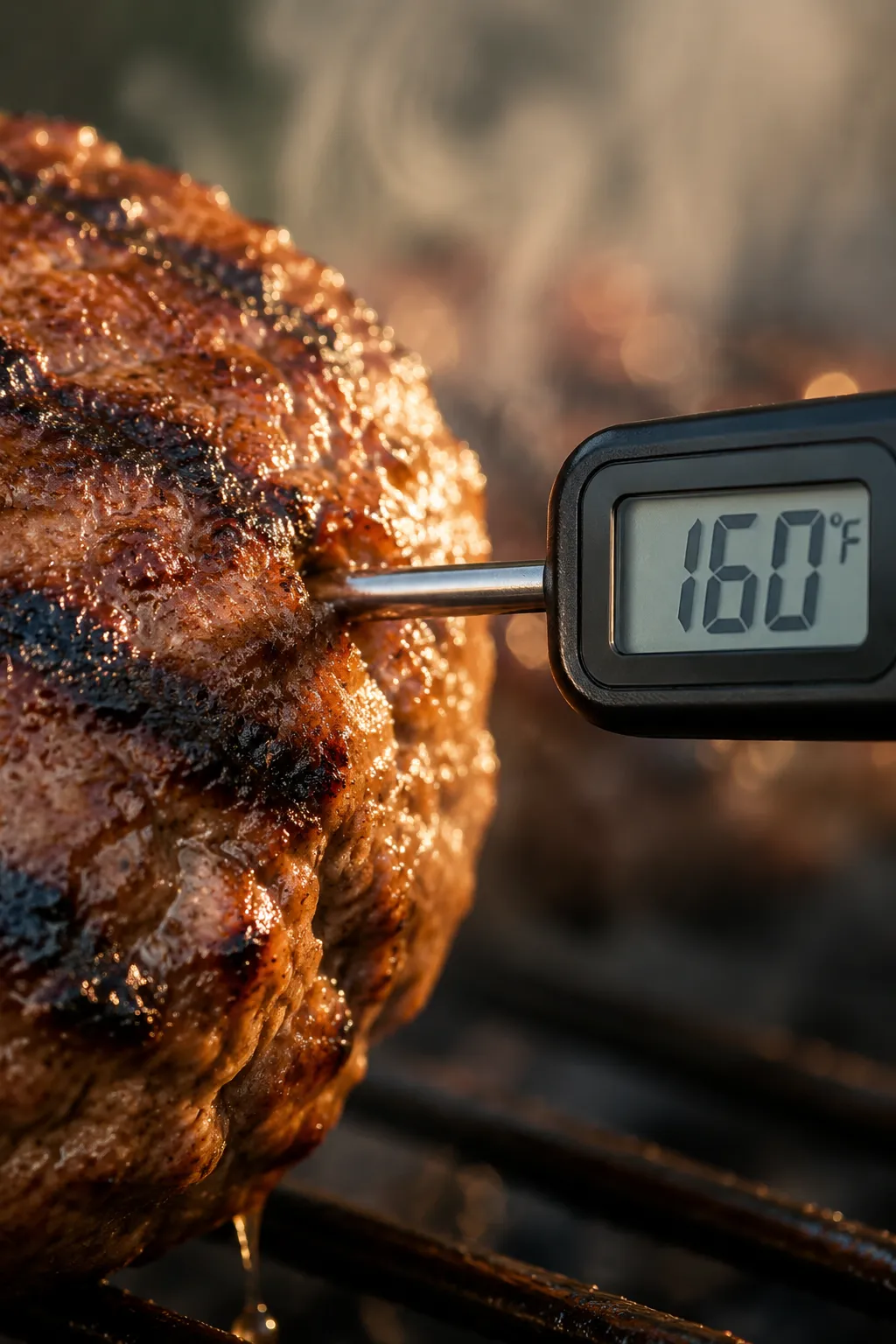
During the last minute of cooking, it is time to add the cheese. Place a slice of your favorite melting cheese—American, cheddar, or pepper jack—over each patty and close the grill lid for about 30 to 60 seconds. The trapped heat will melt the cheese into a glorious, gooey blanket. While the cheese is melting, throw your buns on the cooler side of the grill for a quick toast. A toasted bun provides structural integrity, preventing it from getting soggy once you add your favorite burger sauce recipe and a mountain of grilled burger toppings.
Even with the best ingredients and a hot grill, a few common missteps can derail your cookout. The most cardinal sin of grilling burgers is pressing down on the patties with your spatula. Every time you press the meat, you are squeezing out the flavorful juices directly into the flames. Those juices belong in the burger, not in the fire! Resist the urge to press, poke, or flatten the meat while it cooks.
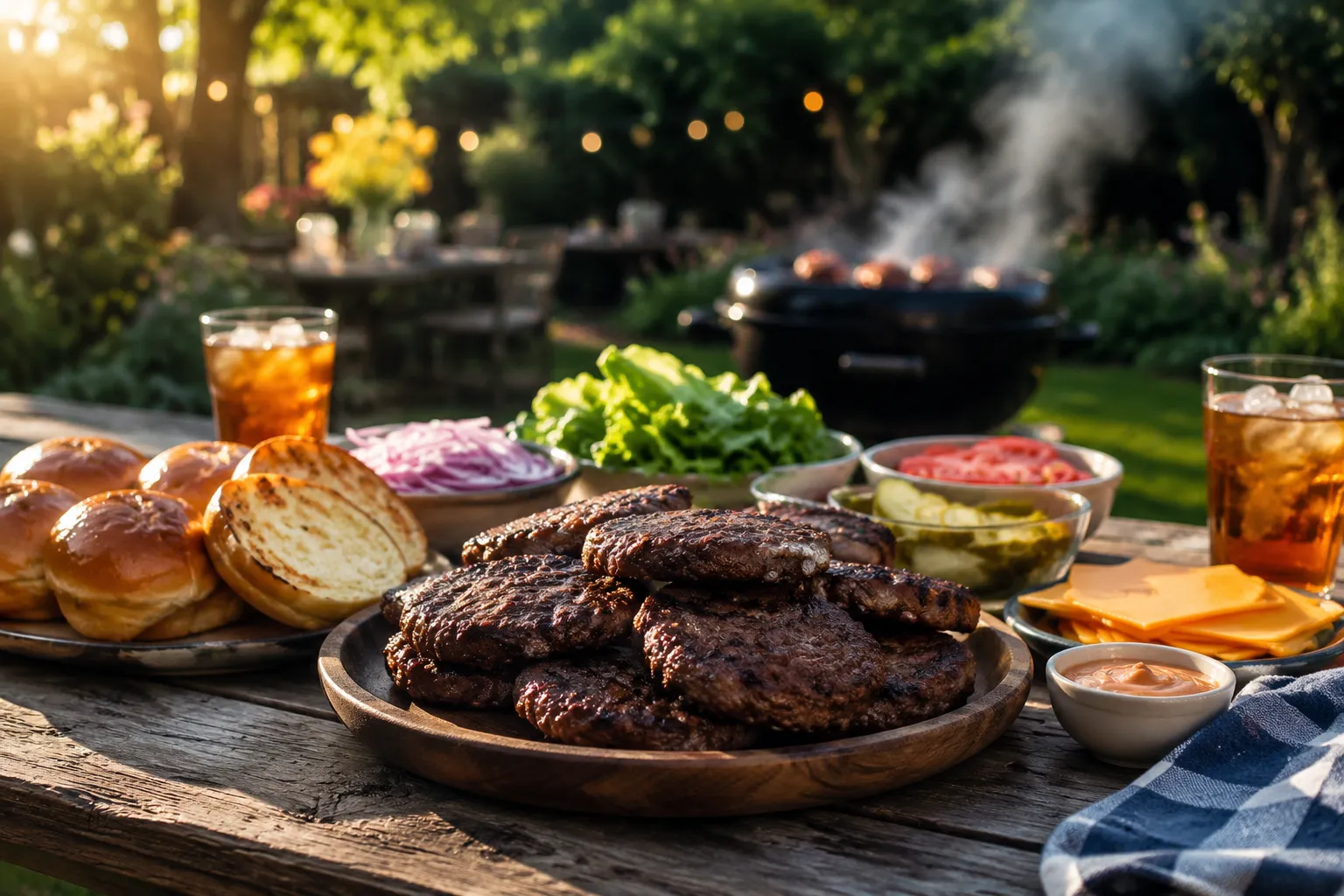
Another frequent mistake is hovering over the grill and flipping the meat incessantly. While you might flip other proteins often when learning how to grill chicken, burgers need patience. Let the grill do the work. Finally, never skip the resting phase. Just like a good steak, a burger needs a few minutes to rest off the heat before you bite into it. Resting allows the muscle fibers to relax and the juices to redistribute evenly throughout the patty. Give them about 3 to 5 minutes on a warm plate while you prep your toppings.
Now that you know exactly how long to grill burgers, you can host your next backyard barbecue with absolute confidence. Armed with a hot grill, the right beef, and a trusty thermometer, you are well on your way to burger perfection. Enjoy the sizzle, savor the flavor, and get ready for everyone to ask for your secret recipe!
Once you have mastered the classic backyard burger, the flavor possibilities are endless. You can easily tweak the seasonings, the cheese, or the toppings to create a completely new experience every time you fire up the grill.
If you find yourself with leftover grilled burgers, they can easily be saved for a quick meal later in the week. Allow the cooked patties to cool completely to room temperature, then place them in an airtight container or wrap them tightly in aluminum foil. Store them in the refrigerator for up to 3 to 4 days. It is best to store the patties separately from the buns and toppings to prevent everything from getting soggy.
To reheat, skip the microwave if possible, as it can make the beef rubbery. Instead, place the patties in a skillet over medium-low heat with a splash of beef broth or water. Cover the skillet with a lid and let them steam gently for about 3 to 5 minutes until heated through. This method helps restore some of the moisture lost during the initial cook.