FDA Donuts Recalled for Listeria: List & Safe Recipe
Ingredients
Scale
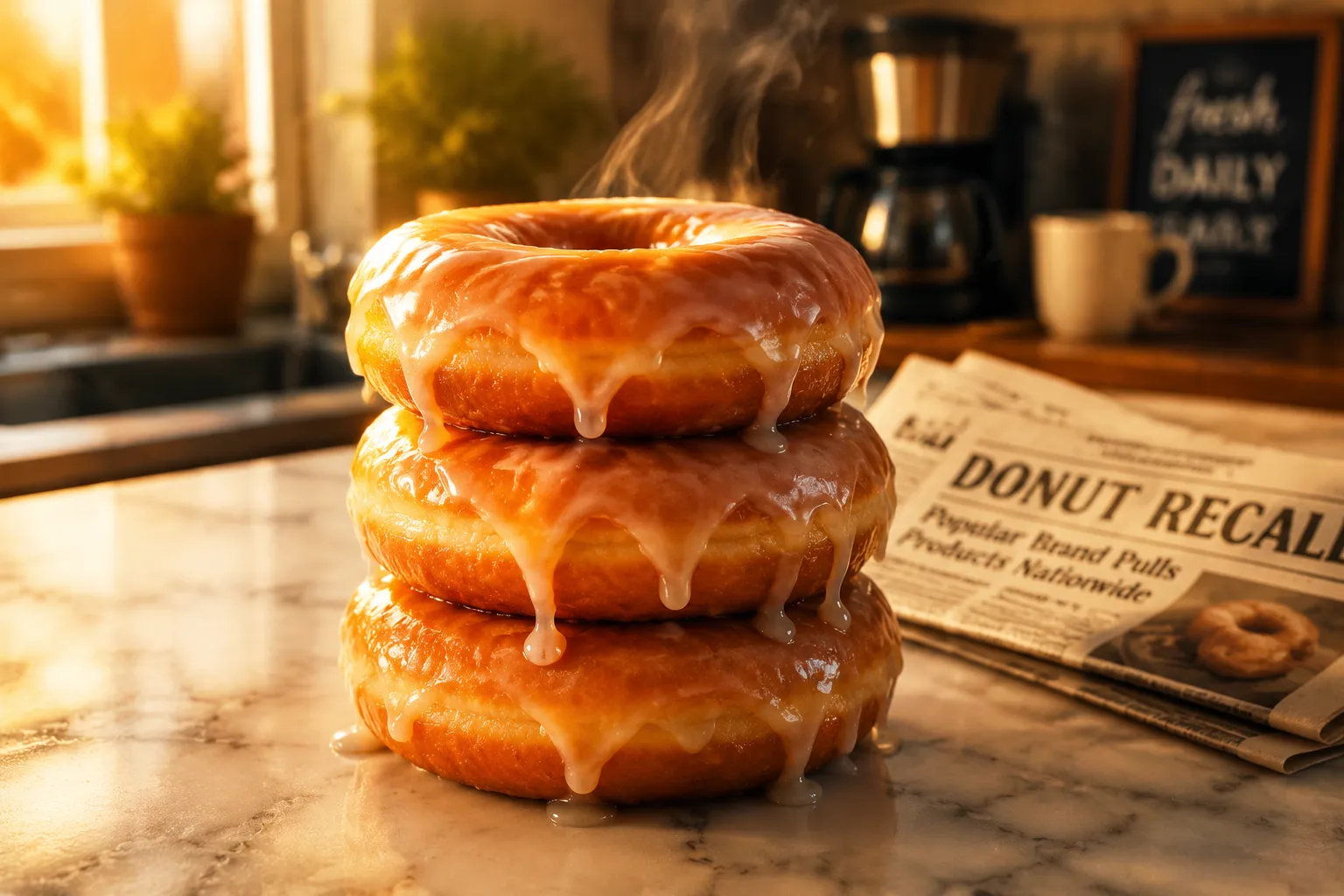
An FDA donut recall over listeria has shoppers worried. Here's the full affected list, what to do if you bought them, and a safe homemade donut recipe.
FDA donuts recalled listeria alerts are the kind of food news that can make any parent, snack-lover, or grocery shopper stop mid-bite and check the package on the counter. If you recently bought packaged donuts, especially multipacks, snack cakes, or bakery-style clamshells, this guide walks you through what the recall means, how to identify affected products, what symptoms to watch for, and how to make a warm batch of safe homemade glazed donuts instead.
This article is designed to be practical, not panic-inducing. Listeria is serious, but a clear plan helps: check the label, isolate the product, clean any surfaces it touched, and follow refund instructions from the store or manufacturer. Then, when the craving hits, you can bake a tender vanilla-glazed donut at home with pantry staples and no fryer.
The fda donuts recalled listeria notice centers on ready-to-eat packaged donut products that may have been exposed to listeria, a bacteria that can cause serious illness in some people. In a typical FDA recall, the agency publishes the company name, product names, package sizes, lot codes, best-by dates, and distribution details so shoppers can compare them against what they have at home. The important first step is not to taste or inspect the donuts for signs of spoilage; contamination cannot always be seen, smelled, or tasted.
For shoppers, the key phrase is recalled donuts. If your package matches the FDA notice, treat it as unsafe even if it looks perfectly fresh. This is especially important because packaged donuts may be stored on the counter, in a lunchbox, in the fridge, or in the freezer, making it easy for a recalled package to linger longer than expected.
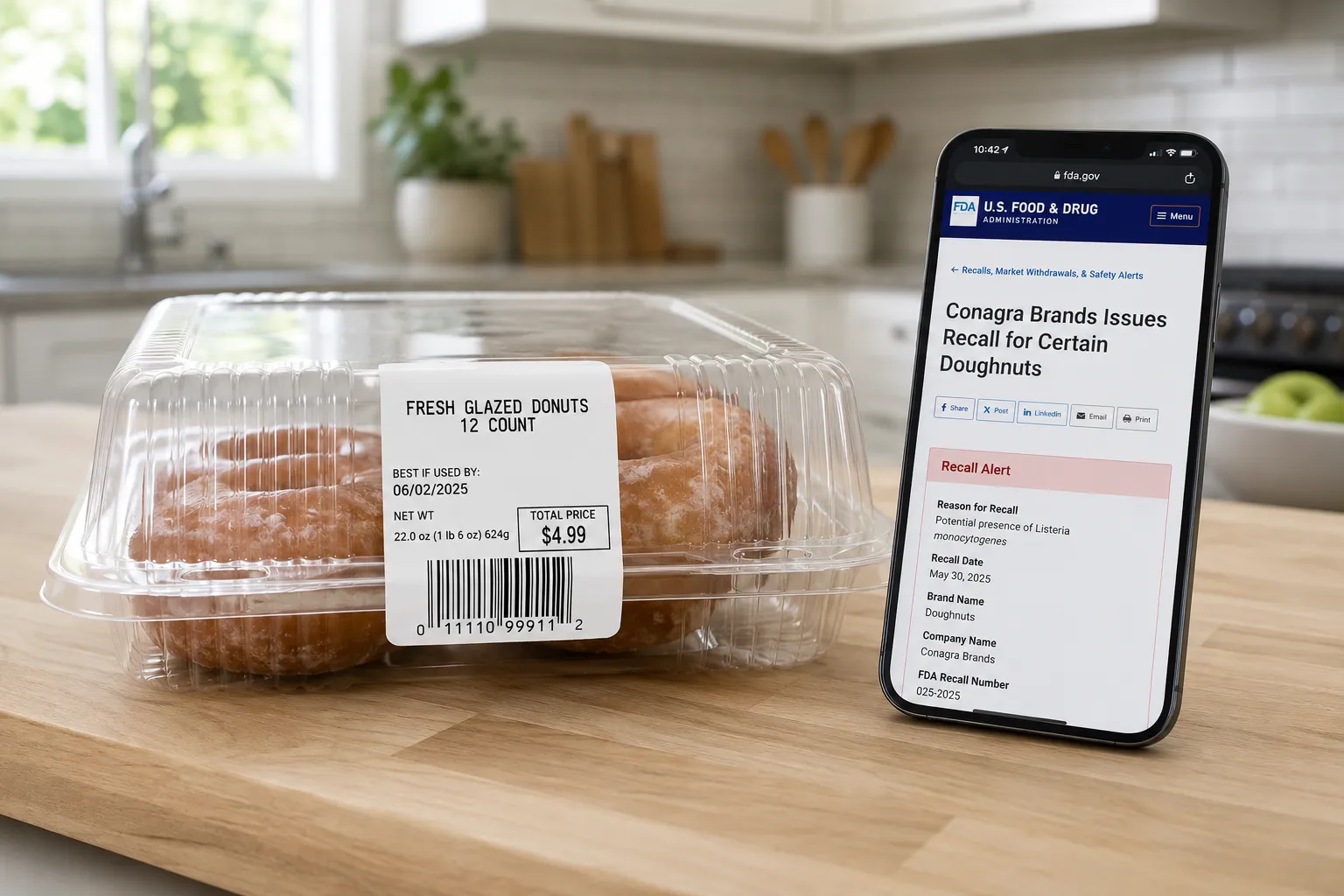
Listeria is taken seriously because it can survive in cold conditions and may grow at refrigerator temperatures. That is why the donut recall matters even for products that seem shelf-stable or have been kept chilled. If you are pregnant, over 65, immunocompromised, or feeding very young children, it is worth being extra cautious and checking every package before serving.
The safest source for the complete and current list is the official FDA food recall list, because recall notices can expand after initial testing or distribution tracing. When you open the notice, look for three details on your package: the brand or private-label name, the product description, and the identifying codes printed on the label. These may include UPC numbers, lot codes, production dates, sell-by dates, best-by dates, plant codes, or case codes.
To check your package, compare the label exactly rather than relying on memory or the general look of the box. A chocolate iced ring donut, powdered mini donut, or glazed variety pack may have several similar versions, and only certain lots may be part of the recall. If the brand, product name, package size, and code all match the notice, do not eat it.
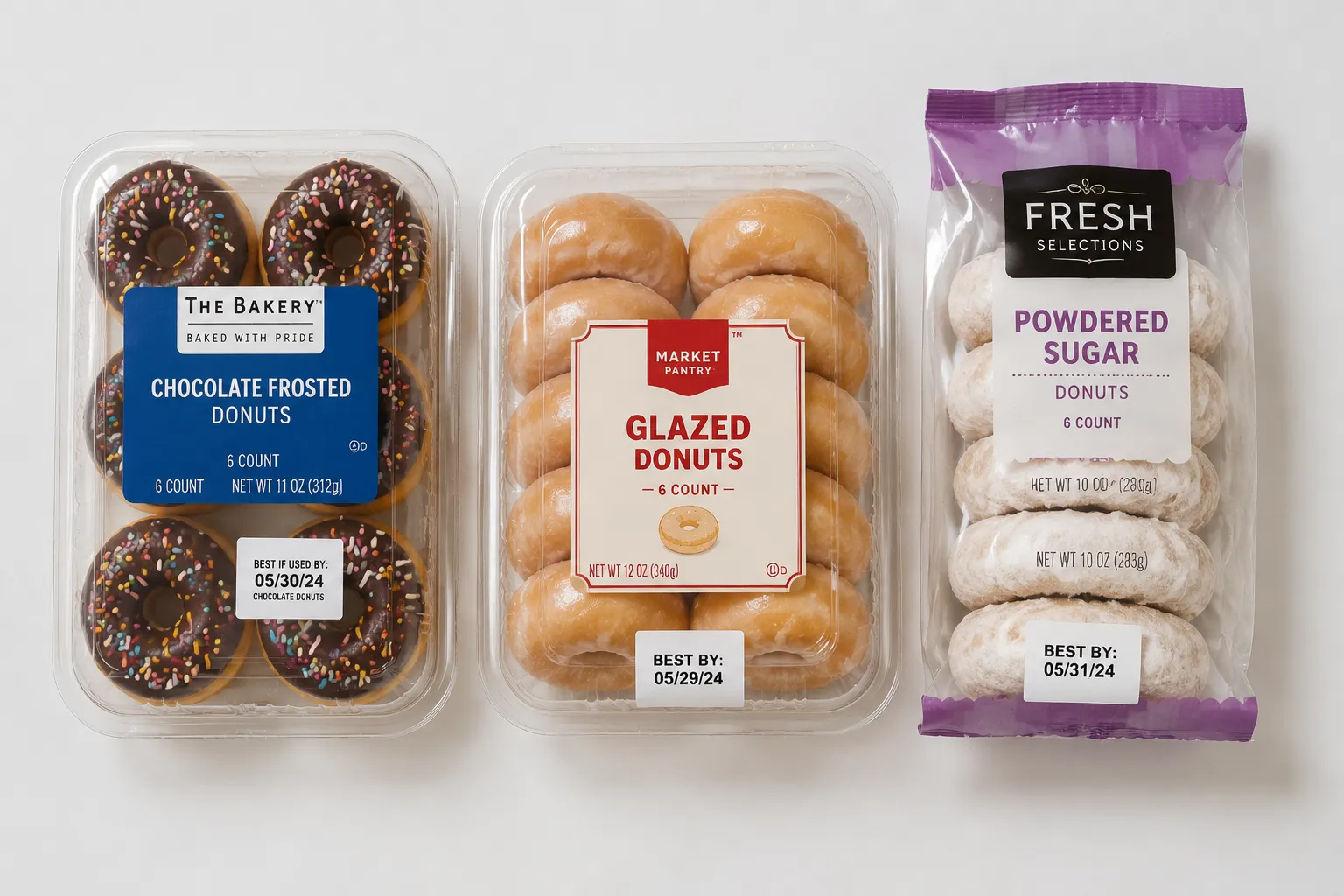
Distribution information can include grocery chains, convenience stores, warehouse clubs, schools, cafeterias, vending suppliers, and states where the products were sold. If your state is listed, check the product carefully; if your state is not listed but your package code matches, follow the recall instructions anyway. Supply chains can move quickly, and the product label is the most reliable clue in your own kitchen.
If you think you purchased affected donuts, start with a calm sweep of your kitchen. Check the pantry, countertop snack basket, fridge, freezer, lunchbox stash, and anywhere you may have stored individually wrapped donuts. Keep the package if you need the lot code for a refund, but do not open it or serve it.
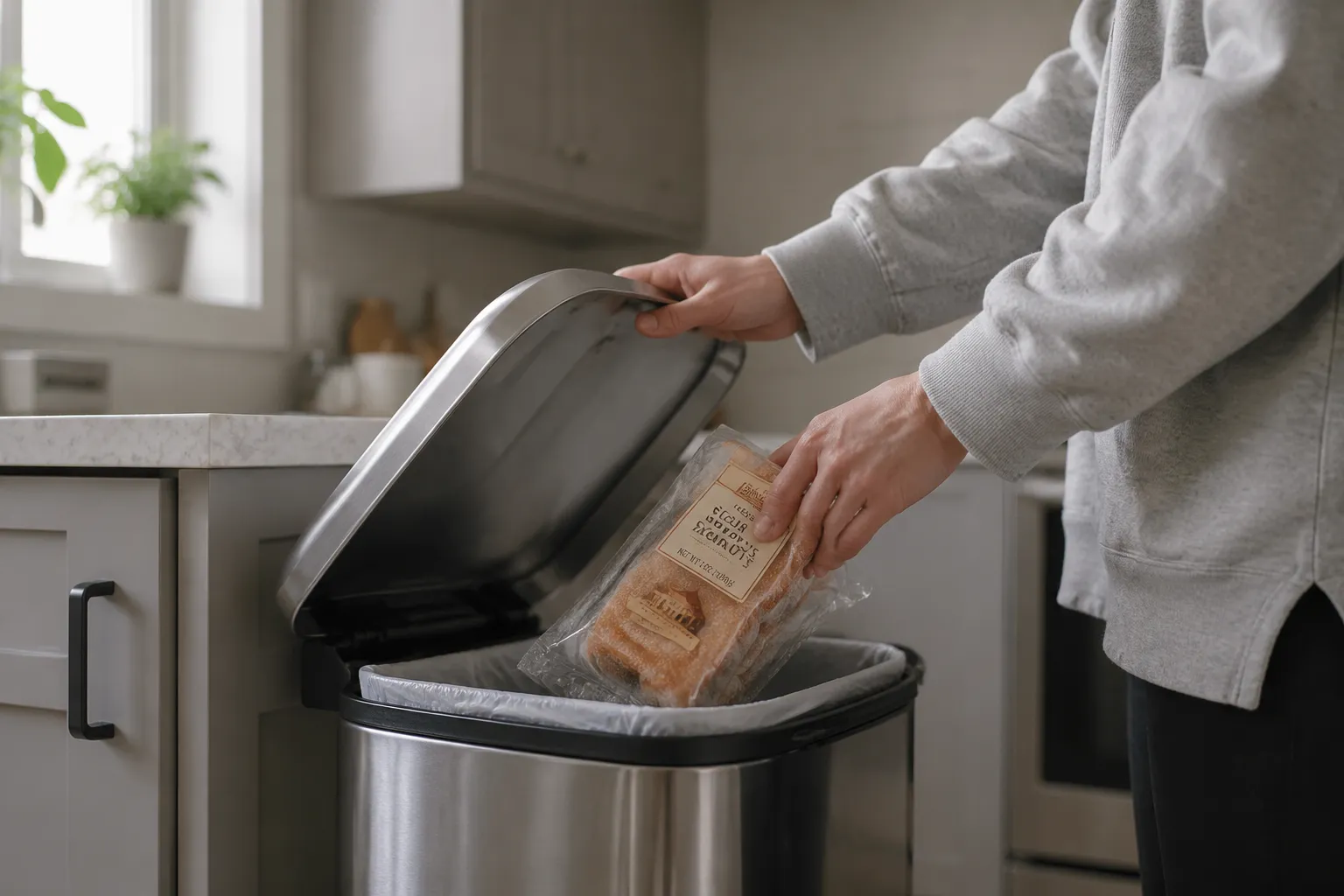
Place the package in a sealed bag before throwing it away so crumbs or glaze do not touch other trash, counters, or pet-accessible areas. If the store or brand instructs you to return the item, put it in a bag and bring the package or proof of purchase to the customer service desk. Many stores will refund recalled products even without a receipt, especially when the product is clearly named in the recall notice.
If someone in your household already ate one, do not assume illness will occur. Most healthy adults exposed to listeria do not develop severe disease, but it is smart to note the date eaten and the product information in case symptoms appear later. Keep an eye on official food safety tips from the FDA, CDC, or your local health department if the recall is updated.
Common early listeria symptoms can include fever, muscle aches, nausea, vomiting, and diarrhea. In some cases, illness may feel like a stomach bug or mild flu at first, but invasive listeriosis can become more serious if bacteria spread beyond the gut. Symptoms may begin within a few days, though they can take much longer to appear.
Pregnant people need special caution because listeria infection can cause complications even when the parent feels only mildly ill. Older adults, newborns, and people with weakened immune systems are also at higher risk. If anyone in a high-risk group ate recalled donuts, it is reasonable to call a healthcare provider for personalized guidance, even before symptoms appear.
Call a doctor promptly if you develop fever, stiff neck, confusion, loss of balance, severe headache, persistent vomiting, dehydration, or symptoms after eating a recalled product. Tell the provider that you may have eaten food included in an FDA recall for listeria so they can decide whether testing or treatment is needed. When in doubt, medical advice is better than waiting and worrying.
Once the donuts are removed, clean any place the package or crumbs may have touched. Start by washing counters, shelves, drawer fronts, containers, and cutting boards with hot soapy water. Then sanitize with a kitchen-safe disinfecting solution, following the product label for contact time so the sanitizer actually works.
If the package was stored in the refrigerator or freezer, remove nearby foods and wipe the shelf, door bin, and any sticky spots. Wash your hands after handling the package, the trash bag, or cleaning cloths. Launder reusable towels in hot water or use disposable paper towels for the first pass if there is glaze, filling, or crumbs on the surface.
After a fda donuts recalled listeria alert, it is completely understandable if store-bought sweets lose their sparkle for a bit. That is where a simple baked donut recipe comes in: soft, vanilla-scented, lightly golden, and glossy with a quick powdered sugar glaze. These are homemade donuts made in a donut pan, so there is no deep-frying, no yeast proofing, and no pot of oil to manage.
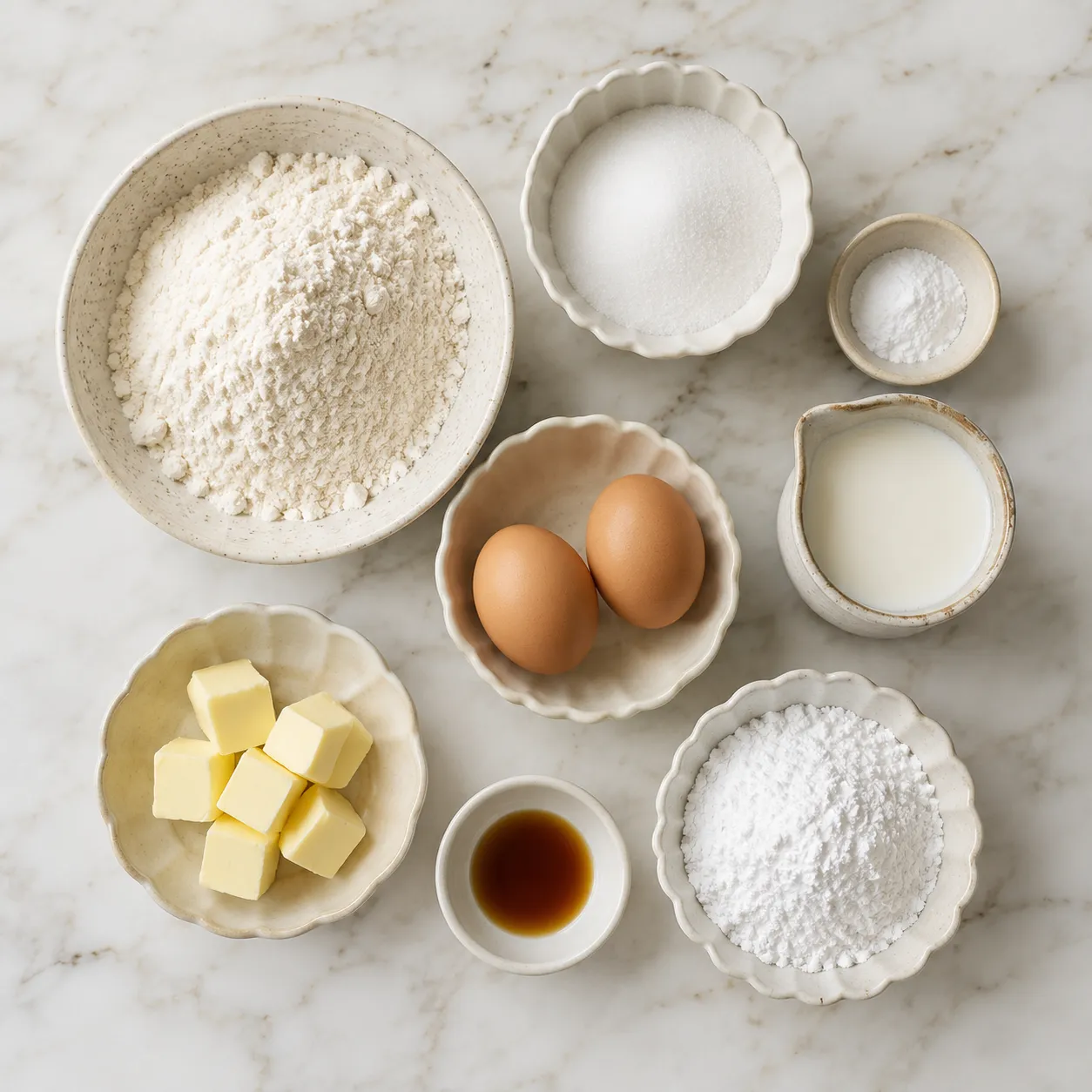
The batter is built from everyday baking staples: all-purpose flour, granulated sugar, baking powder, whole milk, eggs, melted butter, vanilla, and a pinch of salt. For the glaze, powdered sugar, milk, vanilla, and a tiny bit of melted butter make that classic bakery-style sheen. Use fresh dairy and eggs, wash your hands before baking, and keep raw batter separate from clean serving plates.
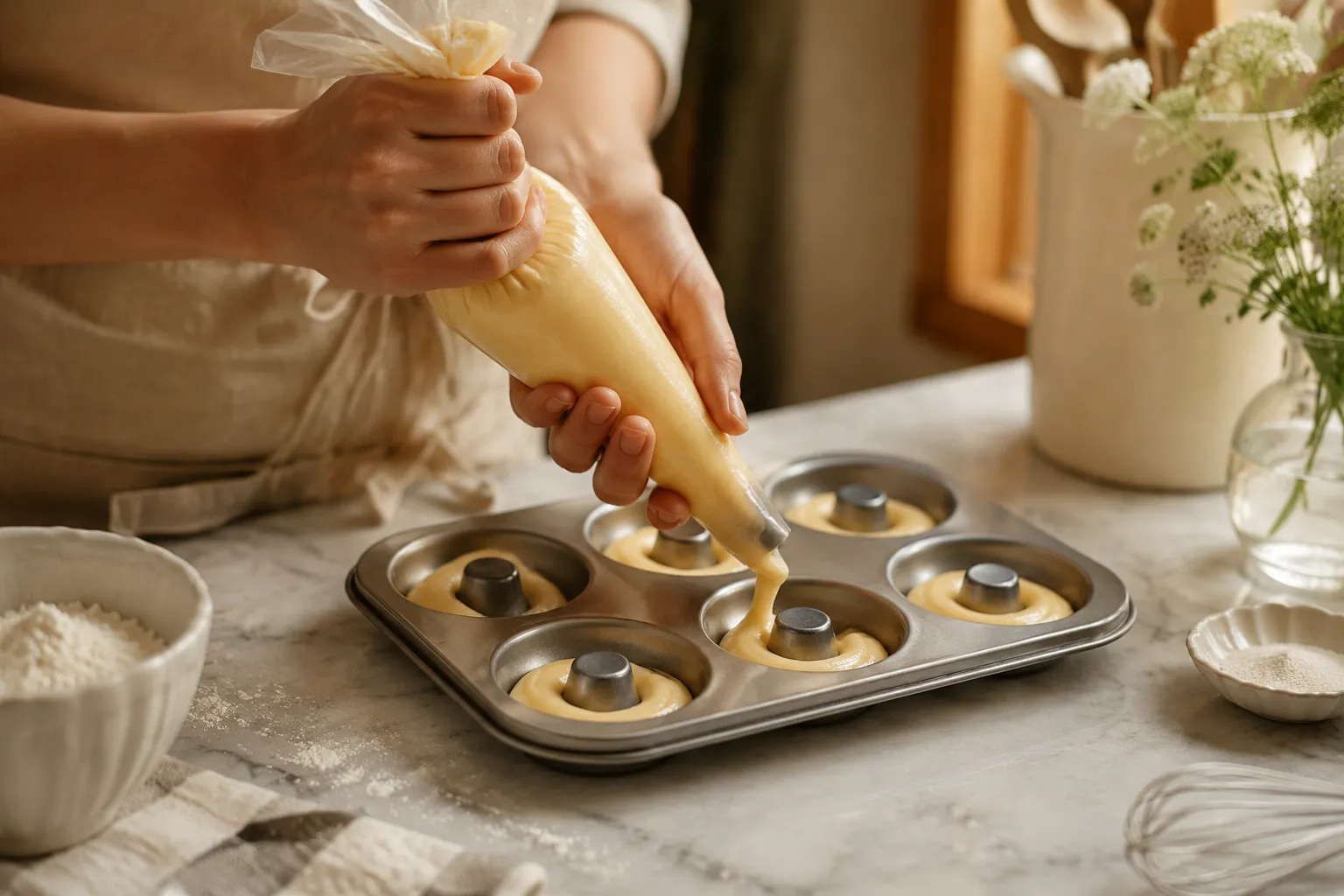
The texture lands somewhere between a tender cake donut and a soft vanilla muffin, which makes these especially lovely for breakfast or an afternoon coffee break. The trick is to mix the batter just until the flour disappears, then pipe it into the pan for neat rings. Overmixing can make baked donuts tough, while a gentle hand gives you that plush, bakery-style crumb.
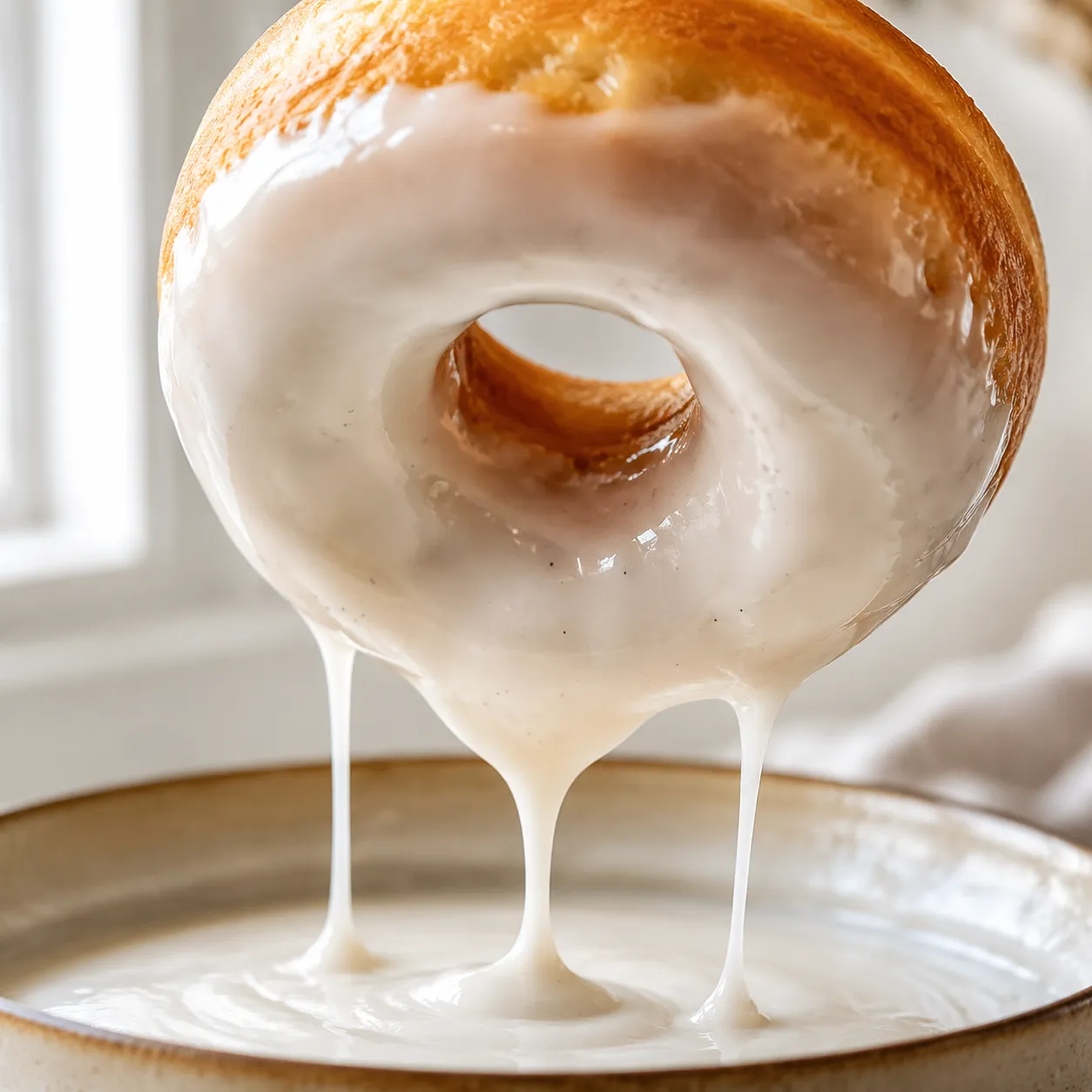
Once baked, let the donuts cool just long enough that the glaze clings instead of melting straight off. Dip the tops into the vanilla glaze, lift, and let the excess ribbon back into the bowl. If you want a thicker glaze, dip twice after the first layer has set for a few minutes.
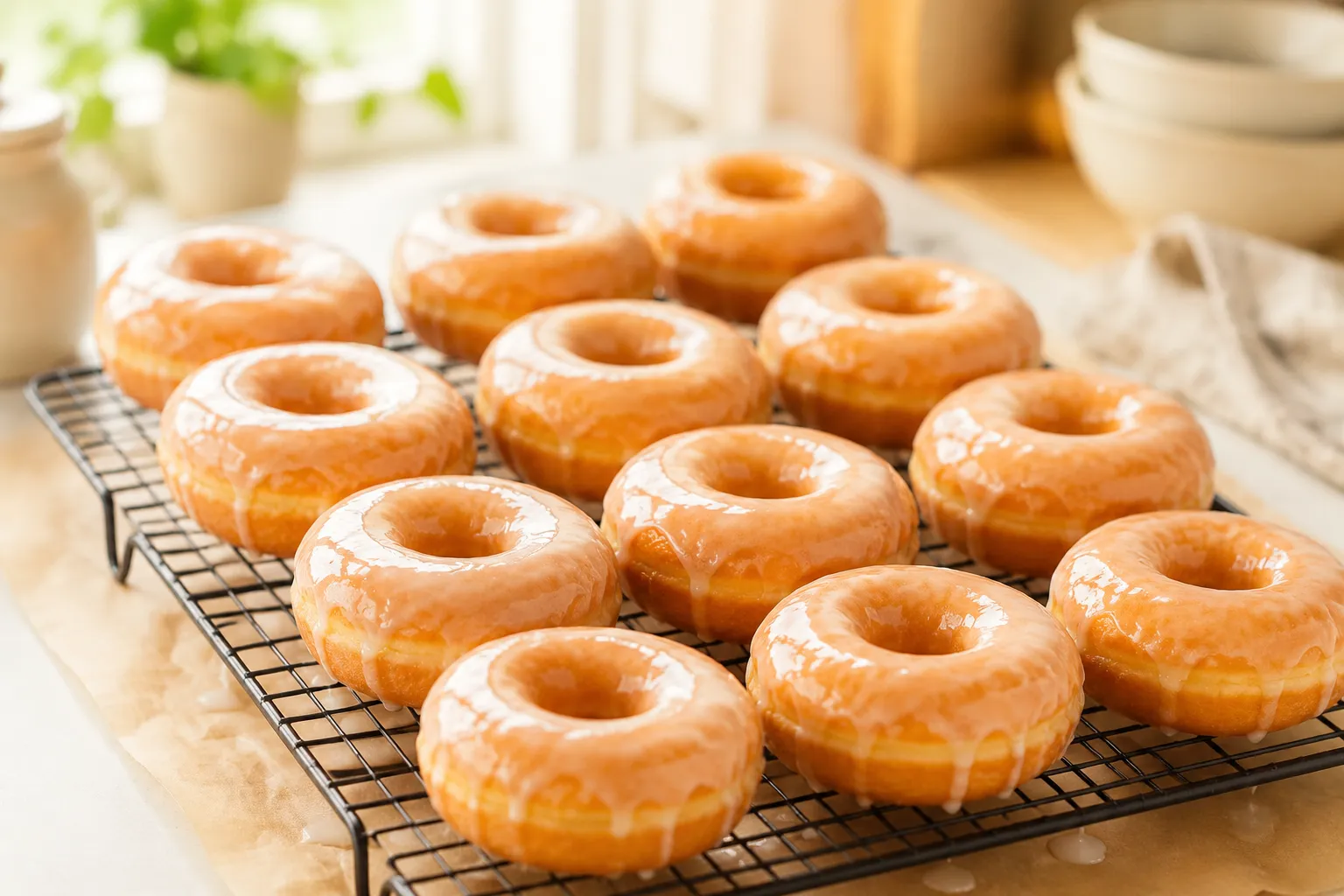
These homemade glazed donuts are best enjoyed the day they are made, when the glaze is shiny and the crumb is fresh. They are also a cozy answer to the fda donuts recalled listeria news because you control the ingredients, the pan, the cooling rack, and the serving plate from start to finish. Food safety still matters at home, but a clean kitchen and fresh ingredients go a long way.
When you are feeding kids or guests after recall news, serving food can feel more emotional than usual. Keep it simple: set out the baked donuts on a clean platter, pour coffee or milk, and avoid placing them where raw ingredients were handled. If you packed lunches with the recalled product earlier in the week, replace those snacks with sealed, clearly labeled homemade portions or another trusted option.
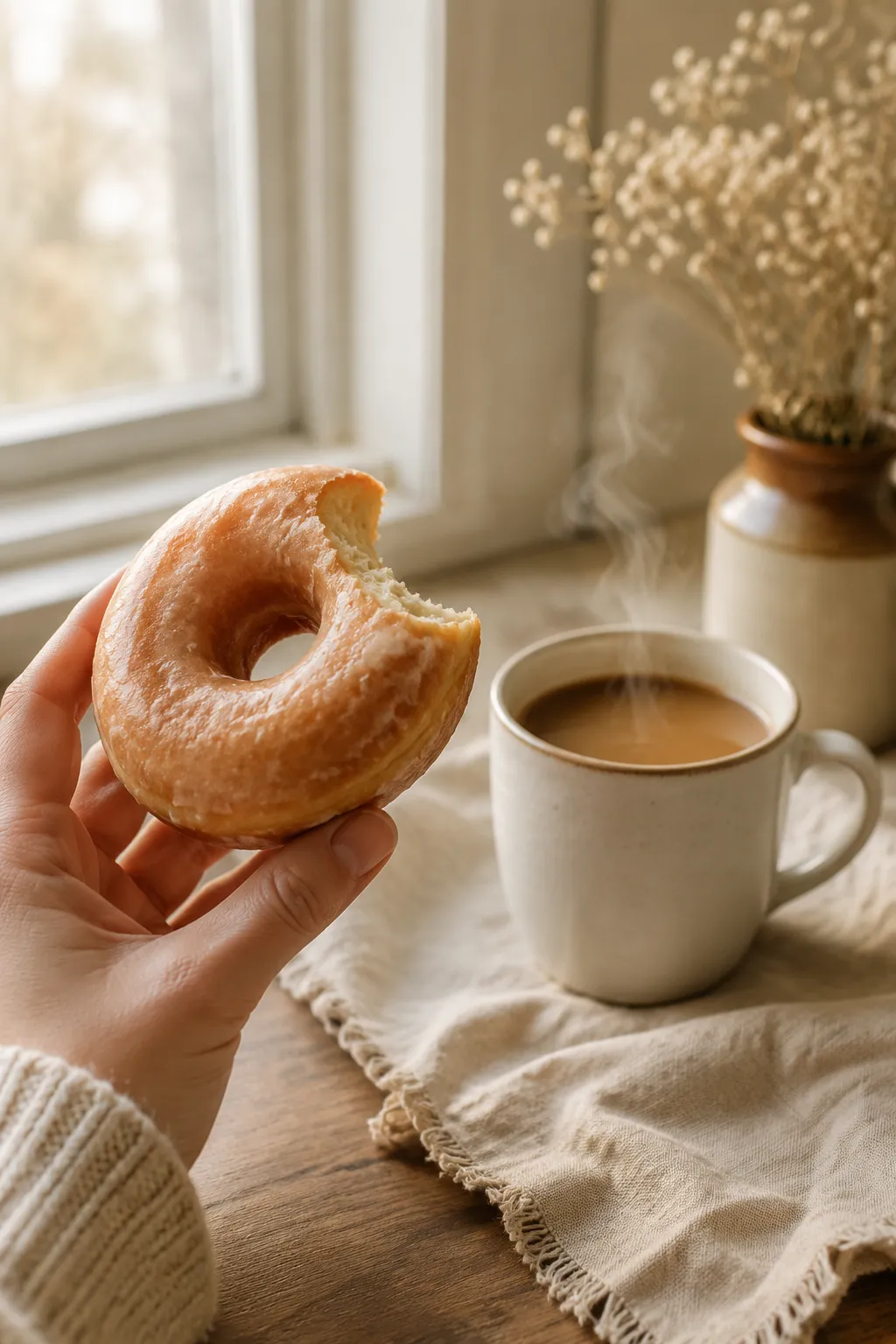
A warm donut with vanilla glaze has a way of bringing breakfast back to normal. Pair it with fruit, yogurt, or scrambled eggs if you want something more balanced, or serve it as a little weekend treat with a mug of coffee. The point is not to be afraid of food; it is to respond wisely when a recall happens and then get back to cooking with confidence.
The best way to avoid missing recall news is to build a small routine around food safety. Check the FDA food recall list when you hear about an alert, sign up for email notifications if you regularly buy packaged foods, and pay attention to store loyalty-card messages or app alerts. Many retailers contact customers directly when a recalled item was purchased with a linked account.
It also helps to keep packaging until high-risk foods are finished, especially ready-to-eat refrigerated items, deli foods, prepared desserts, and snack cakes. Without the package, you may not have the UPC, lot code, or best-by date needed to confirm whether your food is part of the recall. If you divide multipacks into lunchboxes or storage bins, snap a quick photo of the label first.
Ultimately, fda donuts recalled listeria news is a reminder that food safety is not just for restaurants or factories; it starts in ordinary home kitchens, too. Check labels, follow recall instructions, clean thoughtfully, and when you want a sweet replacement, bake a batch you can feel good about sharing.
Once you have the basic baked vanilla donut down, it is easy to nudge the flavor in a few cozy directions while keeping the same simple method.
Store cooled glazed donuts in an airtight container at room temperature for up to 2 days. Place parchment between layers if stacking, and keep them away from heat or direct sun so the glaze does not melt.
For longer storage, freeze unglazed baked donuts in a freezer-safe bag for up to 2 months. Thaw at room temperature, then glaze shortly before serving for the best texture and shine.